
At first glance, some engineering projects seem completely over the top. A giant golden sphere inside a skyscraper? A bridge that disappears into the water? A ski slope built on top of a power plant? They look more like science fiction than practical infrastructure.
The truth is that the world’s best weird engineering solutions weren’t designed to impress people. They were created because ordinary ideas simply couldn’t solve extraordinary problems. Once you understand the challenge each project faced, these unusual designs suddenly become examples of engineering at its smartest.
1. Taipei 101’s giant swinging ball
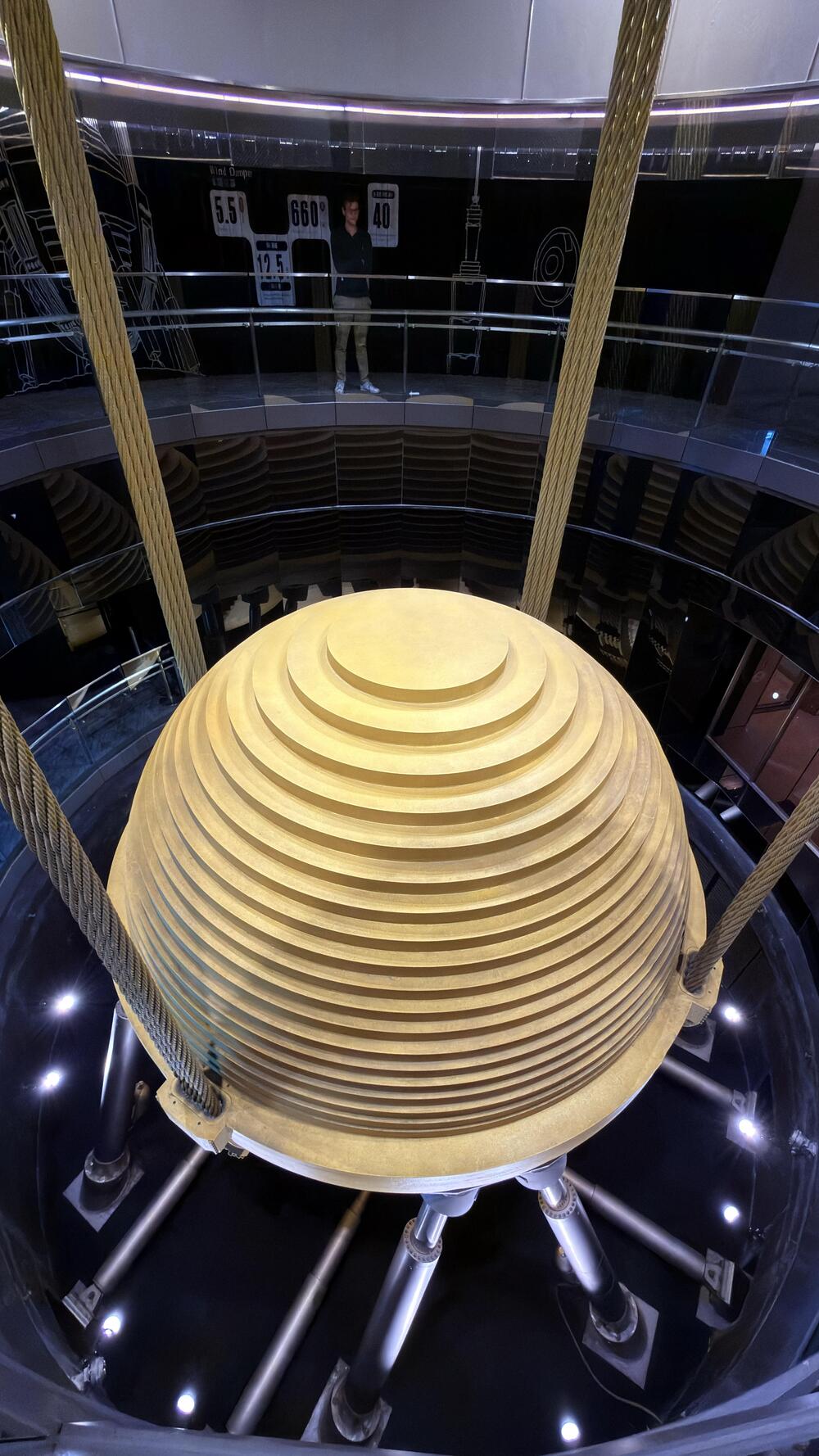
Standing inside Taipei 101 is a massive steel sphere weighing hundreds of tons, and seeing it for the first time almost feels surreal. It isn’t artwork, though. The exposed tuned mass damper moves opposite the building’s motion during earthquakes and typhoon-force winds, reducing sway and making one of the world’s tallest skyscrapers noticeably more stable.
2. The Falkirk Wheel rotates boats through the air
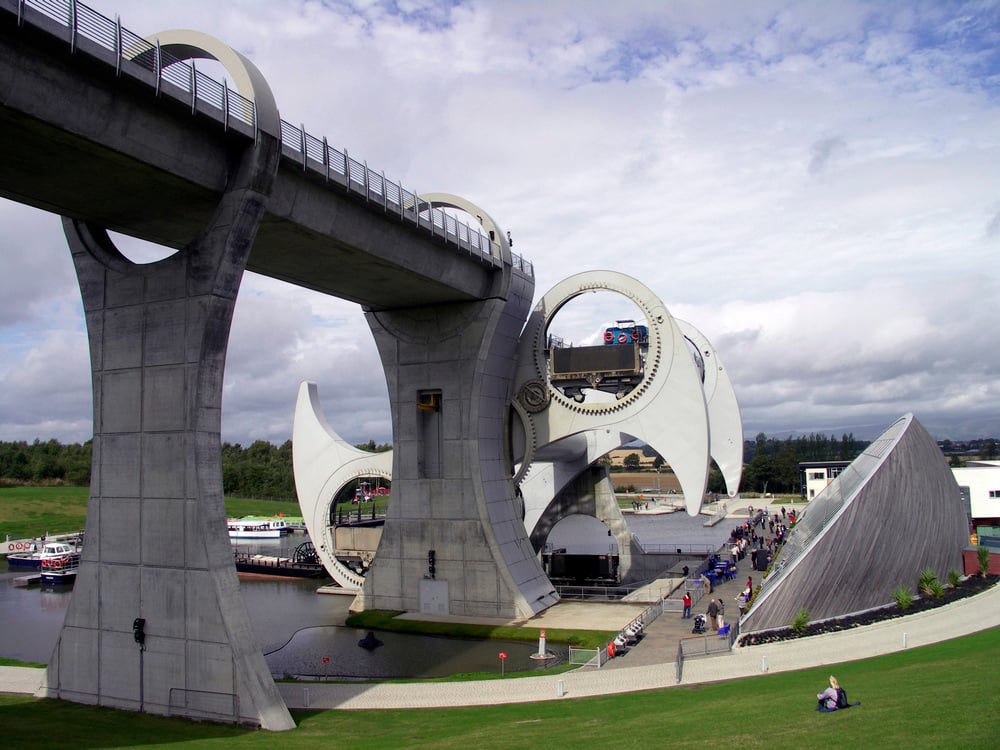
Before this structure existed, boats had to climb a long staircase of canal locks to move between waterways. Scotland replaced that slow process with a rotating wheel carrying two balanced gondolas. Because the weight remains evenly distributed throughout the rotation, the system uses surprisingly little energy while lifting entire boats high into the air.
3. Stoosbahn’s barrel cabins stay level on a 47-degree slope
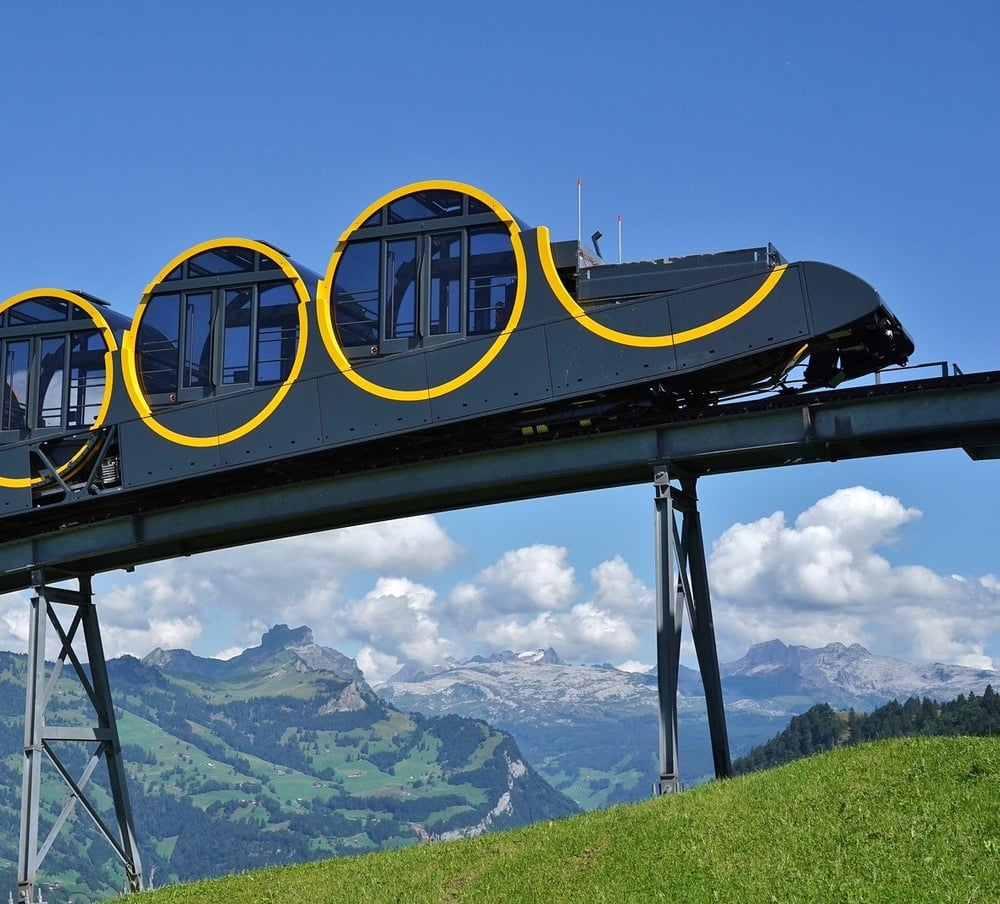
Climbing one of the steepest funicular railways in the world could easily leave passengers feeling like they’re standing on a wall. Instead, the unusual barrel-shaped cabins rotate automatically as the train climbs, keeping the floor level throughout the journey. The design looks unconventional, but it transforms an extremely steep ride into a remarkably comfortable experience.
4. Tokyo built an underground flood cathedral
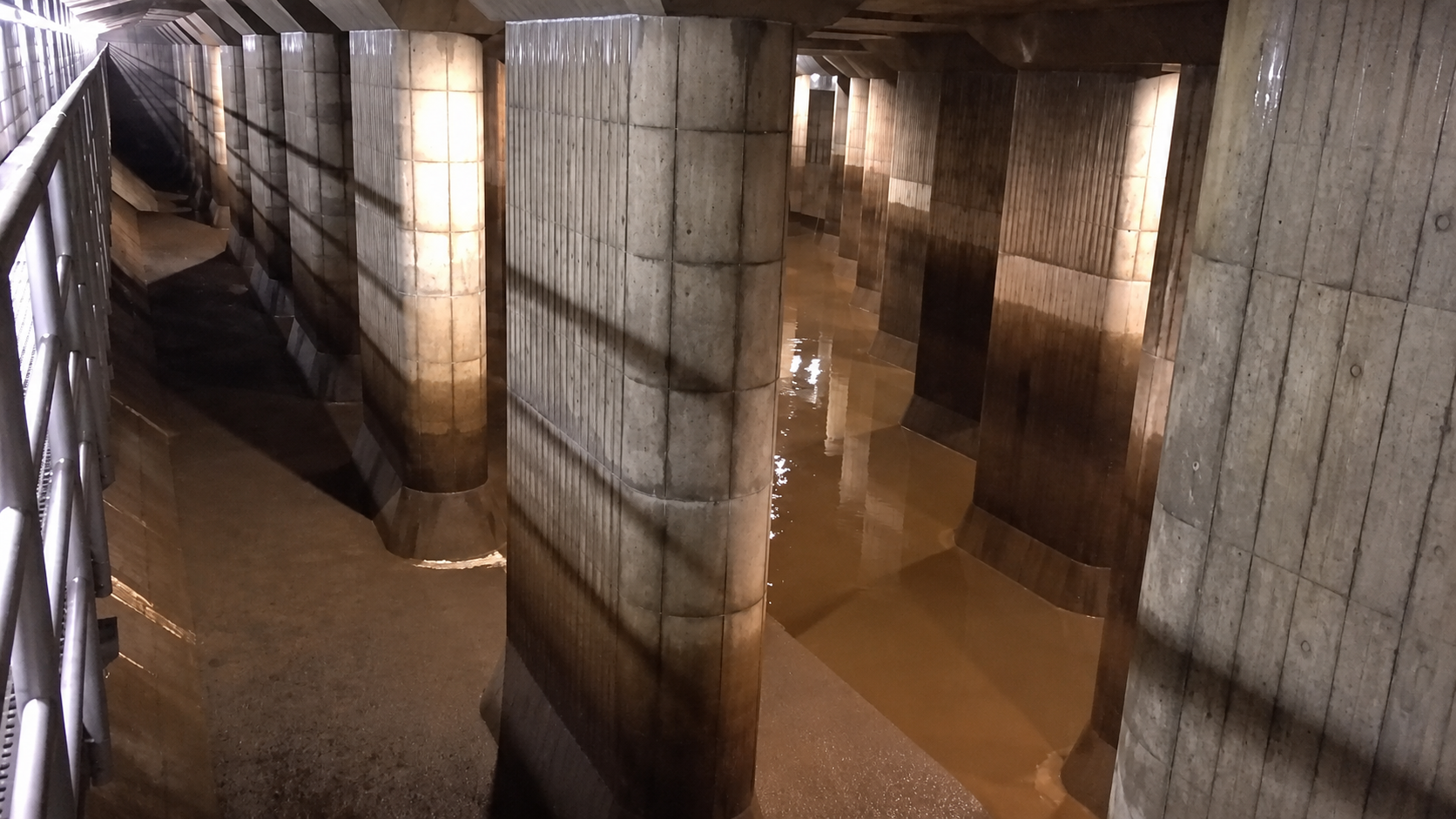
Hidden roughly 50 meters beneath the streets near Tokyo lies a vast underground chamber supported by towering concrete columns. Its cathedral-like appearance is striking, but beauty wasn’t the goal. The enormous space temporarily stores floodwater before redirecting it through a massive tunnel system, helping protect surrounding communities during intense storms.
5. The Dutch dumped one giant “Sand Motor” on the coast
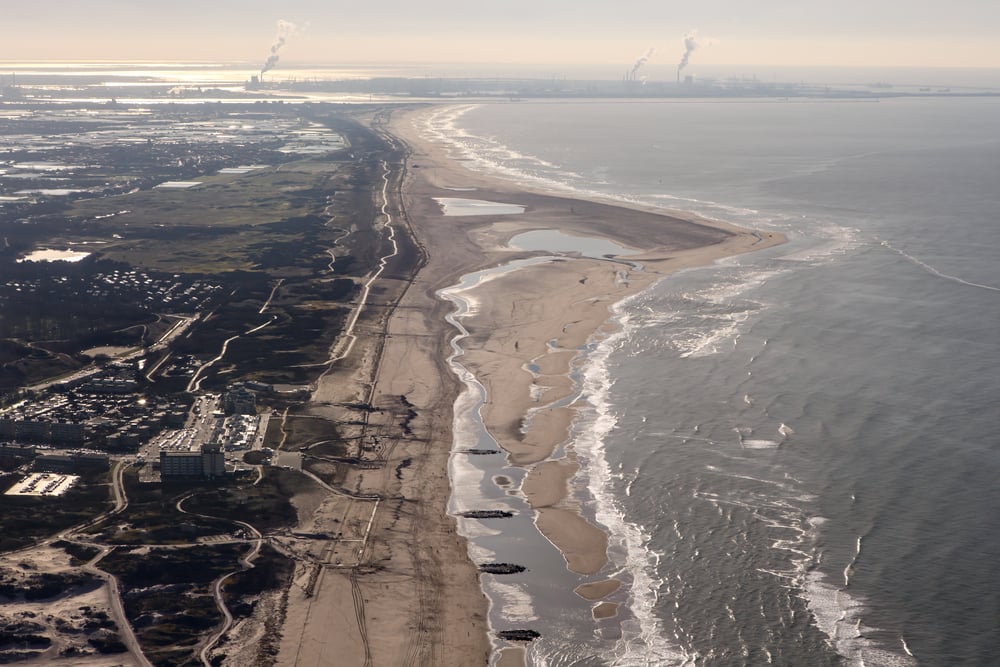
Instead of constantly rebuilding beaches after erosion, Dutch engineers tried something that sounded almost backwards. They deposited an enormous volume of sand in one location and allowed waves, tides, and wind to spread it naturally over time. Among the most fascinating weird engineering solutions, this one works by letting nature do much of the engineering itself.
Trending on The Scroller


6. The Maeslant barrier floats, swings, and sinks
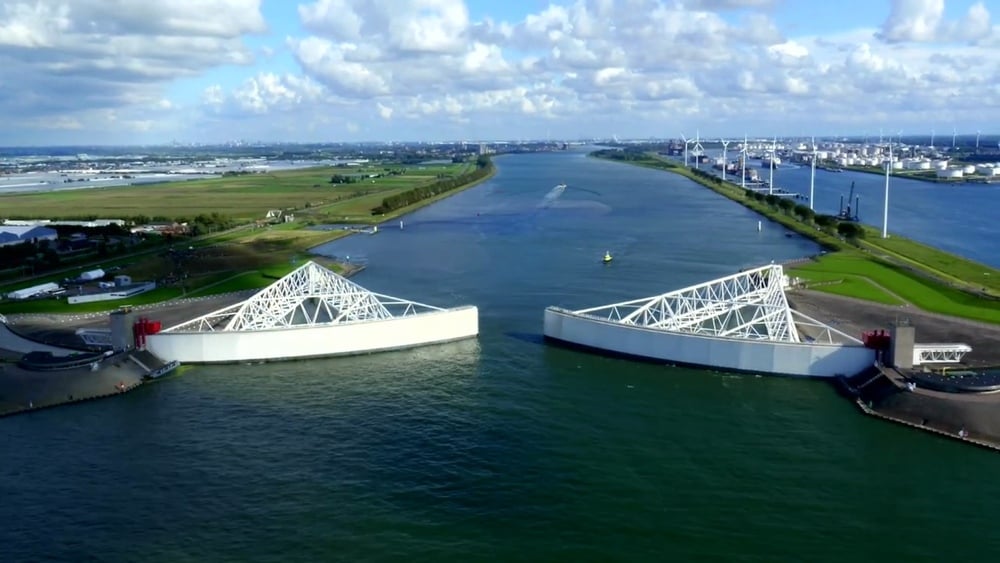
Keeping one of Europe’s busiest shipping routes open while protecting the Netherlands from storm surges sounds like two incompatible goals. The Maeslant Barrier solves both. Under normal conditions, its enormous hollow gates stay out of the way. When extreme water levels threaten, they swing into place, fill with water, and sink onto the riverbed to form a temporary shield.
7. Banff built grassy bridges for bears
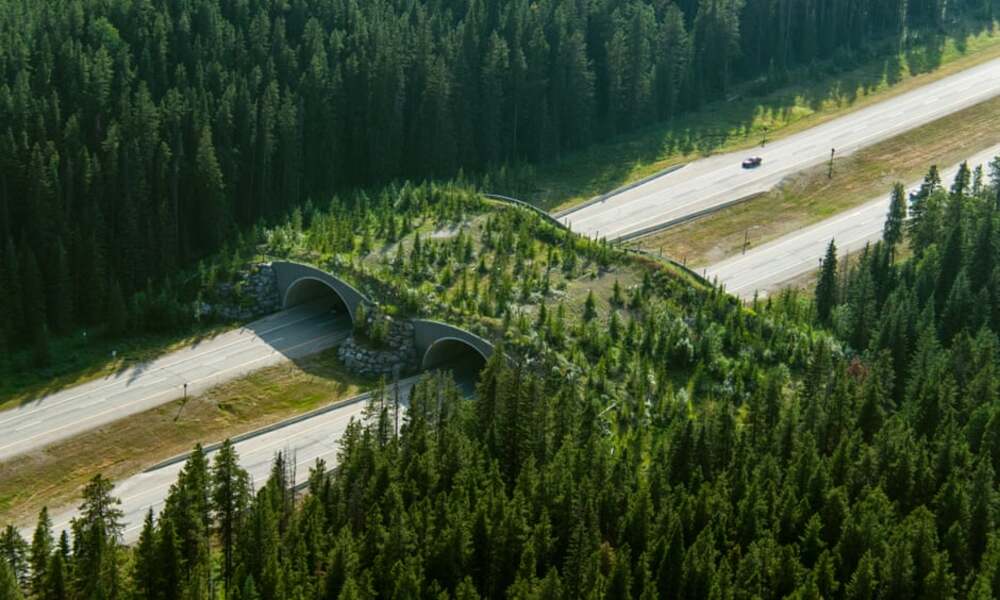
Busy highways once divided wildlife habitats, creating dangerous crossings for both animals and drivers. Instead of expecting bears, elk, and wolves to adapt, engineers changed the landscape itself. Broad, grass-covered overpasses and carefully placed fencing guide animals safely across the road, dramatically reducing wildlife collisions while reconnecting natural migration routes.
8. Japan added escape gutters for turtles beside train tracks
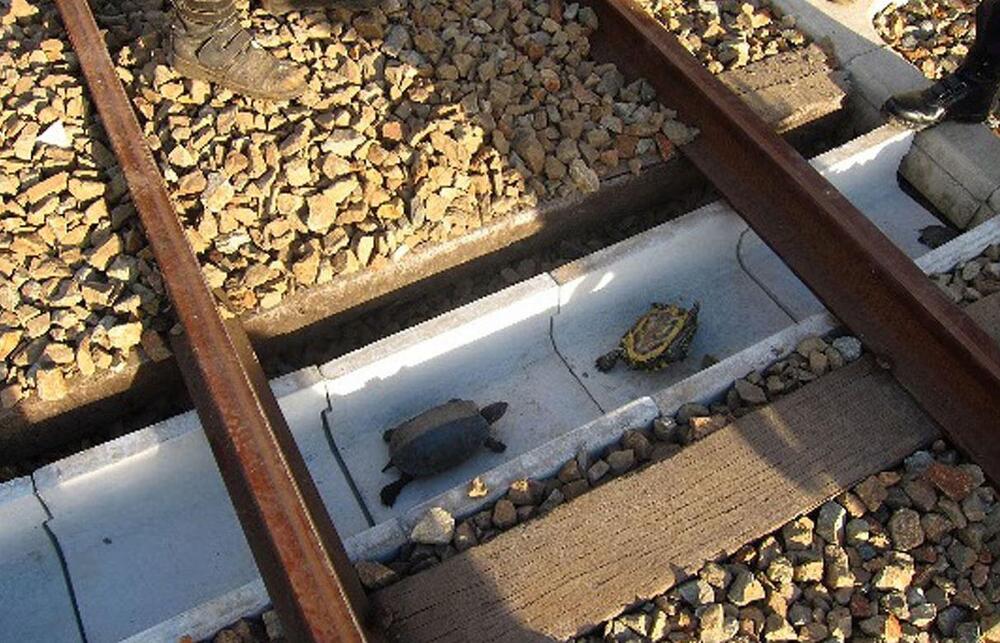
Railway switches and wandering turtles turned out to be a surprisingly troublesome combination. Small turtles occasionally became trapped in the grooves near tracks, delaying trains and putting the animals at risk. Engineers responded with simple U-shaped escape gutters that let turtles crawl to safety before reaching critical rail equipment. Sometimes the smartest solution isn’t bigger, just better targeted.
Sign up for our newsletter
9. The Hovenring hangs a bicycle roundabout over traffic
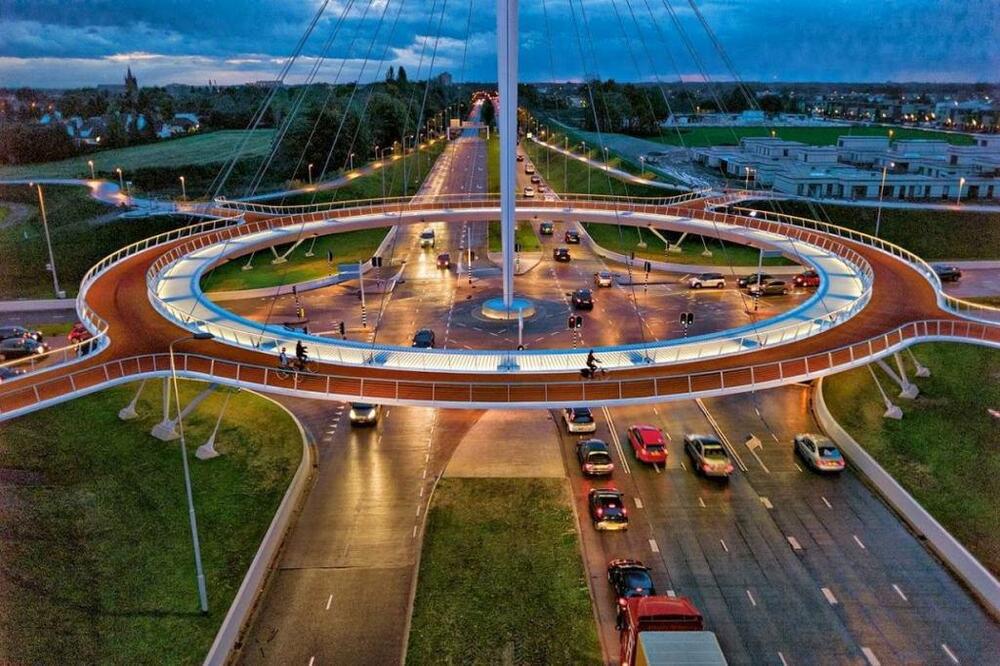
A conventional intersection would have forced cyclists to compete with busy vehicle traffic every day. Instead, engineers in Eindhoven suspended an elevated circular bike path from a single central pylon while lowering the roadway underneath. The result resembles a floating ring in the sky, allowing cyclists to travel continuously without disrupting traffic below.
10. The Veluwemeer Aqueduct puts water over the road
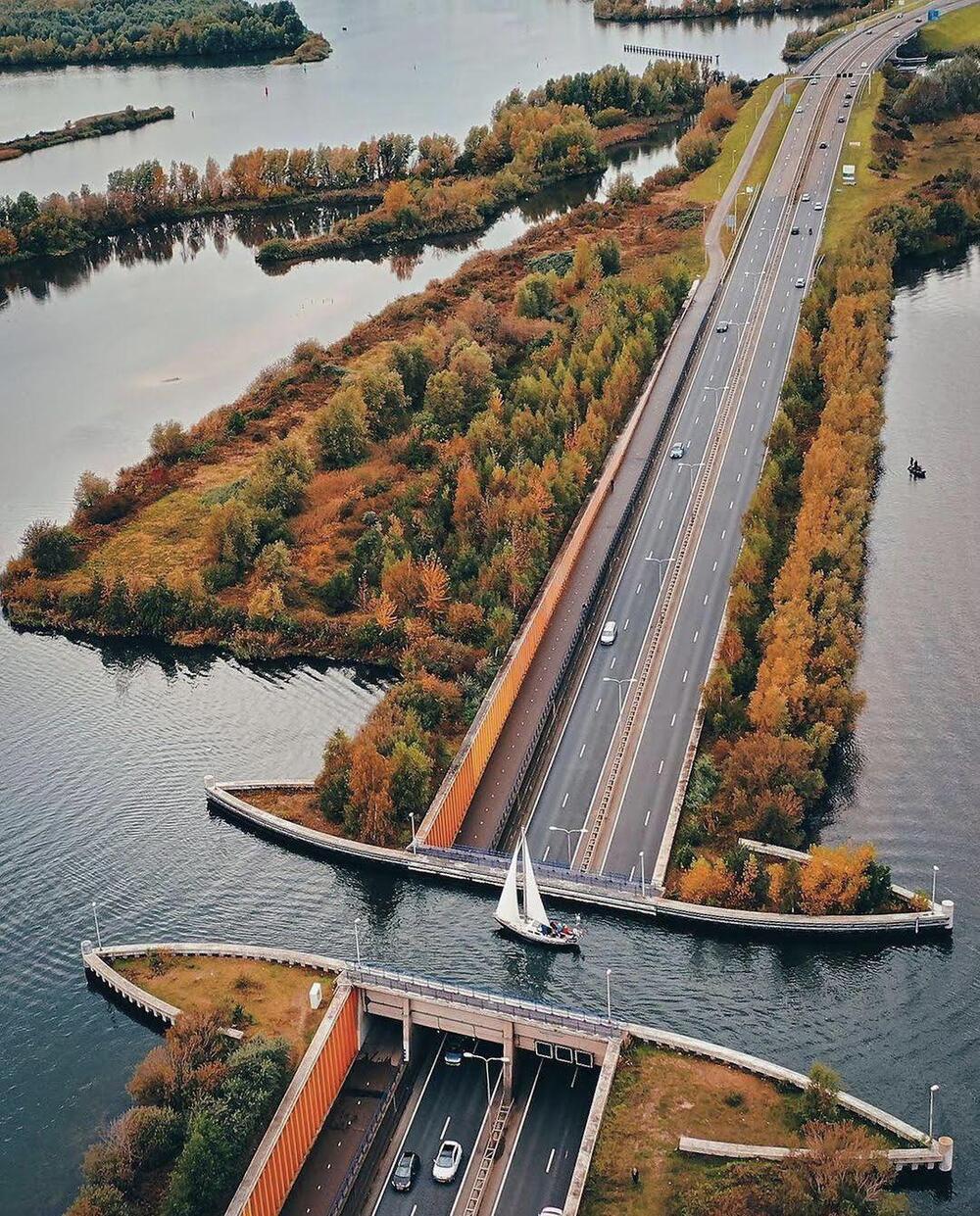
Most places solve conflicts between roads and waterways with movable bridges, but those interrupt either boats or cars. Dutch engineers flipped the problem upside down by carrying the canal across the highway instead. Boats continue sailing without stopping while vehicles pass underneath through a short tunnel. It’s one of those designs that looks impossible until you realize it eliminates delays for everyone.
11. The Slauerhoffbrug lifts a square of road into the sky
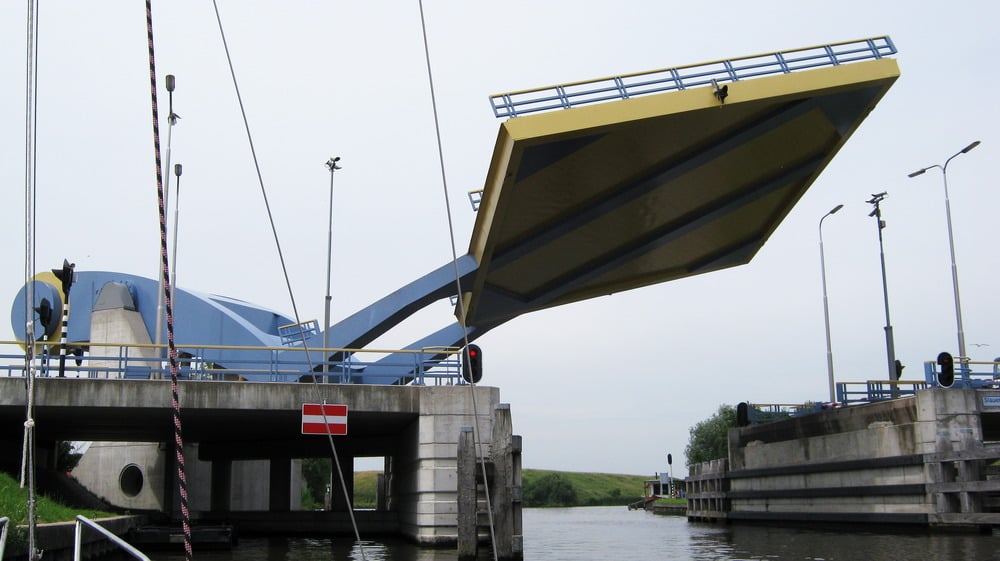
Most drawbridges swing upward from one end or split down the middle. The Slauerhoffbrug in the Netherlands takes a completely different approach by lifting an entire square section of roadway with a counterweighted arm. According to engineering descriptions, the unusual mechanism allows the bridge to open quickly while occupying far less space than many traditional movable bridges.
12. The Øresund link becomes a bridge, island, then tunnel
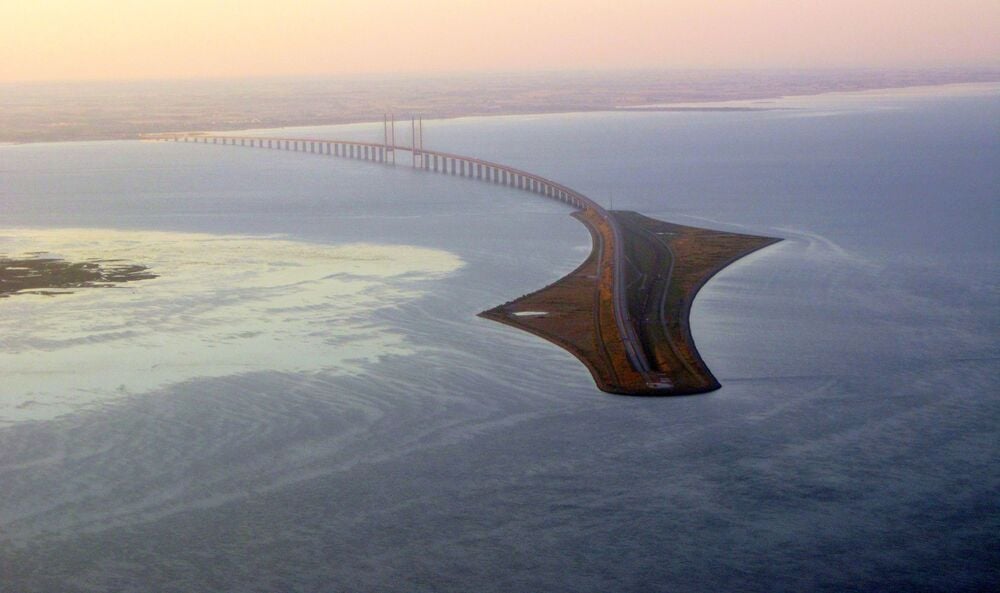
Crossing between Denmark and Sweden isn’t as simple as building one long bridge. The route also had to protect nearby airport flight paths while maintaining access for ships. Engineers solved the puzzle by combining a bridge, an artificial island, and an underwater tunnel into one continuous connection, with each section handling a different engineering constraint.
13. CopenHill puts a ski slope on a power plant
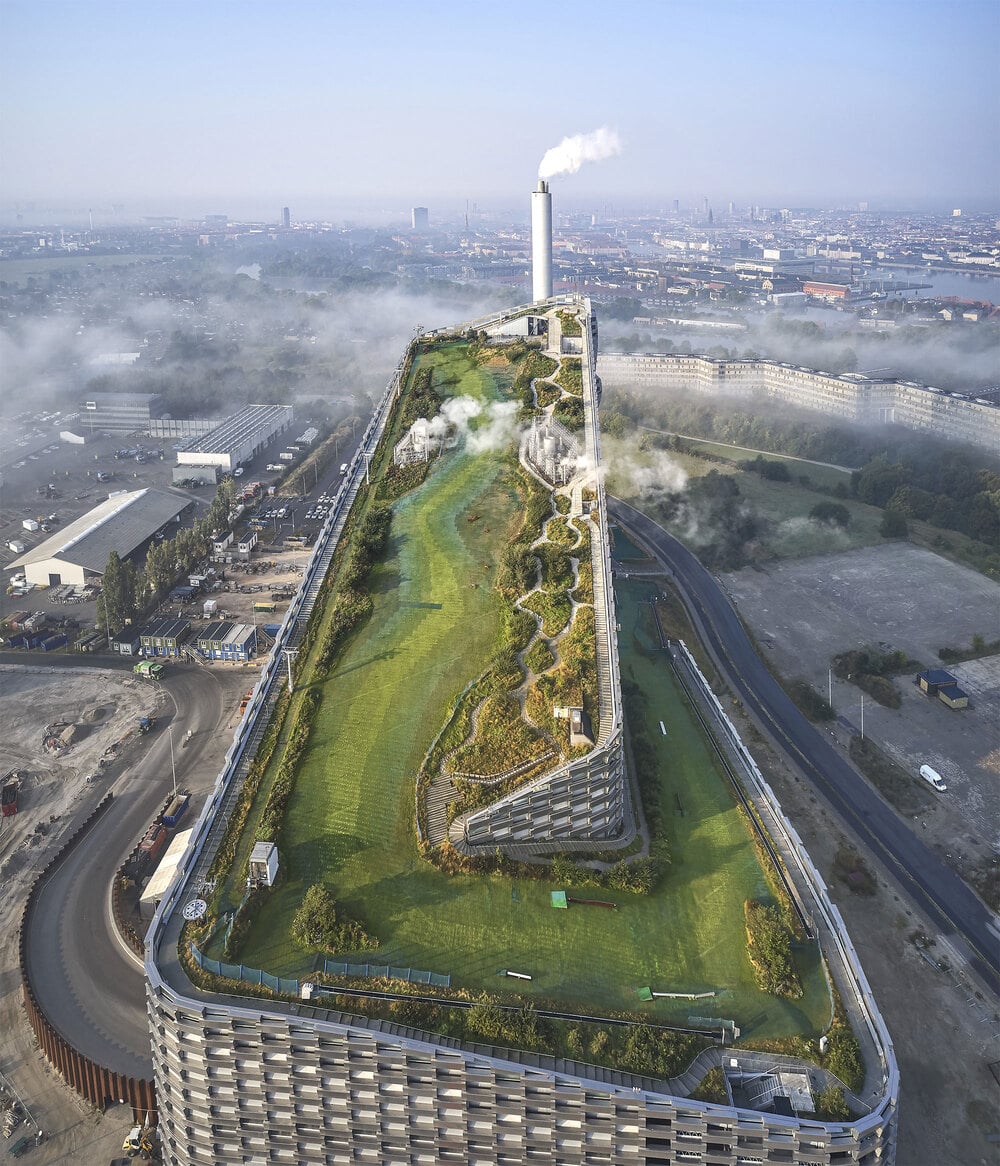
Industrial facilities rarely become weekend destinations, especially in the middle of a city. Copenhagen’s CopenHill challenged that assumption by transforming the sloped roof of a waste-to-energy plant into a public recreation area with skiing, hiking trails, and a climbing wall. Instead of letting valuable urban space sit unused, the design gives one structure two completely different purposes.
14. Shinkansen noses stretch to control tunnel pressure waves
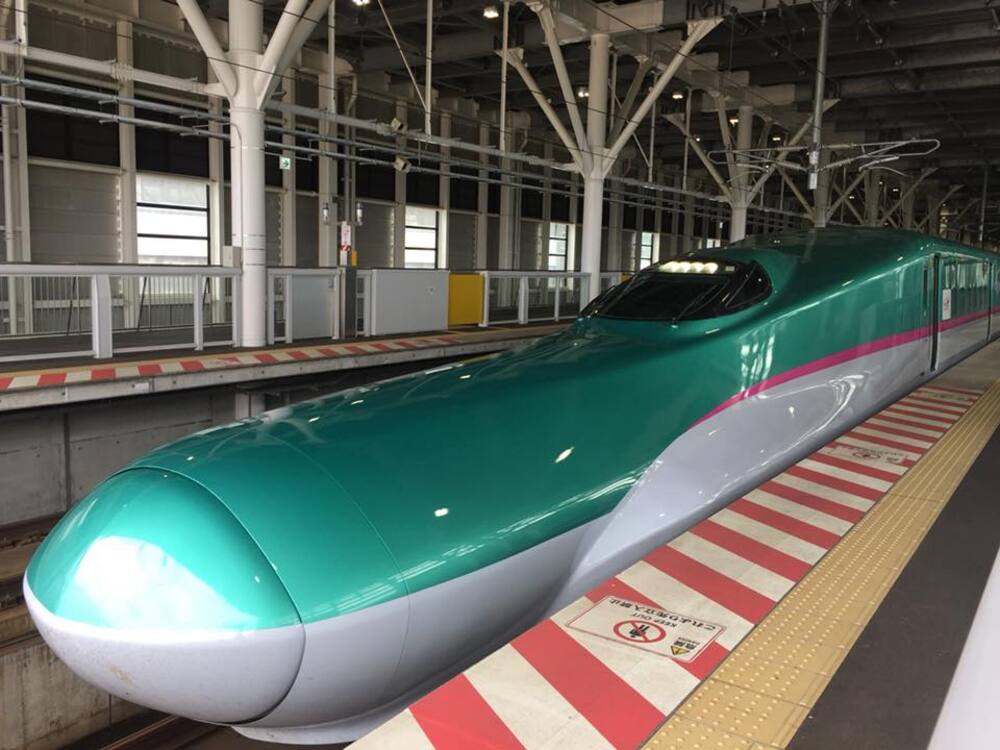
Japan’s high-speed trains aren’t shaped that way simply to look futuristic. As trains entered tunnels at extreme speeds, they generated powerful pressure waves that created loud tunnel booms. Engineers responded by developing long, carefully optimized nose designs that gradually compressed the air, reducing noise while improving aerodynamic performance. The unusual silhouette is really a solution to an invisible problem.
15. The Lærdal Tunnel uses blue-lit caverns to fight monotony
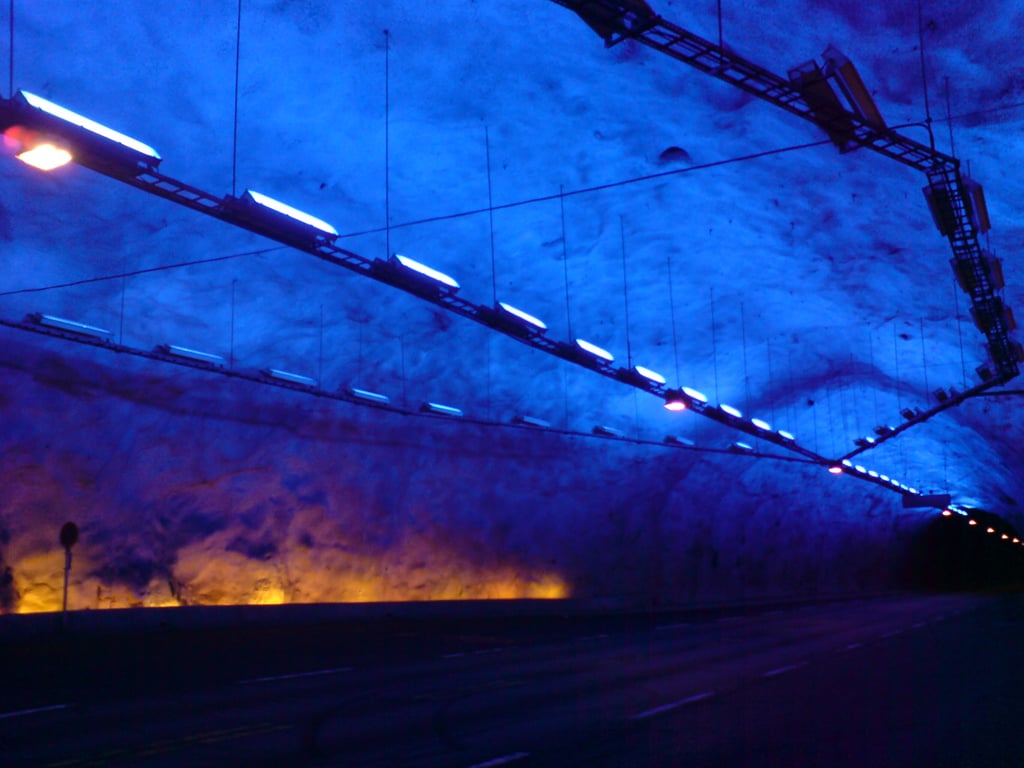
Driving through the world’s longest road tunnel could easily become exhausting. To help reduce fatigue, the Lærdal Tunnel in Norway includes several large caverns illuminated with blue and yellow lighting that create visual breaks during the journey. According to operator information, these spaces help drivers perceive the tunnel as shorter segments instead of one endless stretch of road. Halfway through these weird engineering solutions, it’s a reminder that good engineering sometimes focuses on human psychology as much as concrete and steel.
16. Persian qanats move water for miles without pumps
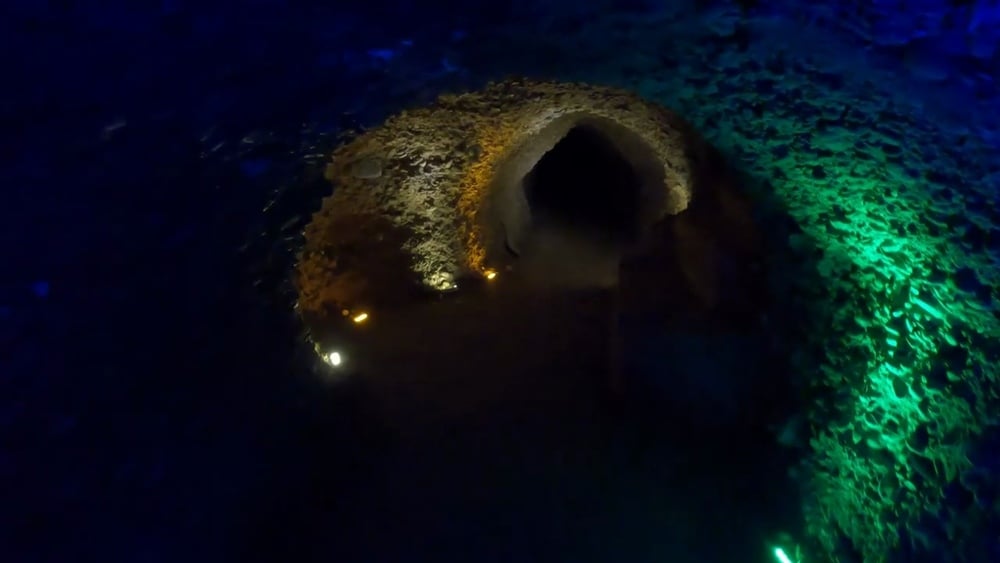
Supplying water across hot, arid landscapes has challenged civilizations for thousands of years. Persian engineers developed qanats, gently sloping underground tunnels that carry groundwater using nothing but gravity. By keeping the water below the surface, the system minimizes evaporation and delivers a reliable supply across long distances, with many of these ancient networks still functioning today.
17. Yazd’s windcatchers cool buildings without compressors
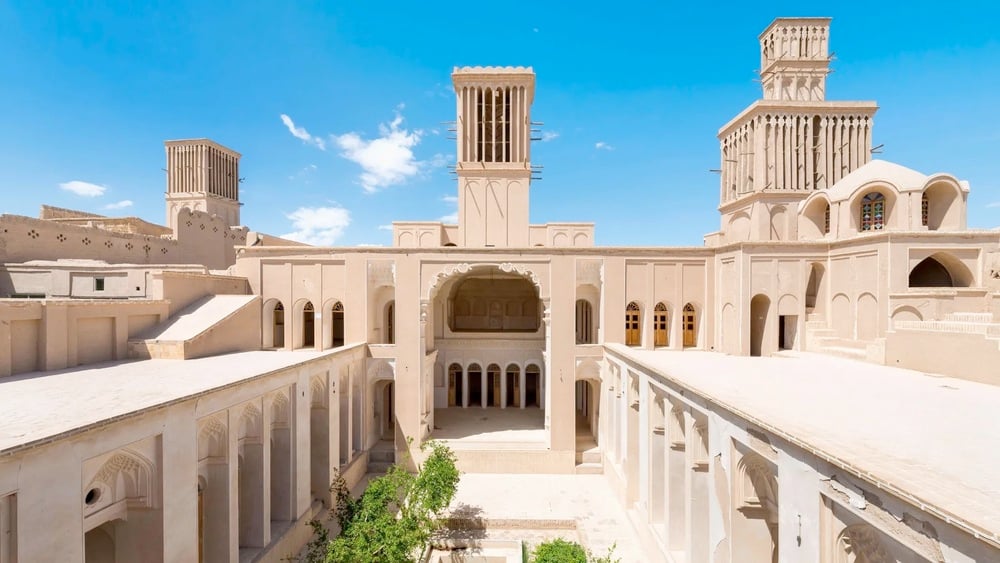
Long before air conditioners existed, residents of Yazd found a way to make desert summers more bearable. Tall windcatchers capture passing breezes and direct them through thick-walled buildings, courtyards, and underground spaces to create natural ventilation. The system works alongside traditional architecture, proving that climate-responsive design can be remarkably effective without relying on electricity.
18. Petra diverted flash floods away from its canyon entrance

The narrow Siq leading into Petra offered protection, but it also created a dangerous bottleneck during sudden desert storms. Ancient engineers addressed the threat by building a dam and a diversion tunnel that redirected floodwaters away from the entrance while channeling valuable rain into reservoirs. The solution protected both the city and one of the region’s scarcest resources: fresh water.
19. Chicago reversed a river to protect drinking water
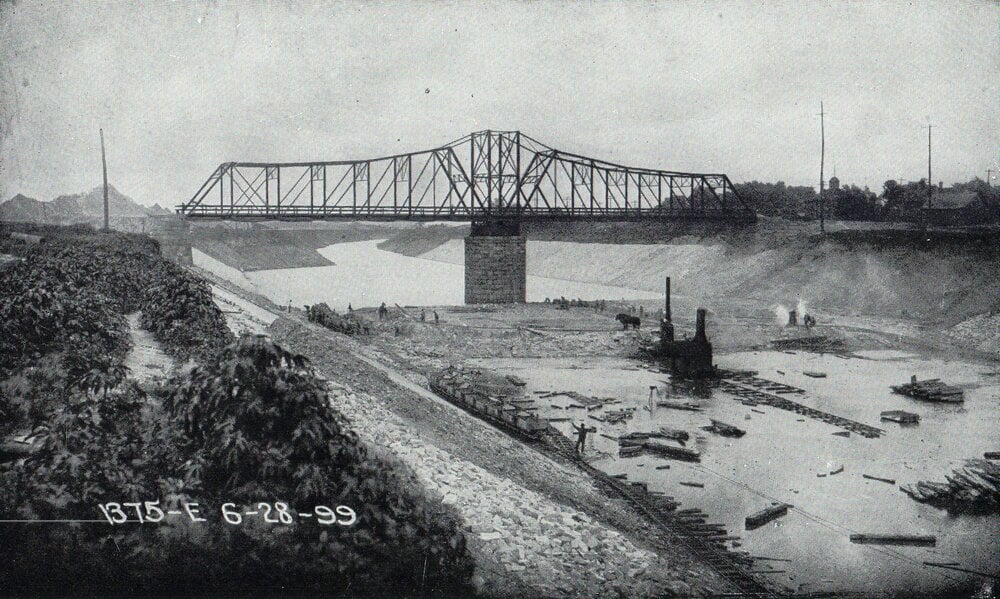
At first glance, reversing the flow of an entire river sounds impossible. Yet that’s exactly what engineers accomplished in Chicago by constructing canals and control works that redirected the river away from Lake Michigan, helping keep the city’s drinking water cleaner. According to engineering sources, the ambitious project also created significant downstream consequences, making it one of history’s most influential infrastructure decisions.
20. Venice hides movable gates on the seabed
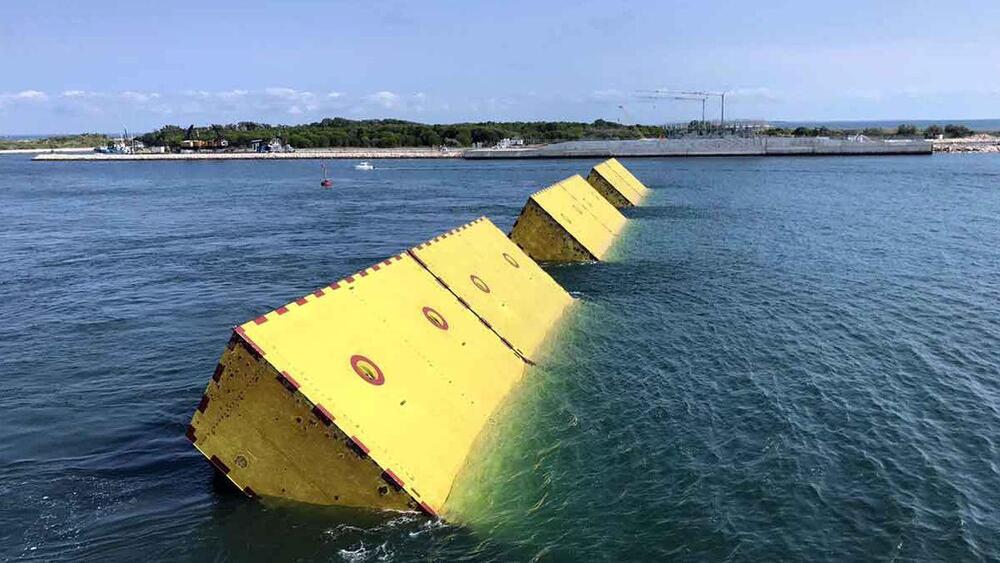
Venice couldn’t simply build a permanent seawall without disrupting the lagoon that defines the city. Instead, engineers designed the MOSE system with enormous hollow gates that normally rest unseen on the seabed. During exceptionally high tides, compressed air raises the barriers to temporarily isolate the lagoon before they sink back out of sight once the danger has passed.
21. The Thames Barrier rotates gates up from the riverbed
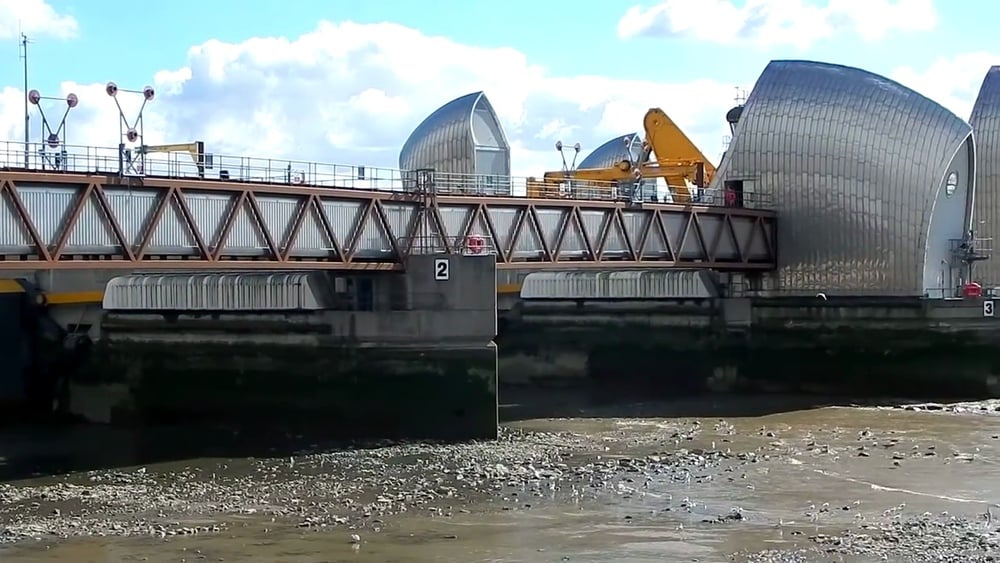
London needed protection from dangerous storm surges without blocking one of its busiest waterways. Engineers answered with enormous sector gates that normally lie flat on the riverbed, allowing ships to pass freely. When high water threatens the city, the gates rotate upward to form a temporary barrier, combining flood protection with uninterrupted navigation.
22. The Moses Bridge sinks pedestrians below the waterline
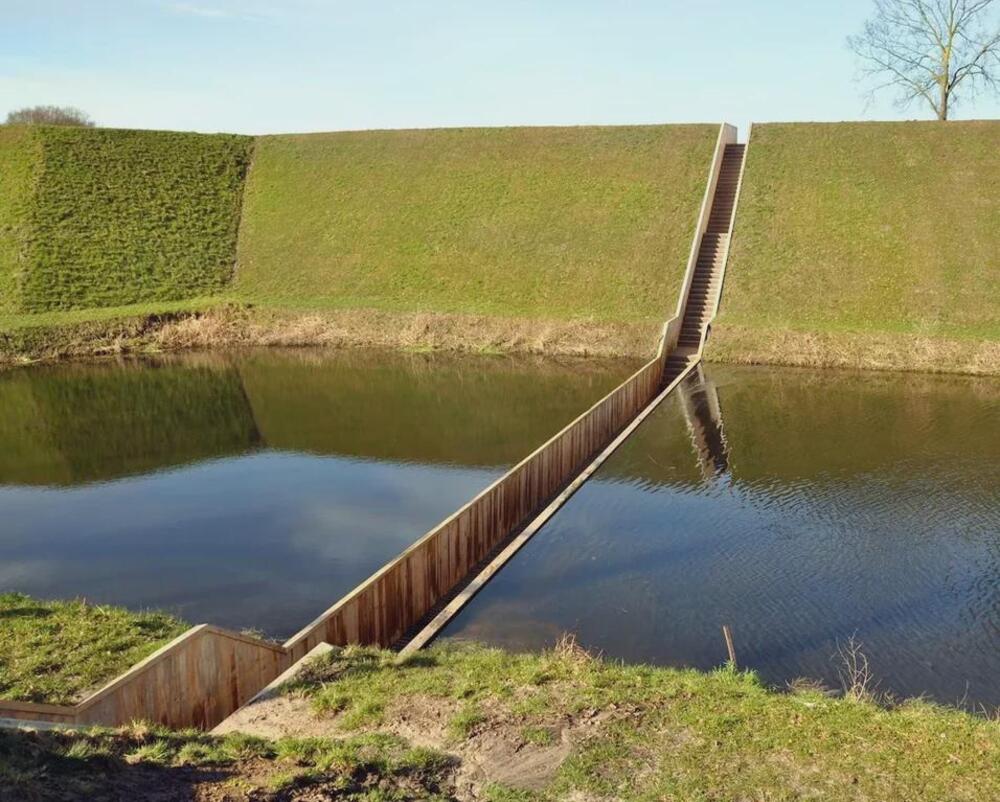
Building a bridge across a historic moat would have spoiled the appearance of the centuries-old fort it protects. Instead, architects created a narrow, waterproof walkway that cuts through the water itself, making visitors feel as though they’re walking between the walls of the moat. According to the project designers, the unusual solution preserves the historic landscape while still providing access.
23. The Millau Viaduct deck was launched from both sides
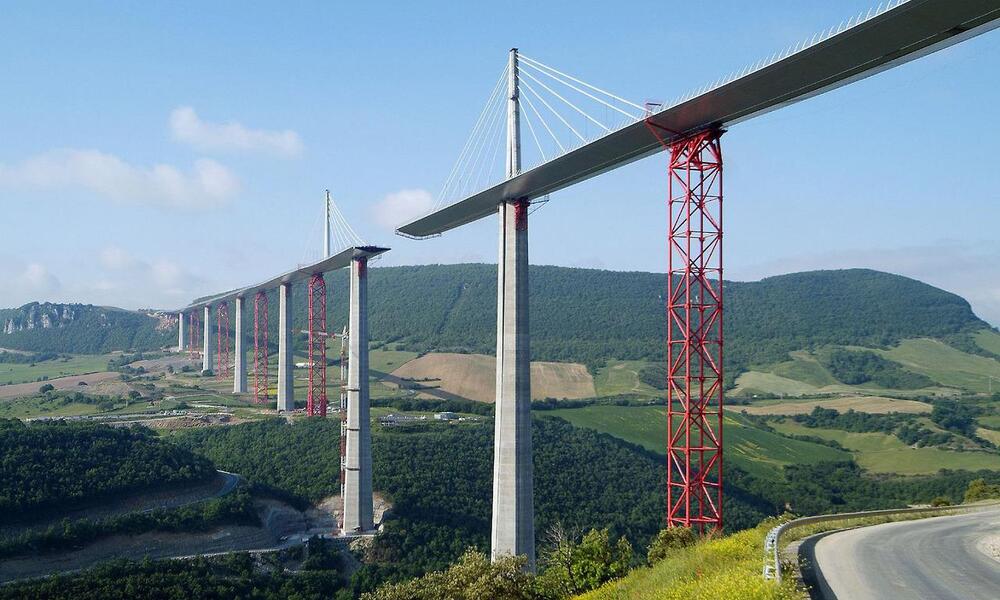
Constructing one of the world’s tallest bridges posed an obvious question: how do you build high above a deep valley without constantly working on the valley floor? Engineers solved the problem by pushing massive steel deck sections outward from both ends until they met in the middle. The technique reduced disruption below while creating one of modern engineering’s most elegant crossings.
24. Magdeburg built a canal bridge over a river
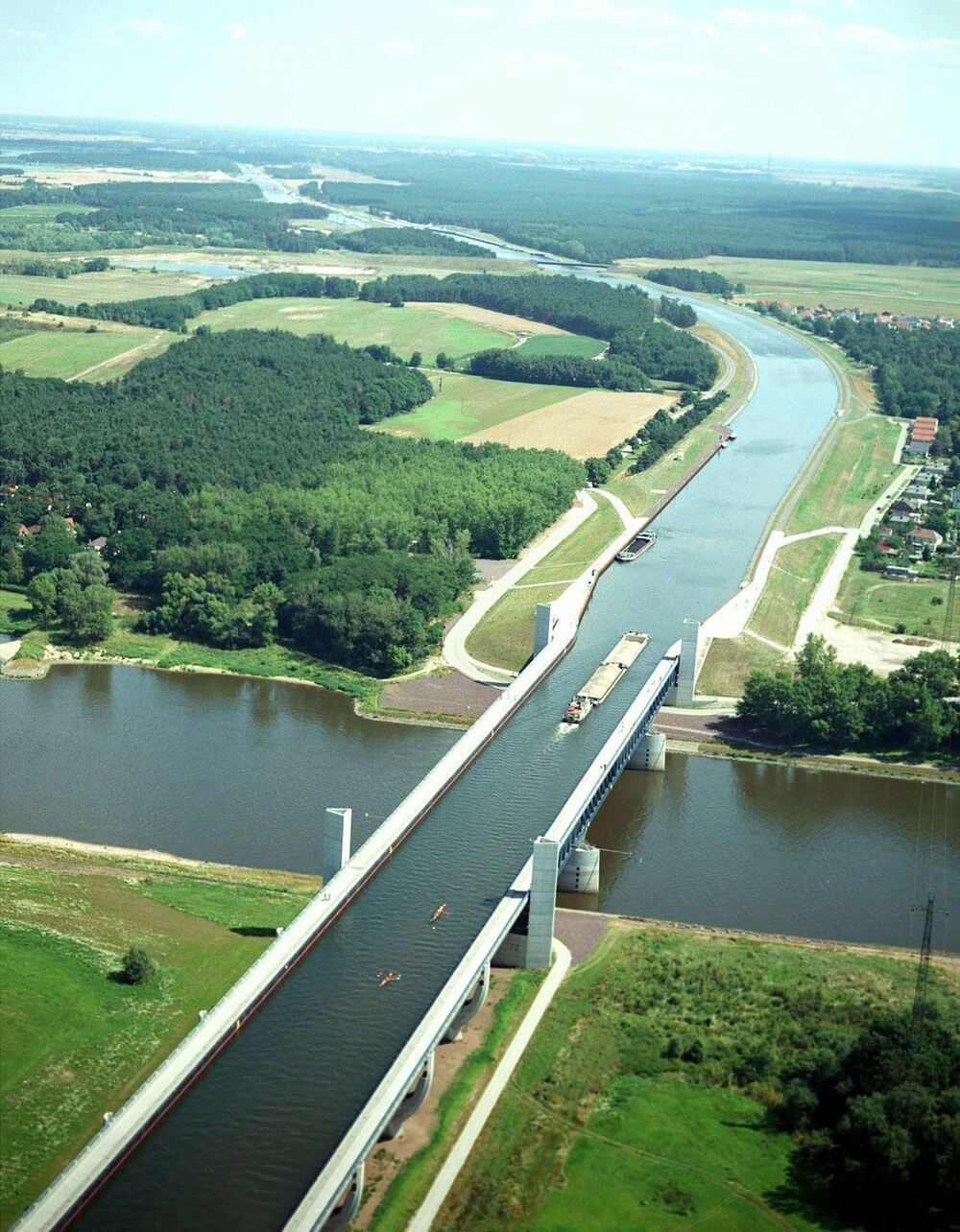
Most bridges carry cars or trains across water. Germany’s Magdeburg Water Bridge carries an entire canal over another river. The unusual design allows commercial vessels to continue along the Mittelland Canal without descending into the Elbe and dealing with changing water levels, creating a smoother and more efficient route for inland shipping.
25. Gateshead’s pedestrian bridge “blinks” open
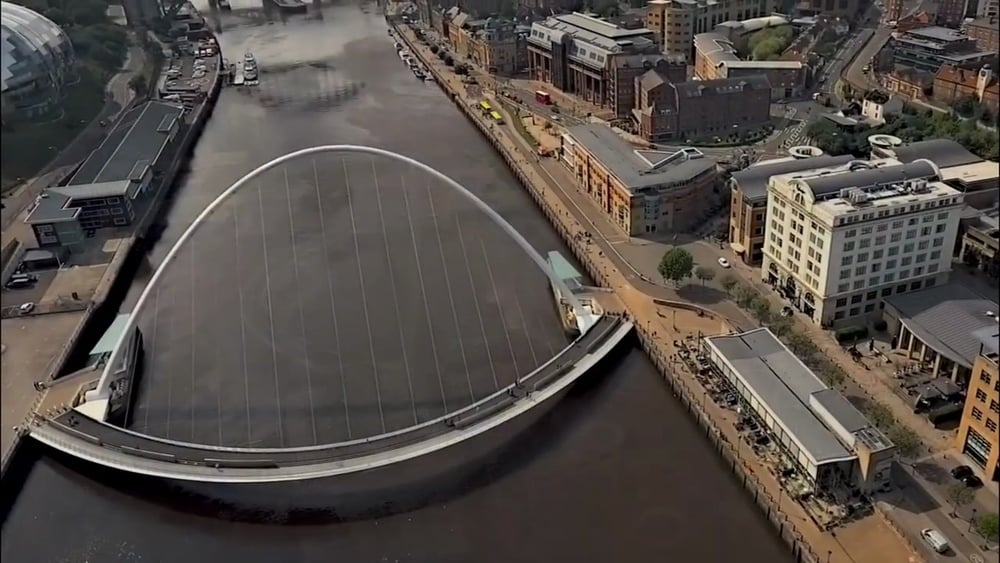
Traditional drawbridges lift one section of the deck, often requiring large towers and complex machinery. The Gateshead Millennium Bridge takes a more graceful approach. Its curved deck and supporting arch rotate together like a giant blinking eye, creating enough space for boats to pass underneath. It’s a fitting finale because it perfectly captures the spirit behind the world’s most memorable engineering: solve a practical problem in a way nobody expects.
The most remarkable engineering projects rarely begin with a desire to look unusual. They begin with a stubborn problem that refuses to be solved by conventional thinking. Whether protecting cities from floods, helping wildlife cross highways, or making skyscrapers safer during earthquakes, these weird engineering solutions prove that the strangest ideas are often the ones grounded in the smartest logic.
Keep Exploring The Scroller
If you enjoy discovering the hidden logic behind extraordinary designs, keep exploring The Scroller for more stories about engineering marvels, ancient innovations, remarkable infrastructure, and the brilliant ideas that quietly shape the way we live. Sometimes the most fascinating inventions aren’t the flashiest ones, but the ones that solve impossible problems in beautifully unexpected ways:
20 Ingenious Examples Of Backwoods Engineering
20 Backcountry Engineering Fixes Built With Whatever Was Lying Around