70s fashion trends prove that fashion has a remarkably short memory and a very large closet. Flares, platforms, crochet, suede, and enough earth tones to redecorate an entire living room have all found their way back into modern wardrobes.
But these revivals aren’t always carbon copies of what people wore five decades ago. Designers reshape old silhouettes, fabrics change, proportions shift, and something that once belonged under a disco ball can suddenly appear on a contemporary runway.
Some of these returns feel inevitable. Others are the kind of fashion comeback that makes old family photos look suspiciously current. Here are 20 styles from the 1970s that somehow found their way back.
1. Bell-Bottom and Flare Jeans
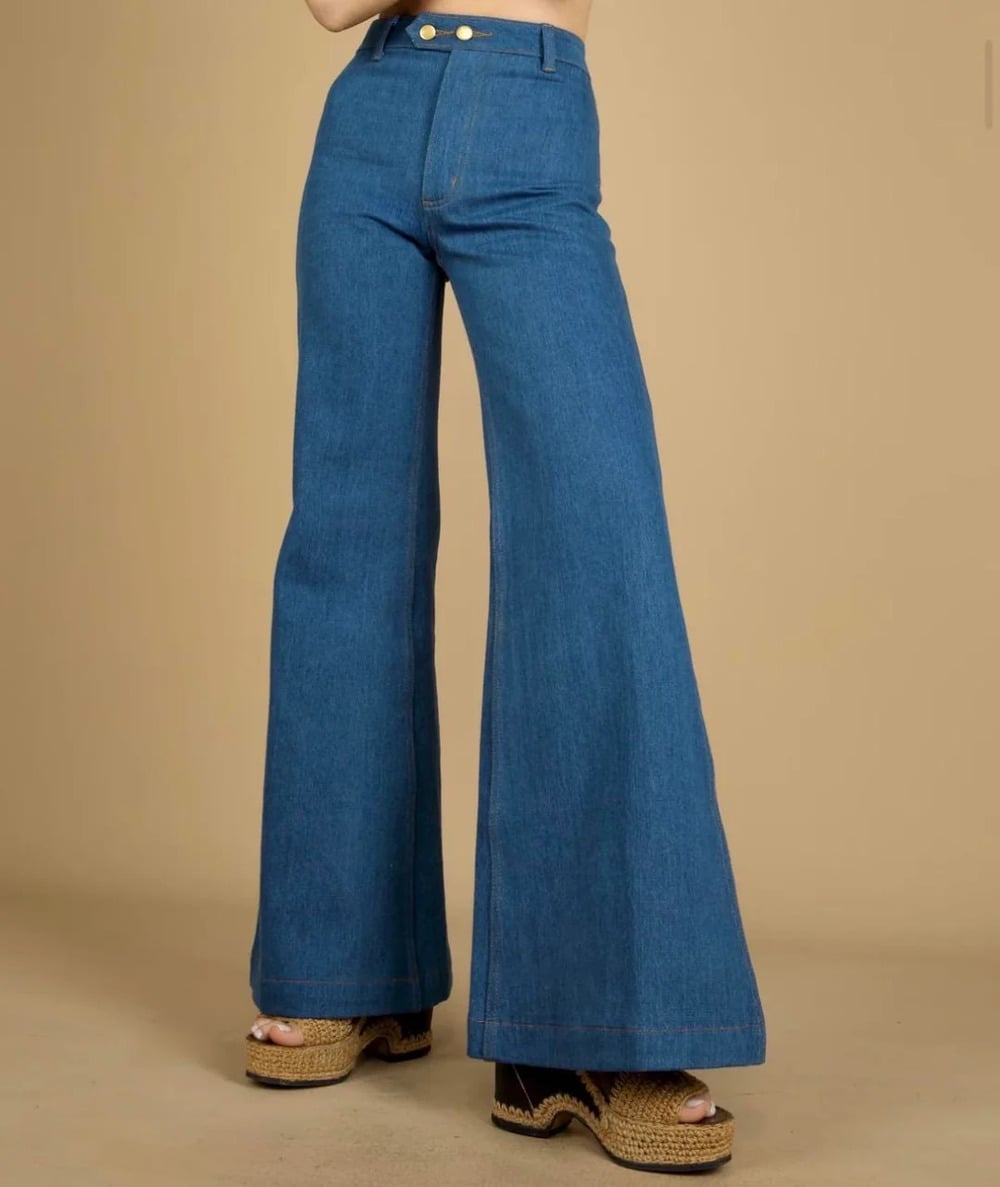
Few silhouettes announce the 1970s faster than a pair of pants widening dramatically below the knee. Bell-bottoms and flares became one of the decade’s defining shapes, and their modern descendants have returned with higher rises, stretch denim, and slightly updated proportions. Skinny jeans had a long reign, but apparently the ankles wanted freedom again.
2. Platform Shoes
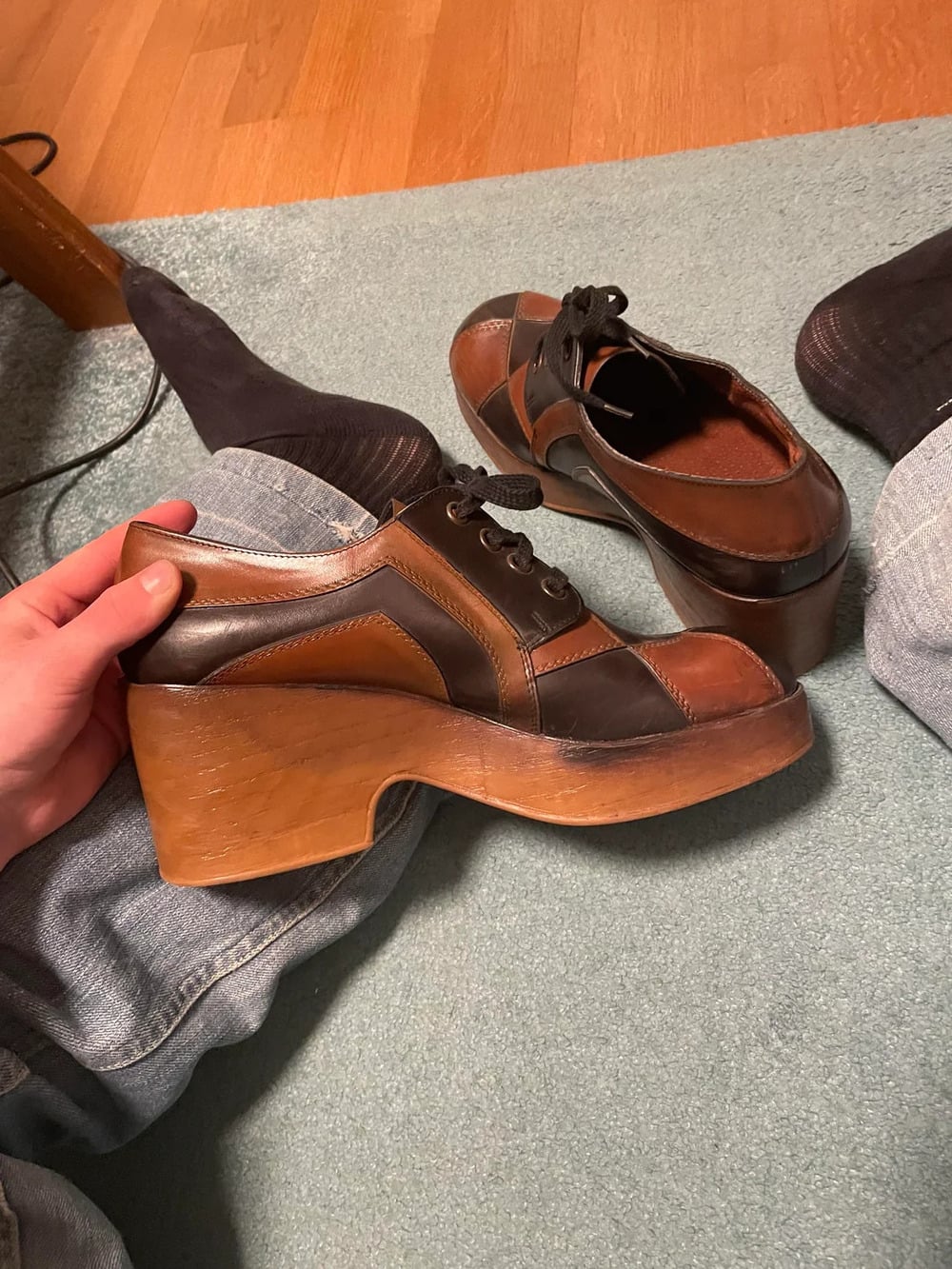
Why simply enter a room when footwear can add several inches to the entrance? Platforms became closely associated with the decade’s glam and disco scenes, appearing in increasingly dramatic shapes. Their comeback has been just as flexible, with thick soles turning up on boots, sandals, and even sneakers rather than remaining exclusively dance-floor territory.
3. Suede Jackets
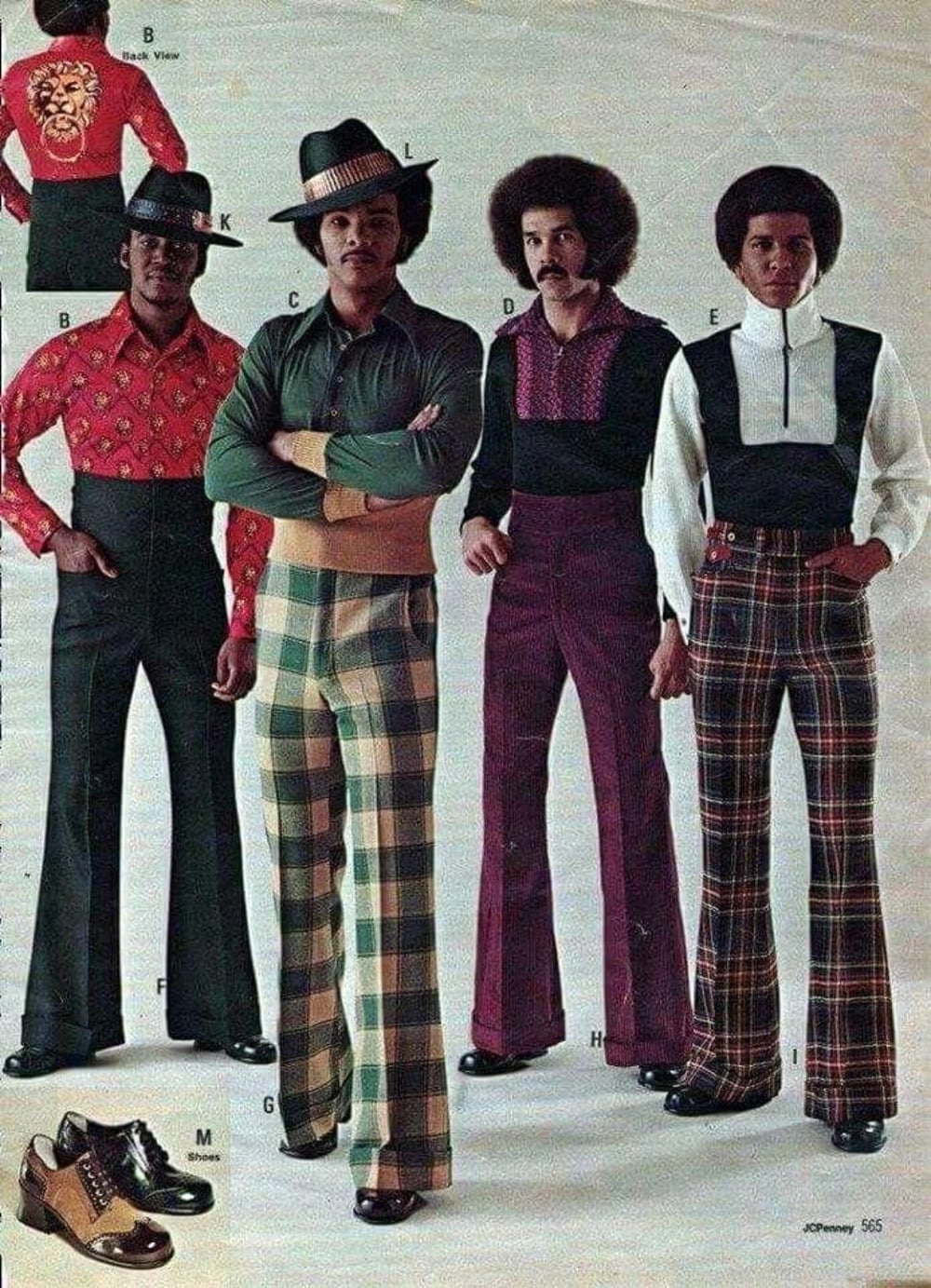
Suede gave 1970s outerwear an unmistakable mix of bohemian and Western influence. Jackets in warm browns and tans paired naturally with denim, boots, and the decade’s earthy palette. Contemporary versions keep much of that character while working surprisingly well with cleaner, more minimal outfits. Sometimes a comeback only needs one very good jacket.
4. Fringe
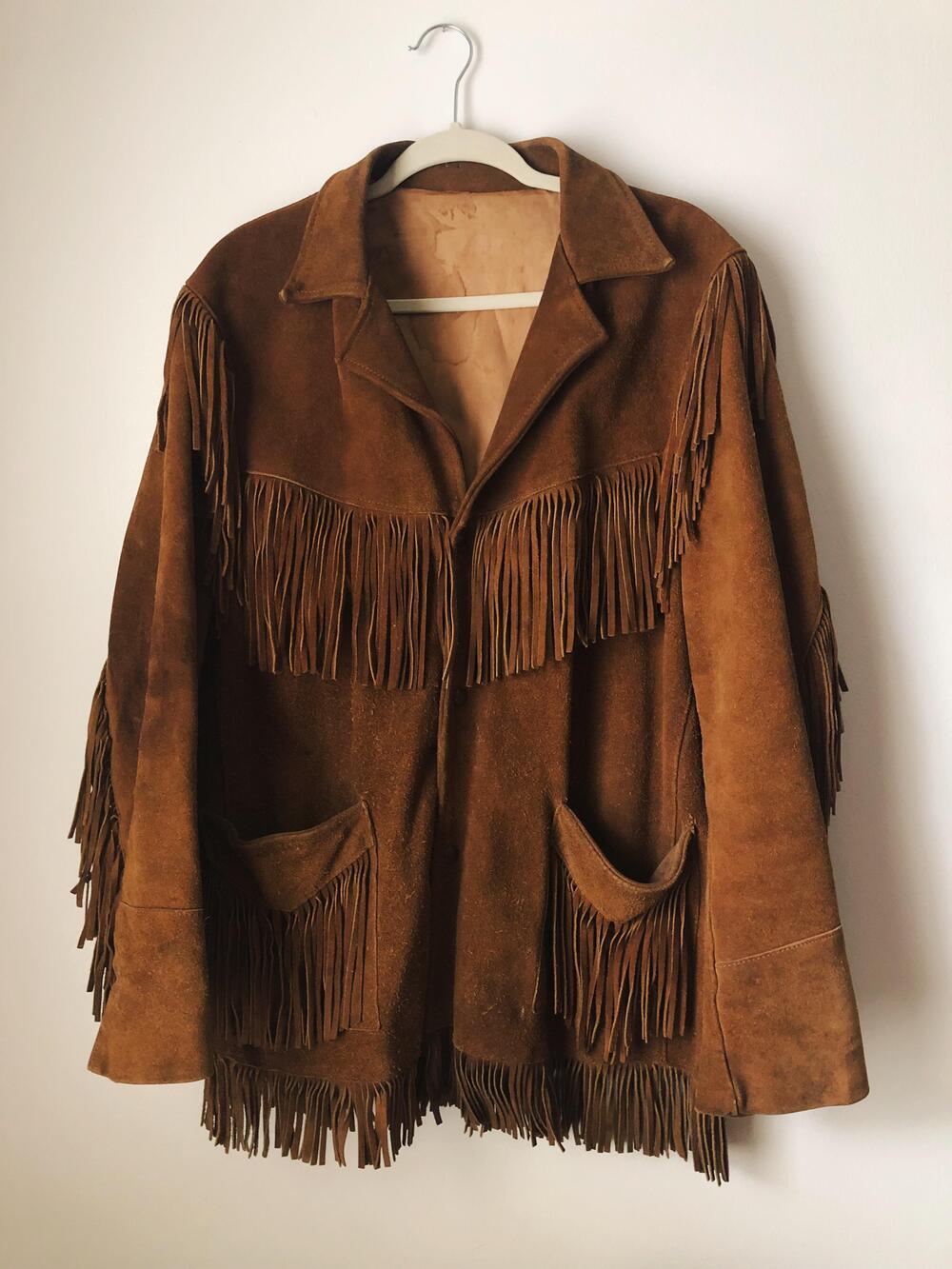
Fringe rarely believes in subtlety. In the 1970s, it swung from jackets, vests, and other pieces tied to bohemian and Western-inspired dressing. Today it has migrated across bags, outerwear, and festival fashion. The materials and styling may change, but the basic appeal remains wonderfully impractical: clothing that moves even when its wearer barely does. Have you ever looked at an old family photo and realized an outfit could walk into a store today without anyone questioning it?
5. Maxi Dresses
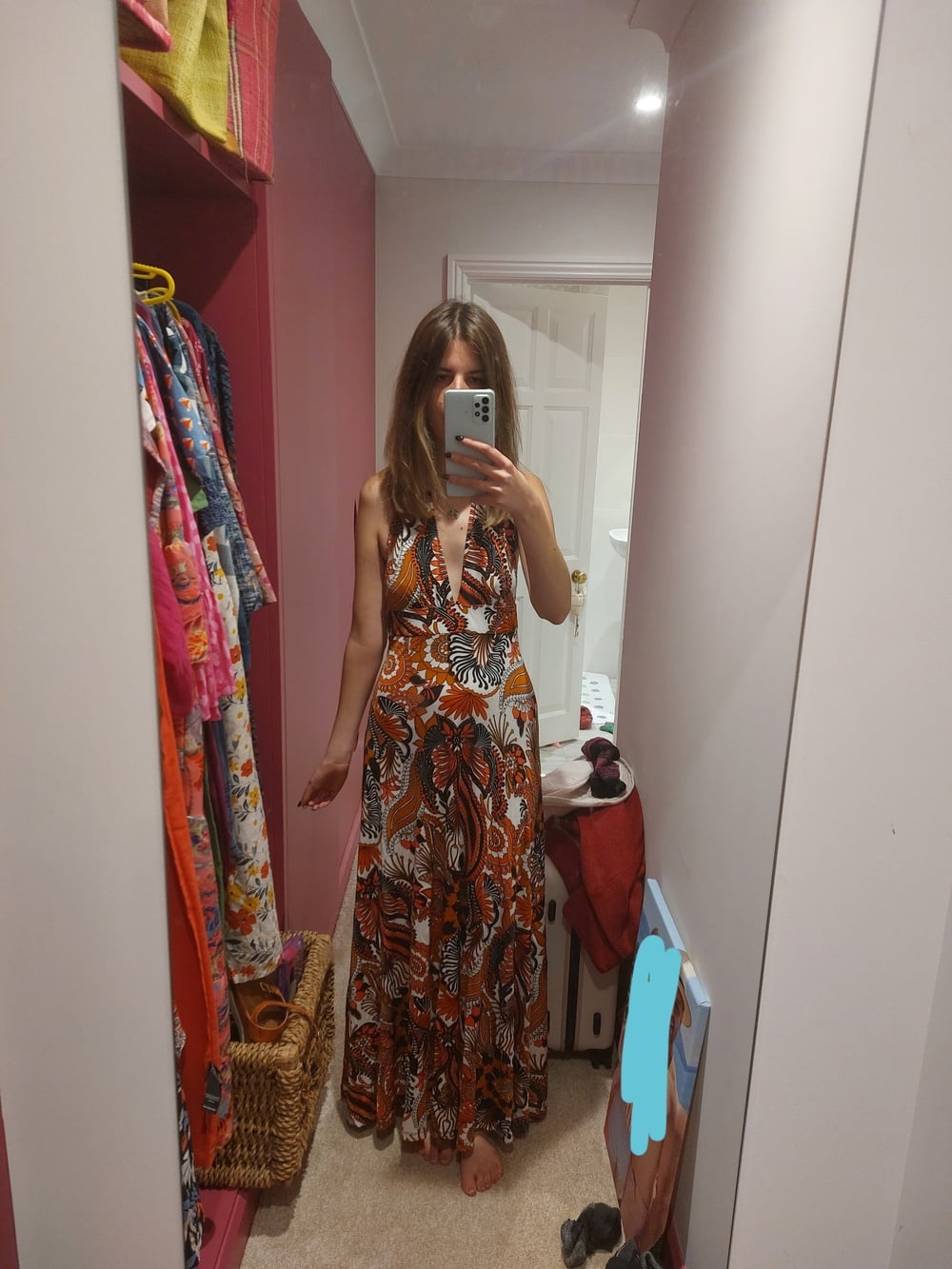
While the miniskirt remained part of the fashion conversation, the early 1970s also embraced the opposite extreme. Maxi dresses brought hems toward the floor, often accompanied by flowing fabrics, prints, and relaxed silhouettes. Modern versions range from casual summer dresses to polished occasionwear, proving that sometimes fashion’s biggest rebellion is simply adding several feet of fabric.
Trending on The Scroller


6. Wrap Dresses
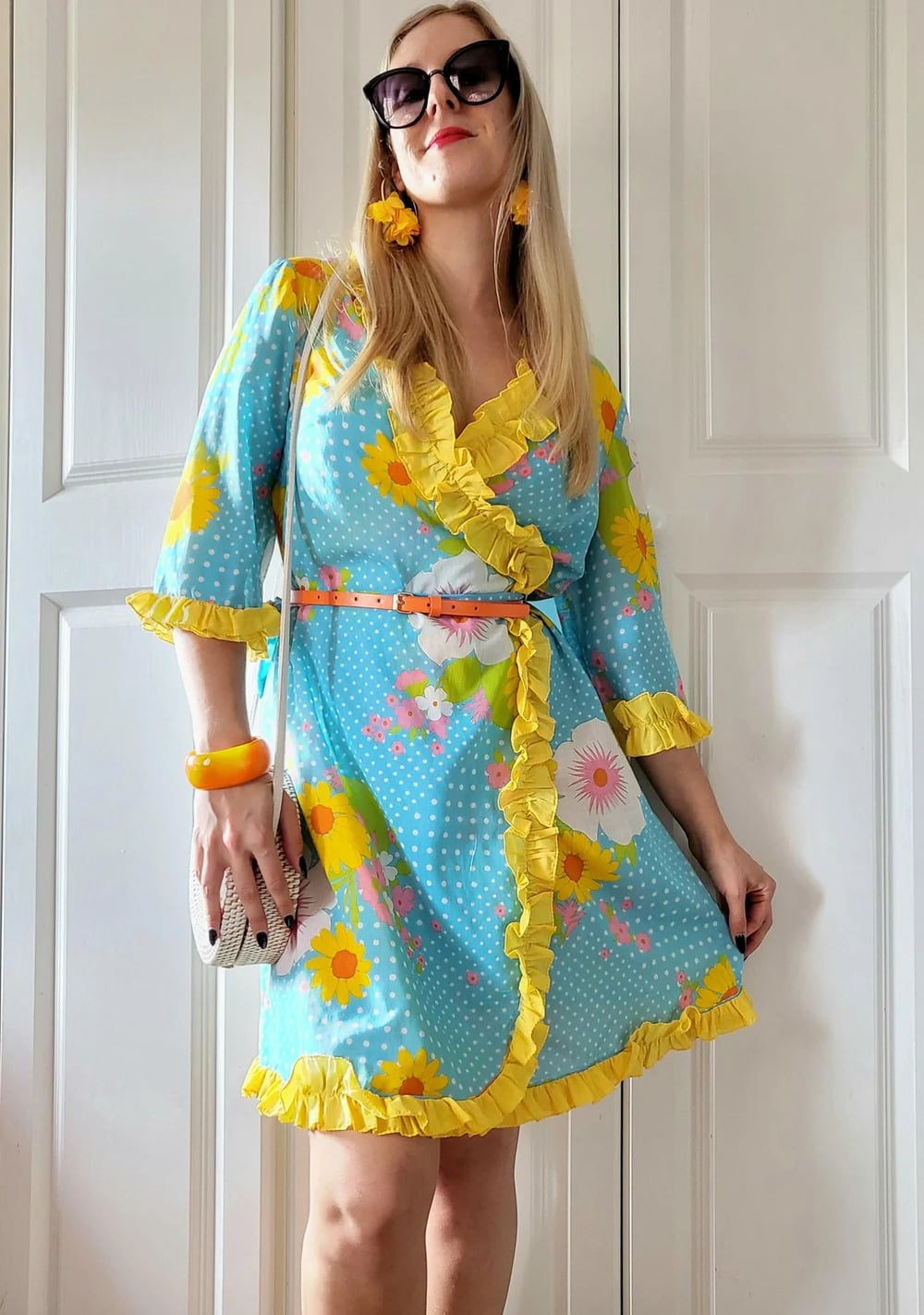
Few garments from the decade have a legacy as recognizable as the wrap dress. Diane von Furstenberg helped turn the style into a 1970s phenomenon with a deceptively simple formula: wrap, tie, and go. Decades later, the silhouette keeps returning because it can change fabrics, prints, and proportions without losing the basic design that made it memorable.
7. Jumpsuits
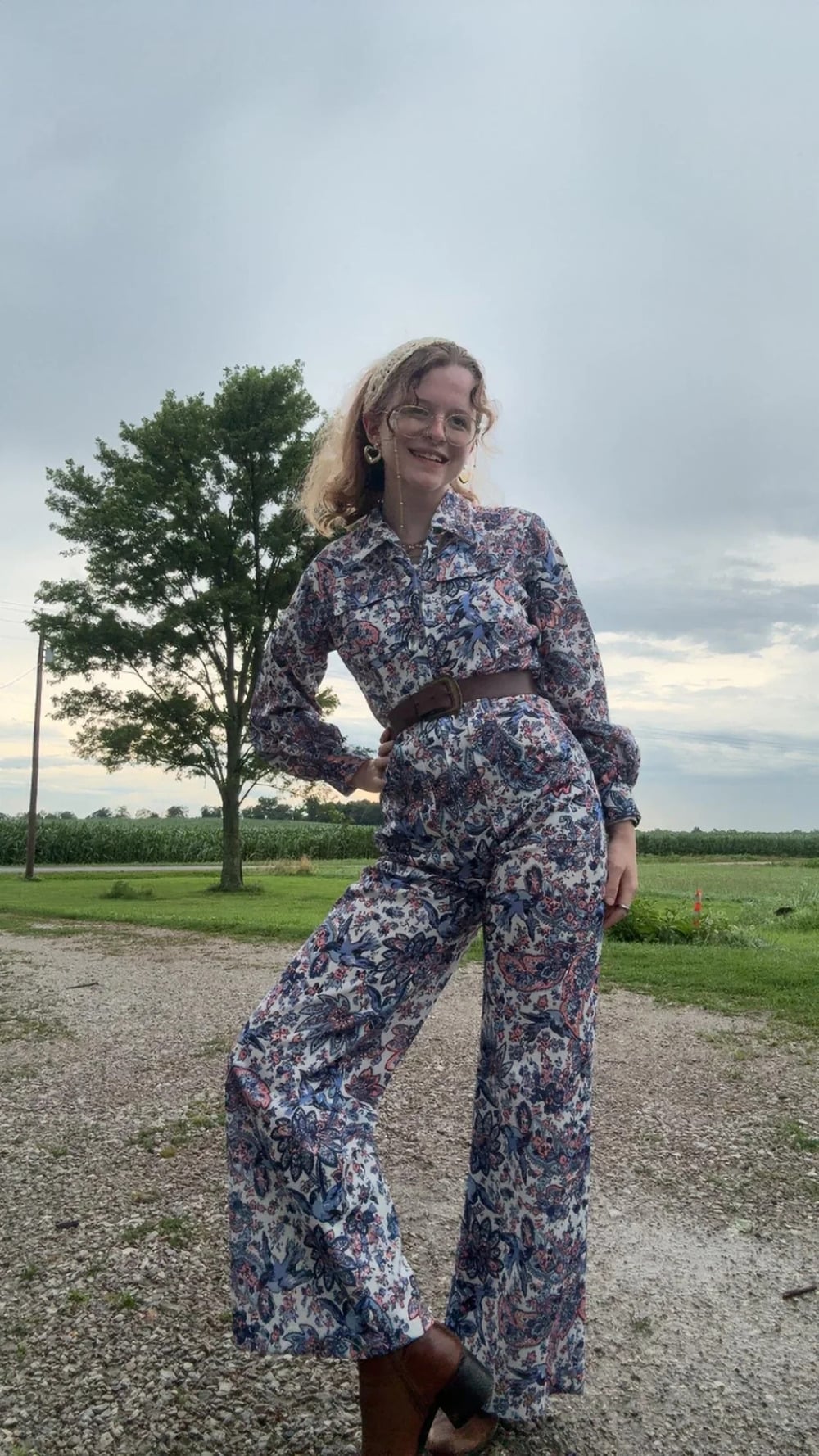
The jumpsuit spent the 1970s proving that matching a shirt to pants was apparently unnecessary when both could simply become one garment. Disco-era versions ranged from sleek and glamorous to boldly colorful. Modern jumpsuits have expanded the idea into denim, jersey, tailoring, and eveningwear, making one-piece dressing considerably harder to leave in the past.
8. Halter Tops
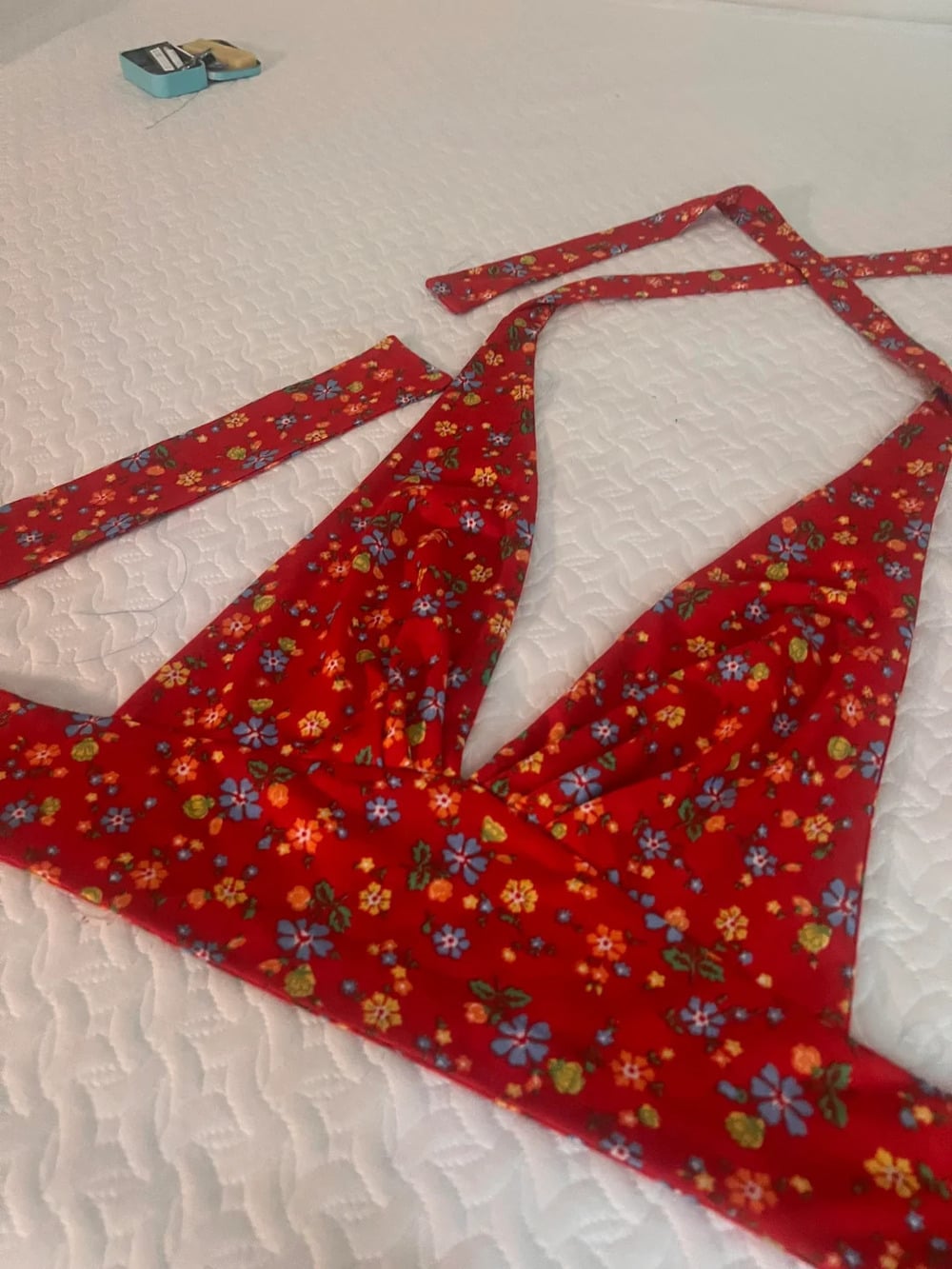
Bare shoulders, an open back, and fabric fastening around the neck gave halter tops an unmistakable place in 1970s evening and resort fashion. The silhouette eventually faded from center stage, but it never disappeared completely. Now knit, satin, and minimalist versions have brought it back without requiring a disco ball anywhere in the immediate vicinity.
Sign up for our newsletter
9. Halter-Neck Dresses
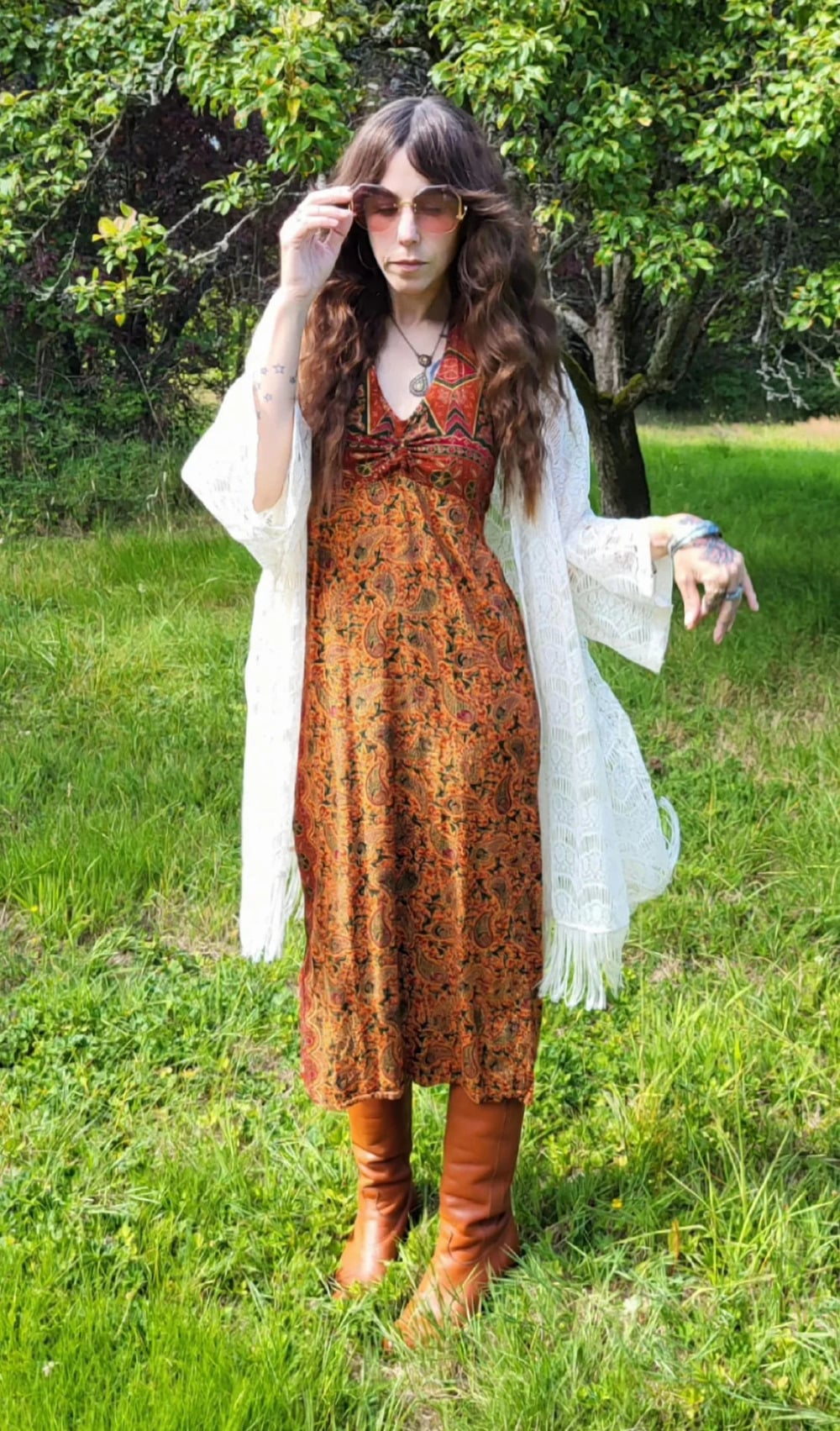
Take the halter top, extend the silhouette, and suddenly the look becomes ready for an entirely different occasion. Halter-neck dresses combined exposed shoulders and backs with the long lines that appeared throughout 1970s fashion. Their return makes sense: the shape can look unmistakably retro in a bold print or surprisingly contemporary in a simple fabric. Would the original 1970s crowd recognize today’s version immediately, or wonder why everyone raided their closets?
10. Hot Pants
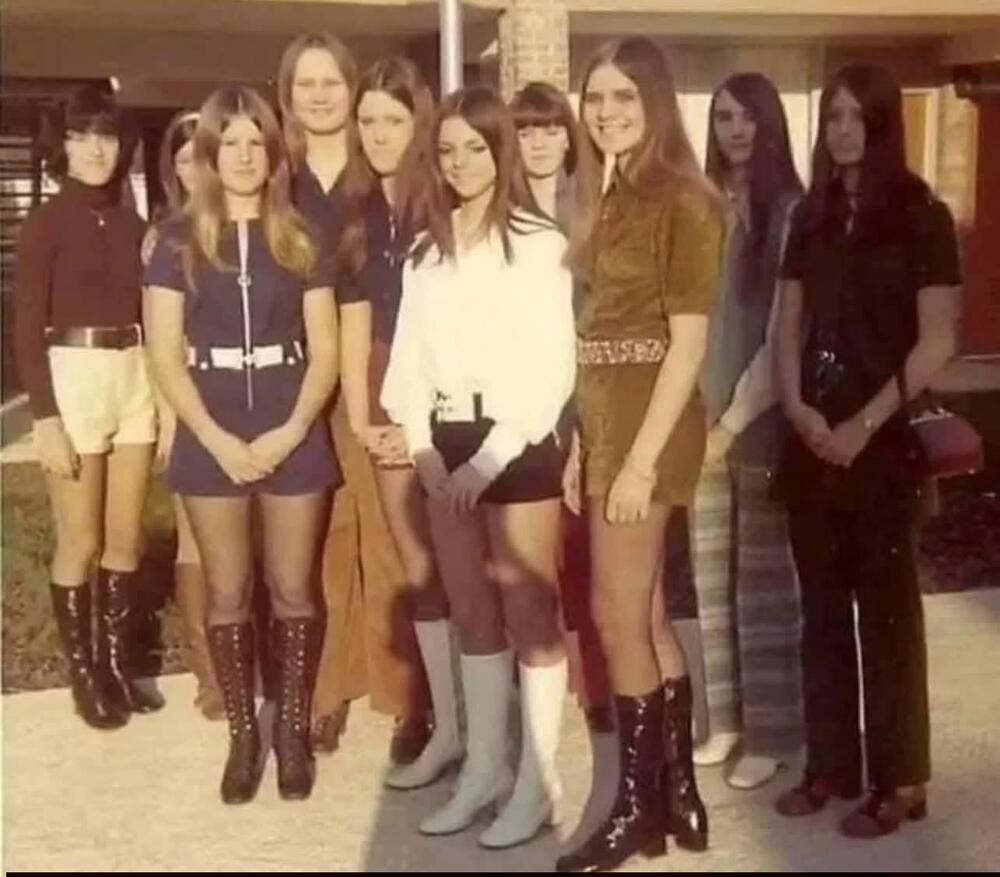
Among the more daring 70s fashion trends, hot pants made very short shorts a statement rather than merely warm-weather clothing. Modern fashion has revisited similarly tiny proportions through micro shorts and runway styling, although today’s versions can look very different depending on fabric and context. The hemline may be familiar, but the styling has had fifty years to renegotiate the terms.
11. Wide-Leg Trousers
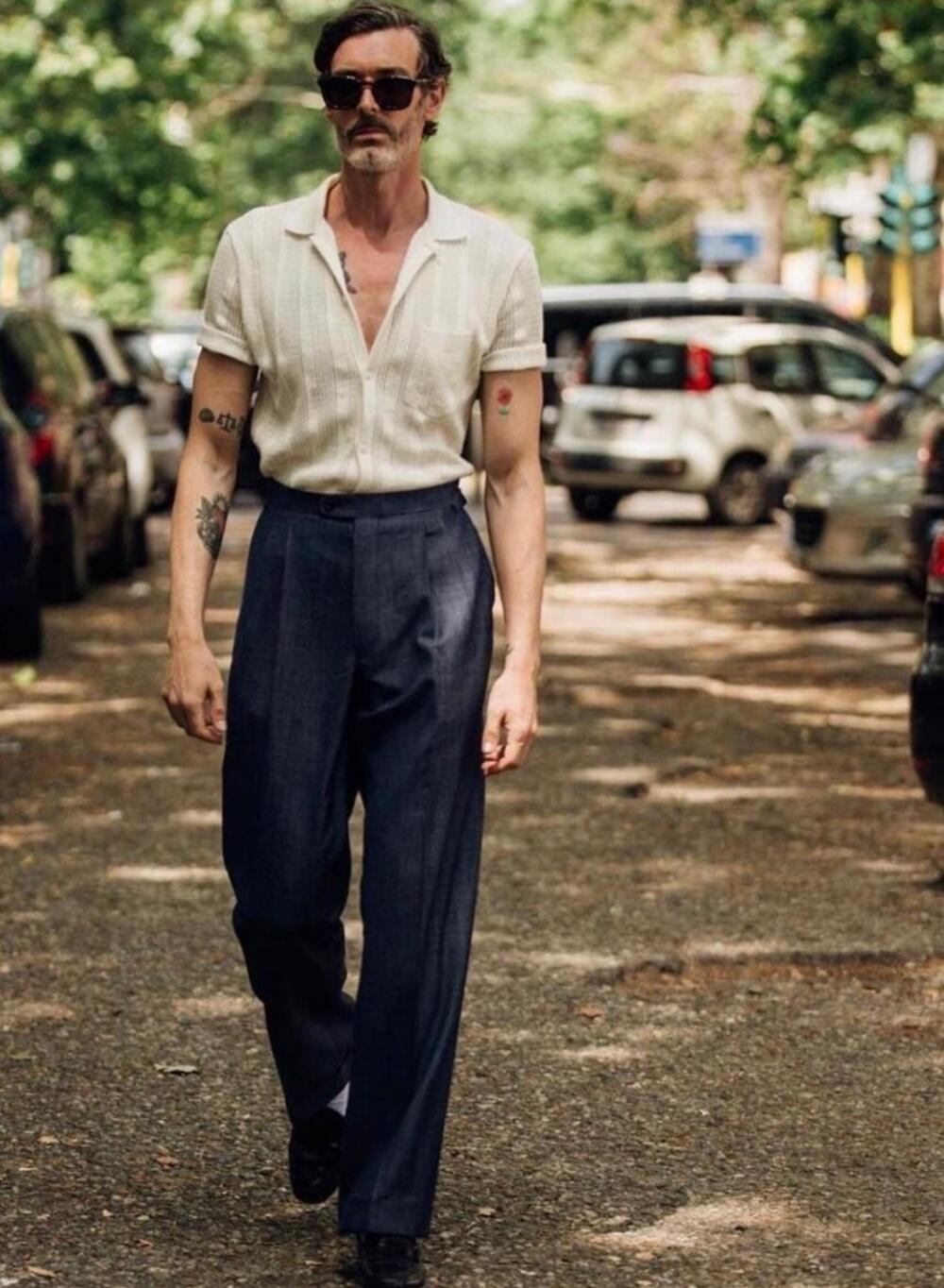
Not every pair of 1970s pants needed a dramatic flare. Wide-leg trousers created volume from higher up, with palazzo and sailor-inspired shapes offering a longer, flowing silhouette. That proportion has returned repeatedly in contemporary fashion, especially as wardrobes have moved away from ultra-slim fits. After years of squeezing into narrow pants, extra fabric suddenly feels rather luxurious.
12. Corduroy
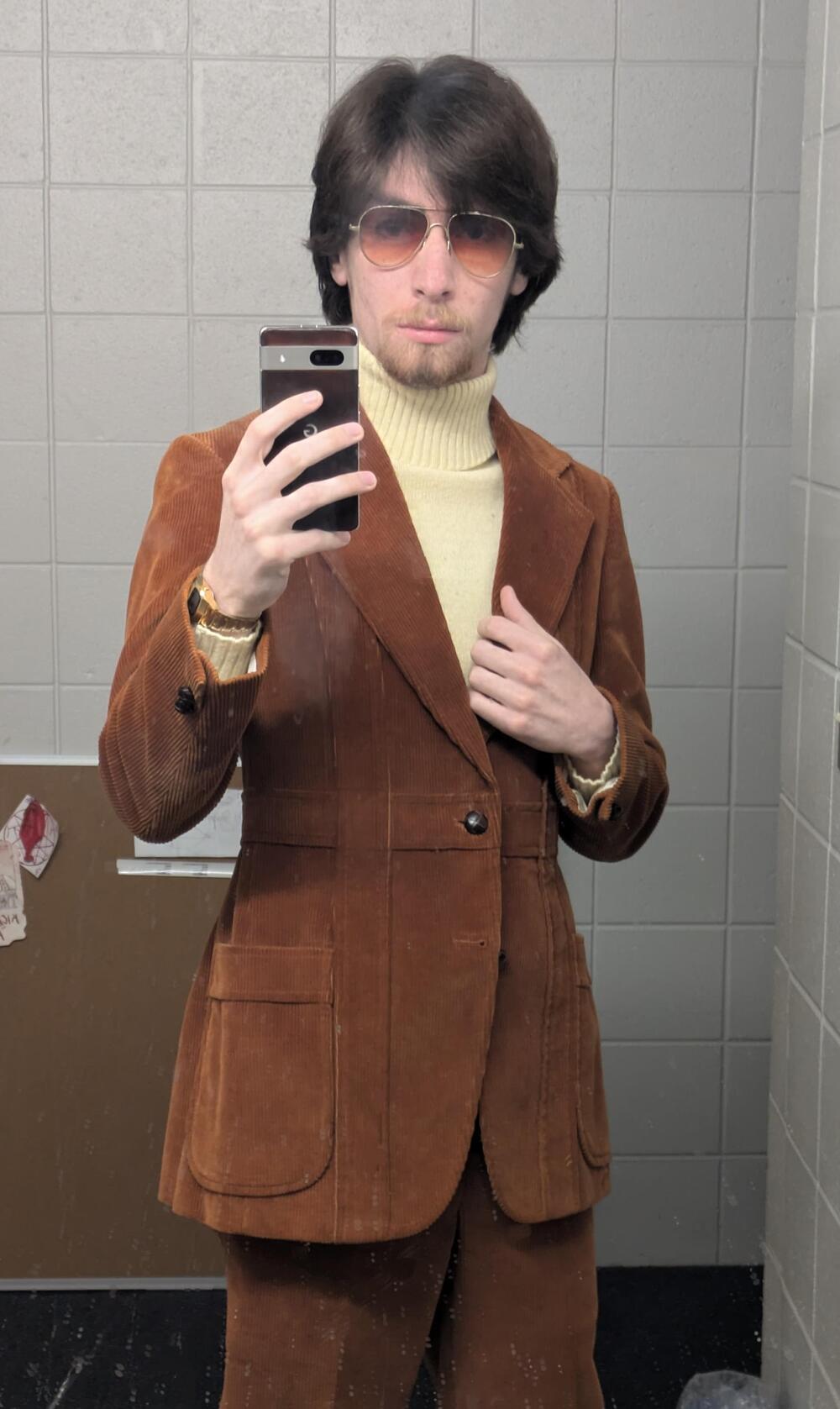
Corduroy might be the rare fabric capable of making brown pants instantly recognizable from across a room. Its distinctive ribs appeared throughout 1970s trousers, jackets, and dresses, often in mustard, rust, olive, and other earthy shades. Contemporary versions haven’t abandoned that heritage either. Apparently, corduroy and autumn colors signed a very long-term contract.
13. Patchwork and Quilting
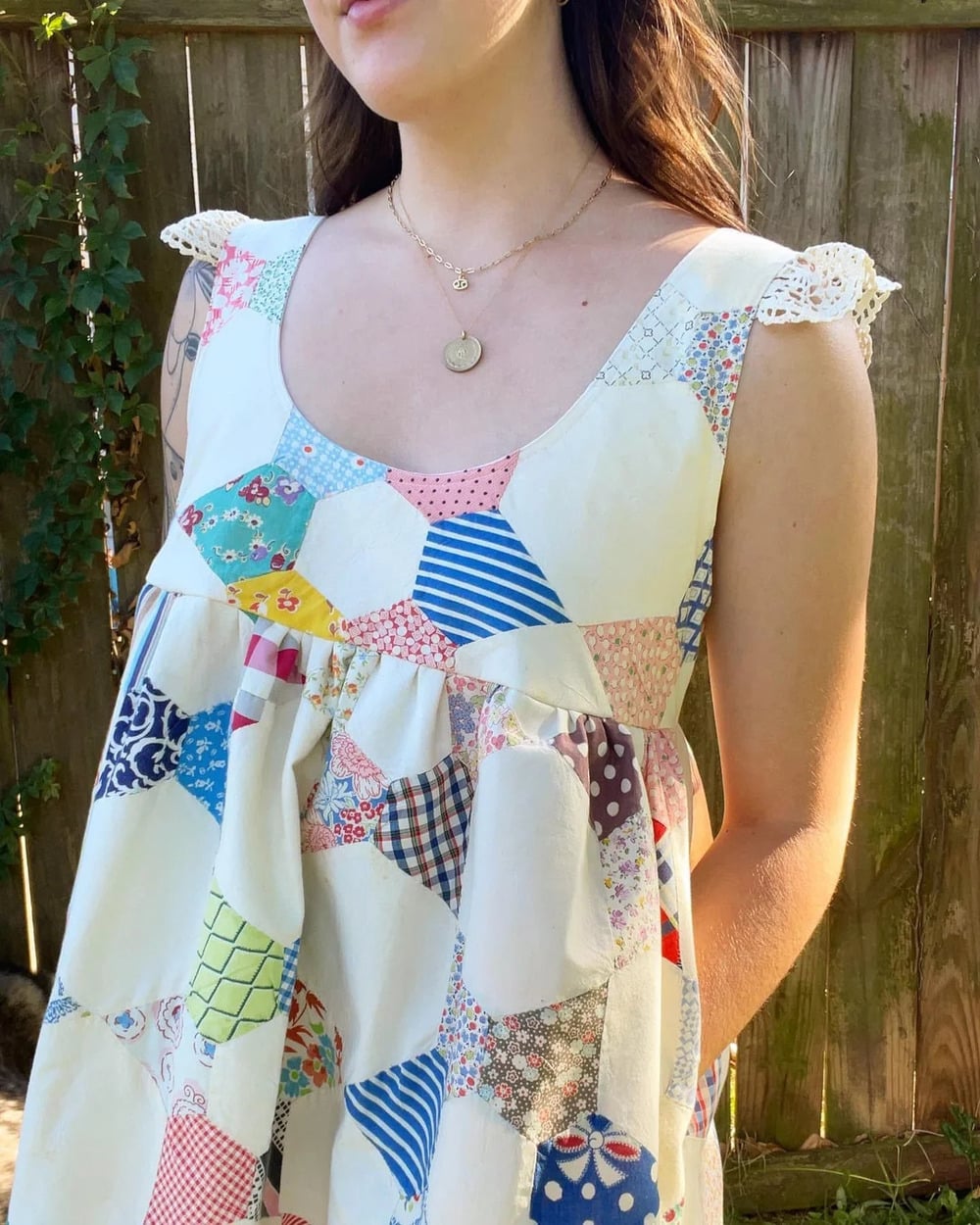
Patchwork turned the handmade look into part of the outfit. Connected to the decade’s DIY and hippie aesthetics, contrasting fabrics and quilted textures made clothing feel deliberately individual rather than factory-perfect. The idea has resurfaced in contemporary designer collections and casual fashion, where mismatched panels can once again look intentional instead of suggesting an emergency sewing repair.
14. Crochet and Macramé
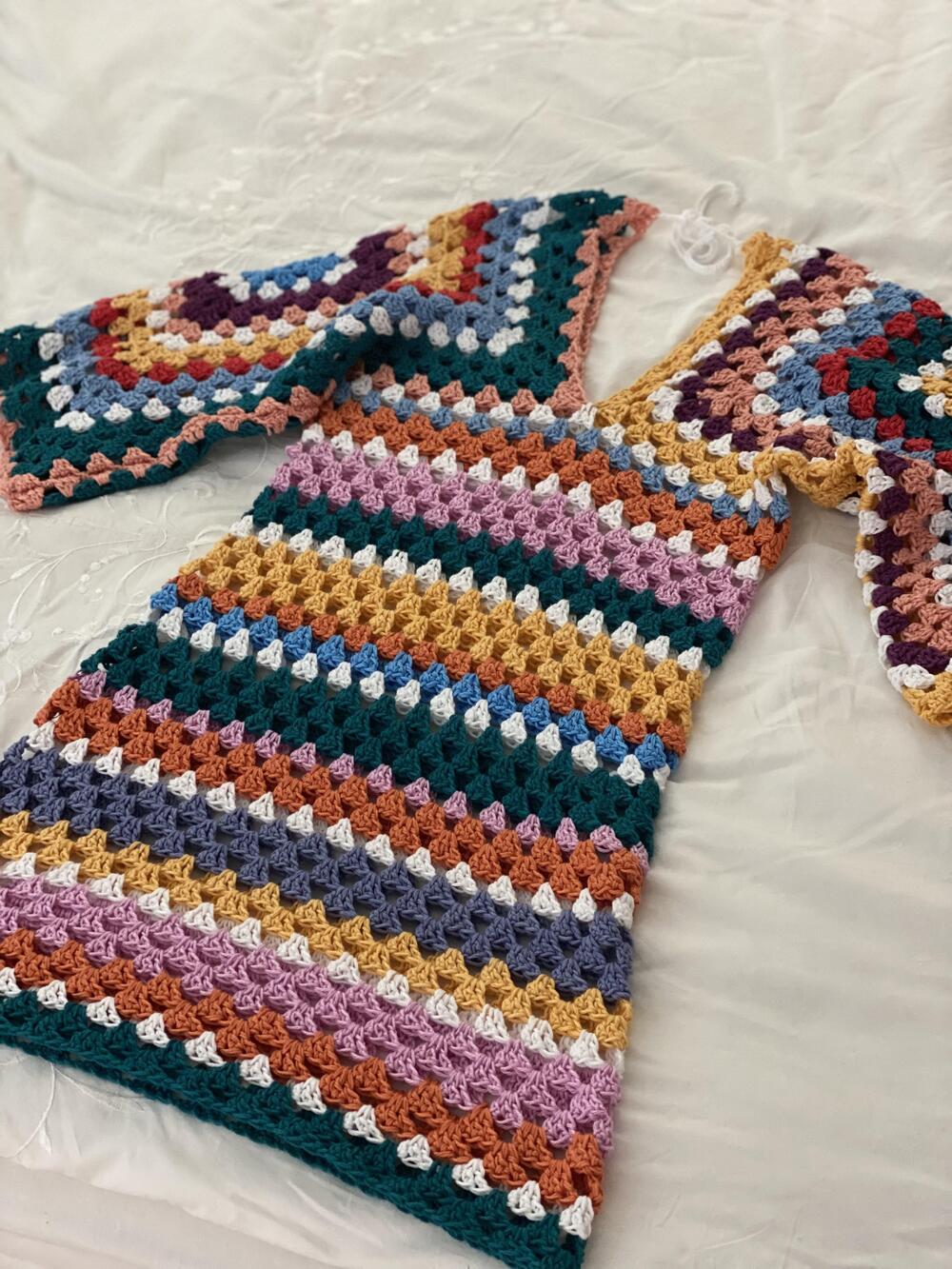
Crochet practically announces summer before the weather does. Handmade openwork became closely associated with 1970s bohemian dressing, appearing in tops, dresses, vests, and accessories. Today it is particularly visible in resort and warm-weather fashion. Could anything signal a full-circle fashion moment better than techniques once associated with homemade clothing returning as desirable statement pieces?
15. Earth Tones
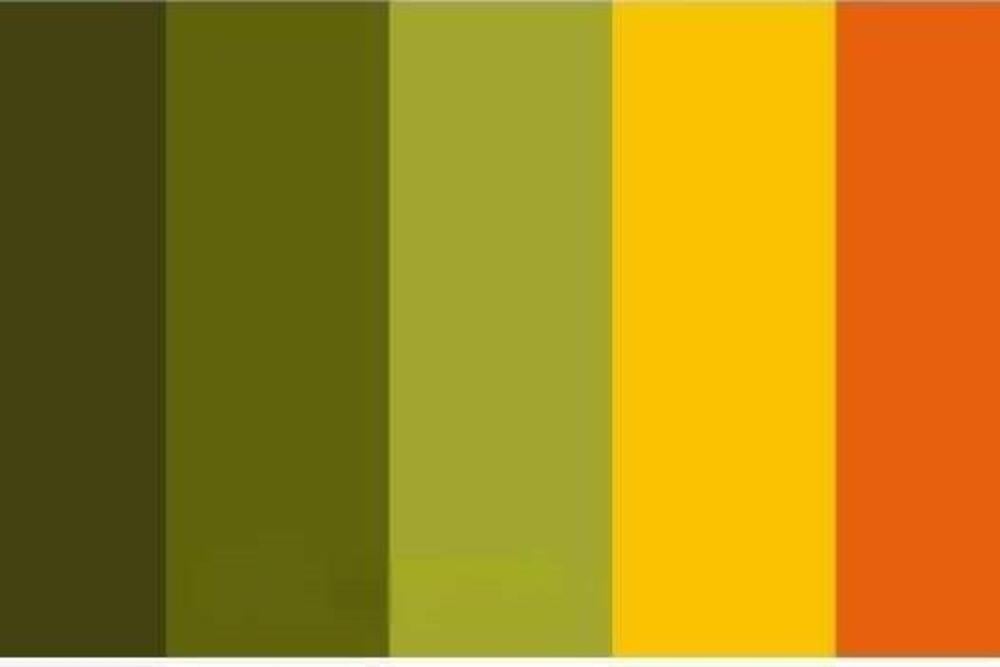
Rust. Mustard. Olive. Tan. Brown. The 1970s didn’t merely wear earth tones; the decade practically moved into them. Those warm, muted colors appeared across clothing and accessories and became part of the era’s visual identity. Their modern return is less about copying one particular outfit and more about reviving an entire palette that somehow still feels instantly seventies.
16. Bold Geometric Prints
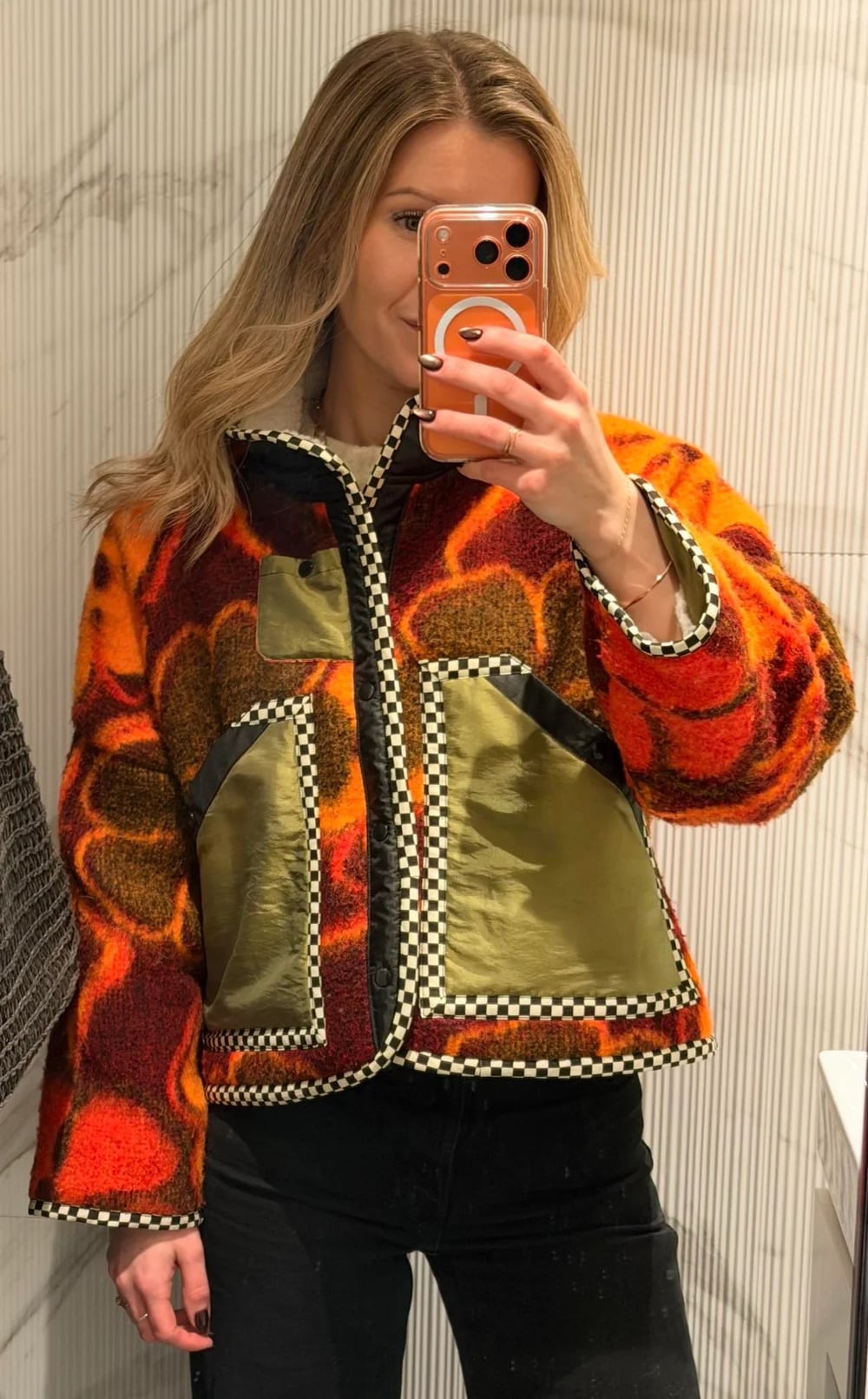
Subtlety occasionally took the decade off. Stripes, op-art patterns, and saturated geometric designs covered dresses and separates with enough visual energy to compete with the wallpaper. Modern fashion has revived those retro prints in updated silhouettes, proving that a pattern can disappear for decades and return without learning how to whisper.
17. Disco Sequins and Lamé
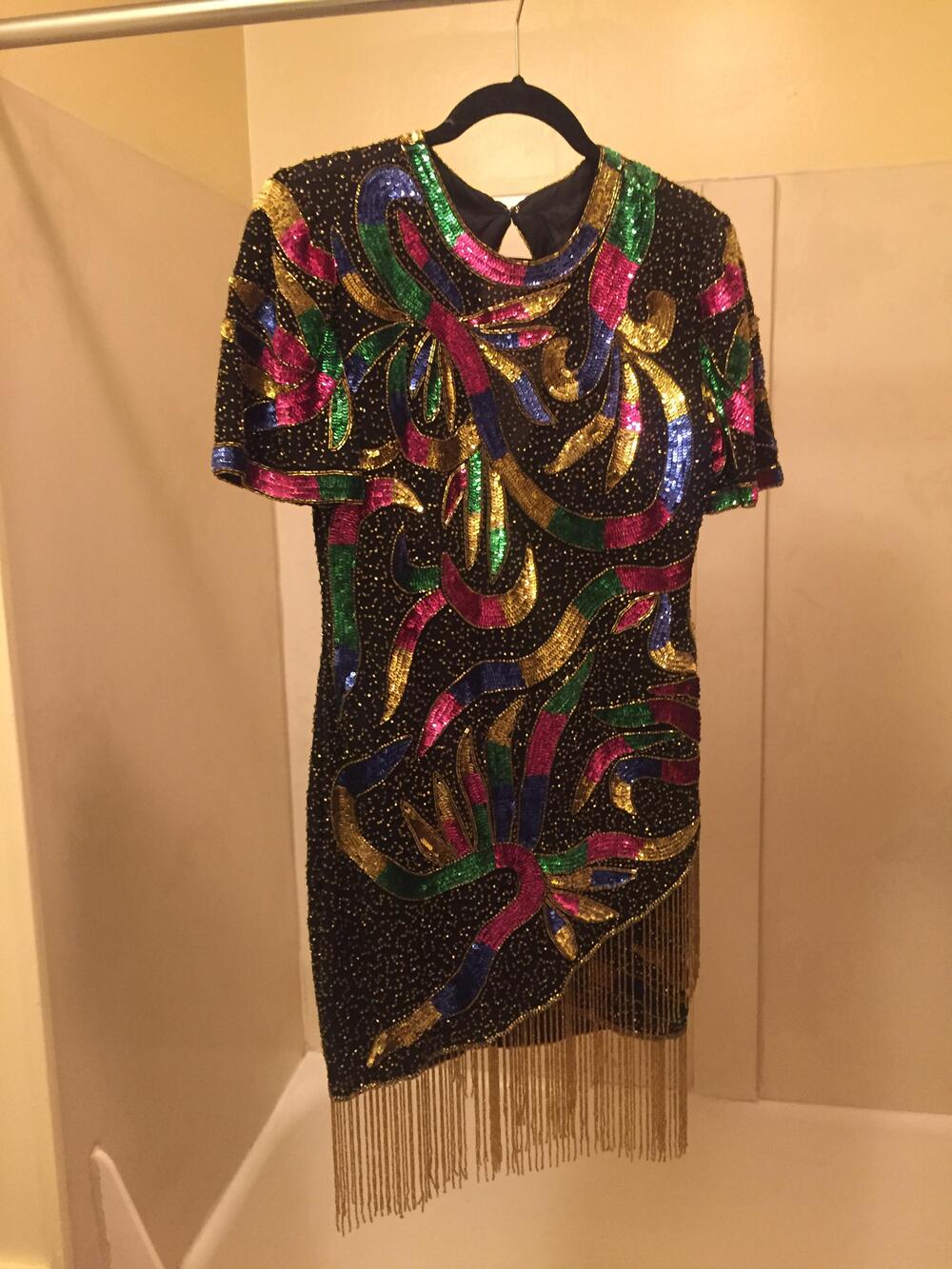
Once disco took over the night, clothing had to compete with the lights. Sequins, metallic fabrics, and lamé became natural companions to late-1970s nightlife, transforming outfits whenever they hit the dance floor. Contemporary partywear keeps revisiting that formula. After all, there are only so many ways to improve an outfit before someone suggests making the entire thing sparkle.
18. Leisure Suits
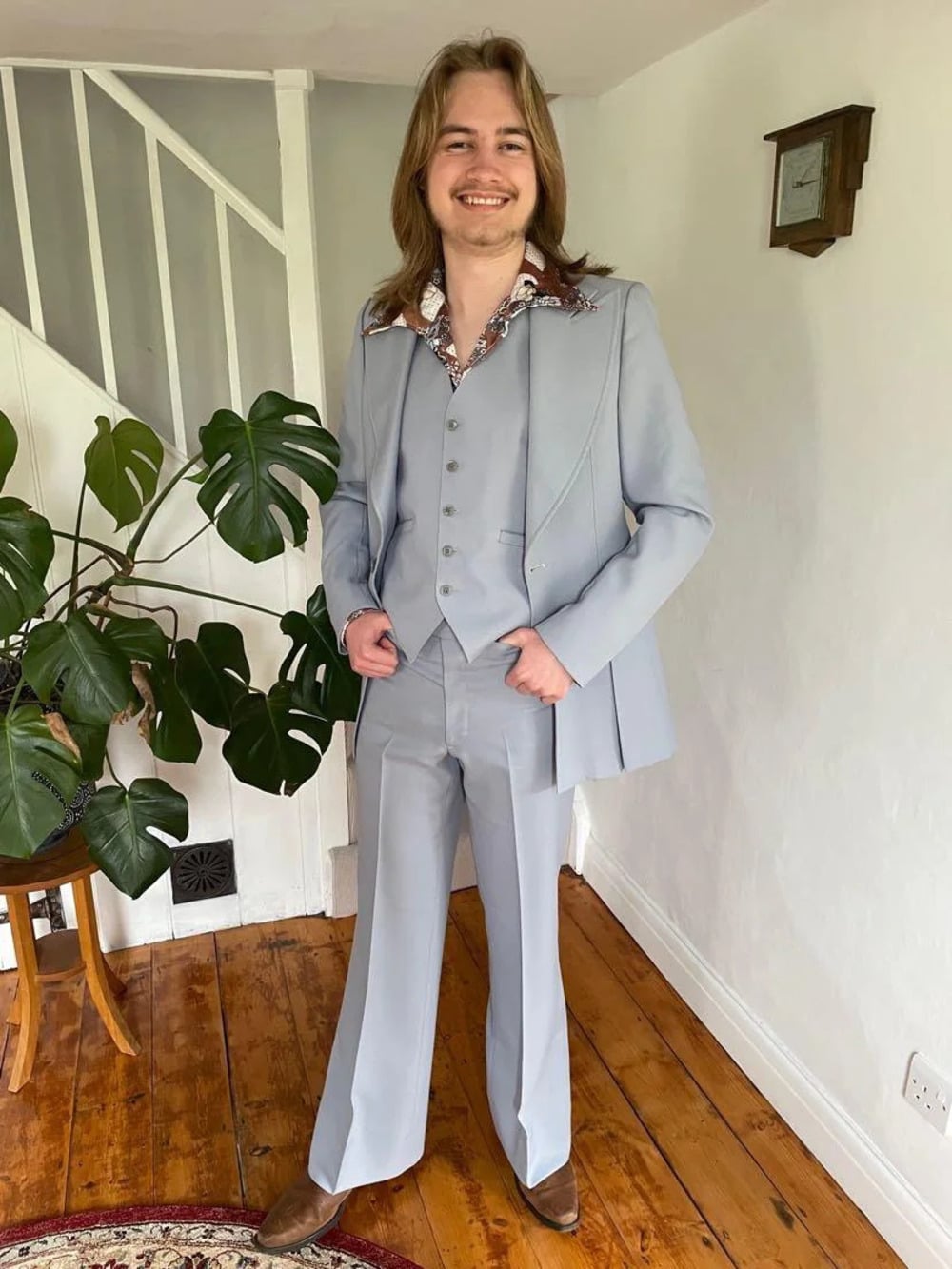
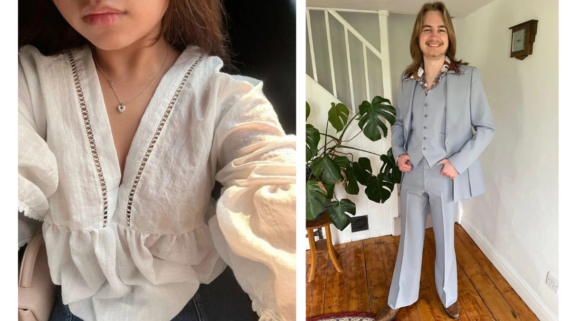
The leisure suit made coordination wonderfully uncomplicated: matching jacket, matching trousers, job done. Colorful versions became closely associated with 1970s menswear, particularly during the decade’s later years. Today’s coordinated tailoring is usually cut and styled differently, but the underlying idea feels familiar. Maybe the leisure suit didn’t disappear. Maybe it just got a very long makeover.
19. Peasant Blouses
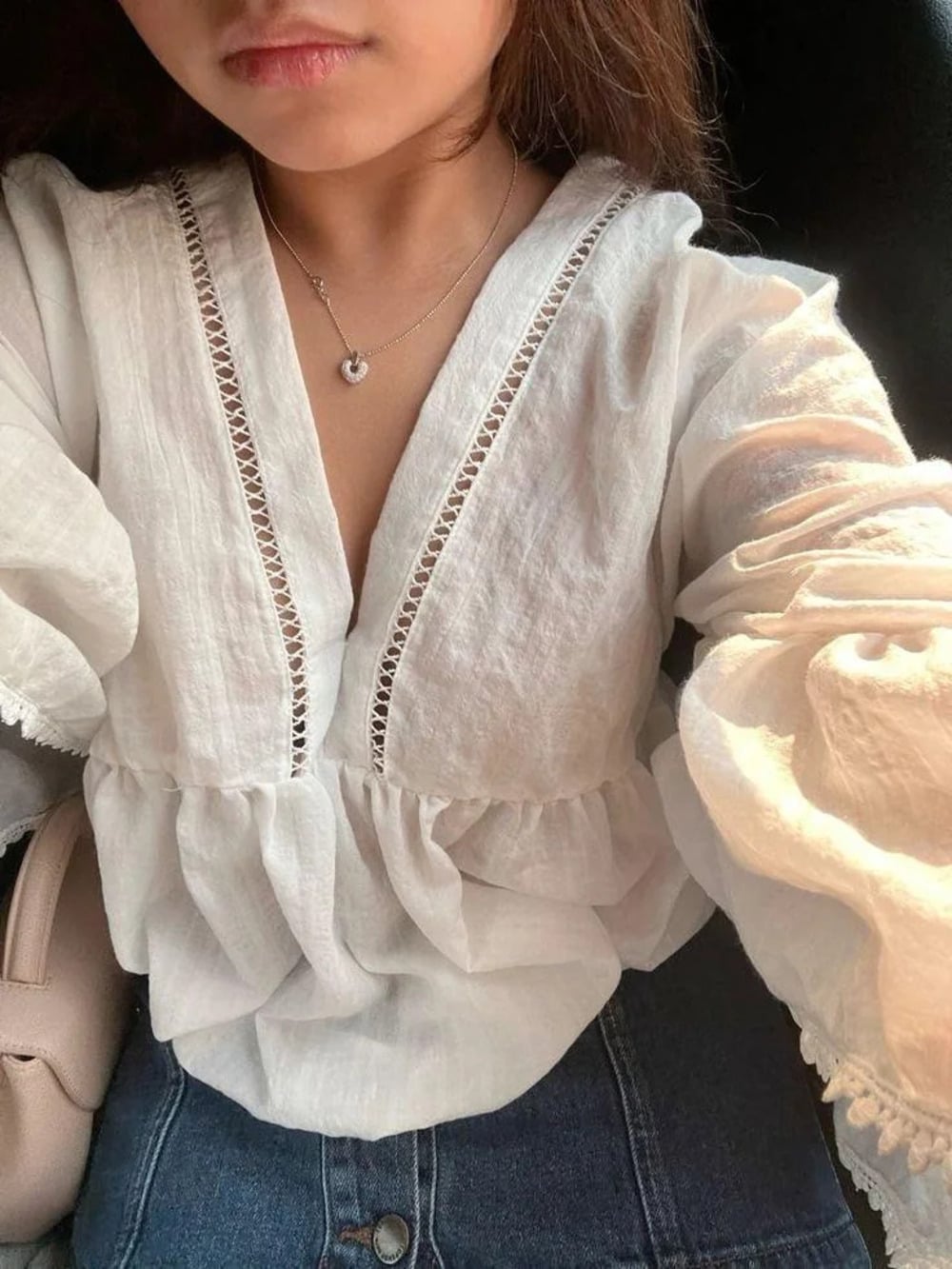
Loose sleeves, embroidery, flowing fabrics, and relaxed shapes helped peasant blouses move from counterculture-influenced fashion into the mainstream during the 1970s. Their descendants remain a fixture of modern boho wardrobes. What changes is usually the styling around them. What stays remarkably recognizable is that breezy silhouette.
20. Wedge Heels
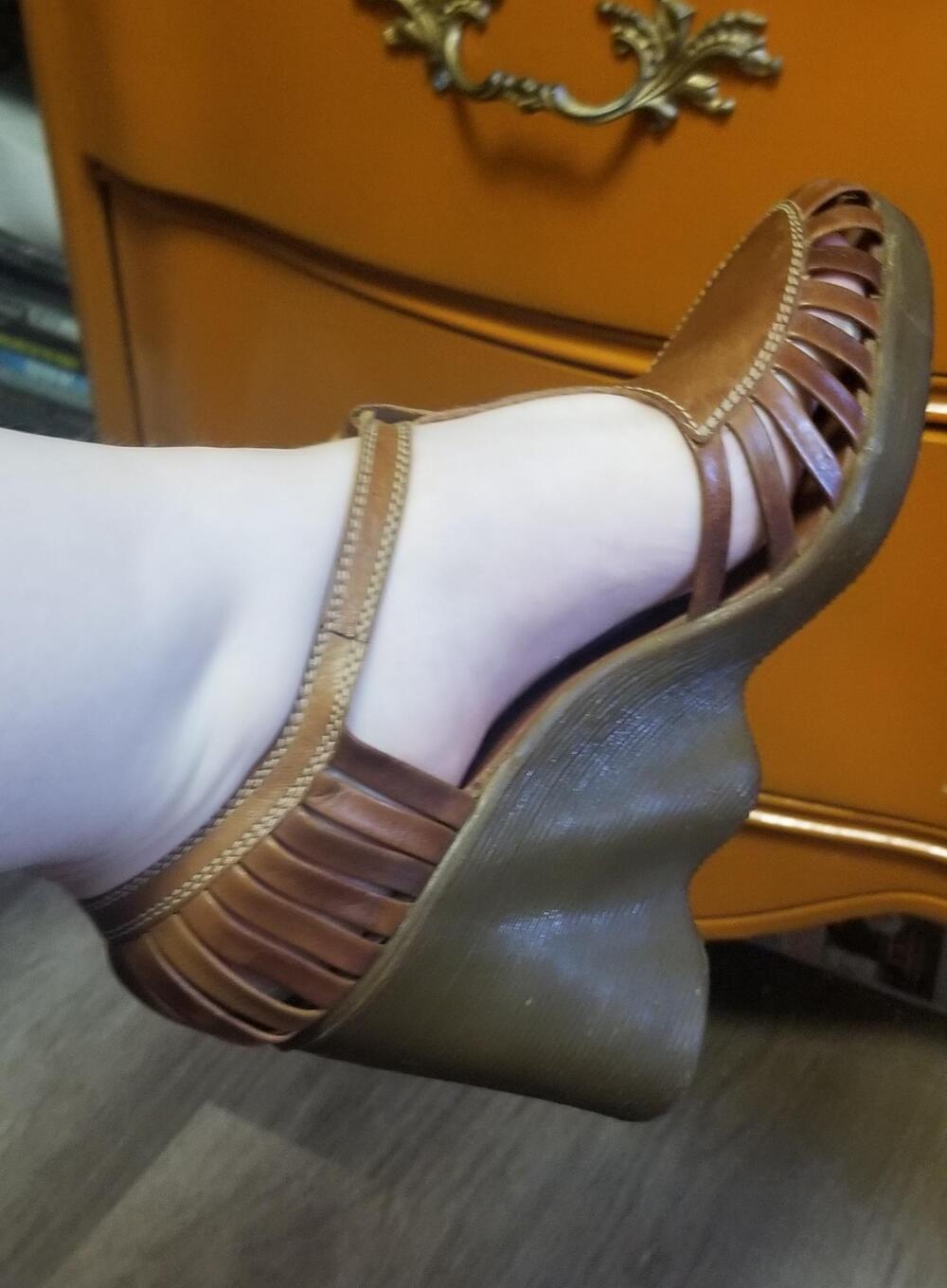
Platform shoes weren’t the decade’s only strategy for gaining a little altitude. Wedge heels became another major footwear shape during the 1970s, combining height with a continuous sole rather than a separate heel. Modern versions regularly return in sandals and platform-wedge hybrids, closing this list with footwear that has mastered the fashion equivalent of leaving the party and quietly coming back through another door.
The enduring appeal of 70s fashion trends isn’t that modern wardrobes are recreating the decade piece by piece. The more interesting story is how individual ideas keep being reworked. A flare changes proportions, crochet gets new styling, and disco sparkle returns without requiring an actual disco.
Fashion rarely brings the past back untouched. It borrows the parts that still work, changes the context, and introduces them to another generation. Fifty years later, the 1970s clearly haven’t finished lending out their clothes.
Keep Exploring The Scroller
Fashion’s closet is full of second chances. Keep exploring The Scroller for more forgotten trends, surprising comebacks, and everyday styles with histories much longer than they first appear:
16 Fashion Choices in Old Photos That Felt Stylish Back Then
20 Icons Who Made the 1970s Unforgettable
20 Towering Hairstyles That Defined the Glamour of the 1960s