Long road trips and daily commutes during the 1990s offered a completely different physical experience compared to riding in today’s digital, screen-filled cars. Before smartphone navigation, integrated Bluetooth, and built-in cup holders became standard features, outfitting the cabin of a family car relied on a collection of practical tools, manual entertainment gadgets, and specialized accessories. Every road trip required careful preparation and a glove compartment packed with physical essentials to survive long hours on the highway.
Stepping inside a typical sedan or minivan from the era revealed a unique ecosystem designed around analog convenience. From giant zippered binder cases filled with compact discs and paper highway atlases to manual window cranks and cassette deck adapters, these cabin staples defined the decade’s commuting culture. Revisiting these nostalgic interior accessories offers a fun window into how families navigated, entertained themselves, and traveled together. Here are sixteen classic items you would have easily found in a 1990s family car.
1. Giant spiral-bound road atlases
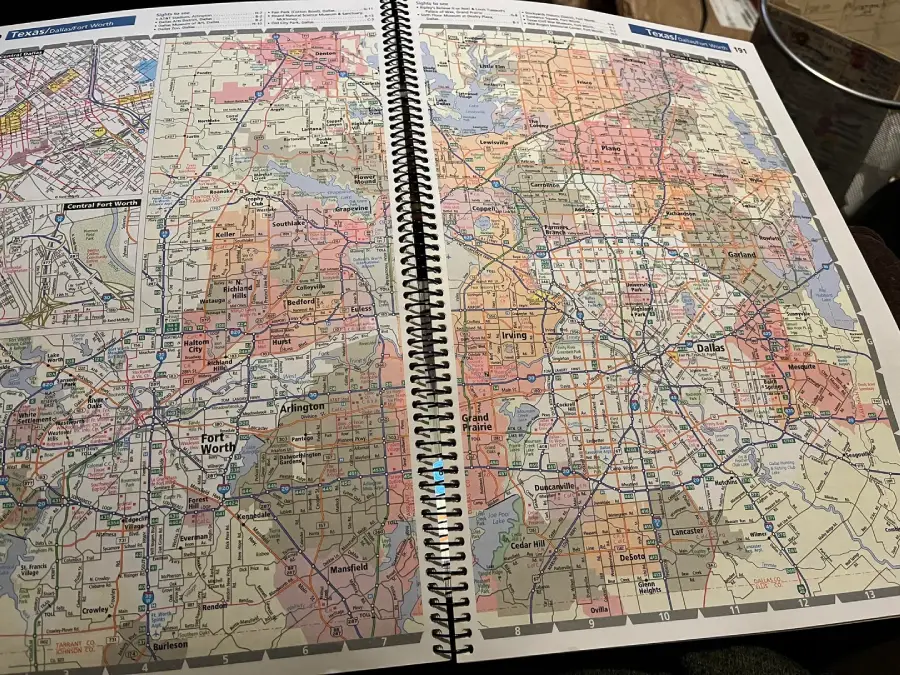
Before GPS satellites mapped out real-time driving routes, long family road trips relied on a heavy Rand McNally or AAA paper atlas stored under the passenger seat. Co-pilots had to manually trace highway routes page by page, tracking exit numbers and state borders while trying to read small print in the dark.
2. Cassette tape adapters with auxiliary cords
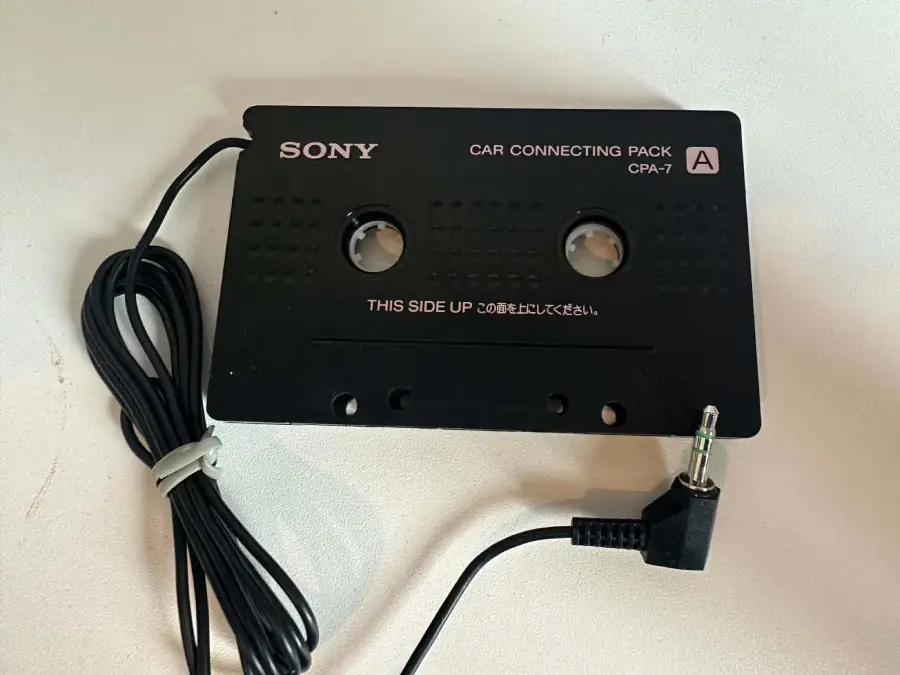
As portable CD players became popular, drivers without built-in disc players used a clever cassette adapter to play digital music through the vehicle’s speakers. The device featured a dummy tape inserted into the dashboard deck, attached to a thin wire that plugged straight into a portable player’s headphone jack.
3. Zippered CD carrying binders
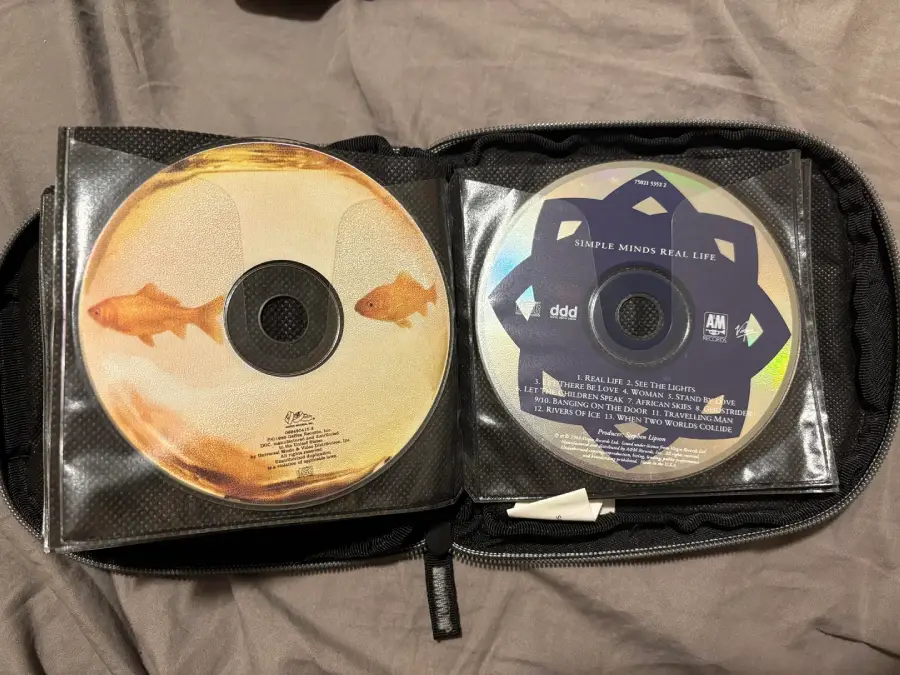
Music collections lived in heavy nylon or leatherette binders stored on the floorboards or hanging behind the front seats. Drivers and passengers flipped through plastic sleeves packed with dozens of compact discs, frequently wrestling with scratched discs when hitting bumps in the road.
4. Detachable stereo faceplates
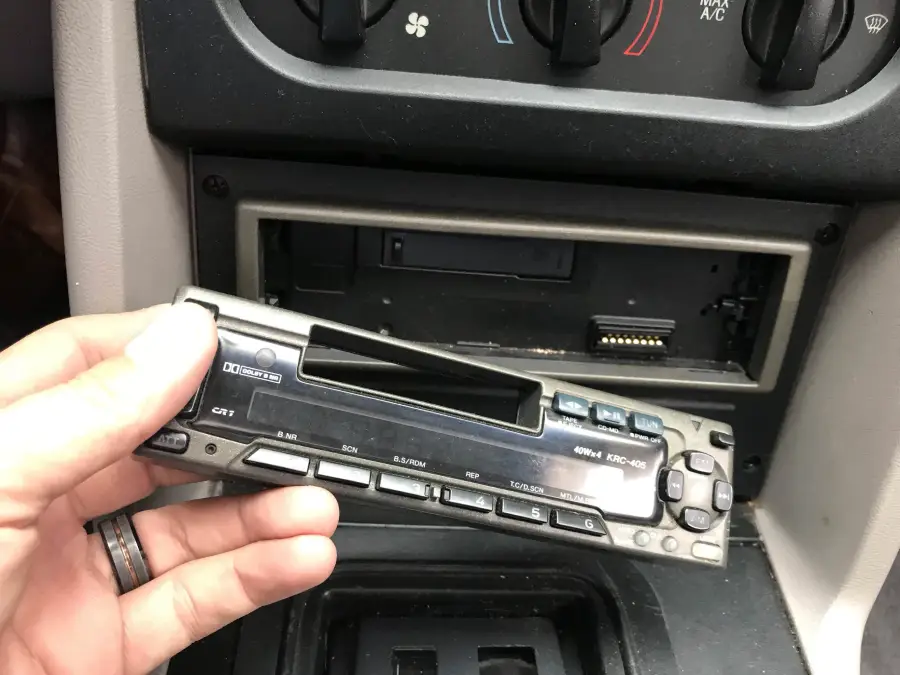
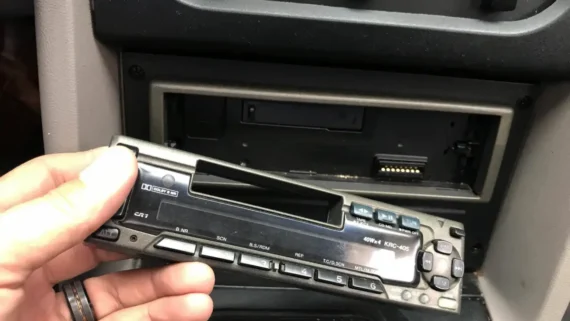
Car audio theft was extremely common throughout the decade, prompting aftermarket stereo manufacturers to design removable control panels. Drivers routinely popped off their stereo faceplates upon parking, carrying the expensive plastic component around in a specialized protective plastic case.
5. Sun visor CD and cassette organizers
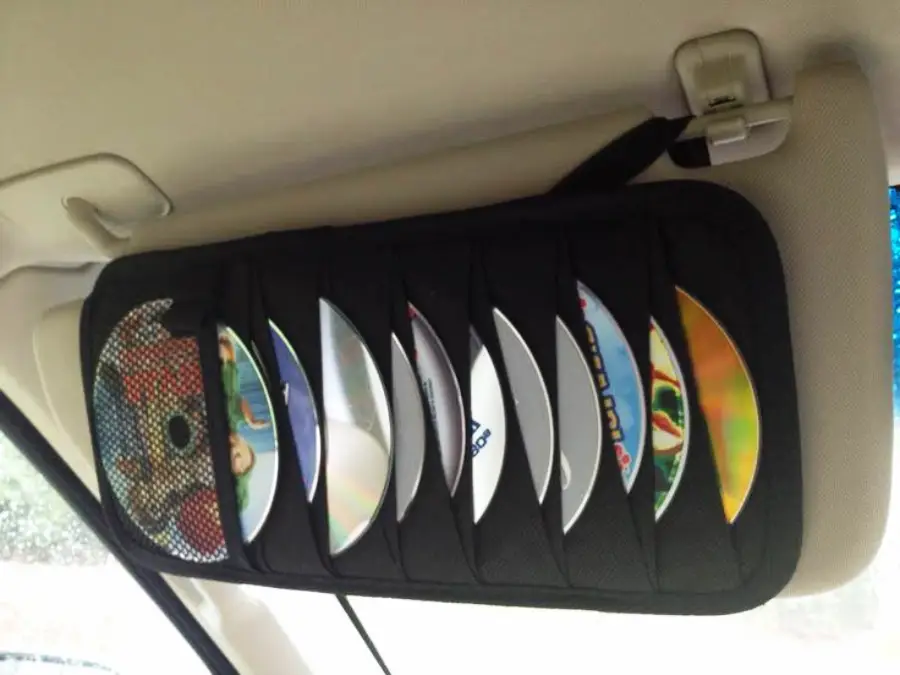
For quick access to favorite albums while driving, visors were fitted with elastic-strap organizers that held half a dozen CDs or tapes overhead. While convenient, loading them too heavily often caused the sun visor to flop down unexpectedly while driving down the highway.
Trending on The Scroller


6. Manual window cranks
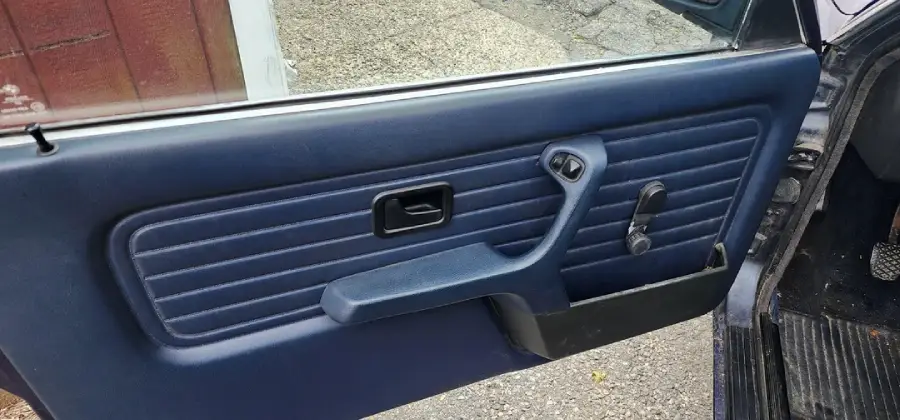
Rolling down a window in most mid-century and nineties entry-level vehicles required real physical effort using a manual door crank handle. Kids in the backseat frequently fought over who had to hand-crank their window down during hot summer drives before power windows became standard.
7. Coin holders built into the center console
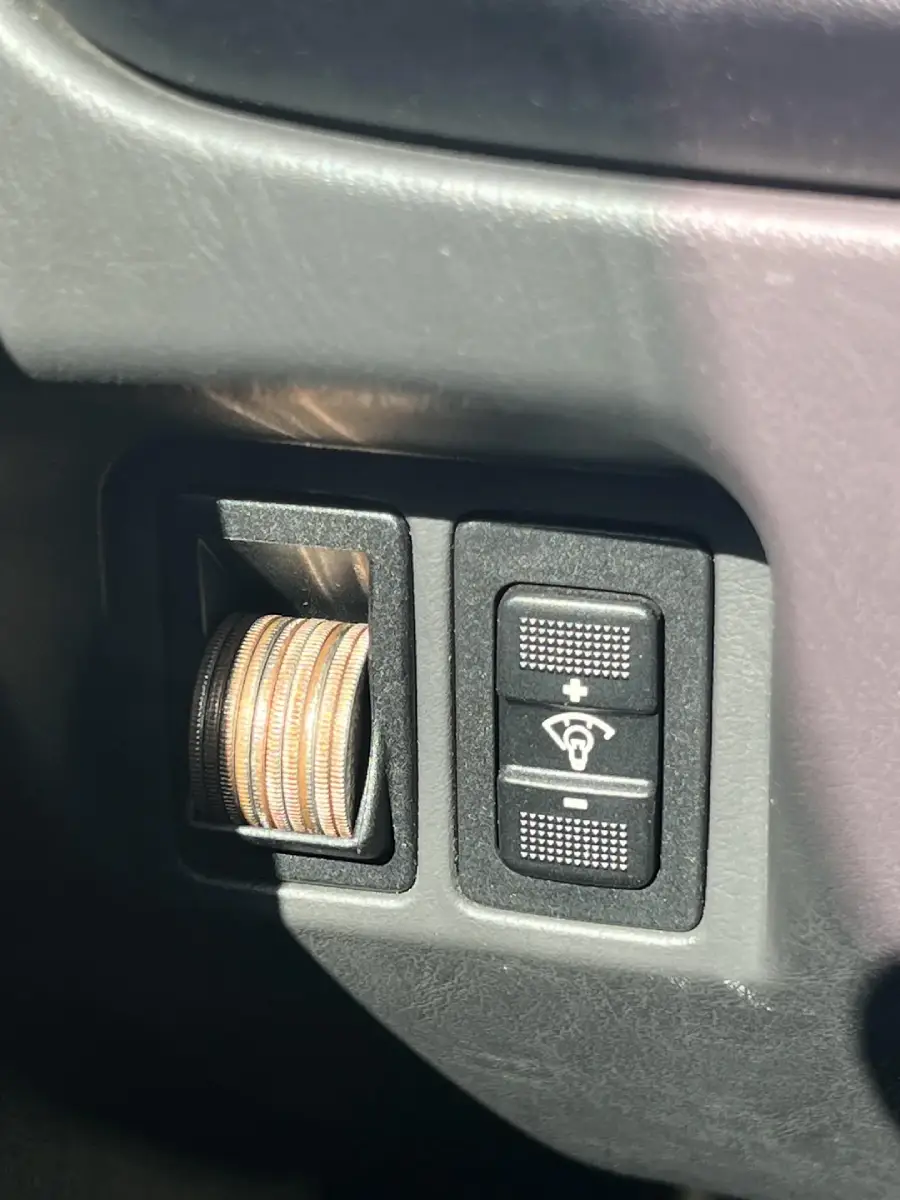
Toll roads and parking meters required keeping physical change handy, leading auto manufacturers to build spring-loaded plastic coin slots directly into center consoles. Drivers kept quarters, dimes, and nickels neatly stacked in dedicated slots to pay highway tolls without digging through pockets.
8. Hanging pine tree air fresheners
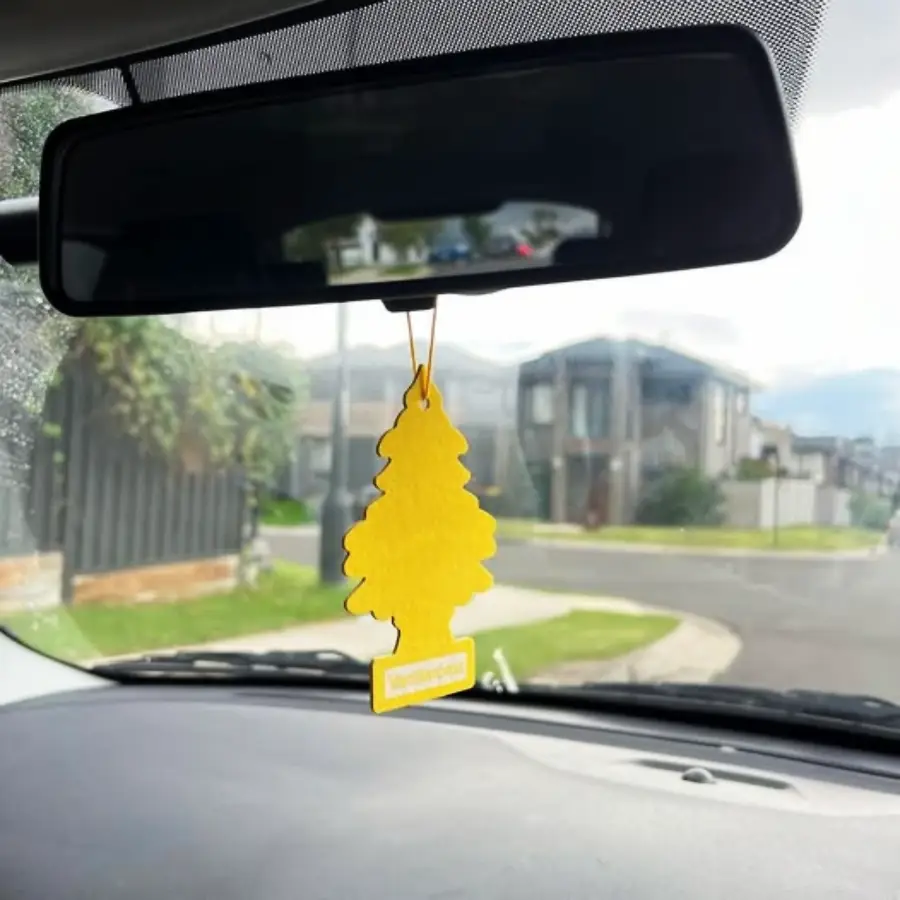
Classic Little Trees air fresheners in iconic scents like Royal Pine or Vanillaroma hung prominently from almost every rearview mirror. Many drivers left old, dried-out trees hanging behind new ones, creating a dangling forest of retro air fresheners over the dashboard.
Sign up for our newsletter
9. Overhead fold-out TV monitors in minivans
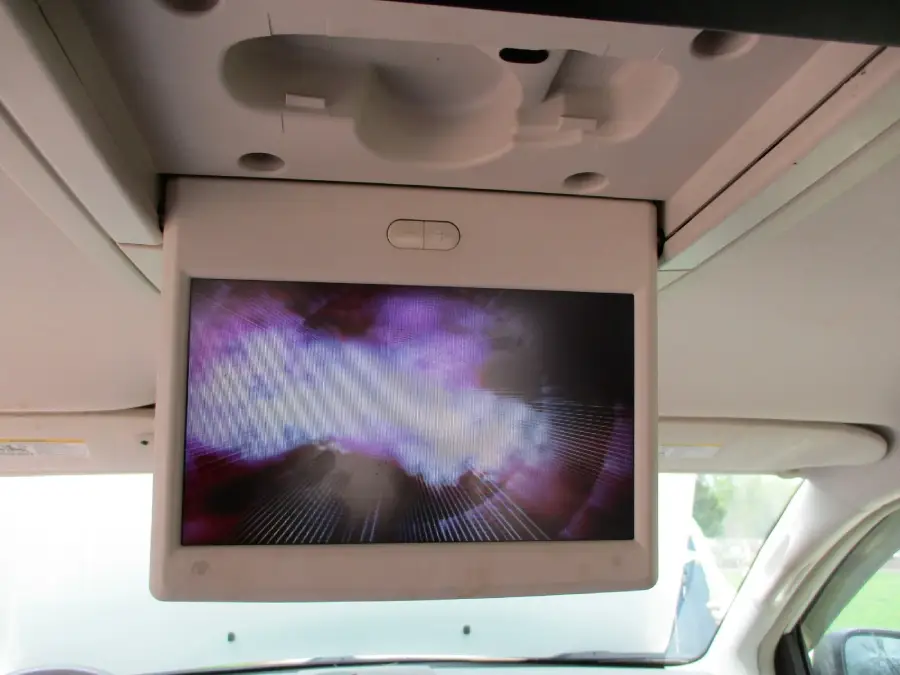
Luxury minivans like the Dodge Caravan introduced flip-down ceiling screens paired with built-in videocassette players to keep kids entertained in the back. Parents brought full-sized VHS tapes on long road trips, powering external gaming consoles or tape decks through 12-volt lighter sockets.
10. Paper parking permits and hangtags
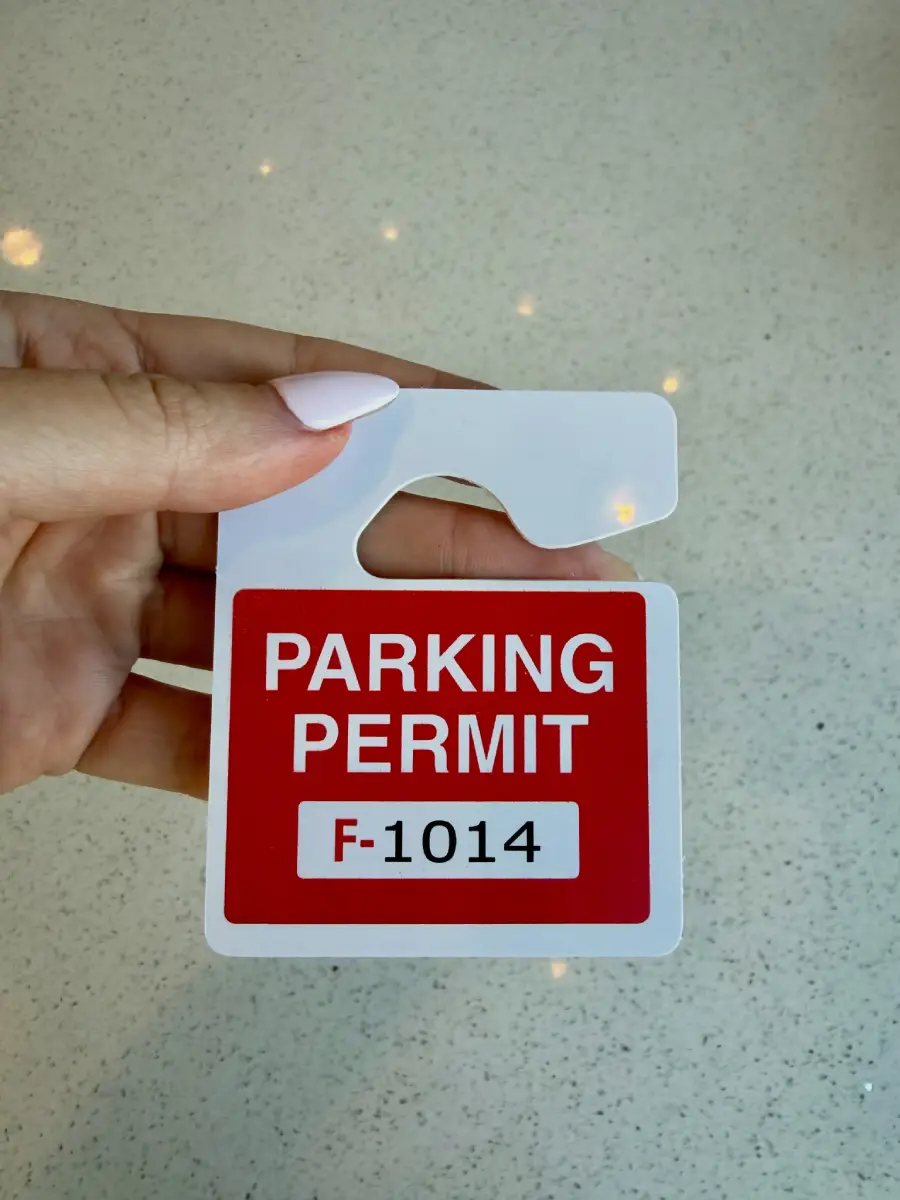
Before digital license plate readers and automated gate passes, parking access relied on thick laminated paper tags dangling from the rearview mirror. Drivers accumulated layers of colorful university, workplace, and apartment parking permits displayed prominently behind the windshield glass.
11. Beaded seat cushions
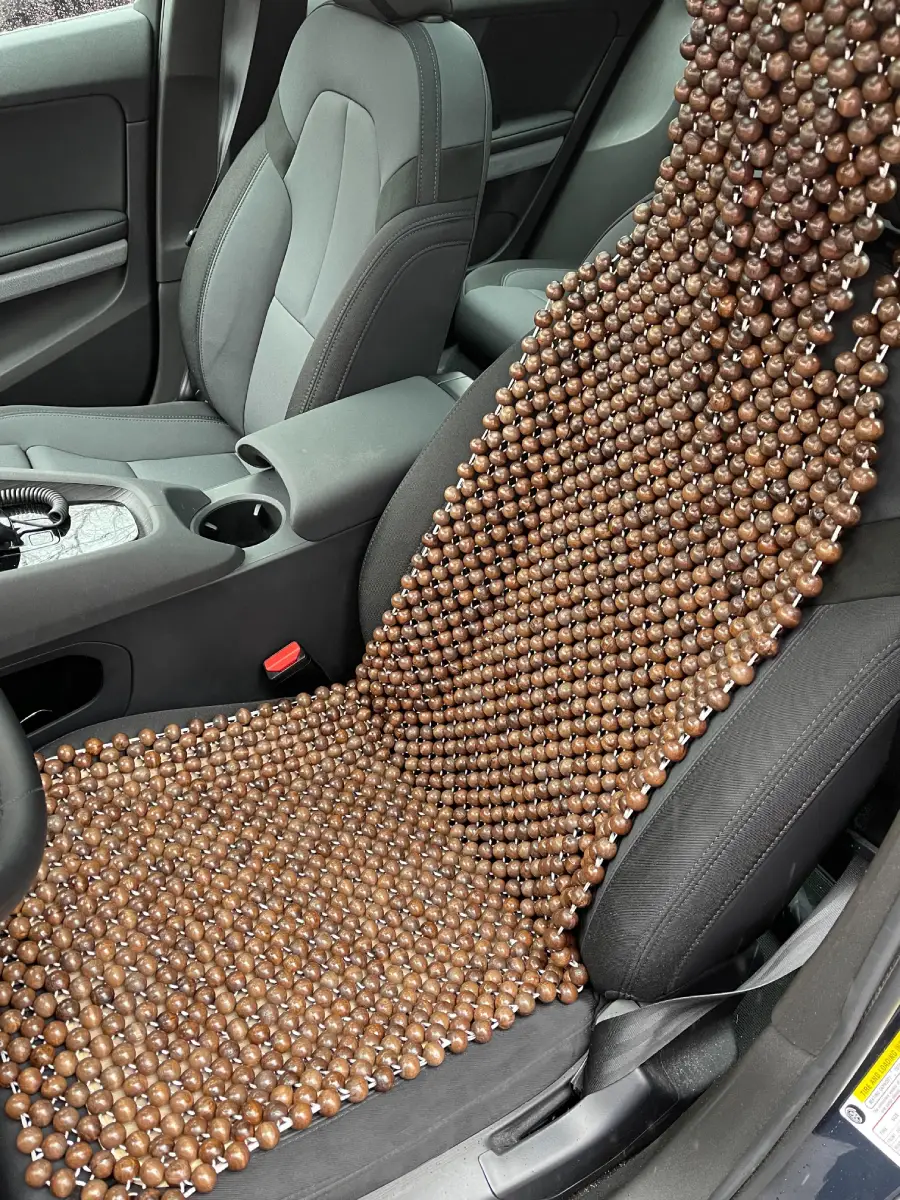
Drivers spending long hours behind the wheel often installed wooden beaded seat covers over their fabric seats. The woven wooden beads were advertised to improve air circulation, reduce back fatigue, and provide a subtle massage during long highway commutes.
12. Cigarette lighters and pop-out ashtrays
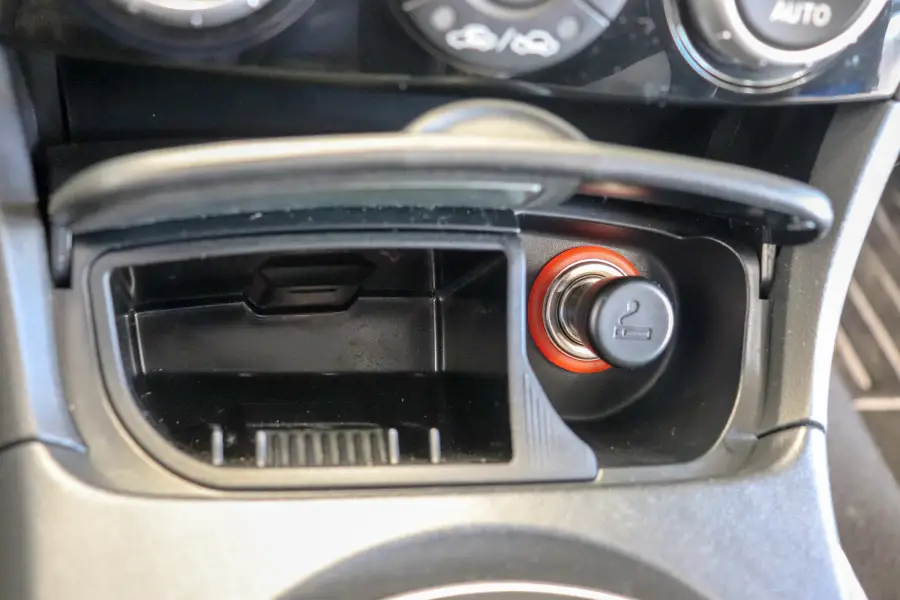
Vehicle interiors featured built-in dashboard ashtrays and heating-element lighters as standard equipment rather than optional accessories. Non-smokers repurposed these metal-lined drawers to store loose change, paper clips, or chewed gum wrappers.
13. Steering wheel locks
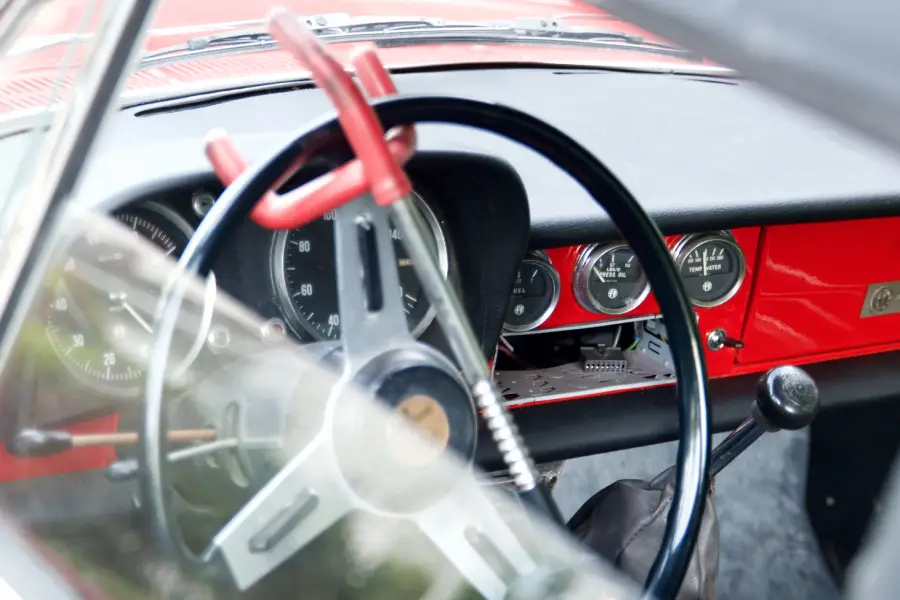
Fearing vehicle theft, millions of car owners locked a bright red or yellow steel bar across their steering wheel every time they parked. The high-visibility mechanical lock served as a visual deterrent, preventing the wheel from fully turning even if a thief bypassed the ignition.
14. Heavy rubber floor mats
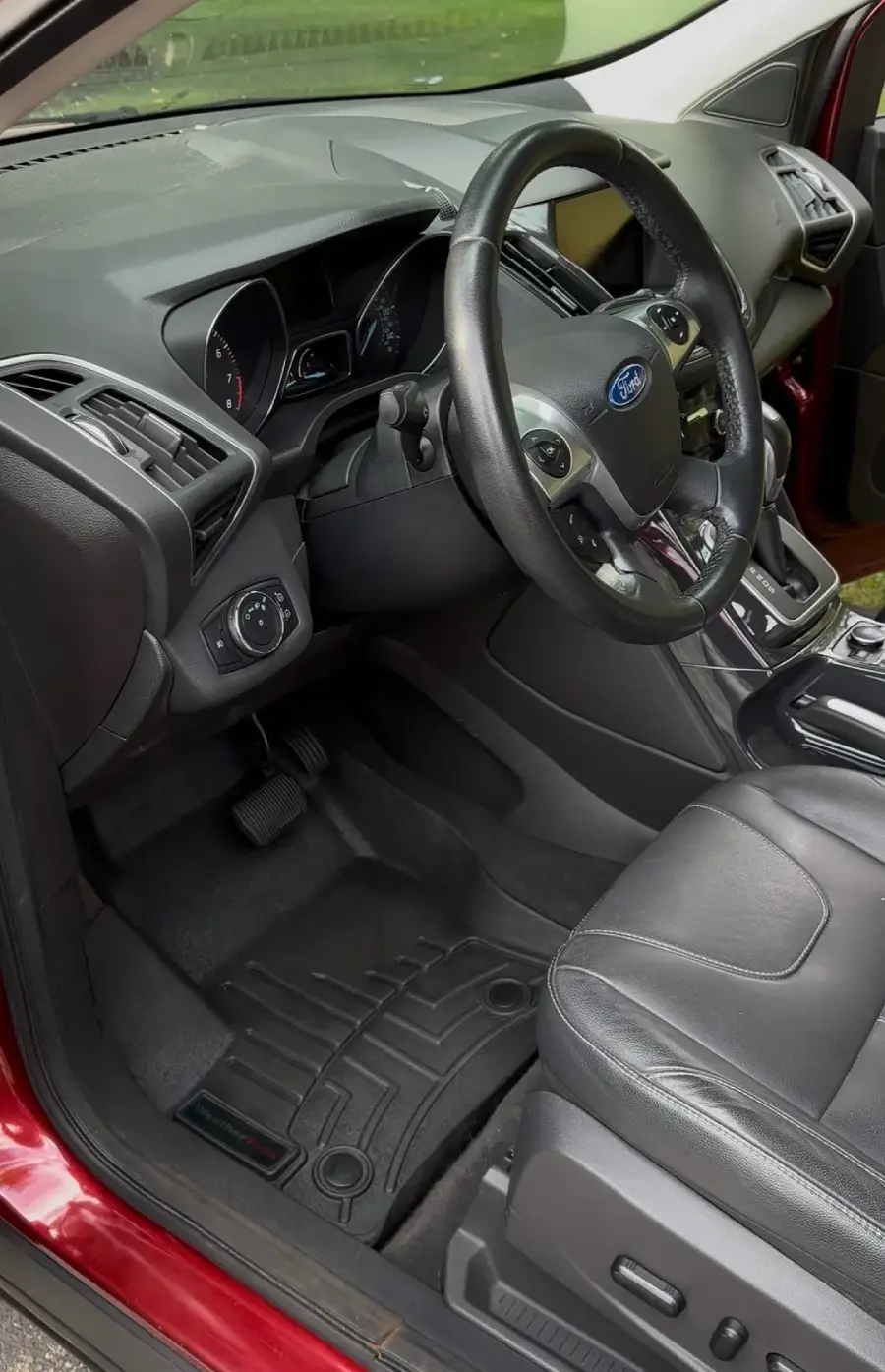
To protect factory carpeting from mud, spilled sodas, and slush, owners lined their floorboards with deep-grooved rubber floor mats. These heavy mats trapped dirt and liquids, allowing drivers to pull them out and hose them off at the local car wash.
15. Travel games with magnetic pieces
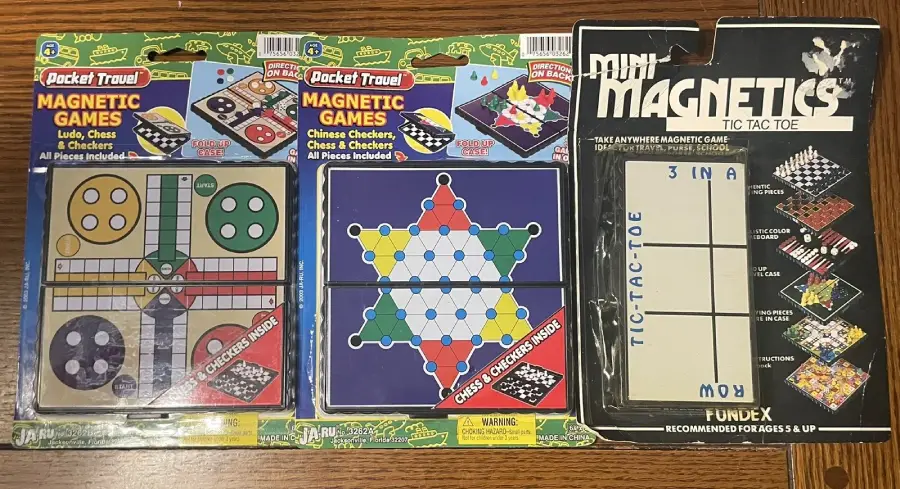
Keeping kids quiet in the backseat inspired a generation of compact board games featuring magnetic boards and pieces. Classics like Connect Four, Checkers, and Battleship were redesigned with tiny magnetic markers so pieces would not slide off during sudden turns.
16. Emergency roadside flares and jumper cables
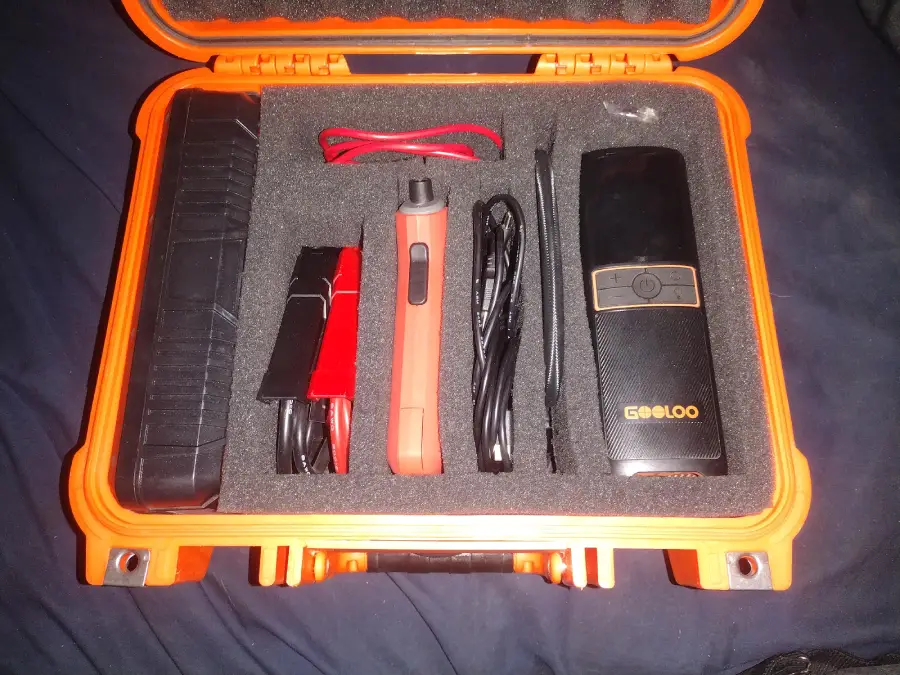
Trunks were routinely outfitted with emergency breakdown kits containing heavy jumper cables, tire pressure gauges, and red road flares. Drivers relied on these self-service tools to handle flat tires or dead batteries on the shoulder of the highway long before calling roadside assistance.
Take a look at more 1990s nostalgic stories:
Looking back at these classic interior accessories highlights just how much the daily driving experience has transformed over the past few decades. The transition from physical road maps, cassette adapters, and manual window cranks to automated digital dashboards has changed how we travel together. If you enjoy exploring nostalgia and 90s culture archives, be sure to check out these 90s Mall Culture: 16 Food Court Staples We Loved, or these 16 Things Every 90s Lunchbox Needed to Survive Recess. You may also like these 16 Birthday Party Traditions from the 80s and 90s We Miss.