

As the years pass us on by we will inevitably continue to see all manners of unanticipated, fortunate, and unfortunate new trends emerge. Some of these trends, especially in the foods space can actually be beneficial for the population at large. For instance, it’s not a bad thing that we’re eating quinoa like it’s about to sell out. We’ll now take a look at six foods that Americans were not often seen eating a couple of decades ago.
1. Quinoa
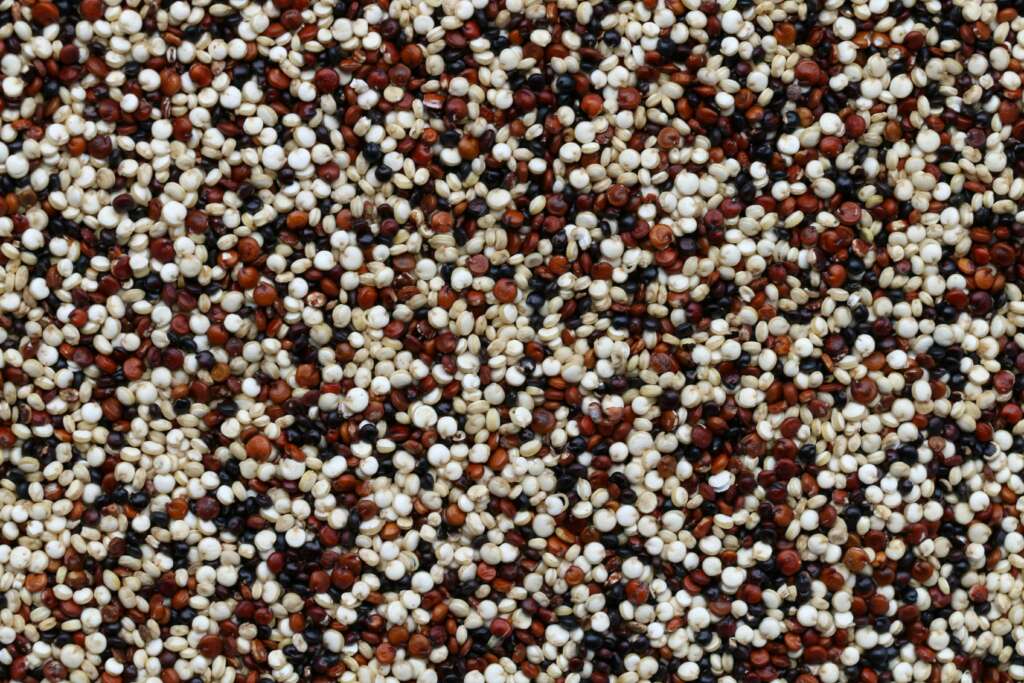
For starters, quinoa is jacked up with all kinds of nutrients. Then, a spike in demand for the nutrient-packed grain, grown almost exclusively in South America, was driven by more than a decade of U.N.-financed development of new processing plants raising the grain’s profitability. In 2018, the United States alone imported 74.3 million pounds of quinoa.
2. Avocado
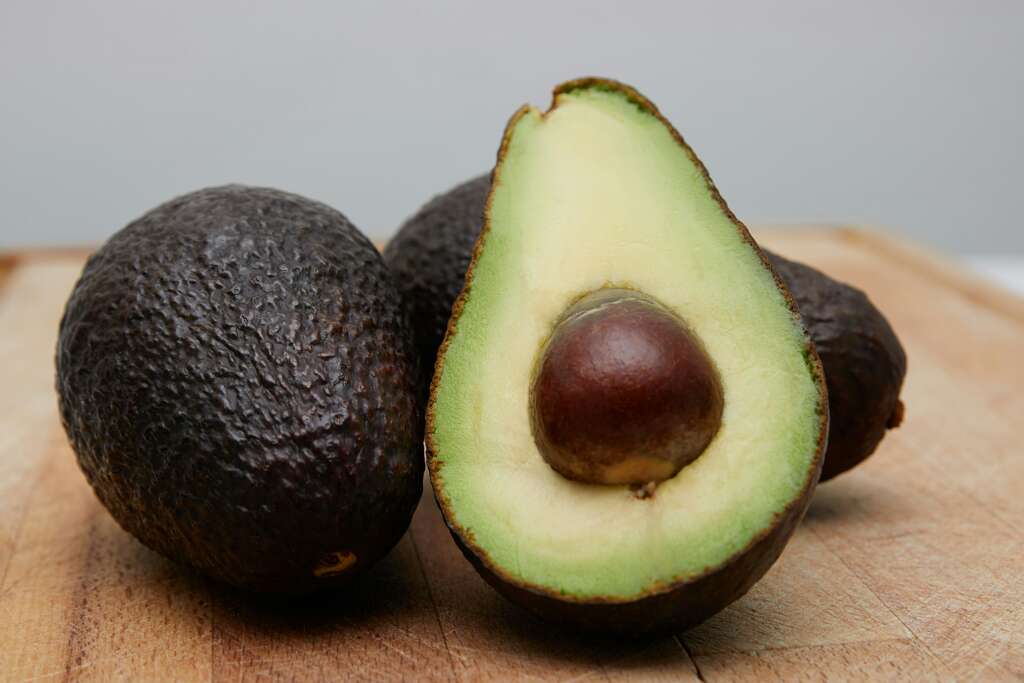
Before their widespread acclaim for being so picture-friendly, avocados were known as “alligator pears,” and import restrictions banned shipments from Mexico into the late ’90s. Though it wasn’t as unheard of as others on this list, the average American ate only 1.5 pounds of avocado at that time, compared with nearly 8.5 pounds in 2020.
3. Greek Yogurt

While Greek yogurt can end up being a pricier yogurt option, its sales alone increased over time by 2,500% even during the Great Recession. The thick, slightly sour yogurt’s ascendancy was accompanied by plenty of dubious health claims, but another reason behind its popularity may be a growing dislike of processed, sweetened yogurts.
4. Kimchi

Fermented cabbage which we know as kimchi nowadays, was introduced to the Western World during the 1988 Summer Olympics in Seoul. Nowadays though, it’s commonly consumed for its numerous health benefits like fighting inflammation, weight control, and even potentially lengthening one’s lifespan.
5. Almonds
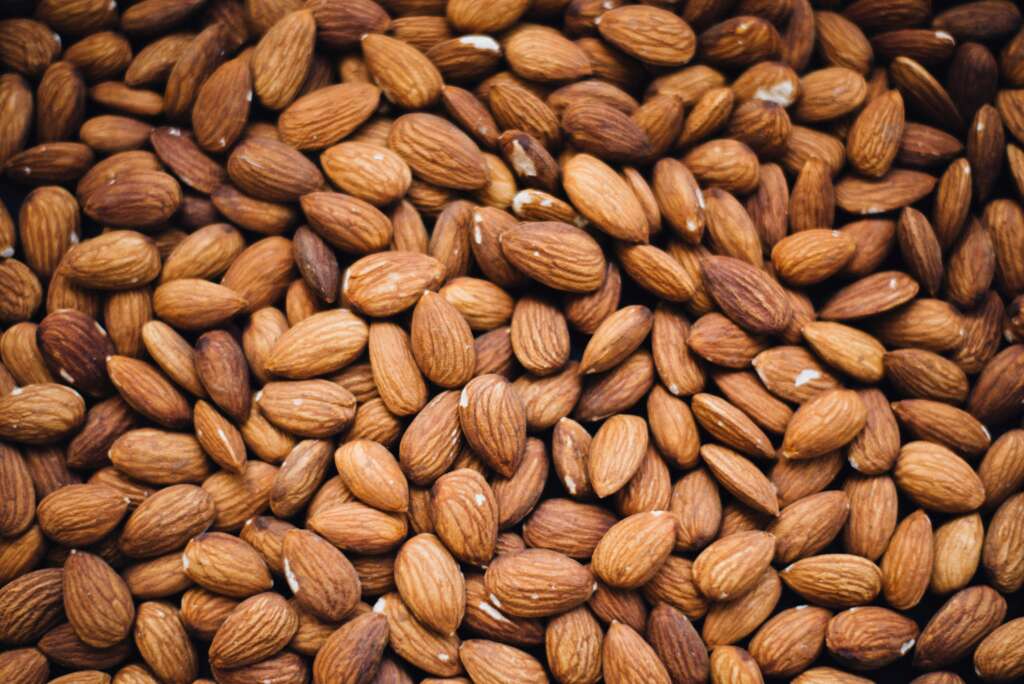
It’s crazy to think that until the late ’90s, almonds were but merely a common mixed nut. Then though, in large thanks to a marketing campaign that ran between 2005-2015, the demand skyrocketed by 220%. This equated to the average American consuming over 2 pounds of almonds each year.
Trending on The Scroller


6. Tofu

It took quite some time for tofu to catch on, and if you’re someone who has never been able to get on board with its unforgettably bizarre texture, you probably aren’t surprised. At all. Now though, it’s become more mainstream with the rise of vegetarian and veganism, and the market for meat substitutes including tofu is expected to reach $24 billion net worth this year.