World War 2 was one of the most defining events of the 20th century, not just for the scale of its battles, but for the people who shaped its course. Behind the headlines and history books were real individuals. Leaders were making impossible decisions, soldiers were on the front lines, and civilians were caught in the chaos.
Each image tells its own story. Whether it’s the weary face of a general, the quiet determination of a resistance fighter, or the calm resolve of a political leader, these photos freeze moments in time that reflect the complexity of a world at war. These are more than just portraits; they serve as reminders that history is built on the actions and emotions of people who lived through it. Let’s dive into 20 photos of historical figures from WWII.
1. Winston Churchill
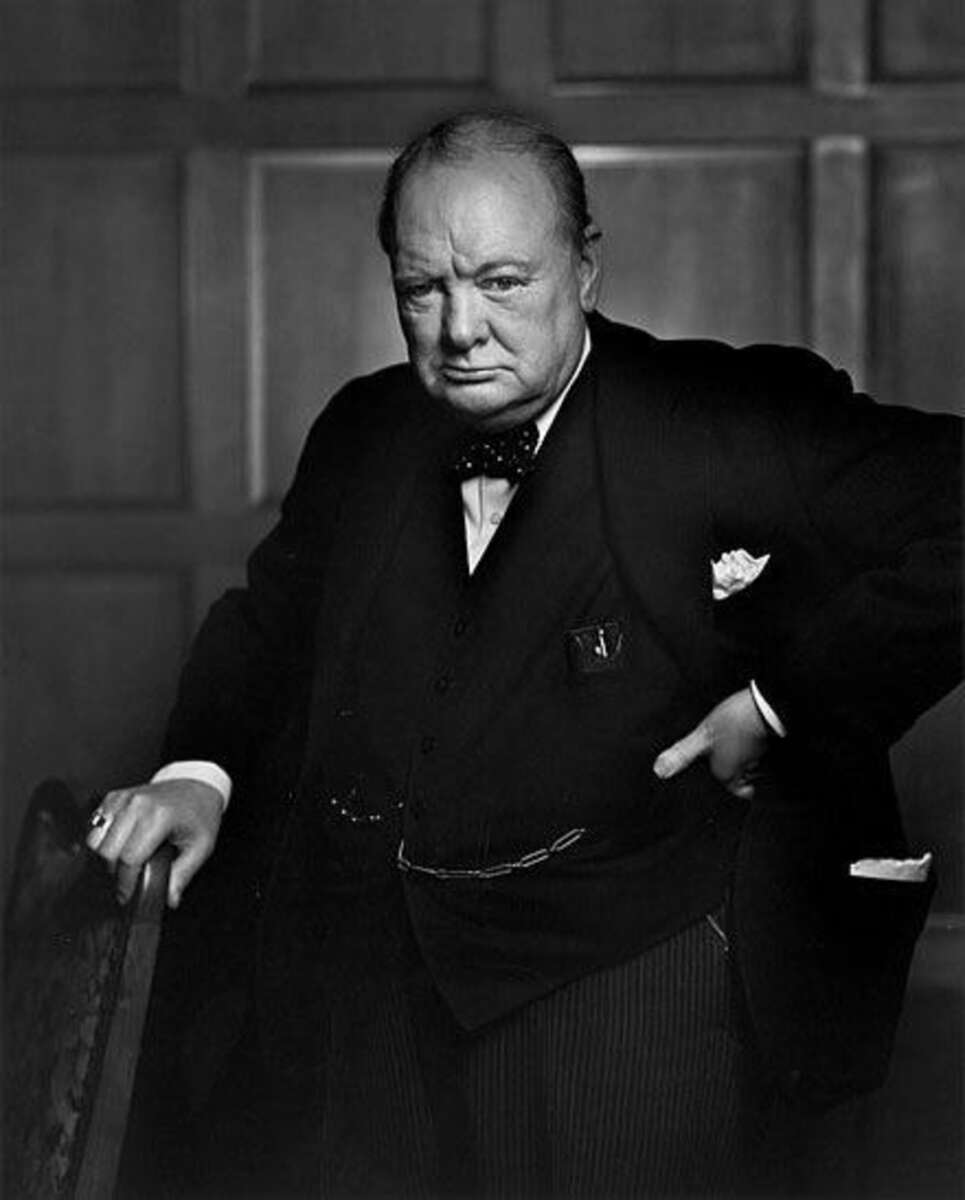
During WWII, Churchill led Britain through its most trying times, often seen with a cigar in one hand and defiance in his voice. He rallied his nation with powerful speeches, refusing to bend under the threat of German invasion. Churchill’s leadership helped turn the tide when hope was scarce.
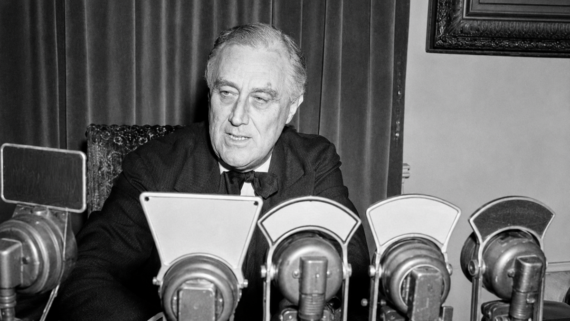
2. Franklin D. Roosevelt
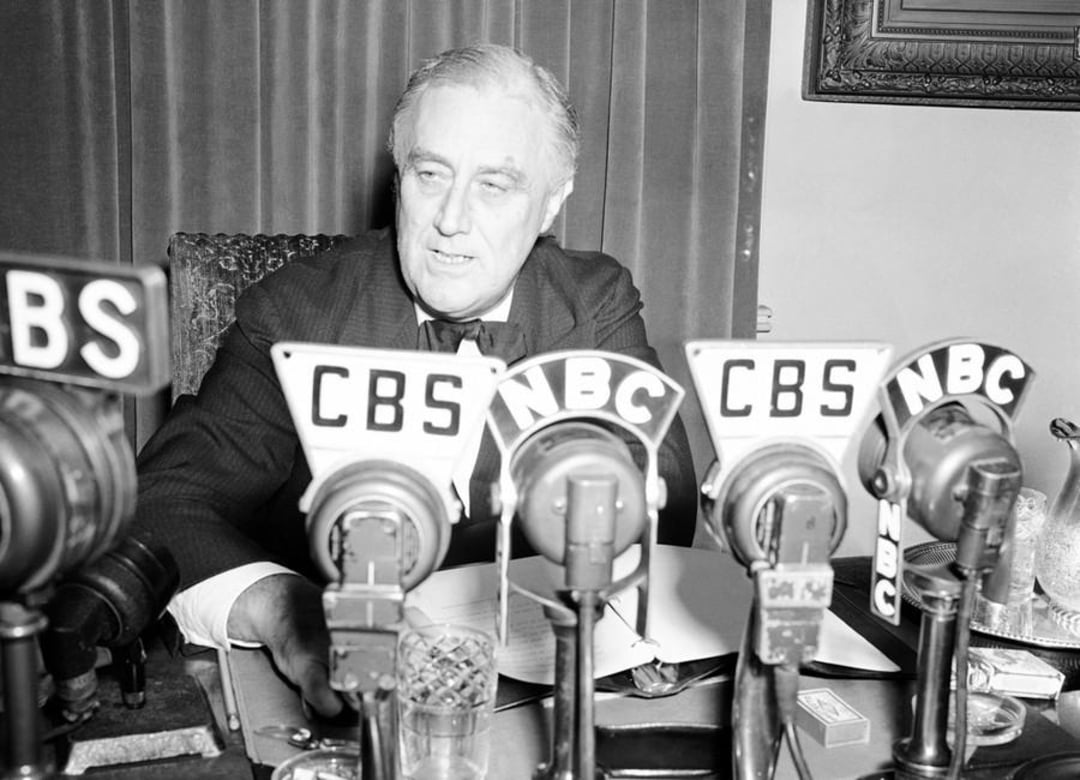
FDR served as America’s commander-in-chief through most of the war, guiding the nation from isolation into a leading Allied power. Under his direction, the U.S. ramped up production, supported allies, and eventually entered the war after Pearl Harbor.
3. Dwight D. Eisenhower
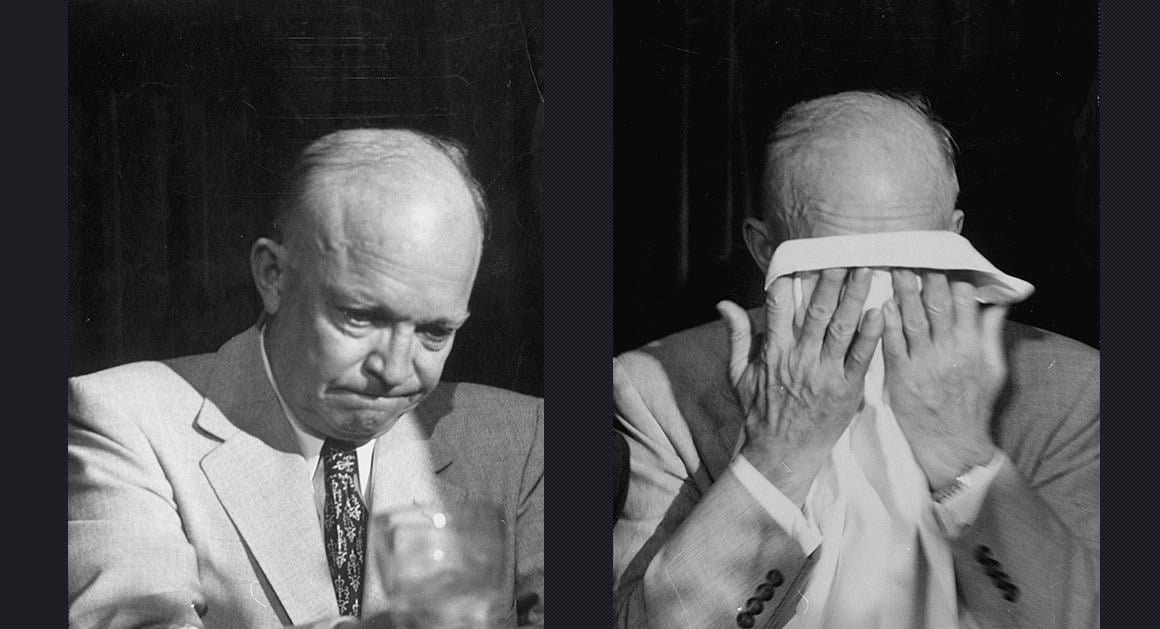
Eisenhower took charge of Allied operations in Europe and became the architect behind the D-Day landings. Known for his calm under pressure, he brought together different Allied forces with skill. His leadership earned him global respect and eventually the U.S. presidency.
4. Joseph Stalin
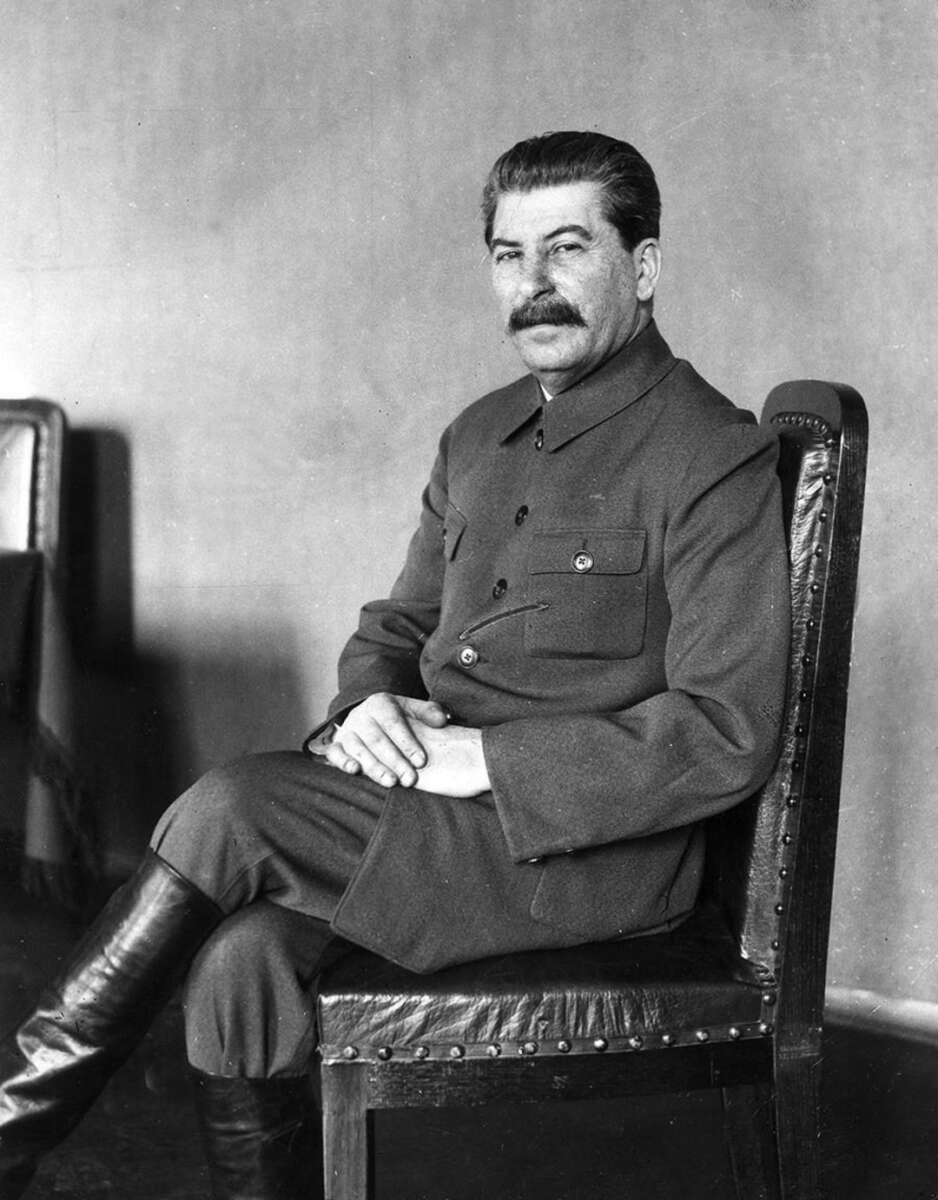
Stalin, who led the Soviet Union through war and terror, was both feared and revered. His brutal tactics helped drive back the German invasion, though at the cost of millions of Soviet lives. Despite his controversial rule, he played a central role in defeating Germany.
5. George S. Patton

Patton was a hard-charging American general known for his fiery speeches and battlefield aggressiveness. From North Africa to Europe, he pushed Allied troops to victory, especially during the Battle of the Bulge.
Trending on The Scroller

6. Emperor Hirohito of Japan
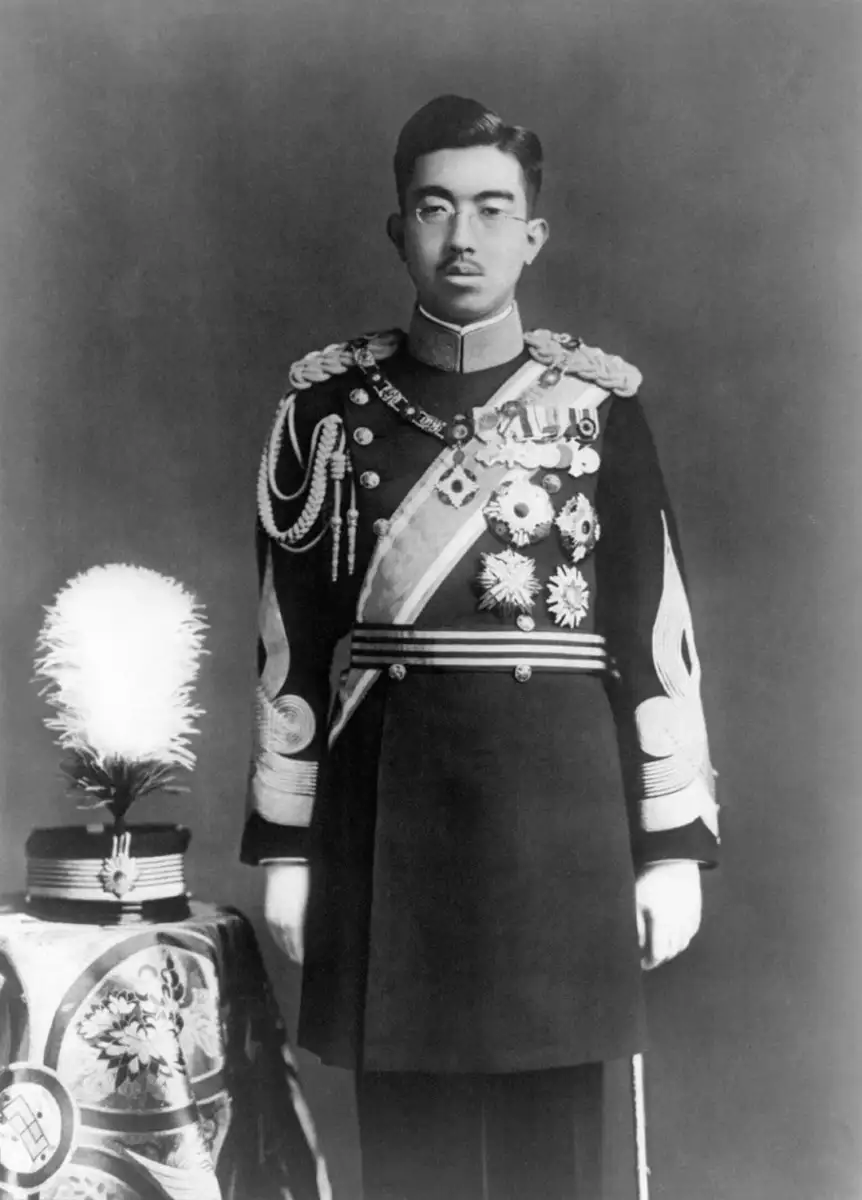
Hirohito was Japan’s symbolic head during a time of widespread military aggression. Although his direct involvement in wartime decisions is debated, he announced Japan’s surrender in a rare radio address in 1945. He remained emperor in the postwar era under a new constitution.
7. Douglas MacArthur
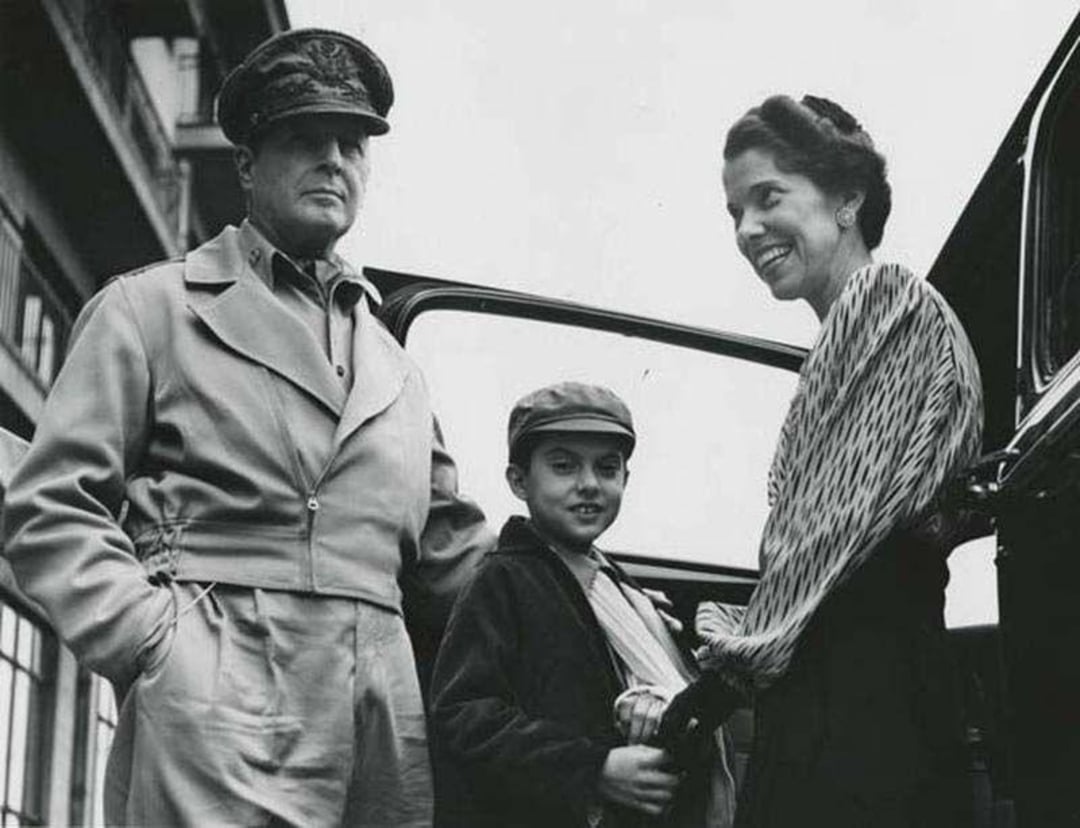
A five-star general, MacArthur commanded Allied forces in the Pacific Theater and famously vowed, “I shall return,” after being forced to leave the Philippines. He led the recapture of the islands and accepted Japan’s official surrender in 1945. Postwar, he oversaw Japan’s reconstruction.
8. Audie Murphy

Murphy rose from humble beginnings to become America’s most decorated WWII soldier. His fearless acts in combat, including holding off German troops single-handedly, made him a national hero. After the war, he found success in Hollywood but never forgot his fellow soldiers.
Sign up for our newsletter
9. Erwin Rommel
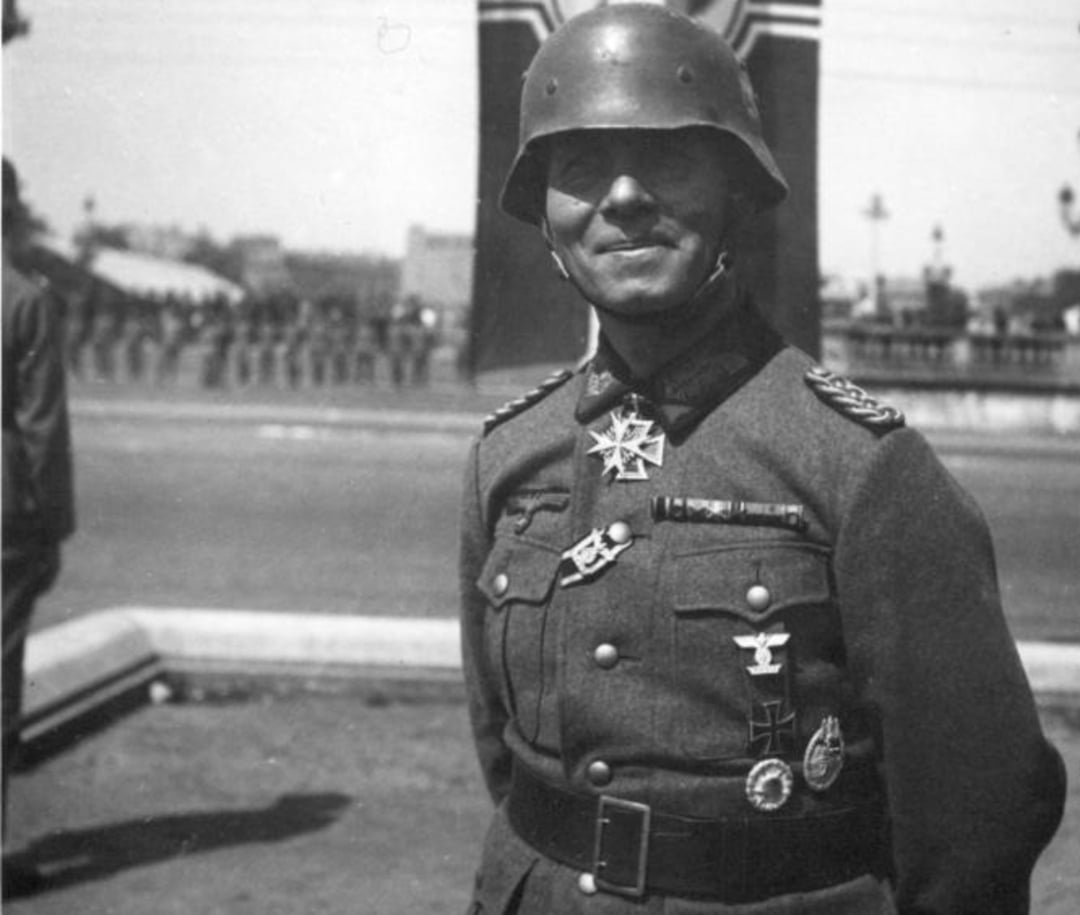
Rommel, nicknamed the “Desert Fox,” earned a reputation as one of Germany’s most brilliant field commanders. His campaigns in North Africa showed tactical brilliance, though his eventual ties to the plot to kill Germany’s leader led to his demise. Rommel remains a complex and debated figure in military history.
10. Harry S. Truman
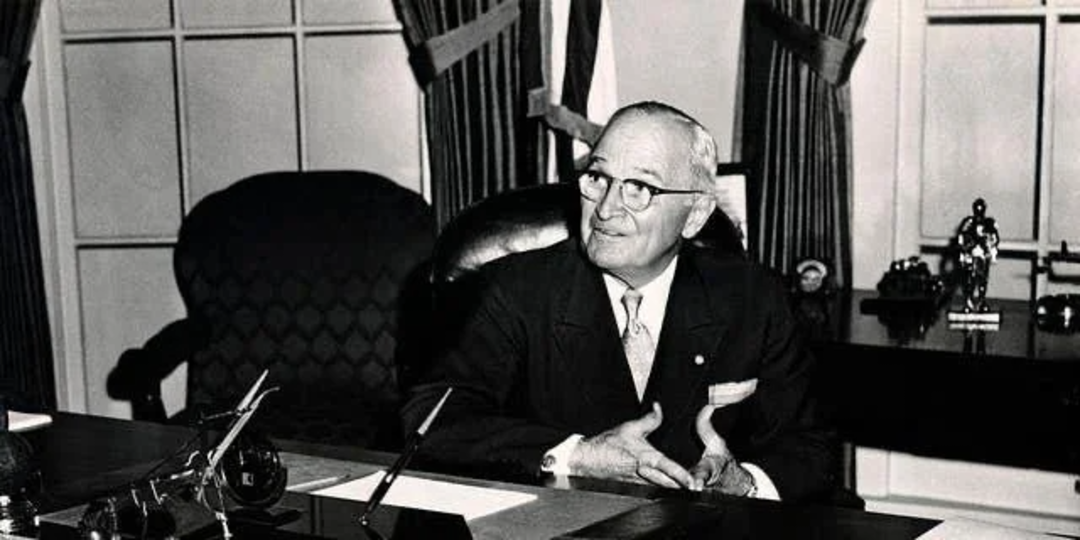
Thrust into leadership after Roosevelt’s death, Truman faced enormous decisions almost immediately. His approval of the atomic bombings brought the war to a swift close, though the moral debate continues. Truman also laid the groundwork for postwar recovery in many nations.
11. Charles de Gaulle

Refusing to accept defeat after France’s fall, de Gaulle escaped to London and became the voice of Free France. He encouraged resistance and worked to restore French pride and sovereignty. After the war, he returned home as a hero and helped rebuild the nation.
12. Albert Einstein
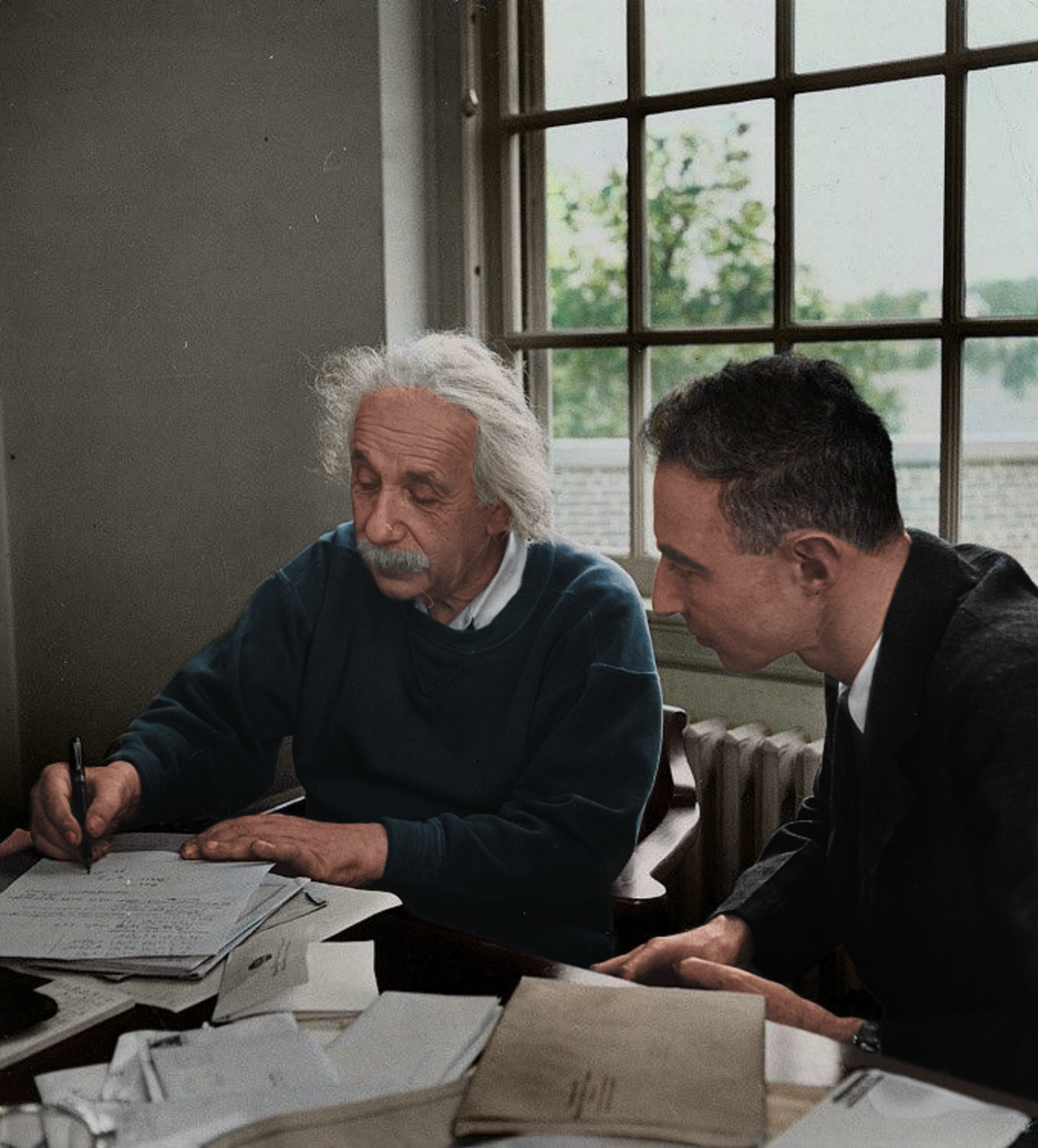
Einstein wasn’t a military leader, but his warning to FDR about German atomic research helped spur the U.S. into developing its own nuclear weapons. Having fled Germany himself, he deeply understood the threat fascism posed. After the war, he advocated for peace and nuclear restraint.
13. Vera Atkins

Atkins worked behind the scenes in British intelligence but often coordinated with American agents. She helped select and place operatives in German-occupied Europe, many of whom faced deadly missions. Much of her work remained secret until years after the war.
14. Raoul Wallenberg

Wallenberg used his diplomatic status in Hungary to issue protective passports and shelter Jewish families from the Germans. His courage saved tens of thousands, often under threat of arrest or death. Mysteriously, he vanished after being taken into Soviet custody in 1945.
15. Chiune Sugihara
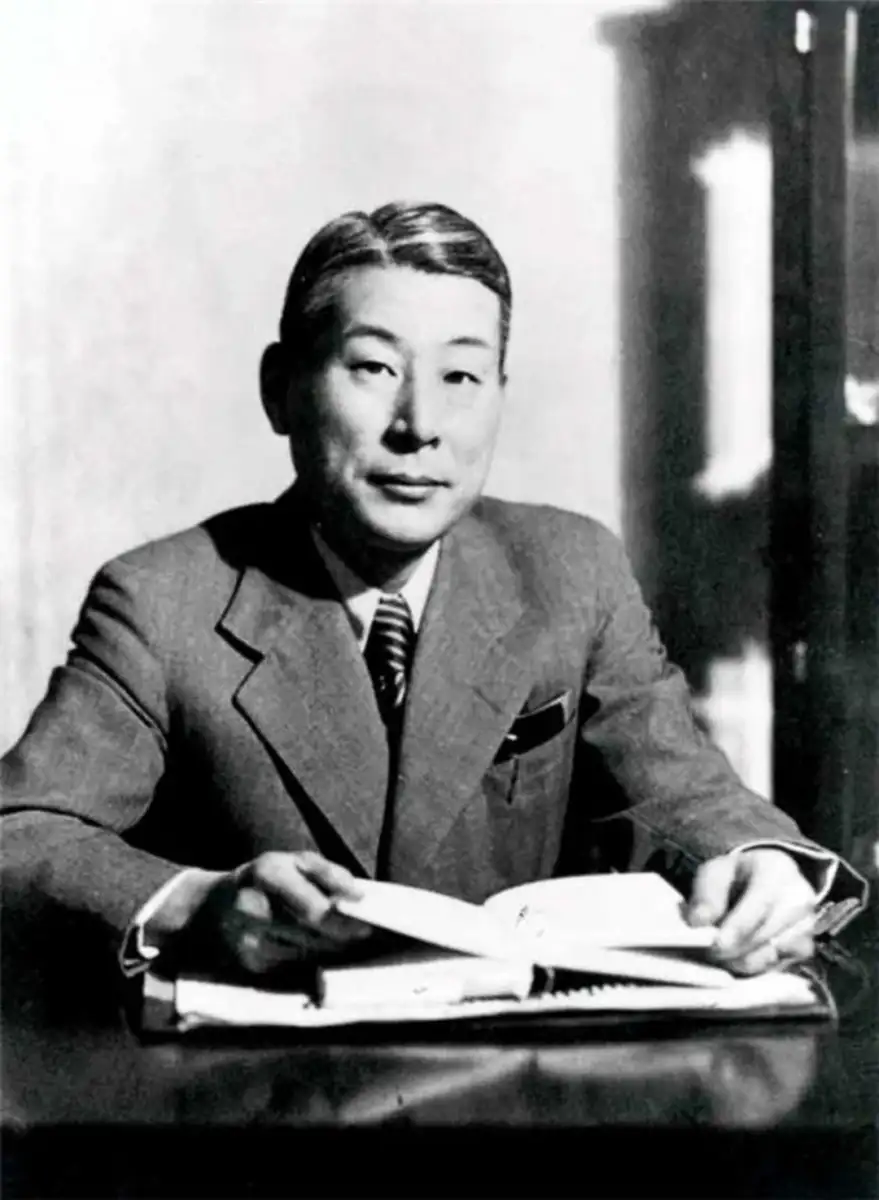
Though a Japanese diplomat, Sugihara defied his government by helping thousands of Jewish refugees escape through transit visas. His quiet bravery unfolded in Lithuania, far from Tokyo’s eyes. Only decades later did the world fully recognize the lives he saved.
16. Omar Bradley
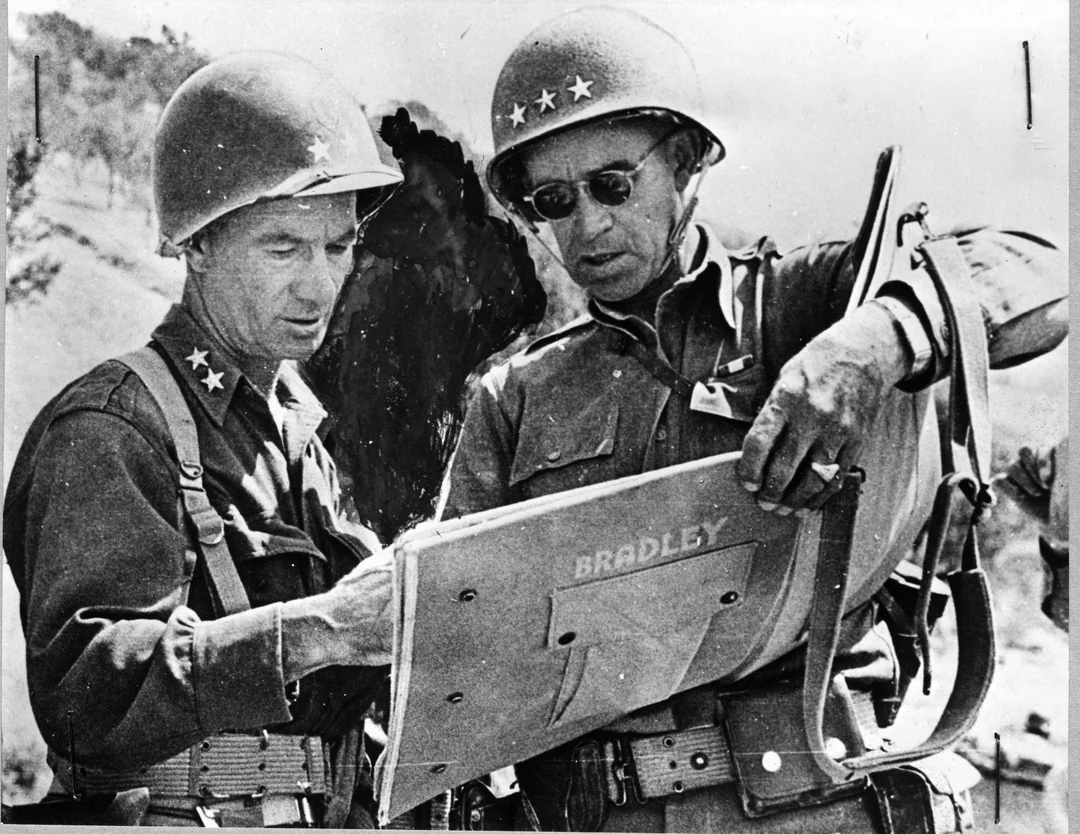
Known for his steady and thoughtful leadership, Bradley led American troops across Europe during some of the war’s largest campaigns. Unlike more flamboyant generals, he kept a low profile but earned deep respect from his men. He had commanded millions of soldiers by the war’s end.
17. Georgy Zhukov
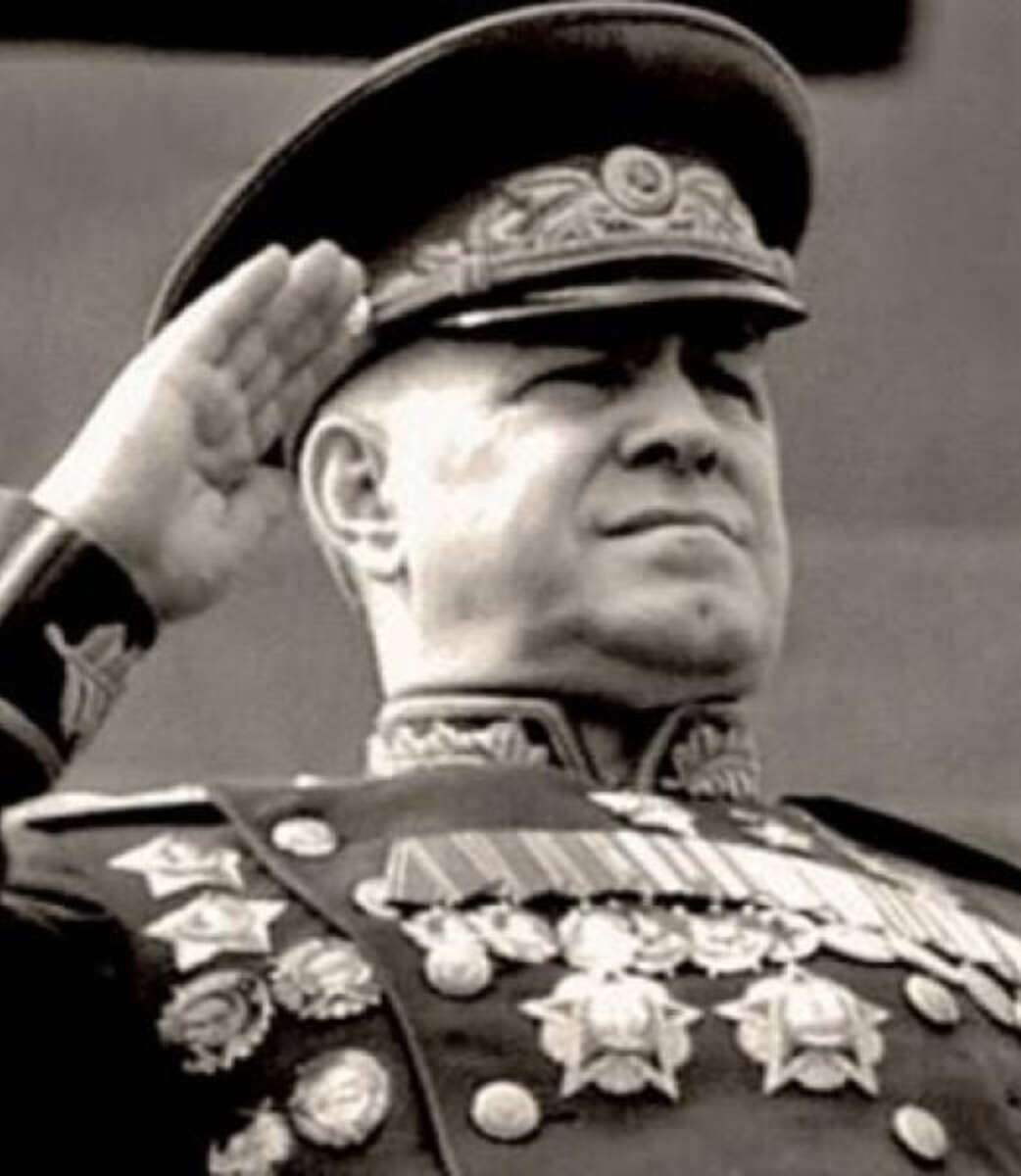
Zhukov played a critical role in halting and then pushing back the German invasion of the Soviet Union. Victories at Stalingrad and Berlin made him a Soviet war icon. Despite Stalin’s suspicions, Zhukov’s reputation among troops and citizens remained strong.
18. Eleanor Roosevelt
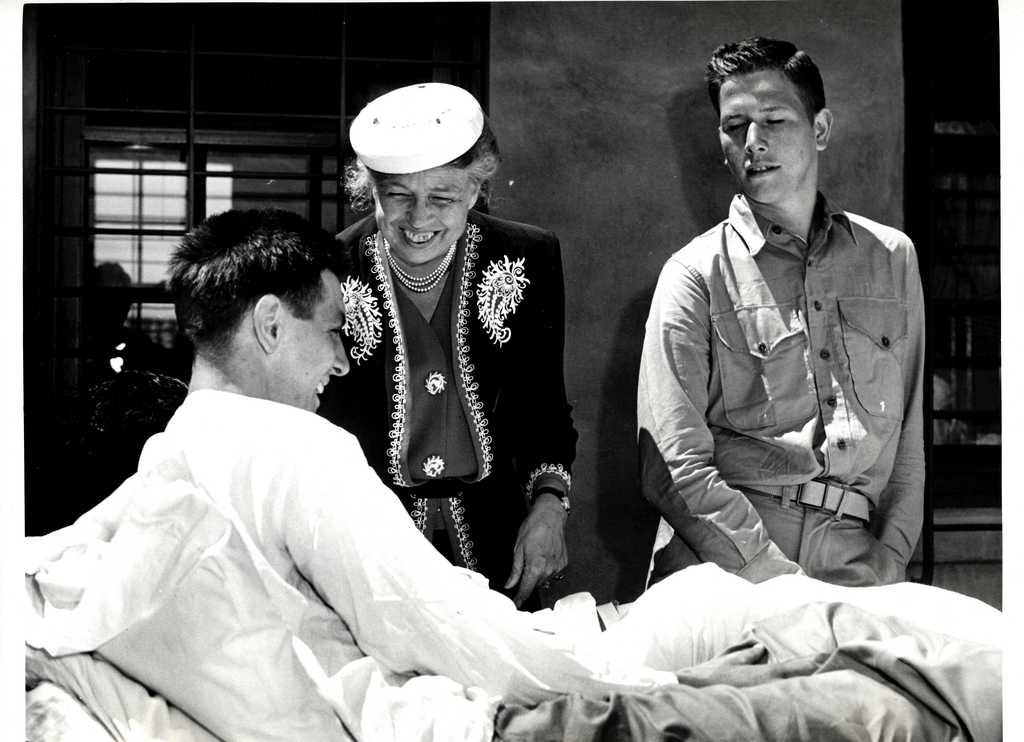
Eleanor used her position as First Lady to visit troops, advocate for the wounded, and push for civil rights at home. She supported efforts to care for displaced people and spoke out on behalf of women in the workforce. Her influence during the war was felt far beyond Washington.
19. Chester W. Nimitz
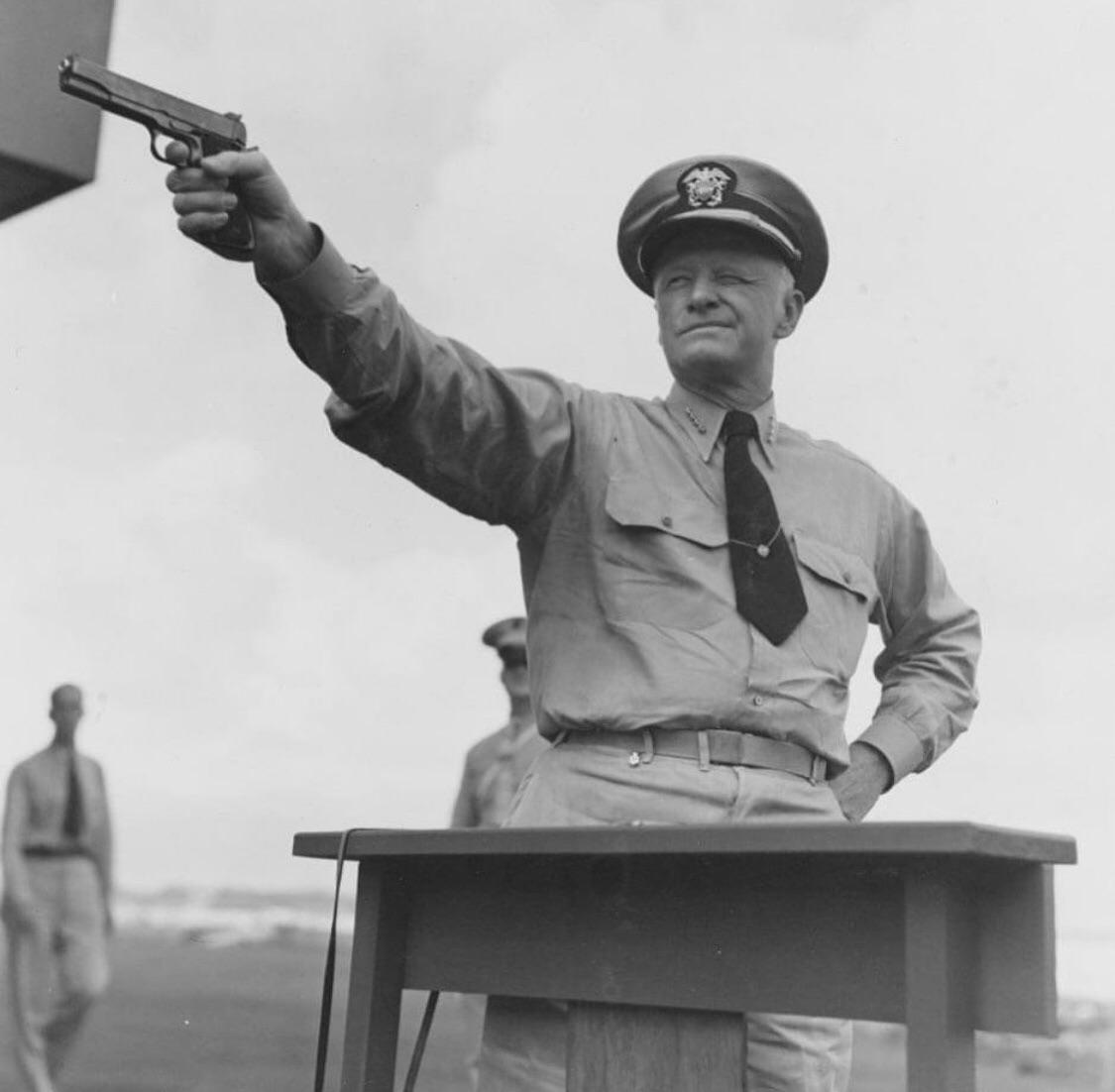
As commander of the U.S. Pacific Fleet, Admiral Nimitz played a central role in turning the tide against Japan. His leadership during key battles like Midway and the island-hopping campaigns helped secure naval dominance. Calm and calculating, Nimitz earned the respect of his peers and adversaries.
20. General Mark W. Clark
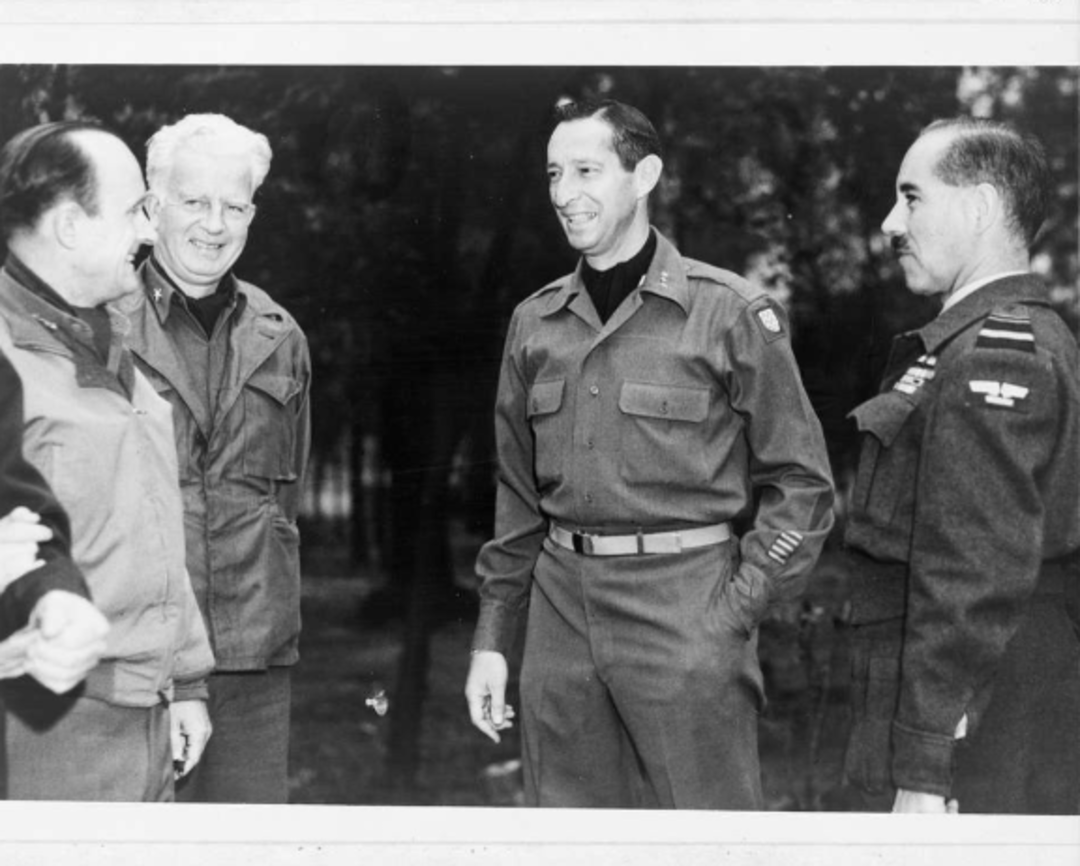
Clark led U.S. forces during the Italian campaign, a difficult and grueling series of battles against entrenched German troops. Though his decisions were sometimes debated, his leadership helped push the Axis out of Italy. He later became one of the youngest U.S. four-star generals in history.
Want to see more war-related content?
Check out 25 Vintage Photos From The First World War, or if you’re interested in more WWII content, take a look at 35 Vintage Photos From World War 2. Finally, if you want to see soldiers from the past in color, take a look at 14 Colorized Photos That Capture Soldiers Coming Home After WWII