The 1940s didn’t just reshape borders; it wrote final chapters for countless historical figures whose decisions had steered the world. Heads of state, writers, composers; these lives ended amid war, exile, and uneasy peace.
Here are 18 portraits: who they were, what they did last, and how their departures still echo.
1. Franklin D. Roosevelt
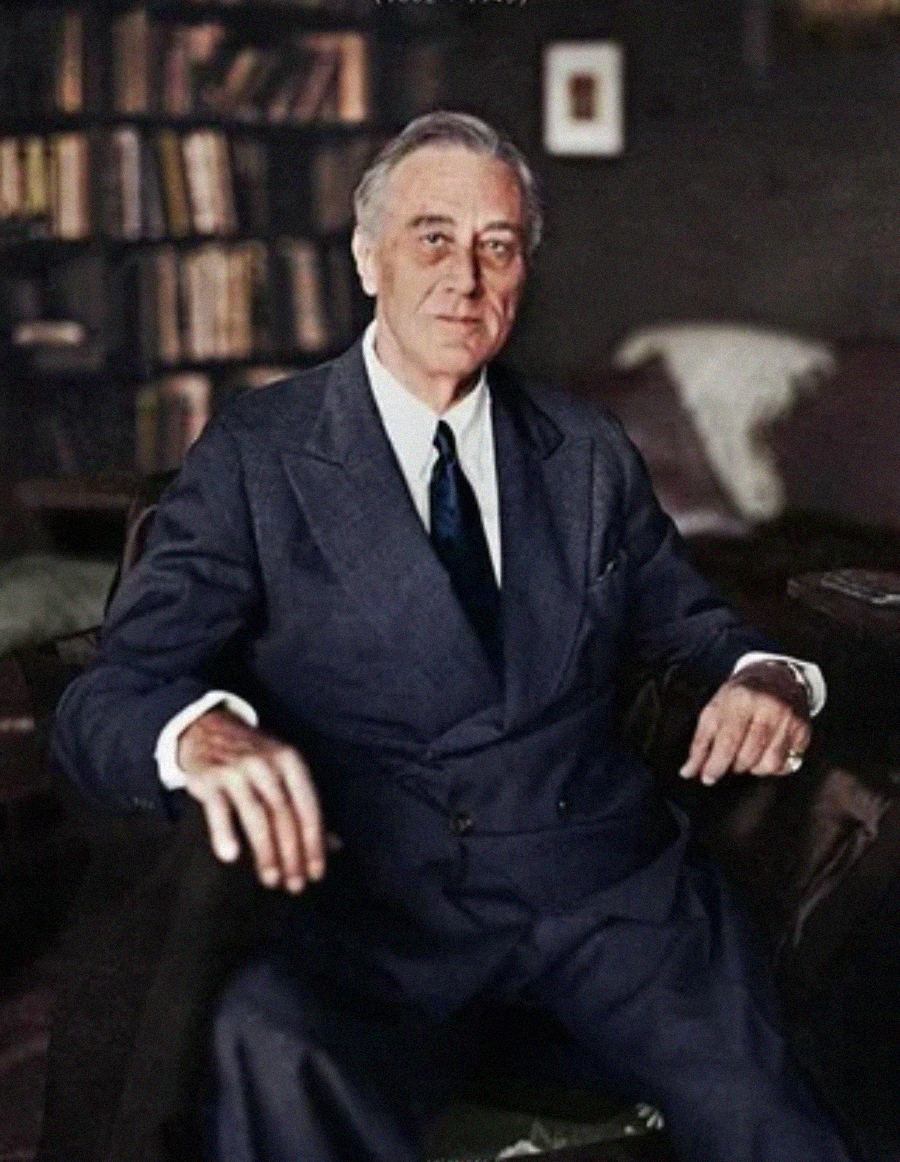
The New Deal president guided the U.S. through depression and most of WWII, then collapsed from a cerebral hemorrhage at Warm Springs on April 12, 1945. In his final moments he juggled Yalta diplomacy and a home front straining toward victory. His death handed the endgame to Truman and altered the shape of postwar politics.
2. Benito Mussolini
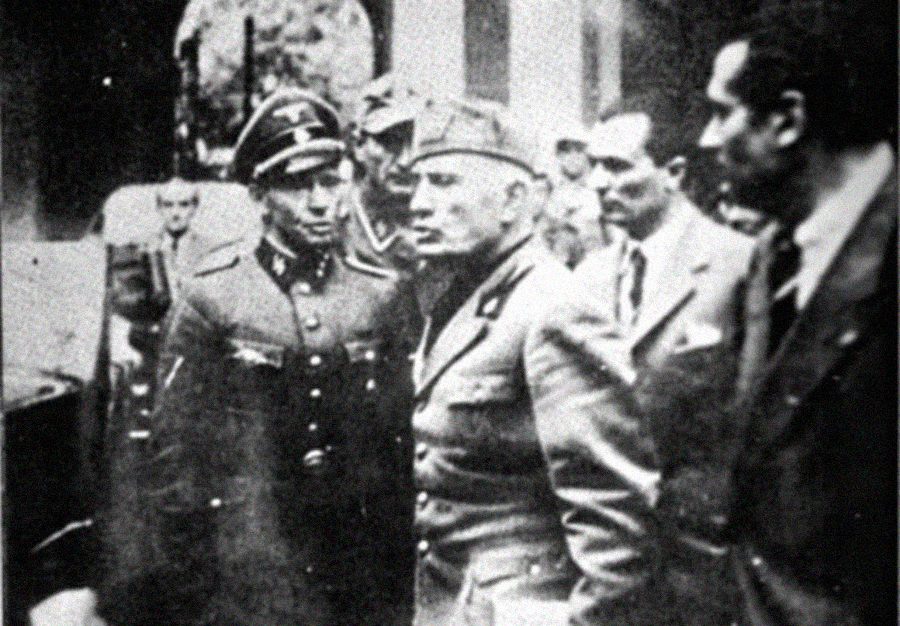
Overthrown and desperate to flee, II Duce tried to escape north with retreating forces. Partisans seized and executed him near Lake Como on April 28, 1945. Italy’s wartime experiment in dictatorship ended at a roadside, not a palace.
3. Mahatma Gandhi
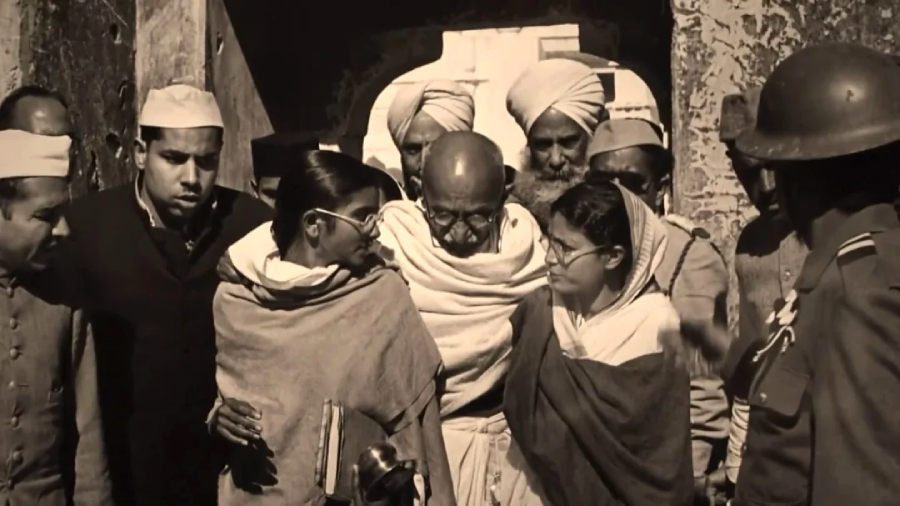
After India’s independence and partition, Gandhi spent his last months urging reconciliation and fasting to curb violence. He was assassinated on January 30, 1948, while walking to evening prayers in Delhi. The frail figure who had moved an empire fell to a countryman’s bullet.
4. Subhas Chandra Bose
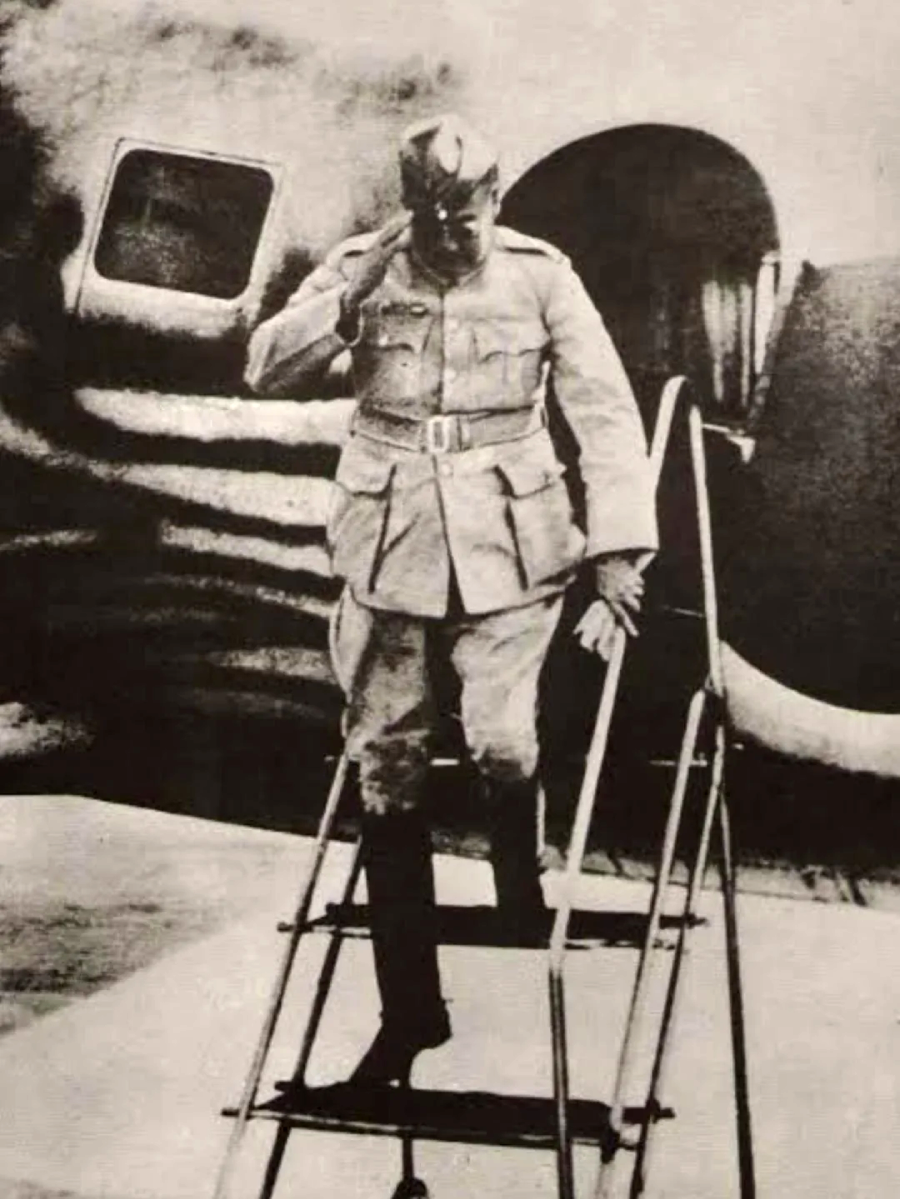
Netaji’s bid to free India with Axis help ended with a plane crash in Taipei on August 18, 1945, an event still argued over by devotees. In the war’s final days, he was trying to position himself for the future. The movement he energized had to recast itself without him.
5. Nikola Tesla
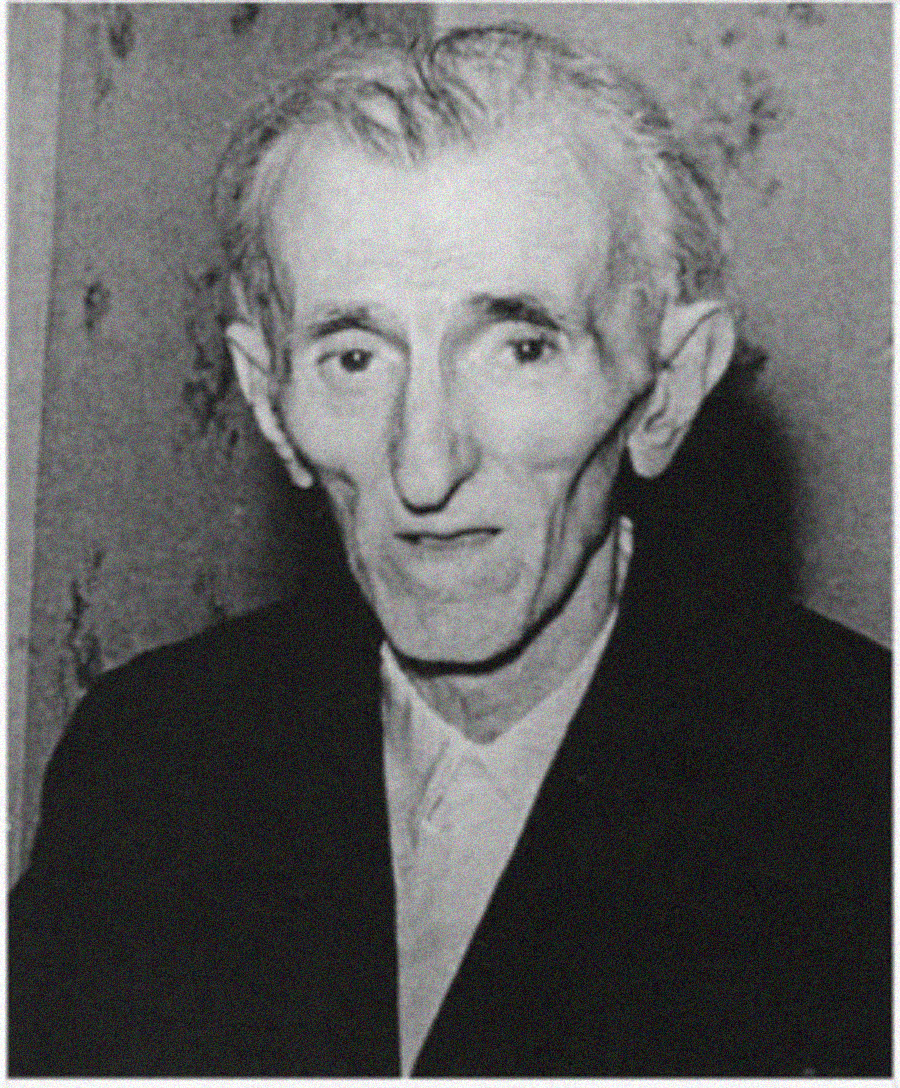
Living reclusively in a New York hotel, Tesla’s health and finances dwindled even as his ideas shaped modern power and radio. He died on January 7, 1943, leaving trunks of notes and a legend stitched from brilliance and myth. The world runs on currents he imagined.
Trending on The Scroller
6. Glenn Miller
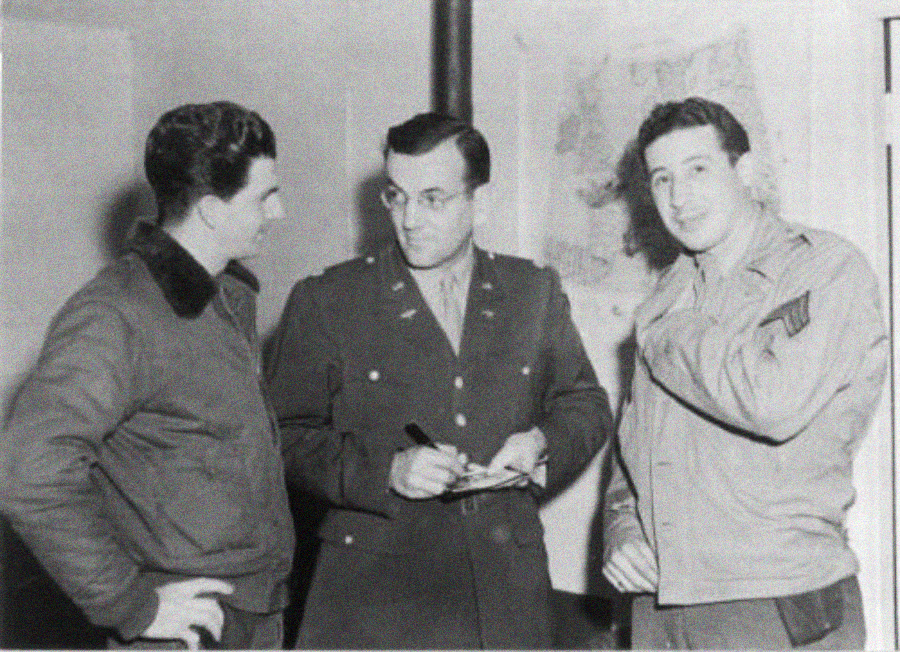
The bandleader took to the skies to entertain Allied troops and disappeared over the Channel on December 15, 1944. No definitive wreckage story ever settled the loss. Swing kept morale high, and the silence afterward kept questions alive as well.
7. George S. Patton
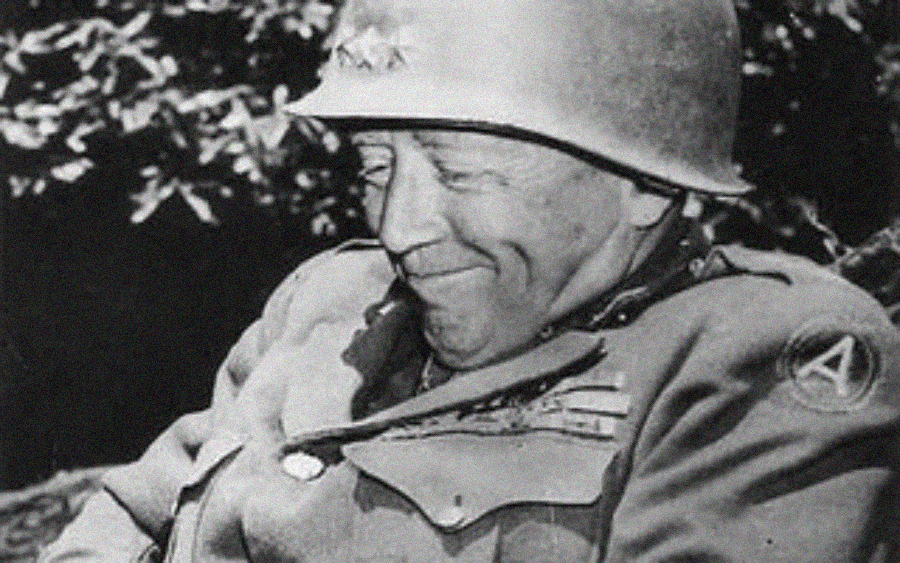
The Third Army’s hard-driving commander survived the front but not a December car crash in occupied Germany. He died on December 21, 1945, weeks after VE Day celebrations faded. Patton’s speed had broken the stalemate; fate stopped him at a crossroads.
8. Isoroku Yamamoto
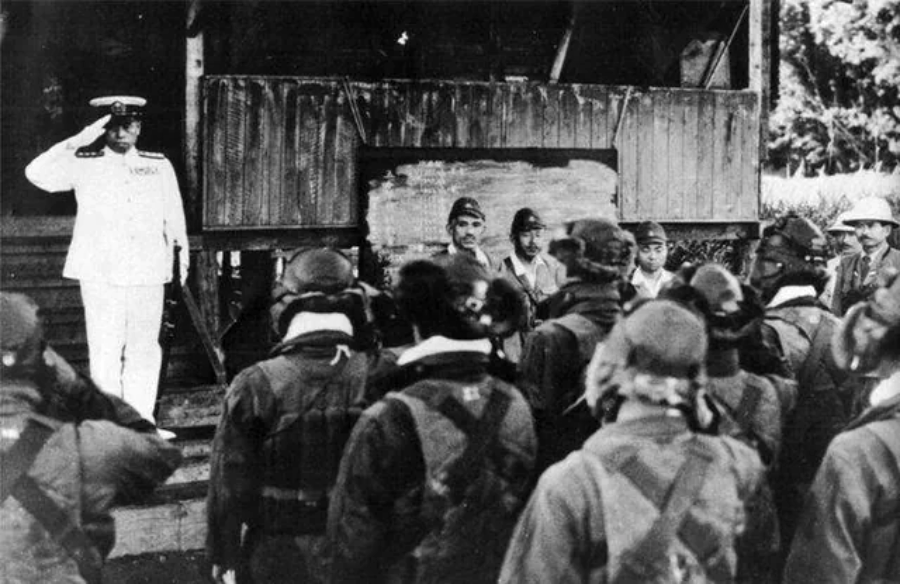
The architect of Pearl Harbor met a meticulously planned ambush when U.S. fighters intercepted his transport over Bougainville on April 18, 1943. Japan lost a strategist who understood both America’s naval and aviation future. The war’s tide kept turning against his fleet.
Sign up for our newsletter
9. Antoine de Saint-Exupéry
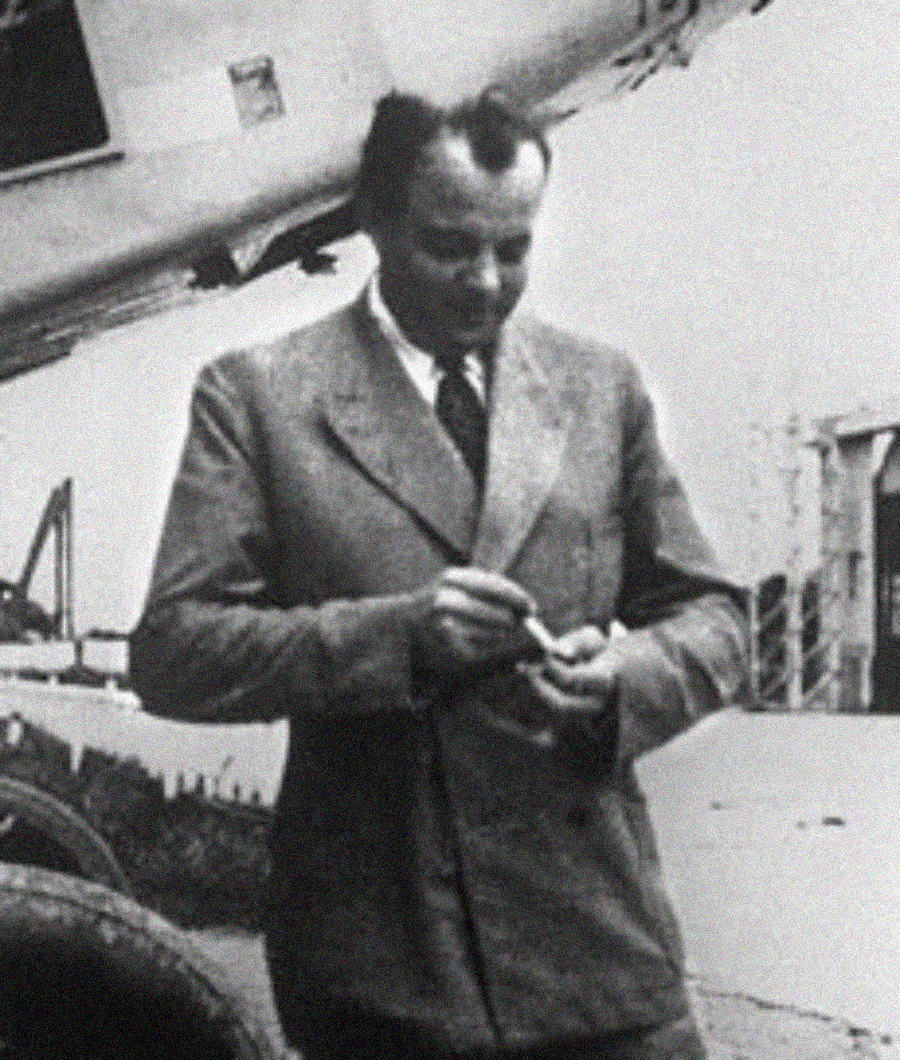
Author of The Little Prince, he returned to reconnaissance flying and disappeared on a 1944 mission from Corsica. His plane’s remains were identified decades later off the Riviera. The last lines of his life were written in salt air.
10. Leon Trotsky

Hounded from the Soviet Union, Trotsky built his final base in Mexico City, writing furiously against Stalin. An NKVD assassin struck in August 1940, and he died the next day. The revolutionary who once commanded armies ended as a warning about power’s revenge.
11. Neville Chamberlain
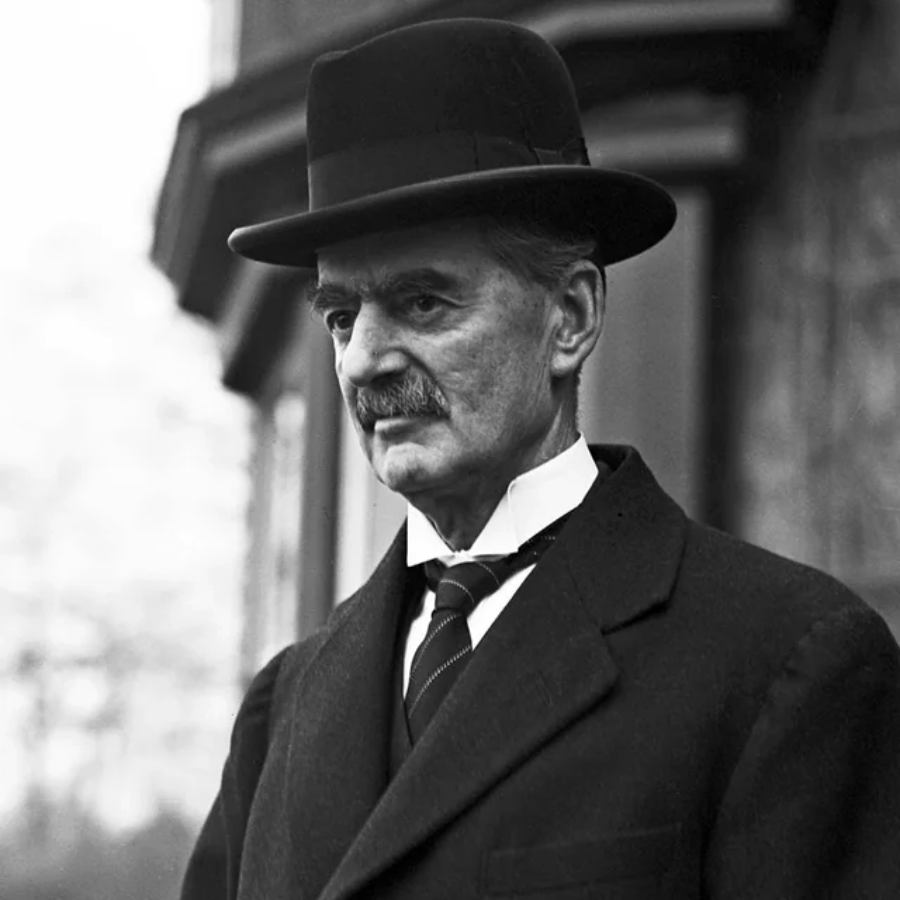
After the failure of appeasement and the shock of war, Chamberlain resigned in May 1940 and backed Churchill from the benches. Cancer ended his life that November. History debated him, and the Blitz outlived him.
12. Rabindranath Tagore
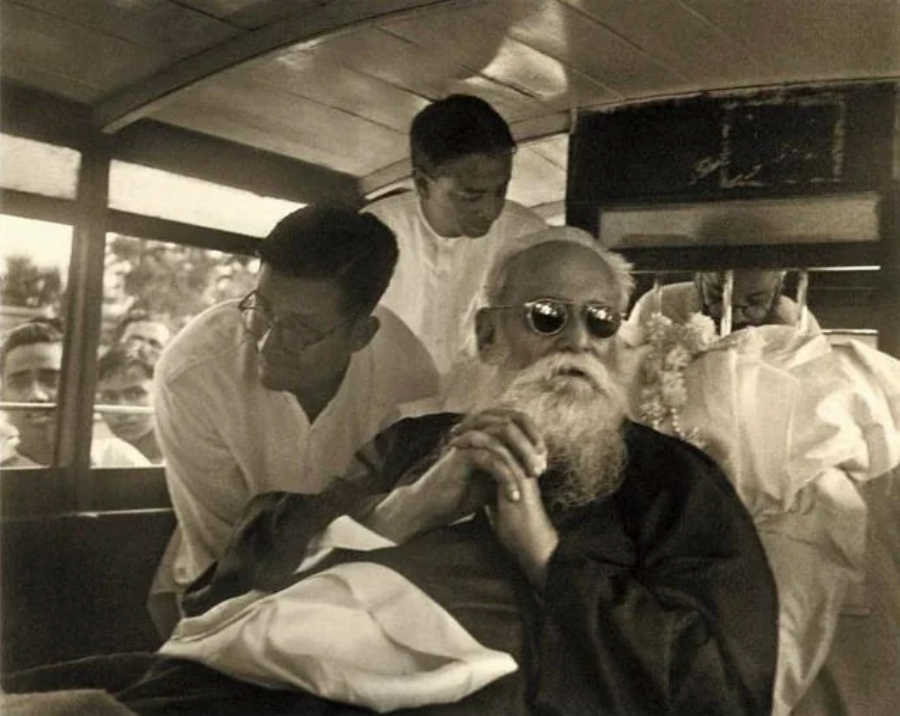
India’s Nobel laureate spent his final years ill but lucid, reflecting on nationalism, war, and humanity’s frailties. He died in Calcutta on August 7, 1941. The songs and verses he left behind became a country’s memory.
13. Virginia Woolfe
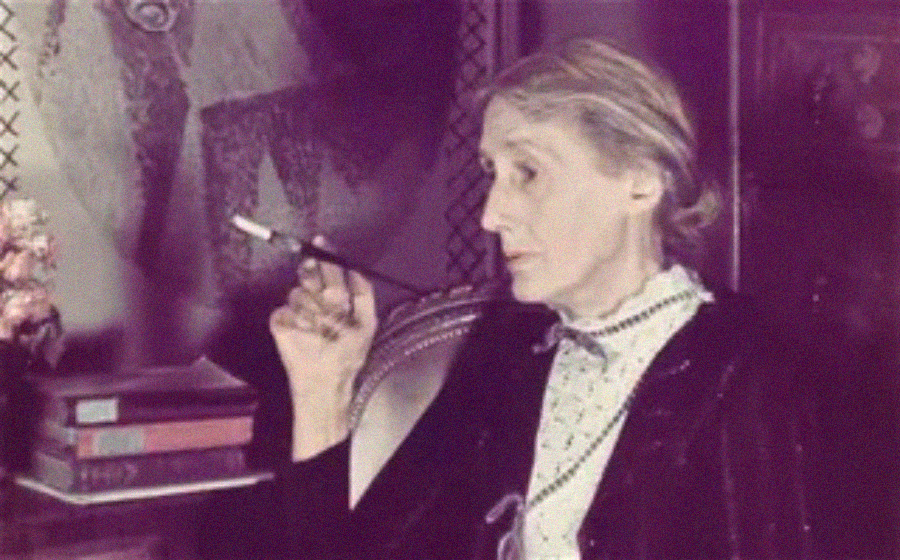
Struggling with recurring depression and the strain of war, Woolf drafted Between the Acts and then walked into the River Ouse on March 28, 1941. She left letters and a body of work that reimagined consciousness on the page. The modernist voice fell silent as sirens wailed.
14. Sergei Rachmaninoff

Pianist, composer, and émigré, Rachmaninoff toured and recorded late into failing health, anchoring programs with his own concertos. He died in California on March 28, 1942. Audiences kept hearing Russia when he played, long after he’d left its borders.
15. Béla Bartók
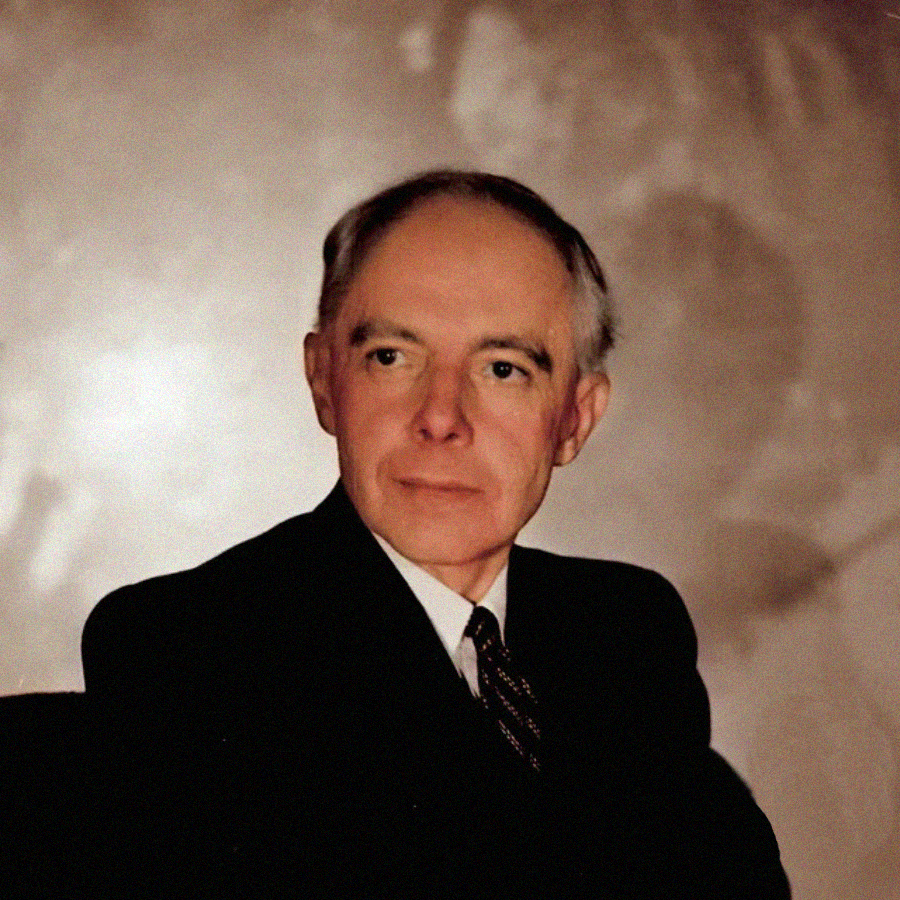
Illnesses and obscurity shadowed Bartók’s American exile, but he produced the radiant Concerto for Orchestra and other late works. Leukemia claimed him on September 26, 1945, in New York. The scores outlasted the hardships that birthed them.
16. Muhammad Ali Jinnah
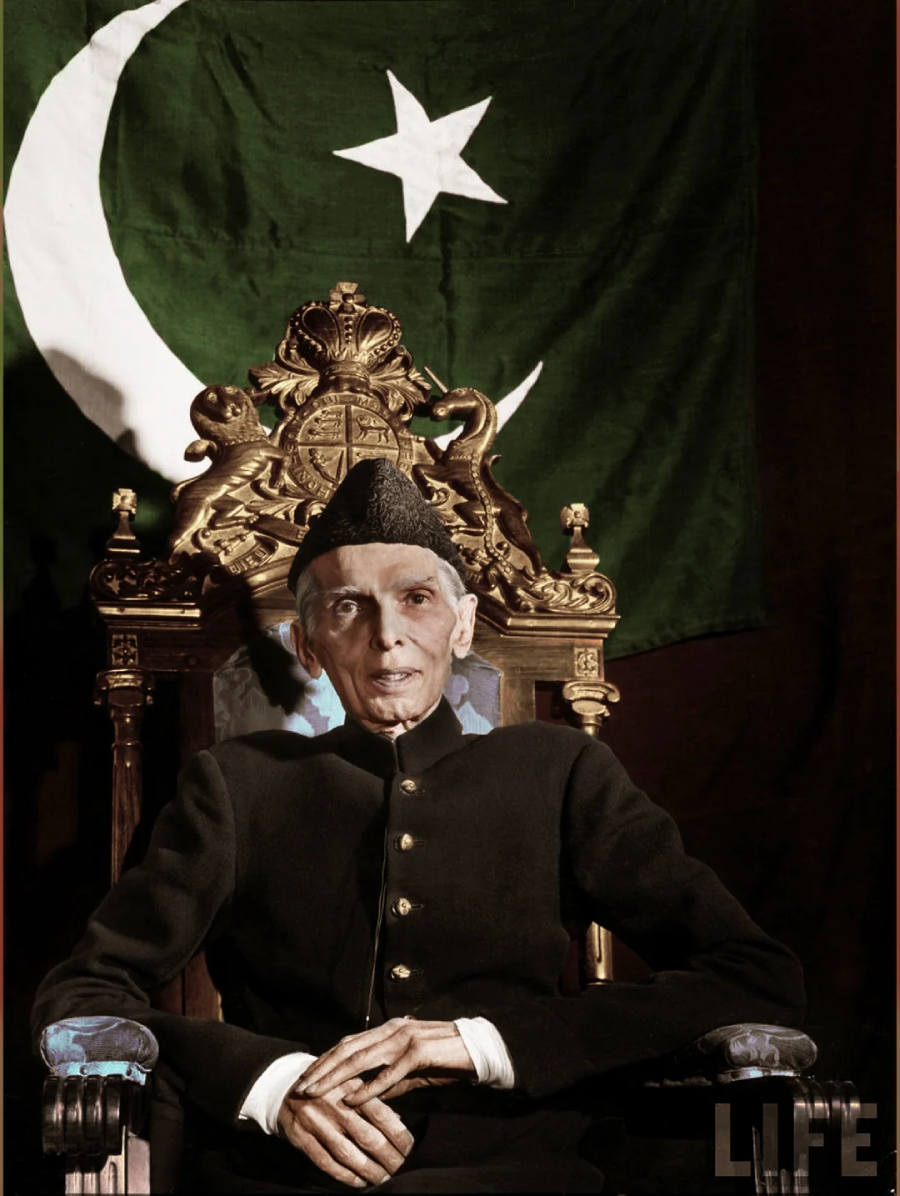
After partition, Pakistan’s founding Governor-General worked through illness to stabilize a nation born in upheaval. He died in Karachi on September 11, 1948. The lawyer who negotiated borders didn’t live to see them settle.
17. Orville Wright
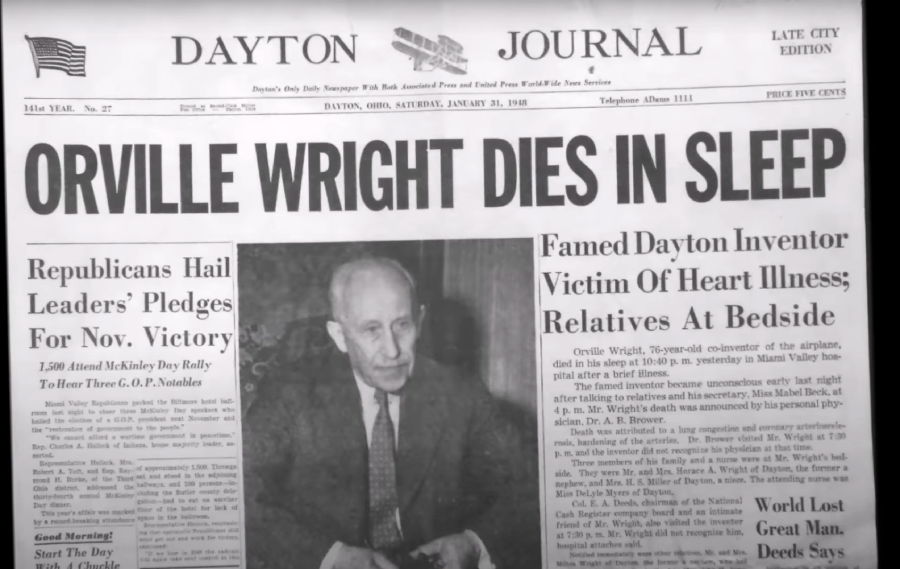
Decades after Kitty Hawk, Orville advised on aviation policy and watched jets shrink the world he first lifted into. He died in Dayton on January 30, 1948. The age of flight had become an era before his eyes.
18. Anne Frank
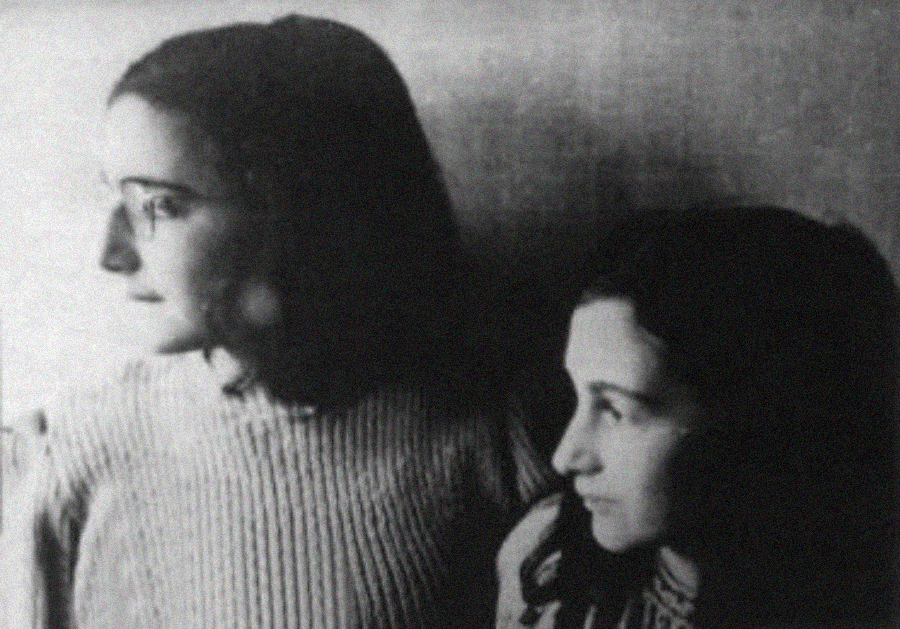
Hidden in Amsterdam through the early 1940s, Anne’s final month passed through camps as Nazi Germany collapsed. She died of typhus at Bergen-Belsen in 1945; her father later published her diary. A teenager’s pages became one of the century’s clearest mirrors.
Explore more historical content:
Final photos can feel like punctuation, but the stories here keep unfolding in books, policies, and music that never stopped traveling. For more of these character-driven dives into the past, check these 20 of the Last Known Photos of Famous Inventors, or these 19 of the Last Known Photos of Famous Historical Figures. You may also like these 18 Historical Figures from the 1800s Who Had Strange Hobbies.