The Great Depression reshaped everyday life and forced people to rethink how they earned a living. With so few traditional jobs available, many turned to unusual work that blended creativity, necessity, and determination. Some of these roles were practical, others were weird, and a few seem pretty unique today.
As families searched for new ways to stay afloat, ordinary individuals stepped into roles that revealed how adaptable people can be in the face of a crisis. These strange jobs became symbols of resilience and imagination during a time when normal routines had fallen apart. Let’s dive into 15 strange jobs that were born during the Great Depression.
1. WPA construction workers
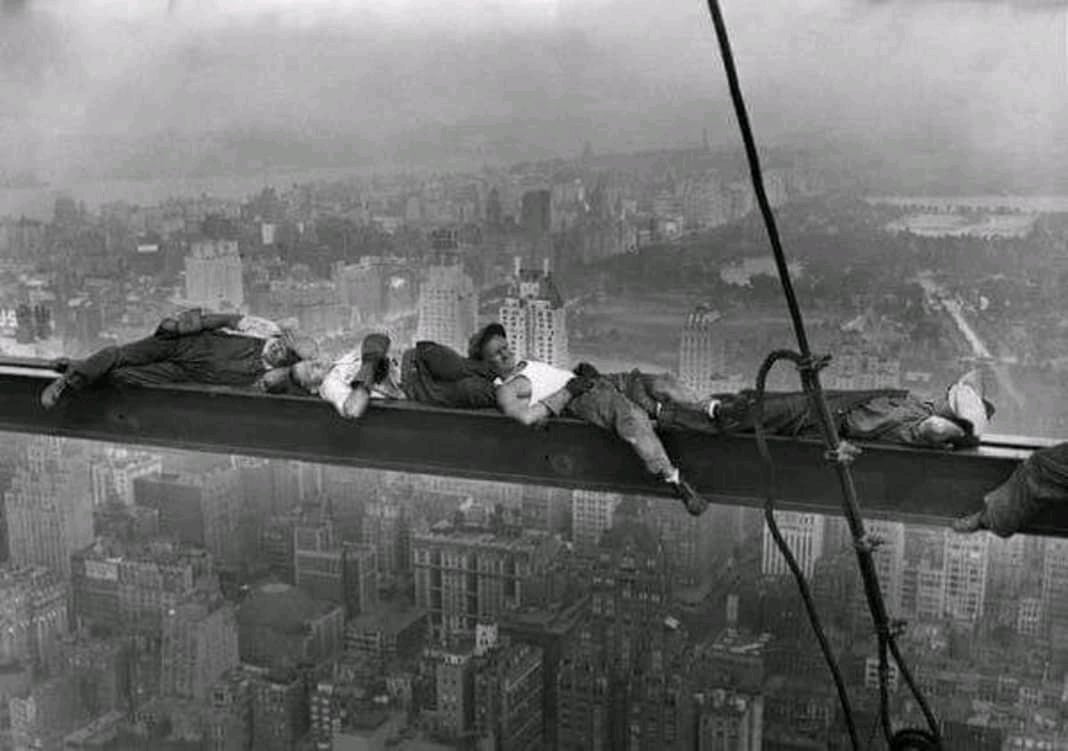
The Works Progress Administration, or WPA, was established on May 6th, 1935, by President Franklin D. Roosevelt as a key part of his New Deal to combat Great Depression unemployment. This job existed to give men steady pay while building public infrastructure like roads and schools.
2. CCC conservation laborer
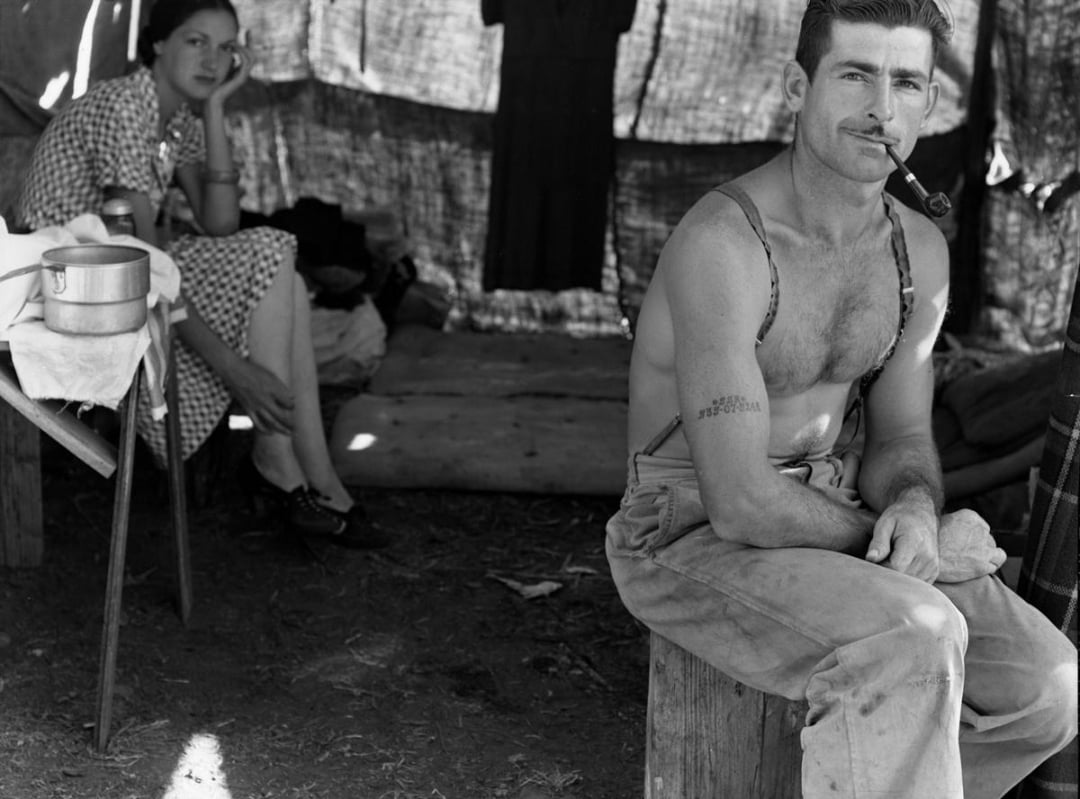
The Civilian Conservation Corps hired young men to restore forests and parks because the government needed fast relief for jobless youth and a workforce to restore damaged natural lands.
3. Relief office clerks
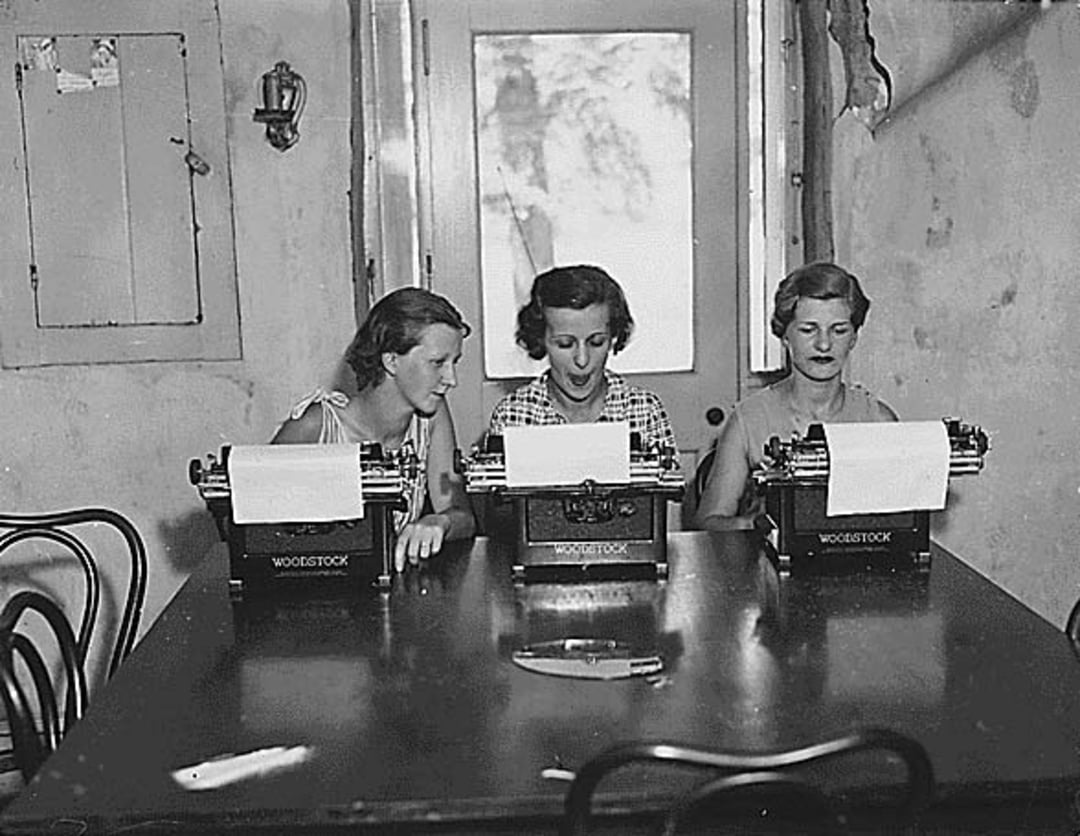
As government aid programs expanded, clerks were needed to process applications, track vouchers, and distribute support to those in need. This created thousands of administrative jobs.
4. Migrant fruit pickers
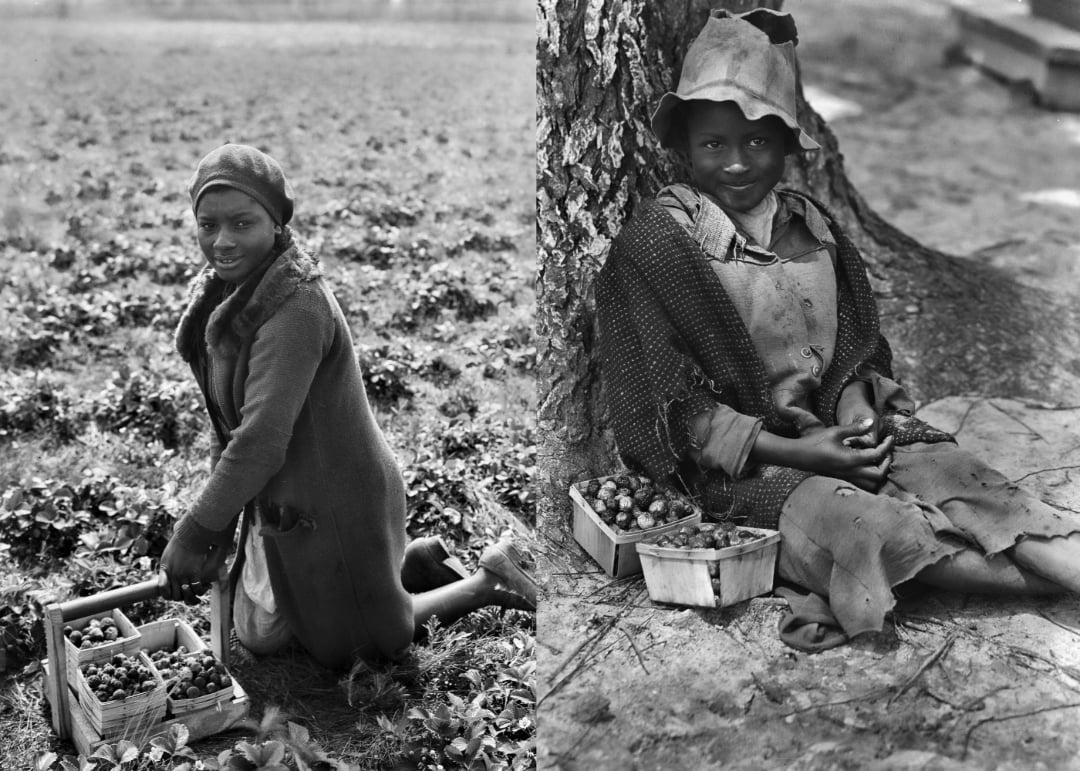
Though this existed before the depression, it became much more popular during it. Families would travel seasonally to pick crops because it was one of the few jobs that required no experience and paid immediately.
5. Work progress photographers
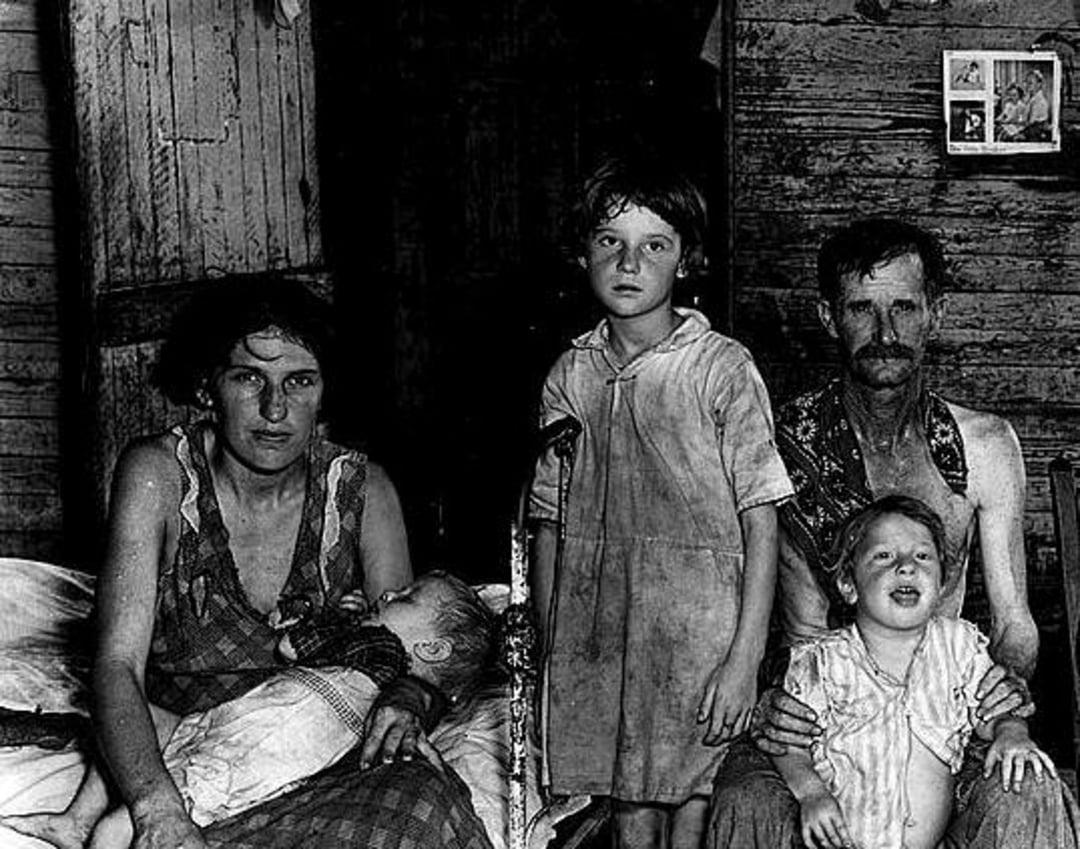
Photographers were specifically hired to document the national crisis, giving work to artists who were struggling while producing visual records used for public reports and morale campaigns.
Trending on The Scroller
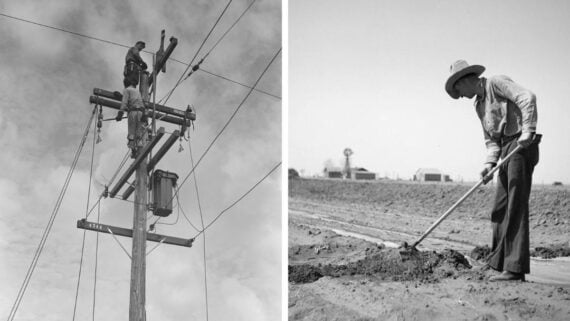
6. Rural electrification worker
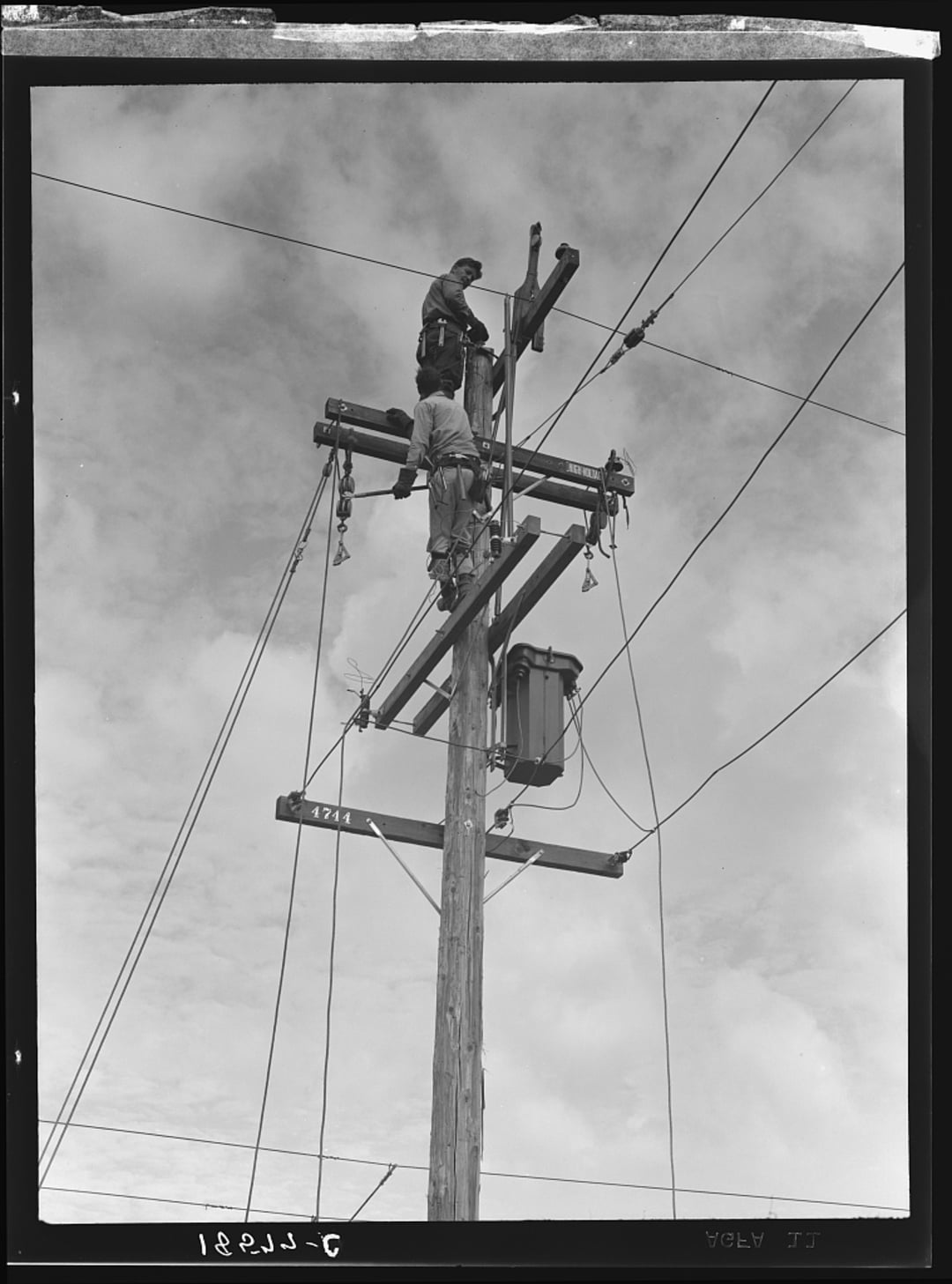
The government launched major electrification projects to modernize rural America, creating jobs for workers who installed poles, lines, and power systems in remote areas.
7. Hooverville builders
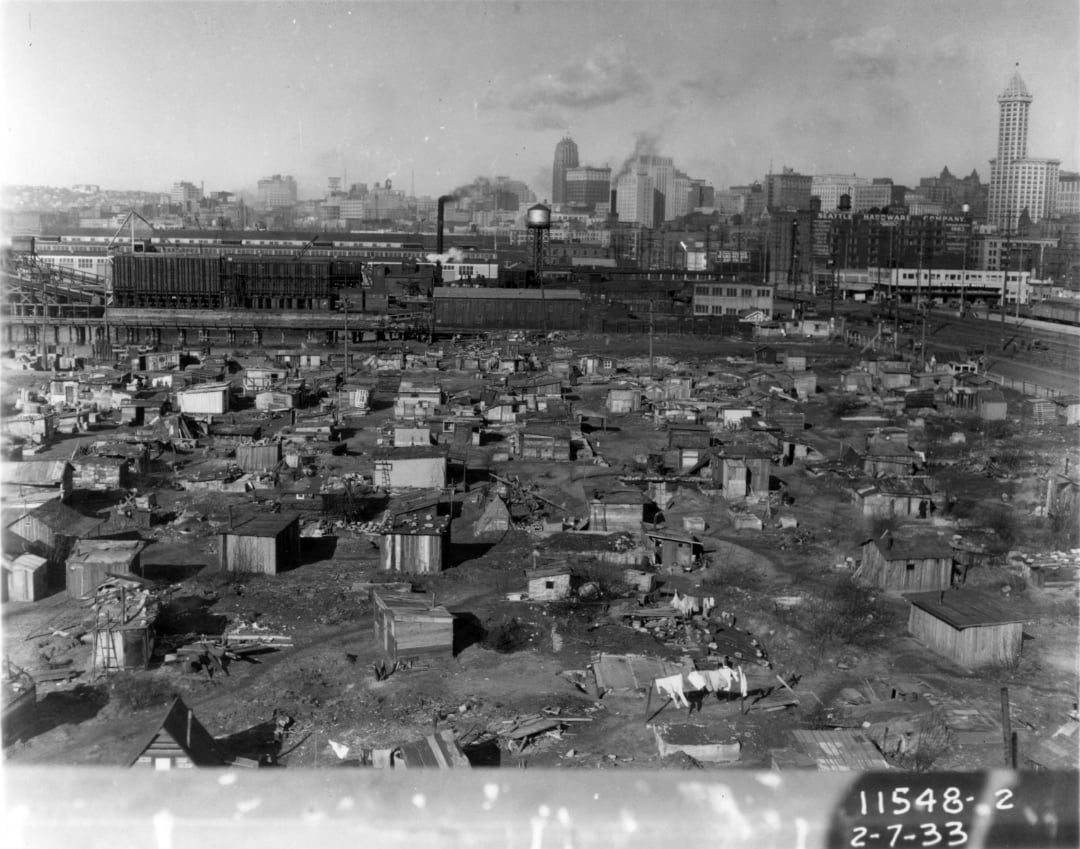
Hoovervilles themselves were a phenomenon created by the Great Depression, and as shantytowns appeared across the country, residents would build communal spaces and provide services for food or supplies.
8. Government-sponsored artists, writers, and actors
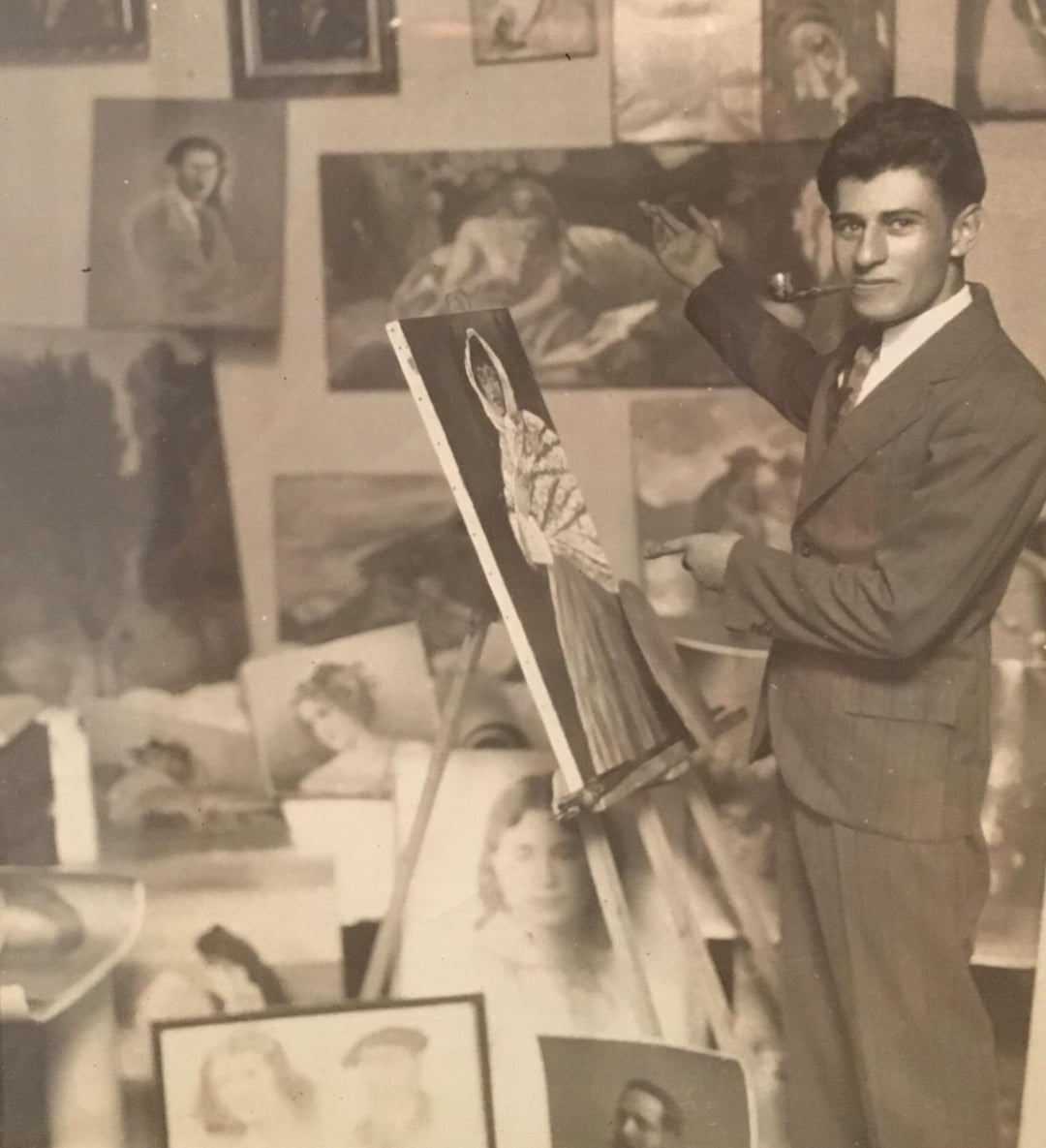
Federal art programs hired unemployed creatives to paint murals, write books, and perform plays, preserving American culture while providing artists with incomes they could not find elsewhere.
Sign up for our newsletter
9. Conservation lumber workers
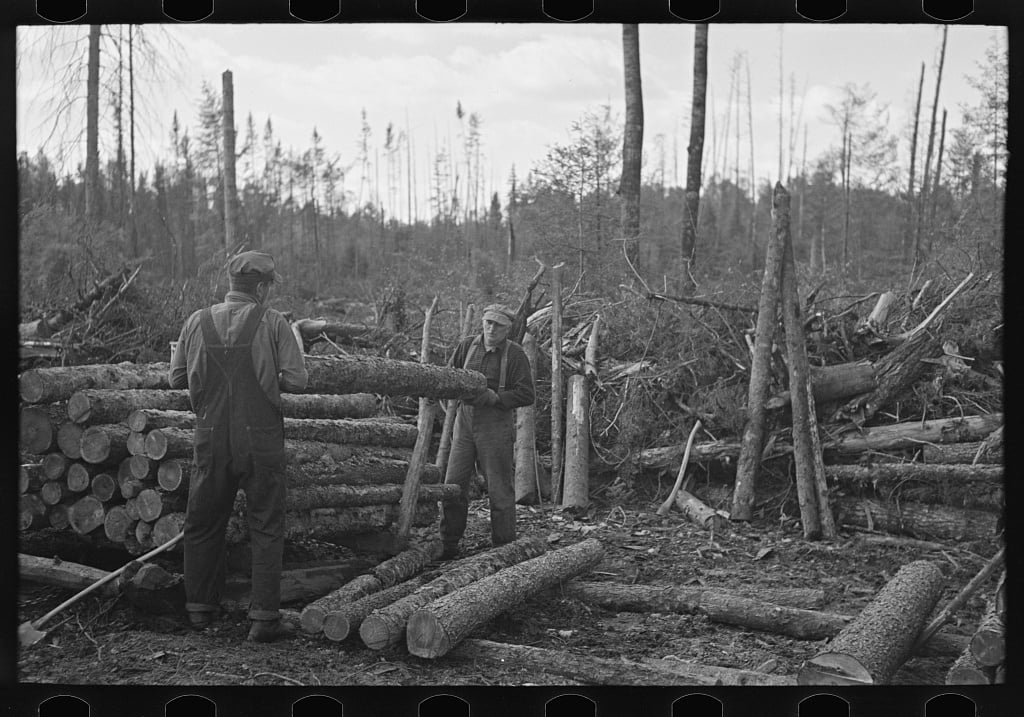
Sawmills existed long before the Depression, but the conservation project jobs were created by the New Deal. Government conservation projects needed workers to cut timber, build trails, and provide materials for public works, creating jobs in sawmills and rural lumber camps.
10. Dust Bowl relief laborers
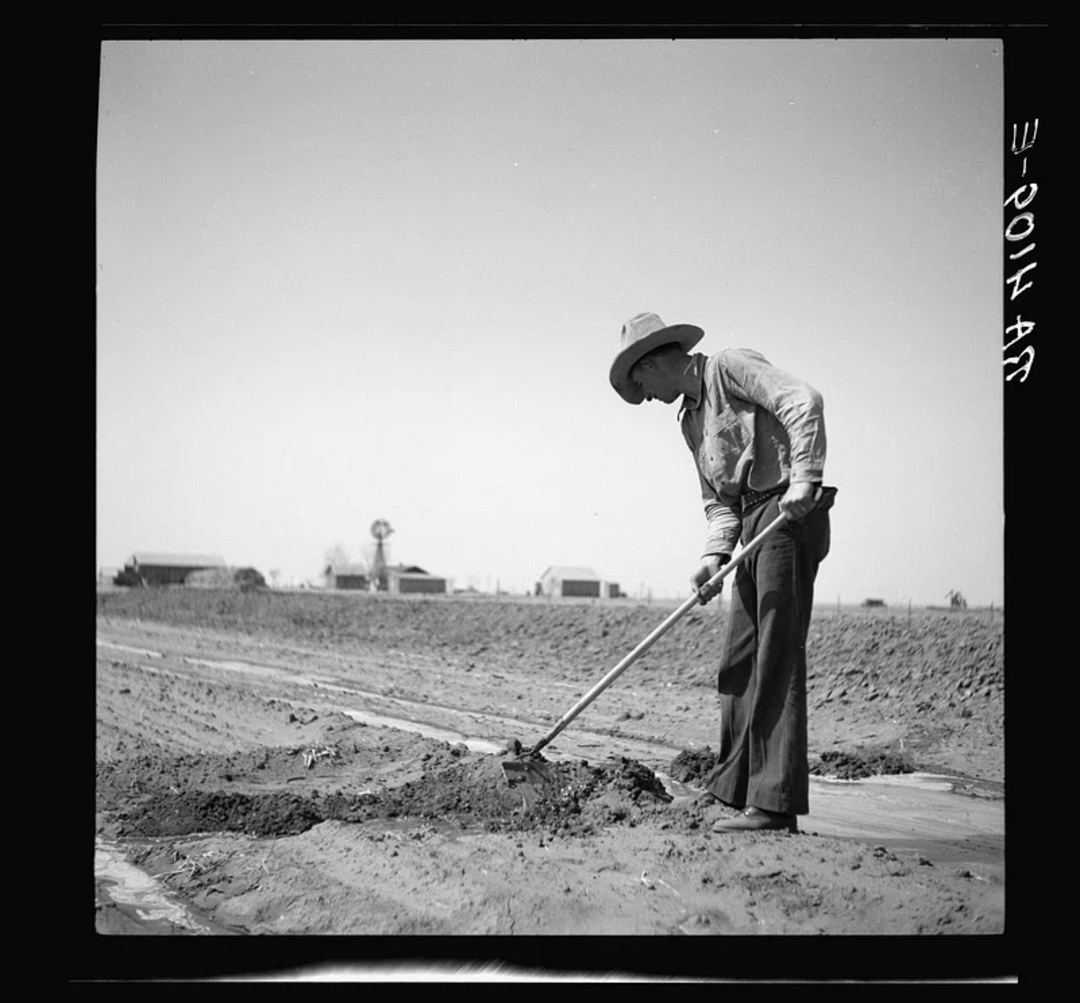
Massive soil erosion created demand for workers who planted trees, built windbreaks, and restored farmland, offering jobs to displaced farmers and laborers.
11. TVA Dam Builder
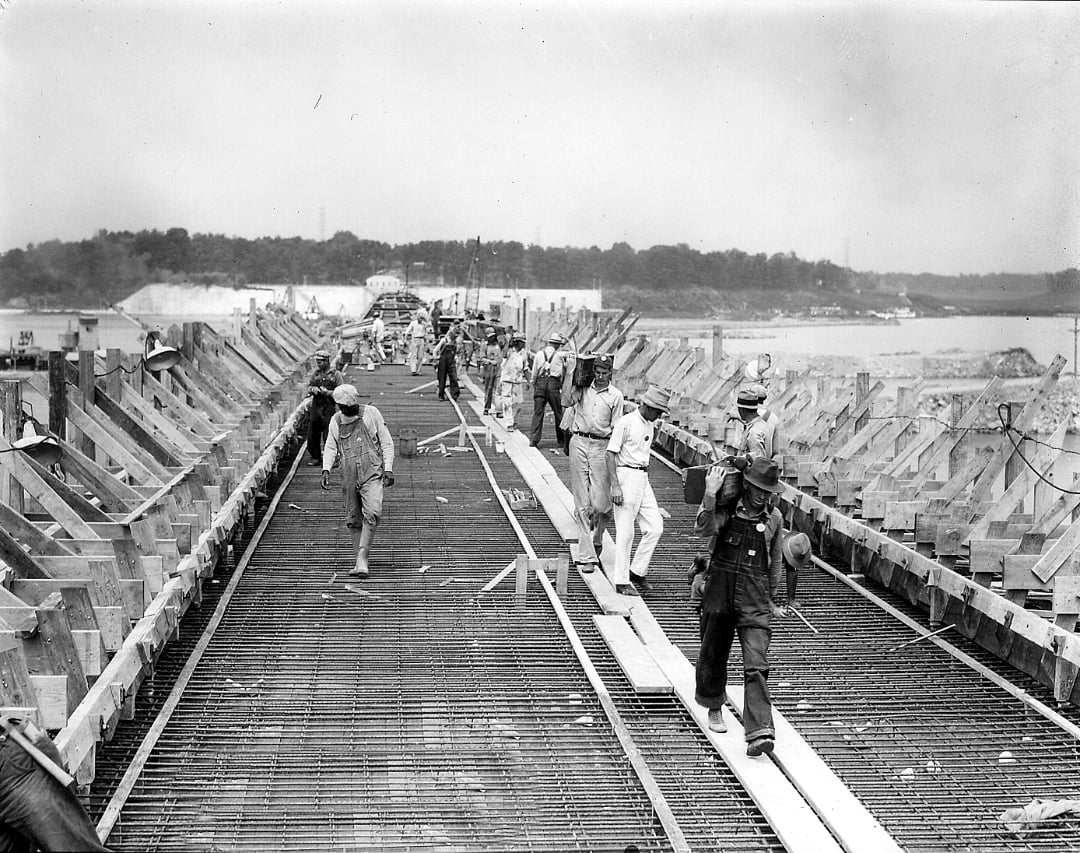
The Tennessee Valley Authority created thousands of jobs constructing dams in the rural South. These projects provided electricity to poor farming areas and helped prevent destructive flooding.
12. FSA Photographers
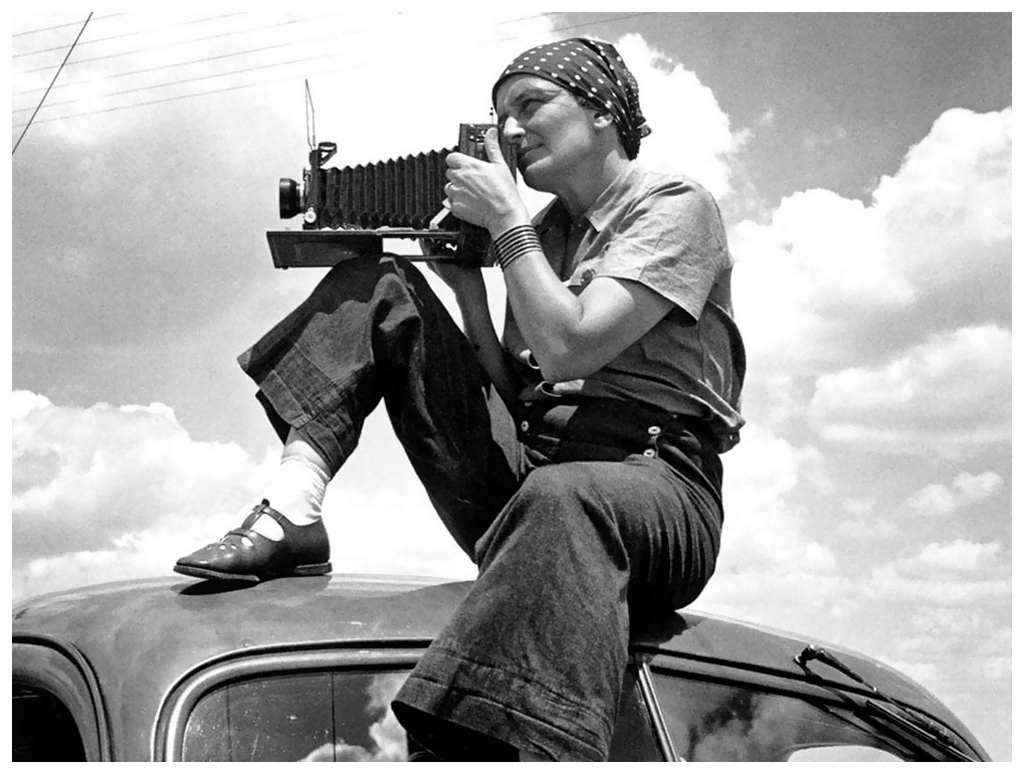
The Farm Security Administration hired photographers like Dorothea Lange to document the hardships of the Great Depression and Dust Bowl. Their work helped educate the public and justify government aid programs.
13. Federal Writers Project authors
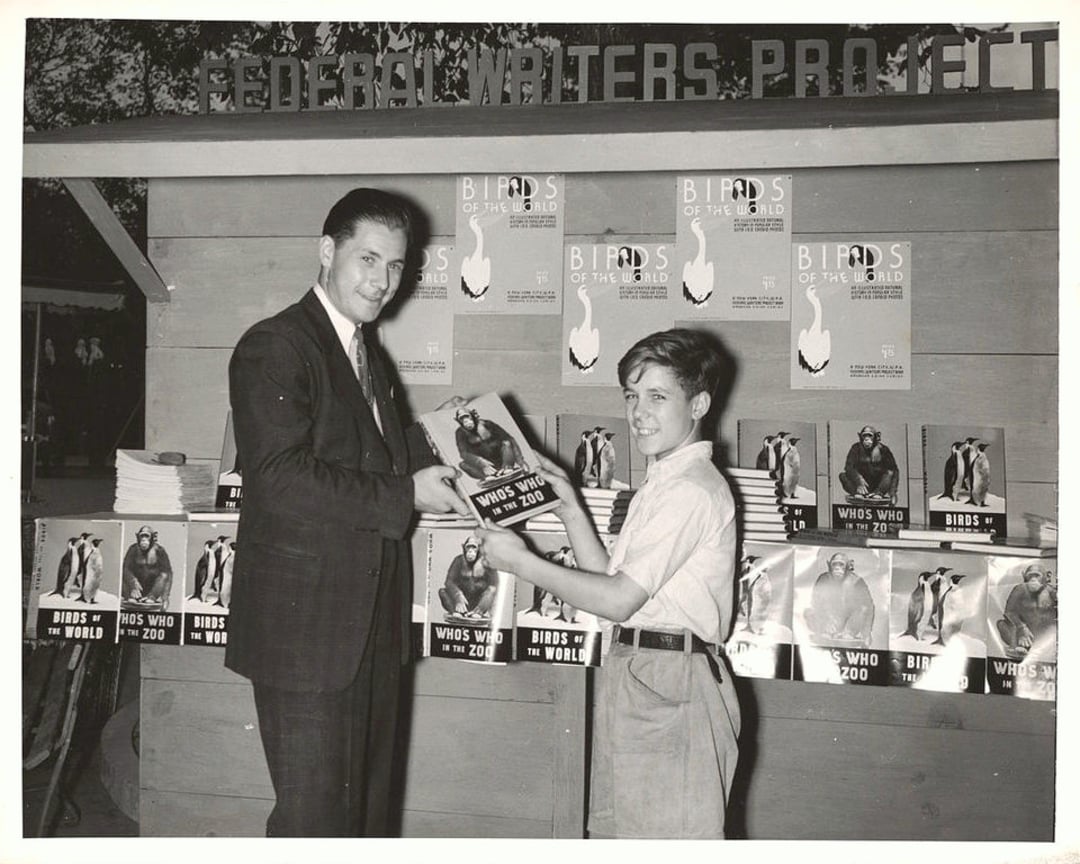
The Federal Writers Project hired unemployed authors and journalists to write guidebooks and record oral histories. This provided a steady income for writers while preserving valuable information from people living at that time.
14. Emergency education teacher
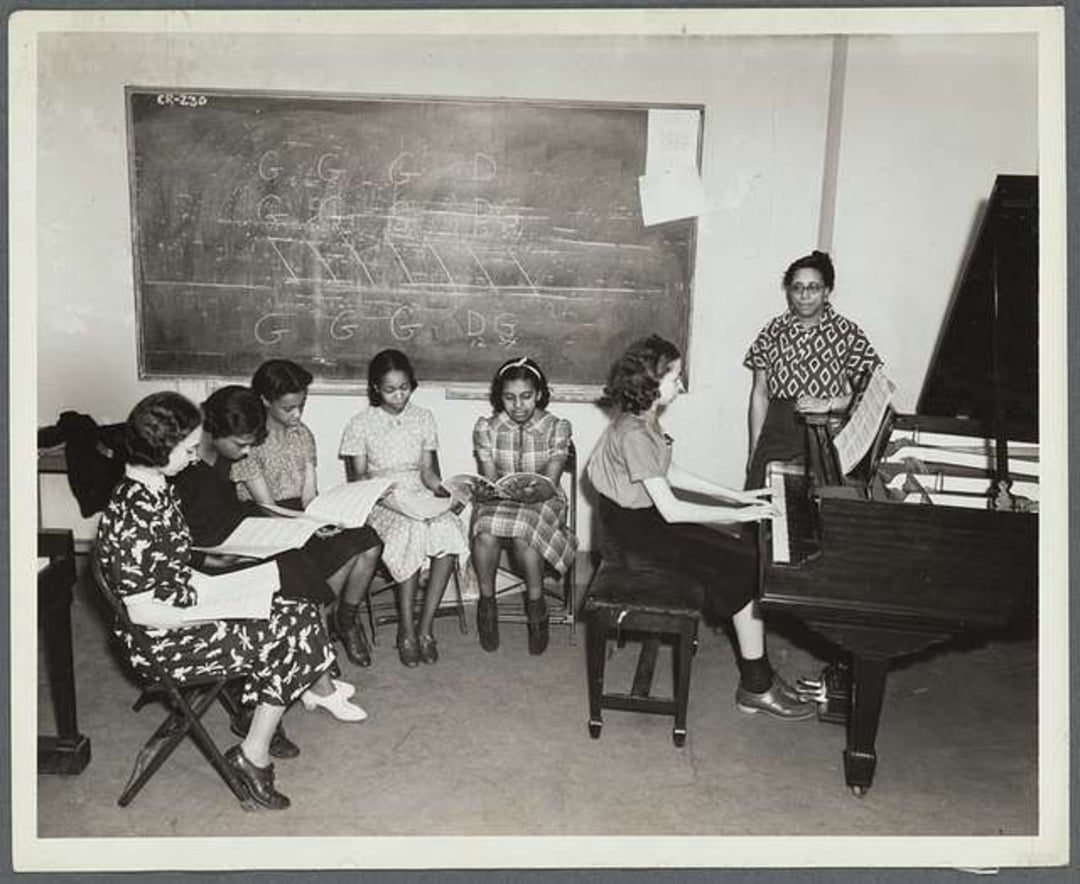
The WPA’s Emergency Education Program hired unemployed teachers for adult education and literacy classes.
15. WPA Library book carrier
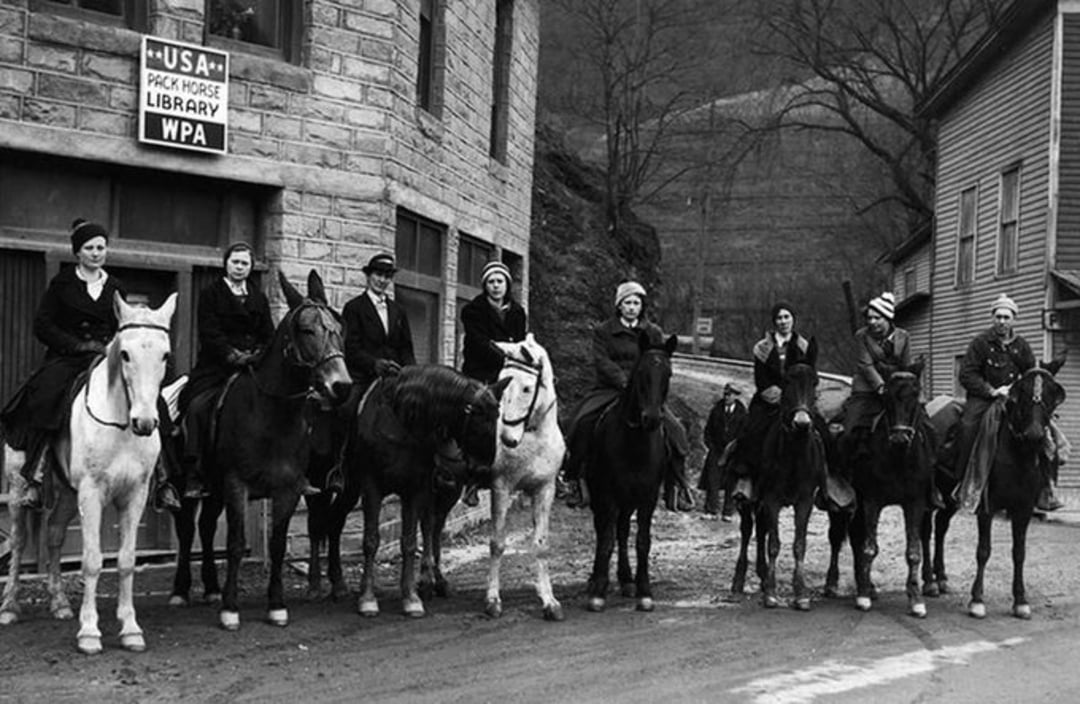
To serve rural towns without libraries, WPA workers delivered books by truck or horseback. This expanded access to education and created jobs for drivers, librarians, and assistants.
Want to see more Depression-era content?
Check out 20 Photos Of Depression-Era Gangsters, or take a look at 17 Photos From the Great Depression That Tell Its Powerful Story (1929-1941). Finally, if you want to see surprising facts about life during the Depression, take a look at 17 Surprising Facts About Life During the Great Depression.