Television has always been more than just a box in the living room; it’s a time capsule that captures the shifting moods of society. Throughout the decades, certain TV characters have stepped off the screen and into our collective DNA, influencing how we dressed, how we talked, and even how we viewed the world around us. These icons didn’t just follow the trends of their time; they set them, becoming symbols of the hopes, fears, and attitudes of their specific generations.
Whether it was the family-centric wholesomeness of the 50s or the cynical, high-stakes drama of the streaming age, these TV characters served as the ultimate cultural compass. They gave us a language to describe our own lives and a face to attach to complex social changes. Looking back at these figures isn’t just a trip down memory lane; it’s an exploration of the moments that shaped modern history through the lens of our favorite shows.
1. Archie Bunker – All in the Family, 1970s
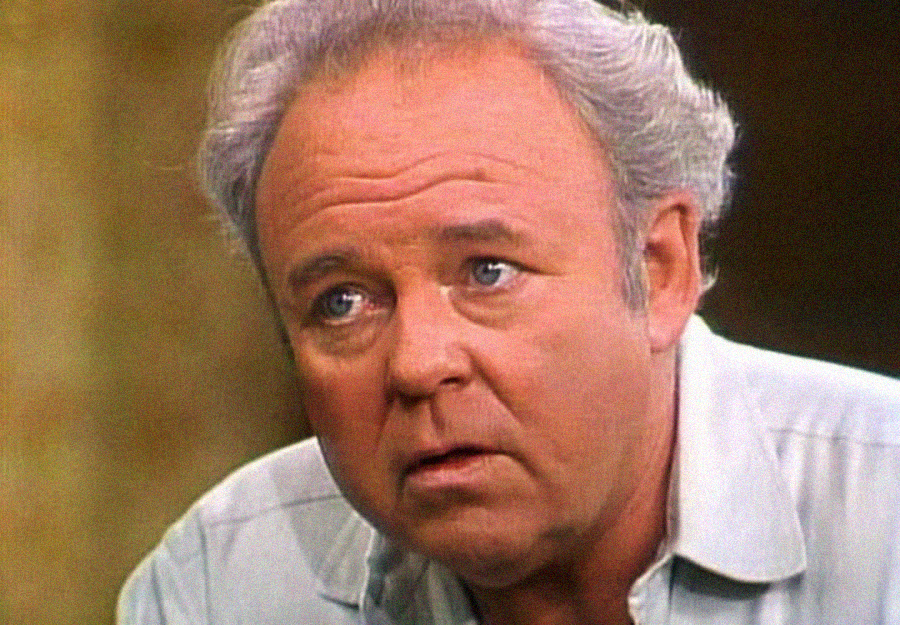
Archie Bunker was the face of a divided America during the 1970s, representing the “silent majority” struggling with a rapidly changing world. While he was often loud and bigoted, the character was a groundbreaking tool for social commentary, forcing families to discuss topics like race and politics at the dinner table. Interestingly, Carroll O’Connor played the role so effectively that Archie became the first character to have his own chair enshrined in the Smithsonian Institution.
2. Carrie Bradshaw – Sex and the City, 1990s-2000s
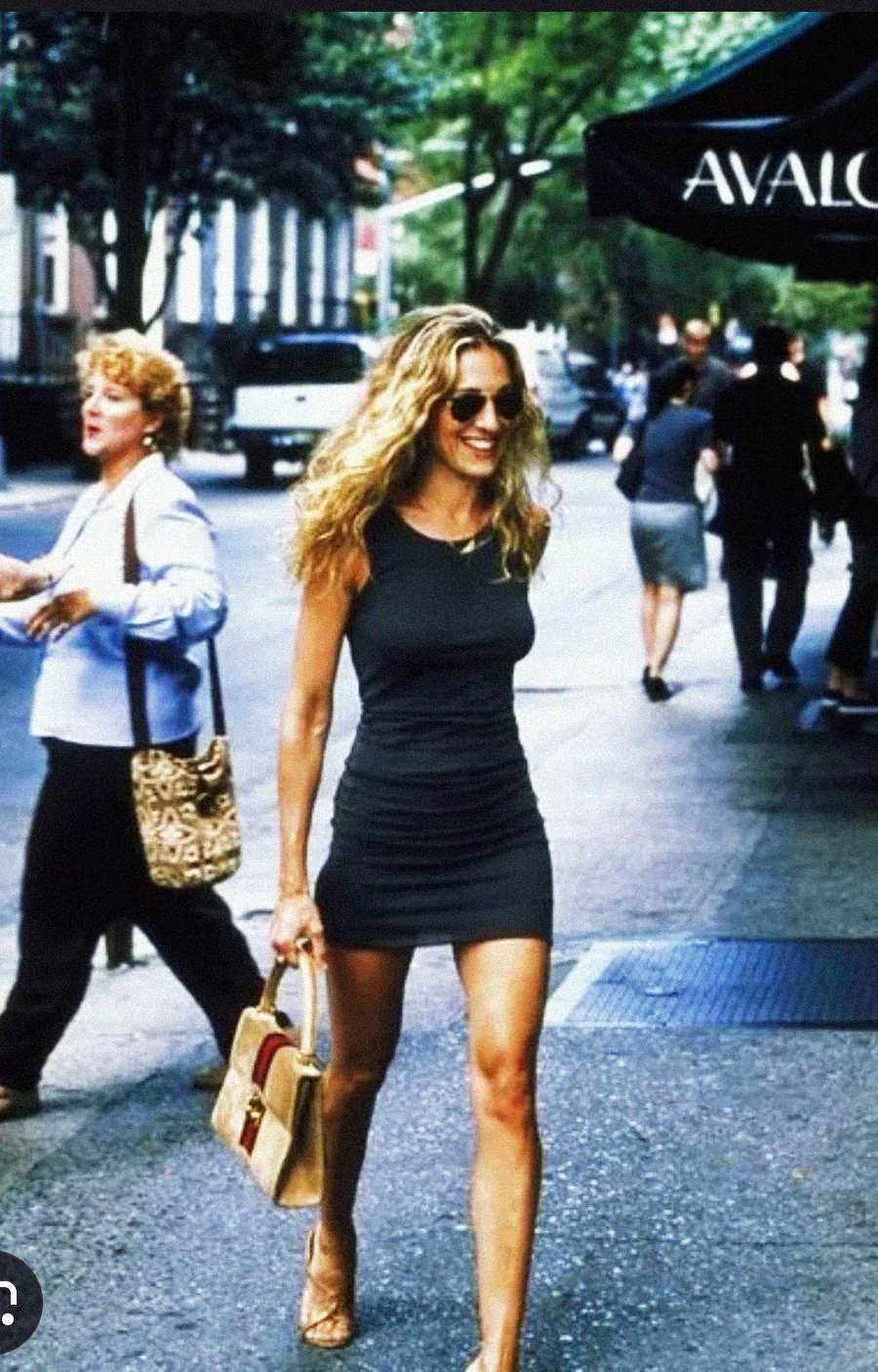
Carrie Bradshaw redefined the “single girl” archetype for the turn of the millennium, turning New York City into the ultimate playground for fashion and female friendship. She made the concept of “the career woman” feel aspirational rather than clinical, proving that you could be independent and still obsess over a pair of Manolo Blahniks. Her “columnist” lifestyle inspired an entire generation of writers to move to big cities in search of their own Mr. Big.
3. Don Draper – Mad Men, 2000s
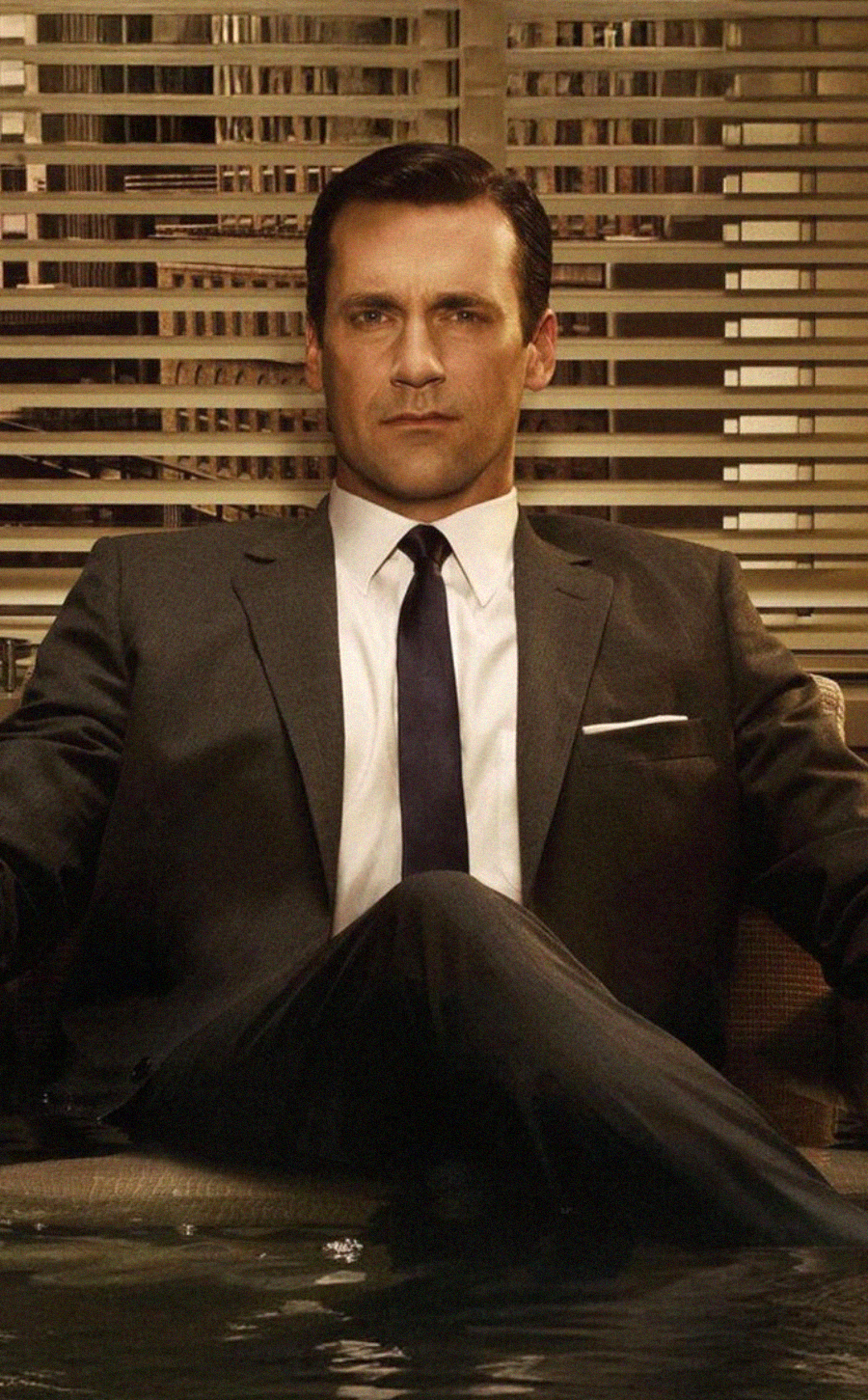
Don Draper arrived in 2007 but became the definitive face of the mid-century modern revival, blending 1960s sophistication with 21st-century existential dread. He represented the “man who has everything” but feels absolutely nothing, a theme that resonated deeply during the cynical late 2000s. Jon Hamm’s portrayal was so influential that it actually triggered a global resurgence in slim-fit suits and classic cocktail culture.
4. Fonzie – Happy Days, 1970s
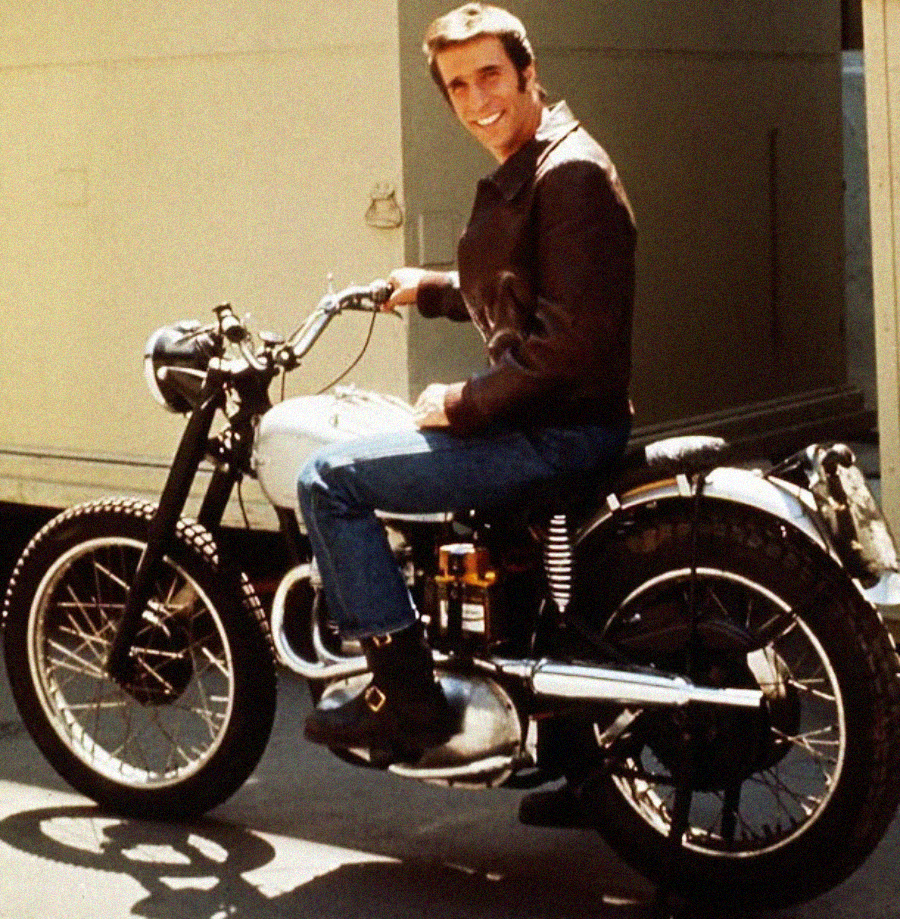
“The Fonz” was the ultimate symbol of 1950s cool, even though he dominated the airwaves in the 1970s during a massive wave of nostalgia for “simpler times.” With a leather jacket and a thumb in the air, Henry Winkler turned a secondary character into a cultural phenomenon that could fix a jukebox with a single hit. He was so popular that his leather jacket is now a permanent part of the Smithsonian’s collection alongside Archie Bunker’s chair.
5. Rachel Green – Friends, 1990s
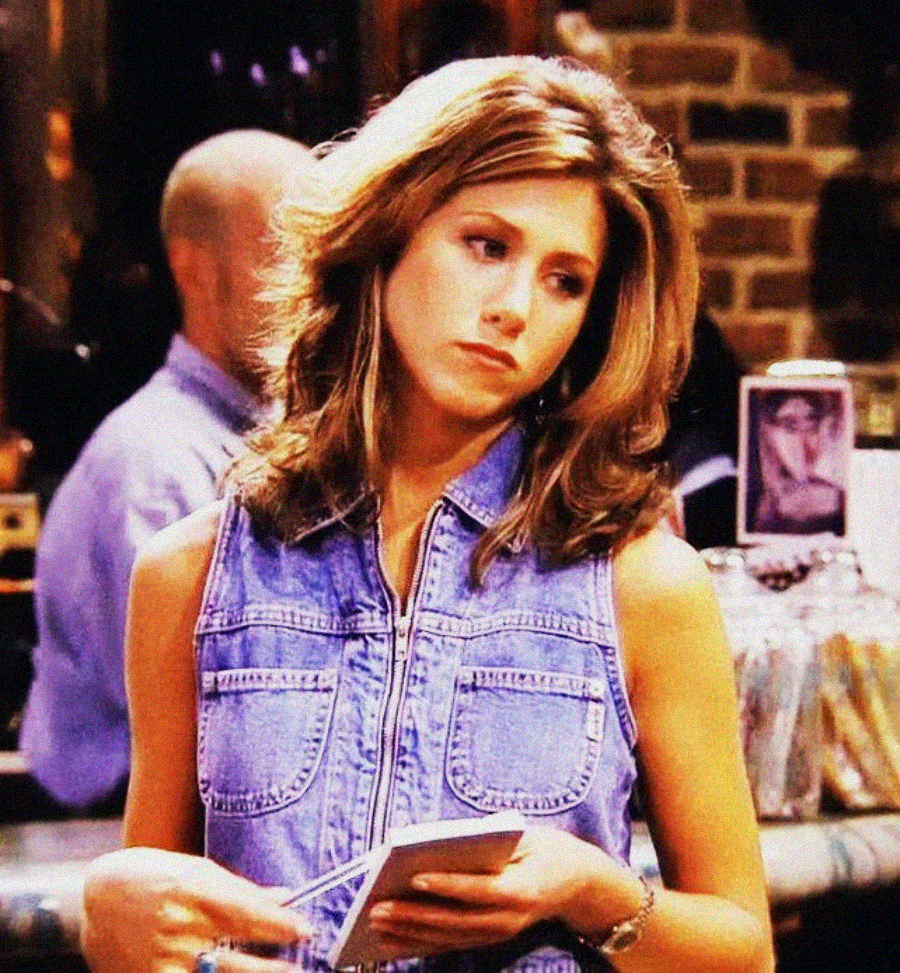
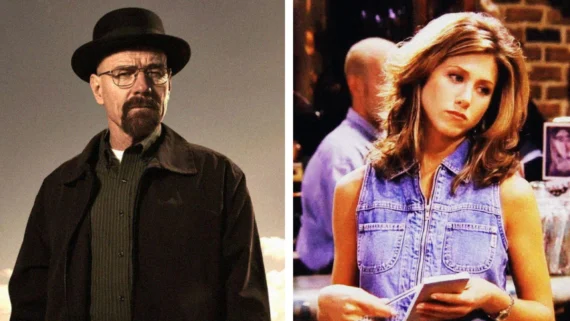
You can’t talk about the 90s without mentioning Rachel Green, a character whose influence was so massive it can be measured in haircuts. “The Rachel” became the most requested hairstyle in history, proving that Jennifer Aniston’s character was the era’s ultimate trendsetter. She evolved from a “runaway bride” to a high-fashion executive, mirroring the real-life shift of many 90s women seeking self-sufficiency.
Trending on The Scroller

6. Tony Soprano – The Sopranos, 2000s
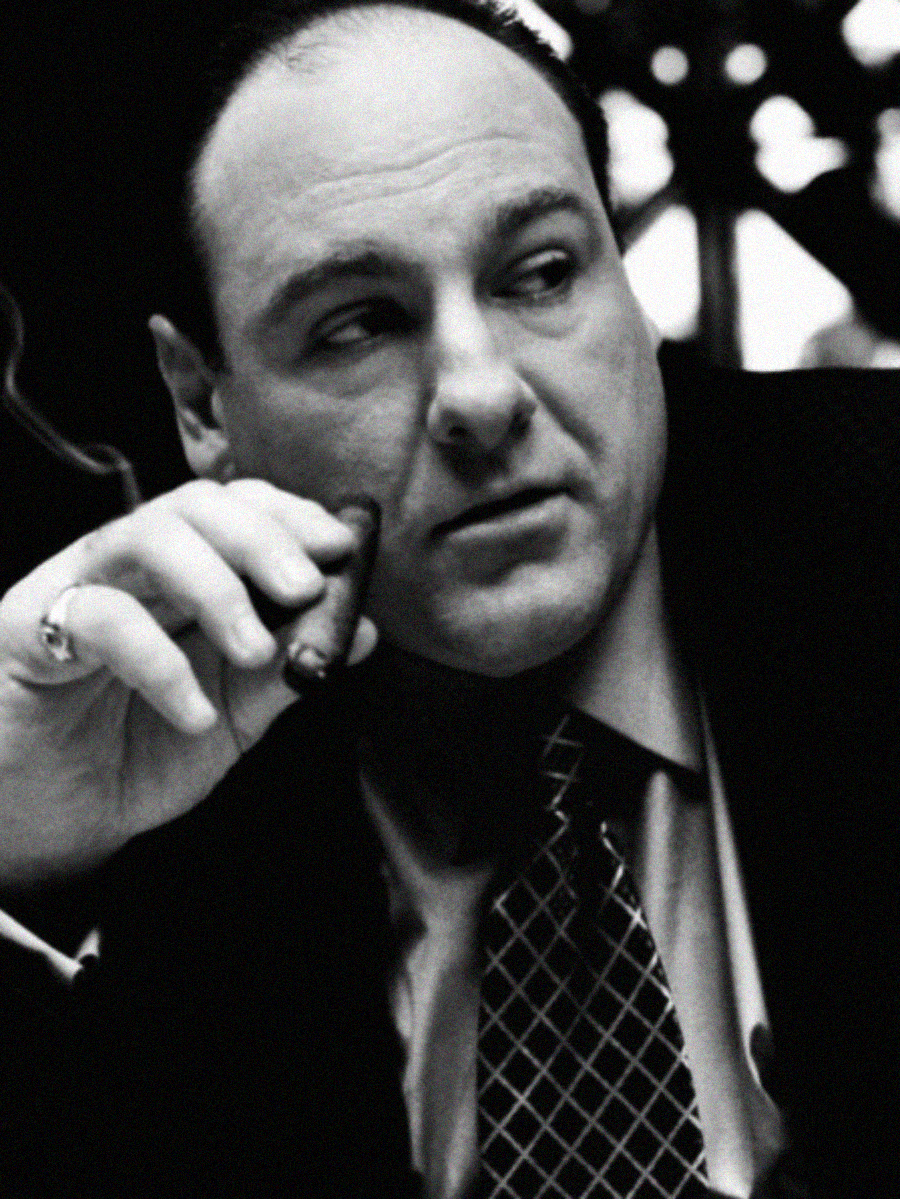
Tony Soprano kicked off the “Golden Age of Television” by making us root for a man who was undeniably a monster. He defined the early 2000s fascination with the anti-hero, showing that the most interesting characters are often the ones struggling with panic attacks and therapy between mob hits. James Gandolfini’s performance changed TV forever, moving it away from black-and-white morality and into the murky shades of gray.
7. Mary Richards – The Mary Tyler Moore Show, 1970s
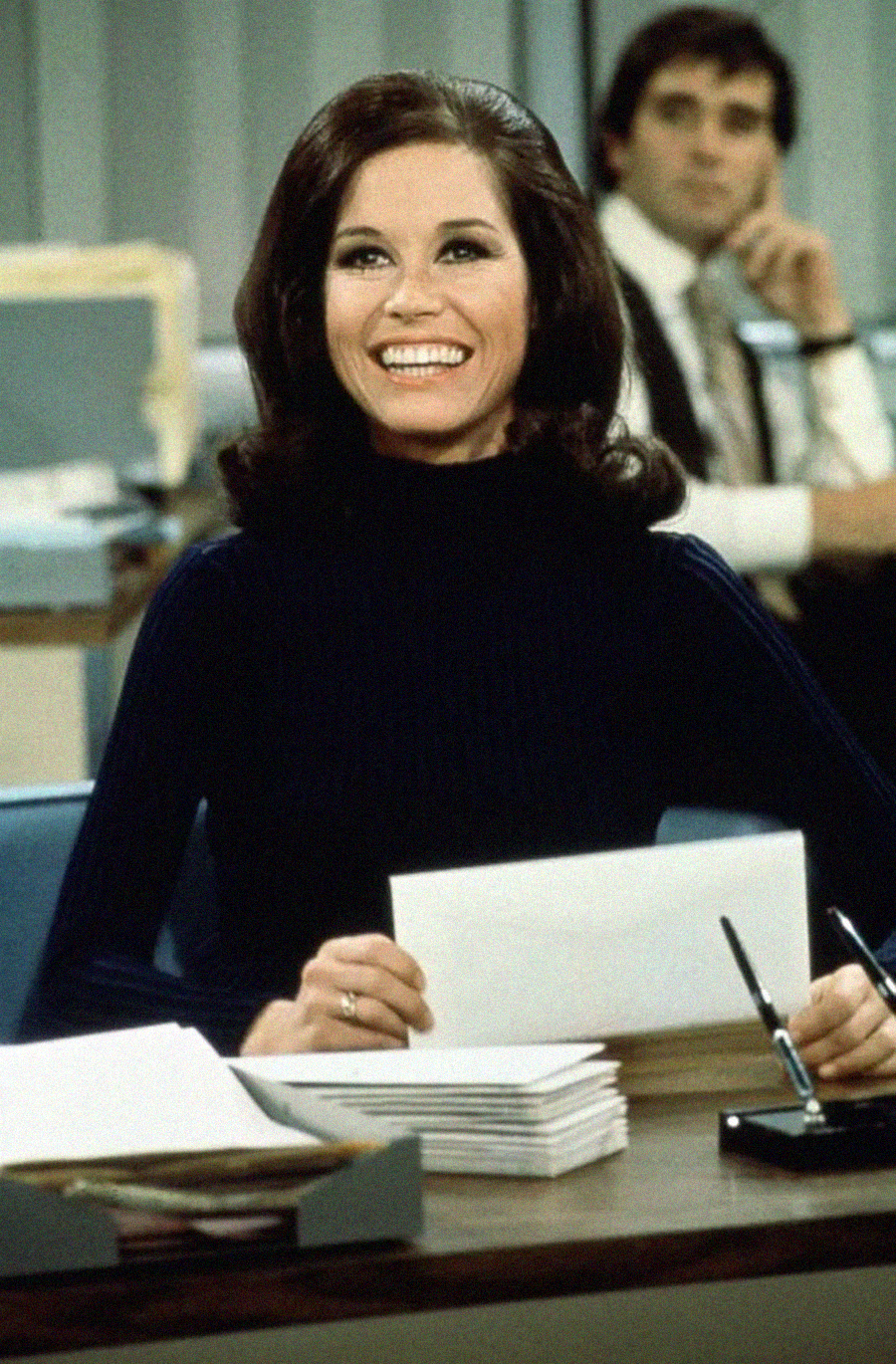
Mary Richards was the first major TV character to be a single, professional woman whose primary goal wasn’t to find a husband. She defined the 1970s feminist push in the workplace, proving that a woman could “make it after all” on her own terms in a male-dominated newsroom. Her tossing of the hat in the opening credits remains one of the most iconic symbols of female liberation in television history.
8. Walter White – Braking Bad, 2010s
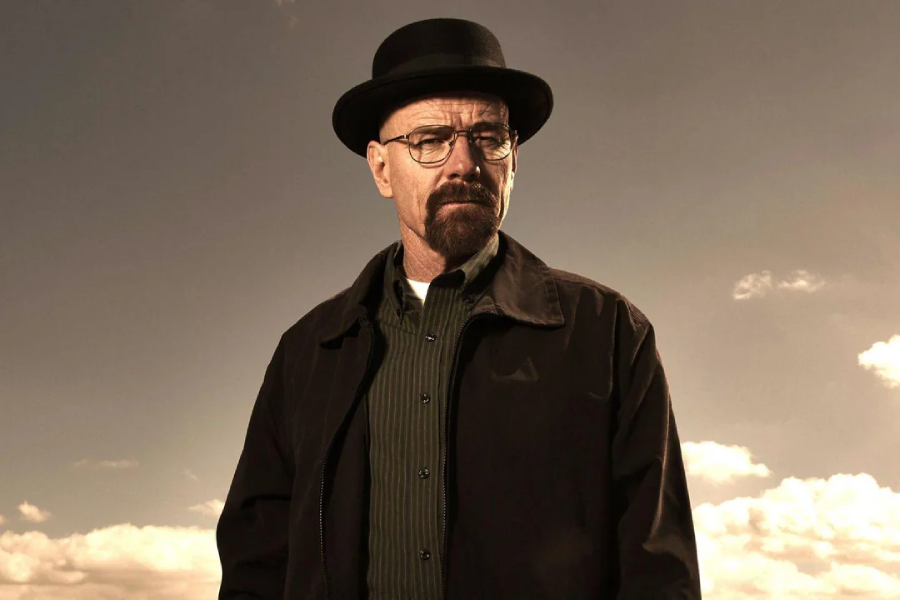
Walter White captured the post-recession anxiety of the 2010s, showing a desperate man taking extreme measures to provide for his family. His transformation from “Mr. Chips to Scarface” became a cultural obsession, sparking endless debates about the true nature of morality and power. Bryan Cranston’s “I am the one who knocks” speech became the definitive meme of a decade obsessed with gritty transformations.
Sign up for our newsletter
9. Will Smith – The Fresh Prince of Bel-Air, 1990s
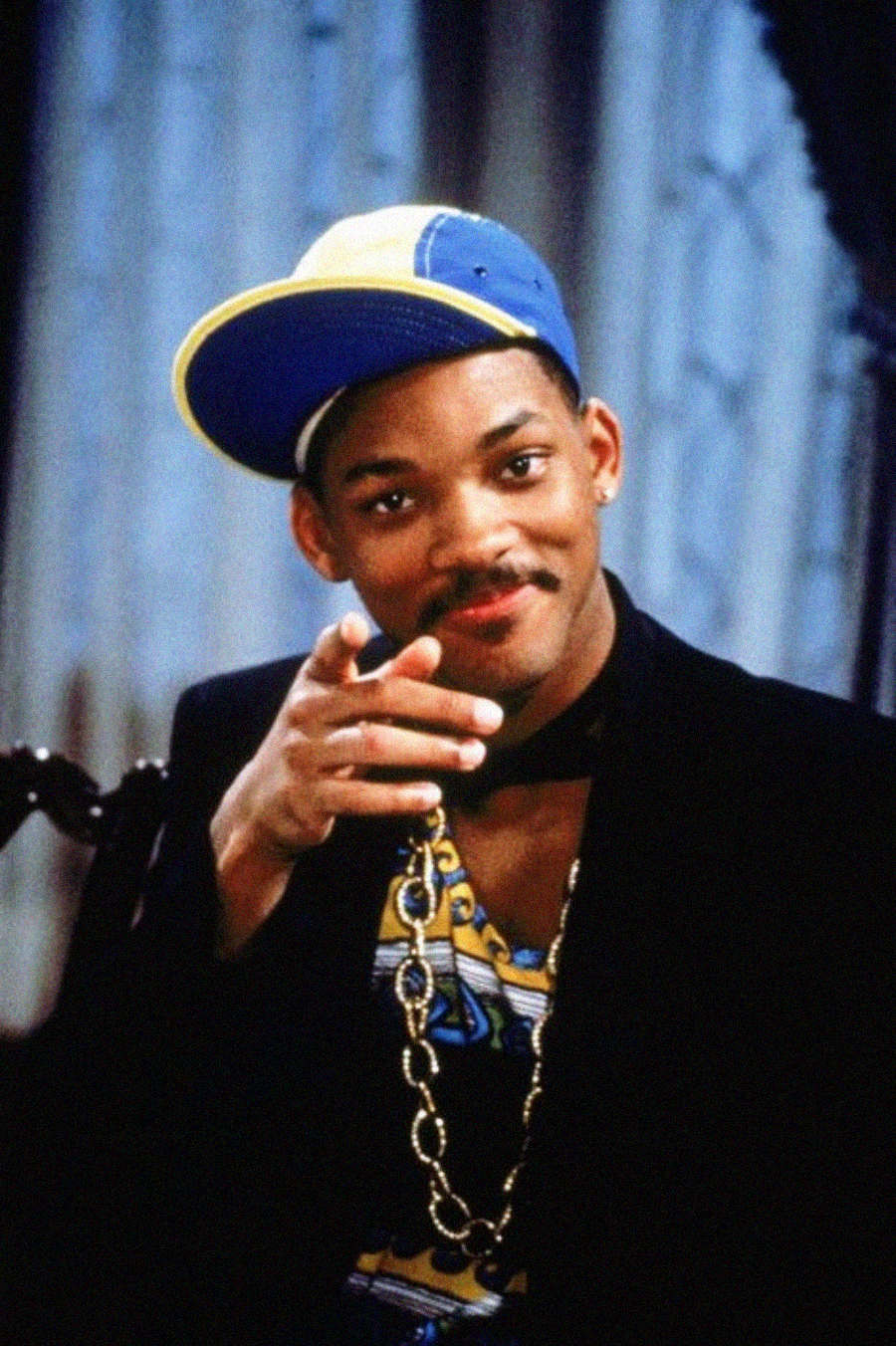
Will Smith brought hip-hop culture into mainstream living rooms, blending 90s neon aesthetics with important conversations about class and identity. He made “cool” look effortless, influencing everything from sneakers to slang for an entire generation of kids who grew up in the 90s. The show managed to balance high-energy comedy with some of the most heart-wrenching dramatic moments ever seen on a sitcom.
10. Buffy Summers – Buffy the Vampire Slayer, late 90s
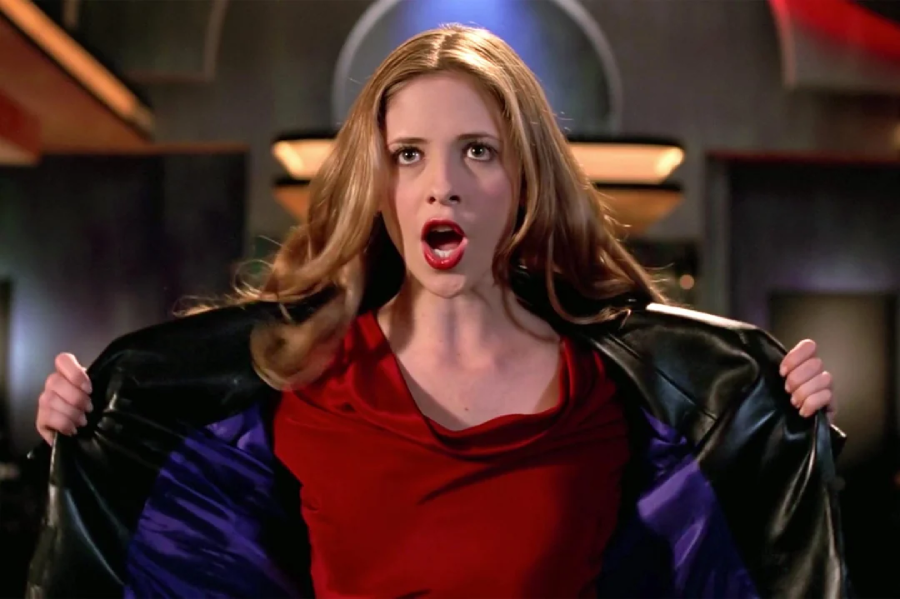
Buffy Summers redefined the “final girl” trope by giving a teenage cheerleader the power to fight back against the literal and metaphorical demons of high school. She was the face of “Girl Power” in the late 90s, blending sharp wit with physical strength in a way that hadn’t been seen before on teen TV. The character was so influential that she actually spawned an entire field of academic study known as “Buffy Studies.”
11. Michael Scott – The Office, 2000s

Michael Scott became the face of the “cringe comedy” era, perfectly capturing the awkwardness of 21st-century corporate culture. He represented a specific type of modern boss who is desperate to be liked, blending offensive ignorance with a surprising, child-like vulnerability. Steve Carell’s performance made the character so iconic that he transformed a failing adaptation into a global phenomenon that redefined how we view the workplace.
12. Lucy Ricardo – I Love Lucy, 1950s
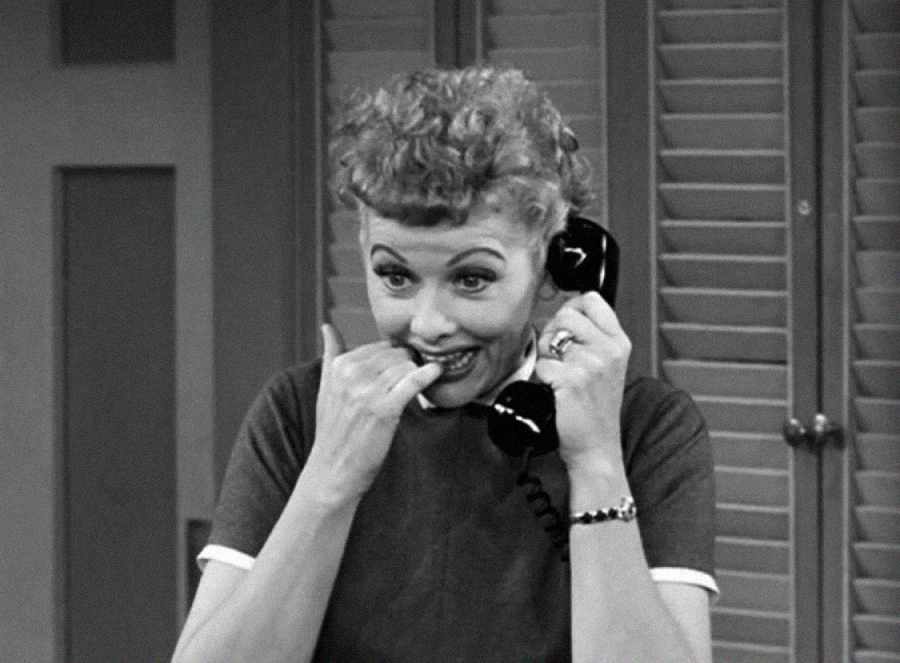
Lucy Ricardo was the original queen of the small screen, defining the 1950s housewife through a lens of chaotic ambition and physical comedy. She was a pioneer who pushed the boundaries of what women could do on TV, famously becoming the first pregnant woman to appear on a major sitcom. Lucille Ball’s influence was so vast that the show effectively created the “rerun” and the multi-camera setup that we still use today.
13. Steve Urkel – Family Matters, 1990s
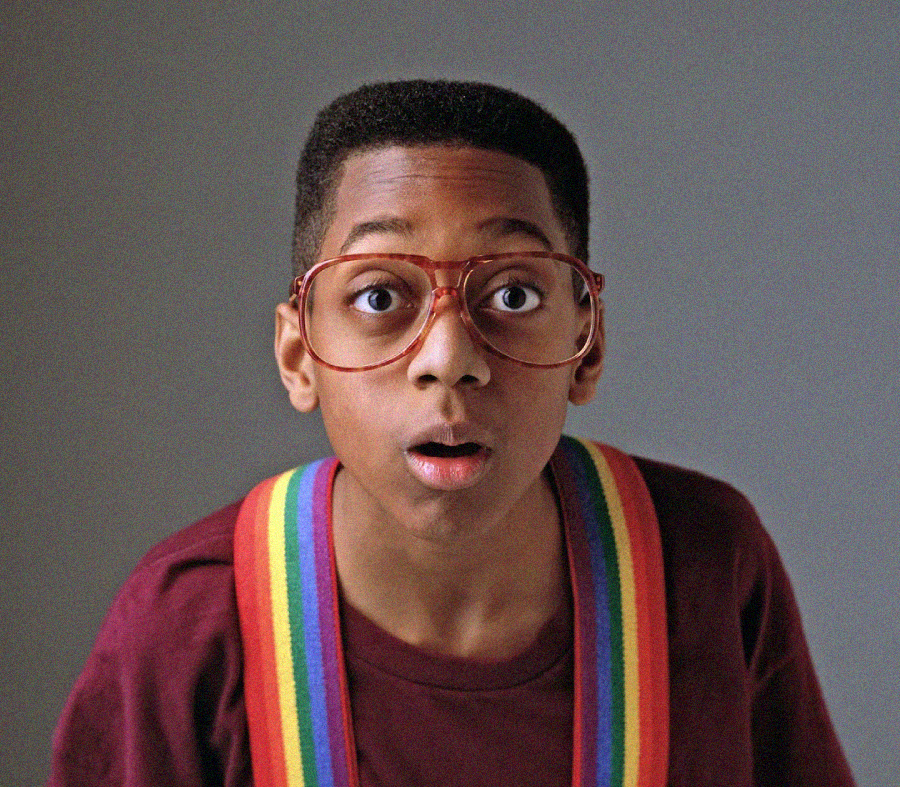
Steve Urkel was the ultimate “nerd” icon of the early 90s, proving that a secondary character with suspenders and a high-pitched voice could take over the world. He was the first character to show that being “uncool” could actually be a superpower, leading to a massive wave of Urkel-themed merchandise and dance crazes. Jaleel White’s portrayal was so dominant that it shifted the entire focus of a family sitcom onto a single, brilliant neighbor.
14. Thomas Magnum, Magnum, P.I., 1980s
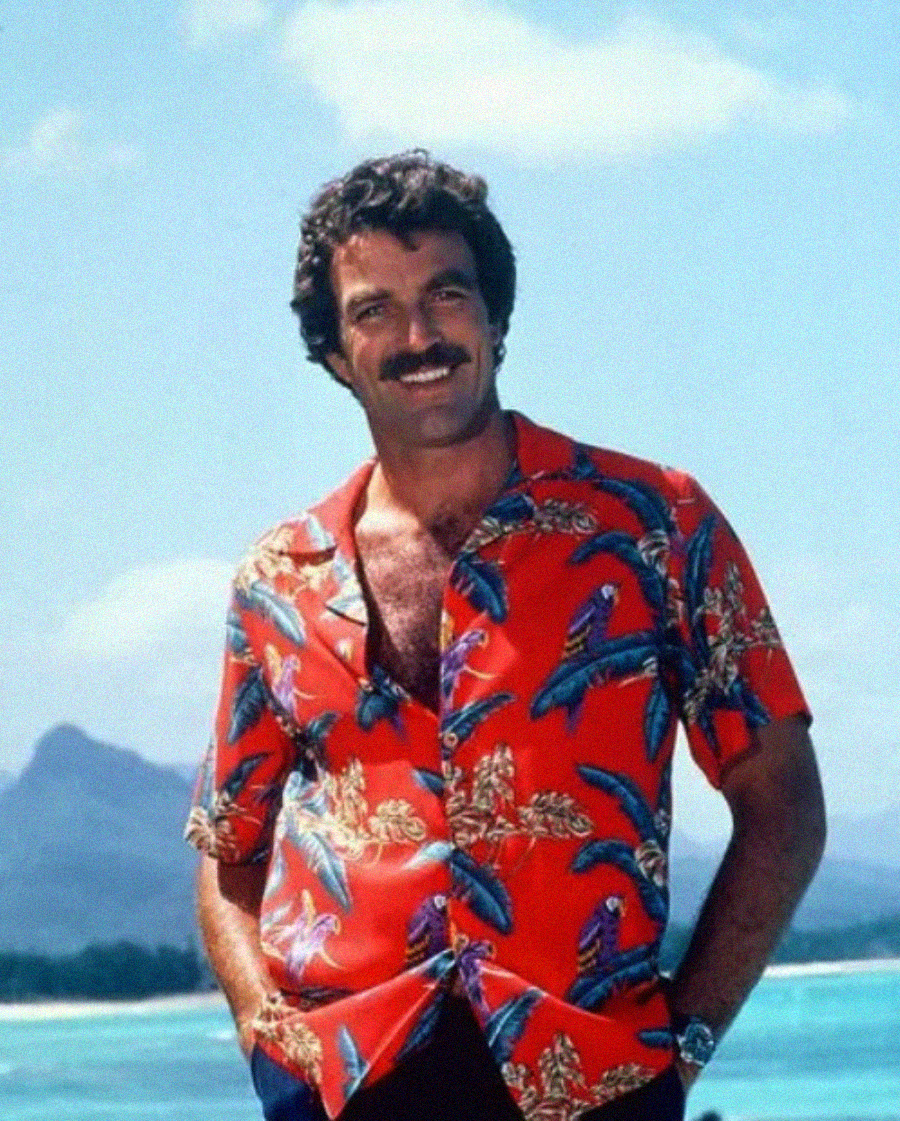
Thomas Magnum was the definitive symbol of 80s masculinity, trading the stiff suits of previous detectives for Hawaiian shirts and a legendary mustache. He lived a life of leisure in Hawaii that millions of viewers aspired to, driving a Ferrari while solving crimes with a relaxed, charm-heavy attitude. Tom Selleck’s role was so impactful that he actually had to turn down the part of Indiana Jones because of his filming schedule for the show.
15. Eleven – Stranger Things, 2010s-2020s
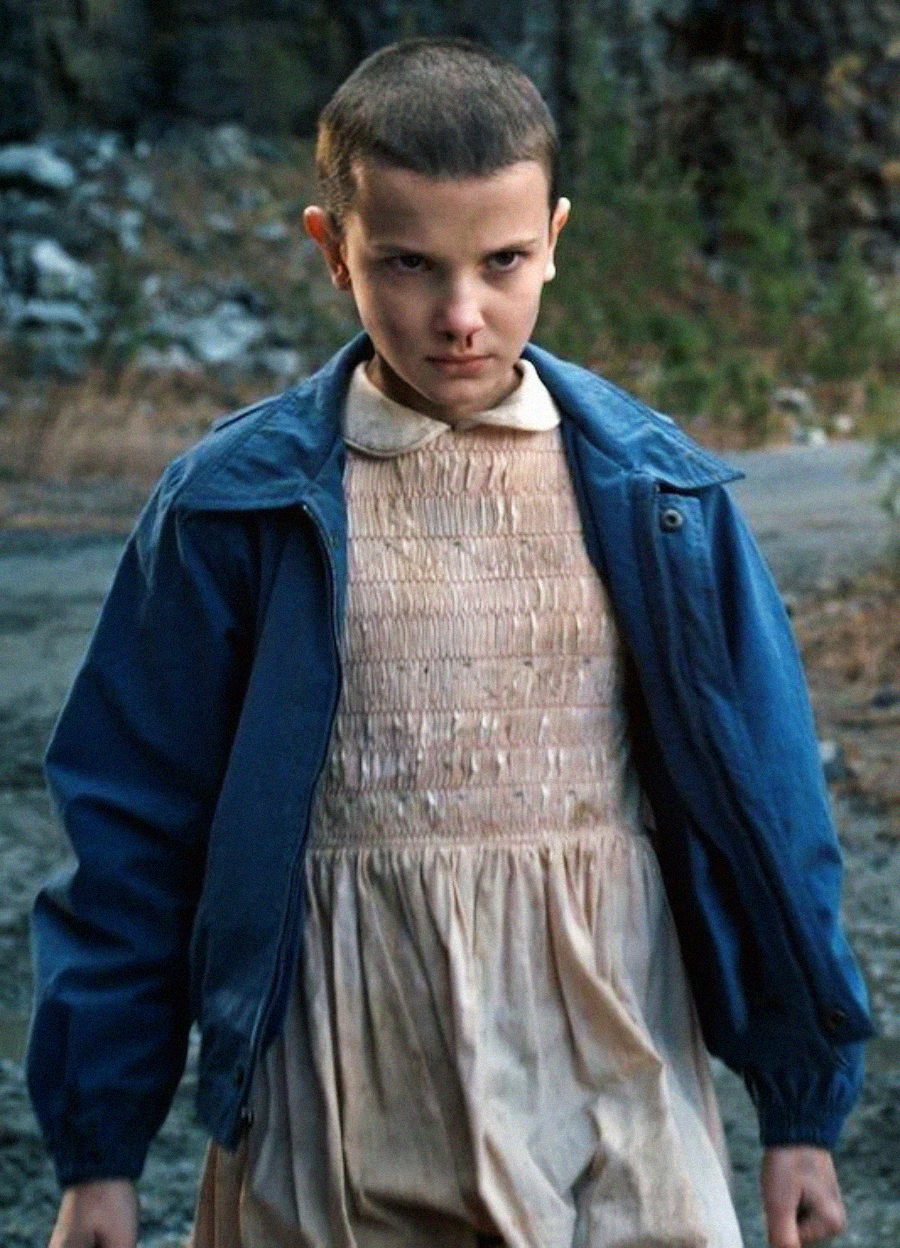
Eleven became the face of the “modern nostalgia” boom, blending 80s aesthetics with the powerful, silent vulnerability of a new generation of heroes. She represents the “outsider” who finds strength in friendship, becoming a cultural phenomenon that single-handedly revived interests in Eggo waffles and Dungeons & Dragons. Millie Bobby Brown’s performance turned a sci-fi mystery into a global brand that defines the current streaming landscape.
16. Barney Stinson – How I Met Your Mother, 2000s-2010s
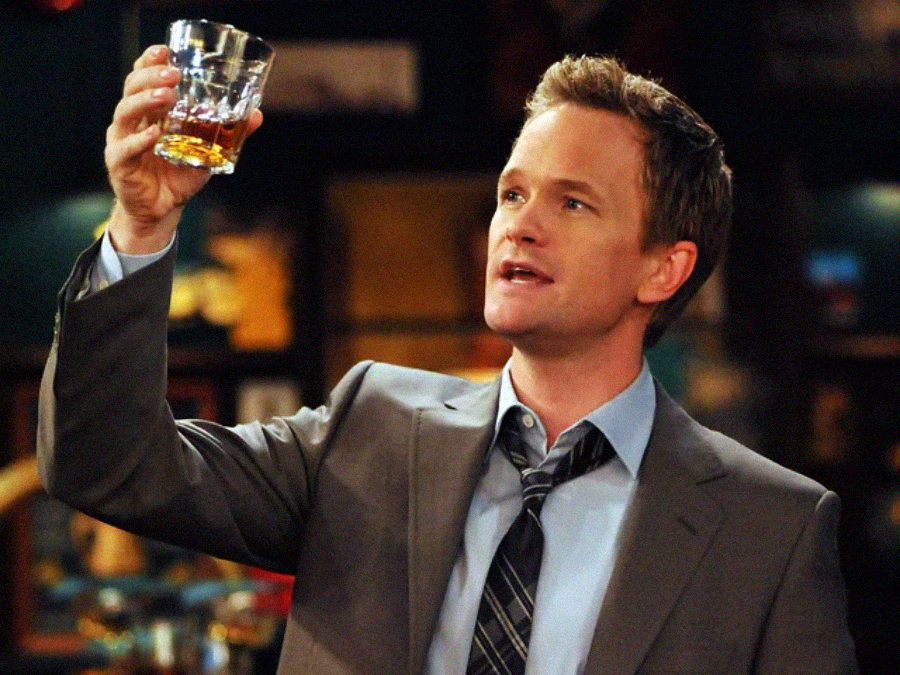
Barney Stinson was the “legendary” wingman of the late 2000s, turning the “bro-culture” of the era into a theatrical art form involving suits and complex playbooks. He brought a sense of exaggerated magic and catchphrases to the sitcom world, influencing how a generation of men viewed dating and social dynamics. Despite his flaws, Neil Patrick Harris’s charisma made him the most quoted character of the decade.
17. Daenerys Targaryen – Game of Thrones, 2010s
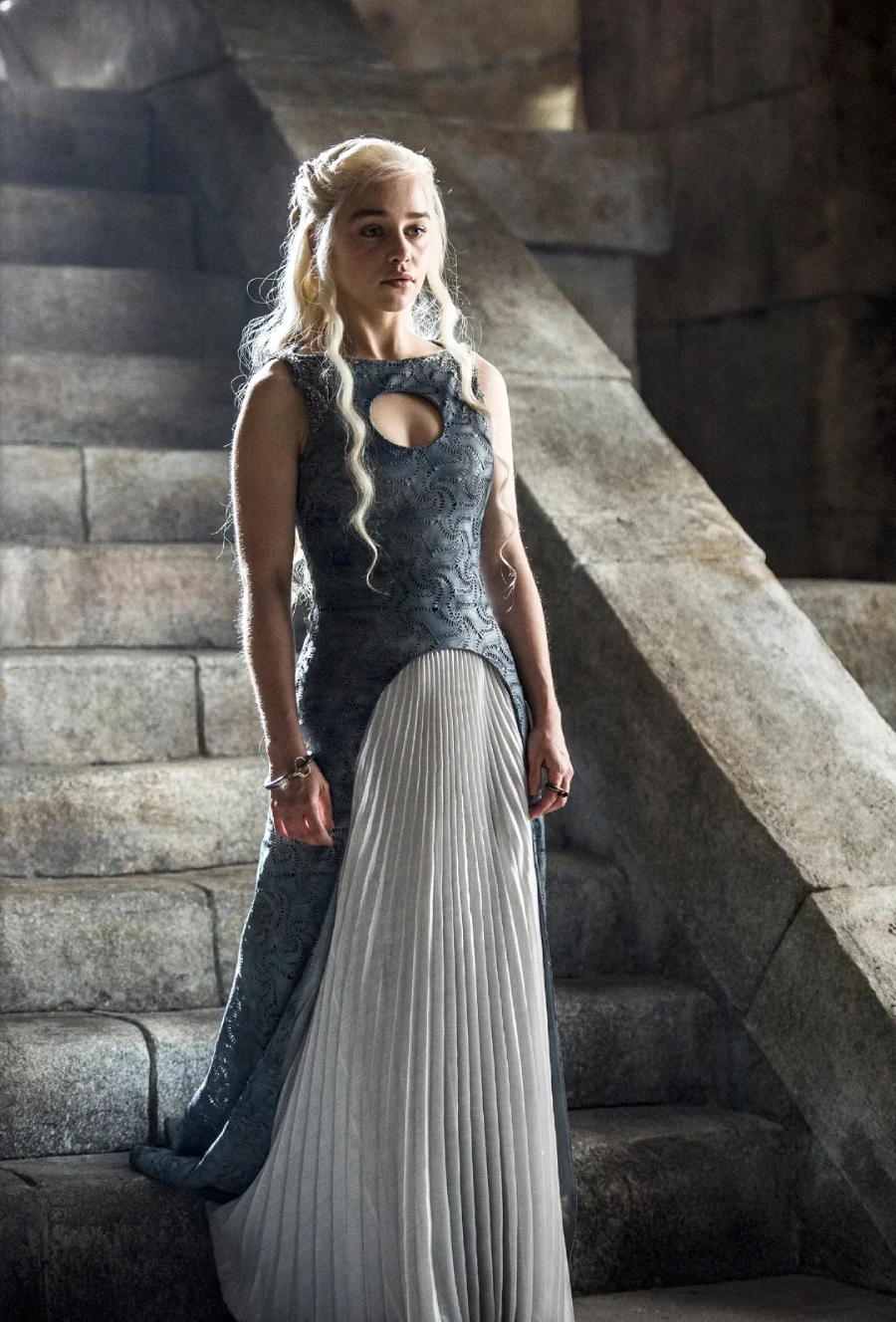
Daenerys Targaryen defined the “prestige TV” era as the ultimate symbol of power, transformation, and the moral ambiguity of leadership. Her journey from an exiled princess to the “Mother of Dragons” captivated millions, sparking global debates about justice and the corruptive nature of the Iron Throne. She was so influential that “Khaleesi” actually became a popular baby name in the real world during the height of the show’s popularity.
Explore more entertainment content:
Looking back at these legendary TV characters shows us how the small screen has always been a reflection of our biggest cultural shifts. As television continues to evolve into the streaming age, we wait to see who the next character will be to perfectly capture the spirit of our current time. For more deep dives into pop culture, check out these 15 Celebs We Couldn’t Escape And People Started Feeling It, or these 15 Movie Villains So Iconic You Recognize Them Instantly. You may also like Before the Oscars: 20 Yearbook Faces of Future Winners.