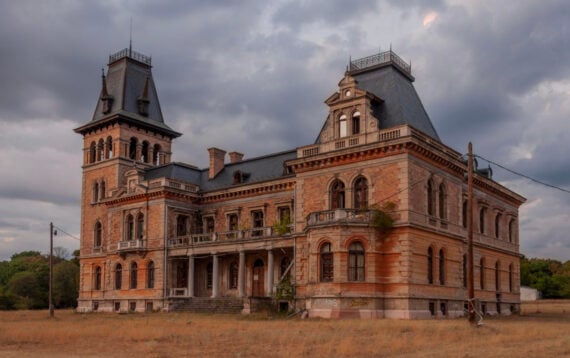
The ’90s gave us unforgettable movies and just as unforgettable houses. These weren’t just sets; they were characters, the kind of places you wanted to live in, snoop around, or at least pause the VHS tape to study the layout. Some of these homes were real filming locations you can still find today, while others were built on studio lots, remodeled beyond recognition, or turned into pilgrimage sites for fans who love a good nostalgia road trip. Here are some of the most iconic 90s movie houses and what’s happened to them since.
1. The McCallister House: Home Alone (1990)
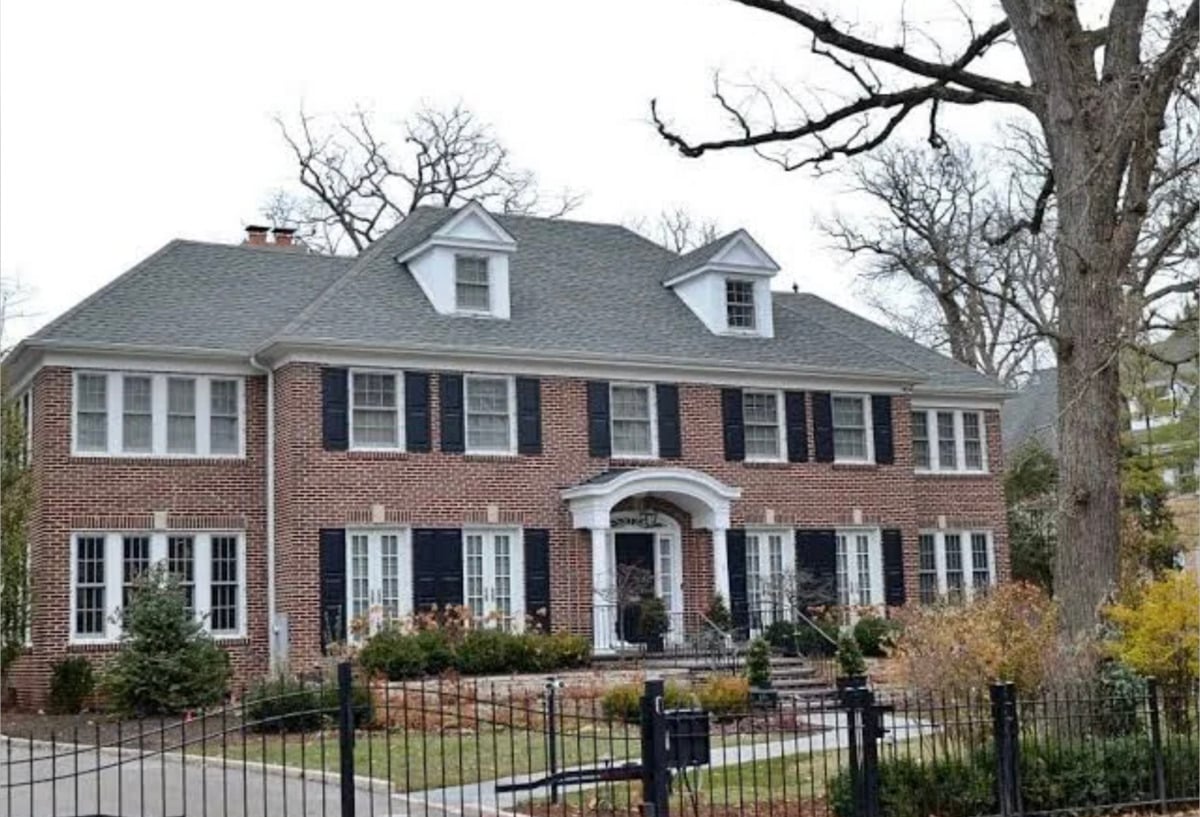
Even though Home Alone technically kicked off the decade, the McCallister house became one of the defining homes of ’90s pop culture thanks to its cozy, upper-middle-class dreaminess and instantly recognizable layout. The grand staircase and warm interior made it feel like the ultimate holiday home right up until you remember the “how did they leave him?” premise. The house is a real private residence in Winnetka, Illinois, and while it has been renovated over the years, it remains an iconic exterior that fans still recognize immediately.
2. The Goon Docks House: The Goonies (Not ’90s, but lives in the era’s DNA)
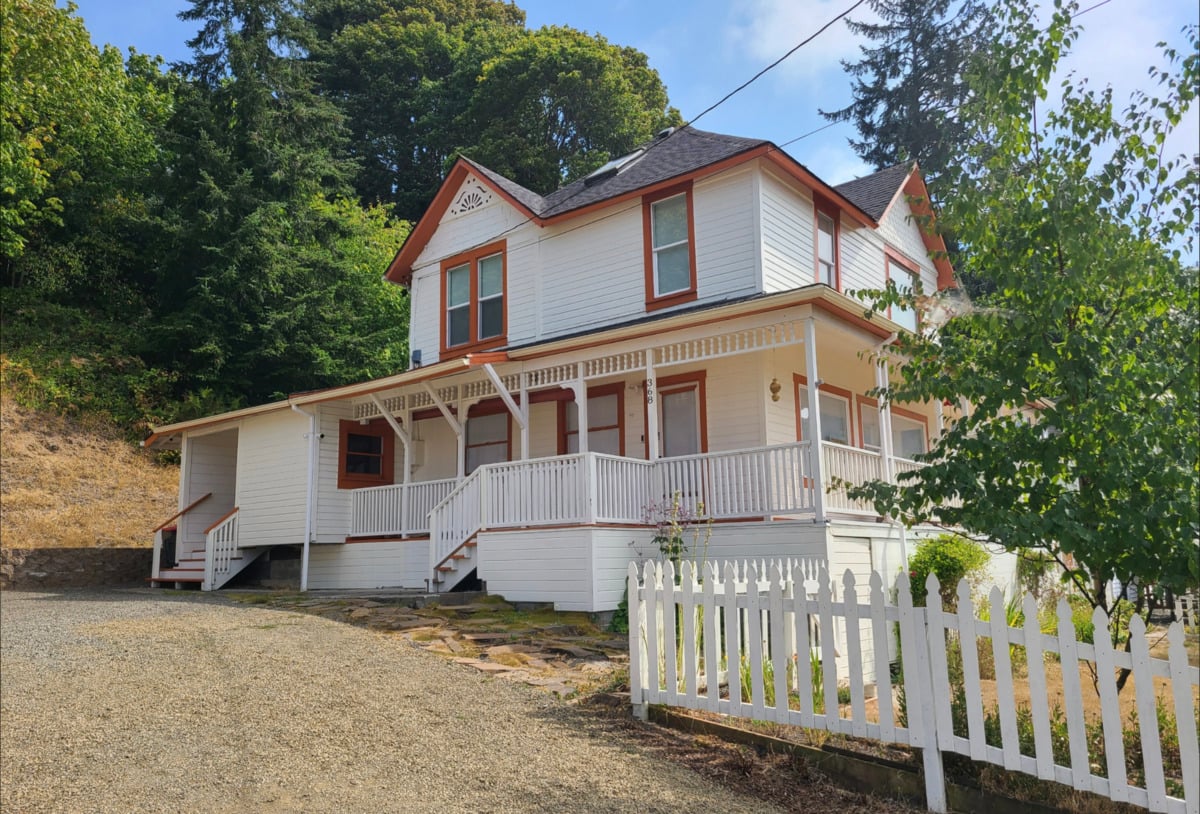
While The Goonies isn’t technically a ’90s movie, it’s so closely tied to the decade’s nostalgia ecosystem that it still feels right at home on this list. The hillside house helped set the tone for kid-adventure stories: messy, loud, and full of “summer freedom” energy. The house is a private home in Astoria, Oregon, and it has long been a popular fan stop, although locals have repeatedly asked visitors to be respectful since it’s still someone’s residence.
3. The “Party Mansion”: Can’t Hardly Wait (1998)
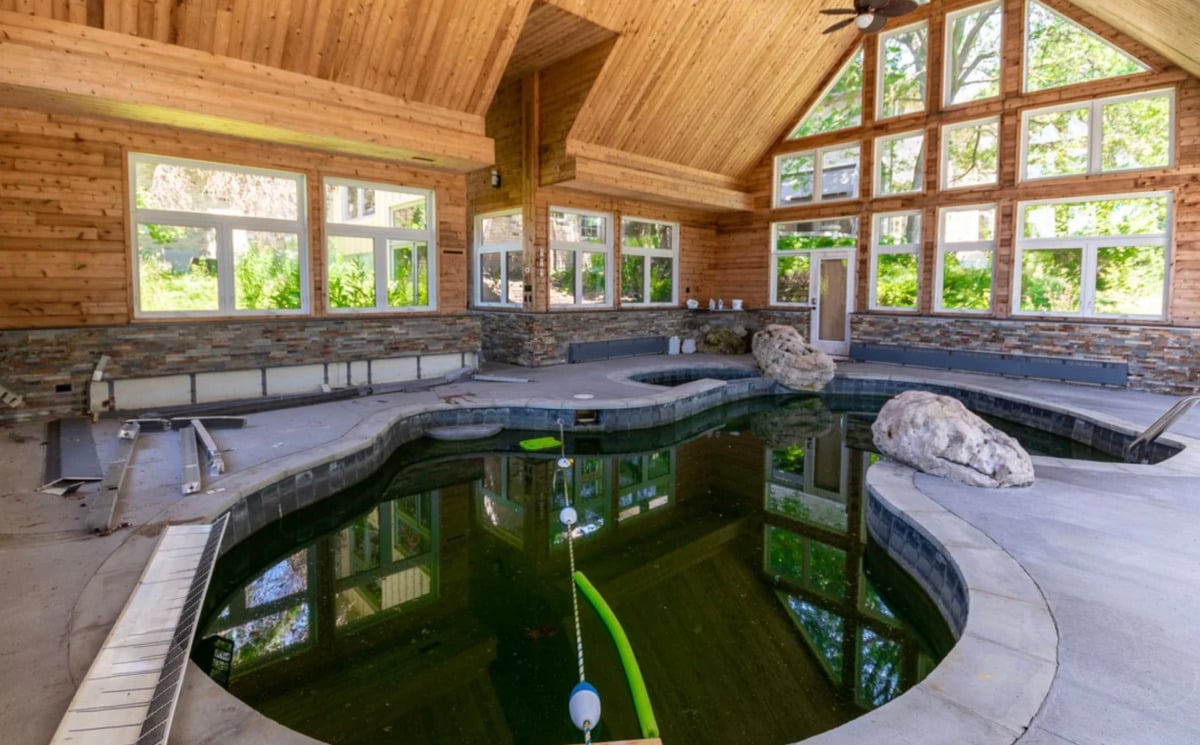
The house in Can’t Hardly Wait is iconic because it functions like a teen-movie pressure cooker: everyone’s there, everyone’s emotional, and the night spirals into nonstop mini-dramas. It’s the perfect setting for a one-night story because every room feels like it contains a different plotline. Like many party movies, the “house” experience is usually created through a mix of locations, with private homes used for exterior shots and interior scenes often filmed on sets or separate properties.
4. The Sandlot Neighborhood House: The Sandlot (1993)
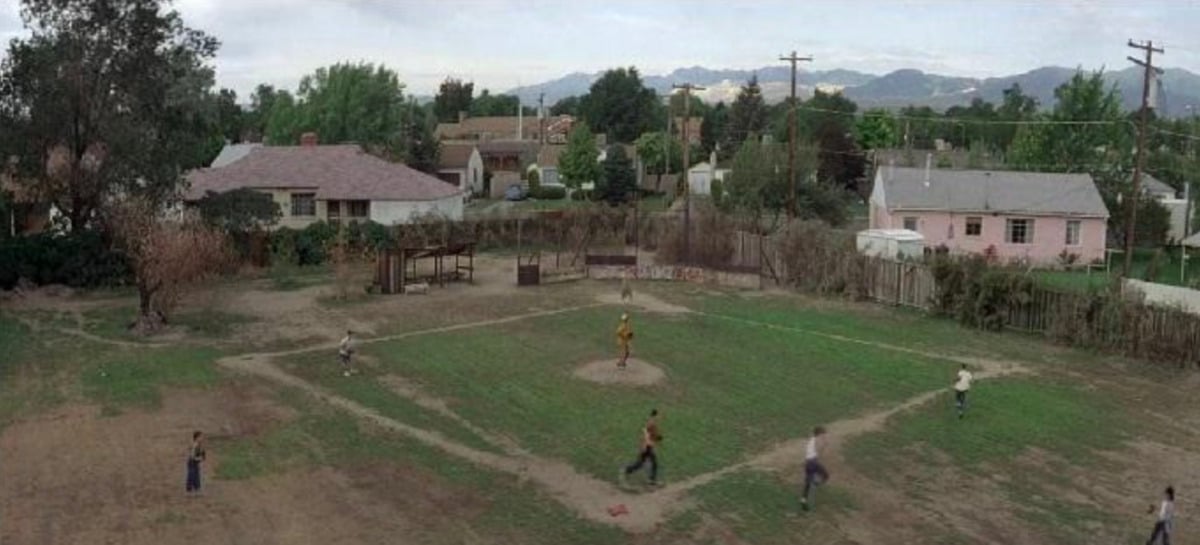
The magic of The Sandlot isn’t tied to one single famous mansion; it’s tied to the feeling of a whole neighborhood that looks like summer memories. The houses, yards, bikes, and sprinklers make the setting feel lived-in and familiar, like a place you could actually grow up. Much of the film was shot around Salt Lake City, Utah, and while real neighborhoods naturally change over time, the general suburban atmosphere is still recognizable for fans who love tracking down filming locations.
5. The Addams Family Mansion: Addams Family Values (1993)
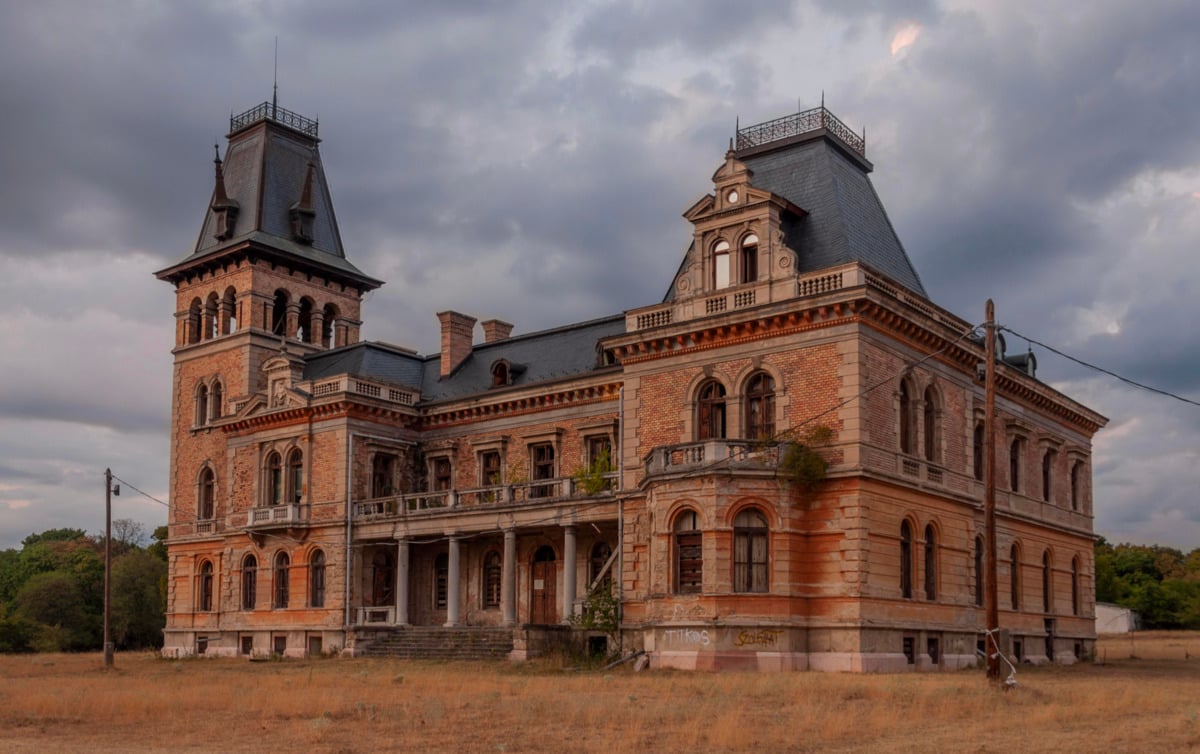
The Addams home is gothic perfection, built to look like the kind of place that would scare the neighbors and delight the people living inside it. Its looming architecture and dramatic styling made it instantly recognizable, even for viewers who only caught the movie in reruns. The mansion look in the film was achieved through a combination of sets and location elements, which is why the onscreen house isn’t a single, straightforward “visit this address” destination the way some other movie homes are.
Trending on The Scroller
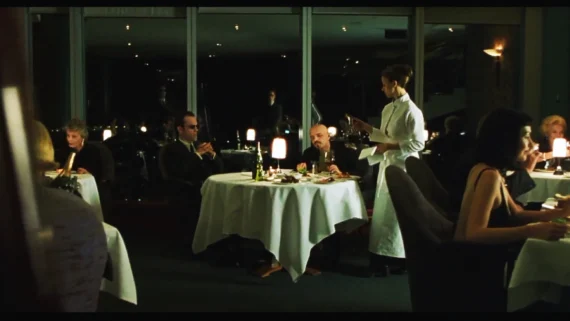

6. The “Perfect on the Outside” Suburban Home: American Beauty (1999)
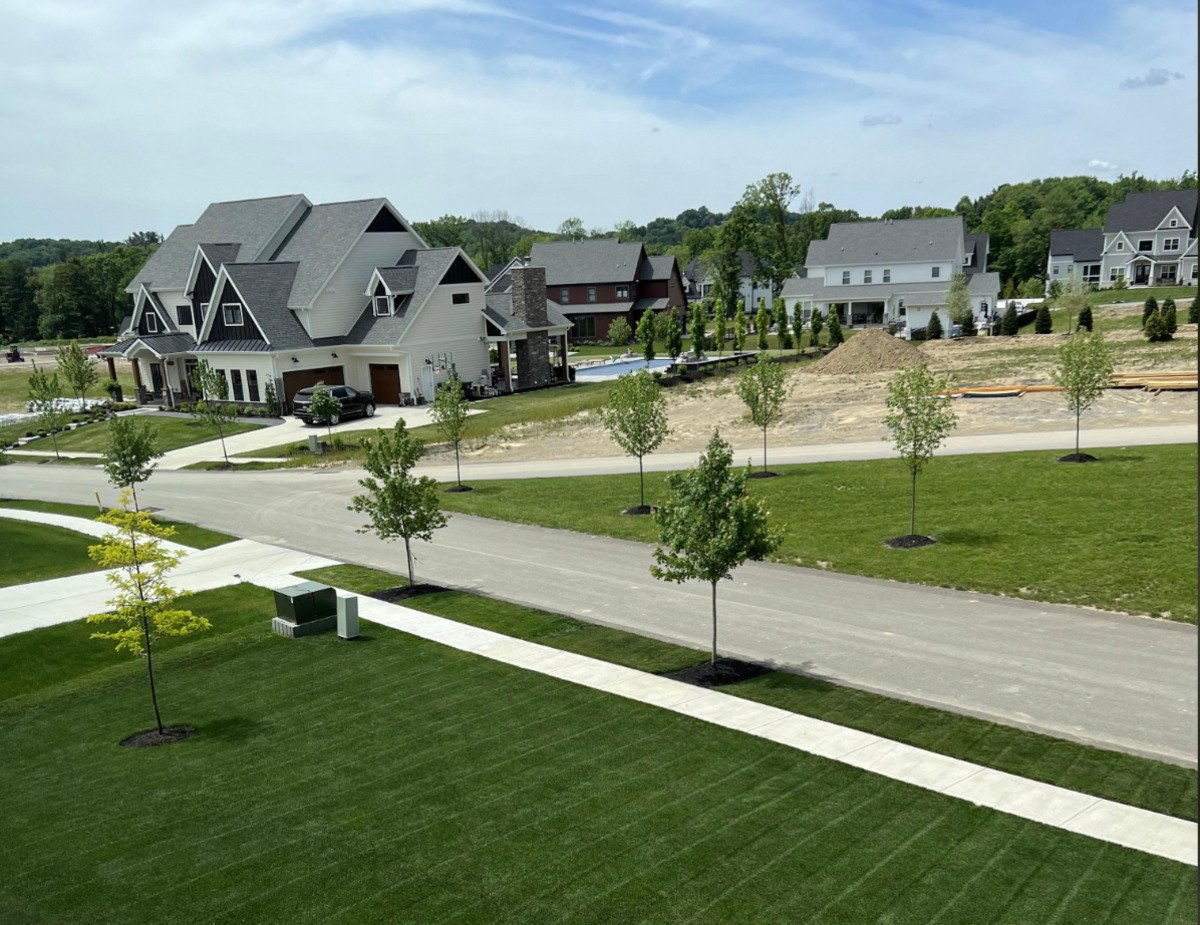
The house in American Beauty is iconic because it’s the definition of picture-perfect suburbia: clean lines, neat exterior, and a vibe that screams “everything is fine,” even when it absolutely isn’t. That contrast is a huge part of why the home is so memorable: it’s the glossy shell around the story’s emotional chaos. The exterior is a real home in the Los Angeles area (often associated with Brentwood), and it remains a private residence today.
7. The Banks’ Mansion: The Fresh Prince of Bel-Air (TV, but peak ’90s home icon)
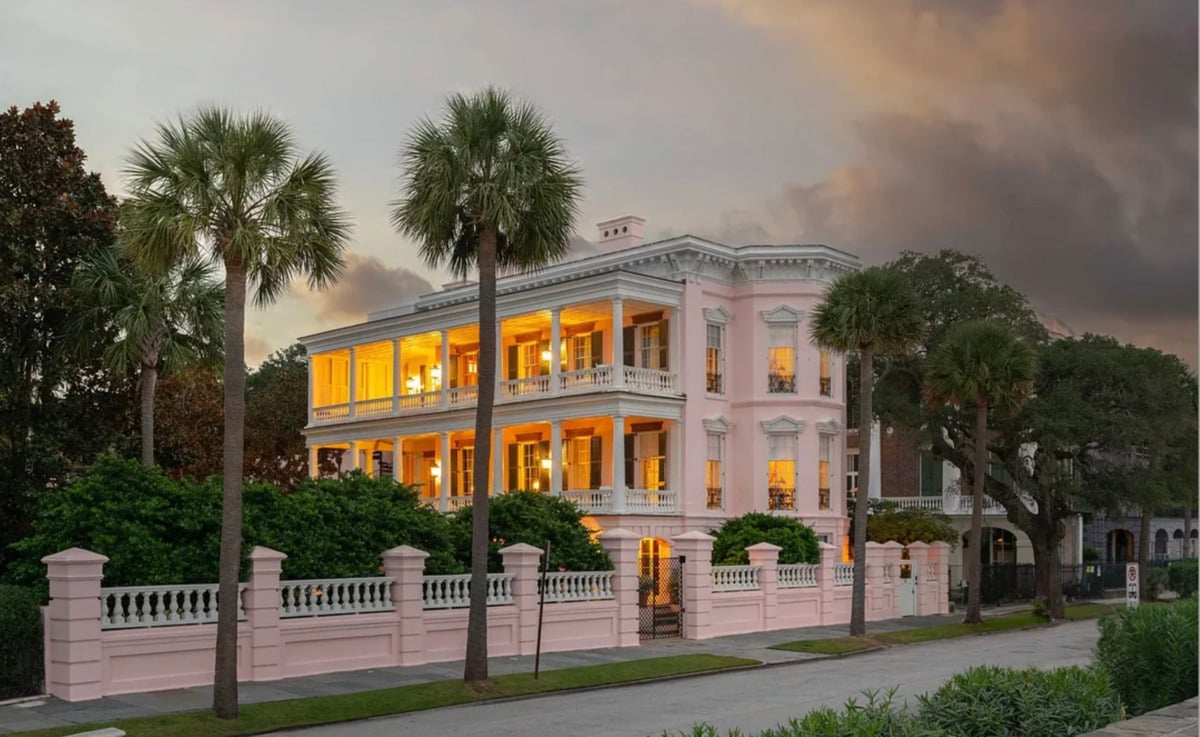
Even though it’s not a movie, the Banks’ mansion is one of the most recognizable ’90s screen homes because it became the stage for so many classic sitcom moments. The scale of the house, especially the staircase and living room helped establish the “fish out of water” contrast that made the show work so well. As with many sitcoms, most interior scenes were filmed on soundstage sets, while exterior establishing shots were filmed at a real property used to create the “this is where they live” image.
8. The “Dream House”: Father of the Bride (1991)
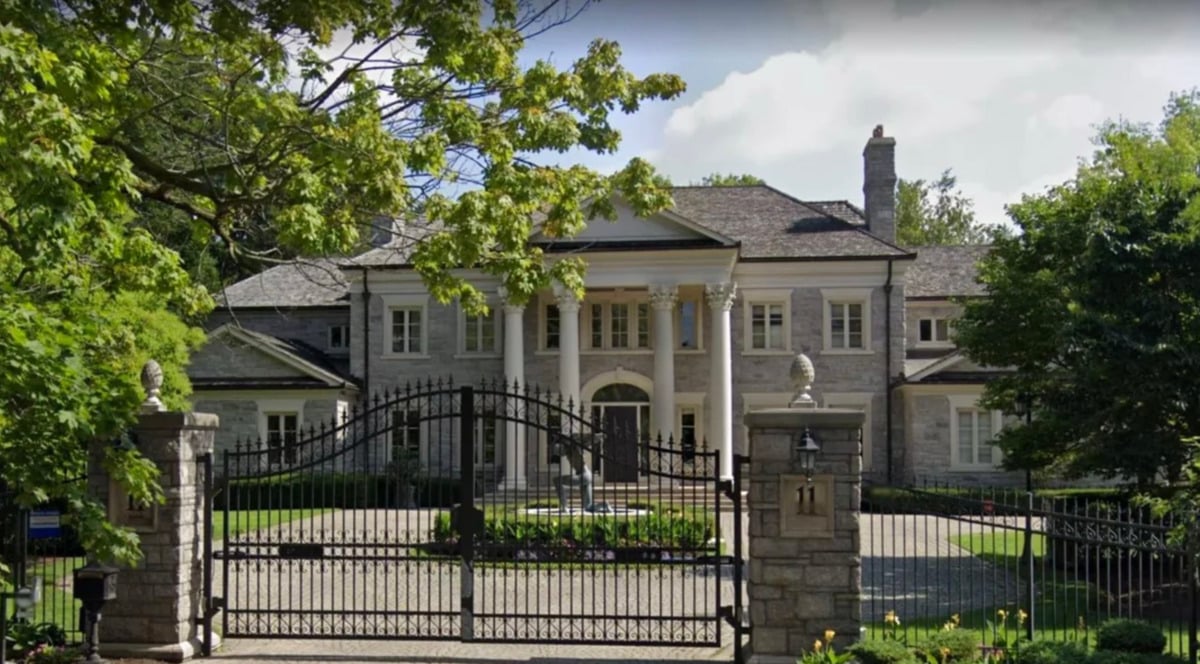
The house in Father of the Bride is iconic because it feels like the ultimate warm, comfortable family home, upscale without being cold, and perfectly designed for big life events (and the chaos that comes with them). The backyard alone made people want to host weddings, garden parties, or at least drink lemonade dramatically while thinking about their feelings. The exterior is a real home in Pasadena, California, and it remains a private residence that has been updated since filming.
Sign up for our newsletter
9. The “Big Family Home”: Mrs. Doubtfire (1993)

The Mrs. Doubtfire house is instantly recognizable, especially if you’ve ever walked around San Francisco and seen those classic Victorian-style facades. It’s iconic because the home feels like the emotional center of the movie, where the family life, comedy, and heartbreak all collide. The house is real and located in San Francisco’s Pacific Heights area, and while it’s privately owned, it’s still a well-known spot where fans often stop to take photos from the sidewalk.
10. The House That Screamed “Cool Teen Life”: Clueless (1995)
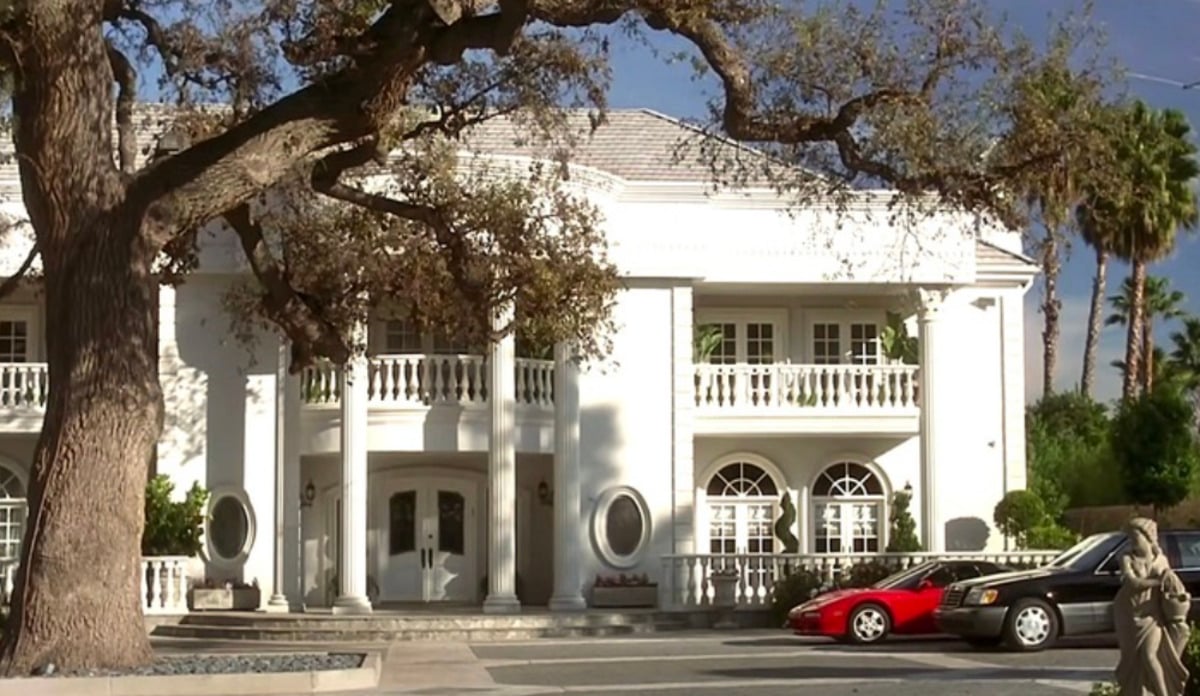
Cher’s house in Clueless is iconic because it’s pure aspirational ’90s wealth: bright, polished, and styled like the physical embodiment of “I have everything I need, including great lighting.” It helps sell Cher’s world as both glamorous and slightly absurd, making the home feel like part of the fantasy. Like many movies, the “house” identity is typically created with a blend of real location exteriors and separate interior sets or filming spaces, which is why it’s often more of a movie-made composite than one single famous house.
11. The Hocus Pocus House Vibes: Practical Magic (1998)
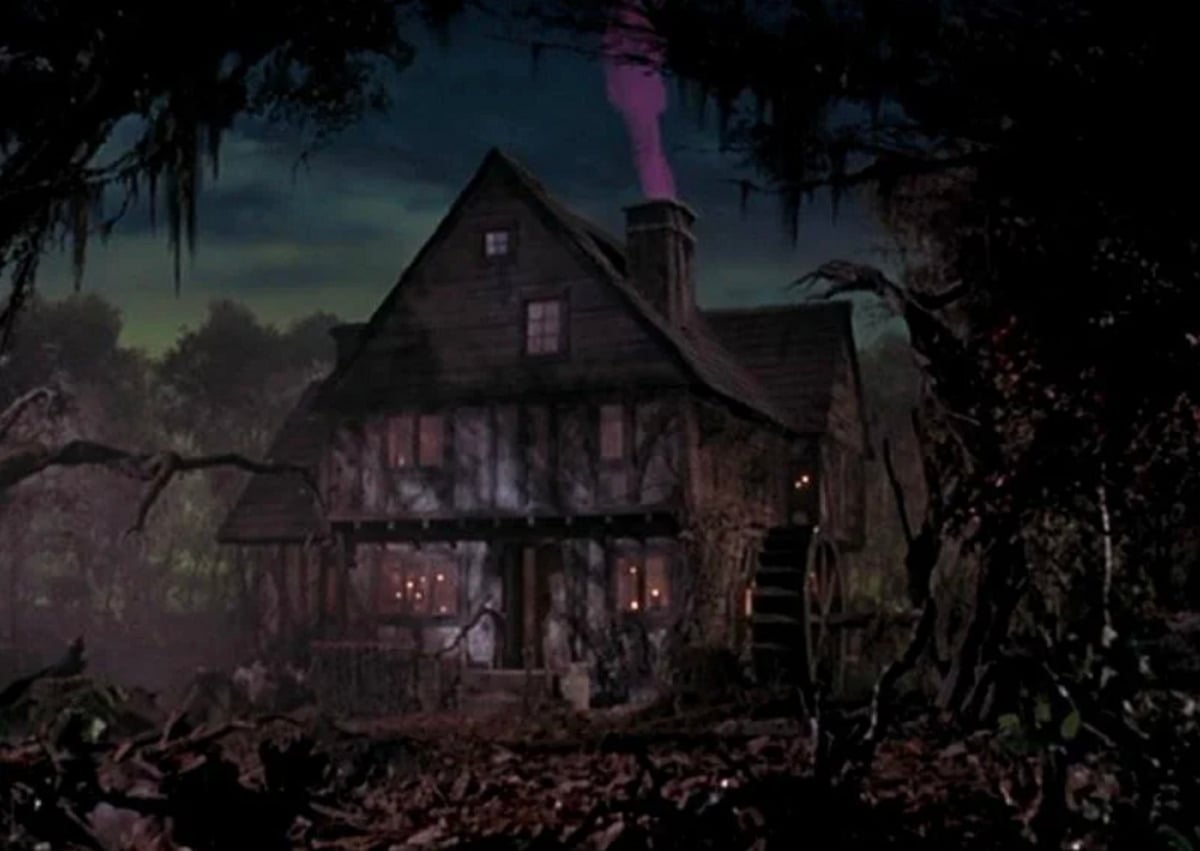
The Owens house in Practical Magic is iconic because it looks like a place you’d move into and never leave: cozy, coastal, and quietly magical in a way that feels comforting rather than flashy. It’s the kind of movie home that becomes a full-blown aesthetic, inspiring everything from fall mood boards to “witchy cottage” décor obsessions. The famous house was primarily a set built for filming, sometimes combined with location elements, which means it isn’t a single real residence that exists exactly as it appears on screen.
12. The “Wealthy but Haunted by Drama” House: Cruel Intentions (1999)
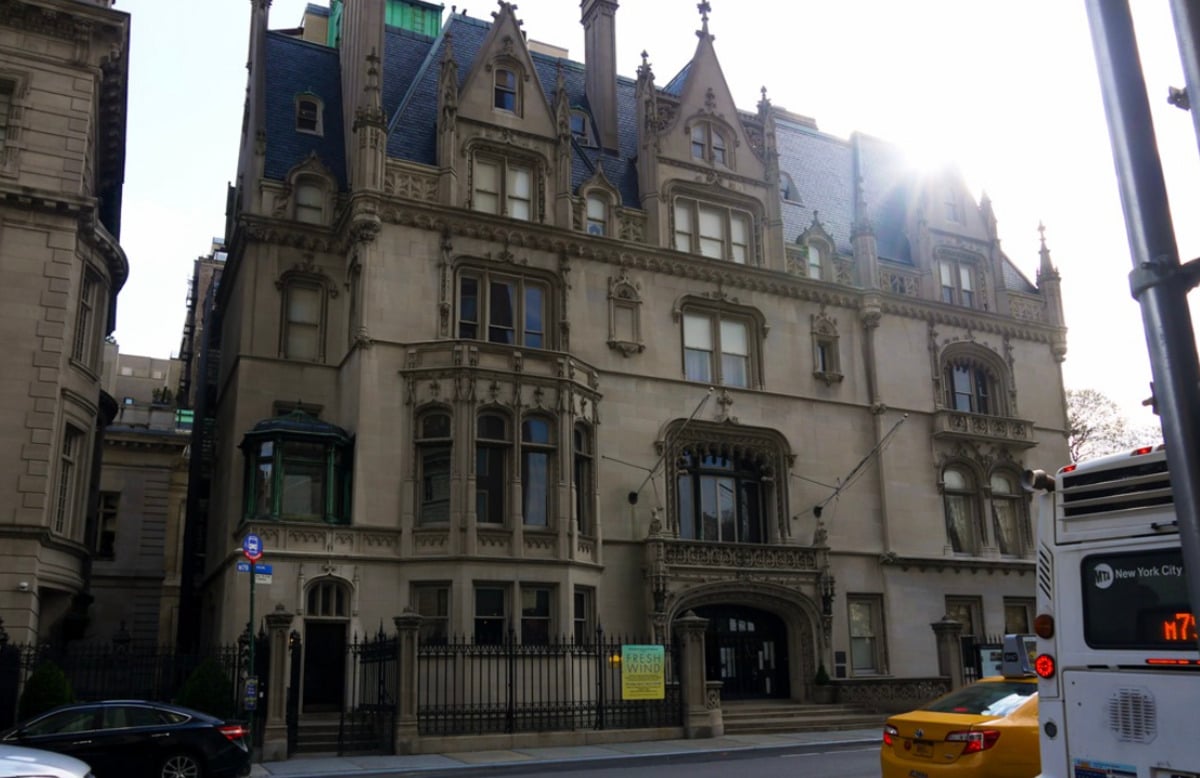
The homes and interiors in Cruel Intentions are iconic because they look expensive in a way that feels sharp, controlled, and slightly ominous, perfect for a story where power and manipulation are basically hobbies. The setting reinforces the movie’s mood: beautiful spaces where terrible decisions happen quietly. Filming took place in New York City using a mix of locations, and because many interior scenes in films like this are created with sets or multiple combined properties, the “house” viewers remember is often a blend rather than a single real-world home.
13. The Cabin Home Dream: The Parent Trap (1998)

The Parent Trap cabin and lake-house vibe is iconic because it’s the kind of setting that makes you want to pack a bag, run away to a cozy retreat, and write heartfelt letters on stationery immediately. It’s warm, comforting, and designed to feel like the perfect escape from real life. The film used multiple California locations, and the “house” effect is largely a composite of exterior shots and interior filming setups rather than one consistent, visitable property.
14. The Scream House: Scream (1996)
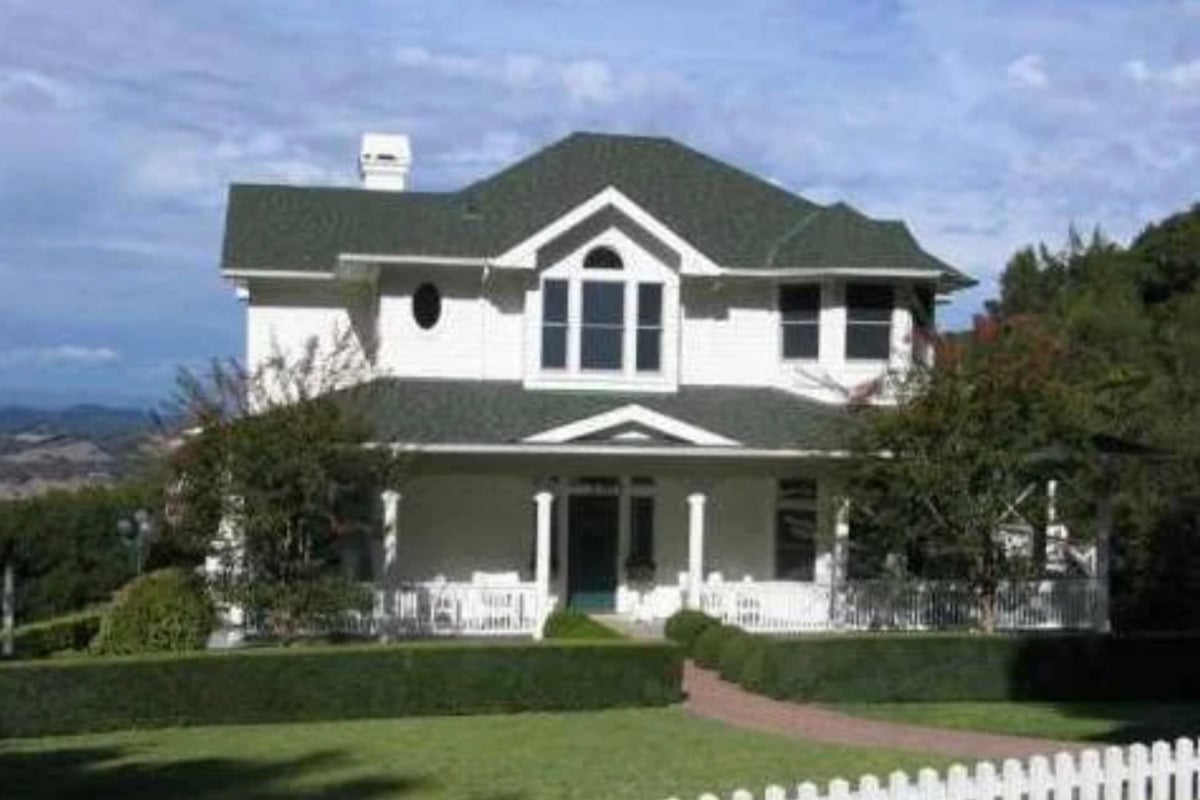
The “Stu Macher” house from Scream is iconic because it’s gorgeous in the exact way that makes horror even scarier, an idyllic home that becomes the setting for absolute nightmare fuel. That contrast is why it sticks in your memory: it looks like a place you’d go for a party, right up until it becomes a crime scene. The house is a real property in Northern California, it remains privately owned, and it has become a well-known fan landmark for people who love horror movie history.
15. The Wedding-Cake Mansion: Blank Check (1994)
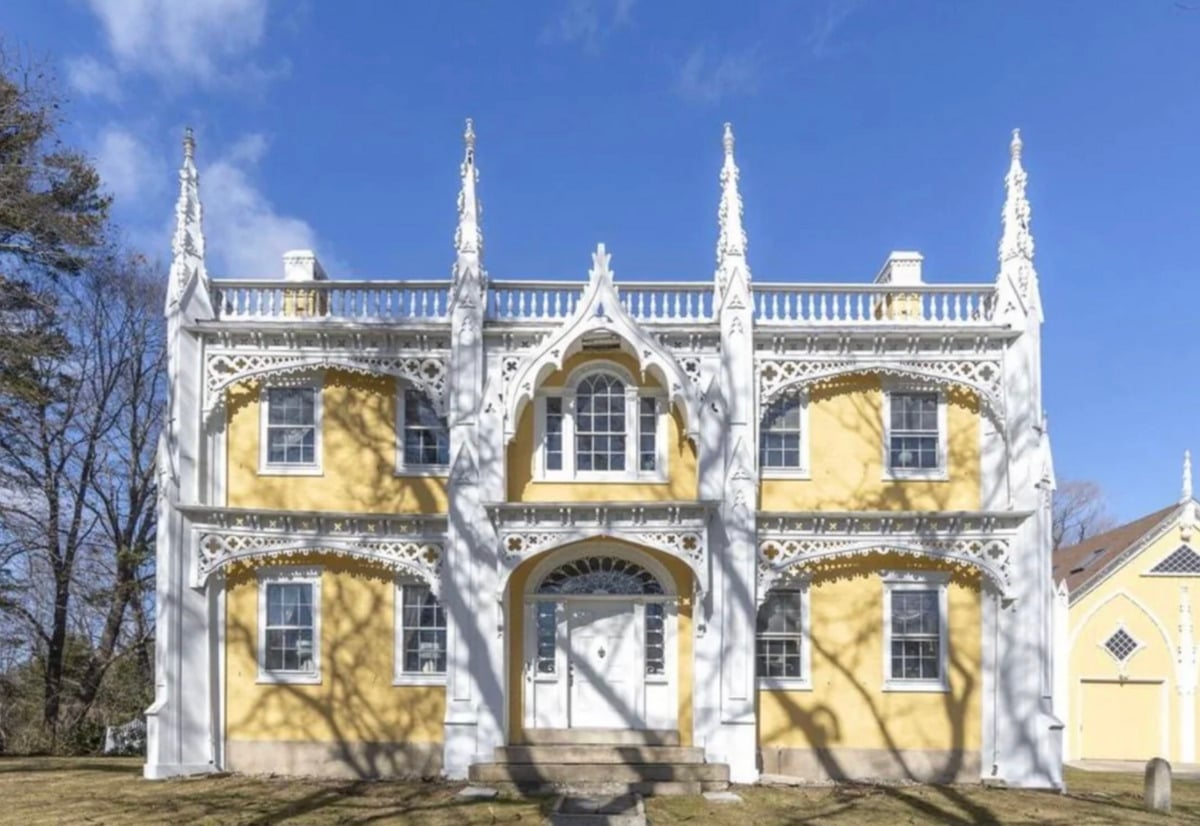
The mansion in Blank Check is iconic because it’s pure kid fantasy: ridiculous, oversized, and designed to look like a dream purchase when you’re eight years old and have never paid a bill in your life. It’s less “realistic movie home” and more “what a child thinks rich people live in,” which is exactly why it’s so memorable. Filming involved real locations, but as with many movies featuring large estates, the “mansion” is not always one consistent, publicly accessible property that matches every angle seen on screen.
Explore more vintage content:
Movie houses stick with us because they’re more than walls and windows; they’re instant storytelling. One exterior shot can tell you everything about the characters inside: how they live, what they want, and what kind of chaos is about to unfold. If you loved this content, check out 20 Notes That Could’ve Been a Text but Became a Public Problem, or 25 Fun Facts That Escalate Way Faster Than You’d Expect.