The 1980s didn’t just sound different; it looked different, felt bigger, and pushed rock in multiple directions at once. Arena anthems got shinier. Guitar solos got faster. Alternative scenes got louder. And the line between rock, pop, metal, punk, and new wave blurred in ways that still shape playlists today.
Below are 15 rock musicians whose choices in the 80s, tone, songwriting, stagecraft, production, fashion, and attitude didn’t just define the decade. They’re still echoed in modern rock, pop, metal, indie, and even hip-hop.
1) Prince
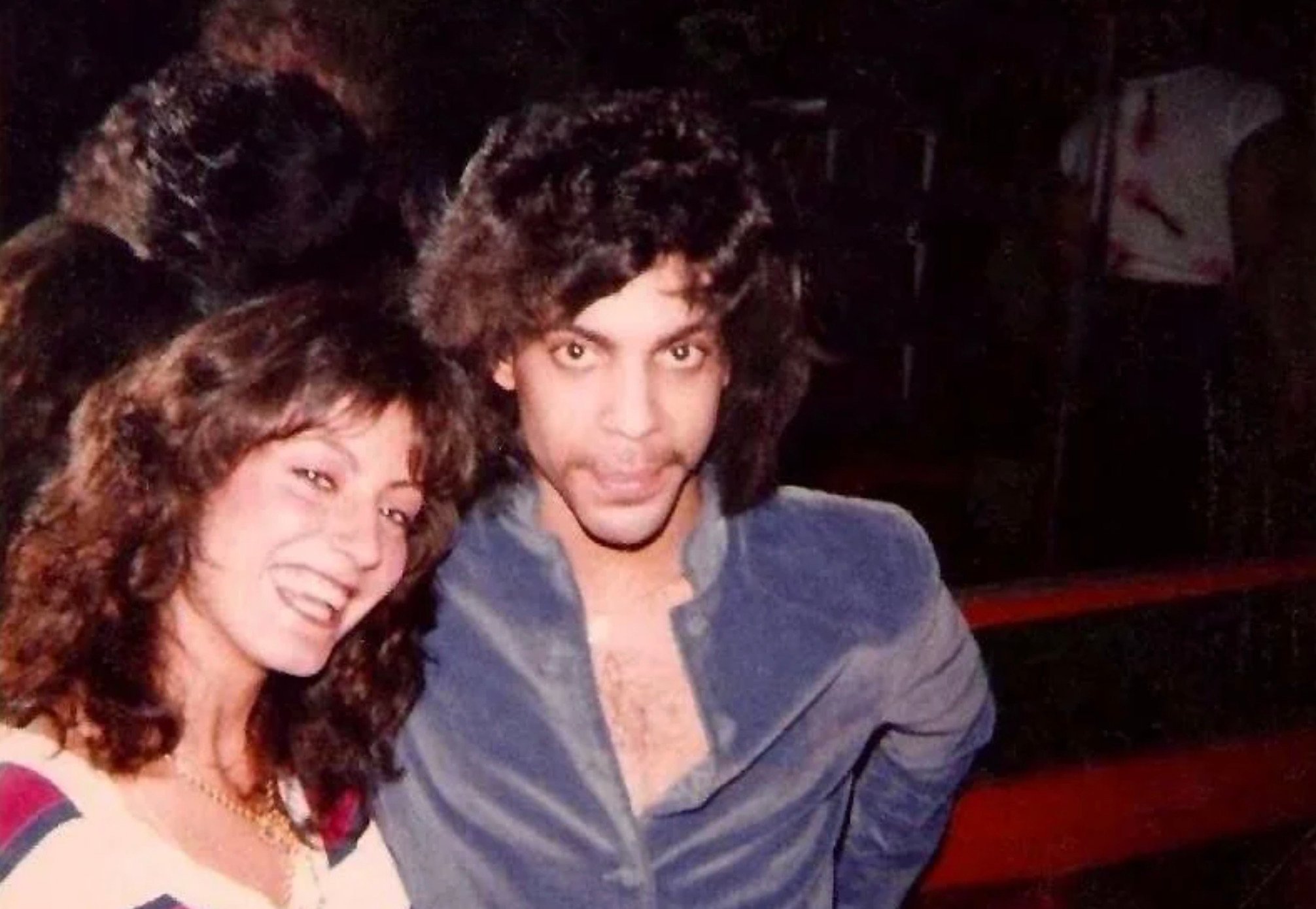
Prince treated genre like a suggestion. In the 80s, he fused rock guitar with funk, pop, and new wave, and made “virtuoso” feel cool instead of academic. Today, you can hear his influence in artists who blend styles without apology and in any modern guitarist who brings flash and feel. Still influencing: genre-blending, falsetto + grit vocals, expressive lead guitar, DIY-level creative control.
2) David Bowie

Bowie entered the 80s as a legend and still managed to help shape its sound and visuals. From sleek art-rock to sharply produced pop-rock, he showed that reinvention is a skill, and that “image” can be part of the art without becoming the whole thing. Still influencing: artistic personas, visual storytelling, boundary-pushing pop-rock.
3) Eddie Van Halen

If you’ve ever heard a modern rock guitarist who treats the instrument like a fireworks display, there’s a good chance Eddie is somewhere in the DNA. His tapping technique, tone, and sense of rhythm made him the blueprint for 80s guitar, and a reference point ever since. Still influencing: modern guitar technique, high-gain tone, flashy-but-musical soloing.
4) Madonna (yes, rock influence counts)

Madonna isn’t “rock” in the traditional sense, but her influence on rock’s relationship with pop, fashion, and performance is massive. She helped normalize the idea that front-people can be bold auteurs, provocative, conceptual, and in control, something rock acts fully absorbed. Still influencing: pop-rock crossover, stagecraft, image-as-art, power-fronting.
5) Bruce Springsteen
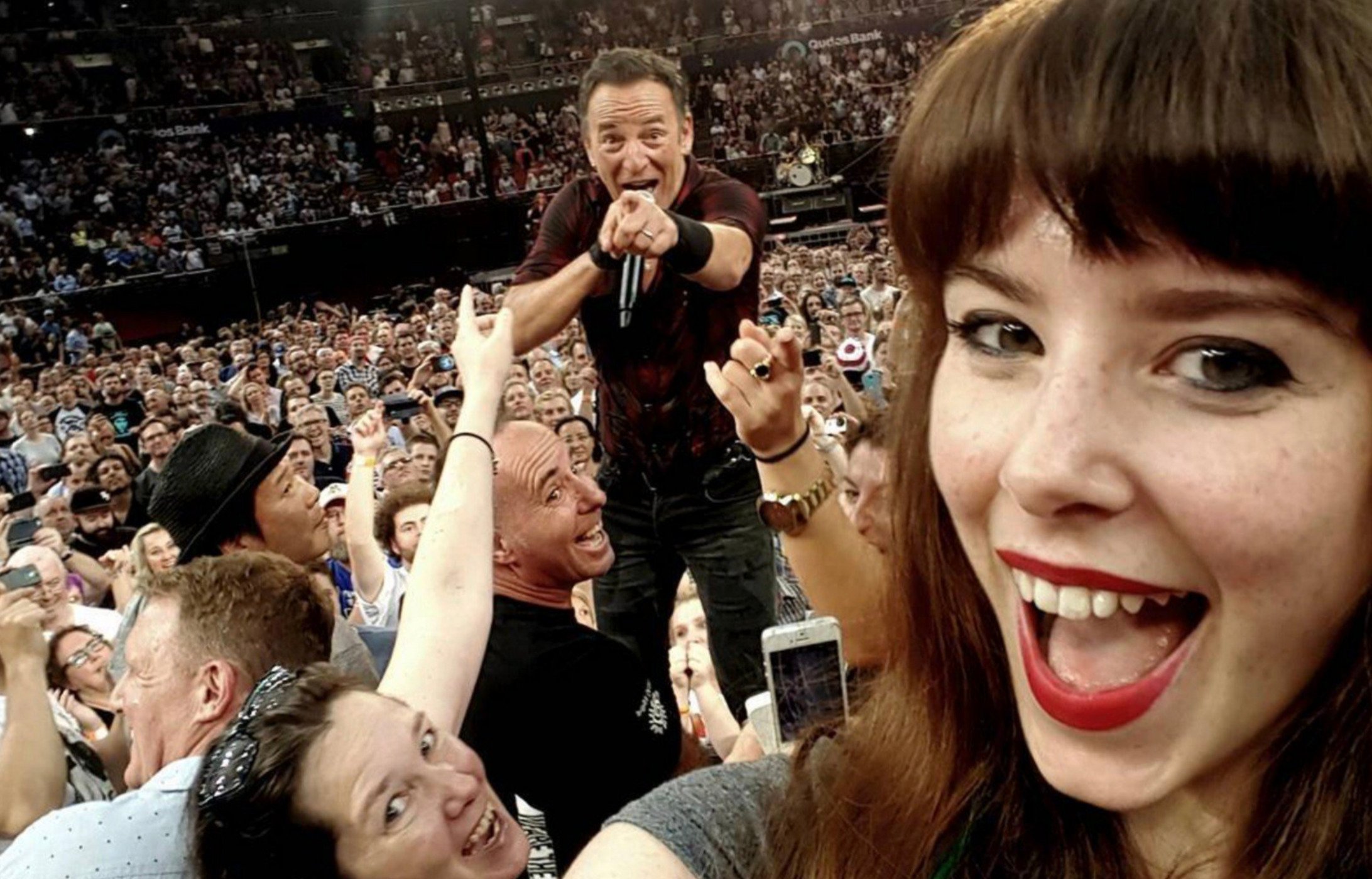
Springsteen’s 80s work turned the everyday into stadium-sized mythology without losing emotional specificity. His storytelling and big choruses became a template for heartland rock, alternative Americana, and anyone writing songs about real life with cinematic weight. Still influencing: narrative songwriting, anthemic choruses, blue-collar poetry.
Trending on The Scroller

6) Robert Smith (The Cure)

Robert Smith made melancholy feel electric. The Cure’s 80s run shaped goth, post-punk, alt-rock, and later emo and indie scenes. His voice, wistful, urgent, unmistakable, proved you didn’t need to sound “macho” to make rock hit hard.
7) Bono (U2)

U2 turned earnestness into a superpower. Bono’s 80s vocal style, big, soaring, urgent, helped define arena rock for a new era, while U2’s sound opened doors for bands that wanted scale without losing seriousness. Still influencing: stadium-ready emotional rock, anthemic songwriting, cause-driven artistry.
8) Joan Jett

Joan Jett didn’t just make hits; she modeled a type of rock confidence that’s still a north star. Her stripped-down attitude, crunchy riffs, and “take-no-notes” delivery laid the groundwork for punk-pop, riot grrrl energy, and countless guitar-forward pop songs. Still influencing: punk attitude in pop, women-led rock bands, minimalist riff power.
Sign up for our newsletter
9) Michael Stipe (R.E.M.)

R.E.M. helped build the bridge from post-punk to mainstream alternative, and Michael Stipe’s vocals made the mystery feel magnetic. The 80s proved you could be a huge influence without playing the typical rock-star game. Still influencing: indie-to-mainstream pathways, poetic lyrics, alternative vocal stylings.
10) James Hetfield (Metallica)

Metallica’s 80s work practically redefined what heavy music could be: tighter, faster, smarter, and arena-sized. Hetfield’s rhythm guitar precision and commanding vocal style set standards for thrash, metalcore, and modern heavy rock. Still influencing: heavy riffing, tight rhythm guitar, aggressive-but-anthemic metal songwriting.
11) Kurt Cobain (late-80s impact)

Nirvana’s biggest explosion was in the early 90s, but Cobain’s late-80s work, and the underground ecosystem it came from is inseparable from 80s rock’s evolution. He absorbed punk, metal, and pop melody and turned it into a new language that shaped everything after. Still influencing: grunge aesthetics, loud-quiet dynamics, pop melodies with punk edge.
12) Angus Young (AC/DC)

AC/DC in the 80s doubled down on a simple truth: riffs + groove + swagger never stops working. Angus kept the guitar hero idea raw and direct, and modern rock still borrows that “no filler” approach. Still influencing: riff-first rock, stripped-down guitar style, high-energy performance.
13) Freddie Mercury

Freddie didn’t just sing, he commanded. Queen’s 80s era proved theatrical rock could be stadium-level without being cheesy, and his vocal charisma remains a gold standard for front-people across genres. Still influencing: big vocal performance, crowd leadership, theatrical rock done right.
14) Debbie Harry (Blondie)

Debbie Harry’s cool, sharp delivery and genre-hopping instincts helped shape how rock interacts with new wave, pop, and dance sounds. She also helped define the “frontperson as style icon” model that’s now basically standard. Still influencing: new wave revival, pop-rock edge, fashion-forward fronting.
15) George Michael (again, broader rock influence)

Like Madonna, George Michael isn’t a classic “rock musician,” but his 80s songwriting, vocal control, and production choices influenced how rock and pop share space, especially in big choruses, emotive vocals, and crossover radio sound. Still influencing: vocal-first songwriting, pop-rock crossover, polished 80s production revival.
Explore more vintage content:
The 80s were a “yes, and…” decade. You could be technical and catchy. Theatrical and credible. Heavy and melodic. These musicians expanded what rock could contain, and modern artists are still picking pieces from that toolkit. If you loved this content, check out 20 Secret Rooms and Hidden Passageways Found in Ordinary Houses, or 27 Vintage Photos That Perfectly Capture 1965.