When we think of the past, we tend to imagine a series of logical events leading to the modern world, but the timeline is actually littered with moments of pure absurdity. There are certain historical facts that are so bizarre they sound like they were pulled from a satirical novel or a high-budget fantasy movie. From ancient wars declared on the ocean to world leaders who died in the most ironic ways possible, these stories remind us that human behavior has always been unpredictable. It’s often the “unusual” in our shared history that tells us the most about who we really are as a species.
Exploring these strange occurrences reveals that the world has always been a little bit chaotic, even before the internet was around to document it. These historical facts challenge our assumptions about “how things used to be” and prove that truth is frequently stranger than any fiction Hollywood could dream up. Whether it’s a massive localized disaster involving molasses or the strange overlap of historical figures we never thought lived at the same time, these entries are guaranteed to win you any bar trivia night. Let’s dive into eighteen moments in history that feel like total lies but are 100% verified by historians.
1. The great molasses flood of 1919
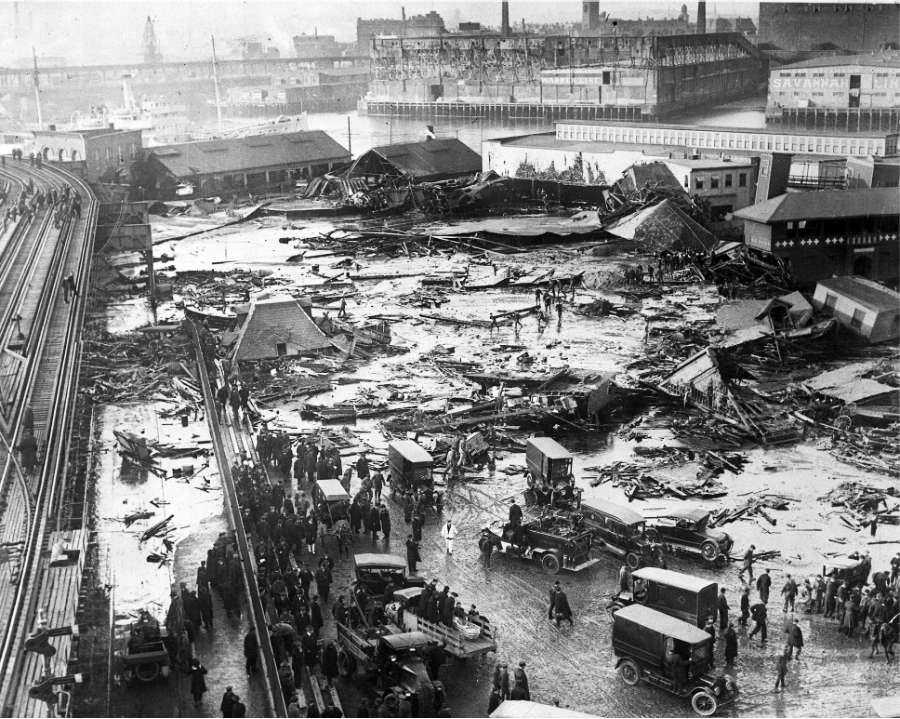
In a strange but deadly disaster, a massive storage tank in Boston burst, sending a 25-foot wave of sticky molasses through the streets at 35 miles per hour. This wasn’t just a messy spill; the wave was powerful enough to crush buildings and overturn a train, tragically killing 21 people. Local residents claimed for decades that on hot summer days, the city would still smell like sweet, burnt sugar. It remains one of the most bizarre urban disasters in American history, proving that even a pancake topping can be lethal under the right conditions.
2. The great emu war of 1932
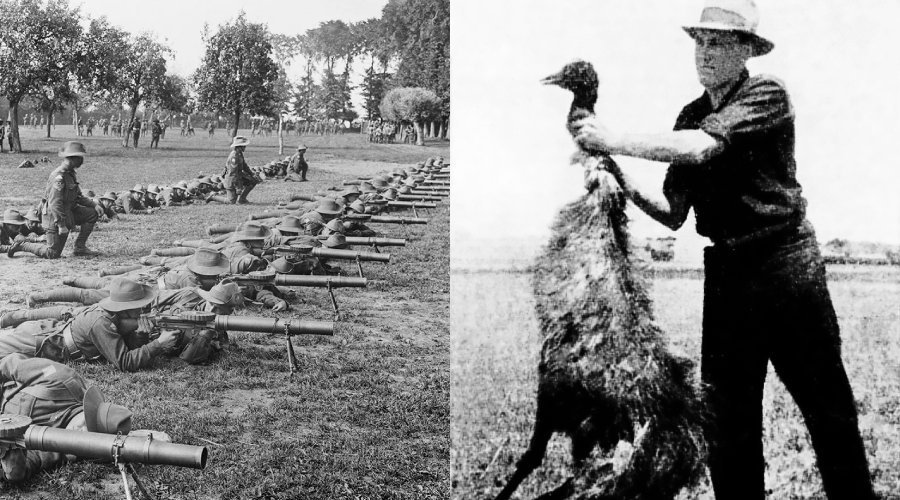
The Australian military once literally declared war on a flightless bird… and they actually lost. After 20,000 emus began destroying crops in Western Australia, soldiers were sent in with Lewis machine guns to cull the population. The emus proved to be surprisingly resilient, splitting into small groups and outrunning the soldiers, who eventually retreated in embarrassment. The “enemy” birds emerged victorious, leading to a legendary story about the limits of human technology against the raw chaos of nature.
3. Albert Einstein was offered the presidency of Israel

After the passing of Israel’s first president in 1952, the government officially offered the position to the world’s most famous physicist, Albert Einstein. Despite being a lifelong supporter of the cause, Einstein politely declined the offer, stating that he lacked the necessary “aptitude and experience” to deal with people. He preferred to stick to the laws of physics rather than the laws of men, which is why we know him for E=mc² instead of international diplomacy. It’s a fascinating “what if” moment that could have changed the political landscape of the 20th century forever.
4. The first “computer bug” was a real moth
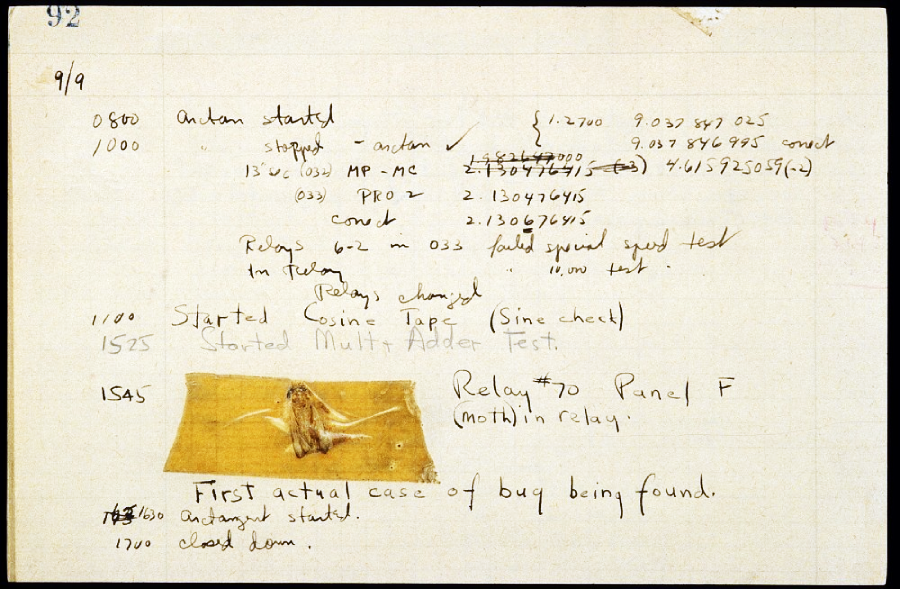
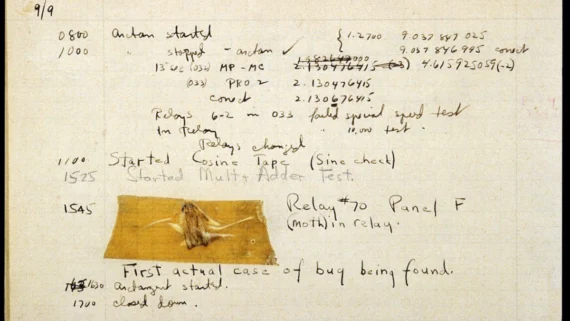
In September 1947, computer scientists at Harvard were baffled by an error in the Mark II Aiken Relay Calculator. When they opened the machine to investigate, they found a literal moth stuck in one of the relays, which was preventing the computer from functioning. They taped the dead moth into their logbook and labeled it the “first actual case of bug being found.” This weird moment is the reason why we still use the term “debugging” whenever our software crashes today.
5. The 1896 war between Britain and Zanzibar lasted 38 minutes
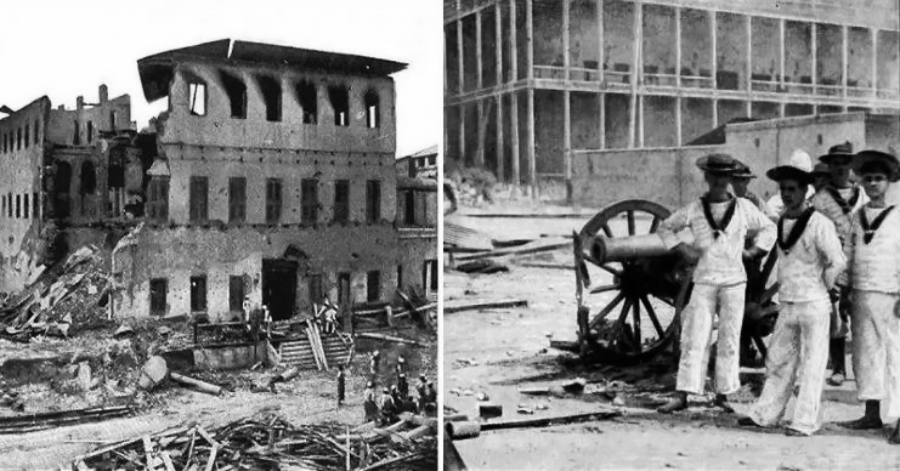
This is officially recorded as the shortest war in human history, ending almost as soon as it began. When the pro-British Sultan died and a successor was named without approval, the British military gave the new ruler an ultimatum that expired at 9:00 AM. When the palace refused to surrender, British warships opened fire, and the conflict was over by 9:38 AM after the palace was mostly destroyed. It took longer to announce the start of the war than it did to actually win it, making it the ultimate example of military efficiency (or absurdity).
Trending on The Scroller

6. The dancing plague of 1518
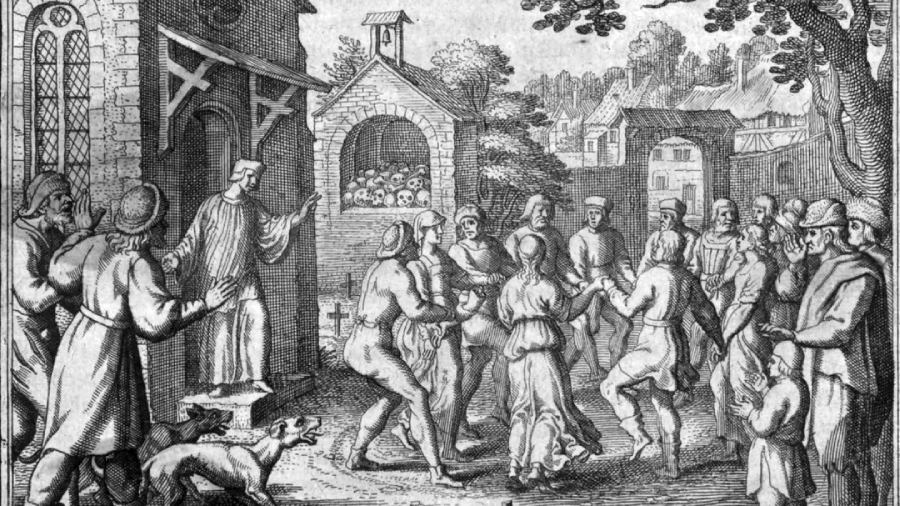
In the city of Strasbourg, a woman named Frau Troffea stepped into the street and began to dance fervently for no apparent reason. Within a month, hundreds of people joined her in a non-stop, month-long dance marathon that resulted in several deaths from exhaustion and heart attacks. Local physicians at the time actually encouraged more dancing, believing the victims just needed to “shake it out” of their systems. To this day, scientists remain divided on whether it was a case of mass hysteria or ergot poisoning from contaminated bread.
7. Pope Gregory IX declared war on cats
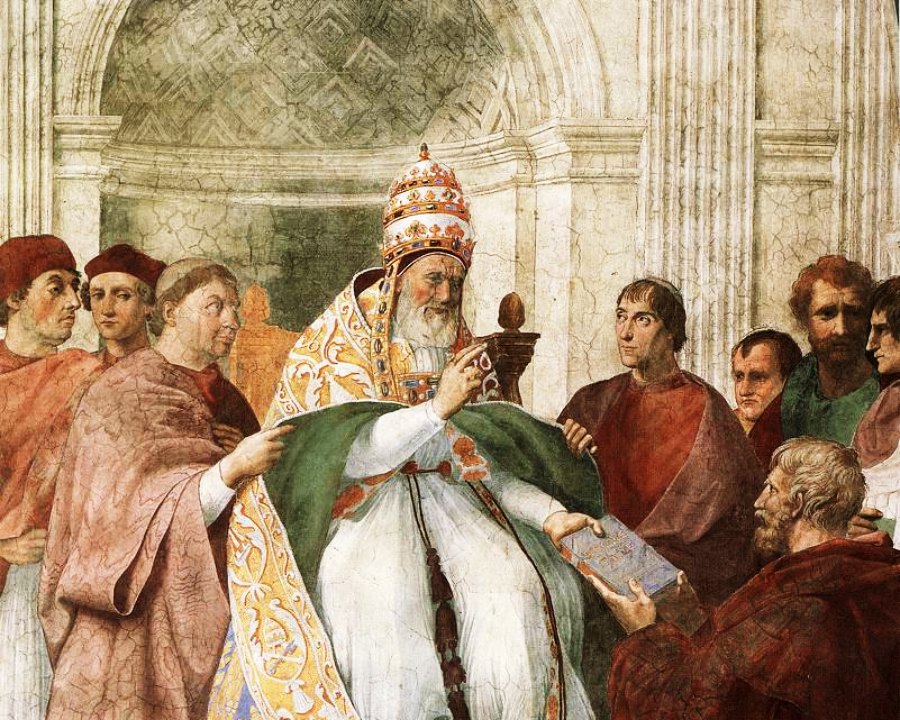
In the 13th century, Pope Gregory IX issued a document known as the Vox in Rama, which associated black cats with Satanic rituals and devil worship. This led to a massive, continent-wide culling of cats across Europe as fearful citizens tried to purge “evil” from their towns. Ironically, many historians believe this lack of cats allowed the rat population to explode, which directly contributed to the rapid spread of the Black Death years later. It is perhaps the most tragic example of an ecological backfire in human history.
8. Abraham Lincoln is in the Wrestling Hall of Fame
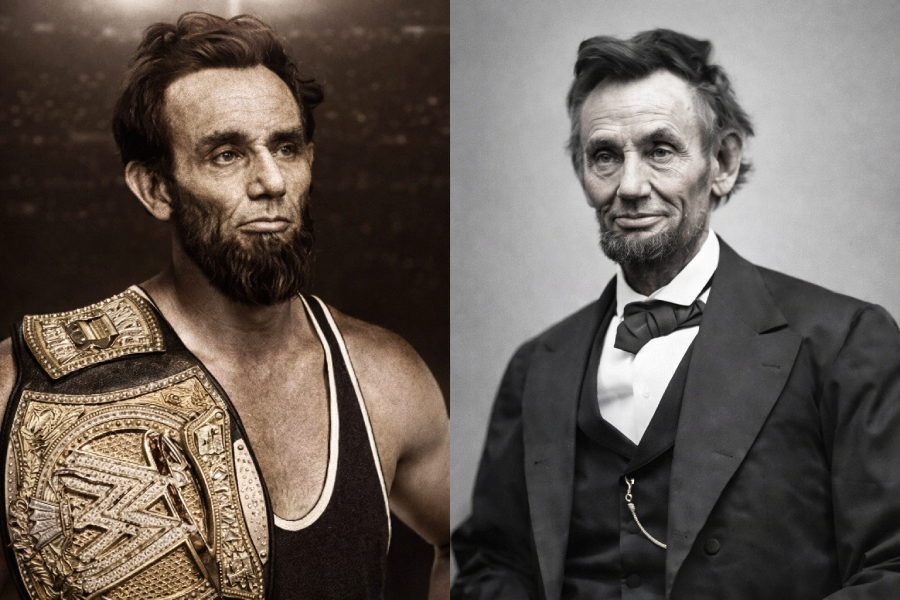
Long before he was the “Great Emancipator,” Abraham Lincoln was a formidable wrestler in the Illinois frontier with a nearly flawless record. Standing 6’4″ with incredibly long limbs, he reportedly lost only one match out of approximately 300 over twelve years. He was even known for his “trash talking,” once famously challenging an entire crowd of spectators after defeating a local champion. His athletic prowess was so legendary that he was officially inducted into the National Wrestling Hall of Fame in 1992.
Sign up for our newsletter
9. Ancient Romans used urine as mouthwash
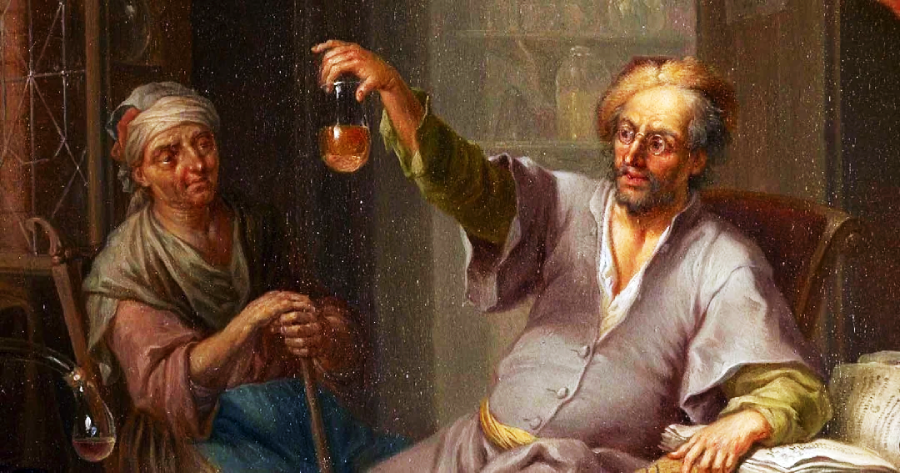
The Romans were remarkably advanced, but their dental hygiene routine was definitely a bit “weirder” than ours today. They believed that the ammonia found in urine acted as a powerful cleaning agent that could whiten teeth and prevent decay. In fact, urine was so valuable for cleaning teeth and laundry that the government actually placed a tax on its collection from public restrooms. People would pay good money for imported Portuguese urine, which was considered the “strongest” and most effective for a bright smile.
10. The 1904 olympic marathon was pure chaos

The marathon at the St. Louis Olympics was less of a race and more of a survival horror movie featuring only one water station in 90-degree heat. The “winner” actually hitched a ride in a car for 11 miles, while the runner-up was kept conscious by his coaches using a mixture of brandy and rat poison (strychnine). Another participant was chased a mile off course by aggressive feral dogs, and the fourth-place finisher competed in dress pants after eating rotten apples. It remains the most disorganized and bizarre event in the history of the modern Olympic Games.
11. President Gerald Ford was a fashion model
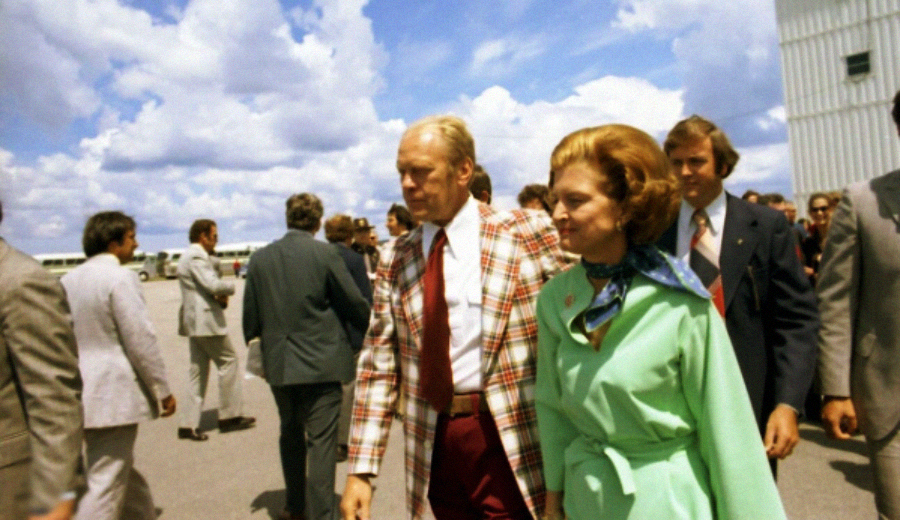
Before he entered politics or served as the 38th President of the United States, Gerald Ford was a legitimate male model. In the late 1930s and early 40s, his athletic build and “All-American” looks landed him on the covers of major magazines like Cosmopolitan and Look. He even participated in a famous photo shoot with his then-girlfriend that appeared in a multi-page spread. It’s hard to reconcile the image of a serious world leader with the man who once posed for romantic fashion layouts.
12. Andrew Jackson’s parrot was kicked out of his funeral
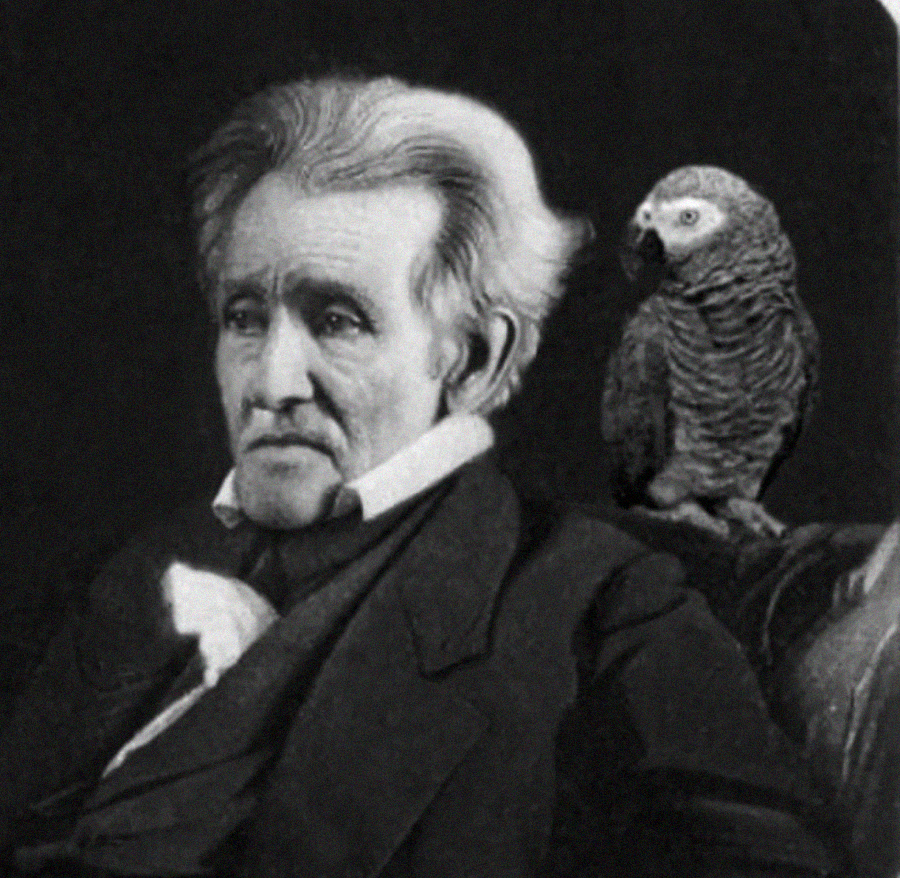
President Andrew Jackson had a pet African Grey parrot named Poll who apparently had a very “colorful” vocabulary. During Jackson’s funeral service, the bird began screaming a nonstop string of profanities that he had learned from the former President himself. The swearing was so loud and persistent that the bird had to be physically removed from the house so the service could continue. It is the only recorded instance in history of a pet being “canceled” for being too much like its owner.
13. A hero dog named Stubby was promoted to sergeant in WWI
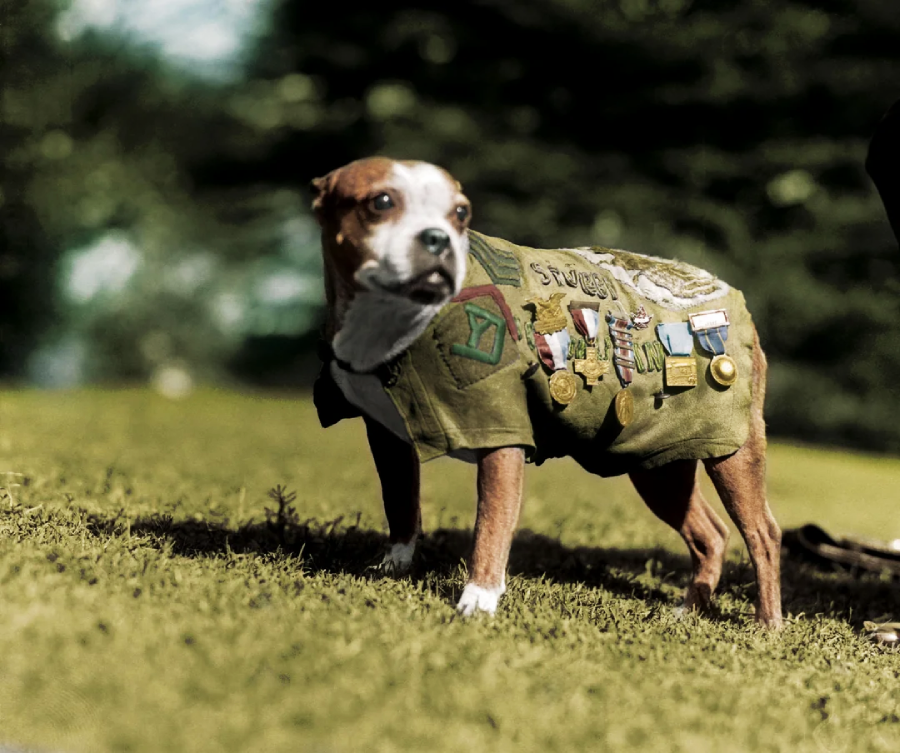
Sergeant Stubby was a stray bull terrier mix who became the most decorated war dog in history during World War I. He served in the trenches for 18 months, participating in 17 battles and using his keen senses to warn his regiment of incoming gas attacks and artillery fire. He even single-handedly captured a German spy by biting the seat of his pants until American soldiers arrived. Because of his bravery and service, he was given a formal military promotion, outranking many of the human soldiers in his unit.
14. The woman who “gave birth” to rabbits
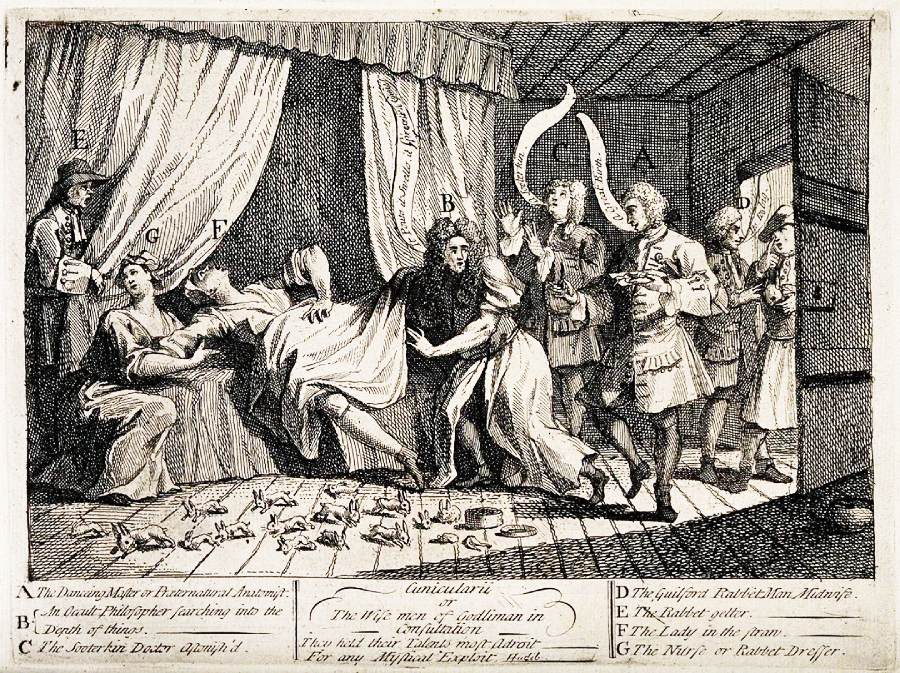
In 1726, a woman named Mary Toft convinced several prominent British physicians that she was literally giving birth to rabbits. The hoax became a national sensation, even catching the attention of King George I, who sent his own personal doctors to investigate the “miracle.” Toft had actually been manually inserting the animals to stage the births, a plan that eventually unraveled when a porter was caught trying to sneak a young rabbit into her room. The scandal didn’t just ruin her; it humiliated the medical community and proved that people have been falling for fake news long before the internet existed.
15. The Christmas truce of 1914
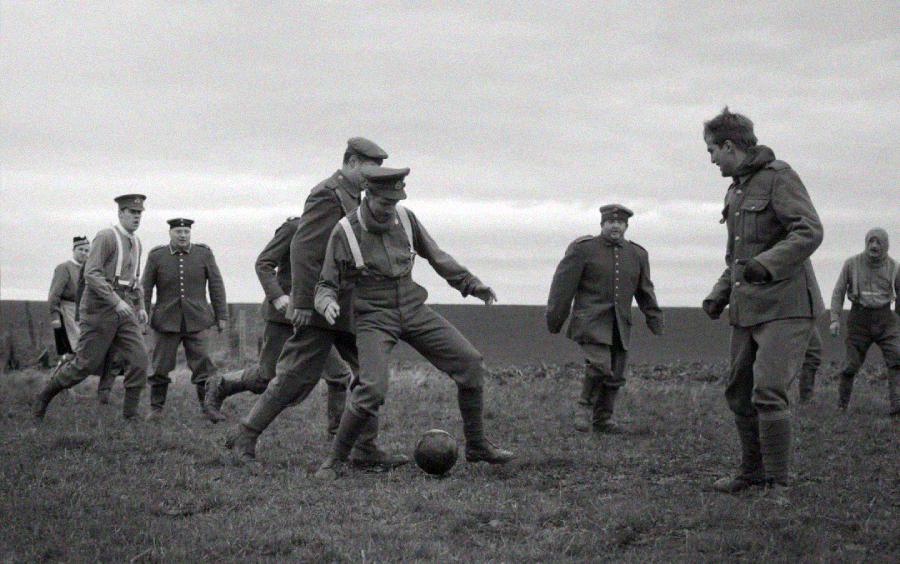
In the middle of the brutal trench warfare of World War I, one of the most beautiful, unexpected things in history occurred when soldiers on both sides spontaneously stopped fighting. On Christmas Eve, German and British troops began singing carols to each other across the frozen mud of No Man’s Land. The next day, they actually climbed out of their trenches to shake hands, exchange cigarettes, and even play a legendary game of soccer together. It was a brief, unauthorized moment of peace that proved the common humanity of the men on the front lines, much to the fury of their commanding officers.
16. The first vending machine was invented in Ancient Egypt
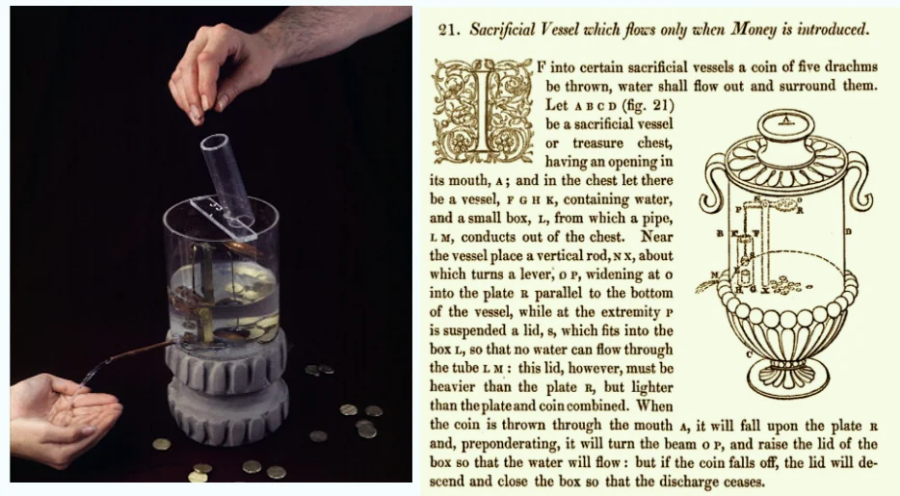
Over 2,000 years ago, a mathematician and engineer named Hero of Alexandria created a device that dispensed holy water in Egyptian temples. When a worshiper dropped a coin into a slot, the weight of the coin pushed a lever that opened a valve, letting a set amount of water flow out. Once the coin fell off the lever, the valve would close, perfectly automating the transaction. It worked on the exact same mechanical principles as the snack machines we use in office breakrooms today.
17. Lord Byron kept a pet bear in his college dorm

When the famous poet Lord Byron arrived at Trinity College, Cambridge, he was annoyed to find that the school strictly prohibited students from keeping pet dogs. To get around the rules, Byron decided to buy a tame bear from a traveling circus, as the college statutes didn’t specifically mention bears. He kept the bear in his room and would often walk it around campus on a chain, much to the horror of the faculty. He even jokingly suggested that the bear should apply for a fellowship since it was quieter than most students.
18. The Toledo War: Michigan vs. Ohio
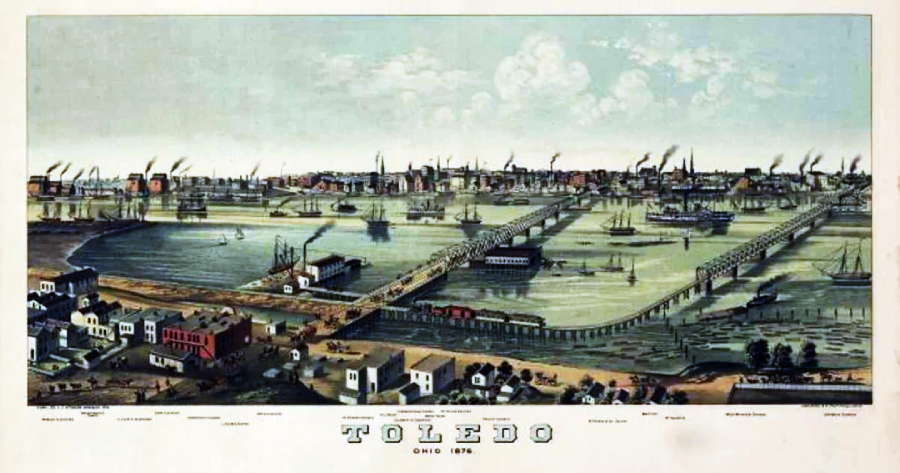
Most people think of the rivalry between Michigan and Ohio as just a college football game, but in 1835, the two states almost went to full-scale war over a 468-square-mile strip of land. Known as the Toledo Strip, both sides mobilized their militias and sent them to the border, resulting in a tense standoff where the only “casualty” was a single sheriff’s deputy who was stabbed with a penknife. To settle the dispute, the federal government gave the strip to Ohio, and as a “consolation prize,” Michigan was given the Upper Peninsula. It’s a hilarious bit of American history where everyone technically won, even if the “war” itself was a total logistical mess.
Explore more historical facts:
Peeling back the layers of time proves that our ancestors were just as eccentric, brave, and occasionally confused as we are today. These historical facts serve as a reminder that the world is a lot more interesting than the simplified versions we often learn in school. If you’re ready to explore more of life’s strange anomalies, don’t miss these 18 Historical Figures from the 1800s Who Had Strange Hobbies, or these 16 Greatest Historical Figures Who Shaped the World. You can also check these 20 Historical Figures Who Would’ve Been Meme Legends.