Car design does not always age gracefully. Some cars so ugly they became iconic arrive with bold ideas that miss the mark, yet time turns their flaws into personality. In many cases, awkward styling becomes the very reason people remember them. These cars were mocked, questioned, and dismissed at launch, but they eventually earned a place in automotive history.
Pontiac Aztek

The Pontiac Aztek is often cited as one of the ugliest cars ever made, yet its reputation has only grown over time. The sharp lines, split grille, and mismatched proportions confused buyers, but pop culture gave the Aztek a second life. Its role on television turned it into a recognizable symbol of its era.
Fiat Multipla
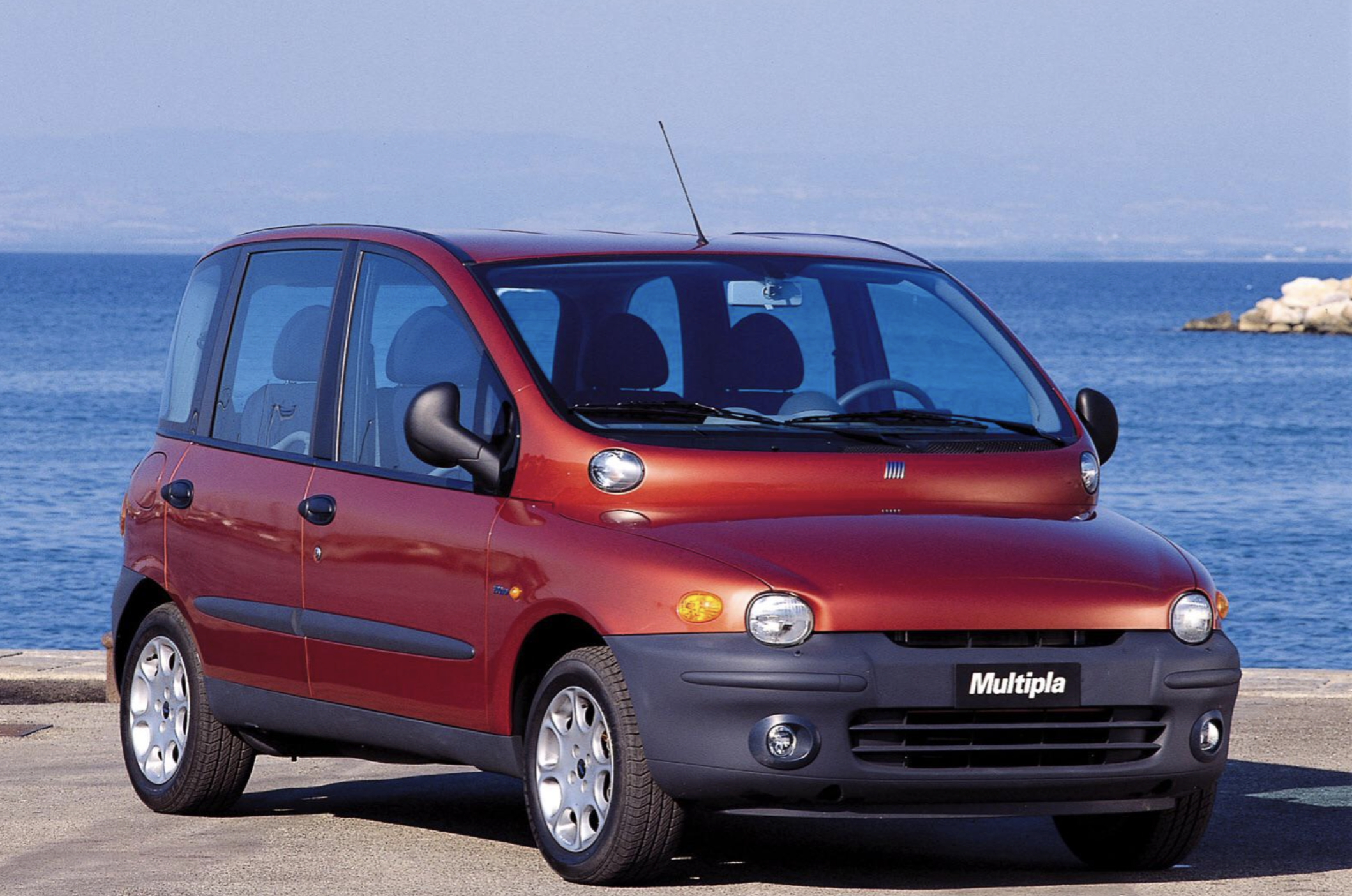
The Fiat Multipla shocked drivers with its stacked headlights and wide body shape. The unusual front end looked more like a cartoon than a family car. Despite the criticism, the interior offered impressive space and practicality, which helped the Multipla gain cult status among fans of odd design.
DeLorean DMC-12
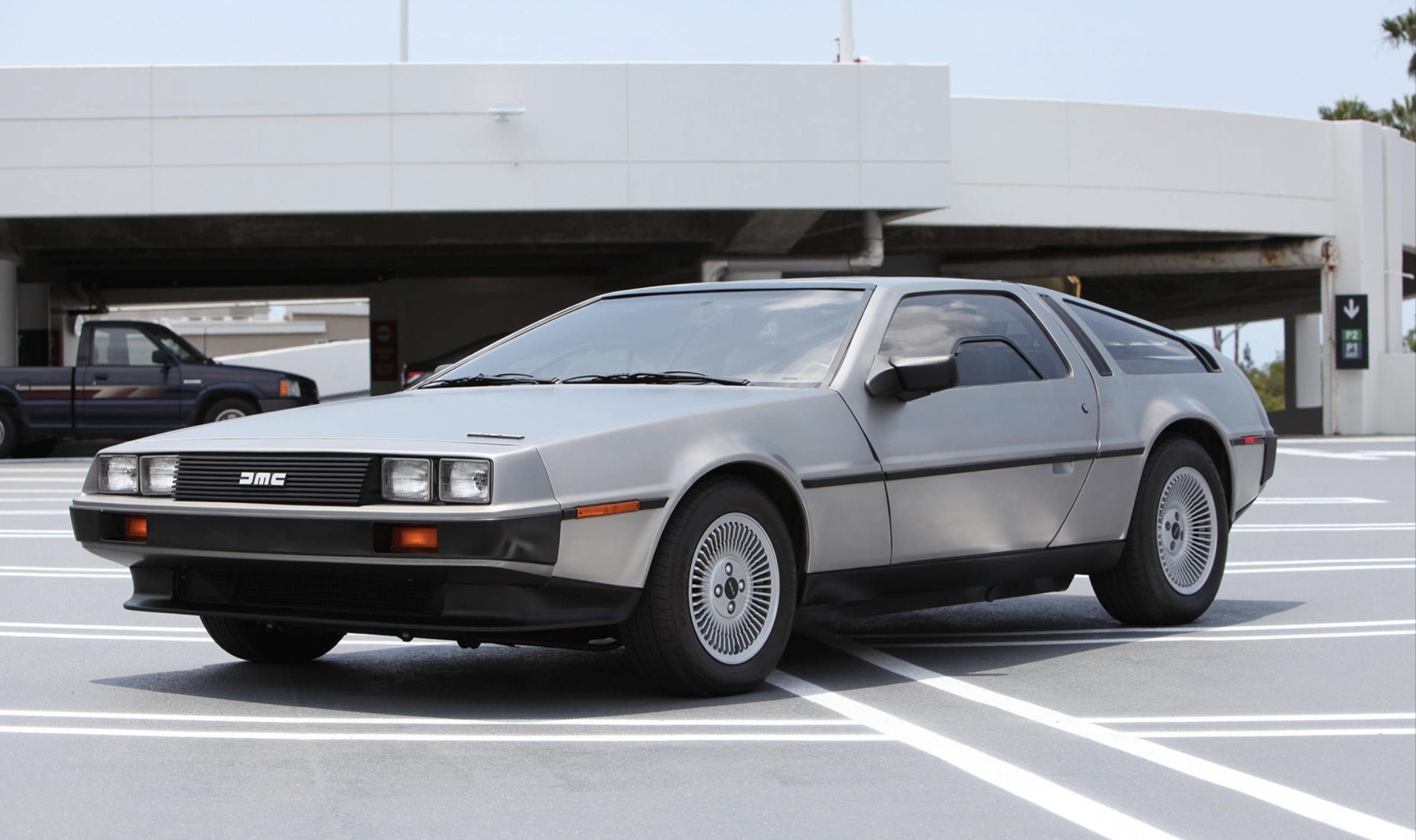
The DeLorean looked strange when it debuted, with stainless steel panels and gull-wing doors that felt out of place on the road. Performance failed to match its futuristic appearance, but film history transformed the car into an icon. Its design now feels inseparable from its legacy.
AMC Pacer
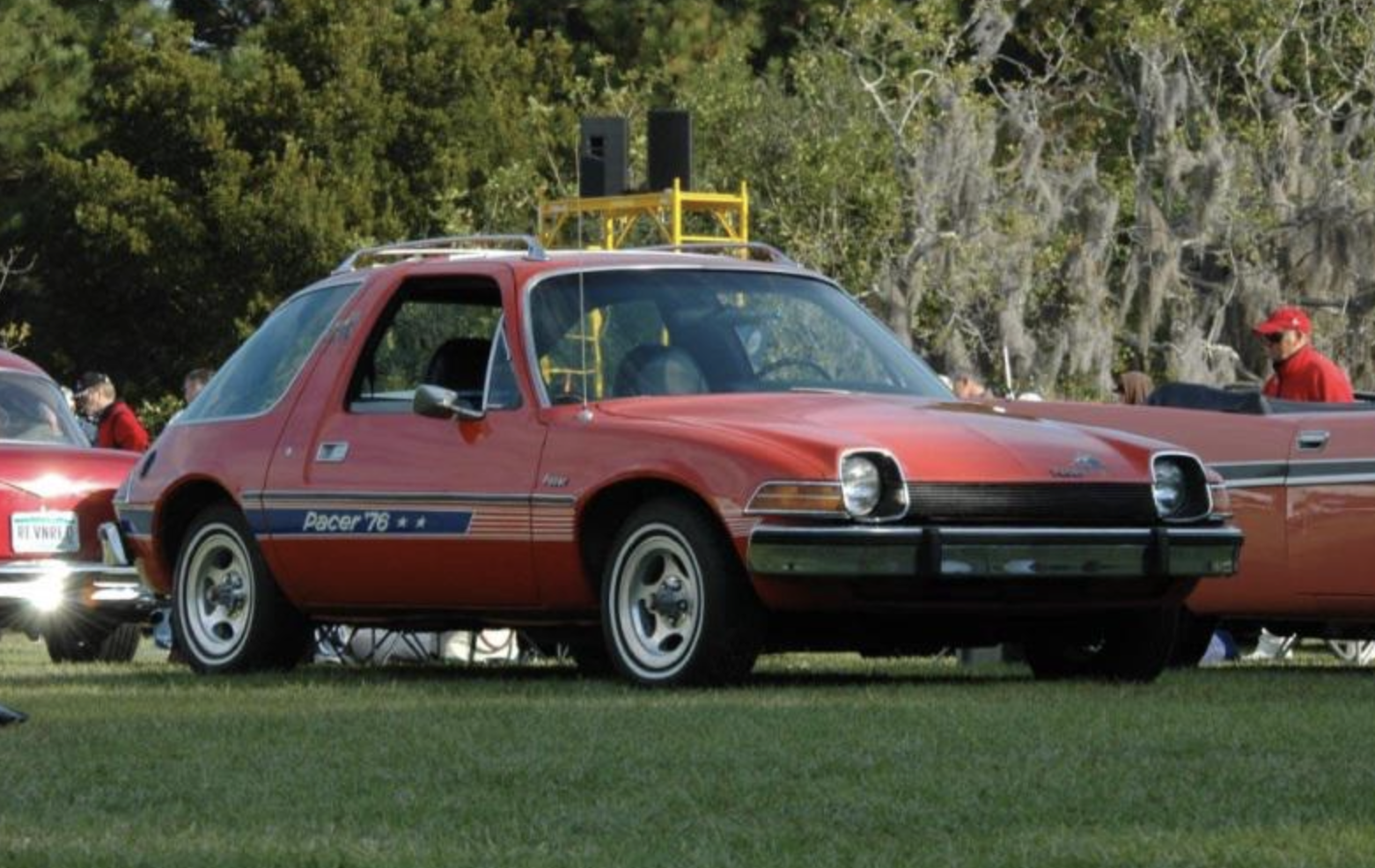
The AMC Pacer arrived with a rounded shape that stood out in a decade dominated by sharp lines. Large glass panels gave it a bubble-like appearance that many people found awkward. Over time, the Pacer became a symbol of 1970s experimentation and American automotive risk-taking.
Nissan Cube
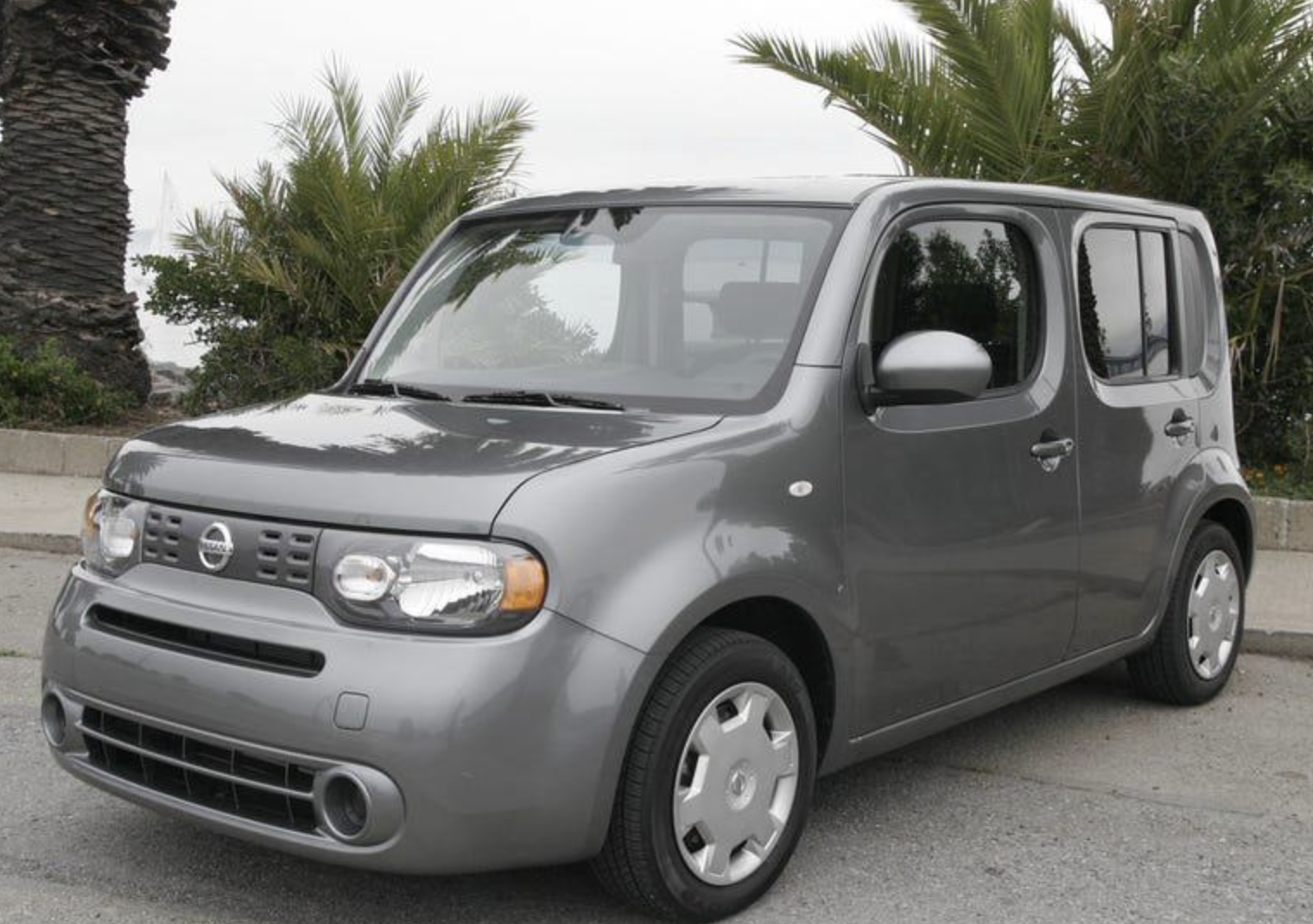
The Nissan Cube embraced asymmetry in a way few cars ever have. The boxy shape and uneven rear window puzzled many buyers. That same design made the Cube instantly recognizable, which helped it develop a loyal following among drivers who wanted something different.
Trending on The Scroller
Chrysler PT Cruiser

The PT Cruiser tried to blend retro styling with modern practicality, and the result divided opinions. Rounded fenders and a tall body drew comparisons to much older vehicles. Sales success proved that unusual styling could still resonate, even if critics never warmed to it.
Smart Fortwo
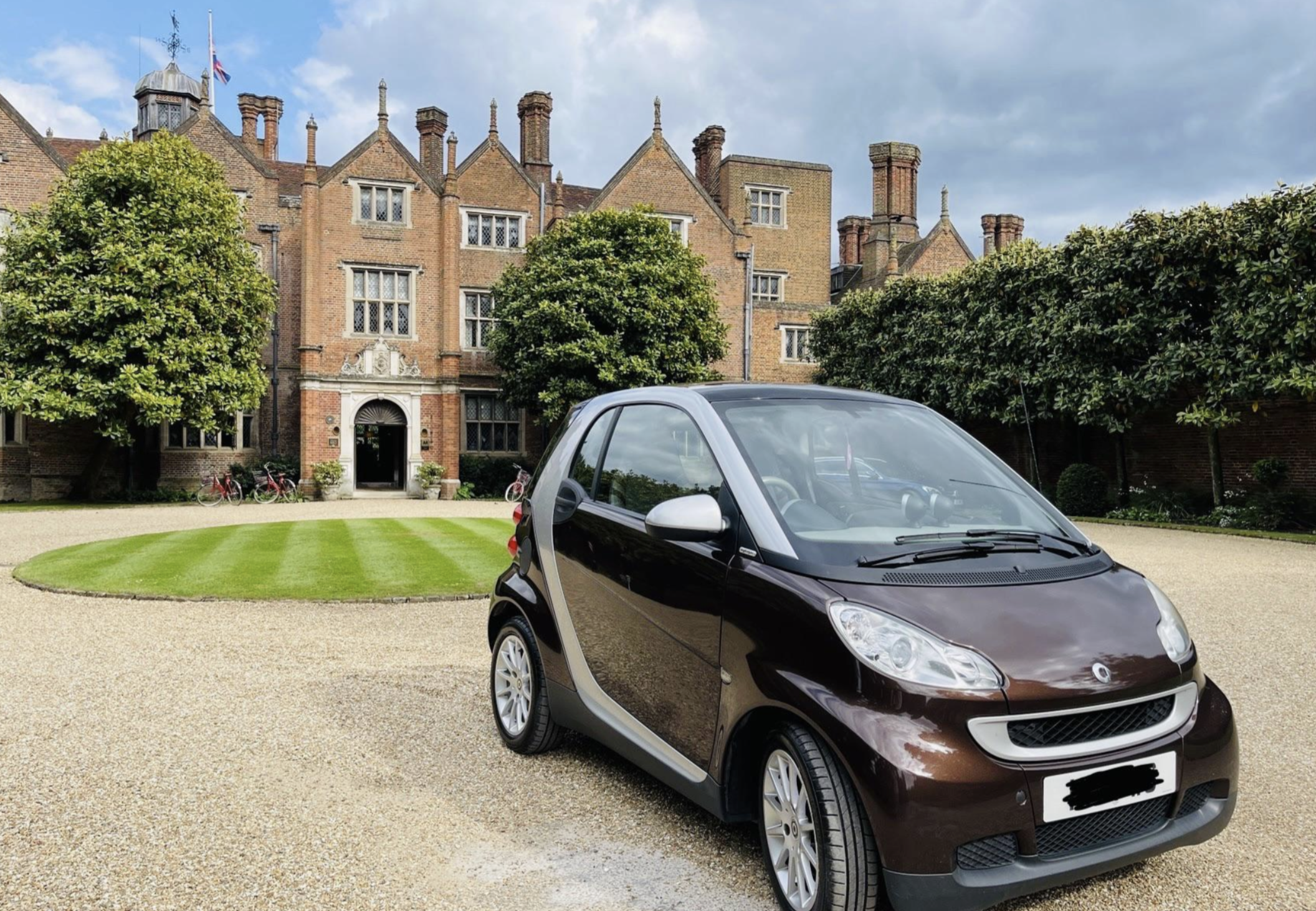
The Smart Fortwo looks less like a car and more like a design experiment. Its tiny size and stubby proportions made it an easy target for jokes. Urban drivers appreciated its purpose, and the Fortwo became a visual shorthand for city-focused transportation.
Ford Edsel
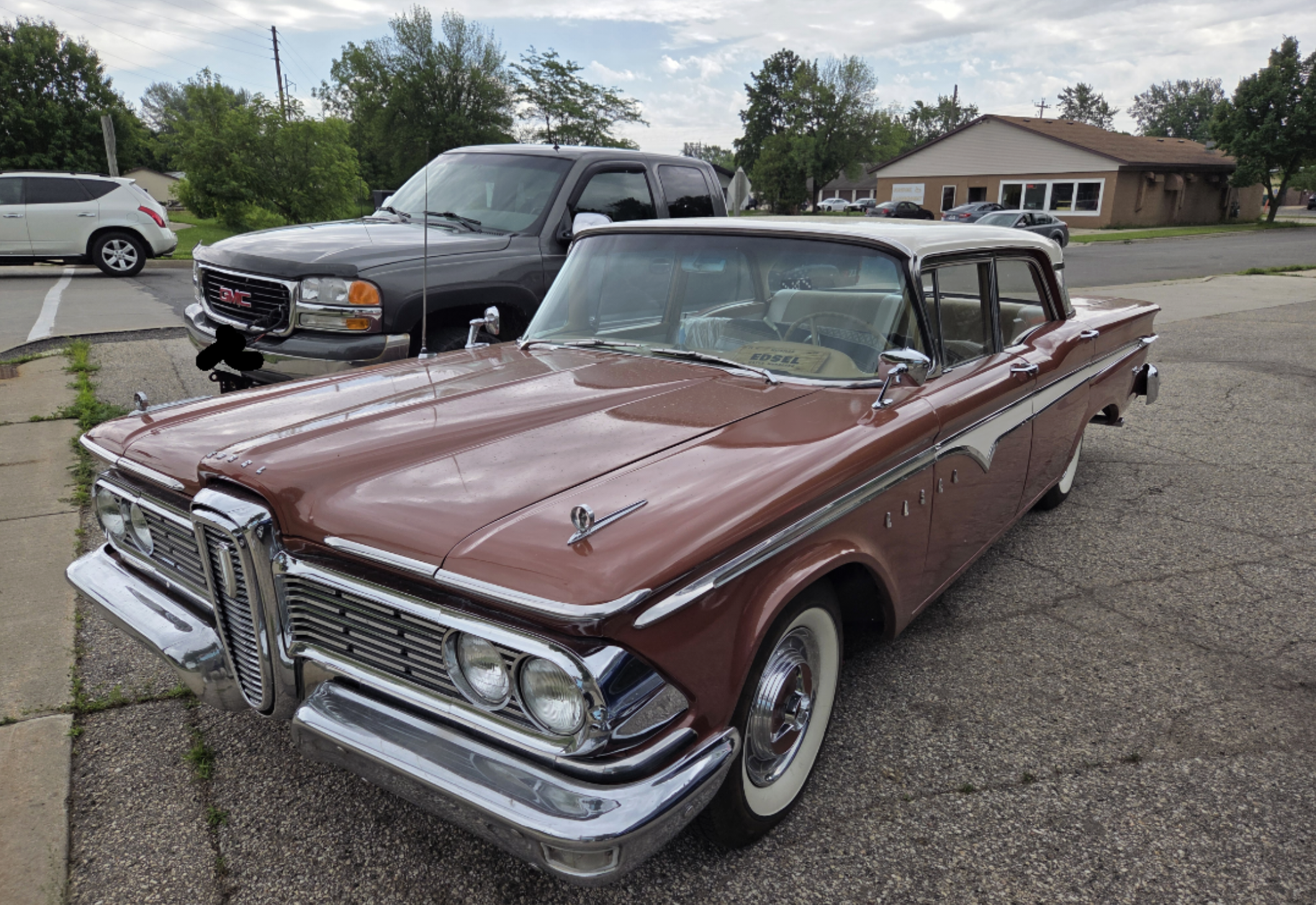
The Ford Edsel is remembered as much for its styling as for its failure. The front grille sparked endless jokes and confusion when it debuted. The Edsel now represents a major lesson in branding and design, which has made it legendary in automotive history.
Sign up for our newsletter
Toyota Prius (First Generation)

The first-generation Prius prioritized efficiency over appearance. The narrow stance and unconventional profile lacked traditional appeal. Its success reshaped the auto industry, and its design became instantly associated with environmental awareness.
Renault Avantime

The Renault Avantime combined elements of a coupe, van, and concept car into one vehicle. The proportions confused buyers who struggled to define its purpose. Limited production turned the Avantime into a collector’s item that stands out for its ambition.
Volkswagen Thing
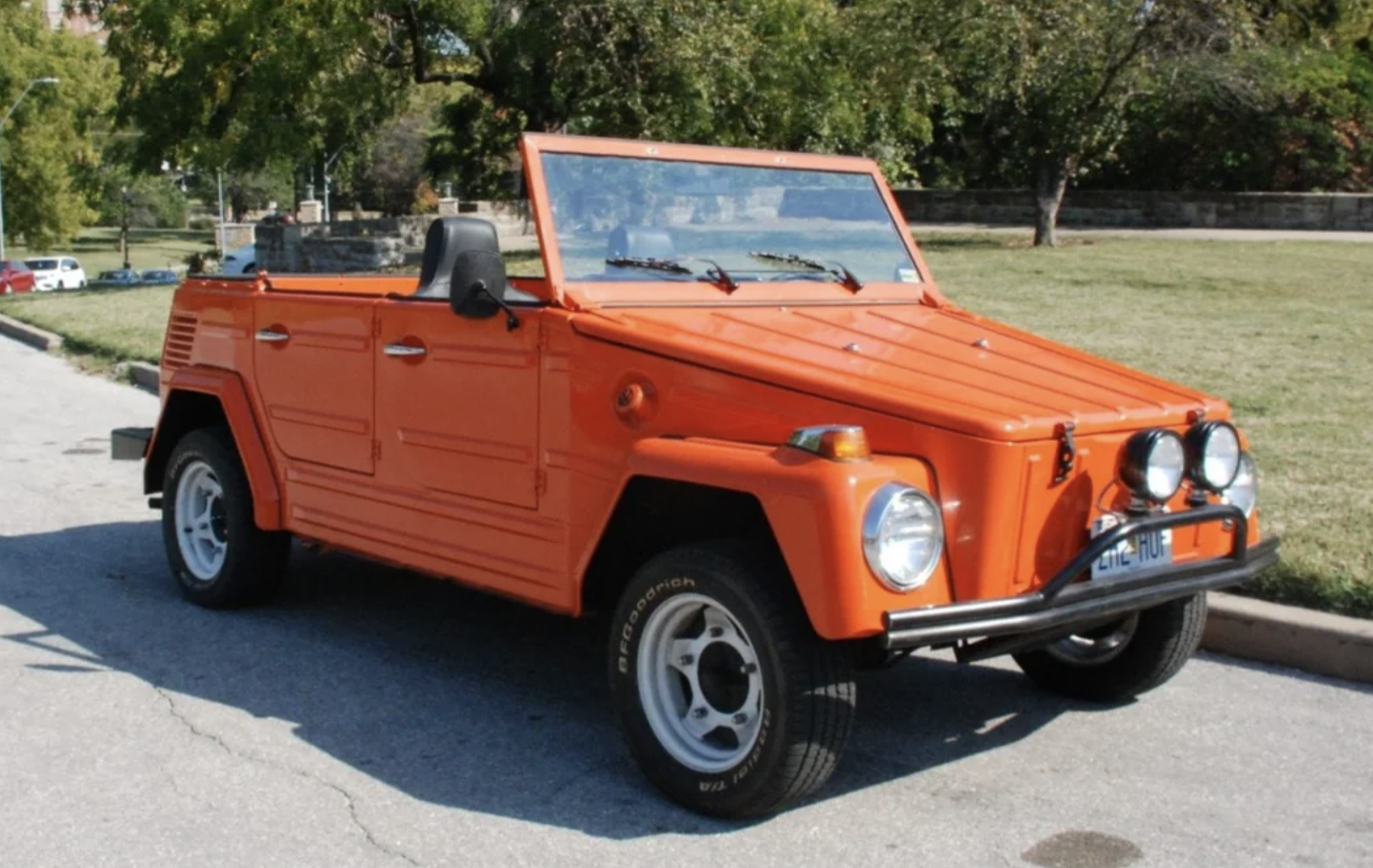
The Volkswagen Thing looked unfinished to many drivers, with flat panels and a box-like silhouette. Military roots influenced its design, which clashed with consumer expectations. Its simplicity later became part of its charm.
Subaru SVX
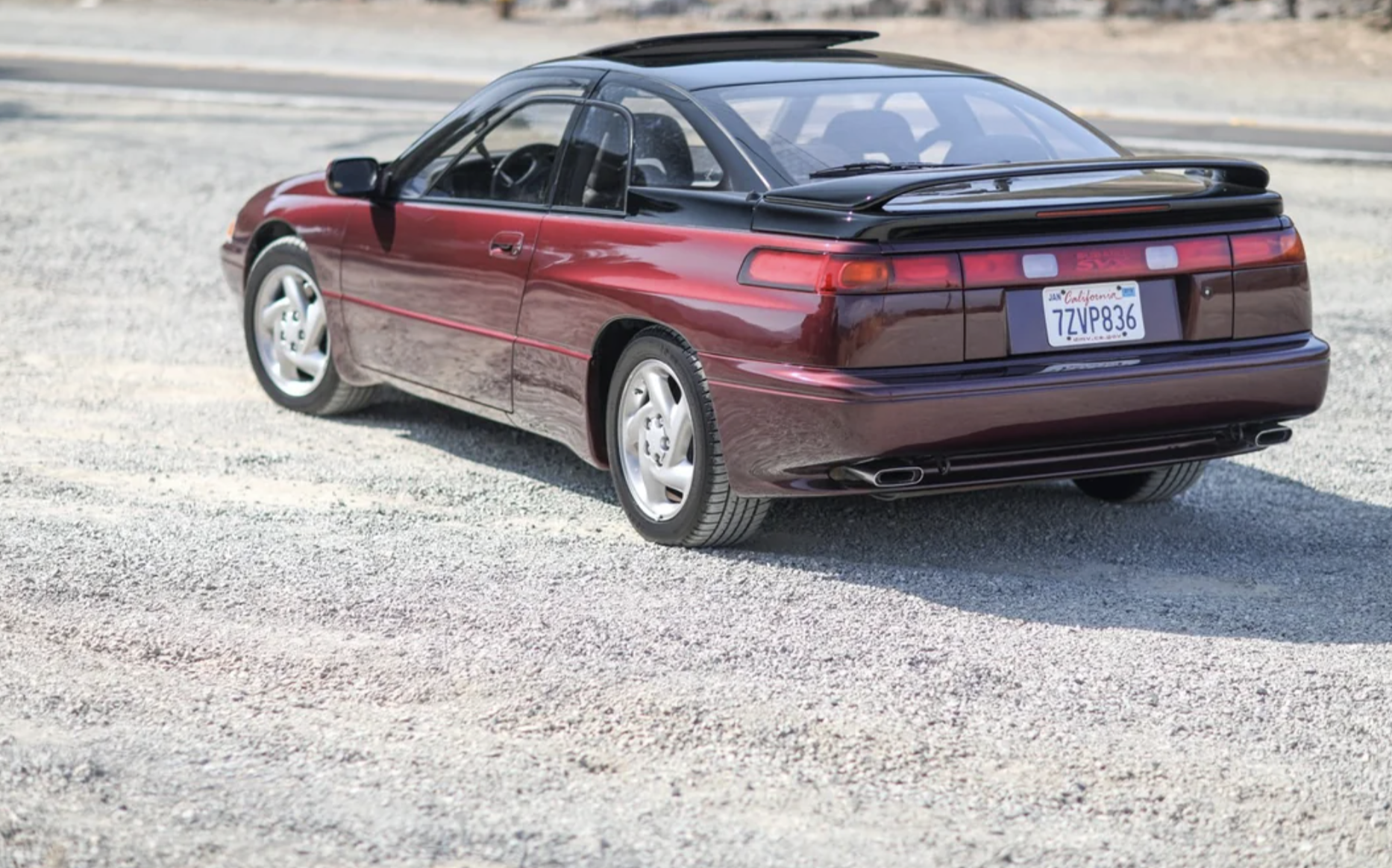
The Subaru SVX featured a window-within-a-window design that looked strange even by 1990s standards. The futuristic glass treatment drew attention for the wrong reasons. Time has turned the SVX into a respected example of bold experimentation.
BMW i3
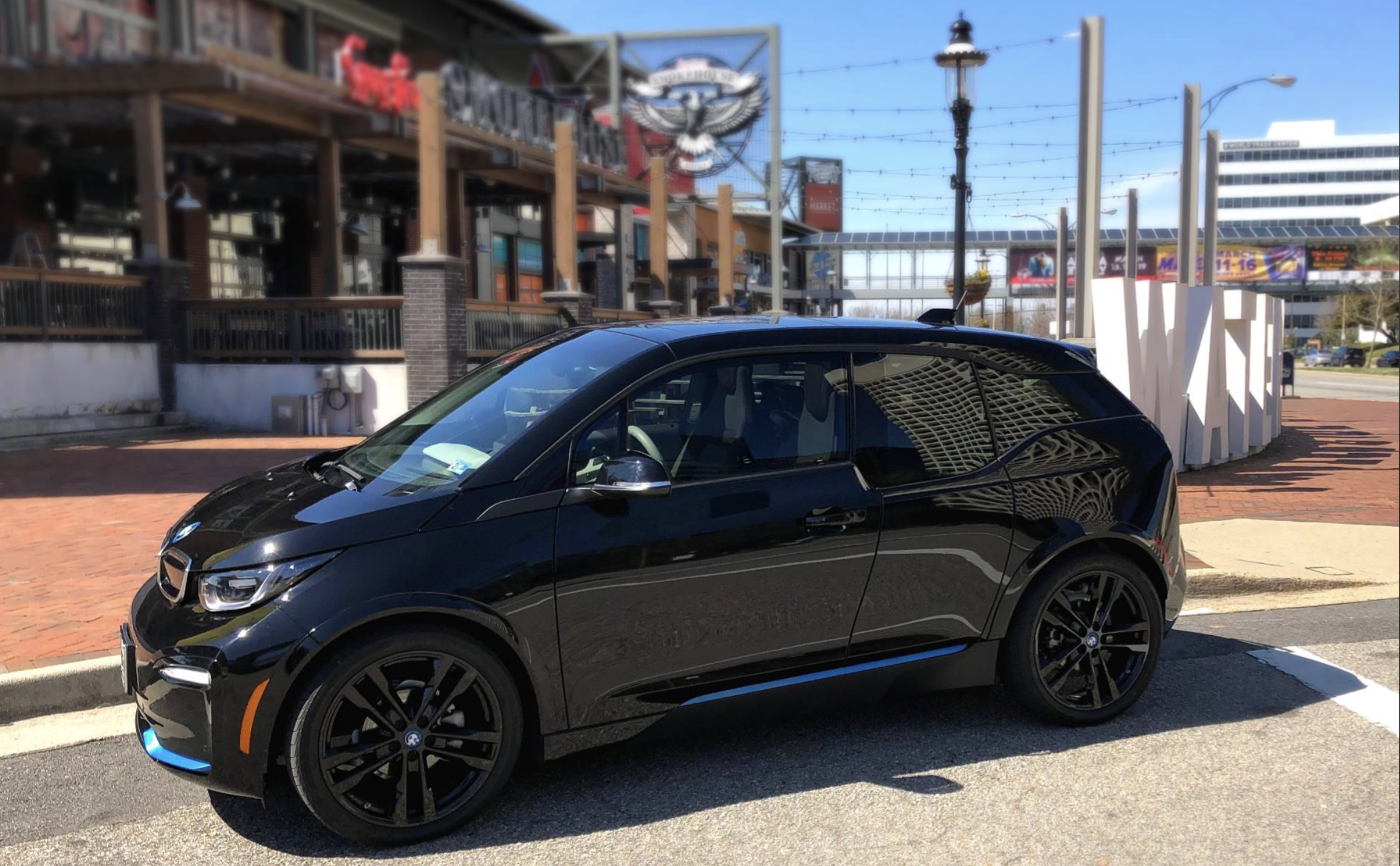
The BMW i3 introduced an upright shape and narrow tires that challenged traditional luxury car norms. The design focused on efficiency and materials rather than elegance. Its influence can be seen in later electric vehicles that embraced function-first styling.
Citroën Ami
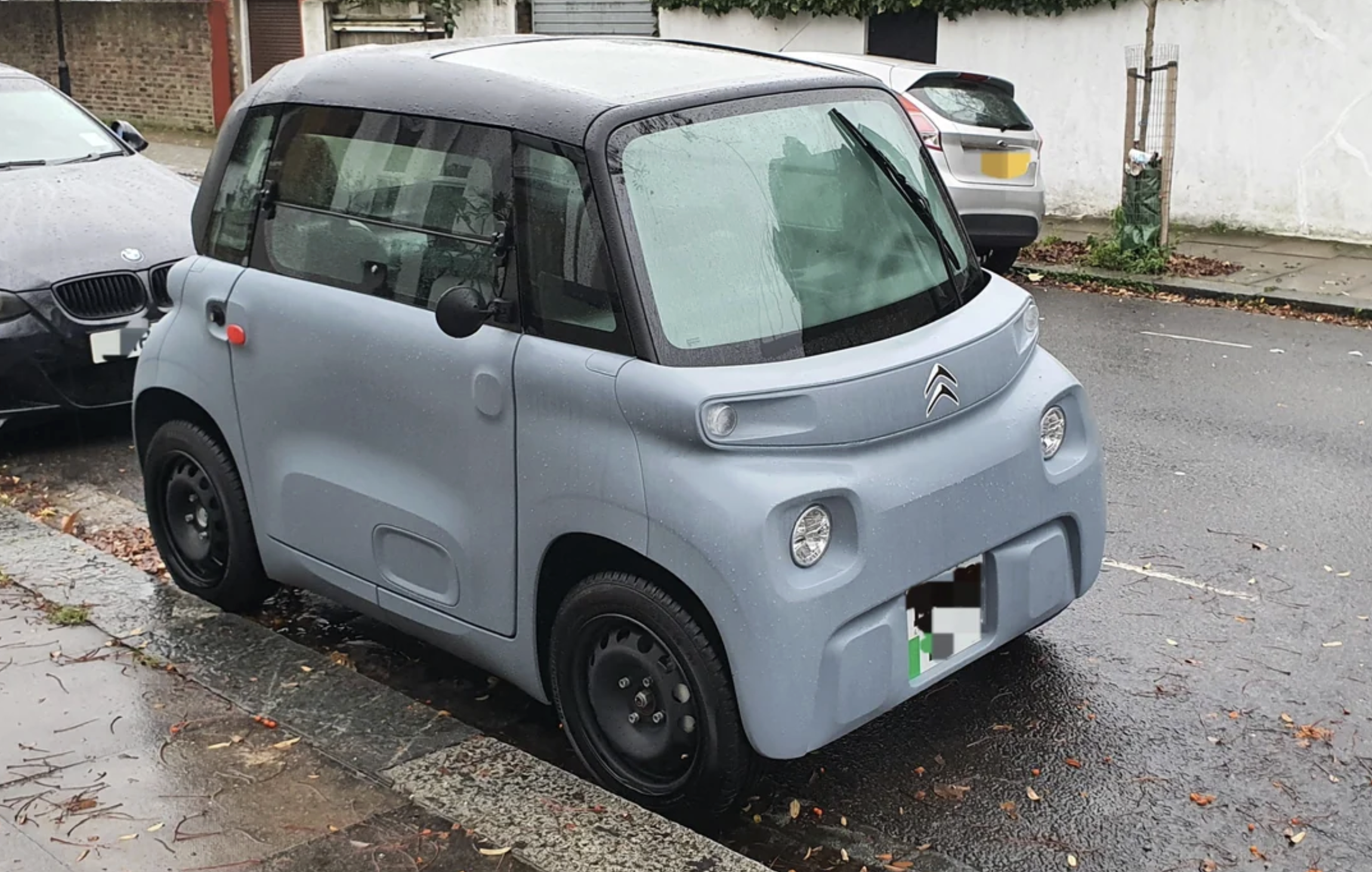
The Citroën Ami looks more like a toy than a conventional car. The symmetrical body panels and minimal features sparked instant reactions. Its affordability and simplicity helped it become a symbol of modern urban mobility.
Lamborghini LM002
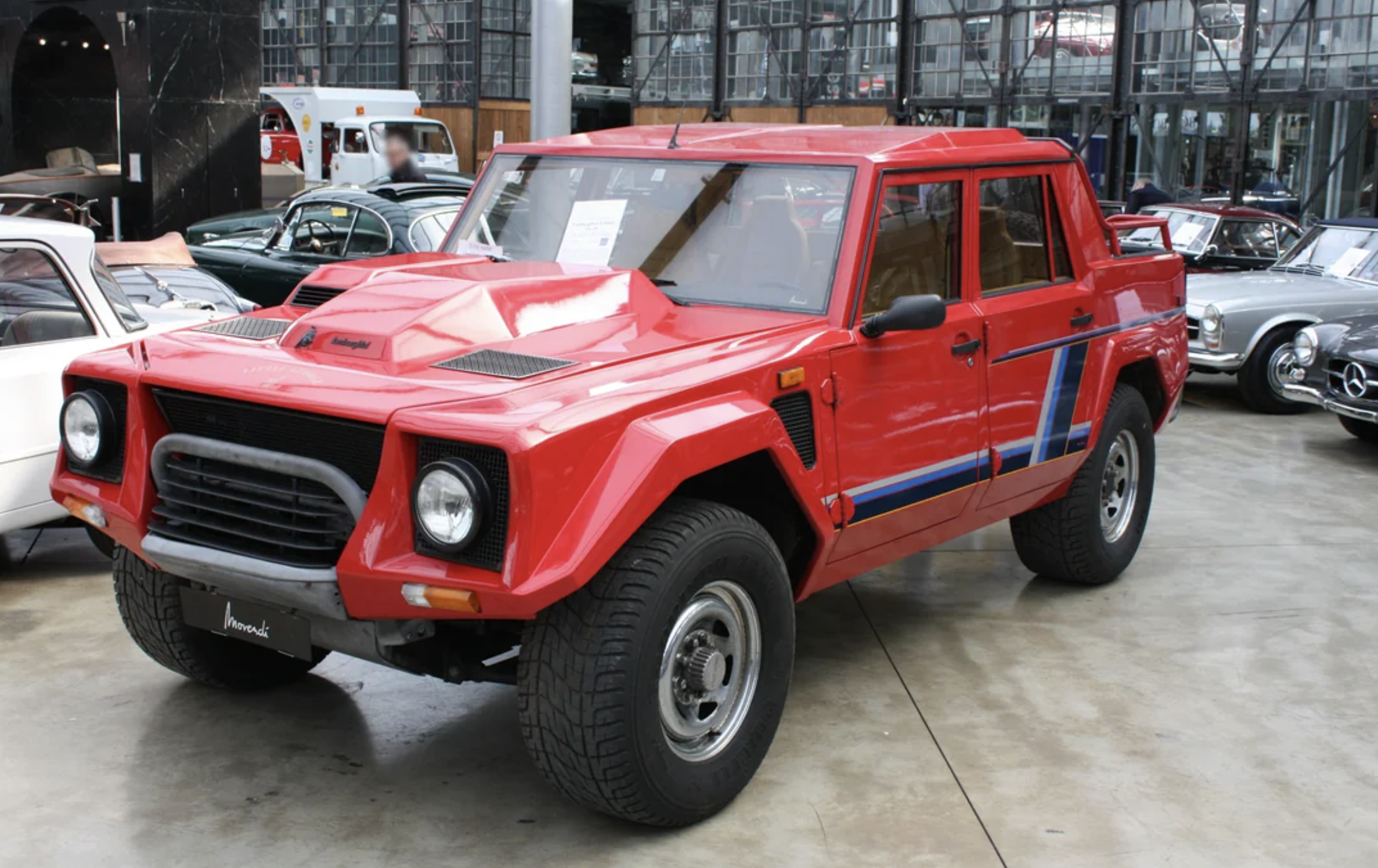
The Lamborghini LM002 confused enthusiasts with its massive size and military-inspired shape. The idea of a luxury off-road vehicle felt wrong at the time. Today, the LM002 is viewed as the ancestor of modern performance SUVs.
Explore more vintage content:
Designs that play it safe often fade into the background. Cars that take risks tend to stay in memory, even when those risks fail. Over time, familiarity softens criticism, and unusual styling becomes identity. These cars prove that being unforgettable sometimes matters more than being beautiful. If you loved this content, check out 15 Traditions You Didn’t Know Had Secret Meanings, or 20 Random Historical Events That Inspired Actual Movie Plots.