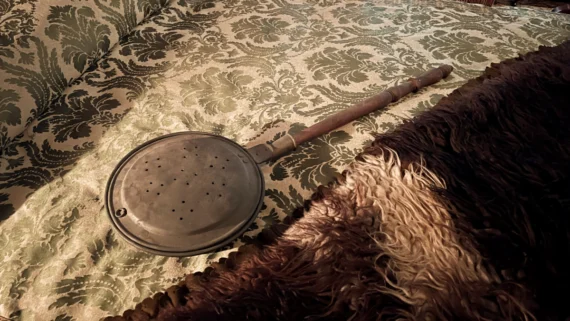
If you were to step into a household in 1926, you would likely find yourself surrounded by a variety of items that look like torture devices or decorative puzzles to the modern eye. A century ago, life was governed by a set of complex social etiquette and manual labor requirements that simply don’t exist in our high-tech, automated world. Many of these objects were born out of necessity, solving problems like keeping hats in place during a windstorm or managing the soot from coal-burning heaters, which have since been rendered obsolete by electricity and synthetic materials. Today, these curiosities often end up in the “junk” bins of antique shops, their true purposes lost to time as we’ve forgotten the specific daily struggles they were designed to solve.
Unlocking the secrets of these forgotten items offers a fascinating window into the “human” side of history, revealing the ingenious, and sometimes bizarre, ways our great-grandparents navigated their world. We often assume that people in the past lived simpler lives, but the complexity of their gadgets suggests they were just as obsessed with efficiency and status as we are today. From silver-plated accessories for dinner parties to specialized tools for personal grooming, each piece tells a story of a lost era. We’ve rounded up twenty of the most baffling objects from a hundred years ago that would leave any modern person scratching their head in confusion.
1. The chatelaine
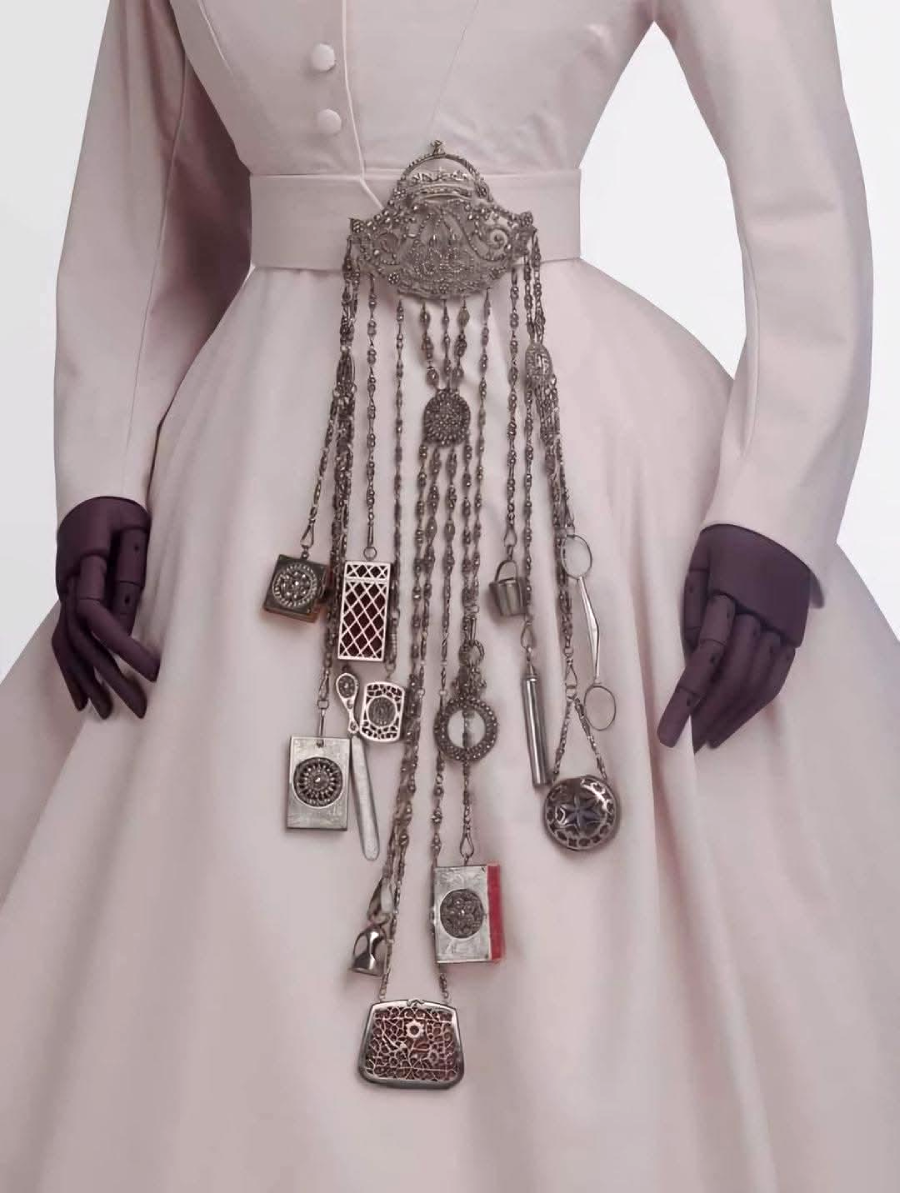
Long before women’s clothing had reliable pockets, the chatelaine was the ultimate “wearable” toolkit for the woman of the house. It consisted of a decorative belt hook with a series of chains hanging down, each carrying a useful tool like scissors, a thimble, keys, or a tiny notebook. It was a status symbol that signaled the wearer was in charge of a complex household, literally jingling with authority as she walked. By the mid-1920s, as handbags became more popular and domestic life changed, this elaborate “Swiss Army knife” of jewelry slowly disappeared from the fashion scene.
2. Silent butler
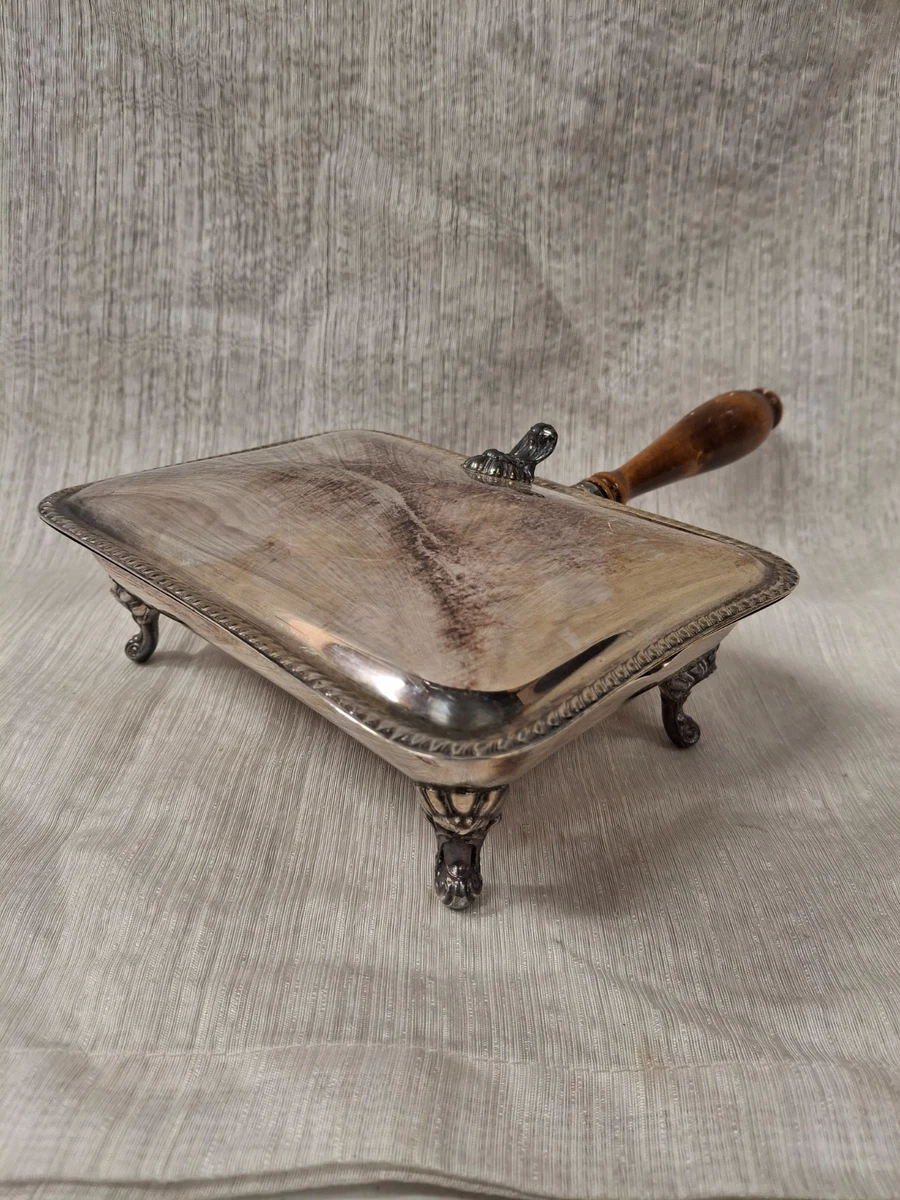
Despite its elegant name, the silent butler wasn’t a person, but a small, lidded box (usually made of silver or brass) used for a very specific task during formal dinners. Its purpose was to collect crumbs, ash, and table debris between courses, allowing the host to clean the tablecloth without making a mess. The lid was essential because it kept the unsightly crumbs hidden from the guests’ view, maintaining the illusion of a perfect dining experience. Today, we simply use napkins or vacuum cleaners, making this refined little box a relic of a much more formal way of eating.
3. Hair receiver
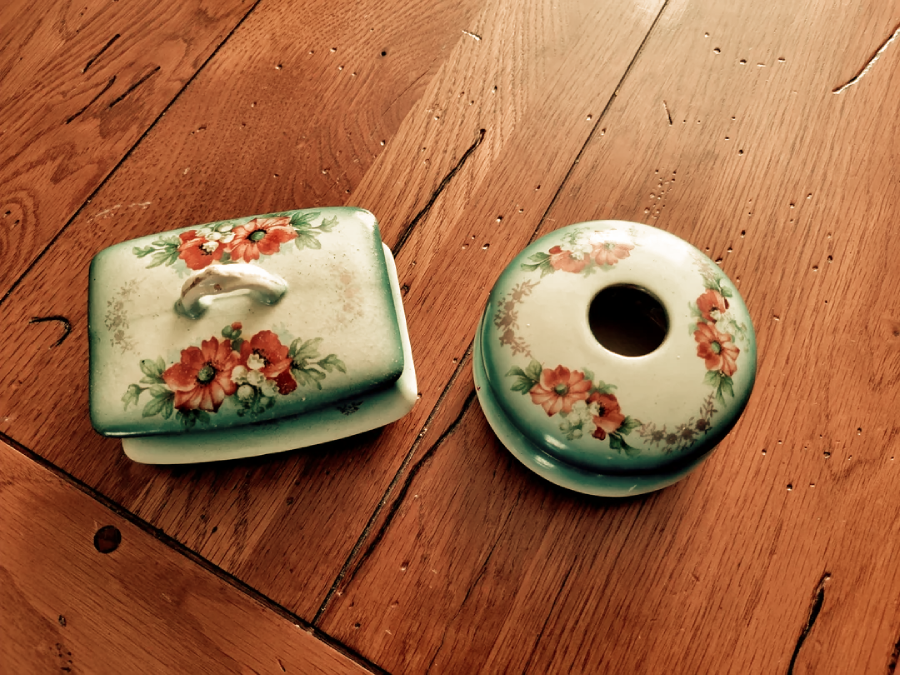
In an era before synthetic wigs and extensions were common, women would save their own fallen hair from their brushes to create “rats”, small pads used to add volume to elaborate updos. The hair receiver was a decorative porcelain or glass jar with a hole in the lid, kept on the vanity specifically to store these stray strands. It was considered a perfectly normal part of a lady’s grooming routine, ensuring that nothing went to waste in the quest for the perfect hairstyle. Once the “bob” haircut became the height of fashion in the 1920s and hair volume decreased, these jars became nothing more than pretty trinkets.
4. Glove stretchers
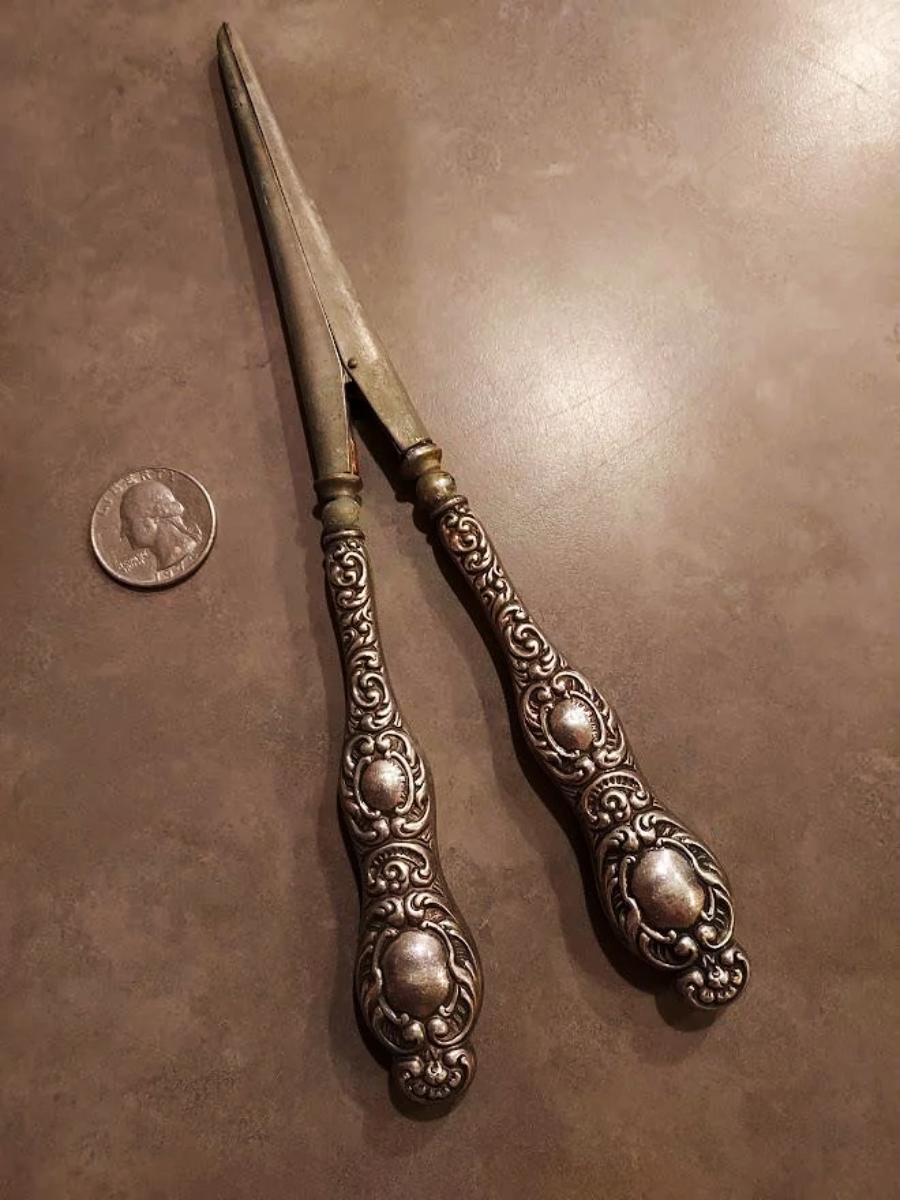
A hundred years ago, gloves were an essential part of a respectable outfit, and they were often made of fine kid leather that would shrink or stiffen after being washed. Glove stretchers looked like long, blunt wooden scissors, and they were inserted into the fingers of the gloves to open them up and make them supple again. If you didn’t use them, your expensive gloves might become impossible to put on, leading to an embarrassing fashion faux pas. As stretchy synthetic fabrics and more casual social standards took over, the need to mechanically “re-size” your handwear simply vanished.
5. Hatpins
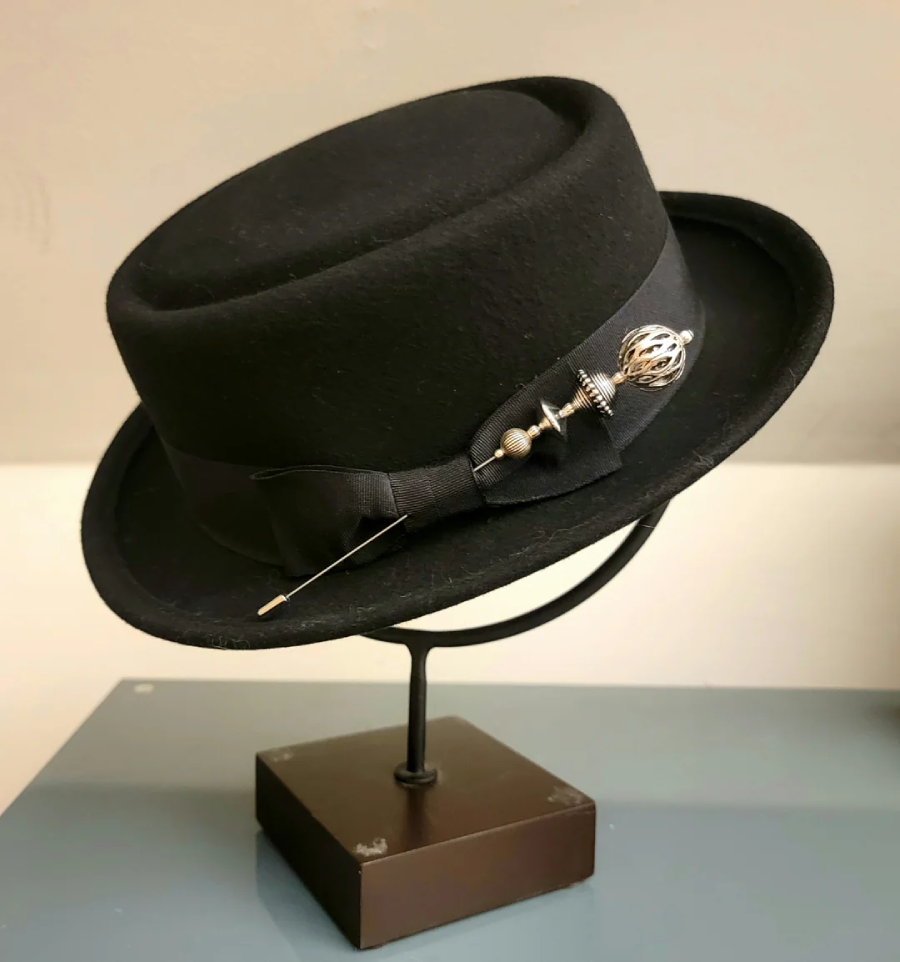
While we still use small pins today, the hatpins of a century ago were massive, often reaching 10 to 12 inches in length to secure oversized hats through thick layers of hair. They weren’t just fashion accessories; they became so dangerous that several cities actually passed laws limiting their length or requiring “safety tips” on the ends. In fact, there are historical accounts of women using these giant pins as improvised weapons for self-defense against “mashers” on public transport. Once hats became smaller and hair was cropped short, these lethal-looking needles were tucked away in drawers forever.
Trending on The Scroller

6. Buttonhook
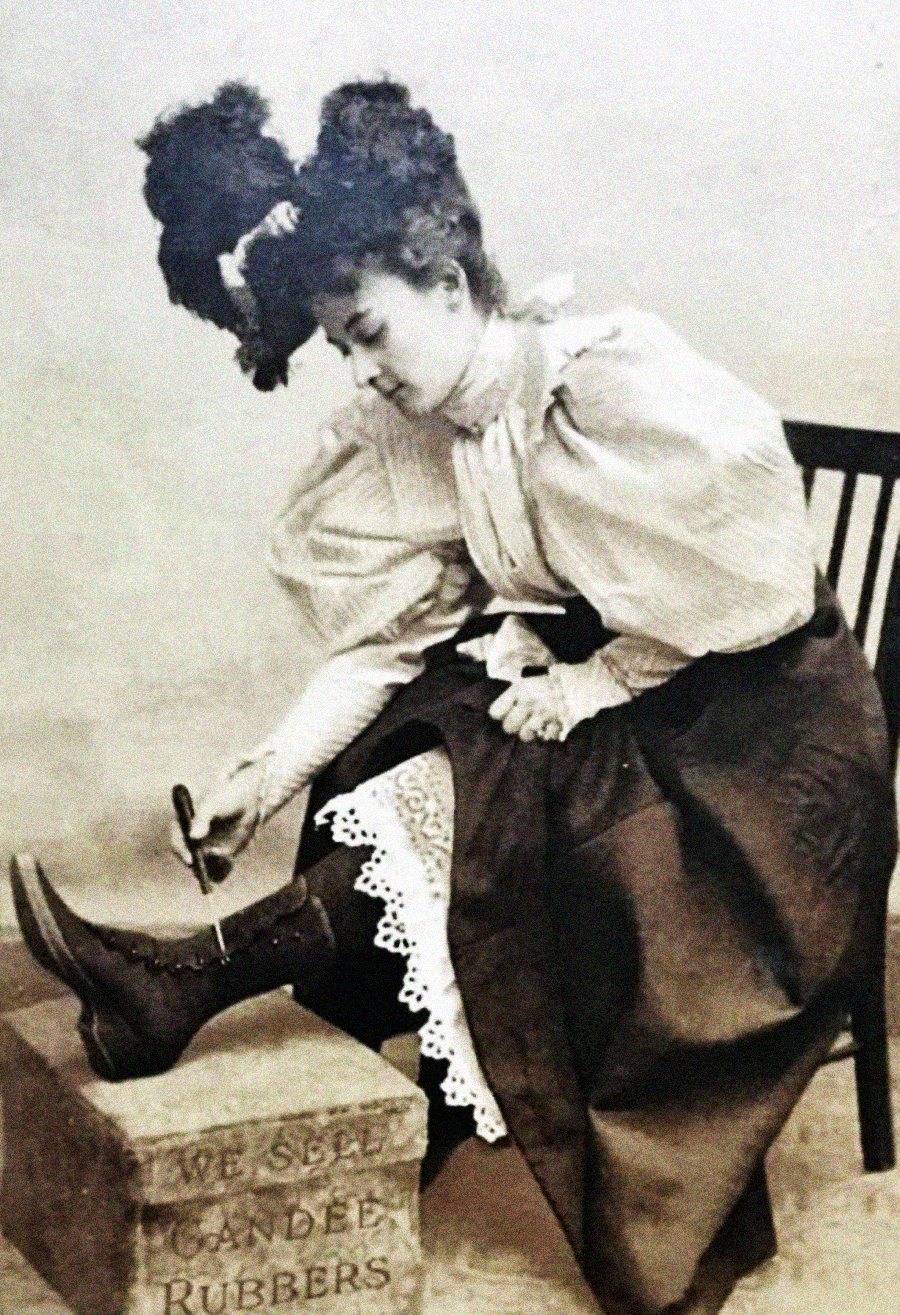
In the early 20th century, fashionable footwear often featured dozens of tiny, tightly spaced buttons rather than laces or zippers. A buttonhook was an essential tool with a small loop at the end designed to pull those stubborn buttons through their corresponding holes. Without one, getting dressed in the morning could take an eternity and likely result in sore fingertips. As the zipper became mainstream in the 1930s, this once-vital dressing aid was relegated to the back of the vanity drawer.
7. Mustache cup

During the late Victorian and Edwardian eras, men often used wax to style and stiffen their mustaches. The mustache cup featured a clever internal ledge -a “mustache guard”- that allowed a gentleman to drink his tea or coffee without the steam melting his wax or dipping his facial hair into the liquid. It was a practical solution for the dapper man who wanted to maintain his groomed appearance throughout a social visit. Once the clean-shaven look became popular after World War I, these specialized ceramics became quirky collector’s pieces.
8. Grape scissors

Formal dining in the past involved specialized tools for almost every type of food, and grape scissors were the peak of table etiquette. They were designed with one blunt blade and one sharp blade to snip off a small cluster of grapes without bruising the fruit or causing the rest of the bunch to unravel. It was considered extremely rude to pull grapes off with your fingers at a fancy dinner party. Today, these ornate silver tools are mostly found in museums, reminding us of a time when even eating a snack was a highly choreographed event.
Sign up for our newsletter
9. Pocket watch fob and Vesta case

Before wristwatches became the standard after the Great War, men carried pocket watches attached to decorative “fobs” or chains. Often hanging alongside the watch was a vesta case, a small, ornate portable box used specifically for holding “strike-anywhere” matches. The bottom of the vesta case usually featured a rough “striker” surface so a man could light a cigar or a lamp with one hand. These items were often highly personalized, serving as a piece of functional jewelry that told the world about a man’s status and hobbies.
10. Calling card case

A century ago, you couldn’t just “DM” someone or send a text; you had to call on them, which involved a complex system of social etiquette. A calling card case was a slim, beautiful container used to carry personalized cards that you would leave with a servant if the person you were visiting wasn’t home. There were even specific ways to fold the corners of the card to indicate if you were visiting in person or just leaving your regards. When the telephone became a household staple, the need for these formal social “gatekeepers” vanished almost overnight.
11. Silver tongue scraper

While we think of tongue scrapers as a modern dental trend, they were actually common items in high-end 1920s grooming kits. Usually made of sterling silver or ivory, these flexible, V-shaped tools were used every morning to ensure fresh breath in an era before minty mouthwashes were widely available. It was considered a basic part of oral hygiene for the upper classes, often kept in a velvet-lined case. Despite their efficiency, they fell out of favor as toothbrushes became more advanced and marketing shifted toward toothpaste alone.
12. Carriage foot warmer

Long before cars had built-in heaters, traveling in a horse-drawn carriage or an early automobile during winter was a freezing ordeal. A foot warmer was a metal box, often covered in carpet or decorative fabric, that held a drawer for hot coals or a heated brick. You would place it on the floor of the vehicle to keep your toes from going numb during long journeys. They were essentially the 1920s version of a portable heater, and without one, a winter trip could be genuinely dangerous.
13. Niddy noddy

For anyone who made their own clothes or worked with wool, the niddy noddy was a curiously named but vital wooden tool. It was used to wind yarn into a “skein” or a loop of a specific length, making it easier to wash or dye before knitting. The name comes from the rhythmic, nodding motion the user makes while wrapping the yarn around the wooden crossbars. While modern machines do this work now, the niddy noddy remains a favorite tool for traditional hand-spinners and historical reenactors.
14. Inkwell and blotter

Before the ballpoint pen was patented, writing a letter was a messy business that involved dip pens and liquid ink. An inkwell sat on every desk to hold the fluid, while a “blotter”, a curved tool with absorbent paper, was used to soak up excess ink so it wouldn’t smudge. Writing required a certain level of patience and skill, as one wrong move could ruin an entire page of calligraphy. Once the “fountain pen” and later the ballpoint arrived, the desk-top inkwell transformed from a necessity into a decorative paperweight.
15. Darning egg

In an era when clothes were expensive and fast fashion didn’t exist, people repaired their socks rather than throwing them away. A darning egg was a smooth, egg-shaped object made of wood or stone that was inserted into the heel of a sock to provide a firm surface for stitching. It allowed the person to sew a web of thread over a hole without accidentally sewing the two sides of the sock together. Almost every household had one, and they were often passed down through generations as a symbol of thriftiness and care.
16. Victorian shaving scuttle

The shaving scuttle was a specialized mug designed to keep shaving water hot while creating a rich lather with a brush. It featured two compartments: a top spout for the soap and a bottom reservoir for boiling water, which kept the soap warm and soft throughout the shave. In a world without running hot water, this was the only way to ensure a comfortable, barbershop-quality shave at home. As modern bathrooms with water heaters became common, the scuttle was replaced by the much simpler shaving cream can.
17. Collar box

In the 1920s, men didn’t usually buy shirts with the collars attached; instead, they used detachable collars that were starched to a cardboard-like stiffness. A collar box was a round, often leather-clad container used to store these stiff circles so they wouldn’t get crushed or lose their shape. Men would own several different styles of collars (rounded, pointed, or wing) to attach to a single shirt, depending on the occasion. It was a space-saving way to stay fashionable, but the invention of the soft-collar shirt eventually made these boxes obsolete.
18. Toasting fork

Long before the electric pop-up toaster was a household staple, people made toast by holding bread over an open fire or a coal stove. A toasting fork was a long-handled, three-pronged tool that allowed you to crisp your bread without burning your hands or getting too close to the embers. They were often quite decorative and hung by the fireplace as a standard kitchen utensil. There was a certain art to getting the perfect golden-brown finish without the bread falling into the ashes, a skill that the automatic toaster eventually killed off.
19. Posy holder (tussie-mussie)

A tussie-mussie was a small, ornate metal cone used to hold a tiny bouquet of flowers, often worn as a fashion accessory or carried in the hand. In the late 19th and early 20th centuries, flowers were used as a secret language (floriography), and these holders kept the blooms fresh throughout a long ball or social event. They often had a ring and chain so they could be attached to a lady’s finger or her dress. As the “language of flowers” faded and fashion became more practical, these beautiful holders disappeared into jewelry boxes.
20. Bed warmer, pan style

Before electric blankets or central heating, the only way to avoid a freezing bed was to slide a heavy brass pan filled with hot coals under the covers. These long-handled pans were moved back and forth to warm the sheets just before the person climbed in for the night. You had to be incredibly careful, as one wrong move could singe the fabric or start a fire in the middle of the room. It was a nightly ritual that required a lot of effort, eventually replaced by the much simpler rubber hot water bottle.
Want more vintage content?
It’s truly humbling to realize that the high-tech gadgets we rely on today will likely be the mysterious items of the future, baffling our own great-grandchildren. These objects remind us that human ingenuity is always evolving, solving the problems of the day with whatever materials are at hand. If you’re in the mood for more vintage content, don’t miss these 15 Everyday Items You Should Never Throw Away, or 25 Forgotten Everyday Objects From the ‘90s That Will Take You Back. You may also like these Creepy Spirit Photos From the 1800s That Terrified the World.