The early 2000s marked a revolutionary era for cinema, as technology finally caught up with the sprawling imagination of the world’s greatest authors. These epic fantasies didn’t just entertain us; they transported us to entirely new dimensions, from the hidden wizarding world of London to the vast, rugged landscapes of Middle-earth. However, creating these masterpieces required more than just digital effects; it took thousands of handmade props, extreme physical endurance from the cast, and a fair share of behind-the-scenes accidents. Looking back, the dedication required to bring these stories to life is nothing short of legendary, proving that the real magic often happened when the cameras weren’t even rolling.
While we remember these fantasies for their breathtaking battles and emotional journeys, the reality on set was often a mix of grueling schedules and ingenious problem-solving. Actors had to spend hours in makeup chairs becoming goblins or elves, while directors struggled to film massive sequences before the natural light disappeared. Many of the most iconic moments in these films were actually the result of happy accidents or last-minute improvisations that the script never intended. We’ve unearthed fifteen of the most fascinating secrets from the sets of the decade’s biggest hits, giving you a rare glimpse into the “making of” the myths that defined a generation.
1. The Lord of the Rings: The Fellowship of the Ring, 2001
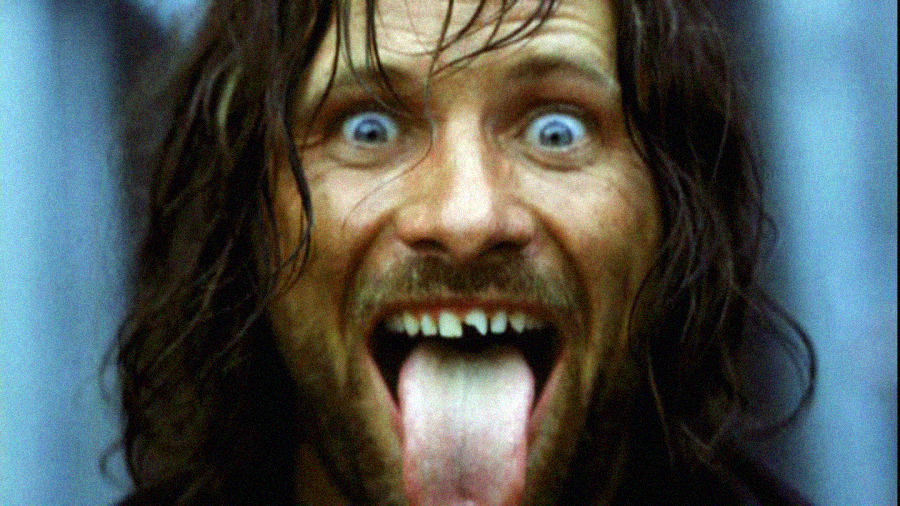
Viggo Mortensen was so committed to his role as Aragorn that he actually chipped a tooth during a complex fight sequence and asked the crew to simply superglue it back on so he could finish the scene. The director, Peter Jackson, was horrified and insisted he go to a dentist instead, but the story has since become part of the actor’s “tough guy” legacy. Additionally, Mortensen spent much of his downtime in New Zealand bonding with his horse, Brego, eventually buying the animal after production ended because their connection was so real. It’s a testament to the raw, physical dedication that made Middle-earth feel so grounded and authentic.
2. Harry Potter and the Prisoner of Azkaban, 2004
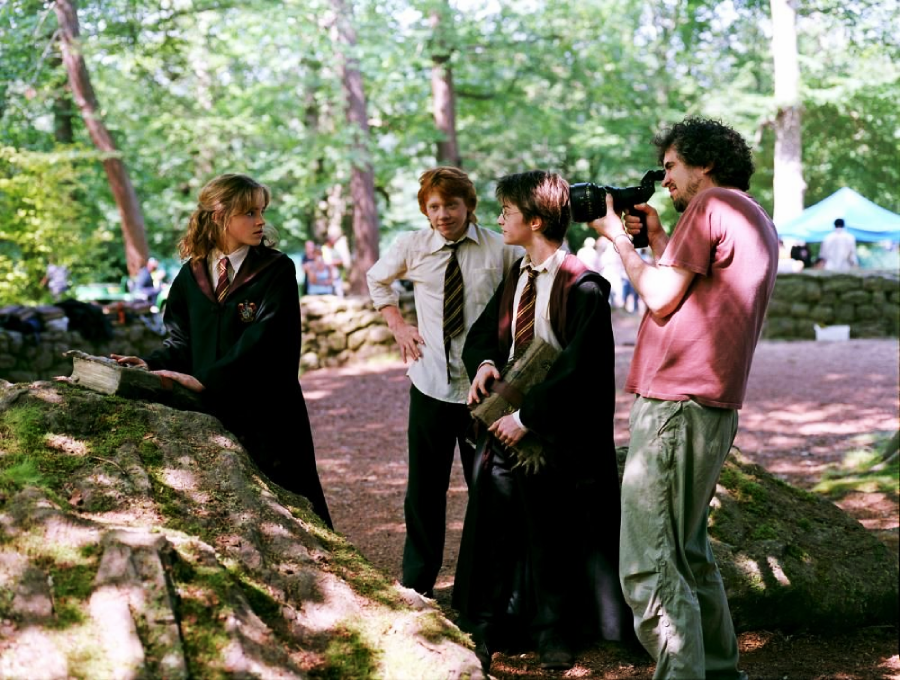
To make the young cast feel more like actual students, director Alfonso Cuarón told the main trio to write an essay about their characters from a first-person perspective. True to their roles, Emma Watson wrote a sixteen-page deep dive into Hermione, Daniel Radcliffe turned in a simple one-page summary, and Rupert Grint didn’t turn one in at all, claiming “Ron wouldn’t have done it either.” This exercise helped solidify the chemistry that carried the franchise through its darker years. It’s a perfect example of how the director used real-life personality traits to enhance the magical realism on screen.
3. The Chronicles of Narnia: The Lion, the Witch and the Wardrobe, 2005
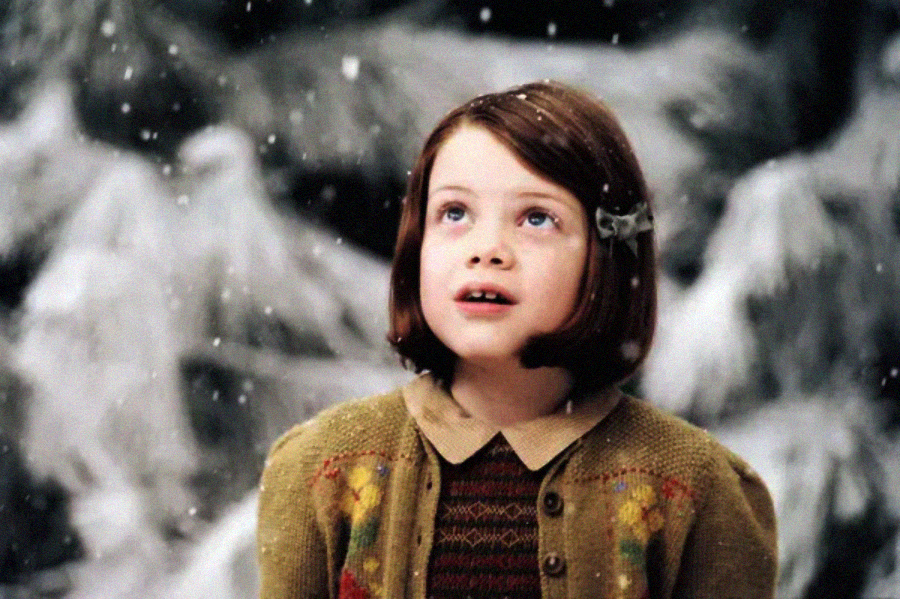
Director Andrew Adamson wanted the reactions of the child actors to be completely genuine, so he kept Georgie Henley (Lucy Pevensie) blindfolded until the moment she first stepped onto the snowy Narnia set. Her wide-eyed gasp and look of pure wonder in the film aren’t acting; she was seeing the lamppost and the falling snow for the very first time. The set was kept freezing cold to ensure the actors’ breath was visible, adding to the immersion of the winter landscape. This commitment to real emotions is why the film still feels so heartwarming decades later.
4. Pirates of the Caribbean: The Curse of the Black Pearl, 2003
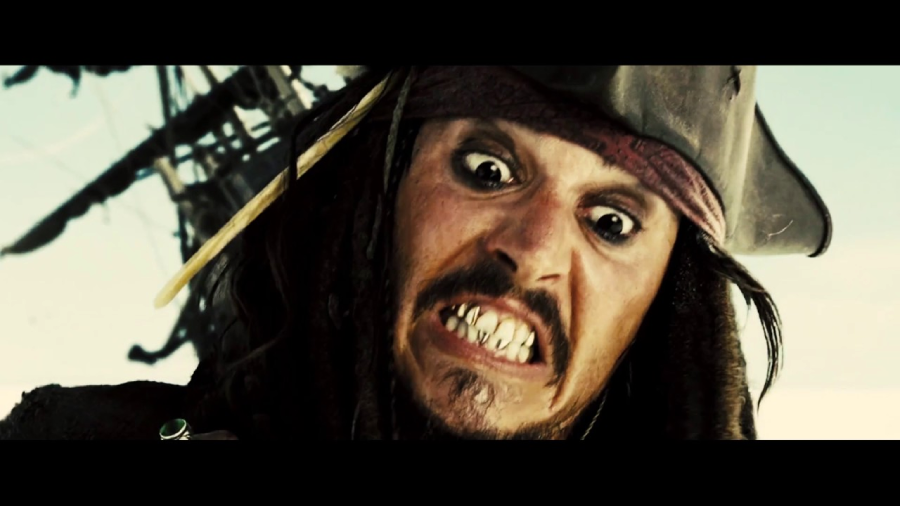
Johnny Depp’s iconic portrayal of Captain Jack Sparrow was so eccentric that Disney executives were initially terrified he was “ruining the movie.” They famously asked if the character was drunk or mentally unstable, to which Depp replied that all his choices were intentional tributes to rock legend Keith Richards. He even insisted on having real gold caps put on his teeth for the role, though he agreed to remove a few when the studio complained he had too many. This rebellious creative energy transformed what could have been a standard pirate flick into a billion-dollar cultural phenomenon.
5. Pan’s Labyrinth, 2006

The Pale Man, one of the most terrifying creatures in fantasy history, was actually played by Doug Jones, who had to look through the nostril holes of the mask to see. The costume was so heavy and restrictive that Jones could only wear it for short bursts, and it took over five hours of makeup application every single day. Guillermo del Toro insisted on using practical effects as much as possible, giving the monster a fleshy, wrinkled texture that CGI simply couldn’t replicate at the time. Jones actually had to learn his lines in Spanish phonetically, despite not speaking the language, making his performance even more impressive.
Trending on The Scroller

6. Star Wars: Episode III – Revenge of the Sith, 2005
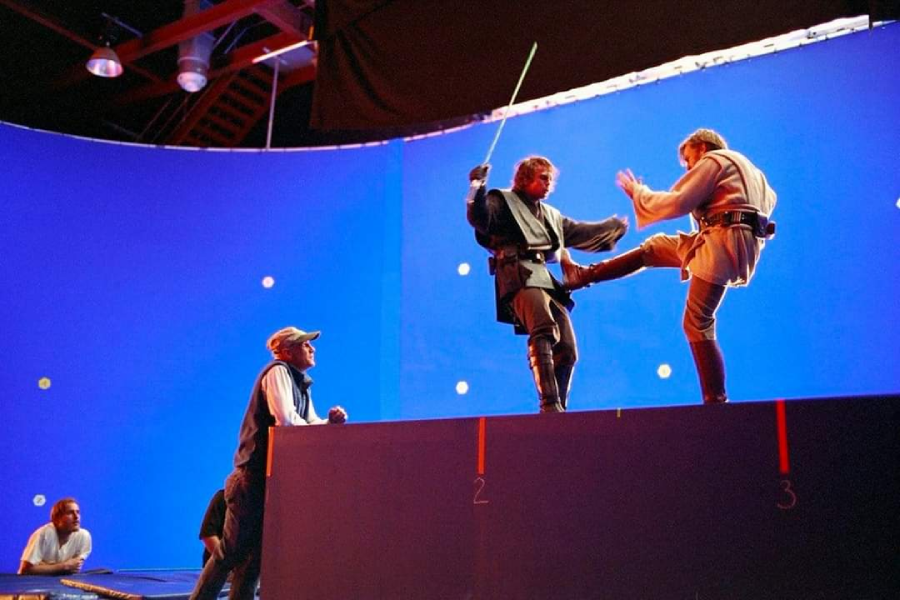
The climactic duel on the volcanic planet Mustafar was so intense that Ewan McGregor and Hayden Christensen trained for months to master the choreography. They practiced at such high speeds that the footage actually had to be slowed down in some shots because it looked like they were fast-forwarding. While the lava was mostly digital, the ash falling on the actors was actually real volcanic ash collected from Mount Etna, which happened to erupt during production. This strange coincidence gave the scene a gritty, suffocating realism that helped close the prequel trilogy on a high note.
7. Avatar, 2009
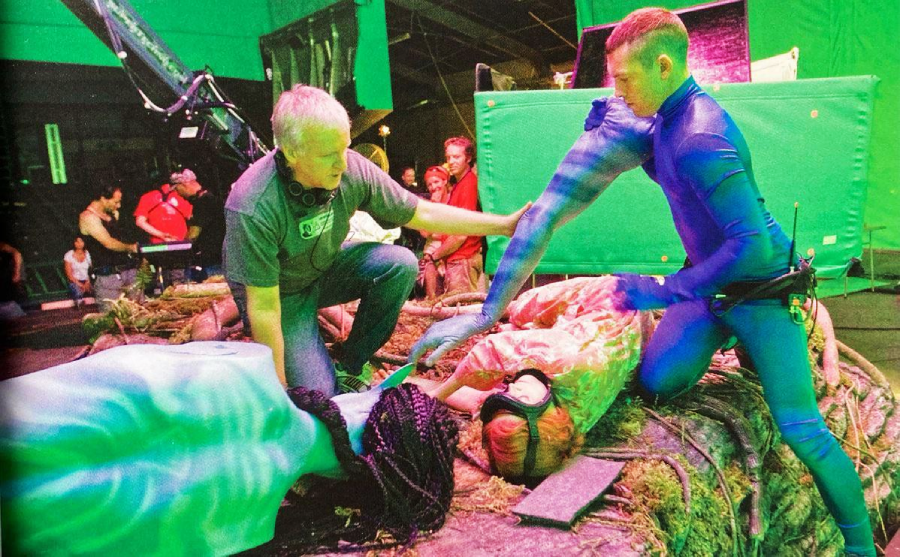
To help the actors get into the mindset of the Na’vi people, James Cameron took the entire cast on a jungle bootcamp in Hawaii before filming began. They spent days trekking through the rainforest, building fires, and learning how to move like hunters, all while wearing minimal clothing to simulate their characters’ environment. Since the movie was filmed almost entirely on a grey motion-capture stage, this real-world experience was the only way for the actors to remember how a humid jungle actually feels. It’s the reason their movements feel so fluid and natural despite being completely computer-generated.
8. Charlie and the Chocolate Factory, 2005
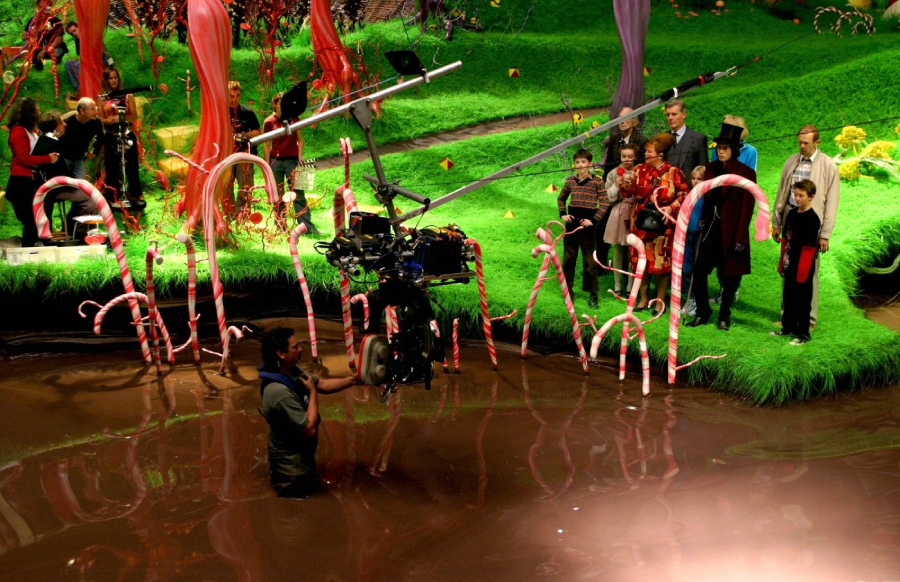
Tim Burton famously hates unnecessary CGI, so he insisted that the chocolate river in the factory be made of real, flowing liquid. The production team used over 200,000 gallons of a special mixture made from water, food coloring, and actual chocolate thickening agents to get the texture just right. However, the smell of the massive river became increasingly unbearable as the weeks went by, eventually smelling like sour milk under the hot studio lights. It was a messy, smelly ordeal, but it gave the set a physical scale that made the eccentric world of Wonka feel truly lived-in.
Sign up for our newsletter
9. Twilight, 2008
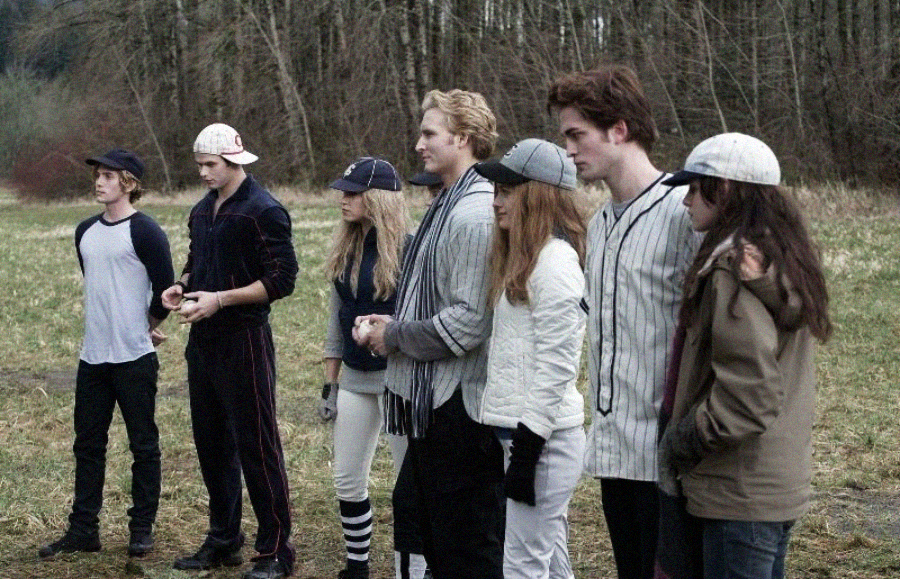
During the iconic baseball scene, the production had to deal with a constant struggle against the weather in Portland, Oregon. Because vampires are supposed to sparkle in the sun and look pale in the shade, the crew had to wait for perfectly overcast skies to film every single shot. If a single ray of sunlight broke through the clouds, filming stopped immediately, and the cast had to huddle under umbrellas to protect their thick, white makeup. This cloud-chasing led to a very frustrated crew, but it created the moody, blue-tinted atmosphere that defined the entire visual style of the saga.
10. Eragon, 2006
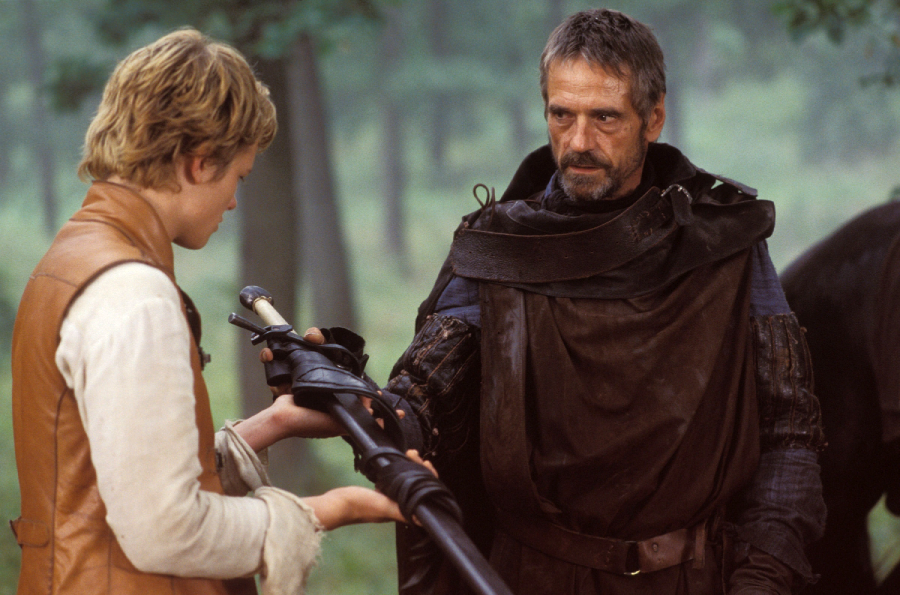
Jeremy Irons, who played Brom, was so dedicated to the authenticity of his character that he insisted on doing most of his own sword-fighting stunts. During one particularly heavy battle sequence, he accidentally struck a stuntman, but he remained in character to ensure the take wasn’t wasted. The production also struggled with the heat in Hungary, where temperatures on the open plains reached over 100ºF daily. This forced the actors to wear cooling vests underneath their heavy leather costumes just to prevent them from passing out between takes.
11. 300, 2006
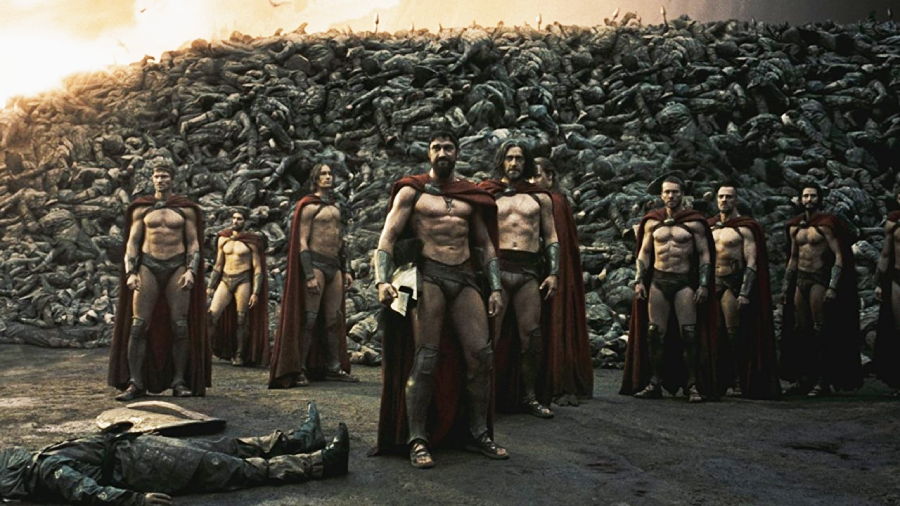
To achieve the hyper-masculine Spartan look, the cast underwent an incredibly grueling eight-week training program that became known as the “300-rep workout.” The actors trained together in a giant warehouse, creating a brotherhood of shared pain that translated perfectly to the screen. Interestingly, director Zack Snyder decided to add digital “ab-shading” in post-production to make the muscles pop even more under the film’s unique high-contrast lighting. This combination of real sweat and digital enhancement created a visual style that changed the look of action movies for the rest of the decade.
12. Enchanted, 2007
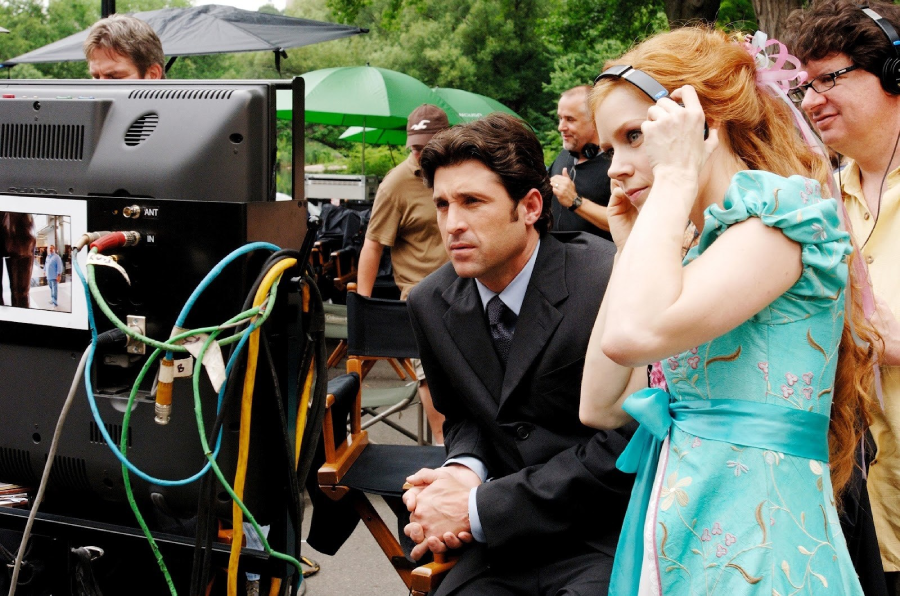
The “That’s How You Know” musical number in Central Park took several weeks to film and featured over 300 background dancers and 150 extras. Amy Adams was so committed to her “animated-turned-human” character that she refused to break her bubbly, princess-like persona even when the cameras weren’t rolling. During the filming, real New York tourists kept wandering into the shots, often confused by the sight of a woman in a massive wedding dress singing to birds. The production had to use “secret” security guards dressed as park-goers to gently guide people away from the singing princess.
13. Hellboy, 2004
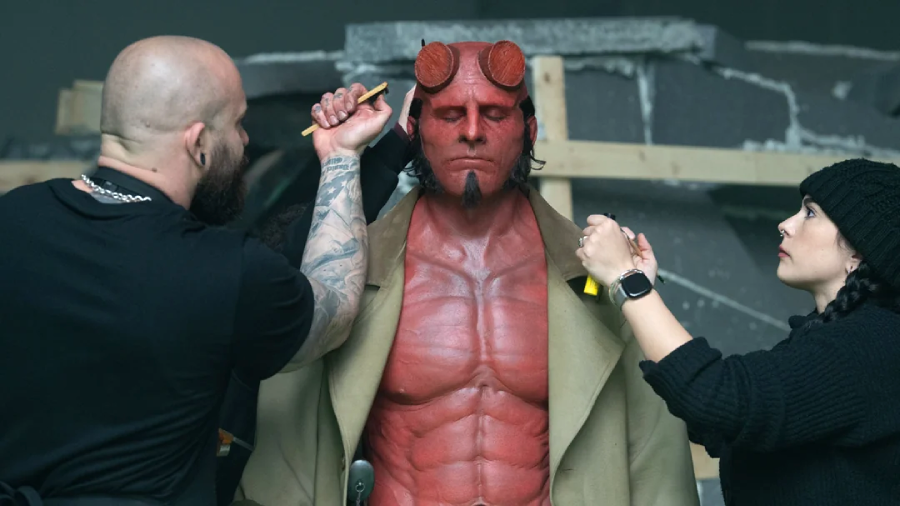
Ron Perlman’s transformation into Hellboy was a daily four-hour process that involved applying massive prosthetic pieces made of foam latex. Perlman was so comfortable in the suit that he would often go to the studio cafeteria and eat lunch while fully “in character,” horns and all. Guillermo del Toro insisted that Hellboy’s “Right Hand of Doom” be a heavy, physical prop rather than CGI so that Perlman would have to struggle with the weight of it. This physical limitation helped Perlman nail the character’s signature “blue-collar” exhaustion and grumpy demeanor.
14. Peter Pan, 2003
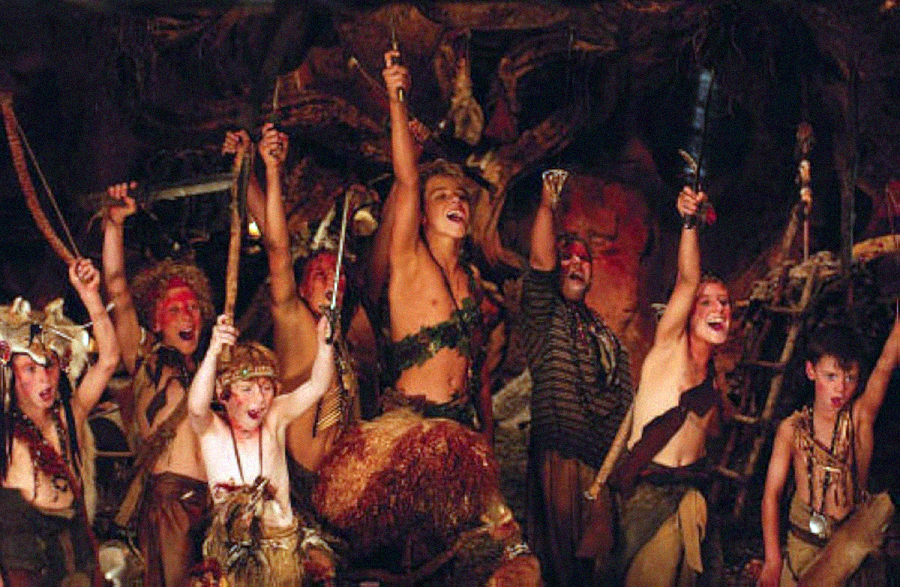
The production of this film featured a massive, full-scale pirate ship that was built on a gimbal to simulate the rocking of the ocean. The young actors playing the Lost Boys spent so much time on the ship that they actually began to develop “sea legs,” often stumbling when they finally stepped back onto solid ground. Jeremy Sumpter, who played Peter, actually grew several inches during the shoot, forcing the costume department to constantly let out his green tunic. This was the first time a live-action Peter Pan was played by a boy of the correct age, making the coming-of-age themes feel much more poignant.
15. Stardust, 2007
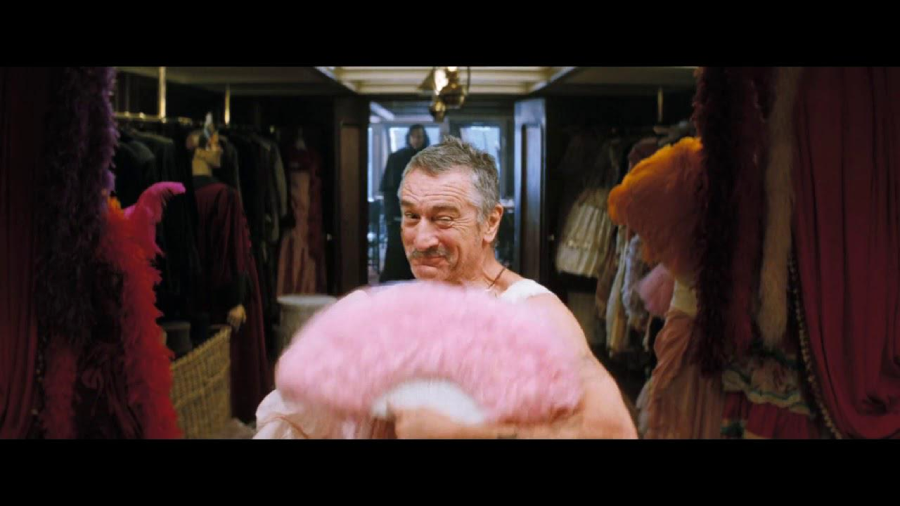
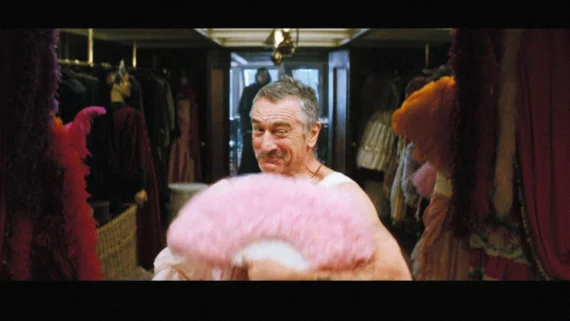
While the film is a whimsical fairy tale, the shooting locations were anything but delicate, with the crew filming on the rugged, windswept Isle of Skye in Scotland. The stormy weather in the movie was often completely real, as the production faced gale-force winds that nearly blew away the expensive camera equipment. Robert De Niro’s role as Captain Shakespeare was a highlight for the cast, especially because he improvised many of his flamboyant dance moves on the spot. This mixture of harsh British weather and legendary acting talent gave the film a unique cult classic energy that has only grown over time.
Want more Hollywood secrets?
Learning the truth behind these legendary fantasies only makes the final films feel more impressive. From chipped teeth to hand-knitted sweaters, the human effort behind the magic is what truly stands the test of time. If you’re ready to discover more Hollywood secrets, don’t miss these 15 Famous Movie Roles That Were Recast After Filming Started, or Famous 80s and 90s Stars Who Walked Away From Hollywood. You may also like these Actors Who Refused to Break Character and Terrified Everyone.