We like to think we know our pets inside and out, but behind those soulful eyes and wagging tails lies a world of bizarre biological quirks and ancient instincts. While we see them as our cuddly companions who just want a treat or a belly rub, science reveals that our cats and dogs are actually tiny, domestic marvels with “superpowers” we rarely notice. From the way they perceive time to the hidden complexity of their physical senses, there is so much more happening in their fuzzy heads than just dreams of chasing squirrels. Understanding the why behind their weirdest behaviors only makes our bond with them stronger (and a lot more entertaining).
Whether you are a devoted cat person or a lifelong dog lover, these fascinating tidbits of animal trivia will give you a whole new appreciation for the pets sharing your home. These creatures operate on a sensory level that humans can’t even fathom, using their bodies in ways that feel like science fiction. Did you know that your dog’s nose print is as unique as a human fingerprint, or that your cat’s purr might actually be a self-healing mechanism? These twenty weird and wonderful facts dive deep into the secret lives of our domestic companions, explaining everything from their strange sleeping habits to their incredible ability to sense the world around them.
1. The unique “nose print” identification
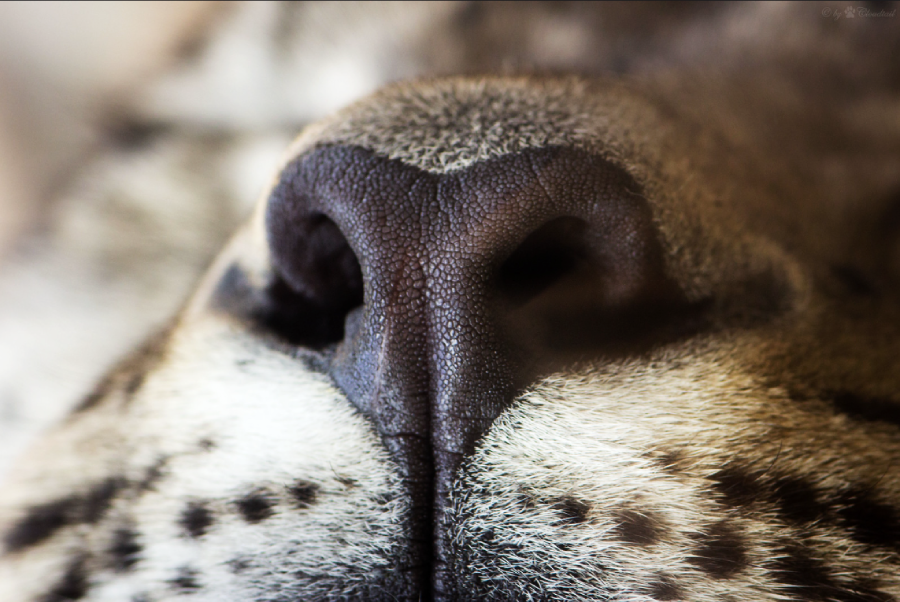
Just like humans have unique fingerprints that can identify them, every dog has a completely one-of-a-kind nose print. The ridges, creases, and patterns on a canine’s nose are so distinct that they could technically be used for identification in place of a microchip. In fact, some specialized agencies have even experimented with “nose-printing” as a definitive way to track lost animals. Next time you get a wet nose greeting, remember you’re looking at a biological ID card that belongs to no one else in the world.
2. Cats only “Meow” for humans

In the wild, adult cats rarely meow at each other, preferring to communicate through scent, body language, and subtle vocalizations like hissing or growling. The classic “meow” is actually a behavior cats developed specifically to communicate with humans, essentially hacking our maternal instincts. They have learned that we are far more responsive to vocal cues than to a slow blink or a tail flick. Your cat is basically using a custom language that they invented just to keep you under their thumb.
3. Dogs can literally smell time
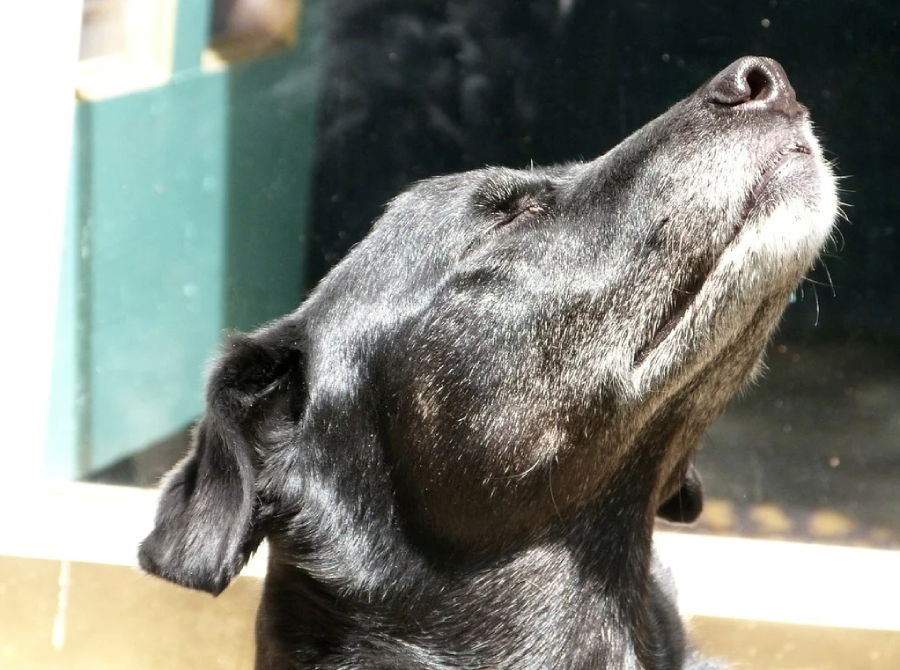
While we use clocks and watches, dogs use their incredible sense of smell to track the passage of time throughout the entire day. They can detect the diminishing scent of their owners as the hours pass, allowing them to predict exactly when you’ll be walking through the front door. They also sense the movement of air and how scents settle in a room, giving them a chronological map of the day’s events. It is a level of sensory perception that makes our human five senses seem almost primitive by comparison.
4. The healing power of a purr
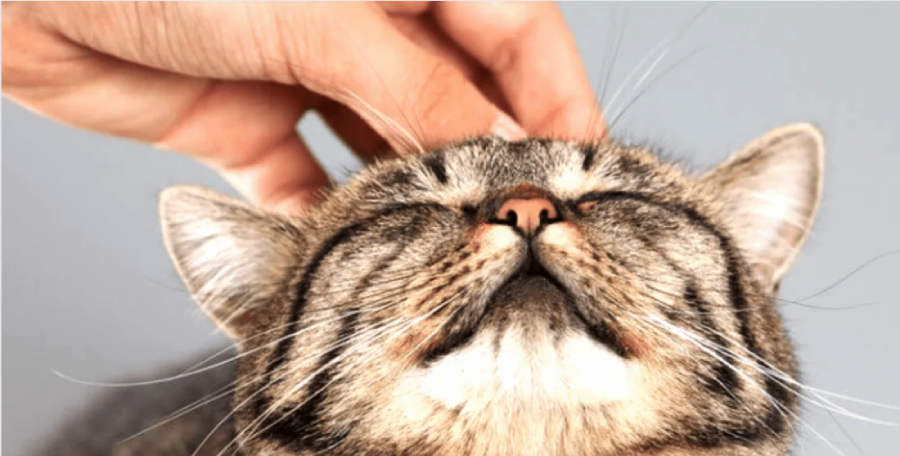
A cat’s purr isn’t just a sign of happiness; it’s a biological survival tool with a frequency between 25 and 150 Hertz. This specific frequency has been shown to improve bone density and promote the healing of tendons and muscles in the feline body. This might be the secret reason why cats often purr when they are injured or stressed: they are literally vibrating themselves back to health. It’s a built-in medical repair kit that helps them maintain their legendary status of having nine lives.
5. Dogs have a magnetic compass

Scientists have discovered that dogs are sensitive to the Earth’s magnetic field and actually prefer to align themselves along a North-South axis when they go to the bathroom. This internal GPS helps them orient themselves in space and find their way home over long distances. It isn’t just a random habit; it’s a deep-seated biological instinct that connects them to the planet’s core. Next time your dog spins five times before going, they might just be calibrating their internal compass.
Trending on The Scroller

6. Cats are crepuscular hunters

Many people believe cats are nocturnal, but they are actually crepuscular, meaning they are most active during the twilight hours of dawn and dusk. This is an evolutionary trait from their ancestors who hunted prey that also moved during those low-light periods. It explains why your cat decides to have a “zoomie” session right as you are trying to fall asleep or wake up. Their eyes are specially designed to capture every bit of fading light to give them a predatory edge.
7. The 250-degree vision of a dog
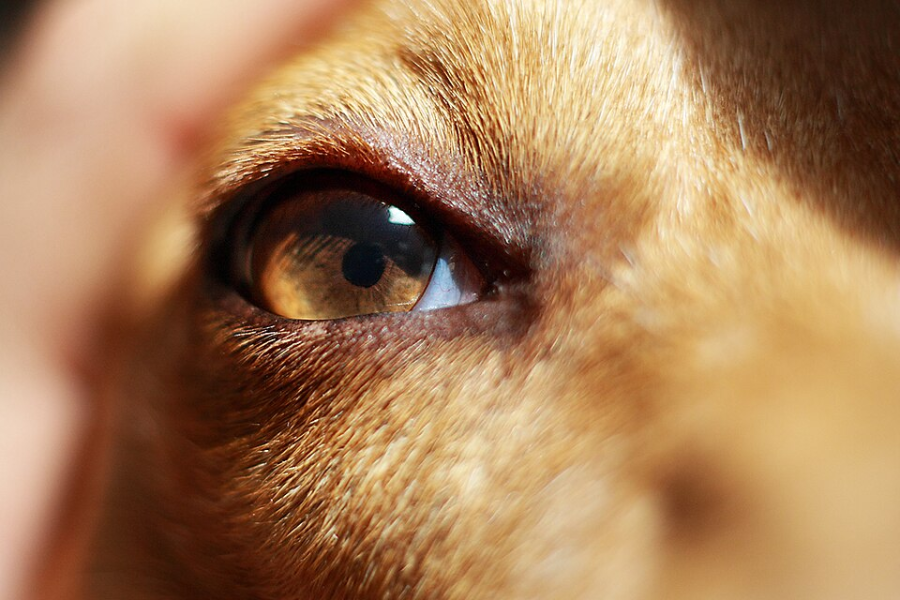
While humans have a field of vision of about 180 degrees, dogs can see up to 250 degrees, depending on the shape of their head. This panoramic view allows them to detect movement in their periphery far better than we can, which is why they notice a squirrel before you even see the tree. However, this wide view comes with a trade-off: they have less depth perception and binocular vision than humans do. It is a visual system built for a hunter who needs to stay aware of everything happening on the horizon.
8. A cat’s right or left paw preference
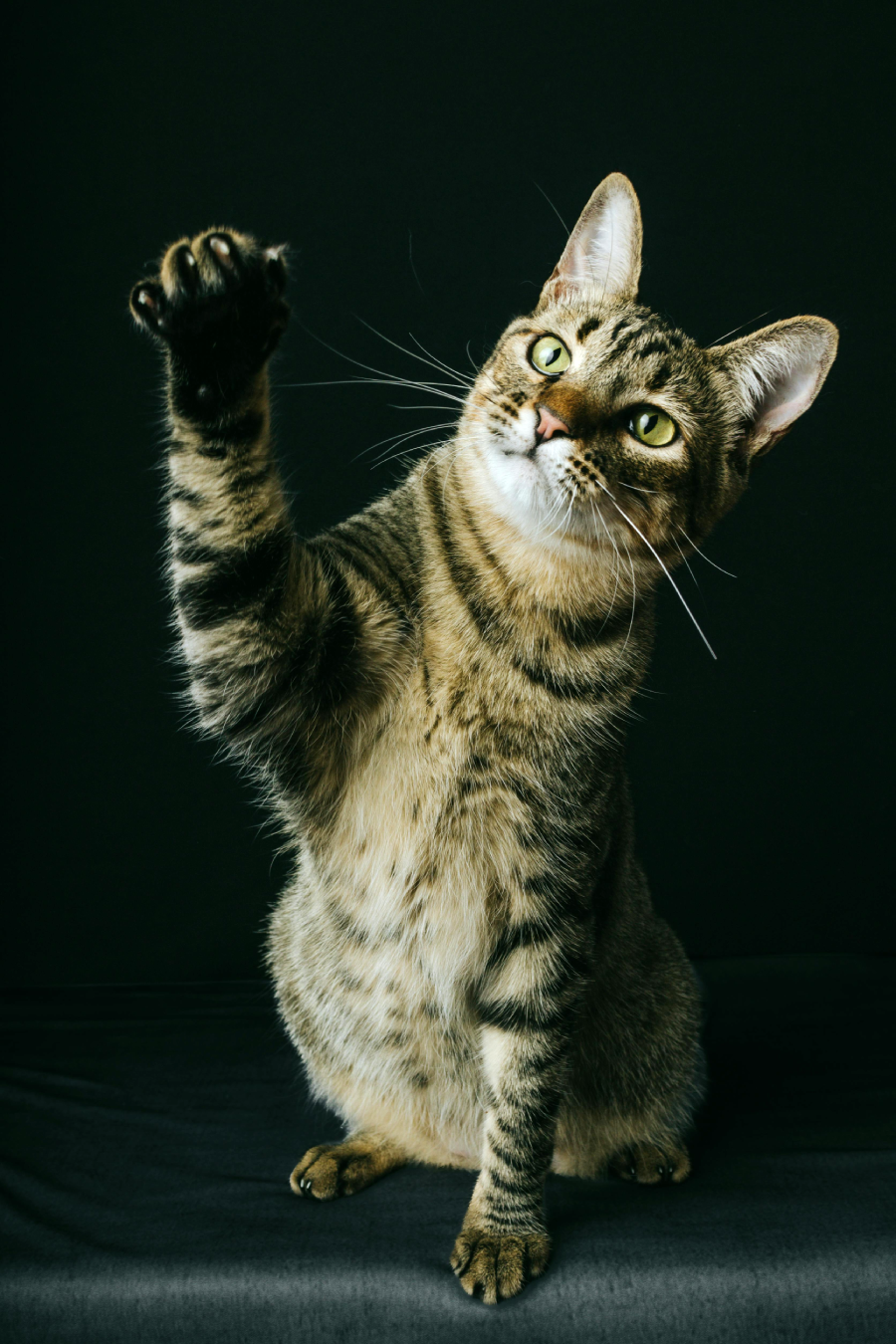
Just like humans are right-handed or left-handed, studies have shown that cats often have a preferred paw for reaching for food or stepping over objects. Interestingly, research suggests that male cats are more likely to be left-pawed, while female cats tend to favor their right paw. You can test this at home by watching which paw your cat uses first to bat at a dangling toy or a treat. It is a fascinating glimpse into how their brain is wired for specific tasks.
Sign up for our newsletter
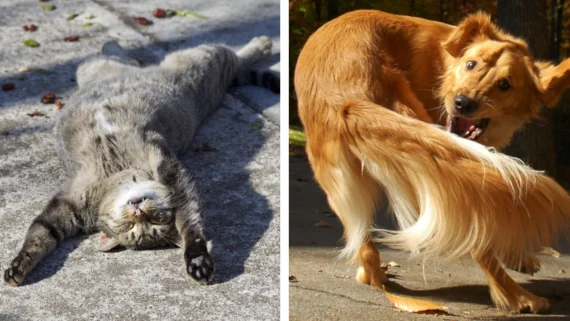
9. Why do dogs spin before sleeping
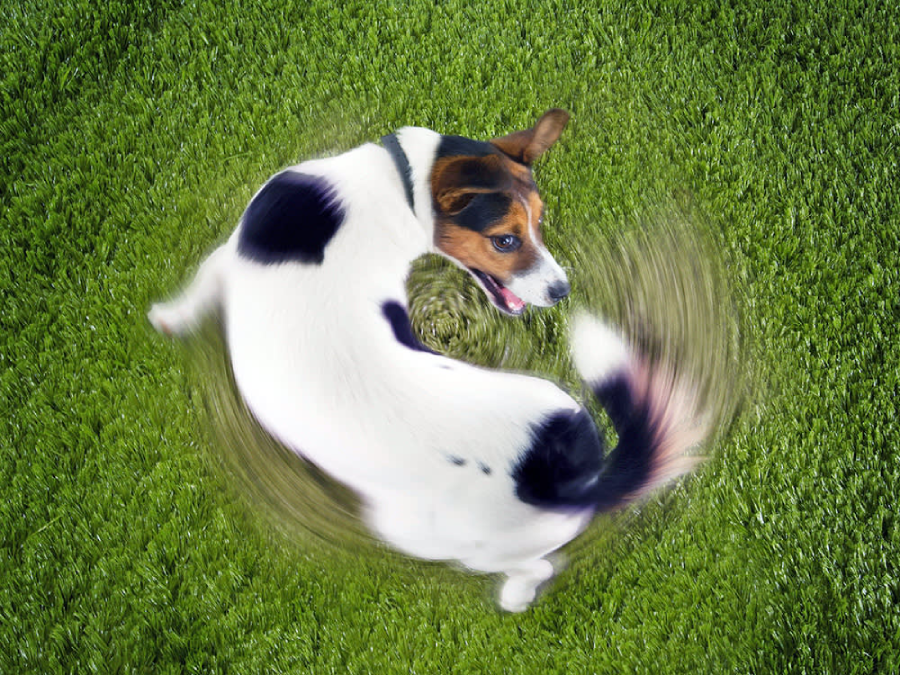
This ritualistic spinning is a prehistoric nesting instinct passed down from their wild ancestors who slept outdoors. By walking in circles, wild dogs would trample down tall grass and brush to create a flat, comfortable surface for the night. This action also served to scare away any snakes or large insects that might be hiding in the undergrowth. Even though your dog is sleeping on a plush rug, they are still checking their campsite for safety.
10. The secret third eyelid
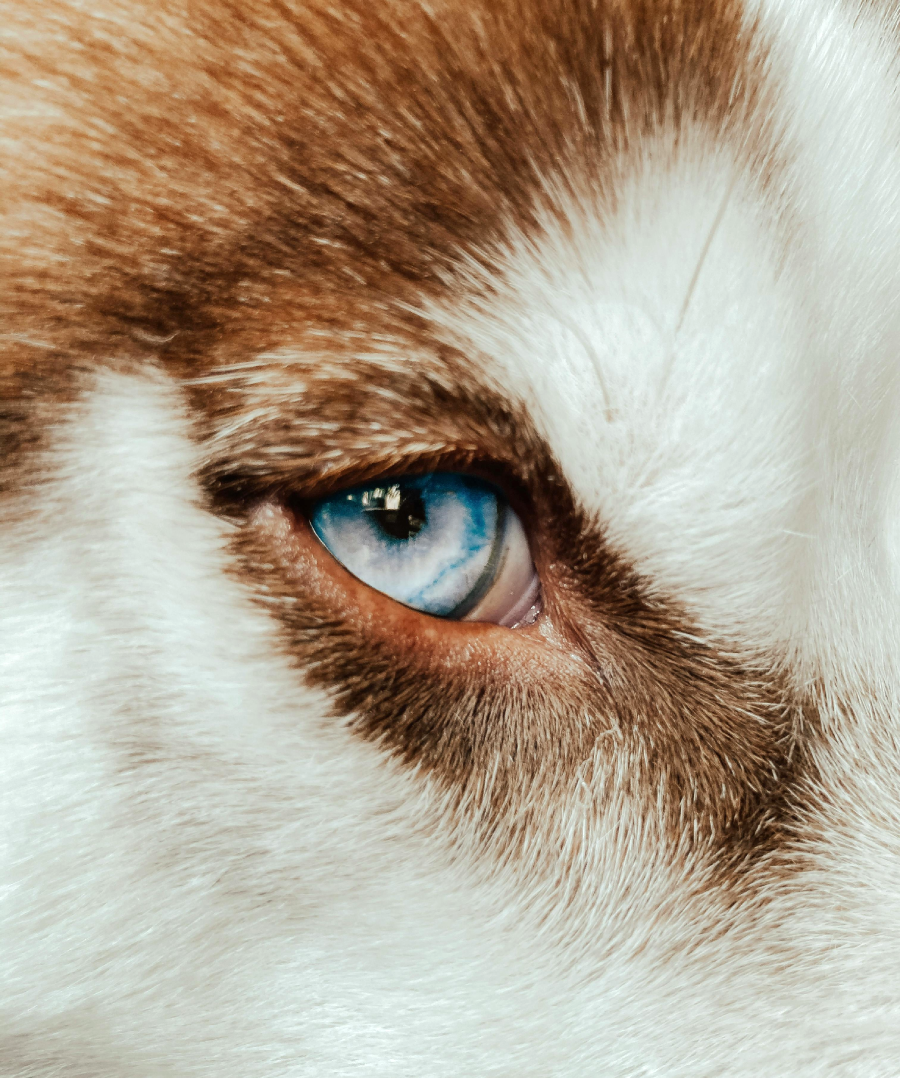
If you’ve ever seen a pale film slide across your pet’s eye while they are sleepy, you’ve seen the nictitating membrane, also known as the third eyelid. This extra layer of protection helps keep the eyeball moist and clears away debris like dust or pollen. It functions like a windshield wiper for the eye, providing an extra shield during hunts or while moving through tall grass. In a healthy pet, it usually remains hidden, only appearing when they are very relaxed or unwell.
11. Cats can’t taste anything sweet
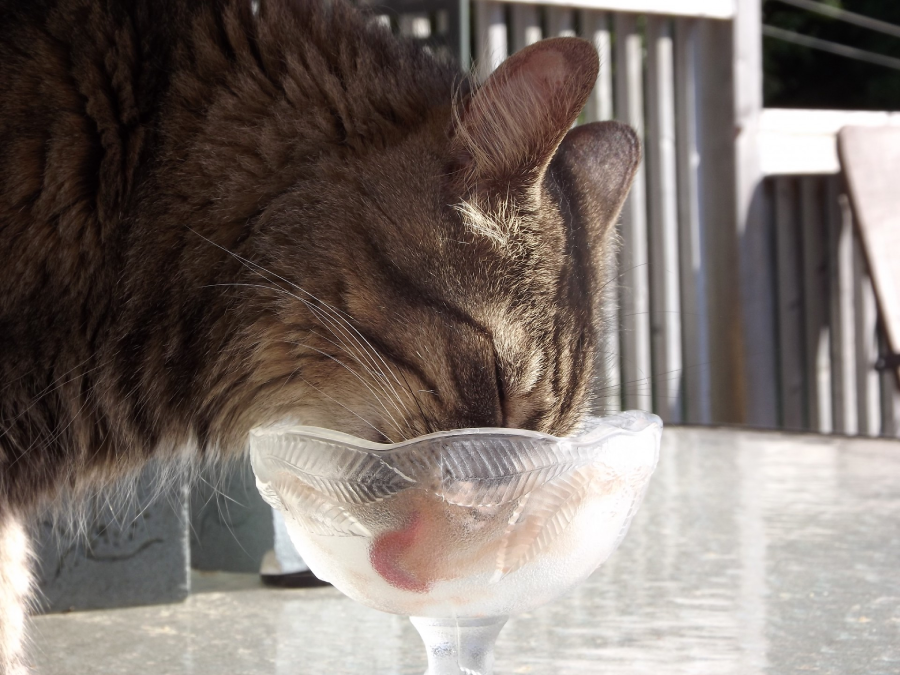
While your dog might beg for a piece of fruit, your cat is biologically incapable of tasting sugar or anything sweet. Scientists have found that cats lack the specific taste bud receptor needed to detect sweet molecules in food. This is likely because their diet is almost exclusively protein-based, so they never evolved a need to seek out sugary calories. They are one of the only mammals in the world with this specific taste-blindness.
12. The power of the wet nose

A dog’s nose isn’t just cold and wet for no reason; that layer of mucus actually helps them catch scent particles from the air. When a dog licks its nose, it is actually sampling those captured chemicals and bringing them to a specialized scent organ in the roof of its mouth. This moisture also helps them determine which direction the wind is blowing, allowing them to track a smell more effectively. It is a high-tech sensory tool that works best when it stays properly hydrated.
13. Dogs have a sense of fairness
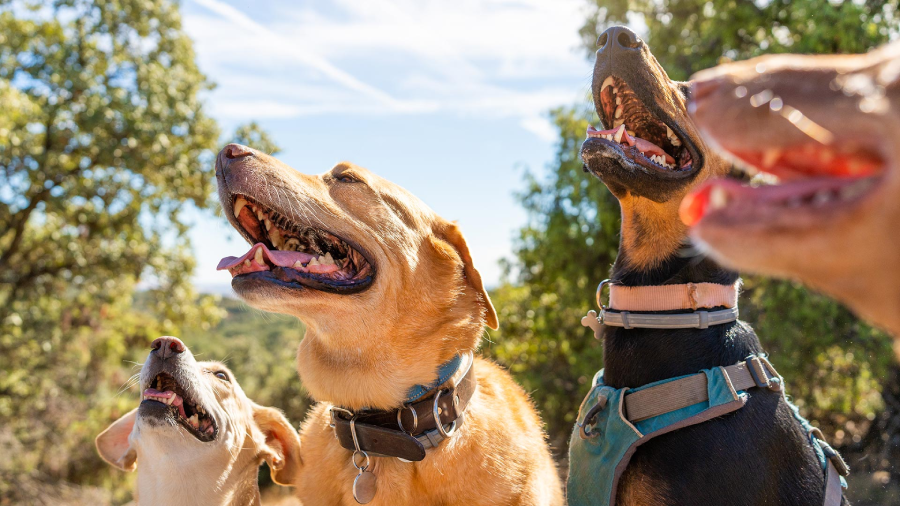
Research has shown that dogs can actually feel a sense of envy or unfairness if they see another dog getting a better reward for the same task. In experiments where one dog received a treat for a trick and the other didn’t, the unrewarded dog eventually stopped participating and showed signs of stress. This proves that their social intelligence is much higher than we previously thought. They aren’t just looking for food; they are looking for social equity within their pack.
14. Cats have 32 muscles in each ear
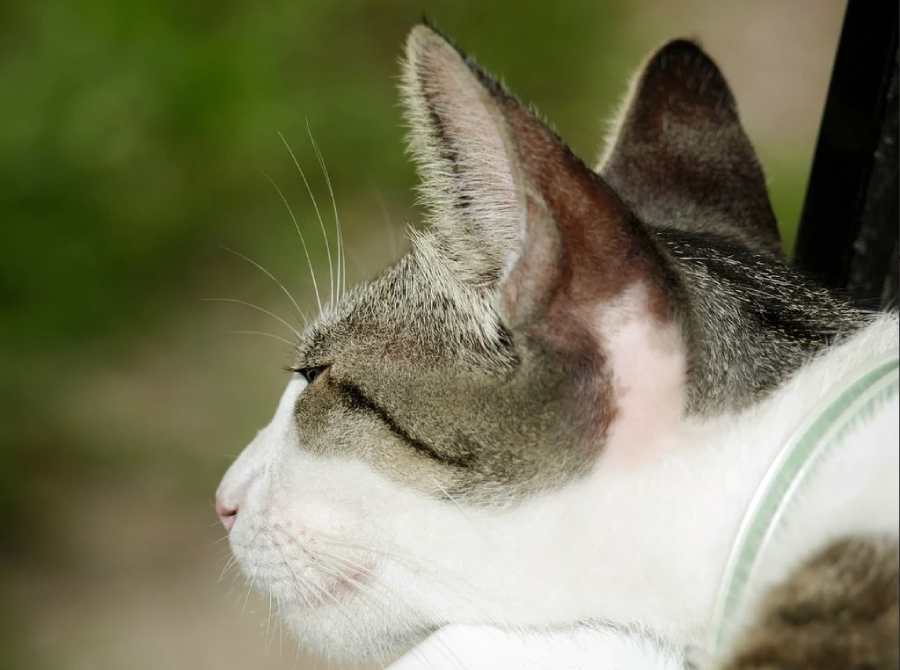
A cat’s ears are like two high-powered satellite dishes that can rotate 180 degrees independently of each other. With 32 individual muscles in each ear, they can pinpoint the exact source of a sound (like a mouse rustling in the grass) with incredible precision. This is why their ears often twitch and turn toward a noise before their head even moves. It is a sophisticated sonar system that allows them to hear frequencies much higher than a human or even a dog can.
15. The dreaming twitch
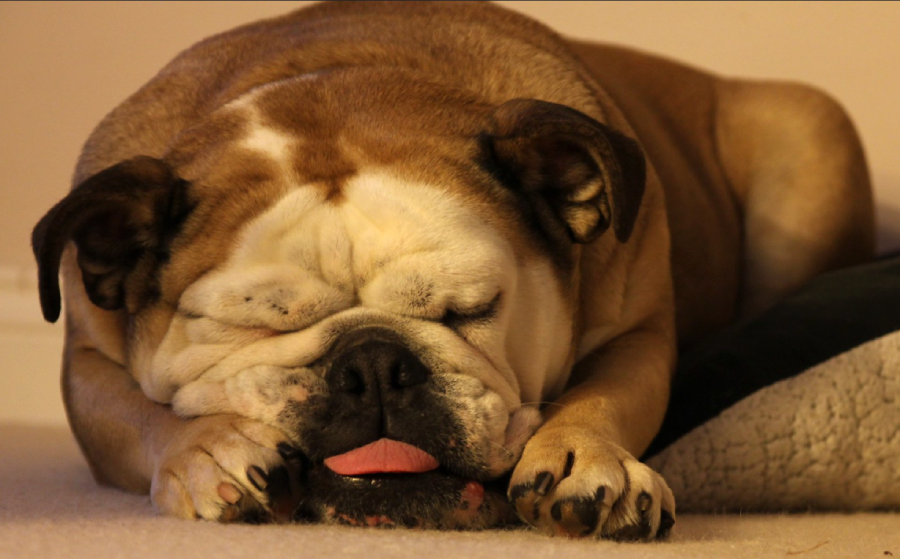
If you see your dog’s paws moving or hear them woofing in their sleep, they are likely in the REM (Rapid Eye Movement) stage of sleep. Science suggests that dogs’ brains process the day’s events while they sleep, meaning they are likely reliving their favorite walks or games of fetch. Interestingly, smaller dogs tend to have more frequent, shorter dreams than larger breeds. It is a sign of a healthy, active brain that is busy organizing memories while the body rests.
16. Why cats knead
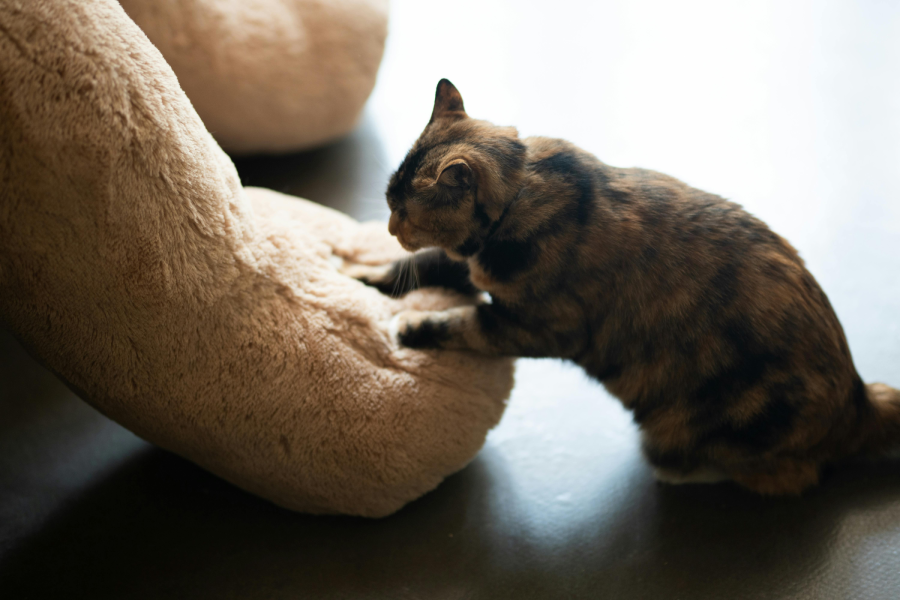
When a cat rhythmically pushes their paws against a soft surface, they are reverting to a behavior from their days as a kitten. Nursing kittens knead their mothers to stimulate milk flow, and as adults, they continue this happy habit when they feel safe and content. It is a sign of extreme comfort and affection toward whoever (or whatever) they are kneading. They are essentially telling you that they feel as safe with you as they did with their mother.
17. Dogs detect emotions via hormones
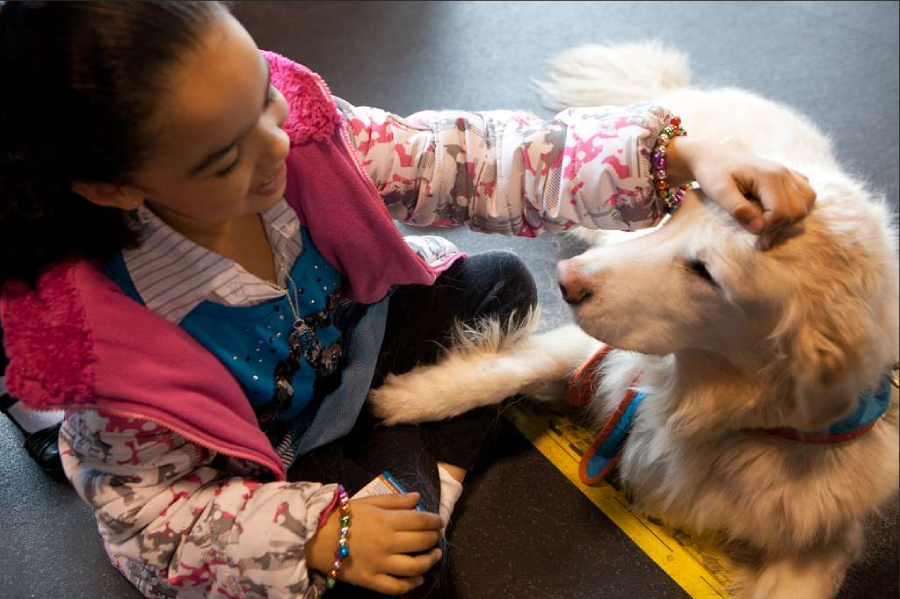
Dogs don’t just read your facial expressions; they can actually smell the hormonal changes that happen when you are stressed, sad, or happy. When humans feel fear, we release adrenaline and cortisol, which a dog’s sensitive nose can pick up instantly. This is why your dog might come to comfort you before you’ve even realized you’re upset. They are literally tuning in to your internal chemical state to stay in sync with your emotions.
18. Cats spend 70% of their lives sleeping
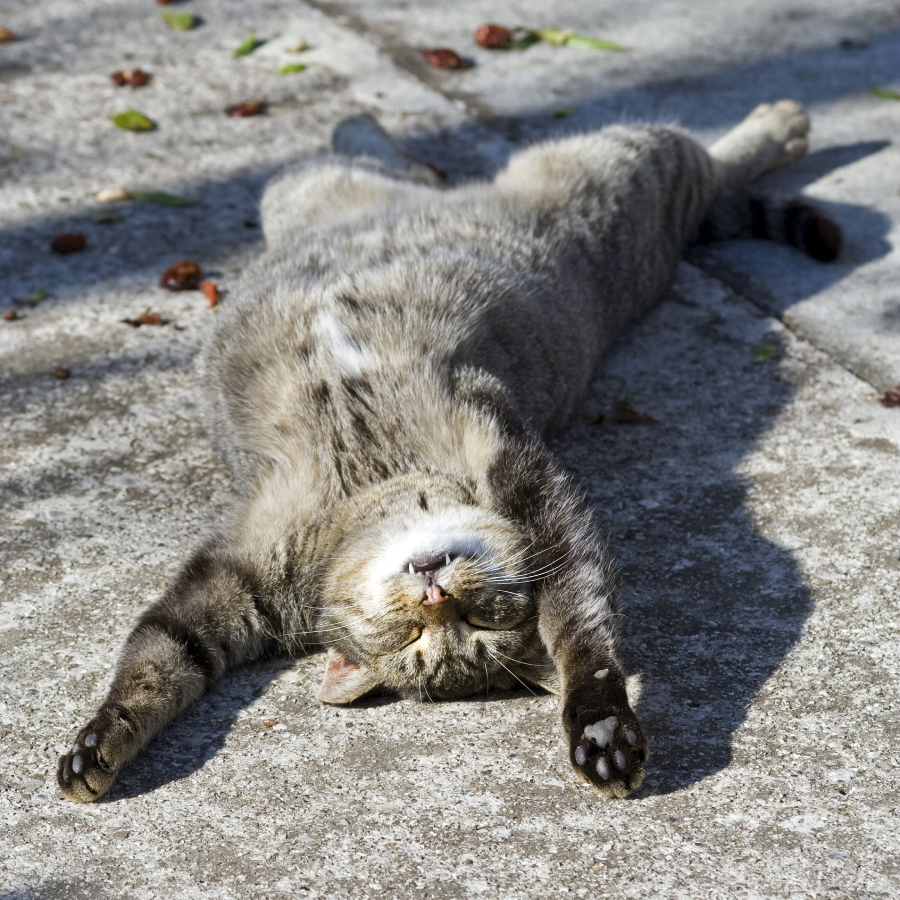
While it might seem like your cat is just being lazy, their intense sleep schedule is actually a predatory energy-saving tactic. In the wild, hunting requires massive bursts of speed and energy, so cats spend the rest of their time recharging their batteries. This means a nine-year-old cat has only really been awake for about three years of its life. They are built for short sprints of action followed by a very, very long recovery period.
19. The tail language decoder
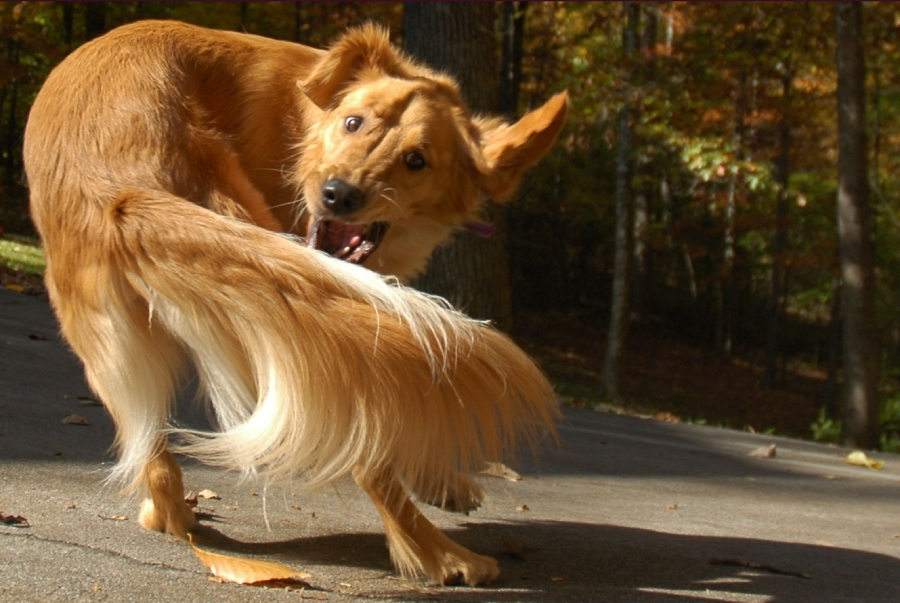
Most people think a wagging tail always means a happy dog, but the direction and speed of the wag tell a much deeper story. A wag that leans more to the right usually indicates positive feelings, while a wag to the left can signal anxiety or caution. A slow, stiff wag is often a sign of a dog that is feeling on guard and processing a potential threat. Understanding these subtle cues can help you communicate much better with your furry friend.
20. Dogs’ whiskers are radar sensors

A dog’s whiskers are deeply embedded in their skin and are packed with nerves that can detect tiny changes in air currents. These vibrissae act like a radar system, helping them navigate in the dark and determine how close they are to objects. They can even feel the “rebound” of air as they approach a wall, allowing them to sense their surroundings without seeing them. It is an essential tool for low-light movement and protecting their eyes from brushes and branches.
Want more interesting facts?
Exploring the strange science behind our pets reminds us that even after thousands of years of domestication, they still carry the magic of the wild within them. Every weird twitch, stare, and “zoomie” is a window into a complex mind that we are lucky enough to call family. If you enjoyed discovering the secret world of animals and want more funny facts, don’t miss these 20 Animals Caught in the Act Doing Things They Shouldn’t, or 18 Animals That Thought They Were Perfectly Hidden. You can also check out these 20 Pets Who Look Shockingly Similar to Their Owners.