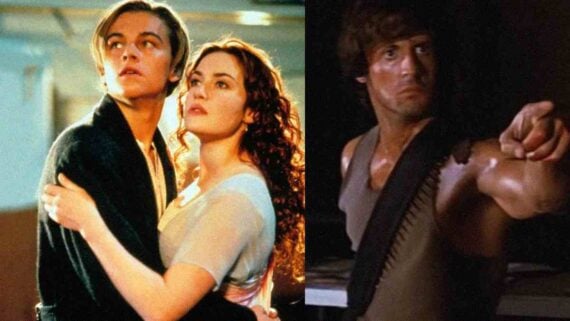
Movie endings have always been one of the most important parts of any film. At this point, we can all agree that movies are incredible. Over the years, the way we watch them has changed, going to the cinema, renting films, or, for newer generations, streaming them on platforms like Netflix. No matter how we watch them, movies continue to impact us just like they did when they were first created. What makes them so fascinating is how something that seems unimportant in the first few minutes can become the most crucial detail by the end.
While filmmakers usually plan everything in advance, especially the script, there are times when they aren’t completely sure about the ending. Because of that, they often shoot multiple versions or even decide to change it at the very last minute. Believe it or not, movie endings are one of the most decisive elements of a film. They shape how the audience feels and often determine whether people truly liked the movie or not. It’s the final impression, the moment that stays with you. So get ready to discover some major films that had their endings changed and find out why those decisions were made.
1. Titanic
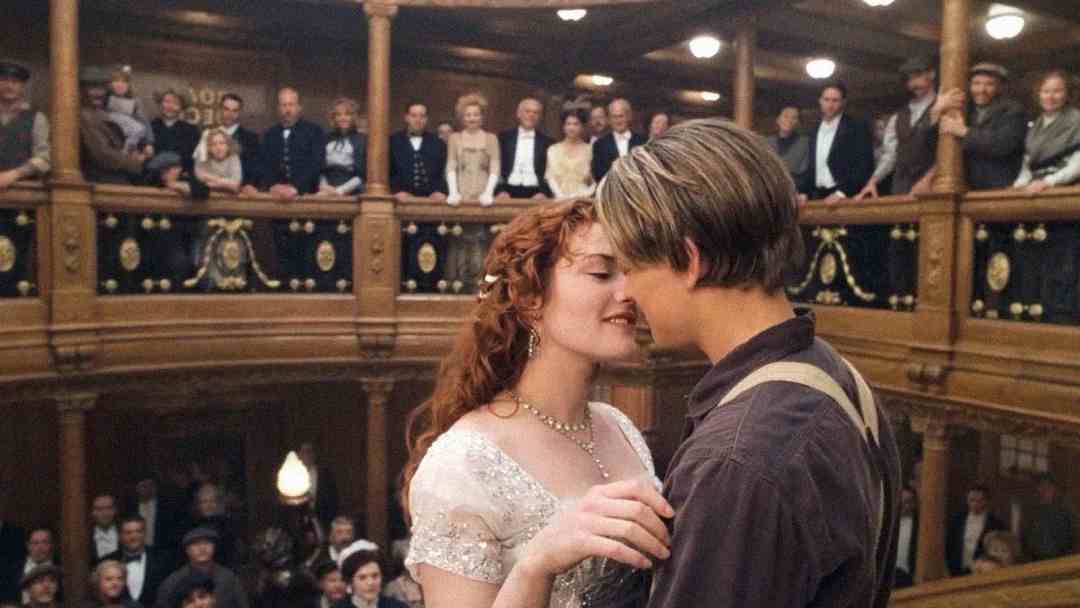
We start this list with a true classic. Originally, the ending featured a more elaborate present-day scene with Rose and the crew reacting to the necklace before she drops it into the ocean. There’s even footage of that deleted scene. The final version was simplified to focus on emotion rather than dialogue, making the moment feel more intimate and powerful. Definitely a good call.
2. I Am Legend
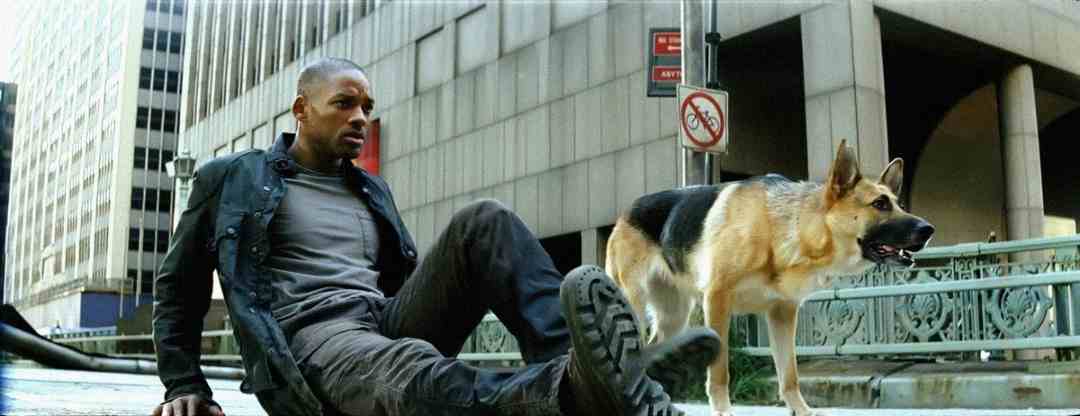
The theatrical ending shows Neville sacrificing himself, but an alternate version reveals the creatures weren’t mindless monsters. Test audiences, something most films rely on before release, preferred a clearer, more heroic conclusion, so the studio went with a more traditional ending.
3. Pretty Woman
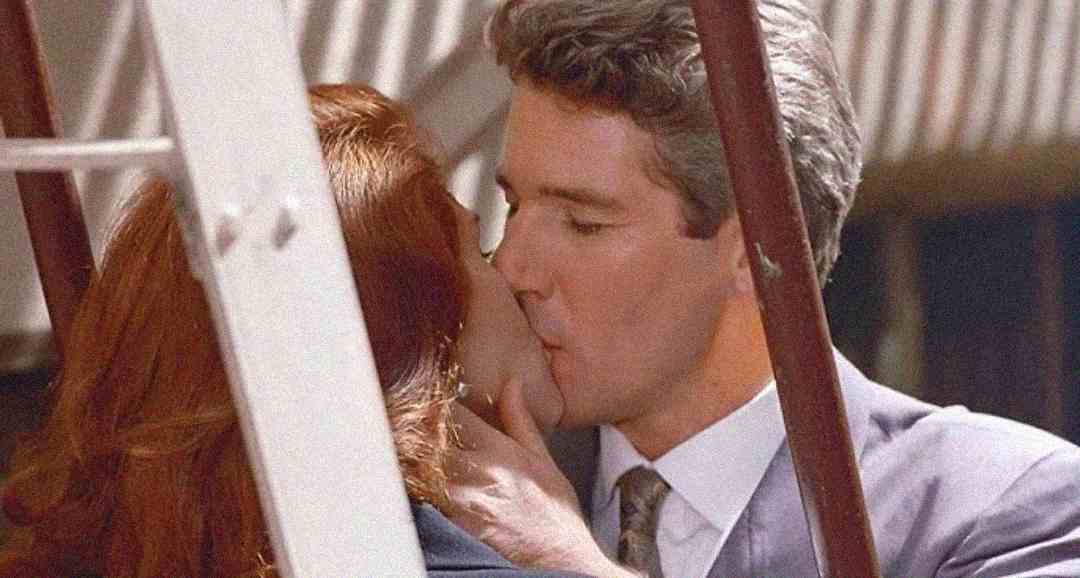
Early scripts had a much darker ending where Vivian and Edward simply part ways, without any fairy-tale resolution. The studio pushed for a more romantic conclusion, ultimately turning the film into the iconic love story audiences know today.
4. Blade Runner
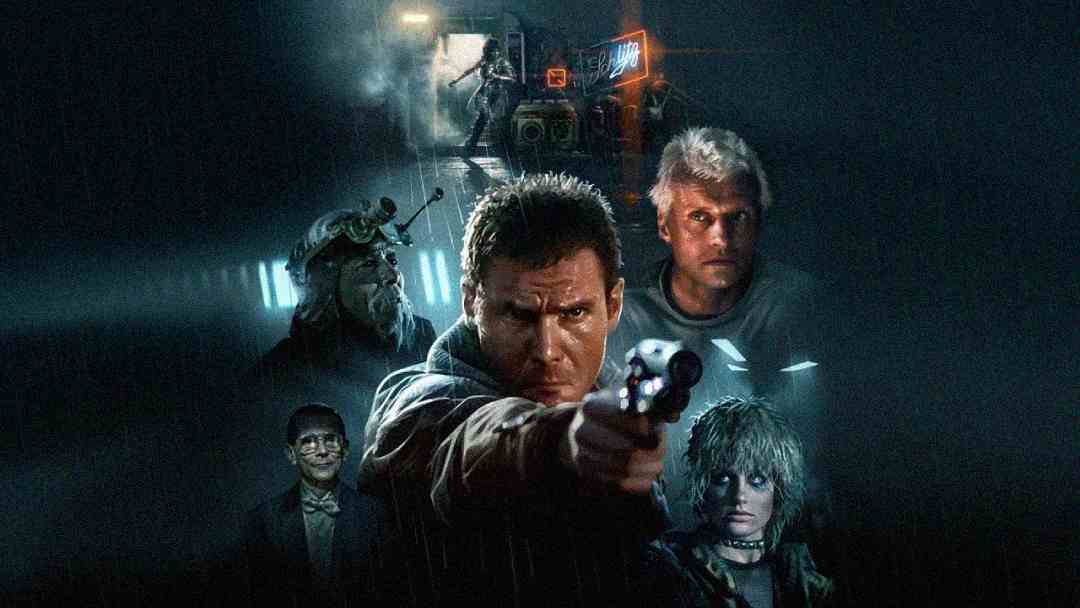
The original cut ended on a more ambiguous and bleak note, but the studio added a voice-over and a hopeful escape sequence. This change was meant to make the story more accessible, even if it slightly softened its original tone.
5. The Butterfly Effect
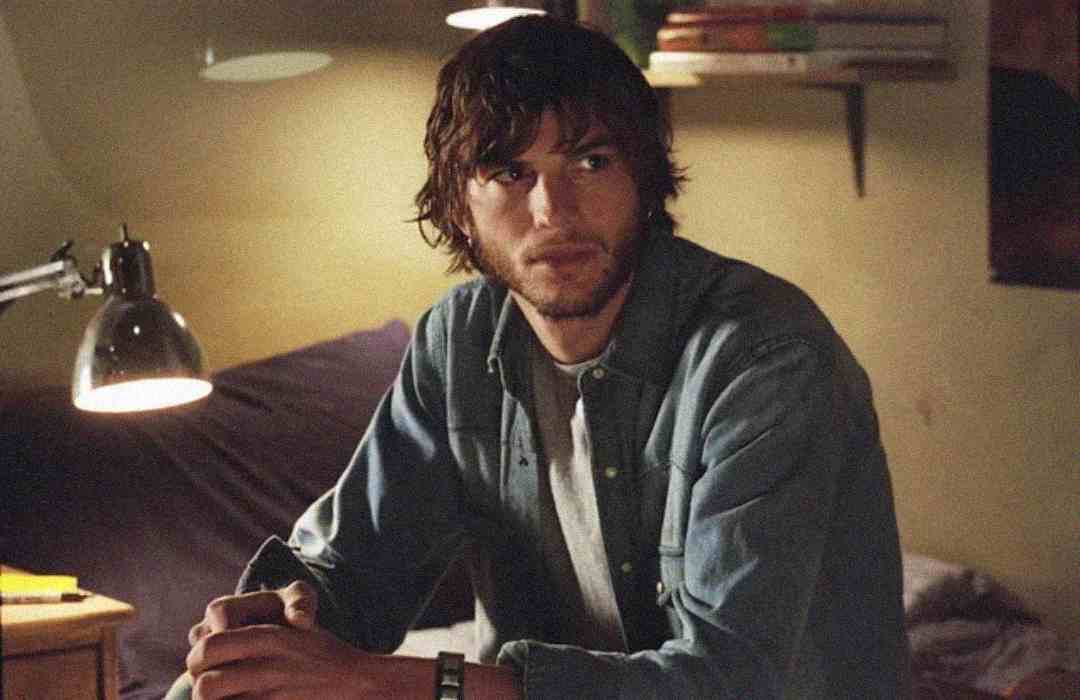
The film originally had a much darker ending, where the main character makes an extreme decision to prevent future suffering. It was replaced with a more bittersweet version that tested better with audiences. If you’ve seen the movie, you’ll probably agree that the original ending might have been too much.
Trending on The Scroller
6. Fatal Attraction
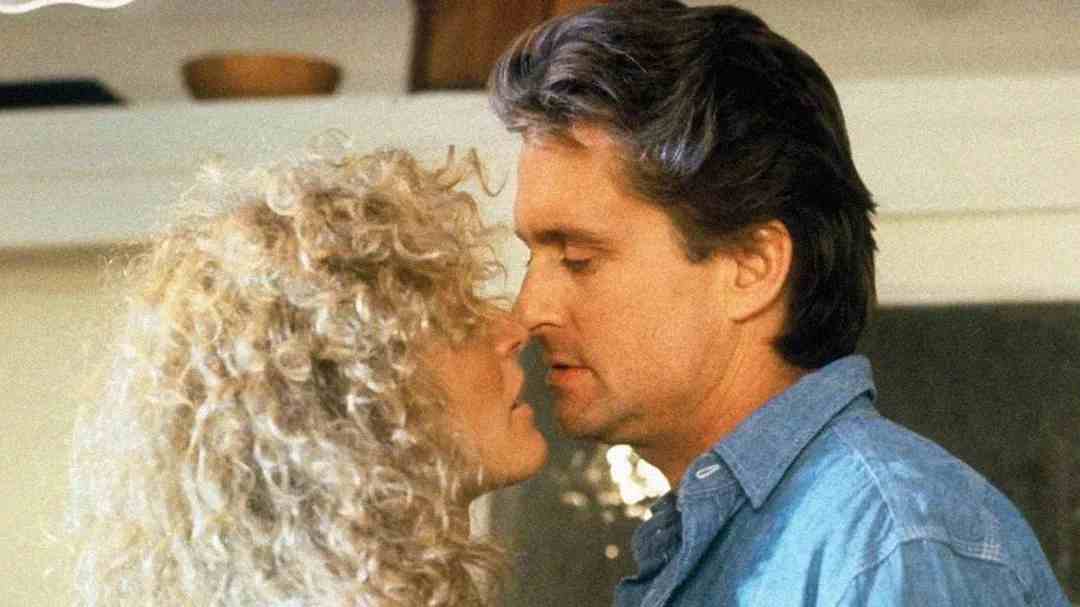
The initial ending involved a courtroom confession, shifting the story toward drama. It was later changed to a far more intense final confrontation, increasing the suspense and delivering a stronger emotional payoff.
7. Get Out
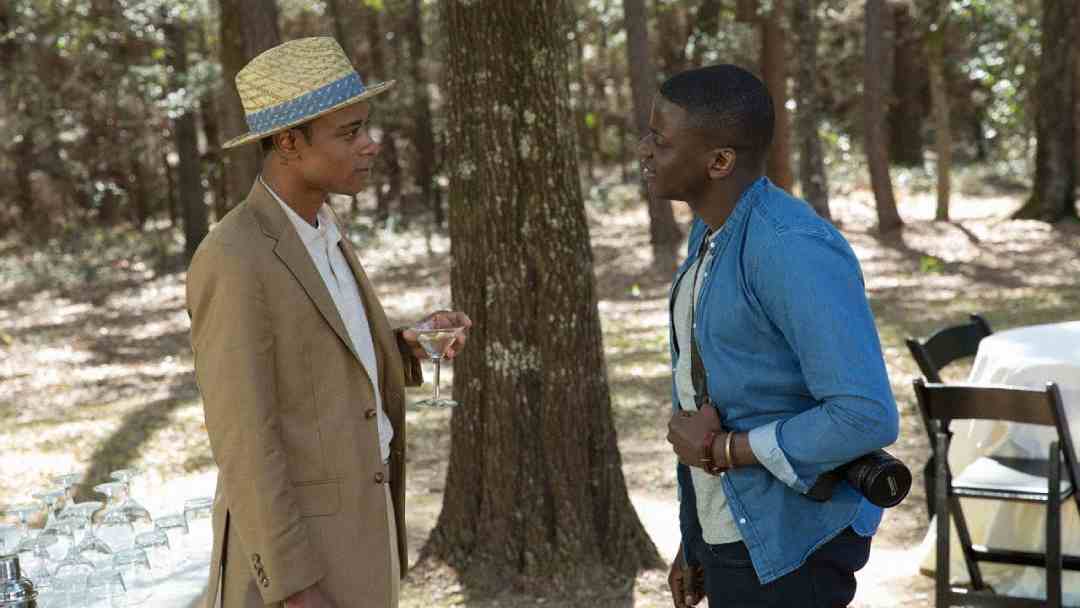
The original ending included a darker twist involving law enforcement, reflecting real-world fears. It was changed to a more satisfying resolution, giving audiences a sense of relief after an already very tense film.
8. Clue
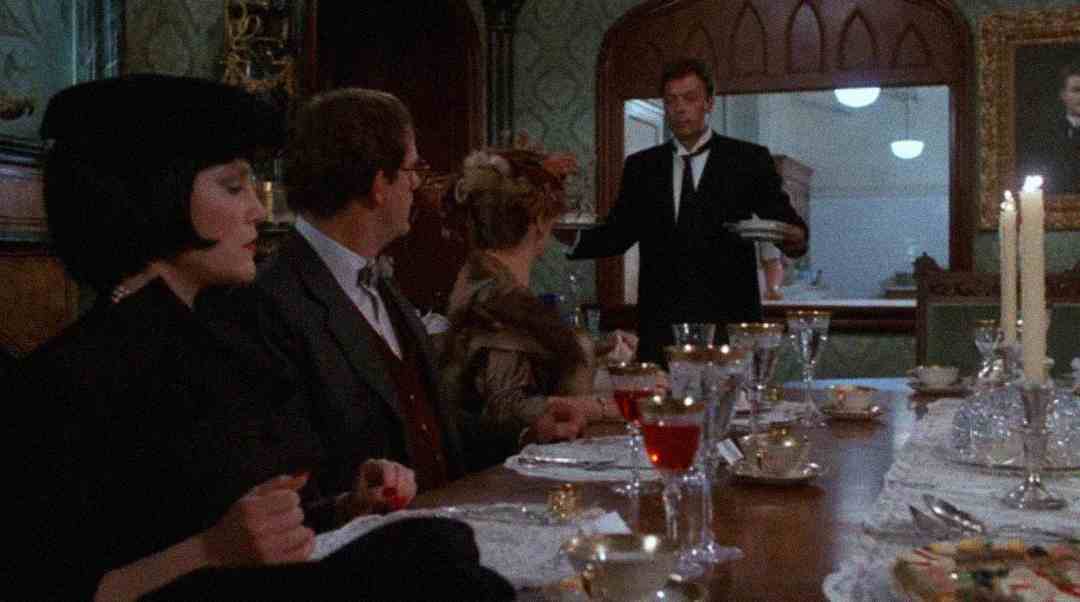
Instead of one definitive ending, the film famously released with multiple alternate conclusions. This creative decision turned a limitation into a standout feature, making it a perfect fit for this list, few movies can say their ending literally changes.
Sign up for our newsletter
9. The Descent
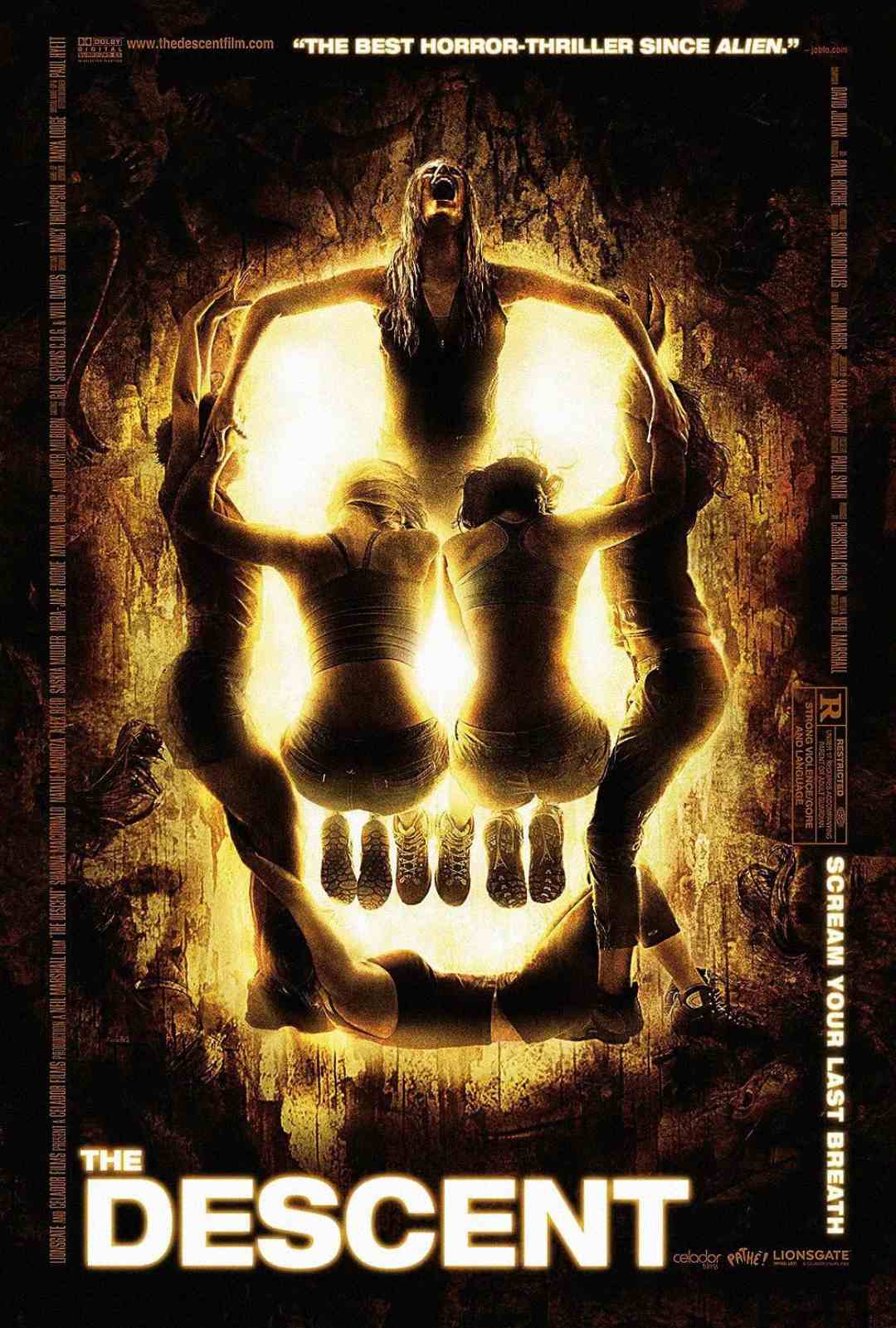
The UK version ends on a far more tragic and unsettling note, while the US release softens the conclusion. The change highlights the power of localization and how different audiences respond to different tones.
10. Scott Pilgrim vs. the World
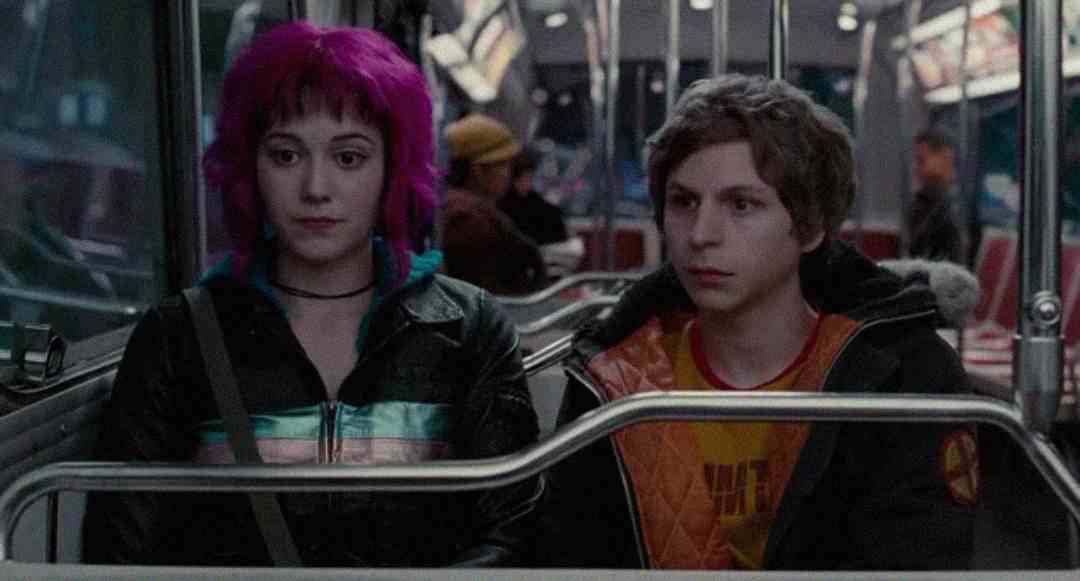
Early versions had Scott ending up with Knives instead of Ramona. After feedback and story adjustments, the filmmakers changed the ending to better reflect his personal growth.
11. Rogue One: A Star Wars Story
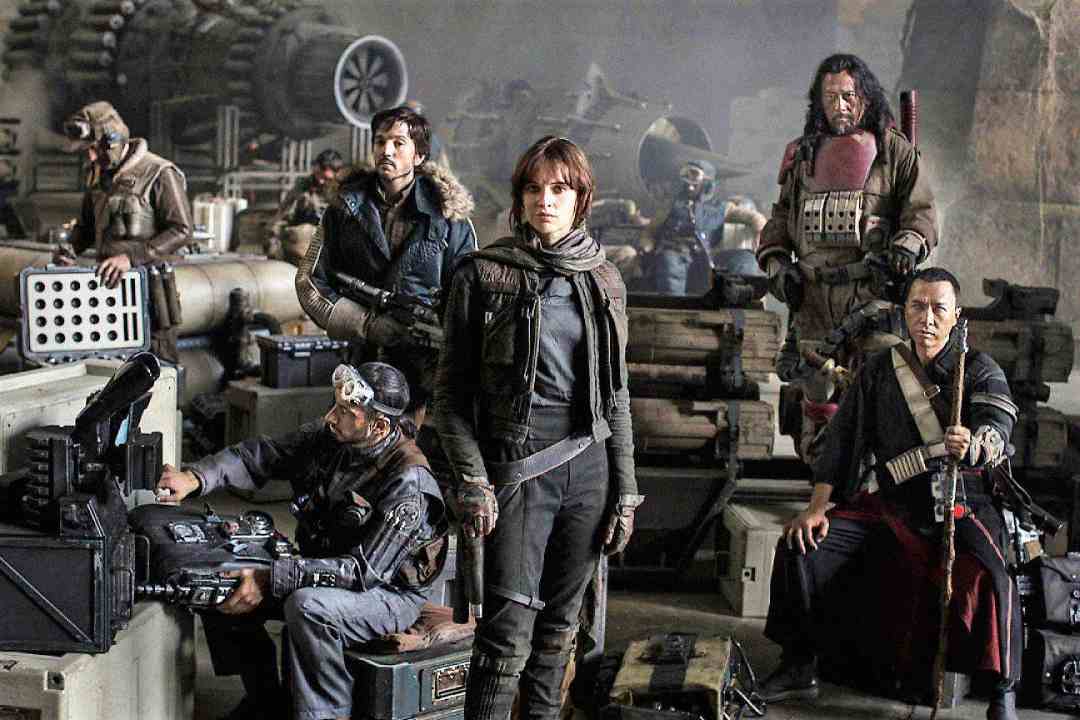
The ending went through major reshoots, significantly altering how the final battle unfolds. These changes helped tighten the narrative and connect more smoothly with the larger Star Wars universe.
12. World War Z
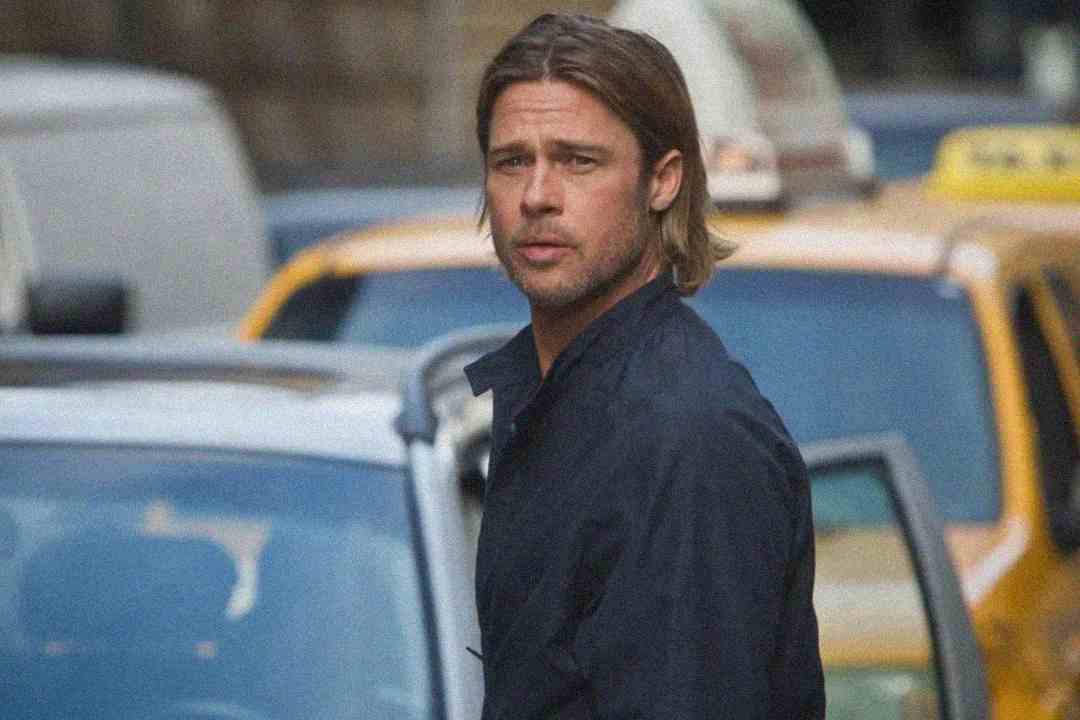
The original third act was completely scrapped and rewritten, shifting from large-scale action to a more suspense-driven conclusion. In the end, this decision improved both the pacing and overall reception.
13. Little Shop of Horrors
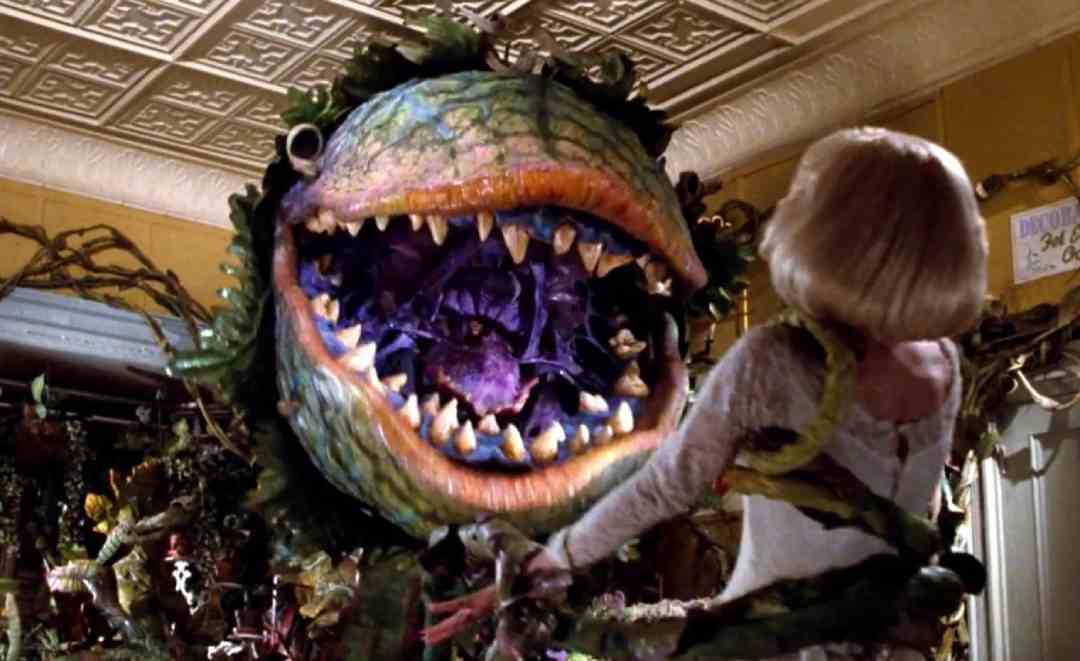
The original ending followed the stage musical, where the plants take over the world. Test audiences rejected the darker outcome, leading to a happier resolution that helped make the film more widely loved.
14. First Blood
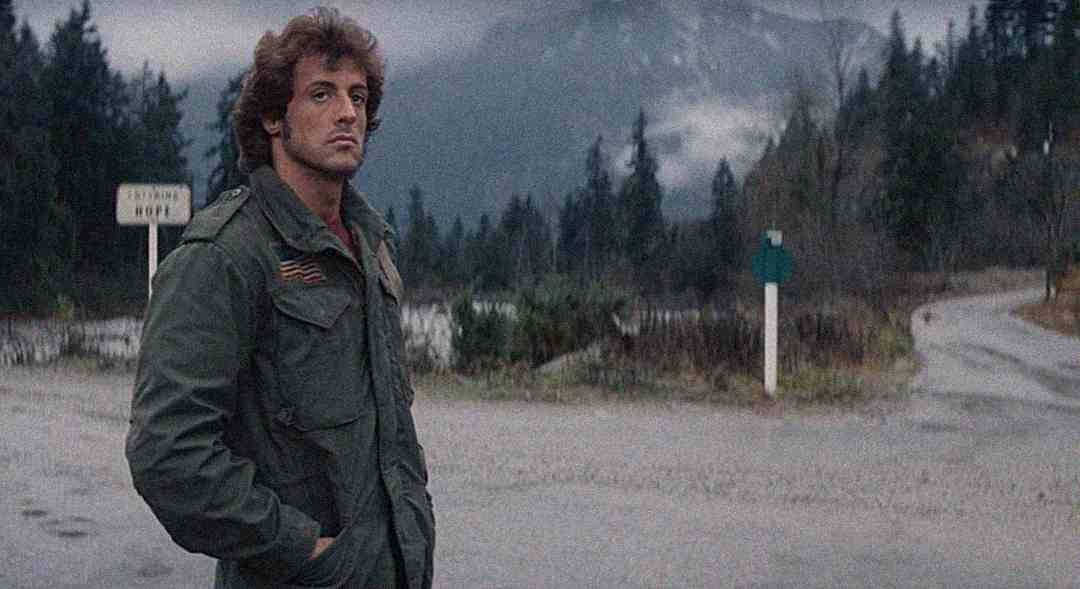
The film was initially meant to end with Rambo dying, staying true to the novel. Instead, the ending was changed to keep him alive, which later allowed for an entire franchise to be built. Definitely a smart move.
15. The Shawshank Redemption
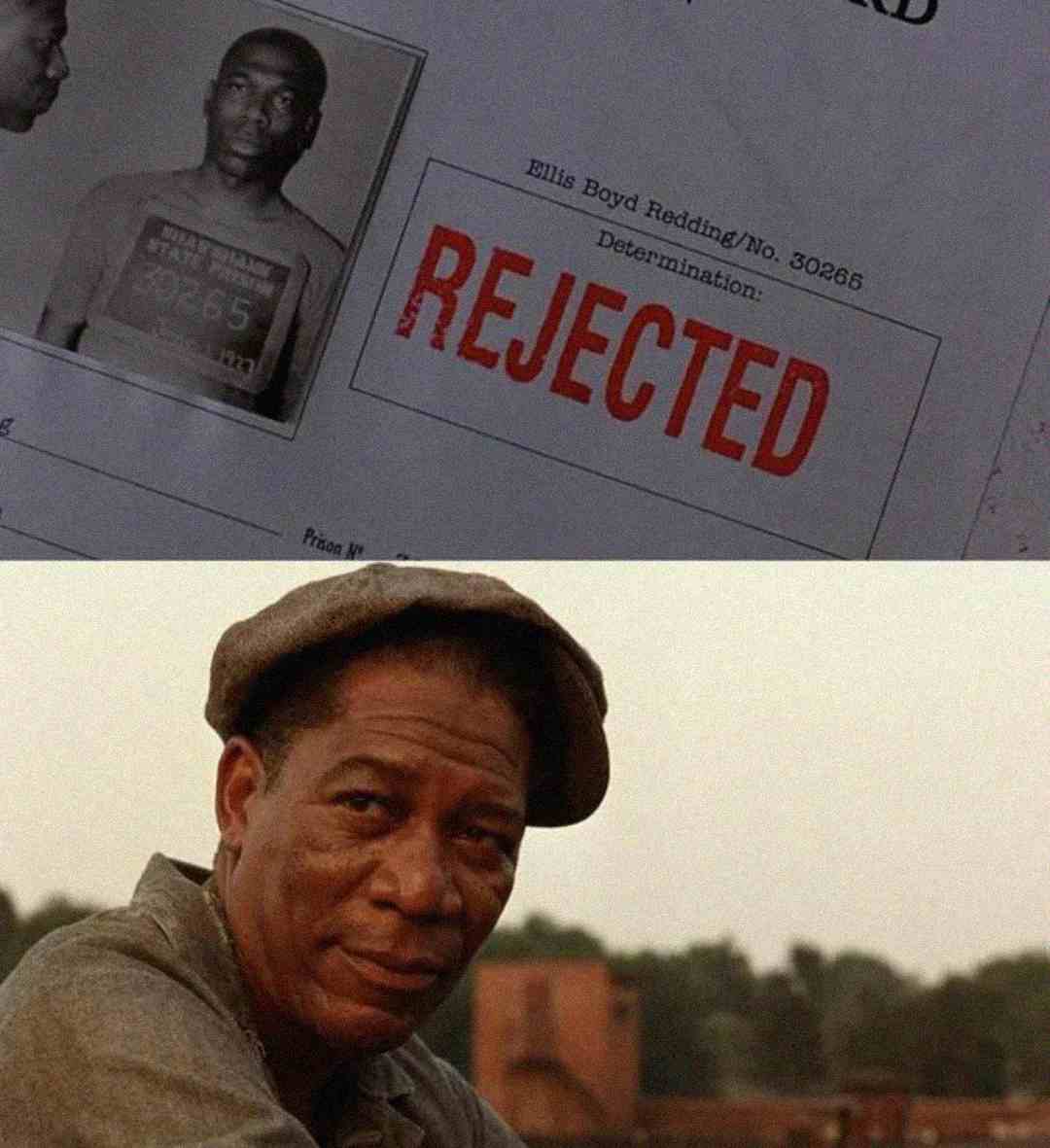
The story originally ended more ambiguously, leaving Red’s journey unresolved. The final reunion scene was added to provide emotional closure and a lasting sense of hope, which became one of the film’s most memorable moments.
Movie endings can completely transform the way we experience a story, keep reading to discover more fascinating content like this.
It’s amazing to think about how different some of these films could have been. Learning that these endings were changed shows just how complex and creative filmmaking really is. In the end, what matters most is the effort filmmakers put into crafting a story that audiences can fully enjoy from beginning to end.
If you liked this article, don’t stop here, explore more of our content. We’ve got plenty of articles you’ll definitely enjoy: 15 Books That Were Adapted Into Movies More Than Once, 18 Blockbuster Movies They Thought Had No Chance, and 15 Famous Movies Where Everything That Could Go Wrong, Did.