The 80s remain one of the most fascinating decades in modern history. We often assume that because it’s part of the past, we already know everything that happened, but the truth is, history is full of hidden layers and untold details still waiting to be explored. In school, we usually learn about the biggest milestones, the most famous events, and the names that made headlines. But what about the quieter moments? The ones that didn’t seem huge at the time, yet ended up changing everything.
The 80s were iconic in every sense. Many people dream of going back or experiencing that era for the first time, and honestly, it’s easy to see why. It was colorful, full of transformation, and packed with unforgettable movies and music. But beneath all that excitement, there were subtle turning points that shaped the future in ways no one fully realized at the time. So dive in with us and discover those quiet changes that helped redefine the world.
1. The Launch of MTV (1981)
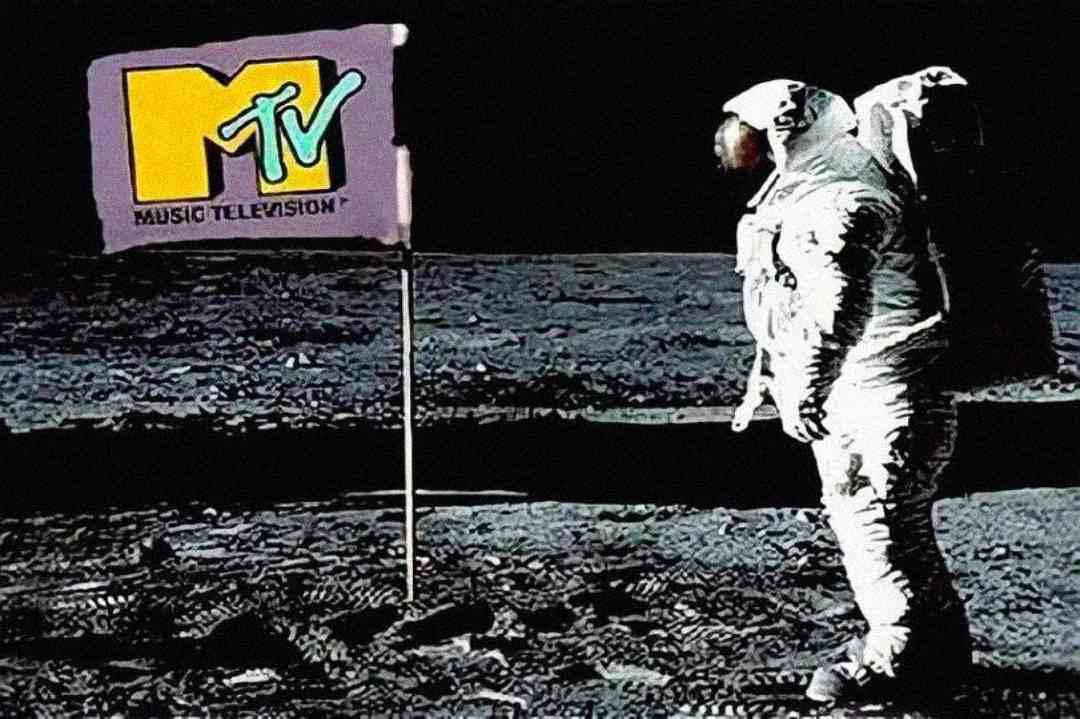
In 1981, MTV went live and completely transformed how people consumed music. What seemed like just another cable channel quickly became a cultural force, introducing music videos as essential storytelling tools. Artists began thinking visually, not just sonically, which reshaped the entire industry. This shift helped launch global stars and made image just as important as sound. MTV’s influence went beyond TV, with iconic Spring Break events that captured the energy of a generation.
2. The Introduction of the IBM Personal Computer (1981)
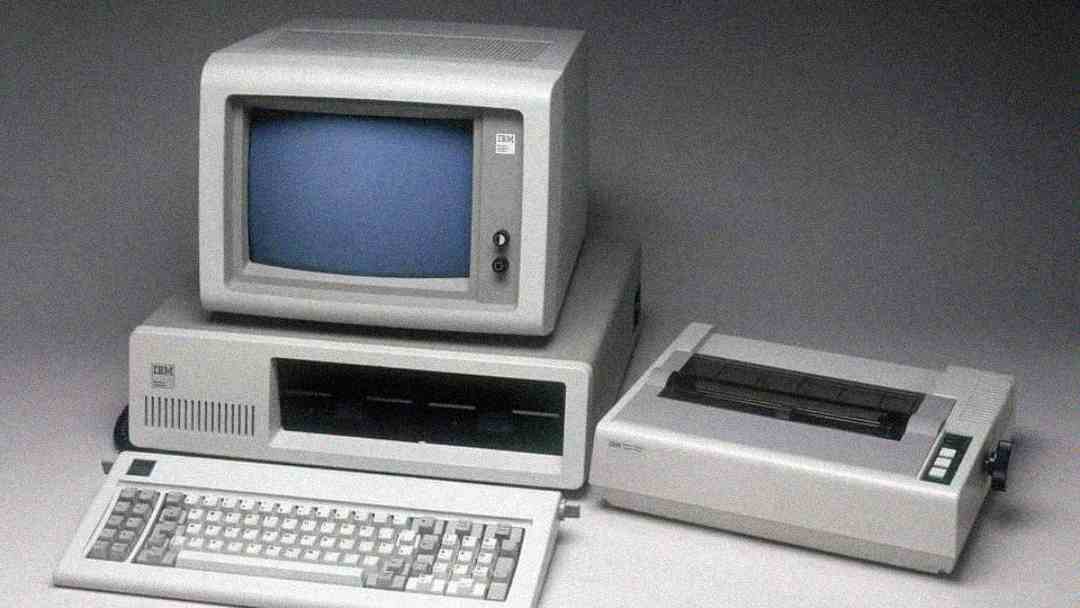
When the IBM Personal Computer debuted in 1981, it marked a major step toward making computers accessible to everyday users. Although it wasn’t the first computer, it standardized the format and opened the door for widespread adoption. Businesses, schools, and eventually homes began integrating computers into daily life, laying the foundation for the digital world we depend on today.
3. The Release of Pac-Man (1980)
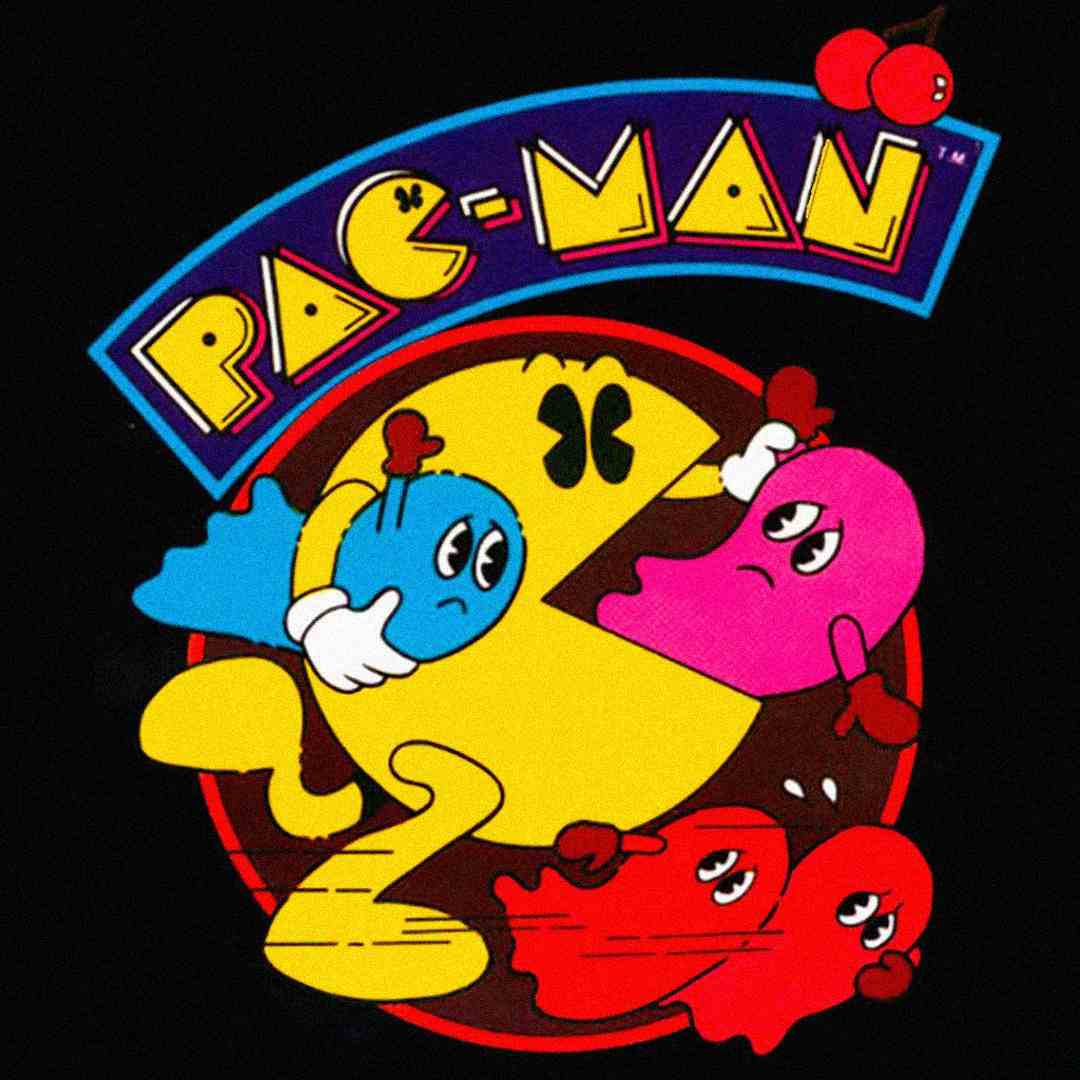
For many, this game defined childhood. The arcade hit Pac-Man became a cultural phenomenon shortly after its release in 1980. Unlike earlier games, it attracted a broader audience, including women and younger players. Its massive success helped legitimize video games as a lasting form of entertainment and played a key role in shaping the global gaming industry.
4. The First Space Shuttle Launch (1981)
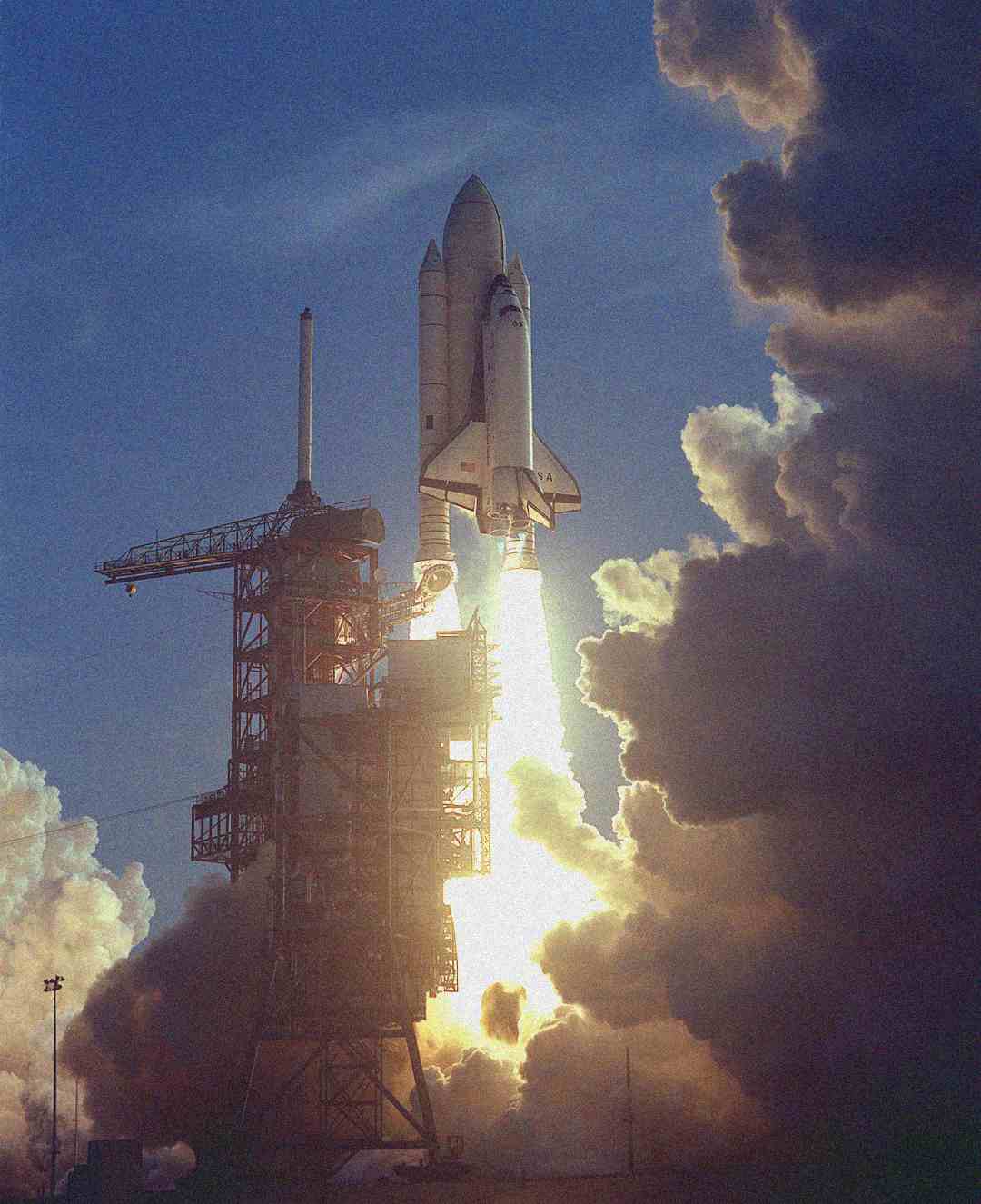
The launch of Space Shuttle Columbia in 1981 marked a new era in space exploration. It introduced reusable spacecraft, making missions more efficient and cost-effective. This breakthrough not only changed how space programs operated but also helped pave the way for future exploration beyond Earth.
5. The Sony Walkman Goes Global
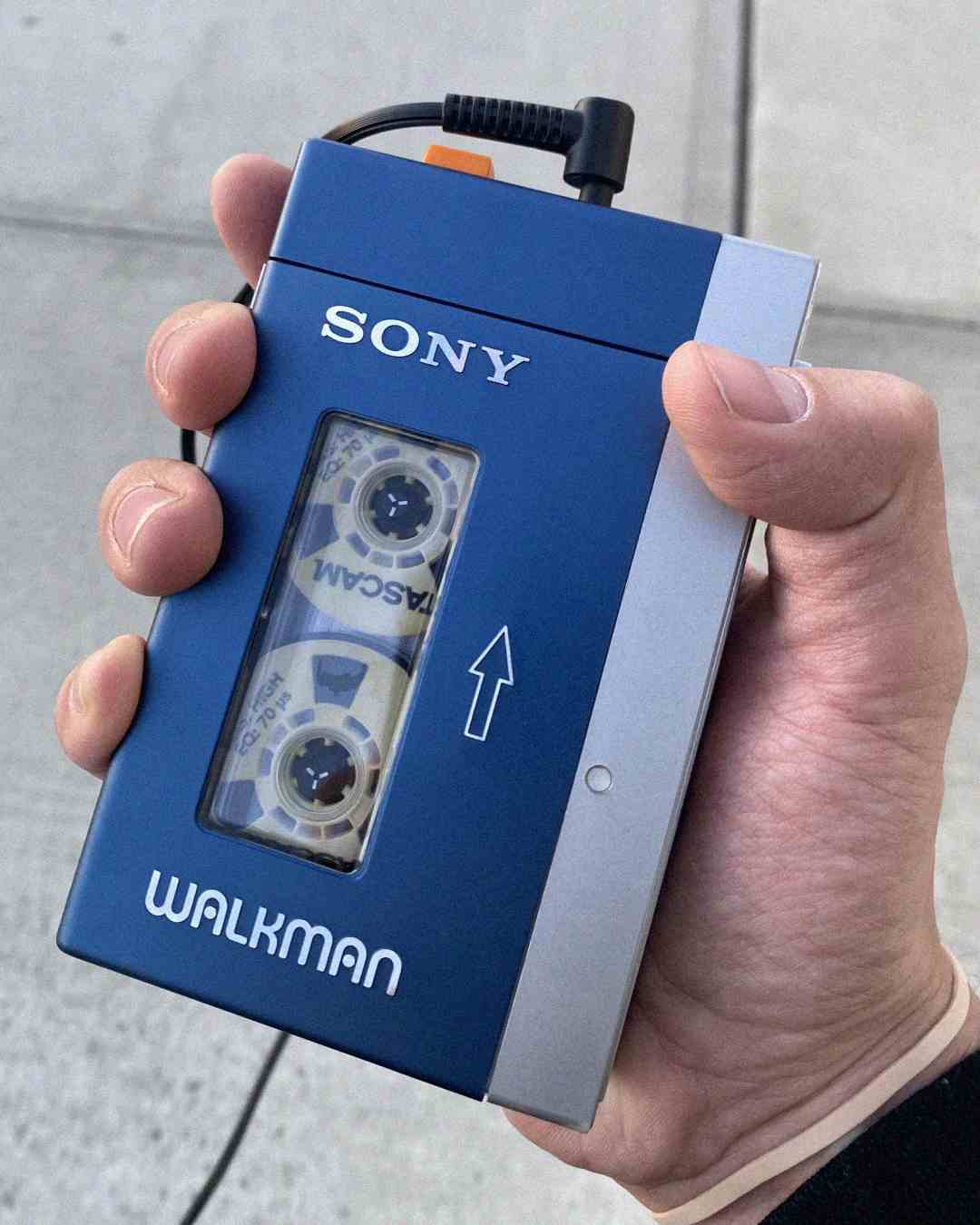
The rise of the Sony Walkman in the early 80s transformed how people experienced music. For the first time, individuals could carry their favorite songs wherever they went, creating a more personal connection to sound. It quickly became a defining symbol of the decade and influenced everything from modern streaming habits to the design of portable devices.
Trending on The Scroller

6. The Birth of Microsoft Windows (1985)
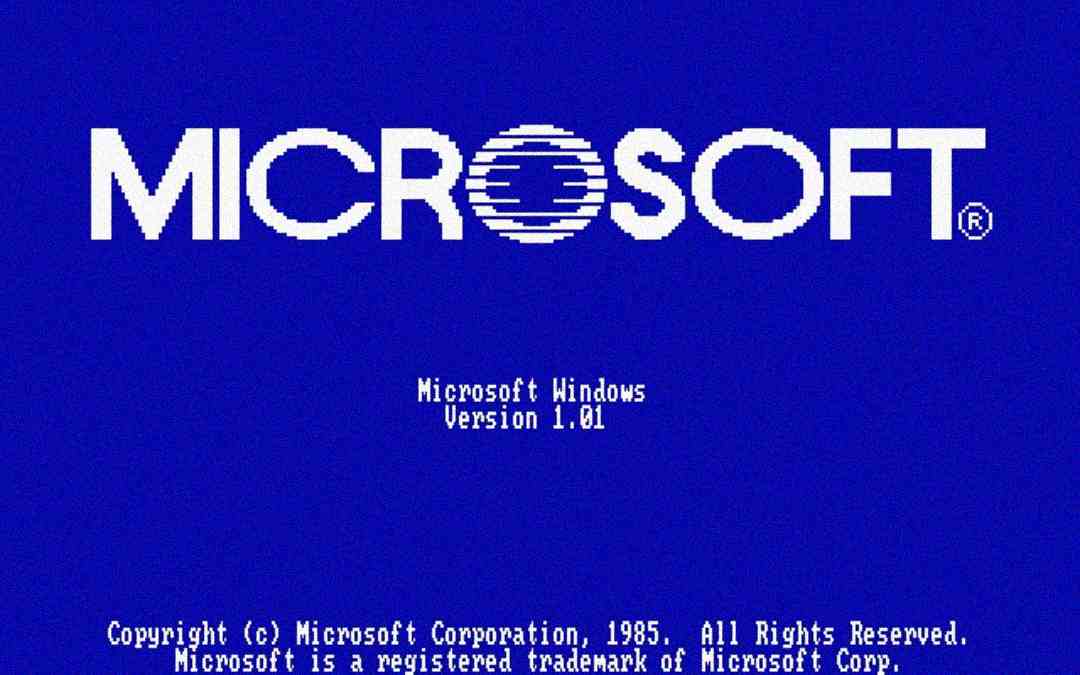
In 1985, Microsoft Windows was introduced by Microsoft. While early versions were simple, they introduced a graphical interface that made computers far more user-friendly. This innovation helped bring computing to a wider audience and eventually became the standard for operating systems worldwide.
7. The Discovery of the Ozone Hole (1985)

In 1985, scientists identified Ozone layer depletion over Antarctica. Although it didn’t immediately dominate headlines, it changed how people understood the impact of human activity on the environment. This discovery influenced future research and raised long-term awareness about protecting the planet.
8. The Launch of the First Mobile Phone Network (1983)
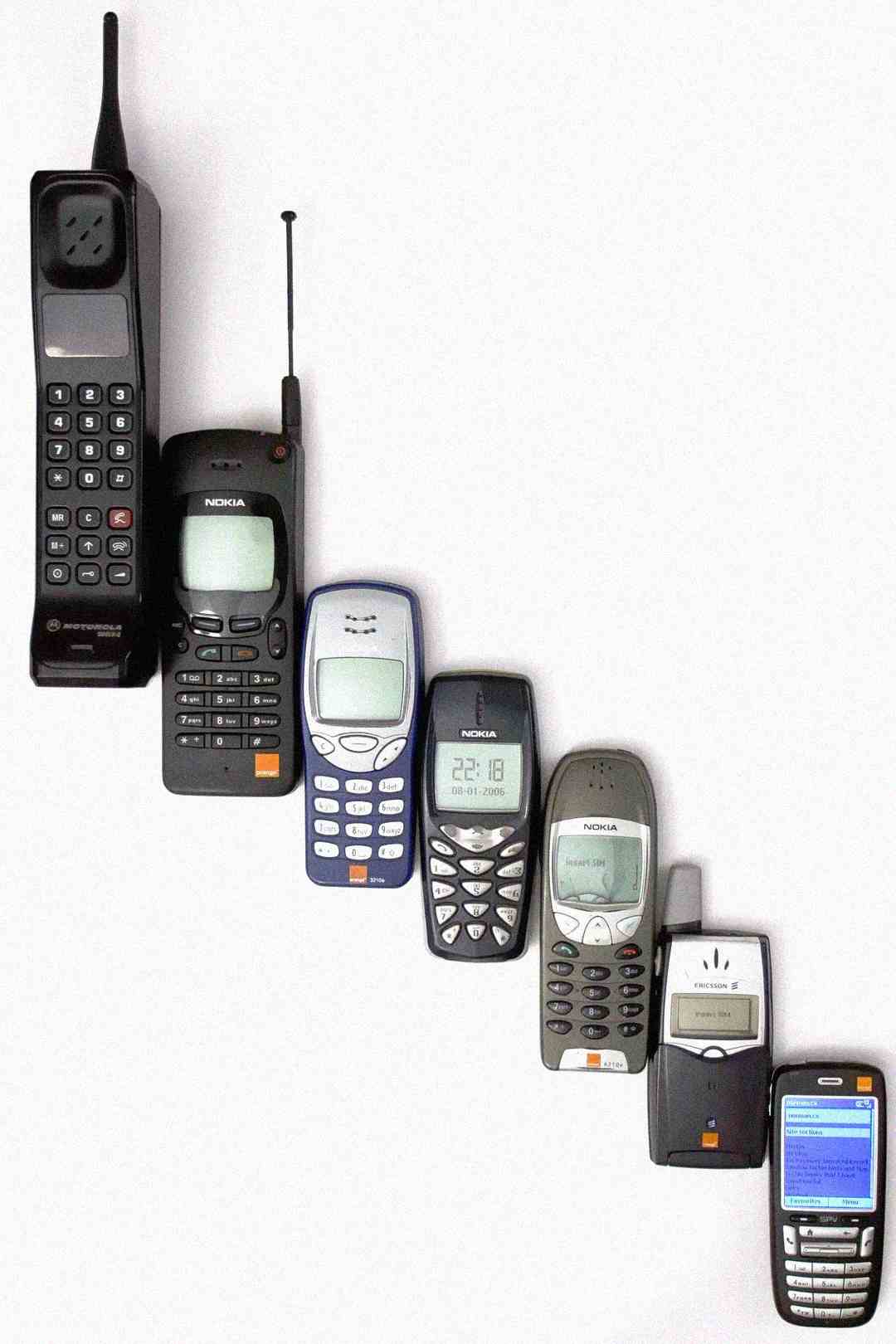
The approval of the Motorola DynaTAC 8000X in 1983 marked the beginning of mobile communication. While the device was bulky and expensive, it introduced the idea of staying connected from anywhere. This moment laid the groundwork for the smartphones that have become essential in everyday life.
Sign up for our newsletter
9. The Rise of Compact Discs (1982)

The introduction of Compact Disc technology in 1982 revolutionized how people listened to music. Offering clearer sound and greater durability than tapes or vinyl, CDs quickly gained popularity. This shift toward digital formats helped pave the way for future innovations like MP3s and streaming services.
10. The First Domain Name Registered (1985)

In 1985, symbolics.com became the first registered domain name. At the time, it seemed like a small technical step, but it marked the beginning of the internet as we know it. Today, with millions of websites and online services, it’s hard to imagine daily life without this foundation.
11. The Release of The Breakfast Club (1985)
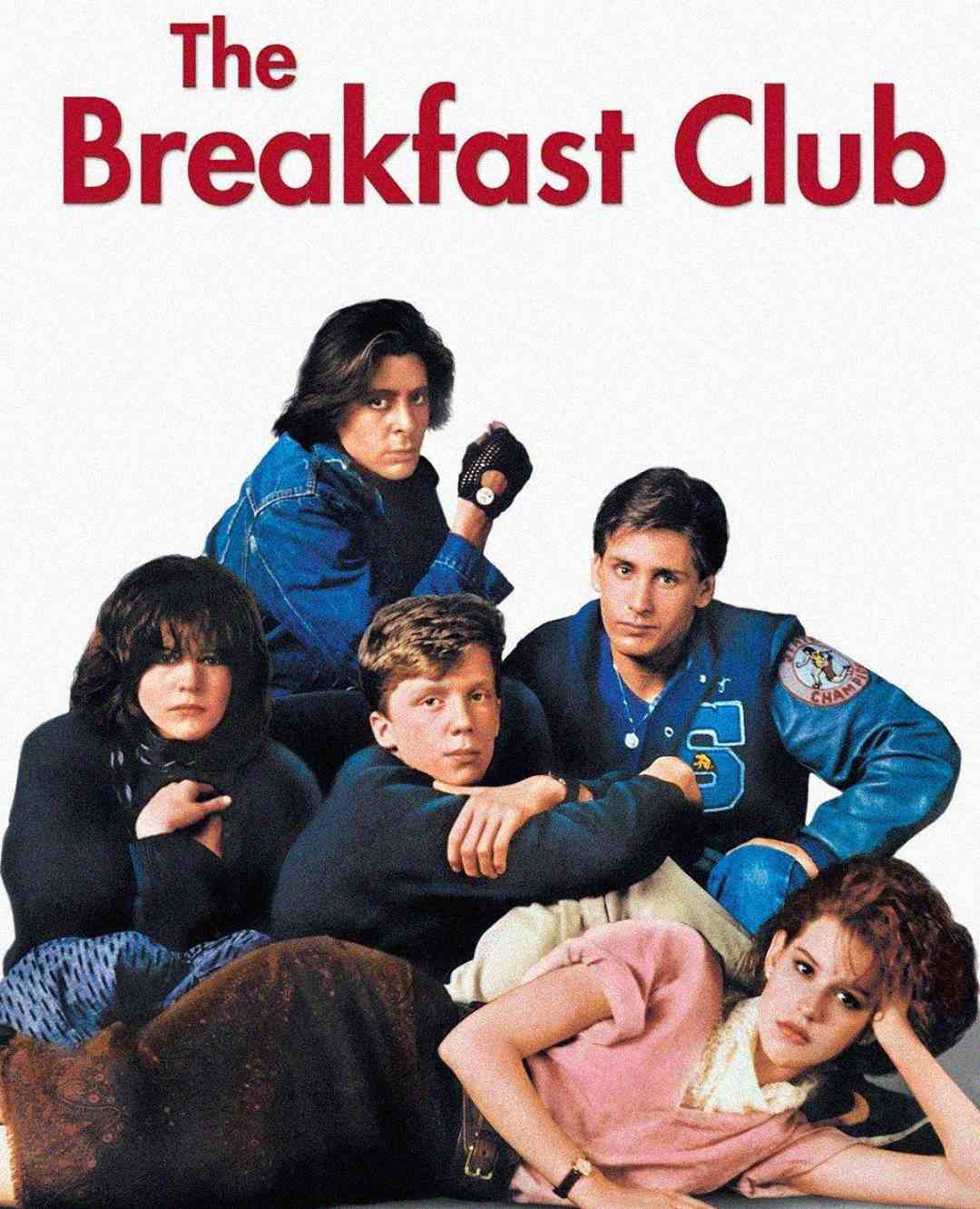
The film The Breakfast Club, directed by John Hughes, reshaped teen storytelling. It went beyond simple stereotypes and explored identity, pressure, and connection in a more honest way. Many people still love it today because it helped pioneer more complex and relatable teen narratives.
12. The First GPS Satellite Network Developments

During the 80s, early work on the Global Positioning System began expanding. Originally developed for military purposes, it quietly laid the foundation for navigation tools we now use every day. From maps to ride-sharing apps, this technology became an essential part of modern life.
13. The Launch of CNN (1980)

CNN launched in 1980 as the first 24-hour news channel. It introduced a new way of consuming information, where news was constant and always available. This model reshaped journalism and influenced how global events are reported and followed.
14. The Popularization of Home Video (VHS)
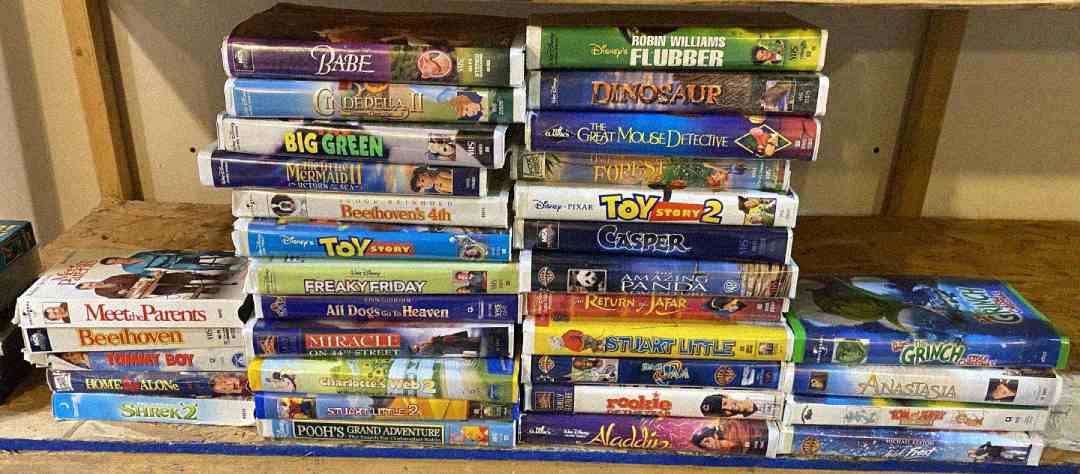
The widespread use of VHS in the 80s changed how people watched movies. For the first time, audiences could enjoy films at home whenever they wanted. This shift introduced rental culture and laid the groundwork for today’s on-demand entertainment.
15. The Debut of The Legend of Zelda (1986)
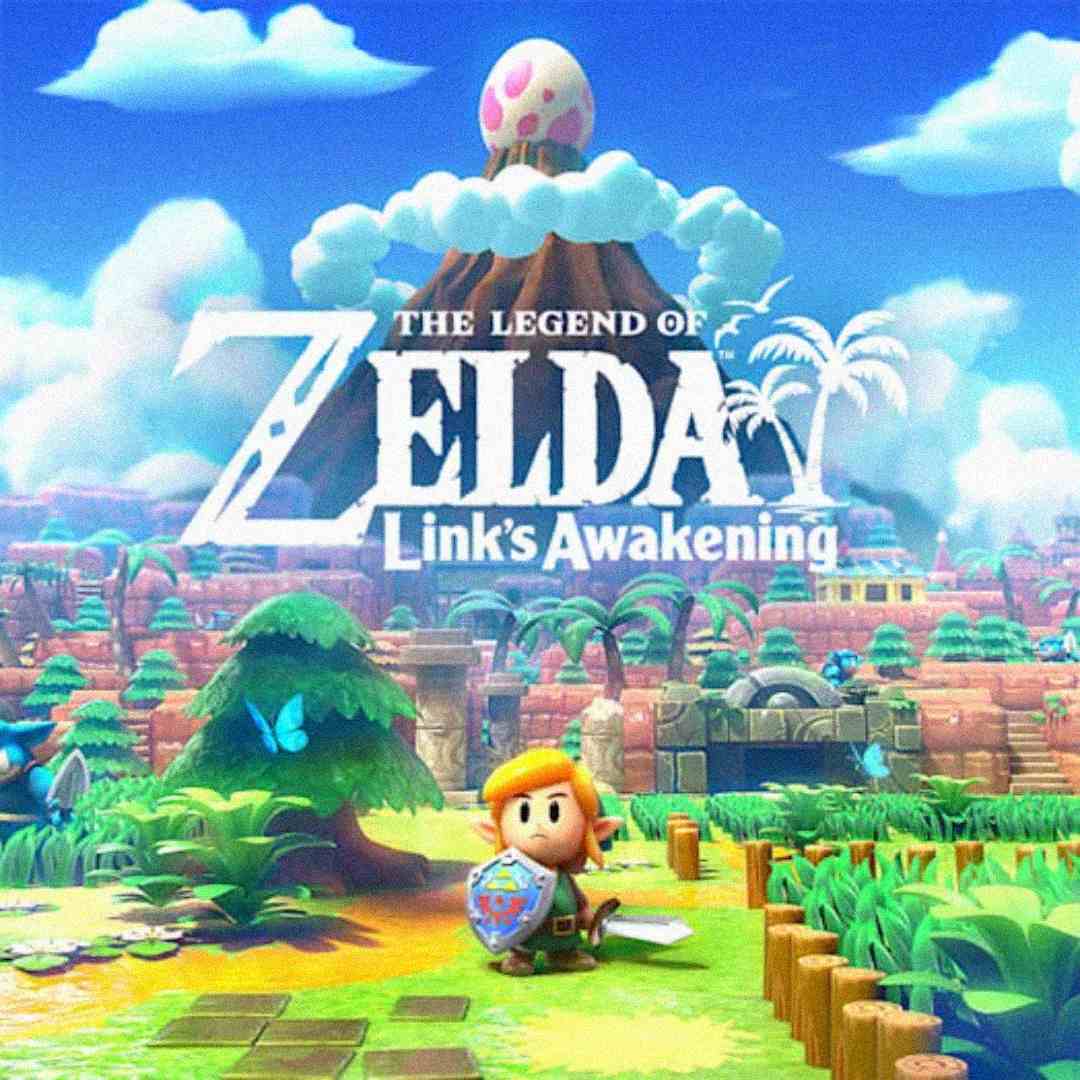
The release of The Legend of Zelda marked a turning point in gaming. It introduced open-world exploration and deeper storytelling, giving players more freedom and immersion. Its influence can still be seen in modern games, setting a creative standard that continues to evolve.
The history of the 80s is incredible, but you know what’s even better? Exploring it right here. Keep reading for more content like this and uncover the moments that shaped our world.
The 80s were a turning point that’s hard to fully explain. Those who didn’t live through it wish they had, and those who did often long to experience it again. It left a lasting mark on generations and quietly reshaped history in ways we’re still discovering today.
If you enjoy learning about the past, there’s so much more to explore. Understanding our history is essential, and the 80s are a decade worth remembering. If this sparked your interest, check out our recommendations and dive back into the world of the 80s once more: 15 Things Schools Banned in the ’80s, 15 Reasons ’80s Kids Were More Patient, and 20 Vintage Photos That Capture How Weird the 80s Really Were.