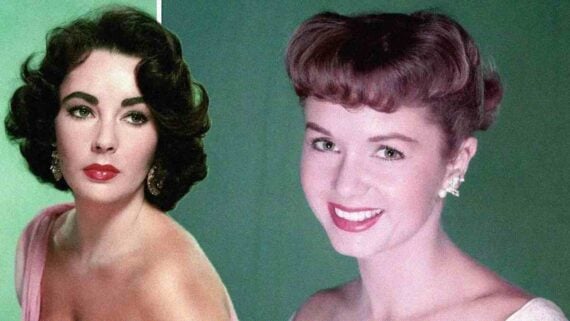
Hollywood stories have always captivated audiences, but the ones from the 1950s and 60s hold a unique kind of allure. This was a time when the studio system still controlled public images, carefully crafting the personas of stars while hiding scandals behind closed doors. Beneath the polished surface of premieres, red carpets, and glamorous photoshoots, there were secrets, rivalries, and shocking events that rarely made it into the headlines, at least not immediately. Decades later, as more information has become public, these stories feel almost too dramatic to be real.
What makes these Hollywood stories even more fascinating is how they reveal the human side of legendary figures. Behind the fame were complicated relationships, power struggles, and moments of vulnerability that shaped the industry as we know it today. Whether it’s unexpected friendships, explosive feuds, or mysterious circumstances, each story offers a deeper look into a world that was as chaotic as it was glamorous. Some of these tales may sound exaggerated, but they are all rooted in documented events that continue to intrigue fans and historians alike.
1. Marilyn Monroe’s Final Days (1962)
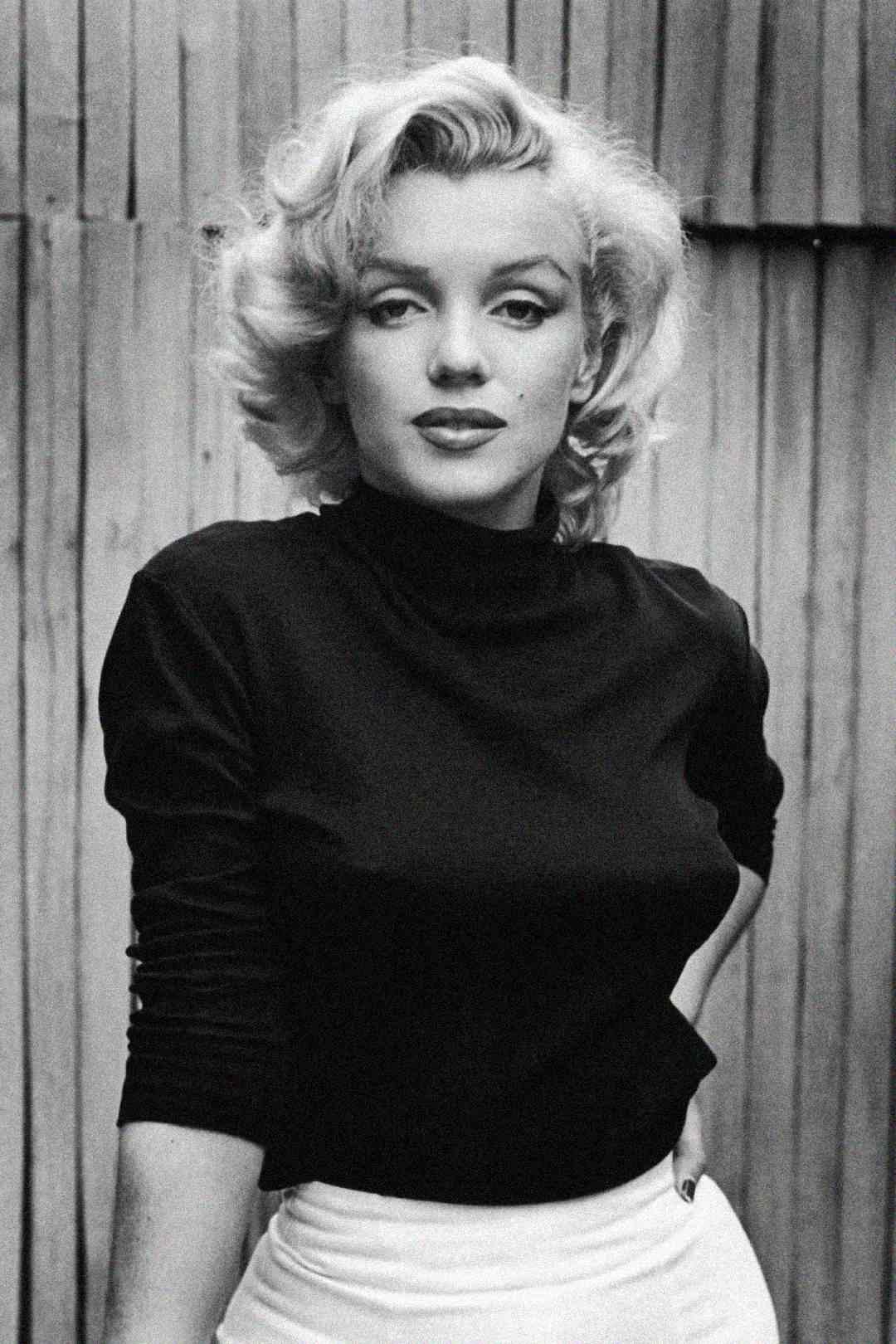
In 1962, Marilyn Monroe’s sudden death shocked the world and remains one of the most discussed Hollywood stories in history. Officially ruled a probable suicide, the circumstances surrounding her passing have fueled decades of speculation. At the time, Monroe was reportedly dealing with mental health struggles and professional setbacks, including being dismissed from the film Something’s Got to Give. Her connections to powerful figures, particularly rumors of an affair with John F. Kennedy, added another layer of intrigue that captured public attention. Despite multiple investigations over the years, no verified alternative explanation has been confirmed, leaving the official ruling as the only established conclusion.
2. Elizabeth Taylor and Debbie Reynolds’ Public Fallout (1959)
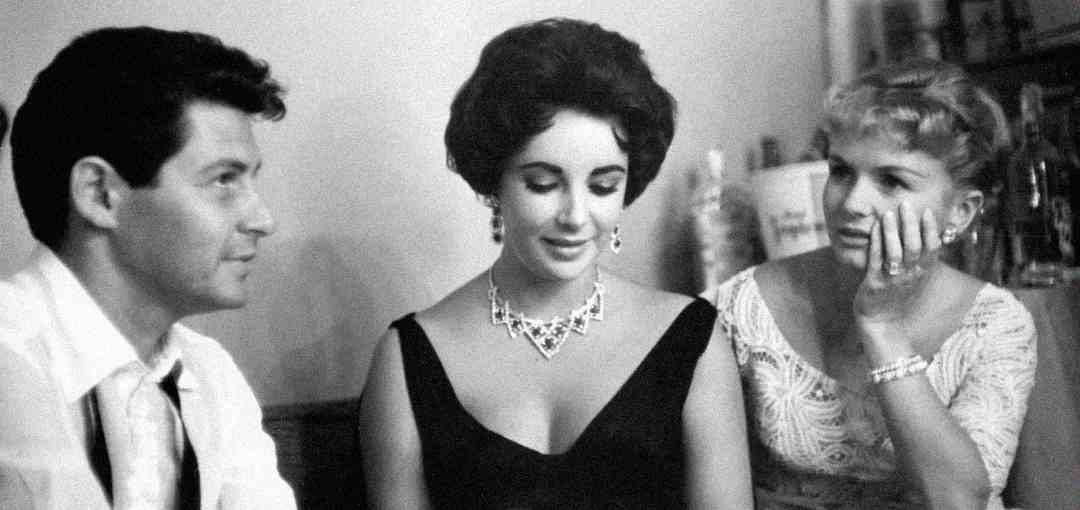
The friendship between Elizabeth Taylor and Debbie Reynolds took a dramatic turn in 1959 when Taylor began a relationship with singer Eddie Fisher, who was married to Reynolds at the time. For many, it felt like a very public betrayal, turning a private situation into a national headline. The scandal quickly became one of the first major celebrity controversies heavily covered by modern media. Although deeply painful at the time, both women eventually reconciled years later, but the incident remains one of the most unforgettable personal conflicts in Hollywood history.
3. The Feud Between Bette Davis and Joan Crawford (1950s–60s)
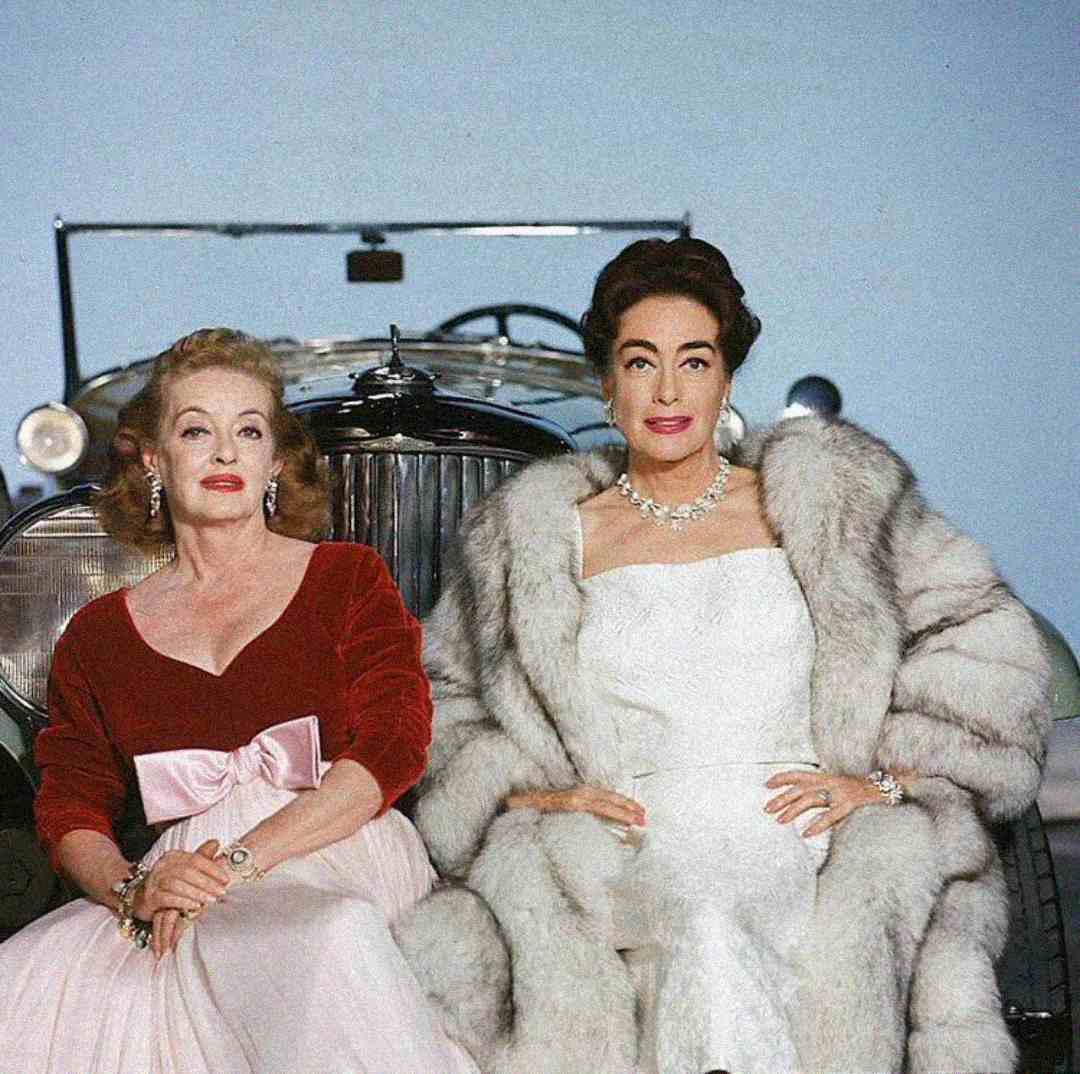
The rivalry between Bette Davis and Joan Crawford is one of the most legendary Hollywood stories ever documented, largely because it lasted for years. Their tension reached its peak during the filming of What Ever Happened to Baby Jane?, where reports described constant arguments, subtle sabotage, and calculated on-set behavior. The feud became so widely known that audiences were drawn to the film not only for its story, but to witness the real-life rivalry unfold on screen. In many ways, their conflict became just as famous as the movie itself.
4. James Dean’s Sudden Death (1955)
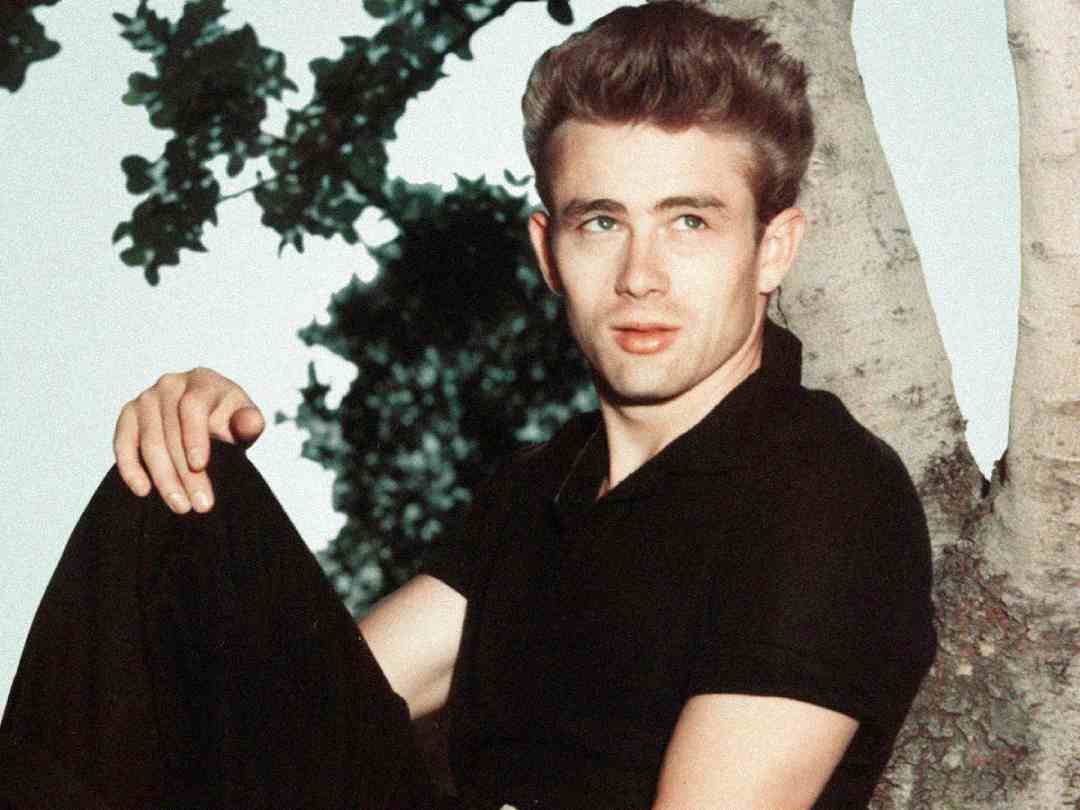
James Dean became an enduring cultural icon after his tragic death in a car crash in 1955 at just 24 years old. The accident occurred shortly after the release of Rebel Without a Cause, the film that defined his legacy. Official reports confirmed that Dean was driving at high speed when the fatal collision happened. His sudden death froze his image in time, turning him into a symbol of youthful rebellion. Later stories about a supposed “curse” surrounding his car circulated widely, though none have ever been verified.
5. Judy Garland’s Studio Pressures (1950s)
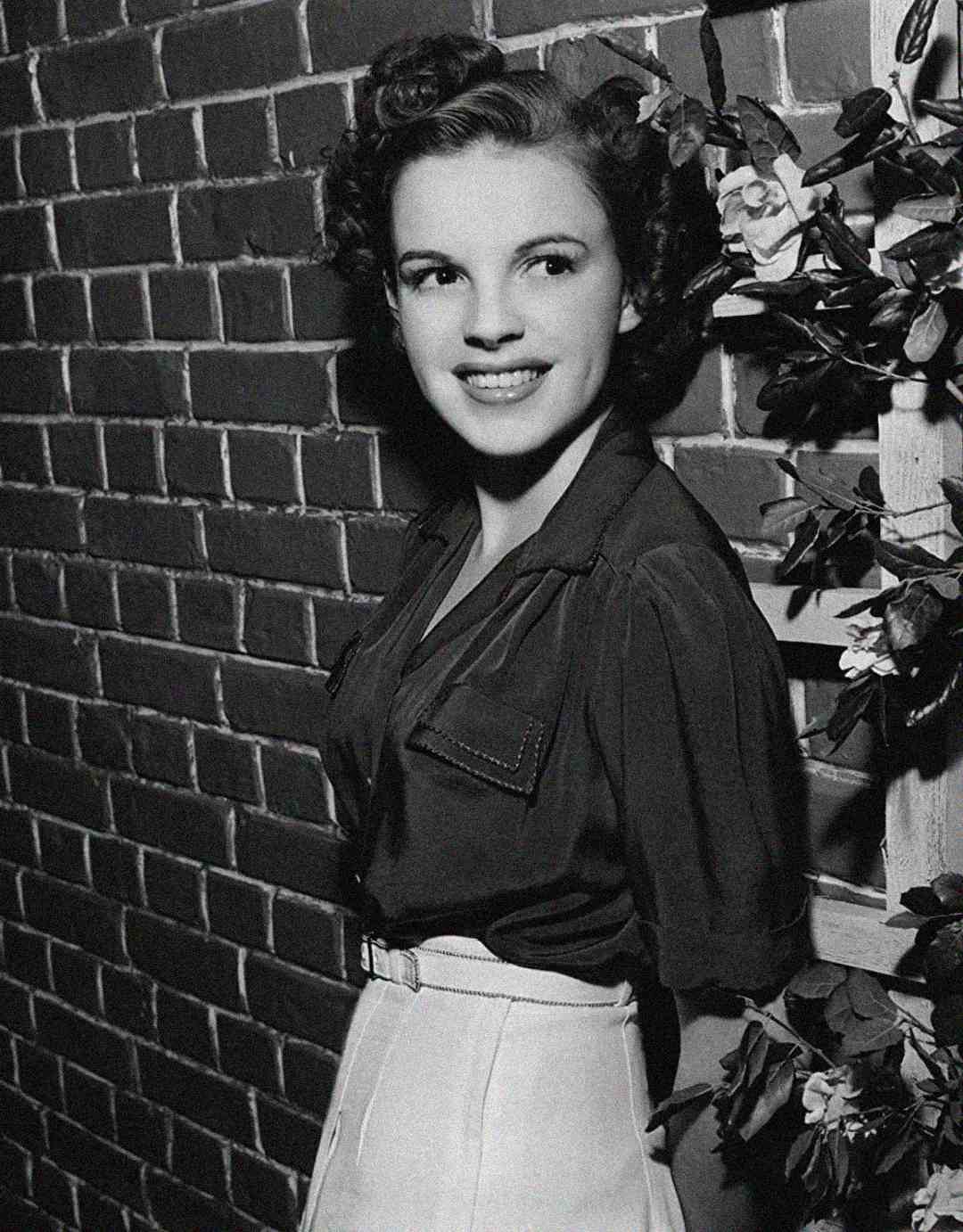
During the 1950s, Judy Garland faced extreme pressure from film studios that controlled nearly every aspect of her life. Verified reports confirm that she was frequently prescribed medication to maintain exhausting work schedules, which contributed to long-term health struggles. For modern audiences, this level of control feels almost unthinkable, making her story particularly shocking today. Garland’s experience has since become one of the clearest examples of the darker side of Hollywood’s Golden Age and the cost of maintaining a perfect public image.
Trending on The Scroller

6. Frank Sinatra’s Alleged Industry Influence (1950s)
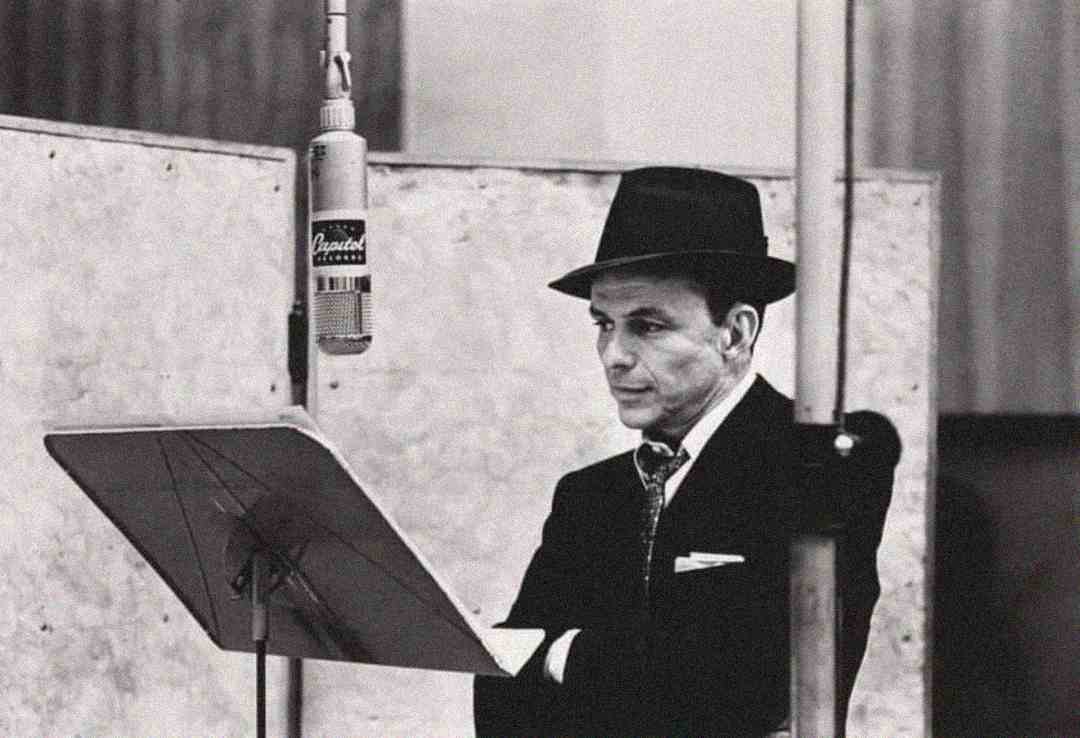
Frank Sinatra experienced a major career comeback in the early 1950s, especially after securing a role in From Here to Eternity. At the time, speculation circulated about how he obtained the part, with rumors suggesting external pressure played a role. However, official records credit his audition and performance as the reason he was cast. The story gained even more attention years later due to its fictional portrayal in pop culture, but no concrete evidence has ever confirmed the more dramatic claims.
7. The Blacklisting of Charlie Chaplin (1952)
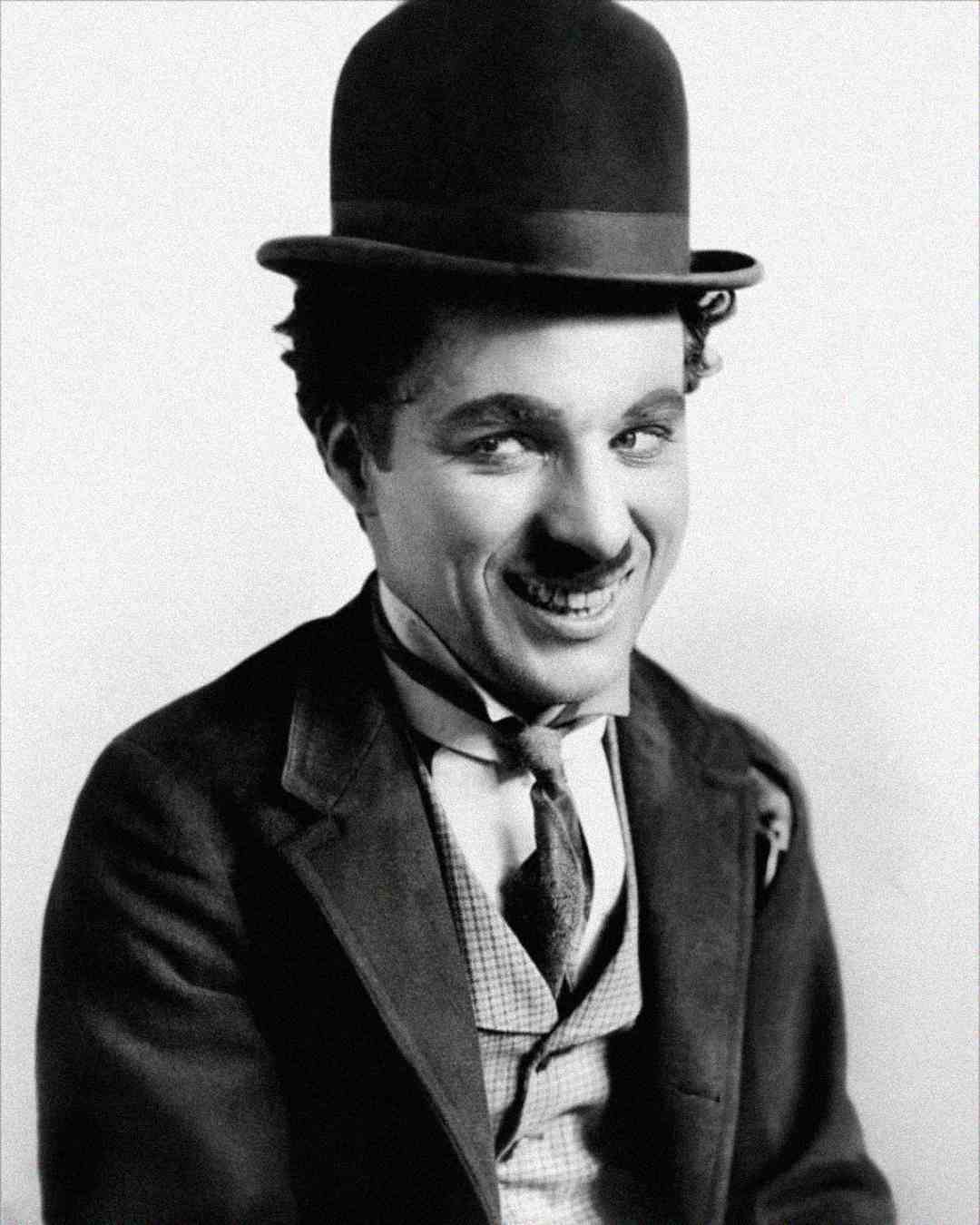
In 1952, Charlie Chaplin became entangled in political controversy during the height of anti-communist investigations in the United States. While traveling abroad, his re-entry permit was revoked, effectively preventing him from returning to the country, an extraordinary move considering his global fame. Official statements cited concerns over his political views. Chaplin chose to settle in Europe, continuing his career there. Given his immense influence in early cinema, this situation remains one of the most surprising and significant Hollywood stories tied to political tensions.
8. Audrey Hepburn’s Private Life Revealed (1950s–60s)

Audrey Hepburn carefully maintained an elegant and composed public image, but later accounts revealed a far more complex personal life. Throughout the 1950s and 60s, she balanced intense professional demands with personal challenges, including relationships and health issues. Official biographies confirm that she eventually stepped back from acting to prioritize her family and later dedicated much of her life to humanitarian work. This contrast between public image and private reality makes her story particularly compelling.
Sign up for our newsletter
9. Rock Hudson’s Hidden Identity (1950s–60s)
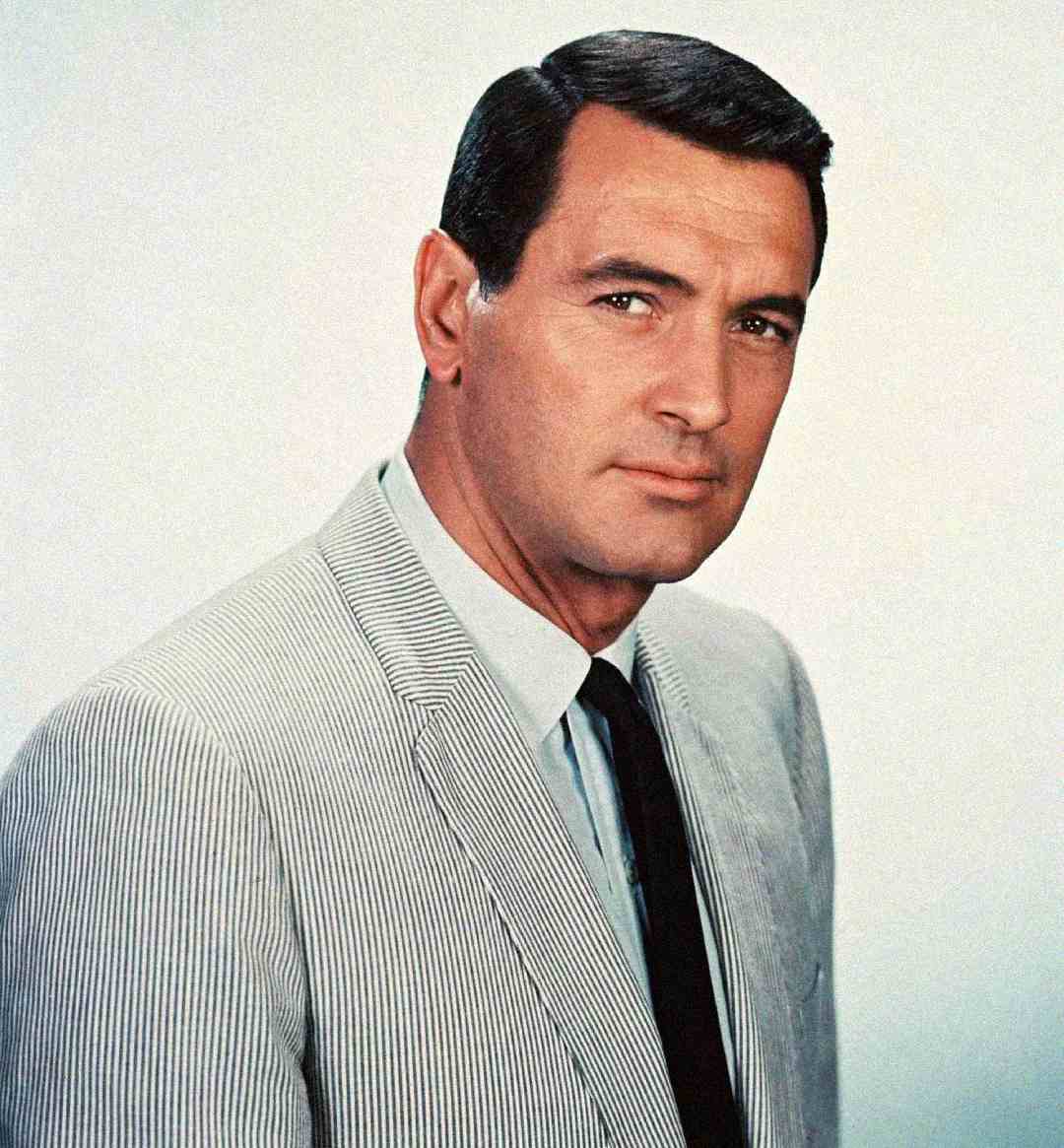
Rock Hudson was one of Hollywood’s most recognizable leading men during the 1950s and 60s. At the time, his sexual orientation was kept private due to industry pressures and social expectations, although rumors circulated within certain circles. Studio-controlled publicity ensured his image remained aligned with audience expectations. Decades later, the truth became widely known, offering a revealing look at the limitations and pressures actors faced in maintaining their careers.
10. Alfred Hitchcock’s On-Set Control (1960)
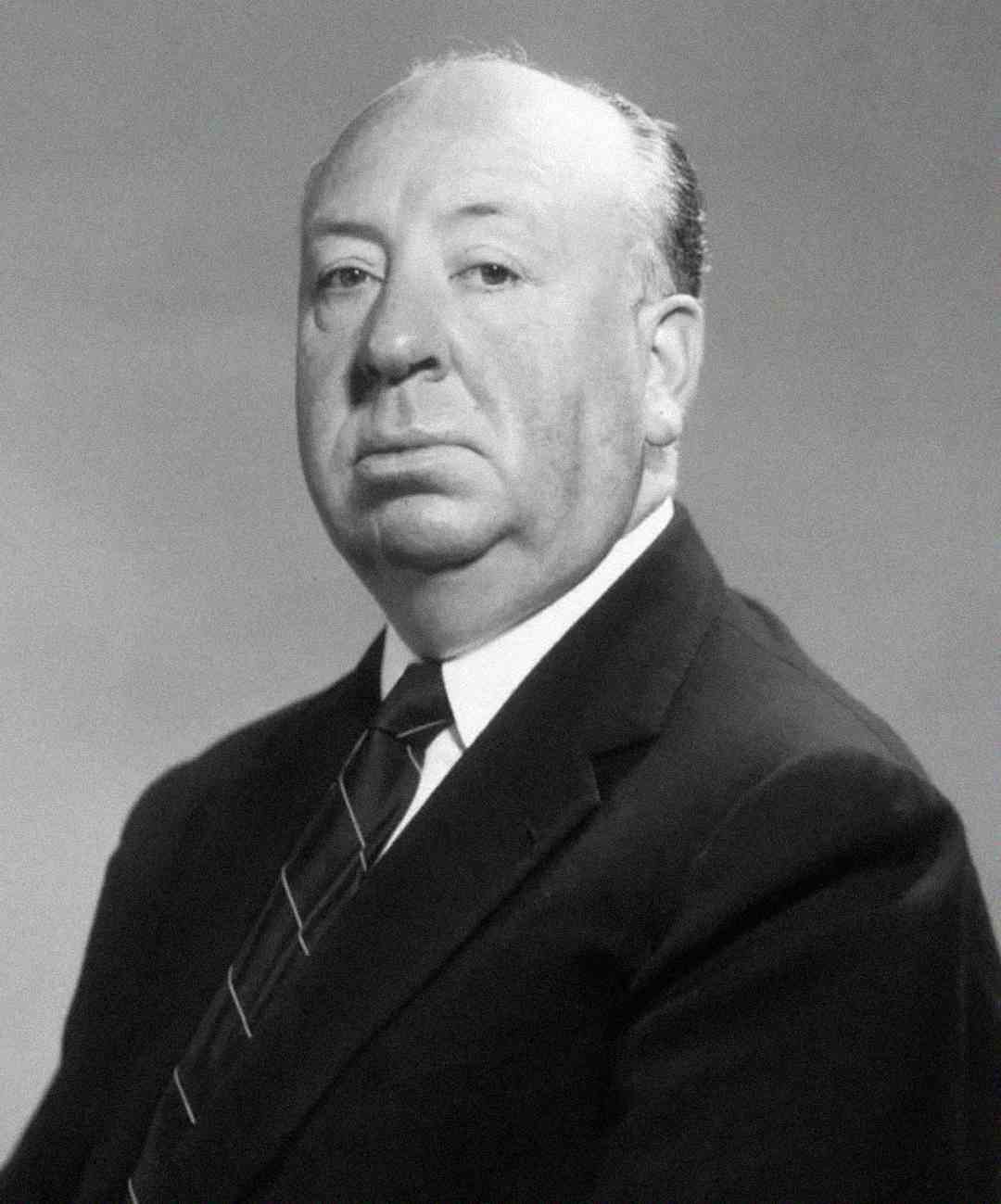
While directing Psycho, Alfred Hitchcock enforced an unprecedented level of secrecy. Cast and crew were required to follow strict rules to prevent spoilers from leaking. Verified accounts confirm that Hitchcock even bought large quantities of the original novel to limit access to the ending. This level of control was highly unusual at the time and played a major role in the film’s groundbreaking impact and success.
11. Grace Kelly’s Departure from Hollywood (1956)
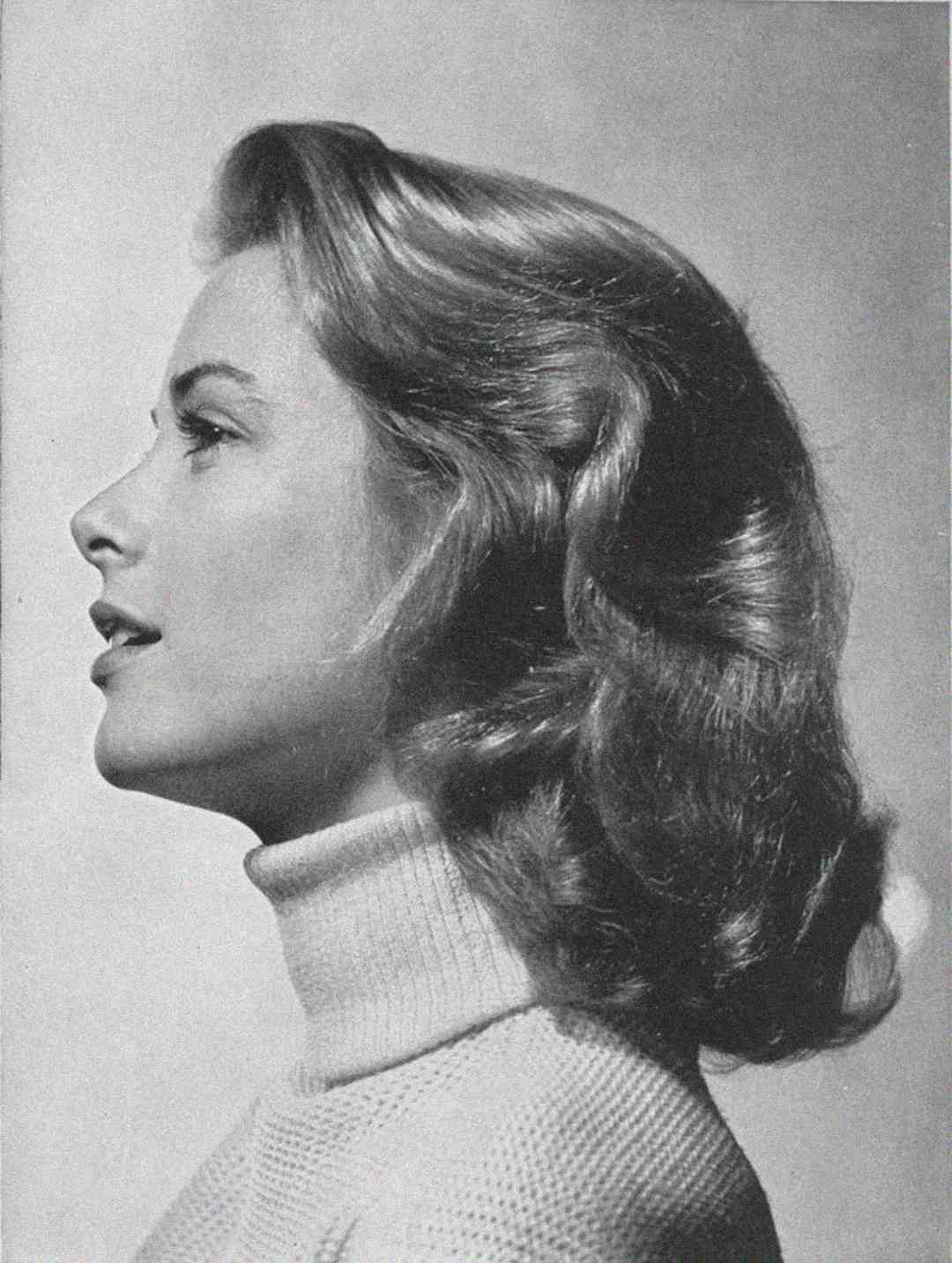
In 1956, Grace Kelly made the unexpected decision to leave Hollywood at the height of her career after marrying Prince Rainier III. For audiences and industry insiders, the move was shocking given her success and influence. Official records confirm that she fully stepped away from acting, transitioning into royal life. It remains one of the most surprising and definitive career changes in entertainment history.
12. Elvis Presley’s Film Career Expansion (1960s)
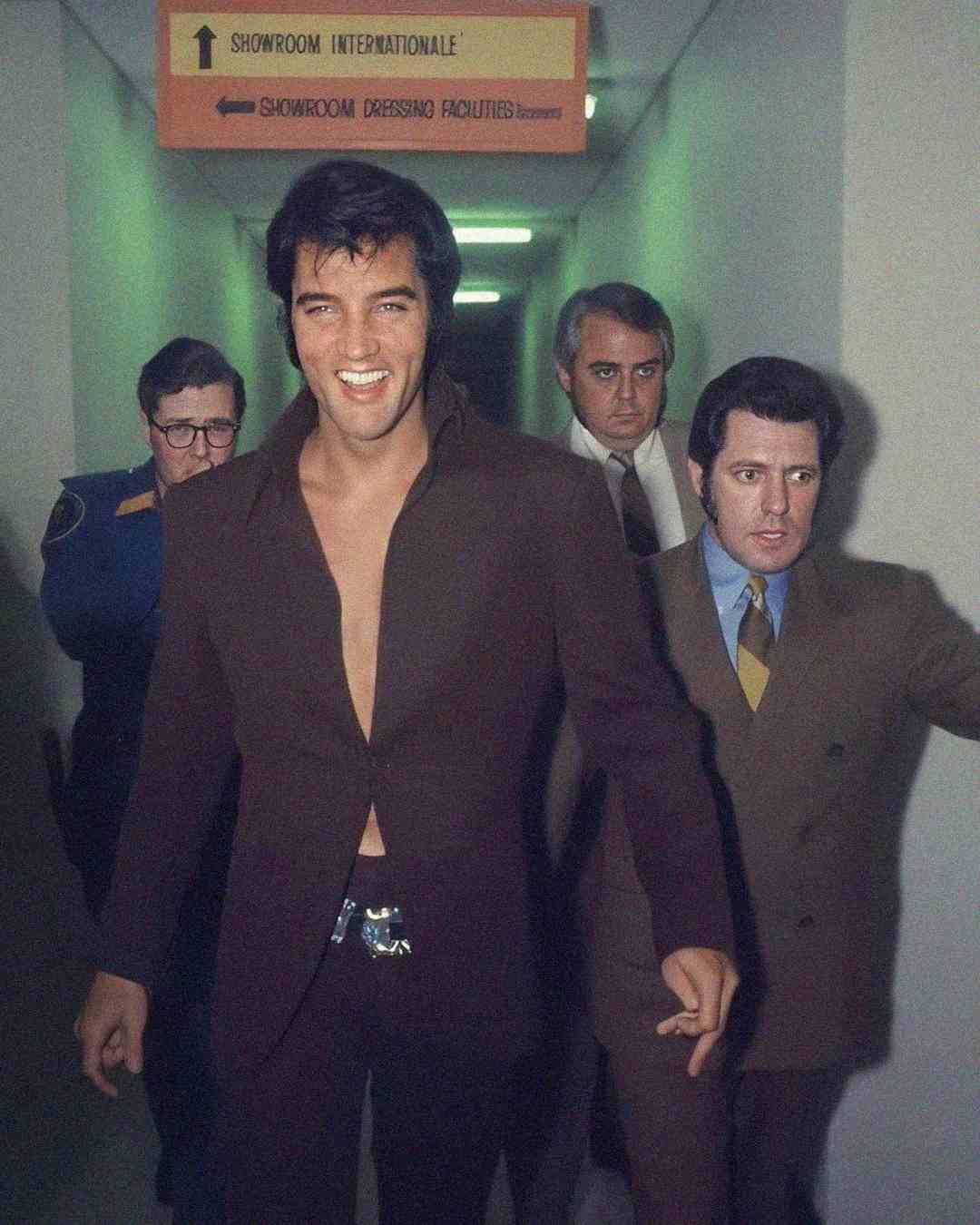
During the 1960s, Elvis Presley shifted focus toward a film career, starring in a series of musical movies. While these films performed well commercially, many critics noted that the roles limited his artistic growth, making it seem like a step back compared to his musical innovation. Official box office data confirms their success, but the creative trade-off remains a widely discussed aspect of his career.
13. The Cleopatra Production Crisis (1963)
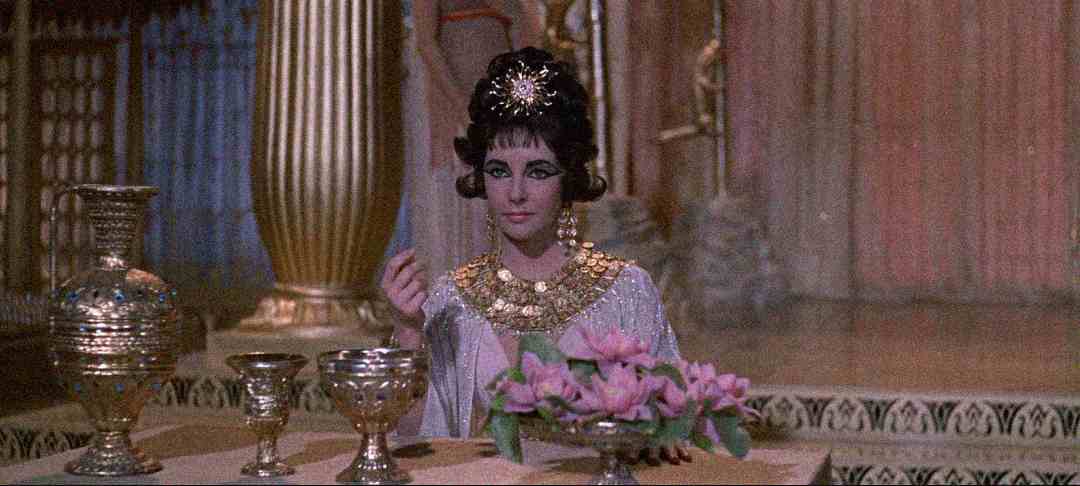
The production of Cleopatra, starring Elizabeth Taylor and Richard Burton, became one of the most troubled film productions in history. Official reports document massive budget overruns, repeated delays, and serious health issues affecting Taylor. Despite the chaos behind the scenes, the film ultimately succeeded at the box office, turning a near-disaster into a historic case study of Hollywood excess.
14. Natalie Wood’s Rising Stardom (1960s)
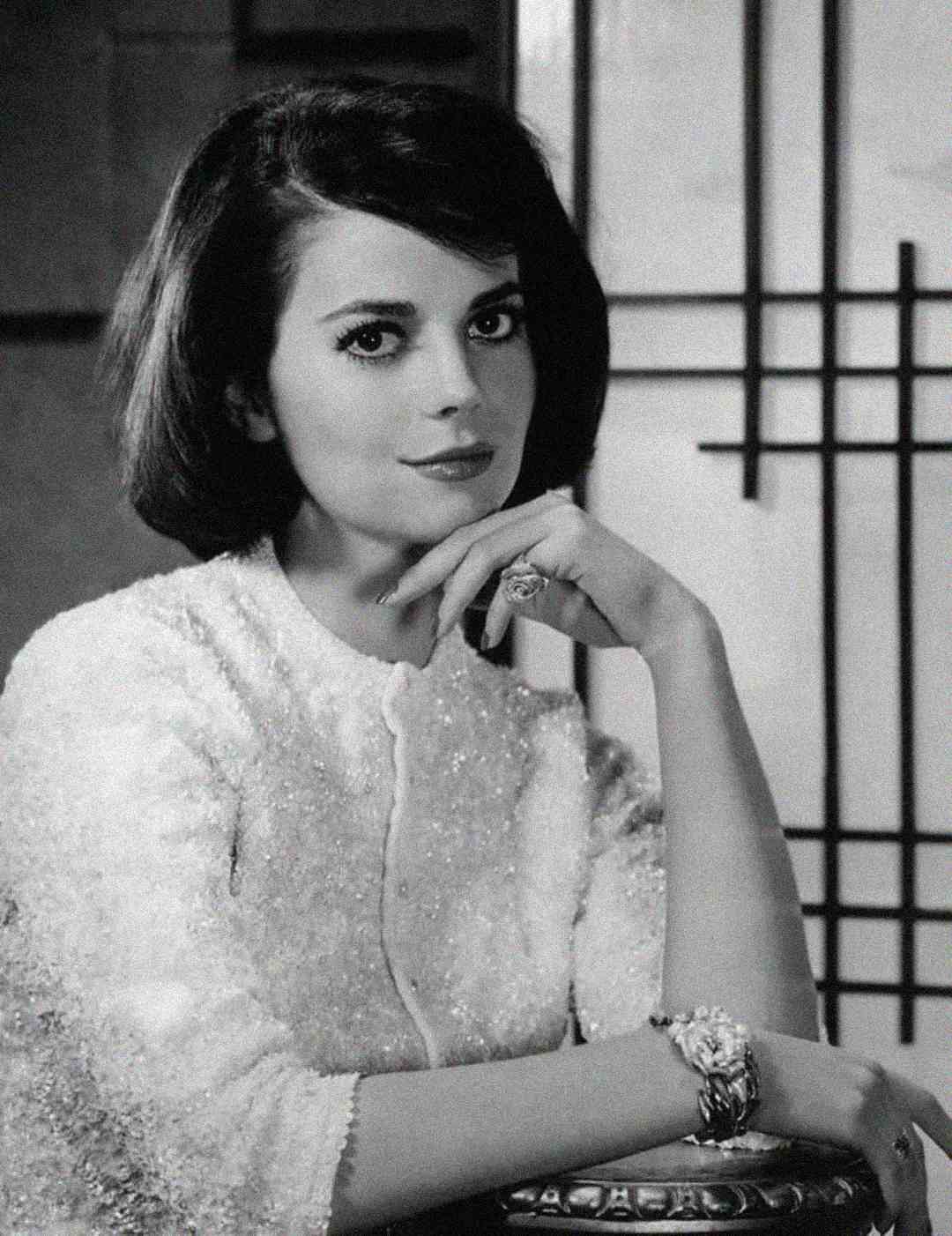
Natalie Wood successfully transitioned from child star to acclaimed adult actress in the 1960s, particularly with her role in West Side Story. What makes her story feel unexpected is how rare that transition was at the time, many child actors struggled to maintain relevance as they grew older. Official accounts highlight the pressure she faced in redefining her image, making her success both unusual and remarkable within the industry.
15. Marlon Brando’s Method Acting Influence (1950s)
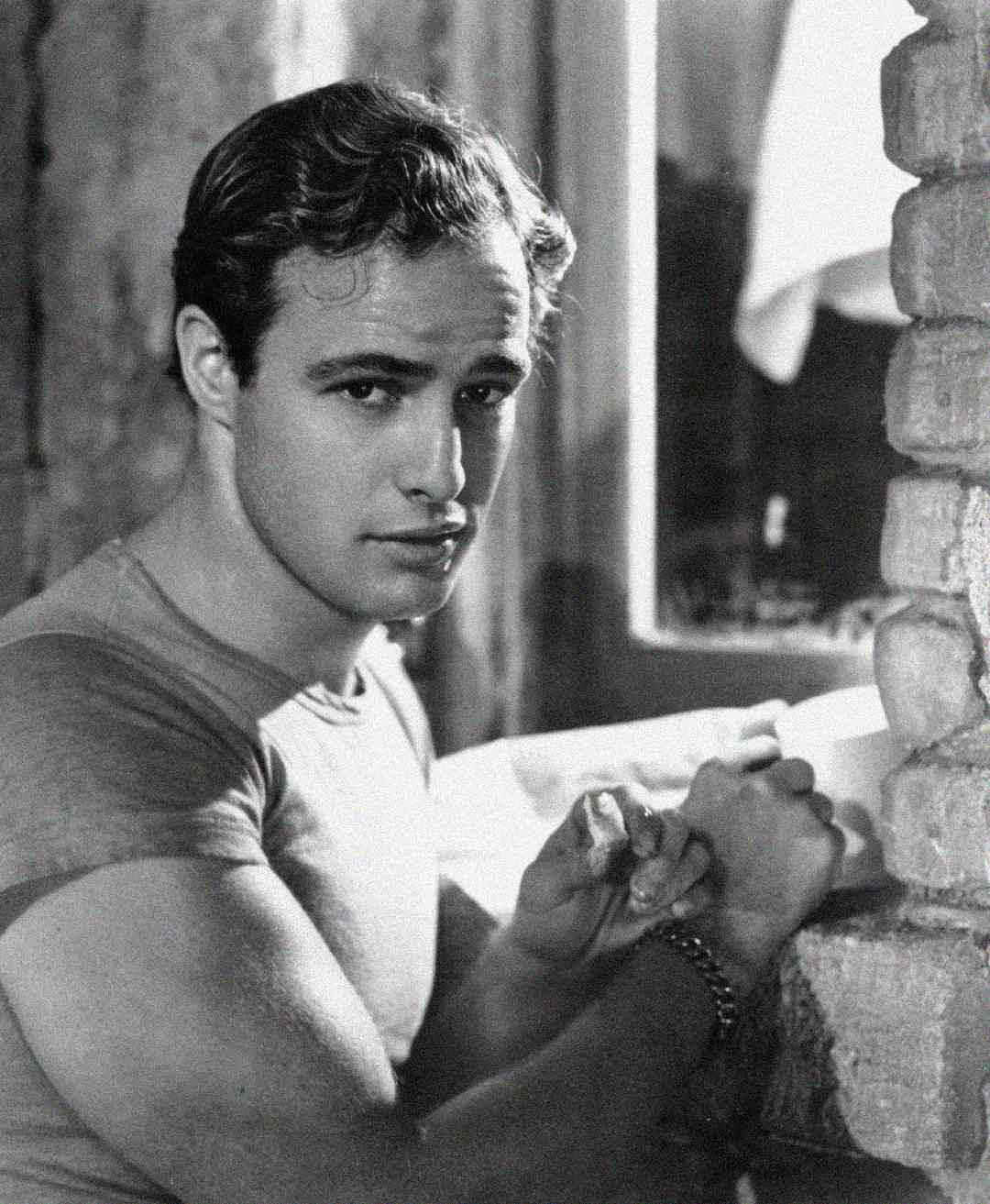
Marlon Brando transformed Hollywood acting in the 1950s through his use of method techniques. His performances in A Streetcar Named Desire and On the Waterfront introduced a raw, emotionally driven style that contrasted sharply with traditional acting. Official film history sources confirm that his approach reshaped performance standards, influencing generations of actors and redefining what audiences expected on screen.
Hollywood stories continue to prove that reality can be far more dramatic than fiction. Keep reading to discover more.
From shocking scandals to unexpected career turns, these events highlight just how unpredictable life was behind the scenes during Hollywood’s Golden Age. These Hollywood stories may sound unbelievable at first, but they reveal a deeper truth about the industry: even the most carefully crafted images couldn’t hide the complexity of real lives. What once seemed like distant glamour now feels surprisingly human, filled with ambition, conflict, and resilience.
If you enjoyed exploring these incredible moments, there’s plenty more to discover. You can keep diving into our articles, where we uncover stories just as fascinating, or even more surprising, than the ones you’ve just read. Not sure where to start? We’ve got some favorites waiting for you: 19 Vintage Photos That Capture the Most Famous Female Celebrities of the 1950s, 100 Photos That Open A Window Into the 1950s, and 20 Celebrities That Ruled the Golden Age of Hollywood.