When a television series achieves massive critical acclaim or dominates the weekly streaming ratings, network executives immediately look for ways to expand the franchise. The most common corporate strategy is to commission a spin-off centered around a highly popular supporting character, a fascinating piece of world lore, or an unexplored historical timeline. Production companies proudly issue grand press releases, showrunners tease expansive story arcs in industry trades, and actors sign lucrative development contracts to generate massive public anticipation. To the dedicated fan base, these announced projects look like absolute certainties that are destined to anchor the upcoming fall television schedule.
However, the path through development hell is notoriously volatile, and a formal green light can vanish in an instant due to behind-the-scenes corporate friction. Sudden network mergers, creative differences regarding the pilot script, or unexpected scheduling conflicts with the core cast can stall a project indefinitely. Instead of issuing a formal cancellation announcement that might damage the parent brand, studios frequently choose to let the project languish in pre-production silence until the public simply forgets it was ever planned. This leaves audiences permanently wondering what happened to the expanding universes of their favorite fictional worlds. Let’s look at fifteen highly anticipated spin-offs that were officially unveiled to the public before quietly dissolving into thin air.
1. Bloodmoon – Game of Thrones
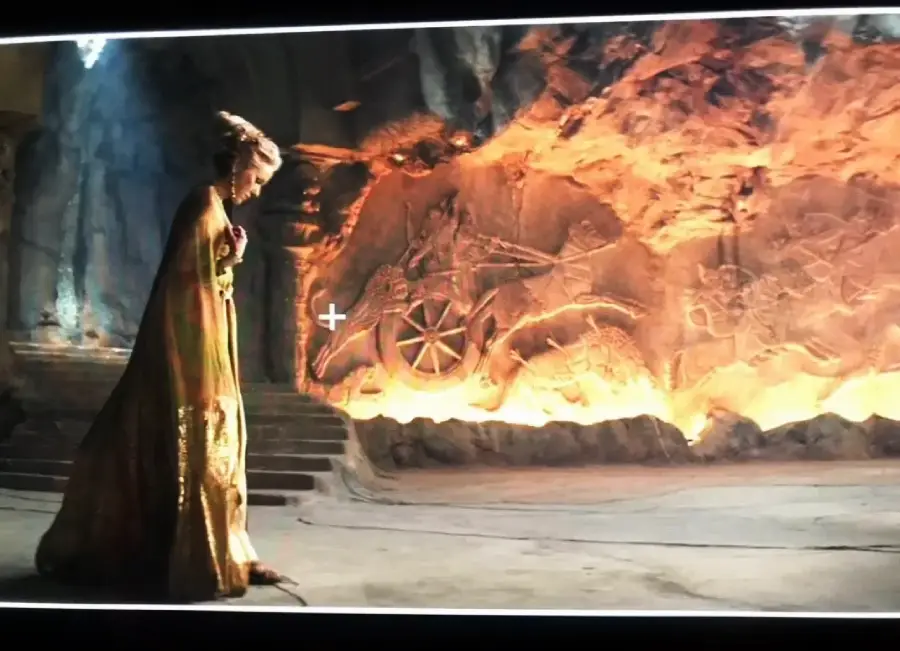
HBO was incredibly eager to capitalize on the global fantasy phenomenon of its flagship series, officially commissioning a high-budget prequel pilot written by Jane Goldman. The project was slated to take place thousands of years before the main timeline, exploring the dark descent of the world from the golden Age of Heroes into the terrifying Long Night. The studio assembled an elite cast led by Naomi Watts and spent over $30 million filming a lavish pilot episode on location in Northern Ireland. Network executives quietly cancelled the entire project immediately after reviewing the rough cut, locking the footage away in their secret corporate archives while pivoting their focus to House of the Dragon.
2. Green Arrow and the Canaries – Arrow
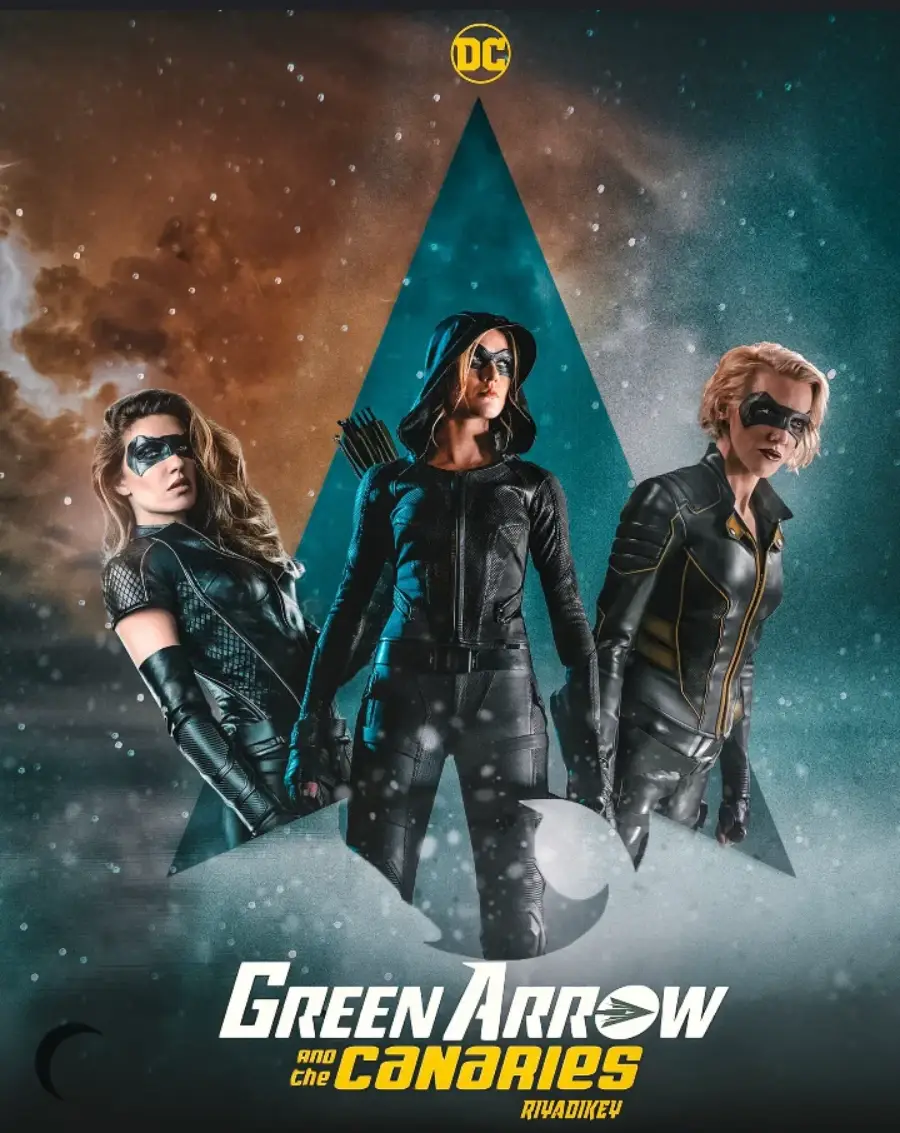
The CW attempted to secure the long-term future of its interconnected superhero universe by mapping out a female-led action series near the conclusion of its flagship show. The network even produced a highly publicized backdoor pilot during the final season of Arrow, showcasing Katherine McNamara alongside Katie Cassidy and Juliana Harkavy in a futuristic Star City. The storyline was designed to follow Oliver Queen’s daughter as she accepted the heroic mantle amidst a shifting timeline of criminal conspiracies. The project sat in developmental limbo for a full year without any production updates until the studio quietly confirmed the contract options had expired without a series order.
3. Wayward Sisters – Supernatural
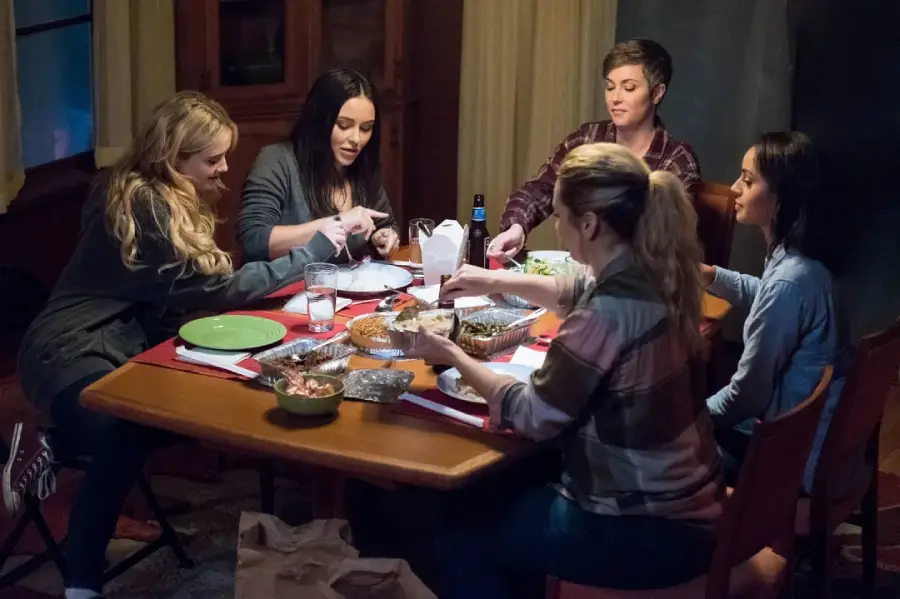
The dedicated fan base of this legendary paranormal drama was thrilled when the network announced a female-centric expansion focusing on Sheriff Jody Mills and a group of young, orphaned monster hunters. The production team filmed an official backdoor pilot during the thirteenth season of the main show, which received immense praise and high viewership metrics from the community. Despite the intense public support and an aggressive write-in campaign organized by fans across digital media, network executives made the corporate choice to pass on the project. They claimed that while the pilot was strong, the concept simply did not fit the specific creative direction they wanted for their upcoming broadcast season.
4. How I Met Your Dad
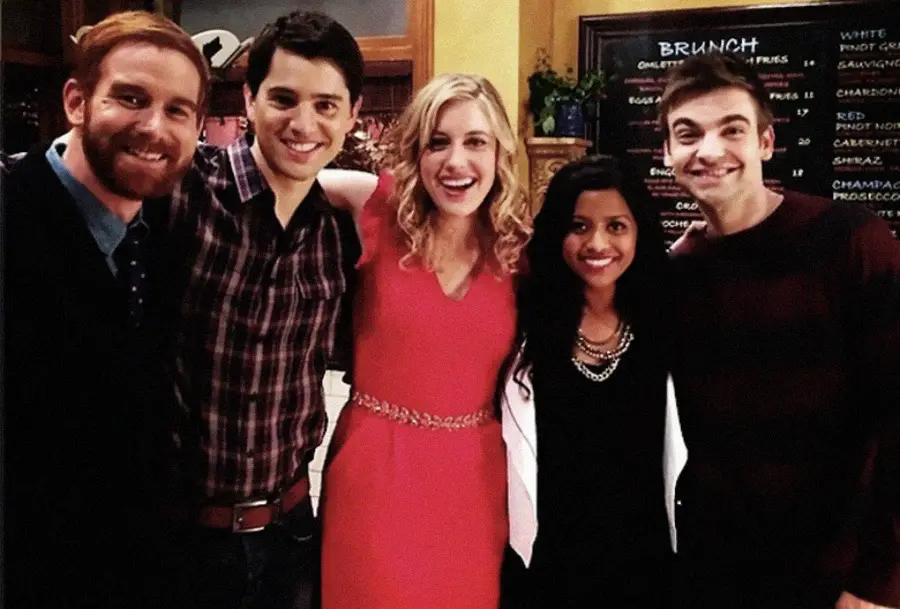
Following the highly lucrative run of their flagship sitcom, the creators teamed up with Greta Gerwig and Meg Ryan to develop a mirrored concept from a female perspective for CBS. Gerwig officially signed on to star as the lead character navigating the complex modern dating scene in New York, while Ryan was locked in to provide the iconic future narration voice. The production team successfully filmed a complete pilot episode, but the network grew deeply dissatisfied with the character dynamics and demanded extensive structural rewrites. The creative team refused to compromise their artistic vision for the script, prompting the studio to quietly shelve the project until the concept was completely retooled years later as a separate streaming series.
5. Marvel’s Most Wanted – Agents of S.H.I.E.L.D.
ABC attempted to expand its television comic book footprint by developing a dedicated action series centered around the popular characters Bobbi Morse and Lance Hunter. The actors were intentionally written out of the main storyline during the third season of the parent show to clear their schedules for immediate filming on the new project. The studio completed a full pilot episode showcasing the mercenary duo fighting international conspiracies while operating completely off the grid without government backing. Network executives ultimately decided the pilot lacked the necessary punch to sustain a multi-season order, quietly shelving the footage without ever broadcasting it to the public.
Trending on The Scroller

6. Glee: The New York College Years
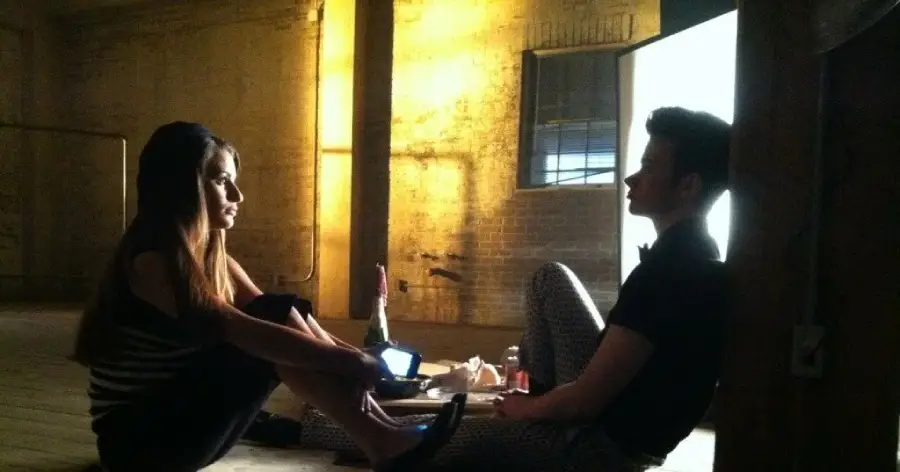
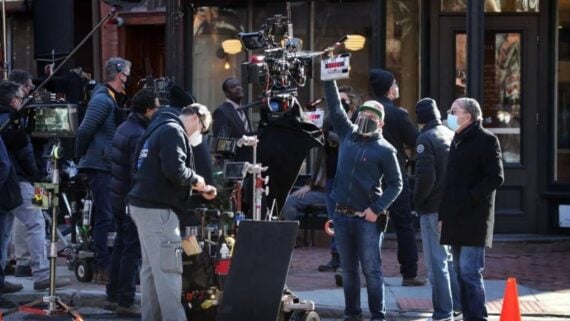
During the absolute peak of the musical comedy’s cultural phenomenon, the network seriously considered splitting the massive ensemble cast into two entirely separate television programs. The proposed concept was designed to transition core characters like Rachel Berry, Kurt Hummel, and Blaine Anderson into a dedicated, mature series focusing exclusively on their adventures at a fictional New York performing arts college. This shift would have allowed the original show to reset its narrative with a completely fresh class of high school students back in Ohio. Showrunner Ryan Murphy eventually decided that managing two separate musical productions simultaneously would completely fracture the creative energy of the brand, abandoning the split concept.
7. The Farm – The Office
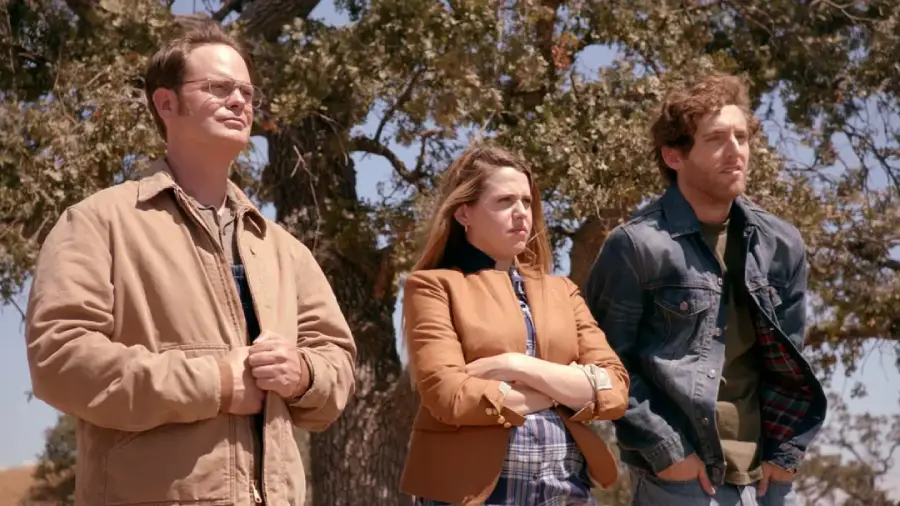
NBC explicitly attempted to extend the life of its legendary workplace comedy by developing a pastoral series centered around Rainn Wilson’s eccentric character, Dwight Schrute. The production team filmed a dedicated backdoor pilot during the final season of the main show, introducing Dwight’s extended family members and showing him inheriting a massive, functional beet farm. The episode was designed to establish a completely different, rural comedic atmosphere that could distance itself from the corporate office setting. The network executives ultimately passed on the series order because they felt the new supporting characters lacked the universal charm and relatable wit of Dunder Mifflin’s iconic staff.
8. Aquaman – Smallville

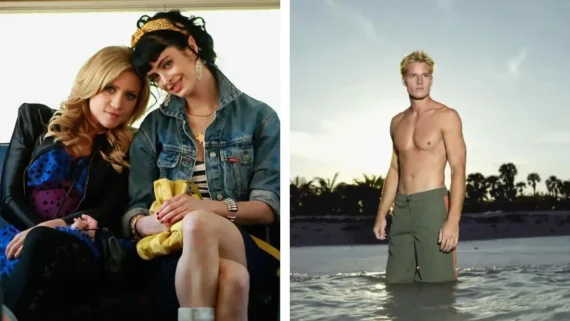
Following a highly rated guest appearance by Alan Ritchson as the iconic underwater hero during the fifth season of the superhero drama, the network rushed to develop a dedicated marine adventure series. The creators chose to recast the leading role with Justin Hartley, filming an expensive pilot episode on location in Florida that featured advanced underwater visual effects for the era. The storyline followed a young Arthur Curry living in a beach community while discovering his advanced Atlantean heritage and fighting corporate polluters. The sudden merger of the WB and UPN networks into the modern CW network completely disrupted the development cycle, causing the new executives to drop the project during the corporate transition.
Sign up for our newsletter
9. Rose’s Turn – Doctor Who
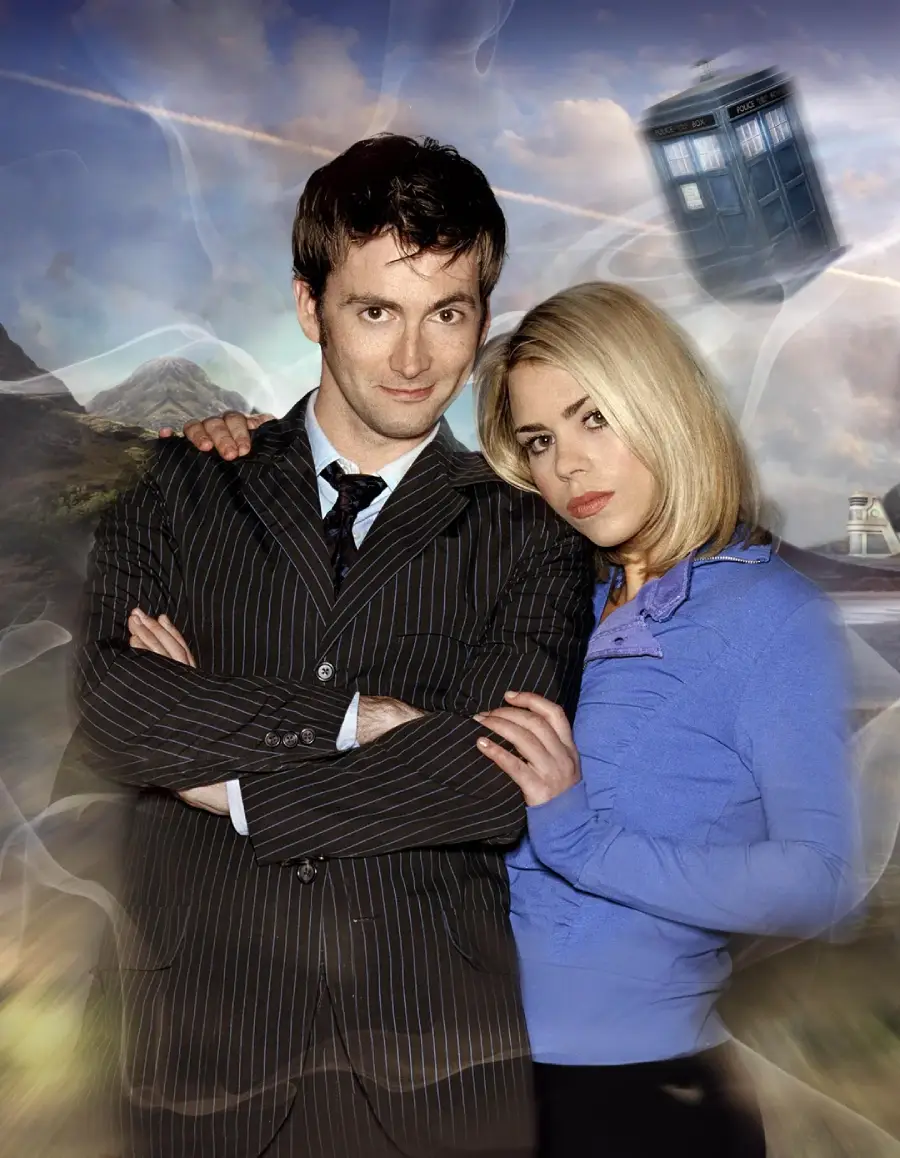
When showrunner Russell T. Davies successfully revived the British science fiction franchise in 2005, he actively drafted a festive holiday special that would launch a separate series for companion Rose Tyler. The concept, titled The Billie Piper Show or Rose Tyler: Earth Defense, was designed to follow her character fighting extraterrestrial threats within a parallel universe alongside a specialized military unit. Davies had secured preliminary structural approval from the network and was preparing to order script treatments for a full series run. He abruptly cancelled the production himself during early pre-production, realizing that burying vital character arcs inside a low-budget companion piece would cheapen her emotional departure from the main show.
10. Winchesters: Samuel Colt – Supernatural
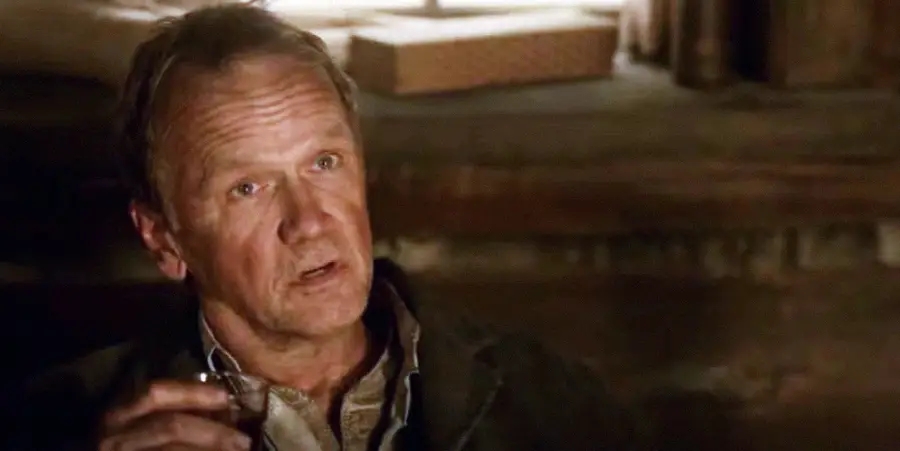
The creators of the long-running paranormal drama spent years attempting to develop a historical Western prequel focusing on the legendary hunter and gunsmith Samuel Colt. The proposed storyline was designed to explore the monster-hunting landscape of the American Wild West during the 19th century, detailing the creation of the iconic mystical firearm that could eliminate any supernatural threat. The network went as far as researching filming locations in New Mexico and drafting character outlines for a gritty, period-accurate action drama. The high financial costs associated with producing a historical Western on a weekly television budget ultimately forced the studio to quietly archive the concept.
11. Clarice – Hannibal
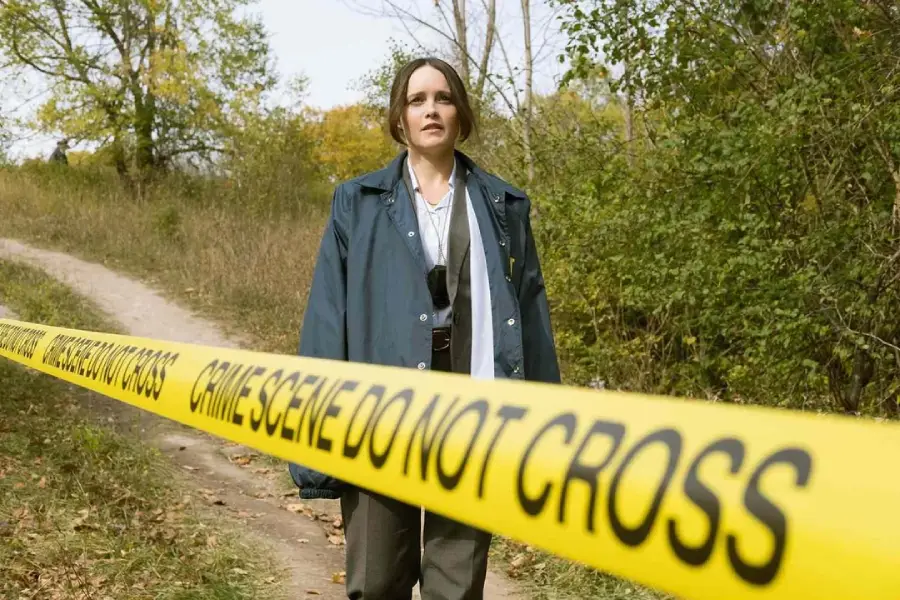
Following the immense critical adoration surrounding Bryan Fuller’s stylized psychological thriller series, the network actively attempted to secure the television rights to the character of Clarice Starling. The producers planned to develop a companion series that would chart her early days at the FBI academy, running parallel to Will Graham’s narrative timeline. The project immediately hit an absolute brick wall due to a massive, intractable legal dispute regarding character copyright ownership between rival film and television studios. Because the production could never legally mention Hannibal Lecter or utilize key historical elements from the source novels, the creative team gracefully abandoned the venture.
12. Valley Girls – Gossip Girl
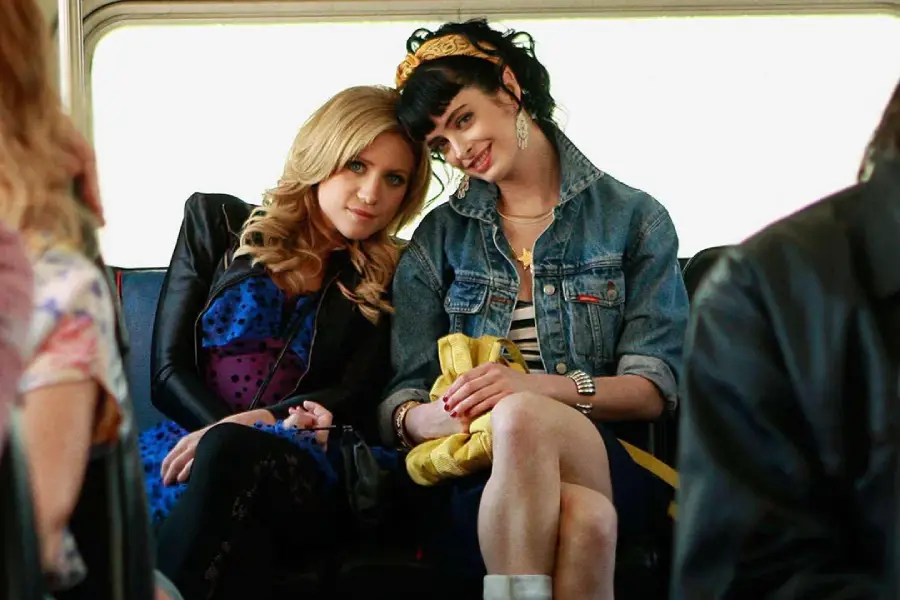
The creators of the elite teen drama filmed a dedicated backdoor flashback pilot during the second season of the show, shifting the narrative back to Los Angeles in the 1980s. The episode featured Brittany Snow playing a young Lily van der Woodsen as she rebels against her wealthy parents to live a gritty lifestyle alongside Hollywood punk rock scenesters. The network had fully prepared a complete promotional campaign for the vintage series, locking in musical acts and retro costume designers for a full season order. The sudden emergence of a massive economic downturn forced the network to cut its development budgets significantly, prompting executives to cancel the retro project to focus on their core roster.
13. Star Trek: Department of Temporal Investigations
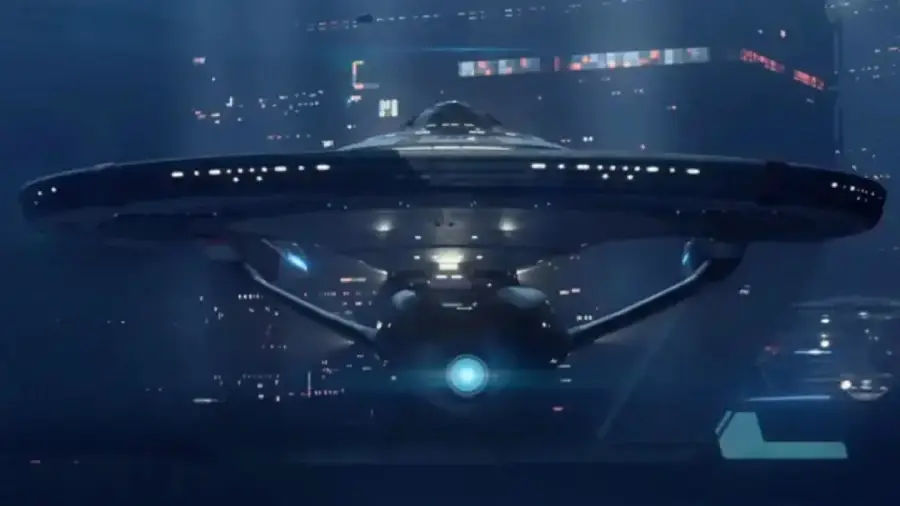
Following the conclusion of multiple successful space exploration series in the late 1990s, screenwriters pitched a unique, procedurally structured series focusing on Starfleet’s time-travel investigators. The concept was designed to follow a specialized team of bureaucratic agents traveling through different eras to fix historical paradoxes and clean up the timeline mistakes left behind by various starship captains. The network showed initial interest in the creative concept, viewing it as a cost-effective way to reuse existing period sets and costumes from other studio productions. The executives ultimately chose to pass on the project to develop Star Trek: Enterprise instead, believing audiences demanded a traditional starship journey.
14. The Sopranos: Young Christopher Moltisanti
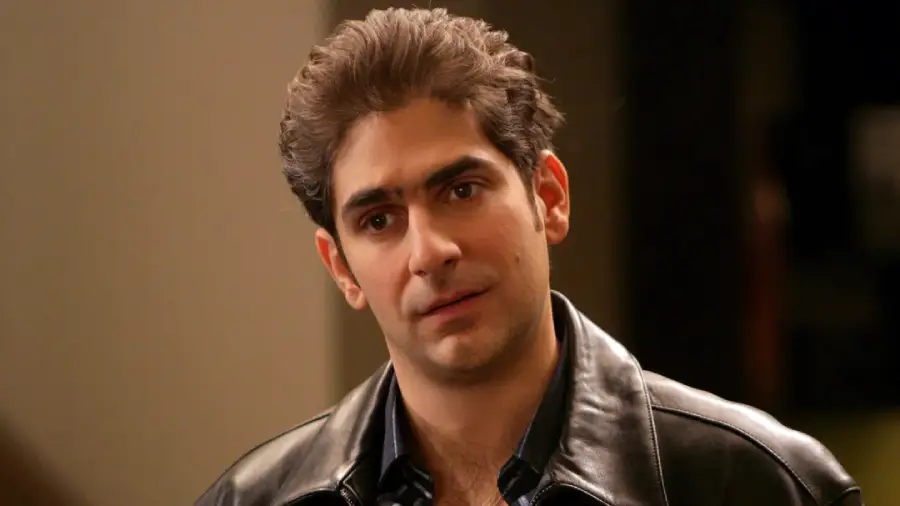
Following the legendary conclusion of the prestige mob drama, creator David Chase briefly entertained multiple pitches from the network regarding a television expansion. One of the most prominent concepts involved a stylized prequel series tracking the early life, childhood traumas, and teenage criminal exploits of Christopher Moltisanti on the streets of New Jersey. The production team intended to explore the complex psychological environment that shaped his destructive relationship with Tony Soprano long before the events of the original pilot. Chase ultimately chose to withdraw from the television negotiations, protecting the definitive legacy of his masterpiece before returning to the era decades later via a feature film instead.
15. The X-Files: Ghost Network
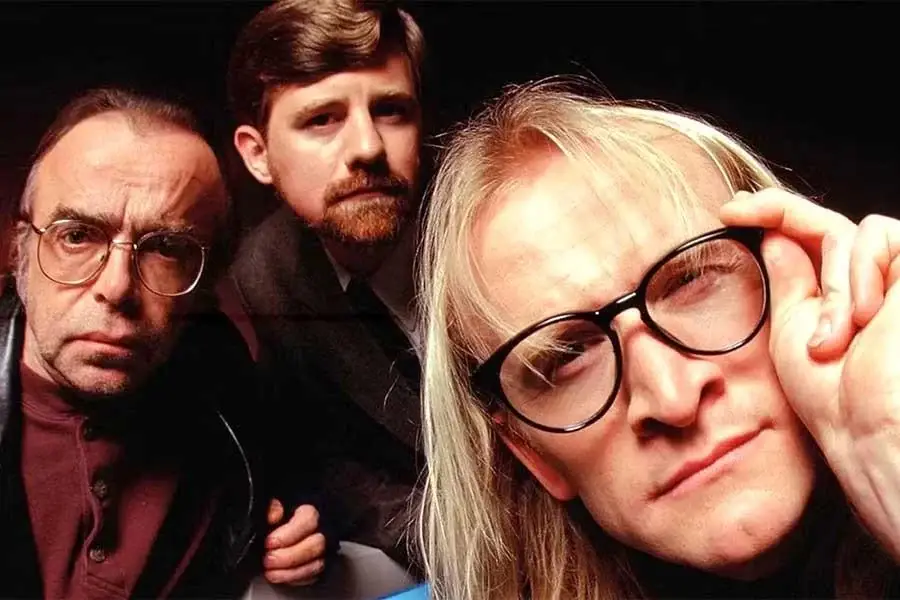
During the peak success of Chris Carter’s legendary sci-fi franchise in the late 1990s, the network actively commissioned a treatment for an anthology series based on internet conspiracies. The proposed series was designed to follow a completely fresh team of young, tech-savvy investigators tracking down paranormal anomalies and government digital cover-ups that were being shared across early web forums. The show was intended to tap into the growing global anxiety surrounding the upcoming Y2K millennium transition and modern cyber-technology. The studio ultimately chose to consolidate its funding to support the traditional X-Files feature films, allowing the digital concept to expire quietly in development.
Explore more curious facts about TV shows:
Discovering the lost blueprints of these forgotten television expansion projects serves as a fascinating reminder that the entertainment industry is an incredibly volatile ecosystem where commercial viability always dictates creative freedom. It is amazing to realize how many complete pilot episodes and expansive storylines are currently locked away inside corporate vaults, completely hidden from the audiences who adored their parent programs. If you enjoyed this illuminating look at the secret history of television development, make sure to explore these 15 Iconic TV Characters Who Almost Died in Season 1 or 15 Iconic TV Series Finales Written Under Pressure. You may also like these 15 Ambitious Films That Never Got a Sequel.