The silent film era of the 1910s and 1920s represented a magnificent, lawless gold rush that fundamentally shaped the modern architecture of global entertainment. During this unique window of cinematic history, an elite group of physically expressive actors built unimaginable financial fortunes and sprawling industrial empires on the foundation of pure pantomime. Because their performances relied entirely on visual storytelling, charismatic facial expressions, and elegant body language, these screen icons commanded a truly universal language that resonated identically with audiences in New York, Paris, and Tokyo. They lived like absolute royalty, amassing vast real estate holdings, driving fleets of custom foreign automobiles, and commanding absolute creative control over the major studios that they single-handedly kept profitable.
However, the structural reality of the film industry shifted violently overnight with the commercial introduction of synchronized audio technology in the late 1920s. The sudden arrival of “talkies” completely broke the universal language of cinema, forcing these visual masters to suddenly step in front of highly sensitive microphones. Many of the most celebrated actors of the era possessed thick foreign accents, high-pitched vocal tones, or physical speech impediments that standard studio recording equipment converted into immediate unintended comedy. Stripped of their contract security as terrified studio executives panicked, these silent legends watched their multi-million-dollar fortunes completely evaporate as audiences ruthlessly abandoned them for a fresh crop of theatre-trained voices. Let’s look at seventeen historic actors who ruled silent Hollywood with absolute authority before losing everything when sound took over the world.
1. John Gilbert
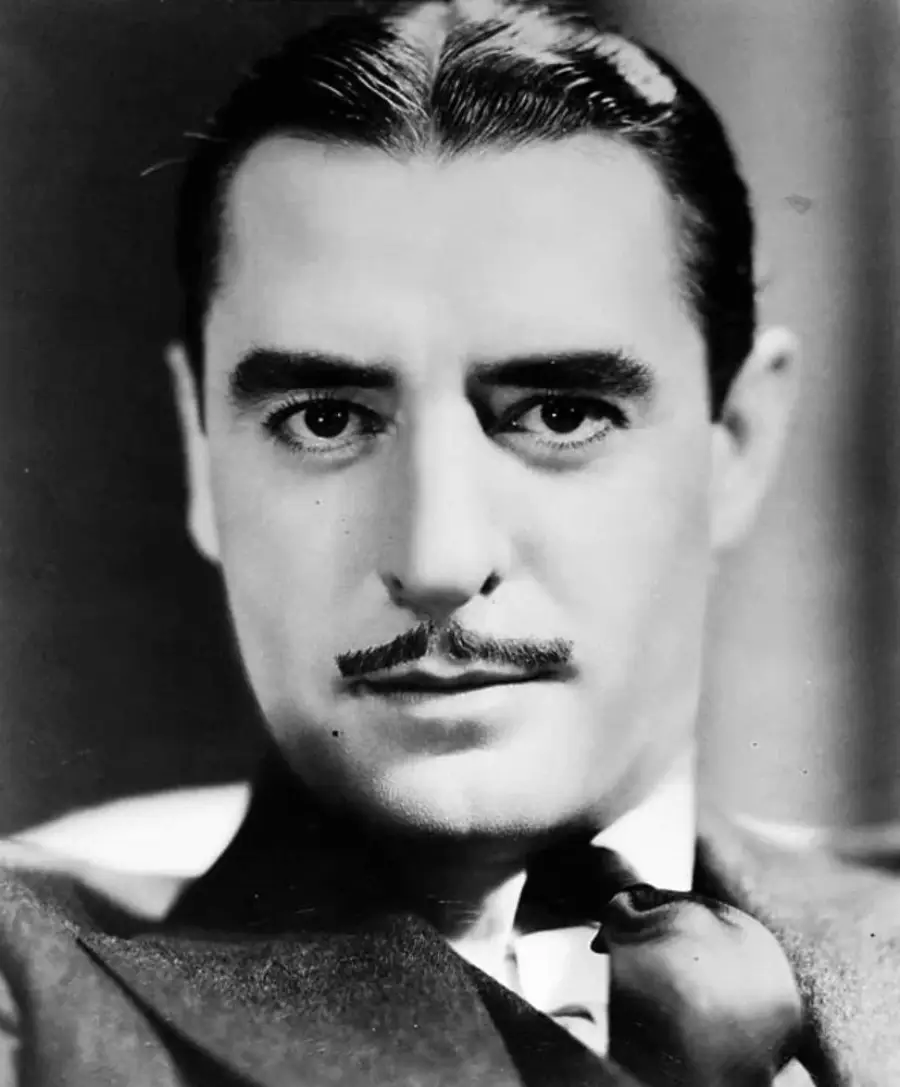
John Gilbert reigned supreme as MGM’s ultimate “great lover” of the silent screen, commanding an absolute fortune and a staggering salary of $10,000 a week. His magnetic visual chemistry with Greta Garbo turned their romantic dramas into massive box office gold, cementing his position as the highest-paid leading man in the entire industry. The transition to synchronized sound became a catastrophic professional ambush, as early recording microphones poorly captured his natural speaking voice, making him sound thin and overly theatrical. Studio chief Louis B. Mayer, who harbored a deep-seated personal hatred for the actor, actively exploited these technical audio flaws to systematically sabotage Gilbert’s remaining film releases. Ruined financially and completely blacklisted from the major studios, Gilbert suffered a fatal heart attack in 1936 at just thirty-eight years old.
2. Clara Bow
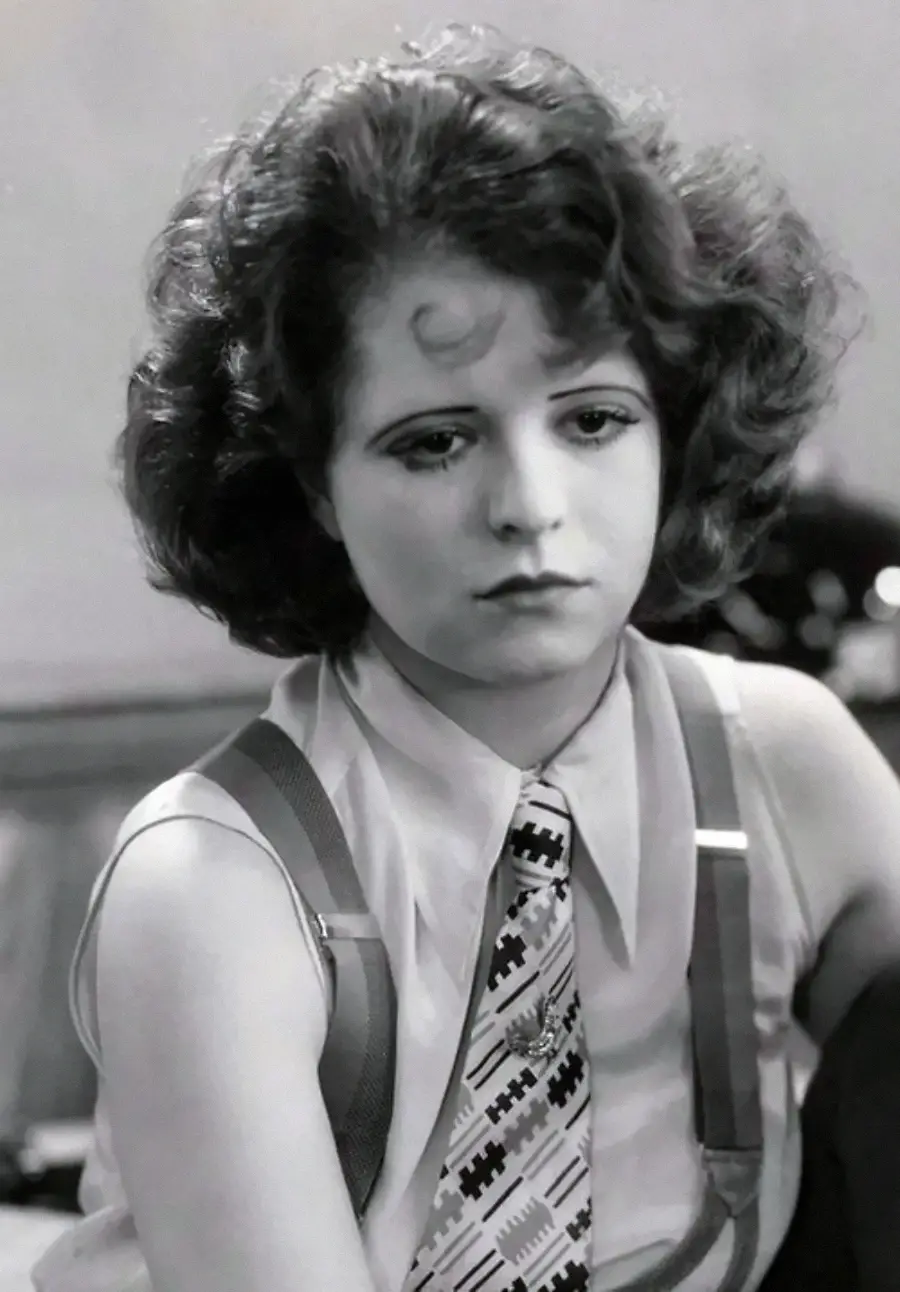
Clara Bow was the definitive face of the Roaring Twenties, achieving global cultural immortality as the original and unmatched “It Girl” of early cinema. Her fierce energy, working-class charm, and expressive eyes allowed her to single-handedly save Paramount Studios from impending bankruptcy during the peak of her popularity. When the sound era arrived, Bow faced a brutal roadblock because her thick, unrefined Brooklyn accent clashed directly with the elegant, sophisticated image the studio wanted for modern talking pictures. The high-strung, sensitive microphones of the era additionally captured her intense nervous pacing on set, which manifested as loud, disruptive background thuds. The immense psychological stress of the audio transition triggered a severe mental breakdown, forcing her to completely retire to a remote cattle ranch.
3. Emil Jannings
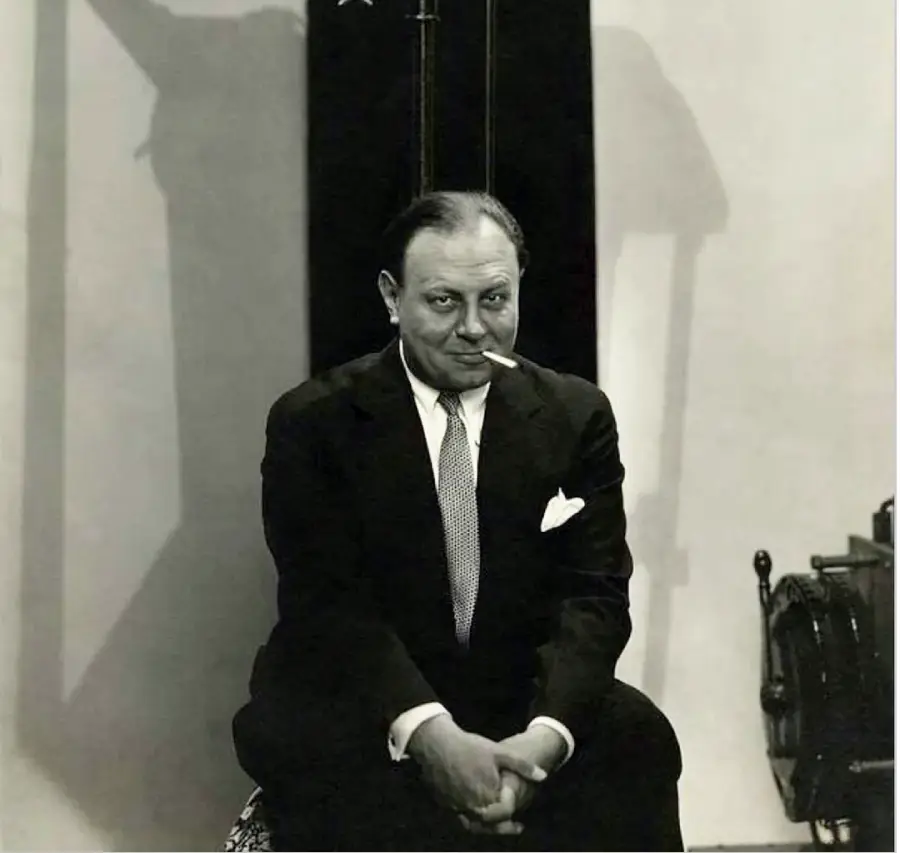
Emil Jannings achieved the absolute pinnacle of acting prestige by winning the very first Academy Award for Best Actor in 1928 for his powerhouse dramatic performances. The German titan specialized in portraying tragic, broken men of high status, commanding massive respect from critics and studio heads alike. His towering Hollywood empire dissolved in a matter of months when talking pictures exposed his incredibly thick, guttural German accent to American theatergoers. Realizing that American audiences would no longer accept him as a leading man in mainstream domestic dramas, Jannings was forced to pack up his belongings and return to Europe. He spent his remaining career working under the suffocating control of the German wartime state before dying in complete professional isolation in 1950.
4. Mary Philbin
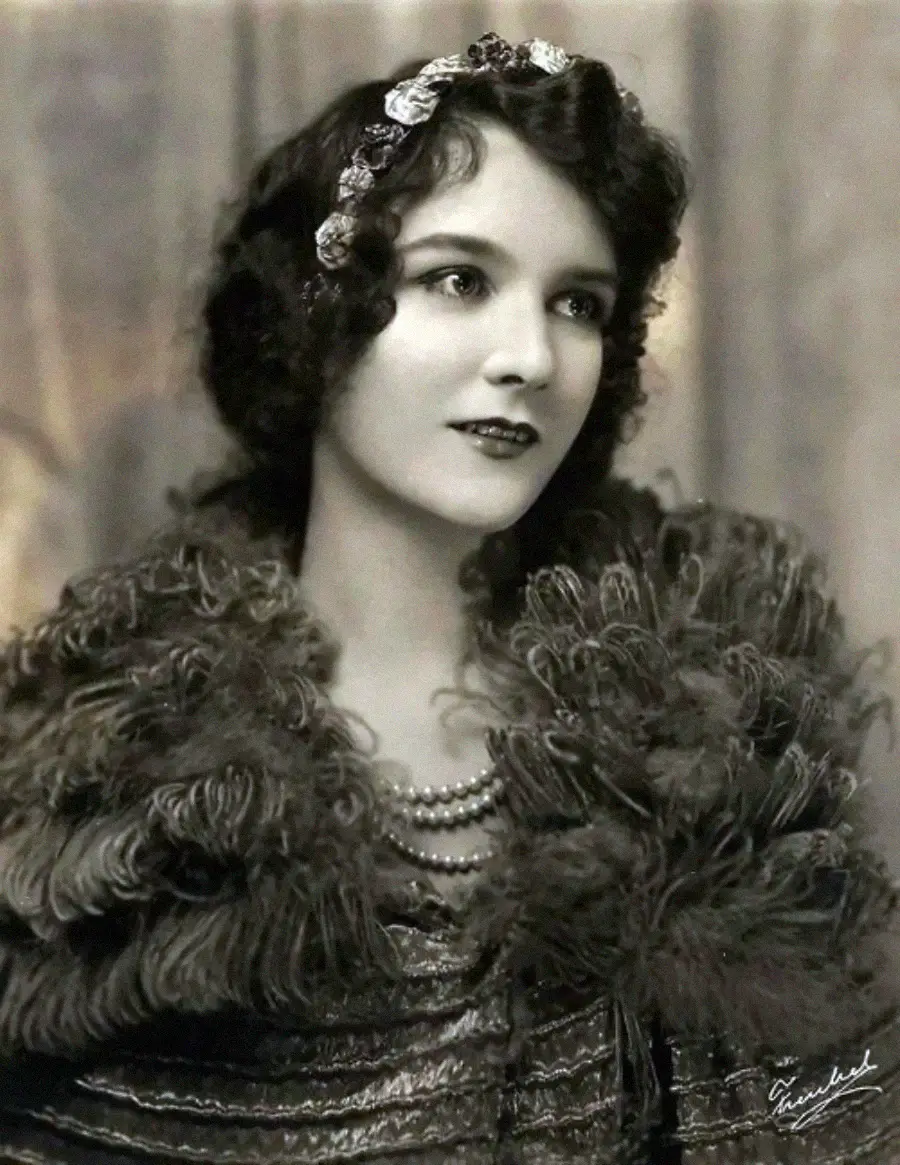
Mary Philbin earned widespread critical adoration by starring as the terrified, angelic heroine Christine Daae in Universal’s landmark 1925 horror masterpiece The Phantom of the Opera. Her delicate facial features and profound capability to communicate intense terror through simple gestures made her one of the most profitable scream queens of the silent era. The arrival of talking pictures immediately paralyzed her career, as her soft, whispering speaking voice lacked the projection and dramatic weight required for early audio technology. To make matters worse, her deeply conservative parents forced her to walk away from a lucrative contract due to religious objections regarding her high-profile screen romances. Philbin spent the remainder of her long life living as a total recluse in her childhood home, passing away in absolute obscurity.
5. Karl Dane
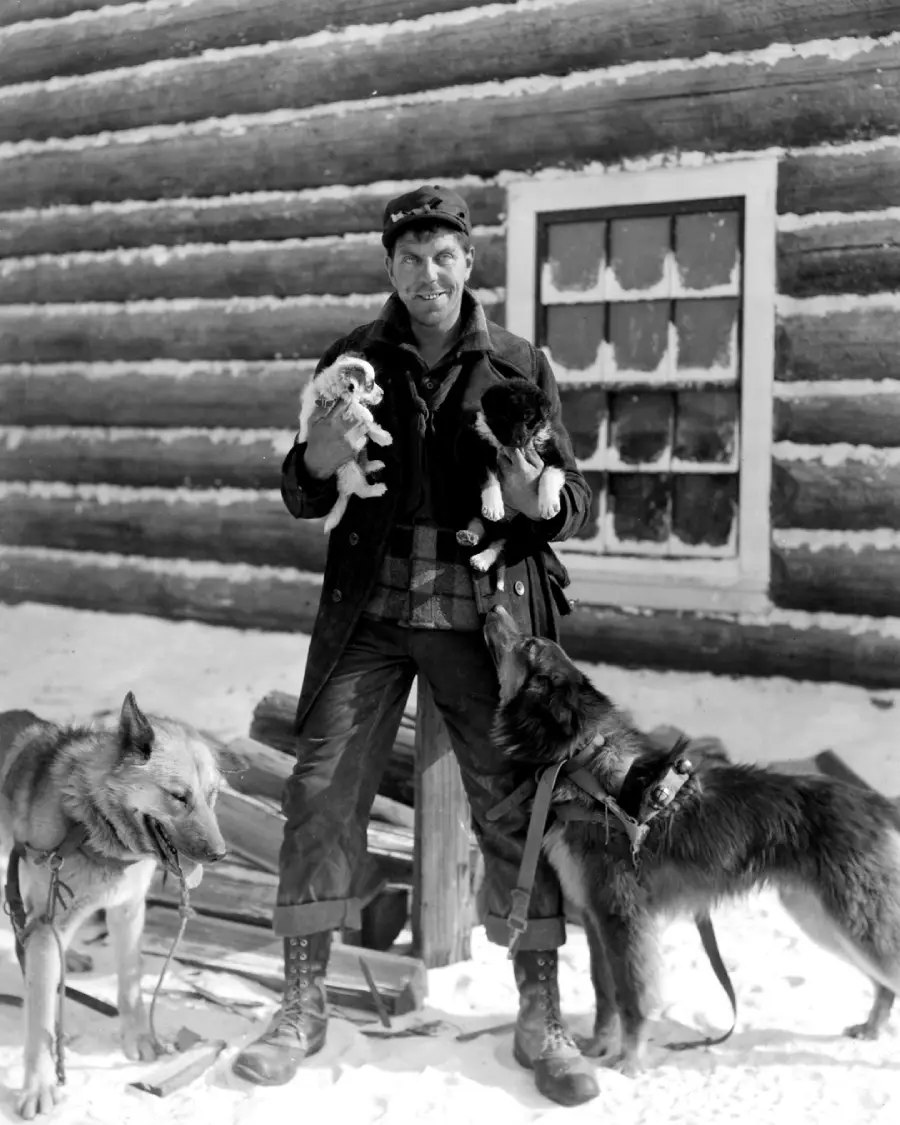
Karl Dane became a massive international comedy star after portraying the slow-witted, tobacco-chewing soldier Slim in MGM’s historic war epic The Big Parade. He subsequently teamed up with George K. Arthur to form an incredibly lucrative comedic duo, earning a staggering peak salary of $1,500 every single week. Dane’s entire Hollywood empire collapsed instantly with the arrival of sound because his incredibly thick, guttural Danish accent proved completely incompatible with the fast-paced English dialogue written for talkies. MGM abruptly terminated his contract, and a series of fraudulent mining investments subsequently drained every single penny of his remaining life savings. Impoverished and deeply depressed, the former silent icon opened a modest hot dog stand right outside the gates of the studio where he once ruled before taking his own life in 1934.
Trending on The Scroller
6. Raymond Griffith
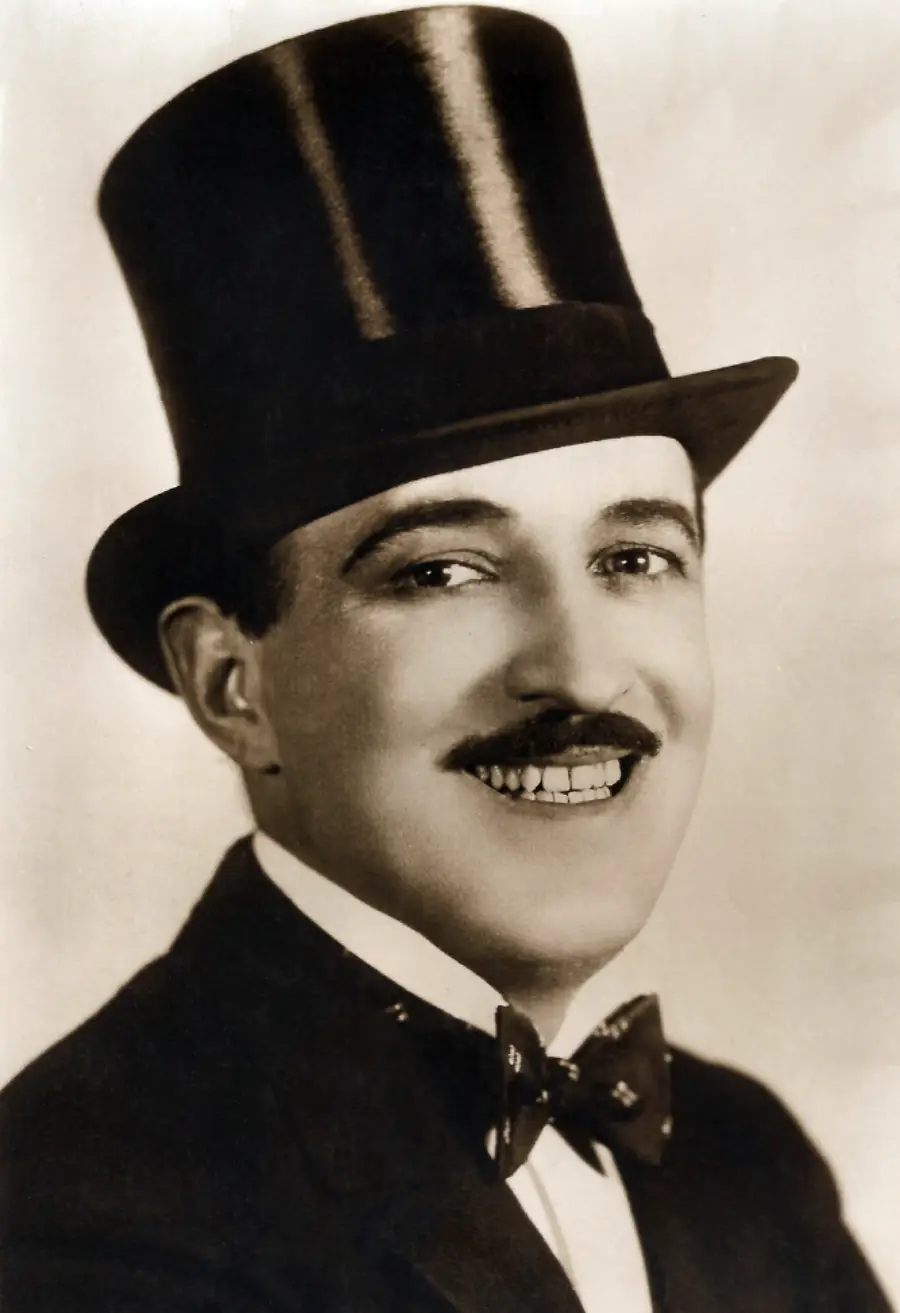
Raymond Griffith was celebrated by contemporary critics as the magnificent “Silk Hat Comedian,” occupying a prestigious tier of silent comedy right alongside legends like Buster Keaton and Charlie Chaplin. Griffith specialized in playing an ultra-suave, aristocratic rogue who navigated chaotic physical farces with absolute sang-froid and perfect dignity. The coming of sound represented an absolute, mathematically certain death sentence for his acting career due to a severe childhood bout of respiratory diphtheria that had permanently damaged his vocal cords. Because he was physically unable to speak above a raspy, hoarse whisper, he was completely incapable of performing standard dialogue scenes for talking pictures. He displayed immense resilience by pivoting completely behind the camera, spending the 1930s working as a highly successful executive producer for 20th Century Fox.
7. Mae Murray
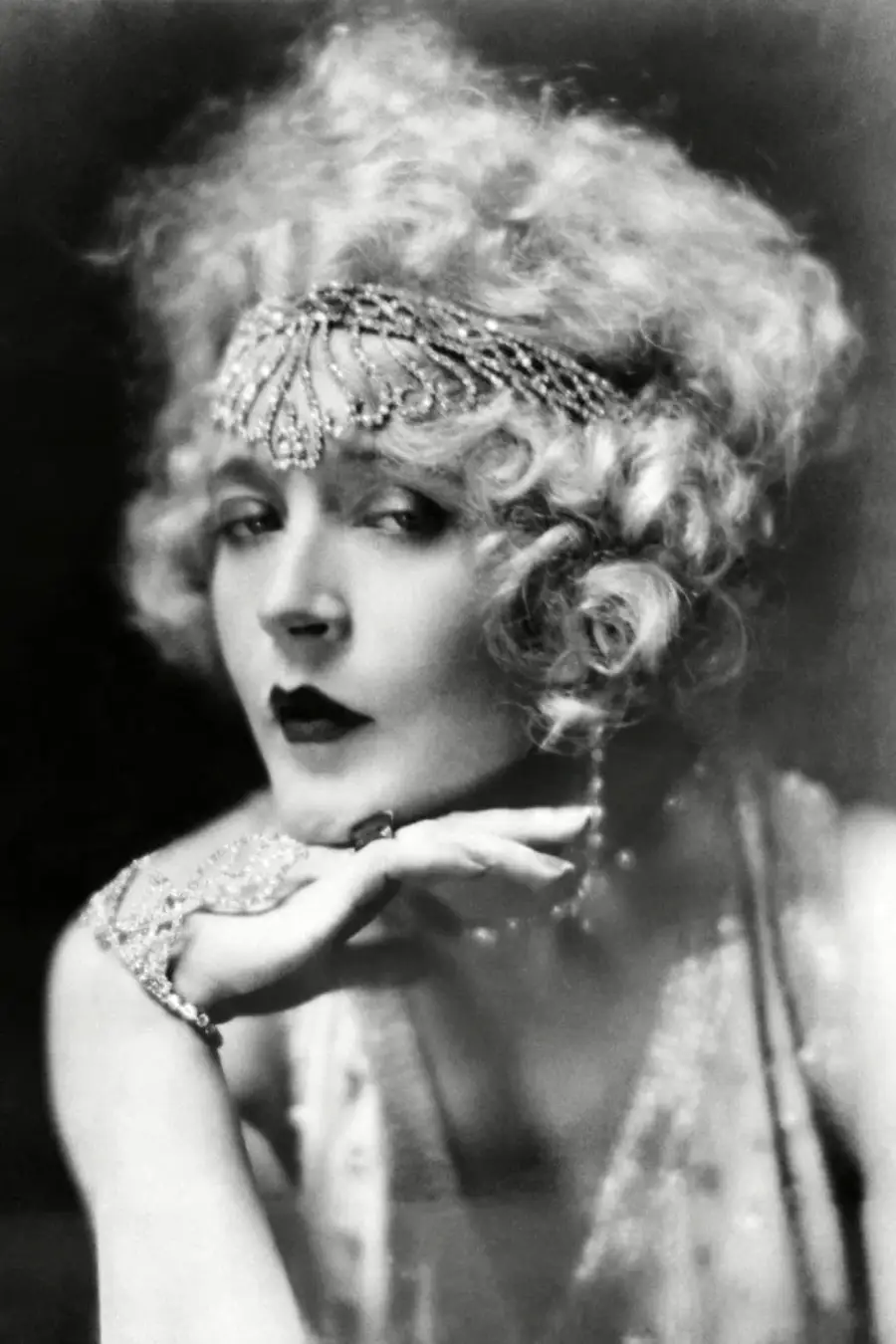
Mae Murray was universally recognized as “The Girl with the Bee-Stung Lips,” amassing a colossal personal fortune as one of the most eccentric and flamboyant queens of silent cinema. Her performance in the 1925 masterpiece The Merry Widow broke box office records worldwide, allowing her to spend millions on diamonds, custom couture, and racehorses. Her empire crumbled due to a series of disastrous hubristic choices, beginning when she walked out on her MGM contract during a massive temper tantrum over creative control. When she attempted to return via low-budget talking pictures, the primitive sound equipment amplified her over-the-top, silent-era histrionics and exposed her advancing age. A predatory marriage to a fraudulent European prince subsequently drained her remaining bank accounts, leaving her so completely penniless that she was eventually found sleeping on a public bench in Central Park.
8. Charles Ray
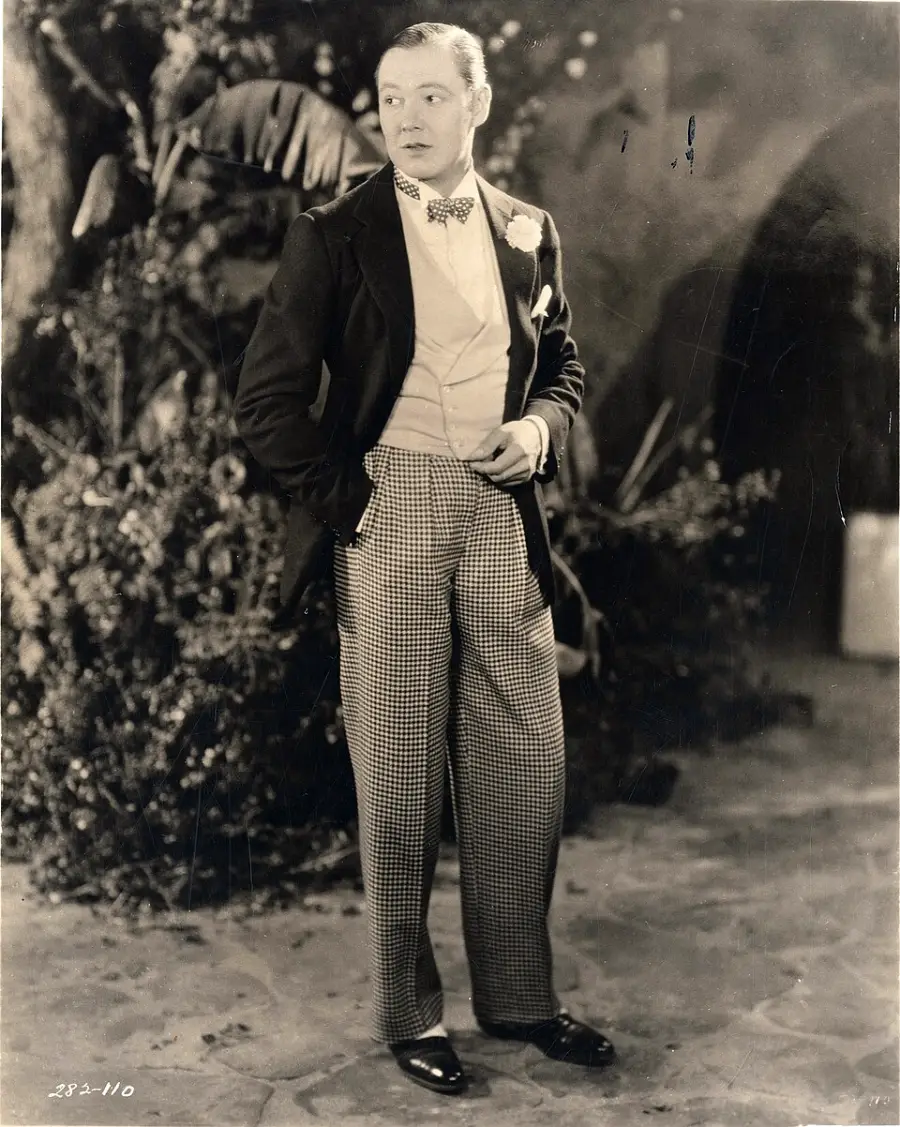
Charles Ray built a massive independent studio empire in the early 1920s by perfecting the incredibly lucrative archetype of the wholesome, bumbling country boy. He was so completely wealthy that he constructed a legendary Hollywood mansion featuring a solid gold doorknob and an absolute fleet of luxury vehicles. His financial downfall began when he sank his entire personal fortune into a self-funded historical epic titled The Courtship of Miles Standish, which flopped spectacularly at the box office. The sudden arrival of talking pictures permanently sealed his ruin, as audiences completely lost interest in silent country melodramas. Ray spent his final decade working as an uncredited, minimum-wage background extra before succumbing to a severe bone infection caused by a stray tooth.
Sign up for our newsletter
9. Colleen Moore
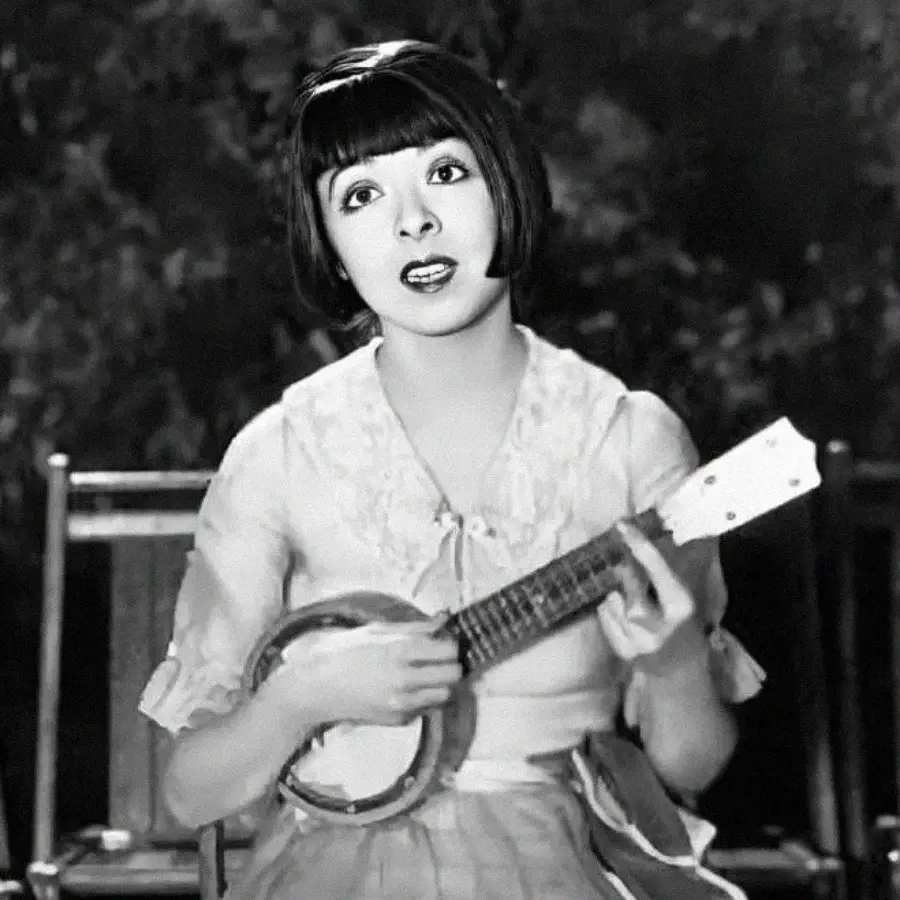
Colleen Moore single-handedly invented the iconic look of the 1920s flapper, popularizing the signature sleek bob haircut that millions of young women copied across the globe. She was an absolute box office juggernaut, earning a massive $12,500 a week and commanding total script and director approval at Warner Brothers. Unlike many of her peers, Moore actually possessed a perfectly pleasant speaking voice and successfully transitioned to sound in several early talkies. However, she grew deeply disillusioned with the chaotic technical limitations of early audio recording and the loss of creative freedom under the new studio system. She chose to walk away from the industry completely, utilizing her remaining millions to construct an incredibly detailed, priceless miniature Fairy Castle dollhouse that she toured nationwide for charity.
10. Norma Talmadge
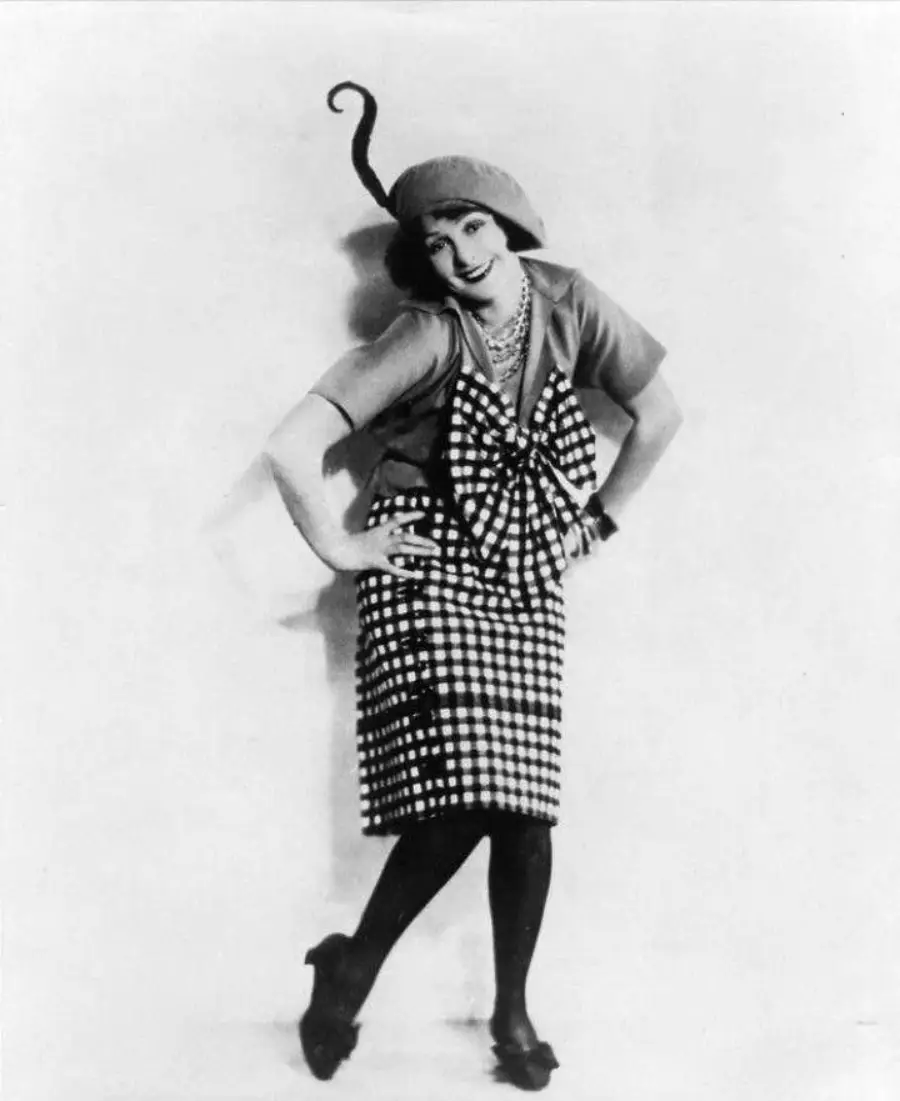
Norma Talmadge was an absolute titan of independent silent cinema, operating her own highly successful production company alongside her husband, mega-producer Joseph Schenck. She specialized in high-budget, emotionally intense melodramas that generated massive box office returns and turned her into a multi-millionaire fashion icon. Her transition to sound became the subject of intense Hollywood mockery, as her natural vocal delivery possessed a distinct, unrefined Brooklyn nasality that completely shattered her sophisticated on-screen persona. After starring in two poorly received talking pictures that critics heavily panned, Talmadge recognized that her era had reached its definitive conclusion. She gracefully retired from the screen with her remaining real estate investments intact, famously refusing to sign autographs by telling fans that the movie business was a dead chapter of her life.
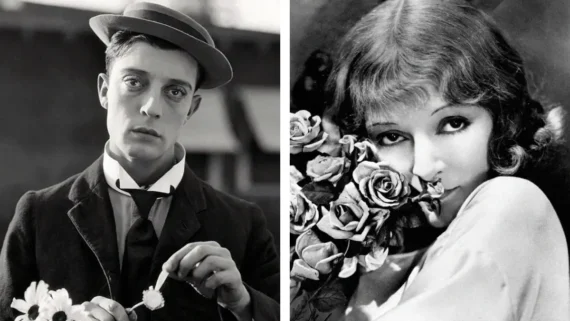
11. Buster Keaton
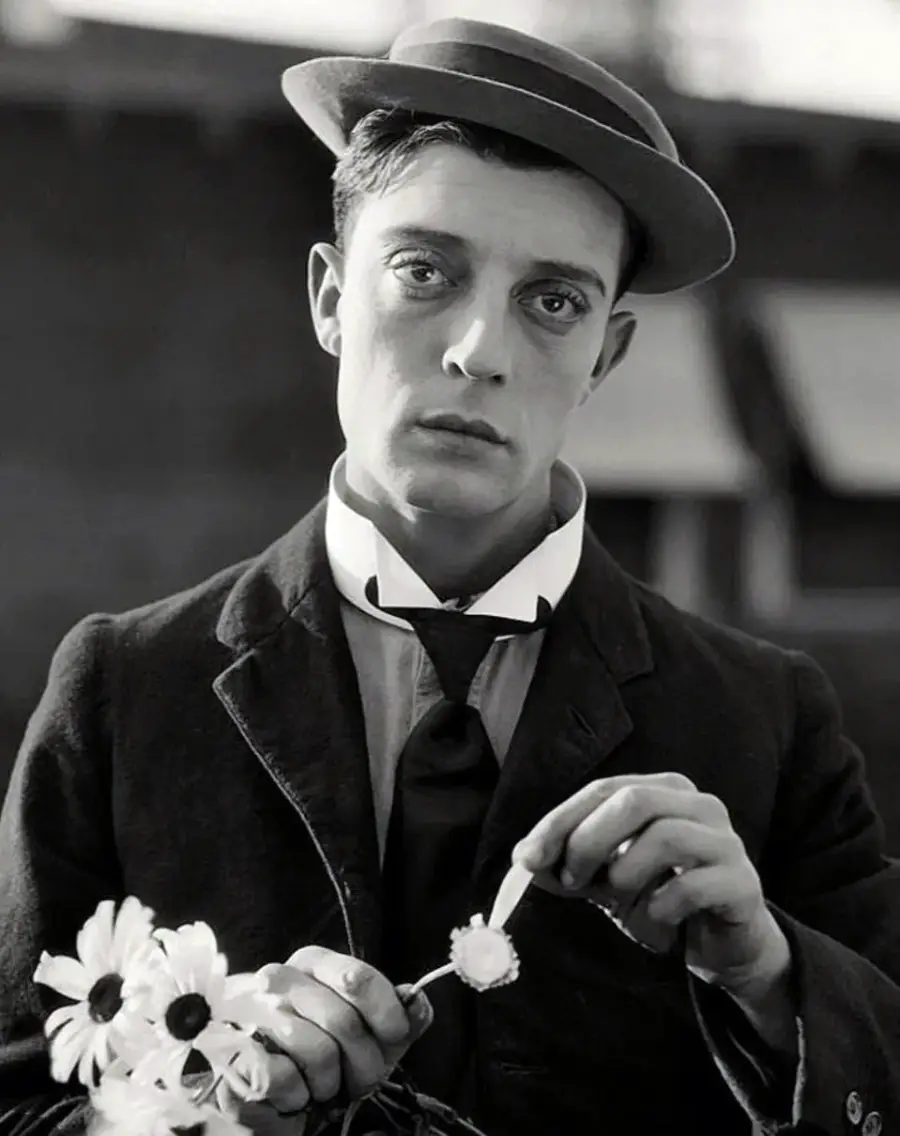
Buster Keaton built one of the most visually stunning creative empires in entertainment history, performing death-defying physical stunts and directing masterpieces of silent comedy. His complete artistic independence ended when his business manager convinced him to sell his studio and sign a restrictive contract with MGM. The studio heads completely misunderstood his deadpan genius, forcing him into rigid talking pictures where his character was buried under dense, scripted dialogue and paired with loud, incompatible comedy partners. The loss of his creative autonomy threw Keaton into a deep spiral of severe alcoholism, resulting in a sudden divorce that stripped him of his remaining wealth. He went from owning a massive Italianate mansion to working as a low-paid, anonymous gag writer for other comedians.
12. Corinne Griffith
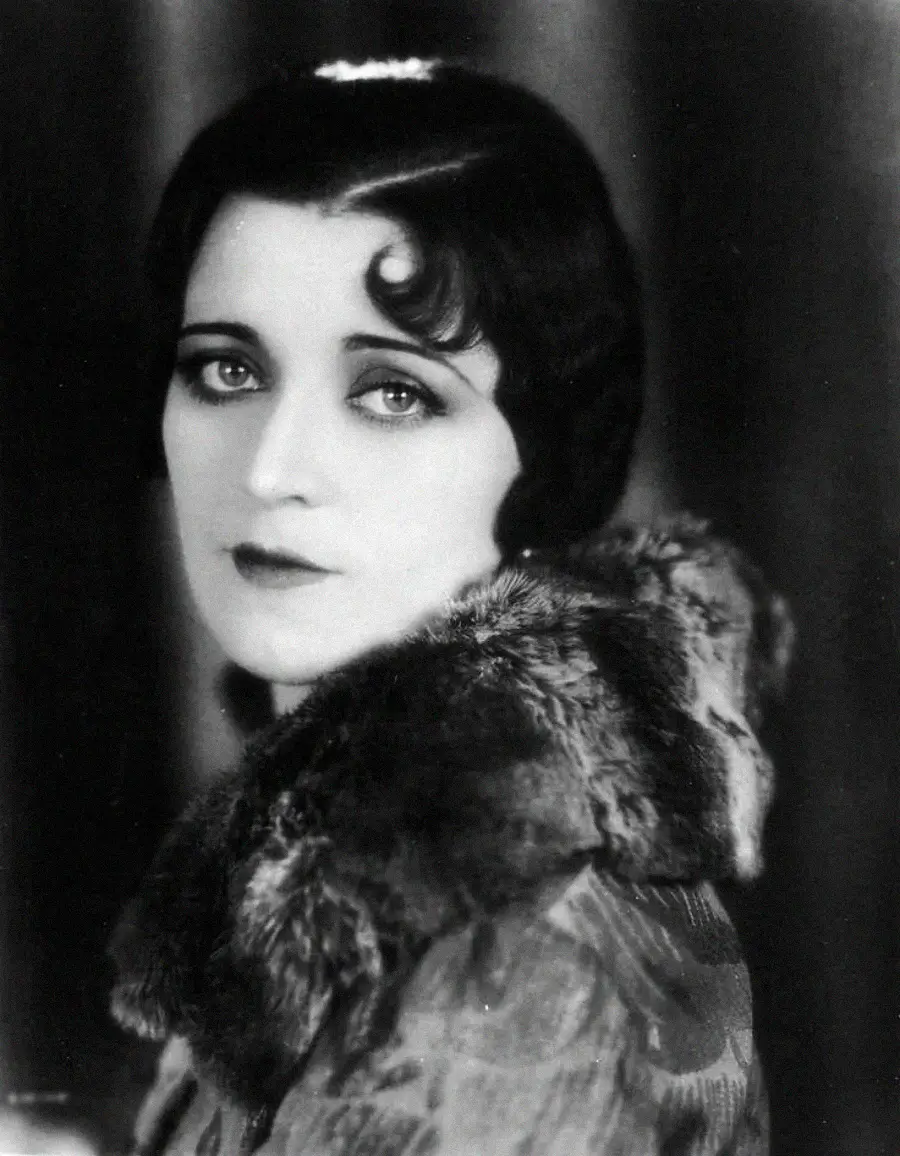
Corinne Griffith was widely celebrated by international film critics as “The Orchid of the Screen,” universally recognized as one of the most breathtakingly beautiful women in silent Hollywood. She earned an Academy Award nomination for her spectacular performance in the 1928 film The Divine Lady, cementing her status as a premier dramatic artist. Her natural speaking voice proved to be completely flat and lacked any dramatic cadence when played through early theater audio systems. Recognizing the structural shift immediately, Griffith chose to pivot her immense focus toward the Southern California real estate market rather than fighting the studio system. She became one of the most successful female property developers in the state, amassing a fresh fortune worth millions while completely erasing her past acting legacy.
13. Vilma Bánky
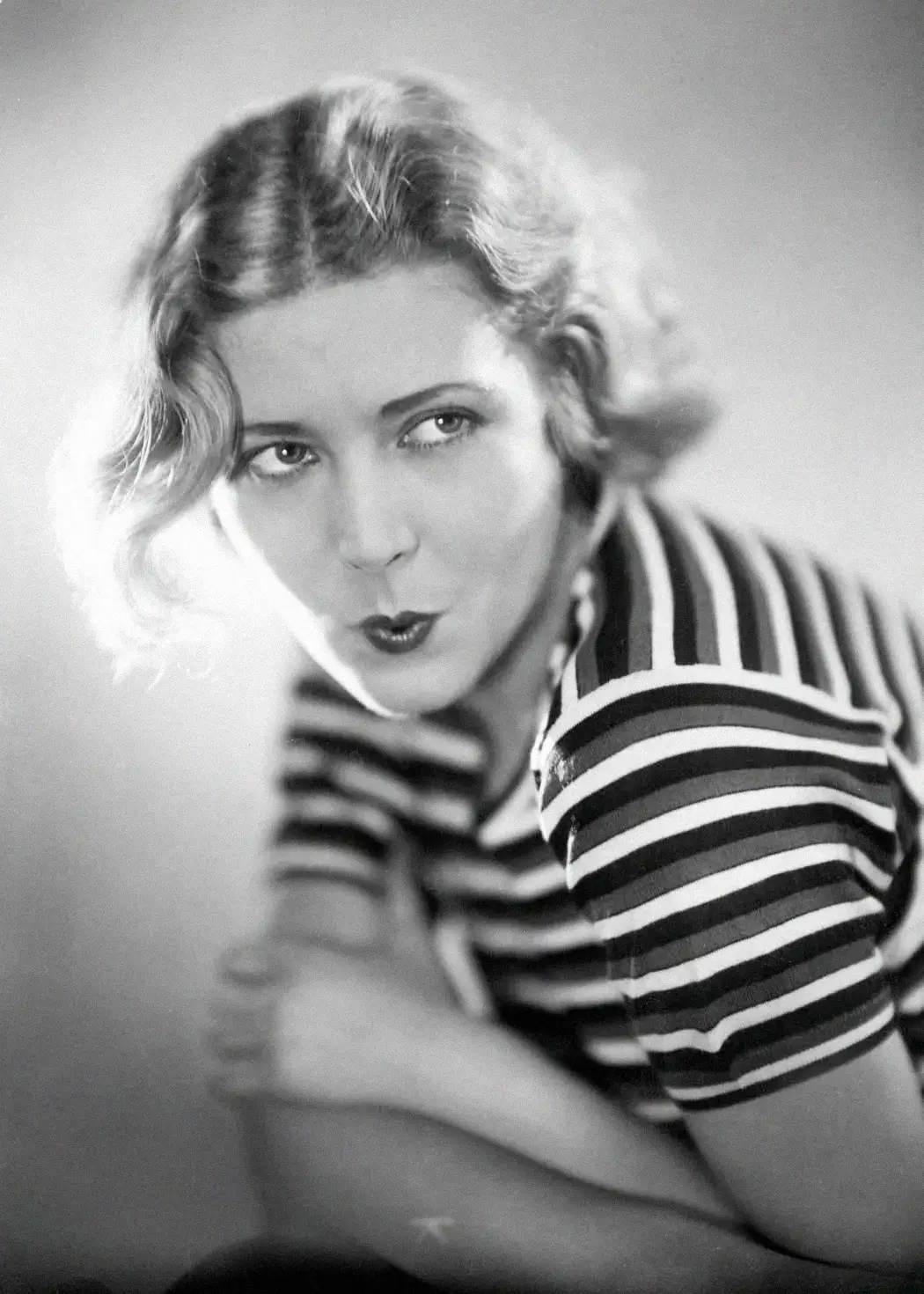
Vilma Bánky was a magnificent Hungarian beauty discovered by legendary producer Samuel Goldwyn, who aggressively marketed her to American audiences as “The Foreign Eminence.” She starred as the definitive romantic lead alongside legends like Rudolph Valentino and Ronald Colman, generating massive financial returns for the studio. Her Hollywood career hit an absolute brick wall with the arrival of sound, as her heavily accented English was almost completely unreadable to American theater audiences. Goldwyn spent thousands of dollars providing her with intensive vocal coaches, but the primitive recording technology simply could not process her dialect smoothly. Bánky gracefully retired from the screen, pivoting her energy toward real estate and professional golf tournament play alongside her husband.
14. William Haines
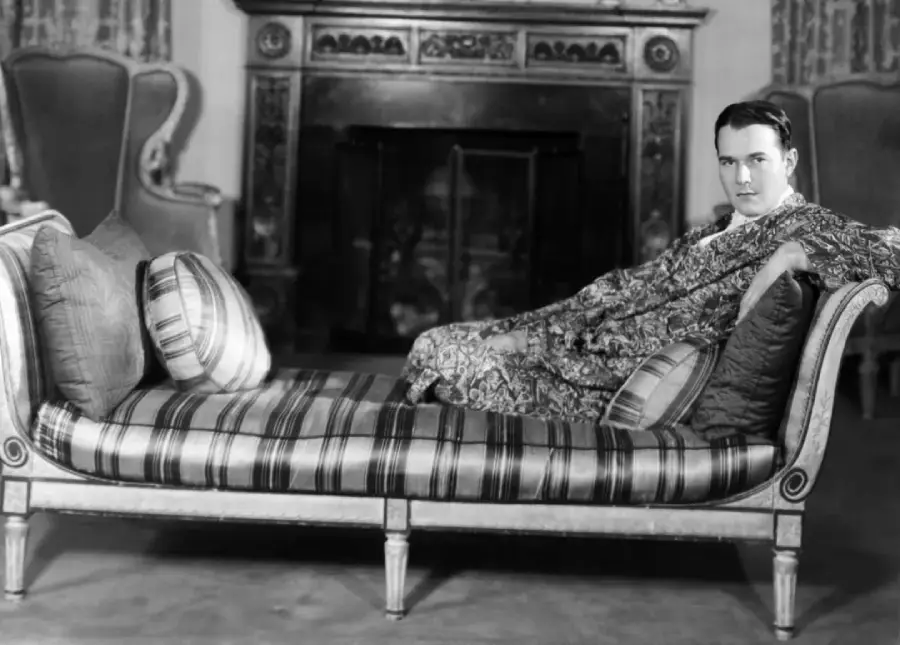
William Haines pioneered the highly lucrative archetype of the wisecracking, arrogant-but-lovable athletic hero, becoming the absolute number-one box office draw in America by 1930. Haines possessed an incredibly sharp, fast-paced speaking voice and transitioned into talking pictures with total commercial success. His career was brought to a sudden, violent halt not by his voice, but by studio chief Louis B. Mayer, who discovered Haines had been arrested following an incident with a sailor. Mayer delivered an absolute ultimatum demanding that Haines enter into a fraudulent marriage to conceal his identity, but he courageously refused to abandon his real-life partner. He was permanently blacklisted from Hollywood, but he rebounded spectacularly by launching an elite interior design firm that decorated the mansions of the very stars who replaced him.
15. Nita Naldi
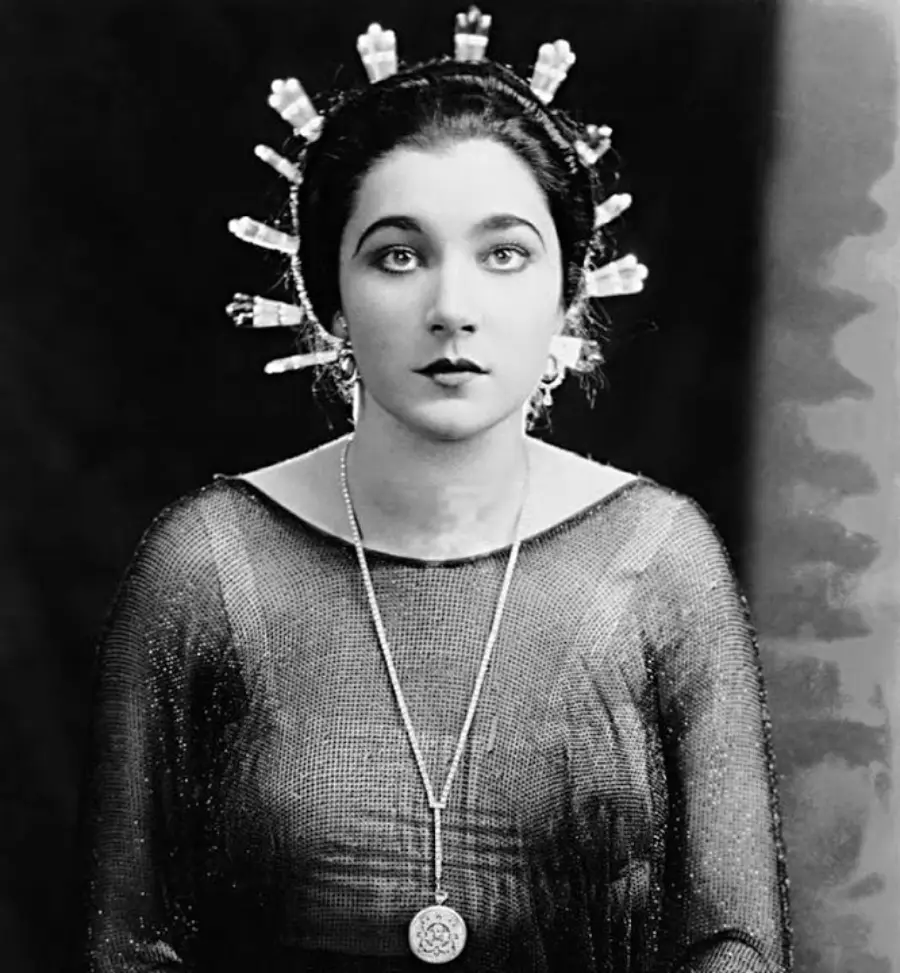
Nita Naldi was Hollywood’s definitive silent “Vamp,” specializing in playing exotic women who systematically ruined the lives of respectable leading men. She served as the premier female counterpart to Rudolph Valentino, utilizing her piercing gaze and dramatic hand gestures to convey deep passion without a single word. The arrival of talking pictures destroyed the mystical, exotic illusion of the silent vamp archetype overnight. When Naldi spoke into the microphones, her traditional New York theatrical delivery sounded entirely too ordinary for an exotic international seductress. As the roles dried up completely, she fell into severe financial distress, eventually declaring absolute bankruptcy and spending her final years working as a low-paid stagecoach driver.
16. Lya De Putti
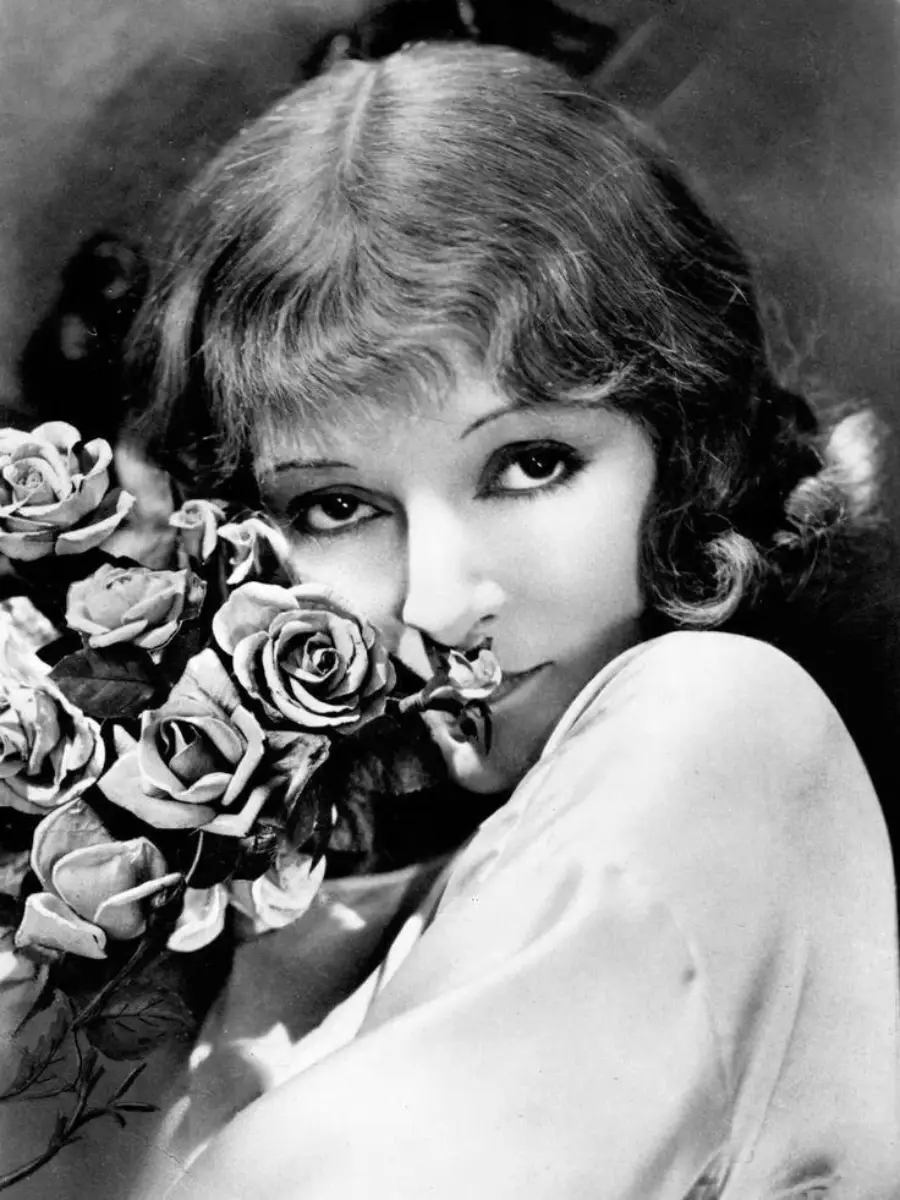
Lya De Putti was a spectacular Hungarian actress who achieved massive fame playing the ultimate exotic temptress in European masterpieces before being brought to Hollywood by Cecil B. DeMille. Her striking, dark features turned her into an immediate sensation, allowing her to command a luxurious lifestyle inside elite Hollywood circles. The talkie revolution completely paralyzed her career prospects, as her severe lack of English fluency made it completely impossible for her to secure dialogue-heavy roles. Deeply depressed by her sudden fall from grace, she spent her remaining funds attempting to return to the European stage before tragically passing away following a freak accident at just thirty-four years old.
17. Wallace Reid
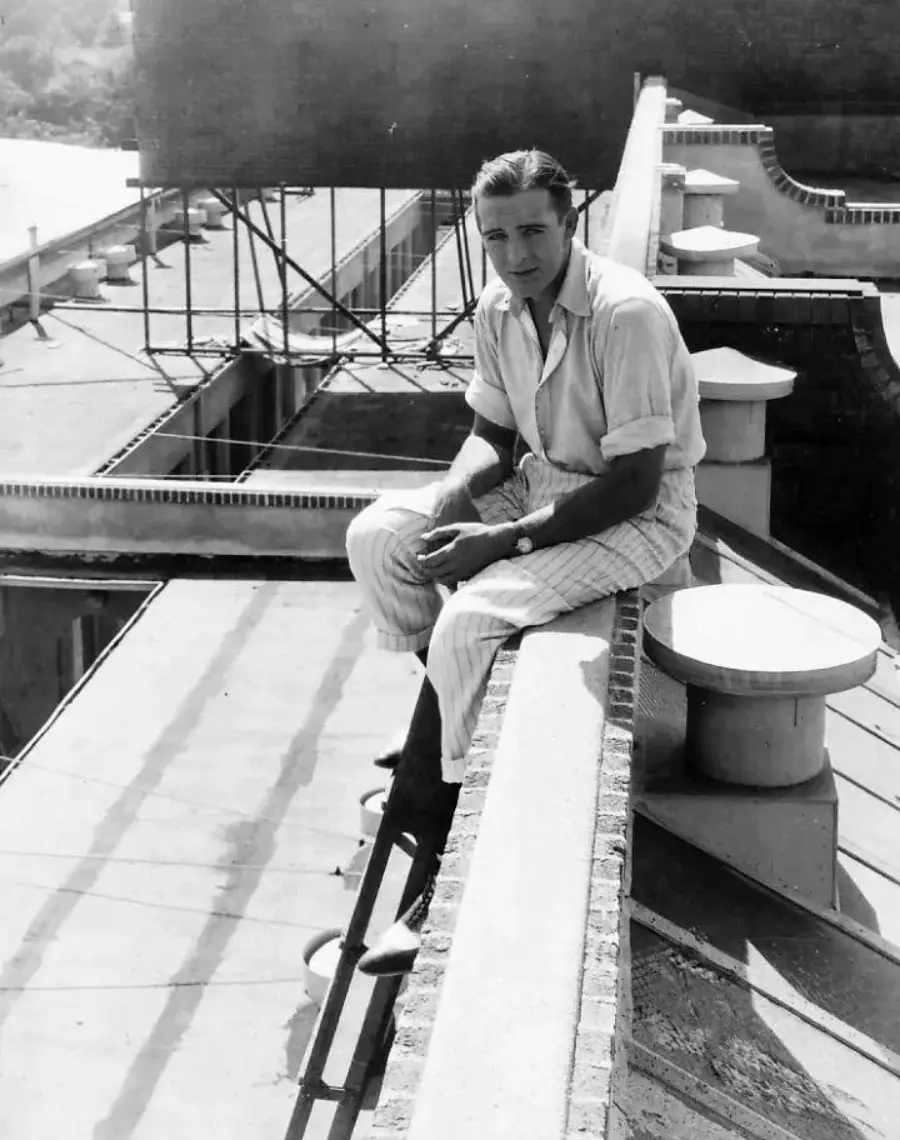
While this legendary silent icon passed away right before the official commercial release of the talkies, his tragic story represents the absolute blueprint of silent-era industrial exploitation and ruin. Reid was “The King of Paramount,” a clean-cut, multi-talented action star who generated millions for the studio by performing dangerous stunts in high-speed automotive racing films. After suffering a severe scalp laceration during a train crash en route to a movie set, studio executives desperately drugged him with heavy morphine to keep the profitable production on schedule. He developed a severe, uncontrollable addiction that completely eroded his physical health and drained his immense wealth within a matter of years. He passed away in a sanitarium at just thirty-one years old, serving as a dark warning of the corporate greed that defined the era.
In the mood for more Old Hollywood stories?
Examining the sudden, devastating collapse of these early cinematic empires serves as a powerful reminder that technological progress is often incredibly ruthless to the pioneers who built the foundation of the industry. The fact that an individual could hold the entire world in the palm of their hand based on visual charisma, only to be turned into an overnight outcast by a microphone, highlights the volatile nature of show business. If you enjoyed this nostalgic and melancholy journey back to the lost stages of old Hollywood, make sure to explore these 20 Rare Candid Photos of Old Hollywood Stars, or 15 Hollywood Starlets Whose Stories Ended in Tragedy. You may also like these 20 Hollywood Celebrities That Ruled the Golden Age.