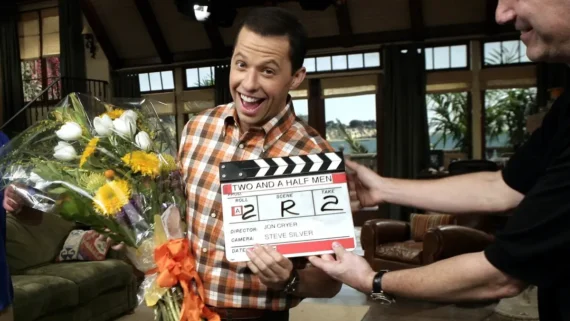
When we pull up our favorite long-running television series for a cozy weekend binge-watch, we naturally focus all our visual attention on the compelling performances happening right in front of the camera. We view the central ensemble cast as a dedicated group of specialized performers whose exclusive, single responsibility is to bring the script’s dialogue to life through their on-screen expressions. Over the generations, traditional television marketing and red carpet profiles have conditioned audiences to look at the division of Hollywood labor as an ironclad rule. This traditional view frames our understanding of television production, leaving viewers to assume that the complex technical duties of camera placement, scene pacing, and background choreography are handled strictly by a rotating roster of anonymous, behind-the-scenes directors.
However, a closer look at the rolling production credits reveals a fascinating crossover dynamic that takes place right under our noses on set. The compelling reality of contemporary television culture proves that several of the single most famous actors in modern broadcasting history have quietly stepped behind the camera lenses to call the shots for their own series. Instead of relying exclusively on external creative visions, these multi-talented performers successfully balanced the immense pressure of portraying their signature characters while simultaneously taking absolute technical command of the entire production crew. Let’s head to the director’s chair as we explore fourteen unforgettable times beloved television actors masterfully directed major episodes of their own series without any of us noticing until the final credits rolled.
1. Bryan Cranston – Breaking Bad
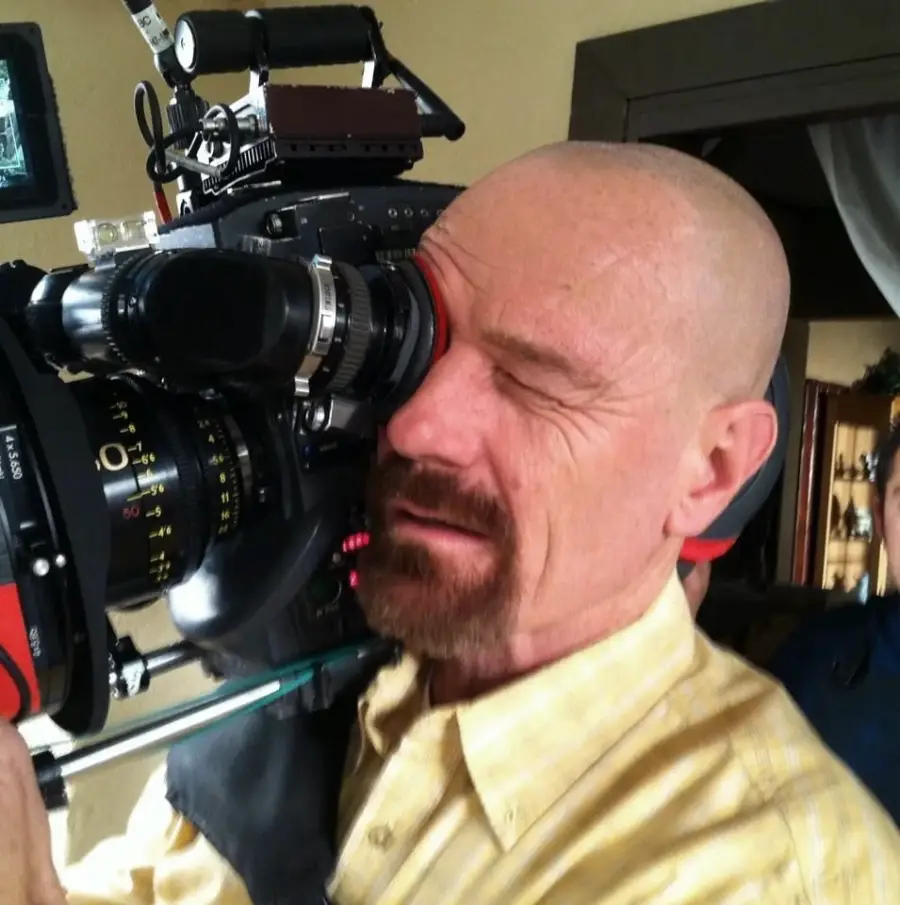
While modern audiences universally worship Bryan Cranston for his historic, multi-Emmy-winning physical transformation into the dangerous drug kingpin Walter White, many fans remain entirely unaware of his massive contributions behind the lens. Cranston brought a wealth of hidden technical experience to the dark AMC drama, having previously directed several highly kinetic episodes of his hit comedy series Malcolm in the Middle years earlier. Showrunner Vince Gilligan completely trusted Cranston’s unique visual eye, officially assigning him to direct the monumental, high-stakes season premieres for both season two and season three. He masterfully managed to direct the highly chaotic, emotionally grueling sequences while simultaneously performing complex dramatic monologues in his signature undergarments. His incredible ability to seamlessly transition from calling structural camera positions to executing terrifying, dramatic breakdowns set a brilliant professional standard for the entire production crew.
2. David Schwimmer – Friends
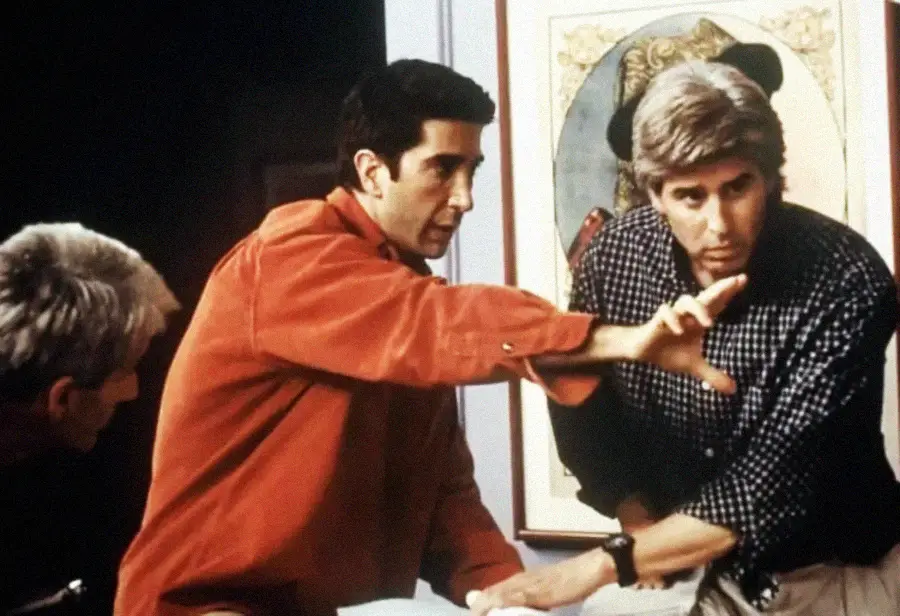
David Schwimmer spent a decade immortalizing the lovable, socially awkward paleontologist Ross Geller on television, but his deep passion for theatrical stage direction quietly reshaped the physical comedy of the entire sitcom. He holds the unique historical distinction of being the absolute first member of the central ensemble cast to step into a permanent production role, eventually directing ten complete episodes across the show’s legendary run. He was specifically entrusted with directing massive narrative milestone segments, including the iconic, highly tense episode where the group slowly uncovers the identity of the father of Rachel’s baby via a red sweater. Schwimmer carefully utilized his extensive background in Chicago theater to meticulously block the complicated slapstick movements and fast-paced overlapping dialogue within the studio set. His stellar, highly coordinated work behind the lens was so universally respected by network executives that he was later hired to direct multiple episodes of the spin-off series Joey.
3. Steve Carell – The Office
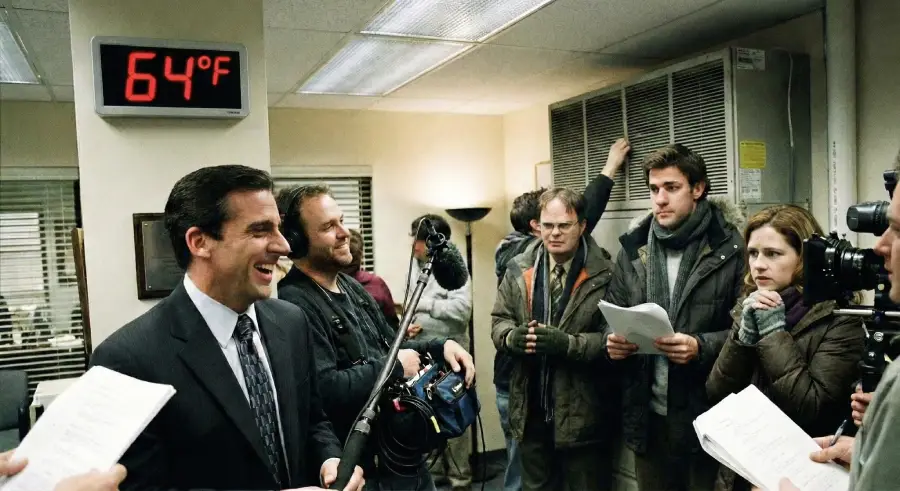
Steve Carell served as the absolute comedic anchor of Dunder Mifflin through his legendary performance as the cringeworthy but well-meaning regional manager Michael Scott. While he actively co-wrote multiple landmark episodes like the fan-favorite Casino Night, Carell also quietly took absolute creative command of the director’s chair for three highly critical episodes of the series. Most notably, he directed the beautifully moving, high-stakes narrative block where Michael Scott permanently proposes to Holly Flax in a room packed with thousands of glowing candles and active facility sprinkler systems. Because the cast members shared an incredibly deep, familial bond with Carell, his episodes consistently captured some of the most authentic and emotionally raw performances of the entire series. His brilliant transition to the director’s seat was completely invisible to casual viewers because he maintained the show’s signature, unpolished mockumentary camera framework with absolute technical precision.
4. Ellen Pompeo – Grey’s Anatomy
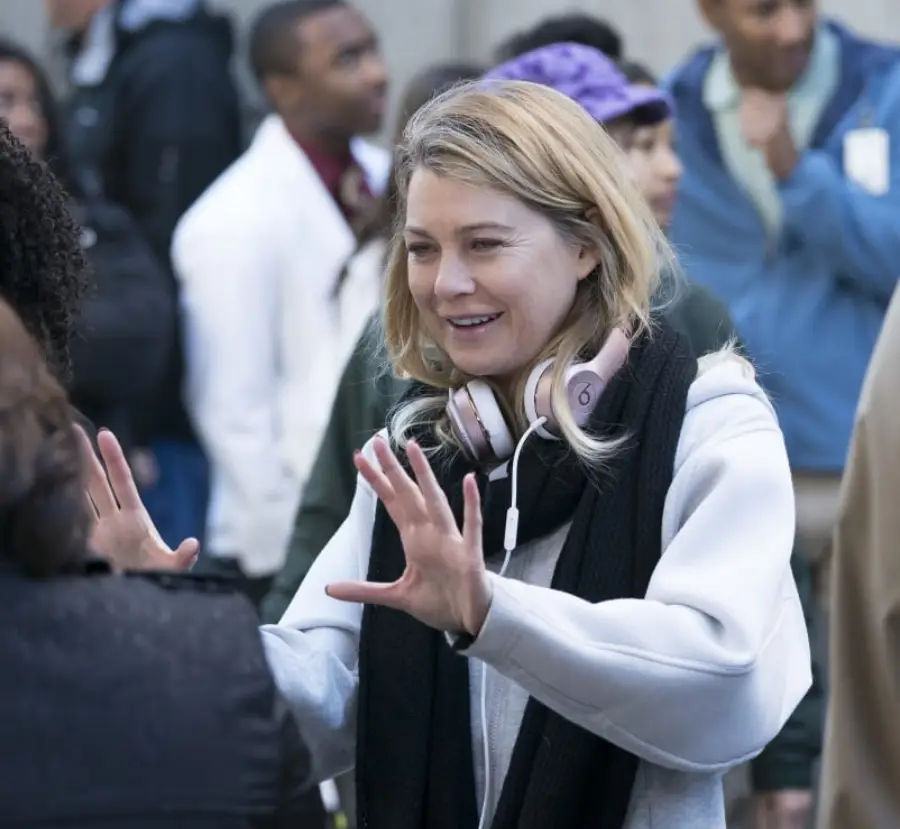
Ellen Pompeo has spent over two decades portraying the definitive central anchor of contemporary medical television drama as Dr. Meredith Grey, eventually transitioning into a high-level executive producer role for the series. Seeking to expand her creative autonomy after hundreds of episodes on set, she made her formal directorial debut during the show’s thirteenth season with a highly dramatic, emotionally draining episode tracking the tragic passing of a main character’s mother. Pompeo received massive, widespread critical praise across the industry for her unique ability to extract raw, deeply nuanced, dramatic performances from her long-time co-stars, who deeply trusted her creative guidance. To prepare for the intense technical demands of managing a high-budget network medical set, she spent months shadowing elite Hollywood directors, including veteran filmmaker Denzel Washington. Her sophisticated eye for pacing ensured that her episodes seamlessly integrated into the long-running show’s complex visual legacy.
5. Zach Braff – Scrubs
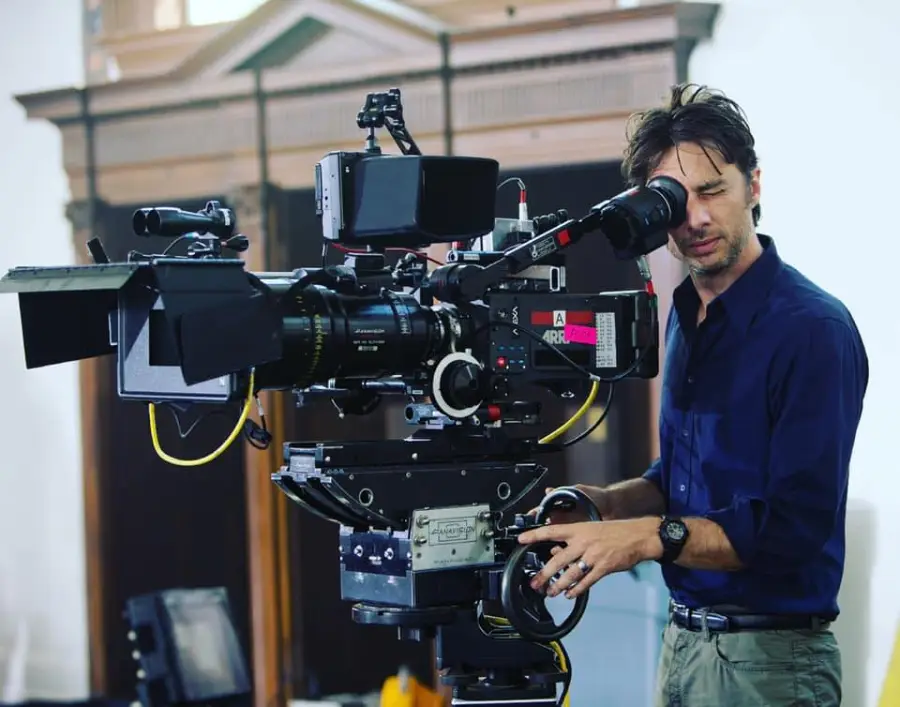
Zach Braff utilized his breakthrough television role as the daydreaming medical intern J.D. to completely launch a highly successful, award-winning parallel career as a prominent independent film director. Recognizing his immense visual talent early on, showrunner Bill Lawrence officially handed Braff the directorial reins for seven highly stylized, surreal episodes of the hit workplace comedy. He notably directed the show’s historic one-hundredth episode, a brilliant, full-scale creative homage to The Wizard of Oz that required highly complex tracking shots and extensive visual effect coordination. Braff leveraged his signature, highly curated musical taste to hand-select independent acoustic tracks for his specific episodes, fundamentally redefining how the series utilized audio to pivot from broad slapstick comedy to intense medical tragedy. His successful behind-the-scenes work on the show directly provided him with the structural confidence required to write and direct his landmark indie feature film, Garden State.
Trending on The Scroller

6. Jensen Ackles – Supernatural
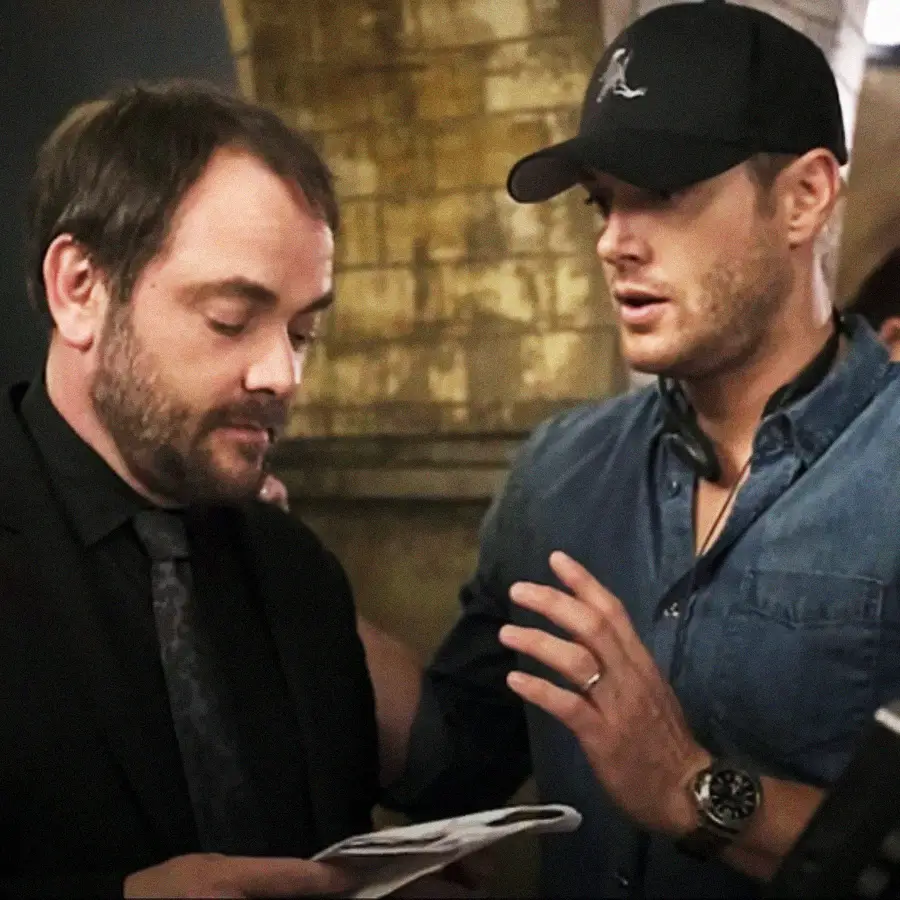
Jensen Ackles spent a staggering fifteen seasons executing intense physical stunts and battling paranormal entities as Dean Winchester, but he quietly operated as one of the show’s most reliable tactical directors. Ackles successfully stepped behind the lens for six highly complex, action-heavy episodes, routinely choosing to tackle some of the show’s most difficult special effects sequences and dense mythological lore blocks. Because he possessed an absolute, encyclopedic knowledge of the show’s visual continuity and monster mechanics, he could execute complicated camera movements significantly faster than external guest directors. His long-time co-star Jared Padalecki routinely praised Ackles for creating an incredibly comfortable, high-energy environment on set that permitted the actors to take major creative risks with their dialogue. His brilliant directorial efforts remained a complete surprise to casual fans who simply assumed he was spending his entire week in front of the camera.
7. Melissa Joan Hart – Sabrina the Teenage Witch
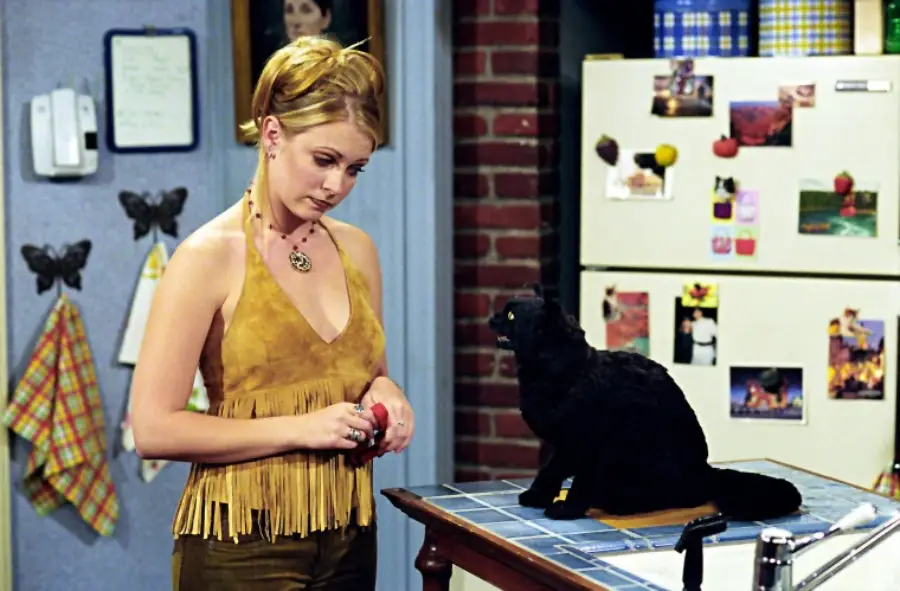
Melissa Joan Hart was already a highly seasoned veteran of network television infrastructure by the time she anchored her hit supernatural sitcom in the late 1990s. Driven by a deep desire to establish long-term professional longevity within a historically male-dominated industry, Hart successfully directed a staggering nine episodes of her own series before she even reached her twenty-fifth birthday. She masterfully managed the immense dual pressure of performing complex, effects-heavy comedic scenes while simultaneously supervising the tedious mechanical movements of animatronic puppets and early digital green screens. Her sharp commercial pacing and innate understanding of teenage demographic humor kept the show’s energy fresh during its later network transitions. Her highly successful, uncredited directorial run on the series directly enabled her to launch her own independent production corporate outfit to direct future family features.
8. Neil Patrick Harris – How I Met Your Mother
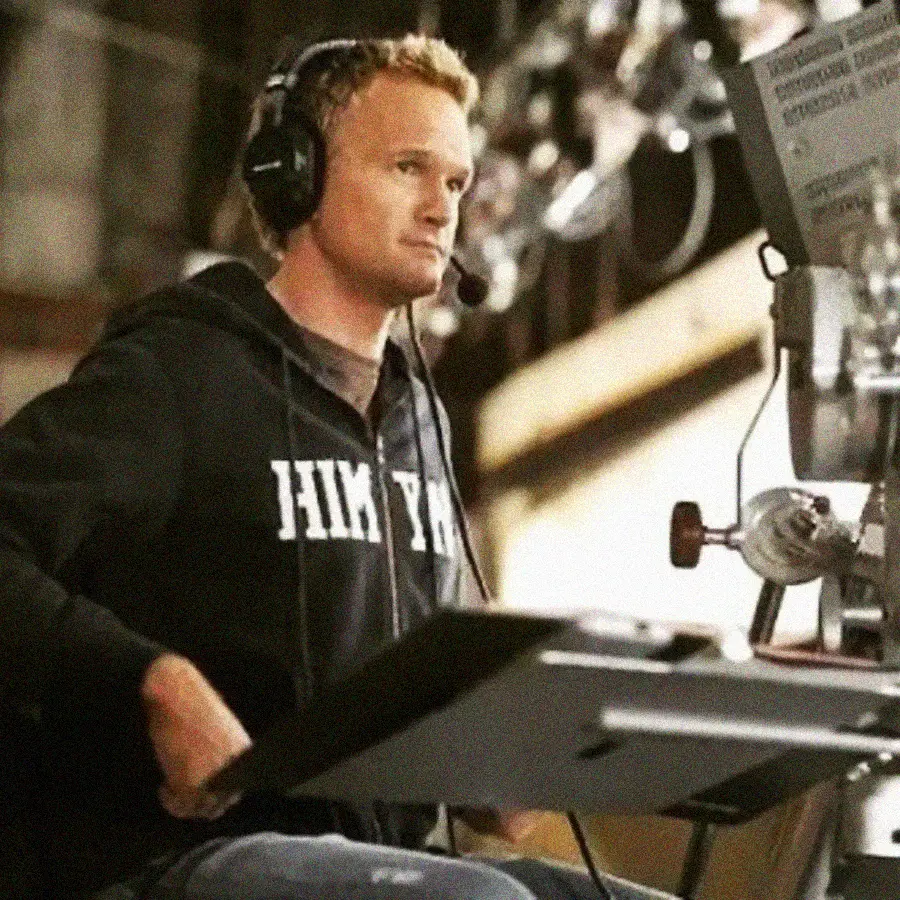
Neil Patrick Harris single-handedly delivered some of the most iconic, high-octane comedic energy of the 2000s through his legendary performance as the suit-wearing, catchphrase-spouting bachelor Barney Stinson. During the show’s fifth season, Harris quietly stepped completely away from his bombastic on-screen persona to direct a highly complex, multi-narrative episode titled Jenkins. The intricate plot required balancing multiple conflicting flashback sequences and hyper-fast comedic cuts that demanded absolute precision from the entire editing crew. Harris used his extensive real-world experience as a professional stage magician and Broadway performer to meticulously block the physical layout of the main bar set, ensuring the visual sightlines maximized the cast’s natural comedic timing. His seamless management of the behind-the-scenes logistics proved so incredibly efficient that many of his closest castmates openly campaigned for him to direct future seasons.
Sign up for our newsletter
9. Laura Prepon – Orange Is the New Black
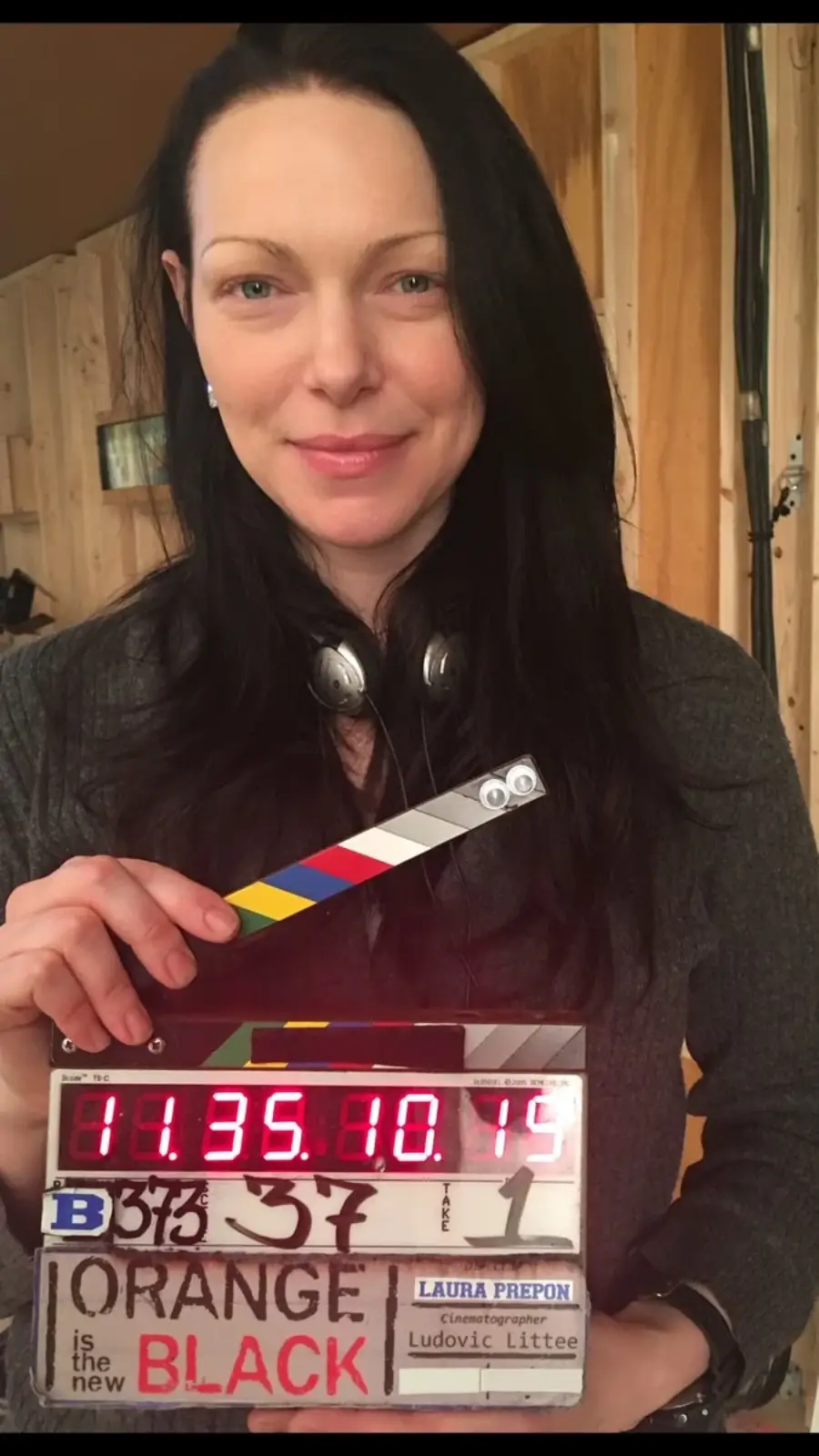
Laura Prepon delivered a fiercely intense, highly layered dramatic performance as international cartel operative Alex Vause on Netflix’s groundbreaking prison drama before claiming absolute command of the director’s chair. Prepon successfully directed three separate, highly complex episodes of the series, demonstrating a profound technical mastery over the show’s signature non-linear flashback structures. Her specific episodes required her to direct deeply intimate, high-tension dramatic sequences involving large ensembles of diverse female actors within highly claustrophobic, simulated prison environments. Because she was an active, trusted peer within the core cast, she possessed a unique ability to guide her fellow actresses through incredibly vulnerable emotional spaces that external directors struggled to access. Her sophisticated, minimalist framing choices beautifully enhanced the raw, documentary-style grit that defined the award-winning series.
10. Jon Cryer – Two and a Half Men
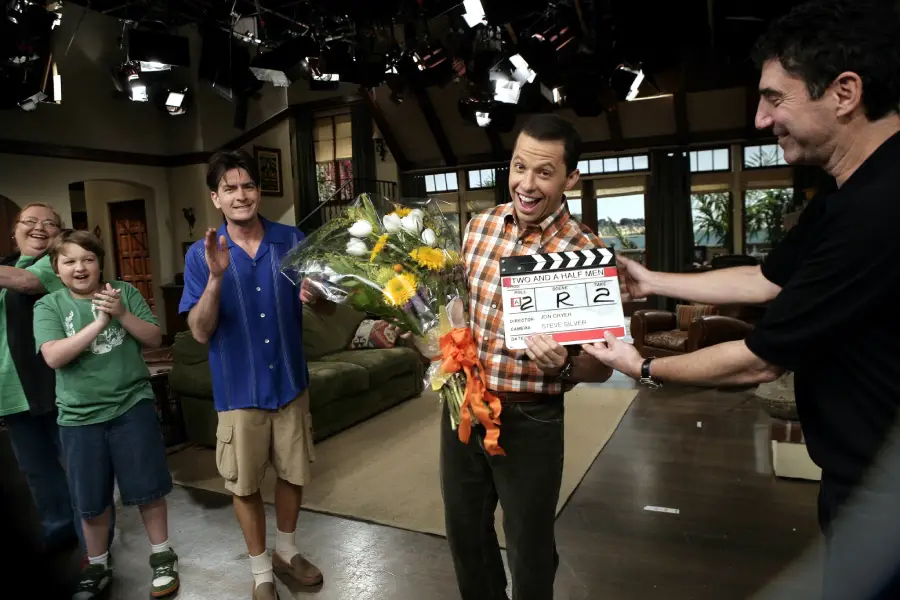
Jon Cryer made absolute television history by winning prestigious Emmy awards in two entirely separate acting categories for his iconic portrayal of the deeply neurotic, financially stranded chiropractor Alan Harper. While he spent over a decade performing broad multi-camera physical comedy in front of a live studio audience, Cryer quietly leveraged his immense industry longevity to direct four high-rated episodes of the multi-cam sitcom. Directing a traditional multi-camera comedy show before a live audience requires a staggering level of real-time operational speed, forcing the director to rapidly re-block scenes and modify dialogue jokes during brief commercial pauses based on immediate crowd reactions. Cryer’s absolute mastery over the show’s hyper-specific comedic rhythm allowed him to manage these high-stress situations with absolute ease, ensuring the production moved with mechanical efficiency.
11. Robin Wright – House of Cards
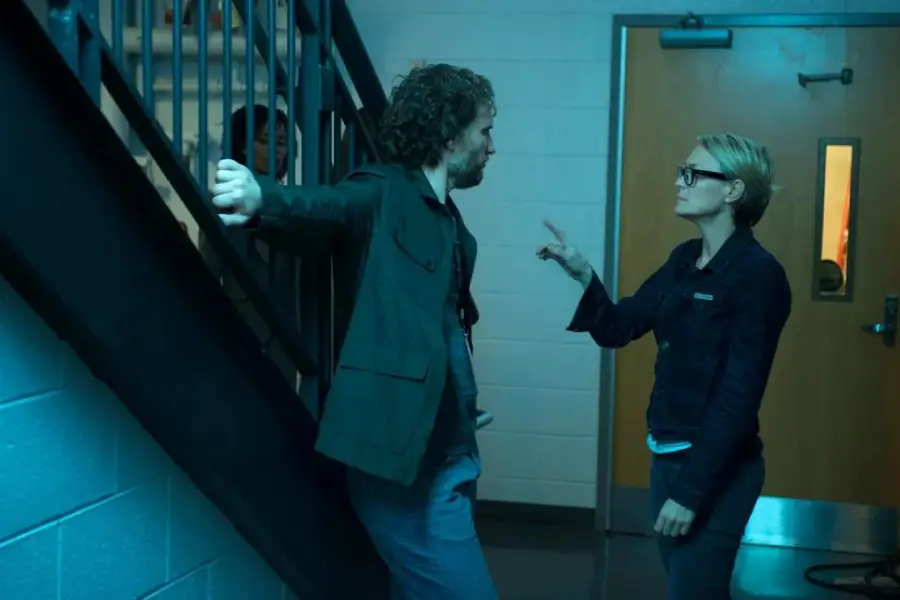
Robin Wright delivered a political masterclass through her icy, calculated performance as Claire Underwood on Netflix’s flagship political thriller, but her single most impressive corporate achievement took place entirely behind the camera. Wright systematically transformed into the show’s primary visual architect, successfully directing a staggering ten episodes of the series, including the historic, high-stakes final continuous story arc of the entire franchise. She masterfully maintained the show’s signature David Fincher-esque visual palette, utilizing hyper-precise, slow-moving camera tracks, clinical lighting choices, and symmetrical room compositions to project absolute geopolitical power. Her incredible double-duty performance reached absolute perfection when she was required to direct herself delivering chilling, fourth-wall-breaking monologues straight into the camera lens. Her flawless execution permanently solidified her status as one of the single most formidable, visionary actor-directors in modern streaming history.
12. Hugh Laurie – House
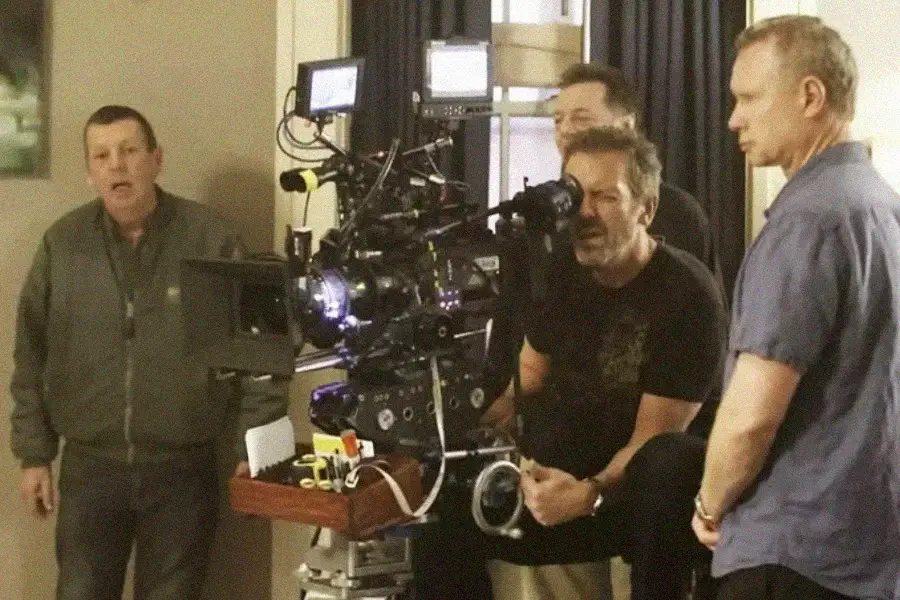
The brilliant British actor Hugh Laurie completely captivated global television audiences for eight consecutive years through his mesmerizing, intensely complex portrayal of the misanthropic, cane-wielding medical genius Dr. Gregory House. Amidst the exhausting physical demands of maintaining a flawless American accent and appearing in practically every single scene of the high-budget network drama, Laurie bravely stepped up to direct two major episodes of the series. He notably directed the show’s historic, deeply psychological one-hundred-and-fiftieth episode, meticulously utilizing highly unique, claustrophobic camera angles to visually manifest the internal cognitive deterioration of a patient. Laurie leveraged his extensive background as a classical musician to meticulously construct the specific sonic landscapes and musical cues of his episodes, treating the background audio as an active character within the hospital rooms.
13. Lucy Liu – Elementary
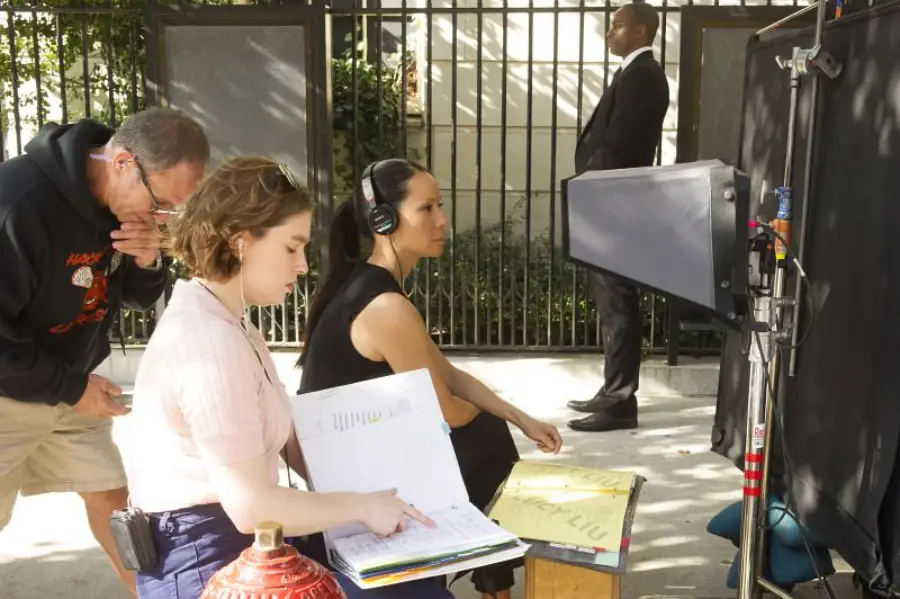
Lucy Liu completely re-engineered one of the single most famous sidekick roles in literary history by transforming Joan Watson into a fiercely independent, brilliant co-equal detective on CBS’s contemporary Sherlock Holmes adaptation. Liu systematically parlayed her incredible industry endurance into a highly prolific parallel career as a television director, calling the technical shots for six complete episodes of her own series. Her sophisticated directorial style was defined by an incredible attention to structural architectural framing, using the historic, gritty brownstone locations of New York City to build a beautiful sense of atmospheric urban mystery. Her exceptional efficiency, collaborative work ethic, and deep technical knowledge of prime-time procedural pacing transformed her into a highly sought-after network commodity. Her stellar work on her own show directly led her to secure high-profile guest directing slots on prominent external cable series like Luke Cage and Graceland.
14. Peter Capaldi – Doctor Who
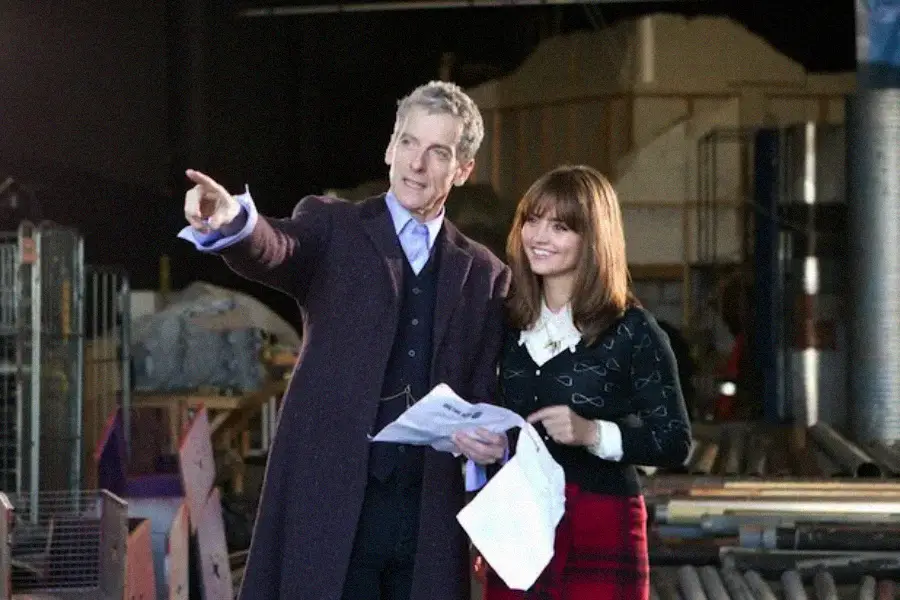
Long before Peter Capaldi ever stepped inside the iconic blue police box to portray the eccentric, sharp-tongued Twelfth iteration of the Doctor, he was already an absolute legend of British cinema direction, having won a prestigious Academy Award for his live-action short film Franz Kafka’s It’s a Wonderful Life. While the intense, grueling physical production schedule of the BBC’s premier sci-fi franchise legally blocked him from directing full television episodes during his active acting tenure, Capaldi quietly co-directed several highly specialized promotional segments, complex mini-episodes, and intricate charity broadcasts behind the scenes. He consistently used his profound, lifetime obsession with the show’s fifty-year continuity to guide the cinematography teams, ensuring the visual effects and framing actively honored old-school classic television eras. His brilliant, quiet creative guidance behind the lenses served as a beautiful, hidden gift to the dedicated fanbase who only focused on his brilliant performance in front of the camera.
Discover more curiosities about your favorite actors:
The incredible, high-stakes dual achievements of these premier television stars serve as a fantastic reminder that true creative brilliance frequently refuses to remain confined within traditional industry boundaries. Watching these dedicated performers successfully take absolute technical command of the camera arrays while simultaneously delivering some of the single most iconic performances in modern broadcasting history proves that the limits of Hollywood talent run incredibly deep. If you enjoyed this eye-opening, deeply analytical journey looking back at the secret directors who quietly shaped our favorite small-screen worlds, make sure to explore these 18 Child Actors From the 90s and Their Lives Today, or 15 Actors Who Almost Landed Legendary Movie Roles. You may also like these 15 Rare Photos of Movie Stars and Their Stunt Doubles.