When we first experienced the groundbreaking brilliance of Pixar’s flagship animated masterpiece as children, we were completely swept away by a colorful world of magic, friendship, and bedroom adventure. We viewed the secret life of plastic cowboys and space rangers through a lens of pure, unadulterated wonder, cheering for Woody and Buzz as they outran barking neighborhood dogs and rocketed across suburban backyards. For a young audience, the sprawling cinematic saga represented the ultimate celebration of childhood imagination, serving as a comforting reassurance that our own bedrooms were filled with living, protective guardians who loved us unconditionally. We laughed at the clever slapstick humor, marveled at the unprecedented digital animation, and viewed every narrative obstacle as a simple, high-stakes game of hide-and-seek.
However, revisiting this historic franchise decades later as an adult introduces a profound, deeply emotional shift in perspective that completely catches mature viewers off guard. The fascinating reality of the Toy Story cinematic universe proves that beneath the vibrant, family-friendly exterior lies a deeply sophisticated exploration of the human condition. As we navigate the complex responsibilities of real-world adulthood, the franchise transforms into a poignant mirror reflecting our deepest collective anxieties regarding aging, codependency, and the inevitability of moving on. Subtle character dynamics, existential background details, and heartbreaking thematic motifs that completely went over our heads as kids suddenly land with the crushing weight of a midlife crisis. Let’s unlock the old toy chest of cinematic history as we explore fourteen legendary Toy Story moments that hit completely differently when you watch them through adult eyes.
1. Buzz Lightyear’s tragic flying realization
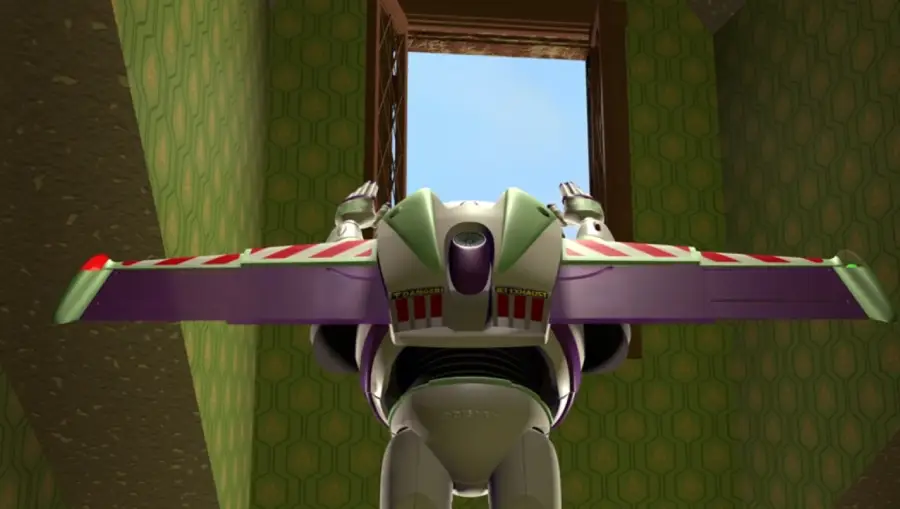
As children, we viewed Buzz Lightyear’s desperate leap from the upper staircase banister inside Sid’s house as a thrilling, high-octane action sequence that unfortunately ended in a spectacular physical crash. Watching this pivotal sequence as an adult transforms the moment into a devastating, raw depiction of a severe existential crisis and the crushing loss of personal identity. Buzz is forced to confront the painful reality that his entire life history, cosmic purpose, and individual autonomy are completely fabricated corporate illusions printed on a commercial manufacturing box. The emotional gravity of the scene is beautifully enhanced by a brilliant piece of production history, as the melancholy background song I Will Go Sailing No More was purposefully composed by Randy Newman to capture the exact feeling of an adult confronting the definitive death of a lifelong dream. The slow-motion detachment of his plastic wing functions as a powerful metaphor for the agonizing moment we realize we are not as uniquely exceptional as our childhood self-delusions led us to believe.
2. Woody’s crippling fear of absolute obsolescence
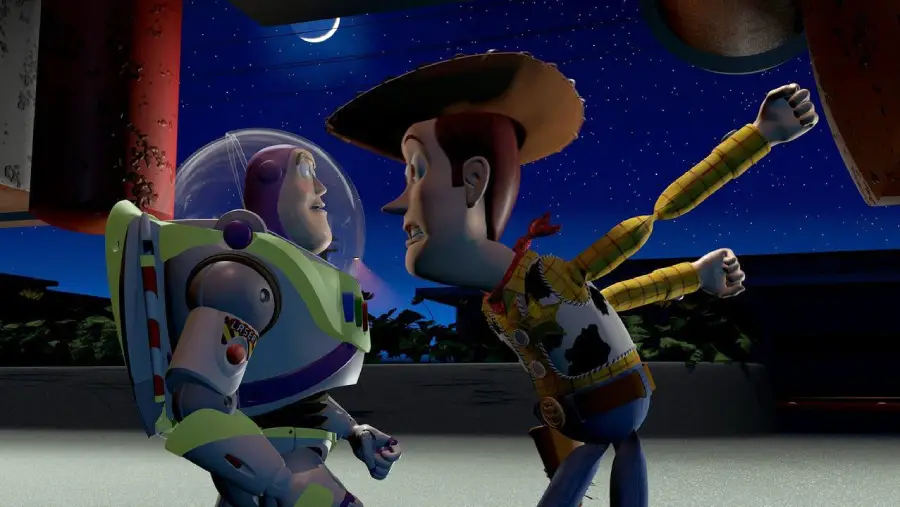
The intense, volatile jealousy that Woody displays toward Buzz Lightyear during the early acts of the original film initially looked like basic, comedic sibling rivalry to our young minds. Re-watching these interactions with adult eyes exposes a terrifyingly realistic portrayal of corporate workplace anxiety and the deeply human dread of systemic obsolescence. Woody operates as a dedicated, veteran employee who has sacrificed his entire identity to his position, only to watch a shiny, technologically superior new hire instantly capture the absolute adoration of management. His desperate, increasingly erratic attempts to maintain control over the bedroom hierarchy beautifully mimic the existential panic an aging professional experiences when their specialized skillset is rendered entirely irrelevant overnight. Pixar animators meticulously analyzed real-world office dynamics to block Woody’s defensive body language, capturing an authentic look at how systemic insecurity can rapidly dissolve a person’s moral center.
3. Jessie’s heartbreaking abandonment montage
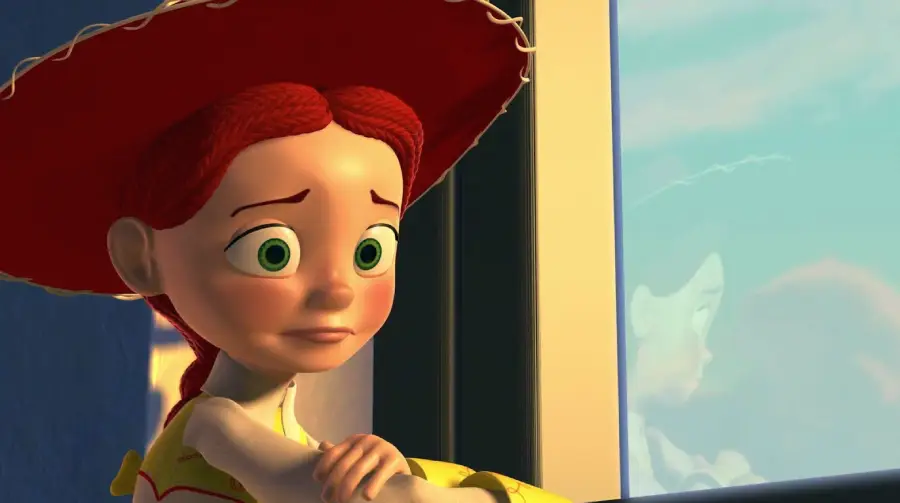
The beautifully animated sequence tracking Jessie’s historical relationship with her original owner, Emily, is universally recognized as one of the single most emotionally devastating montages in cinema history. Set to the bittersweet vocal track of Sarah McLachlan singing When She Loved Me, adult viewers are forced to process a raw, unvarnished look at the inevitable, unidirectional nature of growing up and leaving childhood comforts behind. The scene hits with incredible psychological weight because it forces us to sympathize with the discarded entity, prompting deep feelings of guilt regarding the forgotten people and passions we have personally abandoned to join the adult world. A fascinating piece of studio history reveals that director John Lasseter’s wife personally inspired the core emotional architecture of the sequence, using her own real-world transition from a horse-loving teenager to a busy adult to ensure the narrative felt deeply human. The final image of Jessie resting in a cardboard donation box perfectly encapsulates the quiet, unceremonious way our most cherished life chapters frequently conclude.
4. Sid Phillips’ overlooked domestic environment
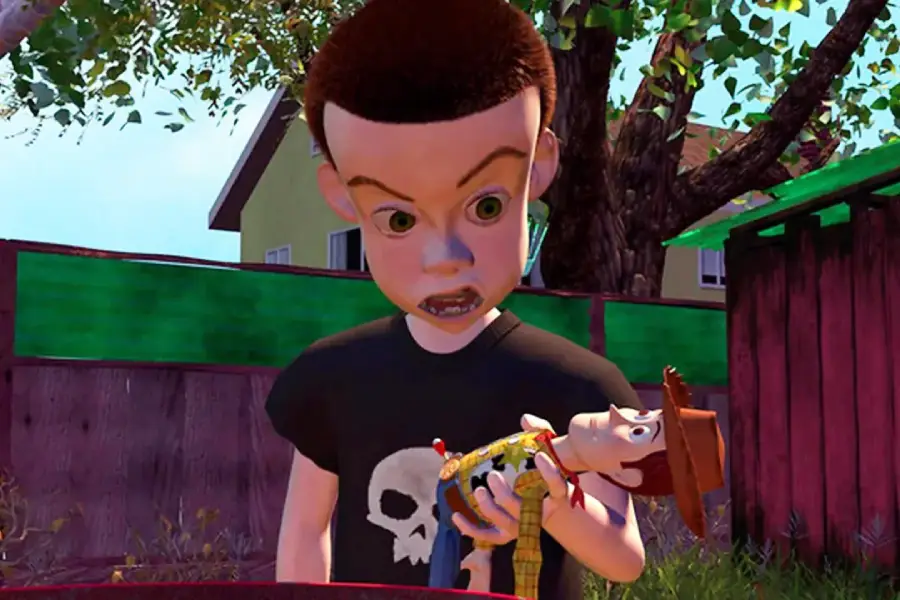
To a young child, the primary antagonist of the first film, Sid Phillips, represents an absolute, monstrous force of pure evil who tortures innocent toys purely for his own sadistic amusement. An adult review of his household layout reveals an incredibly tragic, subtle depiction of severe systemic neglect, poverty, and a complete lack of parental guidance. Background details carefully scattered across the house show an absolute absence of authority, with his father passed out motionless in a central recliner surrounded by empty soda cans while the television blares static into the dark room. Sid’s bizarre, mutant toy creations are actually a brilliant manifestation of a lonely, highly creative child attempting to cope with a fractured domestic reality using the limited resources available to him. This structural realization completely shifts our understanding of the narrative, transforming Sid from a cartoonish villain into a vulnerable, unsupervised neighborhood kid who desperately required social intervention rather than psychological trauma.
5. Mrs. Davis’s heavy exhaustion as a single mother
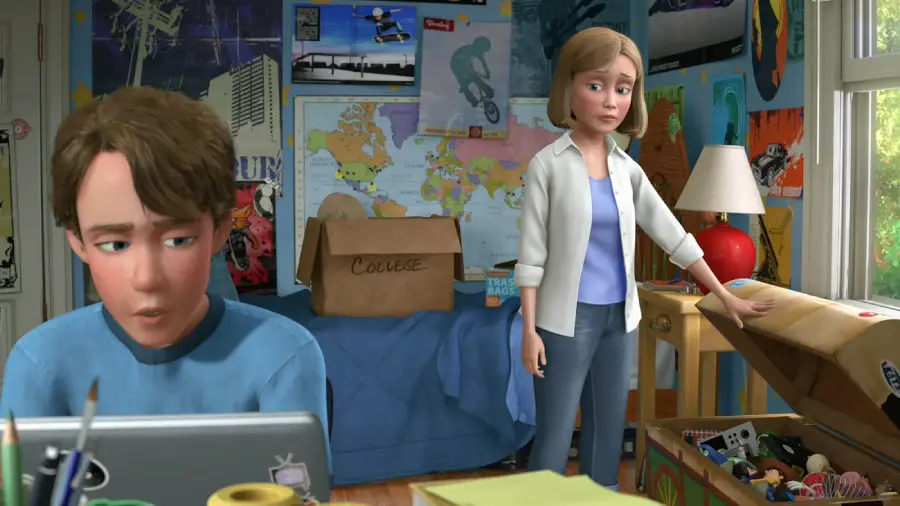
Throughout our early childhood viewings, Andy’s mother, Mrs. Davis, simply functioned as a generic, pleasant background authority figure whose primary narrative purpose was to organize moving boxes and buy exciting birthday presents. Watching her character dynamics as an adult exposes a quietly heroic, deeply exhausted single mother navigating the immense economic and emotional pressures of managing a household completely alone. Her subtle sighs, tight financial budget discussions, and the absolute absence of any paternal presence or wedding photographs across the house paint a realistic picture of mid-century maternal sacrifice. Production notes from the studio confirm that the character’s hair and wardrobe choices were systematically simplified to visually reinforce her constant state of domestic fatigue and financial strain. Realizing that she had to single-handedly finance a massive suburban relocation while keeping her children emotionally stable adds an incredible layer of grounded, real-world respect to her character arc.
Trending on The Scroller

6. The existential terror of the Sunnyside Daycare inferno
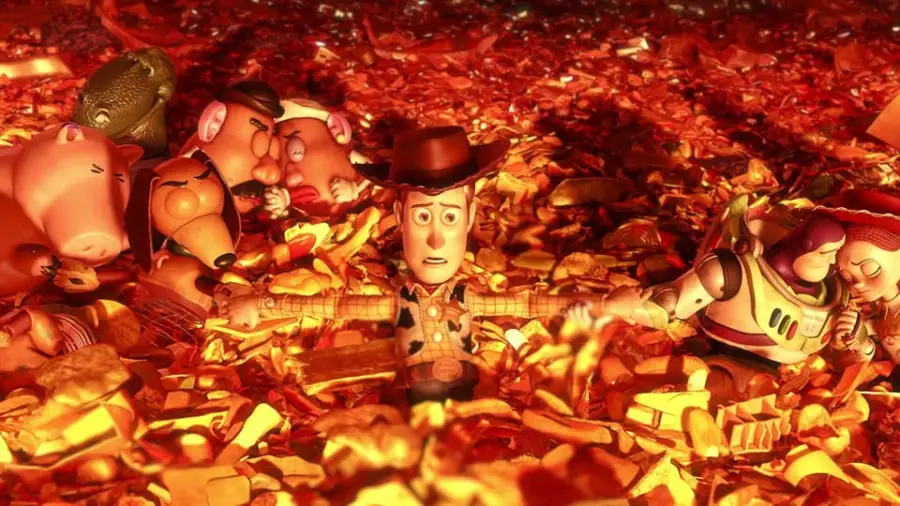
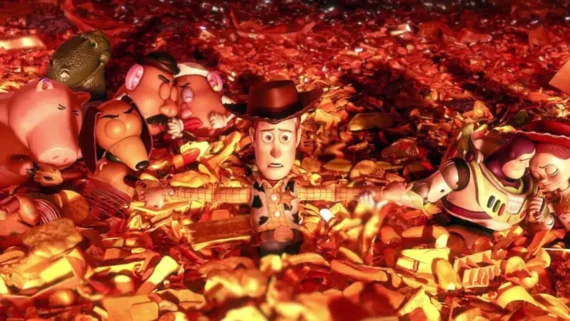
The terrifying climax of the third film, which finds our beloved main characters trapped on a moving conveyor belt heading straight into a colossal, roaring industrial trash incinerator, initially looked like a standard cinematic rescue sequence. For adult audiences, the moment transforms into a profound, deeply philosophical meditation on human mortality, collective grief, and the ultimate acceptance of death. When the toys realize that absolute survival is physically impossible, they stop running, reach out across the ash, and tightly hold hands to face the incoming darkness together as a unified family. This jaw-dropping narrative choice was directly inspired by historical tragedies and classical literary depictions of the underworld, pushing the boundaries of what family animation could intellectually handle. The scene evokes immediate, bone-chilling goosebumps because it accurately models the final, ultimate stage of psychological grief, forcing us to confront our own deep anxieties regarding the inevitable end of our lives.
7. Wheezy’s broken squeaker and desk drawer exile
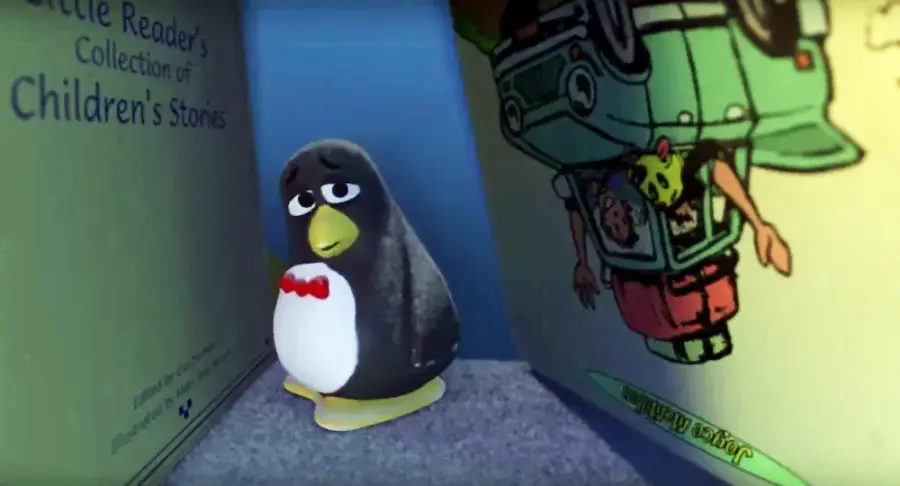
The tragic introduction of Wheezy the penguin in the early acts of the second installment serves as a deeply unsettling milestone for the toys, showcasing the grim reality of what happens when a consumer object is physically damaged. Children simply viewed his broken squeaker as a quirky, comedic voice alteration that made the character incredibly cute and memorable. For adults, his dusty placement on the highest, forgotten shelf represents a terrifying look at chronic illness, societal isolation, and the unceremonious way a community can discard individuals who are no longer viewed as economically productive. Wheezy spends months sitting in isolation behind dusty old books, watching the vibrant world below continue without him while breathing in toxic amounts of asthma-inducing dust. This bleak scenario beautifully mirrors the real-world vulnerabilities of aging individuals who find themselves quietly separated from active society, the exact second their physical health begins to decline.
8. Lotso’s cynical philosophical rant on universal worthlessness
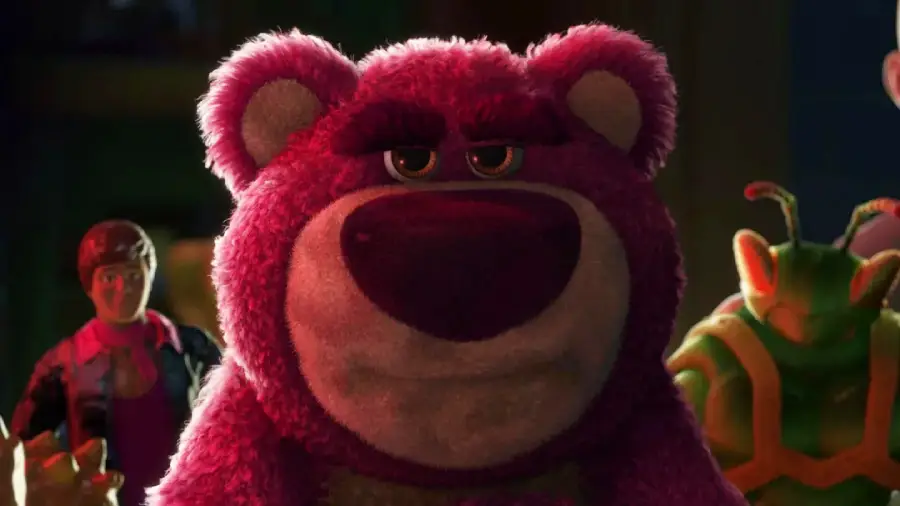
The primary antagonist of the third film, Lotso Huggin’ Bear, initially comes across as a standard, bitter villain who rules over Sunnyside Daycare with an iron fist simply to maintain his criminal empire. When he delivers his climactic, toxic monologue regarding how all toys are fundamentally worthless pieces of plastic destined to end up in a dump, his words hit adults with a chilling wave of pure nihilism. Lotso’s broken worldview is the direct result of severe romantic betrayal and childhood displacement, leading him to adopt an extreme, dark philosophical defense mechanism to protect his ego from future trauma. His core argument that love is an artificial, manufactured illusion designed to exploit vulnerable individuals perfectly mirrors the cynical, hardened mindsets that real-world adults adopt after experiencing a devastating personal heartbreak. The psychological tragedy of his character lies in the fact that his dark assessments are entirely logical within his lived experience, making his corruption deeply uncomfortable to analyze.
Sign up for our newsletter
9. The absolute tragedy of Barbie and Ken’s superficial consumerism
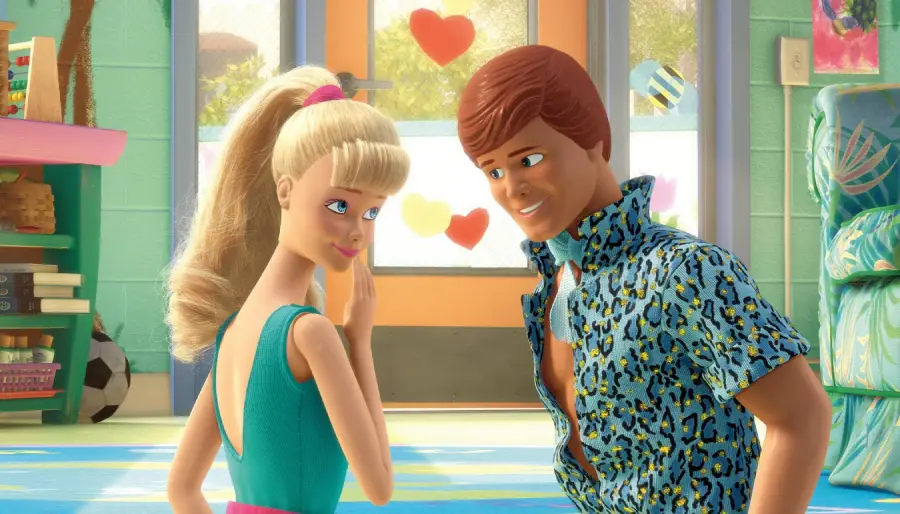
The introduction of Ken inside the sprawling toy library of Sunnyside Daycare was widely celebrated by children as a brilliant, hyper-stylized comedic parody of traditional fashion doll marketing tropes. An adult analysis of his luxurious Dreamhouse lifestyle exposes a highly sophisticated, deeply satirical critique of modern consumer culture, unfulfilled marital expectations, and the hollow nature of materialistic identity. Ken possesses an expansive, multi-room mansion filled with hundreds of custom outfits, disco floors, and private elevators, yet he remains completely unfulfilled and emotionally hollow because his entire existence is legally defined as a secondary accessory to a woman’s product line. His desperate obsession with establishing masculine authority over the other toys beautifully mirrors the deep existential crises experienced by real-world individuals who attempt to mask their profound personal insecurities behind luxury brands and expensive real estate layouts. The humorous script hidden within their relationship serves as an airtight, surprisingly sharp deconstruction of the corporate promises of domestic perfection.
10. Forky’s intense psychological yearning for the trash
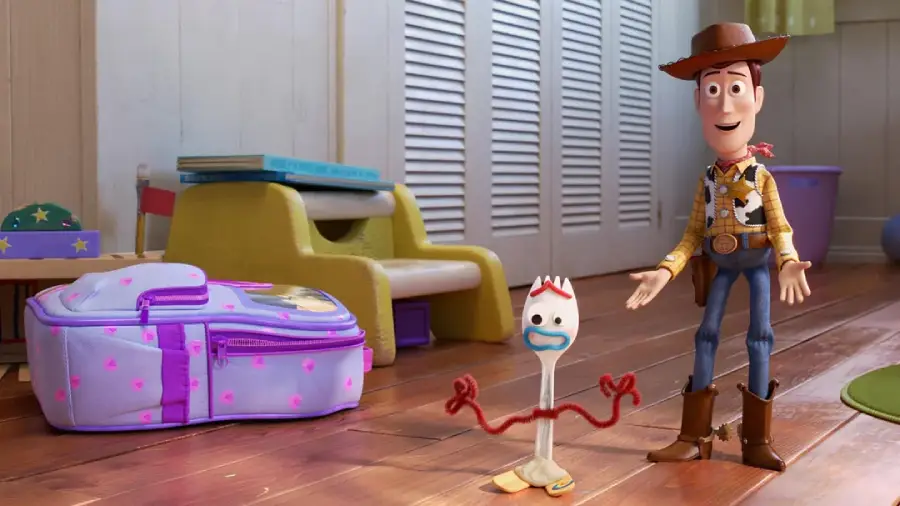
The hilarious, hyperactive introduction of Forky in the fourth installment completely delighted young audiences who viewed his compulsive desire to jump into nearby wastebaskets as a brilliant piece of physical slapstick comedy. For mature viewers, this bizarre character arc represents an incredibly deep, surprisingly dark exploration of suicidal ideation, comfort in non-existence, and the profound trauma of an existential awakening. Forky was never engineered to possess a conscious soul, meaning his sudden, unscripted transformation from a disposable piece of kitchen garbage into a living entity triggers an immediate, overwhelming psychological panic attack. He views the dark, quiet safety of the trash can as his original, comforting state of absolute peace, fiercely resisting Woody’s forced attempts to make him accept the complex burdens of emotional consciousness and parental responsibility. His existential confusion beautifully captures the profound, exhausting mental strain of navigating a complex world you never asked to be born into.
11. Gabby Gabby’s heartbreaking mechanical defect realization
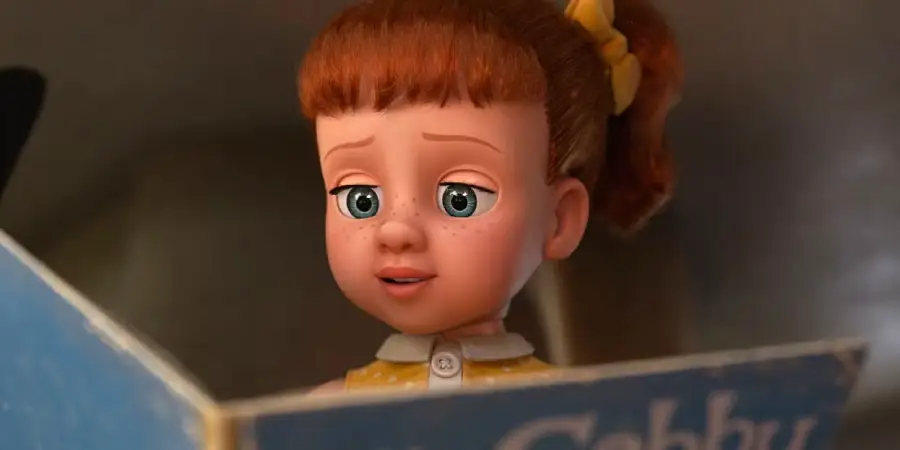
Gabby Gabby operates as a deeply unsettling, highly calculating antique doll who spends decades orchestrating a terrifying corporate operation inside a dusty antique mall to steal Woody’s functional voice box. When she finally secures the mechanical part and eagerly presents herself to her dream child, Harmony, only to be instantly rejected and tossed into a dark closet like garbage, her villainous veneer completely collapses. This silent, devastating moment hits adults with immense force, representing the agonizing real-world realization that changing your core physical appearance or fixing your perceived flaws will never guarantee emotional acceptance from the people you love. Gabby spent a staggering sixty years assuming her internal voice box defect was the single, solitary barrier blocking her from experiencing absolute happiness, only to realize that personal chemistry cannot be manufactured through structural perfection. Her sudden, tearful transition from a ruthless criminal mastermind to a lost, abandoned child beautifully captures the ultimate disillusionment of unrequited love.
12. Duke Caboom’s severe performance anxiety and PTSD
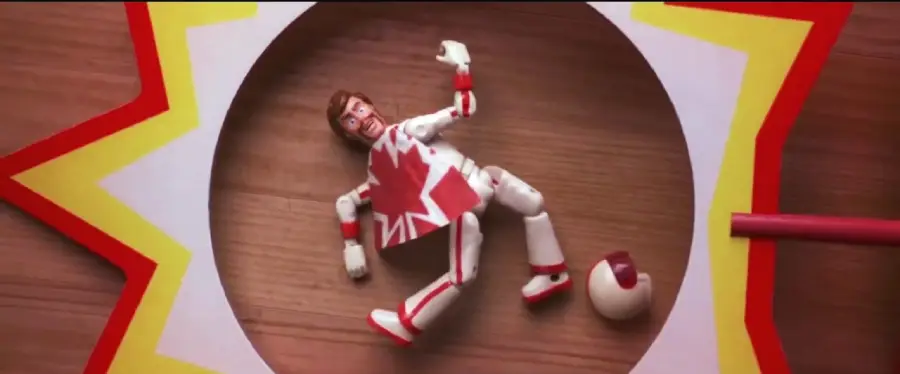
The character of Duke Caboom, a vintage Canadian stuntman action figure voiced by Keanu Reeves, was treated by children as a fantastic, highly energetic comedic relief asset who loved to strike dramatic poses on his toy motorcycle. Adults instantly recognize that his bombastic, hyper-masculine posturing is actually a desperate emotional shield designed to mask a severe case of post-traumatic stress disorder and deep psychological inadequacy. Duke was permanently abandoned by his original child on Christmas morning because his real-world mechanical adjustments could never achieve the impossible, exaggerated leaps advertised in his corporate television commercials. His constant, weeping flashbacks to that specific morning perfectly mirror the deep creative blockages and performance anxieties that real-world adults carry after failing to live up to the unrealistic expectations of their parents or employers. Watching him courageously battle his internal mental demons to execute a critical leap later in the film provides a deeply moving lesson on mental health recovery.
13. Andy’s final, tearful relinquishment of his childhood possessions
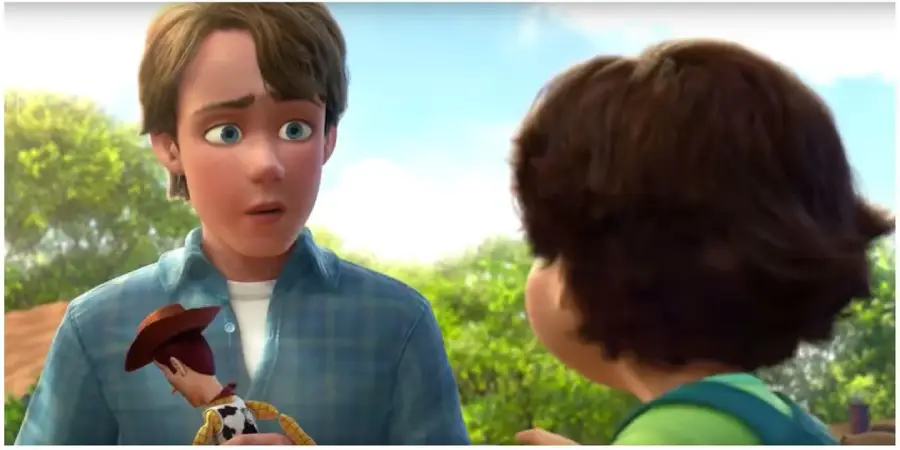
The absolute climax of the third installment, which features a college-bound Andy standing in a sunny backyard as he individually introduces his old toys to a young girl named Bonnie, is an absolute emotional gauntlet for any adult viewer. When Andy hesitates to hand over Woody, pulling the plastic cowboy back for a brief, heartbreaking fraction of a second, the film accurately captures the precise physical transition from youth to adult responsibility. This moment hits with absolute devastation for parents and older generations because it documents the definitive, non-negotiable closing of a family chapter that can never be reopened. Andy is not merely giving away his plastic playthings; he is officially surrendering his innocent, carefree childhood identity to accept the cold, unyielding realities of adult independence and societal expectations. The mutual wave goodbye between a young man and his childhood companions functions as a permanent, universal monument tracking the bittersweet cost of human growth.
14. Woody’s final choice to become an unowned, independent toy
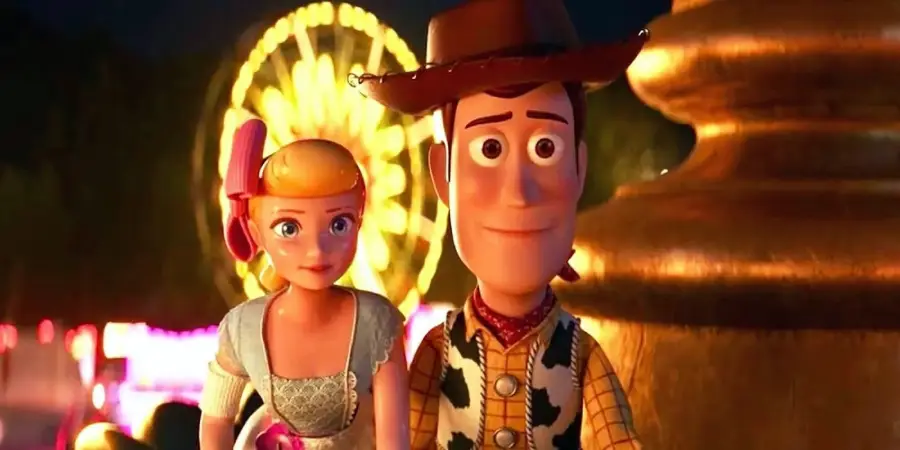
The definitive conclusion of the fourth film shocked global audiences when Woody made the unprecedented decision to completely walk away from his long-time family companions to live an unowned lifestyle alongside Bo Peep. To a young child, this looked like a simple romantic ending, but for adults, it represents a monumental, deeply empowering evolution regarding the concept of retirement, self-care, and codependency recovery. For over twenty consecutive years across multiple films, Woody’s entire sense of personal worth, morality, and identity was strictly tethered to his utility to a child and his absolute obedience to domestic institutions. By choosing to permanently detach himself from the bedroom hierarchy, he successfully transitions from a system-serving tool into a fully autonomous individual who chooses personal happiness over institutional obligation. This profound lifestyle shift serves as a beautiful roadmap for any adult struggling to redefine their personal purpose after their primary career or family-raising duties have permanently concluded.
Explore more fascinating movie moments:
Delving into the profound, multi-layered narrative depth of these legendary animated milestones serves as a fantastic reminder that the greatest works of modern cinema are those that successfully grow alongside their audience across decades of lived experience. Watching these plastic characters successfully navigate the absolute heights of existential dread, professional obsolescence, and the bittersweet pains of personal growth proves that Pixar’s creative team engineered a timeless psychological masterpiece disguised as a children’s comedy. When we choose to view these films through the refined lens of adult responsibility, we gain a profound appreciation for the immense artistic craftsmanship and emotional honesty required to build a cross-generational cultural landmark. If you enjoyed this eye-opening, deeply nostalgic journey looking back at the hidden emotional landscapes of early digital cinema, make sure to explore these 17 Inspiring True Stories That Became Hollywood Movies, or 15 Famous Movies That Changed Their Names Last Minute. You may also like these 18 Movie Sequels That Fans Wish They Could Forget.