
Some concerts are remembered because everything went right. Others stay in people’s minds because almost nothing else did. Live music has always had that unpredictable edge, the crowd, the weather, the venue, the artist, all meeting in one place with very little room for mistakes. These 17 concert disasters became part of music history not because anyone wanted them to, but because the stories kept being retold long after the lights went down.
1. Altamont Turned Into Rock’s Most Uncomfortable Ending
TODAYILEARNED / REDDIT
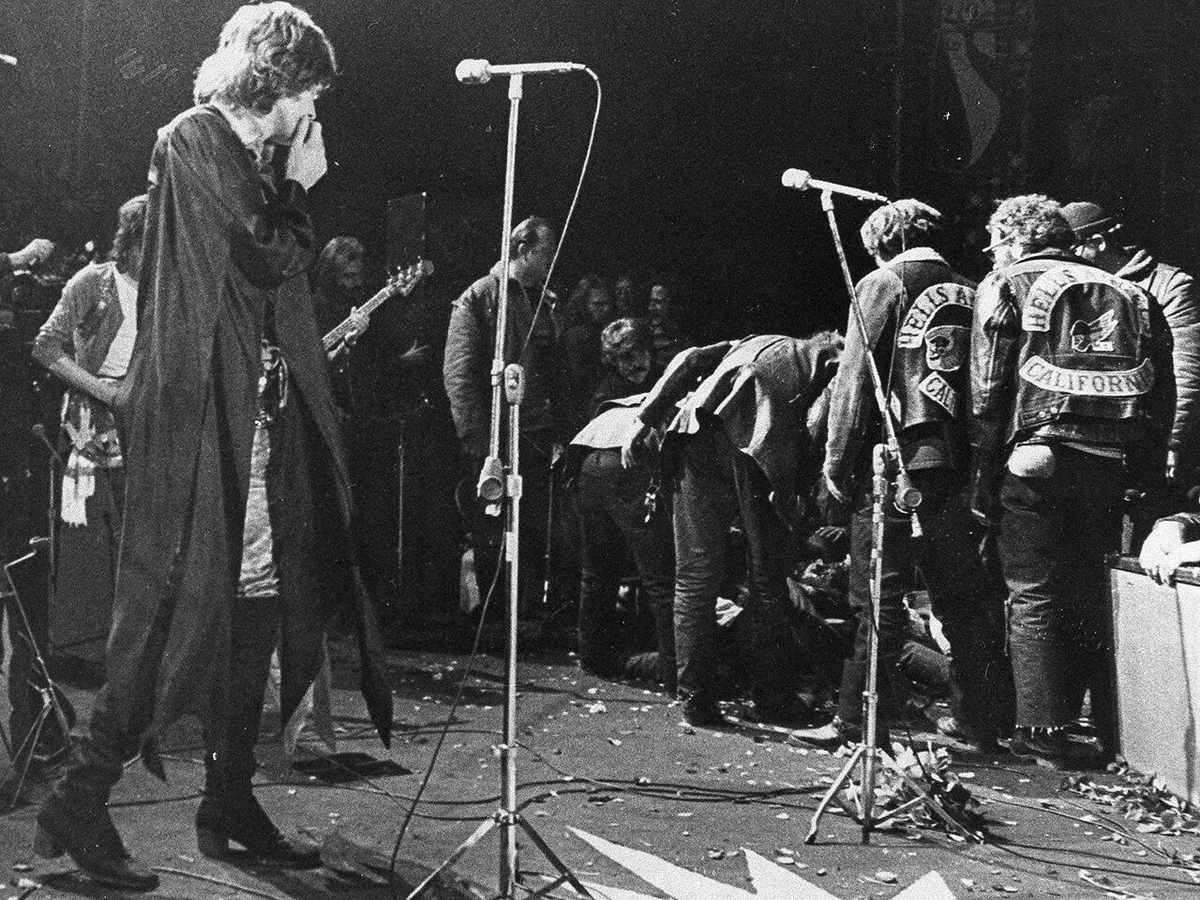
Altamont was meant to be free, open, and very much in the spirit of the late 1960s. Instead, the 1969 Rolling Stones show in California became one of rock’s darkest reference points after 18-year-old Meredith Hunter was killed near the stage. The day had already felt tense, with rough security, an overloaded crowd, and a mood that seemed to get worse as the hours passed. Because it was captured in Gimme Shelter, Altamont never faded into rumor. It stayed visible, replayed as the moment when the dream of Woodstock’s peaceful afterglow started to look a lot more complicated.
2. The Who’s Cincinnati Concert Changed the Rules
CLASSICROCK / REDDIT
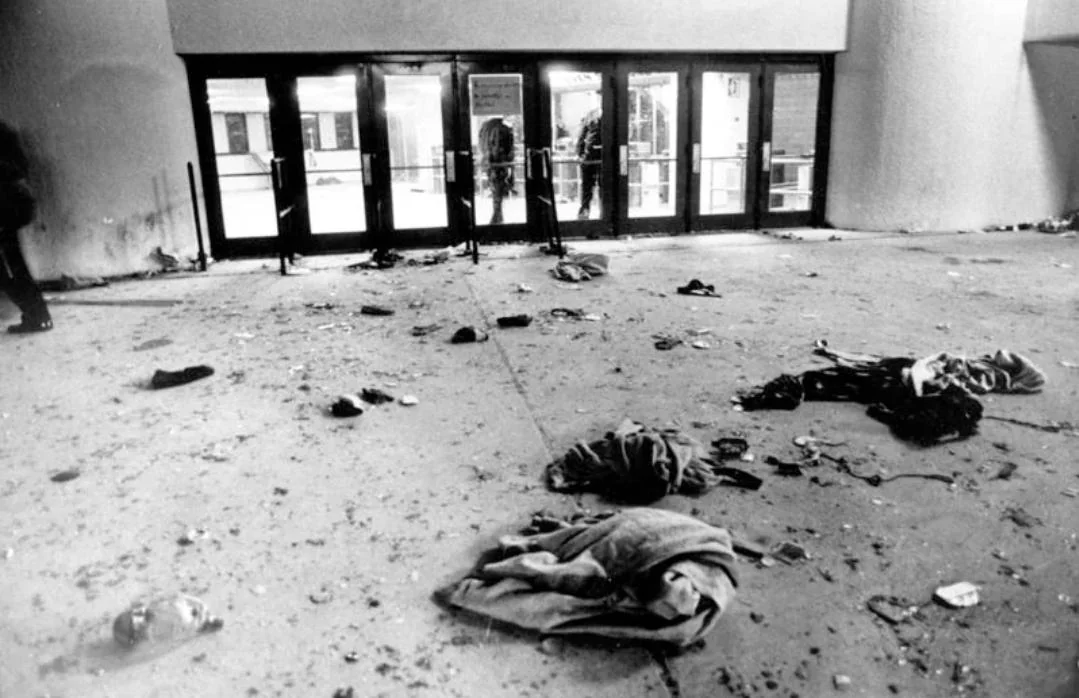
Before The Who performed at Riverfront Coliseum in 1979, thousands of fans pushed toward the entrances, and 11 people died in the crush. The band was not told the full scale of the tragedy before going onstage, which makes the story feel even stranger now. Afterward, Cincinnati became a painful example in arguments over festival seating, venue doors, and crowd control. It was one of those disasters that changed how people thought about getting into a concert, not just what happened once the music started.
3. Woodstock ’99 Became a Warning Sign
MILLENIALS / REDDIT
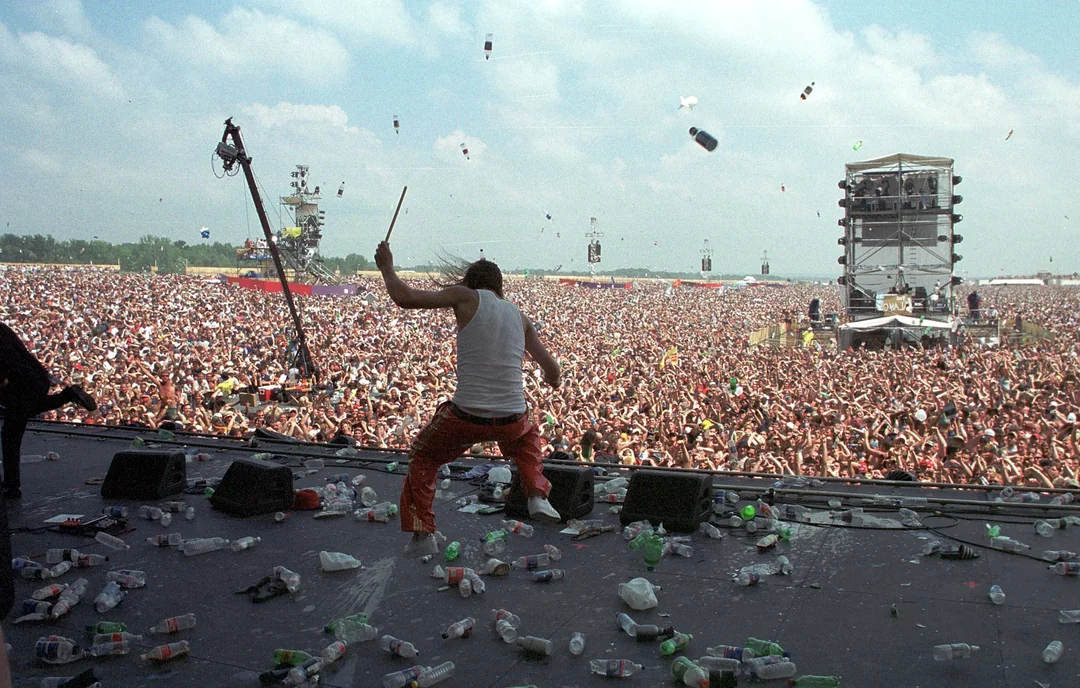
Woodstock ’99 had the famous name, but almost none of the original festival’s goodwill. Heat, expensive food and water, poor conditions, fires, and violence turned the weekend into something ugly. The final images from Rome, New York, looked less like a music festival than a site being abandoned after a riot. Years later, people still talk about it as the moment late-90s festival culture showed its worst side.
4. The Station Fire Exposed a Terrible Chain of Mistakes
CATASTROPHICFAILURE / REDDIT
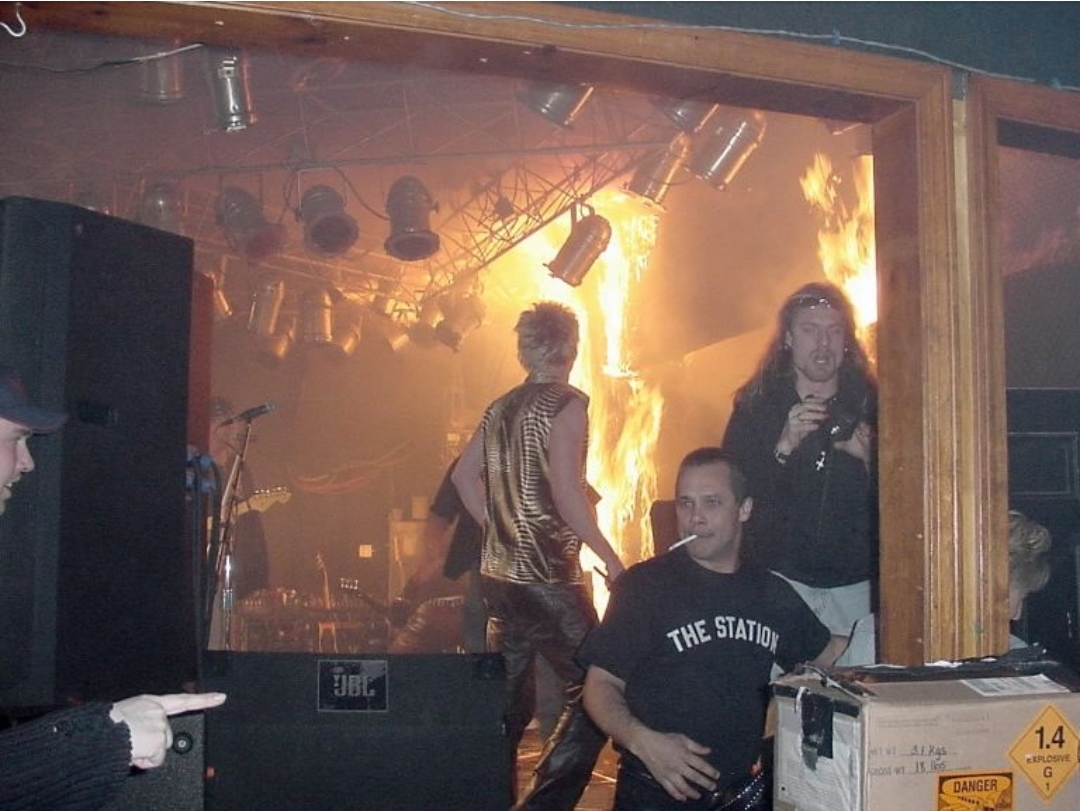
A Great White show at The Station nightclub in Rhode Island turned deadly in 2003 when pyrotechnics ignited flammable foam inside the venue. The fire moved with horrifying speed, killing 100 people and injuring many others. What makes the disaster so hard to shake is how preventable so much of it seemed afterward. It became part of music history, but also part of fire-safety history, a case people still bring up when talking about small venues, exits, crowd limits, and stage effects that should never have been used in that room.
5. Pearl Jam’s Roskilde Set Became a Night the Band Couldn’t Escape
PEARLJAM / REDDIT
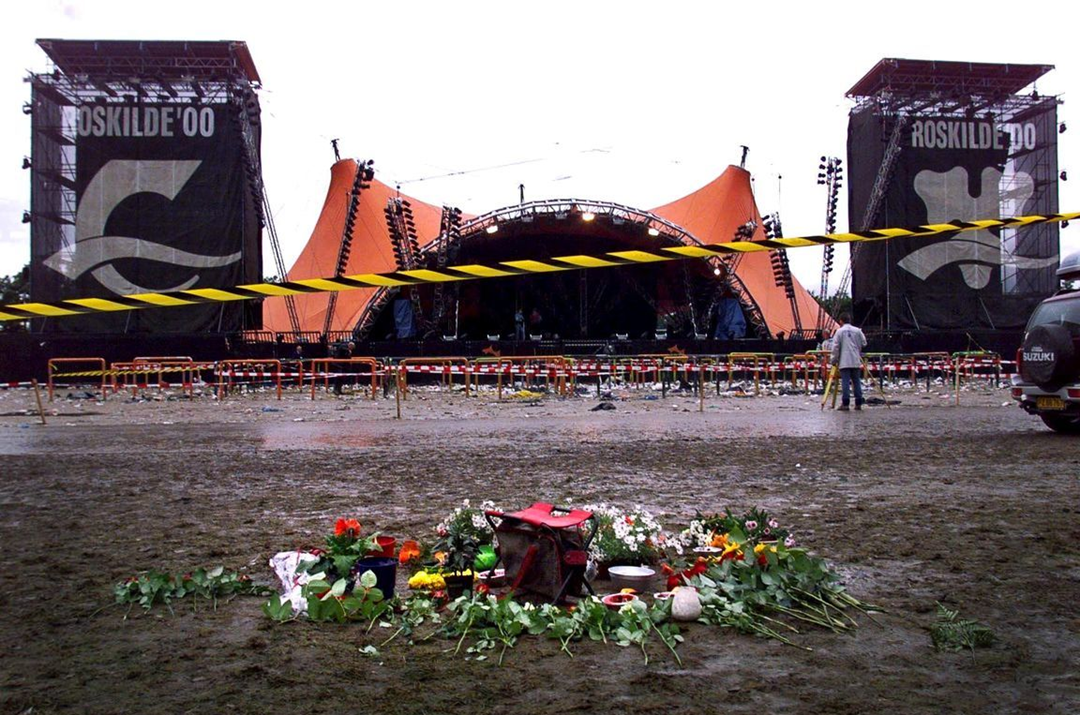
Pearl Jam were onstage at Denmark’s Roskilde Festival in 2000 when the crowd near the front became dangerously compressed. Nine fans died, and once the band understood what was happening, the show stopped. Eddie Vedder and the band carried the weight of that night for years. It is still one of the clearest reminders that a festival crowd can become dangerous even without any obvious violence or chaos from the stage.
Trending on The Scroller

6. Astroworld Forced a New Conversation About Crowd Surges
PICS / REDDIT
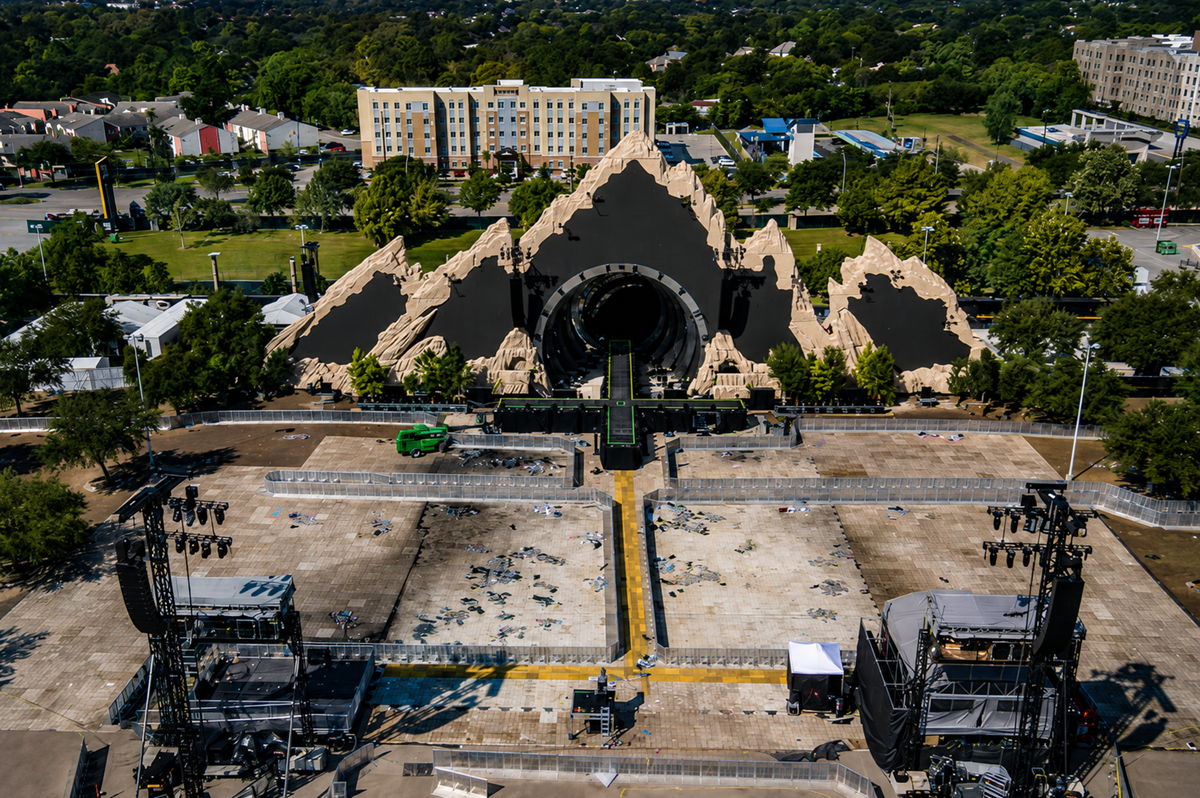
Travis Scott’s Astroworld Festival in Houston became a mass-casualty event in 2021 when a crowd surge during his headline set left 10 people dead. The horror of it was not just the number of victims, but the feeling that distress was happening in plain sight inside a packed audience. The aftermath brought hard questions about security, medical response, artist awareness, and who has the power to stop a show. For many younger fans, Astroworld became the concert disaster that changed how they look at barricades, dense crowds, and festival hype.
7. Manchester Arena Turned a Pop Show Into Public Mourning
POPCULTURECHAT / REDDIT
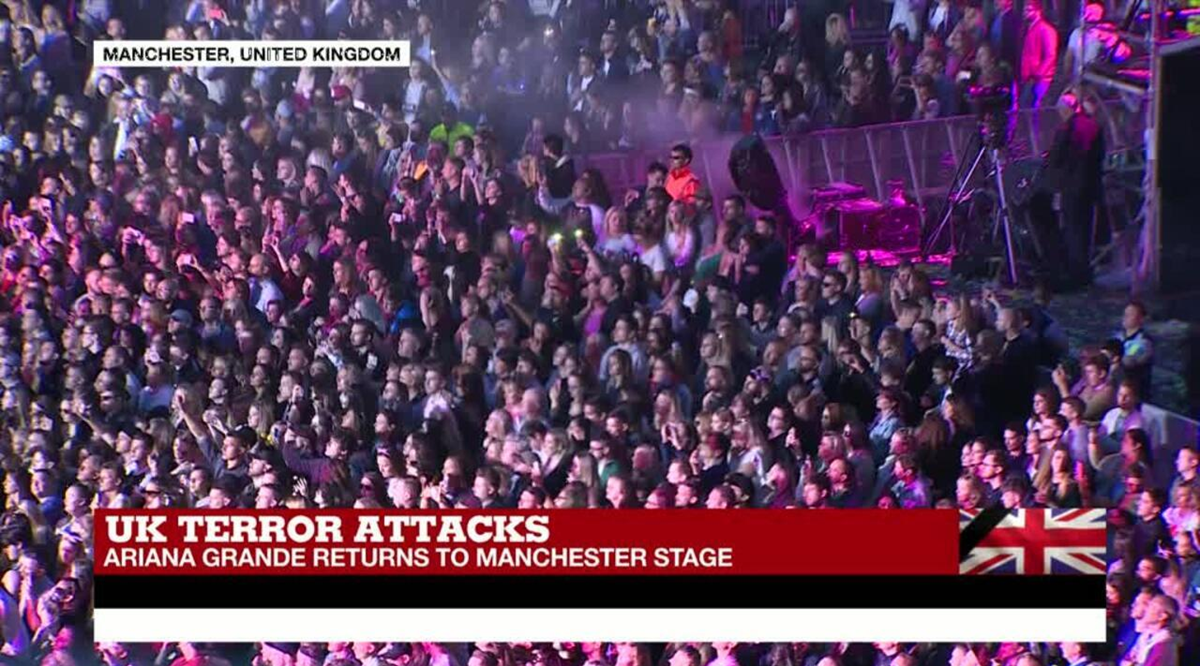
Ariana Grande’s Manchester concert in 2017 ended when a suicide bomber attacked people leaving the arena. Twenty-two people were killed, many of them young fans and parents who had simply come for a night of pop music. The One Love Manchester benefit concert that followed became part of the story too, because it gave the city and the audience a way to gather again. It did not erase what happened, but it gave the tragedy a second public image, one built around grief, music, and return.
8. Love Parade Ended After Duisburg
PICS / REDDIT
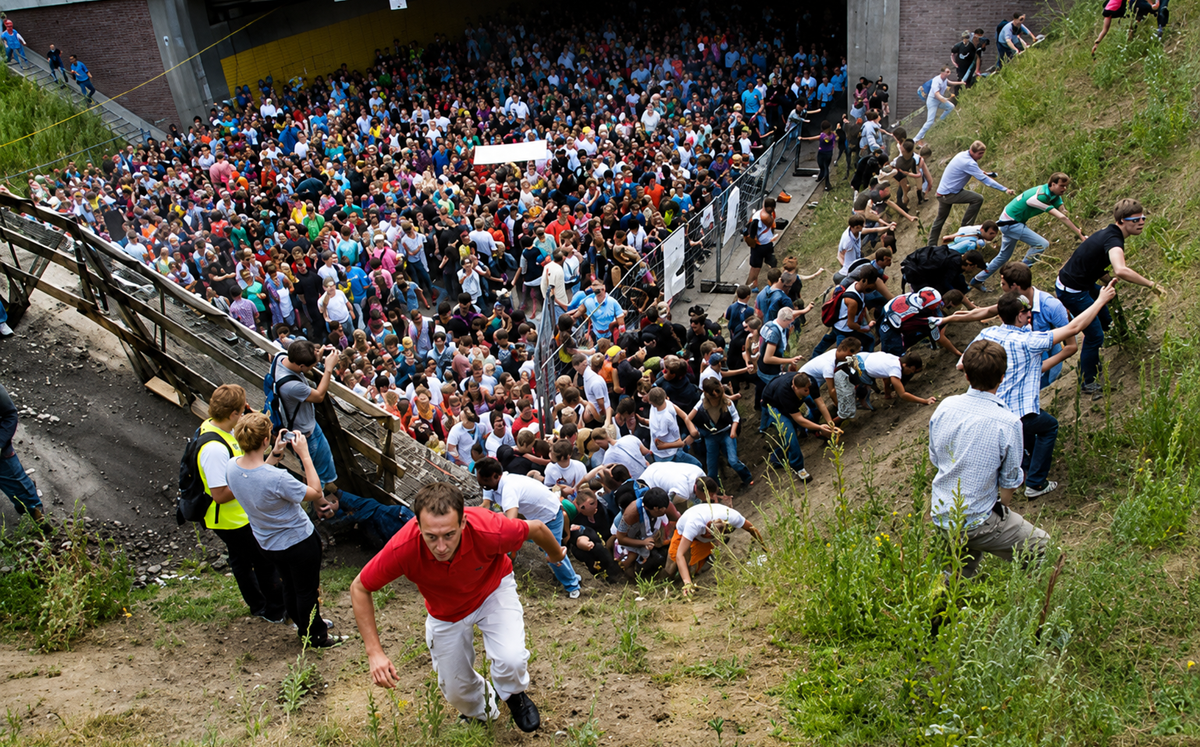
Love Parade had grown from a Berlin street-party idea into one of Europe’s best-known electronic music gatherings. In Duisburg in 2010, a crowd disaster near a tunnel and ramp killed 21 people and injured hundreds more. The event was never held again. For a festival built around movement and mass celebration, the ending was brutally literal: too many people forced through a space that could not safely hold them.
Sign up for our newsletter
9. Sugarland’s Indiana State Fair Show Was Hit Before It Began
CATASTROPHICFAILURE / REDDIT
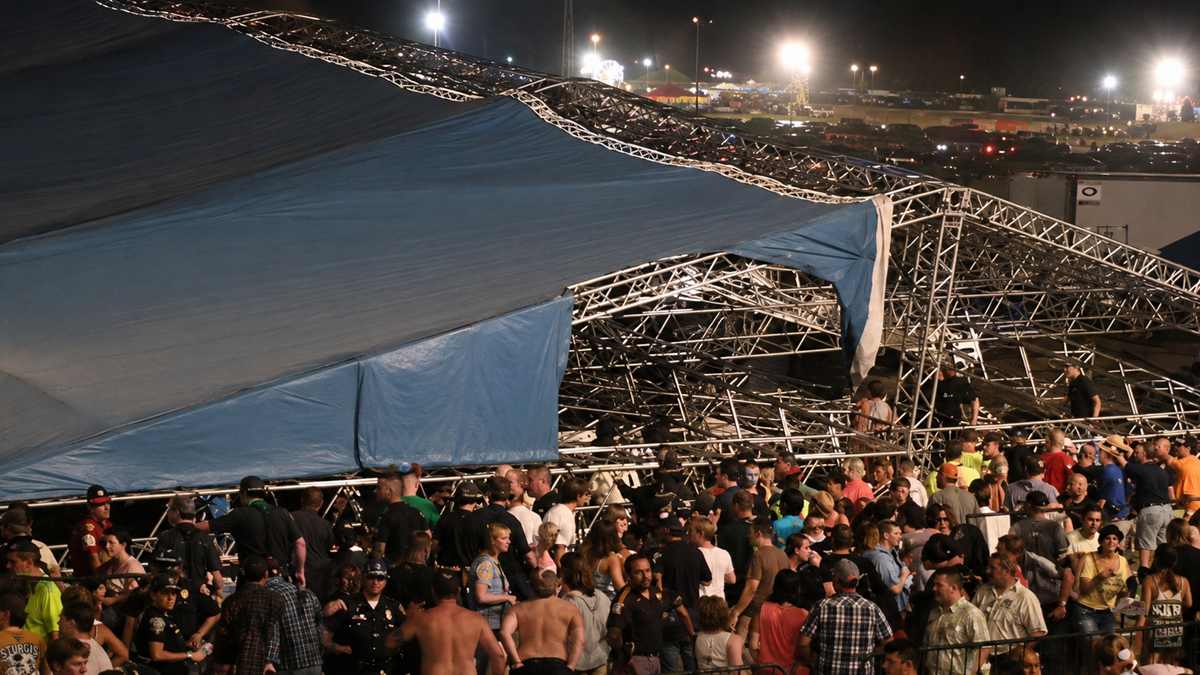
The crowd was waiting for Sugarland at the Indiana State Fair in 2011 when severe weather moved in. A strong gust struck the temporary stage roof and sent it collapsing onto people below. Seven people died. The disaster became one of the most replayed examples of how quickly outdoor concerts can turn unsafe when weather decisions come too late.
10. Radiohead’s Toronto Collapse Put the Crew in the Story
OSHA / REDDIT
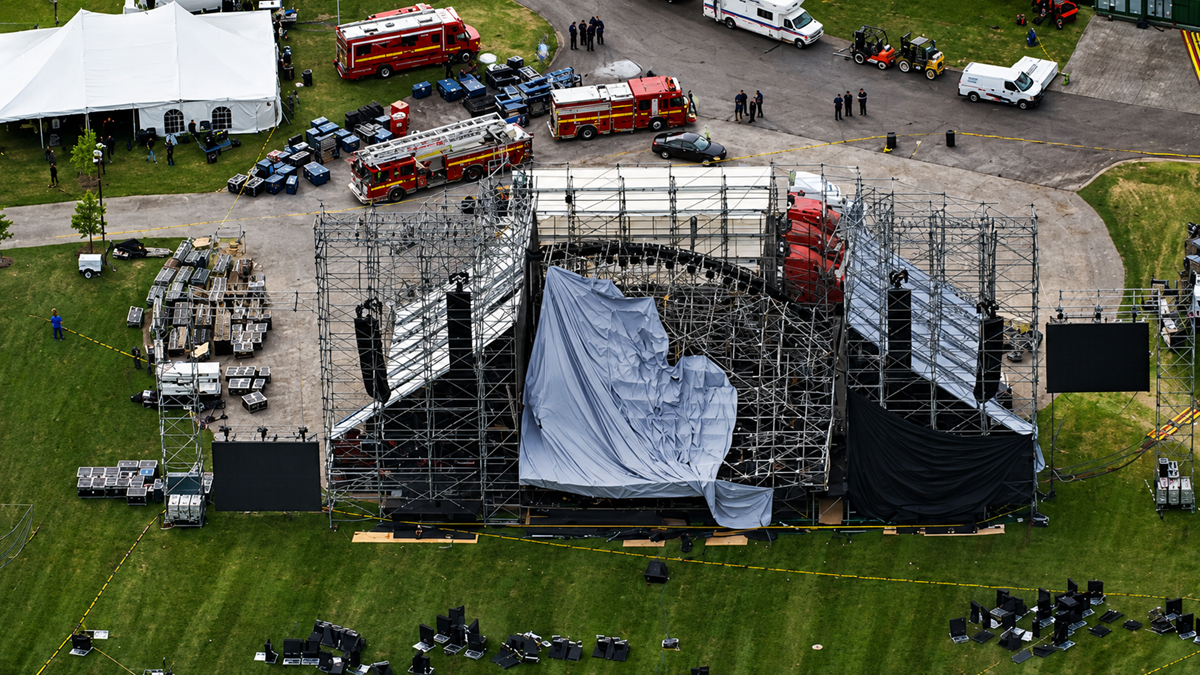
Radiohead’s 2012 Toronto concert never reached the audience. During setup at Downsview Park, the stage structure collapsed, killing drum technician Scott Johnson and injuring others. Fans often think of concert disasters in terms of crowds and performers, but this one pointed to the workers behind the show. The people building the spectacle can be the ones taking the quietest risks.
11. The St. Louis Riot Became Guns N’ Roses Folklore
GUNSNROSES / REDDIT
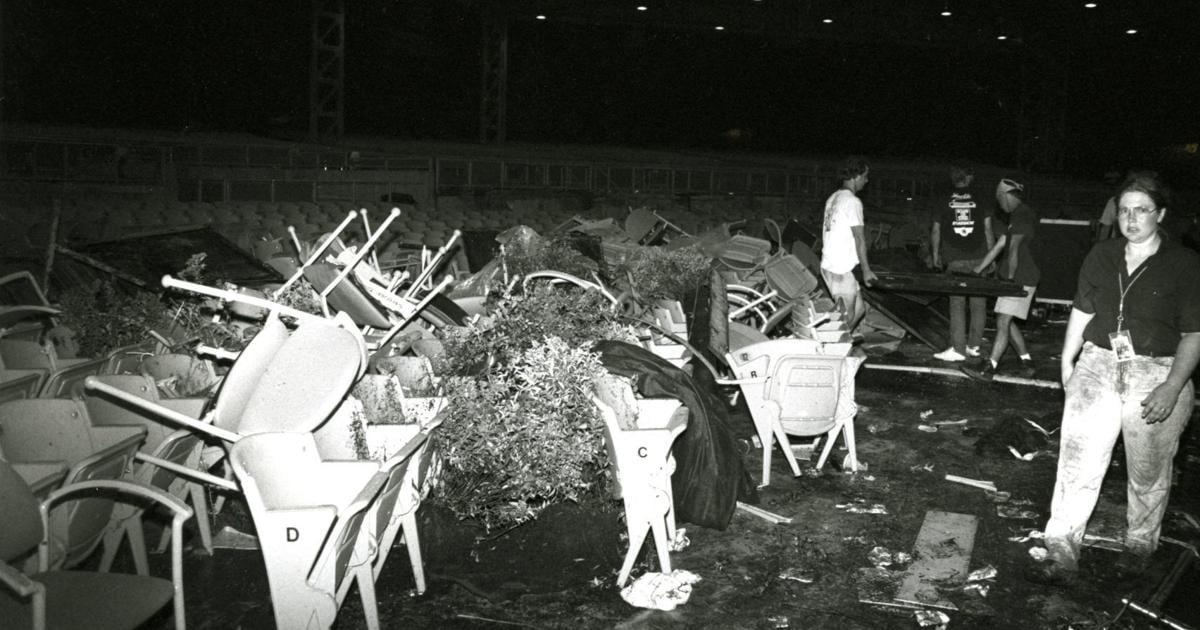
The Riverport show in 1991 started falling apart when Axl Rose spotted someone taking photos and jumped into the crowd. After he left the stage, the crowd erupted, and the night turned into a riot with injuries, arrests, and major damage. Compared with the deadliest disasters, this one sits in a different category. Still, it became one of the most famous examples of a concert blowing up because one moment onstage snapped the room in half.
In the mood for more?
Check out 21 Photos That Show What Going to a Concert Looked Like Before Security Existed, or take a look at 17 Unusual Festivals From Around The World. If you want to see more moments in live music, you can check out 16 Artists Who Redefined Live Concert Production.