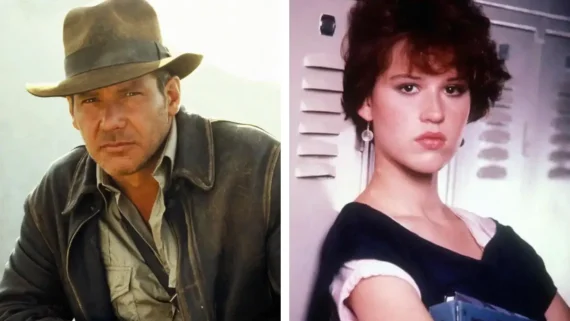
The visual landscape of 80s cinema relied heavily on distinctive outfit choices to instantly telegraph a character’s social status, lifestyle, and rebellious edge. Walking into a theater during this era meant encountering bold textiles, structured tailoring, and innovative accessories that immediately captured the public’s imagination. Costume designers working on studio lots wielded massive cultural influence, crafting on-screen looks that moved rapidly from the silver screen straight to high school hallways and suburban mall clothing racks. These unforgettable sartorial statements operated as a core visual signature for a generation of moviegoers, anchoring the characters into the rapidly shifting lifestyle trends of the period.
The reality of these cinematic style choices is that they completely rewrote the rules of everyday street fashion for millions of dedicated fans. Looking back over these theatrical releases reveals how an exceptional outfit can define an entire decade’s aesthetic, even if some choices look highly specific through a modern lens. From rugged aviator leather jackets that triggered massive real-world retail demands to colorful high-contrast fitness gear built for cinematic training sequences, these outfits represent the absolute gold standard of pop culture style. Let’s look at fourteen legendary movie wardrobes that completely defined what it meant to look effortlessly cool during this vibrant filmmaking era.
1. The varsity team jacket in Beverly Hills Cop – 1984
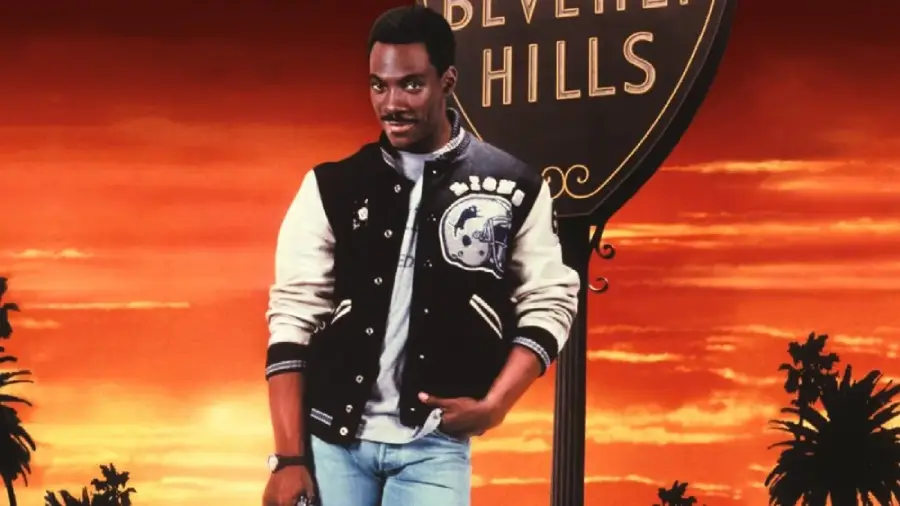
Eddie Murphy’s relaxed wardrobe featuring a classic Detroit Lions varsity jacket, a simple gray sweatshirt, and blue jeans perfectly captured the street-smart style of detective Axel Foley. This effortlessly casual sportswear look stood in stark visual contrast to the ultra-polished, high-end luxury aesthetic of Beverly Hills, immediately turning Murphy’s casual athletic outerwear into one of the most widely emulated male wardrobes of the mid-decade.
2. The patch-decorated aviator bomber jacket in Top Gun – 1986
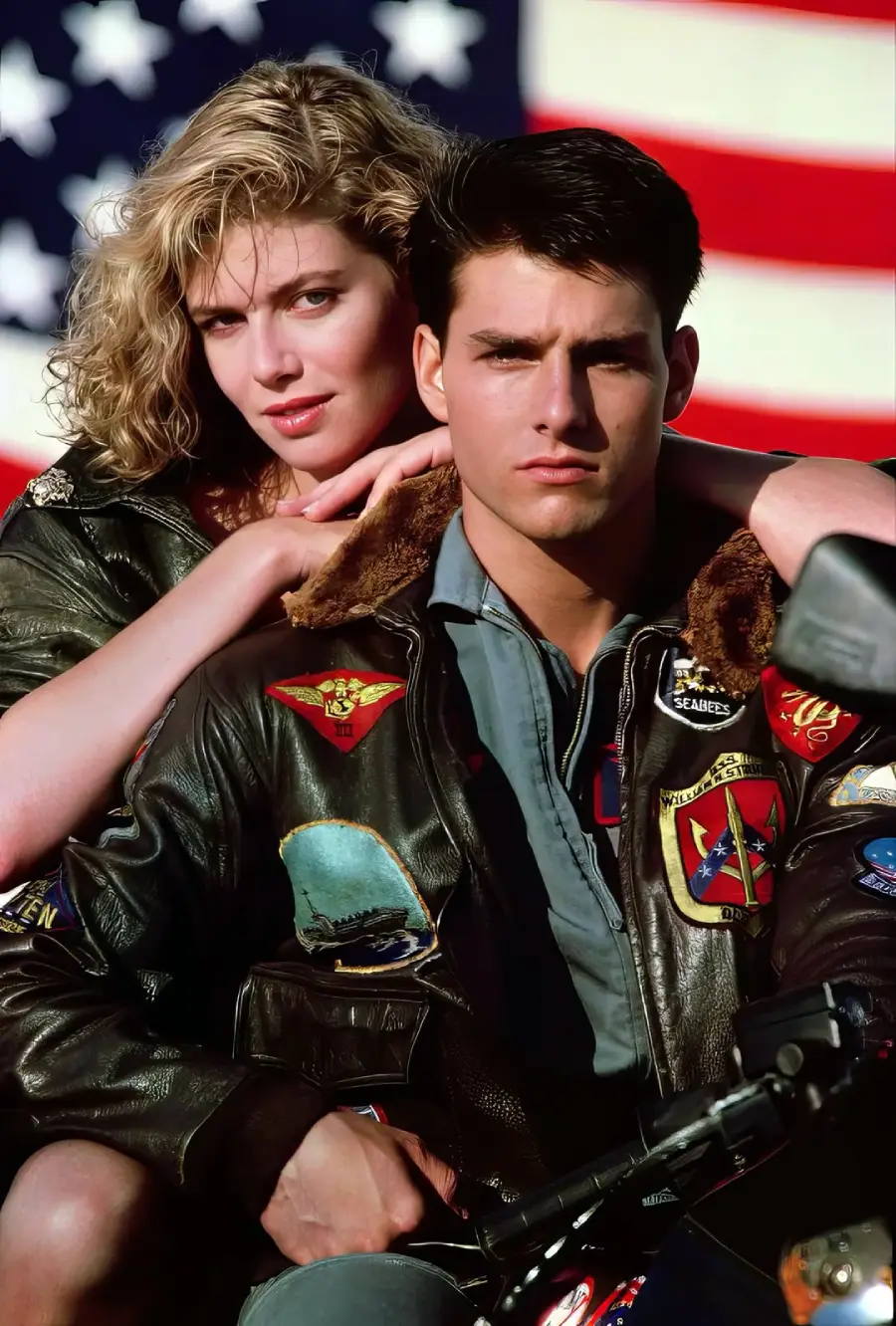
Tom Cruise’s rugged, dark brown leather flight jacket adorned with authentic military unit patches single-handedly turned pilot outerwear into a massive global fashion staple. The film’s immense theatrical success triggered an immediate, record-breaking surge in real-world retail sales for aviation gear, transforming authentic flight apparel into a premier lifestyle statement across the globe.
3. The preppy oversized blazer in Heathers – 1988
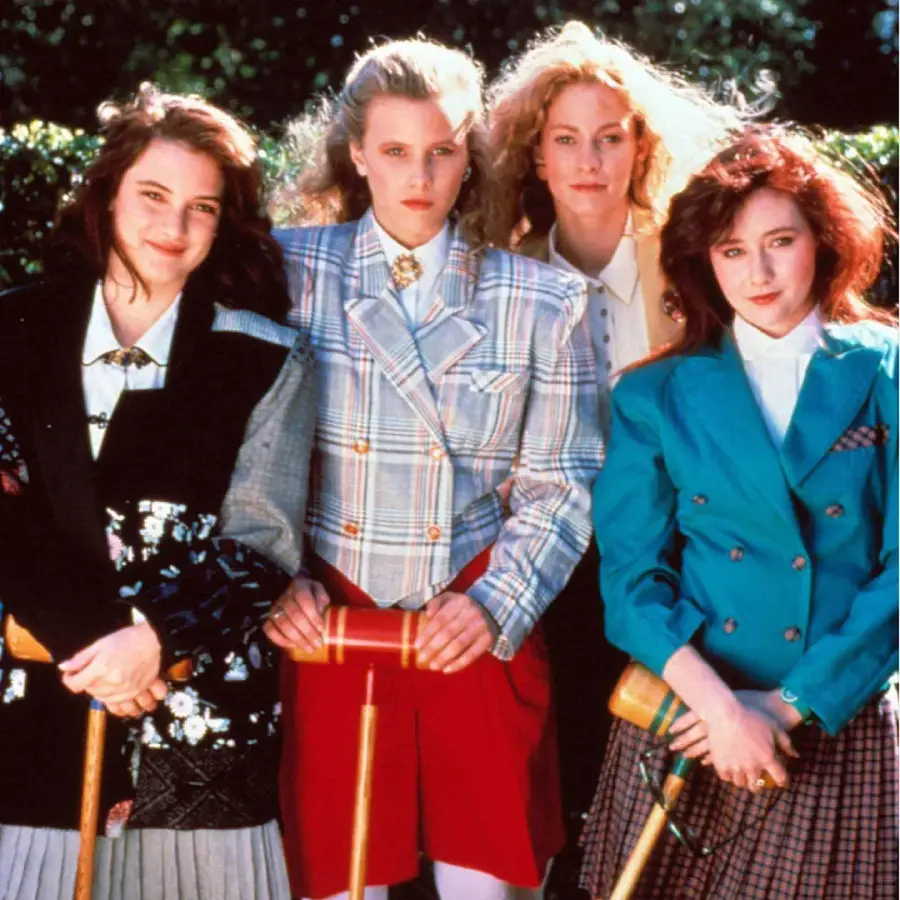
The colorful, heavily structured blazers featuring massive shoulder pads and crisp pleats defined the absolute peak of dark, satirical high school fashion at the tail end of the decade. Costume designer Rudy Dillon assigned a specific signature color to each member of the dominant clique, utilizing the rigid, wide-shouldered tailoring to visually communicate power, status, and conformity within the school social hierarchy. This brilliant mix of pastel preppy styling and sharp silhouettes heavily influenced alternative youth subcultures and street fashion well into the transition of the next decade.
4. The urban professional aesthetic in St. Elmo’s Fire – 1985
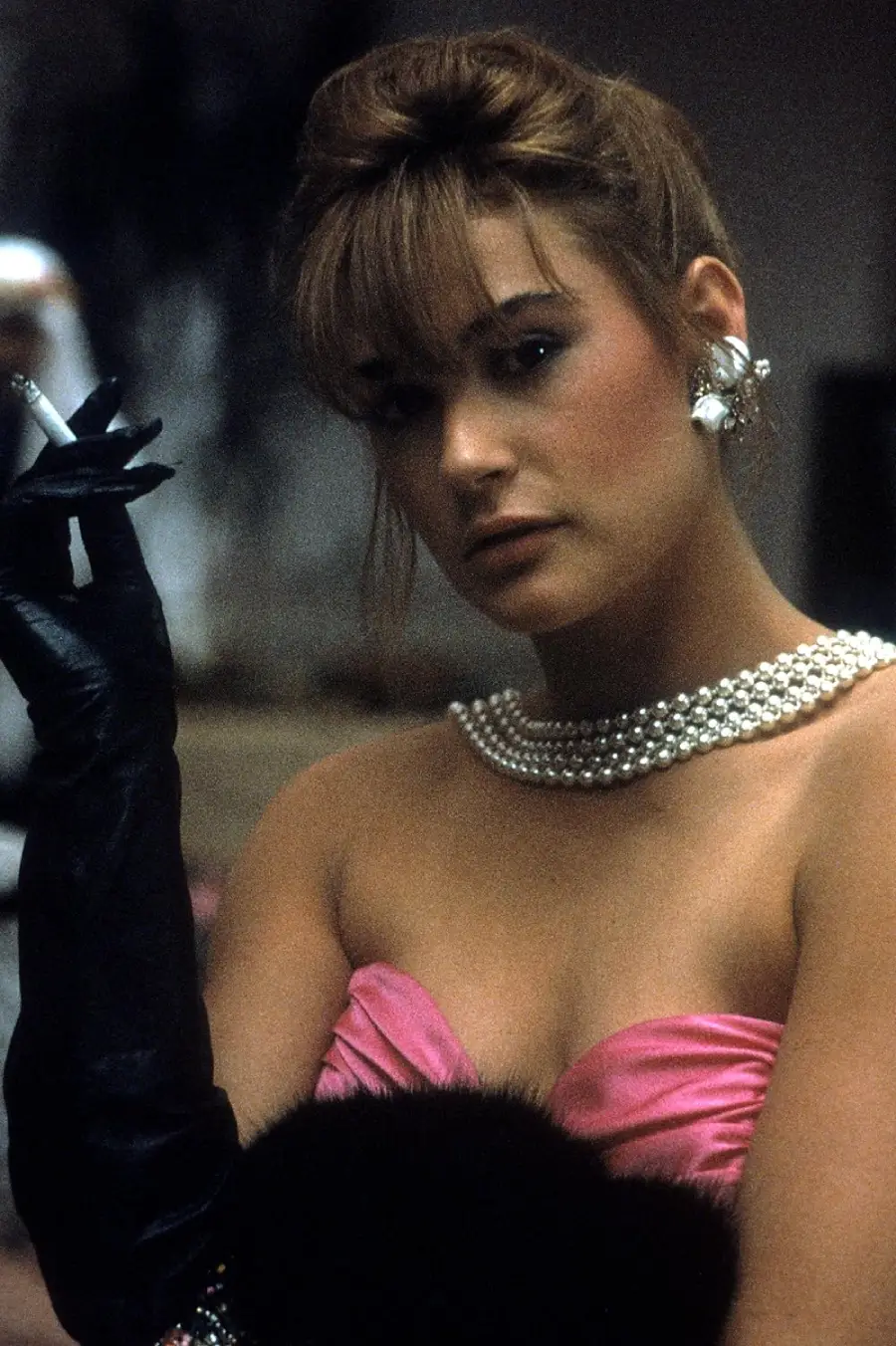
Demi Moore’s sophisticated wardrobe as Jules featured tight-fitting evening dresses layered with structured leather jackets, subtle shoulder padding, and heavy statement jewelry. Backed by the massive cultural momentum of the Brat Pack era, this sharp ensemble perfectly captured the emerging young urban professional lifestyle, heavily dictating what real-world women wore to upscale city offices and nightlife lounges.
5. The industrial textured utility batsuit in Batman – 1989
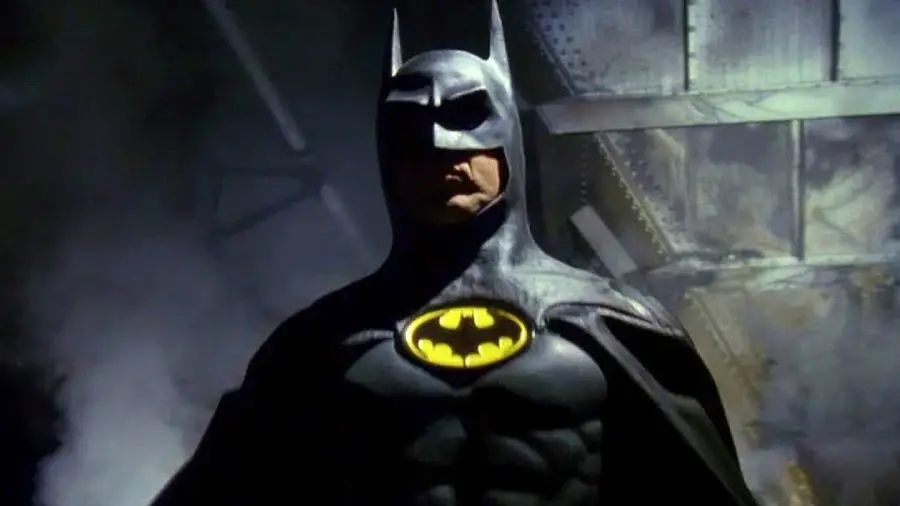
Michael Keaton’s dark, sculpted neoprene armor fitted with a bright gold utility belt marked the absolute first time cinema discarded traditional spandex costumes for a gritty, industrial superhero aesthetic. This bold stylistic departure completely redefined the visual identity of comic book characters on screen, triggering an international wave of merchandising, action figures, and premium Halloween costumes.
Trending on The Scroller
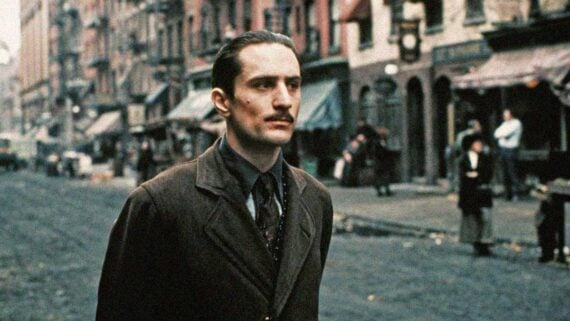

6. The high-tech crimson jacket in Back to the Future II – 1989
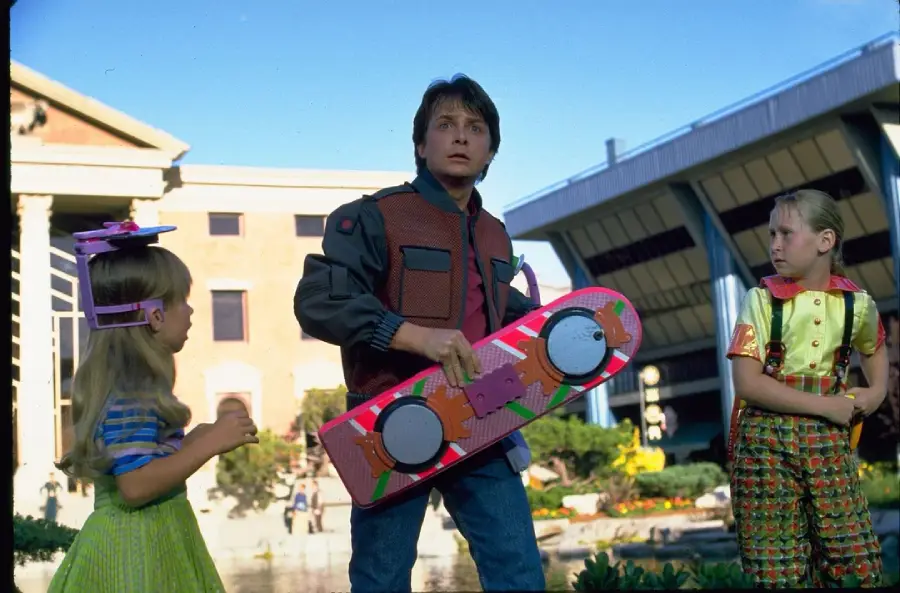
Marty McFly’s futuristic crimson outerwear featuring auto-adjusting sleeve components and reflective pocket details stood as one of the most desired science fiction garments of the era. Combined with classic denim jeans and self-lacing high-top sneakers, this unforgettable wardrobe choice became a premier symbol of cinematic imagination that collectors still celebrate.
7. The urban tactical combat armor in Commando – 1985
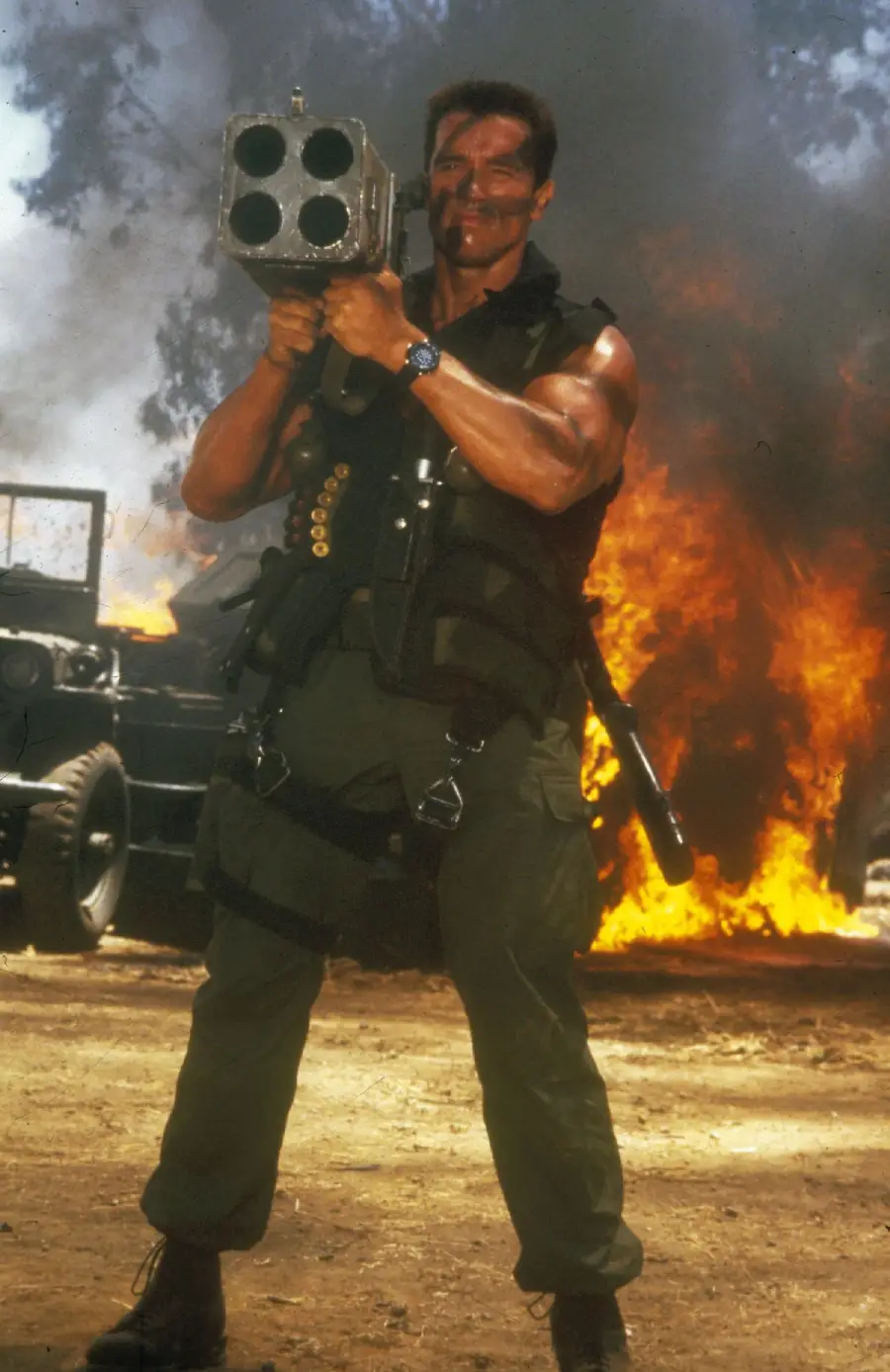
Arnold Schwarzenegger’s hyper-masculine military ensemble, consisting of a tight tank top, heavy green cargo trousers, and crossed ammunition bandoliers, defined the standard visual uniform for the decade’s action genre. This utilitarian, tactical aesthetic completely dominated independent action titles and playground pretend games throughout the remainder of the century.
8. The structured executive power blazer in Working Girl – 1988
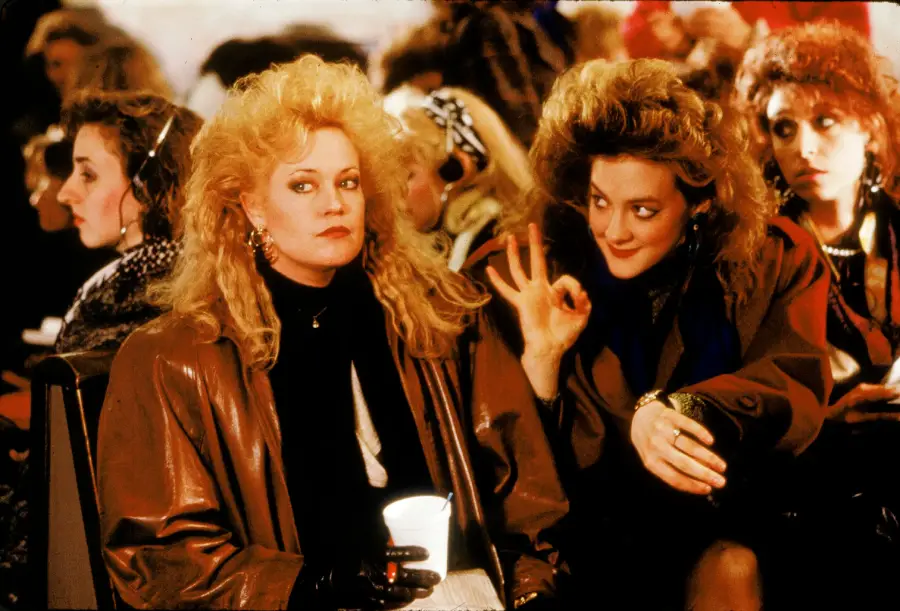
Melanie Griffith’s high-corporate wardrobe featuring oversized shoulder pads, voluminous hair, and chunky gold accessories perfectly defined the executive power-dressing movement. This specific look moved directly from the box office straight into real-world corporate boardrooms across America, offering women a bold, structurally confident wardrobe language to navigate corporate spaces.
Sign up for our newsletter
9. The minimalist rebel dancer look in Dirty Dancing – 1987
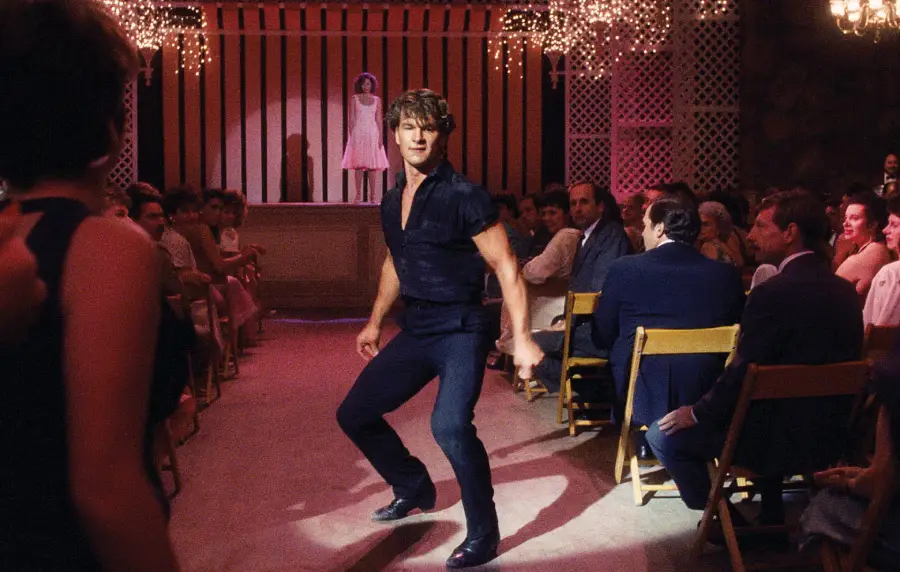
Patrick Swayze’s magnetic look as dance instructor Johnny Castle relied on a deceptively simple combination of a fitted black shirt and dark, tailored trousers. This effortless, vintage-inspired silhouette bypassed complex costume design to establish an enduring, romantic archetype of masculine style that fans endlessly emulated.
10. The bohemian roller-skating look in Xanadu – 1980
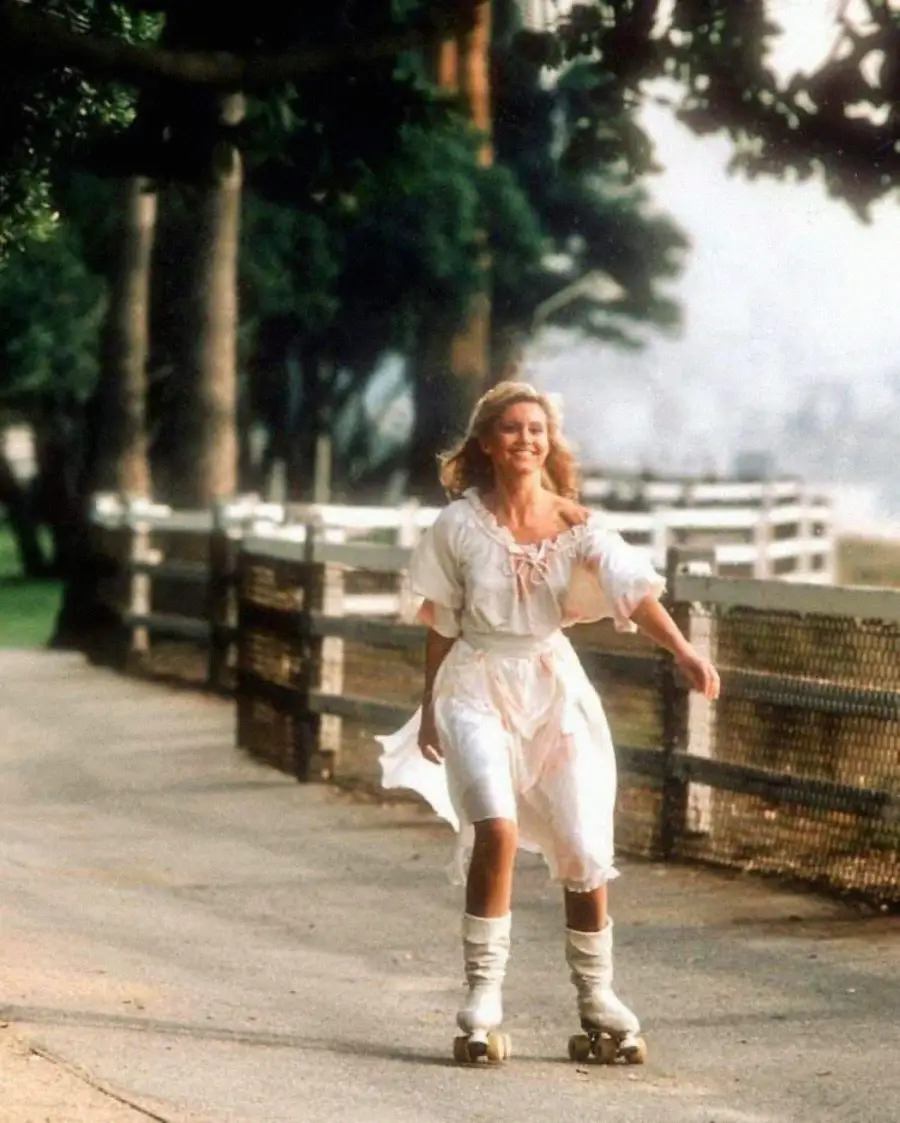
Olivia Newton-John’s ethereal wardrobe featuring a flowing, off-the-shoulder white peasant dress paired with traditional four-wheel roller skates and slouchy leg warmers completely encapsulated the whimsical fantasy aesthetic of the early decade. The lightweight, sun-kissed look single-handedly defined a carefree style era, inspiring young women everywhere to incorporate breezy, fluid fabrics into their warm-weather activewear routines.
11. The rugged fedora and leather trench combination in Indiana Jones – 1981/1989
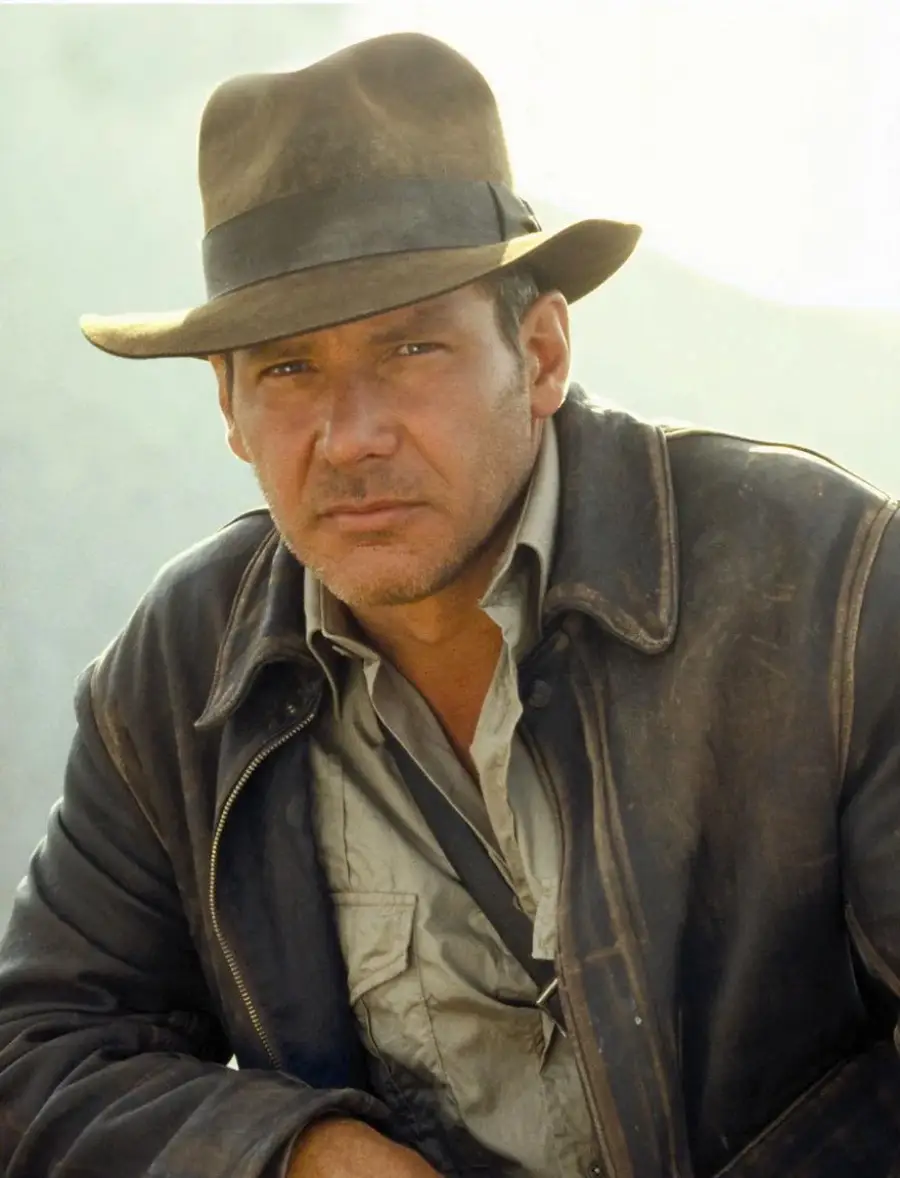
Harrison Ford’s timeless archaeological uniform, consisting of a weathered brown leather jacket, a custom wool-felt fedora hat, and a braided bullwhip, stands as an absolute masterpiece of adventure cinema. The distinctive brim profile of the hat was carefully customized by the production crew to cast the perfect shadow over Ford’s eyes, launching one of the most replicated Halloween costumes in entertainment history.
12. The eclectic layered mall style in Sixteen Candles – 1984
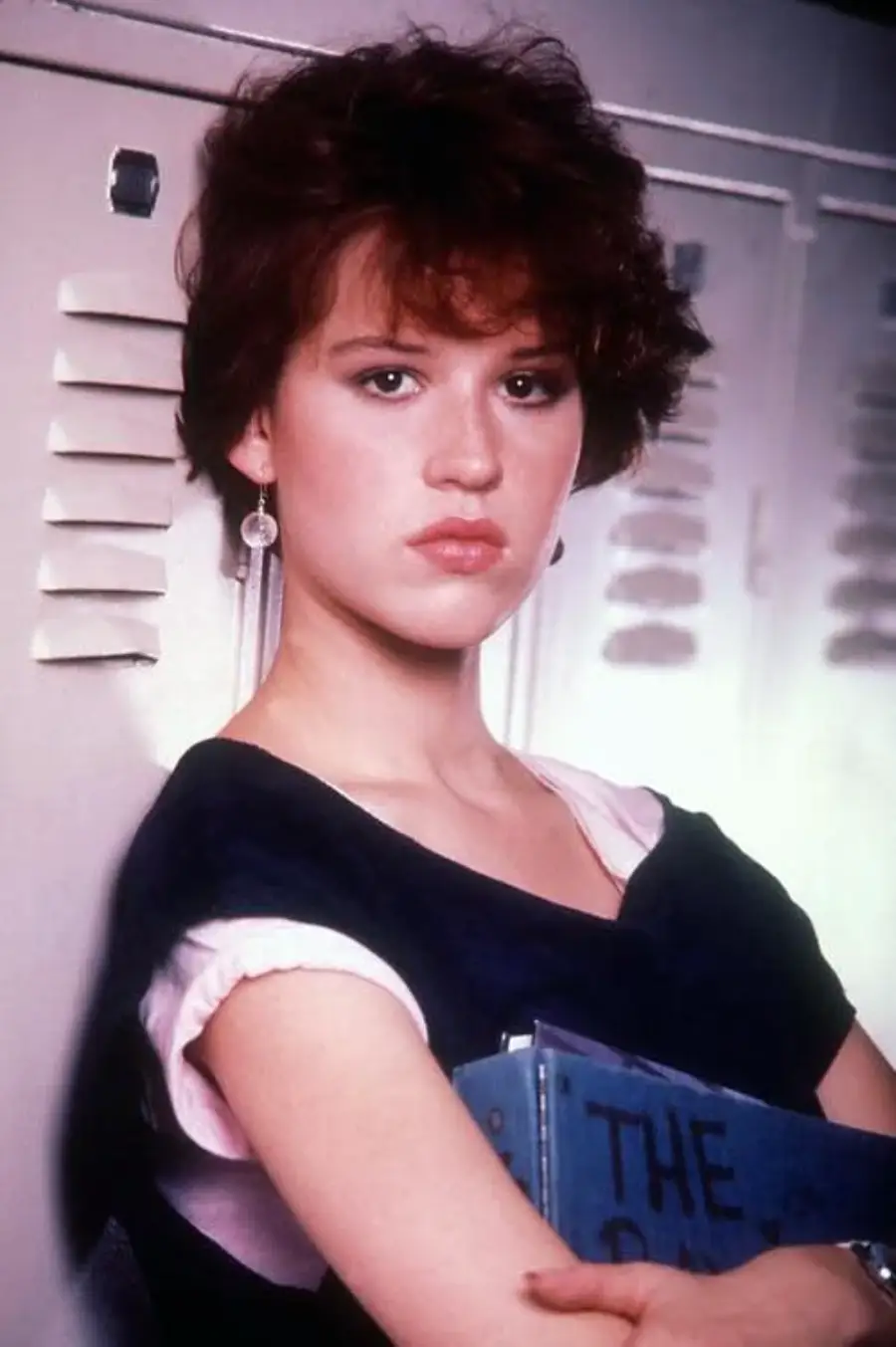
Molly Ringwald’s distinctive teen wardrobe layouts defined the ultimate mid-decade high school aesthetic through innovative overlapping and creatively layered pieces. Rather than relying on standard single-item coordinates, costume designer Marilyn Vance carefully mixed contrasting textures by pairing casual undershirts beneath dark boatneck tops, floral vests, and lightweight sweaters knotted effortlessly over the shoulders. This accessible, eclectic layering strategy established a realistic mall-fashion blueprint that real-world suburban teenagers across America instantly adopted to showcase their personal identities.
13. The layered punk street aesthetic in Desperately Seeking Susan – 1985
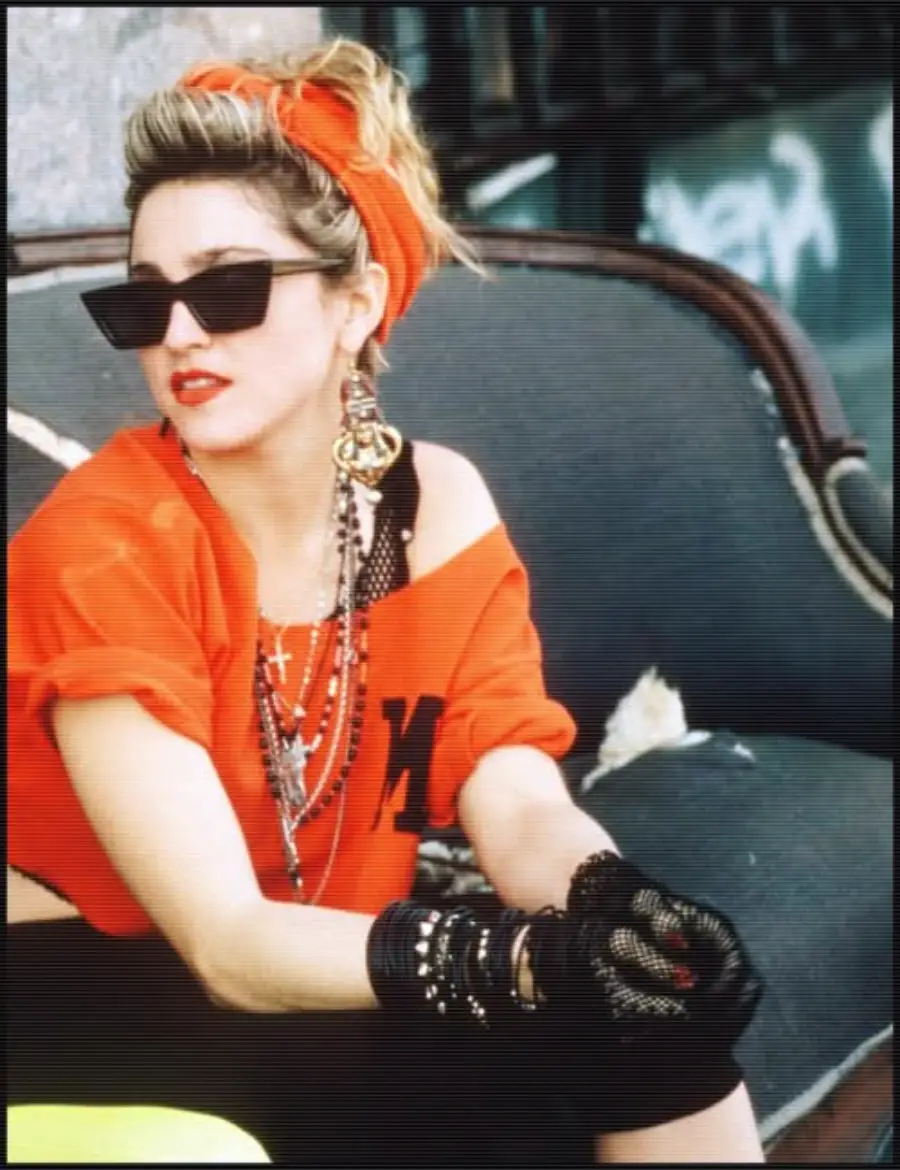
Madonna’s iconic street-style wardrobe featuring fluorescent mesh tops, heavy metallic chain accessories, fingerless lace gloves, and a bold hair bow completely revolutionized youth counterculture. This rebellious look effectively dismantled traditional, polished boutique looks in favor of a messy, thrifty aesthetic that young women instantly adopted across global music and art circles.
14. The spiked post-apocalyptic biker leather in Mad Max 2: The Road Warrior – 1981
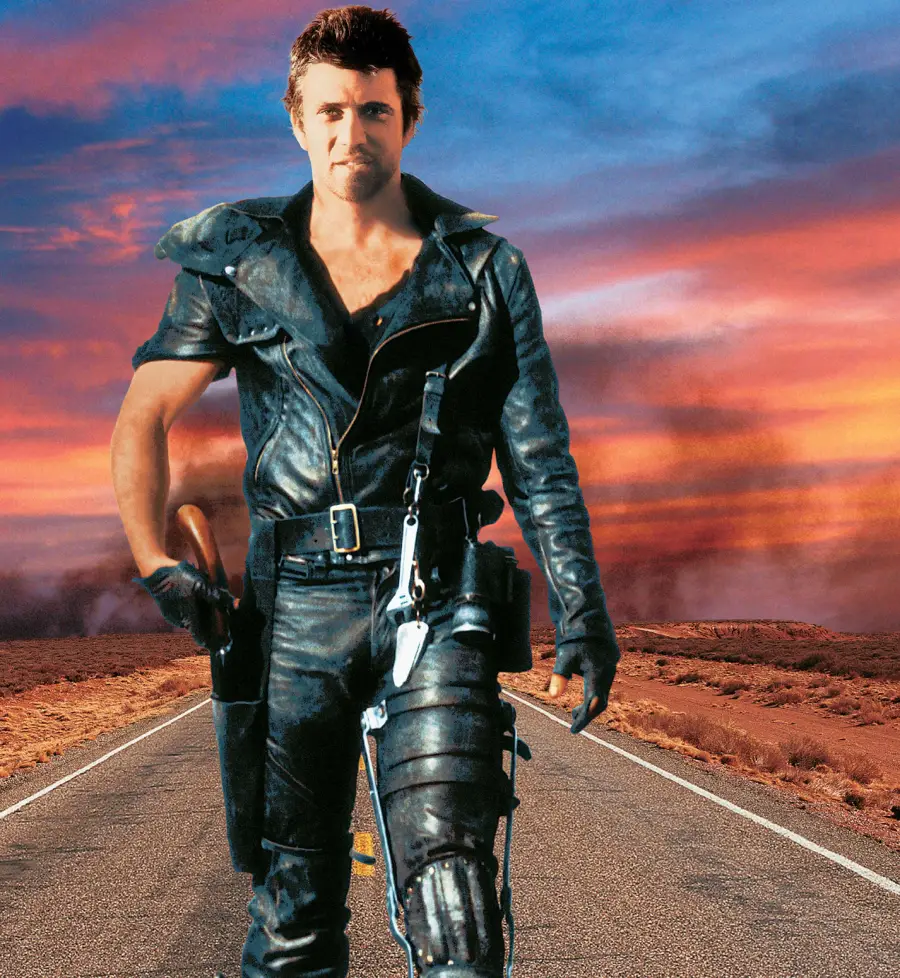
Mel Gibson’s battle-worn leather uniform featuring single shoulder pads, steel studs, and industrial mechanic modifications established the absolute visual blueprint for post-apocalyptic fiction. Designed by costume artist Wendy Straker, this raw, mechanical aesthetic traveled far beyond the cinema, heavily influencing heavy metal music videos, cyberpunk subcultures, and subcultural street style for decades.
In the mood for more 80s movie stories?
Revisiting these unforgettable movie garments serves as an excellent reminder of how profoundly cinematic wardrobe design can shape our collective style memories. Looking back over these tailored white suits, patch-decorated bomber jackets, and structured power blazers proves that while retail trends and textile technologies change completely across the decades, the cultural power of an exceptional visual character signature remains entirely timeless. When we choose to look past the initial nostalgia of these classic releases to appreciate the deliberate style logic built directly into their production designs, we gain a much richer understanding of our shared lifestyle history. If you enjoyed this detailed style countdown tracking the most influential wardrobes in big-screen history, make sure to explore these 14 Hollywood Rumors From the 80s That Became Lasting Myths or 14 Famous 80s and 90s Action Stars and Their Lives Today. You can also check out these 20 Legendary Actresses Who Defined Hollywood in the 1980s.