The visual landscape of twentieth-century cinema relied heavily on recognizable storytelling frameworks to guide audiences through intense atmospheric narratives. Walking into a dark movie theater meant encountering specific camera angles, lingering lighting setups, and carefully calculated tension cues that immediately prepared the viewer for an upcoming shock. Filmmakers working within the horror genre developed an entire language of predictable structural choices, relying on familiar character behaviors and distinct environmental setups to build suspense. These recurring setups moved rapidly from independent B-movies straight into multi-million dollar studio franchises, establishing an absolute baseline of shared tropes that dedicated film enthusiasts can effortlessly spot from the opening frame.
The reality of these classic cinematic setups is that audiences develop an incredibly sharp intuition for detecting when a terrifying sequence is about to unfold. The truth is that when you watch enough films within the horror genre, even subtle visual details can instantly telegraph an upcoming jump scare. From legendary slashers that practically invented the rules of survival to modern supernatural masterpieces that deconstruct classic tropes, these predictable sequences represent the absolute gold standard of popcorn entertainment. Let’s look at fourteen legendary movie moments that every single fan saw coming from a mile away.
1. Investigating the noise alone

Going down into a dark basement or checking a strange sound without telling a single soul is the ultimate setup for an early exit. The most famous early example features Janet Leigh in Psycho (1960) stepping into the shower, completely isolated at the Bates Motel. This dangerous behavior became a permanent staple of the genre, repeated in Halloween (1978) when Laurie Strode steps into the house across the street without alerting anyone, and in nearly every single slasher film of the 1980s.
2. The unreliable car engine
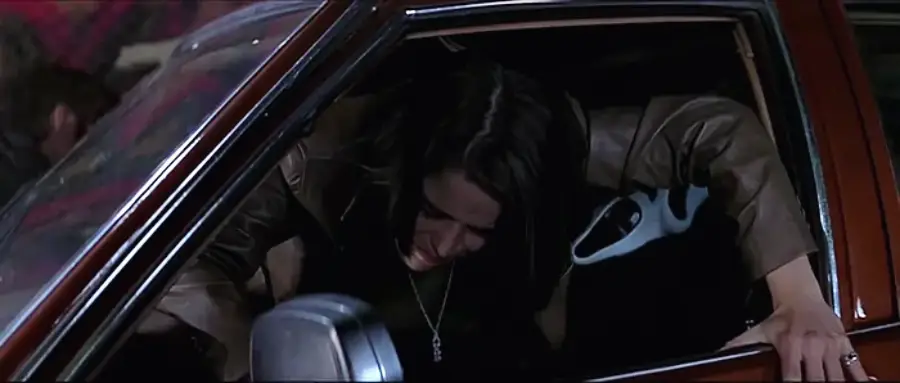
Few things are more frustrating to watch than a motor vehicle that suddenly refuses to ignite the exact moment a masked antagonist emerges from the shadows. This highly parodied moment is a foundational element of Halloween and its countless low-budget imitators. A prominent modern execution of this vehicular failure appears in Scream (1996) when Sidney Prescott attempts a rapid vehicular escape only for the engine to completely stall at the worst possible second.
3. Announcing “I’ll be right back”
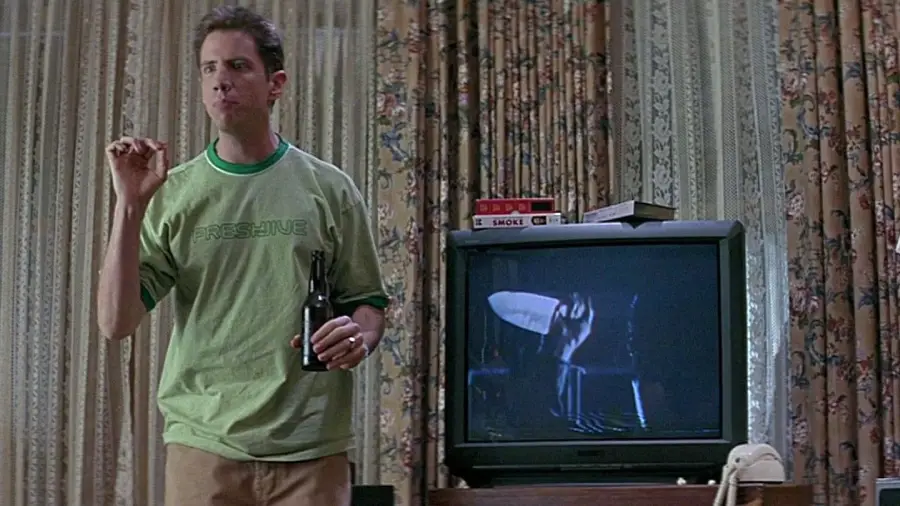
Declaring your immediate return to a group of friends is a non-verbal guarantee that a character will never be seen alive again. The meta-narrative slasher hit Scream (1996) turned this predictable dialogue choice into a brilliant self-aware joke during a high school house party. While hanging out in the living room, the character Randy explicitly outlines the strict survival rules of the genre, explaining exactly why saying that phrase is a lethal mistake.
4. The fake-out cat scare
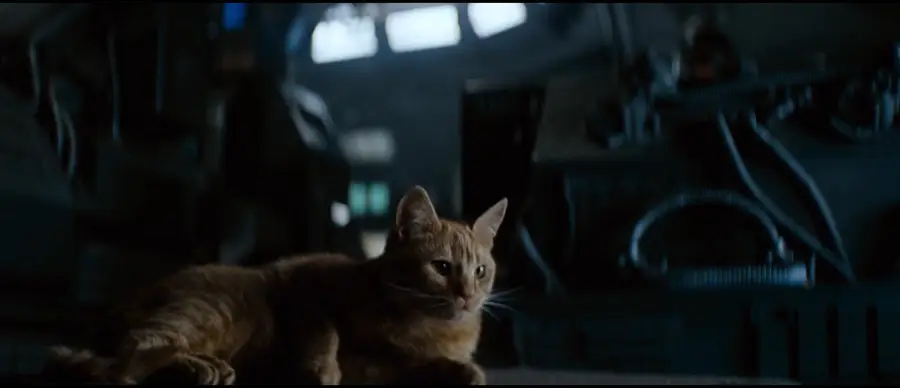
A tense, quiet sequence that suddenly concludes with a harmless household pet leaping out from the shadows is one of the oldest distraction tools in filmmaking history. This specific feline false alarm was masterfully deployed in sci-fi horror classics like Alien (1979) to spike the audience’s heart rate right before the true extraterrestrial threat reveals itself. Modern blockbusters like The Conjuring (2013) continue to rely on this exact misdirection to lower the viewer’s guard before unleashing a much more terrifying supernatural entity.
5. The villain’s final resurrection
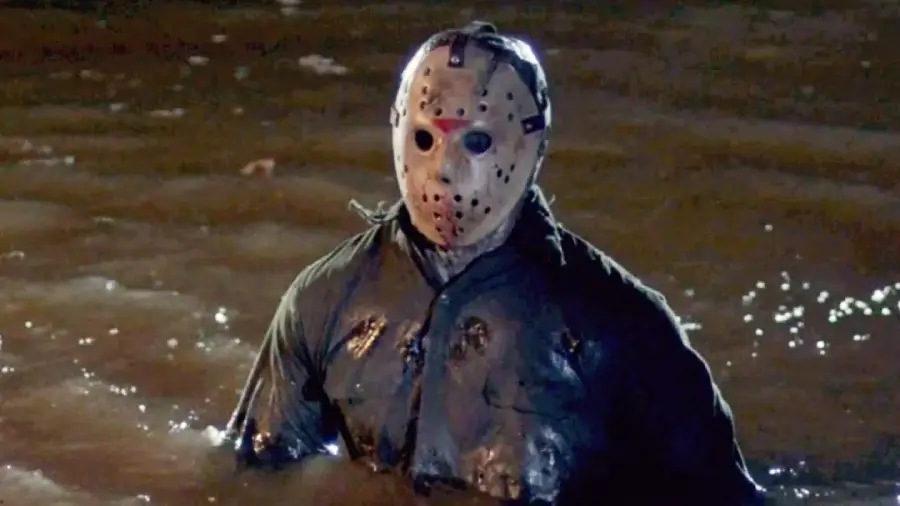
Watching a defeated antagonist suddenly spring back to life for one final attack after the protagonist lowers their weapon is a universal sign that the danger is far from over. This recurring trope was permanently cemented by Michael Myers in Halloween (1978), Jason Voorhees throughout the entire Friday the 13th franchise, and Ghostface in Scream. The exact second the exhausted hero stops to look at the body and turns their back is the ultimate signal to the audience that a final jump scare is imminent.
Trending on The Scroller
6. Splitting up to cover more ground
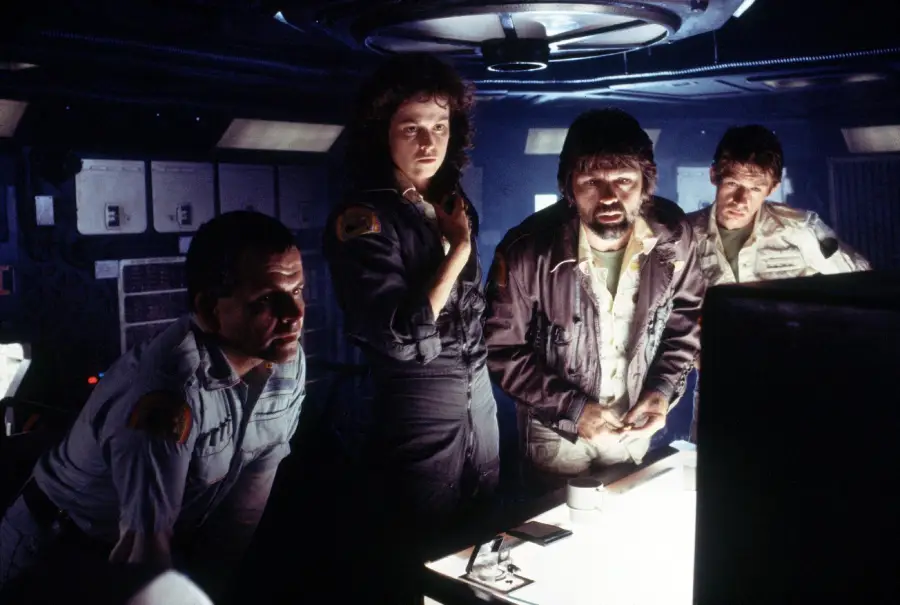
Deciding to separate a vulnerable group into smaller numbers to search an area faster is easily one of the worst strategic choices a character can make. The terrifying independent hit The Blair Witch Project (1999) utilized this terrible decision as the central narrative axis of its final act. The same logical error occurs in Alien (1979) when the commercial crew of the Nostromo divides their numbers to hunt down a missing creature, yielding deeply predictable and tragic results.
7. The bathroom mirror incantation
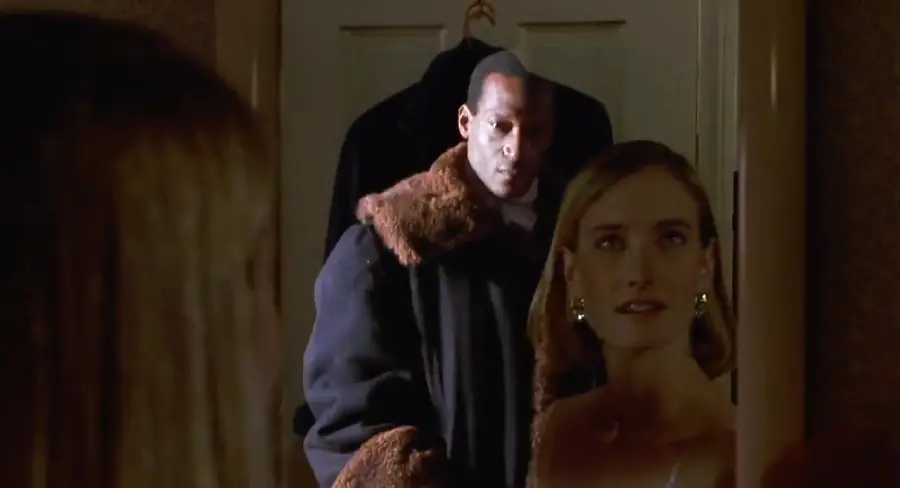
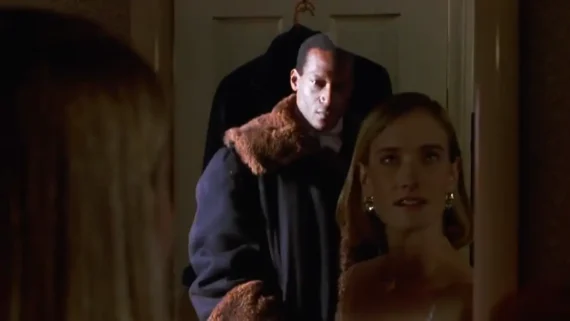
Standing directly in front of a reflective surface and chanting a forbidden name multiple times is a classic horror ritual that guarantees an immediate supernatural confrontation. In Candyman (1992), actor Virginia Madsen famously stands in front of her bathroom mirror to utter the urban legend’s name five times, only to unleash a terrifying entity whose presence begins to bleed into her physical reality. The simple spatial layout of a home mirror serves as an incredibly recognizable visual device across the genre, instantly turning a standard household object into a direct portal for unimaginable terror.
8. Returning inside the house
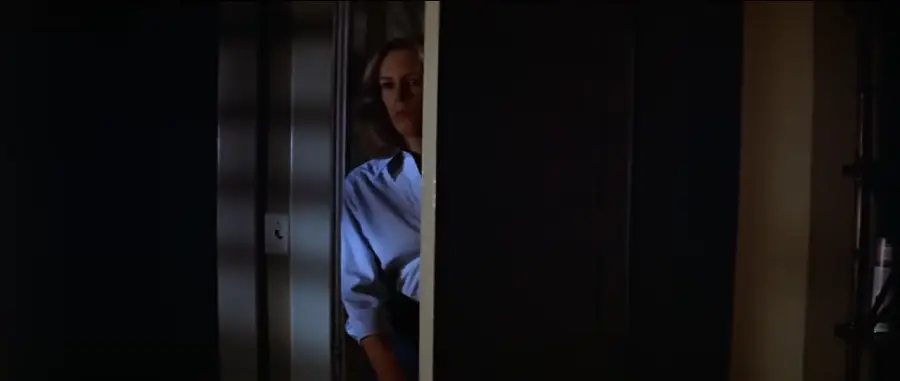
Escaping the terrifying confines of a crime scene only to willingly turn around and walk right back inside the building leaves audiences screaming at the screen. Sidney Prescott makes this exact choice in Scream by stepping back into danger, just as Laurie Strode does in Halloween to protect the young children under her care. Even though the theater audience knows exactly what kind of danger is waiting inside, the sheer suspense keeps everyone glued to their seats.
Sign up for our newsletter
9. The deceptive musical calm before the storm
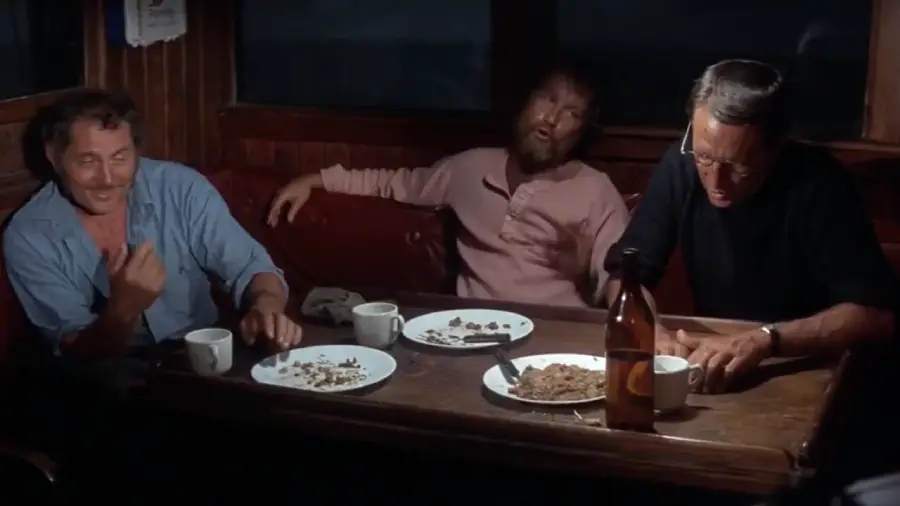
A beautifully serene musical sequence or a sudden drop in the audio track is the ultimate indicator that the biggest scare of the film is about to unfold. Director Steven Spielberg masterfully built an unyielding sense of dread in Jaws (1975) by utilizing John Williams’ iconic, accelerating two-note theme right before every predatory strike. Similarly, Halloween relies heavily on John Carpenter’s frantic piano score to signal to the viewer that something terrible is about to happen.
10. The late-introduction extra character
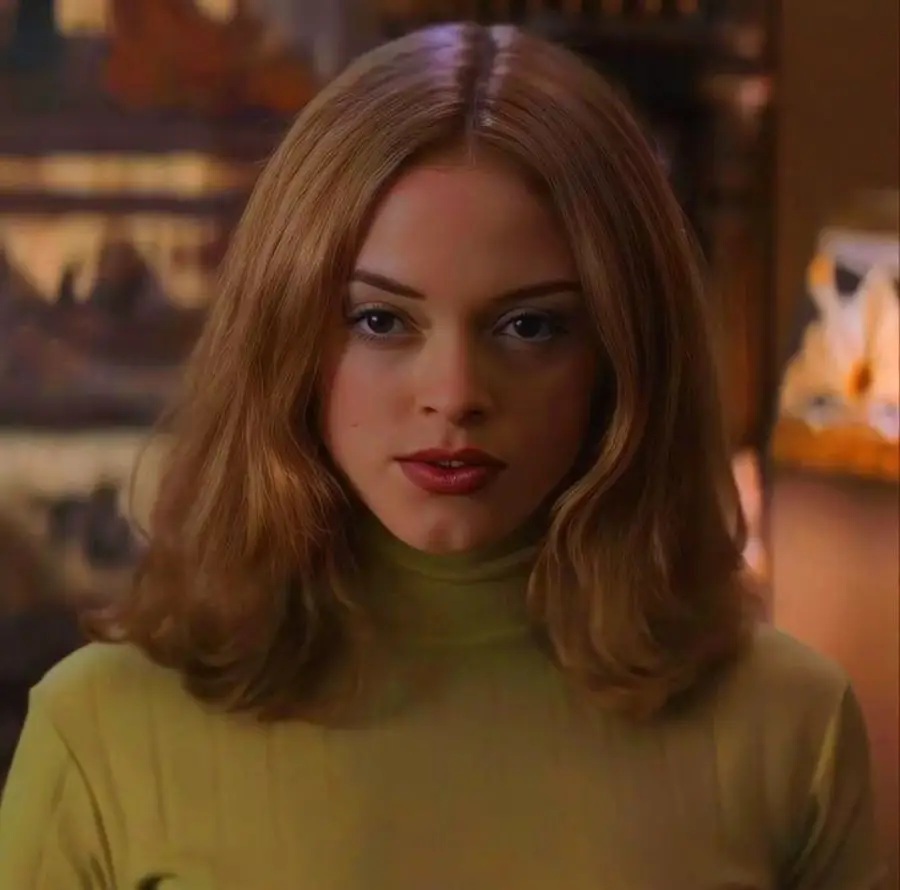
Introducing secondary support figures or best friend archetypes into the narrative framework is a clear indicator that these characters exist purely to increase the movie’s body count. In Scream (1996), characters like Kenny the cameraman and especially Tatum Riley operate as perfect examples of this unforgiving storytelling rule. Despite her vibrant personality, Sidney Prescott’s best friend receives very little development regarding her own personal backstory, rendering her destined for a memorable and tragic exit when she gets trapped inside the small garage pet door.
11. The call is coming from inside the house
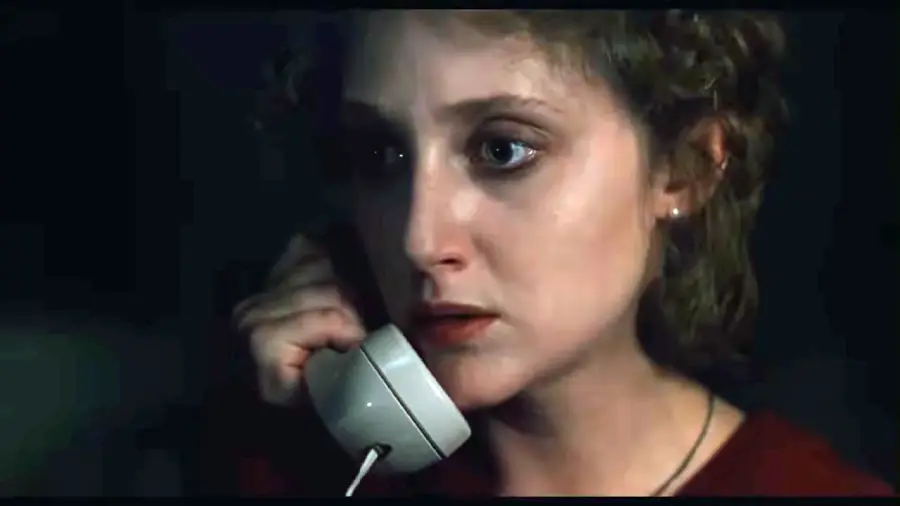
Receiving a series of increasingly hostile telephone threats only for an operator to reveal that the mysterious caller is lurking on an extension upstairs is a legendary trope. The classic thriller When a Stranger Calls (1979) converted this terrifying premise into the ultimate archetype of suburban horror. The Scream franchise famously parodied and honored this exact setup during its legendary opening sequence featuring a high-stakes trivia game.
12. The sudden flashlight failure
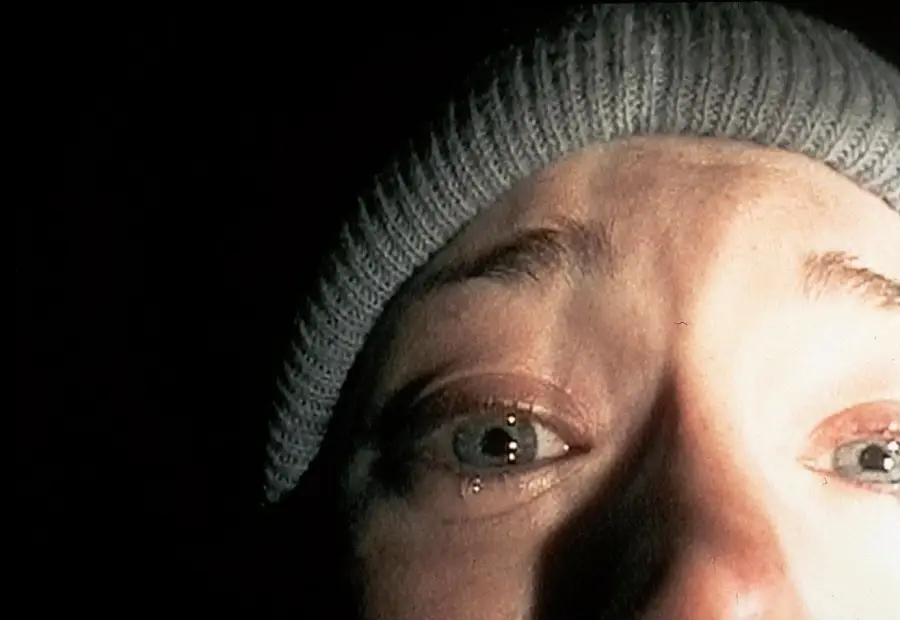
A battery-powered light source that begins to flicker, dim, and completely die the exact second a character enters a dark space is an incredibly predictable tension builder. The found-footage phenomenon The Blair Witch Project (1999) constructed its entire final sequence around this specific mechanical failure to maximize raw claustrophobic terror. The device is so common that experienced horror fans can practically count down the exact seconds until the bulb fails.
13. Looking everywhere but behind the door
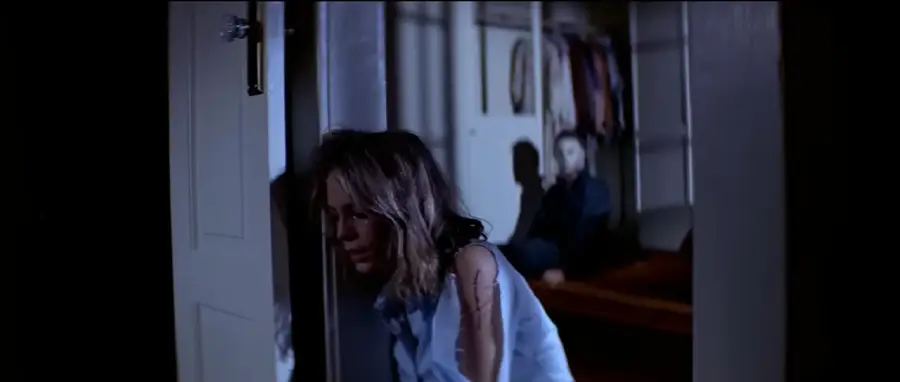
Peeking anxiously under a bed frame or checking a dark closet space while completely ignoring the space directly behind an open bedroom door is a classic error in spatial awareness. The monster or killer is almost always hiding flat against the wall behind the door hinges, a physical hiding spot that Michael Myers utilizes multiple times in Halloween (1978). This layout allows the theater audience to clearly see the looming threat while the character remains totally oblivious.
14. The close companion twist ending
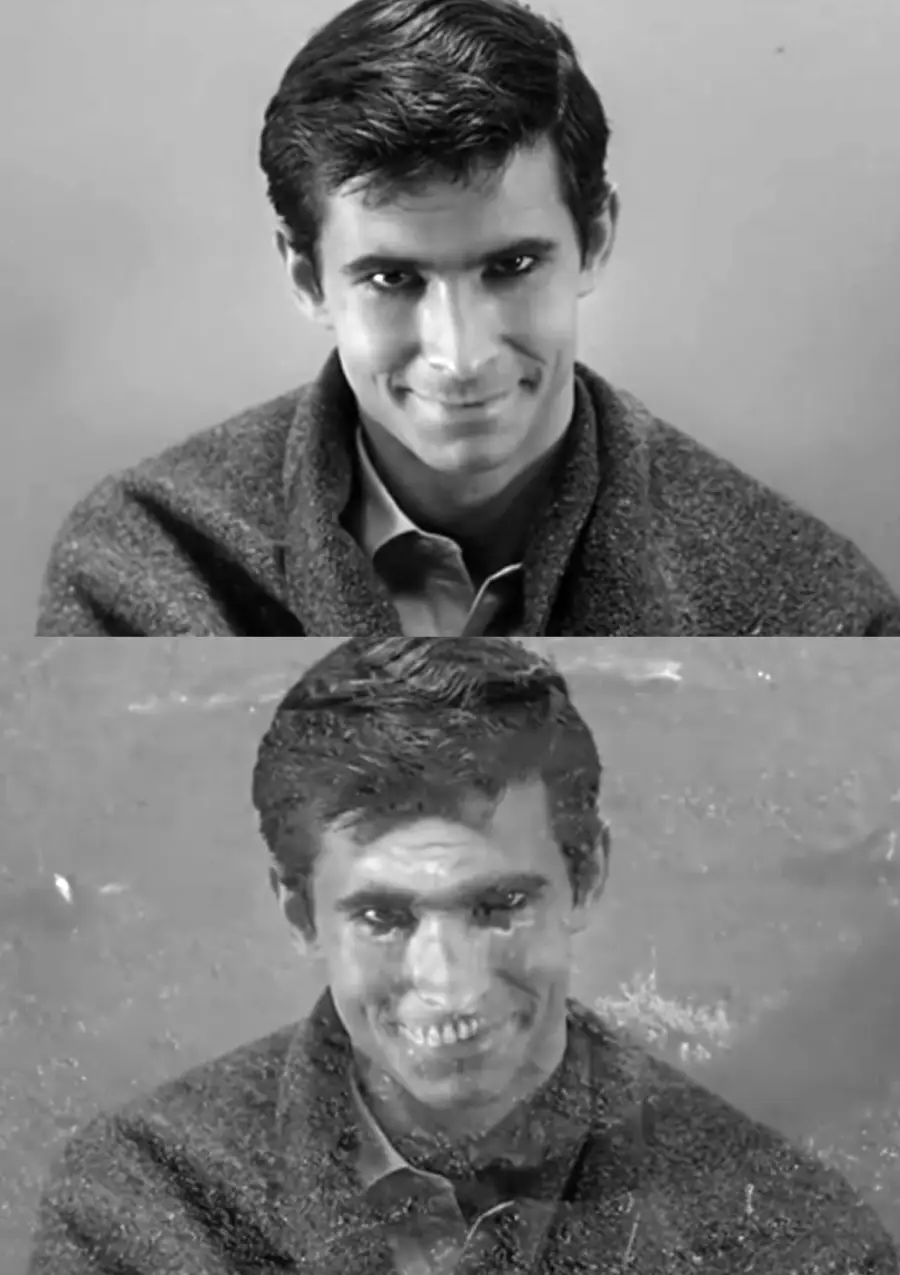
Concluding a complex mystery by revealing that the mastermind behind the entire horrific ordeal was actually a close companion or a trusted family member is a classic storytelling device. Psycho (1960) successfully established this narrative blueprint, Scream (1996) brilliantly deconstructed it for a new generation, and Hereditary (2018) evolved the concept into a deeply disturbing exploration of domestic grief. Experienced fans can easily spot this betrayal early in the first act, the moment secondary characters start receiving an unusual amount of unprompted screen time.
Explore more movie curiosities:
Revisiting these predictable cinematic milestones serves as an excellent reminder of the unique, unyielding storytelling traditions that shape our favorite scary movies. Looking over these ill-advised solitary investigations, stalled getaway engines, and deceptive musical scores proves that while production budgets and digital special effects change completely across the decades, the power of an anticipated jump scare remains entirely timeless. When we choose to look past the initial tension of these classic releases to appreciate the deliberate style logic built directly into their structures, we gain a much deeper understanding of filmmaking history. If you enjoyed this detailed look back at the cinematic moments that experienced viewers always see coming, make sure to explore these 15 Horror Movies That Redefined Cinema Forever, or 15 Horror Movie Casts’ Photos That Break the Illusion. You may also like these Horror Stars Before the Screams: Yearbook Photos.