
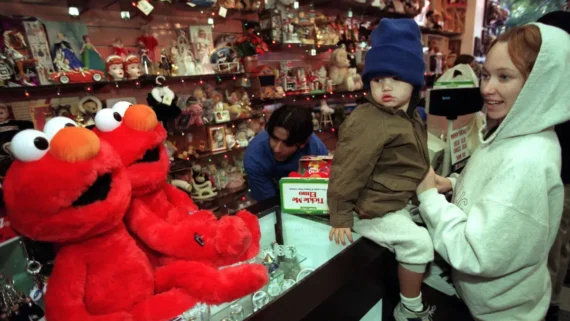
The festive shopping rush of the 90s was an absolute cultural phenomenon driven by the explosive growth of Saturday morning television commercials and massive retail catalogs. Stepping into a neighborhood department store during the final months of the year meant encountering packed aisles, colorful display banners, and chaotic crowds of parents scrambling to secure the single most popular toy of the season. The final decade before the internet completely transformed global consumer habits relied on physical retail momentum, turning specific commercial releases into immediate playground status symbols. These legendary product launches captured the collective imagination of a generation, establishing an unforgettable era of pop culture obsession.
The reality of these classic winter wishlists highlights just how powerfully innovative mechanics and clever television marketing could completely dictate childhood culture overnight. The truth is that the market for vintage toys was defined by sudden, uncontrollable shopping frenzies that routinely caught manufacturers completely off guard, resulting in empty shelves and legendary morning storefront stampedes. Before digital marketplaces streamlined the process of purchasing family gifts, children eagerly circled item photos in paper circulars and waited anxiously to see what would appear under the tree. Let’s take a look at sixteen unforgettable items that defined the ultimate decade of childhood gift-giving, reminding us exactly why these specific releases triggered such massive retail chaos.
1. Game Boy Color – 1998
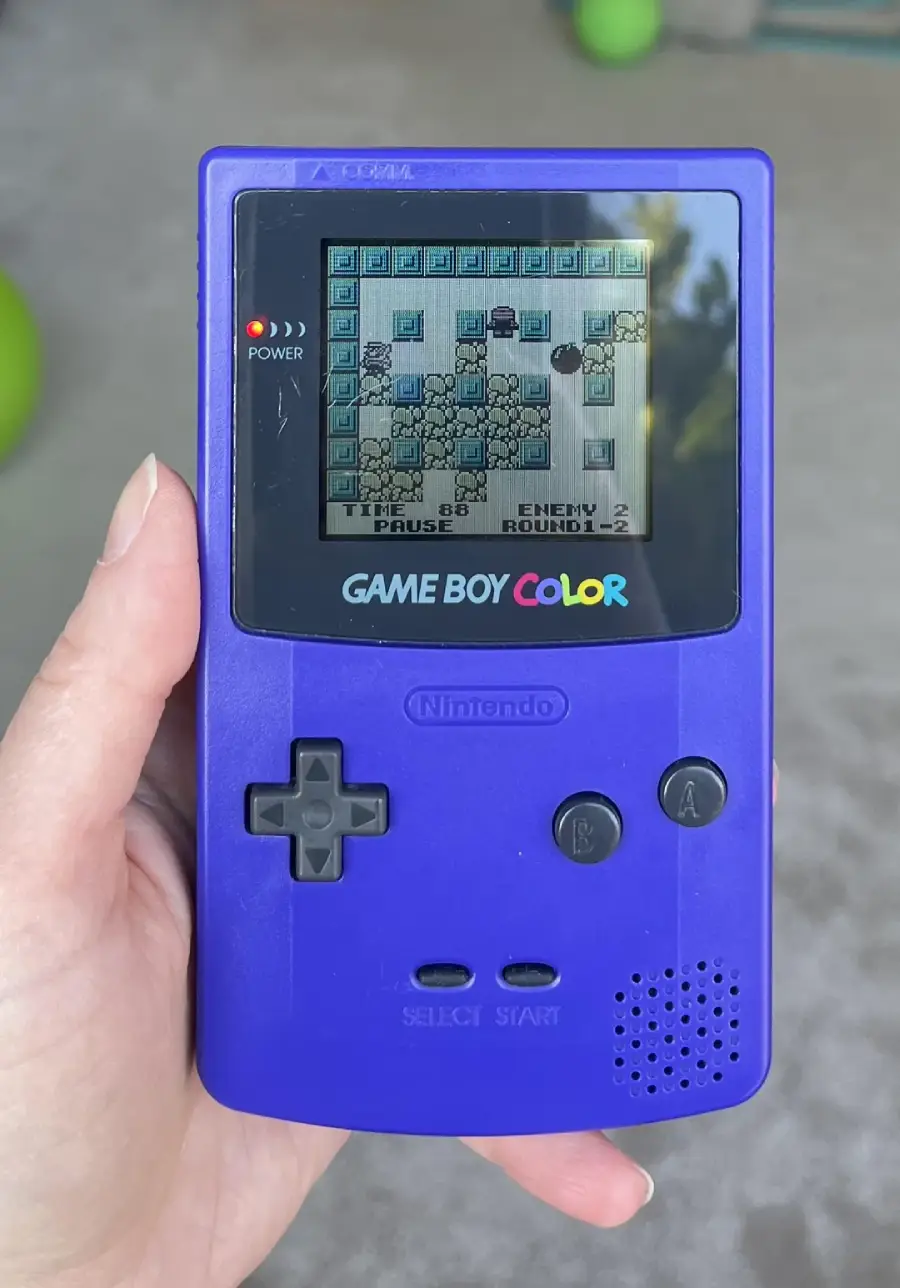
Nintendo completely revolutionized the handheld gaming market by upgrading its classic monochrome portable system with a vibrant color screen and a translucent plastic casing. The demand for the system during the 1998 shopping rush was so immense that retailers worldwide completely ran out of stock within days of its debut, forcing parents to purchase expensive import models from overseas markets.
2. Furby – 1998
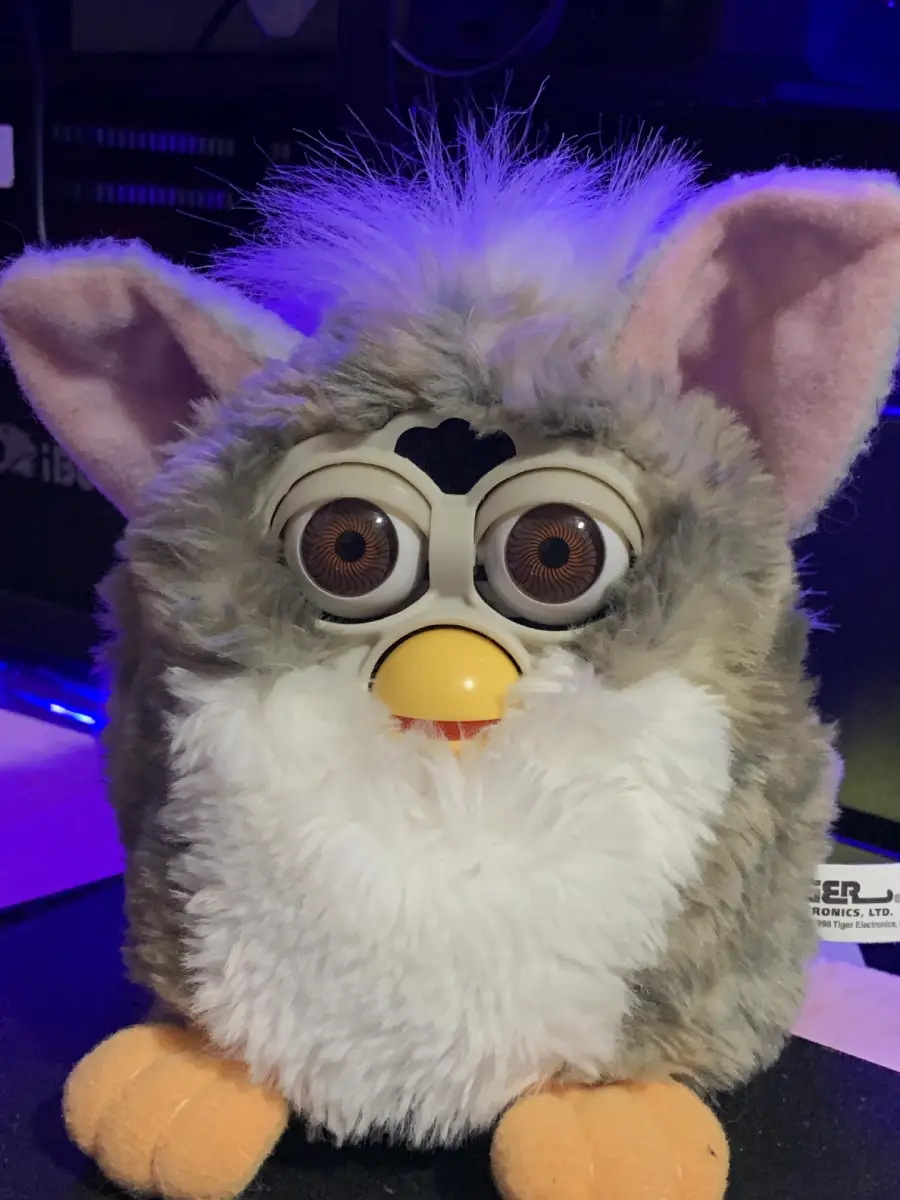
Tiger Electronics launched this bizarre, owl-like electronic pet that possessed the unique ability to slowly learn English words from its owner over time. The unexpected shopping frenzy drove resale prices up to hundreds of dollars in newspaper classified advertisements, prompting several major international airport security agencies to briefly ban the device over unfounded fears that it could record confidential flight communications.
3. Tickle Me Elmo – 1996
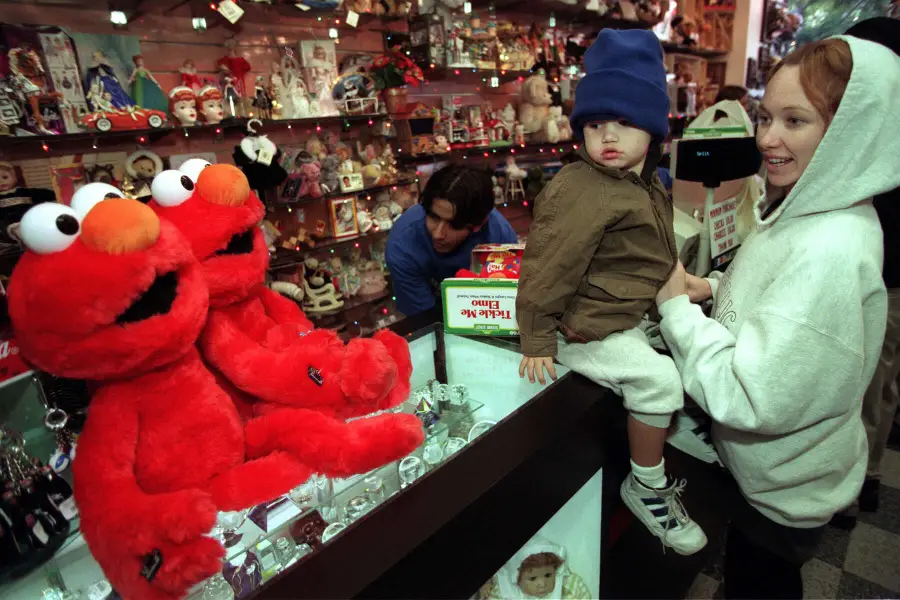
Tyco’s plush Sesame Street character became an absolute national obsession after it was shown laughing and vibrating uncontrollably on daytime television talk shows. The supply shortages triggered intense retail stampedes that resulted in real-world physical altercations among frantic shoppers, with individual plush dolls famously reselling for thousands of dollars in winter classifieds.
4. Beanie Babies – 1995
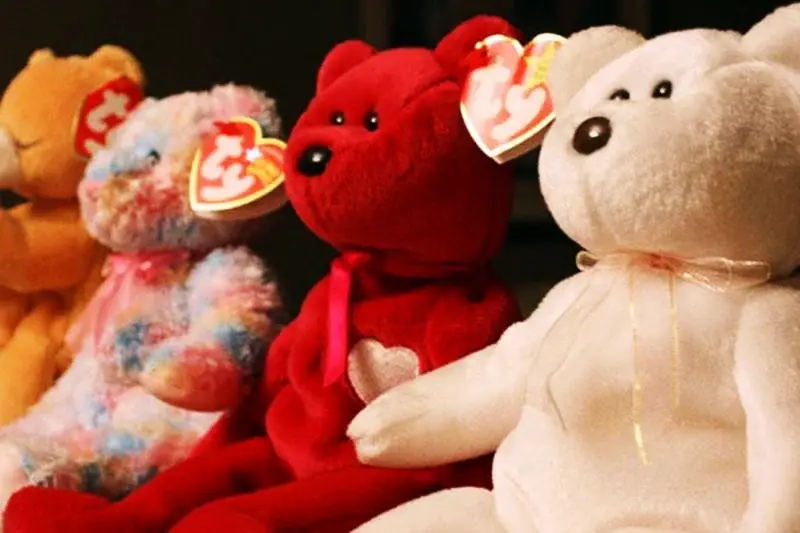
Ty Warner created a multi-billion-dollar speculative investment bubble by deliberately underproducing specific plush animal designs to create an artificial sense of extreme scarcity. By the mid-1990s, adult collectors were aggressively buying out entire retail shipments the second they arrived, treating these pellet-filled fabric creatures like legitimate stock market assets.
5. Tamagotchi – 1997
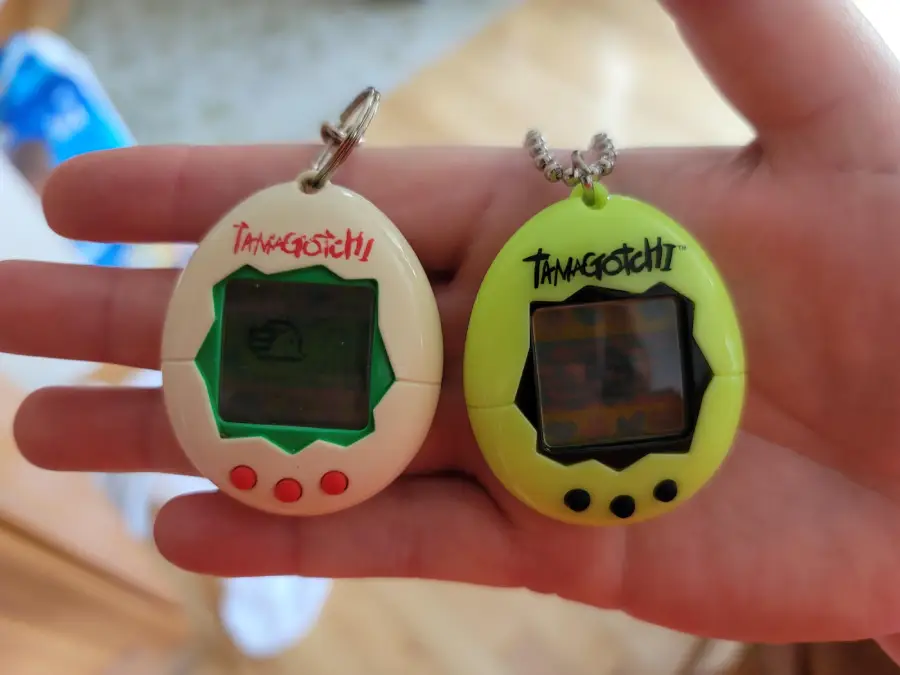
Bandai introduced the concept of the digital pocket pet to the Western world, requiring children to constantly monitor a tiny LCD screen to feed, clean, and discipline a virtual creature in real time. The addictive keychains became such a massive distraction in classrooms that school districts across the country enacted total bans on the hardware to keep students focused on their coursework.
Trending on The Scroller

6. Buzz Lightyear – 1995
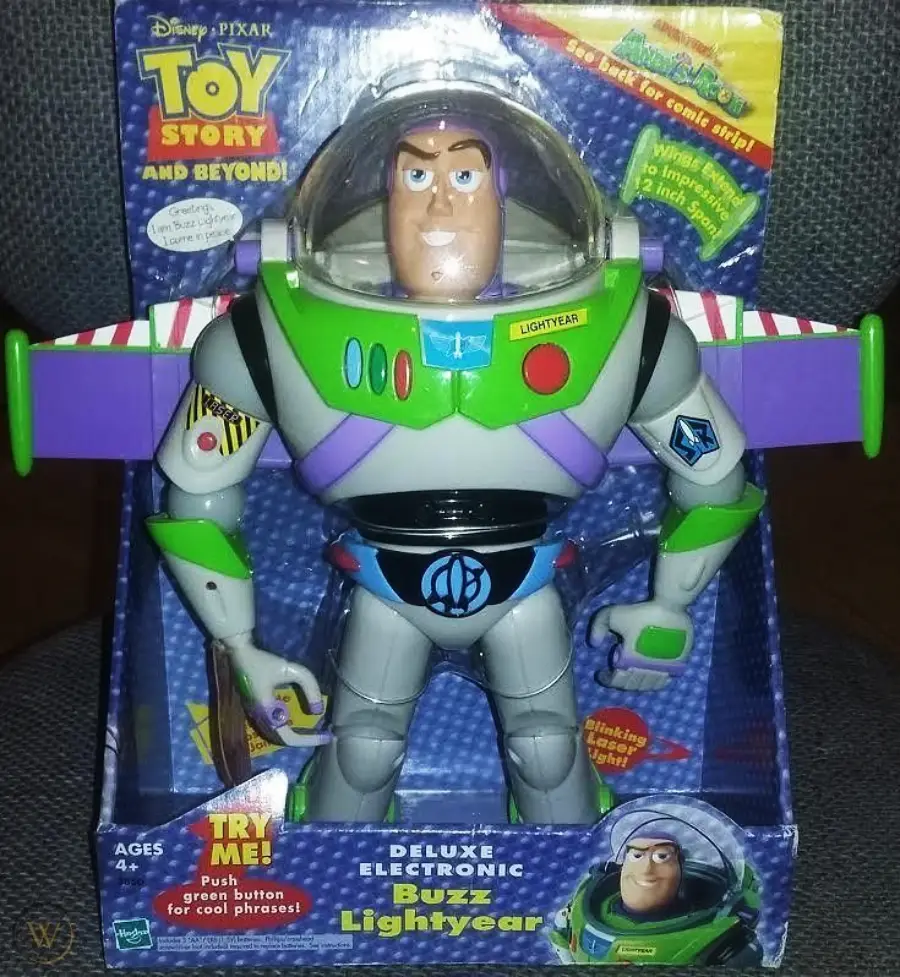
The unprecedented box office success of Pixar’s debut computer-animated feature caught toy manufacturers completely off guard, leading to a massive production shortage of the iconic Space Ranger action figure. Thinkway Toys simply could not print enough units to meet the winter demand, making the phrase “To infinity and beyond” a source of absolute dread for parents searching empty store shelves.
7. Sega Genesis – 1992
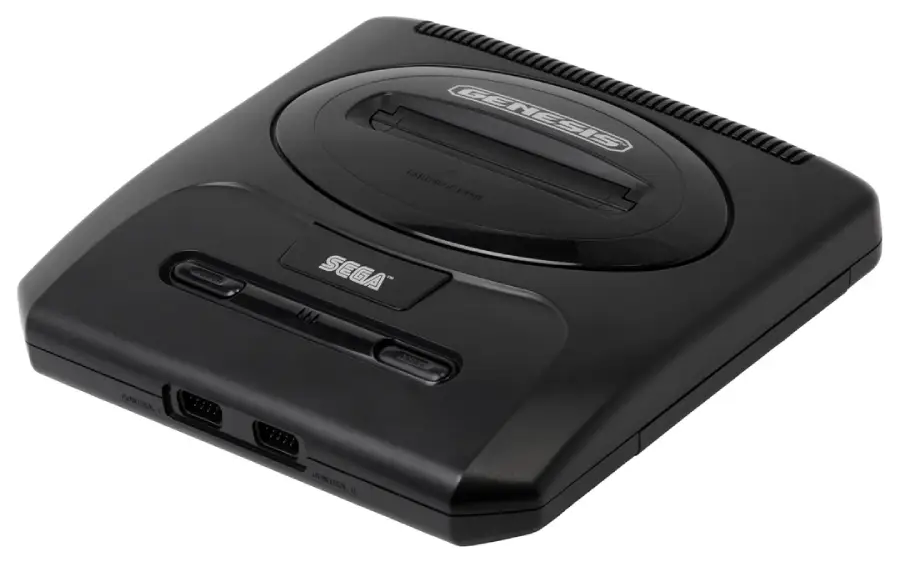
Sega aggressively challenged Nintendo’s video game dominance by bundling its sleek 16-bit console with Sonic the Hedgehog and using edgy, anti-corporate television marketing. The console’s high-speed gameplay engine and mature sports titles made it the single most requested home entertainment system for older kids during the early years of the decade.
8. Talkboy – 1993
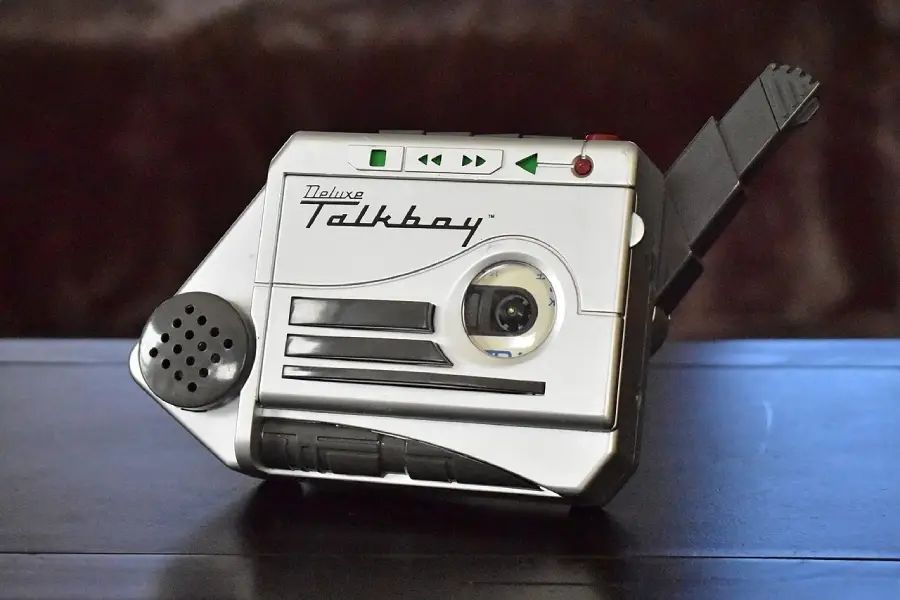
Originally conceived as a fictional movie prop for the comedy sequel Home Alone 2: Lost in New York, Tiger Electronics rushed a real, working version of the variable-speed voice recorder into production due to overwhelming fan demand. The retail release became an instant holiday bestseller, allowing kids to mimic Kevin McCallister by slowing down their recorded voices to trick unsuspecting adults.
Sign up for our newsletter
9. Power Rangers action figures – 1993
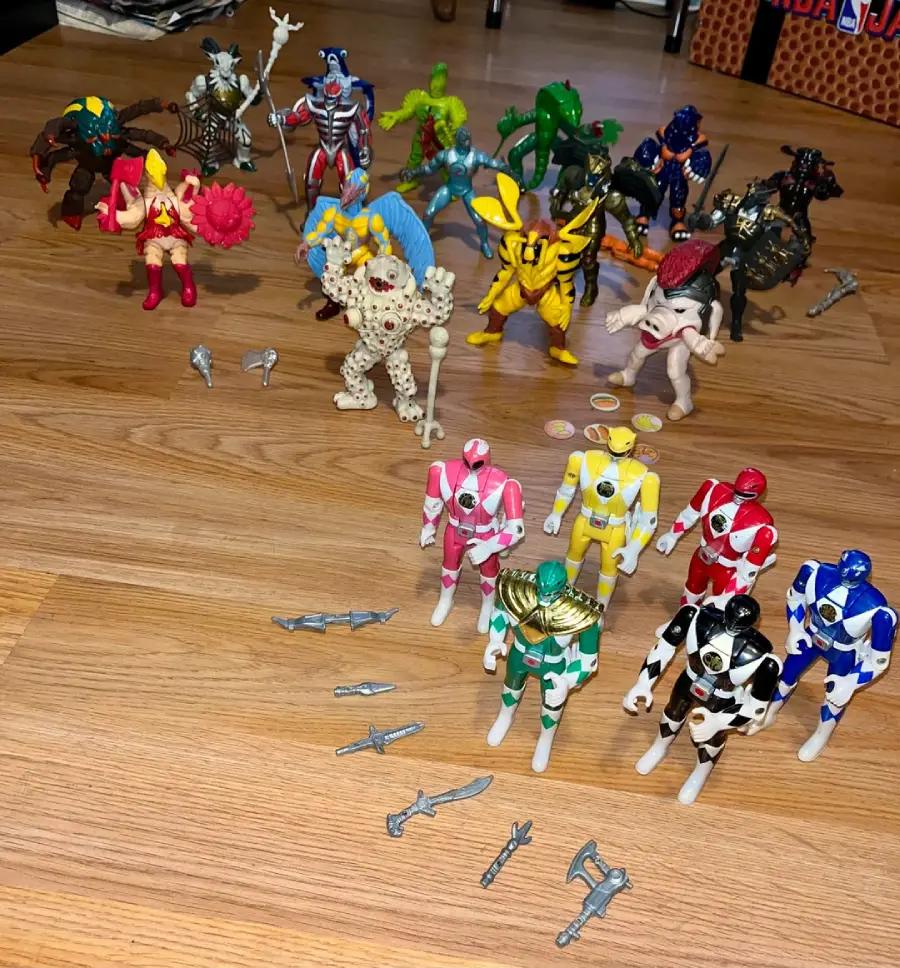
The sudden American television adaptation of Japan’s Super Sentai franchise triggered a massive cultural craze that made Bandai’s flip-head action figures virtually impossible to find. Store managers were routinely forced to implement strict rationing rules, restricting families to purchasing a single character per visit to prevent aggressive resellers from clearing out entire shelves.
10. Poo-Chi – 1999
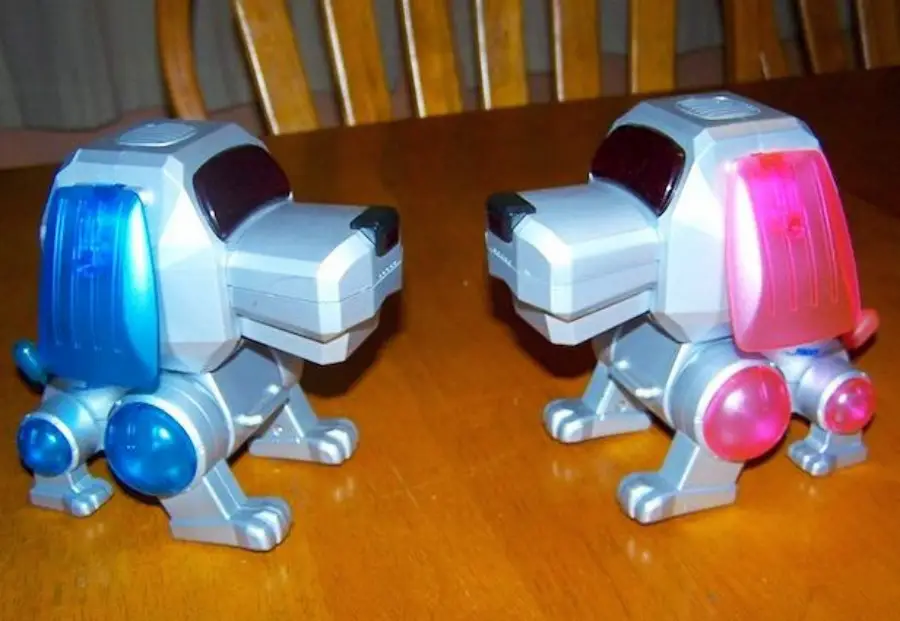
Stepping right into the dawn of the new millennium, Sega Toys found massive success with this silver robotic puppy featuring expressive LED eyes that changed shape to communicate simulated emotions. The robotic pet trend reached its absolute peak during this specific winter season, offering families an affordable, low-maintenance alternative to Sony’s incredibly expensive AIBO robot companion.
11. Pogs – 1994
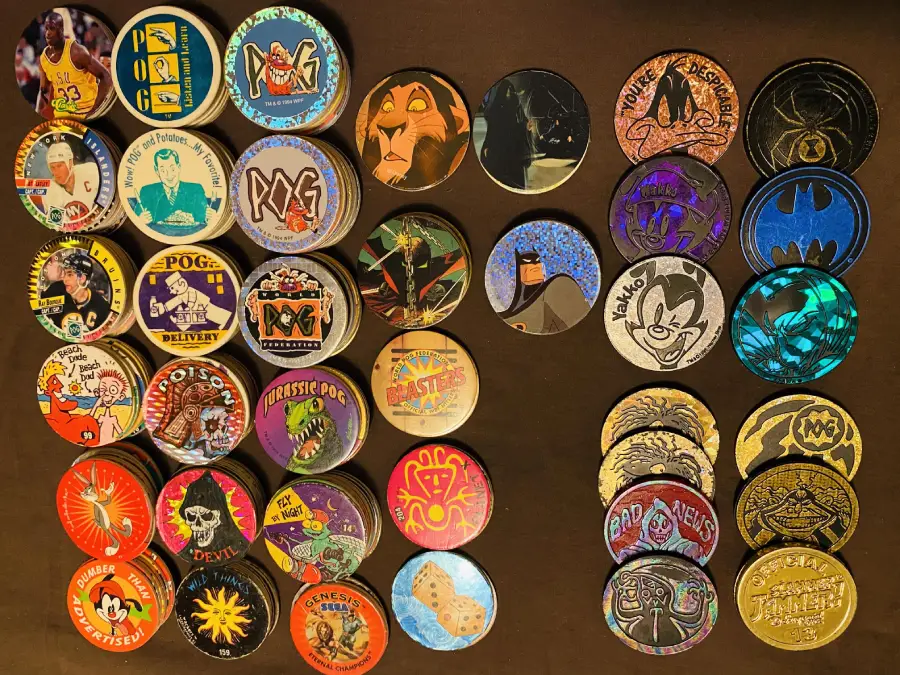
This incredibly simple schoolyard game utilized decorated cardboard discs and heavy plastic slammers to simulate a traditional Hawaiian juice bottle cap pastime. The cheap, collectible discs exploded into a multi-million dollar industry overnight, leading to widespread playground bans after principals realized students were actively wagering their favorite limited-edition discs during lunch breaks.
12. Street Sharks – 1994
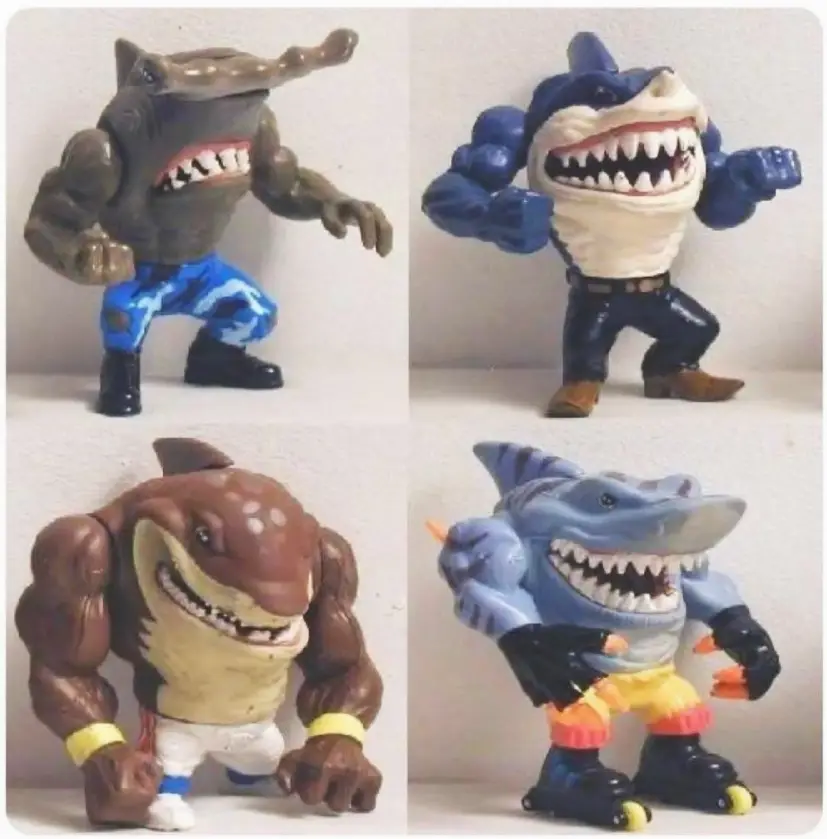
Mattel capitalized on the intense adolescent appetite for muscular, anthropomorphic animal action figures by introducing a line of aggressively styled, rubber-skinned shark heroes. The figures featured a mechanical lever on their backs that operated their massive, champing jaws, turning them into an immediate alternative to the aging Teenage Mutant Ninja Turtles lineup.
13. Dreamcast – 1999
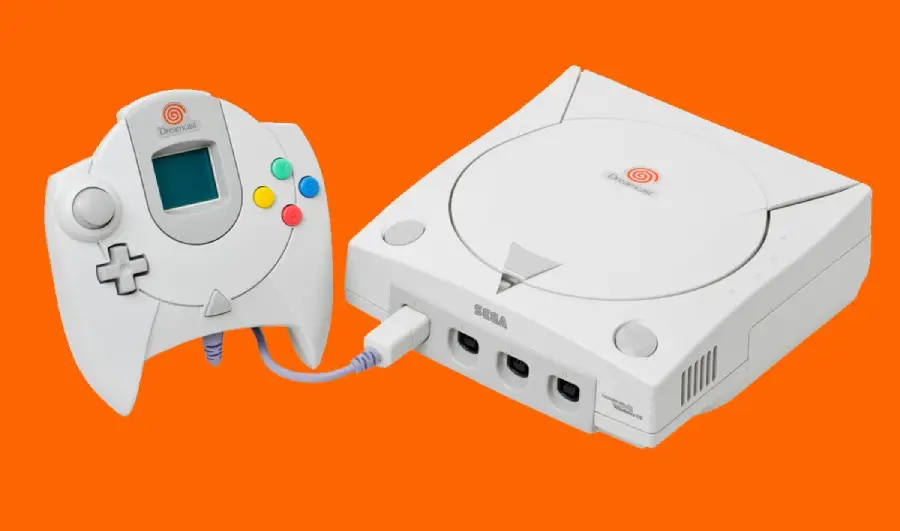
Sega kicked off the sixth generation of home video game consoles by launching its sleek white system on the legendary marketing date of September 9, 1999. Featuring a built-in 56k modem that allowed users to experience online console gaming for the absolute first time, it stood as the premium tech gift for teenage gamers at the close of the century.
14. Sky Dancers – 1994
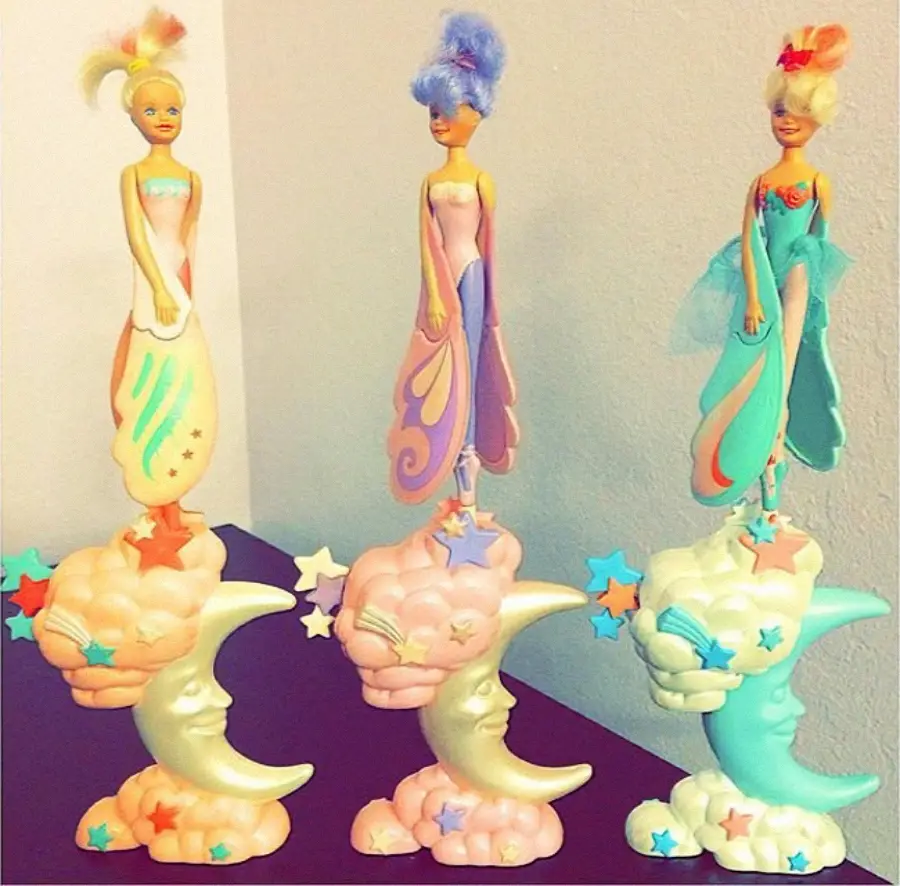
Galoob captured the attention of young shoppers with these unique foam fairy dolls that launched into actual flight when pulled from a mechanical pull-string base. While the visual gimmick was an undeniable commercial success, the flying mechanism was eventually recalled after safety regulators noted that the unpredictable foam wings were prone to causing minor eye injuries and household property damage.
15. Bop It – 1996
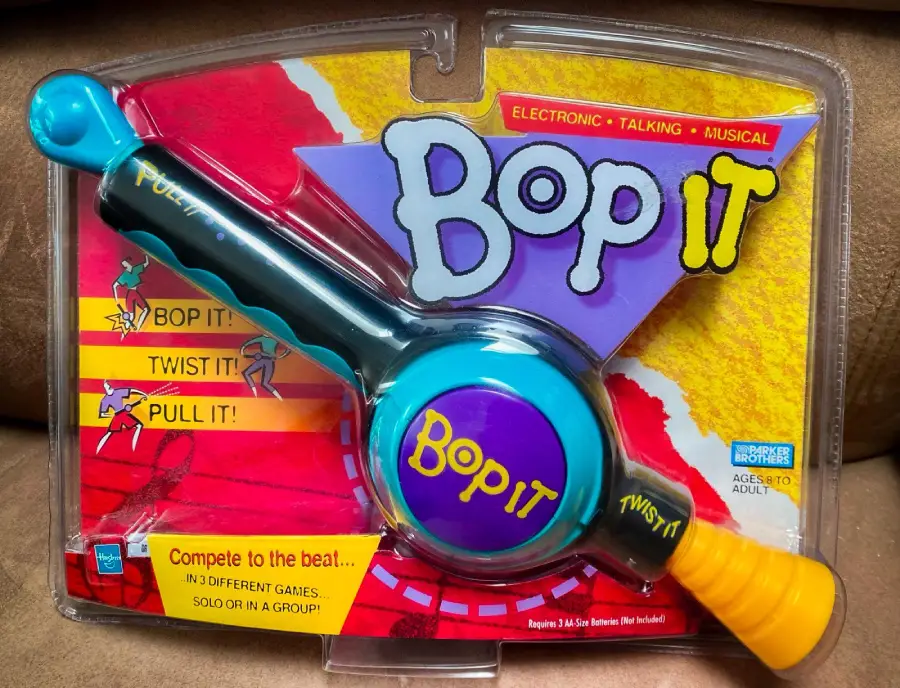
Parker Brothers turned simple reaction times into a highly addictive multiplayer party game by releasing a handheld audio device that shouted out rapid mechanical instructions. The electronic cylinder forced players to twist, pull, or bop various plastic levers in perfect rhythm to an accelerating audio track, keeping families competitive throughout the winter break.
16. PlayStation – 1995
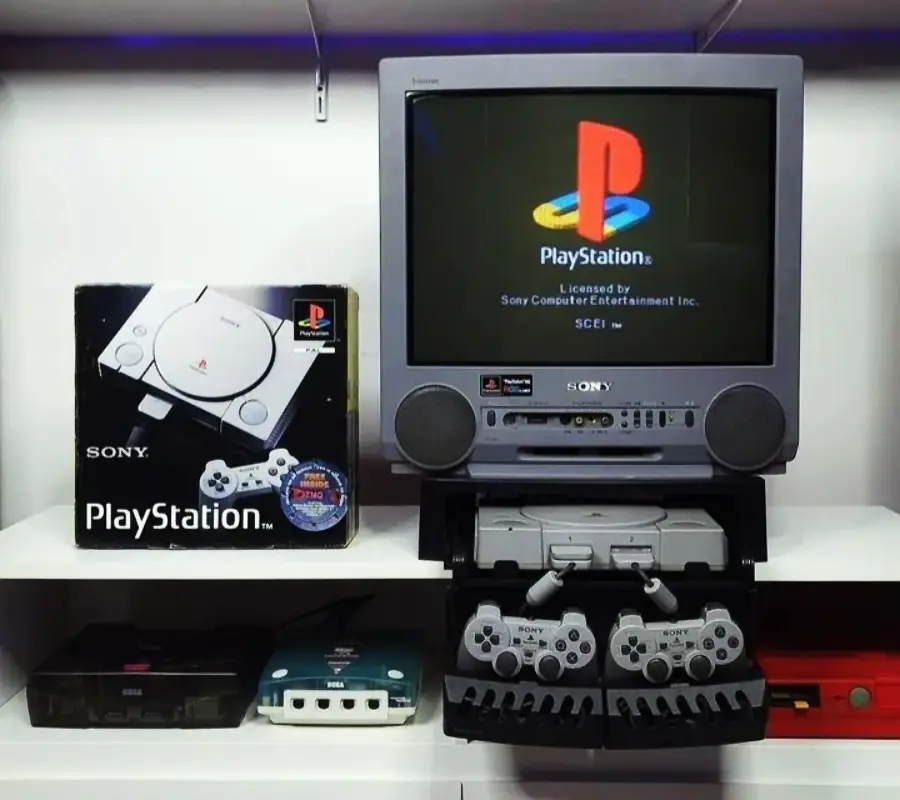
Sony completely redefined the global entertainment industry by launching its debut home console, utilizing compact disc technology to deliver immersive 3D graphics that made cartridge systems feel ancient. Backed by an iconic lineup of mature titles and alternative music soundtracks, the platform successfully transitioned video games from a children’s hobby into a premier mainstream lifestyle asset.
In the mood for more 90s nostalgia?
Revisiting these unforgettable winter wishlists serves as an excellent reminder of the incredible energy, creative designs, and retail magic that shaped our childhood years. Looking back over these translucent handheld consoles, frantic digital pocket pets, and action figures that triggered real-world store stampedes proves that while modern digital storefronts and online shipping systems change completely across the decades, the joy of unwrapping a highly anticipated gift remains entirely timeless. When we choose to look past the initial nostalgia of these classic releases to appreciate the clever marketing and mechanical innovation built directly into their designs, we gain a much richer understanding of consumer history. If you enjoyed this detailed look back at the iconic seasonal releases that defined past generations, make sure to explore these 16 Boundary-Pushing 90s Cartoons Adults Still Secretly Love, or 16 Iconic Pieces of 1990s Hardware That We Totally Rely On. You can also check out these 22 Discontinued Snacks from the 1990s We Miss.