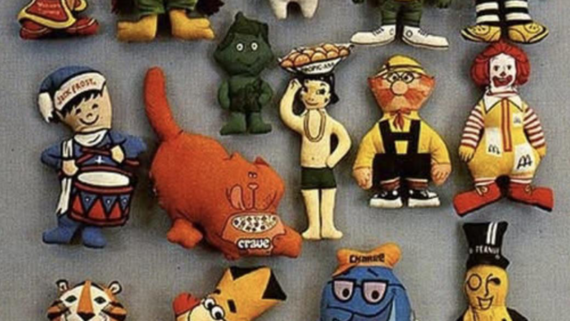
Commercials used to have their own little universe of celebrities. There were talking animals, singing pieces of food, moon-headed lounge singers, and at least one suspiciously energetic old man dancing outside an amusement park bus. Then, somewhere along the way, many of them simply stopped showing up. These commercial mascots weren’t necessarily forgotten because they failed. Some disappeared after changing tastes, others after controversy or rebranding, and a few simply outlived the campaigns that made them famous. Ready for a serious case of “Wait, I completely forgot about them”? Here are 20 advertising characters that once seemed impossible to escape and then quietly vanished from our screens.
1. The Taco Bell Chihuahua
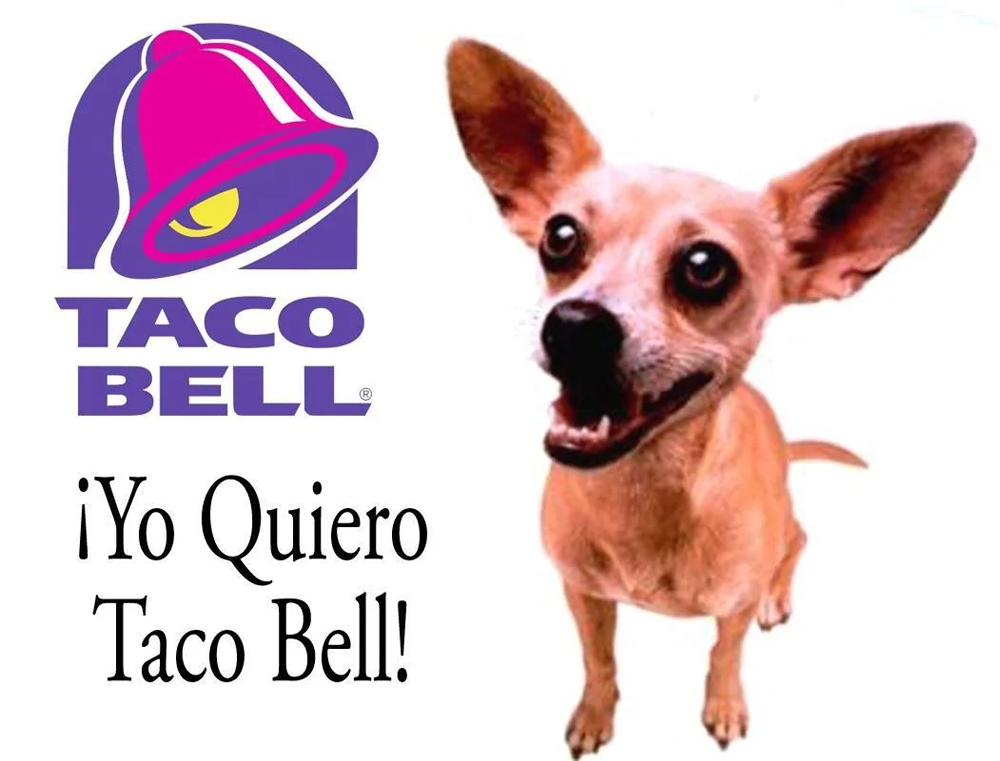
“Yo quiero Taco Bell.” Three words, one tiny dog, and suddenly everyone knew exactly which fast-food chain you meant. The Taco Bell Chihuahua became a pop-culture phenomenon in the late 1990s, appearing in commercials, merchandise, and seemingly everywhere else. Then, around 2000, the famous pup disappeared from the chain’s regular advertising. Considering how huge the character became, its exit felt surprisingly abrupt. Somewhere, that little Chihuahua is probably still waiting for his comeback burrito.
2. Spuds MacKenzie
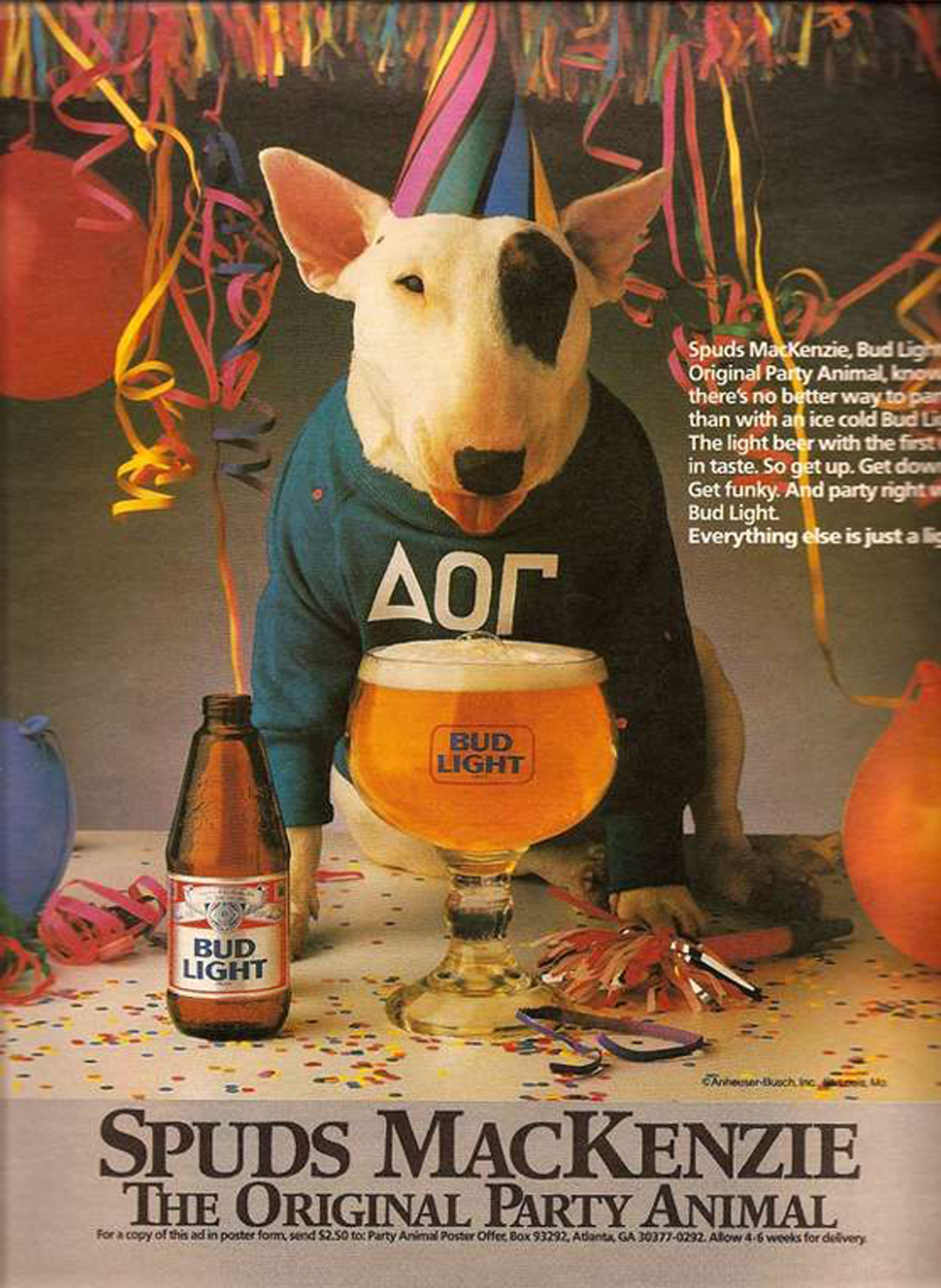
Sunglasses. Parties. Women everywhere. And at the center of it all… a bull terrier. Spuds MacKenzie became Bud Light’s absurdly cool party mascot in the late 1980s, basically living a lifestyle most humans couldn’t maintain for a weekend. But the character also attracted criticism, particularly over using an animal mascot to market alcohol, and disappeared from regular advertising after a short but memorable run. The ’80s really looked at a dog in sunglasses and said, “Yes, this is our spokesman.”
3. Mac Tonight
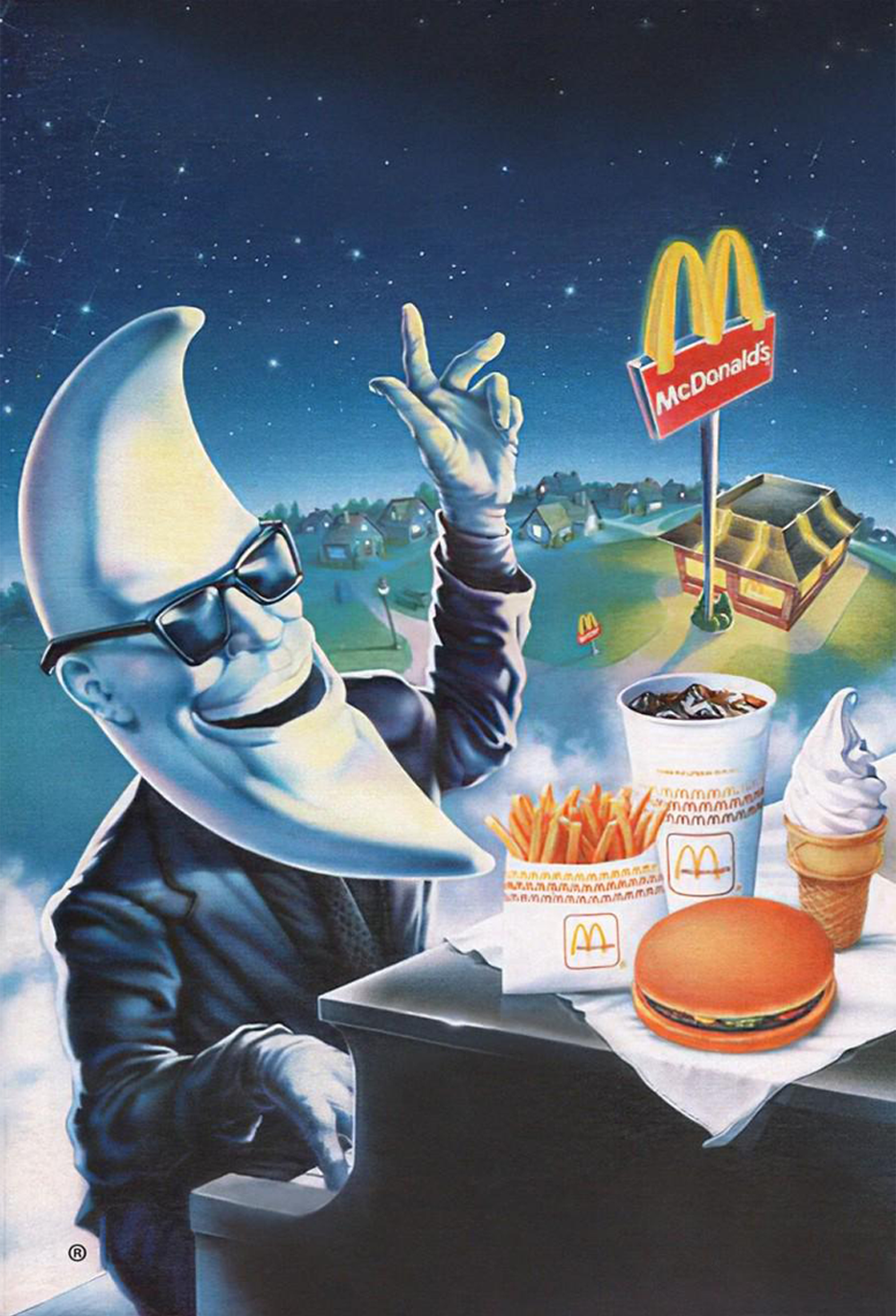
Try explaining this mascot without sounding like you’re describing a strange dream. Mac Tonight had a giant crescent moon for a head, wore sunglasses, played piano, and crooned about McDonald’s dinners like a lounge singer who had wandered into the wrong restaurant. Somehow, it worked. The late-’80s character became instantly recognizable before disappearing from regular U.S. advertising. Of all the forgotten advertising mascots, this might be the one most likely to make you ask, “Wait… that was actually real?”
4. The California Raisins
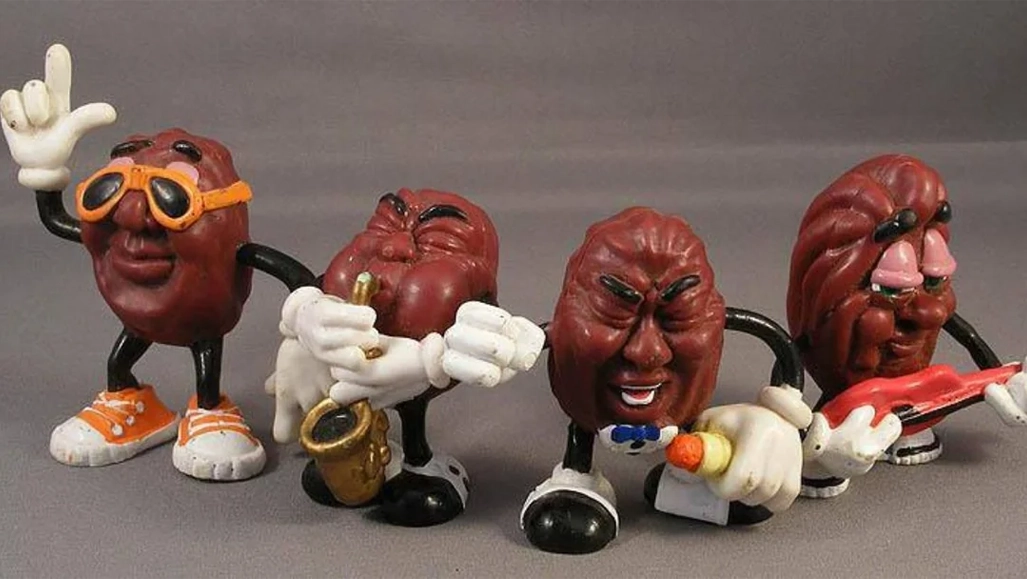
Only the 1980s could turn dried fruit into legitimate pop stars. The California Raisins danced, sang Motown songs, released albums, appeared in TV specials, and somehow became much more famous than the product they were created to advertise. Their claymation performances were everywhere for a while, before the phenomenon eventually faded in the early 1990s. Imagine pitching “singing raisins” in a marketing meeting today and getting everyone to nod seriously.
5. Mr. Six
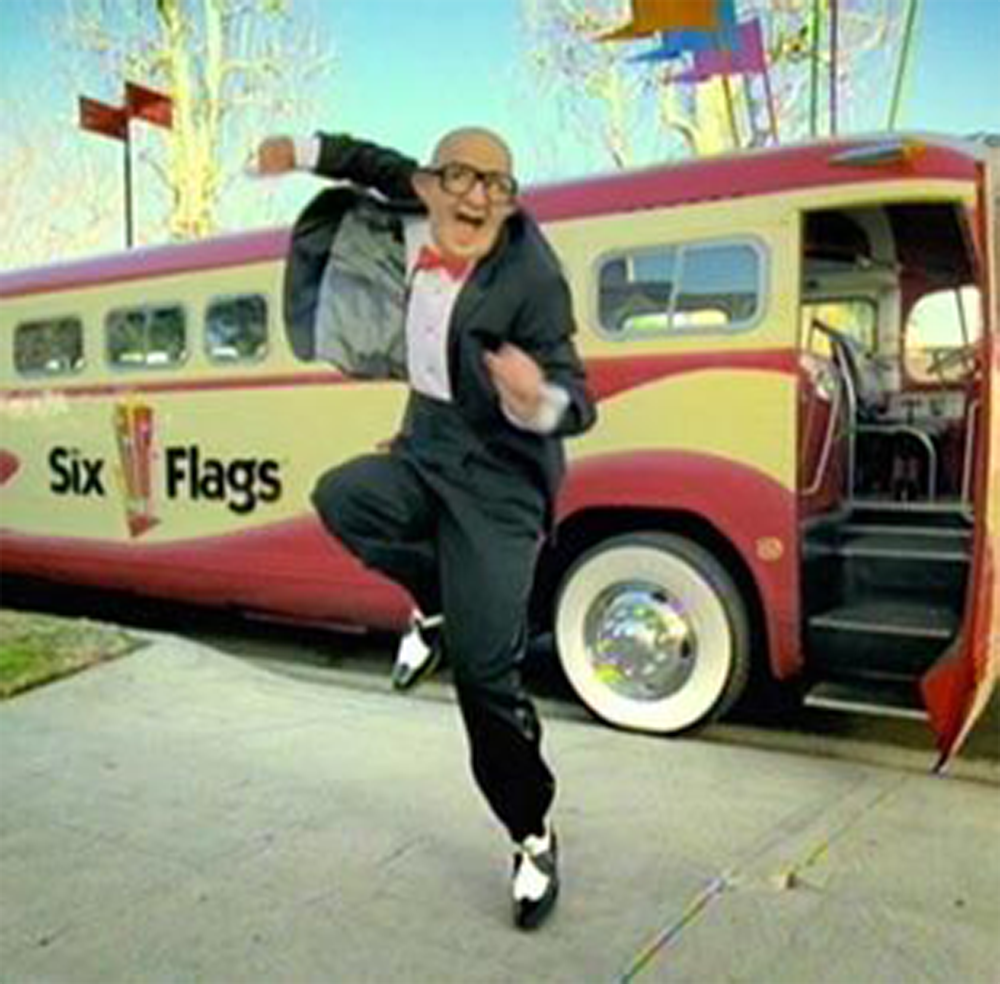
A bus arrived. An elderly-looking man stepped out. Then the Vengaboys started playing, and all dignity disappeared. Mr. Six became the dancing face of Six Flags in the 2000s, enthusiastically promoting the parks in a tuxedo and thick glasses. The bizarre combination was exactly what made him unforgettable. After several years, though, he disappeared from regular campaigns. Admit it: if you remember those commercials, the song has probably already started playing in your head. Sorry about that.
Trending on The Scroller
6. Joe Camel
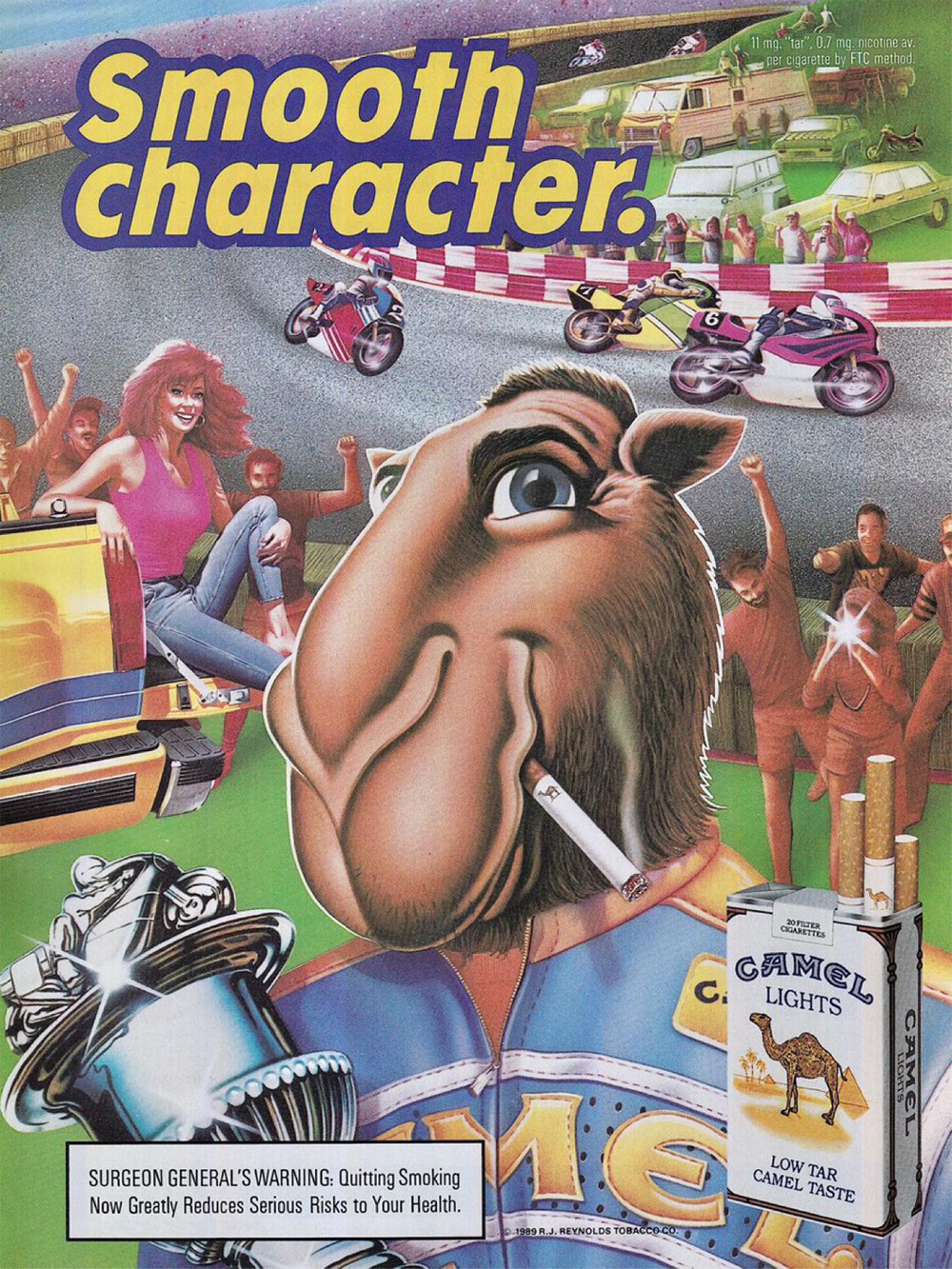
A cartoon camel in sunglasses selling cigarettes was once completely normal advertising. Let that sink in. Joe Camel became the face of Camel cigarettes in the late 1980s, but the character drew years of criticism over concerns that the cartoon imagery appealed to younger audiences. The campaign was ultimately retired in 1997. Few mascot disappearances show changing advertising standards quite as clearly. Turns out, “cool cartoon camel” and cigarettes were not destined to age gracefully together.
7. The Arby’s Oven Mitt
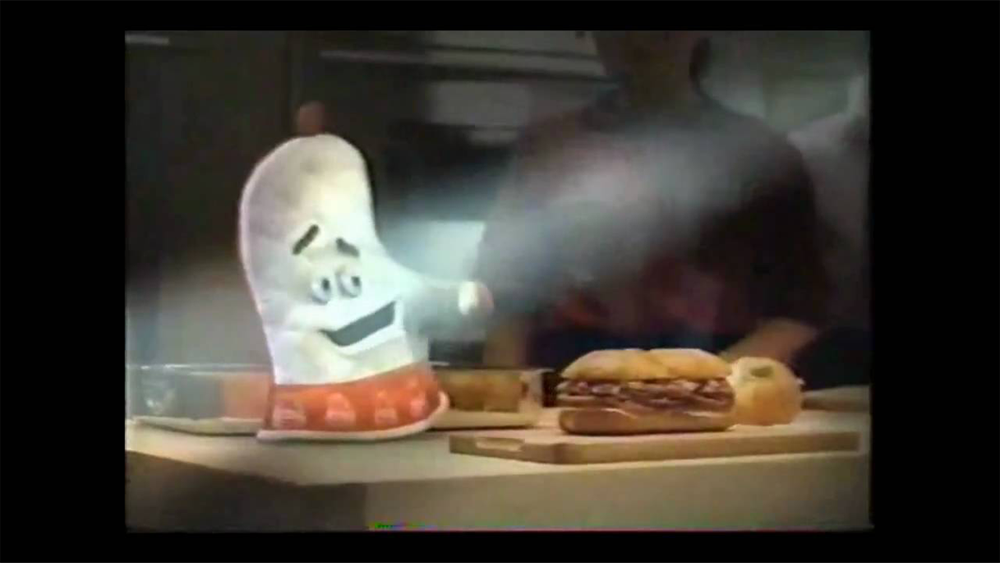
Did Arby’s really make a talking oven mitt its spokesperson? Yes. Yes, they did. Voiced by Tom Arnold, the animated Oven Mitt appeared in commercials during the early 2000s, enthusiastically talking about hot sandwiches because apparently that was enough character motivation. The campaign lasted only a few years before the mitt disappeared from regular advertising. This is exactly the kind of mascot that stays buried in your memory until one picture suddenly unlocks the entire thing.
8. Pizza Head
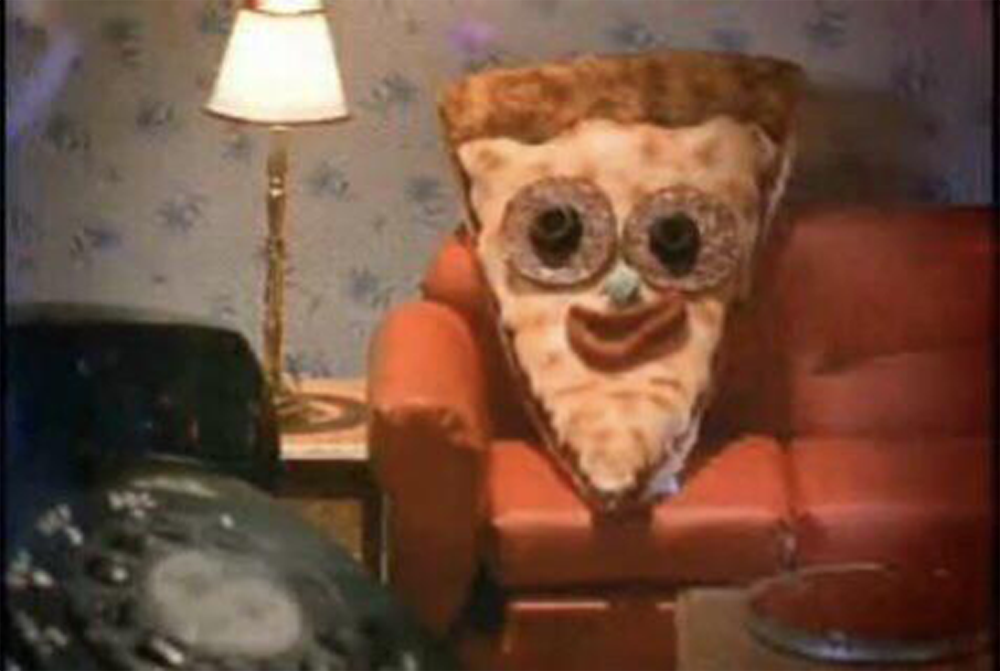
Imagine a floating slice of pizza repeatedly getting dragged into ridiculous situations. Congratulations, you’ve rediscovered Pizza Head. Pizza Hut’s The Pizza Head Show commercials turned an anthropomorphic pizza slice into the star of a wonderfully strange 1990s campaign. The character eventually vanished, leaving behind the kind of commercials that feel increasingly bizarre every time you revisit them. Was selling pizza ever this complicated? Apparently, we needed plots, characters, and emotional stakes.
Sign up for our newsletter
9. Frito Bandito
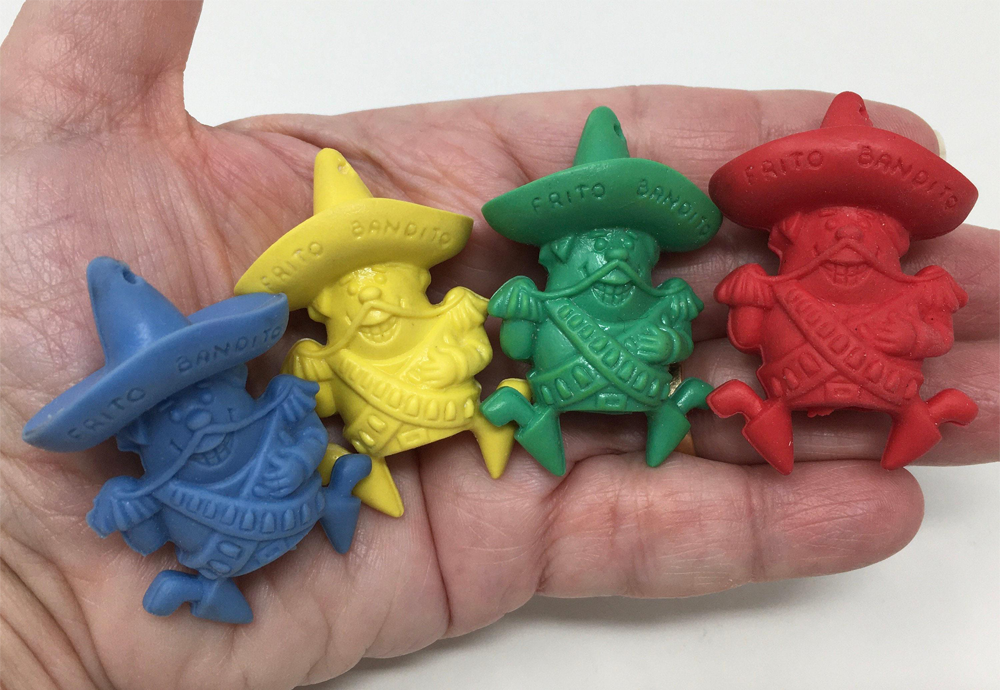
Not every mascot disappeared because audiences simply got bored. Frito Bandito was a cartoon character used to advertise Fritos beginning in the late 1960s, but his exaggerated Mexican stereotype drew protests from Mexican American advocacy groups. The character was eventually retired in the early 1970s. It’s a very different kind of mascot memory, and one that shows how changing cultural standards can make an advertising character disappear for good reason.
10. The Cheetos Mouse
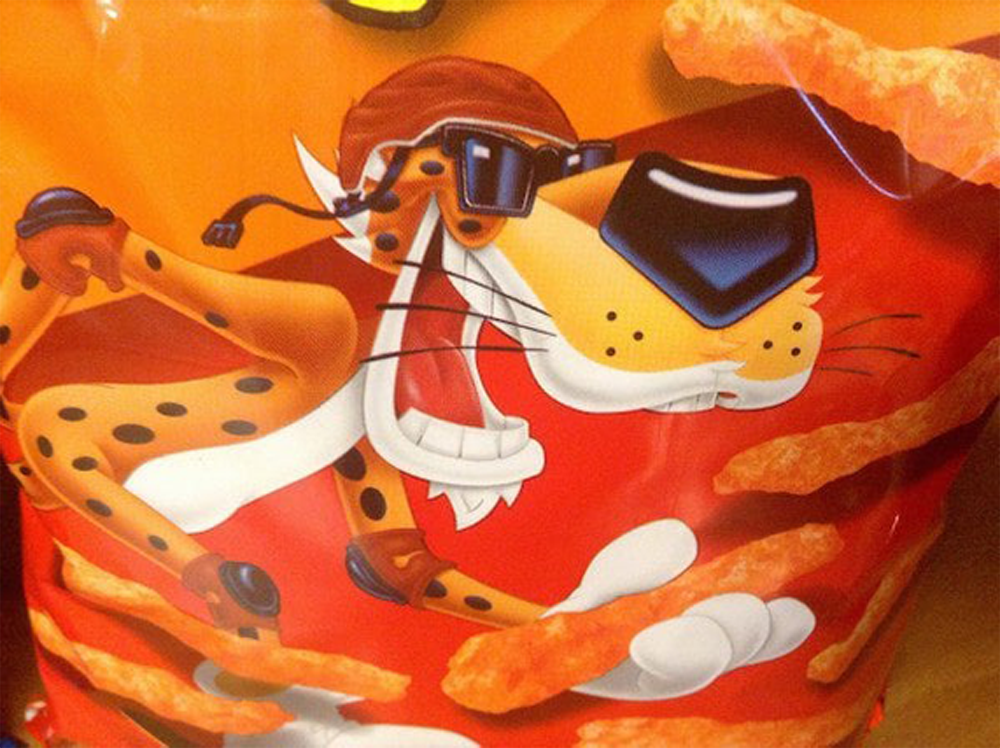
Before Chester Cheetah, there was… a mouse? Cheetos advertising featured a mouse mascot during the 1970s, long before the sunglasses-wearing cheetah became permanently associated with the brand. The earlier character eventually disappeared, and Chester became the Cheetos personality everyone recognizes today. It’s one of those advertising facts that sounds slightly made up until you see the old commercials. A mouse selling cheese-flavored snacks does make suspiciously good sense, though.
11. Fruit Pie the Magician
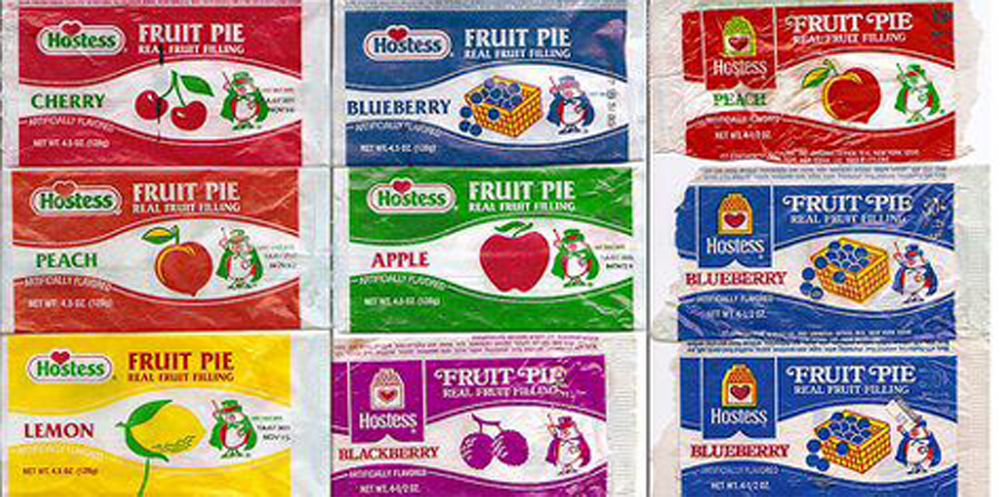
At some point, Hostess decided a fruit pie needed a cape, a hat, and magical powers. Naturally. Fruit Pie the Magician appeared in advertising as an anthropomorphic snack carrying a wand and looking surprisingly committed to the role. He stuck around for years before eventually fading from regular campaigns. Looking back, old snack mascots really had one rule: if the food could grow arms and develop a profession, it probably did.
12. King Vitaman
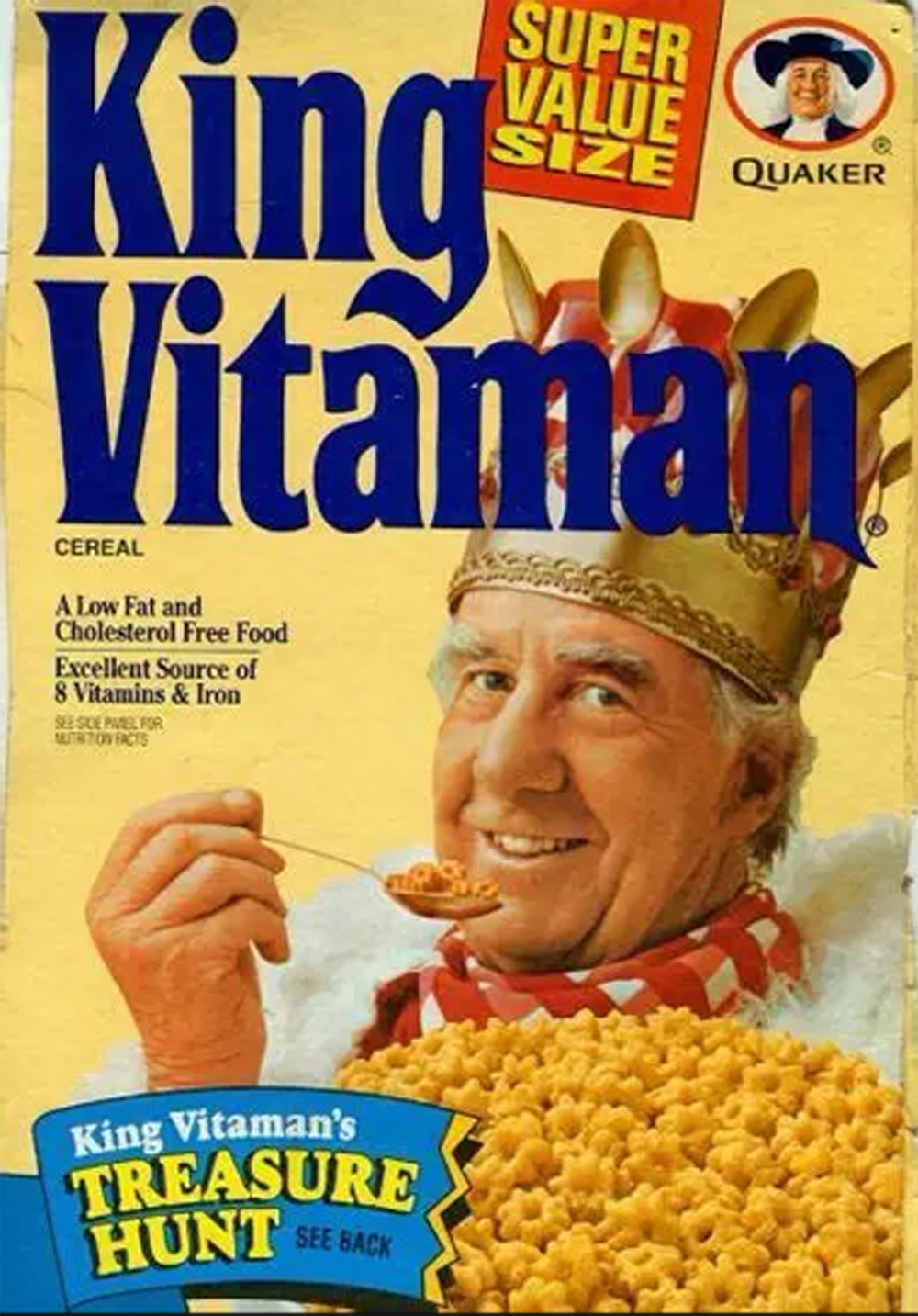
Nothing says breakfast quite like being personally welcomed by cereal royalty. King Vitaman served as the memorable face of the Quaker cereal for decades, appearing on boxes with his crown and unmistakable grin. Unlike many retired advertising mascots, his disappearance had a simple explanation: the cereal itself was discontinued in 2019. No cereal, no kingdom. That’s a pretty rough ending for His Majesty.
13. Snoopy for MetLife
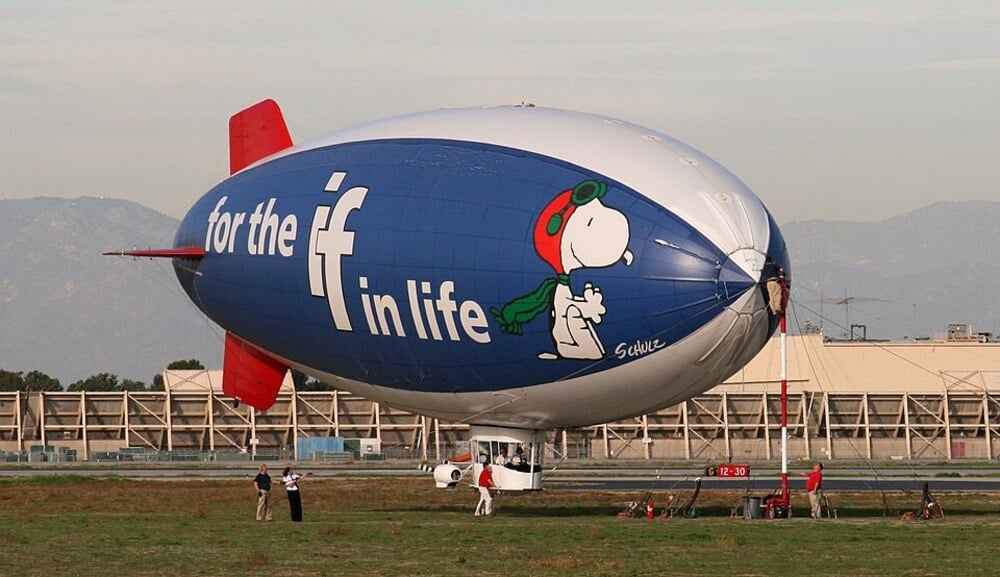
Snoopy didn’t disappear. He just lost one very long-term corporate job. For more than three decades, the Peanuts character was closely associated with MetLife advertising, to the point that Snoopy practically felt like the company’s unofficial employee of the month. Then MetLife rebranded and ended the partnership in 2016. Seeing the company without him felt strangely wrong. Hopefully he at least received a decent retirement package.
14. Little Sprout
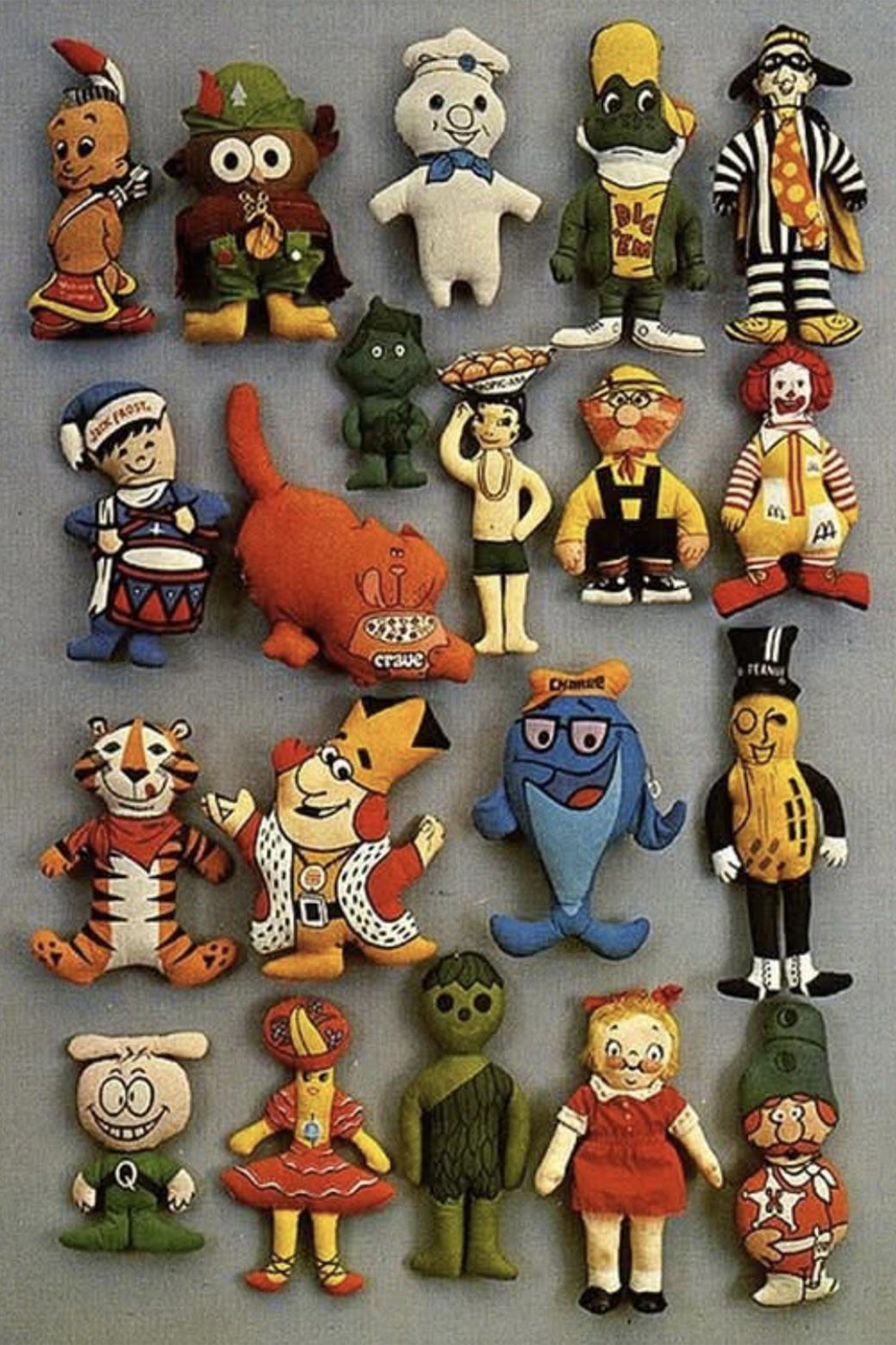
Remember the Jolly Green Giant’s tiny green sidekick? If your answer is “Wait, he had a sidekick?” that’s exactly the point. Little Sprout appeared alongside the much more famous Green Giant before gradually fading from regular advertising. Meanwhile, his enormous colleague remained recognizable. It’s the advertising equivalent of leaving the group chat so quietly that nobody notices for several years. Poor Sprout deserved at least a goodbye card.
15. The Budweiser Frogs
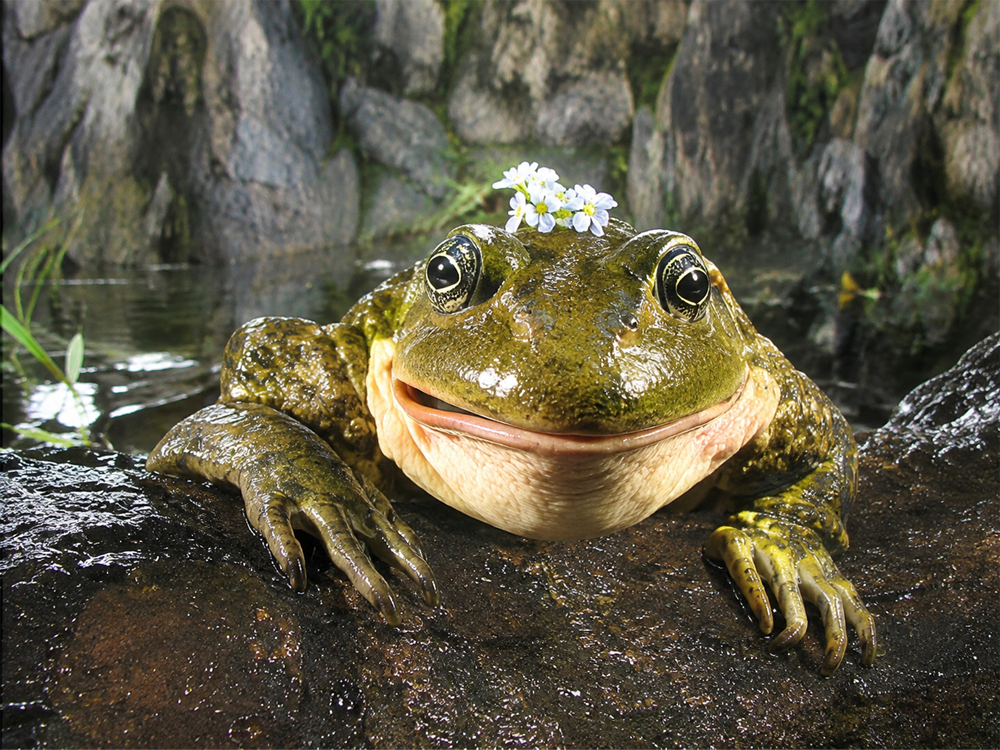
“Bud. Weis. Er.” Three frogs, three syllables, and somehow an entire generation remembers the rest. The Budweiser Frogs became a major advertising phenomenon in the 1990s with an absurdly simple gimmick that lodged itself permanently in pop culture. Eventually, the frogs disappeared from regular campaigns as Budweiser moved on to other advertising ideas. Did three amphibians need to be that effective at selling beer? Absolutely not. And yet here we are, still hearing them decades later.
16. Cool Spot
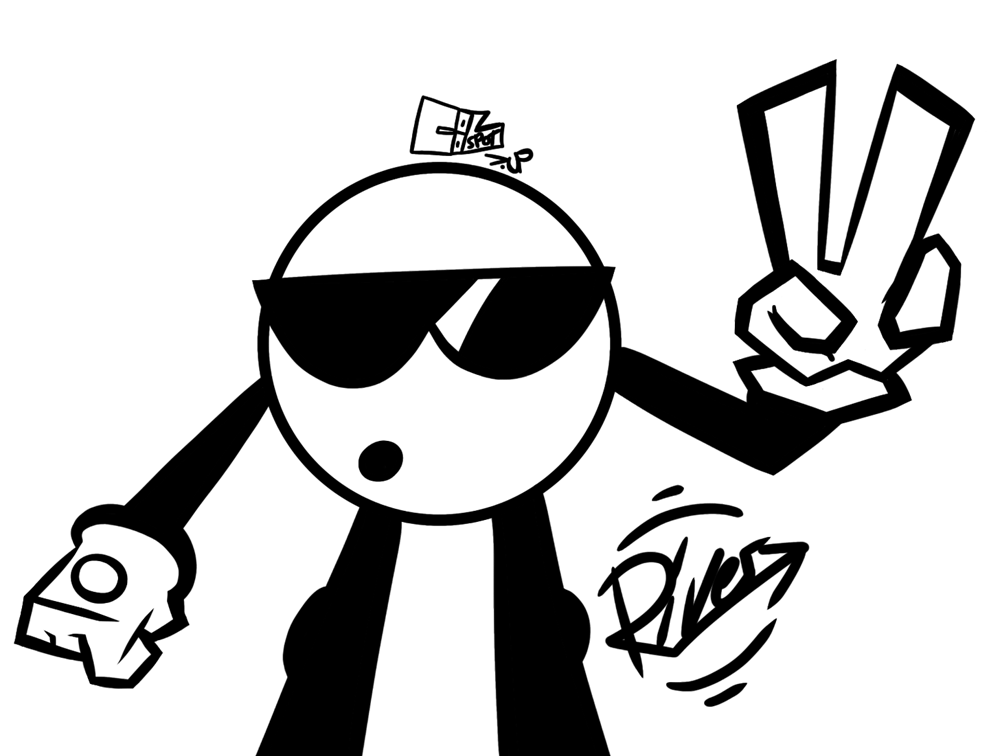
Before brand mascots needed complicated backstories, 7 Up simply gave its red logo dot arms, legs, and sunglasses. Cool Spot became surprisingly huge in the late 1980s and 1990s, appearing in commercials and even starring in video games. Eventually, 7 Up moved away from the character and the coolest punctuation mark in advertising disappeared from regular campaigns. Honestly, becoming a video game star is impressive work for something that started life as a dot.
17. Captain Cupcake
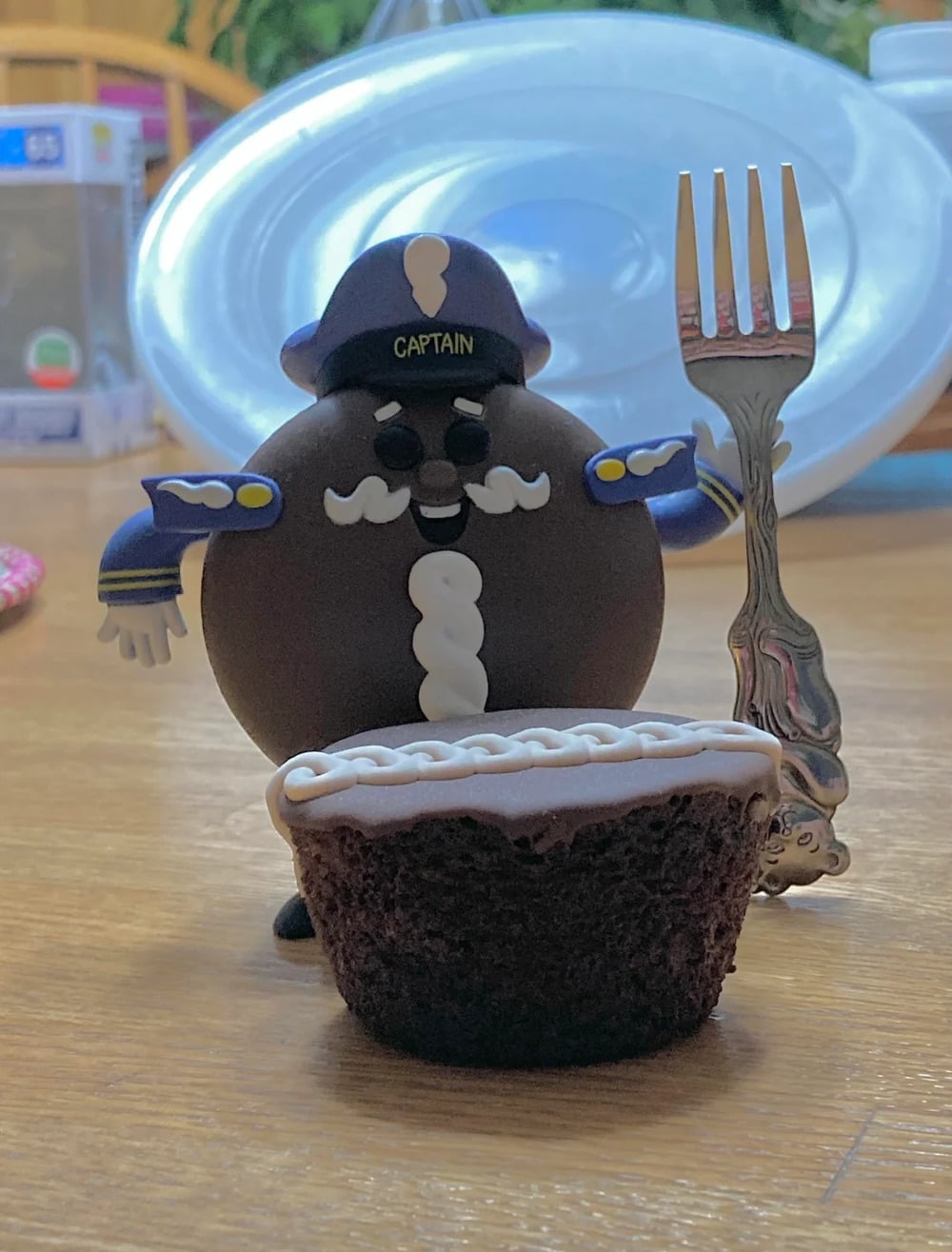
Hostess apparently looked at a cupcake and thought, “You know what this needs? A naval career.” Captain Cupcake was exactly that: an anthropomorphic cupcake dressed as a captain, because vintage snack advertising operated under its own magnificent logic. He eventually faded from regular campaigns and now survives mostly through nostalgia and collectibles. Was the nautical theme connected to cupcakes in any meaningful way? Don’t ask unnecessary questions.
18. Chauncey Chocodile
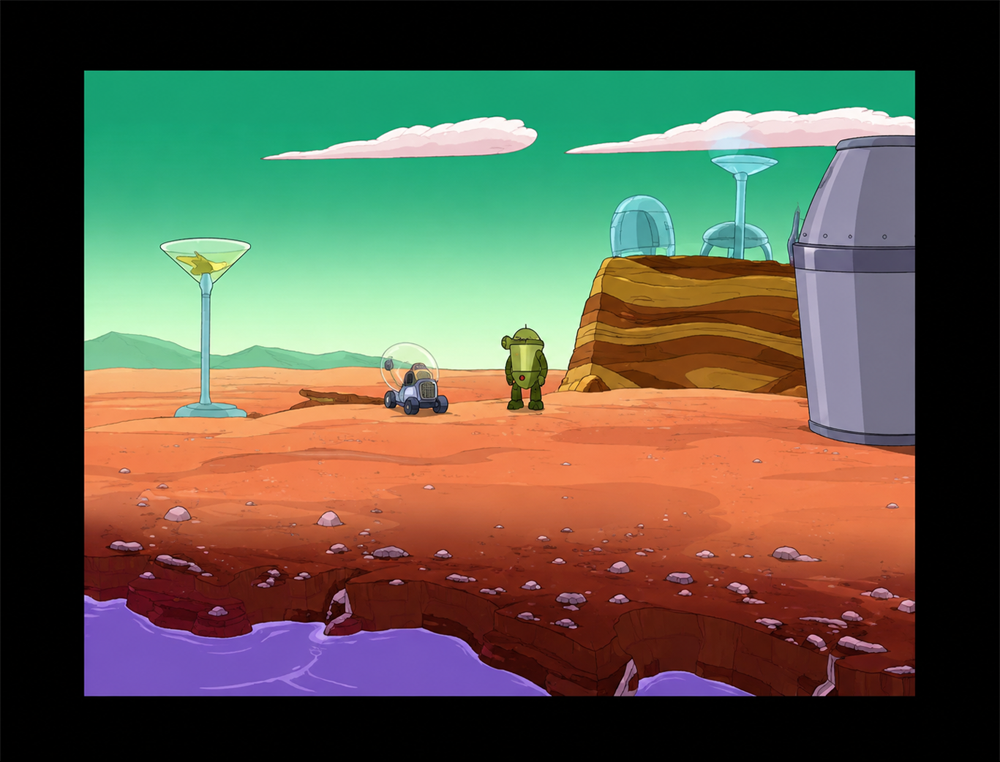
A crocodile selling chocolate-covered Twinkies sounds like something invented during a particularly chaotic marketing meeting. But Chauncey Chocodile was real, and Hostess used him to promote Chocodiles. Unlike some of the era’s better-known characters, Chauncey eventually slipped into advertising obscurity. He’s the perfect deep-cut mascot: either you don’t recognize him at all, or one look suddenly unlocks a dusty little corner of your childhood brain.
19. Aunt Jemima
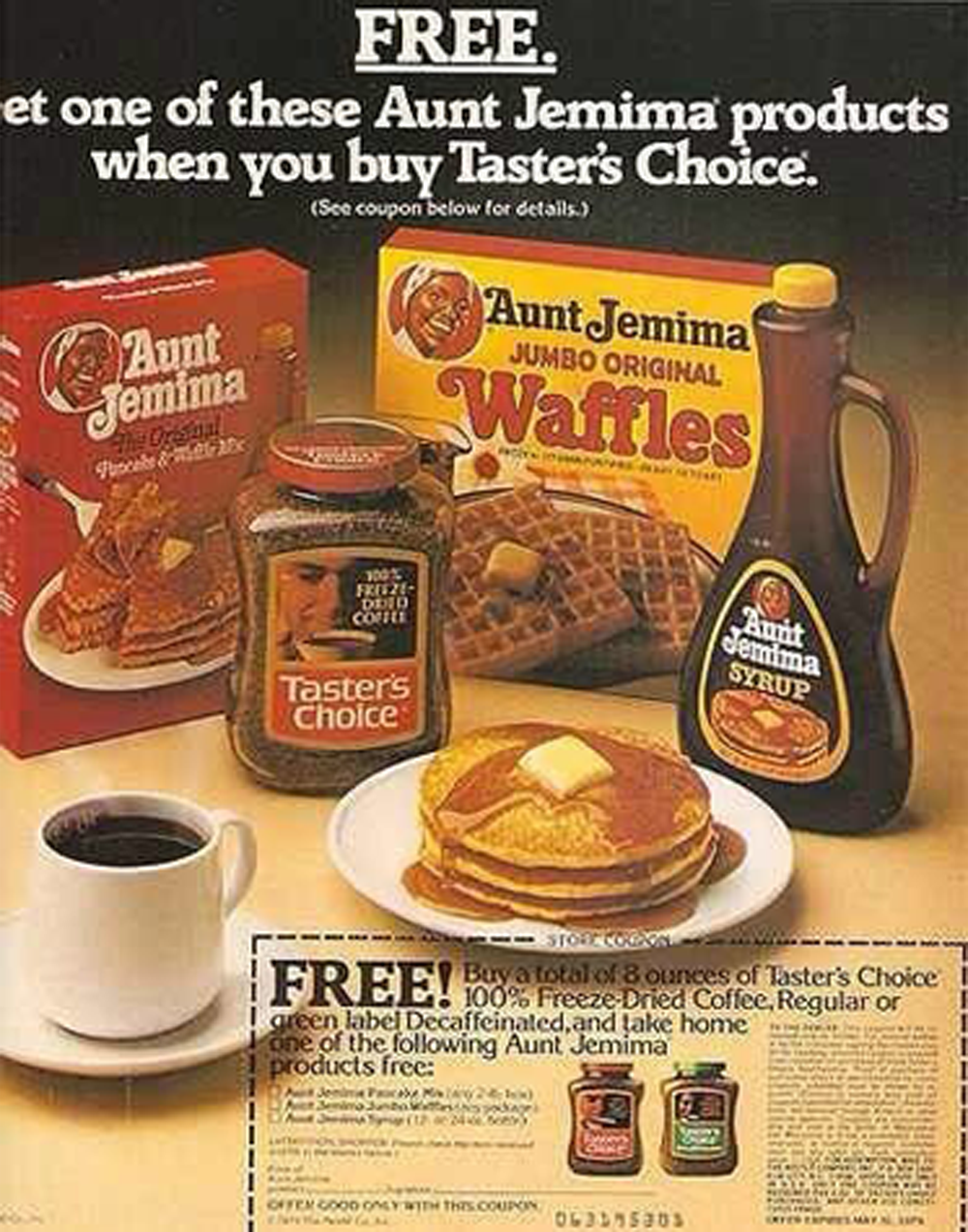
Some advertising characters disappeared because the culture surrounding them changed. In 2020, PepsiCo announced it would retire the Aunt Jemima name and imagery after longstanding criticism of the brand’s roots in racial stereotypes. The products were subsequently renamed Pearl Milling Company. Unlike mascots that simply lost popularity, this retirement reflected a broader reassessment of how historical stereotypes continued to appear in modern branding.
20. Uncle Ben
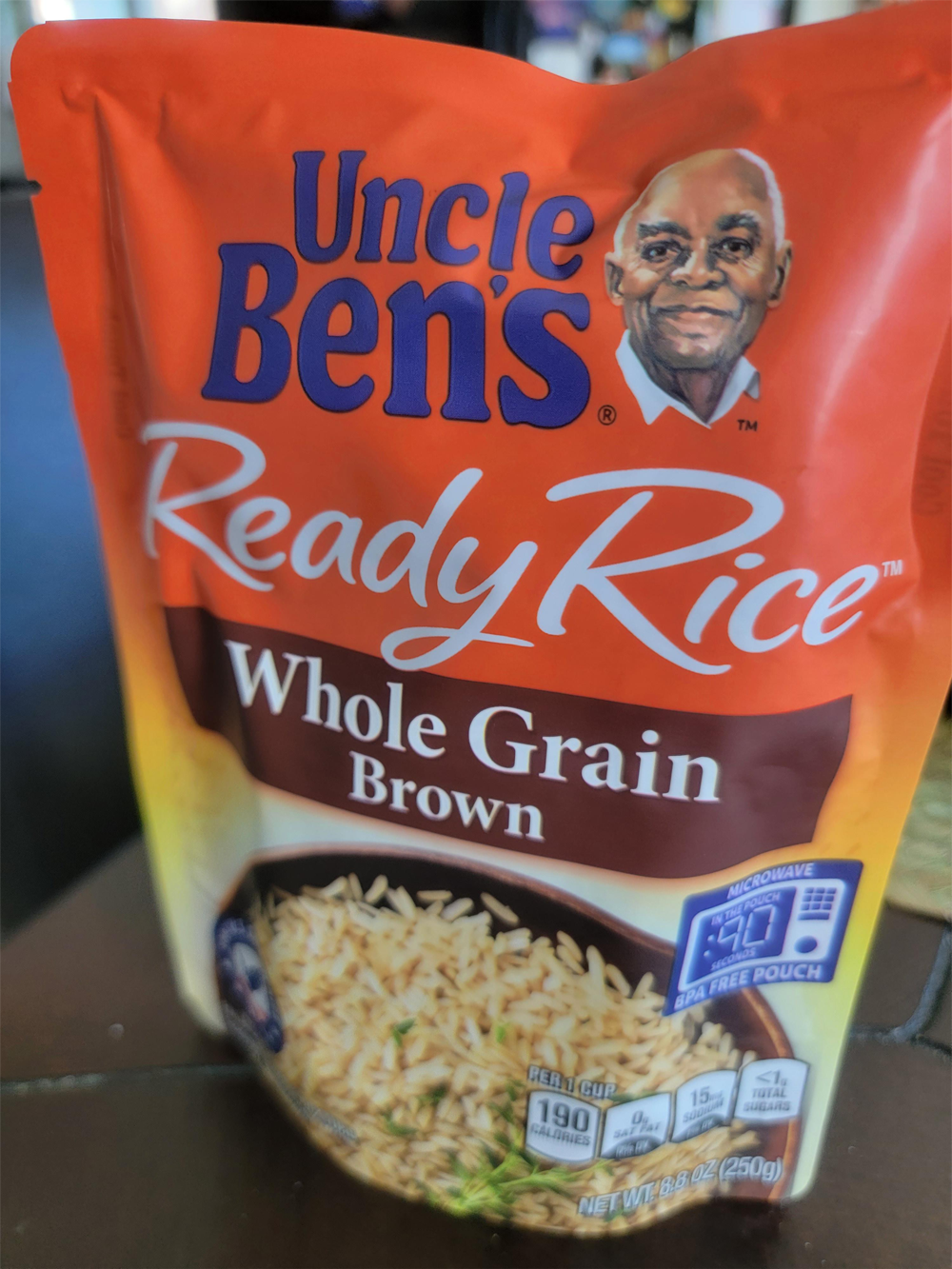
Another familiar supermarket face disappeared during the same period of cultural reassessment. Mars changed Uncle Ben’s to Ben’s Original in 2020, replacing the longstanding name and portrait associated with the brand. It’s a fitting final example because retired advertising mascots don’t all disappear for the same reason. Some campaigns simply run their course, while others leave because brands, audiences, and cultural expectations have changed around them.
It’s strange how characters created simply to sell us something can become genuine pieces of cultural memory. Some of these mascots lasted only a few years, yet decades later, a catchphrase, costume, or bizarre commercial can instantly bring them back. The reasons they disappeared vary just as much: changing marketing strategies, discontinued products, controversy, rebranding, or audiences simply moving on. That’s what makes forgotten advertising mascots so fascinating. They aren’t just old commercials. They’re tiny time capsules of what advertising once thought would grab our attention. And judging by how many we still remember, apparently it worked.
Keep Exploring The Scroller
Still unlocking advertising memories you forgot you had? Keep exploring The Scroller for more forgotten commercials, discontinued products, strange brand history, and nostalgic characters that once seemed to be absolutely everywhere:
20 Of The Most Successful Mascots In Sports History
15 TV Commercials From The 80s That Still Live Rent-Free In Our Heads