Long before the era of plastic components and mass production, craftsmen relied on heavy-duty tools crafted from drop-forged steel and seasoned hardwoods. Blacksmiths, carpenters, and machinists expected their equipment to withstand decades of daily wear in workshops and job sites. These classic tools were engineered with an emphasis on durability, precision, and repairability, ensuring that a single well-maintained piece could be passed down through family generations.
What makes these vintage hand implements so revered by modern woodworkers and tradespeople is their unmatched ergonomic feel and superior material quality. Unlike disposable modern alternatives that wear down quickly, vintage cast-iron planes, hand drills, and forged hammers often perform better today than when they first left the factory floor. Examining these classic tools provides a fascinating look into a bygone era of industrial craftsmanship and everlasting utility. Here are sixteen old-fashioned implements that were truly built to last.
1. Stanley No. 4 smooth plane
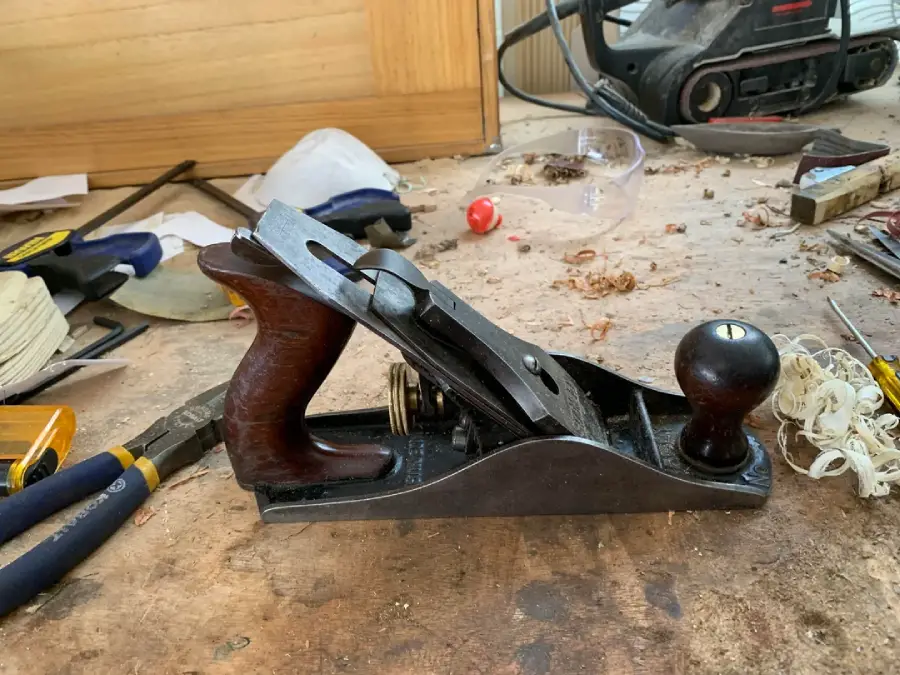
First introduced in the late nineteenth century, the Stanley No. 4 bench plane featured a heavy cast-iron body and a high-carbon steel iron that could take a razor-sharp edge. Woodworkers still seek out pre-World War II “Sweetheart” era models because their thick castings absorb chatter and produce paper-thin wood shavings effortlessly.
2. Yankee push drill
The spiral-ratchet Yankee drill allowed woodworkers to drive screws and bore pilot holes using simple downward pressure on the handle. Designed with a hollow wooden handle that stored multiple drill bits, its nickel-plated brass mechanism operates smoothly today without needing a single battery charge.
3. Disston D-8 hand saw
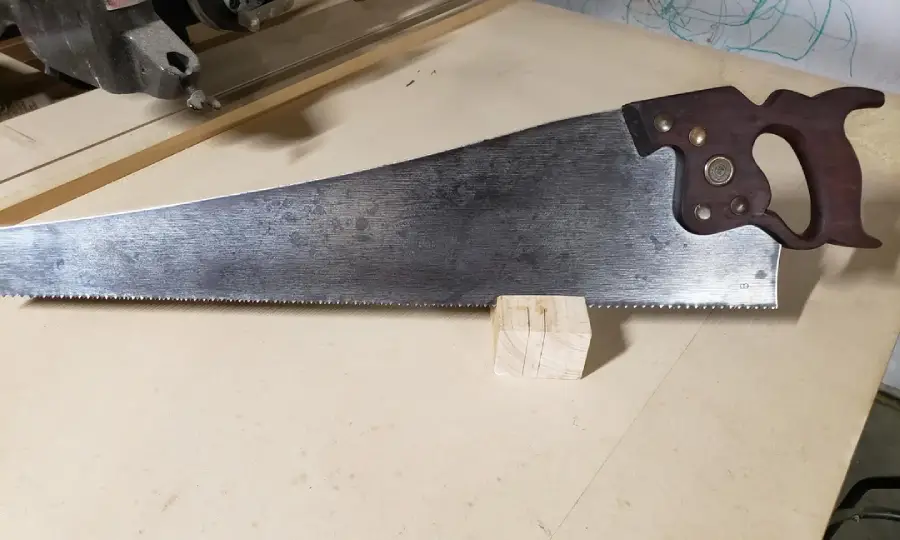
Crafted from proprietary spring steel, ground thinner at the top edge to prevent binding, Disston hand saws dominated American carpentry for nearly a century. The carved applewood handles were secured with brass split-nut rivets, allowing tradesmen to tension and re-sharpen the steel teeth indefinitely.
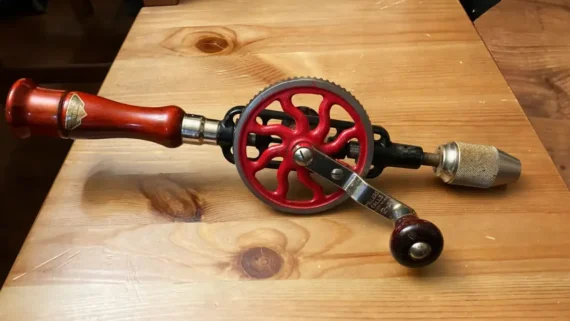
4. Millers Falls hand drill
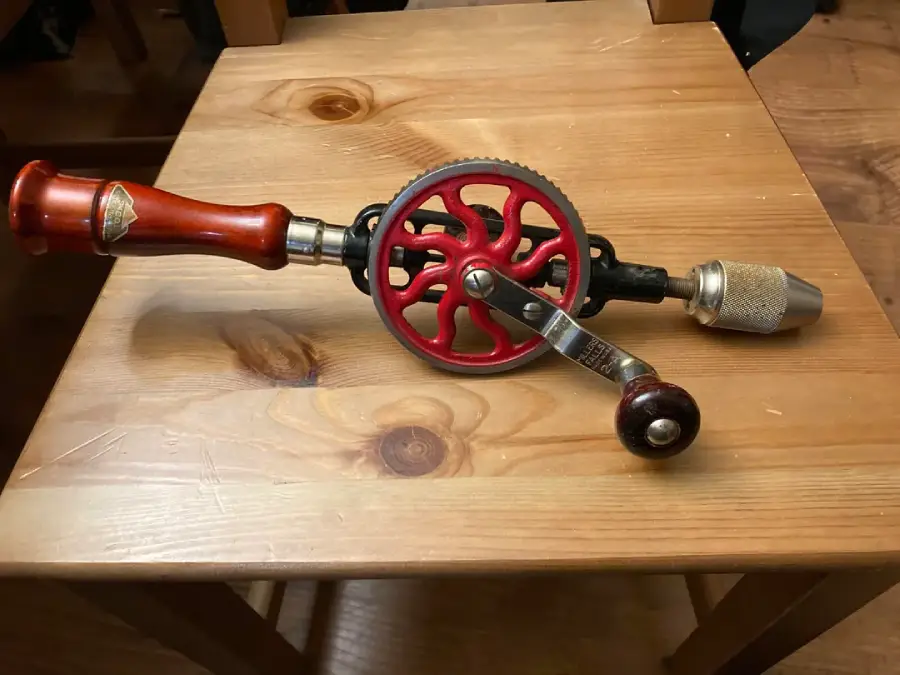
Often called an eggbeater drill due to its side-mounted drive gear, the Millers Falls hand drill provided precise control for delicate woodworking tasks. The heavy cast-iron gear wheel provided smooth momentum, making it far superior to modern power tools when drilling small, controlled pilot holes.
5. Coes monkey wrench
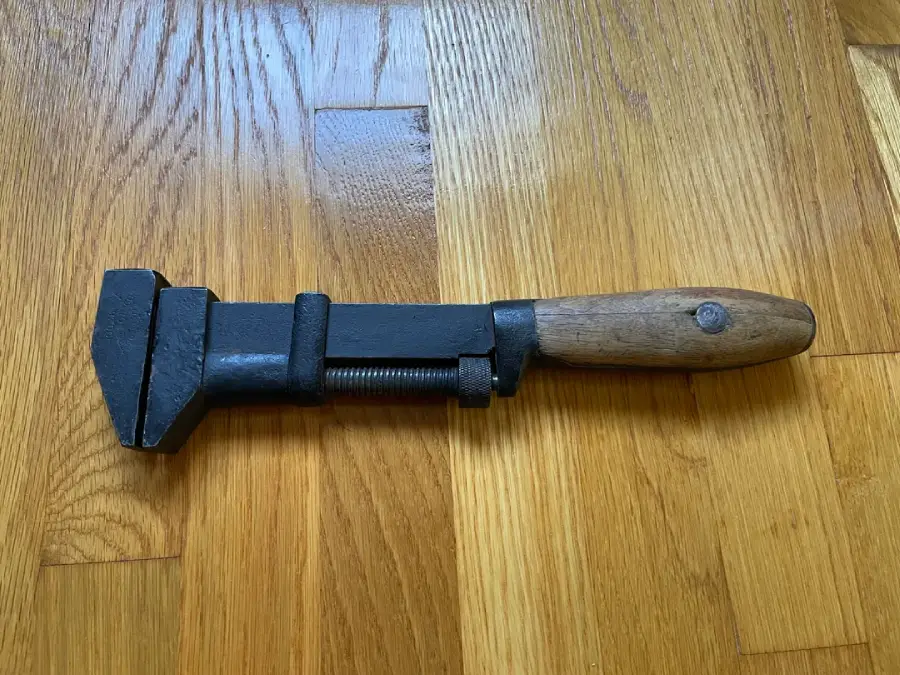
Patented by Loring Coes in eighteen forty-one, the original monkey wrench replaced loose pin adjustments with a solid steel knurled screw shaft. Its massive forged jaws could exert immense pressure on iron pipes without slipping, becoming a staple tool in railroad repair yards.
Trending on The Scroller


6. Cast-iron anvil by Peter Wright
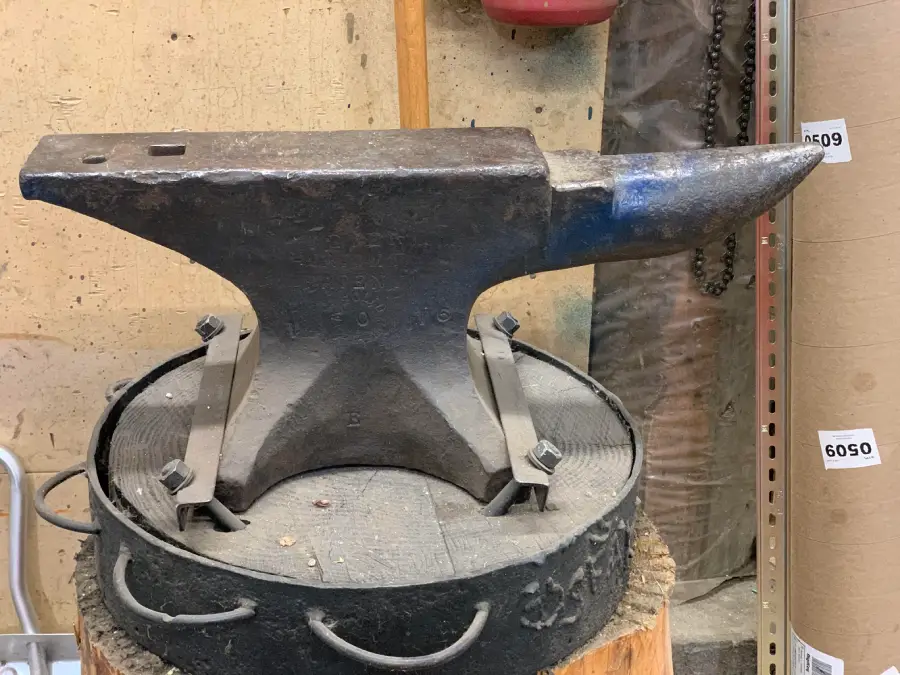
Forged in England from high-quality wrought iron with a hard steel face welded on top, Peter Wright anvils are famous for their exceptional rebound. A hammer struck against the hardened face bounces back with high energy, allowing blacksmiths to shape hot metal with minimal physical fatigue.
7. Starrett combination square
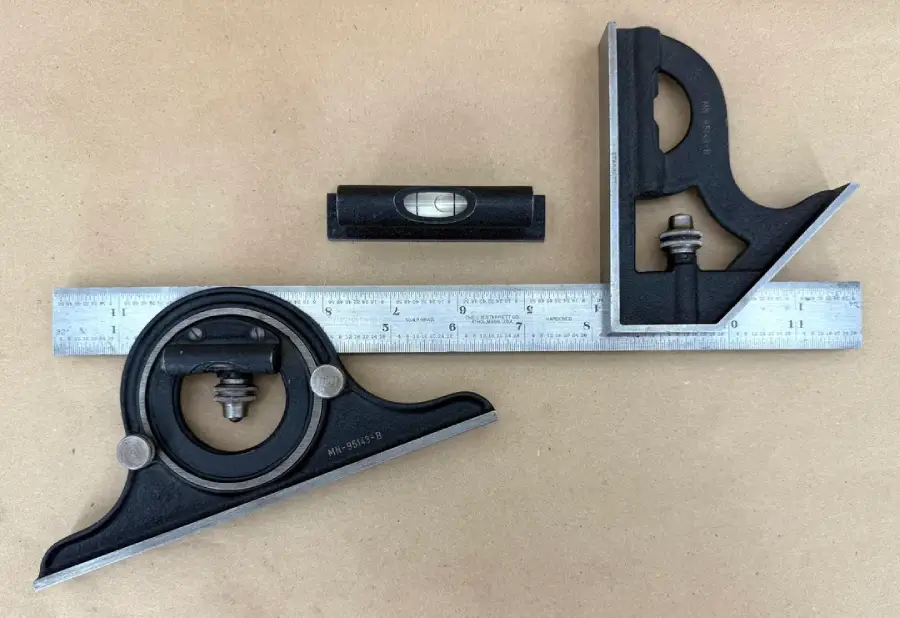
Patented in 1879 by Laroy S. Starrett, this precision measuring tool featured a hardened steel blade and a ground cast-iron head with an integrated bubble level. Machinists still consider vintage Starrett squares the gold standard for layout work due to their micro-inch accuracy and rust-resistant finish.
8. Plumb curved claw hammer
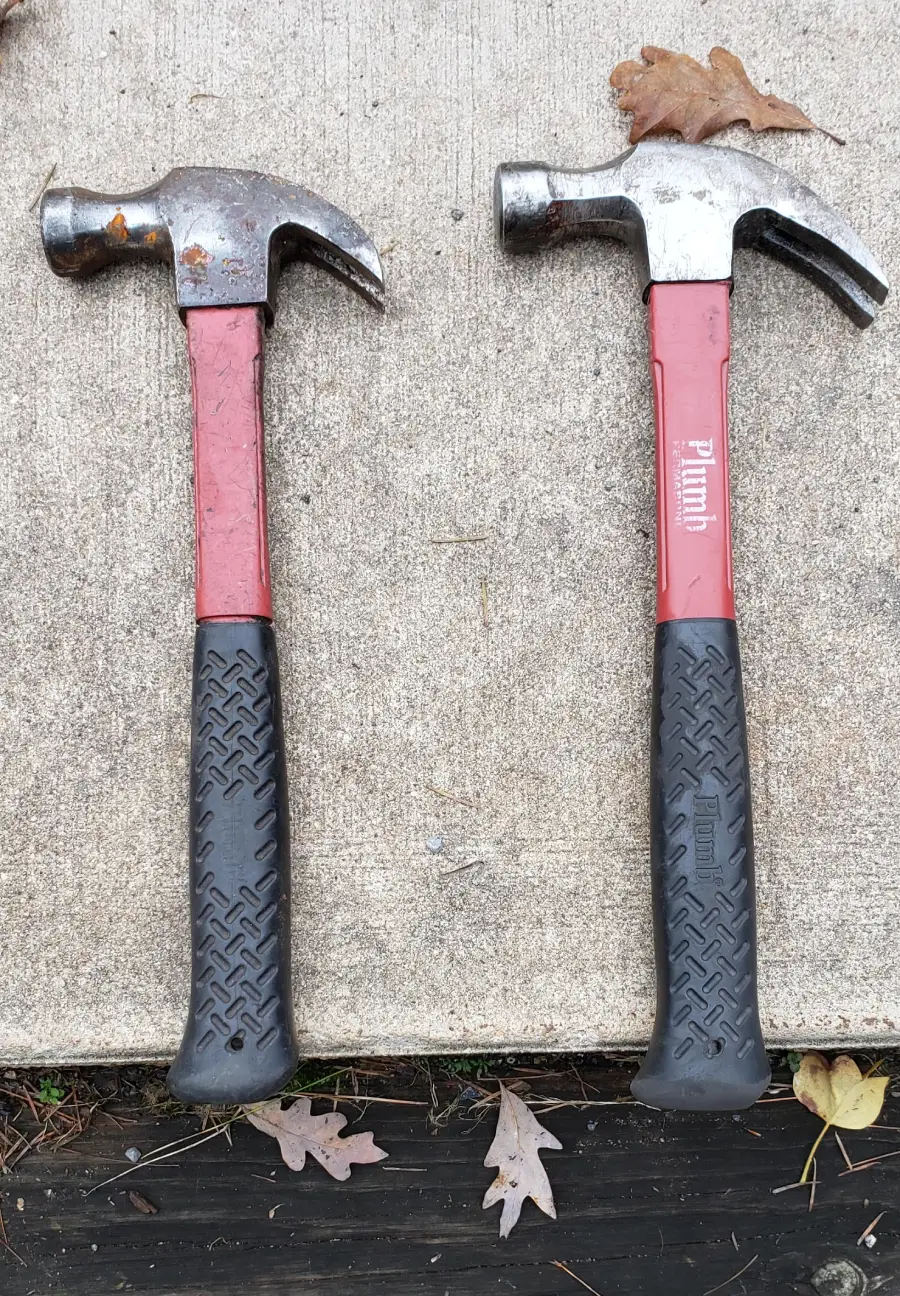
Plumb revolutionized tool design by introducing the “Permabond” red resin seal, which permanently locked the forged steel hammer head onto its hickory handle. The tight grain of American hickory absorbed heavy impacts, preventing hand vibrations while pulling stubborn masonry nails.
Sign up for our newsletter
9. Starrett micrometer caliper
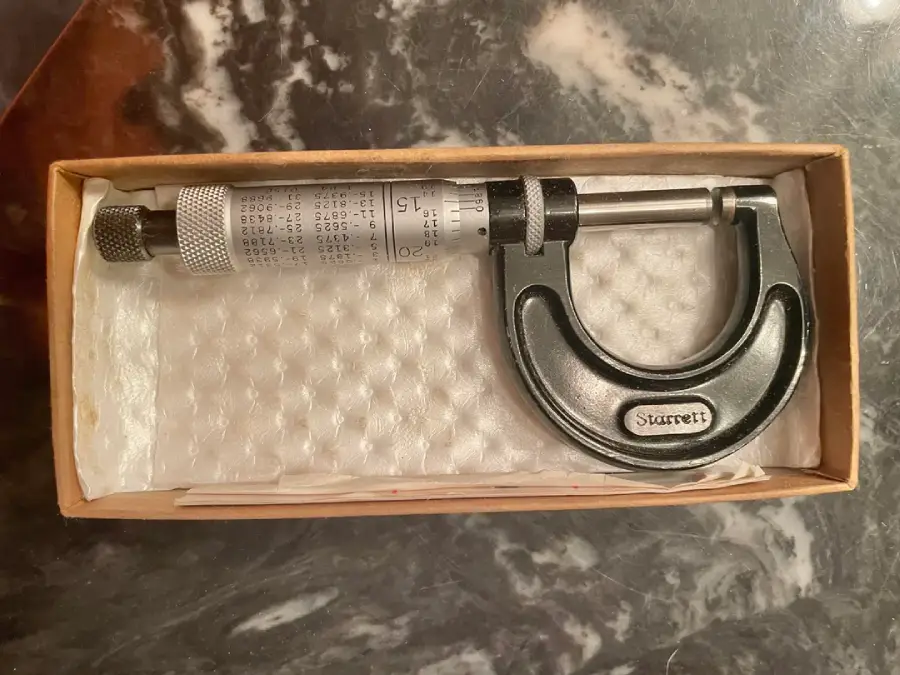
Engineered for toolmakers requiring measurements accurate to one ten-thousandth of an inch, vintage Starrett micrometers were housed in protective velvet-lined wooden cases. Featuring a satin-chrome finish to reduce glare and a ratcheting thimble for uniform pressure, these instruments remain perfectly calibrated a century later.
10. Greenlee socket chisels
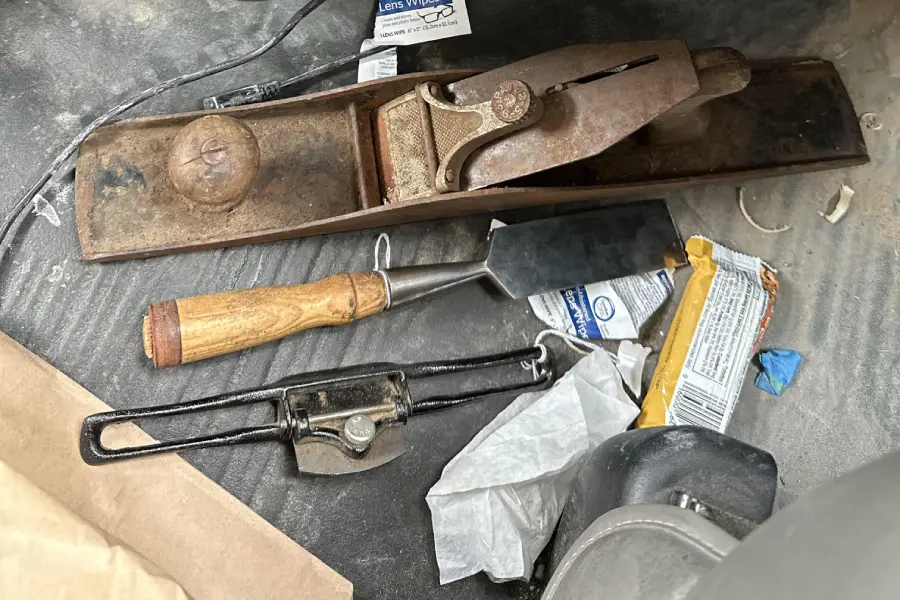
Unlike modern tang chisels that can split their handles under mallet strikes, Greenlee socket chisels feature a heavy steel socket that holds a replaceable hardwood handle. Forged from thick high-carbon steel, these chisels hold a durable edge capable of paring through dense hardwoods like oak and maple.
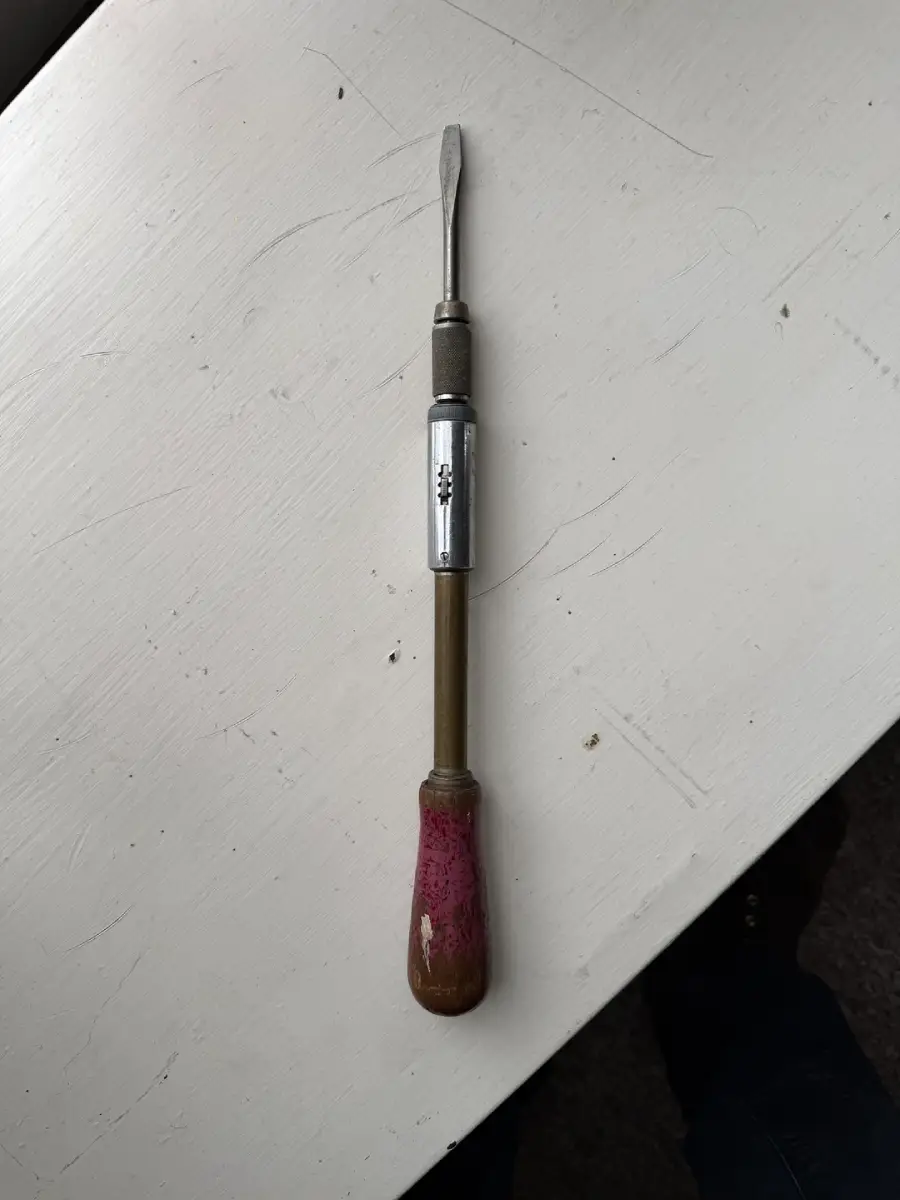
11. North Bros. ratcheting screwdriver
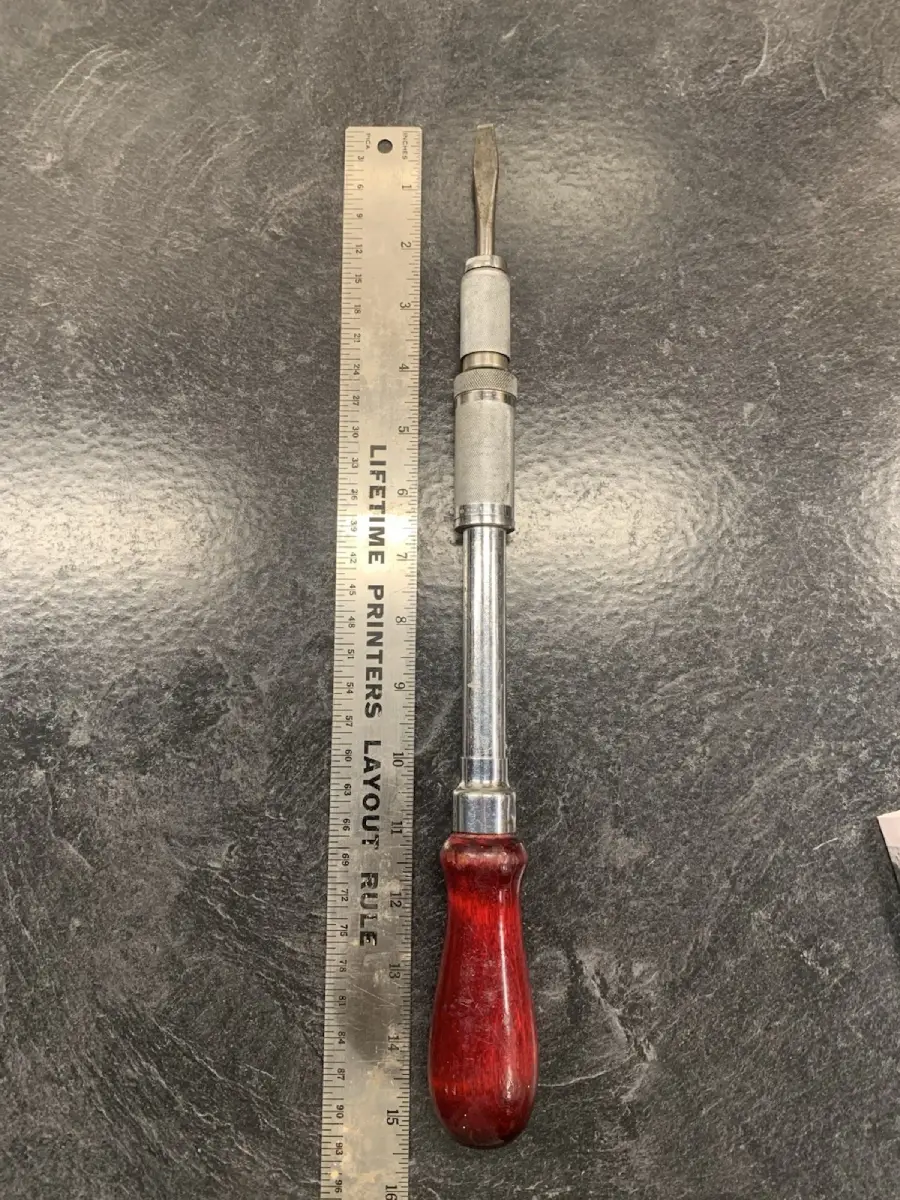
Before cordless drivers existed, the North Bros. ratcheting screwdriver allowed mechanics to sink long wood screws with a simple back-and-forth wrist motion. The heavy internal pawl mechanism was so reliable that Stanley eventually acquired the company to continue producing the design for decades.
12. L.S. Starrett trammel heads
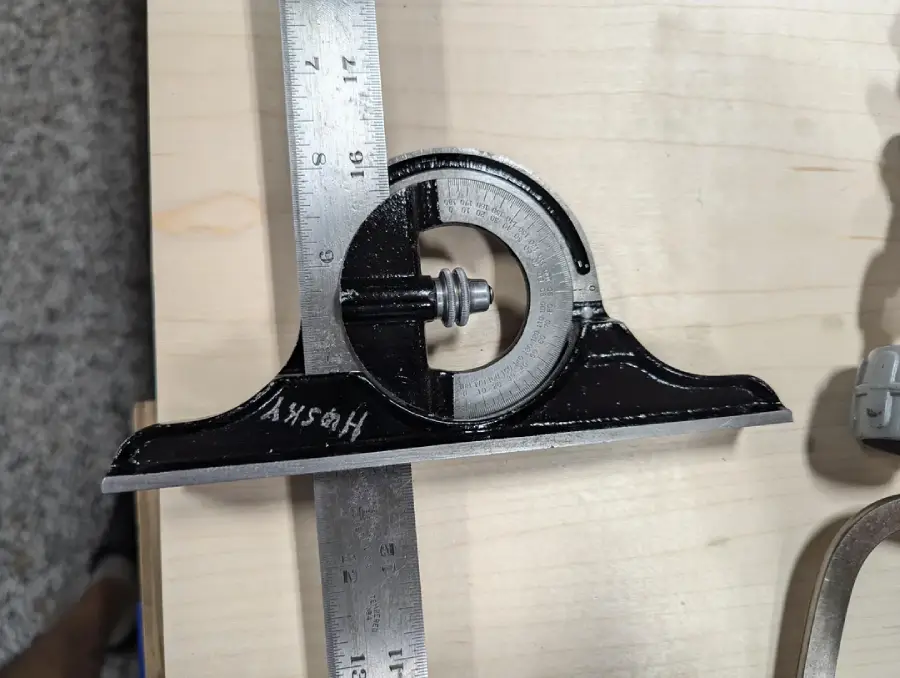
Used by draughtsmen and millwrights to scribe large circles and lay out arcs on sheet metal, these cast-iron clamping heads slid onto a wooden beam of any length. The fine-adjustment thumbscrews and hardened steel points allowed craftsmen to lay out large structural patterns with extreme accuracy.
13. Crescent adjustable wrench
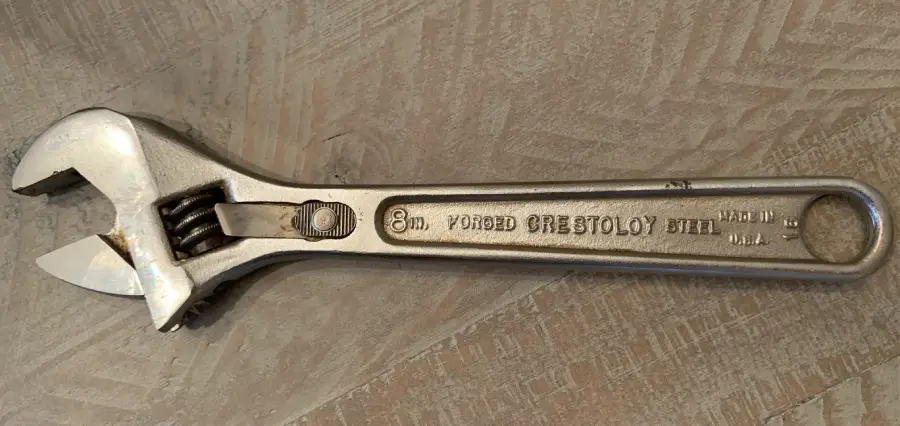
The original forged alloy Crescent wrench featured a precision-machined worm gear that held its jaw opening firmly under heavy torque. Unlike cheap modern imitations that round off hex bolt corners, vintage American-made Crescent wrenches fit fastener flats snugly without flexing.
14. Marsh stencil machine
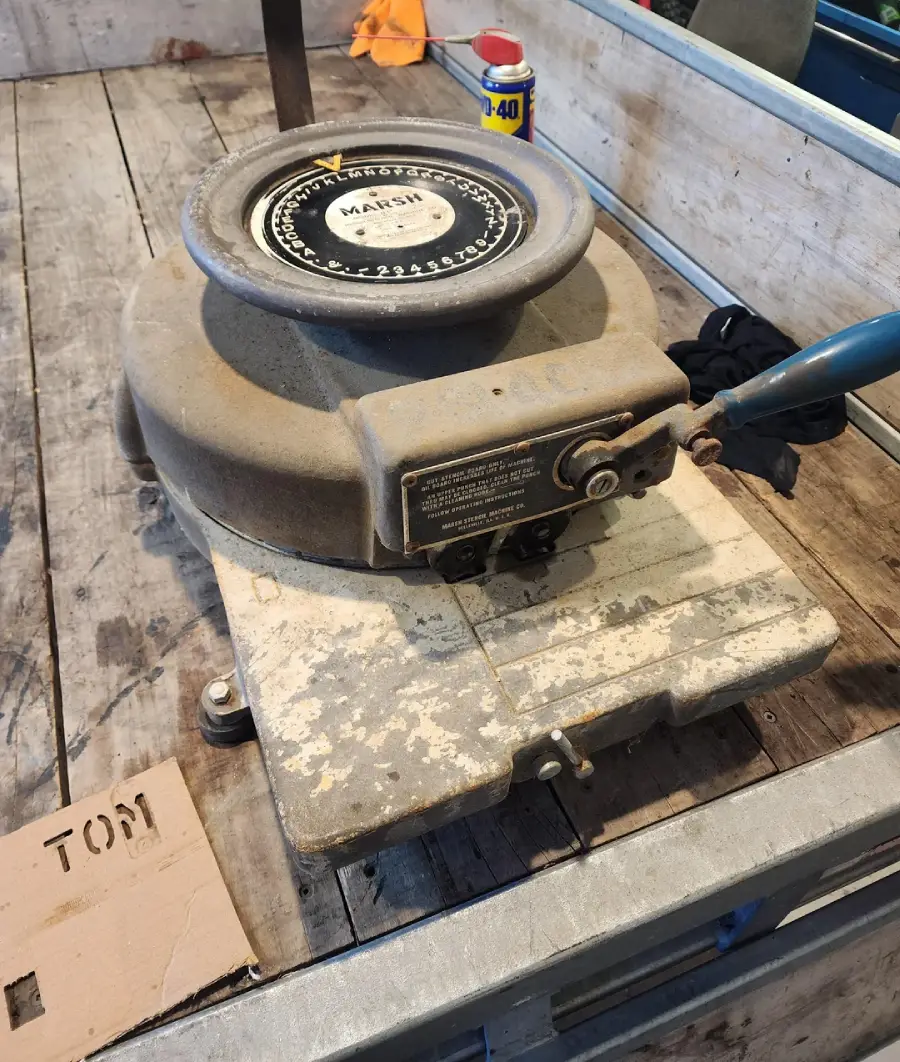
Used in shipping yards to punch bold letters into thick oilboard stencils, the Marsh stencil machine featured heavy punch pins cast from hardened tool steel. The heavy cast-iron dial rotated effortlessly, allowing warehouse clerks to mark crate cargo that traveled on steamships worldwide.
15. Athol company bench vise
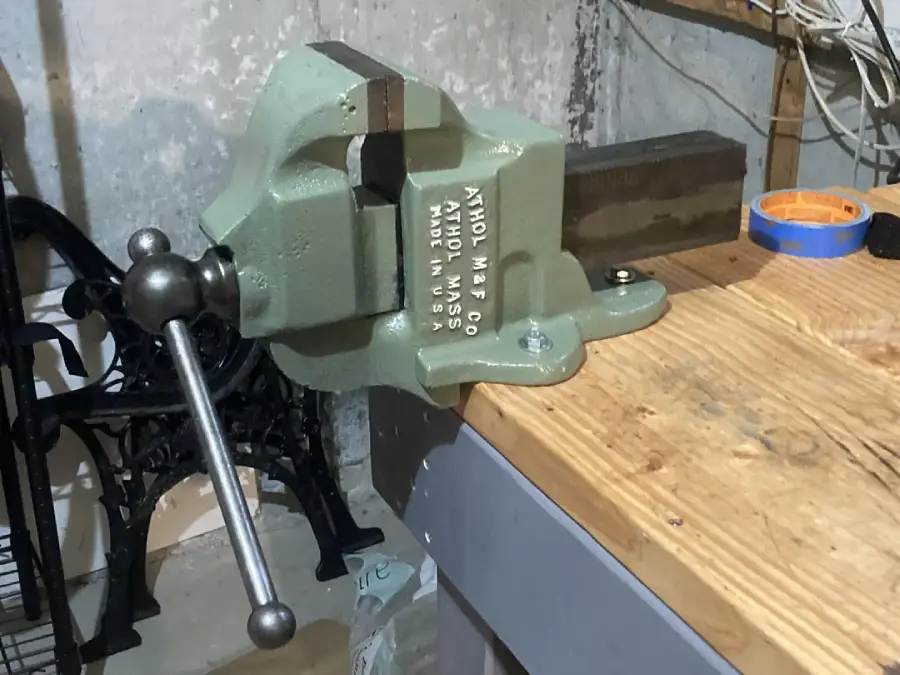
Boasting massive cast-iron jaws and a heavy steel Acme screw thread, Athol bench vises were engineered to withstand heavy sledgehammer blows. Many of these century-old workshop vises remain mounted on industrial workbenches today, holding heavy steel stock completely rigid.
16. Pexto sheet metal crimper
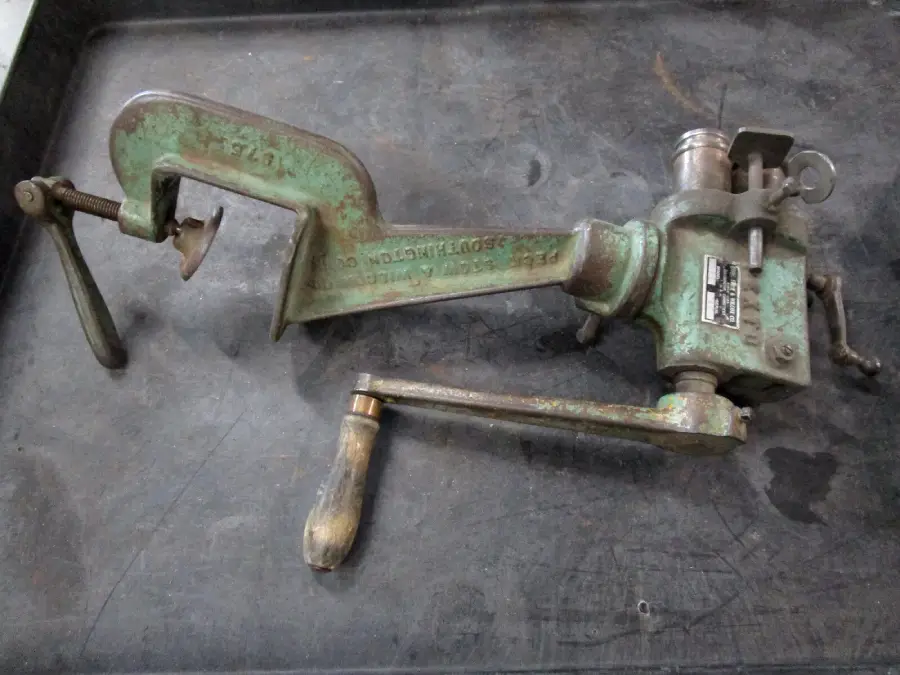
Produced by the Peck, Stow & Wilcox Company, these bench-mounted rotary crimpers prepared galvanized ductwork pipes for seamless joint connections. The heavy hand crank turned two hardened steel gears simultaneously, fluting sheet metal edges with uniform mechanical precision.
Explore more interesting vintage items:
Exploring these remarkable hand tools offers a deep appreciation for the industrial engineering, material quality, and enduring utility of classic craftsmanship. The heavy cast-iron frames, drop-forged steel blades, and hand-turned hardwood handles stand as a testament to an era when equipment was built to last indefinitely. If you enjoy discovering retro technology, vintage workplace history, and fascinating historical deep dives, be sure to check out these 14 Antique Tools from Old Jobs You Can’t Identify, or these 18 Vintage Machinist Tools That Defined an Era. You may also like these 15 Bizarre 1800s Inventions That Feel Unreal Today.