Every historical trade developed its own specialized tools, refining physical implements over centuries to meet the precise demands of manual craftsmanship. Before mass industrialization, digital automation, and standardized power equipment transformed global manufacturing, skilled artisans relied on custom manual implements designed exclusively for their specific crafts. Master craftspeople worked with subtle variations in metal angles, carved bone edges, and hand-forged irons, creating specialized workshop setups that allowed them to manipulate raw materials with incredible precision.
As industrial automation replaced hand-labeling, manual typography, and traditional leather crafting, these physical implements vanished from active workshops and daily commercial life. Today, opening a chest of nineteenth-century workshop implements reveals a confusing array of curved metal blades, weighted bone spatulas, and uniquely angled wooden guides. Strip away the historical context, and these once-essential implements look more like abstract sculptures or mysterious artifacts than functional workplace equipment. Let’s take a look at fourteen historical professions that relied on specialized tools that most people would completely fail to identify today.
1. Typesetter
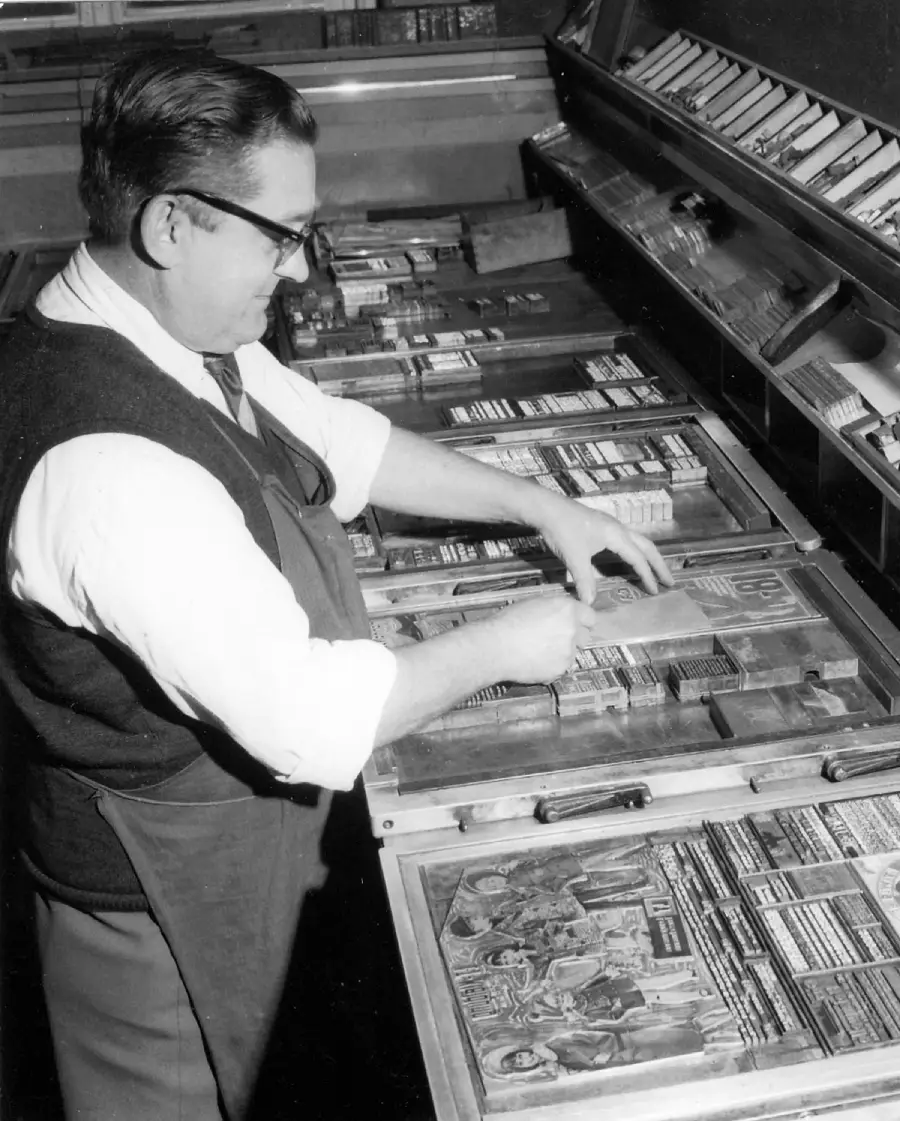
In traditional print shops, typesetters assembled physical lead type letter by letter into a small metal handheld tray known as a composing stick. Featuring an adjustable slide stop to regulate line width, the stick demanded absolute focus from the printmaker, as a single spelling mistake meant manually disassembling and resetting the entire line of reverse-facing metal letters.
2. Barber-surgeon
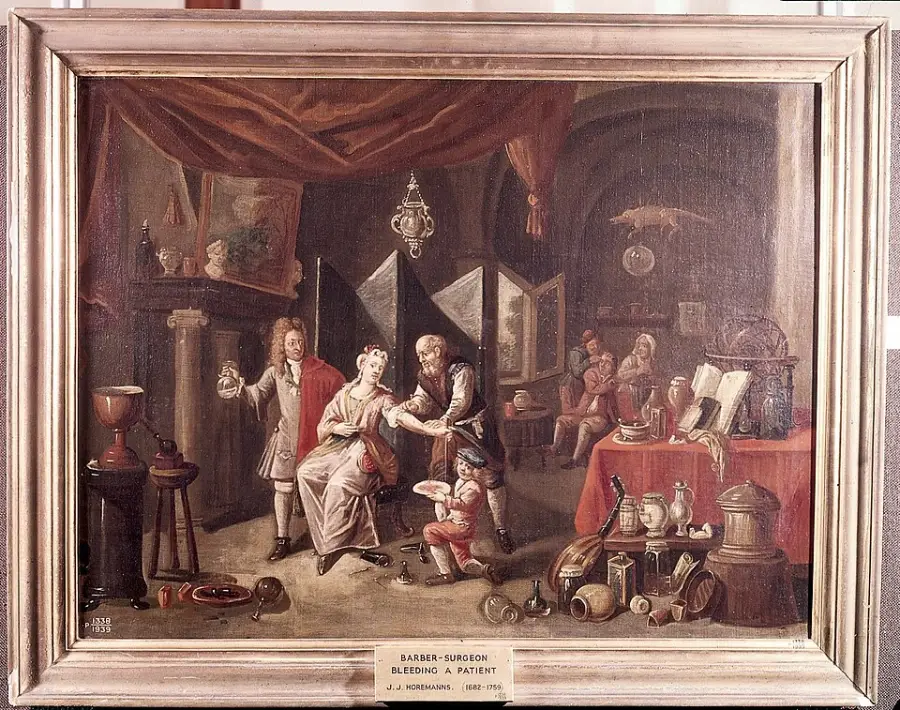
Operating during the medieval and Renaissance periods, barber-surgeons used heated glass or metal cups applied directly to a patient’s skin to create a thermal vacuum intended to draw out impurities. The procedure was accompanied by small, spring-loaded lancet blades designed to make precise incisions, creating a medical kit that modern museum visitors frequently mistake for antique torture implements.
3. Bookbinder
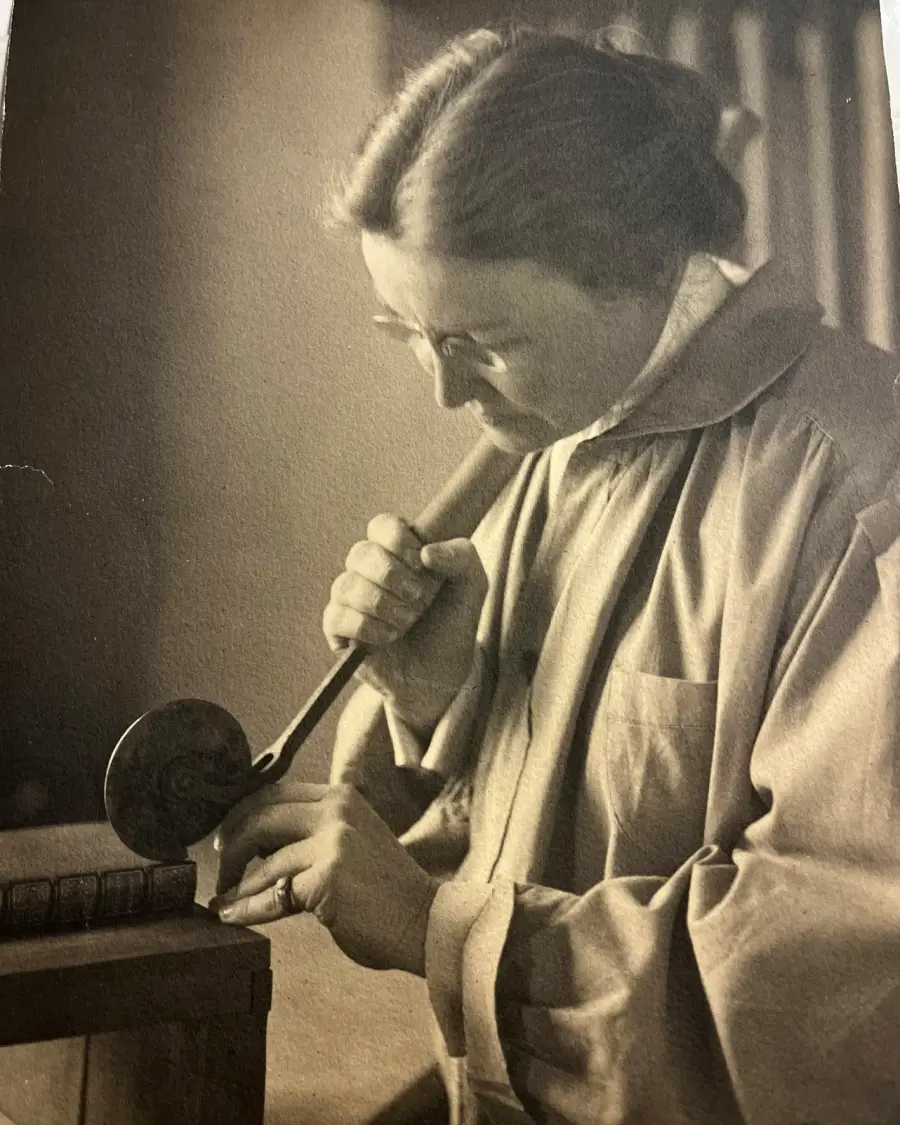
To achieve crisp, damage-free folds along delicate paper sheets and smooth genuine leather covers without leaving scratches, bookbinders relied on a bone folder. Carved from smooth animal bone or ivory into a flat, blunt-edged spatulate shape, this versatile hand tool is easily mistaken by non-experts for a vintage letter opener or a decorative kitchen utensil.
4. Harness maker
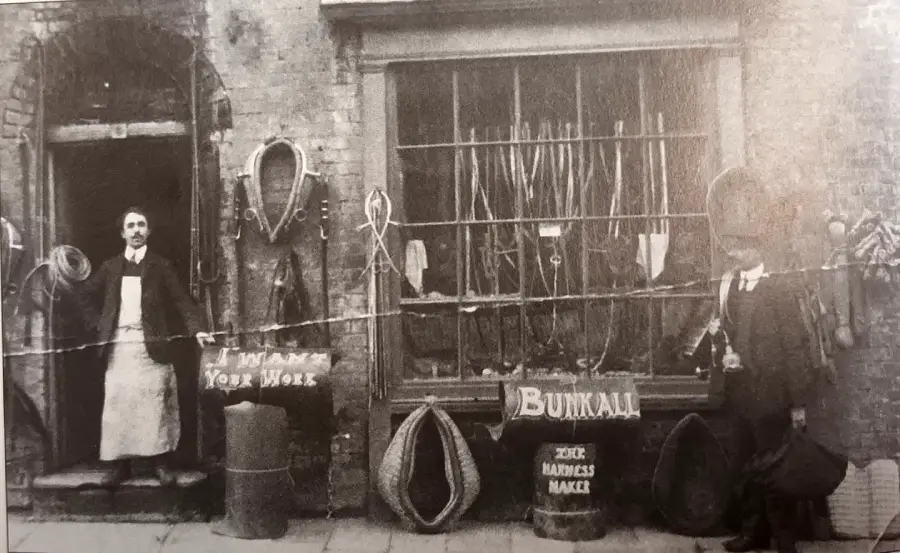
Crafting heavy horse harnesses and leather saddles required a specialized compass equipped with a miniature cutting blade instead of a graphite pencil point. This unique implement allowed the artisan to scribe and slice perfectly parallel stitching channels along leather straps at consistent depths, resembling a technical drawing instrument or an antique dental tool to the untrained eye.
5. Cooper
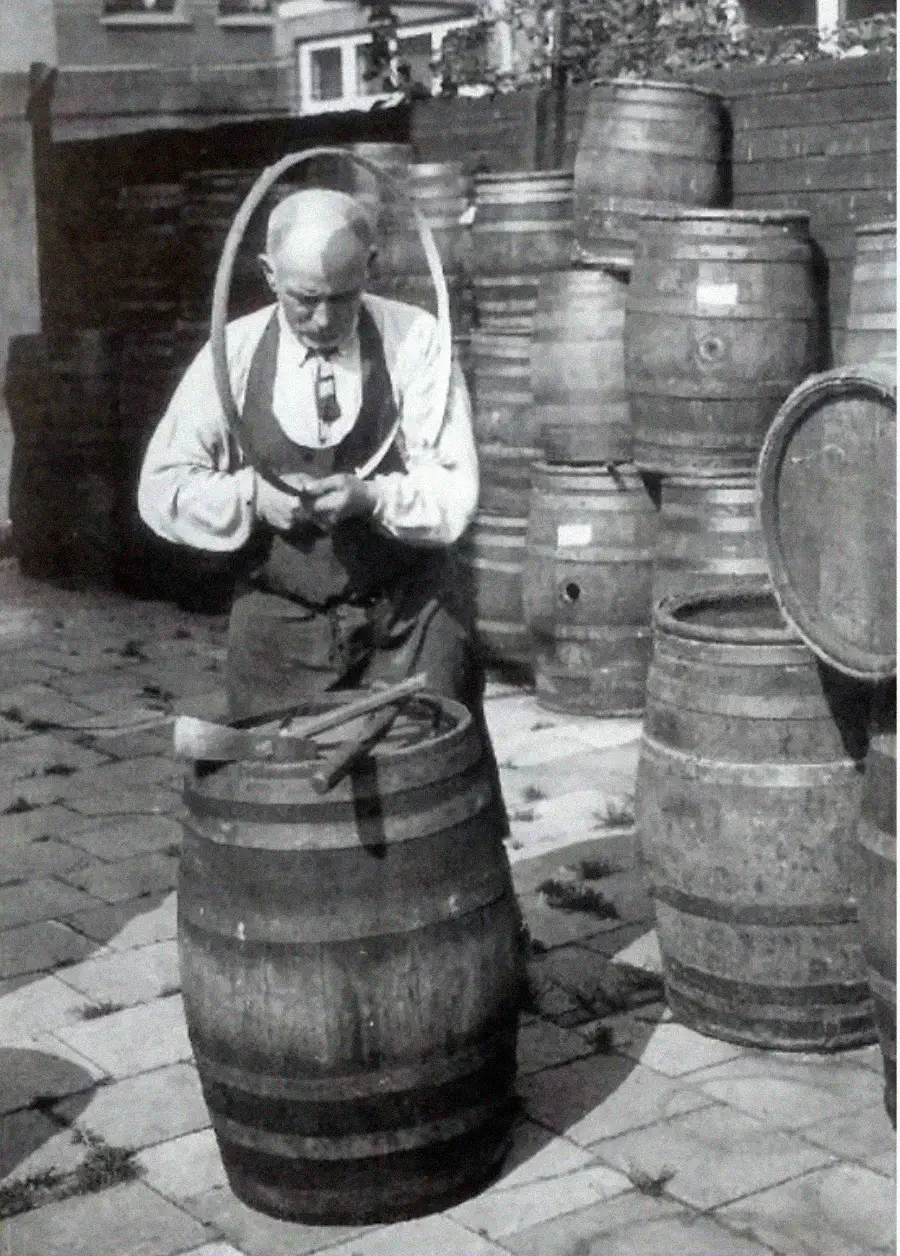
Creating watertight wooden barrels demanded a curved stave plane to shape the concave inner profile of individual wooden staves with exact precision. Coopers also used a specialized adze featuring a curved, perpendicular blade to trim barrel rims, leading to a complex array of curved drawknives and hoops that look entirely alien to modern woodworkers.
Trending on The Scroller
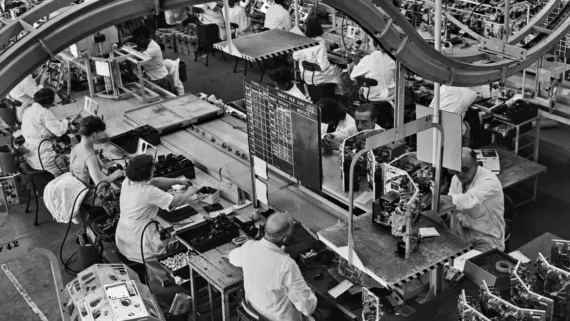
6. Watchmaker
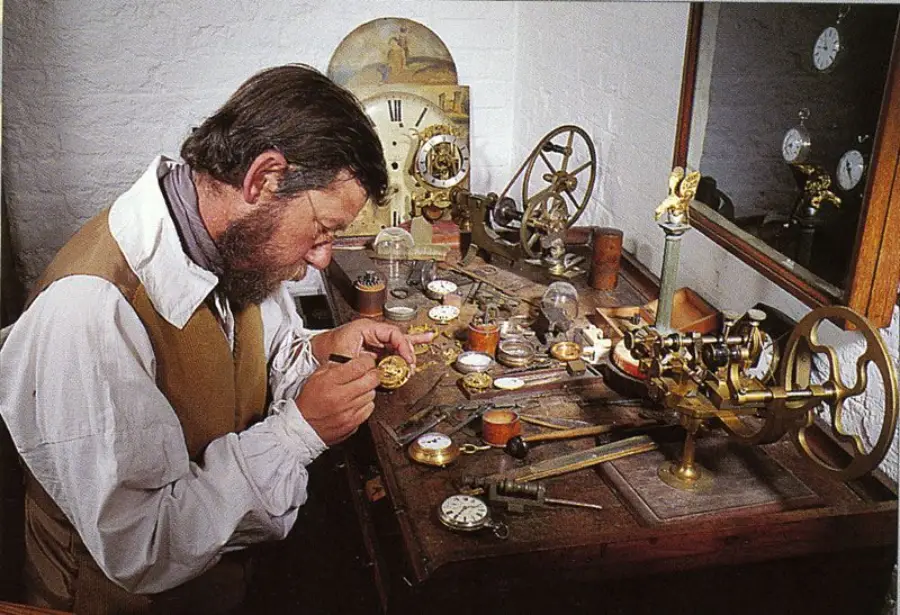
Long before micro-sized electric rotary bits existed, watchmakers drilled microscopic holes into delicate clockwork gears using a miniature bow drill. Operated by moving a small wooden bow back and forth to rapidly spin a central corded spindle, this delicate apparatus allowed horologists to machine tiny metal components without applying destructive force.
7. Coachbuilder
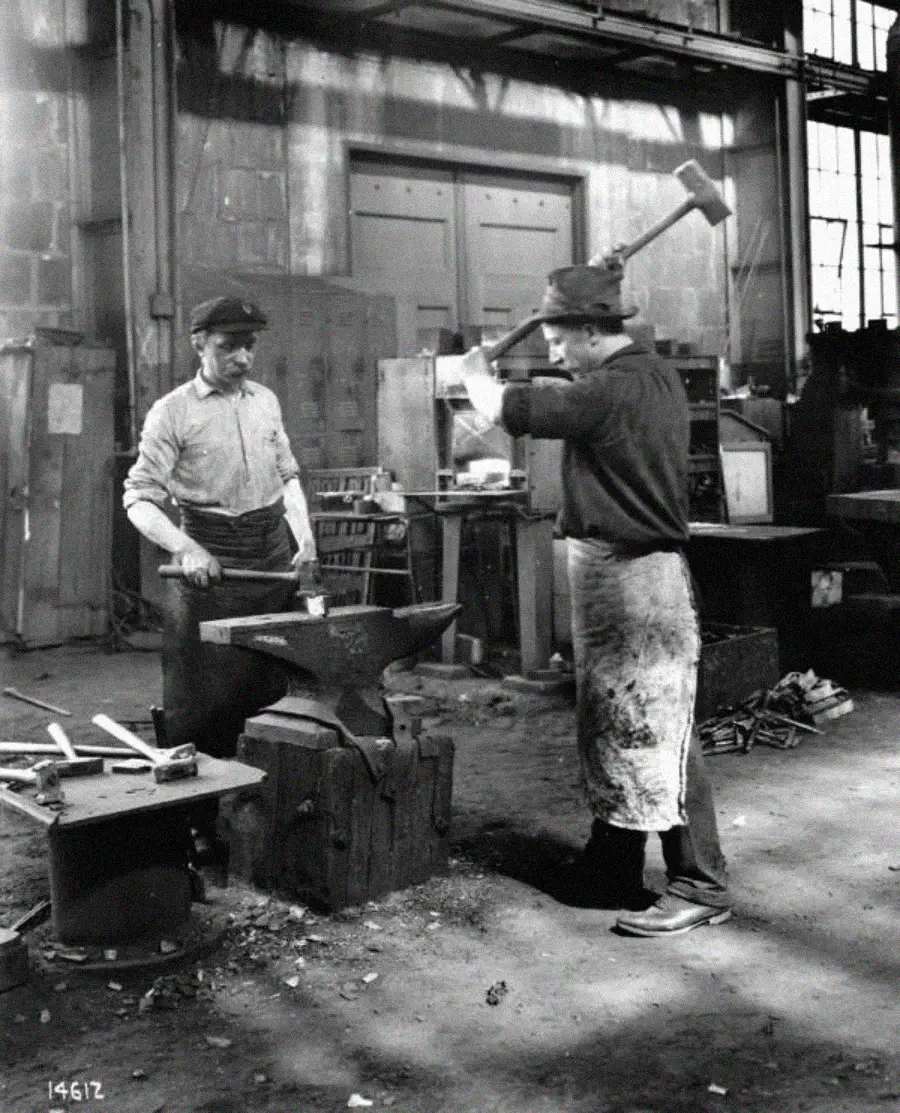
Prior to the introduction of automated hydraulic stamping presses, automotive and carriage bodies were hammered out by hand over handheld steel blocks known as dollies. Coachbuilders held these heavy, contoured steel blocks against the inside of sheet metal while striking the exterior with specialized finishing hammers, requiring dozens of distinct dolly shapes to form custom body curves.
8. Shoemaker
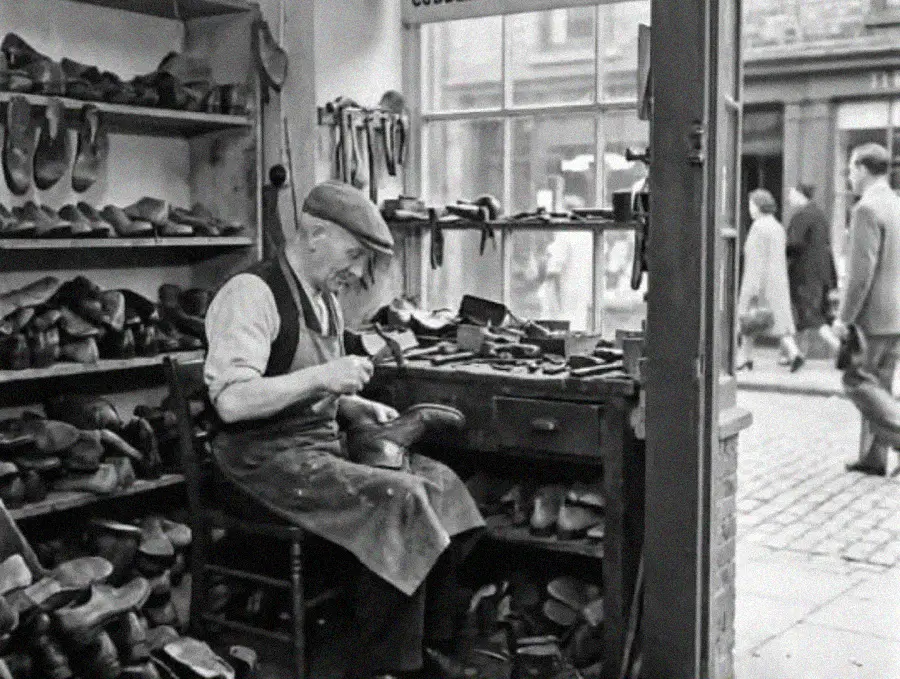
Cobblers built custom leather footwear around a last, a carved wooden or cast-metal foot model shaped to match the client’s exact dimensions. Paired with a crescent-shaped trimming knife designed to slice tough leather soles without tearing edges, a collection of vintage lasts is often confused today with abstract decorative art objects.
Sign up for our newsletter
9. Cathedral stained-glass artisan
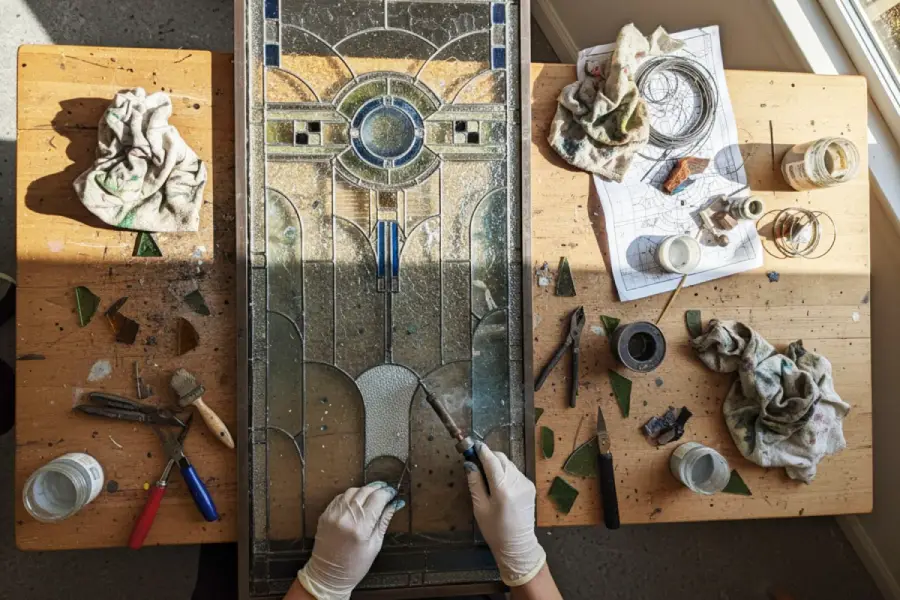
Crafting intricate stained-glass windows required a hand tool set with a natural diamond tip to score precise break lines across colored glass panes. The artisan then wrapped H-shaped lead strips around the glass edges using specialized grooving irons, a combination of materials so unique to sacred architecture that the equipment remains largely unrecognized outside the trade.
10. Medieval scribe
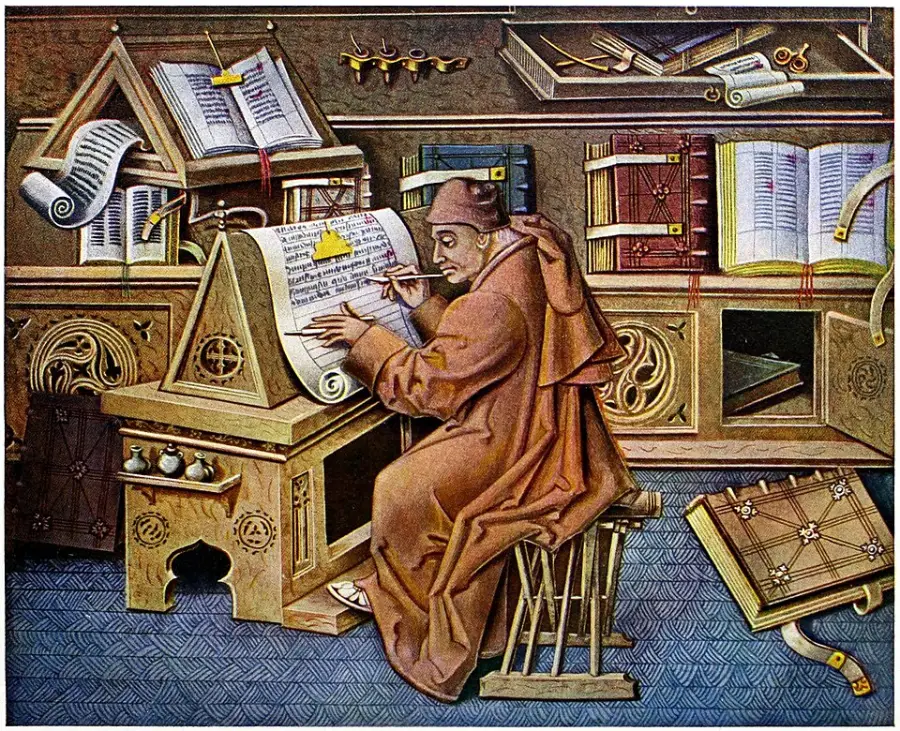
Monastic copyists drafted historical manuscripts using a calamus, a hollow marsh reed cut to an angled nib using a specialized small pocket knife. To fix ink errors without tearing delicate animal skins, scribes used a curved parchment scraper to gently shave away dried ink layers, a technique that preserved the underlying membrane surface.
11. Resin tapper
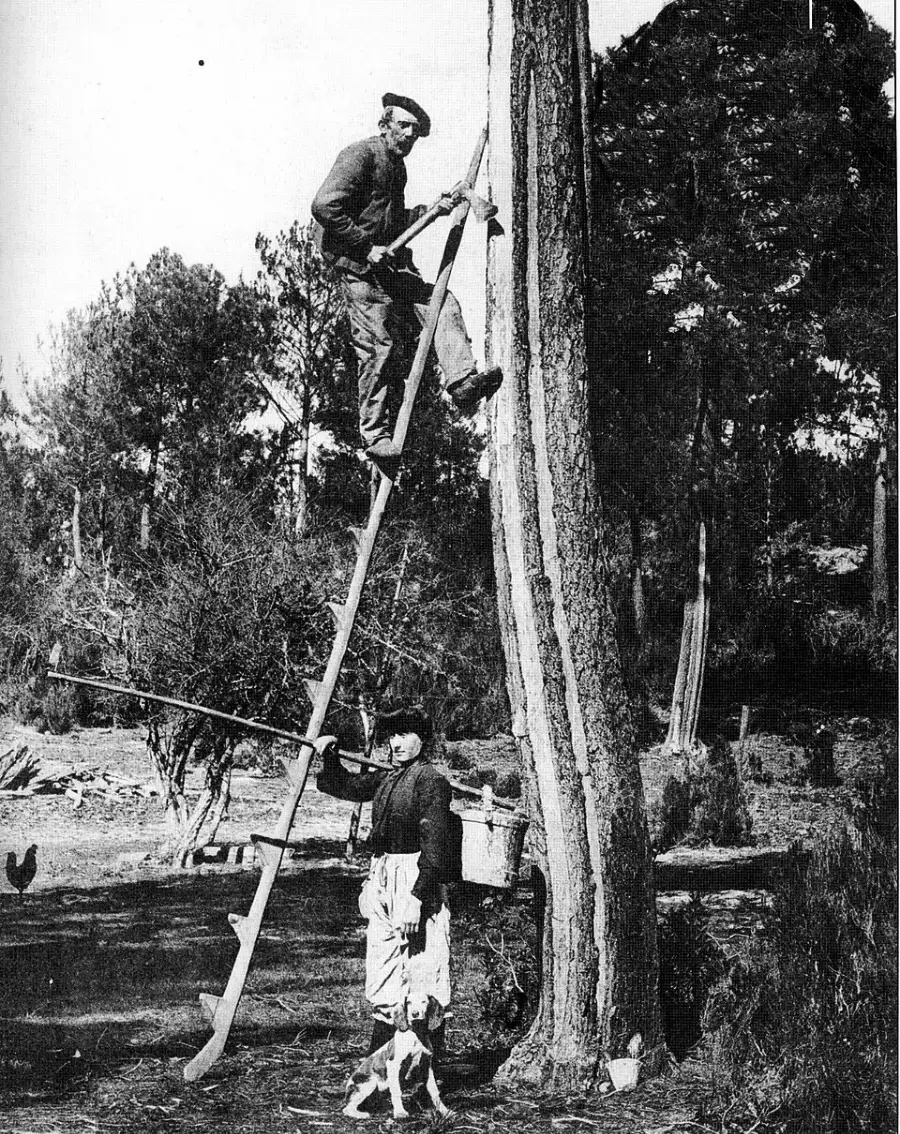
Working in pine forests across Southern Europe and North America, resin collectors scored tree trunks using a curved bark hack to carve characteristic V-shaped channels into the wood. Sap flowed down these fresh cuts directly into hanging clay pots, utilizing a specialized forestry kit that remains completely unfamiliar to people outside the commercial naval stores industry.
12. Sealing wax presser
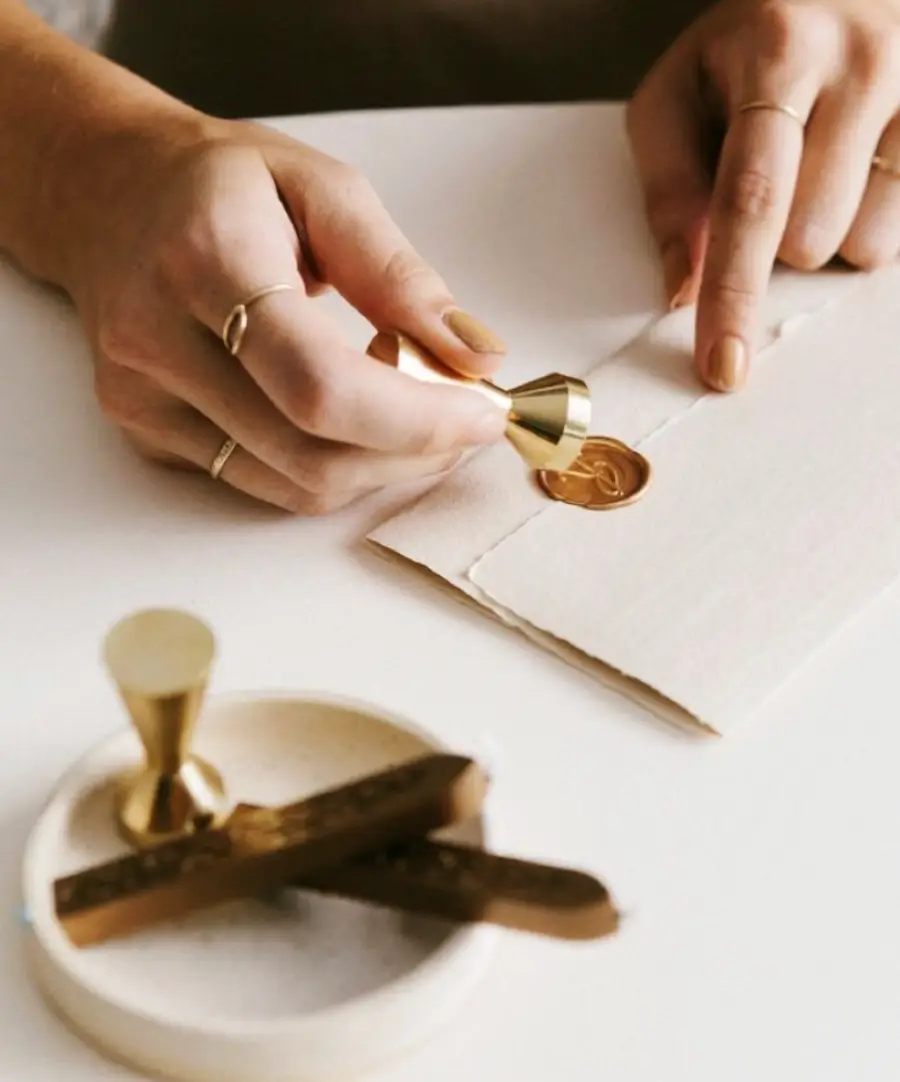
Official correspondents melted colored resin bars over an open flame using a small, long-handled copper spoon before applying a heavy metal stamp. The brass or steel seal featured reverse-engraved coats of arms or monograms, creating a wax-sealing kit that is widely recognized in historical films but rarely seen in practical modern use.
13. Luthier
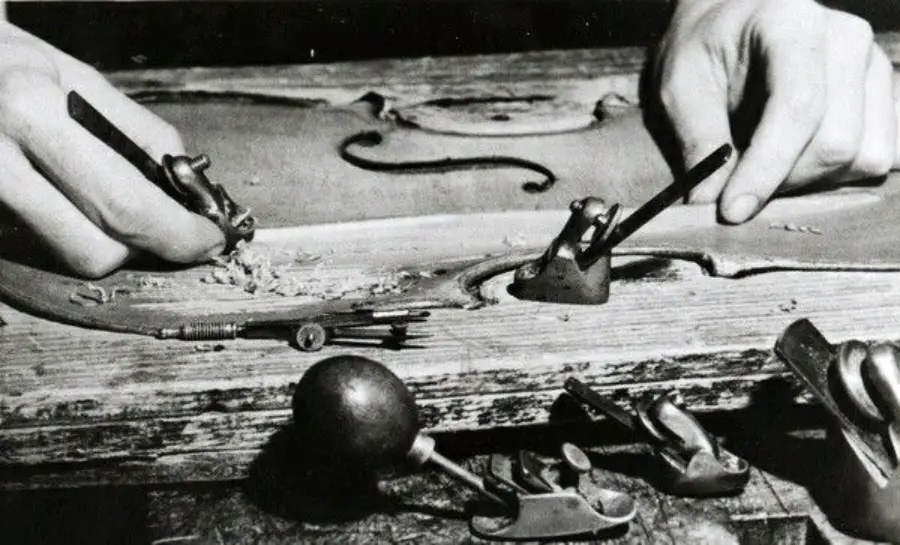
Stringed instrument makers use specialized gouges with varying concave curvatures to hand-carve the delicate top and back plates of violins to precise acoustical thicknesses. Luthiers verify these complex organic curves using thin metal arching templates, creating a workshop bench setup that appears utterly bewildering to anyone unfamiliar with classical acoustics.
14. Daguerreotypist
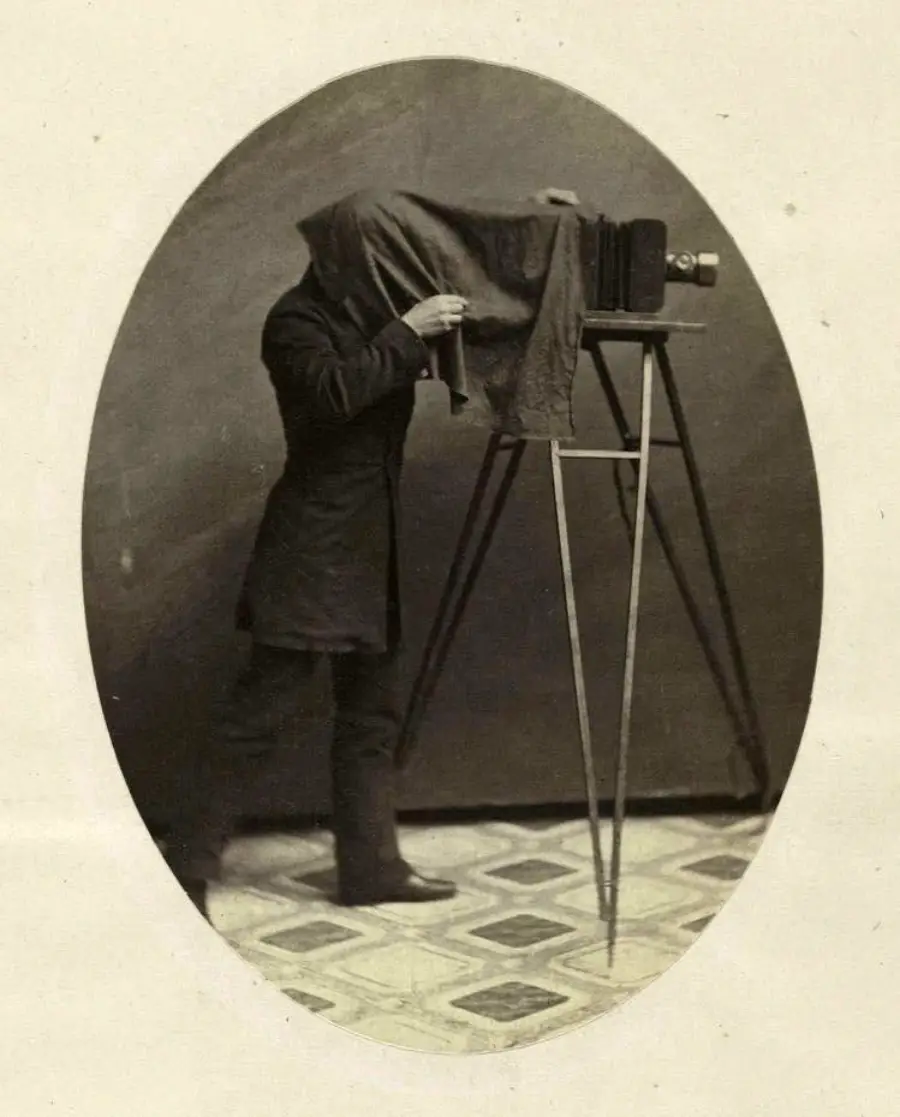
Early nineteenth-century photographers captured images using accordion-style leather bellows cameras mounted between wooden frames to adjust optical focus manually. The photography process relied on polished copper plates coated with silver and sensitized over iodine vapors inside portable wooden darkroom boxes, utilizing an apparatus that only photographic historians recognize today.
Explore more jobs from the past:
Uncovering these forgotten trade implements offers a fascinating look at how human ingenuity and specialized craftsmanship shaped the physical world before modern automation took over. While contemporary mass production has replaced these manual techniques with digital precision, these bone folders, bow drills, and curved planes stand as physical proof of the incredible hand-eye coordination required by past generations. If you enjoy exploring historical trades, unusual inventions, and nostalgic deep dives, take a look at these 14 Historical Jobs That Modern Machines Completely Replaced, or 14 Famous Factory Jobs and Company Towns That Built America. You may also like these 14 Dangerous 20th Century Jobs That Sound Unreal Today.