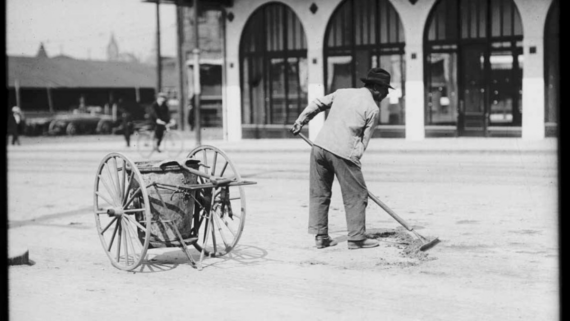
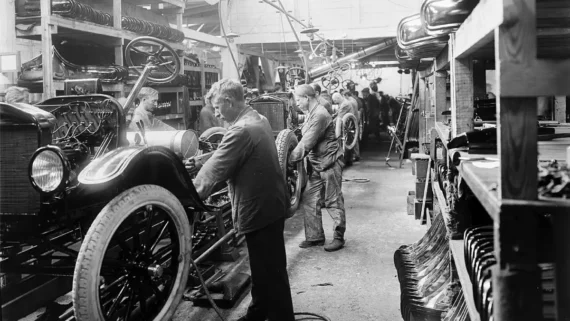
Before the modern digital economy and globalized workforce transformed how and where we earn a living, the American industrial landscape was anchored to physical geography. Across the nineteenth and twentieth centuries, entire communities grew up around specialized factories, creating a unique socio-economic ecosystem. Millions of working-class families settled in specific valleys, riverbanks, and rail junctions strictly because a single factory floor offered steady wages, affordable housing, and a path toward upward mobility. These localized manufacturing jobs did not just pay the monthly bills; they dictated shift schedules, built neighborhood schools, funded local hospitals, and defined the cultural character of the surrounding towns for generations.
The true legacy of these industrial hubs lies in the concept of the company town, an ambitious urban experiment where a single corporation owned the residential streets, the grocery stores, and even the local utilities. While some industrial magnates utilized this total control to foster supportive, utopian communities for their employees, others deployed strict, paternalistic oversight that triggered historic labor wars. From sweet chocolate empires and massive automotive assembly lines to secret uranium enrichment facilities, these industrial centers shaped the economic trajectory of the entire nation. Let’s take a look at fourteen iconic manufacturing jobs and company towns that defined entire American communities throughout history.
1. Hershey, Pennsylvania – Hershey Chocolate Company, 1903
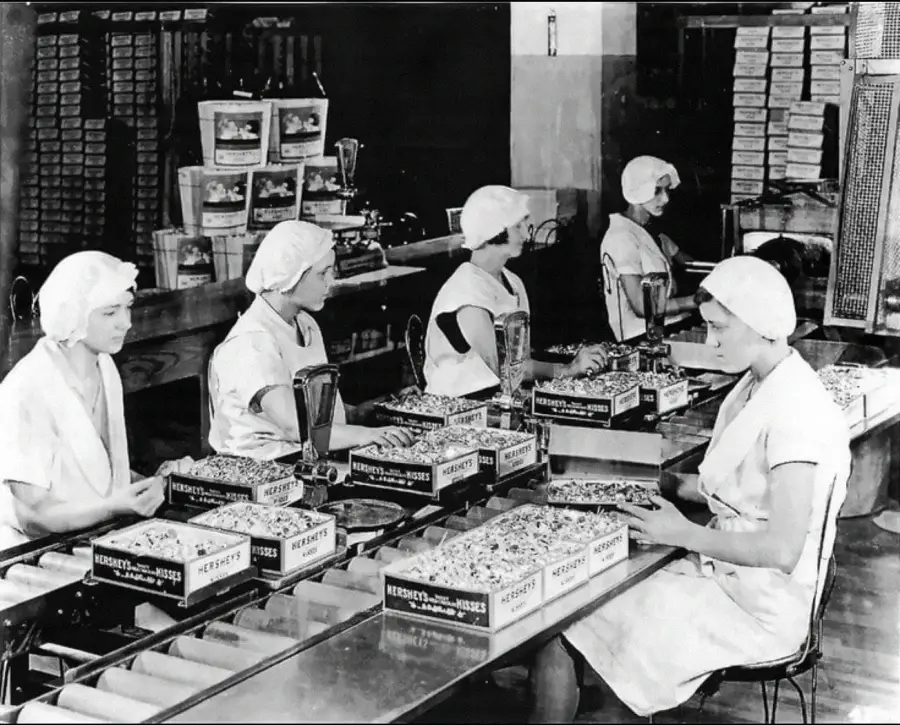
Milton Hershey envisioned his namesake town as an industrial paradise, intentionally constructing luxurious amenities, affordable housing, private schools, a trolley system, and an amusement park to attract and retain happier workers. To this day, the town remains partially owned by the Hershey Trust, and the sweet, unmistakable aroma of processed cocoa literally fills the air across nearby neighborhoods.
2. Pullman, Illinois – Pullman Palace Car Company, 1880
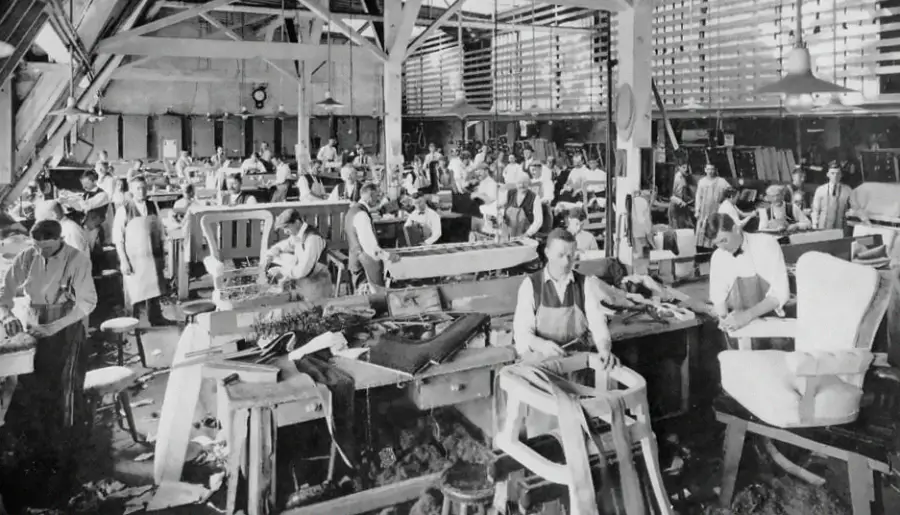
George Pullman designed this famous suburban company town to house thousands of employees who manufactured luxury railroad passenger cars. The industrial experiment collapsed into violence during the historic Pullman Strike of 1894, which erupted after the company slashed worker wages while refusing to lower the steep rents on the housing it strictly controlled.
3. Lowell, Massachusetts – Textile industry, 1820s
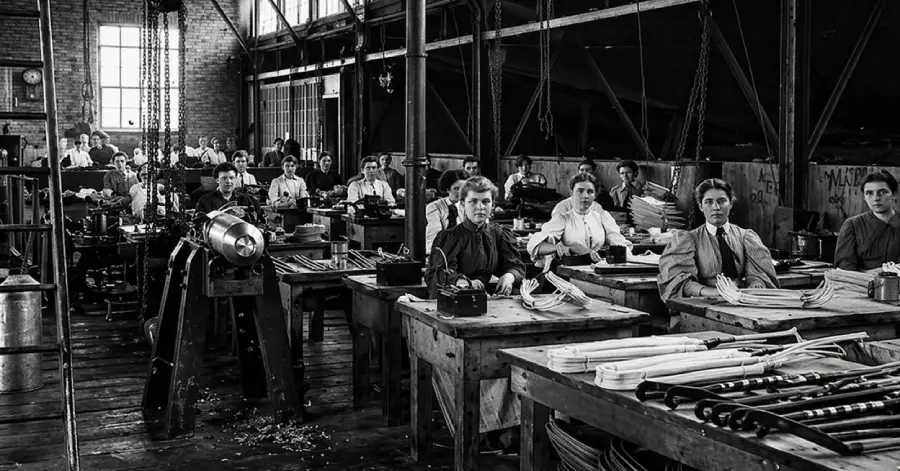
Lowell stands as America’s very first planned industrial city, established after entrepreneur Francis Cabot Lowell memorized English power loom designs and brought them to the United States. The textile mills uniquely employed thousands of young farm women who lived in heavily supervised boarding houses, attended evening educational lectures, and published their own literary magazine called The Lowell Offering.
4. Detroit, Michigan – Ford Motor Company, 1910s-1970s
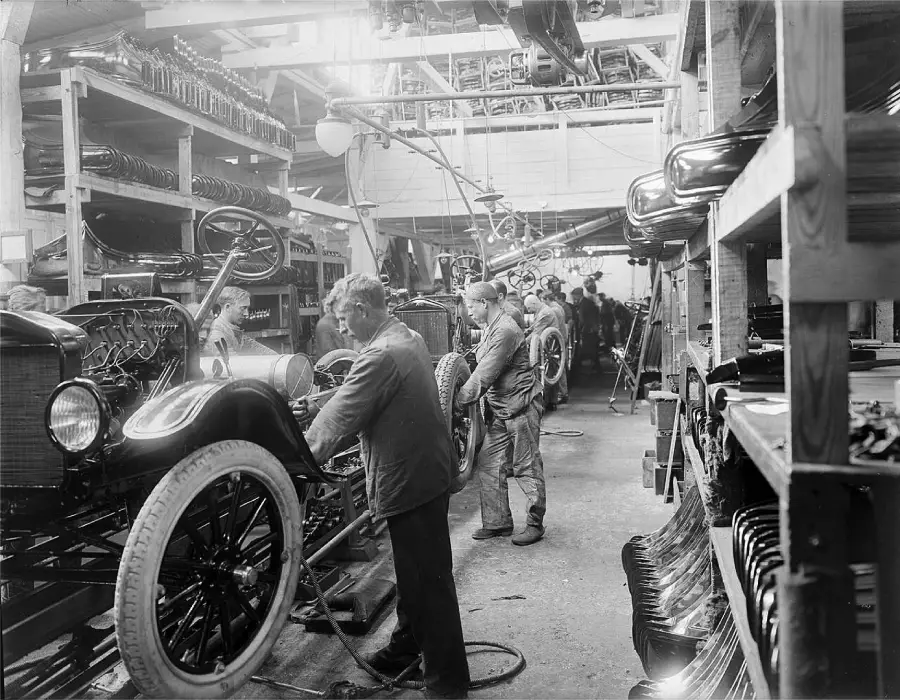
While Detroit was not a traditional company town, the booming automotive industry completely dominated the municipality’s economic identity, employing roughly one-third of the city’s active workforce at its historical peak. The explosive rise and eventual decay of Ford, General Motors, and Chrysler directly mirrored the city’s fortune, ultimately culminating in Detroit’s historic municipal bankruptcy in 2013 following the automotive collapse.
5. Gary, Indiana – U.S. Steel Corporation, 1906
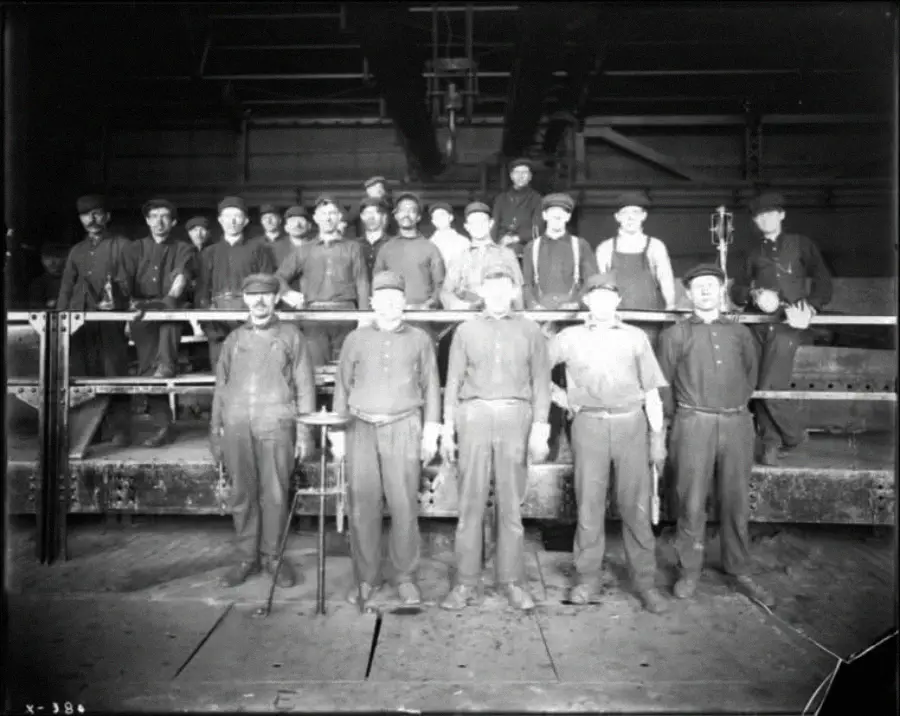
Gary was founded, named after, and built from scratch by U.S. Steel Chairman Elbert Henry Gary to house thousands of plant workers next to the massive Gary Works steel mill on Lake Michigan. The planned site quickly grew into one of the fastest-growing industrial cities in America before the severe mid-century decline of domestic steel manufacturing left the community with intense poverty and urban decay.
Trending on The Scroller
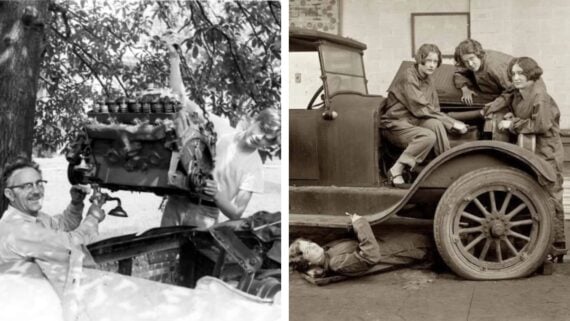
6. Corning, New York – Corning Glass Works, 1851-present
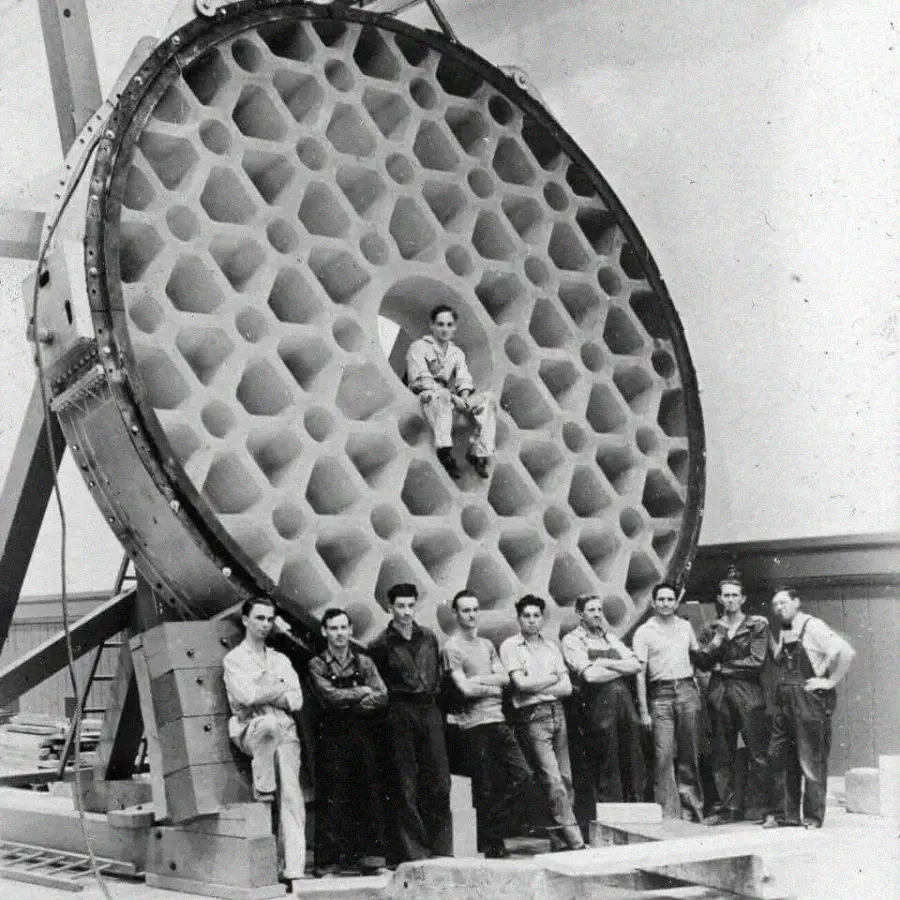
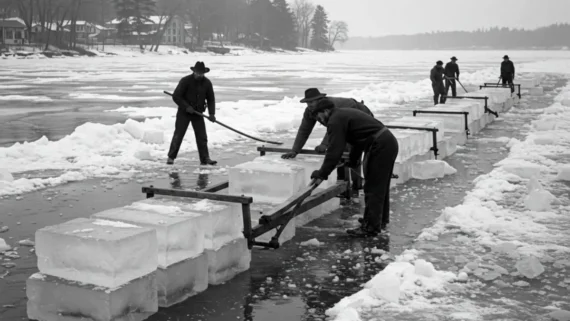
Corning Glass Works transformed its namesake upstate New York town into a global center for specialty glass production, building local museums, funding downtown historic renovations, and sponsoring the arts. Unlike most twentieth-century industrial hubs that dissolved under global pressures, Corning remains a thriving, active model where the corporate-community partnership survived intact into the twenty-first century.
7. Alcoa, Tennessee – Aluminum Company of America, 1919
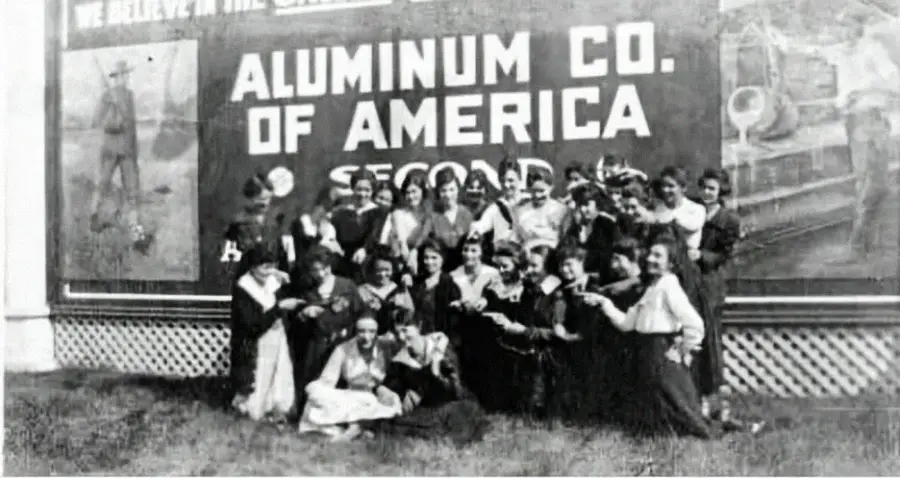
The town of Alcoa was constructed directly by the Aluminum Company of America to house the massive workforce needed to run its sprawling aluminum smelting plants. The municipality took its name straight from the corporate acronym, making it one of the rare American cities named after the corporation that manufactured its infrastructure.
8. Kannapolis, North Carolina – Cannon Mills, 1906-1982
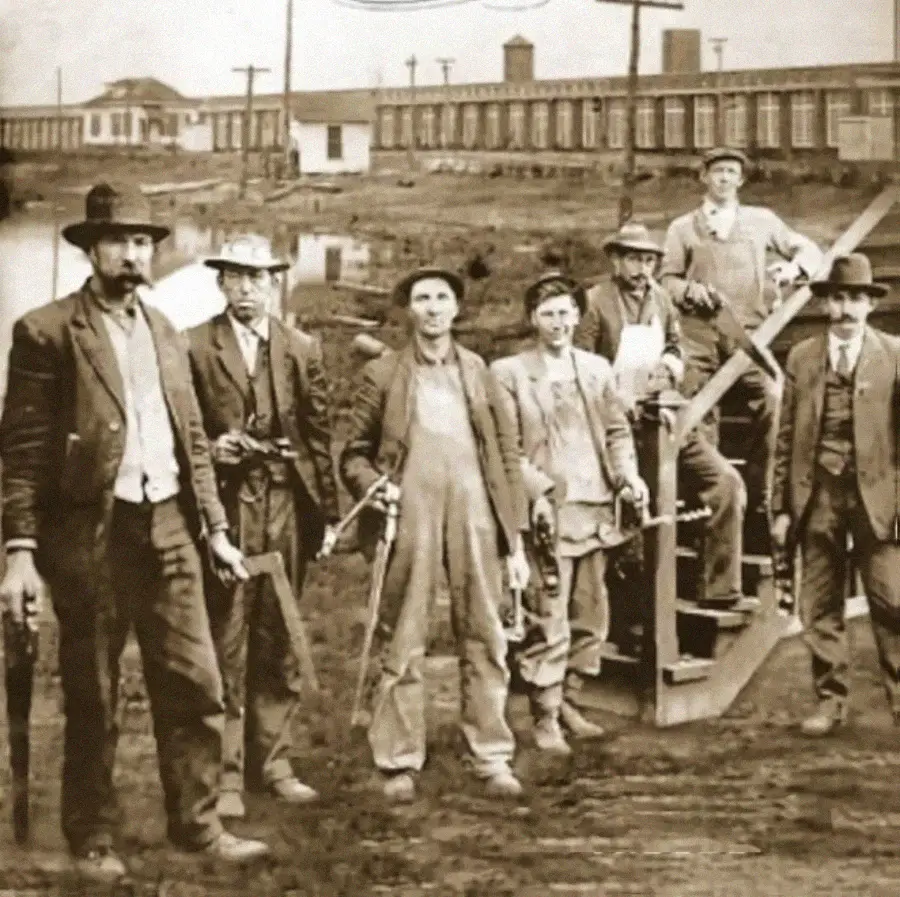
Textile titan Cannon Mills constructed and maintained total operational control over the town of Kannapolis for over seventy years, owning the houses, retail shops, and churches. When the towel-manufacturing giant was finally sold in 1982, the unincorporated town was forced to form a municipal government for the first time in its long history because it had never required a traditional city hall.
Sign up for our newsletter
9. Kohler, Wisconsin – Kohler Company, 1900-present
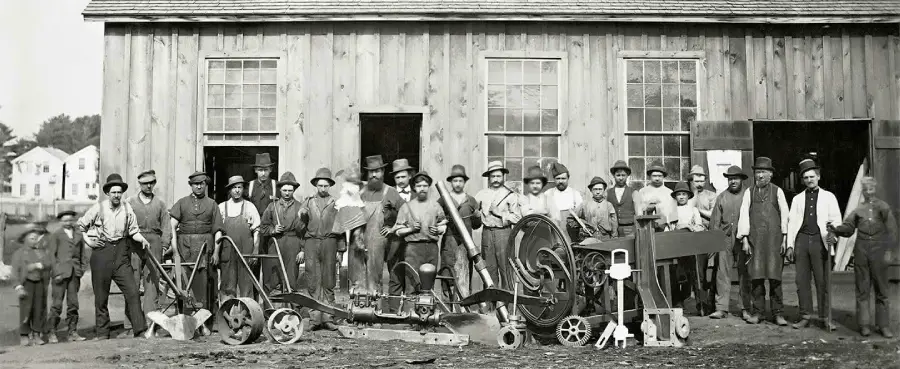
Plumbing fixture manufacturer Kohler created a meticulously planned garden village for its workforce, featuring varying home sizes based on job hierarchy, professionally landscaped parkways, and elite golf courses. The village is widely cited by industrial historians as one of the most successful, enduring examples of benevolent industrial paternalism in American history.
10. Oak Ridge, Tennessee – Manhattan Project, 1942-1945
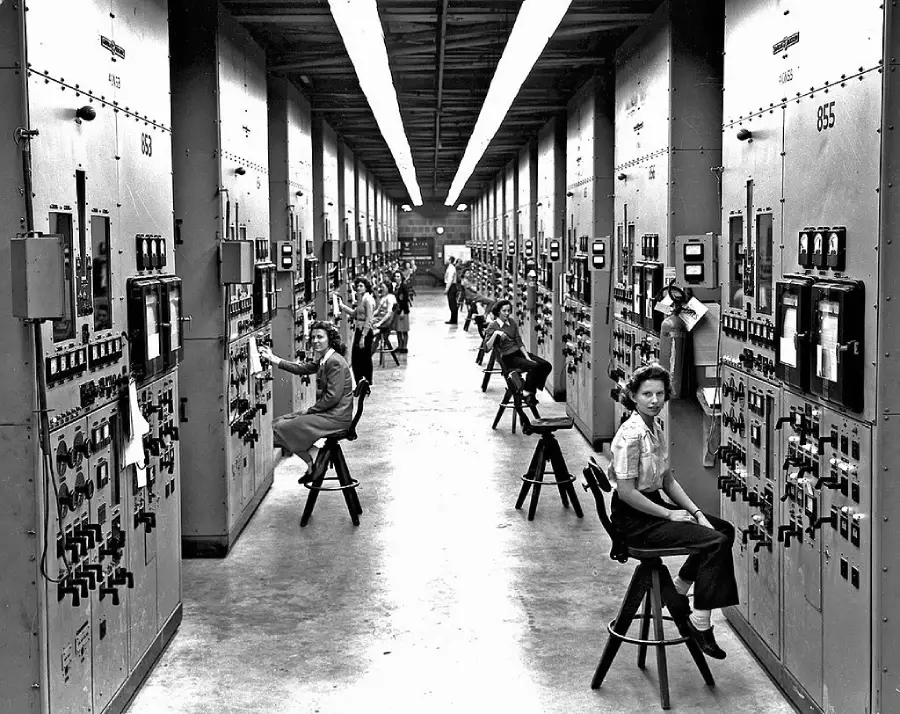
The United States federal government constructed the secret city of Oak Ridge in total privacy in 1942, forcibly displacing over one thousand rural farm families to build massive industrial plants. At its peak, seventy-five thousand residents worked on uranium enrichment for the atomic bomb without knowing what they were producing, strictly forbidden from telling family members where they lived or what their daily duties entailed.
11. Pittston, Pennsylvania – Coal mining industry, late 19th Century
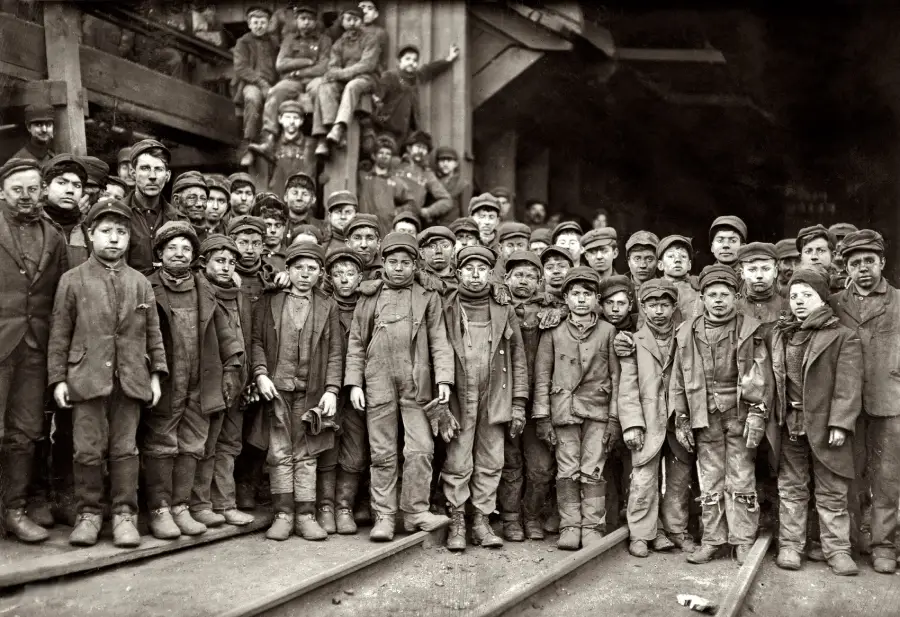
In the harsh coal towns of northeastern Pennsylvania, mining companies exercised total control over every aspect of their workers’ daily lives. Miners were frequently paid in proprietary company store scrip instead of real US currency, which could only be redeemed at inflated company stores, and families faced immediate eviction from company housing if a worker joined a strike.
12. Homestead, Pennsylvania – Carnegie Steel Company, 1880s
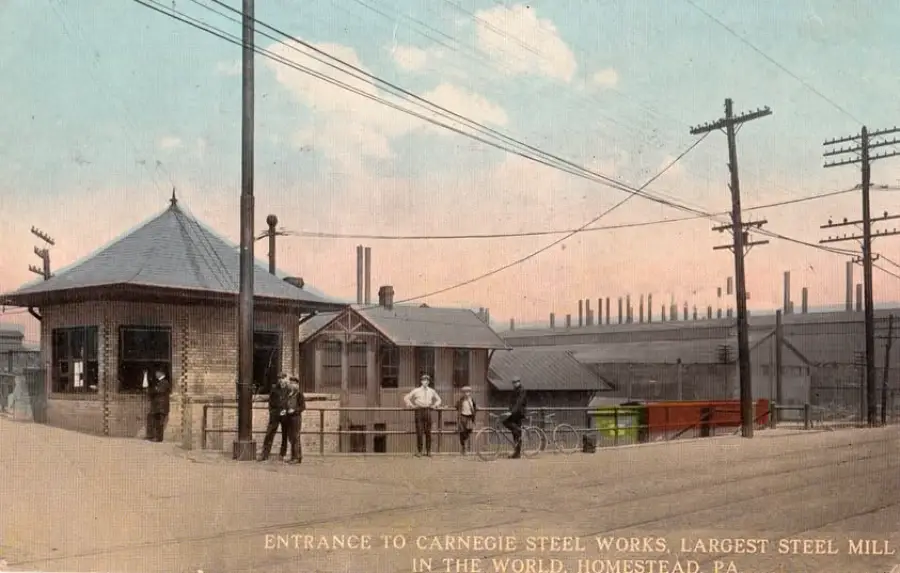
Homestead became the tragic backdrop for the bloody Homestead Strike of 1892, when Carnegie Steel executive Henry Clay Frick hired three hundred armed Pinkerton agents to break a union strike at the steel mill. The ensuing amphibious gun battle left dozens dead and injured, permanently shaping the American political debate surrounding labor rights, corporate power, and unionization for decades.
13. Bentonville, Arkansas – Walmart, 1950s-present
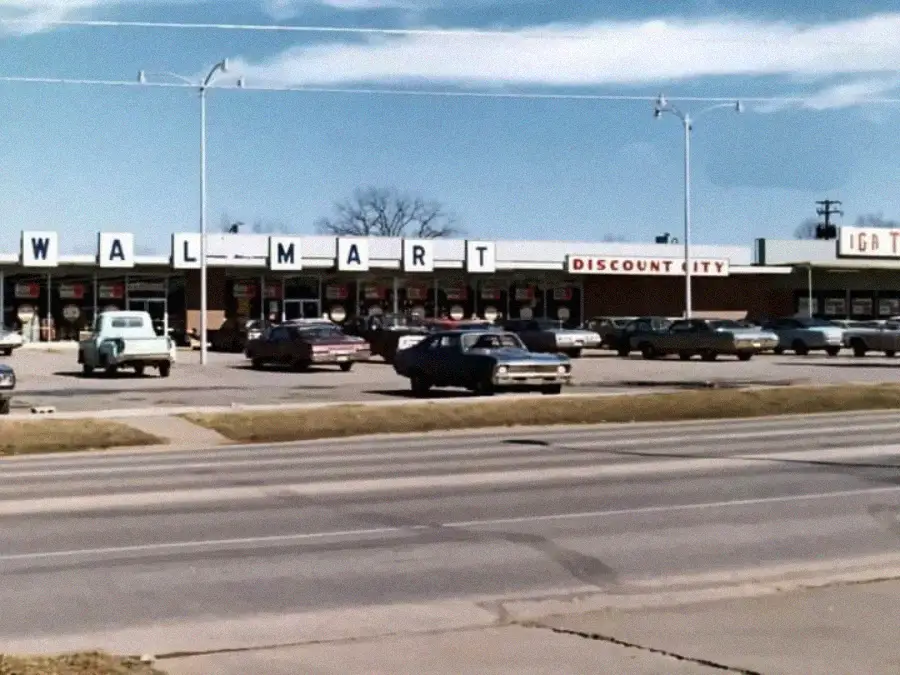
Bentonville represents the most prominent modern evolution of a single-employer town, transitioning from a quiet, rural Arkansas outpost into a booming corporate hub thanks to Walmart’s global headquarters. As the world’s largest private employer expanded, thousands of corporate vendors, logistics firms, and executives relocated to the area, reshaping the local economy and culture around the retail titan.
14. Sparrows Point, Maryland – Bethlehem Steel, 1887-2012
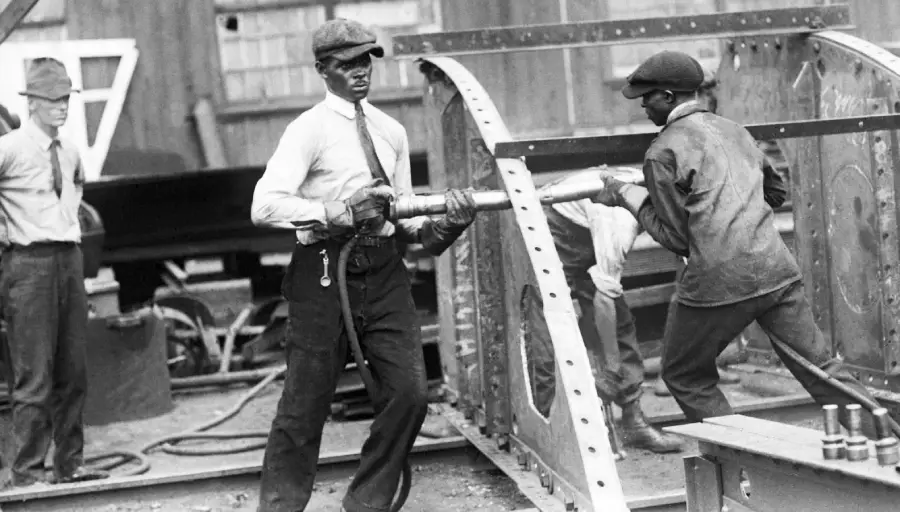
Bethlehem Steel built Sparrows Point as a massive, self-contained industrial community featuring company housing, schools, and stores that were strictly racially segregated into separate white and Black neighborhoods. At its production peak, the facility employed thirty-five thousand workers and stood as the largest steel mill in the world before shutting down permanently in 2012.
Want to know more about jobs from the past?
The historical arc of these industrial company towns serves as a powerful reminder of how profoundly our daily lives, community structures, and regional economies are tied to the changing nature of work. Looking back at these planned corporate streets, scrip currencies, and massive manufacturing complexes proves that while modern employment models shift toward remote and digital spaces, the human need for stable community roots remains entirely constant. When we choose to look past the modern speed of our current service economy to appreciate the heavy industrial grit of our past, we gain a much deeper understanding of American societal history. If you loved taking this fascinating look back through working-class history and want to enjoy more deep dives, make sure to check out these 14 Seasonal Jobs That Defined Small-Town Life or 14 Historical Jobs That Modern Machines Completely Replaced. You can also take a look at these 14 Historical Jobs That Relied on Forgotten Skills.