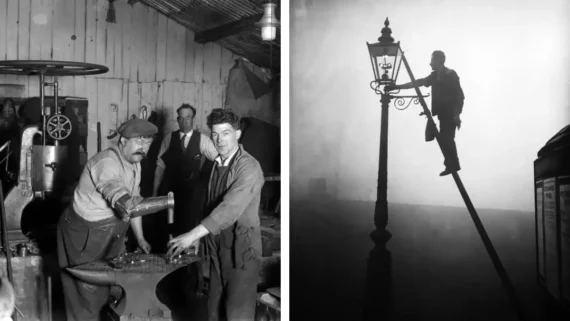
The contemporary industrial landscape operates on a heavily automated blueprint that continuously optimizes processing speeds, data management, and factory output. Walking into a modern corporate headquarters, distribution hub, or manufacturing facility reveals a seamless ecosystem where intelligent software networks and robotic limbs execute complex tasks with flawless precision. For generations, the broader public assumed that securing a specialized job or mastering a practical manual skill would guarantee lifelong professional stability and consistent financial returns. However, the relentless march of mechanical innovation has repeatedly proven that even the most deeply entrenched, highly respected occupations can be completely wiped out when a more efficient engineering solution emerges.
The fascinating reality of these historic labor transformations highlights just how profoundly structural machinery can rewrite the rules of human productivity virtually overnight. The truth is that the history of global industry is a massive graveyard for traditional jobs, systematically absorbing the specialized craftsmanship of human workers and transferring their utility to mechanical gears and digital circuits. Before advanced computing, mainframes and computerized automation standardized our modern daily logistics, global commerce, and infrastructure relied on an extensive, hands-on workforce of manual operators, artisanal builders, and human mathematical systems. Let’s take a look at fourteen extraordinary professions from the past that machines eventually replaced, capturing the forgotten workforce that built our modern world.
1. Telephone switchboard operator
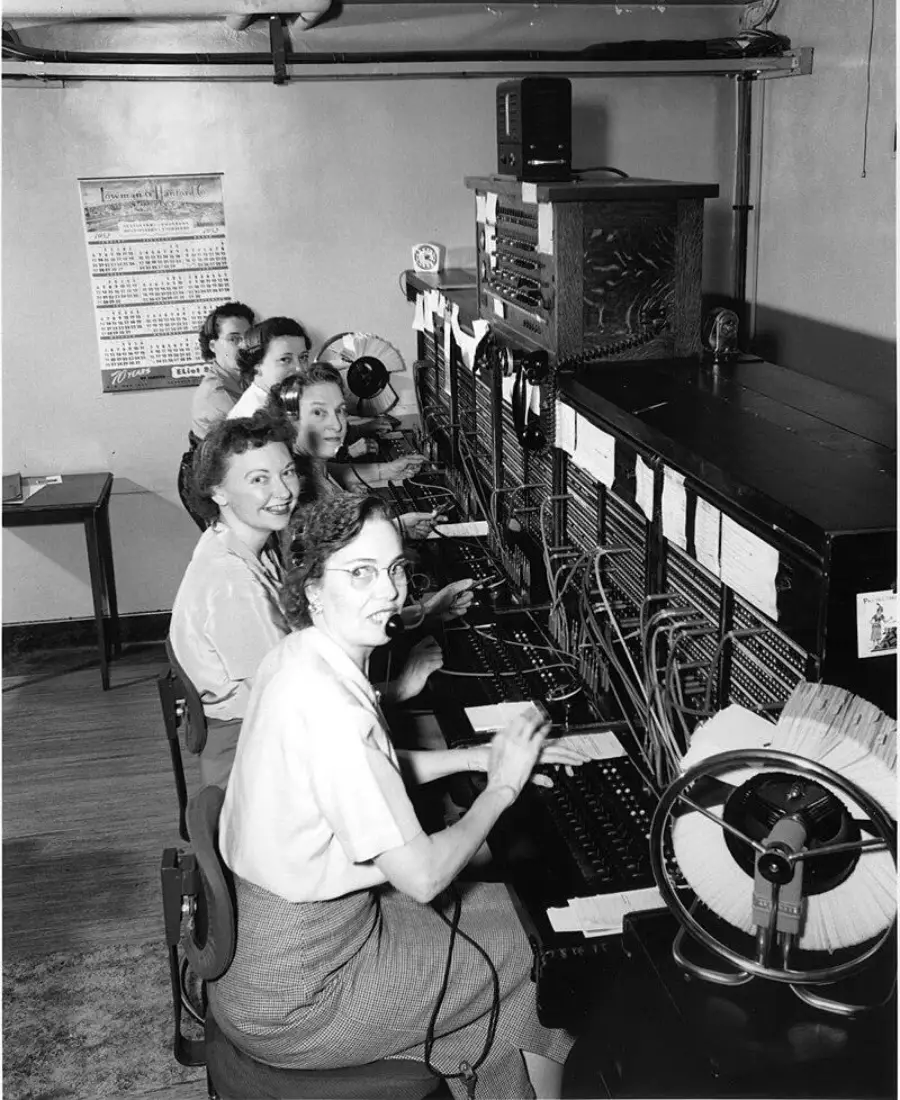
Up until the mid-twentieth century, every single telecommunication connection required a human operator to physically plug patch cords into a massive vertical switchboard matrix. During the roaring 1920s, over two hundred thirty thousand women managed these chaotic plugboards across the United States alone, defending a vital logistical network that survived for decades despite Almon Strowger inventing the automated telephone exchange back in 1888. The final manual switchboards operating in rural American towns were not officially disconnected until the late 1970s.
2. Human computer
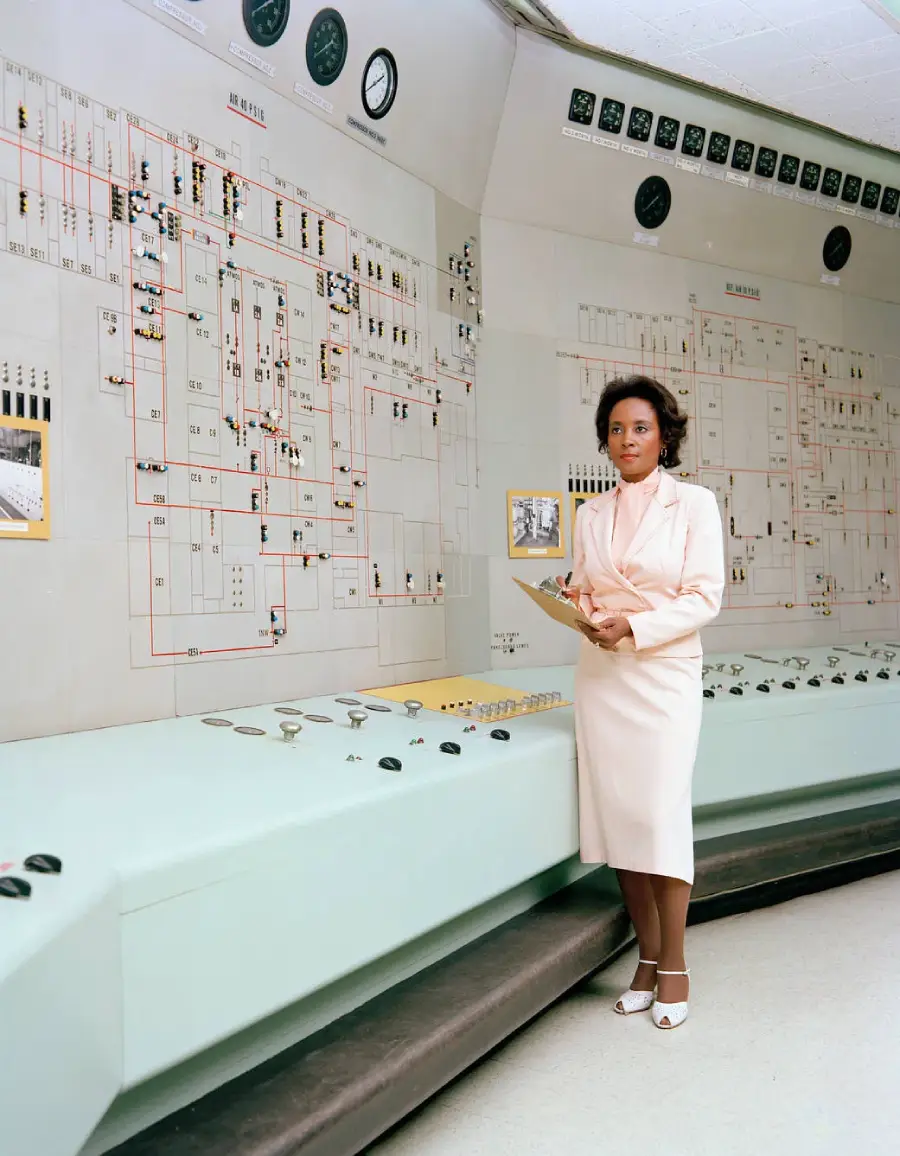
Long before electronic silicon microprocessors transformed mathematical calculation, teams of highly educated professionals, predominantly women, were employed as human computers to execute complex equations by hand. During World War II, organizations like NASA and the military hired hundreds of these brilliant minds, including legendary icons Katherine Johnson, Dorothy Vaughan, and Mary Jackson, to manually calculate ballistics trajectories and rocket launch coordinates. This vital intellectual field began to disappear in the early 1960s when corporate offices successfully integrated the massive IBM 7090 mainframe computer.
3. Typographer and linotypist
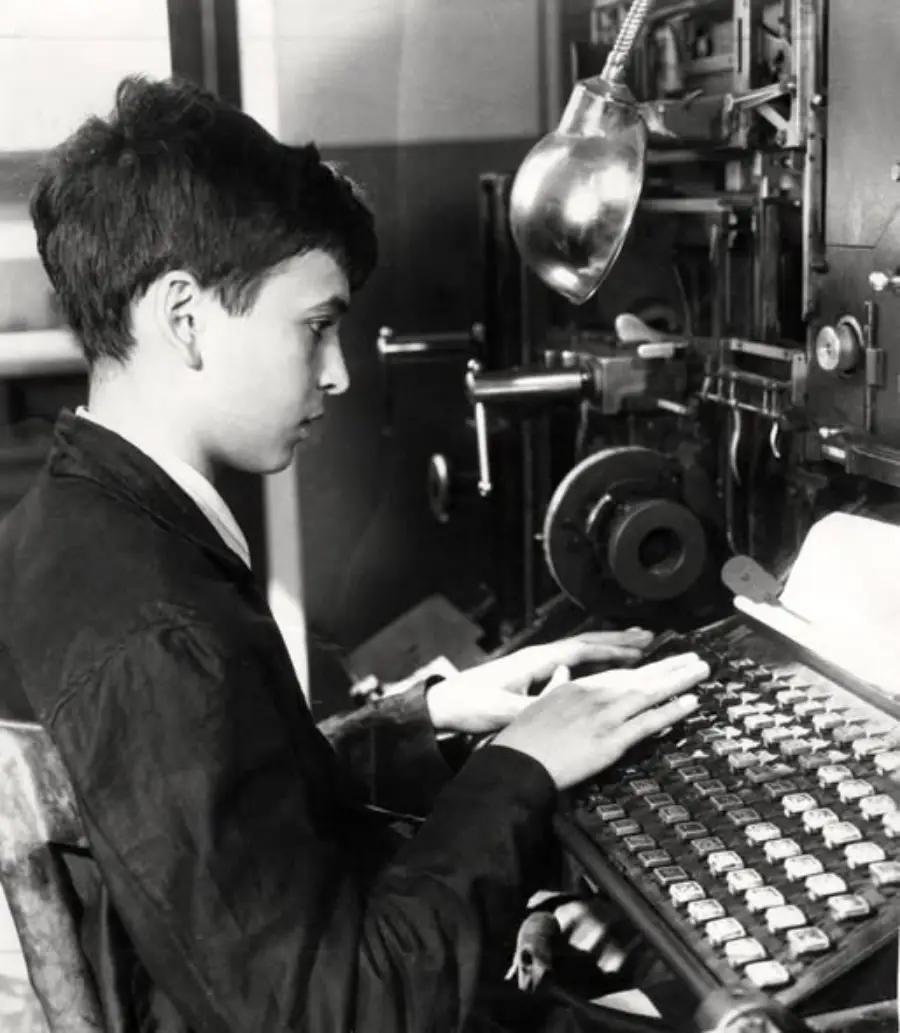
The traditional printing industry historically required elite, highly trained typographers to manually arrange individual metal letter molds piece by piece to build a single page of a newspaper or book. While Ottmar Mergenthaler’s 1886 Linotype machine partially automated the trade by casting full lines of type from molten metal, it was the arrival of digital desktop publishing in the 1980s that permanently eliminated the craft. A professional typographer spent years mastering the trade to achieve a processing speed of roughly fifteen hundred words per hour, a metric that contemporary computer software executes in fractions of a second.
4. Steam locomotive fireman
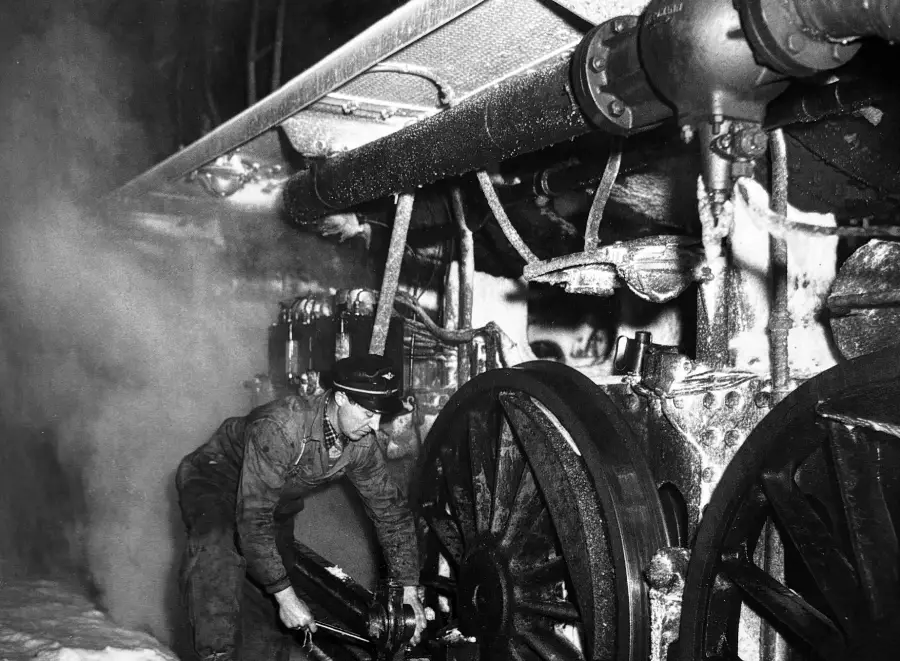
Operating a heavy steam locomotive safely down the tracks required a dedicated fireman standing directly beside the engineer to tirelessly shovel heavy coal into the roaring furnace for the duration of the journey. The exhausting role demanded exceptional physical endurance paired with a precise technical understanding of how to manage the fire’s temperature based on the incoming topography of the tracks. The rapid post-war adoption of diesel and electric train fleets completely erased this intense, highly hazardous job category by the mid-twentieth century.
5. Ice cutter
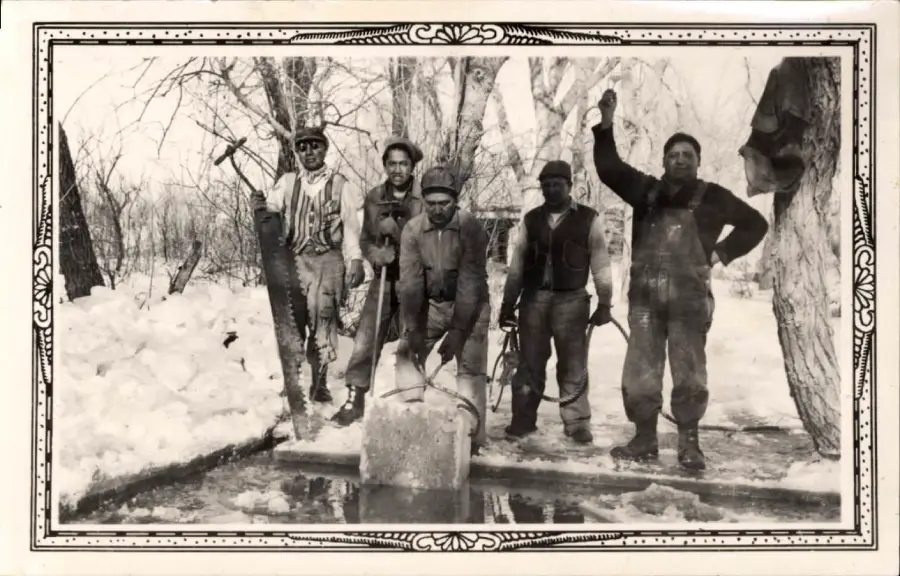
Before the widespread commercialization of electric home refrigeration, massive teams of laborers spent their winters carving giant blocks of ice out of frozen northern lakes and rivers using specialized mechanical saws. This thriving natural ice industry employed tens of thousands of citizens across North America, storing the heavy frozen blocks inside insulated sawdust warehouses to distribute to households throughout the warmer months. The rapid popularization of the domestic electric refrigerator in the 1930s completely destroyed the entire commercial infrastructure in less than a generation.
Trending on The Scroller


6. Elevator operator

Until the mid-twentieth century, navigating a high-rise office building or luxury hotel required an elevator operator to manually control a pneumatic lever, announce incoming floor departments, and open heavy brass security doors. Although automated, button-operated passenger elevators had been fully developed since the 1920s, the general public deeply distrusted the technology and refused to ride without a pilot. It took a massive, multi-million dollar public relations campaign by elevator manufacturers in the 1950s to finally convince passengers that automated elevators were entirely safe, eliminating hundreds of thousands of jobs.
7. Chick sexer

Accurately determining the biological sex of day-old baby chicks required years of intense visual training, cementing it as one of the most highly specialized and highest-paying technical roles within the commercial agricultural industry. The elite masters of this delicate trade could inspect up to one thousand chicks per hour while maintaining a staggering ninety-eight percent accuracy rating. Modern advancements in automated ultrasound scanners and highly targeted genetic breeding techniques have drastically reduced the market demand for these human inspectors.
8. Manual bank ledger counter
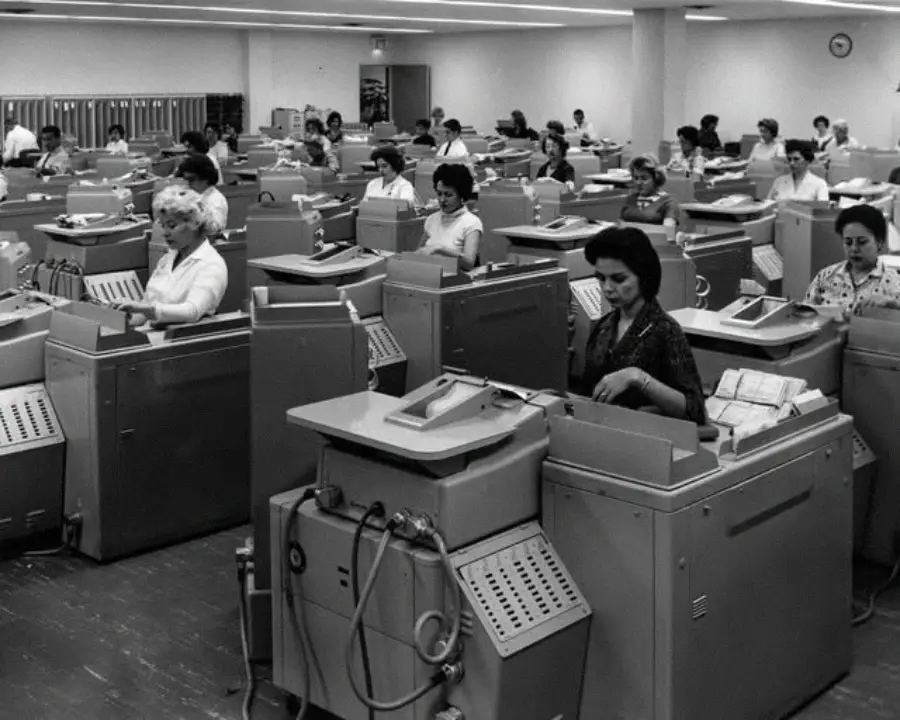
Before electronic calculators and centralized database servers streamlined the financial sector, banks employed rows of ledger counters who spent their days adding, subtracting, and balancing massive paper books by hand or with rudimentary mechanical adding machines. A minor accounting error of a single penny would routinely trigger hours of exhaustive, manual page audits across the entire office archive to locate the mistake. The introduction of early computer mainframes in the 1960s initiated the shift toward digital banking, and by the 1980s, the traditional paper ledger clerk was entirely obsolete.
Sign up for our newsletter
9. Hand weaver
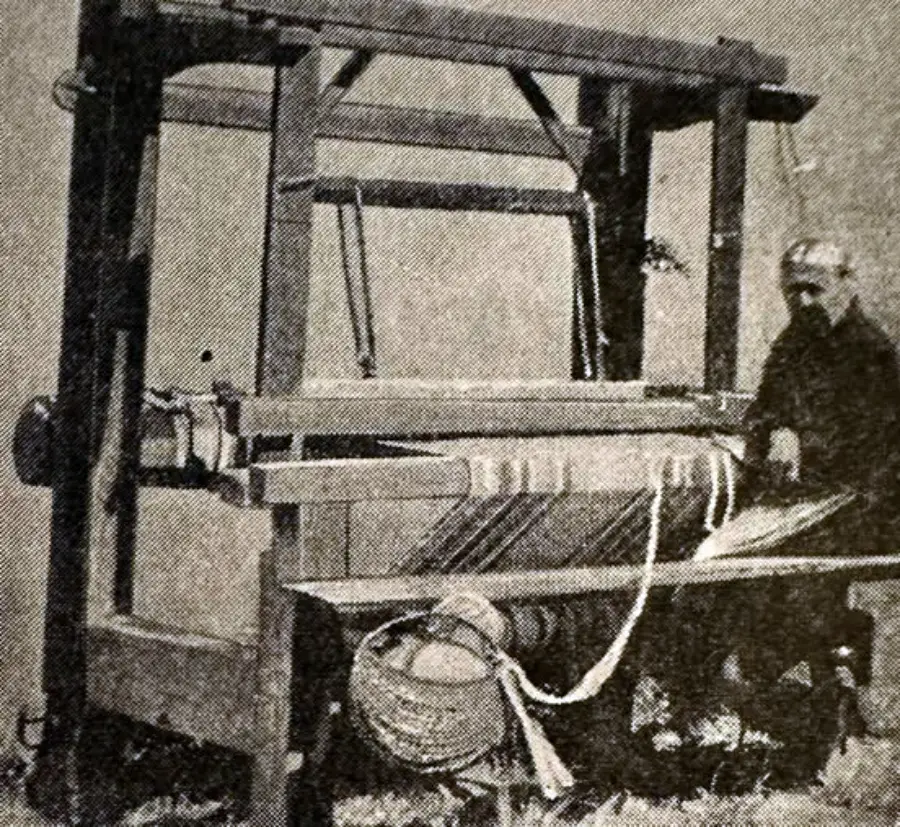
The dawn of the Industrial Revolution systematically dismantled the livelihoods of millions of traditional textile artisans across Europe who had spent generations weaving premium garments by hand. Edmund Cartwright’s invention of the mechanical power loom in 1785 allowed automated textile mills to produce in mere hours what an artisanal hand weaver required multiple days of intense labor to complete. This sudden economic displacement directly triggered the Luddite uprisings of the early nineteenth century, which primarily consisted of displaced weavers smashing the mechanical looms in desperate protest.
10. Carriage blacksmith
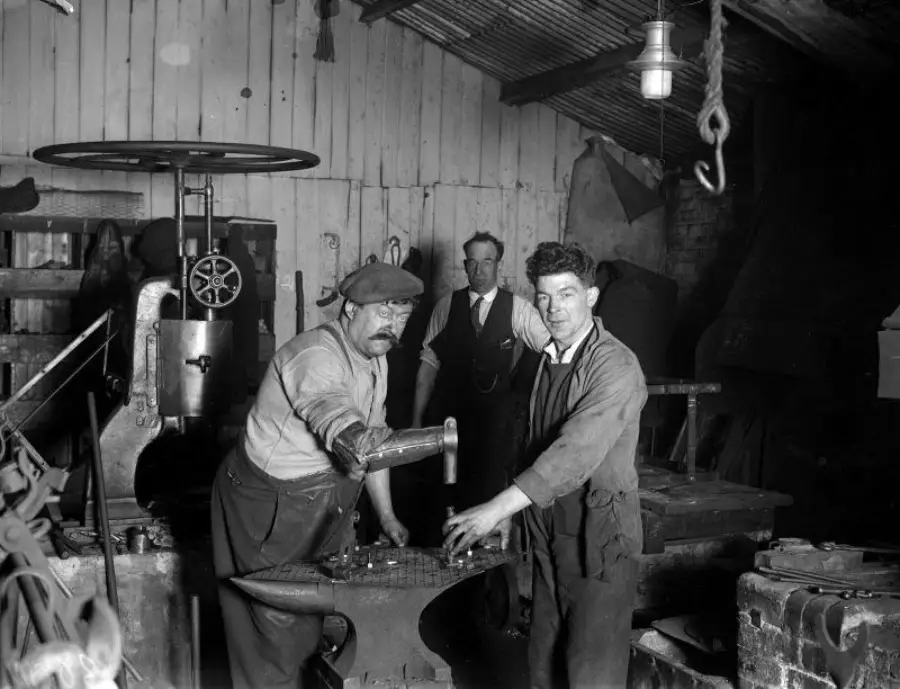
Before the mass adoption of the internal combustion engine, every thriving town maintained specialized carriage blacksmiths who crafted and repaired wooden wheels, fitted heavy iron tires, and forged complex suspension components for horse-drawn vehicles. When Henry Ford launched the automated assembly lines for the Model T in 1908, the traditional carriage manufacturing ecosystem suffered an immediate and total commercial collapse, erasing a dozen of connected multi-century artisan trades in less than two decades.
11. Lamplighter
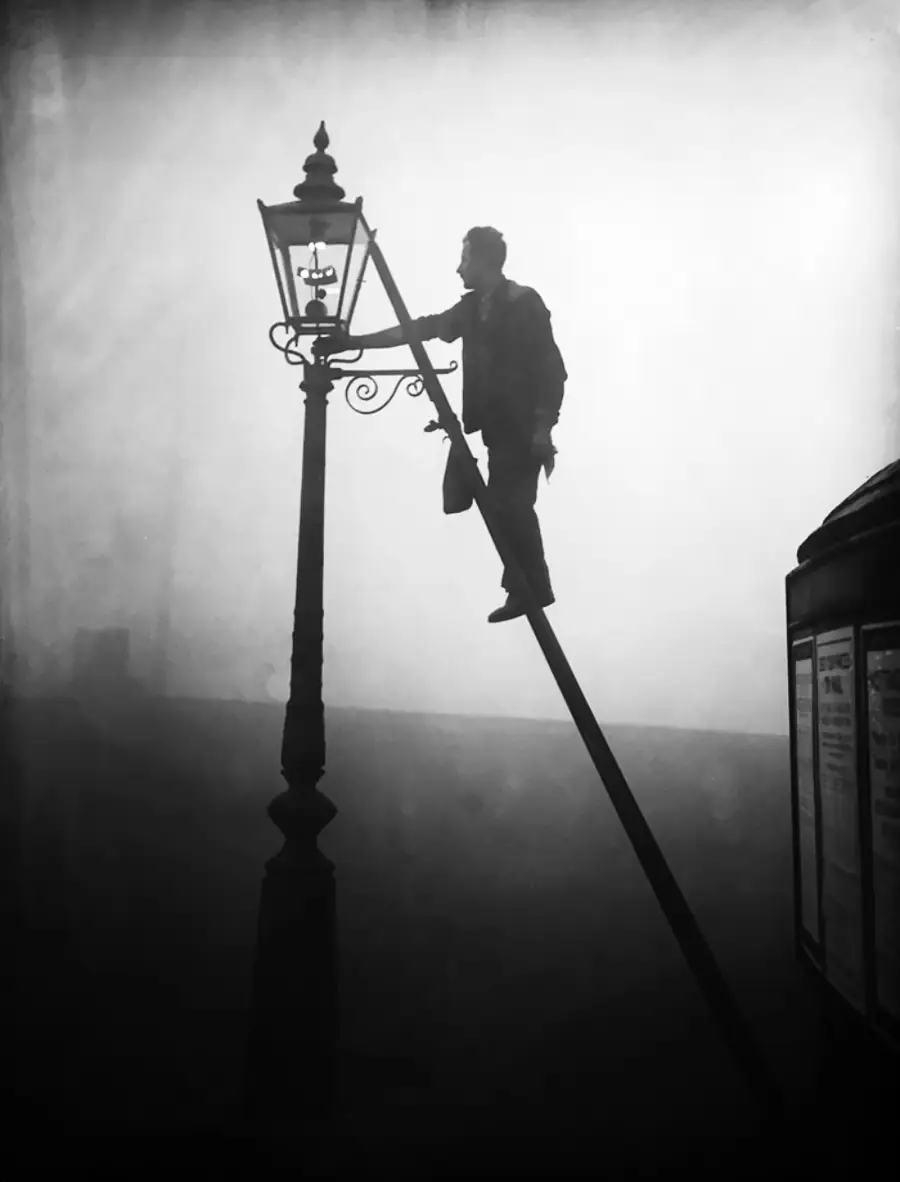
Every evening before the development of modern municipal power grids, dedicated lamplighters marched down dark city streets with long, flaming torches to manually ignite individual gas street lamps. They returned at the crack of dawn to systematically extinguish the flames, executing a rigid, timed route that kept major urban centers safe after sunset. The rapid electrification of major Western cities between 1880 and 1920 eliminated thousands of these positions, though a few historic neighborhoods around the globe still maintain the practice for purely ceremonial tourist displays.
12. Telegraph operator
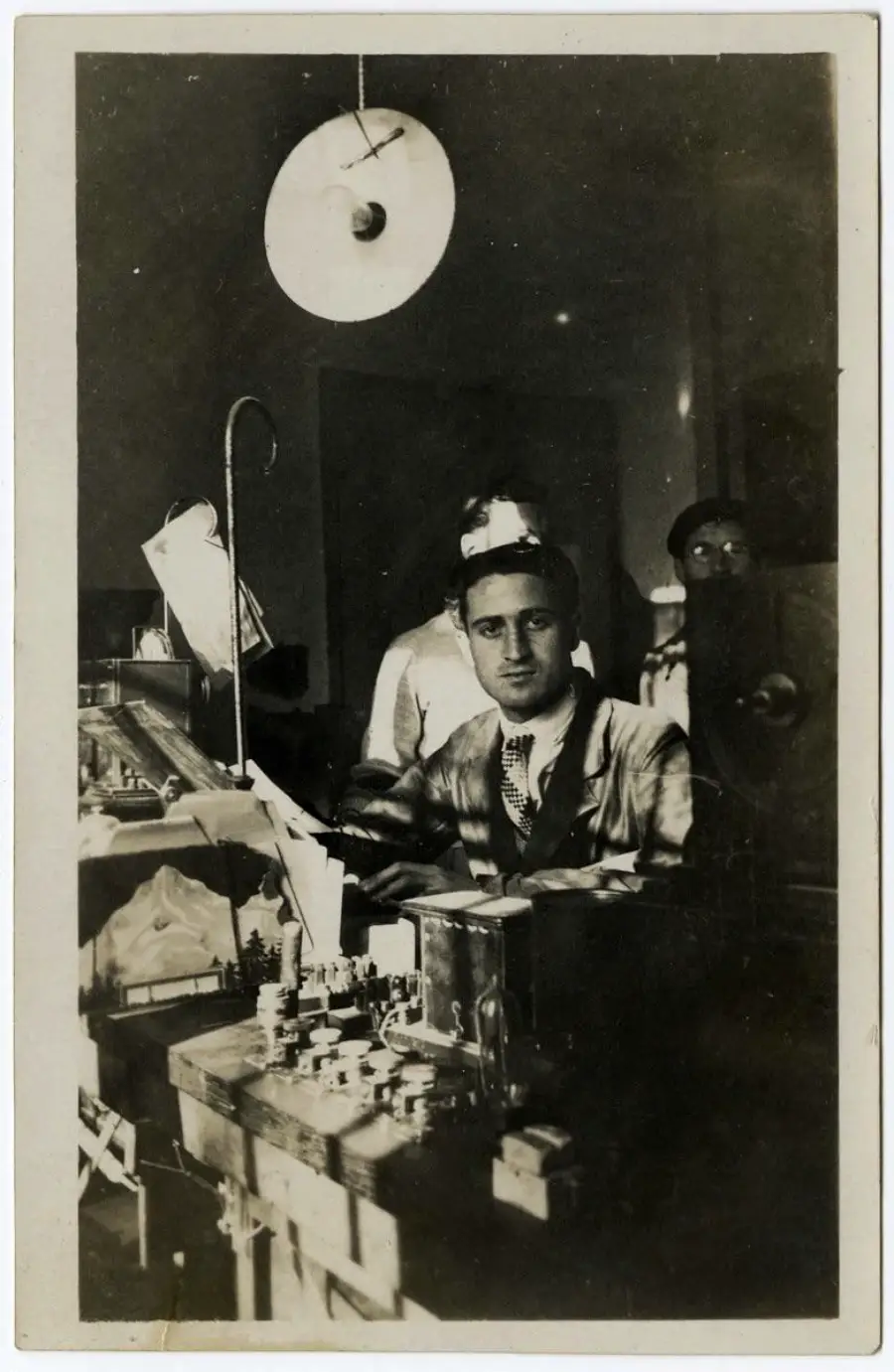
Operating as the world’s very first instantaneous long-distance communication network, the expanding railway system employed thousands of skilled telegraph operators stationed at every remote depot across the country. These vital communication workers spent their shifts translating incoming and outgoing electrical clicks into Morse code text, acting as the primary information pipeline for global commerce. The telephone gradually reduced their market dominance, and the subsequent invention of the automated teletype machine completely eliminated the final human operators during the late twentieth century.
13. Market weigher
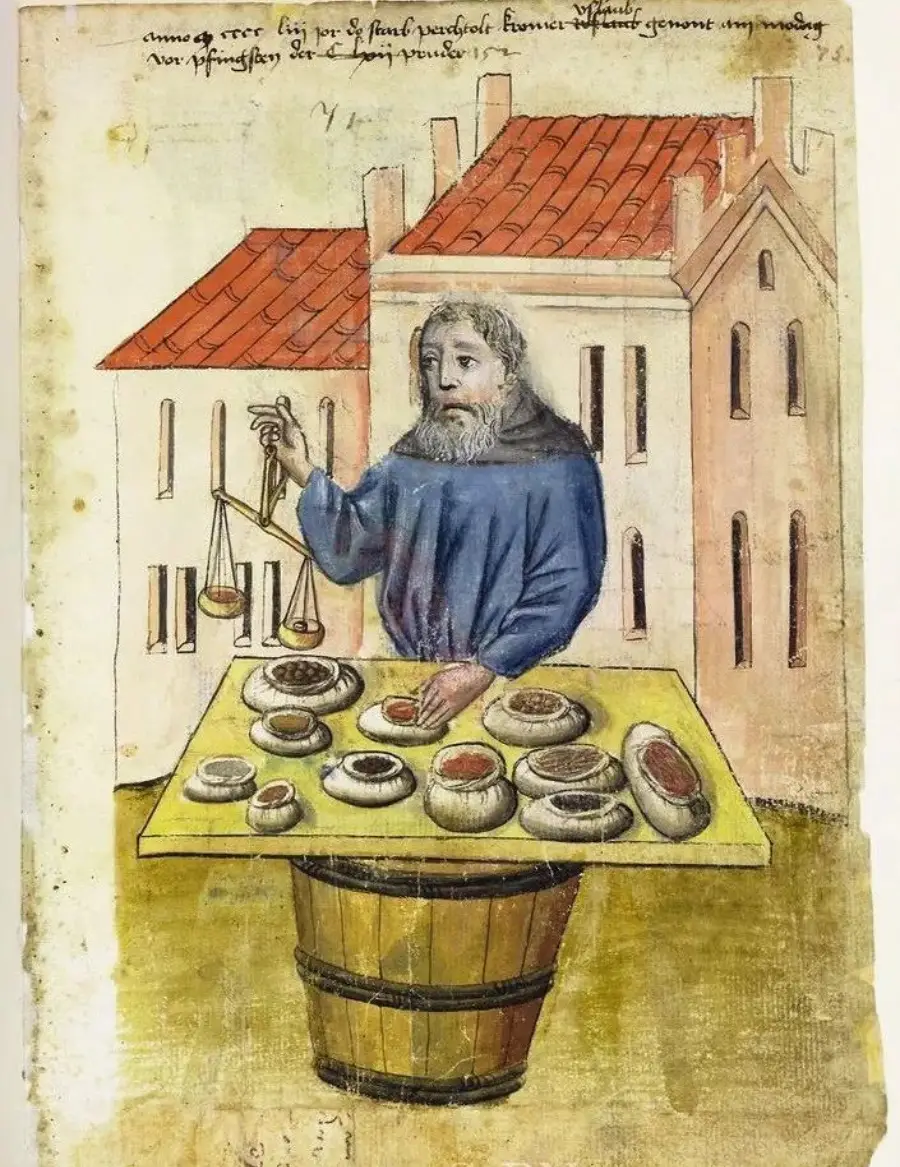
Throughout the medieval era and the early modern period, major European trading markets relied heavily on an official, government-certified figure known as the public market weigher. This trusted municipal officer held the exclusive legal authority to weigh commercial goods using official civic scales whenever an intense financial dispute erupted between a buyer and a vendor. The widespread standardization of industrial commercial scales and modern consumer protection laws eventually rendered this ancient administrative position entirely unnecessary.
14. Manual wheat harvester
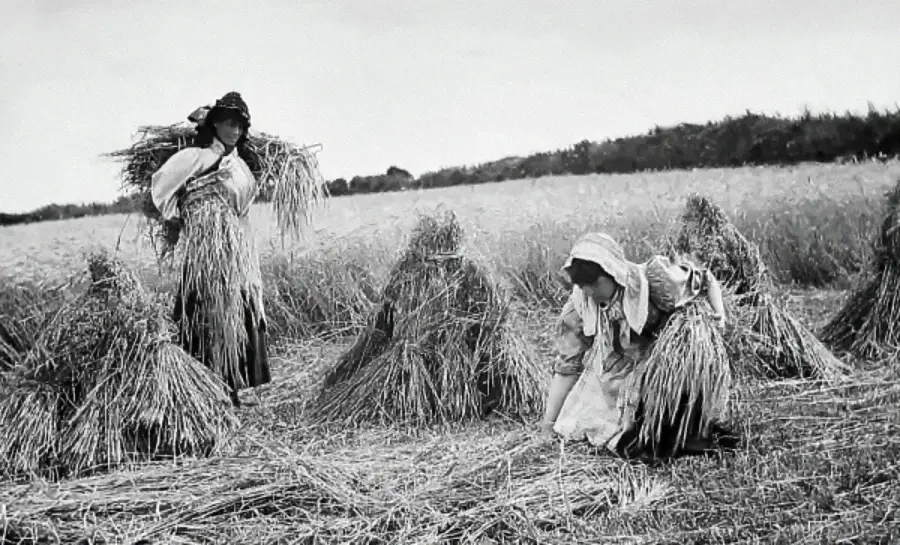
Before Cyrus McCormick revolutionized agriculture with the introduction of his mechanical reaper in 1831, harvesting a single field of wheat required mobilizing an entire rural community to manually cut the stalks using traditional scythes and sickles. The grueling seasonal crunch dictated the lifestyle and demographics of the global countryside for centuries until mechanical harvesters took over the fields. The rapid mechanization of farming equipment between 1850 and 1950 slashed necessary agricultural field labor by more than ninety percent, completely transforming rural demographics across the globe.
Explore more jobs from the past:
Revisiting these remarkable professions from across the centuries serves as an excellent reminder of the unique, completely unpredictable technological transitions that redefine how human societies construct their workforces and organize their economies. Looking back over these manual switchboard panels, human rocket trajectory calculations, and grueling agricultural harvest routines proves that while contemporary digital platforms and automated processing systems change completely across the generations, the baseline human drive for efficiency remains entirely constant. When we choose to look past the modern convenience of our current automated world to appreciate the rigorous, often grueling history of these lost labor sectors, we gain a much deeper understanding of cultural history. If you enjoyed taking this historical look back at the trades that defined past generations of workers, make sure to explore these 14 Bizarre and Unusual Jobs That Completely Vanished, or 16 White-Collar Jobs That Changed Forever After Computers. You can also check out these 14 Summer Jobs That Defined Teenagers in the 80s and 90s.