The vibrant cultural landscape of the late twentieth century fostered an incredibly tactile, trade-driven environment inside schoolyards and neighborhood playgrounds. Walking into a typical suburban bedroom during this nostalgic era revealed shelves, plastic binders, and shoeboxes overflowing with curated collected items of pop culture merchandise. Without the immediate gratification of modern digital downloads or online gaming inventories, children spent their free time physically organizing, trading, and showcasing their treasured acquisitions. Each individual piece represented a hard-won victory, often secured through intense negotiations during recess or by carefully saving up weekly allowance money.
The fascinating reality of these vintage youth subcultures highlights just how profoundly the thrill of accumulation shaped the social dynamics of the generation. The truth is that what we actively collected during our formative years operated as a primary form of social currency, allowing kids to establish unique identities and build deep playground communities. Before smartphone screens centralized entertainment into a uniform digital loop, human recreation relied on a vast, physical market of colorful plastics, cardboard trading cards, and scented stationery sheets. Let’s look back at sixteen legendary items that kids passionately sought after in the 80s and 90s, capturing the ultimate treasure troves of our youth.
1. Pogs and milk caps
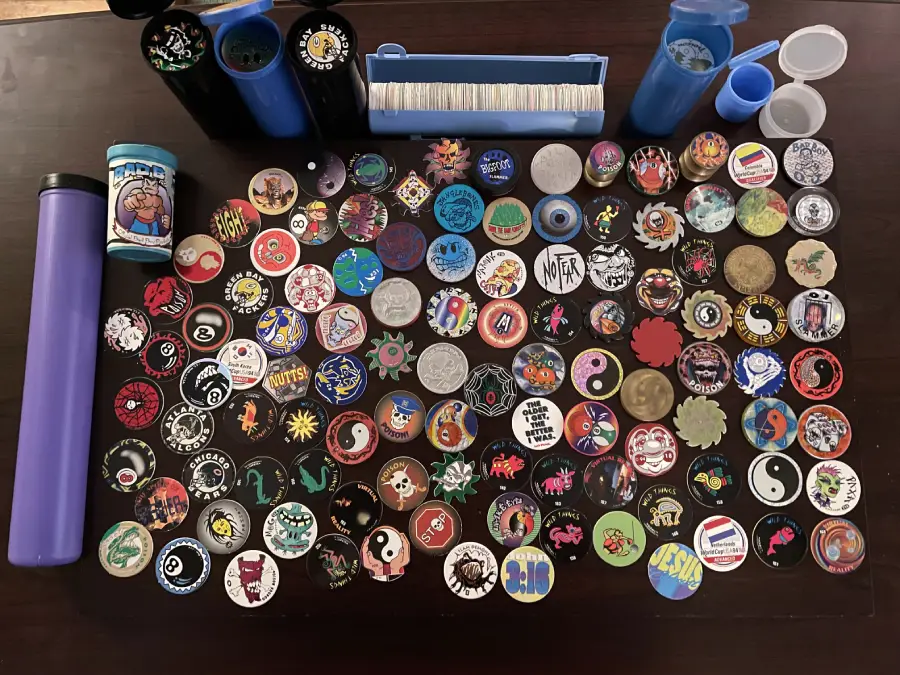
This playground phenomenon transformed ordinary circular pieces of cardboard into a massive competitive economy where players used heavy plastic or metal slammers to flip stacks and win their opponents’ caps. The game actually originated in the 1920s in Hawaii as a pastime using real juice bottle caps, before a commercial revival in the 1990s turned it into a global, multi-million-dollar schoolyard obsession.
2. Beanie Babies
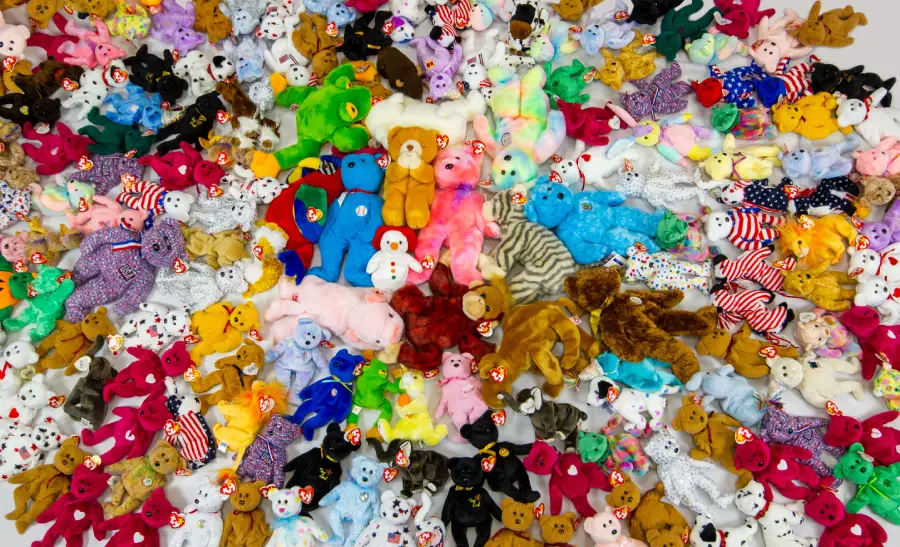
Ty Warner’s line of plush bean-bag animals triggered an absolute speculative frenzy in the late 1990s, driven by a brilliant marketing strategy that involved intentionally retiring specific designs to create artificial scarcity. Families aggressively bought duplicate toys as long-term financial investments, treating rare variants like the royal blue Peanut the Elephant as legitimate high-value assets.
3. Pokémon trading cards
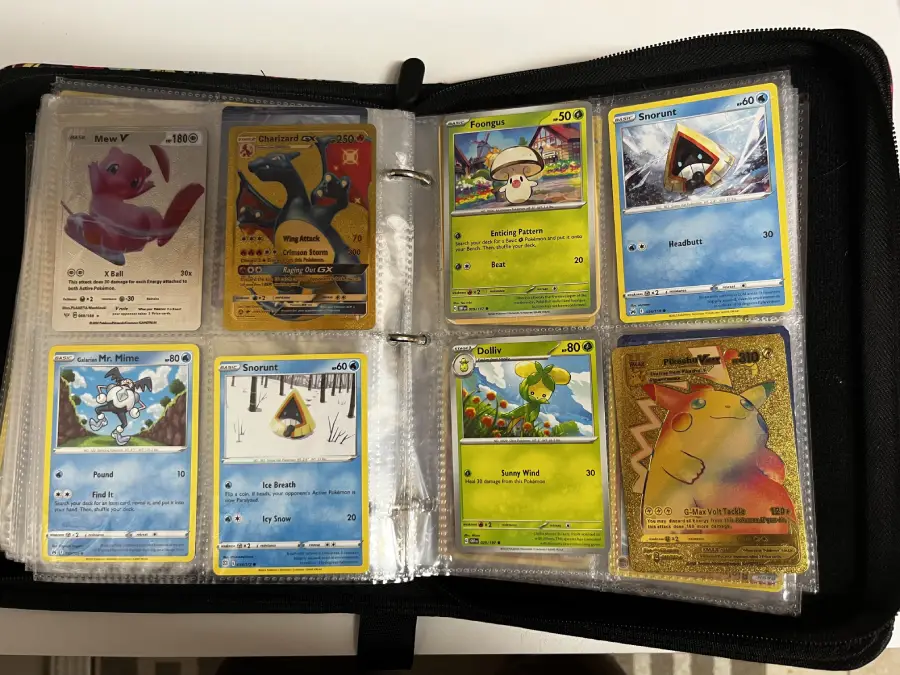
Launching a worldwide cultural revolution in the late 1990s, these pocket monster cards turned millions of schoolchildren into amateur stockbrokers, focusing entirely on holographic printing variations. The holy grail of the original Base Set was the elusive holographic Charizard, a card that has maintained such legendary status that pristine vintage copies command staggering prices among high-end collectors today.
4. Micro Machines
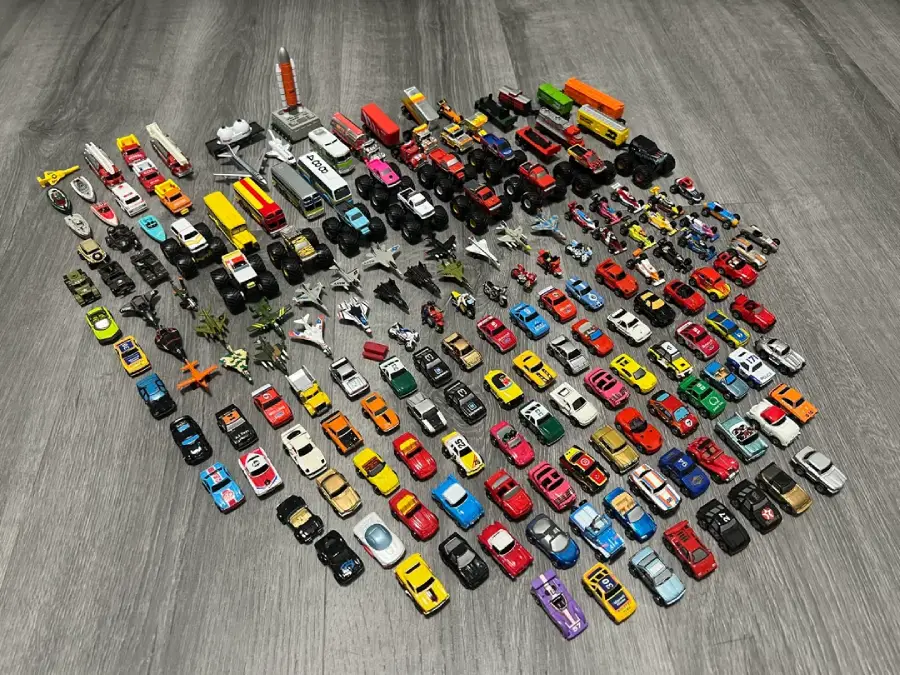
Galoob’s line of exceptionally tiny, highly detailed plastic scale vehicles allowed children to pack an entire automotive fleet directly into their pockets. The brand’s explosive commercial success was heavily driven by unforgettable TV commercials featuring John Moschitta Jr., who was officially certified as the world’s fastest-talking man, delivering advertisements at a dizzying 586 words per minute.
5. Scented Jelly Belly erasers
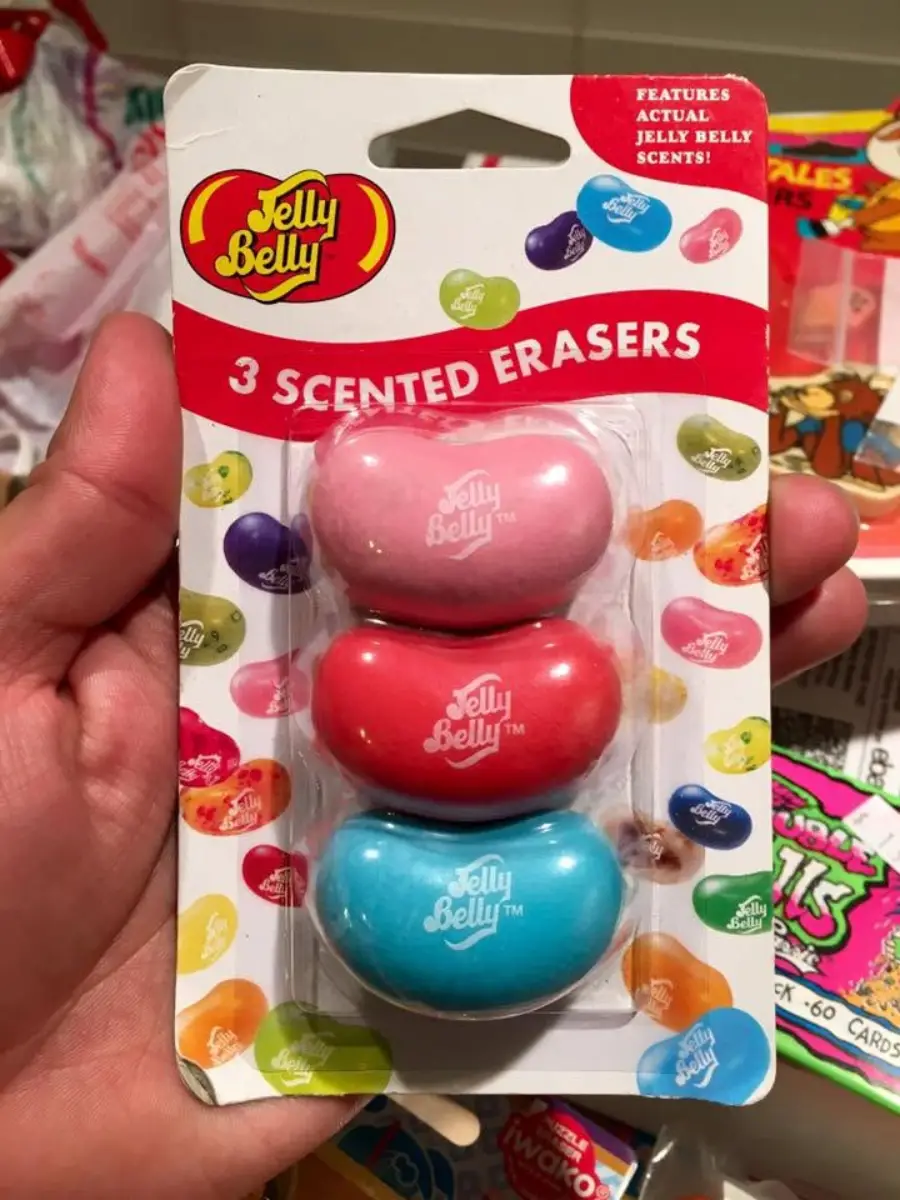
These colorful, fruit-scented desktop accessories were rarely ever used to correct actual pencil mistakes, as rubbing them against paper would completely ruin their pristine geometric shapes. Instead, kids carefully arranged them inside plastic pencil boxes, engaging in complex playground trades to secure highly coveted aroma profiles like green apple, wild cherry, and buttered popcorn.
Trending on The Scroller


6. Comic book trading cards
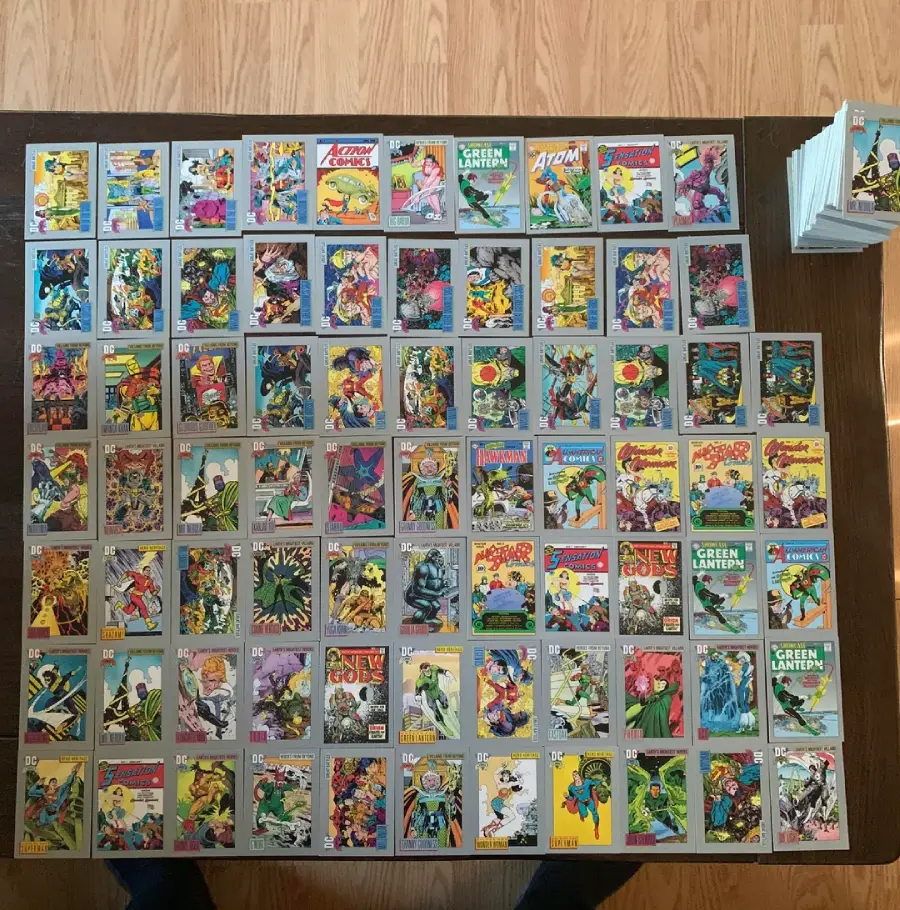
Marvel, DC, and Image Comics aggressively capitalized on the nineties collecting boom by launching extensive trading card sets complete with intricate statistical data on the back of each character. These collections introduced premium chase variants like embossed chromium sheets, hologram inserts, and gold foil stamps that prompted kids to purchase entire cardboard boxes of unopened booster packs.
7. Lisa Frank stationery and stickers
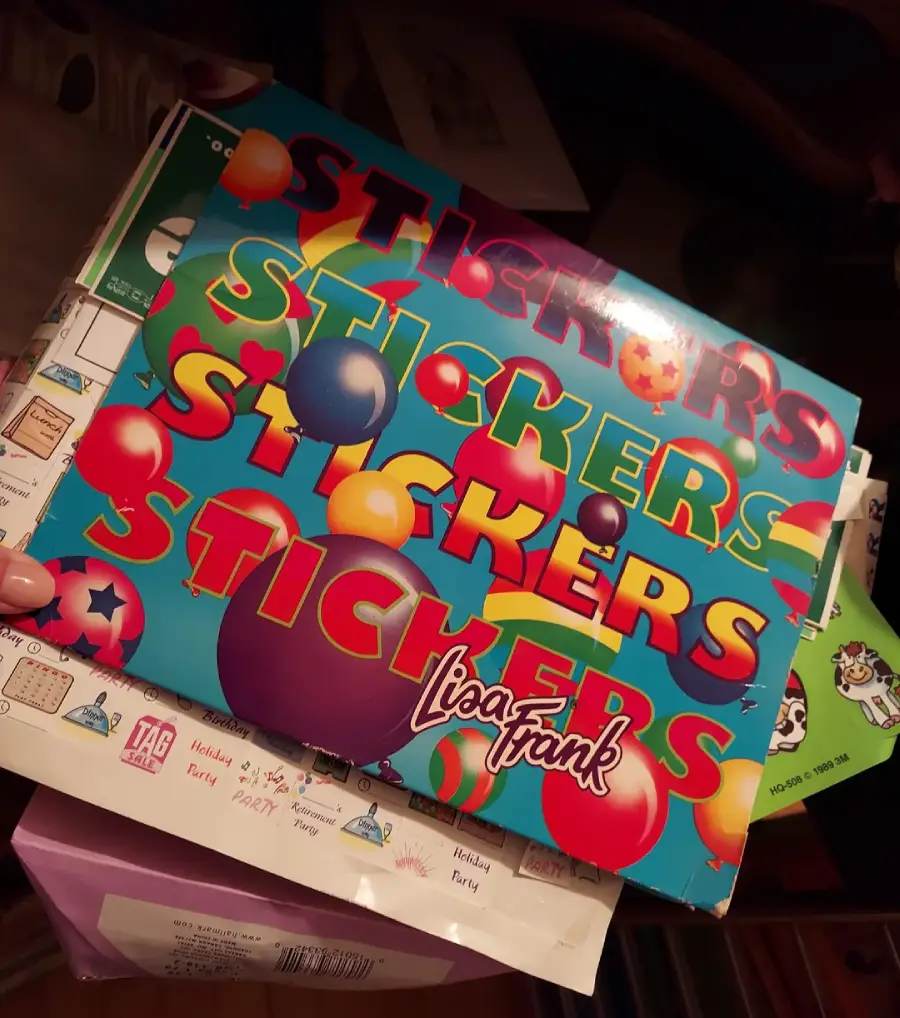
Characterized by an absolute explosion of neon rainbows, psychedelic cosmic tie-dye patterns, and wide-eyed cartoon animals, Lisa Frank merchandise absolutely dominated middle school culture. Young collectors kept dedicated sticker albums, meticulously trading rare holographic oil-slick stickers or fuzzy velvet cutouts while fiercely protecting the pristine adhesive backings from any exposure to air.
8. Polly Pocket and Mighty Max sets
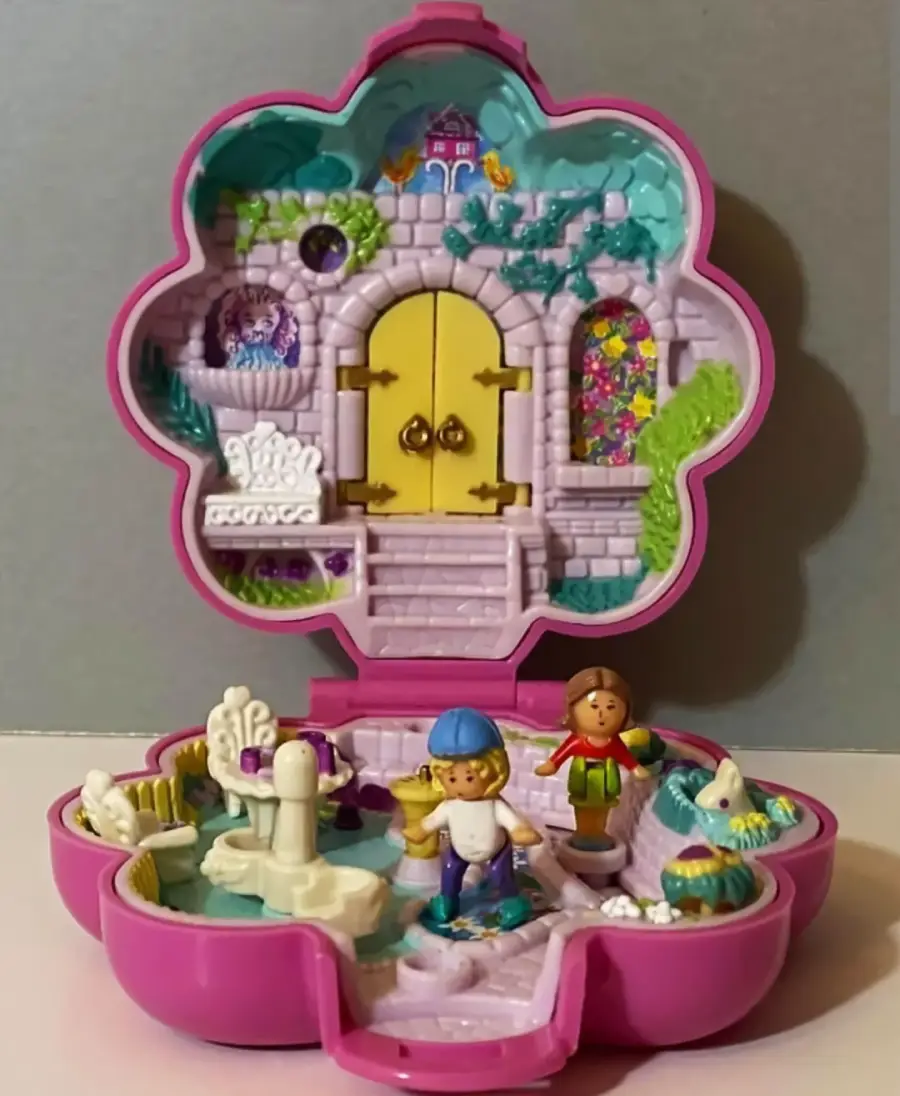
These ingenious, pocket-sized plastic compacts flipped open to reveal surprisingly detailed miniature worlds, from whimsical fairy castles to terrifying monster lairs. The toy line revolutionized the industry by turning expansive playsets into portable fashion accessories, though losing a single microscopic plastic figure down the sofa cushion could instantly ruin the entire structural narrative.
Sign up for our newsletter
9. Happy Meal novelty toys
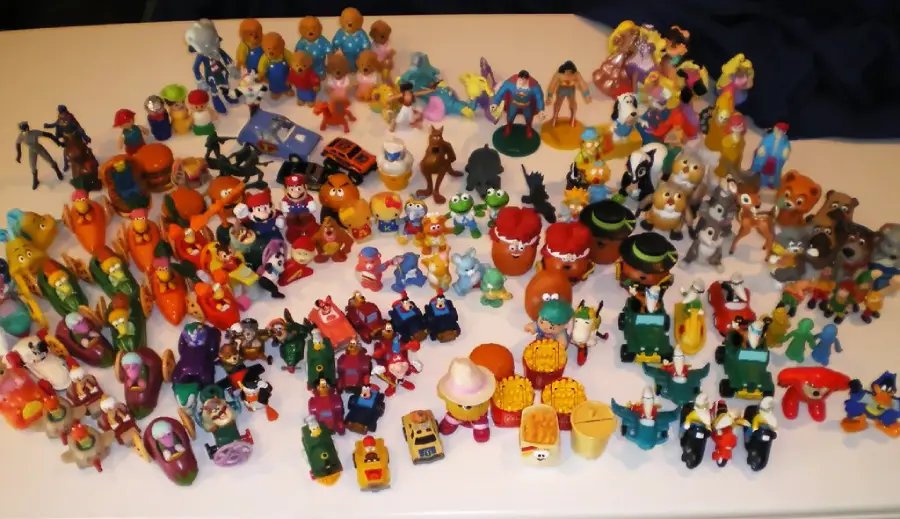
Fast-food giant McDonald’s engineered an absolute marketing masterclass by turning their kids’ meal boxes into primary toy distribution hubs, matching major Hollywood theatrical releases. Legendary promotions like the Changeables, which featured plastic burgers and fry boxes that transformed into retro robots, prompted entire families to dine out weekly just to complete the seasonal set.
10. Garbage Pail Kids stickers
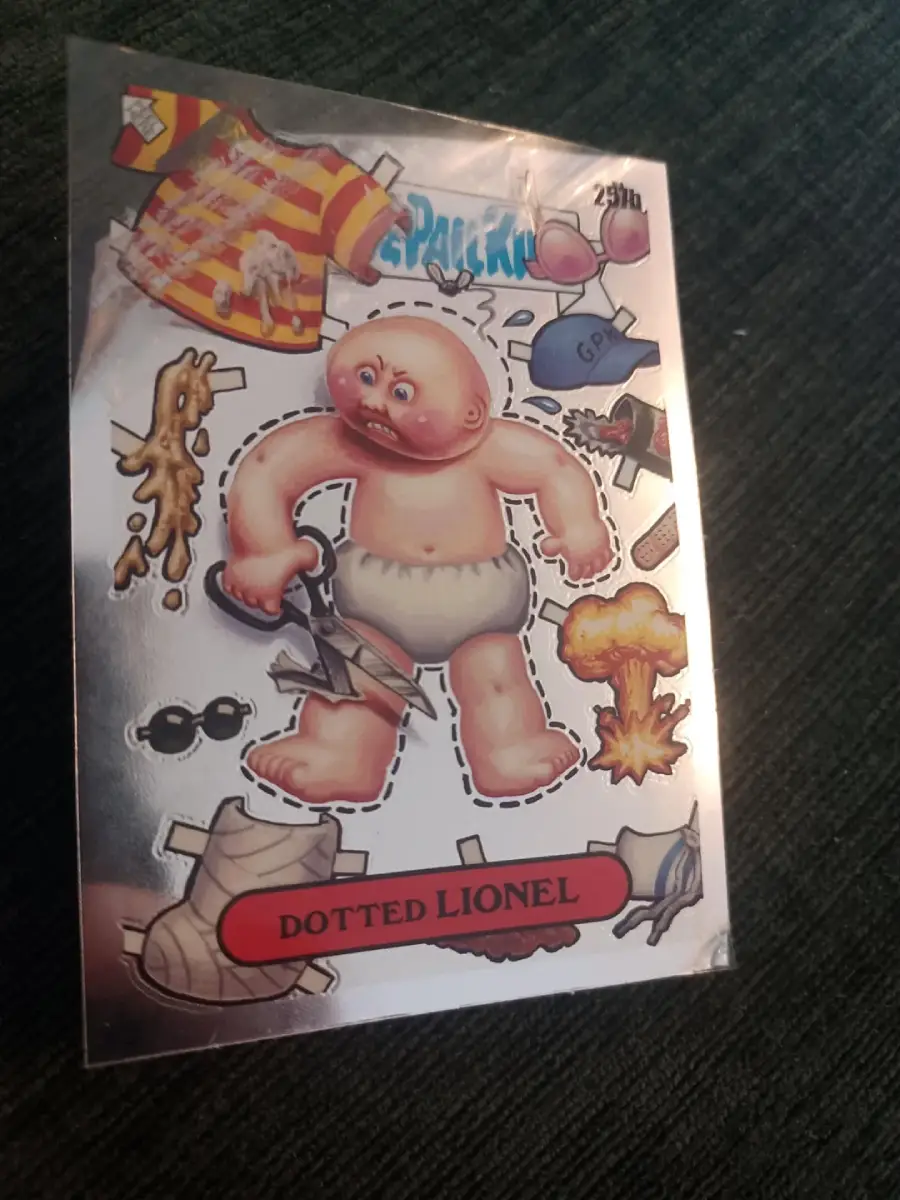
Launched by Topps in 1985 as a gross-out parody of the immensely popular Cabbage Patch Kids dolls, these subversive trading cards featured cartoon characters suffering hilarious, deeply disgusting anatomical mishaps. The transgressive humor proved so intensely disruptive to classroom focus that school principals across the United States and Europe officially banned the cards from school property.
11. Tazos and potato chip inserts
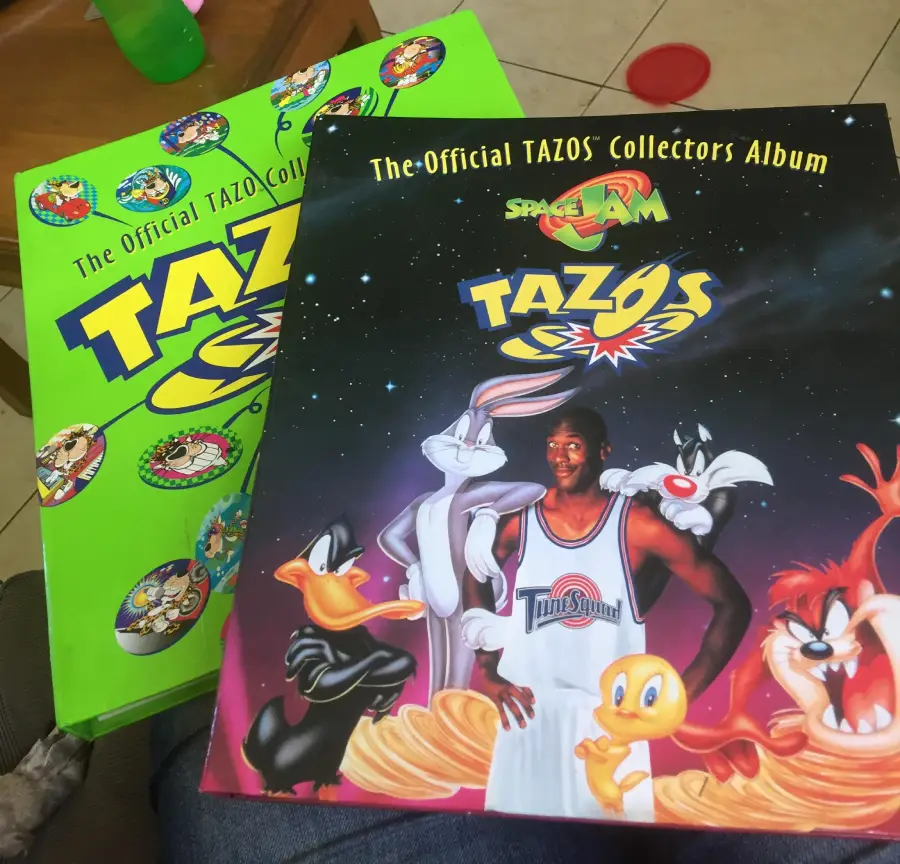
Major snack food conglomerates systematically drove up their grocery store sales by burying exclusive, highly collectable plastic discs directly inside greasy bags of potato chips. Kids would eagerly tear open snack bags and wipe down the oily plastic inserts, racing to assemble numerical sets featuring Looney Tunes, Star Wars, or popular comic book characters.
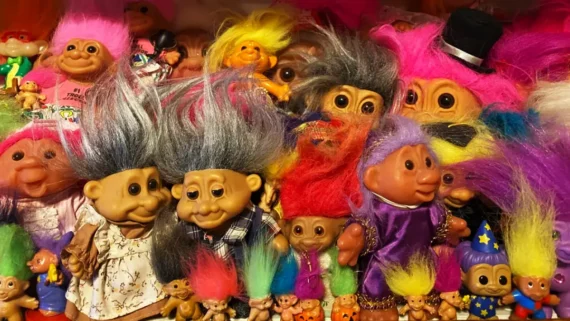
12. Troll dolls
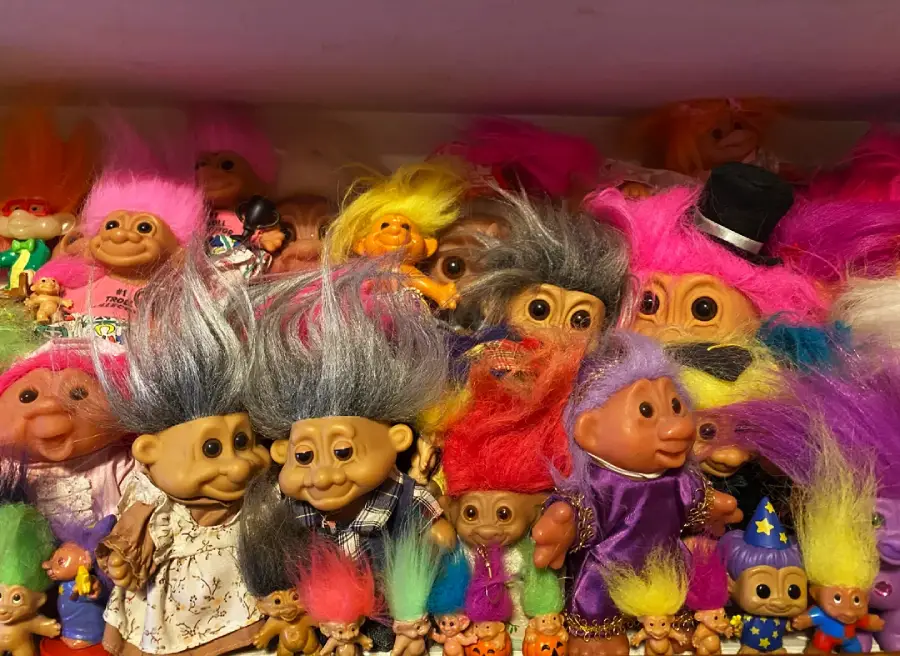
These plastic, highly expressive mythical creatures featured iconic, gravity-defying tufts of neon sheep-wool hair that could be combed, braided, or wrapped around pencils. Originally sculpted out of wood by Danish baker Thomas Dam in 1959, when he couldn’t afford a Christmas gift for his daughter, the dolls experienced a massive global retail resurgence during the early 1990s.
13. Comic books with gimmick covers
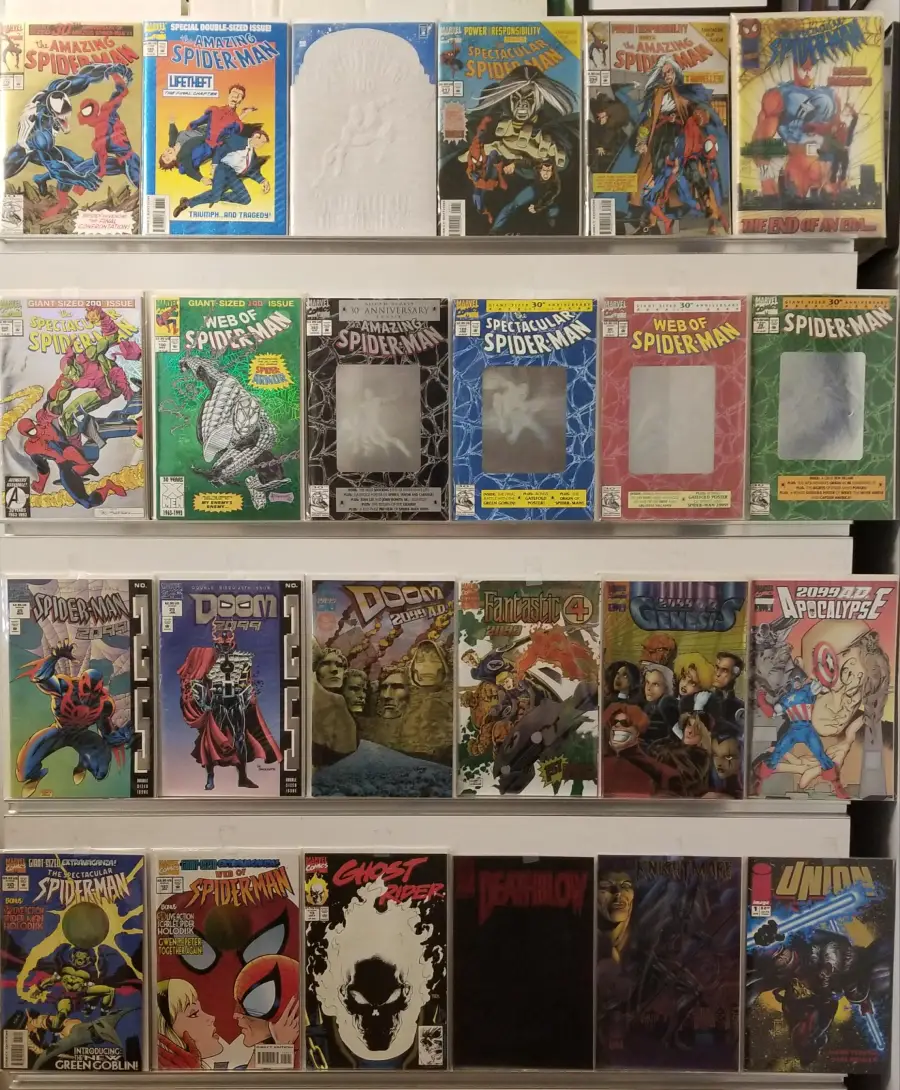
The 1990s comic book industry suffered a massive speculative bubble fueled by publishers printing millions of special collector’s editions equipped with flashy foil, glow-in-the-dark ink, or die-cut cardboard covers. Fans eagerly bought multiple copies of landmark issues like Superman number 75, keeping them sealed inside airtight plastic bags with cardboard backing boards under the assumption they would fund future retirements.
14. Magic: The Gathering cards
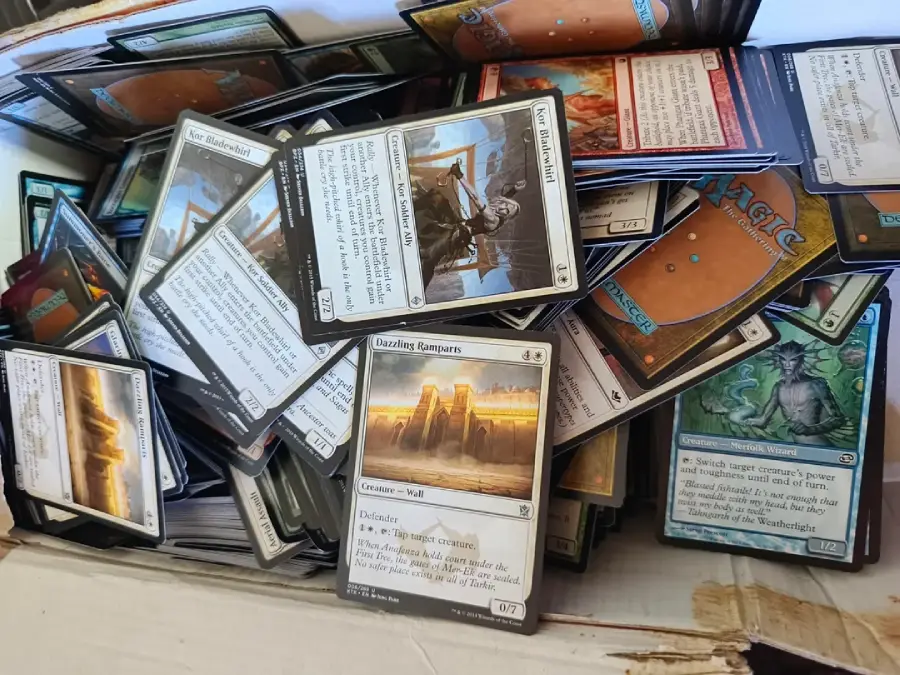
Debuting in 1993 as the world’s very first trading card game, this tabletop fantasy universe required players to carefully construct custom card decks to defeat opponents. The sheer mechanical complexity of the game quickly turned cards into high-value commodities, with early limited prints like the legendary Black Lotus establishing a permanent status as the most valuable non-promotional gaming cards in existence.
15. Sizzlin’ cool water ring toss games
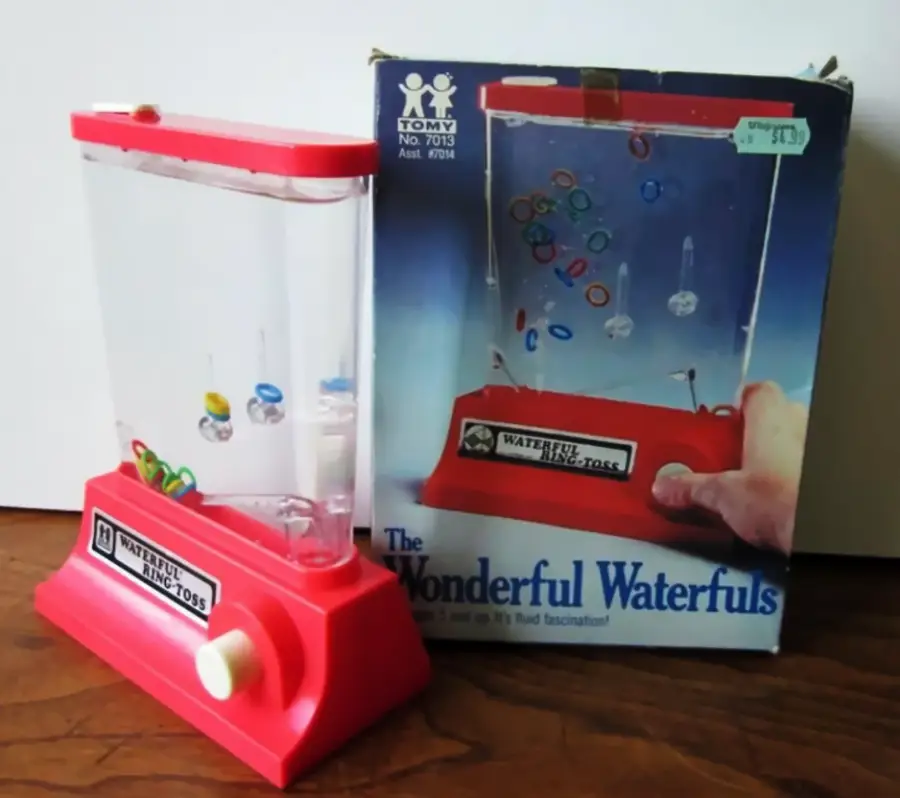
These handheld, water-filled plastic consoles featured a mechanical button that compressed an internal rubber bellows, firing air bubbles through the liquid to launch tiny plastic rings onto plastic pegs. While technically sold as standalone arcade novelties, kids treated them as desk trophies, competing to see who could perfectly stack every single ring without throwing the clunky toy against a wall in frustration.
16. Crazy bones
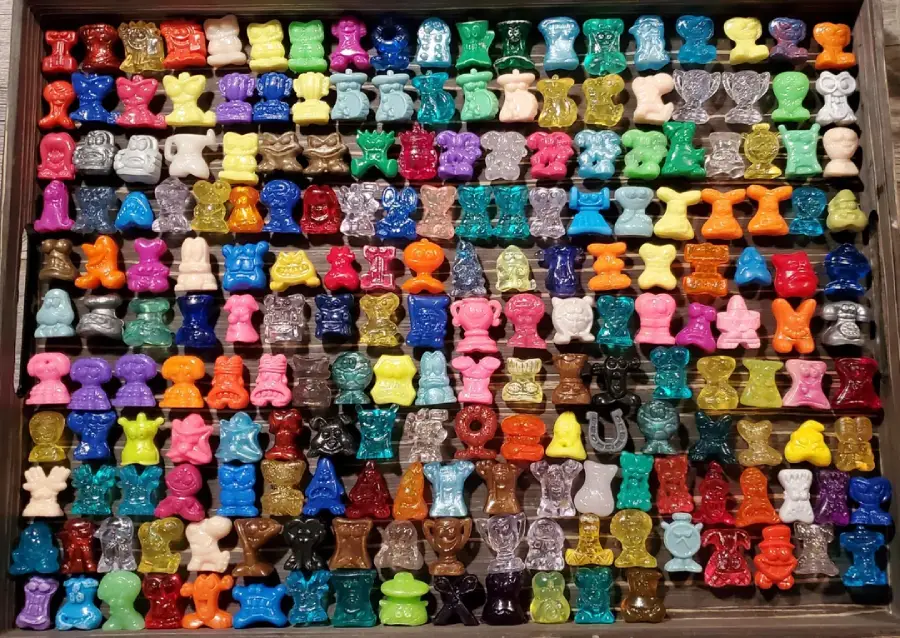
Loosely inspired by the ancient game of knucklebones, these tiny, multi-colored molded plastic figurines featured distinct stylized faces and unique individual backstories. Kids collected hundreds of the hard plastic characters, engaging in high-stakes playground tournaments where players flicked their pieces at opposing setups to win rare variants or metallic variants.
In the mood for more nostalgia?
Revisiting these treasured troves from our youth serves as an excellent reminder of the unique, completely analog pastimes that defined our daily routines across subsequent decades. Looking back over these cardboard milk caps, scented stationery sheets, and miniature plastic worlds proves that while modern gaming platforms and digital inventory systems change completely across the generations, the raw human joy of discovery remains entirely constant. When we choose to look past the modern convenience of our current sleek tech accessories to appreciate the messy, tactile history of our old schoolyard collections, we gain a much deeper understanding of cultural history. If you enjoyed taking this nostalgic trip back through the hobbies that defined a generation, make sure to explore these 17 Strange Collections People Actually Have (and Proudly Show Off) or 16 Most Requested Toys That Defined 1990s Holiday Chaos. You may also like these Vintage Childhood Toys That Can Sell for Serious Money.