Fast food chains are always trying to stretch the limits of what people will order from a drive-thru window, and sometimes that instinct goes very wrong. Not every bad idea looks ridiculous at first, either. A few of these came wrapped in serious marketing, a few were sold as smart upgrades, and a few just seemed like they were built to get attention for a week and disappear. What they share is simple: they didn’t stick, and in most cases it’s not hard to see why.
McDonald’s Hula Burger
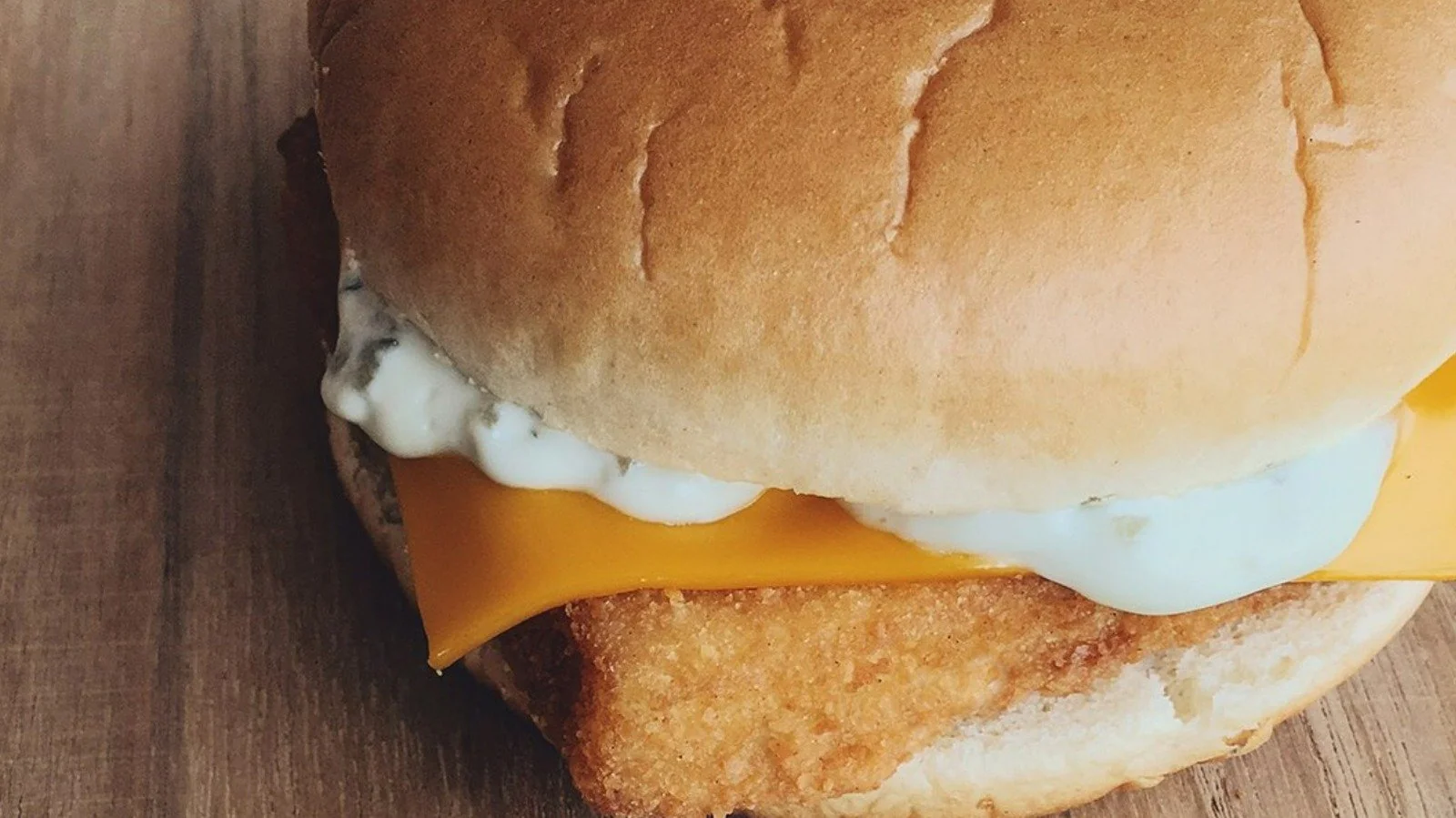
Long before limited-time drops became a full-time strategy, McDonald’s tried to solve a real menu problem with a sandwich that sounded bizarre even by 1960s standards. The Hula Burger was pitched as a meatless option for Lent and replaced the patty with grilled pineapple and cheese on a bun. It lost out to the Filet-O-Fish, which tells you almost everything you need to know. Customers were willing to try a fish sandwich from McDonald’s, but pineapple and cheese were a bridge too far.
McDonald’s Arch Deluxe
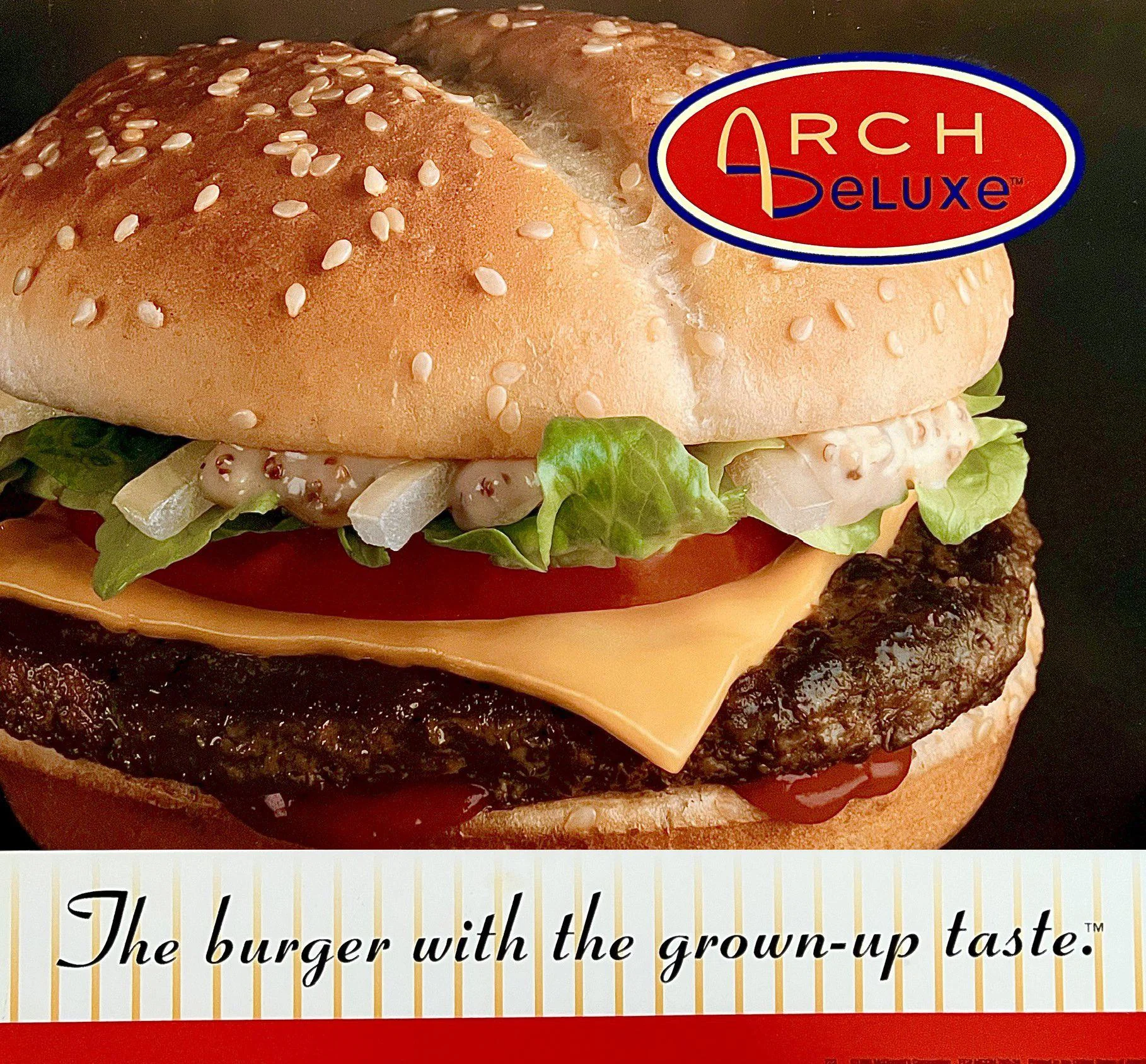
The Arch Deluxe is what happens when a giant fast food chain starts talking itself into the idea that its customers secretly want refinement. In the mid-1990s, McDonald’s pushed this burger as a more adult, more sophisticated option, complete with a campaign that practically announced it was not for kids. That was a strange message from a company built on mass familiarity and family traffic. The burger itself was never the whole issue; the bigger problem was that the brand seemed embarrassed by its own identity, and people picked up on that fast.
McDonald’s Mighty Wings
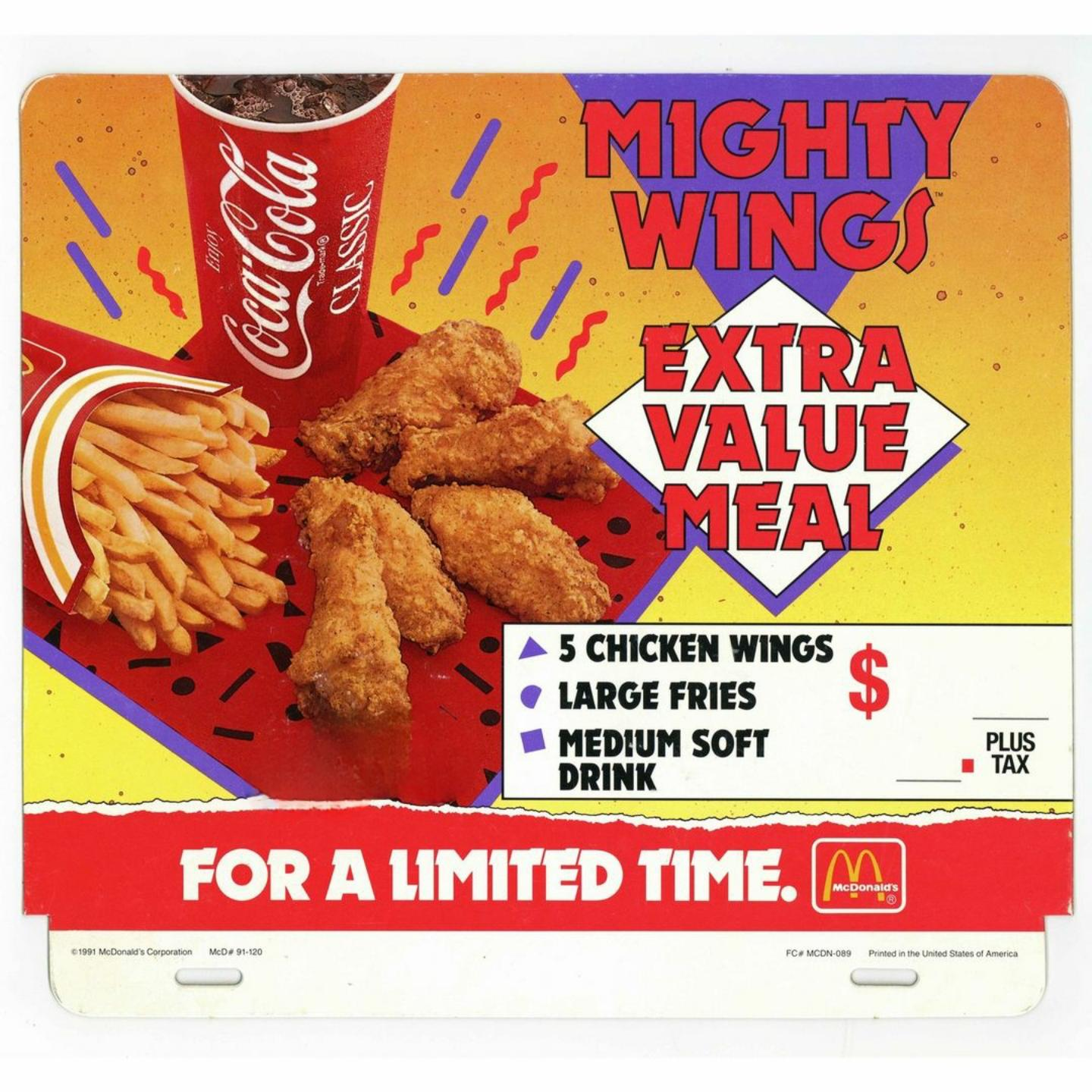
Chicken wings were already a crowded lane when McDonald’s decided to jump in, and the chain never really found a convincing reason for customers to switch their routine. Mighty Wings arrived with a lot of seasoning, a higher price than many people expected, and none of the natural credibility that dedicated wing spots already had. Then came the awkward part: too much inventory, too little momentum, and discounting that made the whole rollout look shaky. It felt less like a breakout hit and more like a product reverse-engineered in a meeting room.
Wendy’s Frescata Sandwiches
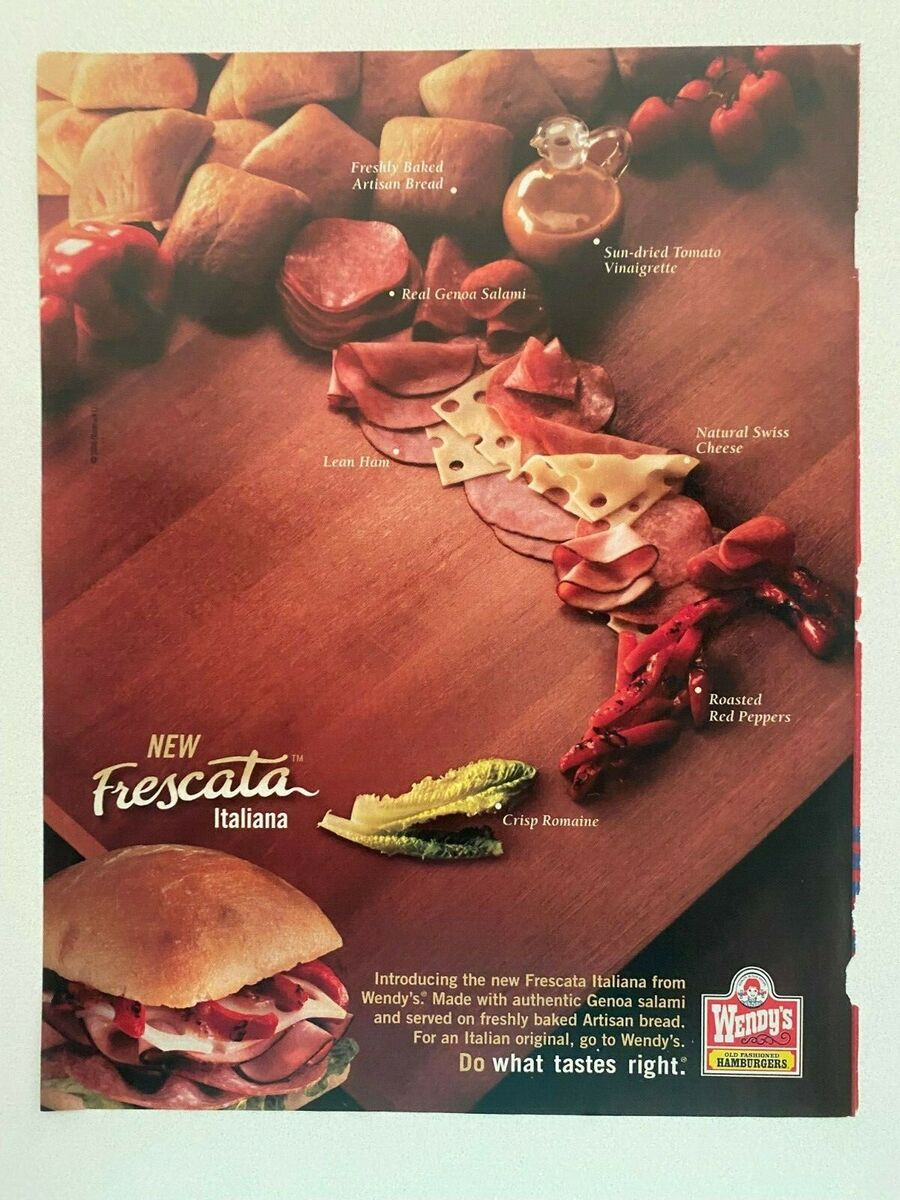
Wendy’s made a serious run at deli-style sandwiches with Frescata in 2006, and the concept always felt slightly off-center for the chain. The sandwiches were meant to look fresher and more lunch-shop friendly than the usual burger lineup, but that came with slower prep and a lot more operational friction. Fast food customers notice when a chain is suddenly asking them to wait for something that still doesn’t feel special enough to justify the extra time. The whole thing had the energy of a brand trying on another brand’s personality, and it didn’t last.
Burger King’s Satisfries
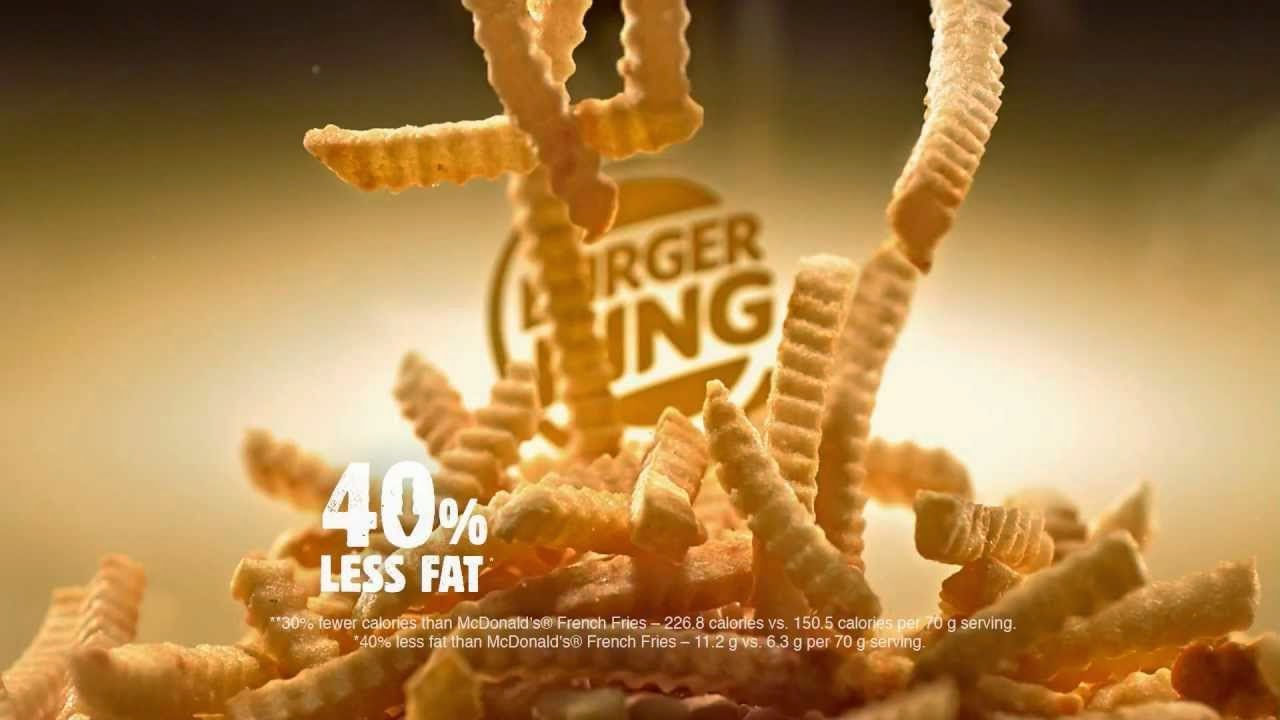
This one had a very specific early-2010s smell to it, the era when chains kept trying to prove they could do indulgence and self-improvement at the same time. Burger King launched Satisfries as a lower-fat, lower-calorie alternative to standard fries, which made sense in a strategy deck but never felt all that compelling at the counter. People who wanted fries usually wanted the real thing, and people looking for lighter food were not necessarily starting at Burger King. It was a compromise item in a category that rarely rewards compromise.
Trending on The Scroller

McPizza
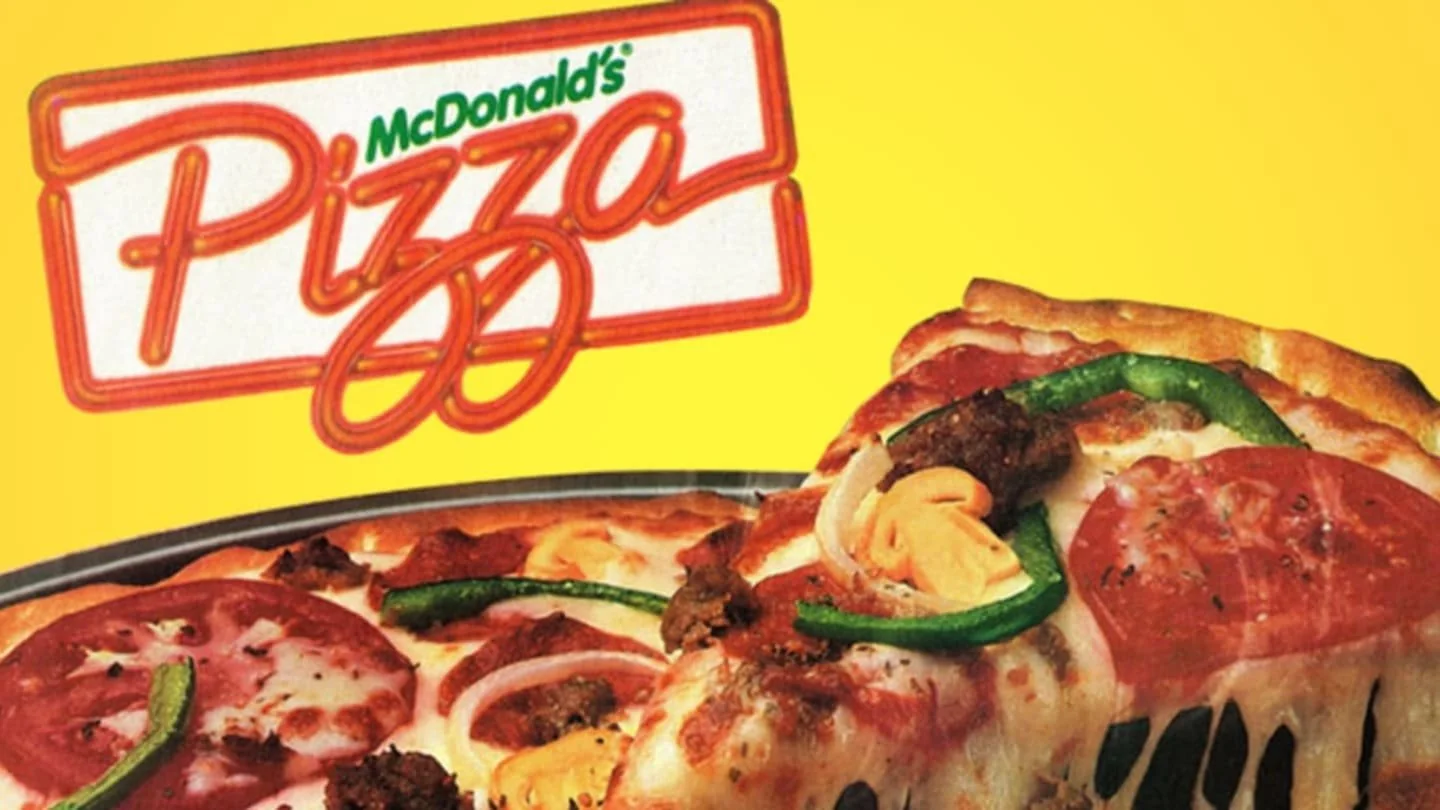
McDonald’s has spent decades trying to figure out whether its scale can overpower the basic logic of certain foods. McPizza was one of the clearest cases where the answer turned out to be no. Pizza takes time, and McDonald’s built its entire reputation on speed, repetition, and getting people through the line quickly. That mismatch sat at the center of the problem from day one. Even if the pizza had been decent, asking customers to wait on a pie in a place designed for burgers and fries was always going to be a tough sell.
Taco Bell’s Seafood Salad
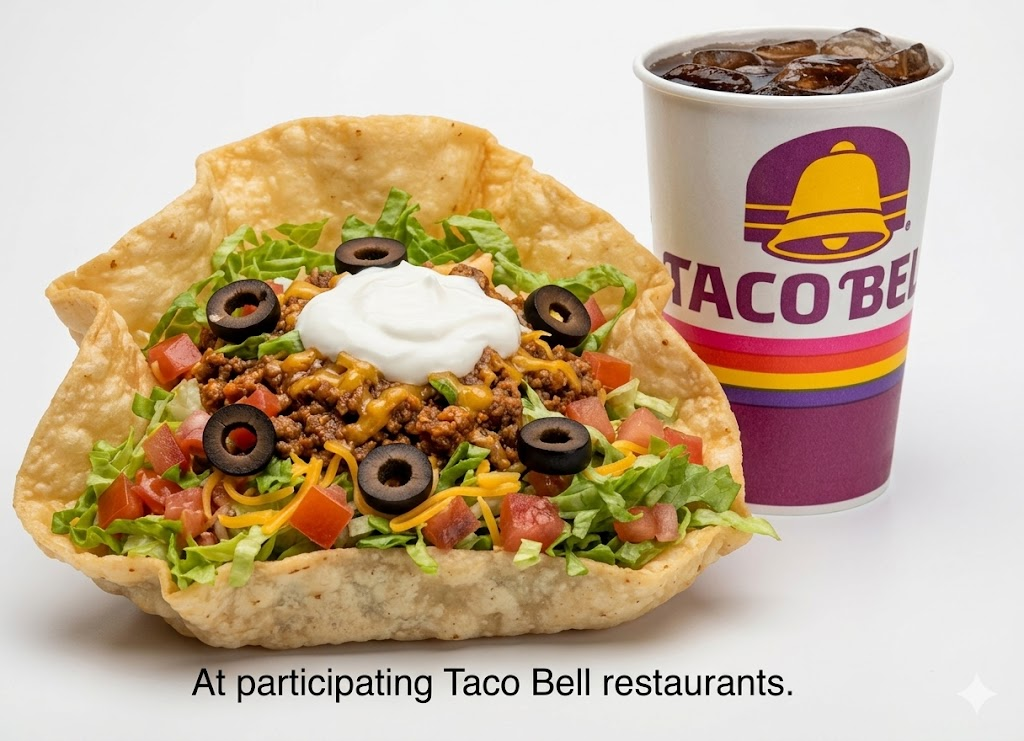
There are some menu ideas that sound risky, and then there are menu ideas that make you wonder who exactly was supposed to feel reassured by them. Taco Bell’s Seafood Salad fell into the second group. The chain experimented with a salad built around seafood in a tortilla shell bowl, and the concept never really fit the brand, the customer expectation, or the comfort level people tend to want from fast food seafood. It did not help that Taco Bell was already associated with quick, inexpensive Tex-Mex, not careful handling of ingredients most people approach with caution.
Pizza Hut’s Hot Dog Stuffed Crust
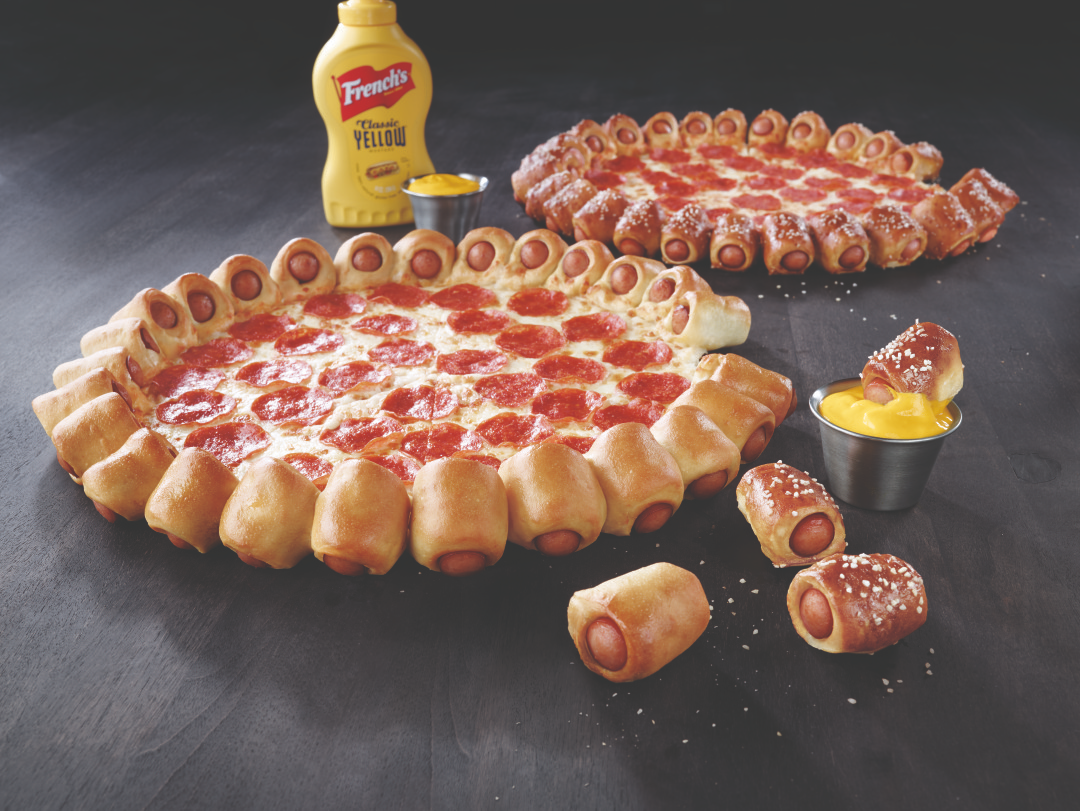
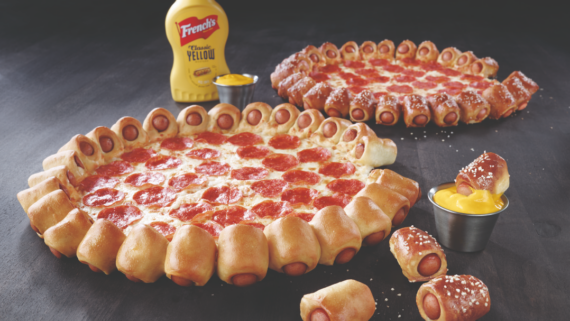
Pizza Hut has never been shy about leaning into spectacle, but Hot Dog Stuffed Crust was the kind of spectacle that wore thin fast. On paper, combining two comfort foods into one oversized stunt sounds like a guaranteed social media win. In practice, it came off more like a novelty product people wanted to photograph before they actually had to finish a slice. The mustard pairing pushed it even further into gimmick territory. You could see the logic behind it, but you could also see why it never became the kind of thing families ordered on a random Tuesday.
Sign up for our newsletter
Burger King’s Enormous Omelet Sandwich
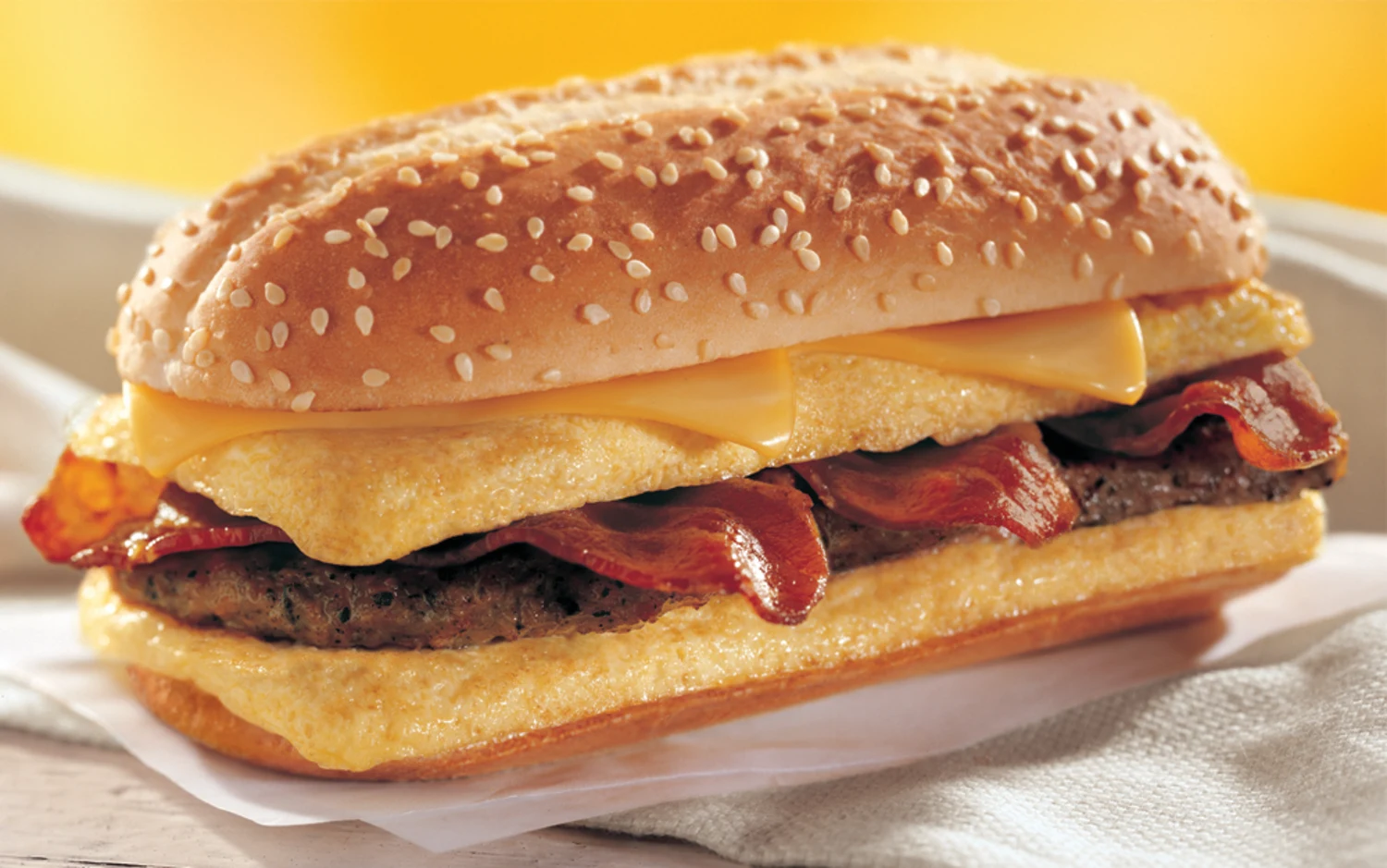
Even the name felt like a dare. The Enormous Omelet Sandwich arrived during a period when fast food breakfast still treated sheer size as a personality trait, and Burger King packed this one with eggs, sausage, bacon, cheese, and a bun hefty enough to make the whole thing feel more like a challenge than breakfast. It got attention, obviously. But attention is cheap, and menu longevity depends on whether people actually want a repeat performance. This was one of those products that seemed engineered for shock value first and actual appetite second.
Dunkin’s Beyond Sausage Sandwich
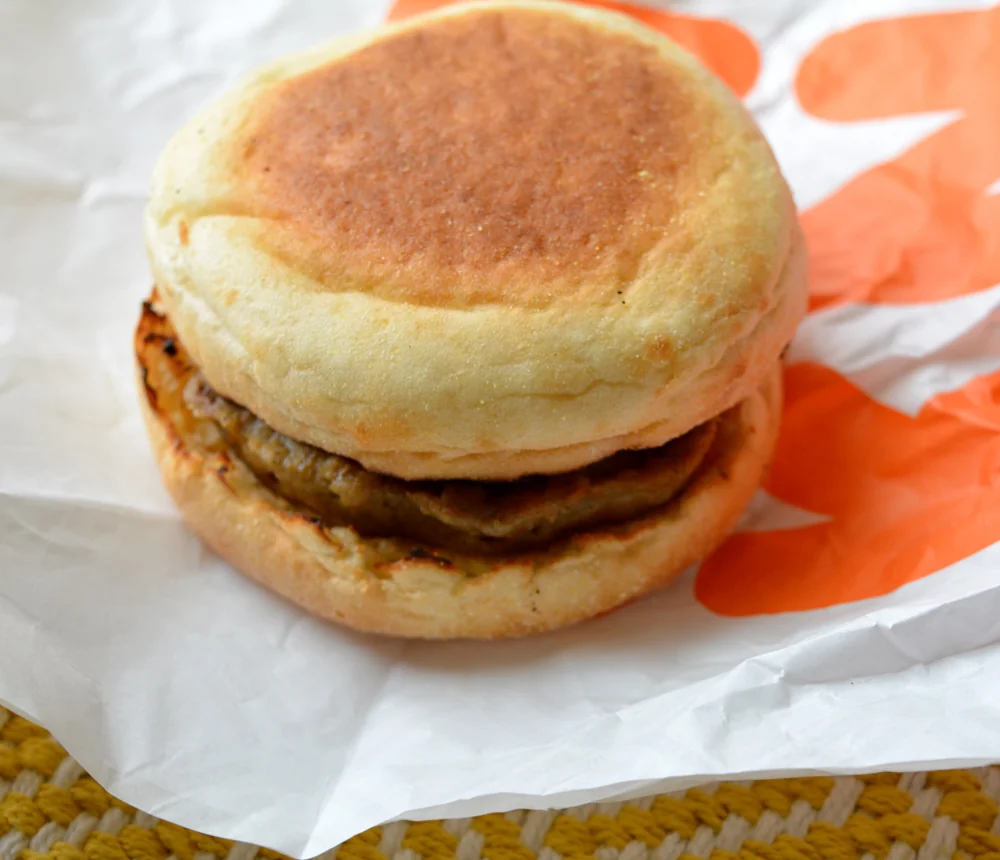
For a stretch, every major chain looked afraid of missing the plant-based wave, and Dunkin’ moved early with a Beyond Sausage breakfast sandwich that got a lot of headlines. The rollout made sense at the time, especially for a brand trying to broaden its breakfast identity beyond coffee and donuts. But once the first burst of curiosity faded, the product never seemed to lock into the kind of daily habit that breakfast chains live on. Breakfast regulars can be stubborn in the most predictable way possible, and that makes novelty harder to sustain than lunch or dinner experiments.
Starbucks’ Unicorn Frappuccino
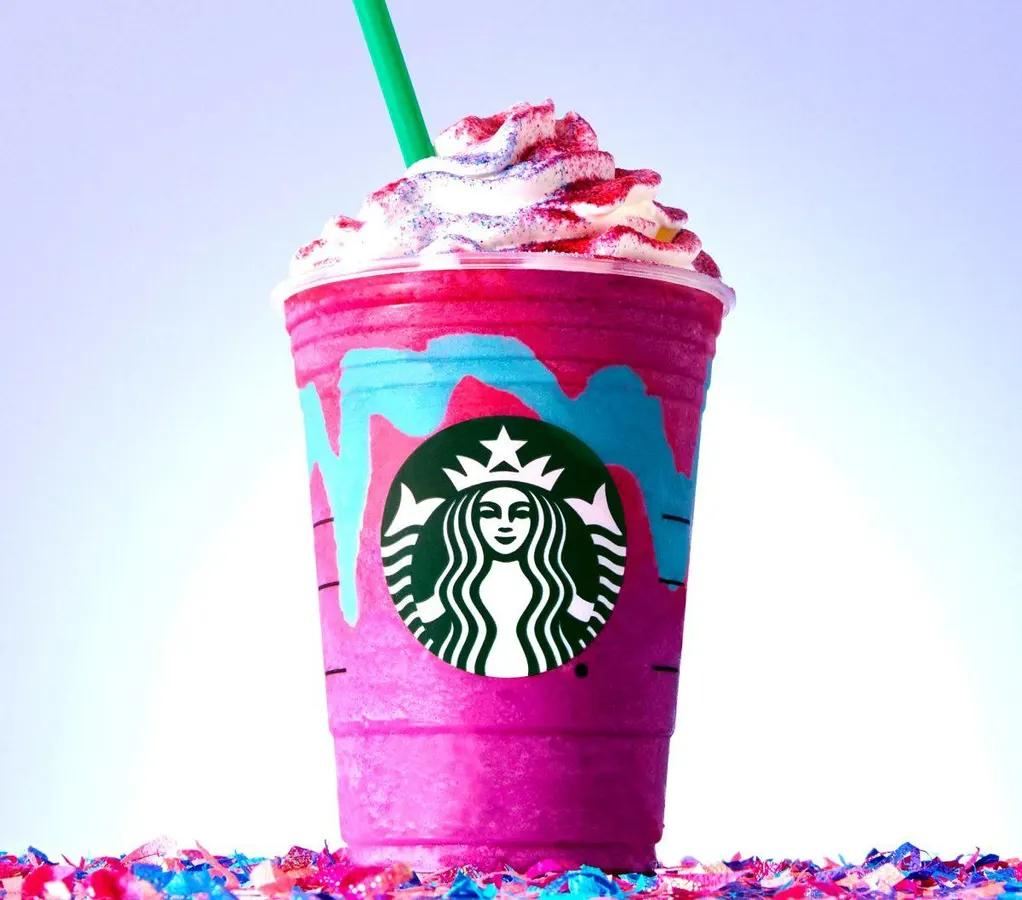
This drink was less a beverage than a full-scale internet event. Starbucks hit a nerve with the Unicorn Frappuccino because it was bright, weird, camera-ready, and almost impossible to ignore for a few days in 2017. The problem was that once people got past the color, the taste became the real story. Too sweet for some, oddly sour for others, and generally exhausting by the end of the cup, it was the kind of item that thrives on attention more than repeat business. A fast food fail does not always have to be quiet or embarrassing; sometimes it burns extremely hot and vanishes just as fast.
Taco Bell’s Bell Beefer
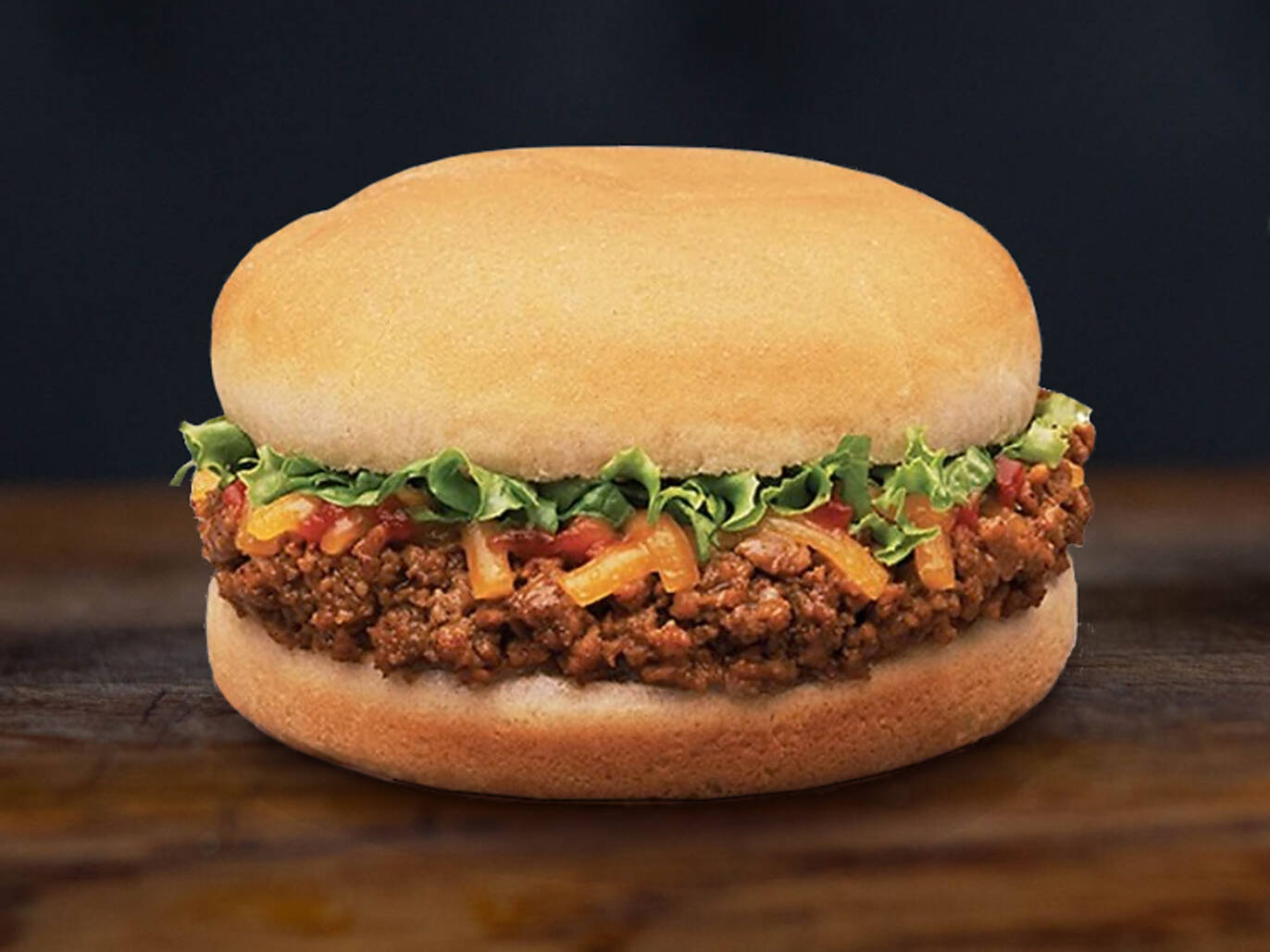
The Bell Beefer has always had a strange place in Taco Bell history because it sounds like something the brand invented while staring too long at the burger business. It was basically seasoned taco meat on a hamburger bun, which is not inherently offensive, just oddly directionless. Taco Bell works best when it pushes familiar ingredients into distinctly Taco Bell shapes. This did the opposite. It pulled the chain toward someone else’s lane without offering much of a reason to follow. Some discontinued items become cult favorites after the fact, but that nostalgia does not change the basic truth that this was never a natural fit.
Fast food menus are full of ideas that make sense for about five minutes, right up until real customers get involved. Some of these flops were too weird, some were too forced, and some just misunderstood what people wanted from the chain selling them. That is usually how these things go. A bad fast food idea rarely fails because it is unnoticed; it fails because people notice it immediately and decide they are fine without it.
Continue Reading: 30 Restaurant Food Fails That Deserve A Full Refund