
Wars change the way people eat in ways that tend to outlast the fighting. Scarcity forces substitutions; armies need food that can travel, and governments suddenly care a lot about preservation, calories, and cost. That pressure has a way of pushing odd inventions into daily life.
Quite a few foods that now seem completely ordinary got their real start, or at least their big break, in wartime.
Canned Food
r/meirl
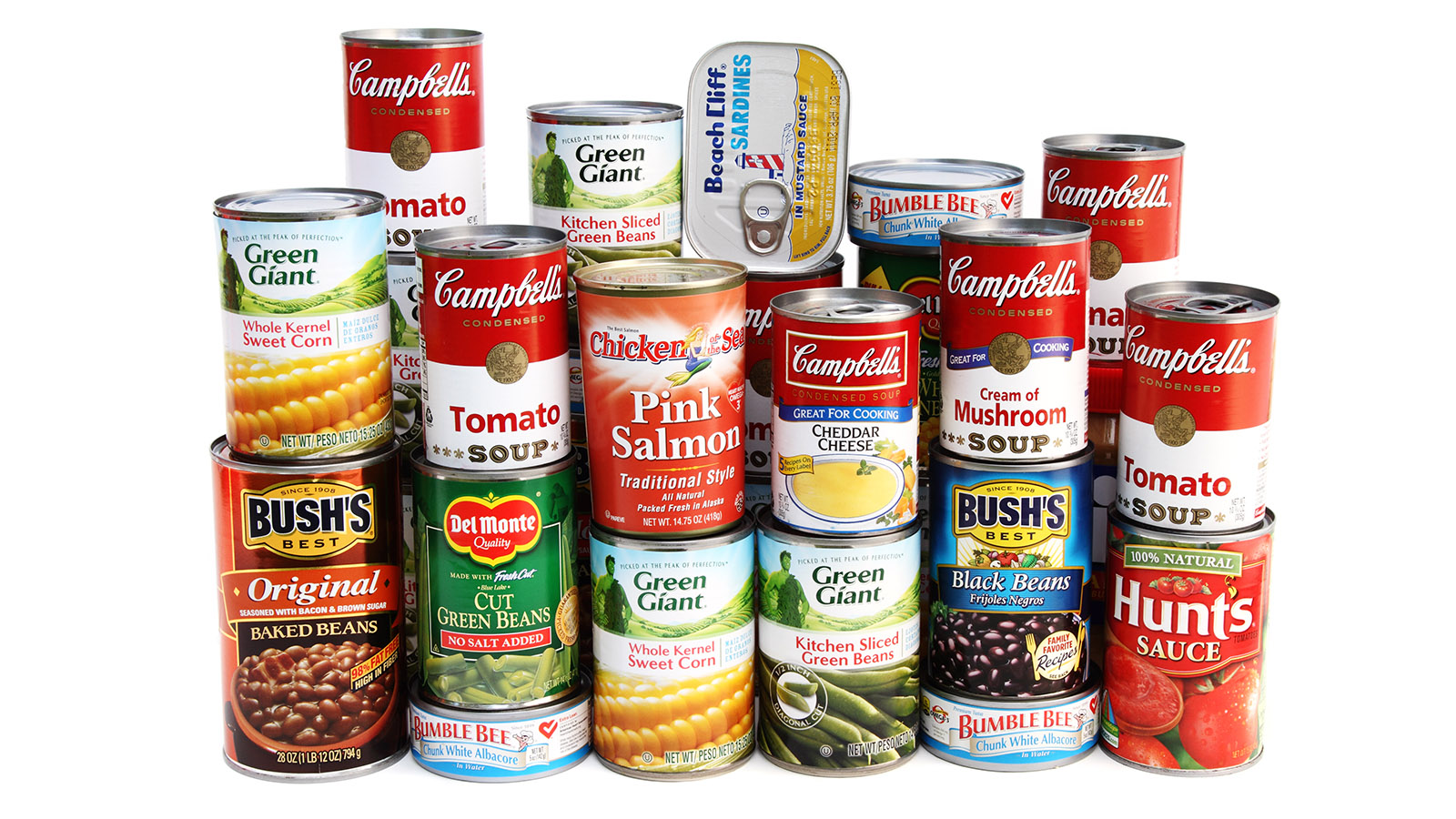
The modern pantry owes a lot to Napoleon. In the early 1800s, France offered a prize for a better way to preserve food for troops, and Nicolas Appert answered with a method that eventually became canning. What began as a military solution turned into a civilian habit, and now it is hard to imagine home cooking without canned tomatoes, beans, tuna, or soup sitting somewhere nearby.
Margarine
Sora
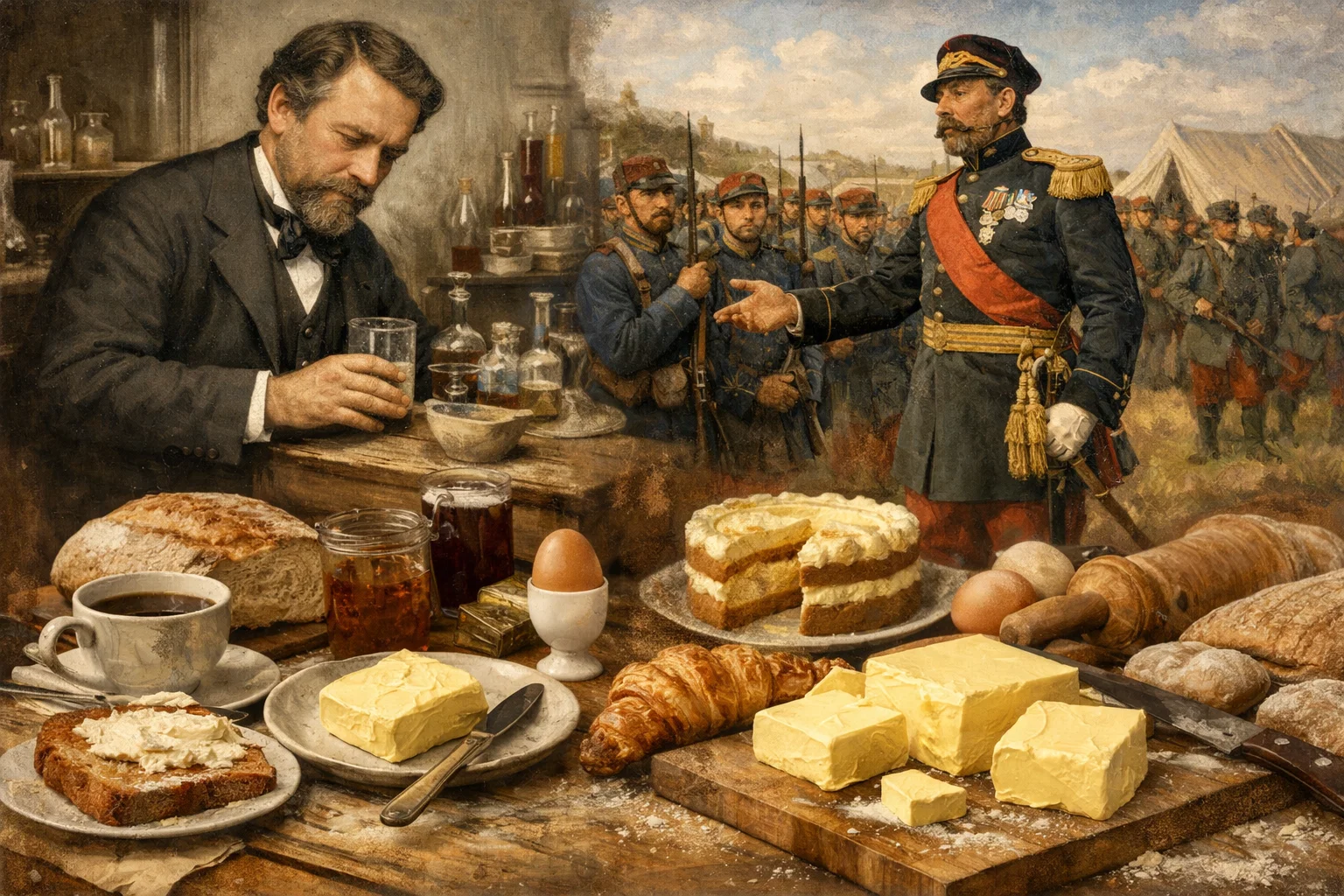
Margarine started as a workaround, not a lifestyle choice. In 1869, French chemist Hippolyte Mège-Mouriès developed it after Napoleon III called for a cheaper butter substitute that could help feed both the armed forces and the poor. That practical brief shaped the product from the beginning, and even if it never had butter’s romance, it found a permanent place on breakfast tables and in bakeries.
Condensed Milk
r/baking
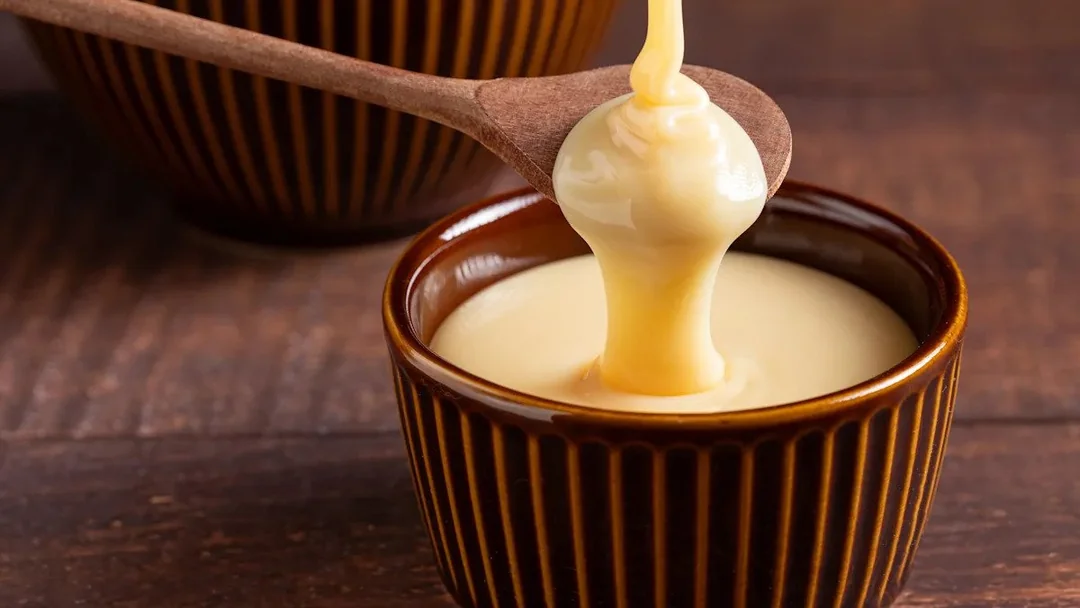
Fresh milk is fragile, which is not what you want in a war. Condensed milk, developed before the American Civil War, became much more important once armies started buying it in large quantities because it was safe, portable, and reliable. Soldiers got used to it, brought that familiarity home, and before long, it had moved into everyday cooking, baking, and desserts.
Processed Cheese
r/generationjones
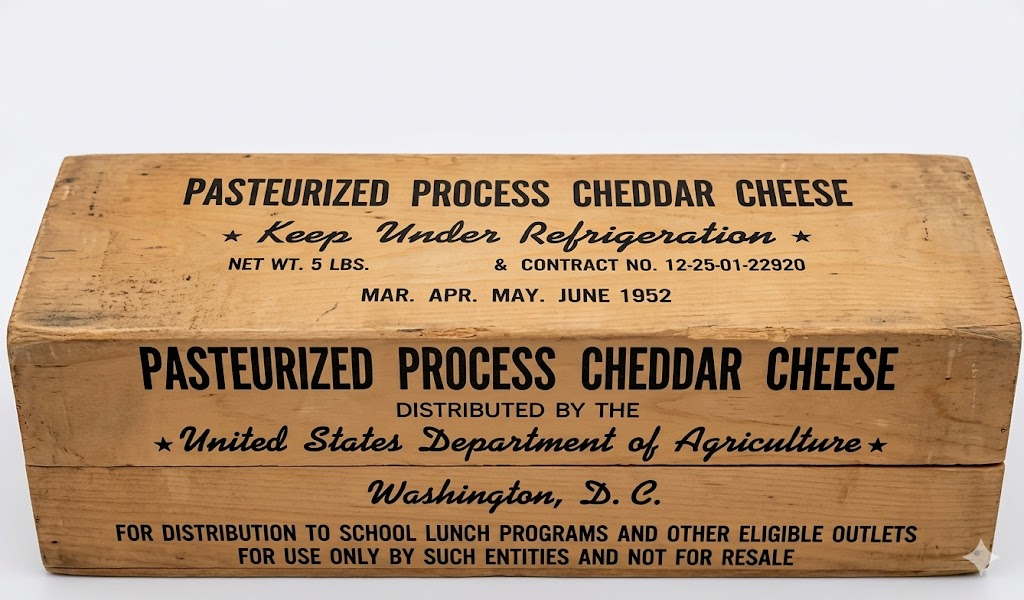
Processed cheese has always made purists a little uneasy, but that is part of the point. It was designed to last longer and behave more predictably than traditional cheese, and during World War I, the U.S. Army bought enormous amounts of it. Once people saw how easy it was to store, melt, and pack into a sandwich, the jump from ration food to supermarket staple was not especially dramatic.
Bouillon Cubes
Tasting Table
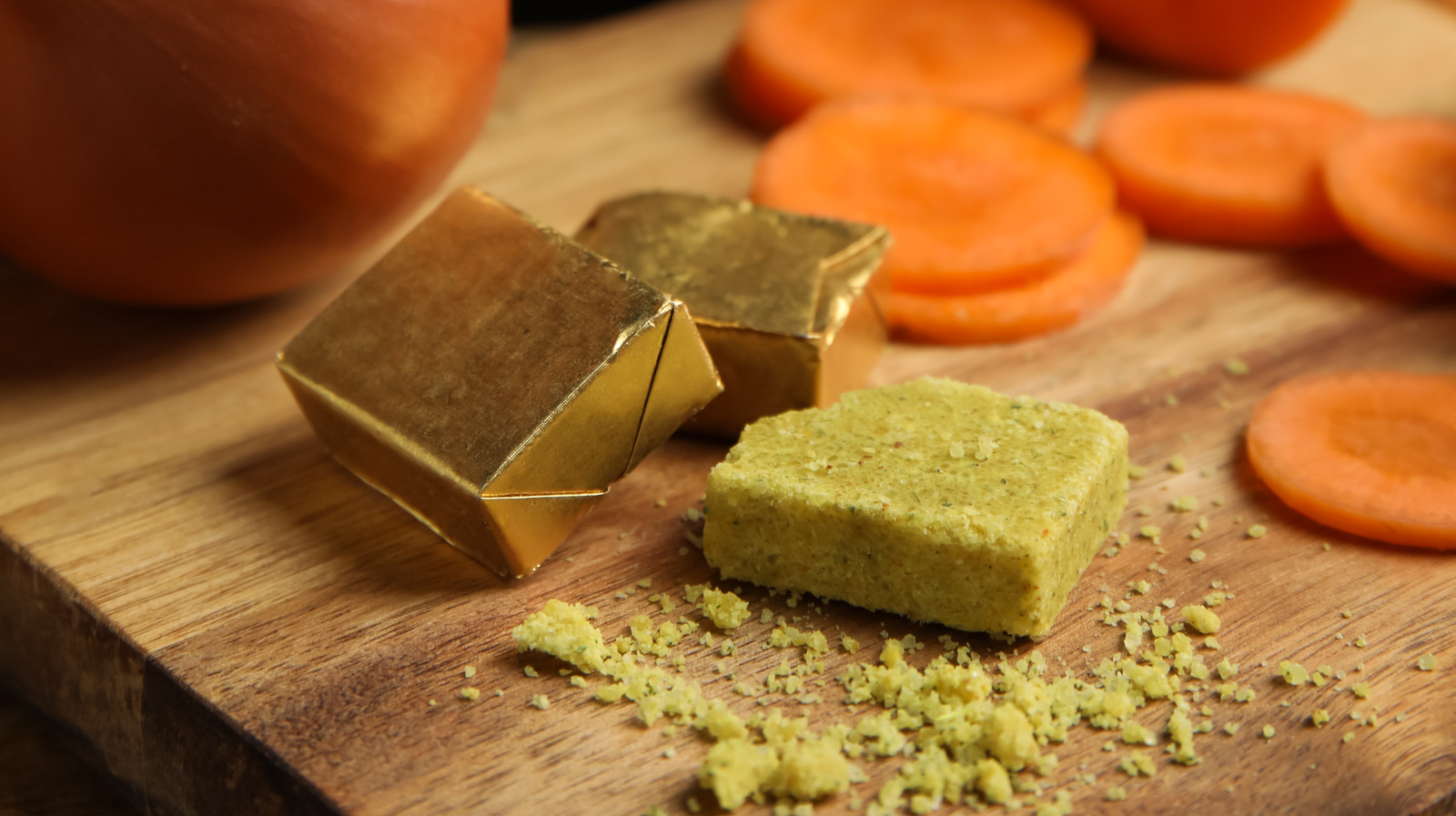
There is something almost funny about how much history sits inside a bouillon cube. It belongs to a longer line of concentrated broths made for efficiency, shelf life, and transport, all qualities armies value immediately, and home cooks eventually do too. By the early 20th century, cubes had become a tidy shortcut for soups, stews, rice, and sauces, which is really how they still function now.
Trending on The Scroller
Hardtack and Its Descendants
r/wikipedia
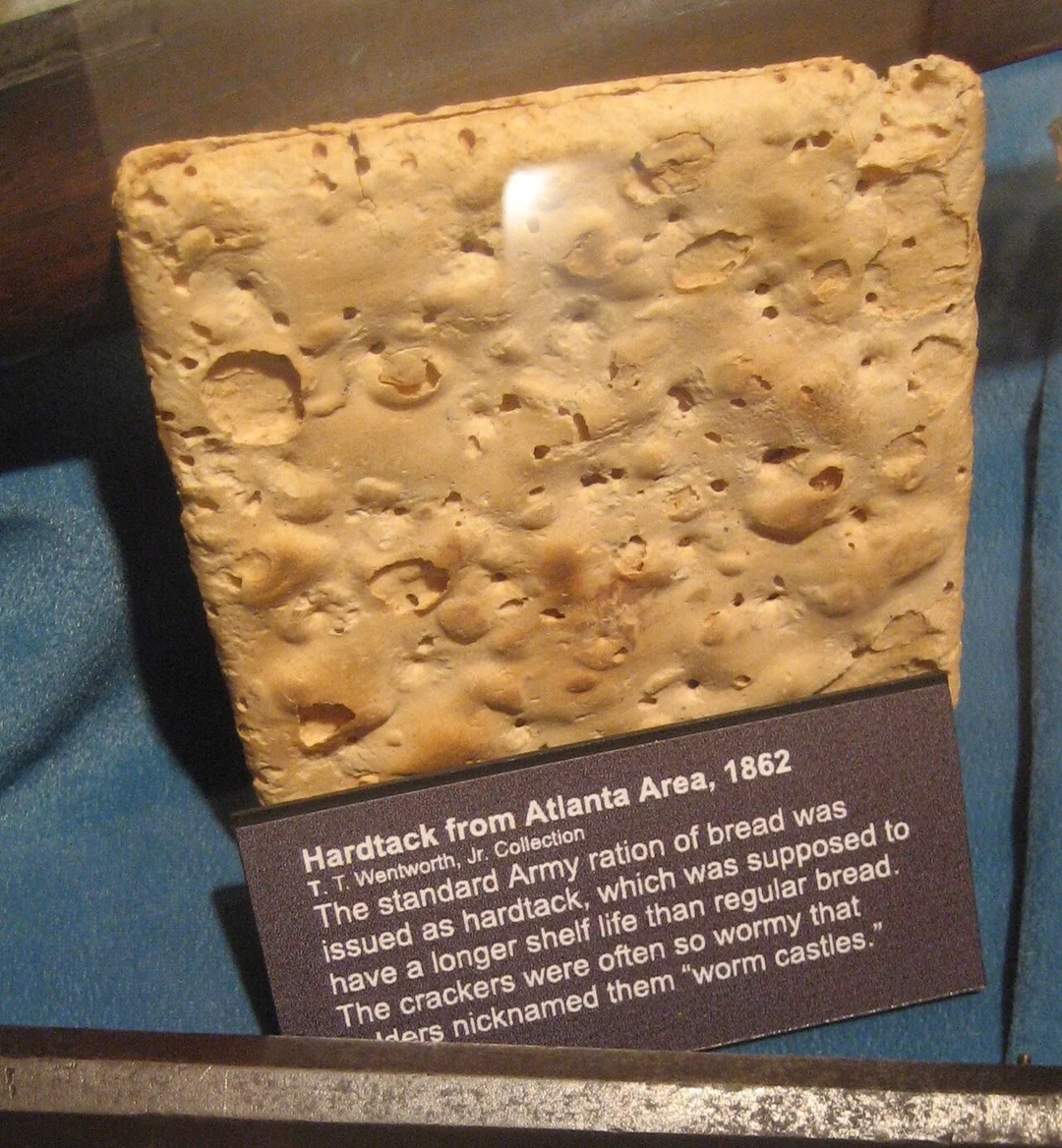
Nobody misses hardtack itself, and for good reason. The stuff was famously dry, stubborn, and built almost entirely around survival, but it helped establish the logic behind long-lasting crackers and ship biscuits that stayed useful well after military campaigns ended. The gentler, more edible descendants are still with us in the form of plain crackers meant to sit patiently on a shelf until needed.
Portable Soup
Savoring the Past
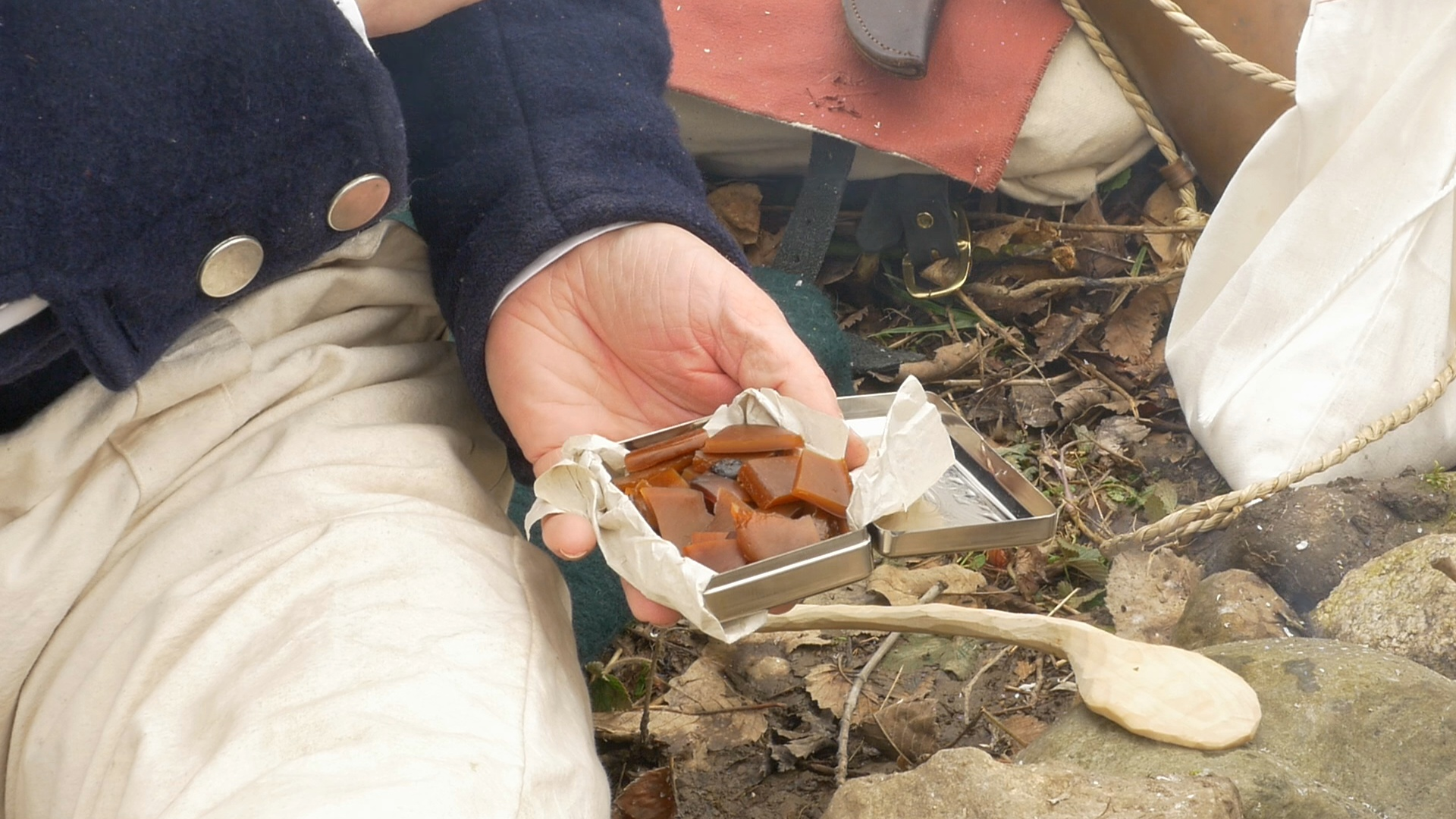
Before instant noodles, before powdered mixes, there was portable soup. It was basically broth reduced down into a concentrated form that soldiers and sailors could carry and revive with hot water. The texture may not sound appetizing now, but the idea is instantly familiar: make food lighter, longer-lasting, and easier to prepare when circumstances are rough.
Powdered Milk
r/mre
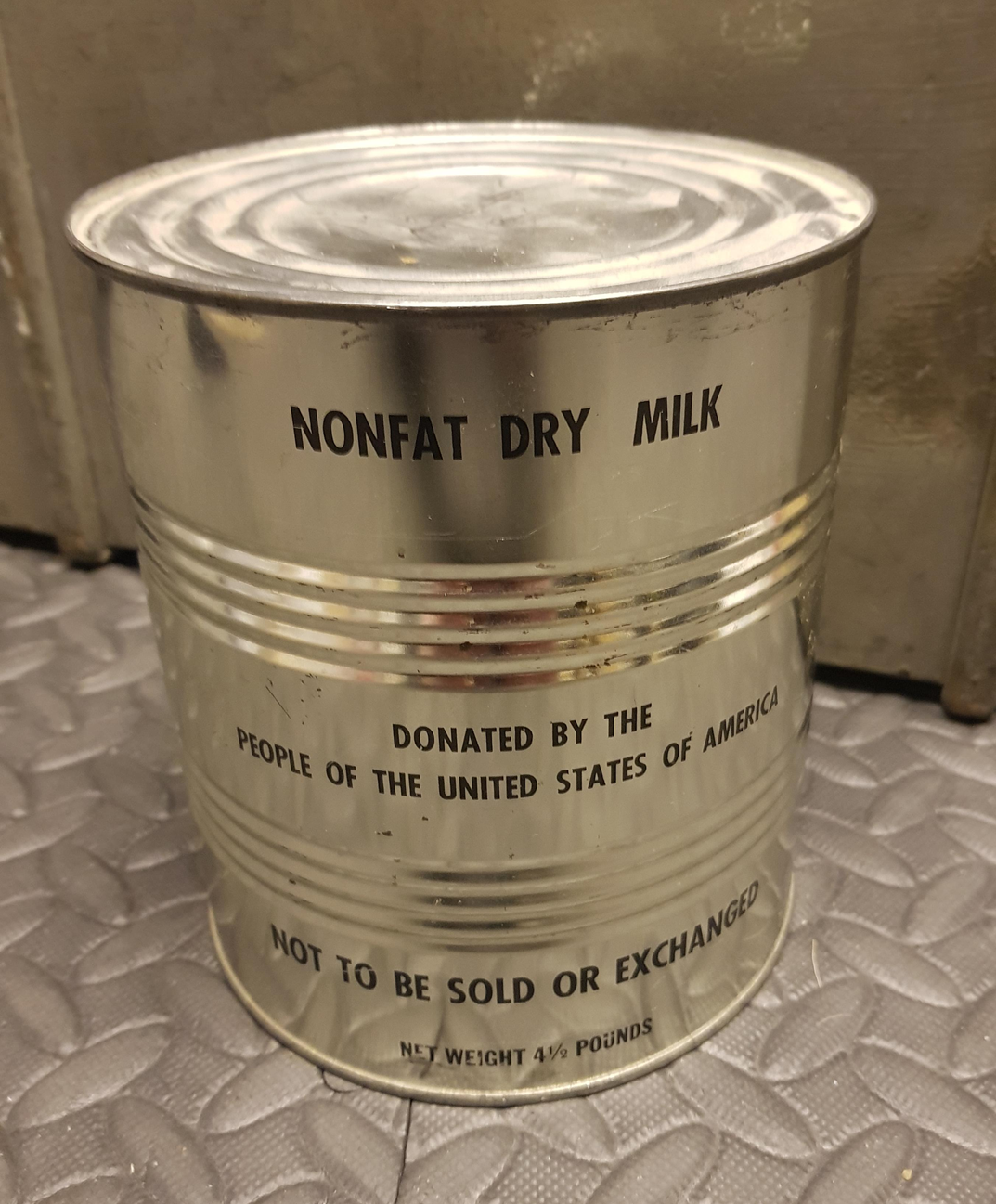
Dry milk is not glamorous, which may be why people forget how important it became. During the world wars, especially the Second World War, it solved a basic logistical problem by turning a perishable food into something that could be shipped, stored, and used almost anywhere. Later, it slipped into bakeries, emergency supplies, institutional kitchens, and all kinds of packaged foods without drawing much attention to itself.
Sign up for our newsletter
Powdered Eggs
r/umamasume
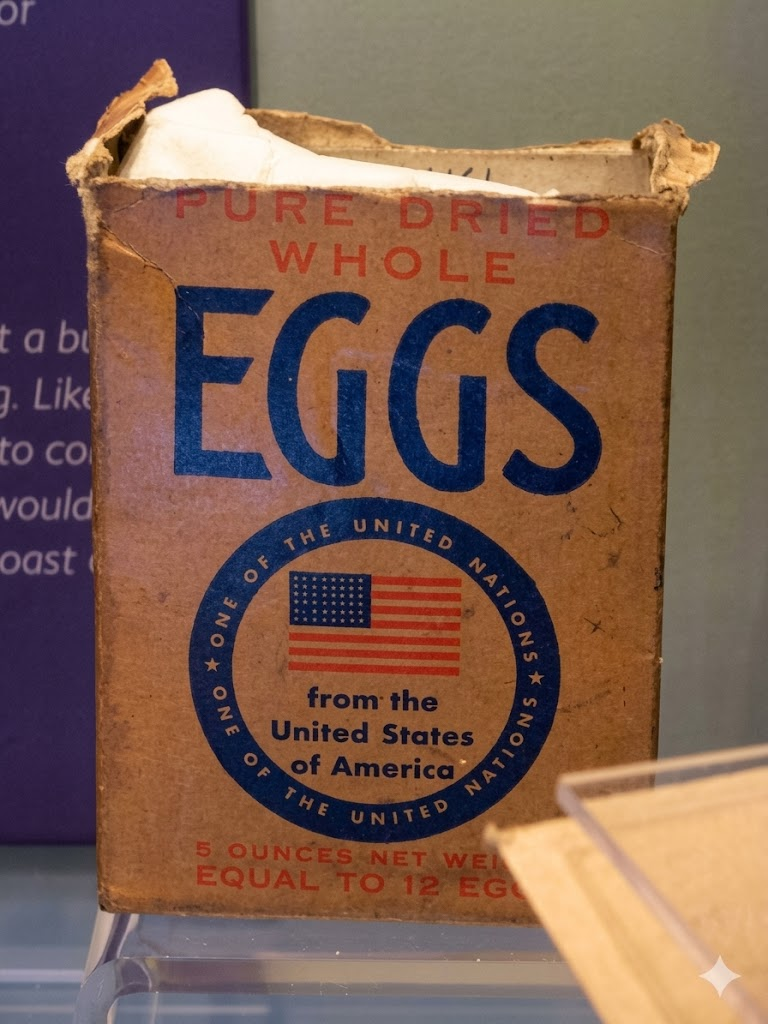
This is one of those products that makes perfect sense once you stop expecting elegance from it. Powdered eggs were heavily used during World War II, particularly where rationing and distribution made fresh eggs inconsistent. Even now, they linger in camping gear, industrial baking, and emergency kits, not beloved exactly, but dependable.
Instant Coffee
r/MRE
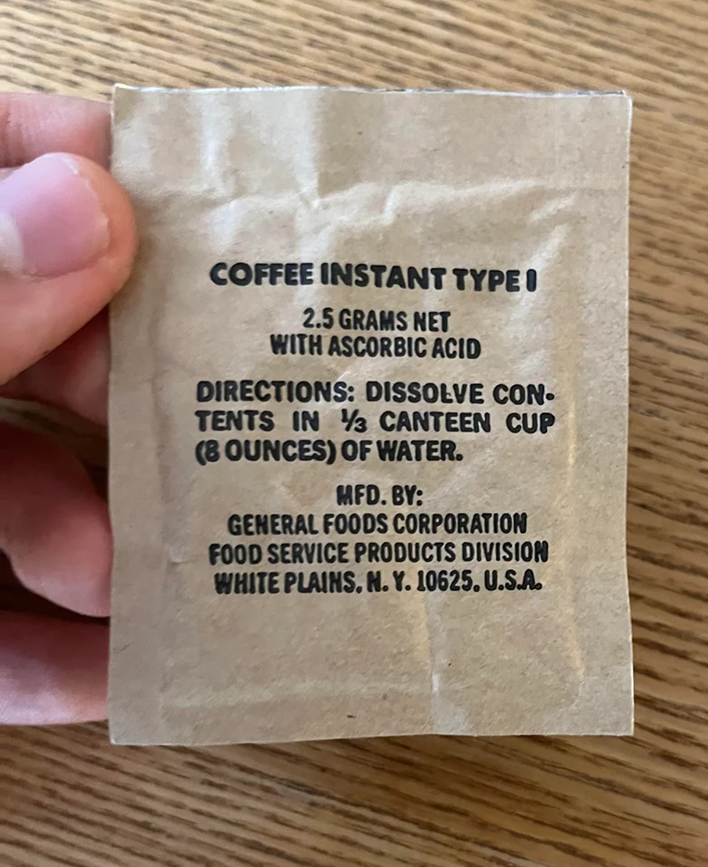
A lot of coffee culture is built around ritual, but war tends to strip ritual away. Instant coffee benefited from military demand because it was quick, lightweight, and far easier to distribute than roasted beans and full brewing equipment. Plenty of people kept drinking it afterward, partly out of habit and partly because convenience usually survives once it has been introduced.
Spam
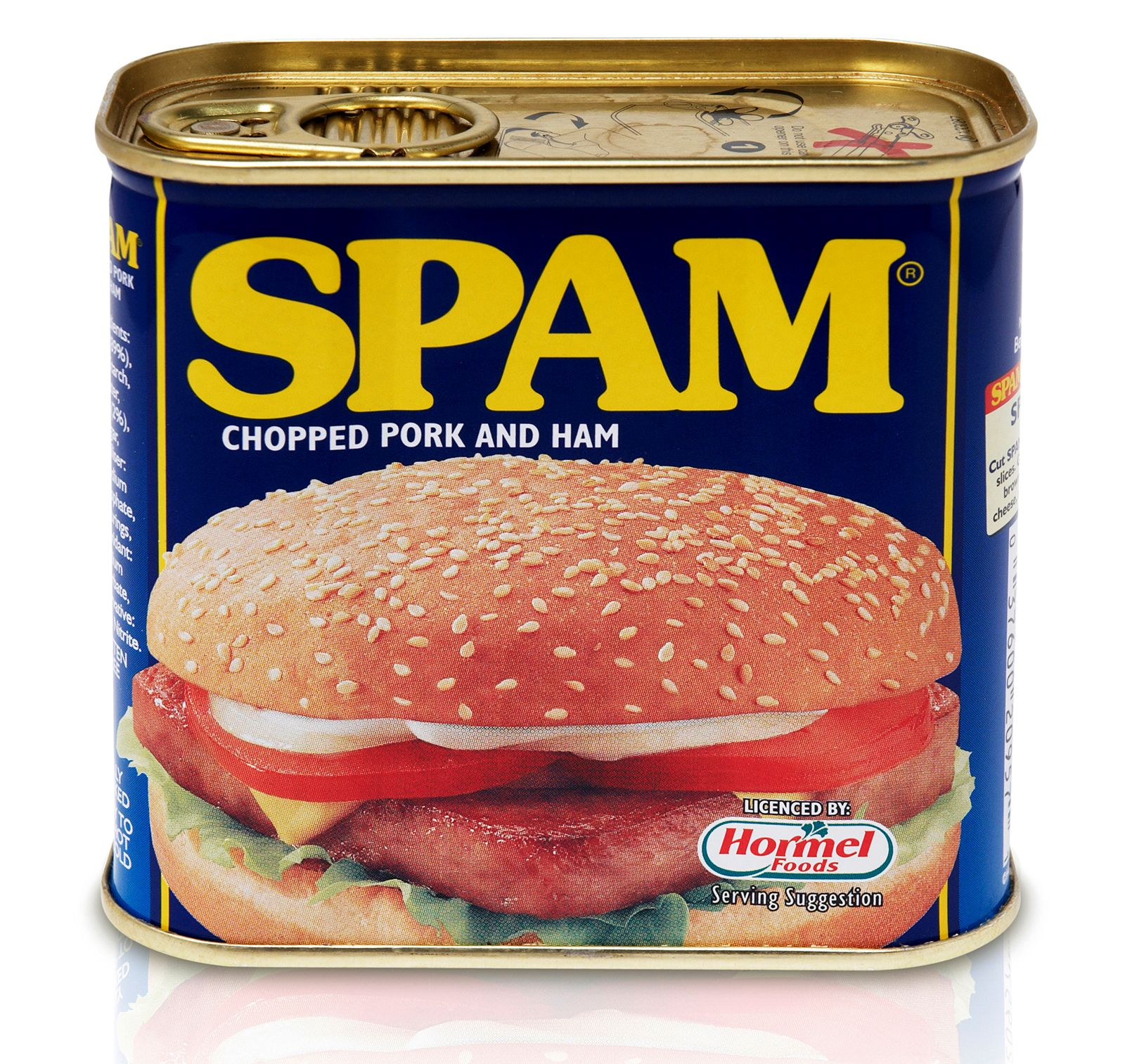
r/eesti
Spam arrived just before World War II and could not have been better timed for the era. It was cheap, shelf-stable, protein-heavy, and easy to move across long distances, which made it valuable to militaries and civilians dealing with supply constraints. In some places, it remained a backup food; in others, it became folded into local cooking in a much deeper way.
Frozen Orange Juice Concentrate
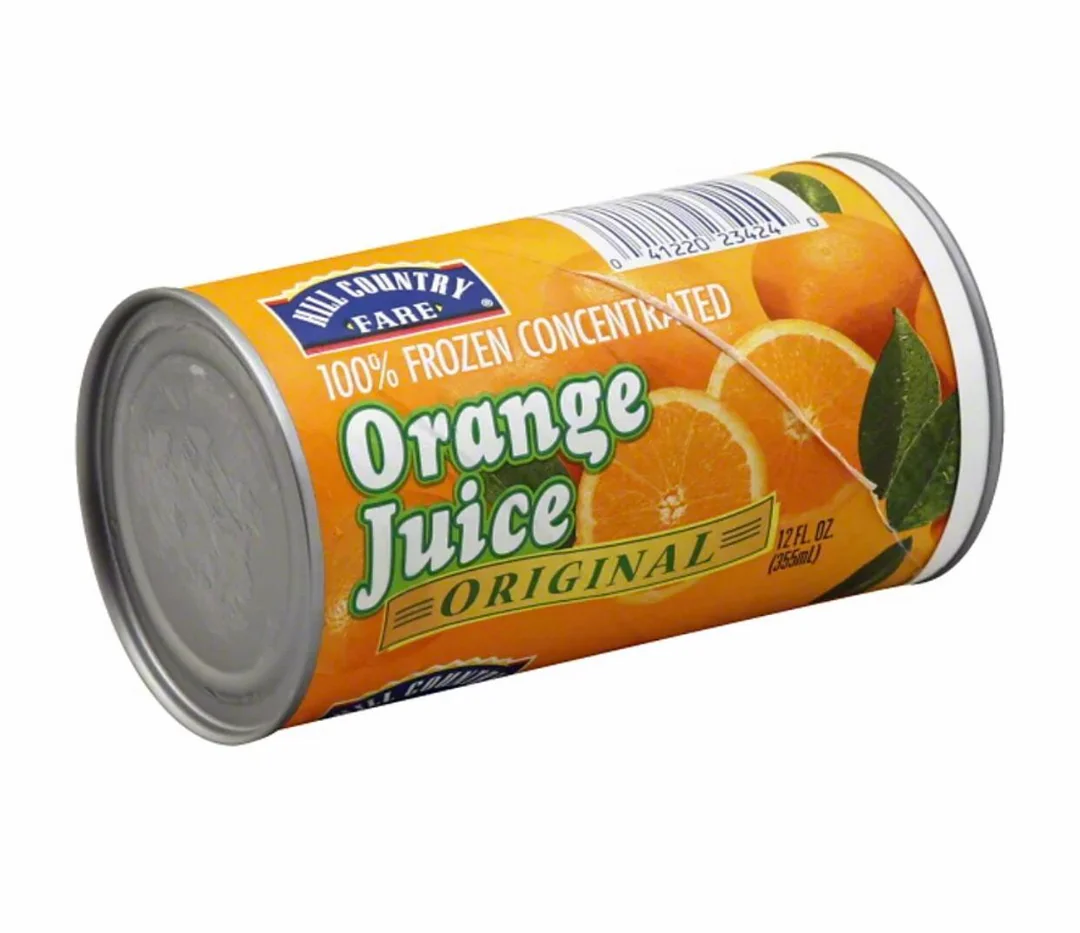
r/nostalgia
This one came out of a nutrition problem. During World War II, the U.S. military wanted a stable way to get vitamin C to soldiers, and research around that challenge helped push frozen orange juice concentrate forward. By the time it reached everyday consumers, it felt less like a war product than a modern convenience, but the wartime urgency was part of what got it there.
TV Dinners
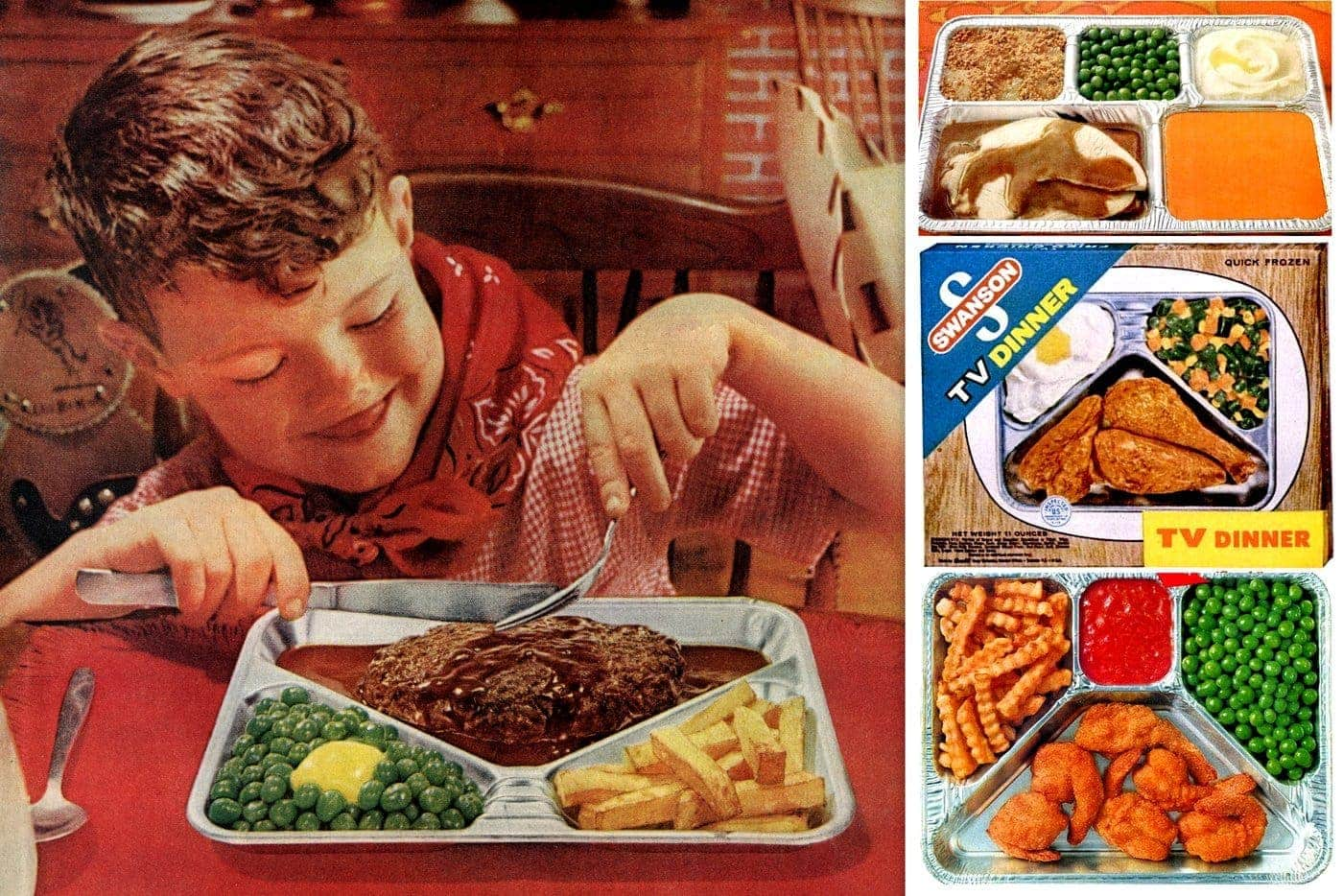
r/nostalgia
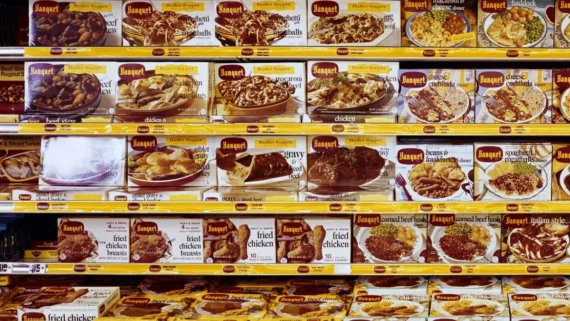
TV dinners were not invented in combat, but they absolutely belong to a culture shaped by wartime food systems. The frozen, portioned, heat-and-eat meal grew out of advances in large-scale preparation, preservation, and distribution that had obvious military value in the 1940s. Once those ideas reached suburban America, dinner became something you could slide into an oven and forget about for a while.
Instant Ramen
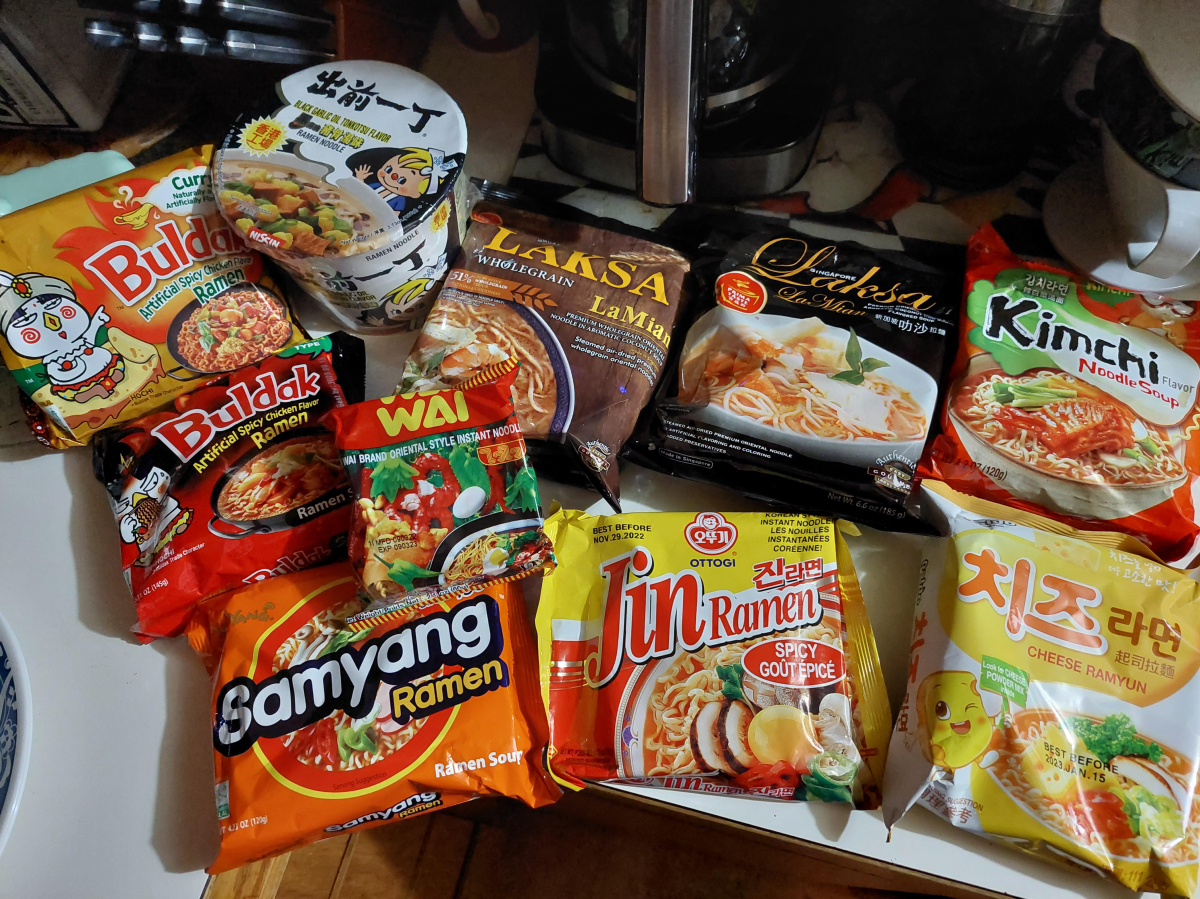
r/instantramen
Instant ramen has a postwar rather than wartime origin, but the context matters. Japan was dealing with deep shortages and a battered food system after World War II, and Momofuku Ando’s breakthrough came from that reality, not from some abstract desire to innovate. Cheap, fast, filling food tends to travel well, and this one traveled everywhere.
Currywurst
r/food
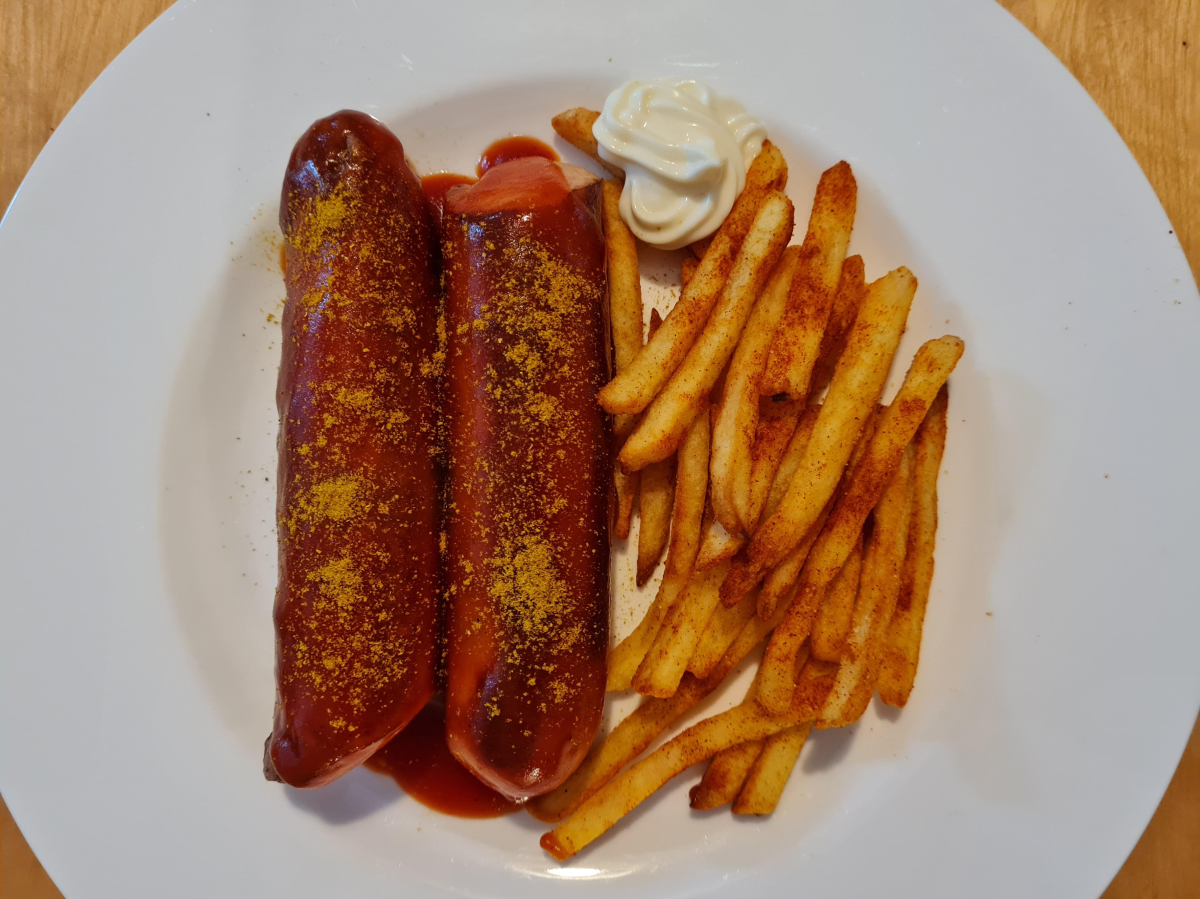
Some foods are born from planning, others from a city trying to patch itself together. Currywurst emerged in postwar Berlin, where Herta Heuwer is said to have mixed sausage with a sauce built from ketchup and curry powder at a moment when foreign military presence and scarcity were reshaping local eating. It sounds improvised because it was, and that improvisation turned into a habit.
Instant Mashed Potatoes
r/lowspooncooking
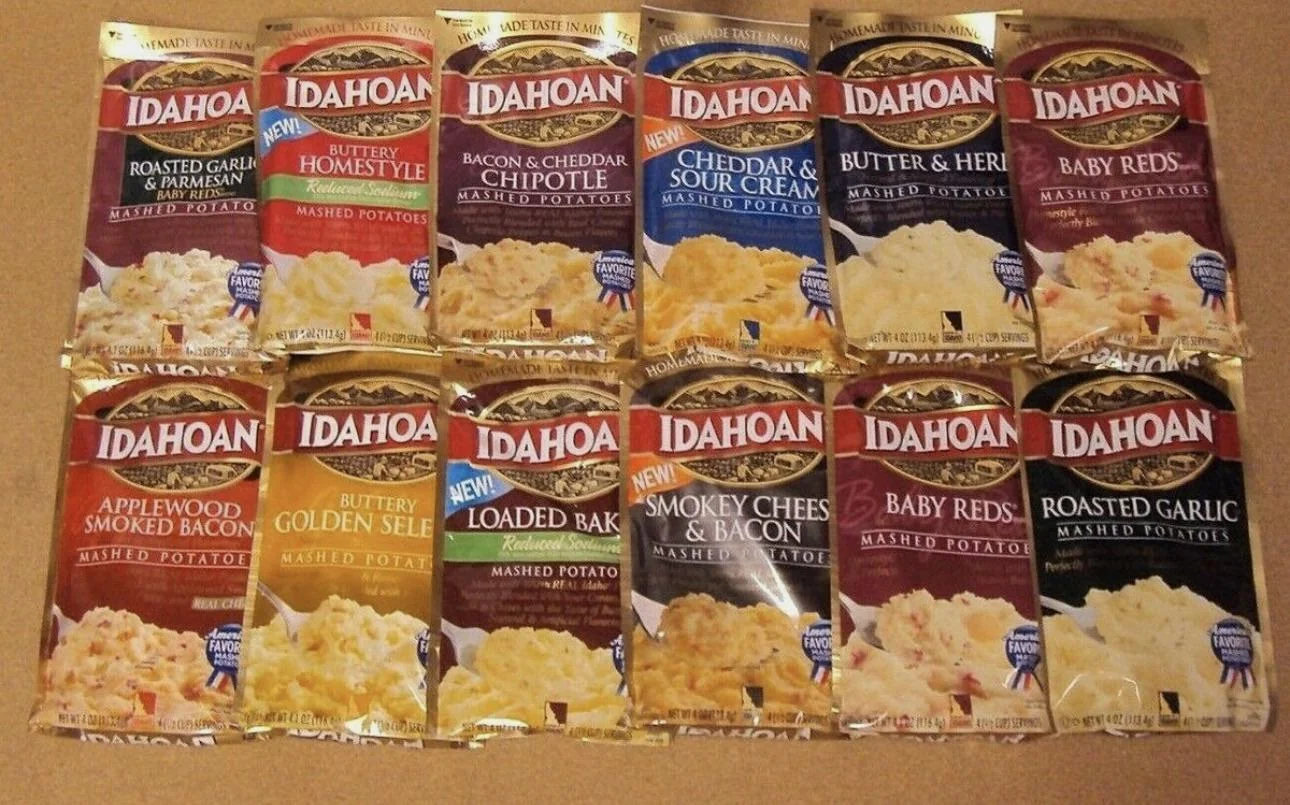
Instant mashed potatoes feel like a classic mid-century grocery item, but the technology behind them came out of a period when food dehydration mattered a great deal. Wartime and postwar research kept pushing for products that were easy to store, ship, and prepare with minimal waste. Potato flakes fit that world perfectly, and once they entered domestic kitchens, they never really left.
A lot of these foods were never meant to be cherished. They were meant to last, to stretch, to solve a problem quickly. But people get used to convenience, and sometimes they get attached to it too.
In the mood for more?
For more food facts, you can check 17 Things Nutritionists Eat Every Day That People Never Expect, 15 Foods That Were Considered Medicine in the 1800s Before Anyone Thought to Eat Them for Pleasure, or you can also check 20 Dishes That Make Pineapple on Pizza Look Normal.