Some of the priciest dishes on modern menus started with ingredients people ate because they were cheap, plentiful, or simply available. Farmers, laborers, fishermen, and working-class families learned how to turn stale bread, unwanted cuts, grains, and shellfish into satisfying meals long before chefs started calling them rustic. Somewhere along the way, scarcity became authenticity, and authenticity became something restaurants could charge serious money for. These 15 foods have made a particularly strange trip from everyday survival cooking to polished dining rooms.
1. Polenta
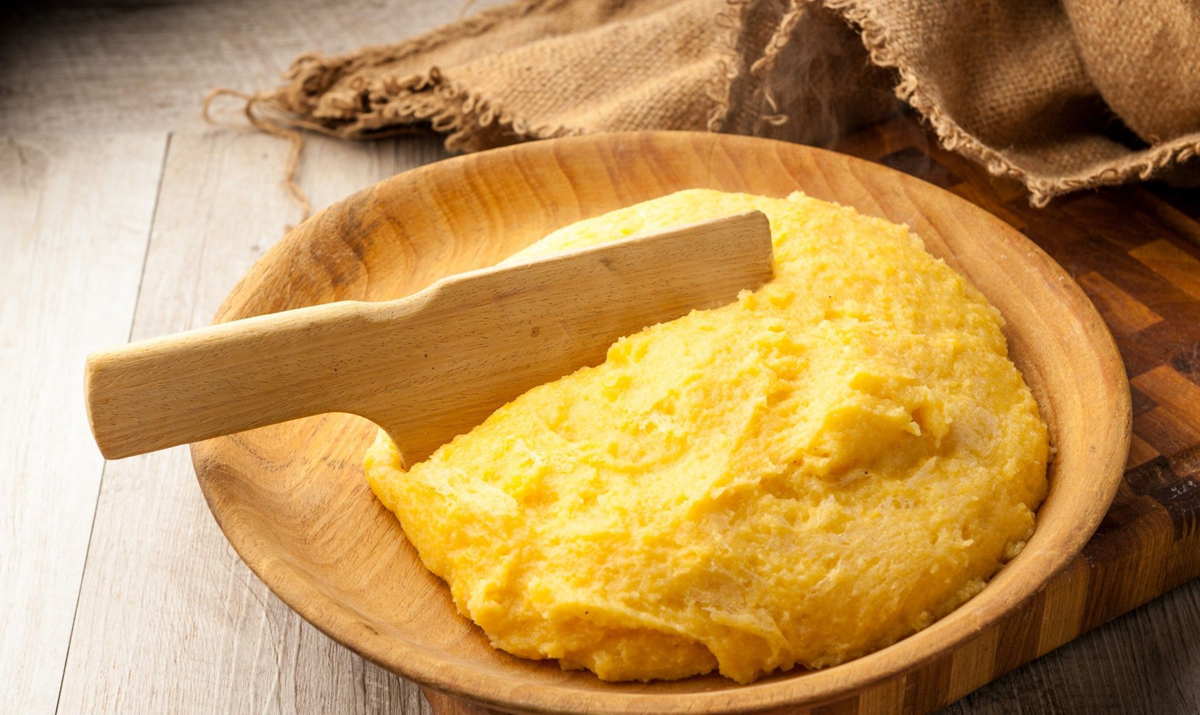
For generations in northern Italy, polenta was filling food made from one of the cheapest staples available: ground corn cooked slowly with water. After maize reached Italy in the 16th century, it became particularly important in poorer rural households, especially across the north. These days, the same basic porridge can arrive beneath braised short ribs, wild mushrooms, truffles, aged cheese, or other decidedly less humble ingredients at expensive Italian restaurants.
2. Oysters
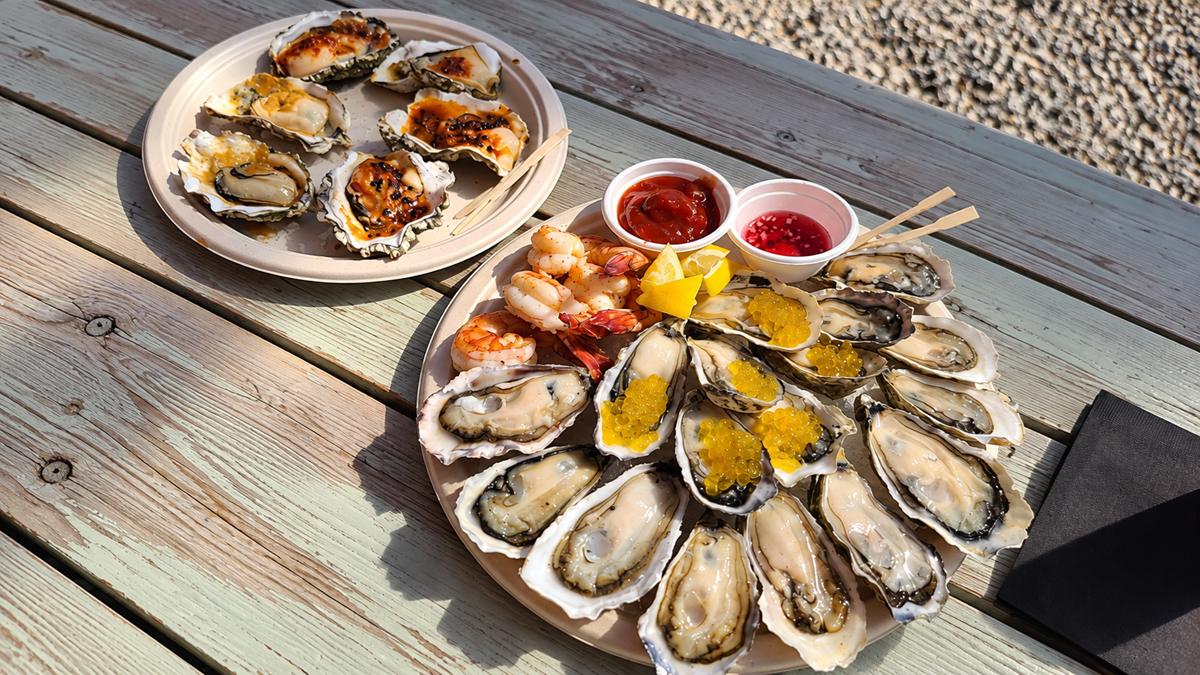
It is hard to square the luxury reputation of oysters with the way they were once eaten in huge quantities. In 19th-century New York, they were cheap enough to be sold at street stands and market stalls, while coastal communities elsewhere had long gathered them as an accessible source of protein. Depleted oyster beds, changing supply chains, and the culture surrounding raw bars eventually helped turn the inexpensive snack into something associated with champagne, silver trays, and special occasions.
3. Lobster
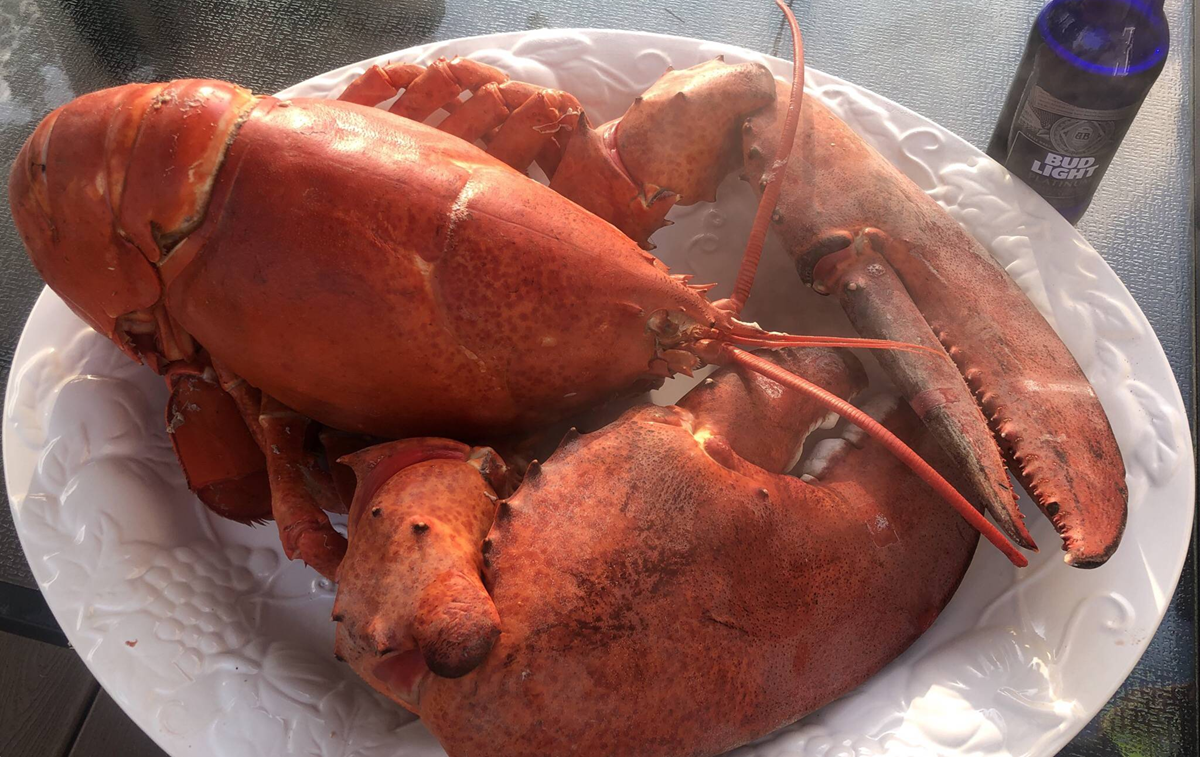
Lobster’s reputation has gone through one of the most famous reversals in American food history. Early New England had such plentiful supplies that lobster was far removed from the expensive special-occasion seafood it later became, and colonial demand could be greater for using it as fertilizer than serving it at an elegant meal. By the 1800s, however, lobster had developed a much more fashionable reputation and supported a growing commercial industry. Now a whole lobster can easily occupy the most intimidating part of a seafood menu.
4. Ribollita
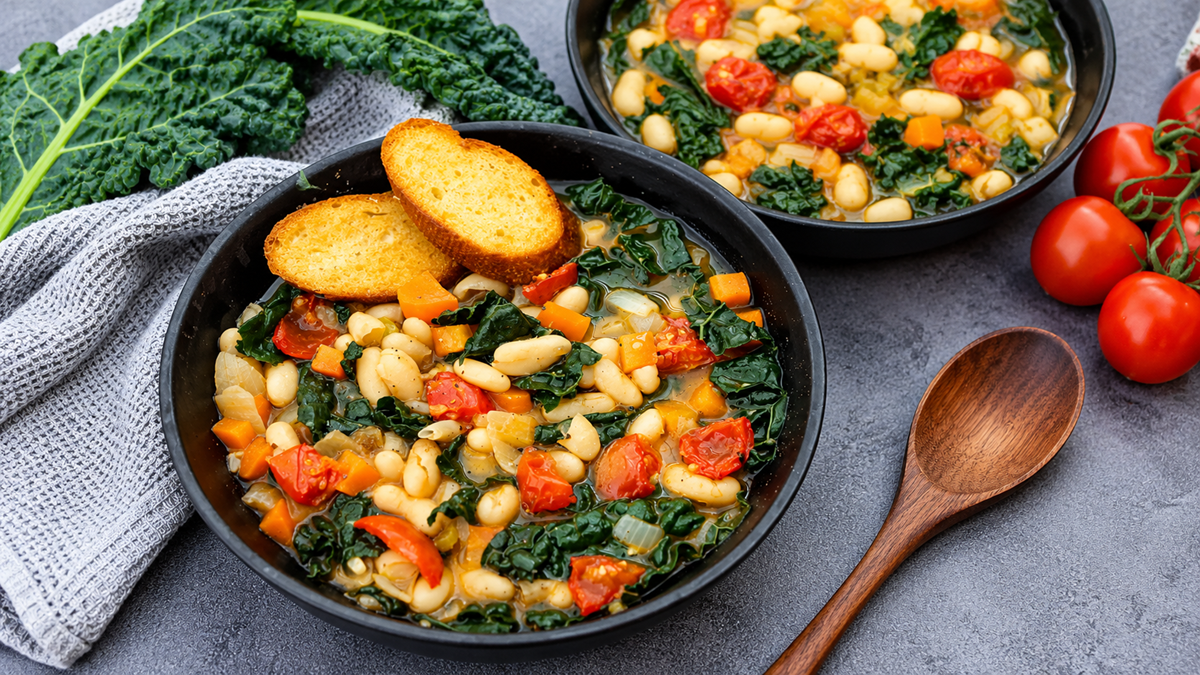
Ribollita was built around the extremely practical idea that yesterday’s food should not be wasted. Tuscan households combined vegetables, beans, bread, and leftovers into a thick soup that could be reheated, which is essentially what its name refers to. That thrift fits directly into Italy’s broader cibo povero tradition, where cooks made full use of inexpensive ingredients because wasting food simply was not an option. A carefully plated bowl of ribollita in a fashionable restaurant may look refined, but the dish’s appeal still comes from making humble ingredients taste much richer than they are.
5. Escargot
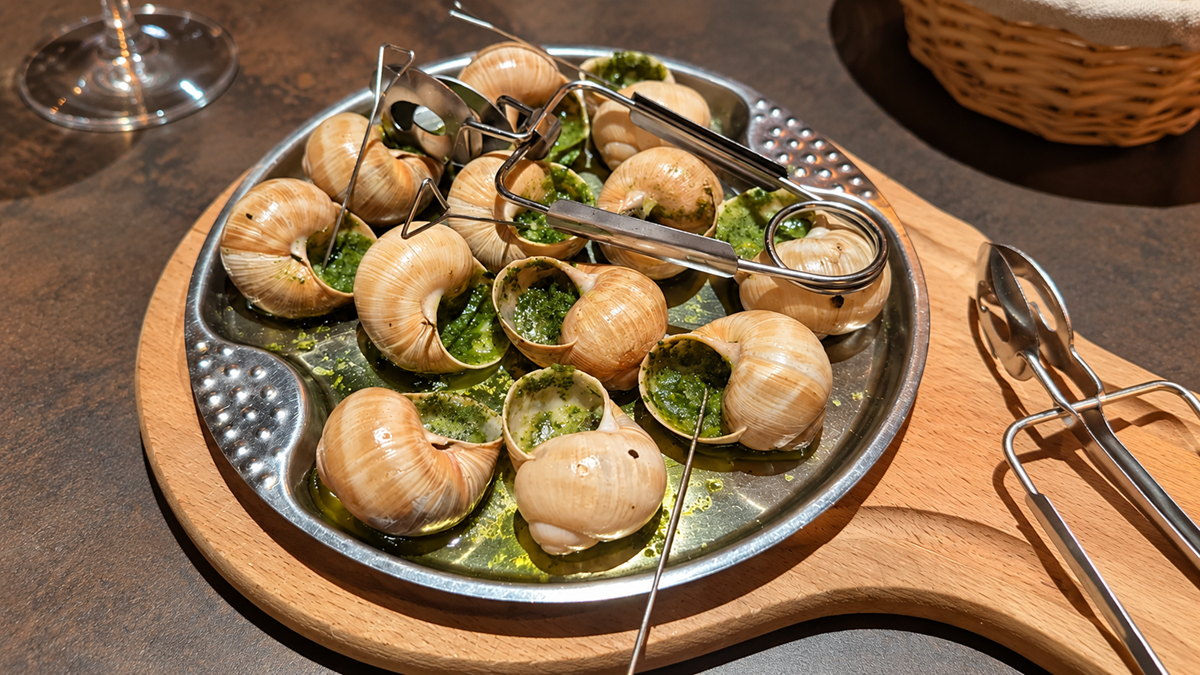
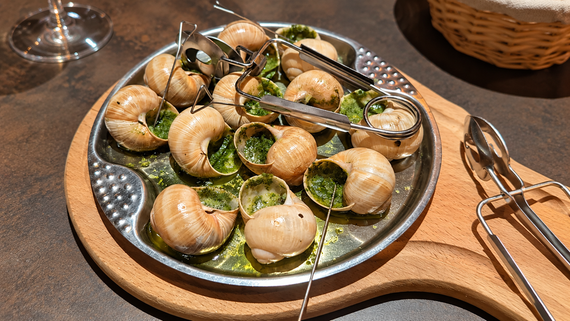
Snails were hardly invented by French fine dining. Humans have eaten land snails for thousands of years, and for poorer communities they offered protein that could simply be gathered rather than purchased. Cover them in garlic-parsley butter, place them in a specialized ceramic dish, hand diners tiny forks, and suddenly the garden pest has a considerably fancier résumé.
Trending on The Scroller

6. Cacio e Pepe
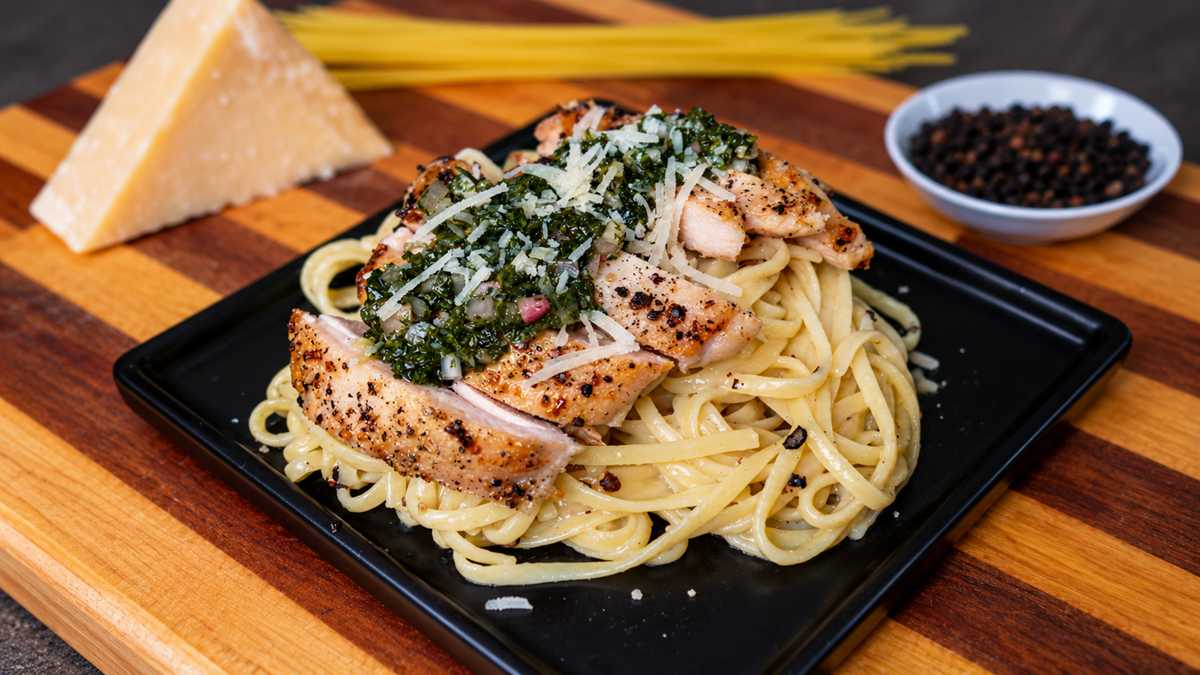
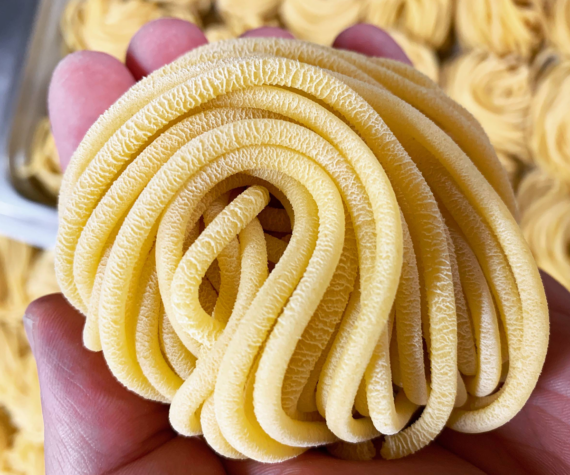
Pasta, pecorino, black pepper. That short ingredient list is part of the point. Cacio e pepe belongs to a Roman cooking tradition built around straightforward foods that could be made without an elaborate pantry, yet modern versions routinely appear in stylish restaurants far beyond Italy. Some chefs add expensive pepper varieties, aged cheeses, truffles, or tableside preparation, but underneath it all is still one of pasta’s simplest combinations.
7. Bone Marrow
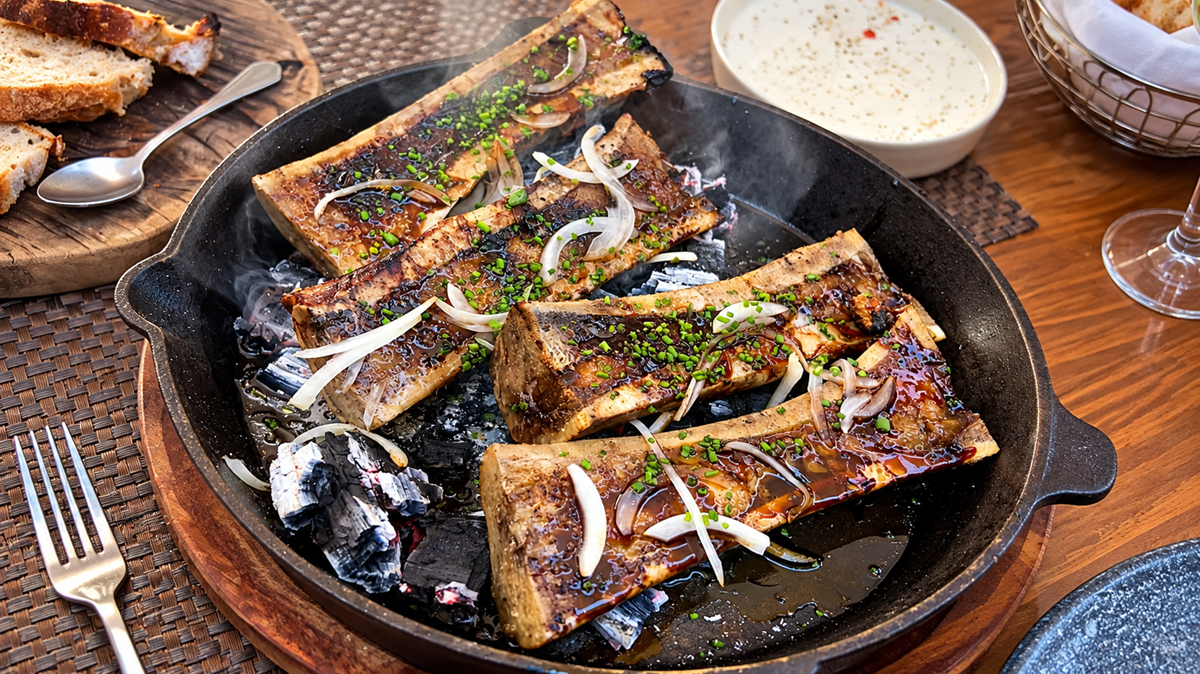
There is nothing particularly extravagant about the center of a leftover bone. Historically, using marrow was simply another way of extracting nourishment and flavor from an animal rather than throwing useful parts away. Modern restaurants discovered that splitting those bones lengthwise, roasting them hard, and serving them with grilled bread makes the whole thing look rather spectacular. A food associated with using every scrap can now arrive as a small plate with a surprisingly large price attached.
8. Panzanella
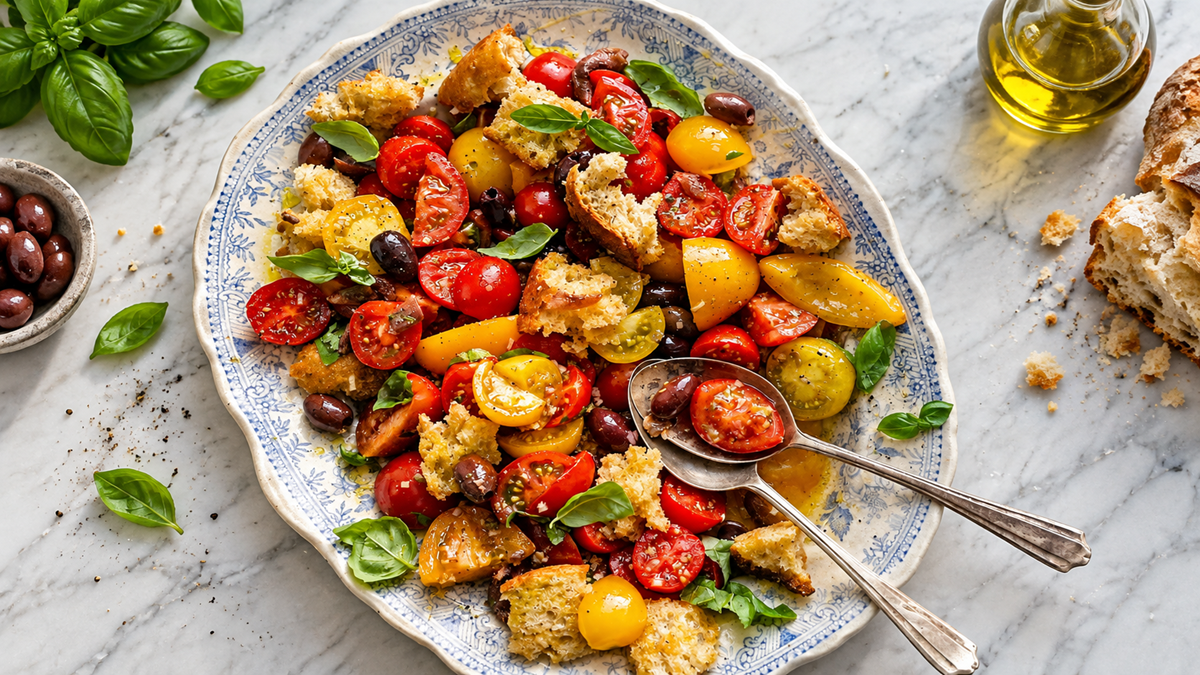
Stale bread was not garbage in a household where bread represented money and labor. In Tuscany and other parts of central Italy, old bread could be softened and mixed with seasonal vegetables, oil, vinegar, and whatever else was available. Panzanella still depends on that basic trick, except restaurant versions may now feature heirloom tomatoes, premium olive oil, specialty vinegars, and meticulously arranged pieces of bread that nobody would dare describe as leftovers.
Sign up for our newsletter
9. Oxtail
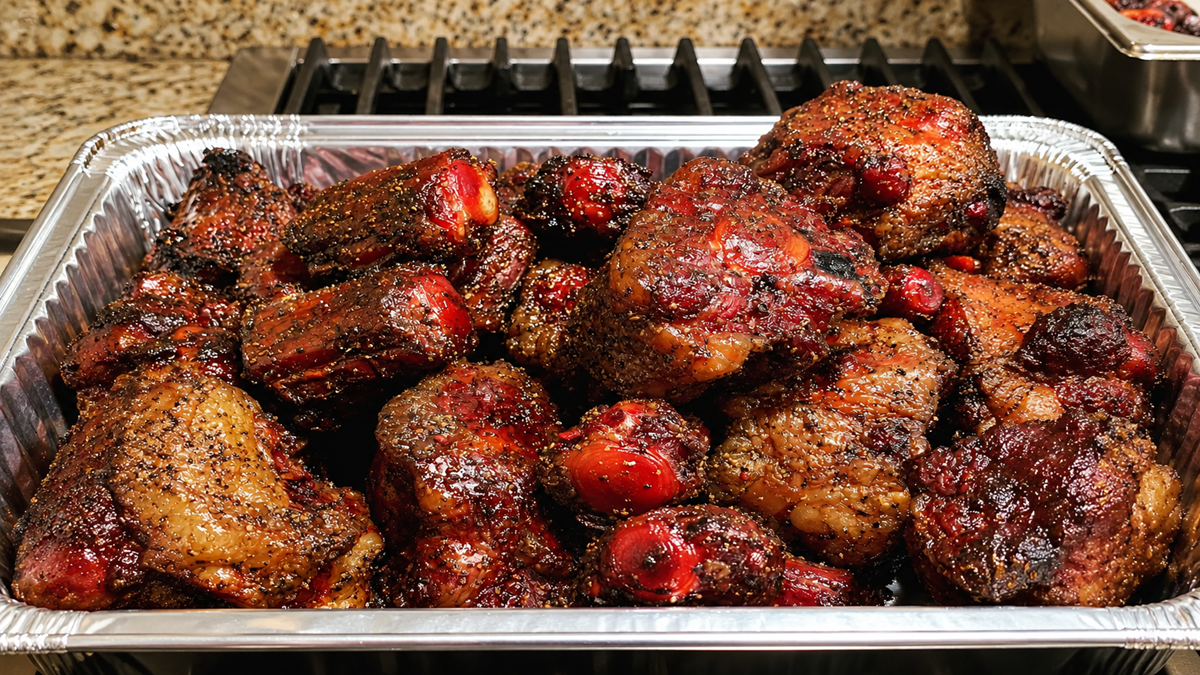
Cuts such as oxtail became closely associated with working-class cooking because they needed time and technique more than money. Long simmering breaks down all that connective tissue and turns an awkward-looking cut into intensely rich meat and broth. That made it ideal for soups and stews in numerous cuisines. The irony is that increased demand has made oxtail considerably less economical, so the bargain cut that rewarded patient cooks is no longer necessarily a bargain.
10. Tripe
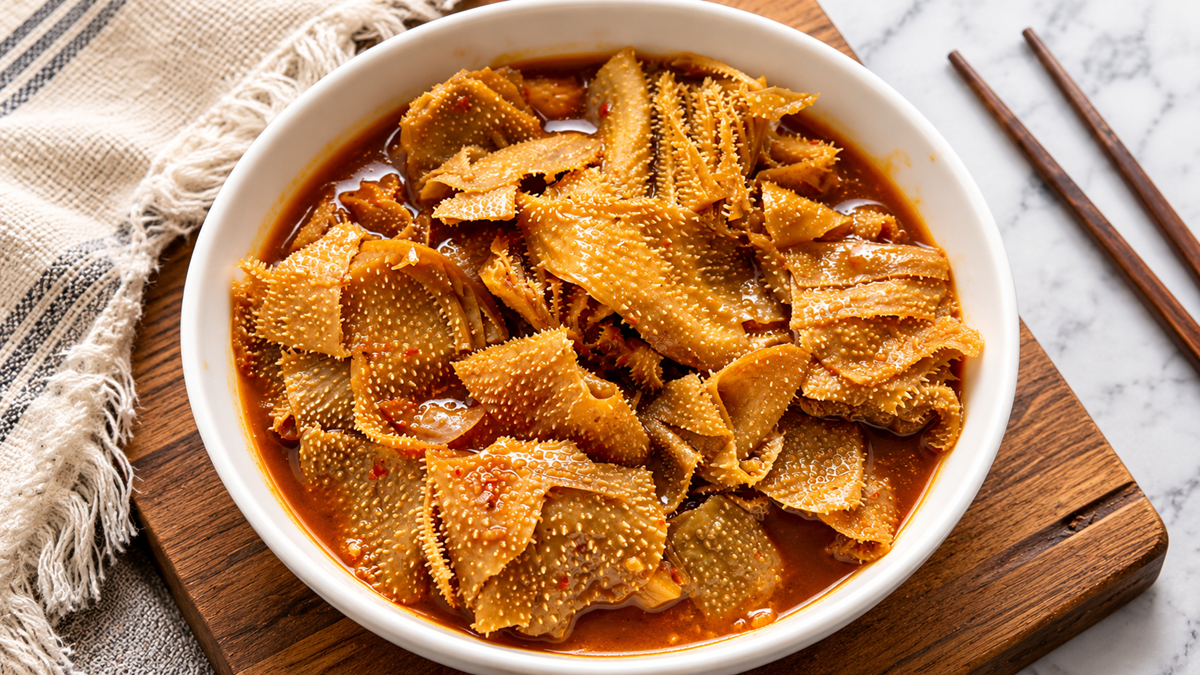
Eating the stomach of an animal was never about showing off. Tripe became part of traditional working-class cooking in places ranging from Italy and Portugal to Mexico and parts of Asia because people used the portions of slaughtered animals available to them. Preparing it well takes time, cleaning, seasoning, and a lot of slow cooking. Chefs later discovered those same qualities make tripe a perfect candidate for the sort of deeply flavored, labor-intensive dish that feels right at home on a serious restaurant menu.
11. Cassoulet
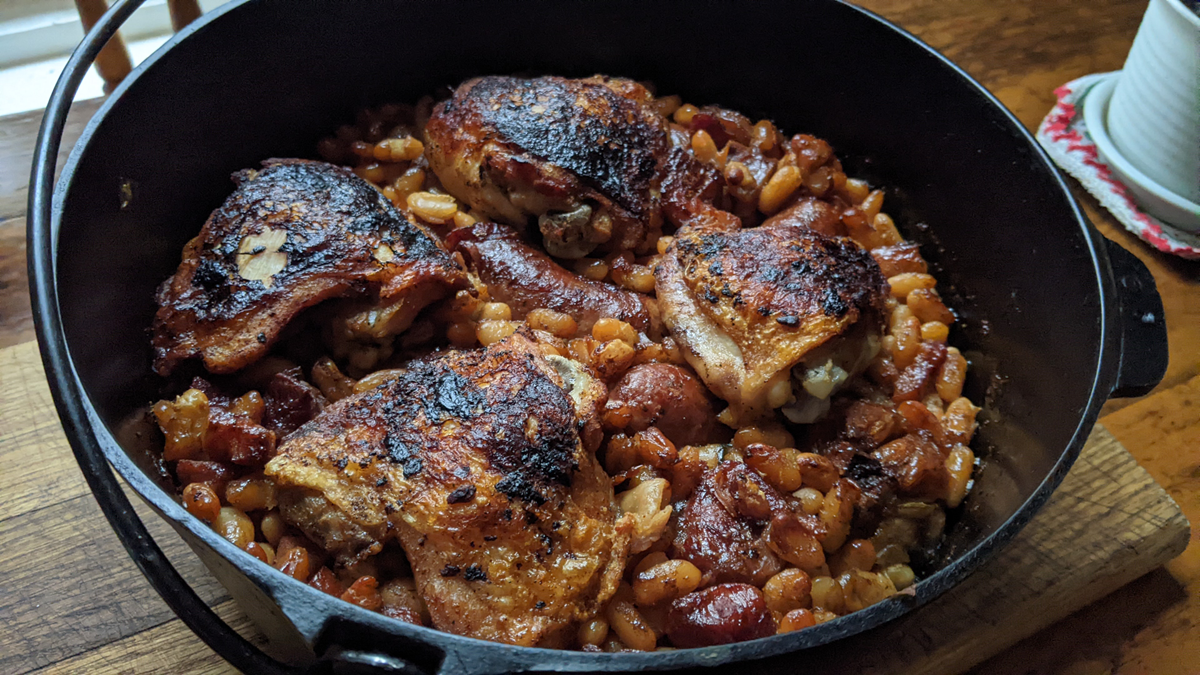
Cassoulet does not look especially humble once it arrives bubbling in a heavy ceramic pot. Its foundation, though, is beans stretched with preserved or inexpensive meats and cooked slowly until everything melds together. Regional versions from southwestern France developed around what people locally had access to rather than one rigid luxury recipe. Add duck confit and artisanal sausage in a white-tablecloth restaurant, and the price starts looking rather different from the dish’s practical rural roots.
12. Pappa al Pomodoro
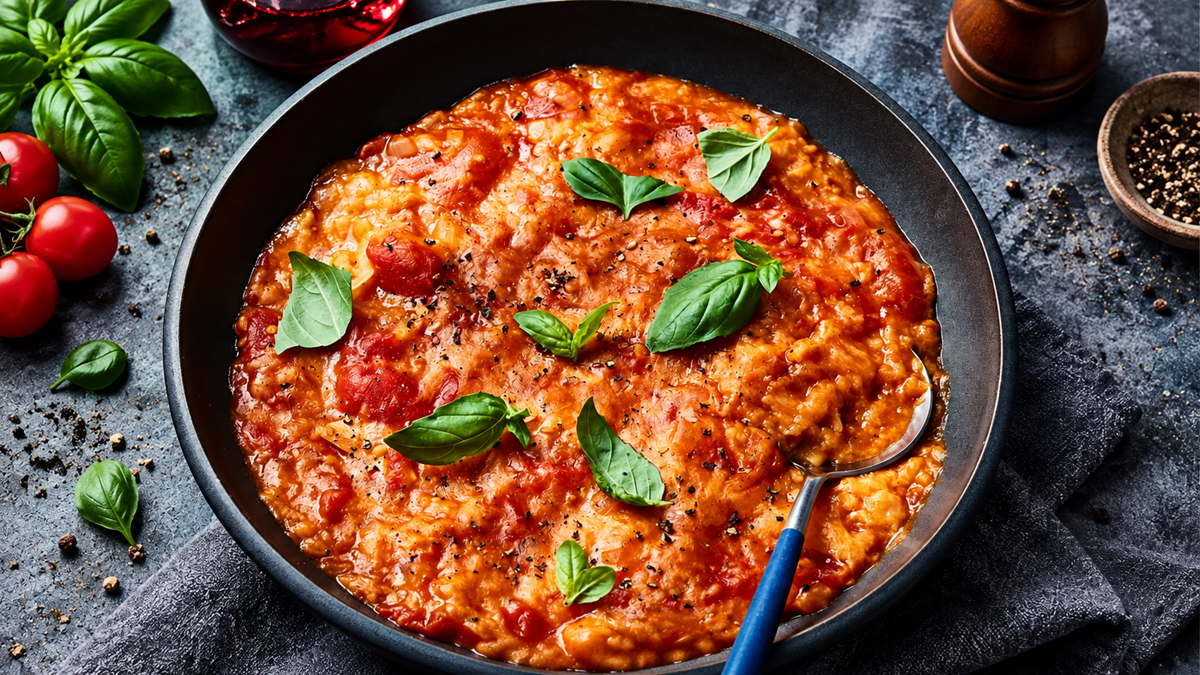
Bread appears again because generations of resourceful cooks had absolutely no intention of wasting it. Pappa al pomodoro turns stale Tuscan bread, tomatoes, garlic, olive oil, and herbs into something halfway between soup and porridge. La Cucina Italiana includes it among recipes tied to Italy’s cibo povero heritage. It is a clever lesson in how little a dish actually needs when the ingredients and technique are good.
13. Ratatouille
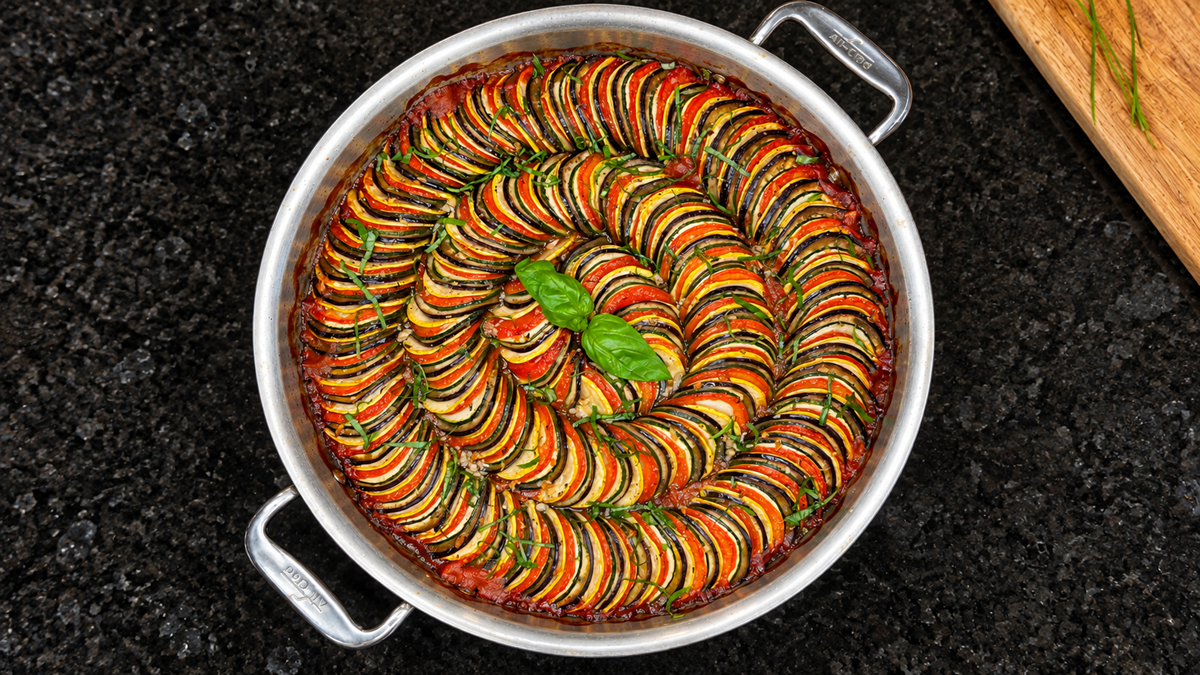
Before an animated rat made the name internationally recognizable, ratatouille was vegetable cooking at its most practical. Zucchini, eggplant, tomatoes, peppers, onions, and herbs were the sorts of seasonal ingredients available to ordinary households in Provence, and there was no need to transform them into an elaborate centerpiece. Restaurant chefs can now turn those same vegetables into meticulously layered arrangements that barely resemble a farmhouse stew. The ingredients did not become glamorous, the presentation did.
14. Offal
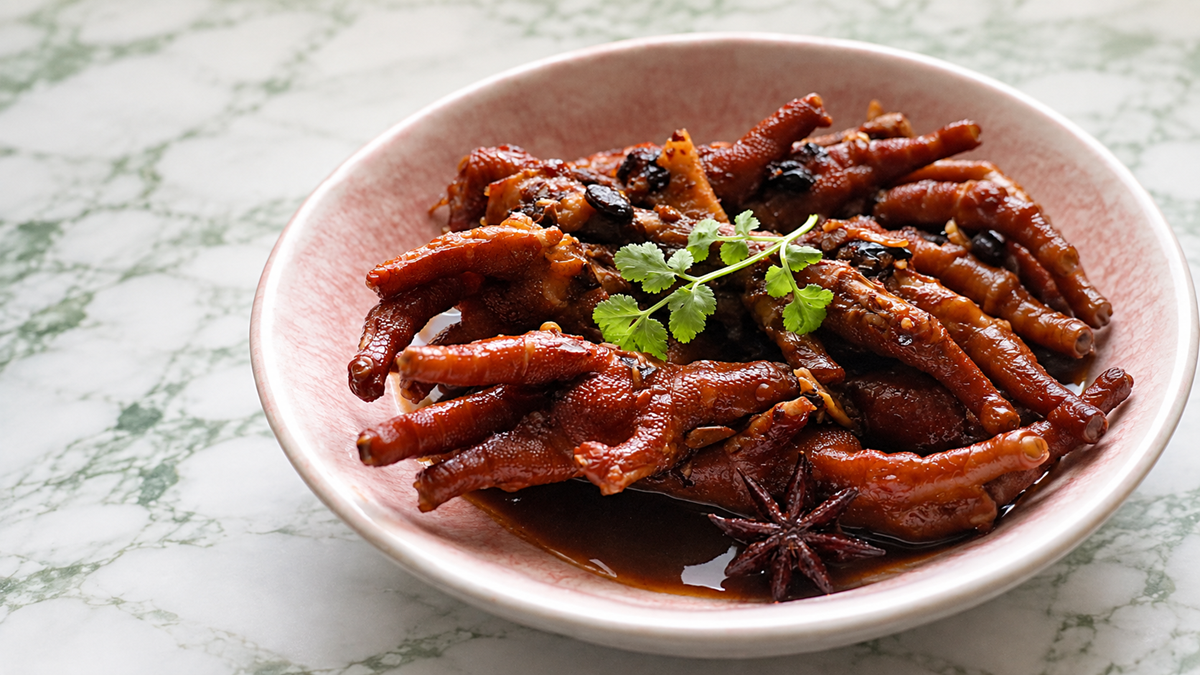
Liver, kidneys, sweetbreads, hearts, cheeks, and other less fashionable portions existed outside elite dining for a very simple reason: somebody had to eat the rest of the animal. Roman quinto quarto cooking is one famous example of a cuisine shaped around cuts left after the most desirable portions had been taken, part of the broader waste-conscious cibo povero tradition. Today, menus may describe these ingredients by their French names, pair them with expensive wine sauces and present them as proof of a chef’s sophistication.
15. Bread and Butter
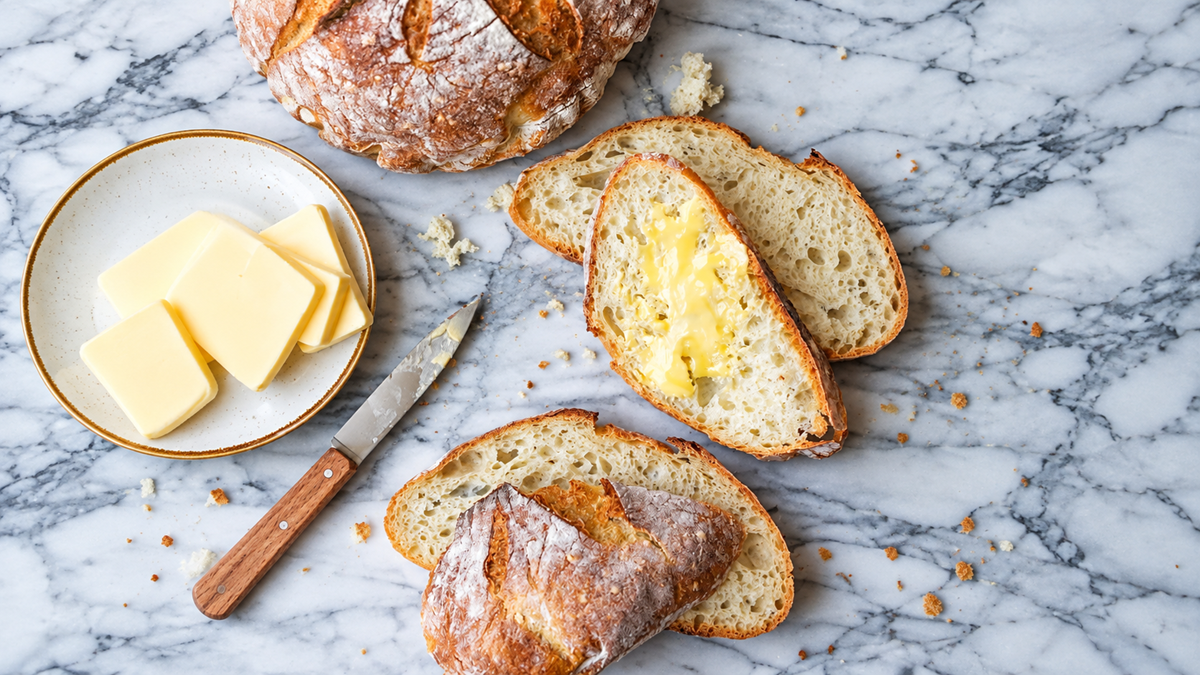
Perhaps nothing captures the whole transformation better than bread and butter. For centuries, bread was among the most basic foods on the table, while butter or another fat simply made it more satisfying. Now restaurants bake sourdough in-house, culture their own butter, smoke it, ferment it, whip it with unusual ingredients, and sometimes charge separately for what used to arrive automatically before dinner. The technique can be excellent, but it is still amusing to watch one of the oldest basic food combinations become a menu event.
In the mood for more?
Check out 20 Surprisingly Common Foods That Used to Be Considered “Luxury” in the 80s, or take a look at 16 Foods That Were Invented During Times of War and Became Everyday Staples. If you want to see more surprising food history, you can check out 13 Foods People Once Thought Were Poisonous or Unsafe or 17 Foods Nutritionists Eat Every Day That People Never Expect.