
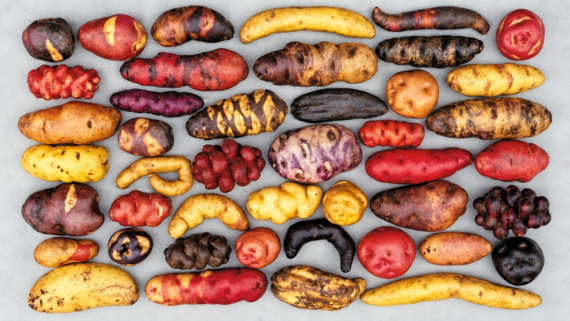
Food fears have a way of sticking around long after the original reason for them has disappeared. Sometimes the suspicion began with a genuine scientific question, while other times it came from rumor, bad experiments, or an unfortunate association with something that really was poisonous. A few perfectly ordinary foods spent decades, or even centuries, carrying reputations they did not entirely deserve. In several cases, the story is stranger than simply proving that something was “safe.”
1. Tomatoes
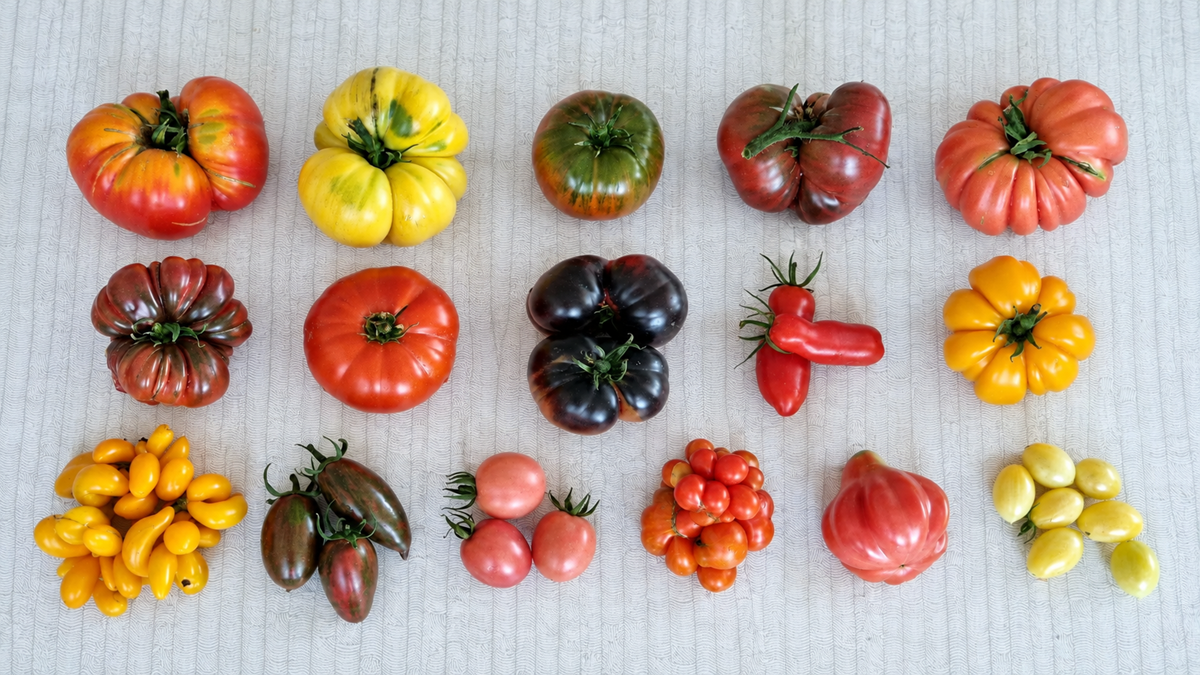
For a long stretch of European history, tomatoes looked much more threatening than appetizing. They belonged to the same botanical family as deadly nightshade, which did not help, and by the 18th century they had developed a reputation among some Europeans as poisonous. There was also a bizarre real-world complication: wealthy diners often ate from pewter tableware containing lead, and acidic tomatoes could contribute to lead leaching from those plates. The resulting illnesses helped reinforce suspicions about the fruit itself. Tomatoes had already been eaten in Mesoamerica long before Europeans encountered them, and they gradually became commonplace in European cooking as the old fears faded.
2. Potatoes
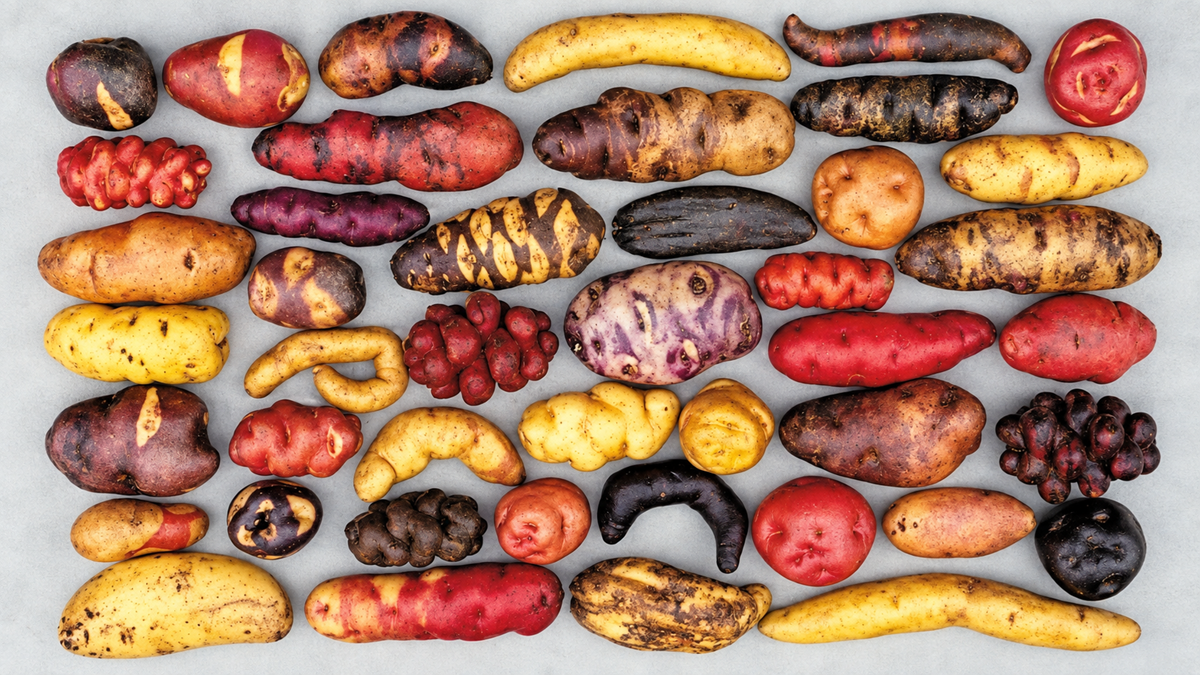
When potatoes arrived in Europe from South America, not everyone saw a future staple food. Their membership in the nightshade family encouraged suspicions, and unfamiliarity made them an easy target for rumors about disease and poisoning. By the late 1700s, governments and agricultural reformers were actively promoting potato cultivation, and the crop eventually became central to diets across much of Europe. There was a small truth buried inside the fear, though: green or badly sprouted potatoes can contain dangerously high levels of glycoalkaloids such as solanine, so the whole plant was never quite as harmless as a bowl of mashed potatoes made it appear.
3. Eggplant
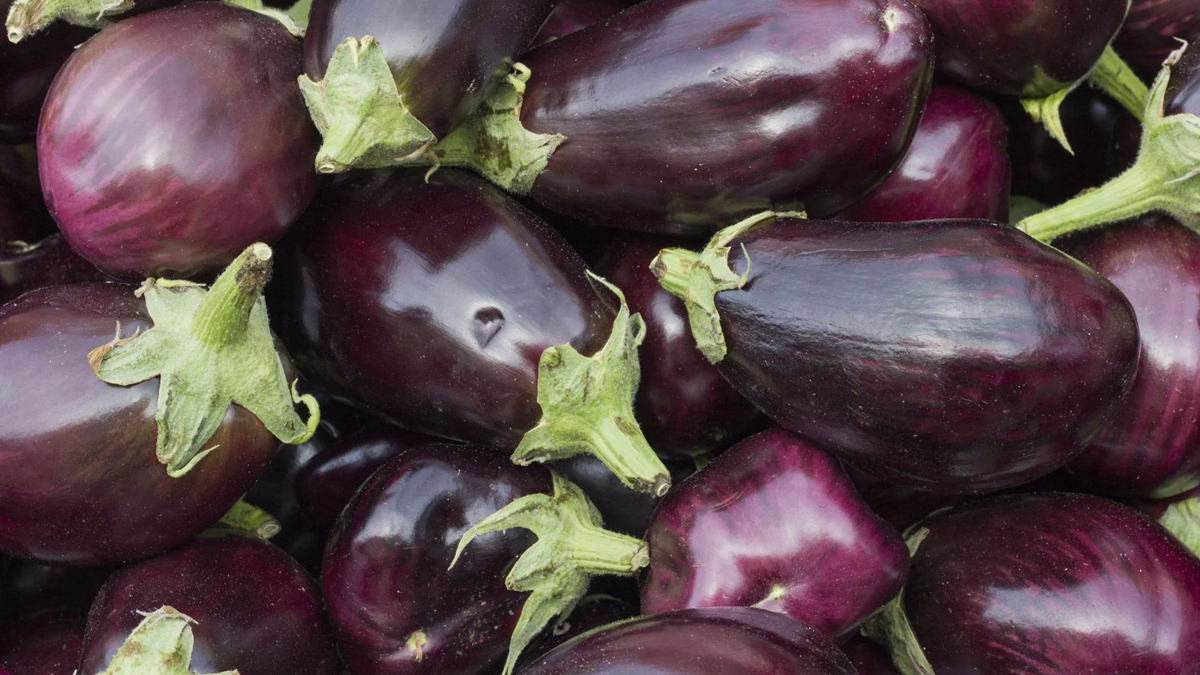
Eggplant suffered from much the same family problem as tomatoes and potatoes. As another member of the nightshade group, it acquired a reputation in parts of Europe for being poisonous or otherwise unhealthy, despite having been eaten elsewhere for centuries. Even its old nickname “mad apple” hints at how strange the vegetable once seemed to people encountering it for the first time.
4. Bell Peppers
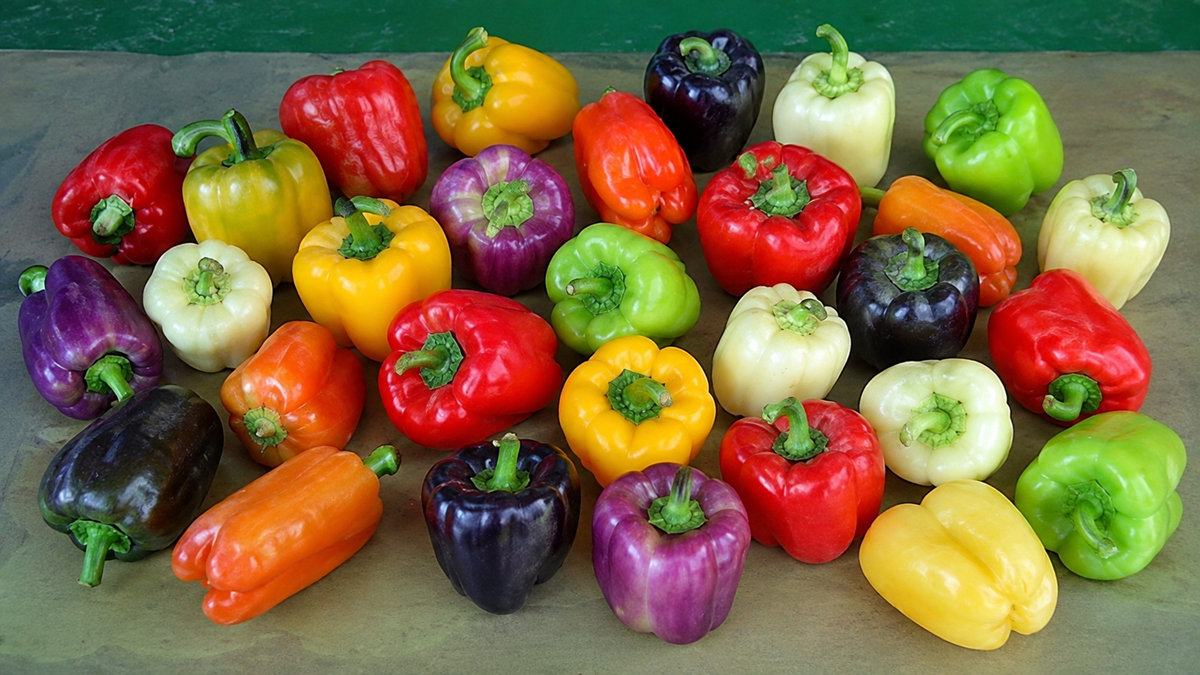
Bell peppers shared some of the suspicion that followed other members of the nightshade family into Europe. Their relationship to plants known to be toxic made unfamiliar varieties seem questionable, even though sweet peppers themselves lack the dangerous alkaloid levels associated with genuinely poisonous nightshades. Over time they became ordinary ingredients across European and Mediterranean cooking, and today the idea of a red or yellow bell pepper being inherently poisonous sounds almost absurd.
5. Saccharin
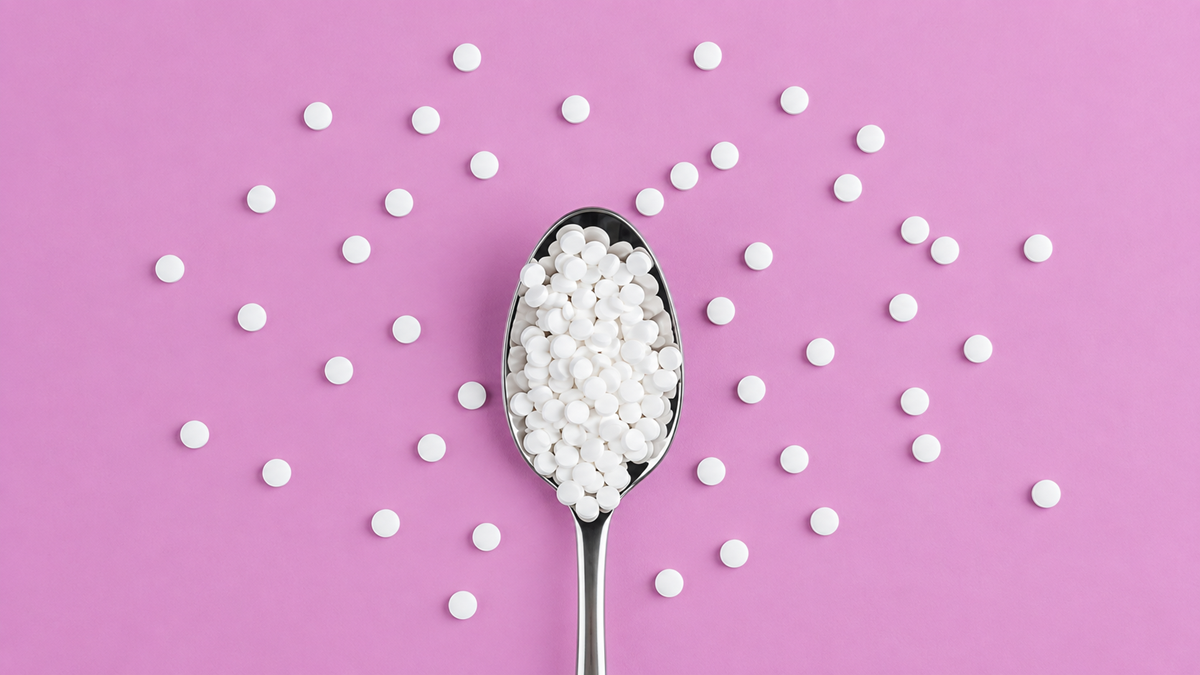
In the 1970s, saccharin suddenly looked far more sinister than a packet of artificial sweetener had any right to. Experiments linked very high doses to bladder cancer in laboratory rats, and U.S. products containing saccharin eventually had to carry cancer warnings. Later research showed that the mechanism responsible for those tumors in rats was not relevant to humans in the same way. In 2000, saccharin was removed from the U.S. government’s list of substances reasonably anticipated to be human carcinogens.
Trending on The Scroller


6. Mushrooms
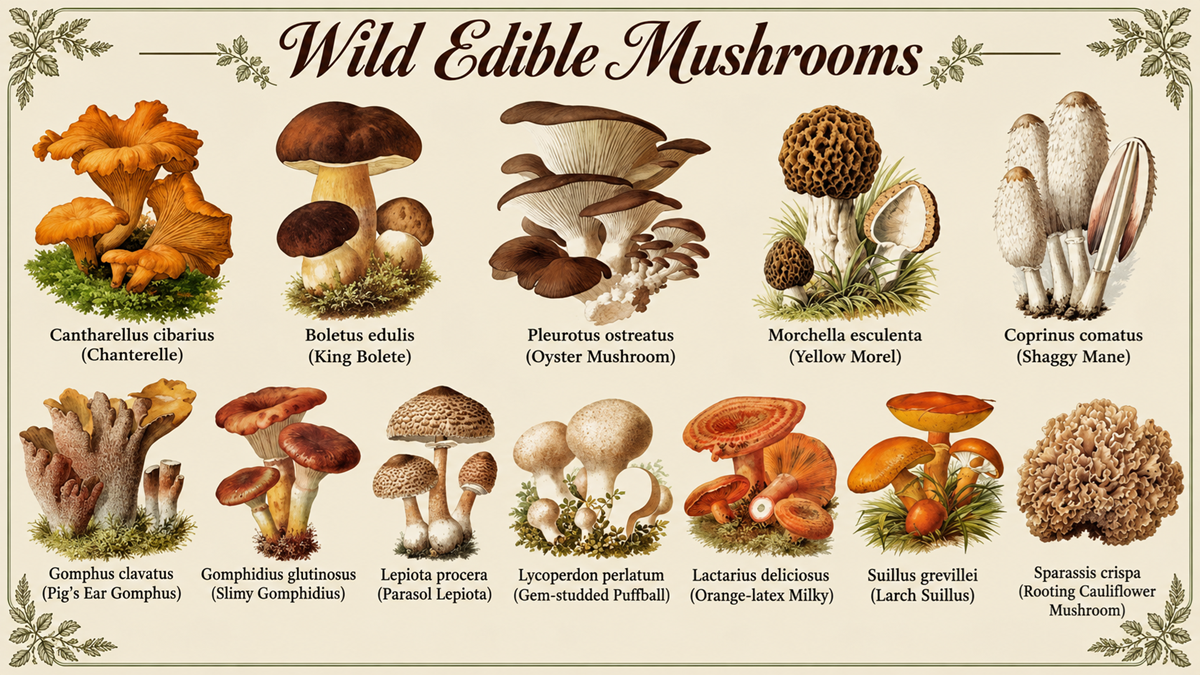
For centuries, mushrooms had a terrible reputation in parts of Europe, especially in Britain, where the fear became so entrenched that the term “mycophobia” was coined in the 19th century. The concern was not completely irrational, since some wild species really are poisonous, but suspicion often extended to mushrooms in general. By the late 1800s, writers in scientific journals were already criticizing this blanket fear and pointing out that many species were perfectly edible when correctly identified. Cultivated mushrooms eventually became ordinary supermarket food, even as caution around unknown wild varieties remained entirely justified.
7. Coffee
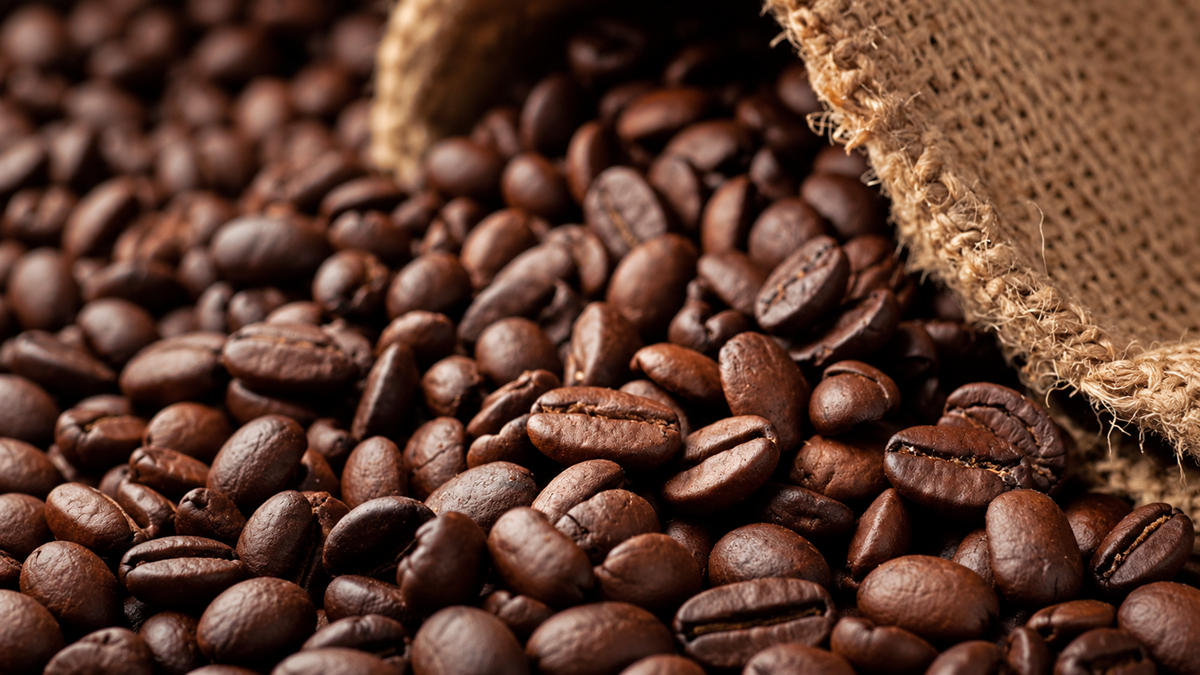
Coffee has been accused of plenty over the centuries, but its modern cancer scare had unusually official credentials. In 1991, the International Agency for Research on Cancer classified coffee drinking as “possibly carcinogenic to humans,” largely because of limited evidence involving bladder cancer. When the agency revisited coffee in 2016 after reviewing a much larger body of research, it concluded that the evidence was inadequate to classify coffee drinking as carcinogenic. Some studies have even found associations between coffee consumption and lower risks of certain cancers, although that does not make coffee a cure-all.
8. Eggs
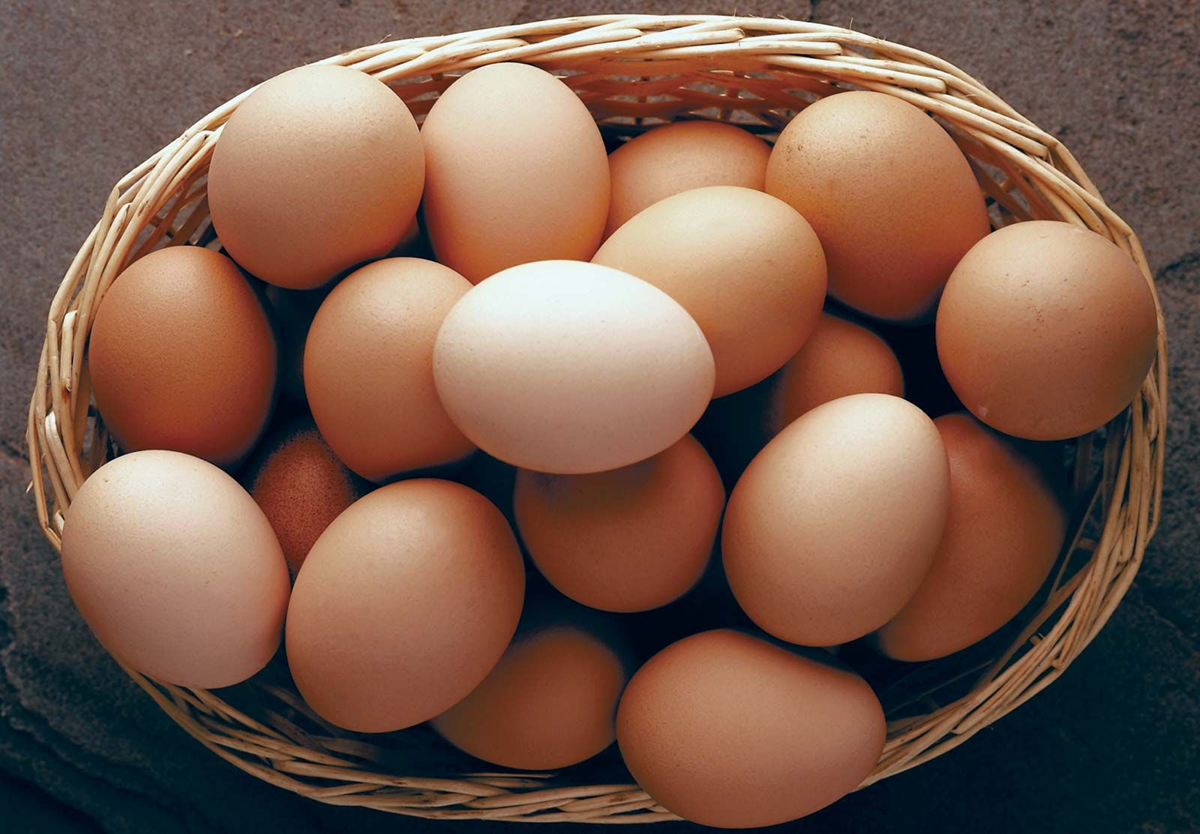
For years, the logic around eggs seemed straightforward: egg yolks contain cholesterol, high blood cholesterol is associated with heart disease, therefore eggs must be bad for the heart. Nutrition science turned out to be less tidy. Research increasingly showed that dietary cholesterol has a smaller effect on blood cholesterol for most people than previously assumed, while saturated and trans fats play a larger role. U.S. dietary guidance eventually dropped the old fixed 300-milligram daily cholesterol limit.
Sign up for our newsletter
9. Soy
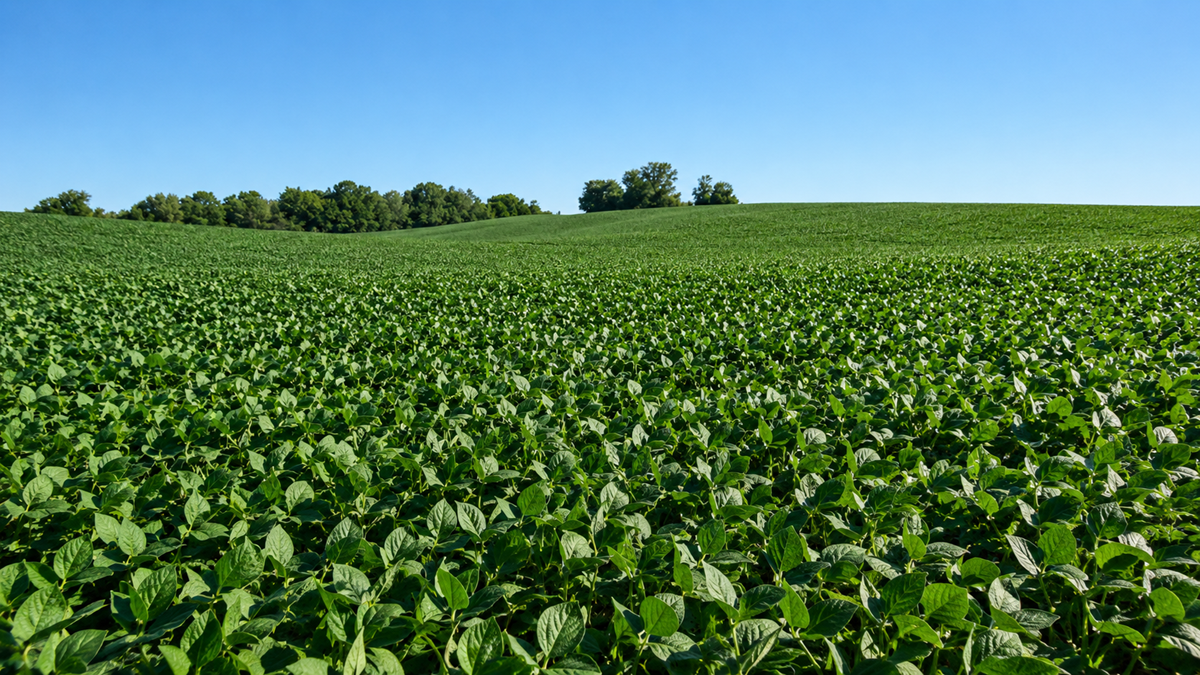
Soy picked up a very particular reputation as foods containing it became more common in Western supermarkets. Because soy contains isoflavones, compounds often described as phytoestrogens, claims spread that eating it could lower testosterone or produce feminizing effects in men. Those ideas lingered online long after better evidence became available. A 2021 meta-analysis of clinical studies found no significant effect of soy protein or isoflavones on testosterone or estrogen levels in men.
10. Canola Oil
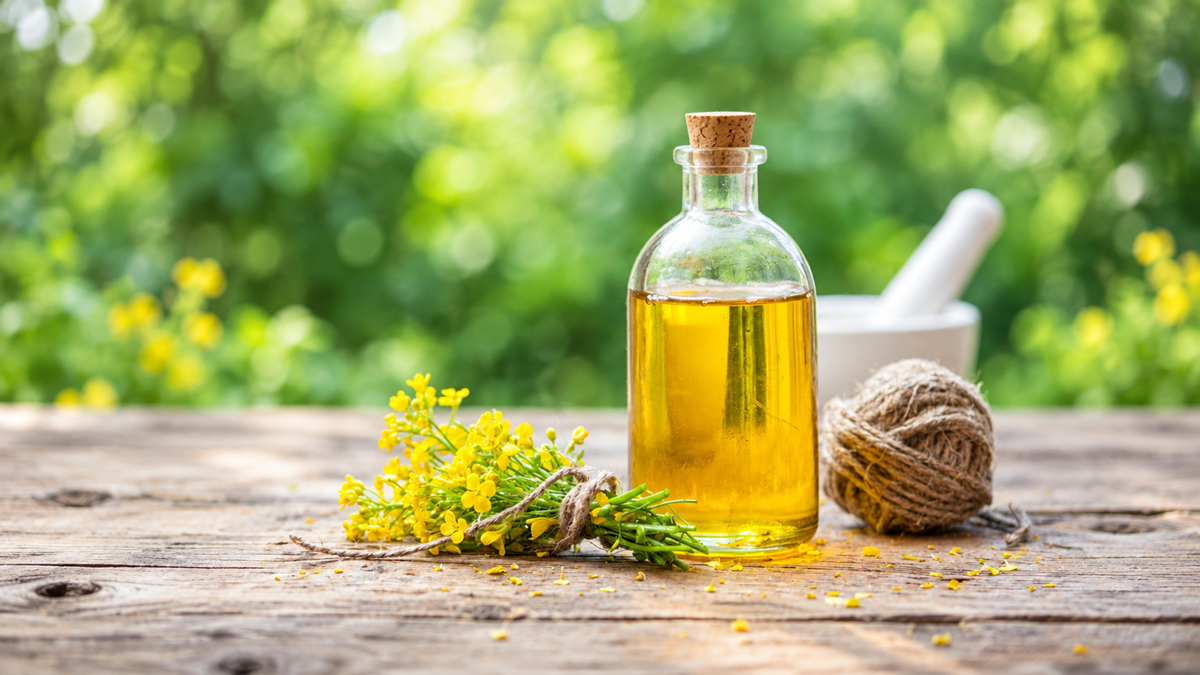
Canola oil still gets tangled up with the reputation of the crop it came from. Traditional rapeseed oil can contain high concentrations of erucic acid, which raised legitimate safety concerns. Canadian plant breeders developed new varieties with far lower levels, eventually producing what became known as canola. Modern food-grade canola is low-erucic-acid rapeseed oil, not simply the older product with a new label.
11. Rhubarb
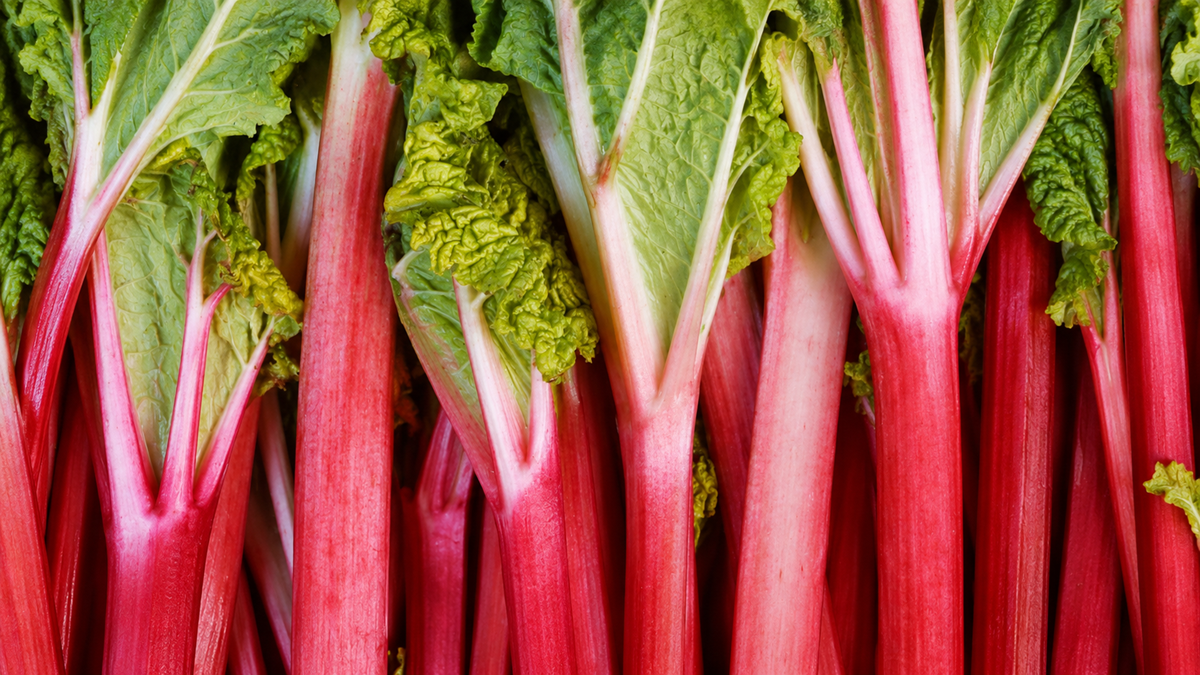
Rhubarb is one of those foods where the warning is both right and wrong depending on which part lands on the plate. Its leaves contain relatively high levels of oxalates and other compounds and should not be eaten, helping give the entire plant a poisonous reputation. The stalks, however, have been eaten safely for generations and contain much lower concentrations. The distinction between a toxic leaf and an edible stalk is easy to lose once a warning gets simplified into “rhubarb is poisonous.”
12. Nutmeg
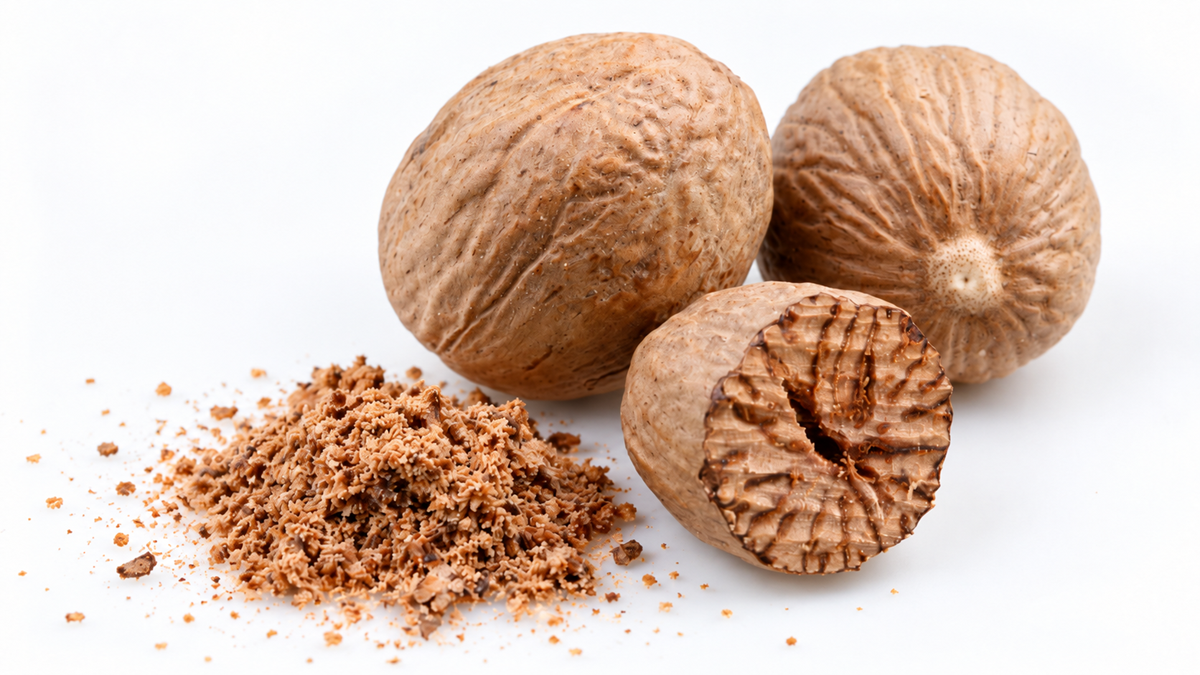
Nutmeg really can cause poisoning, which makes its place in the spice cabinet sound a little alarming. Large doses have caused nausea, agitation, rapid heartbeat, confusion, and hallucinations, effects associated in part with compounds such as myristicin. Ordinary culinary quantities are a completely different matter, however, and nutmeg is widely recognized as safe when used as a food flavoring. The dose is doing most of the work here, not the ingredient’s mere presence in a pie or sauce.
13. Cassava

Cassava might be the clearest example of an ingredient that is safe only because people learned exactly how to handle it. The root naturally contains cyanogenic compounds that can release cyanide, and improperly processed cassava has caused genuine outbreaks of poisoning. Traditional methods such as soaking, fermenting, drying, and cooking sharply reduce that risk, allowing cassava to become a staple food for hundreds of millions of people. In other words, nobody proved raw cassava harmless; people developed reliable ways to make a naturally hazardous crop edible.
In the mood for more?
Check out 17 Foods Nutritionists Eat Every Day That People Never Expect, or take a look at 15 Bizarre Reasons Why Food Tastes Different Depending on Where You Are. If you want to see more stories about common food, you can check out 20 Surprisingly Common Foods That Used to Be Considered “Luxury” in the 80s.