In the highly competitive world of retail, brilliant product design alone is rarely enough to guarantee commercial success without revolutionary packaging to grab attention. Long before digital advertising existed, visionary entrepreneurs realized that transforming a mundane container into an interactive experience could turn an ordinary household item into an overnight national sensation.
By cleverly rethinking how consumers stored, poured, or even played with everyday goods, clever brands managed to permanently alter entire shopping habits. From upside-down ketchup bottles that solved a century-old frustration to iconic pantyhose sold inside colorful plastic eggs, brilliant container innovations proved that the box is often more important than what sits inside it. Here are twelve famous products that achieved legendary popularity thanks to a stroke of packaging genius.
1. L’eggs pantyhose
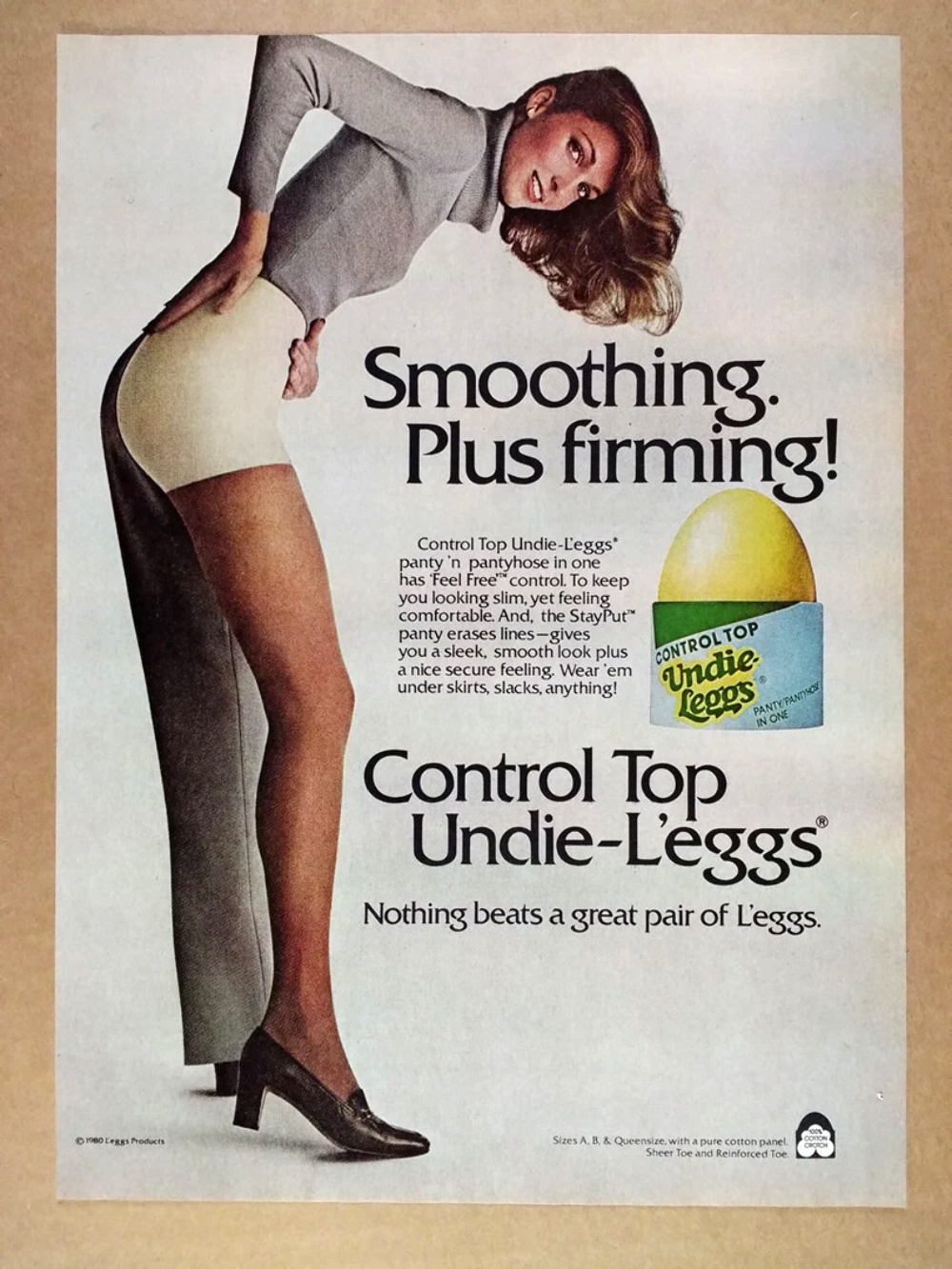
In 1969, Hanes executive Roger Kilgore revolutionized the hosiery market by selling cheap nylon stockings inside bright, egg-shaped plastic containers. Designed to sit on rotating carousel displays in standard grocery store aisles, the eye-catching container turned a boring pharmacy item into an impulse buy for millions of women.
2. Pringles potato chips
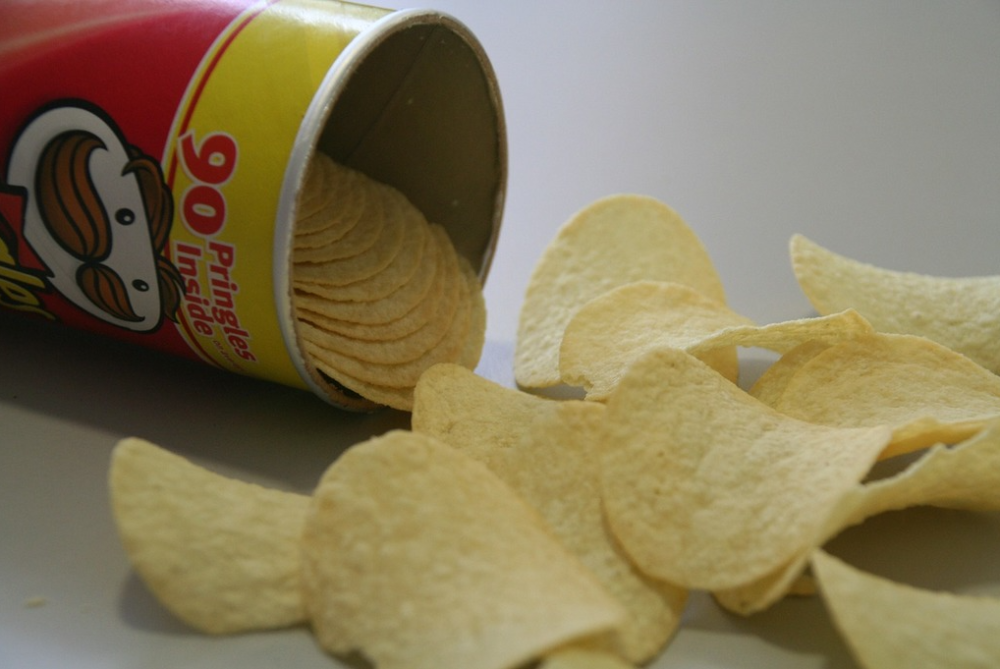
Organic chemist Fredric Baur spent years developing the iconic cylindrical tennis ball can in 1966 to stop potato chips from breaking inside standard bags. His protective aluminum-lined tube was so revolutionary and beloved that Baur was famously buried inside an original Pringles container upon his death in 2008.
3. Heinz inverted ketchup bottle
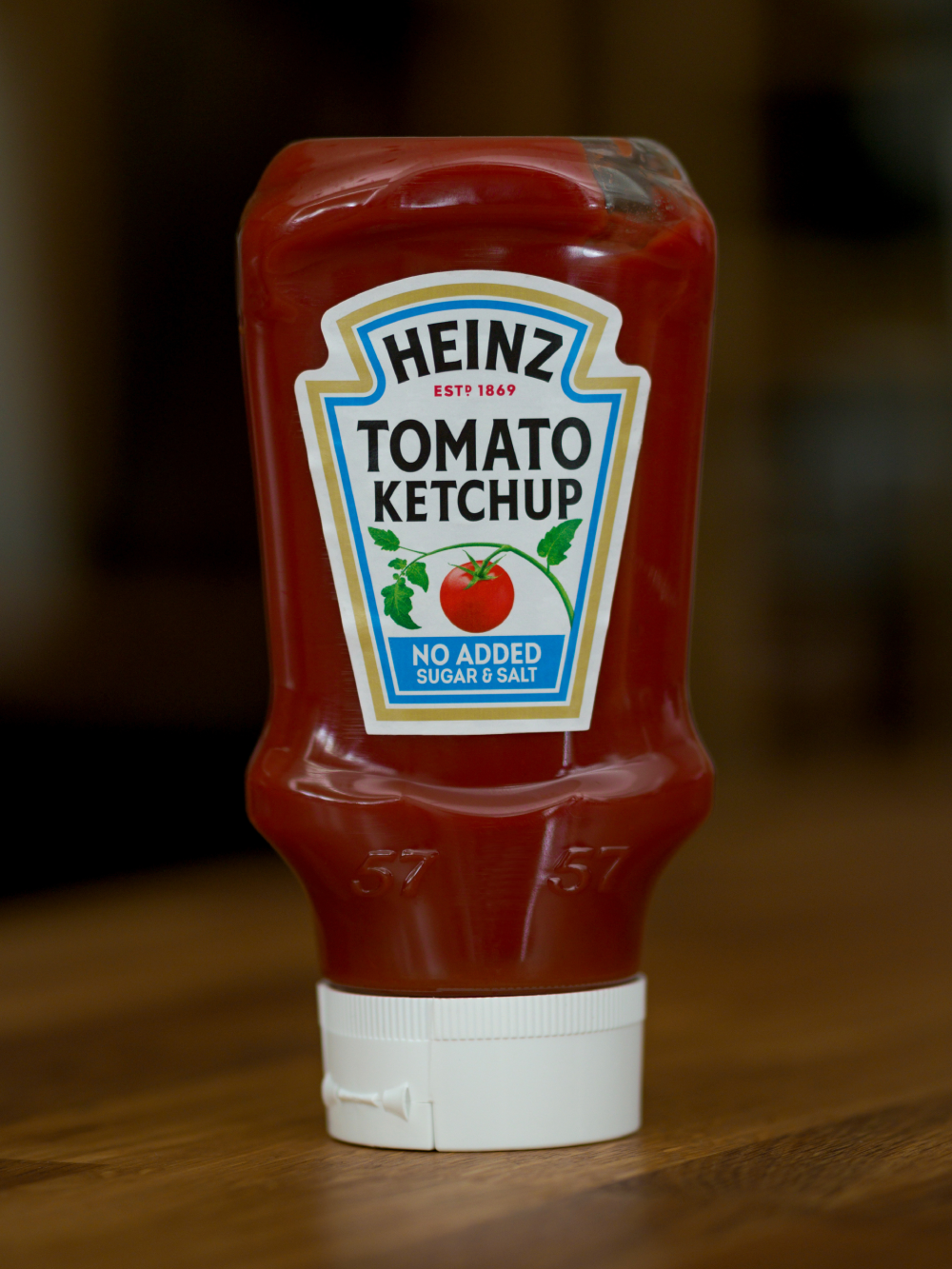
Frustrated by customers pounding the glass bottoms of traditional ketchup bottles, inventor Paul Brown sold his patented silicone squeeze valve to Heinz in 2002. The resulting upside-down plastic bottle utilized gravity to dispense sauce instantly without any watery mess, boosting worldwide sales by double digits in its very first year.
4. The Dutch Gold Honey bear
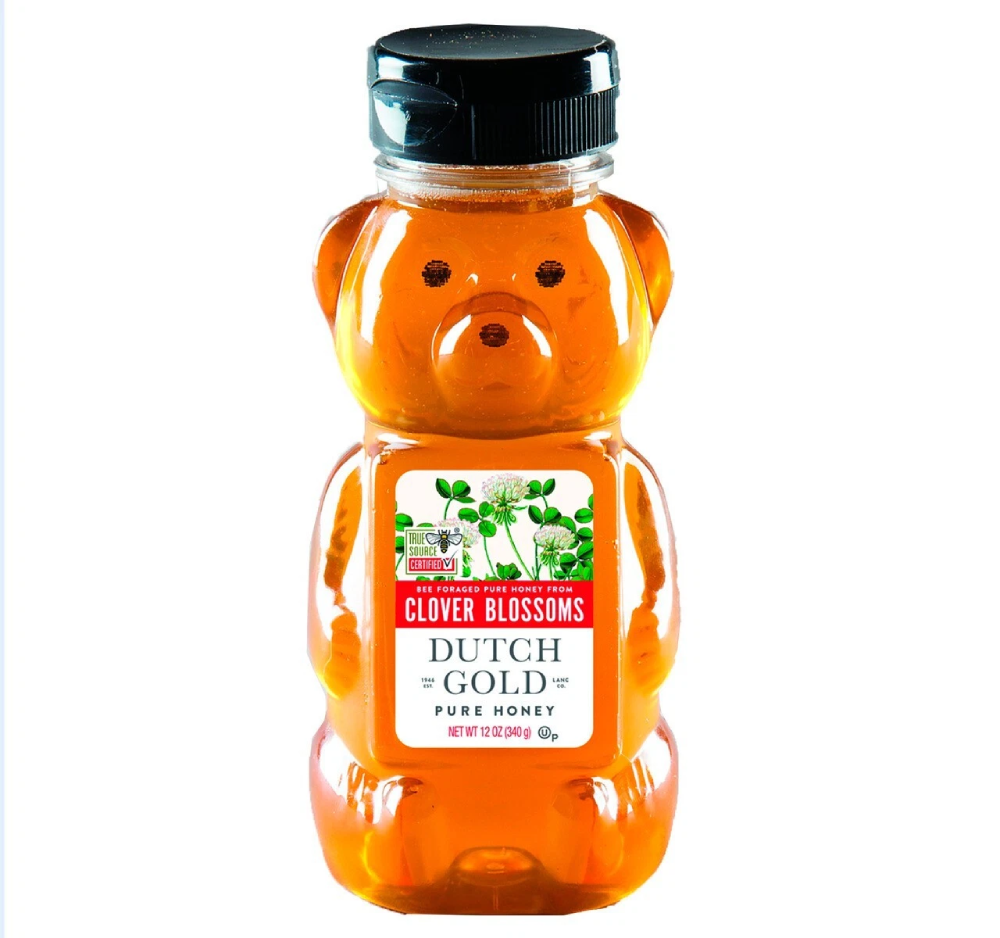
In 1957, honey producers Ralph and Luella Gamber of Dutch Gold Honey realized that liquid sweetener sales were slumping due to messy glass jars. They pitched the idea of molding squeezable plastic bottles into cute teddy bears with yellow caps, turning a sticky kitchen chore into a beloved mascot that every child wanted on the breakfast table.
5. Tic Tac dispensing box
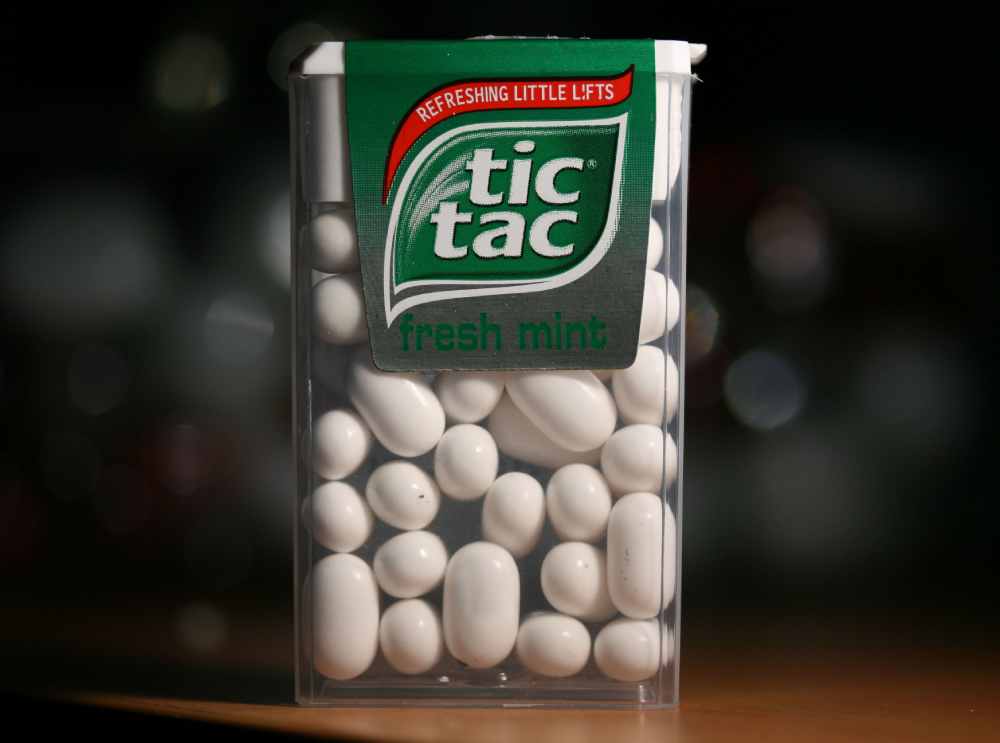
When Italian confectioner Pietro Ferrero launched these tiny mints in 1969, he packaged them inside a crystal-clear plastic flip-top container. The lid featured a specialized internal catch that automatically dispensed exactly one mint at a time, creating a satisfying click-clack sound that became an undeniable sonic trademark.
Trending on The Scroller

6. Silly putty plastic eggs
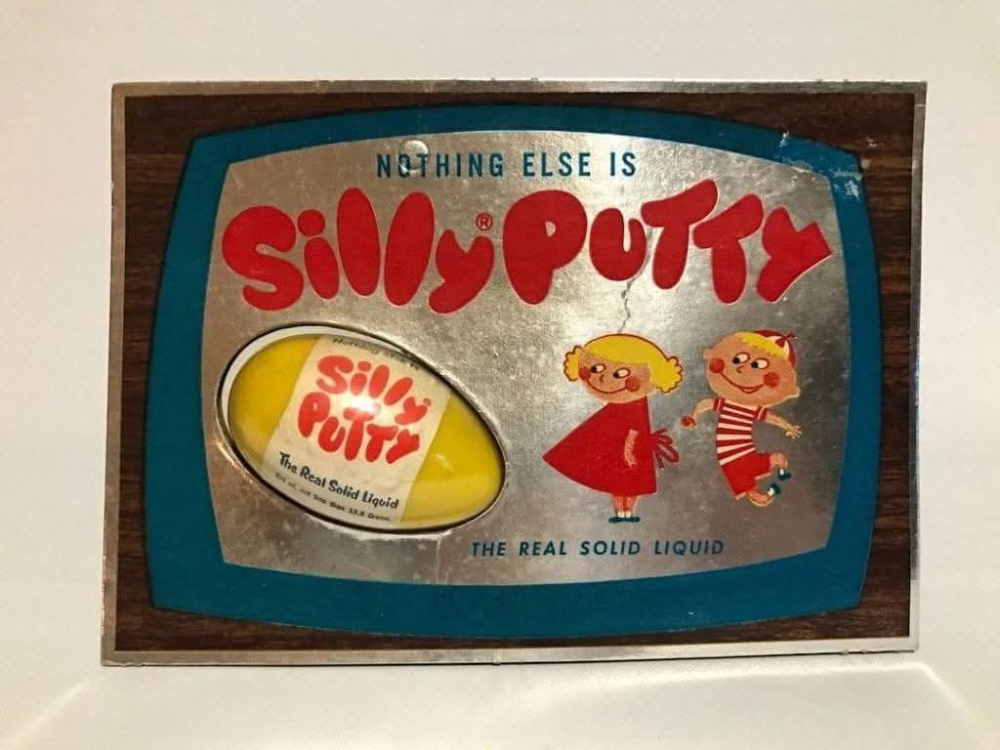
After buying a useless batch of bouncing synthetic rubber in 1949, marketing genius Peter Hodgson bought thousands of cheap plastic eggshells to package the goo for Easter in 1950. The quirky egg-shaped container immediately caught the eye of shoppers at Doubleday bookstores, turning a failed wartime material into a multi-million-dollar toy phenomenon.
7. Crown Royal velvet bag
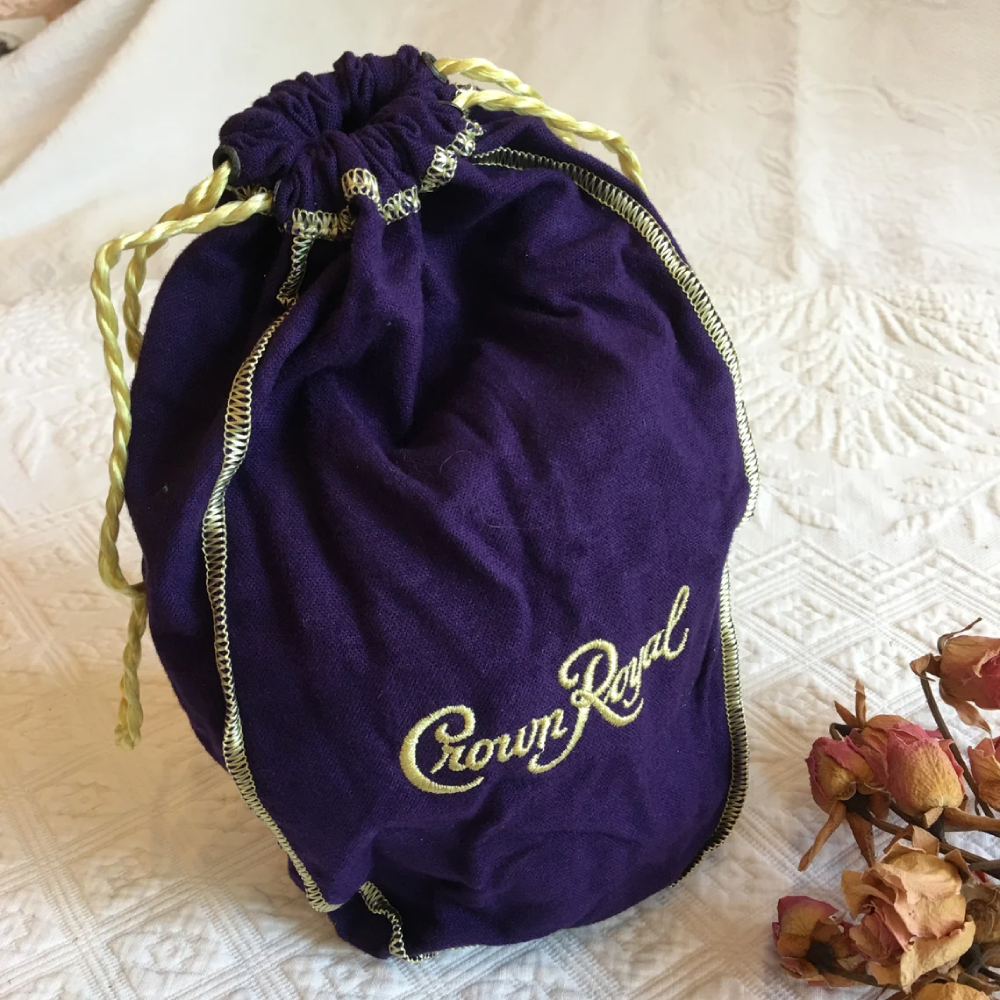
Seagram executive Samuel Bronfman created this smooth Canadian whiskey in 1939 to celebrate the historic visit of King George VI and Queen Elizabeth across Canada. To highlight its royal status, every glass decanter was wrapped inside a luxurious purple velvet bag tied with gold drawstring tassels, making the packaging an instant symbol of high status.
8. Altoids reusable pocket tins
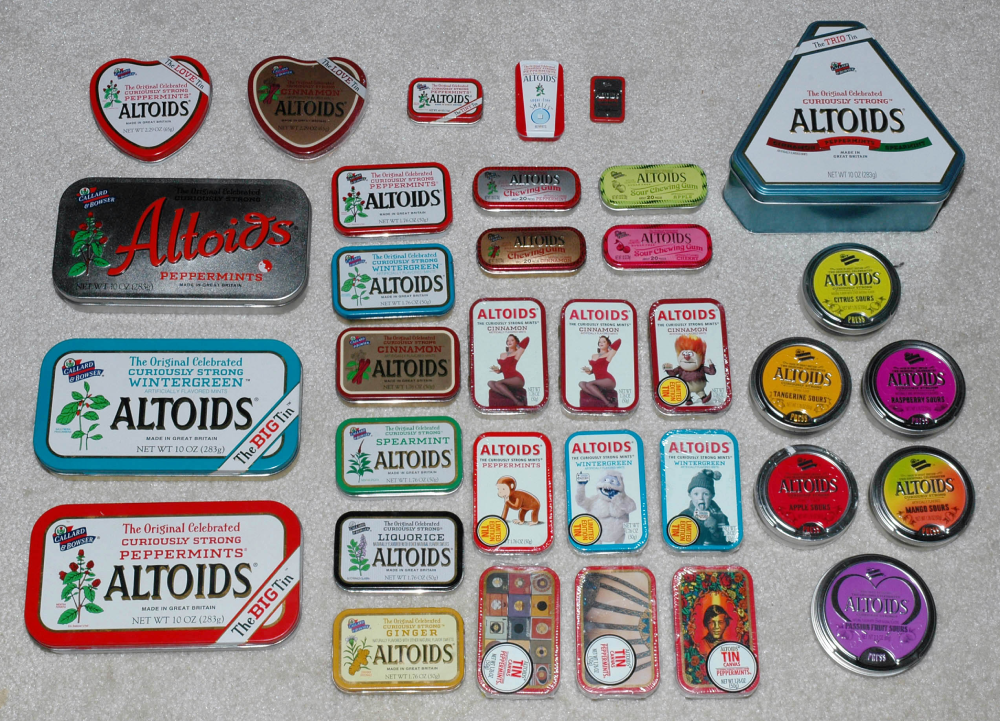
Originally created in 1780 to soothe stomach discomfort, these intensely strong peppermint candies were repackaged into iconic rectangular metal tins during the 1920s. The heavy embossed metal container protected the mints from crushing and became so famous for its durability that people kept the empty tins for decades to store tackle, guitar picks, and loose coins.
Sign up for our newsletter
9. Tetra Pak aseptic cartons
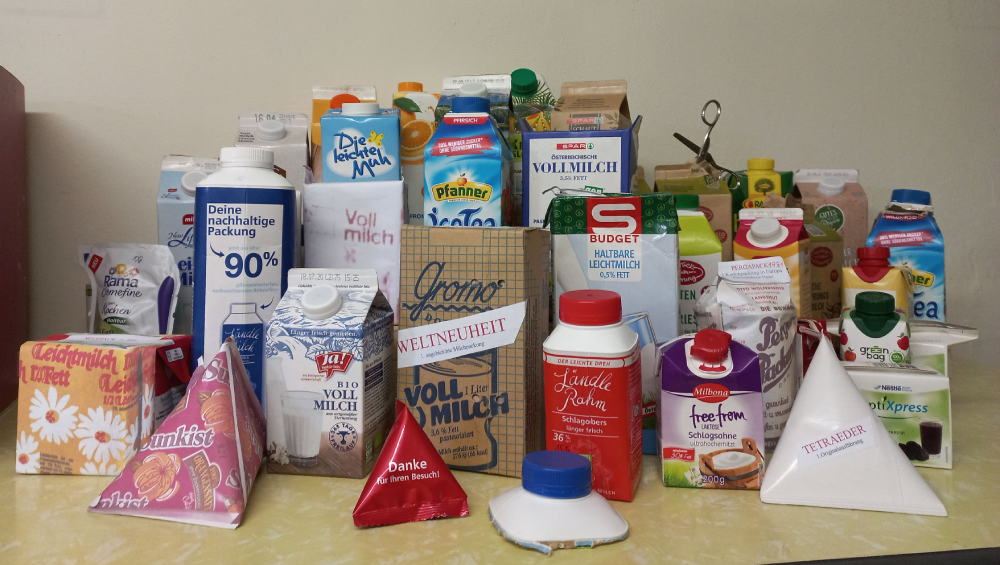
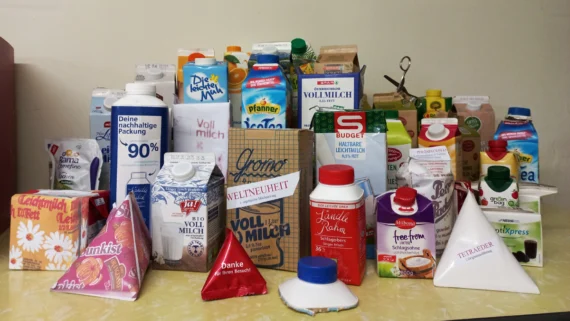
Swedish entrepreneur Ruben Rausing and inventor Erik Wallenberg introduced the revolutionary paperboard brick carton in 1951 to replace fragile glass milk bottles. By sealing liquids inside laminated foil layers without any air, the clever geometric package allowed perishable dairy products to be safely stored for months without refrigeration.
10. Fiji water square bottles
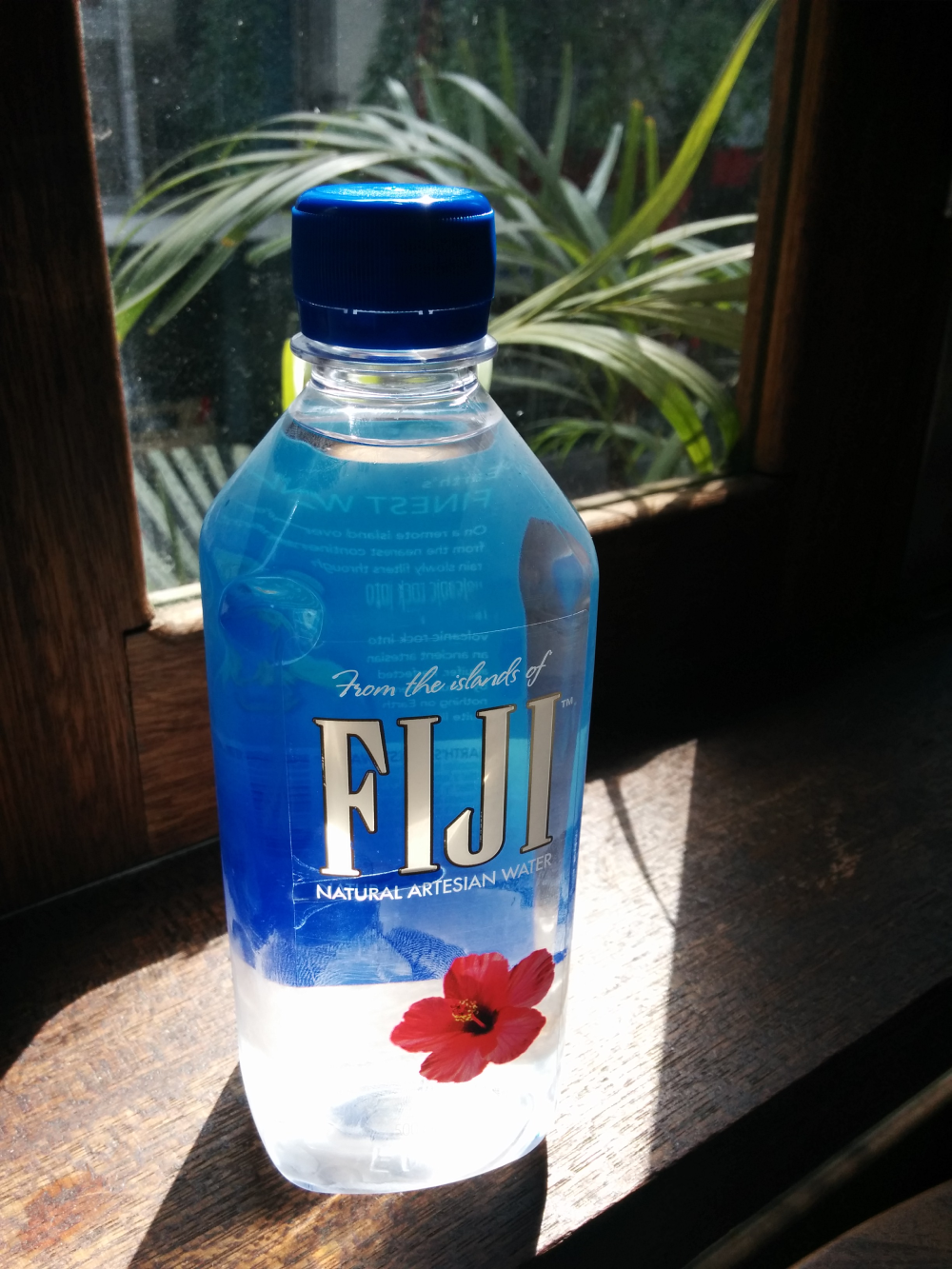
When Canadian businessman David Gilmour launched Fiji Water in 1996, he rejected standard round plastic bottles in favor of a heavy, square structure. The distinct shape not only prevented the bottles from rolling around on delivery trucks, but the tropical palm tree label printed on the back panel created a stunning 3D depth effect when viewed through the water.
11. POM wonderful double-globe bottle
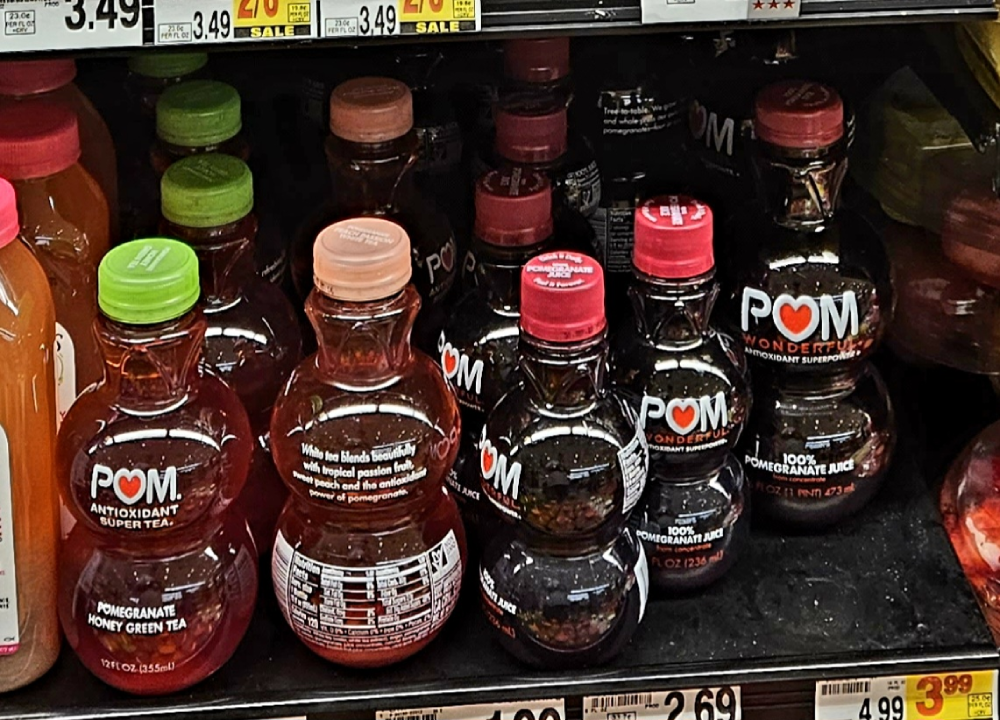
To make high-end pomegranate juice stand out in dairy aisles in 2002, founders Lynda and Stewart Resnick commissioned custom glassware designed by Neil Denari. The unique bottle featured two distinct glass spheres stacked vertically to resemble two pomegranates, giving the brand an instantly recognizable silhouette that felt premium and artistic.
12. Coors Light cold activation cans
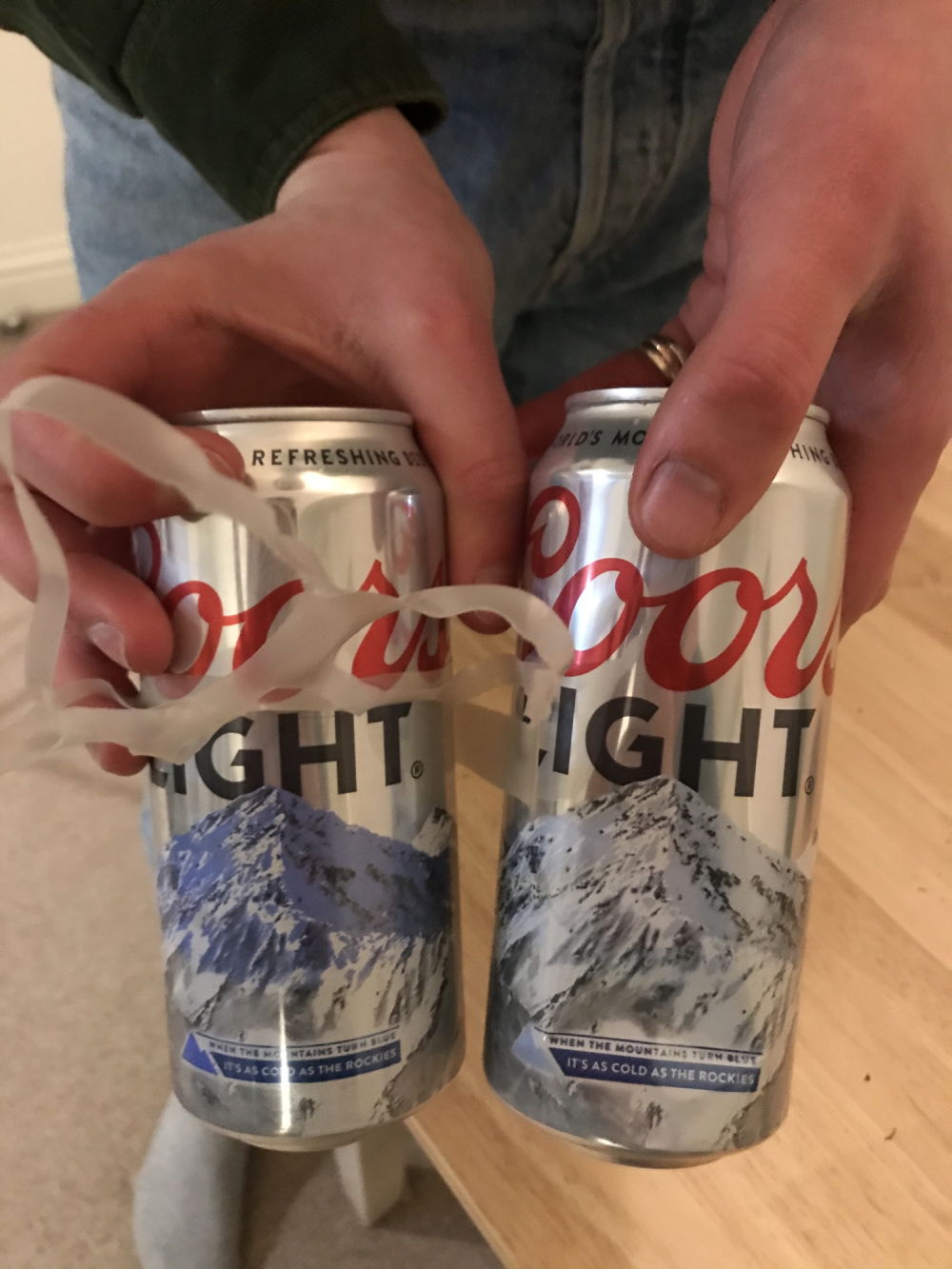
In 2007, Coors Brewing Company transformed simple aluminum beer cans by applying specialized thermochromic ink directly onto the painted mountain graphics. The printed peaks remained white at room temperature but turned a bright arctic blue when cooled to forty-two degrees Fahrenheit, giving drinkers a fun visual indicator that their beverage was ready.
In the mood for more product facts?
Analyzing these brilliant packaging ideas proves that a clever container can completely revolutionize how a product is perceived and consumed. Long after the contents inside are gone, iconic boxes, tins, and bottles often remain deeply embedded in our collective pop culture memory. If you love exploring weird historical trends, vintage retail oddities, and fascinating marketing stories, make sure to check out Fom Pharmacy to Pantry: 12 Products Sold as Medical Remedies or these 15 Recalled Children’s Products Before the 2000s. You can also explore these 15 Dangerous Old Products People Once Trusted.