Remembering phone numbers, finding old photographs, or recalling the exact address of a place used to take a little more effort. Today, smartphones can handle much of that work in seconds. Convenient? Absolutely. But the way we use technology may also be changing how we pay attention and what we remember.
From GPS directions to digital photo albums, technology has reshaped everyday memory in surprising ways. Some tools help us remember more, while others may make certain details easier to forget. And as it turns out, the relationship between our brains and our devices is a little more complicated than simply blaming the internet.
People Remember Where to Find Information Instead of the Information Itself
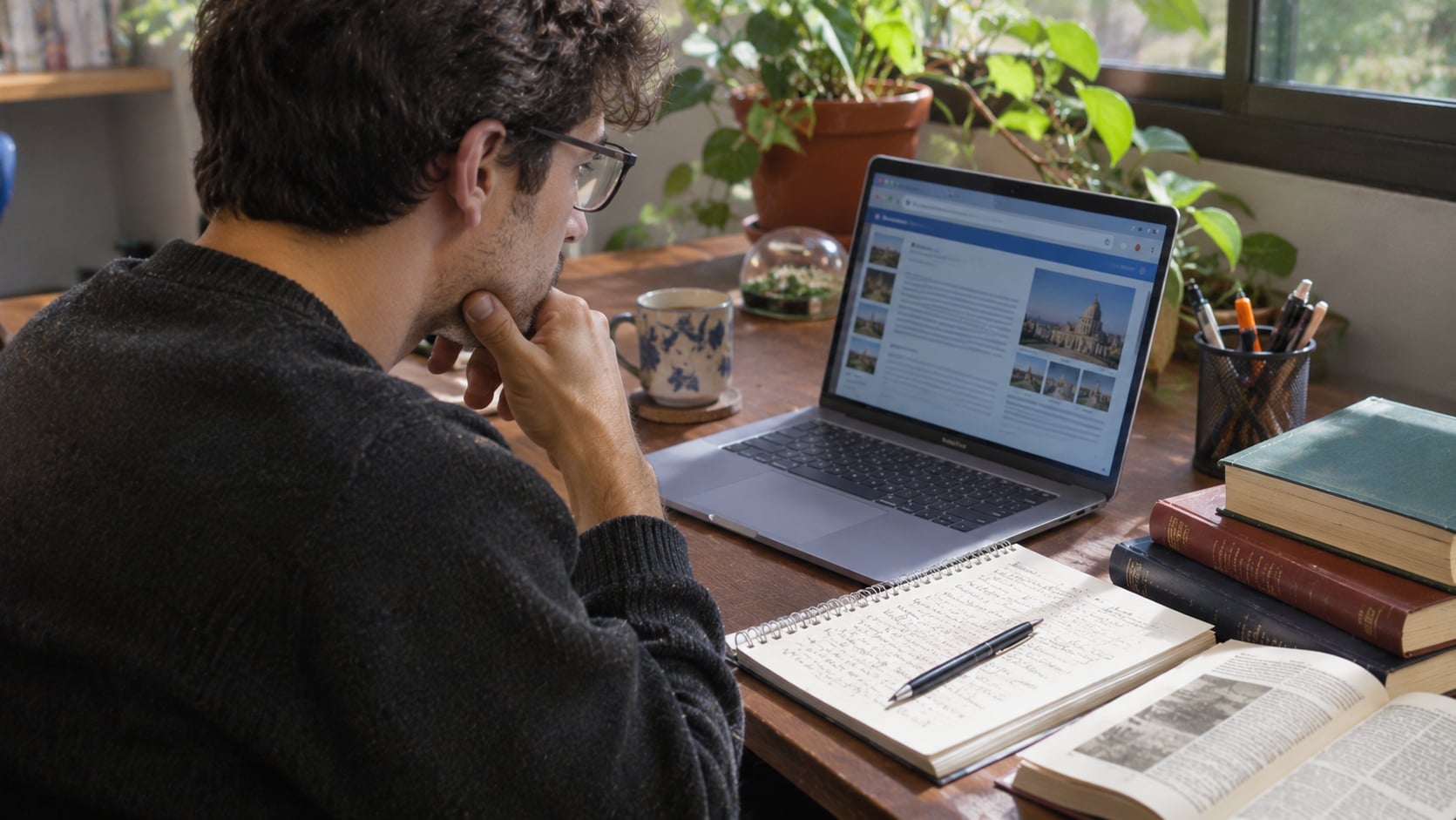
A 2011 study published in Science found that people who expected information to remain available on a computer were less likely to remember the information itself. Instead, they were better at remembering where to find it. Researchers described this as a form of transactive memory, where information is stored outside the individual. Search engines make this strategy convenient; why memorize everything when Google is basically your digital filing cabinet?
GPS Navigation May Make Familiar Routes Harder to Remember
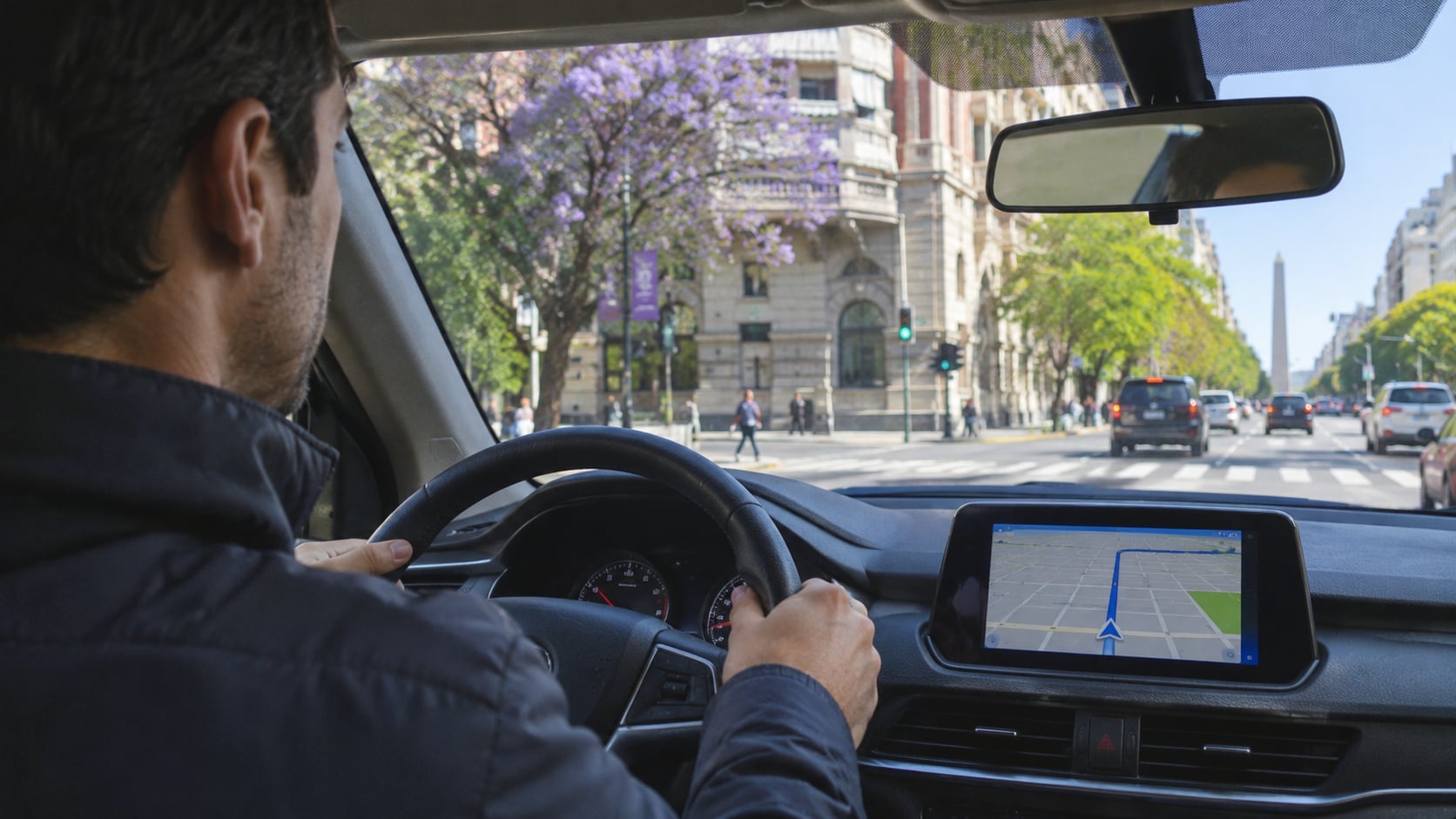
Before GPS, drivers learned routes by watching landmarks, studying maps, and paying attention to turns. A 2020 study involving 50 regular drivers found that heavier lifetime GPS use was associated with poorer spatial memory during navigation tasks without assistance. A smaller follow-up study also found an association over three years. The findings don’t prove GPS causes these differences, but relying on a voice to tell you every turn may leave fewer chances to practice navigating yourself.
Photographing Something Can Sometimes Make It Harder to Remember
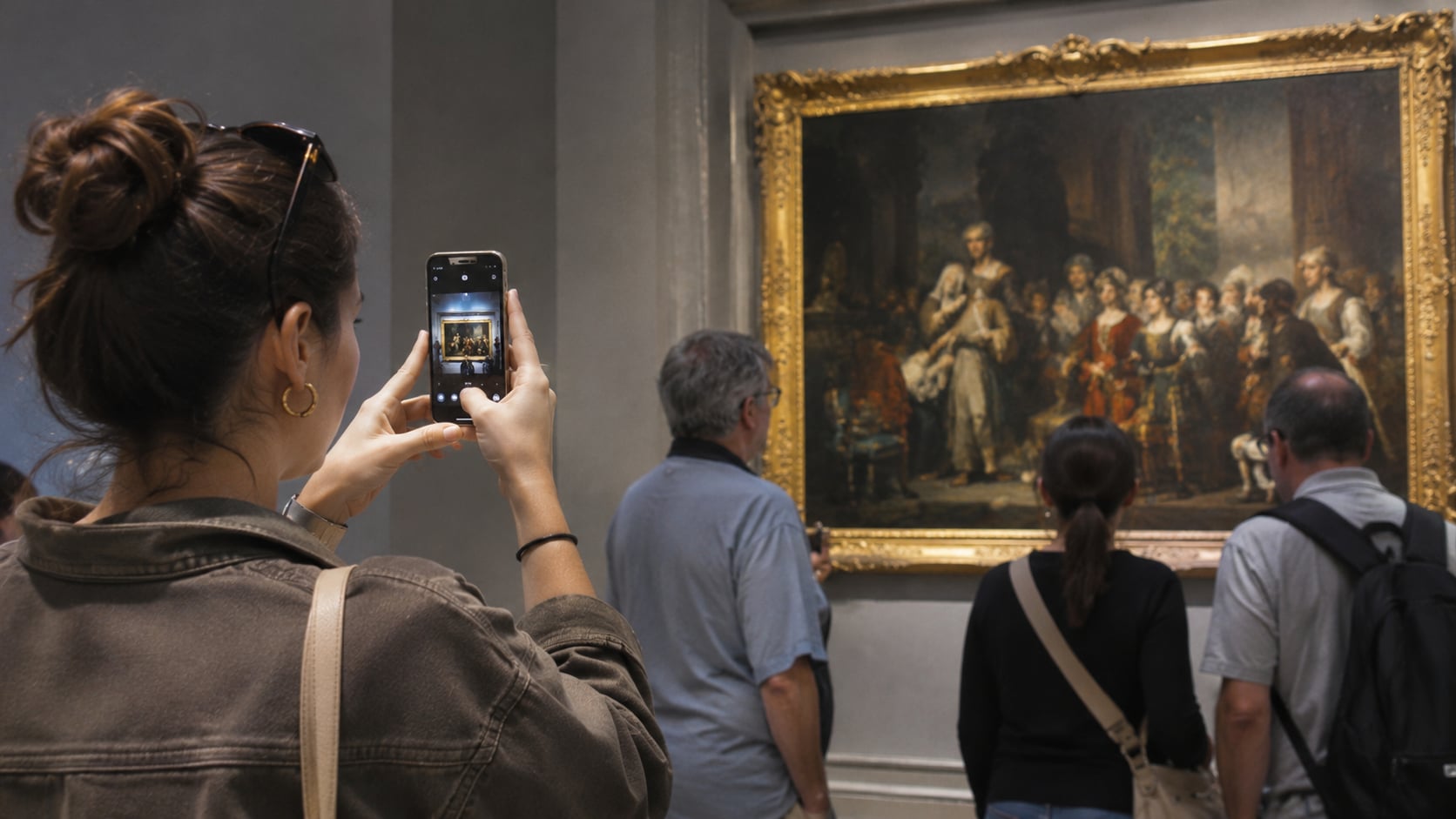
Taking a picture seems like an easy way to preserve a moment, but it may not always help to remember it. In experiments published in 2014, people who photographed objects during a museum tour later remembered fewer objects and details than those who simply observed them. Interestingly, zooming in to photograph a specific detail didn’t produce the same effect. So, the issue may not be the camera itself; it’s whether you’re actually paying attention while using it.
Digital Reminders Help People Remember Things They Haven’t Done Yet
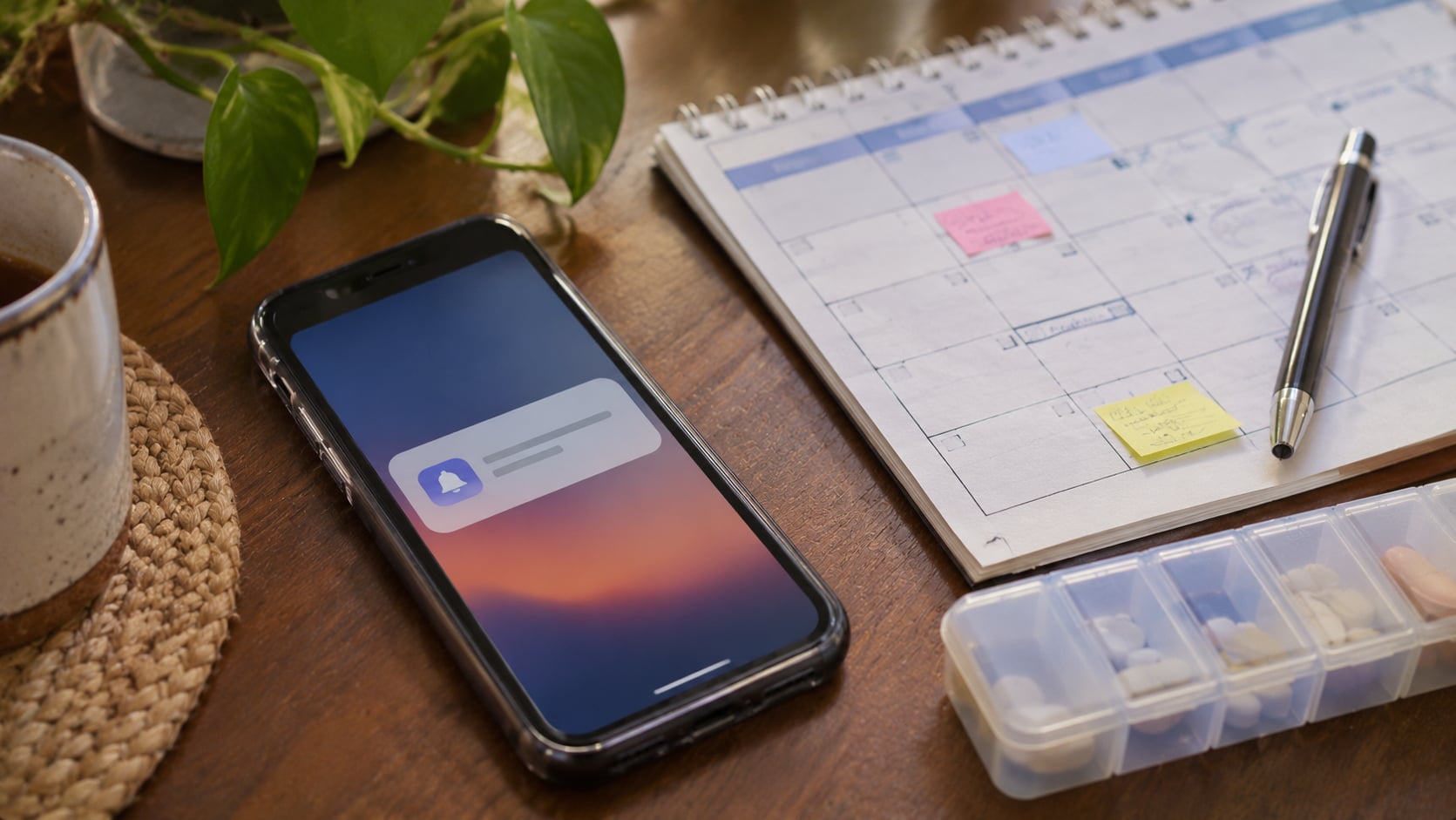
Remembering to take medication, attend an appointment, or make an important call is known as prospective memory: remembering to do something in the future. Digital calendars and reminder apps give those intentions an external home and alert us when it’s time to act. In four online experiments involving 1,196 participants, researchers found that external reminders improved performance on delayed-action tasks. Sometimes, the smartest way to remember is to let your phone do the nagging.
Saving a Computer File Can Help People Remember Something New
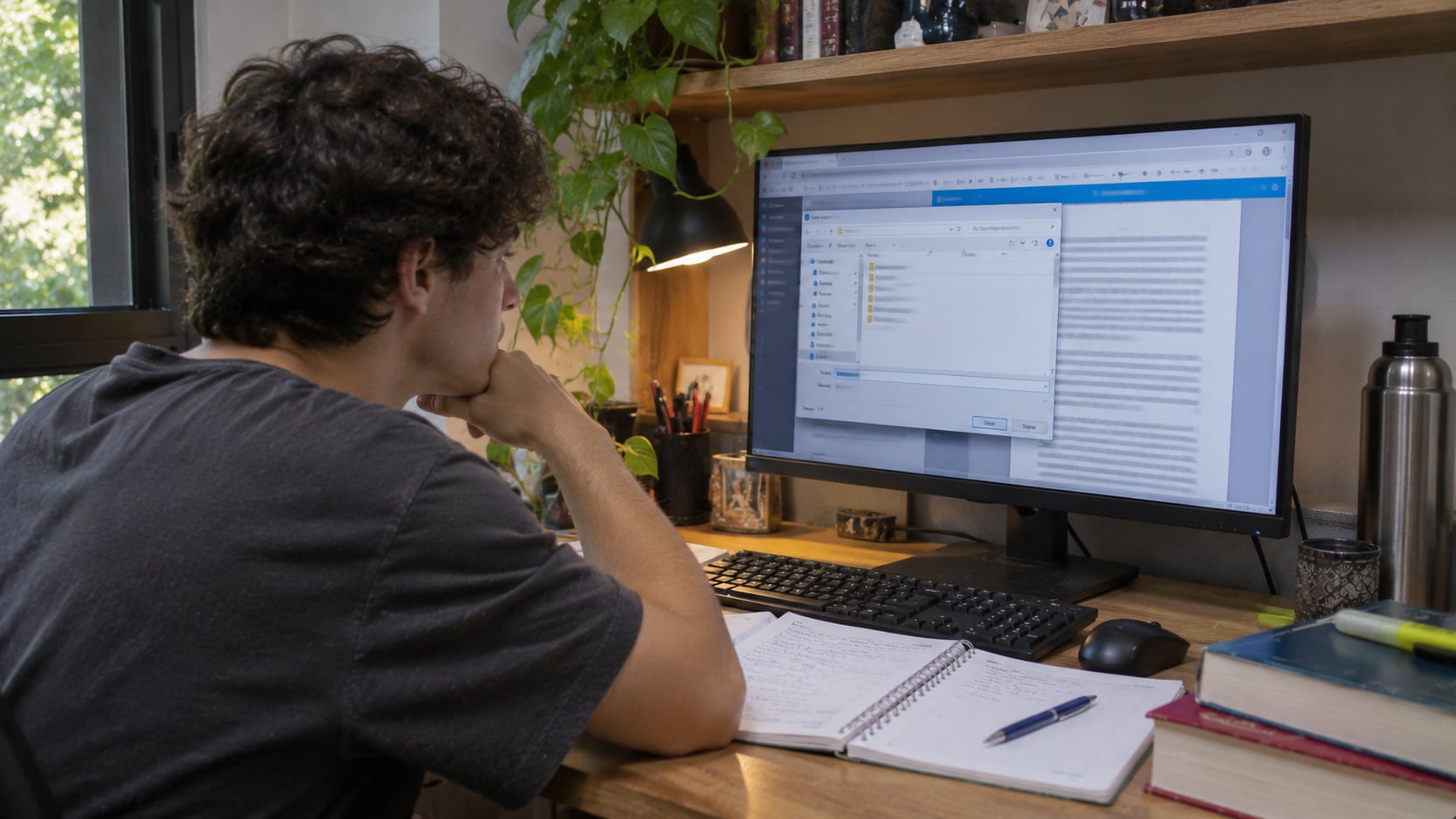
Saving information digitally might sound like a way to avoid remembering it, but a 2015 study found an unexpected benefit. Across three experiments, participants who saved one computer file before studying another remembered more information from the second file. The advantage disappeared when saving seemed unreliable or when the first contained too little information to interfere with learning. In some situations, clearing mental space by saving something elsewhere can actually help new information stick.
Trending on The Scroller


Smartphones Turned Ordinary Moments Into Permanent Personal Records
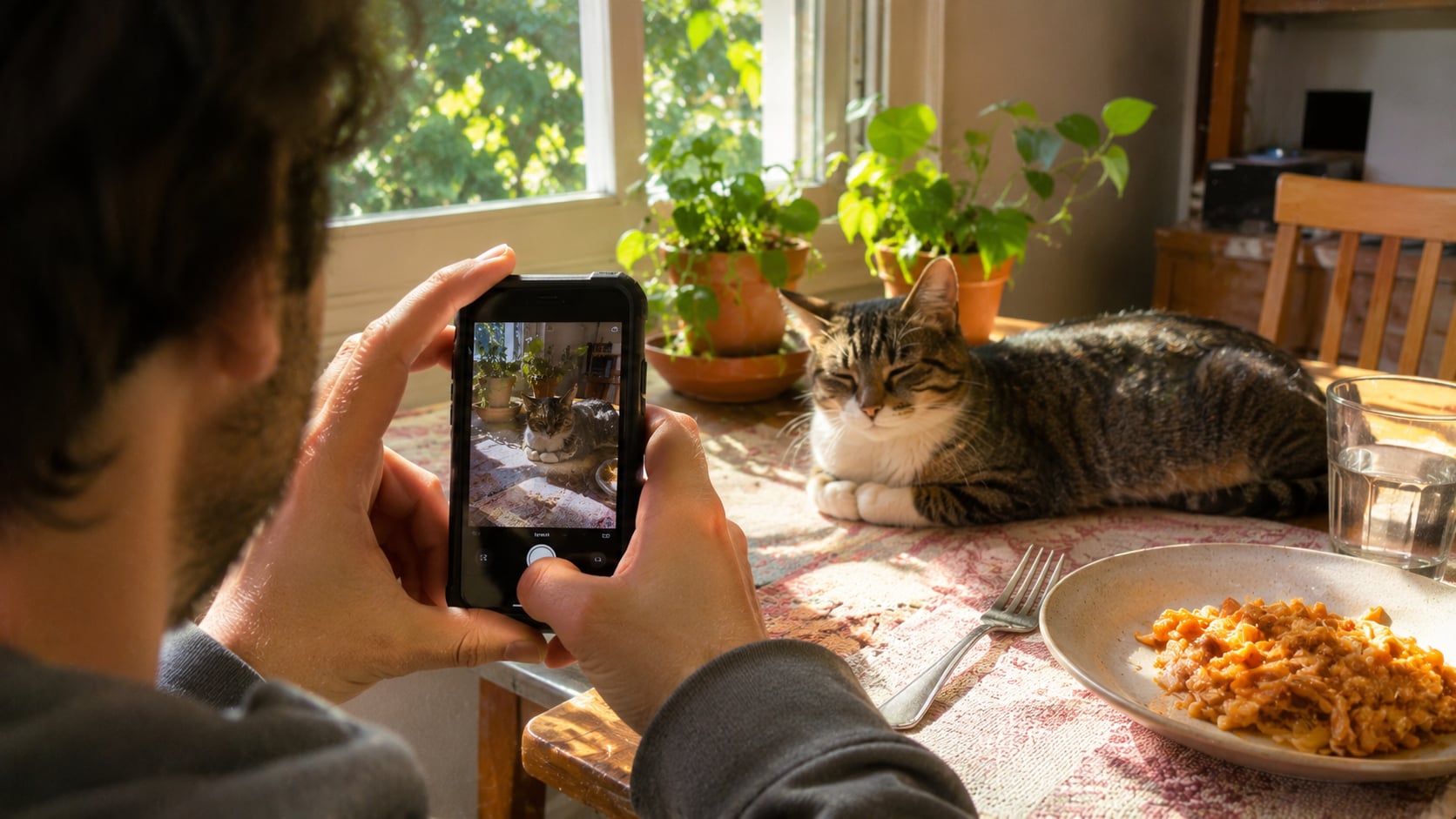
Family photo albums once focused on vacations, birthdays, holidays, and other special occasions. Smartphones made it easy to document the everyday stuff, too: meals, pets, conversations, and even a particularly good-looking coffee. A 2021 review examined how digital technology expanded the recording and sharing of autobiographical memories. Recording an event can influence our attention, while revisiting it later may reactivate, and potentially change, how we remember it. Your camera roll is basically a diary with a very questionable filing system.
Photo Libraries Can Find Faces Without Someone Labeling Every Picture
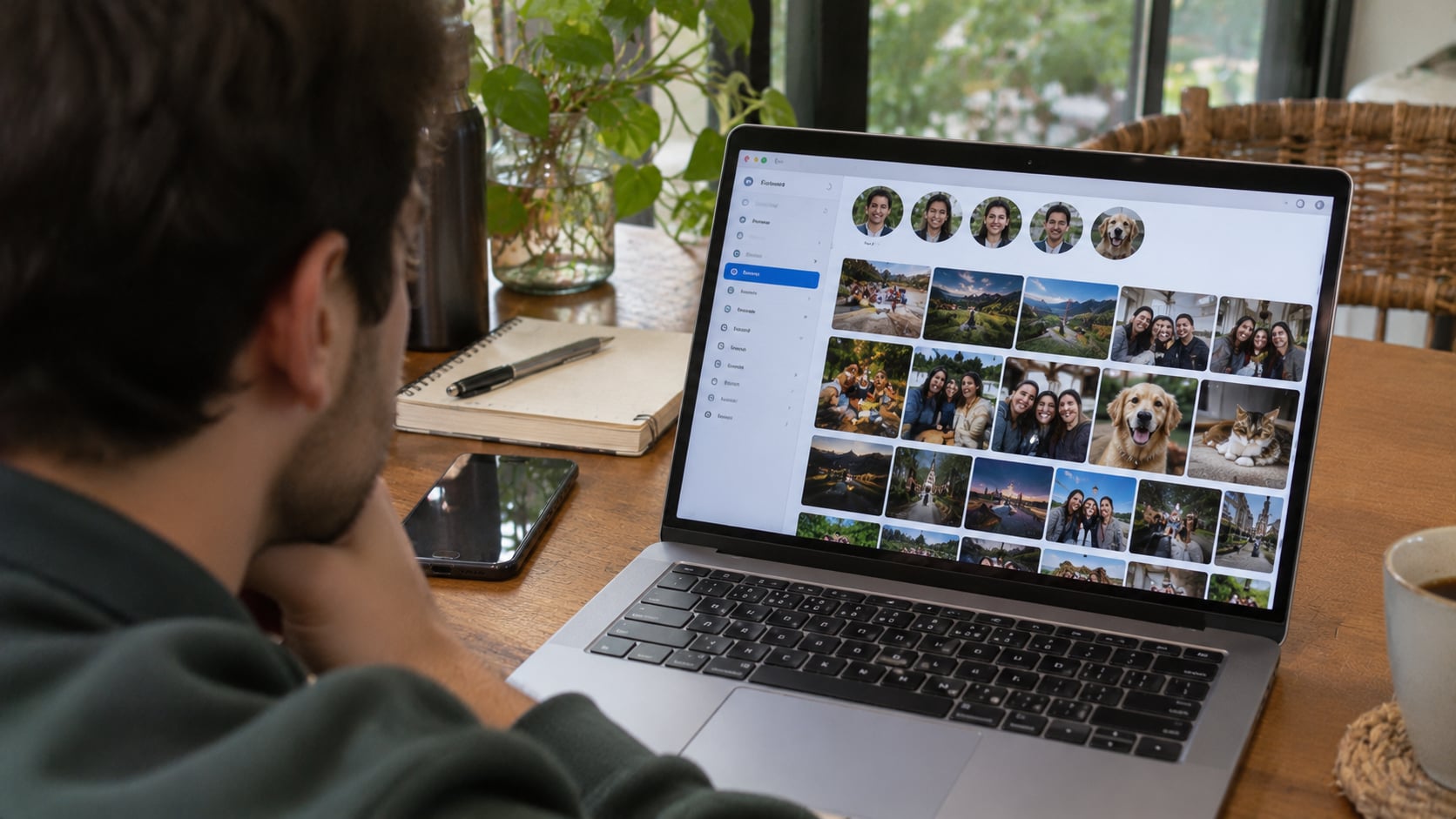
Finding a photograph once meant flipping through albums or opening countless folders. Modern photo apps can organize images using recognition technology, grouping pictures of people, pets, and objects. Google Photos, for example, can group similar faces and let users search for people or pets after assigning labels. The feature isn’t available everywhere and can make mistakes, but it means you no longer have to remember exactly when or where a picture was saved. Your photo library may know more about your vacation chronology than you do.
Old Social Media Posts Can Bring Back Forgotten Experiences
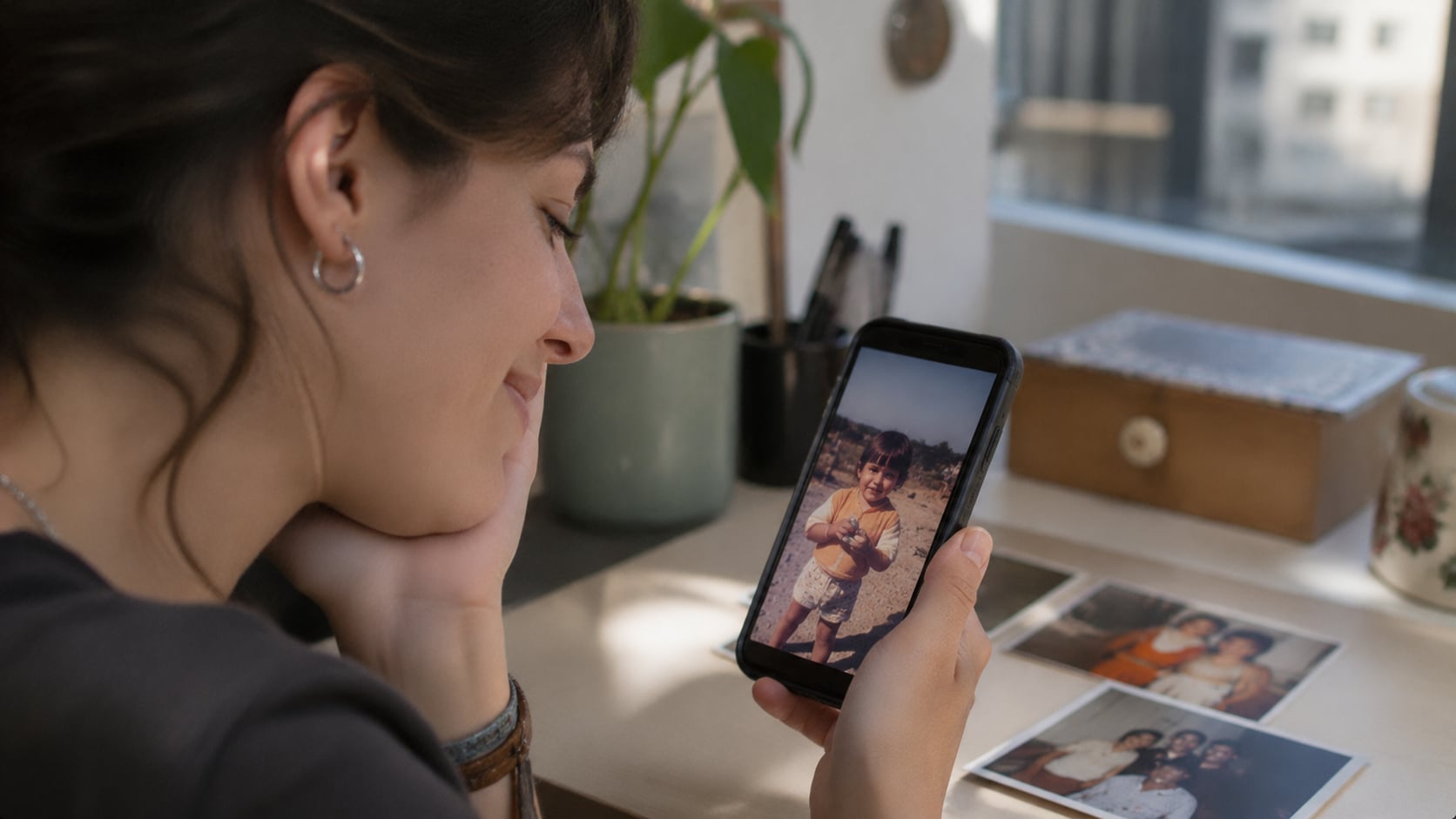
Digital services sometimes resurface photographs and posts from years ago, reminding people of experiences they haven’t thought about in a long time. A 2022 study published in Memory used the Timehop app to examine how old social media posts and photographs prompted autobiographical recollections. It was a single-person case study, so its findings can’t be generalized to everyone. Still, it shows how digital archives can bring forgotten moments back into view, including that post you probably thought was safely buried.
Sign up for our newsletter
Location History Can Reconstruct Trips Years After They Happened
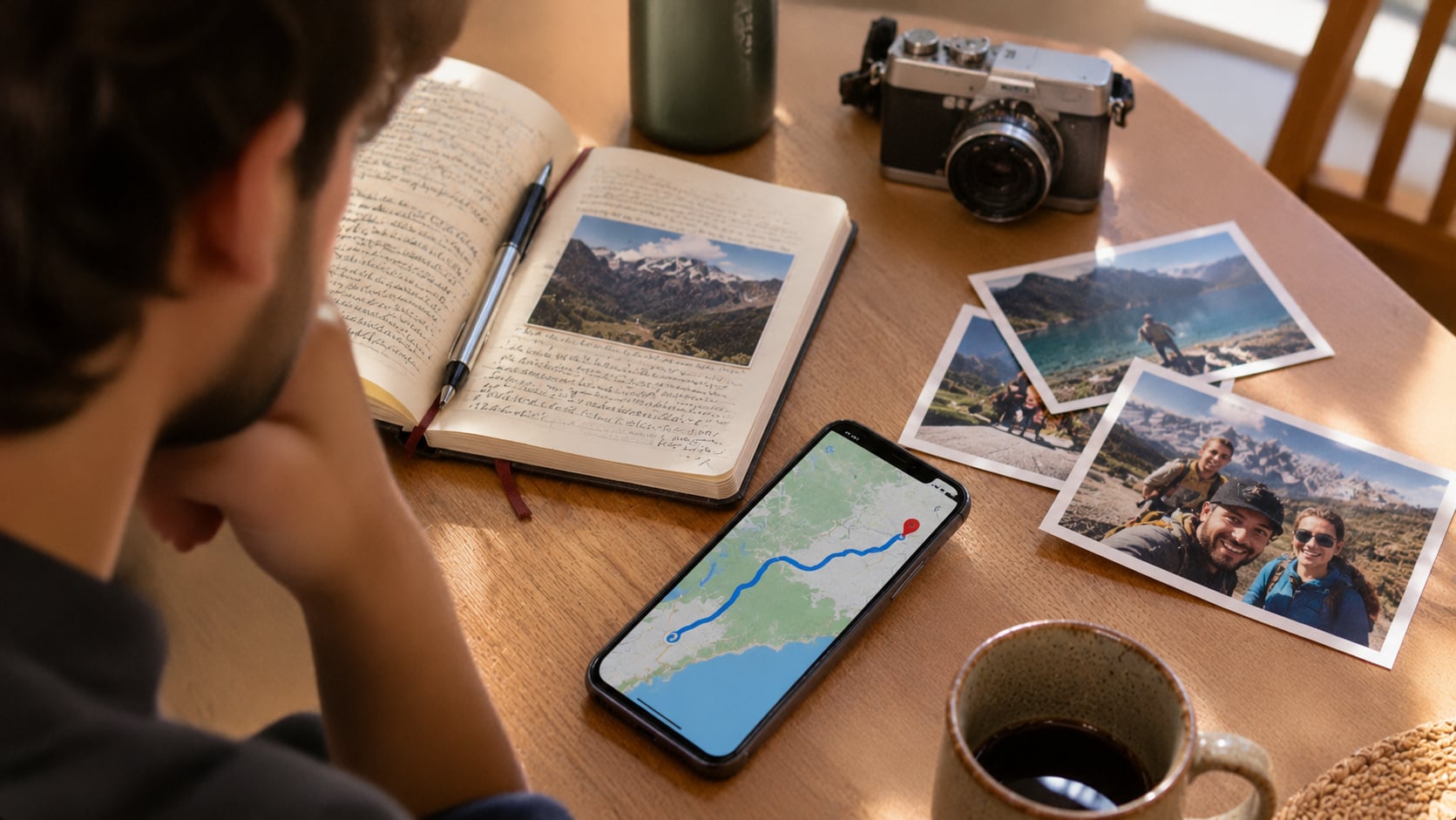
Remembering a vacation is one thing; recalling every restaurant, roadside stop, and neighborhood is another. Location-history tools can preserve records of places visited and routes traveled, helping people reconstruct details they might otherwise forget. Google Maps Timeline, for example, lets users who enable it review saved travel history and edit or delete individual visits. The records can be incomplete or inaccurate, and the feature is turned off by default. Still, it´s a digital travel diary that doesn´t require you to remember to take notes.
Flashcard Apps Can Schedule Reviews at More Effective Intervals
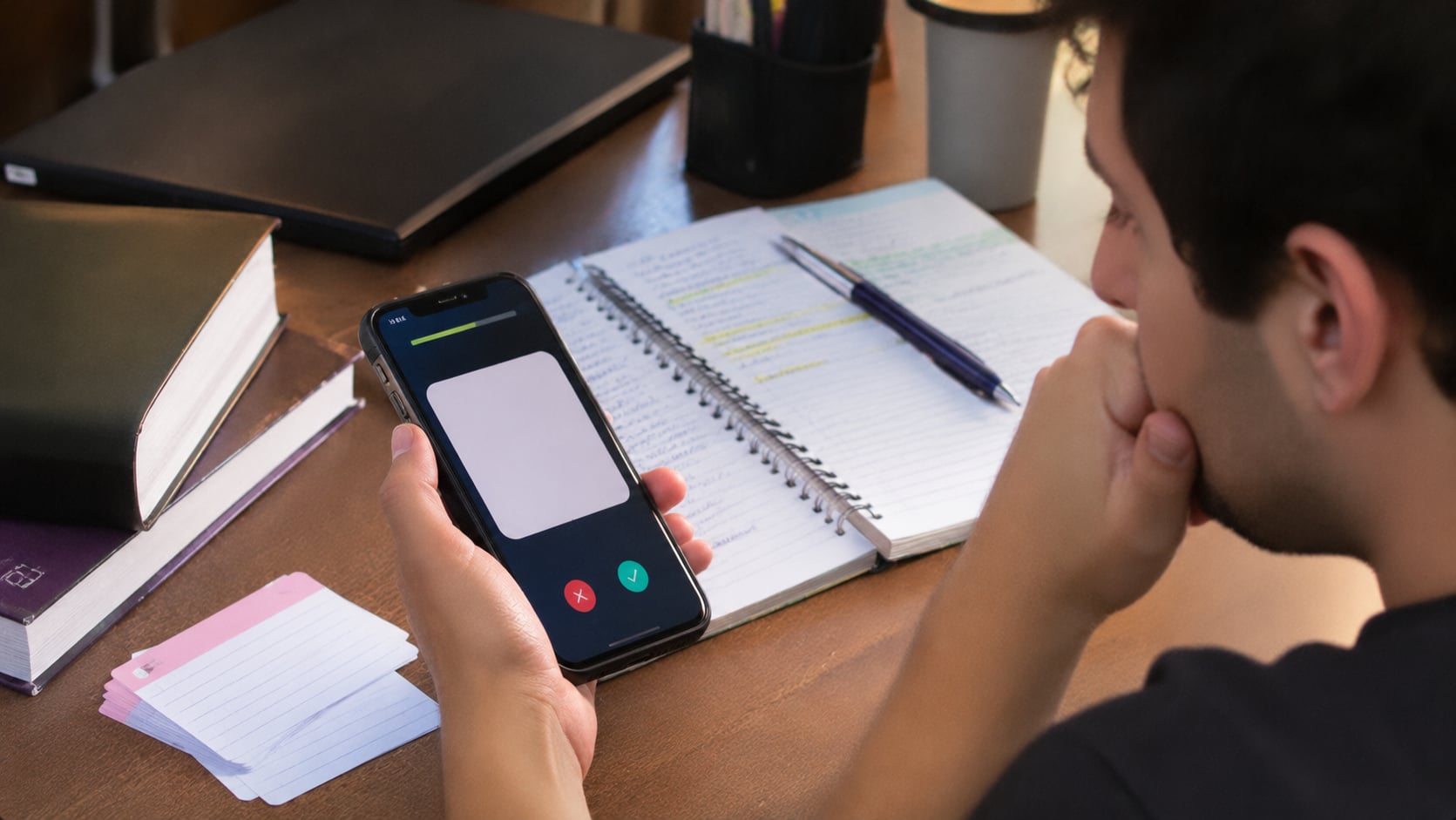
Studying often means rereading the same material repeatedly, sometimes in one long session right before a test. Research has shown that spacing sessions over time and practicing retrieval can improve long-term retention. A 2022 review in Nature Reviews Psychology examined evidence for both techniques across educational settings and age groups. Digital flashcard apps can automate review schedules, making these established learning methods easier to use consistently. Your phone can help you study smarter, even if it can’t stop you from procrastinating.
Describing an Experience on Social Media Can Affect Later Recall
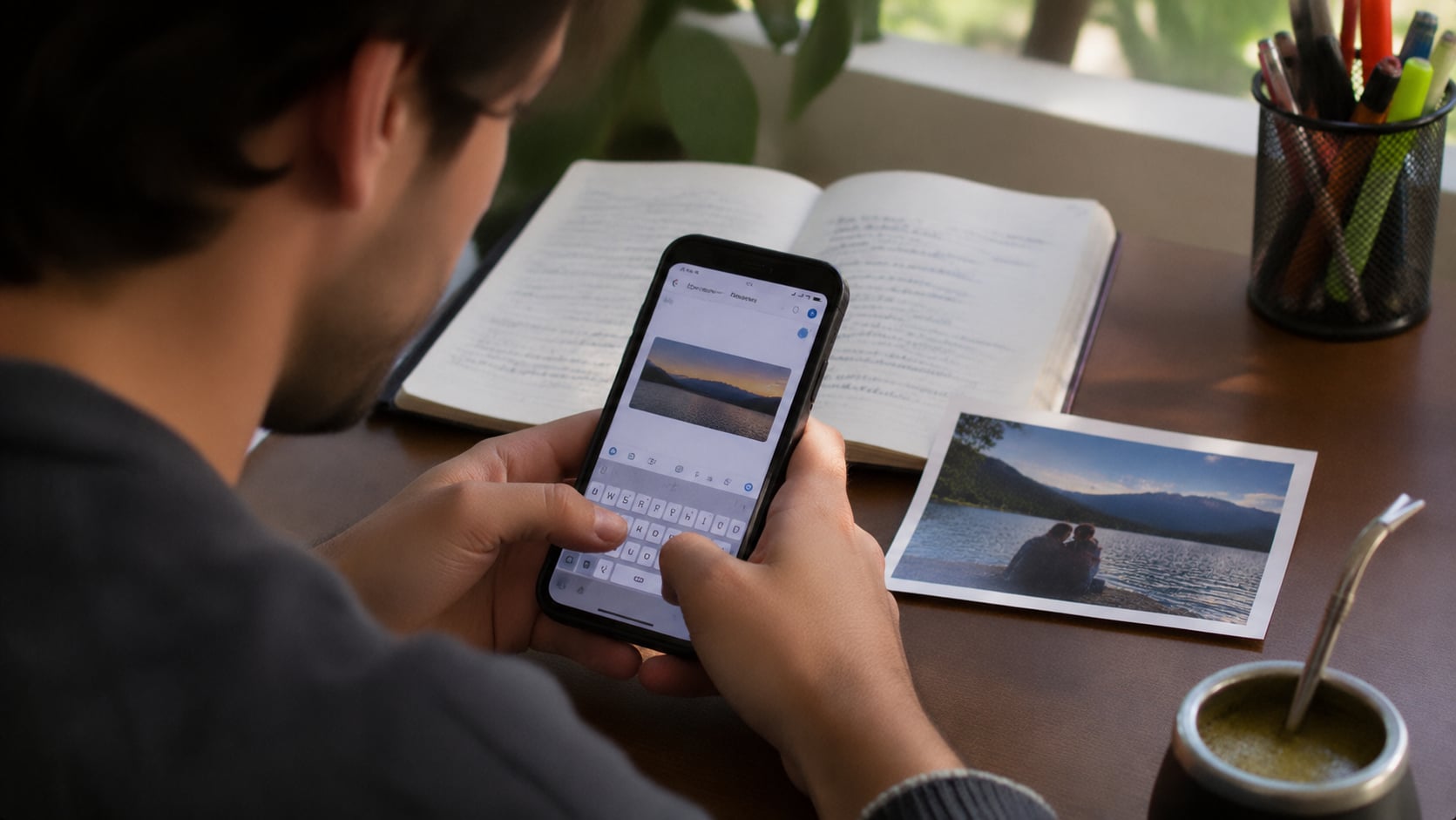
Posting about an event may influence how we remember it afterward. In a 2022 study, researchers asked 177 participants to describe recent personal experiences as either WeChat posts or private diary entries. When rested one or two weeks later, participants in the social media condition showed less consistency between their earlier and later recollections under certain conditions. The results suggest that the context in which we describe an event can influence how we reconstruct it, but they don’t prove social media generally makes memories.
The Internet Archive Can Bring Back Web Pages That Disappeared
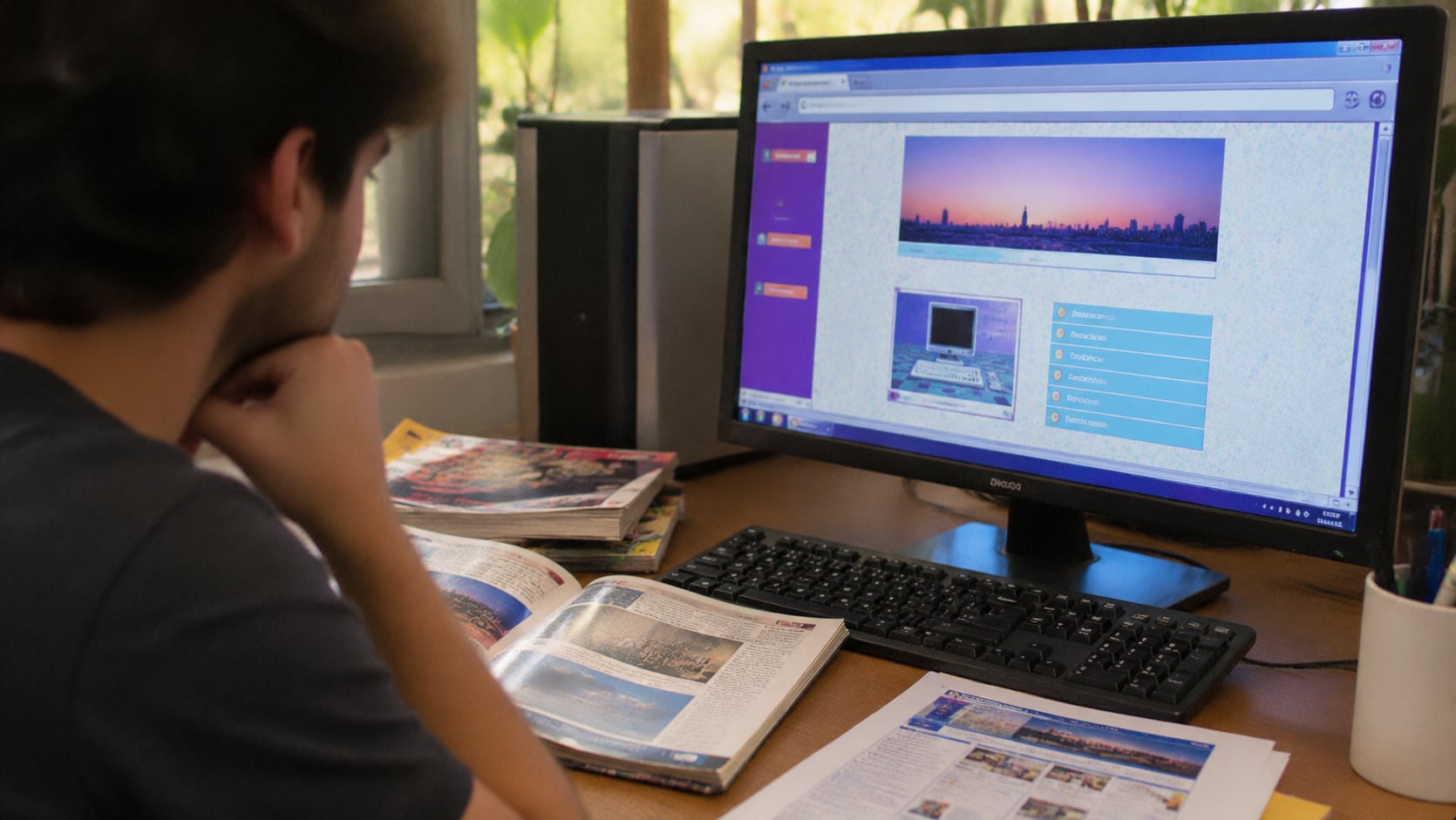
Websites can change overnight, taking articles, photographs, and information with them. The Internet Archive’s Wayback Machine preserves snapshots of publicly accessible pages, allowing users to revisit some earlier versions. Its Save Page Now feature can also archive eligible individual pages on request. Not every website is preserved, and archived pages may have missing images or broken features. Still, it offers a partial record of the internet’s past, a place to look when a page has vanished into the digital void.
Patient Portals Make It Easier to Reconstruct Medical History
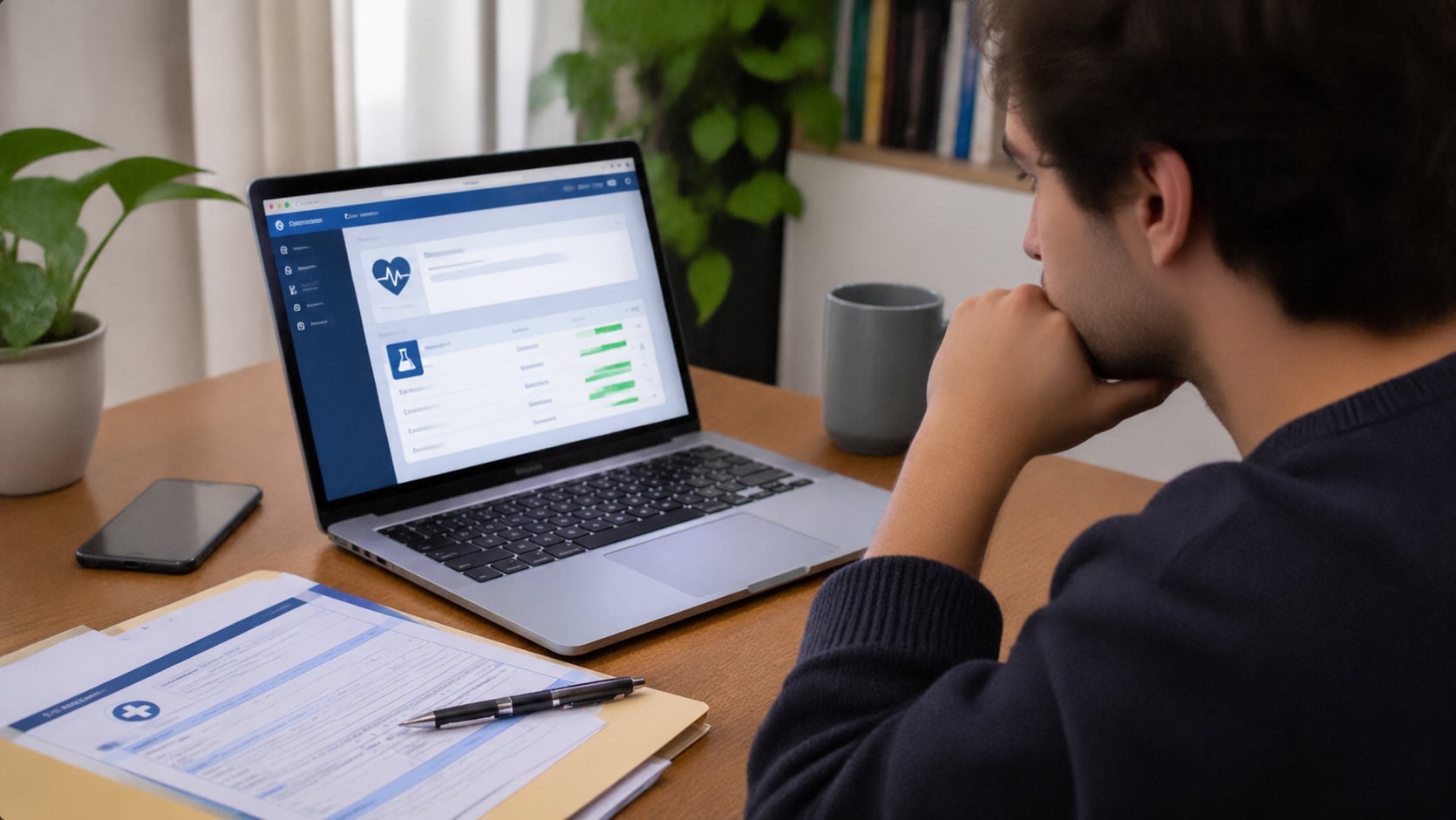
Remembering the date of an old medical test or the details of an appointment from years ago can be difficult. Electronic health records and patient portals let people review information that once required digging through paperwork or contacting a doctor’s office. The NIH Clinical Center’s FollowMyHealth portal, for example, gives eligible patients access to selected laboratory results, radiology reports, and other clinical information. Available records vary by provider, but documented information can be a more reliable reference than memory alone.
Digital Backups Changed How Families Preserve Their History
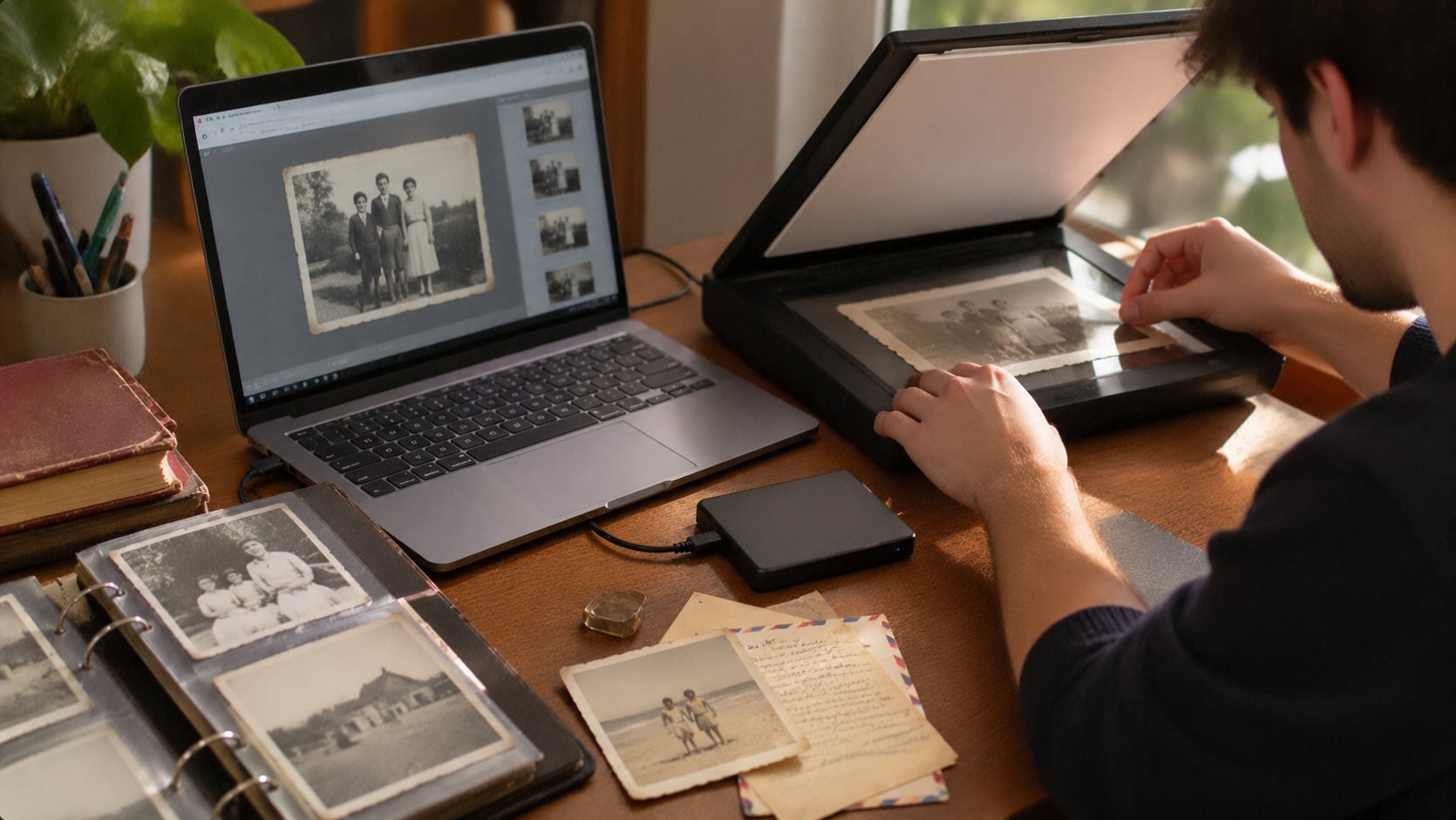
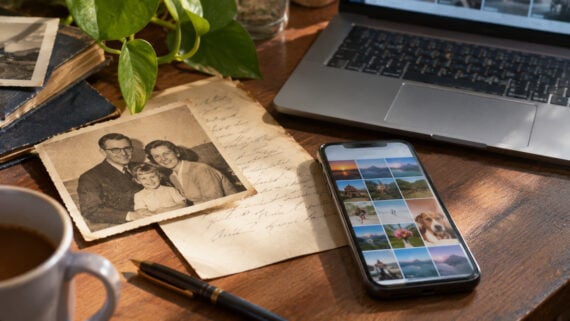
A shoebox of old photographs and letters can survive for generations, unless a flood, fire, or accidental disposal wipes it out. Digitization allows families to copy photographs, documents, and recordings and store them in multiple places without repeatedly handling the originals. But digital preservation has its own problems, including corrupted files, outdated formats, and inaccessible storage devices. The U.S. National Archives maintains a framework addressing these risks, showing that preserving family history takes more than clicking “save” and hoping for the best.
Deepfake Videos Can Create False Memories of Events
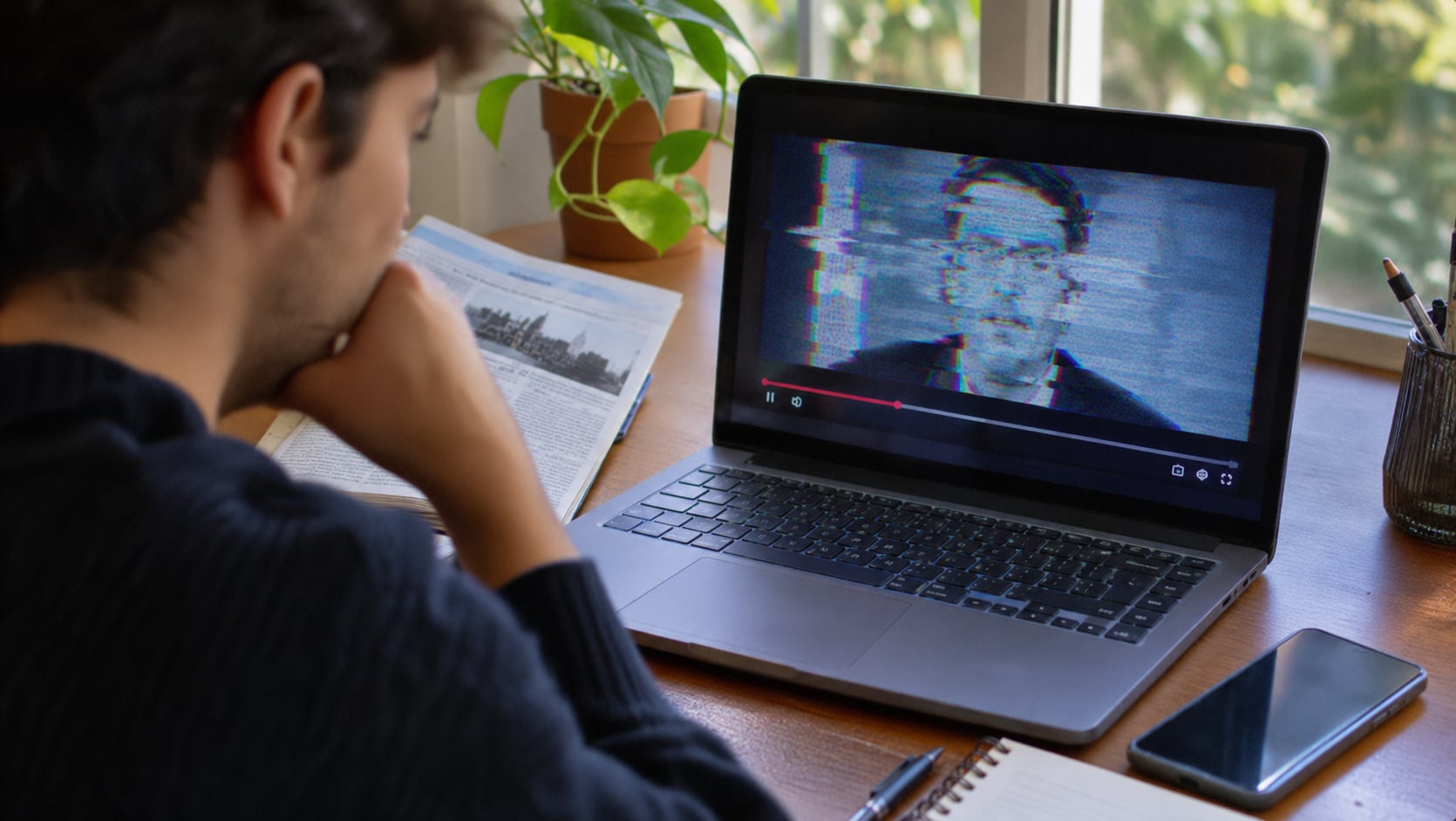
Artificial intelligence and digital editing can produce realistic videos of people saying or doing things that never happened. In a 2022 study published in Memory, psychologists conducted two experiments involving 682 participants who encountered fabricated news stories presented as text, photographs, or deepfake videos. Some participants reported false memories after seeing manipulated material, but deepfakes did not consistently create more false memories than misleading text or photos. Convincing footage can distort recollection, but old-fashioned misinformation can be just as misleading.
Even a Silent Smartphone May Affect Mental Performance
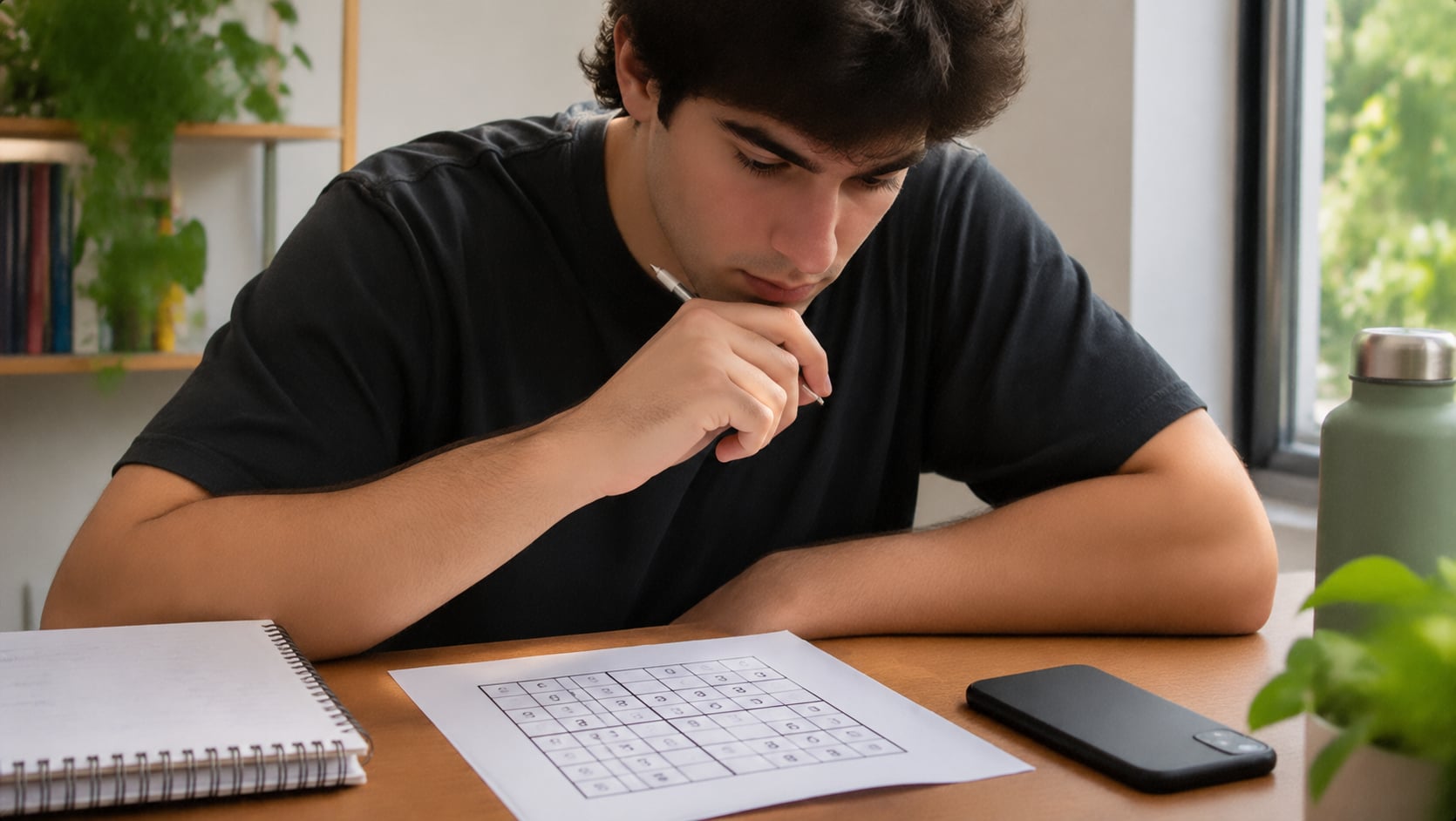
A smartphone doesn’t have to ring or display a notification to compete for attention. In a 2017 study, participants generally performed better on certain cognitive-capacity tasks when their phones were kept in another room rather than nearby. However, later research hasn’t consistently reproduced the effect across different memory tasks. One study found no overall impairment in short-term or prospective memory when a phone was on a desk. The evidence suggests that a nearby smartphone may affect some mental tasks under certain conditions, but it doesn’t mean every phone on the table is stealing your brainpower.