Throughout history, the criminal underworld has produced countless famous outlaws whose legendary reputations completely overshadowed their actual deeds. While law enforcement agencies focused on building massive legal cases, the sensationalized newspapers of the twentieth century were busy creating catchy aliases to sell more daily copies. These colorful monikers became permanent cultural brands, transforming ordinary thieves and gangsters into larger-than-life mythological figures.
Interestingly, the vast majority of these historical mobsters and bandits absolutely despised the silly titles given to them by the press. Many of these enduring nicknames were born from simple physical flaws, embarrassing childhood hobbies, or complete misunderstandings that the criminals desperately tried to hide. Uncovering the bizarre origins behind these iconic aliases reveals a fascinating side of true crime history where the media held the ultimate naming power. Here are twelve legendary outlaws whose strange nicknames completely rewrote their historical legacy.
1. Al “Scarface” Capone
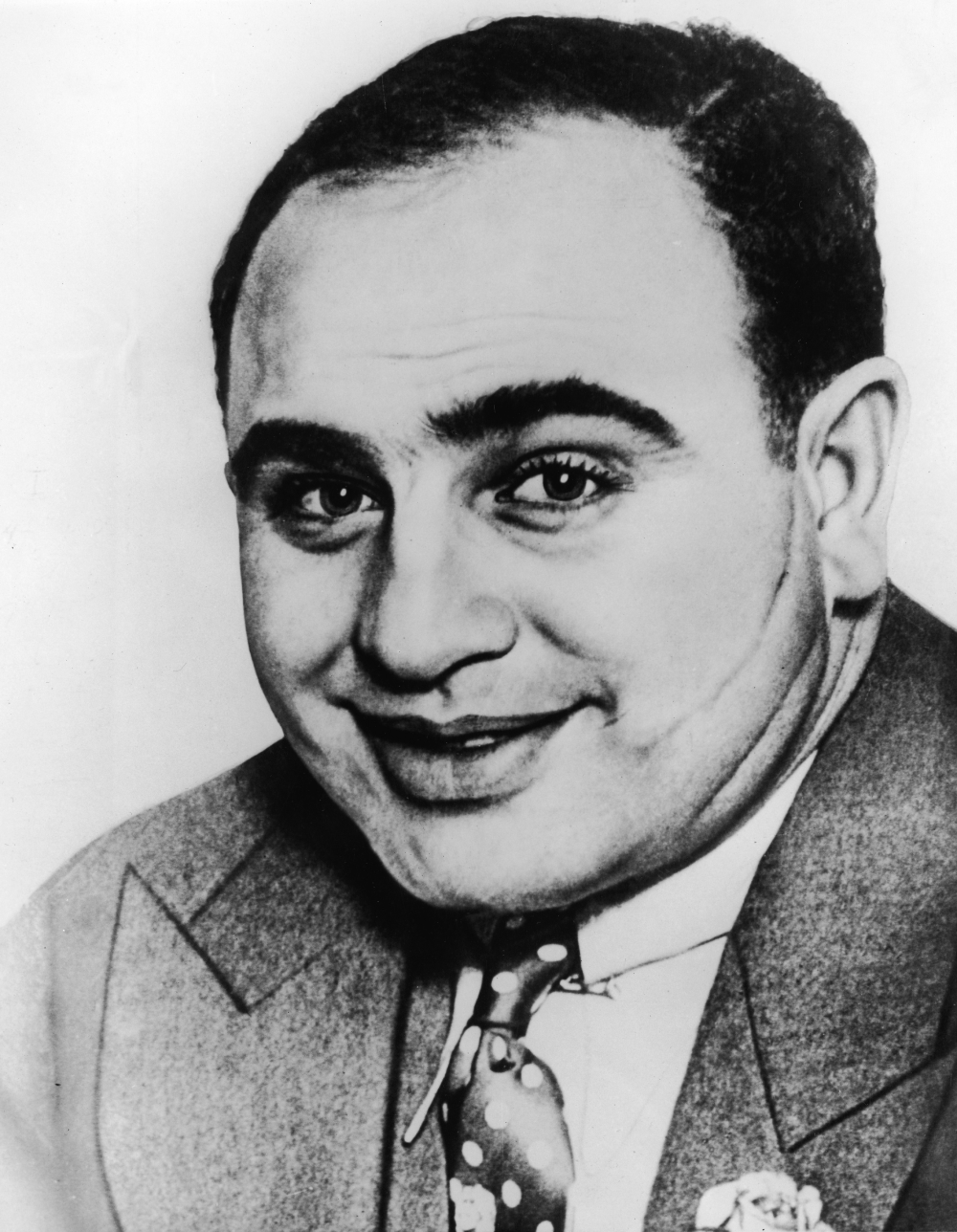
The most notorious Chicago mobster of the 1920s received his legendary facial scars after insulting a woman at the Harvard Inn in 1917, prompting her brother Frank Galluccio to slash him with a pocketknife. Capone absolutely hated the menacing nickname and constantly lied to newspaper photographers, claiming he received the terrible wounds while fighting heroically in France during World War I.
2. Charles “Pretty boy” Floyd
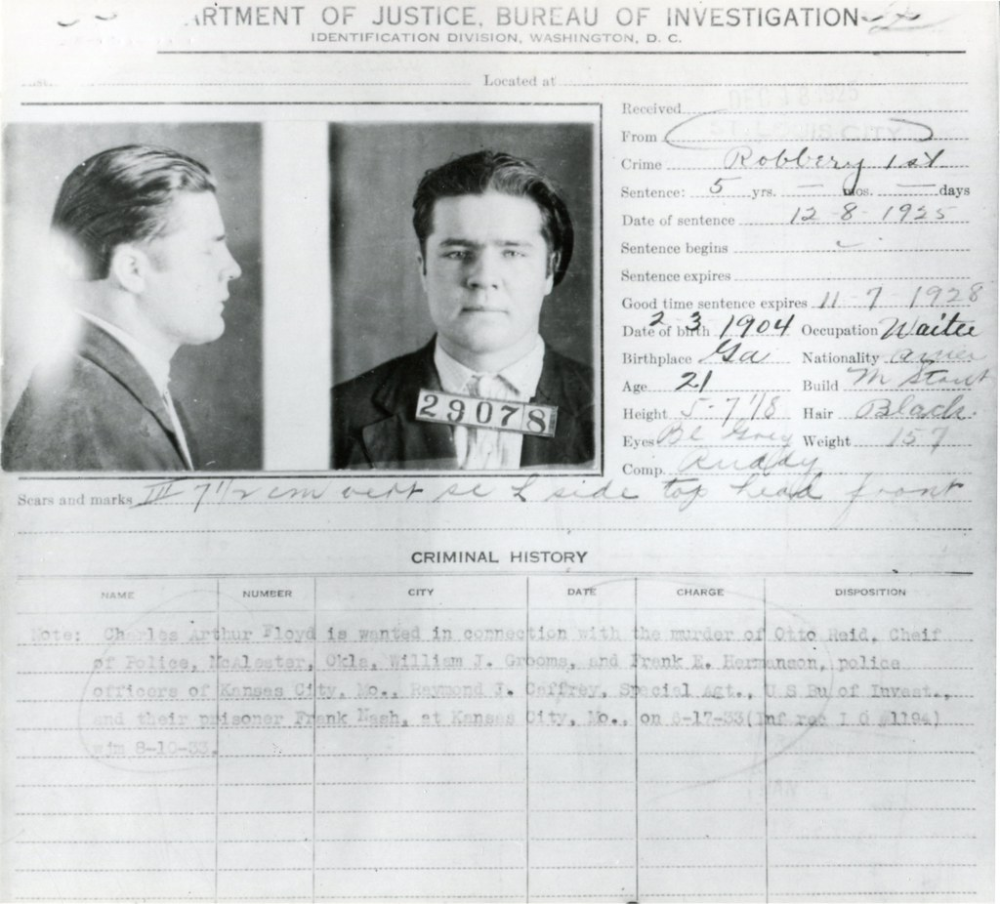
During a 1930 payroll robbery in Ohio, a frightened witness described the fleeing suspect to local police as a polite youth with soft apple cheeks. The frustrated Midwestern bank robber completely despised the resulting newspaper moniker, actively demanding that his criminal associates call him “Choc” to avoid sounding weak.
3. Benjamin “Bugsy” Siegel
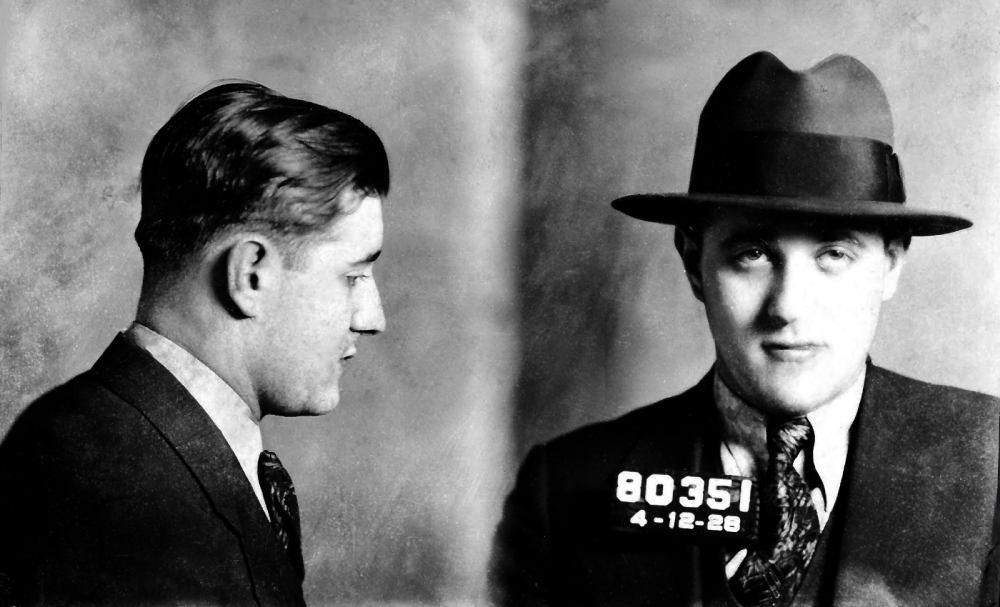
This stylish New York mobster and Las Vegas casino pioneer earned his nickname during the 1930s because his incredibly erratic and violent temper made his peers think he was entirely “bugs” or crazy. Siegel famously detested the insulting alias, openly threatening to physically harm anyone who dared to use the disrespectful name directly to his face.
4. Lester “Baby Face Nelson” Gillis
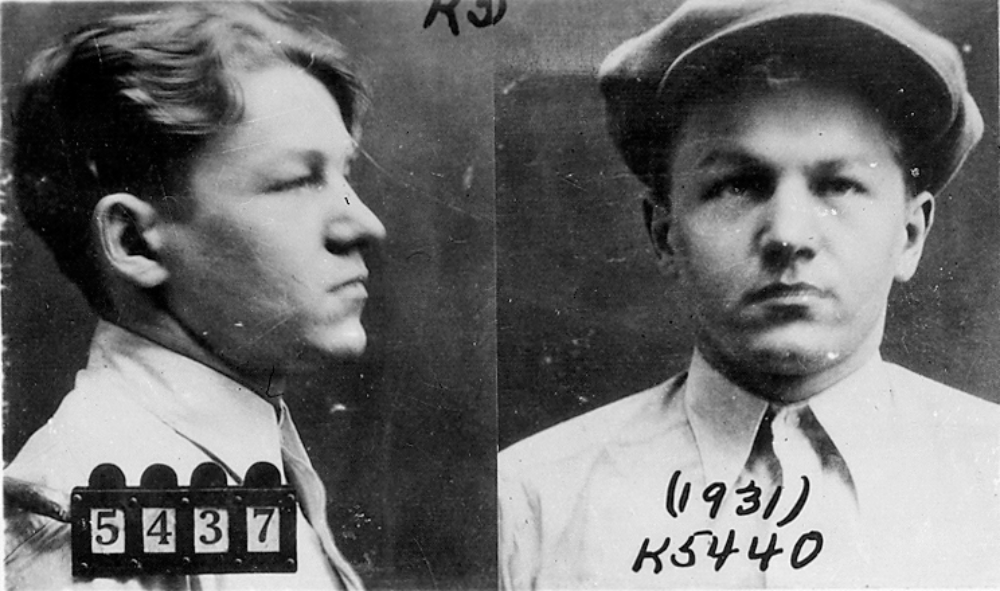
Standing at just five feet and four inches tall, this ruthless 1930s bank robber received his adorable nickname from Chicago police officers who noted his unusually youthful appearance. Much like his partner Charles Floyd, Gillis hated the childish title and preferred the alias “Big George,” violently lashing out at anyone who mocked his small stature.
5. George “Machine Gun” Kelly
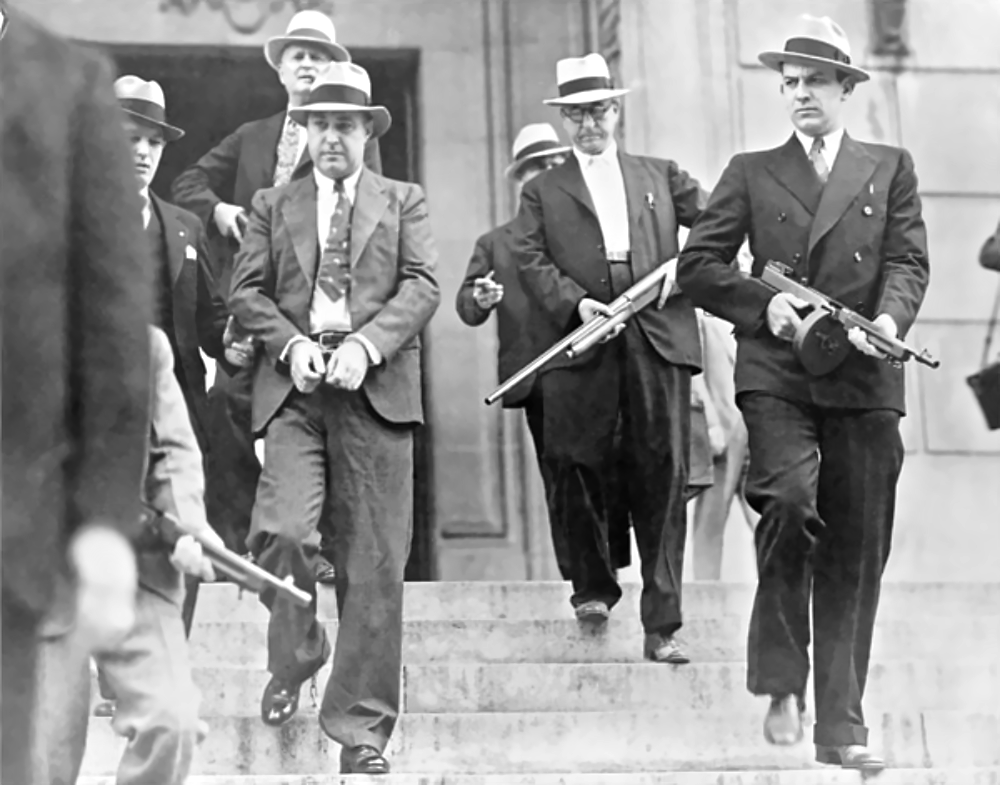
Unlike most criminals who earned their titles organically, this famous 1930s bootlegger was deliberately branded by his highly ambitious wife, Kathryn. She bought him a heavy Thompson submachine gun and aggressively forced him to practice shooting walnuts off fence posts, successfully manufacturing a terrifying public image to boost his underworld reputation.
Trending on The Scroller


6. Charles “Lucky” Luciano
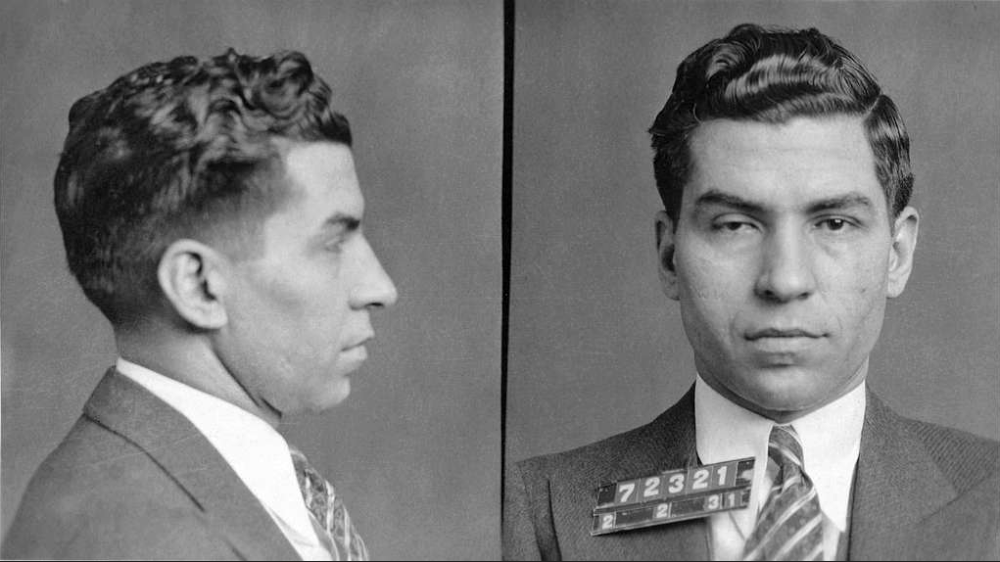
The architect of the modern American Mafia earned his incredibly fortunate title after surviving a horrific kidnapping and severe beating in October 1929. Rival gangsters slashed his throat and left him for dead on a Staten Island beach, but he miraculously survived the ordeal, resulting in his signature drooping right eye and his lifelong nickname.
7. Tony “Joe Batters” Accardo
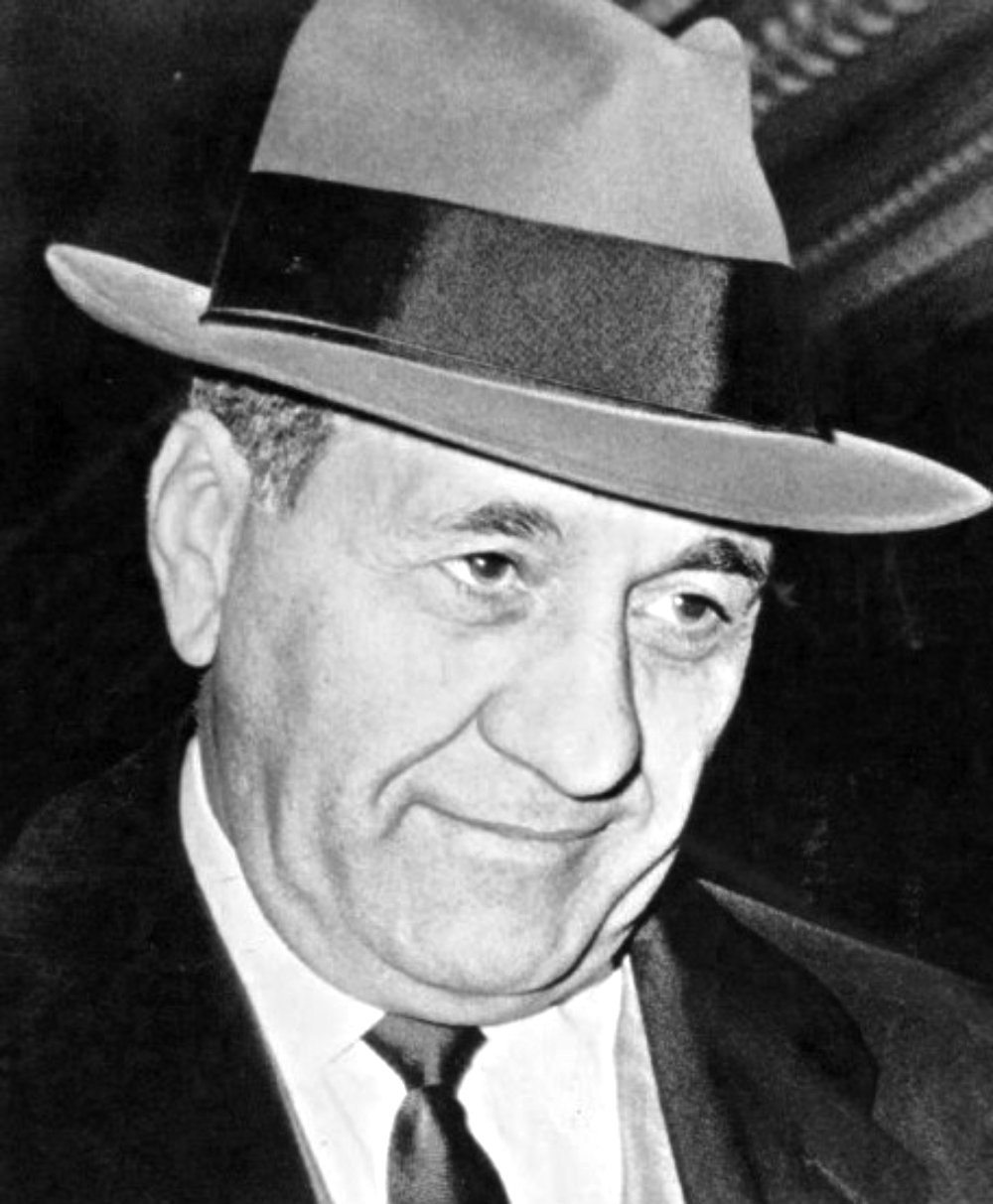
Before becoming a legendary boss of the Chicago Outfit in the 1940s, a young Accardo served as a loyal enforcer for Al Capone. After brutally attacking three rival mobsters with a wooden baseball bat at a dinner party, a highly impressed Capone supposedly remarked that the young man was a real “Joe Batters,” permanently sealing his alias.
8. Jack “Legs” Diamond
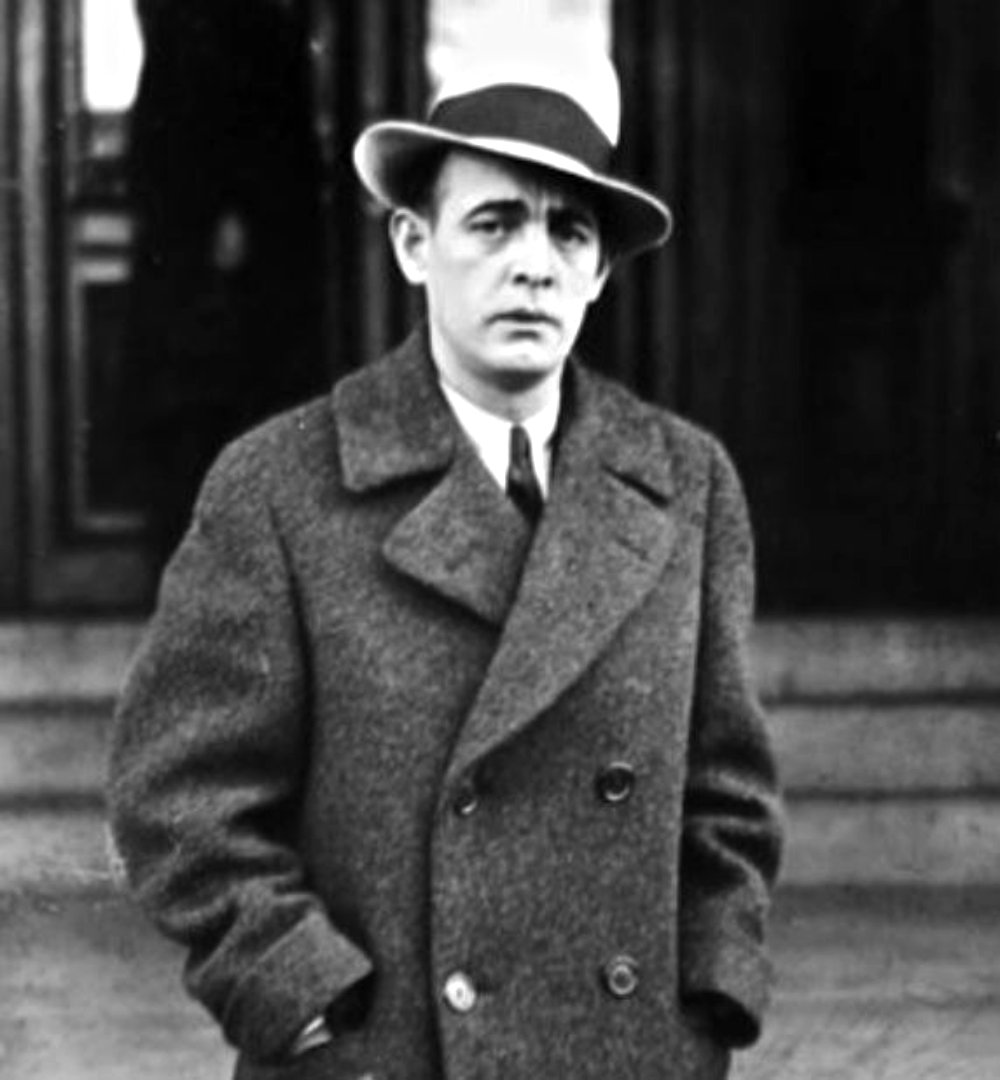
This prominent Prohibition-era bootlegger originally earned his nickname not for his criminal escape skills, but rather for his impressive youthful performances in local New York dance competitions. Other historical sources claim the nickname referred to his incredible ability to quickly run away from rival gang shootouts, making him an incredibly elusive target throughout the 1920s.
Sign up for our newsletter
9. Alvin “Creepy” Karpis
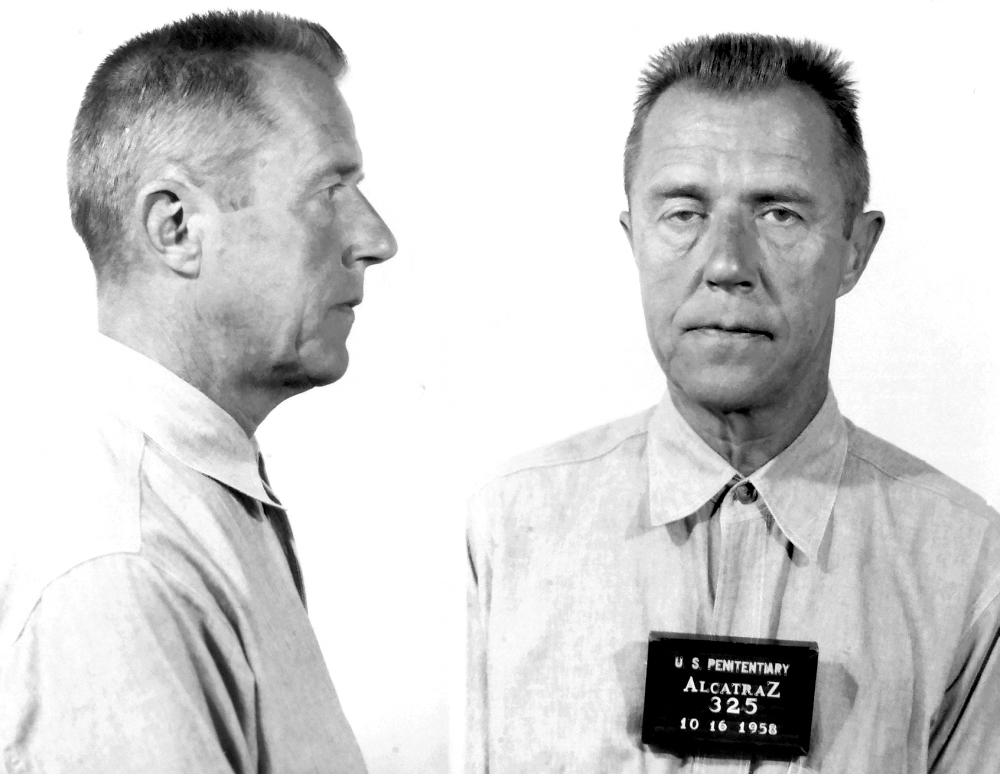
Leading the infamous Barker-Karpis gang during the Great Depression, this highly intelligent bank robber possessed an incredibly sinister, unsettling smile that deeply disturbed both witnesses and fellow outlaws. His chilling facial expressions earned him his spooky moniker from the press, though his actual criminal associates simply referred to him as “Ray” during their extensive string of 1930s heists.
10. John “The Teflon Don” Gotti
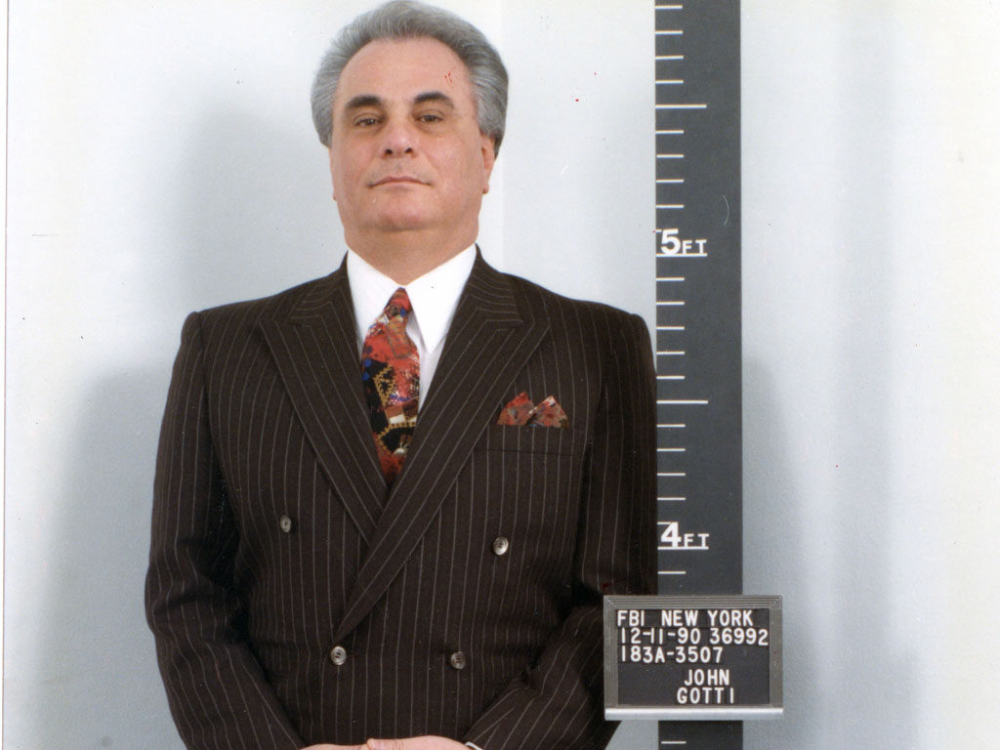
During the late 1980s, the charismatic boss of the Gambino crime family managed to secure three high-profile acquittals in federal court despite overwhelming evidence against him. The frustrated New York media finally dubbed him the Teflon Don, noting that massive criminal charges simply could not stick to him until his ultimate conviction in 1992.
11. Robert “The Birdman of Alcatraz” Stroud
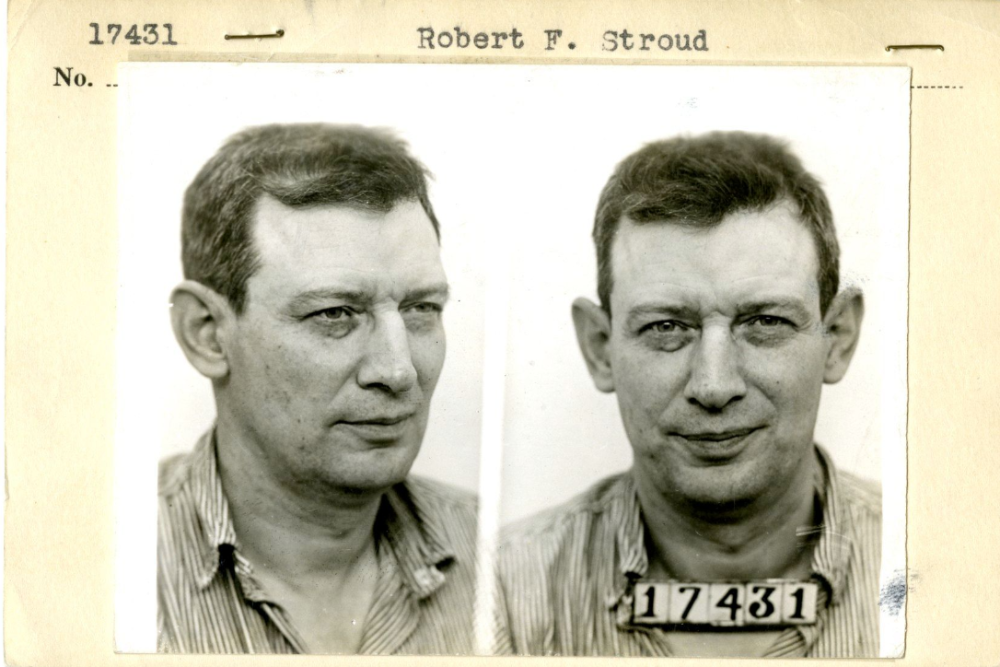
Despite starring in a famous Hollywood film that solidified his cultural nickname, this convicted murderer never actually kept a single bird during his seventeen years at the infamous Alcatraz island prison. Stroud exclusively reared his famous canaries and wrote his respected ornithology books while serving his previous sentence at Leavenworth Penitentiary in Kansas.
12. Vincenzo “Mad Dog” Coll
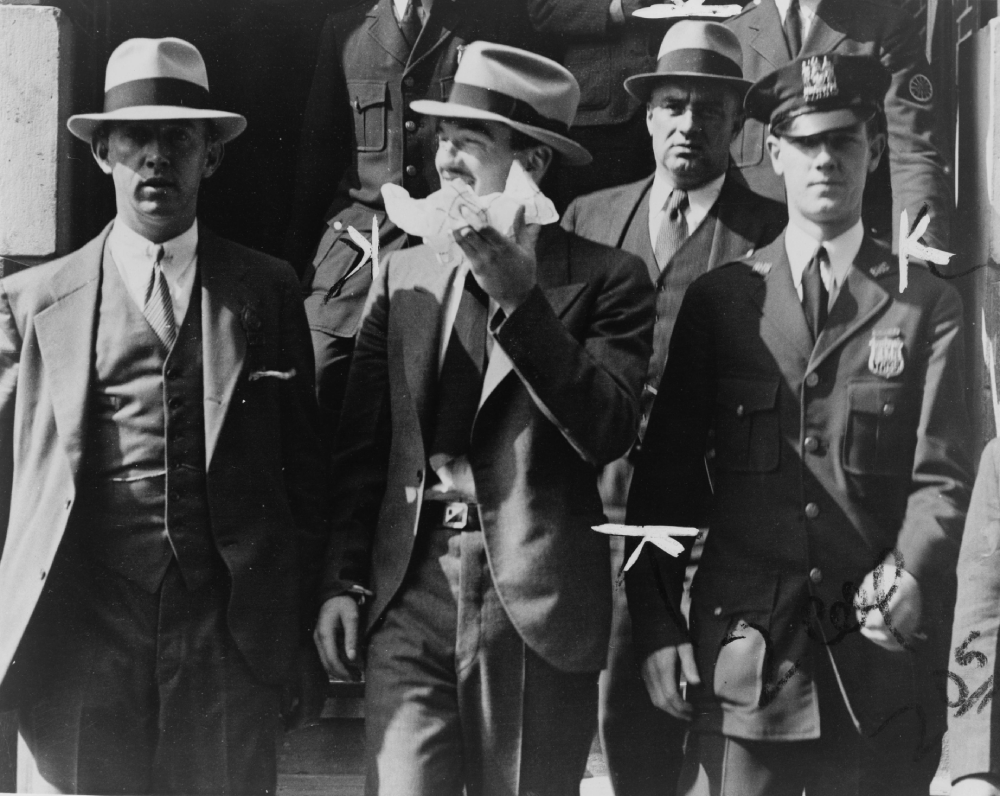
This ruthless Irish mob hitman operating in New York during the 1930s gained his terrifying moniker following a chaotic drive-by shooting that tragically killed a young child. The horrific incident completely outraged the public, prompting Mayor Fiorello LaGuardia to brand the twenty-two-year-old assassin a “mad dog” in the daily newspapers.
Explore more mind-blowing crime stories:
Exploring the bizarre origins behind these infamous nicknames proves that historical legends are rarely as glamorous as they initially appear. A simple playground insult or a highly embarrassing injury can easily become a permanent historical brand when the national media gets involved. If you love discovering weird historical facts, unraveling vintage mysteries, and reading true crime trivia, make sure to check out these Beyond the Mob: 12 Strange Things Infamous Gangsters Did or these 12 Tiny Pieces of Evidence That Solved Major Historic Crimes. You can also take a look at these 18 Strange Last Meal Requests From Notorious Criminals.