Criminal investigations are often portrayed as relying on dramatic courtroom confessions or massive blunders by the perpetrators. However, some of history’s most puzzling cases were actually cracked by physical evidence so small that investigators could have easily swept them away or overlooked them entirely.
A single horsehair, a couple of seed pods, a bite taken out of a piece of cheese, and even the fur from a family pet have all provided the crucial link needed to connect a suspect to a location. These 12 documented investigations demonstrate how seemingly insignificant discoveries ended up uncovering the truth, occasionally bringing closure to cases decades after the initial event took place.
1. A single horsehair helped solve a 1936 New York murder
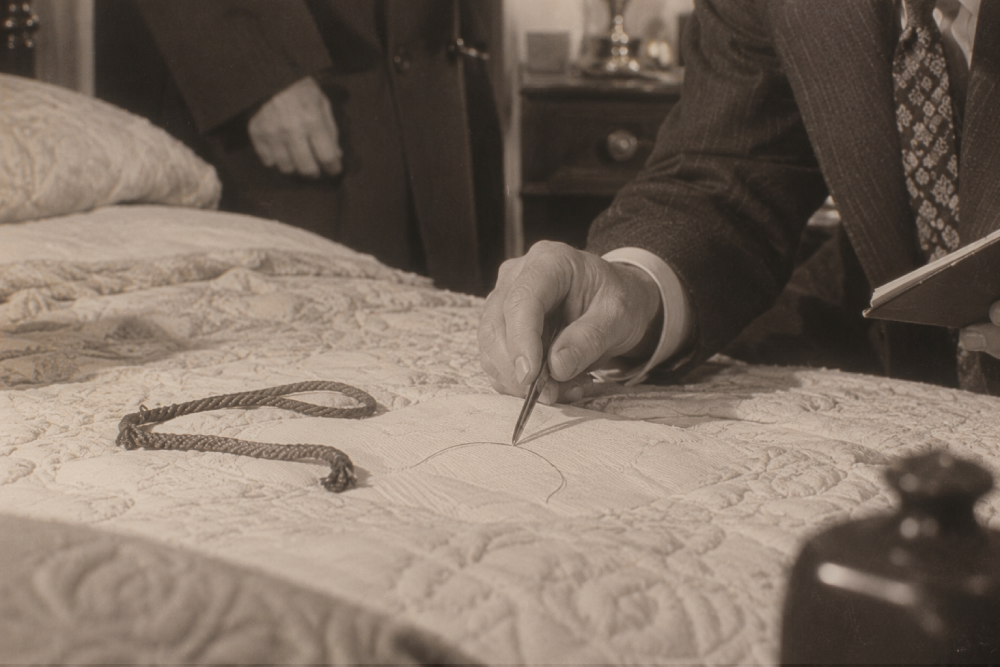
When novelist Nancy Titterton was killed in her Manhattan apartment in April 1936, investigators carefully examined the room for clues. They found a single horsehair on her bedspread alongside a short length of cord. Detectives traced the cord and the distinct horsehair to a local upholstery business, which ultimately led them to an employee named John Fiorenza who had previously delivered furniture to her home. Confronted with the physical evidence, Fiorenza confessed and was convicted in May 1936.
2. A gas station attendant’s scribble cracked the Lindbergh kidnapping
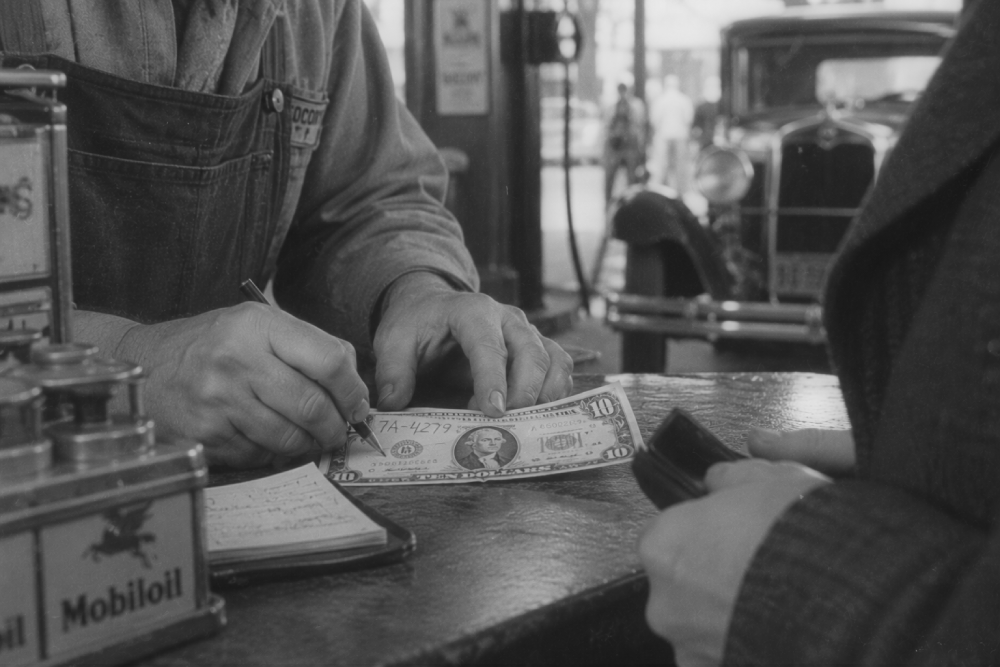
The 1932 kidnapping of aviator Charles Lindbergh’s baby remained a frustrating mystery for more than two years until a gas station attendant made a sharp observation. In September 1934, the attendant noticed a customer paying with a suspicious $10 gold certificate and jotted down the vehicle’s license plate number directly on the bill. He was completely unaware the money was part of the notorious kidnapping ransom. That quick decision led FBI investigators straight to Bruno Richard Hauptmann, ending one of the most famous manhunts in American history.
3. Two seed pods connected a suspect to an Arizona Desert crime scene
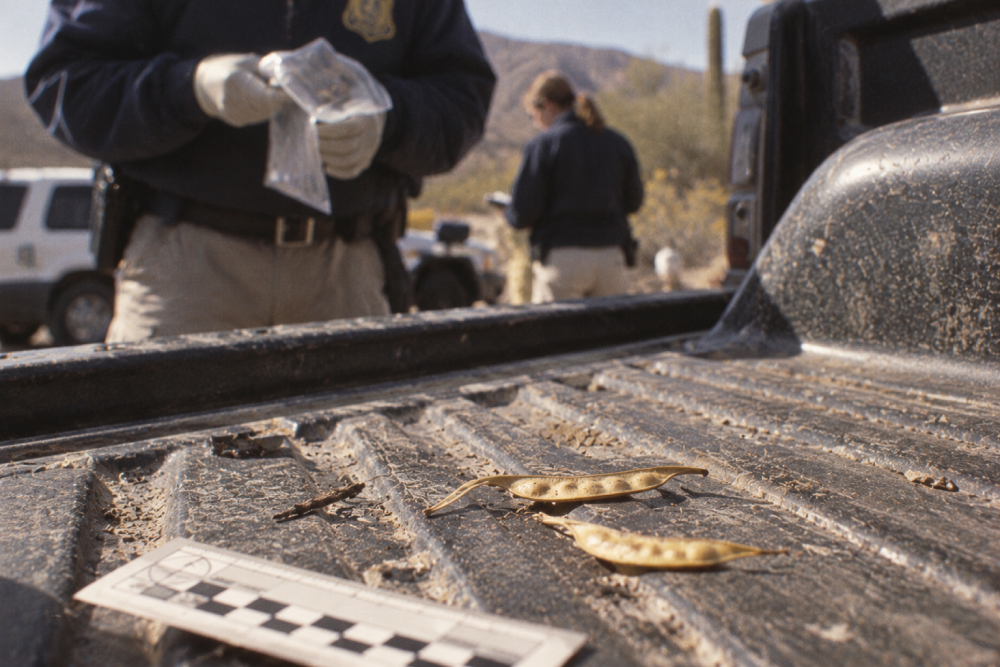
During a 1990s forensic investigation in Arizona, detectives discovered two tiny palo verde seed pods sitting in the bed of a pickup truck belonging to suspect Mark Bogan. Scientists from the National Institute of Justice compared DNA from those specific pods with samples collected from trees near the desert location where the victim had been found. The genetic results definitively linked the pods to one particular tree at the crime scene, completely undermining Bogan’s claim that his truck had never been there.
4. Cat hair helped convict a Canadian murderer
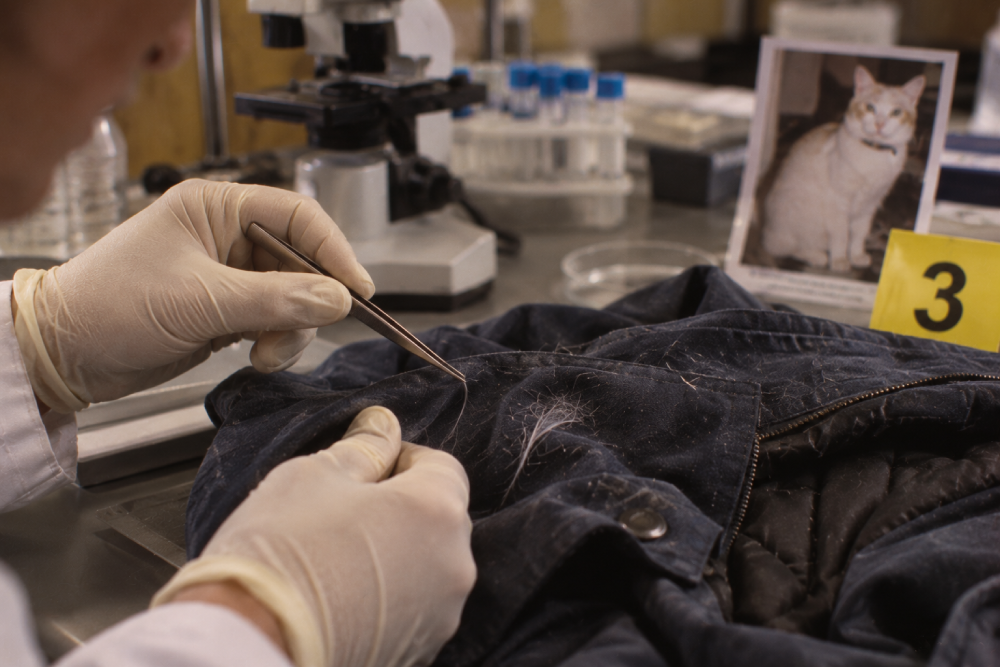
When Shirley Duguay disappeared on Prince Edward Island in 1994, investigators eventually recovered a jacket belonging to the perpetrator that contained a few white cat hairs. According to Smithsonian Magazine, forensic experts compared the hairs with DNA taken from Snowball, a pet cat living with the parents of Duguay’s estranged partner, Douglas Beamish. The genetic match helped connect Beamish to the discarded clothing, contributing to his 1996 conviction in a landmark case for animal DNA analysis.
5. A single dog hair survived a crime scene cleanup
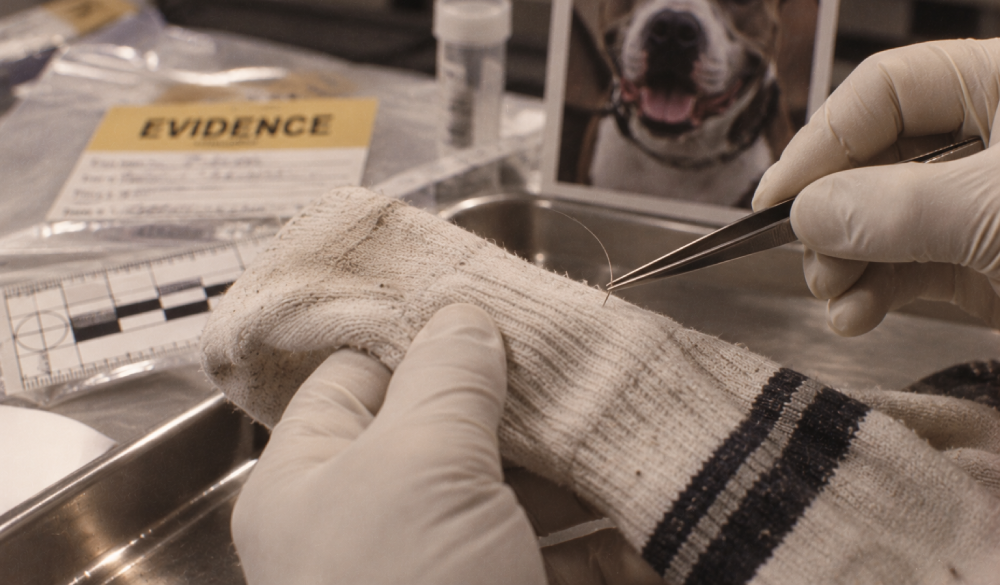
The men responsible for Elizabeth Ballard’s 1998 death in New Mexico tried to eliminate all evidence by meticulously cleaning the room, scrubbing a car trunk, and disposing of her body in the desert. Despite their efforts, investigators recovered a single dog hair clinging to one of Ballard’s socks. DNA analysis connected that single strand to Hercules, a pit bull mix owned by one of the suspects, providing the unlikely clue needed to send both perpetrators to prison.
Trending on The Scroller


6. A bite of cheese provided a burglar’s DNA
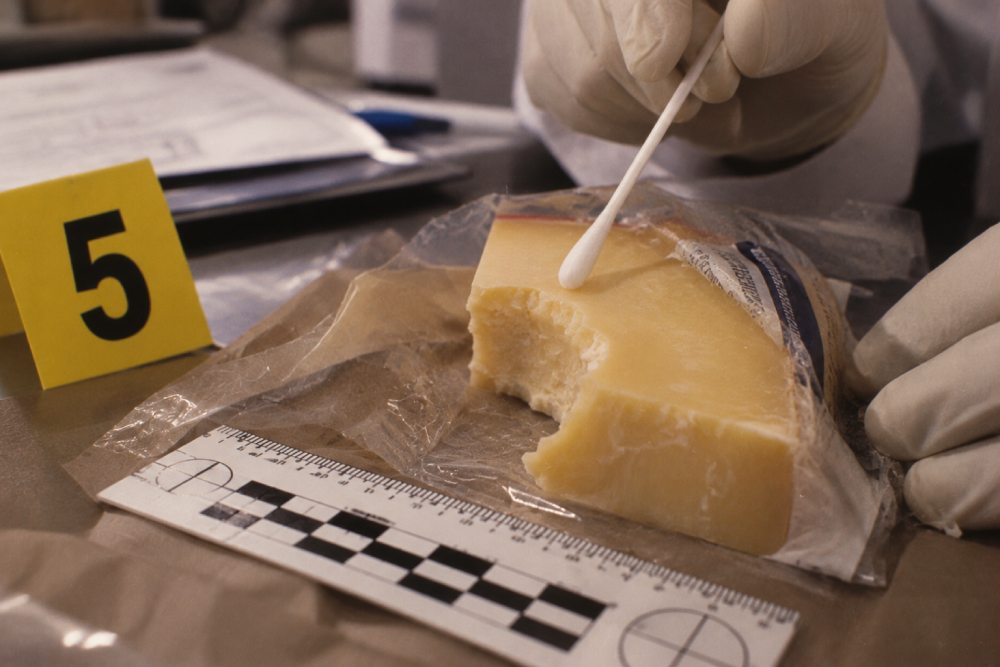
A burglar left behind an unusually revealing snack when he decided to bite into a piece of cheese while robbing a home. Documented in a 1999 paper for the International Journal of Legal Medicine, the case showed researchers recovering saliva directly from the bite marks. They successfully produced a DNA profile that matched a suspect’s blood sample, proving that ordinary food could preserve valuable genetic material even after police had frozen the cheese for ten days before testing.
7. Carpet fibers helped convict a suspect in the Atlanta child murders
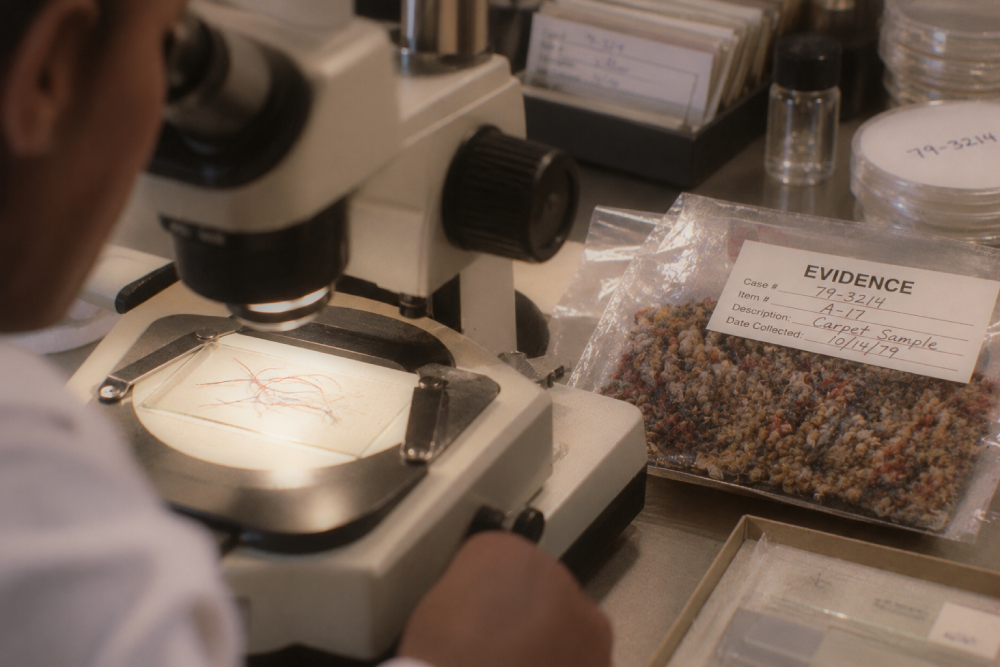
During the intensive investigation into a series of murders in Atlanta between 1979 and 1981, forensic scientists began noticing unusual microscopic fibers on several victims. U.S. Department of Justice records detail how some of these specific fibers were matched to carpeting and other materials collected from the home and surroundings of Wayne Williams. The fiber comparisons became a central pillar of the prosecution, showing how fragments barely visible to the naked eye could securely connect a person to multiple locations.
8. A familiar phrase helped identify the Unabomber

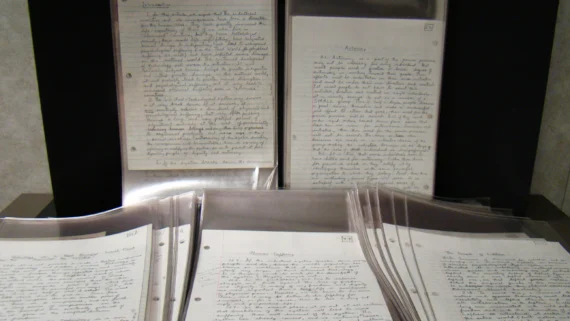
For nearly 18 years, the Unabomber evaded capture while carrying out a nationwide bombing campaign. The breakthrough finally arrived after his lengthy manifesto was published in 1995. His own family recognized striking similarities to Theodore Kaczynski’s earlier writings. FBI investigators zeroed in on his distinctive wording, particularly the phrase “sphere of human freedom,” which appeared in a document Kaczynski had written years earlier. That linguistic connection provided the foundation needed to search his Montana cabin and arrest him in April 1996.
Sign up for our newsletter
9. A fingerprint on a paper bag solved a child abduction nearly 20 years later
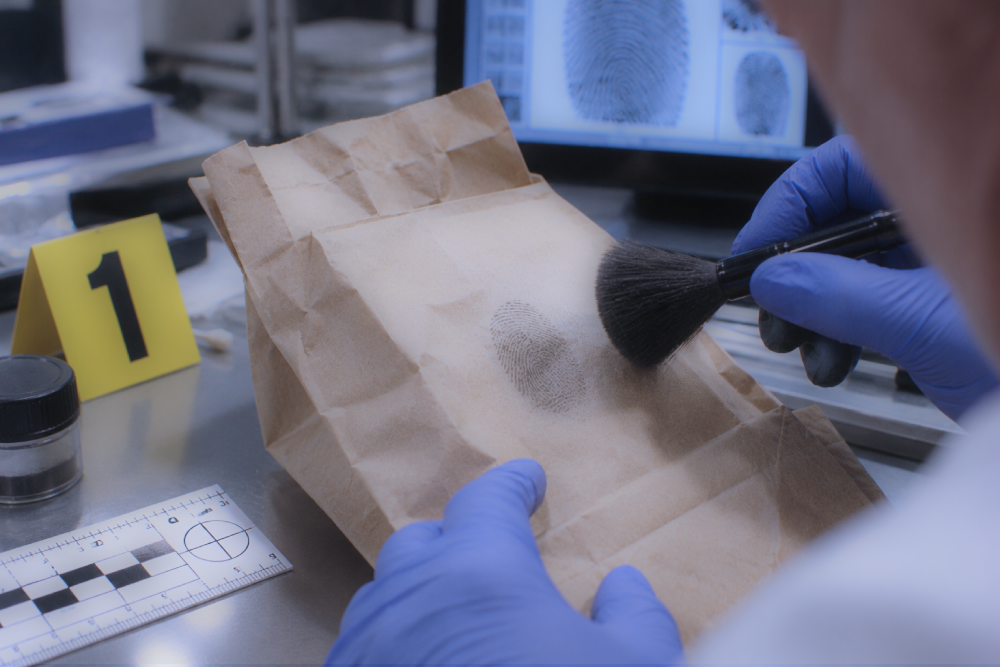
After a young girl was abducted in Pennsylvania in September 1999, investigators discovered a paper bag bearing a partial fingerprint left by the attacker. The print produced no match in databases at the time, leaving the investigation cold for almost two decades. When authorities finally ran the evidence again using vastly improved fingerprint technology in 2018, the FBI system linked the print to Timothy David Nelson Jr., resulting in a guilty plea and a 30-year prison sentence.
10. A fingerprint on a car solved a 1969 Houston murder
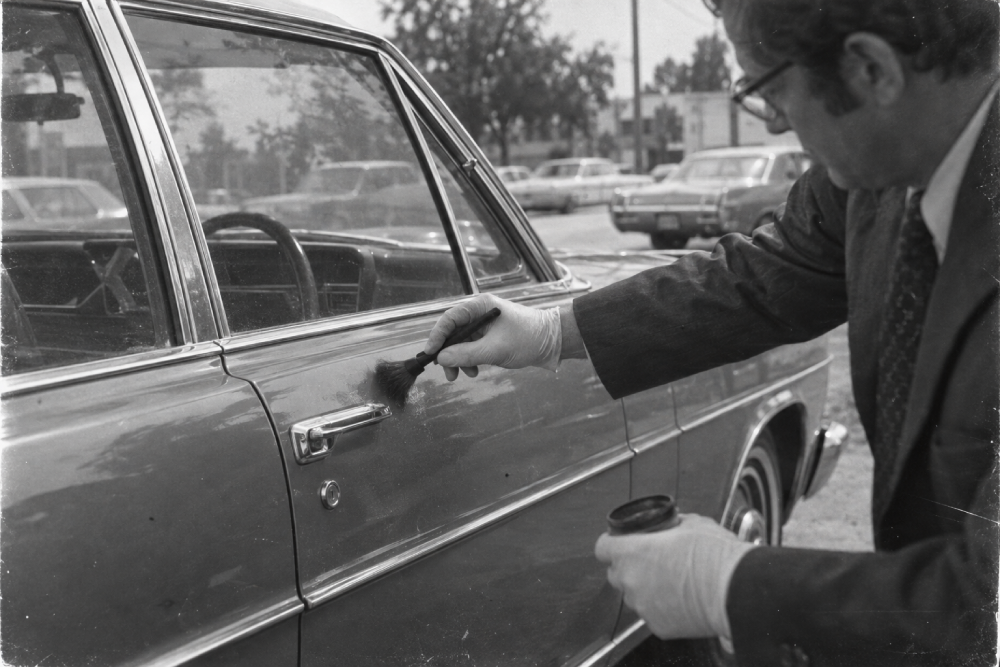
When telephone operator Diane Maxwell Jackson was killed in Houston in December 1969, police collected fingerprints from the exterior of her vehicle but could not identify a suspect. More than three decades later, investigators submitted one of those old prints through the FBI’s computerized fingerprint system. In 2003, the system identified James Ray Davis. Confronted with the decades-old evidence, Davis confessed and pleaded guilty, receiving a life sentence 34 years after the crime took place.
11. A fingerprint on a jewelry catalog identified a killer
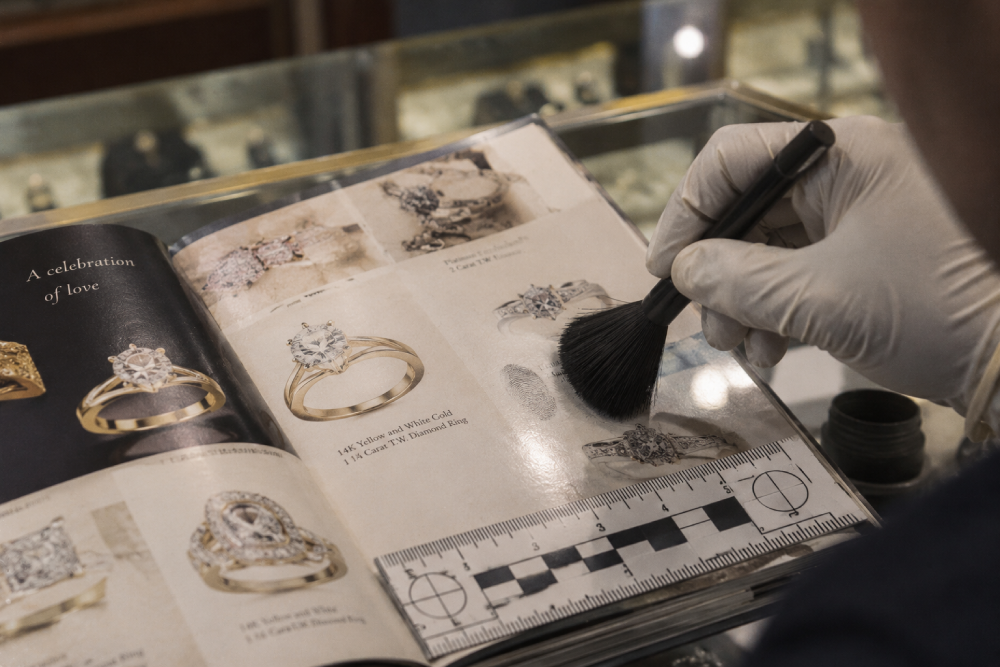
In December 1999, California jeweler Marshall Adams was found dead inside his San Bernardino store. During the scene processing, investigators recovered a clear fingerprint from the glossy pages of an ordinary jewelry catalog. Local searches initially failed to identify the owner, but submitting the print to the FBI’s national system in 2001 produced a direct match to Jad Salem. Further palmprint comparisons connected Salem to the store, eventually leading to a 32-year prison sentence.
12. A bathroom thumbprint closed a case 33 years later
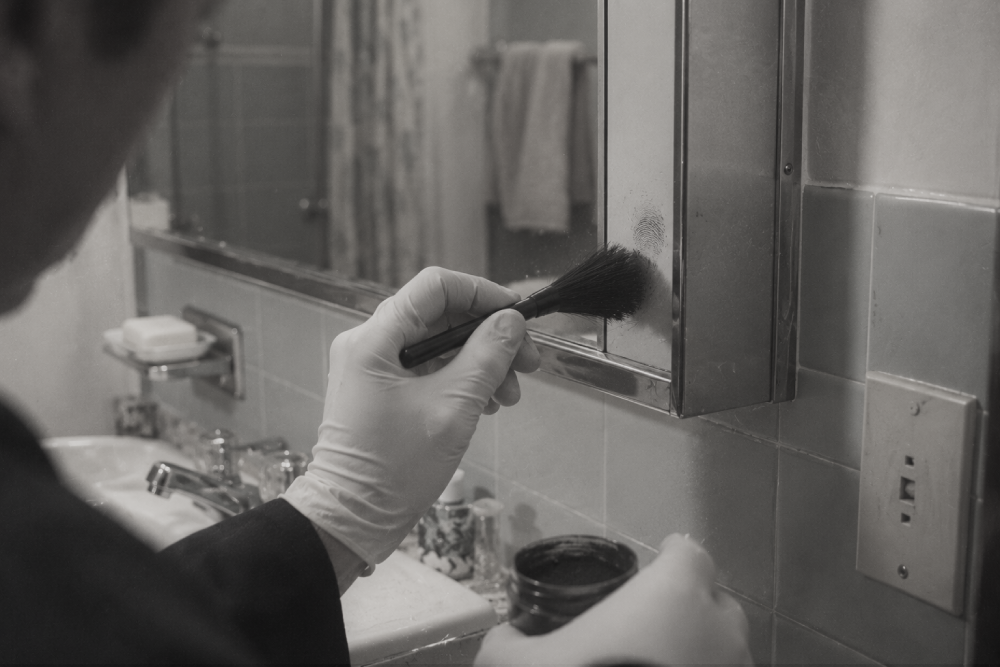
When Carroll Bonnet was killed in his Omaha apartment in 1978, investigators collected latent fingerprints and palmprints from the bathroom, correctly assuming the perpetrator had attempted to wash up before escaping. The prints sat unidentified in evidence files until 2008, when a computerized search connected them to Jerry Watson, who was already serving time in an Illinois prison. With additional DNA testing strengthening the case, Watson was sentenced to life imprisonment on October 17, 2011, exactly 33 years after the initial investigation began.
Explore more fascinating stories:
These cases demonstrate that solving a crime does not always require a dramatic confession or a reliable eyewitness. Sometimes the most important piece of evidence is a tiny detail that nobody thought mattered at first. If you are in the mood for more fascinating stories, be sure to check out these 18 Strange Last Meal Requests From Notorious Criminals or these 15 Wild Disguises Criminals Actually Tried to Use (1920s–1980s). You can also explore these 20 of the Wildest Bounties Put out for Criminals in the 1980s-1990s.