Walk through any local pharmacy or supermarket today, and you will see shelves packed with familiar pantry staples, popular sodas, and personal care products designed purely for refreshment or daily hygiene. Centuries ago, however, many of these exact items were formulated, patented, and prescribed by physicians as powerful health remedies. Before modern pharmacological testing and regulatory boards standardized healthcare, ambitious chemists and inventors routinely marketed chemical concoctions, herbal syrups, and fizzy tonics as miraculous cures for everything from digestive ailments to nervous exhaustion.
Uncovering the origins of these household staples reveals a fascinating time when medicine and marketing were closely intertwined. What started as a bitter medicinal elixir prescribed by a local pharmacist frequently evolved into a beloved soft drink, chewing gum, or morning beverage after consumers realized they simply enjoyed the taste. Exploring how these commercial products shifted from apothecary remedies into routine grocery store additions offers a surprising, entertaining window into the evolution of modern consumer culture. Here are twelve everyday items that were originally created to treat human illness.
1. Coca-Cola
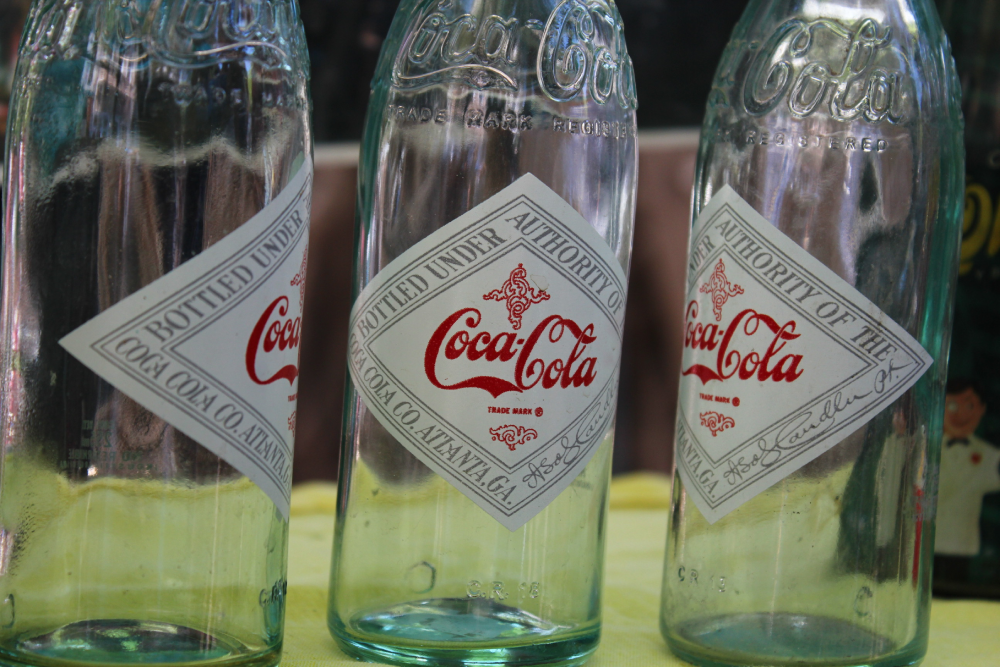
Formulated in 1886 by Atlanta pharmacist Dr. John Stith Pemberton, this famous beverage was originally sold as a nerve tonic intended to cure headaches, fatigue, and morphine addiction. Pemberton combined coca leaf extract with caffeine-rich kola nuts, marketing the thick brown syrup at pharmacy soda fountains as a refreshing brain tonic.
2. Graham crackers
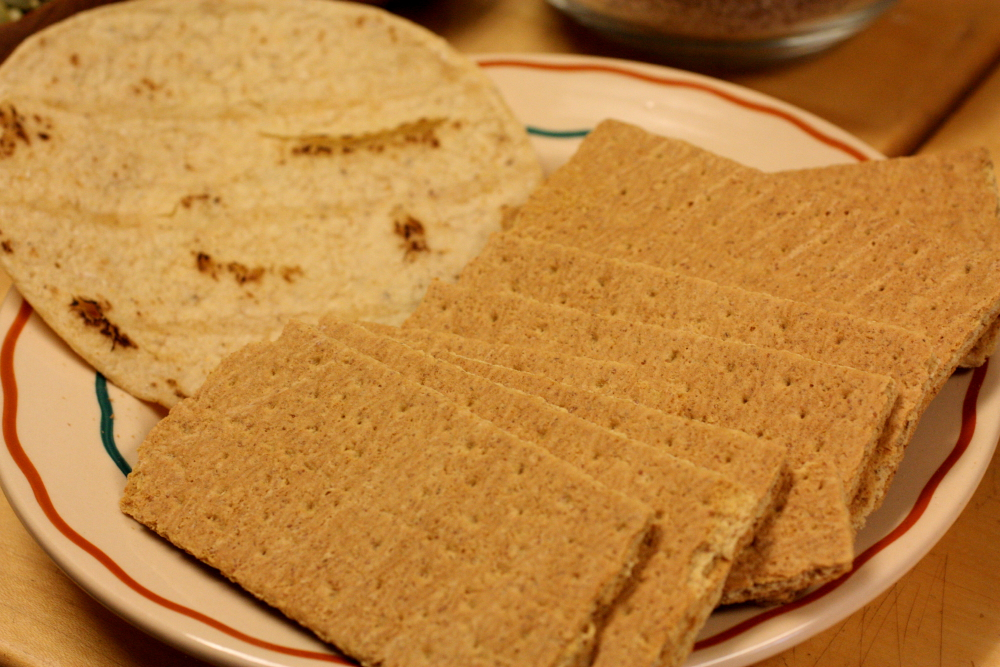
Presbyterian minister Sylvester Graham created these unrefined wheat crackers in the 1820s as a dietary cure to curb sinful passions and promote physical health. Graham believed that consuming heavily processed white flour triggered digestive inflammation and unhealthy impulses, advocating for coarse, fiber-rich flour to maintain spiritual and bodily purity.
3. Listerine mouthwash
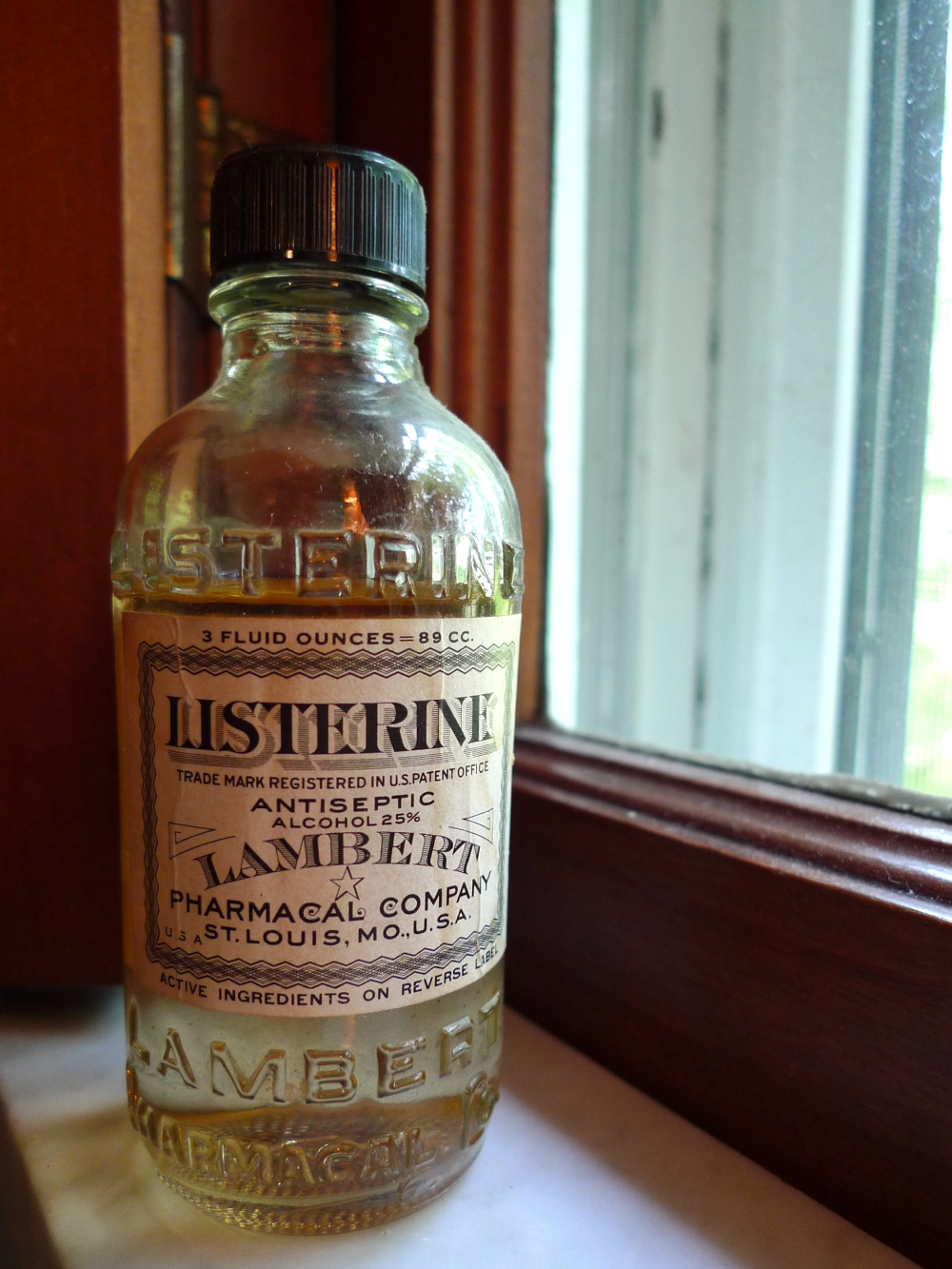
Formulated in 1879 by Dr. Joseph Lawrence as a powerful surgical antiseptic, this alcohol-based liquid was initially used to sterilize operating rooms and clean open wounds. It was later marketed as a floor cleaner, a cure for gonorrhea, and a remedy for dandruff before its creators coined the medical term “halitosis” in the 1920s to sell it as a daily mouthwash.
4. Dr Pepper
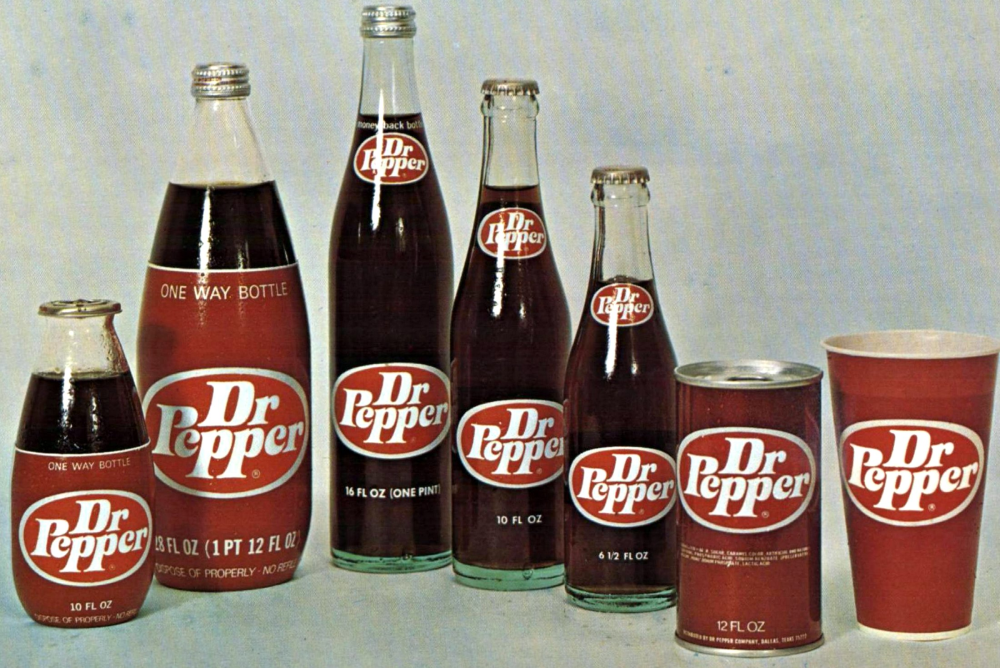
Created in 1885 by Waco pharmacist Charles Alderton, this 23-flavor soda was originally served at Morrison’s Old Corner Drug Store as a digestive aid and brain energizer. Patrons loved the unique fruity aroma so much that they routinely asked the pharmacist to pour them a cold glass of “Waco” to settle upset stomachs.
5. Kellogg’s corn flakes
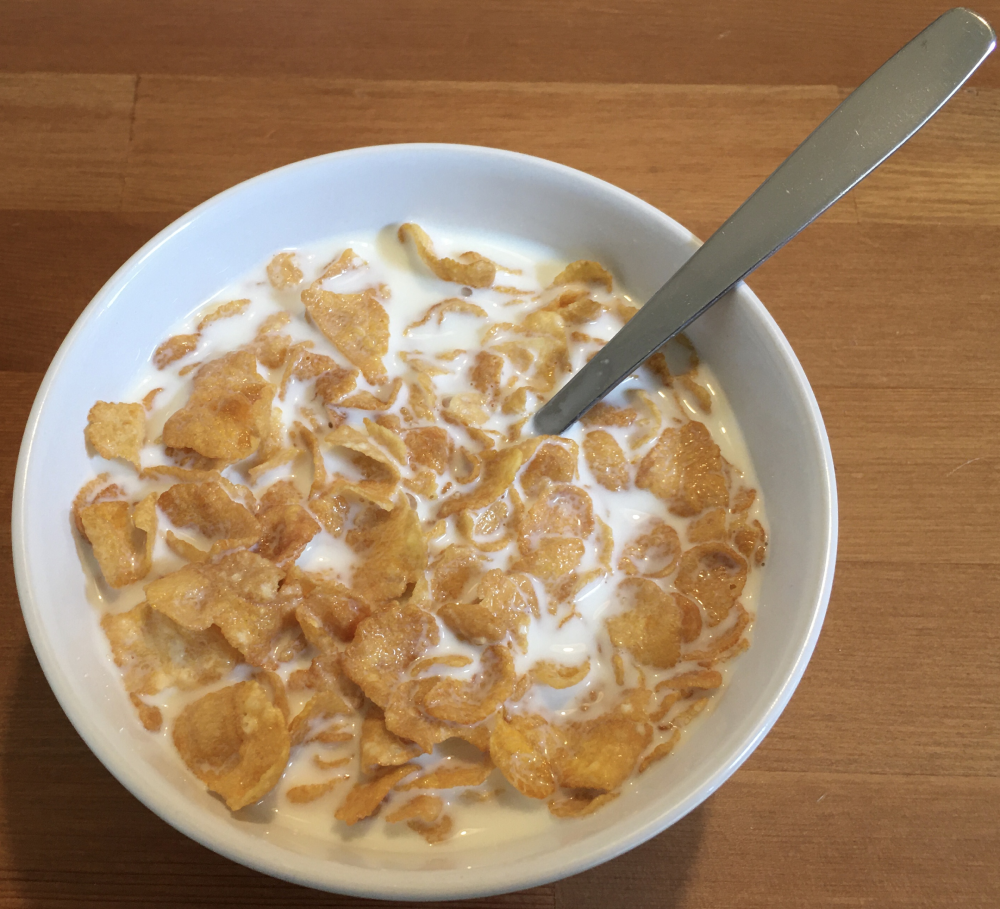
Dr. John Harvey Kellogg developed these bland toasted corn flakes at the Battle Creek Sanitarium as a health remedy for chronic indigestion and bowel sluggishness. He believed that a strictly vegetarian, plain grain diet was essential for cleansing the digestive tract and suppressing carnal desires among his wealthy patients.
Trending on The Scroller

6. 7UP
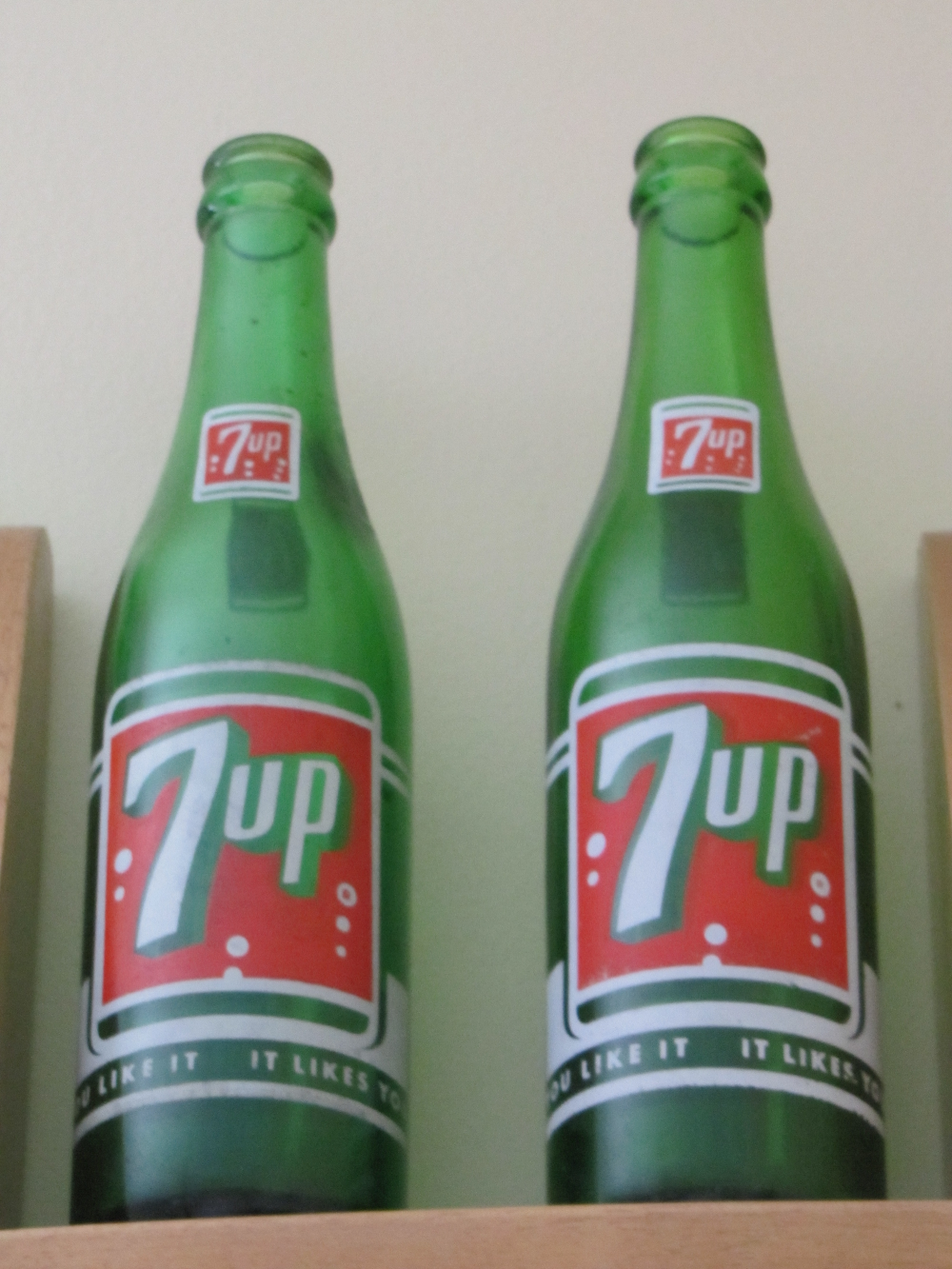
Launched by Charles Leiper Grigg in 1929 under the name “Bib-Label Lithiated Lemon-Lime Soda,” this carbonated drink contained lithium citrate, a mood-stabilizing chemical compound. It was aggressively marketed as a patent medicine cure for hangovers, nervous tension, and infant irritability until the federal government banned lithium in soft drinks during the late 1940s.
7. Wrigley’s chewing gum
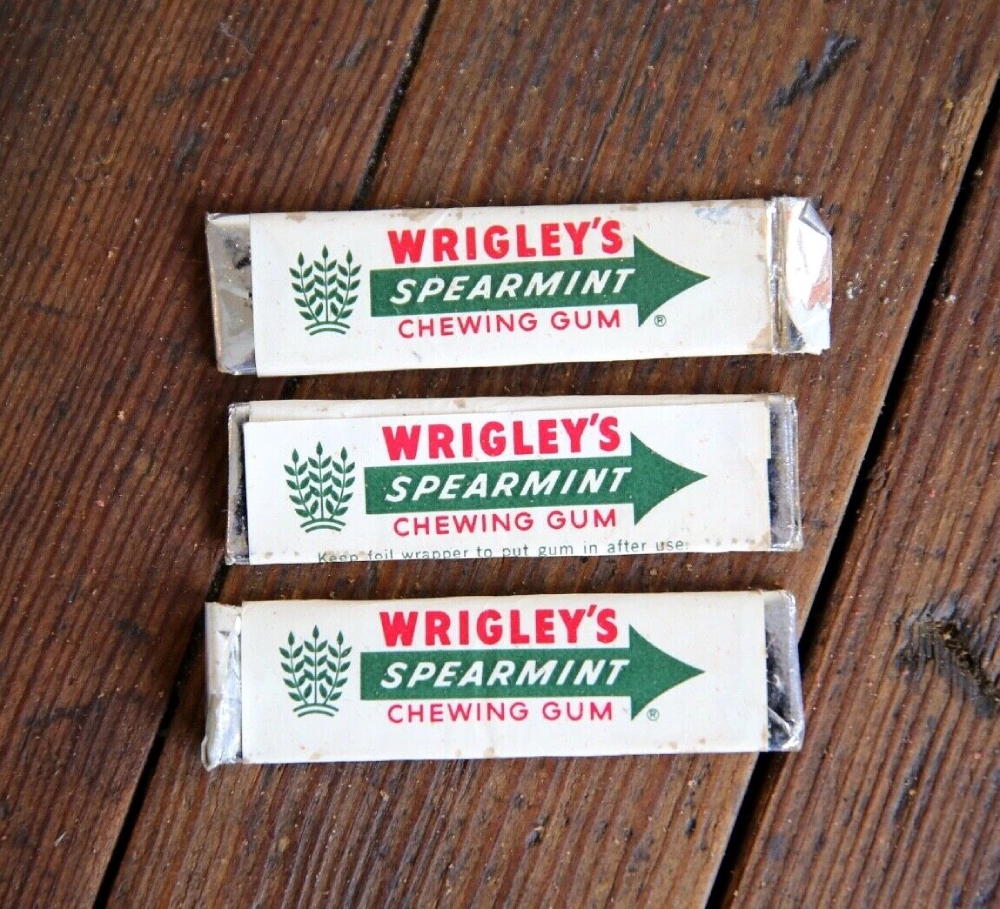
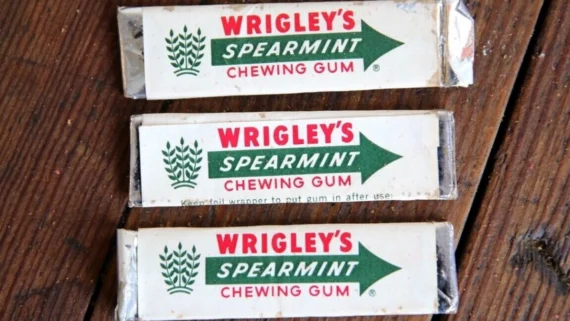
While chewing chicle was practiced for centuries, William Wrigley Jr. initially sold baking powder and handed out free sticks of spruce gum as a promotional incentive. When the gum proved far more popular than the baking powder, he pivoted to manufacturing chewing gum, marketing it as an effective remedy for teeth cleaning, stress relief, and digestive health.
8. Pepsi-Cola
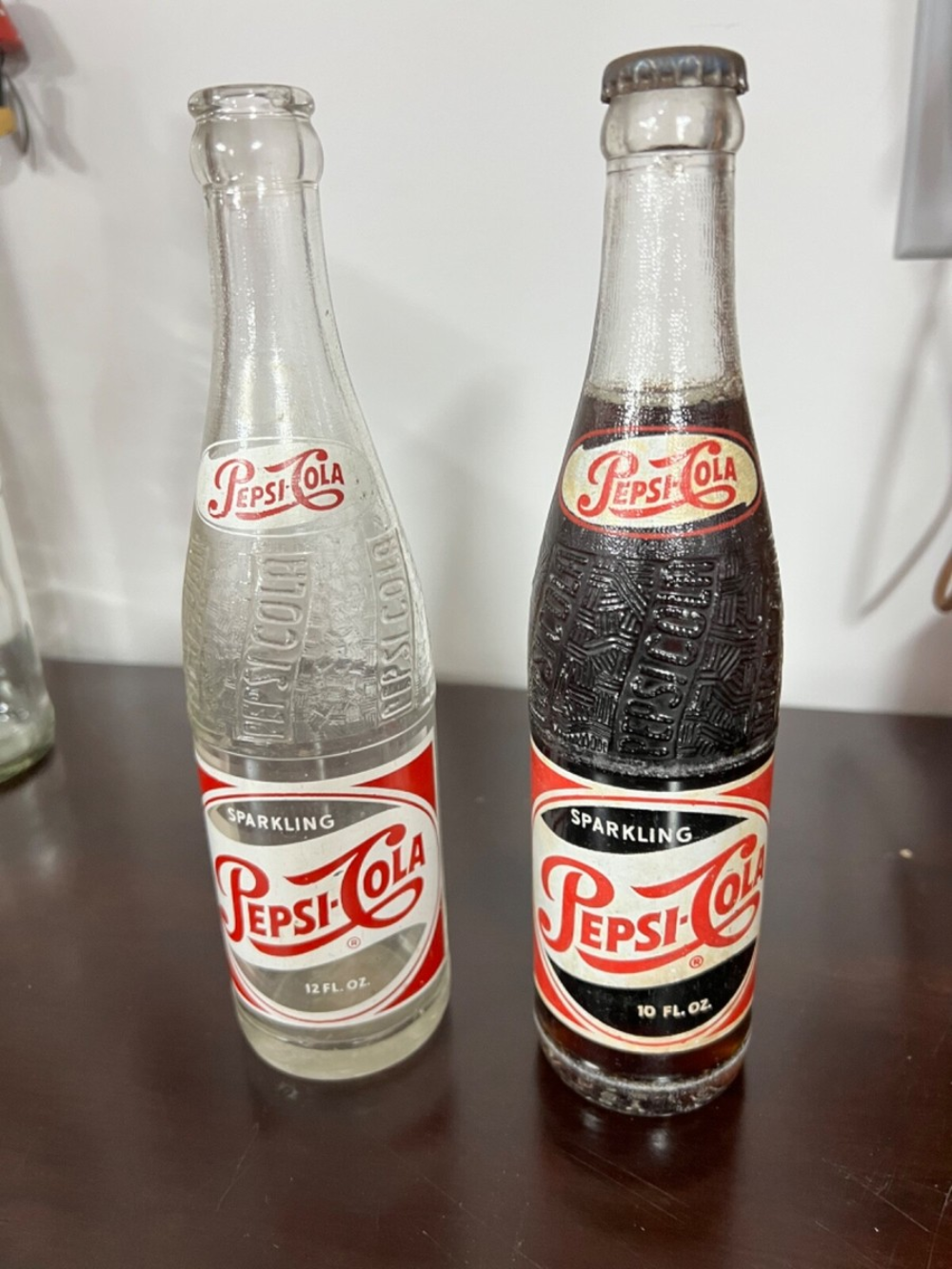
North Carolina pharmacist Caleb Bradham created this carbonated beverage in 1893 inside his apothecary shop to treat dyspepsia, commonly known as severe indigestion. Named directly after the digestive enzyme pepsin and the kola nut, the original recipe was designed to relieve stomach pain and boost overall energy levels.
Sign up for our newsletter
9. Bayer’s Cough Syrup
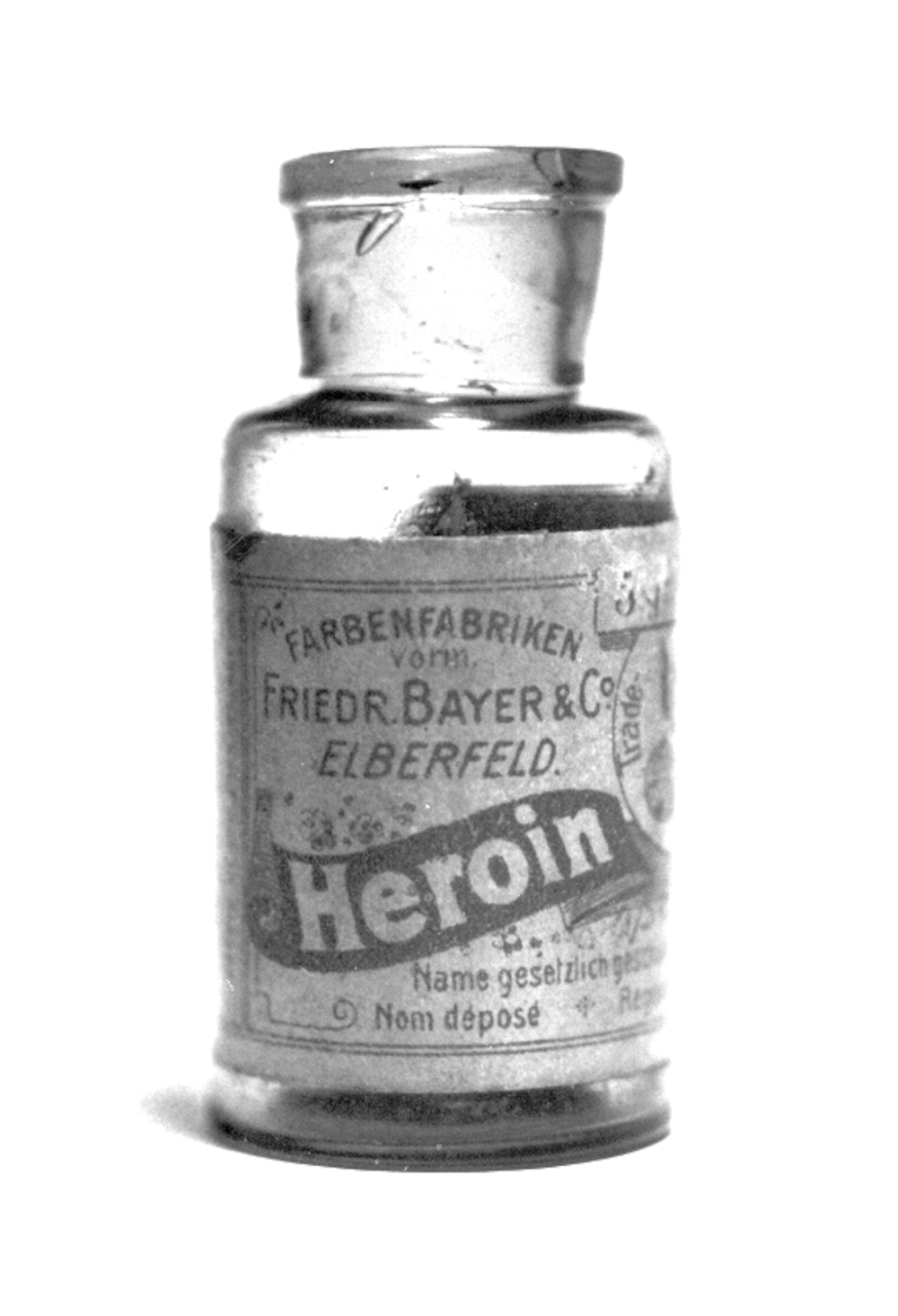
In the late 1890s, German pharmaceutical giant Bayer manufactured and marketed diacetylmorphine under the brand name Heroin as a non-addictive cure for pediatric coughs and bronchitis. Doctors prescribed it worldwide to treat severe respiratory illnesses until its intensely addictive nature forced governments to ban its sale in the 1920s.
10. Vicks VapoRub
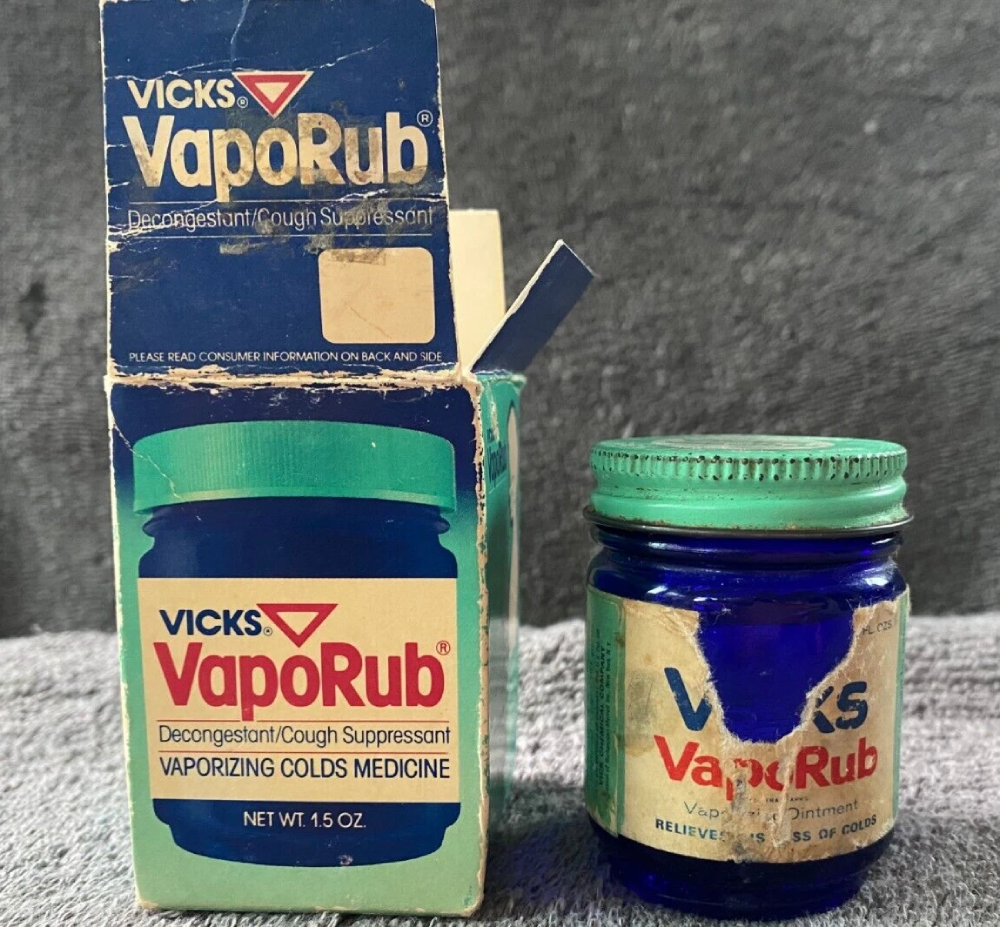
Created in North Carolina pharmacist Lunsford Richardson’s shop, this mentholated ointment was originally sold as “Vicks Croup and Pneumonia Salve.” Richardson combined camphor, menthol, and eucalyptus oil into a petroleum jelly base, utilizing body heat to release soothing vapors that cleared clogged airways in young children.
11. Vaseline Petroleum Jelly
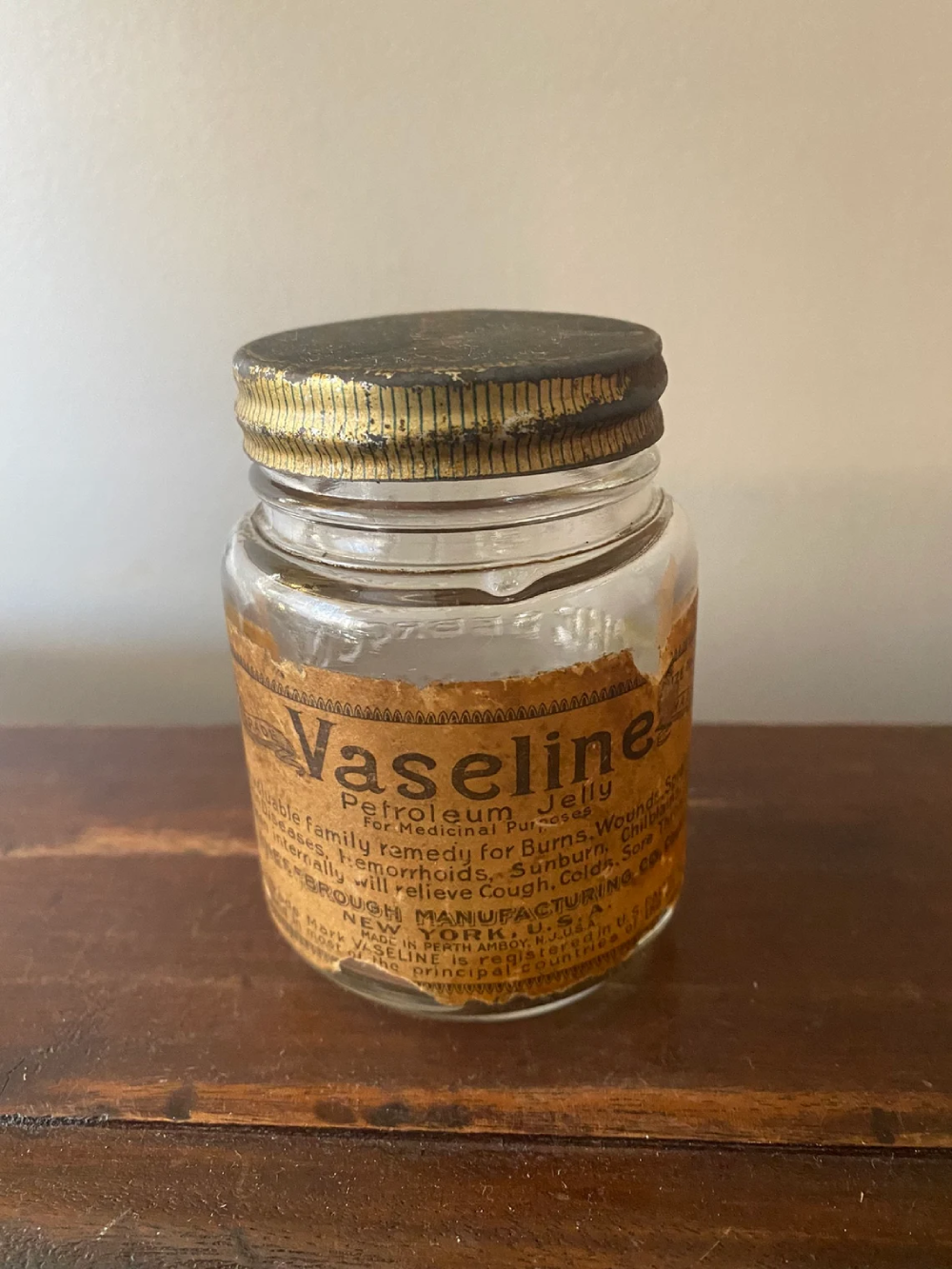
Chemist Robert Chesebrough discovered this oily byproduct on oil rigs in 1859 after noticing oil workers using it to heal cuts and skin burns. Chesebrough refined the crude gel into pure petroleum jelly, traveling across New York to demonstrate its healing properties by burning his own skin with acid and applying his creation on camera.
12. Ovaltine
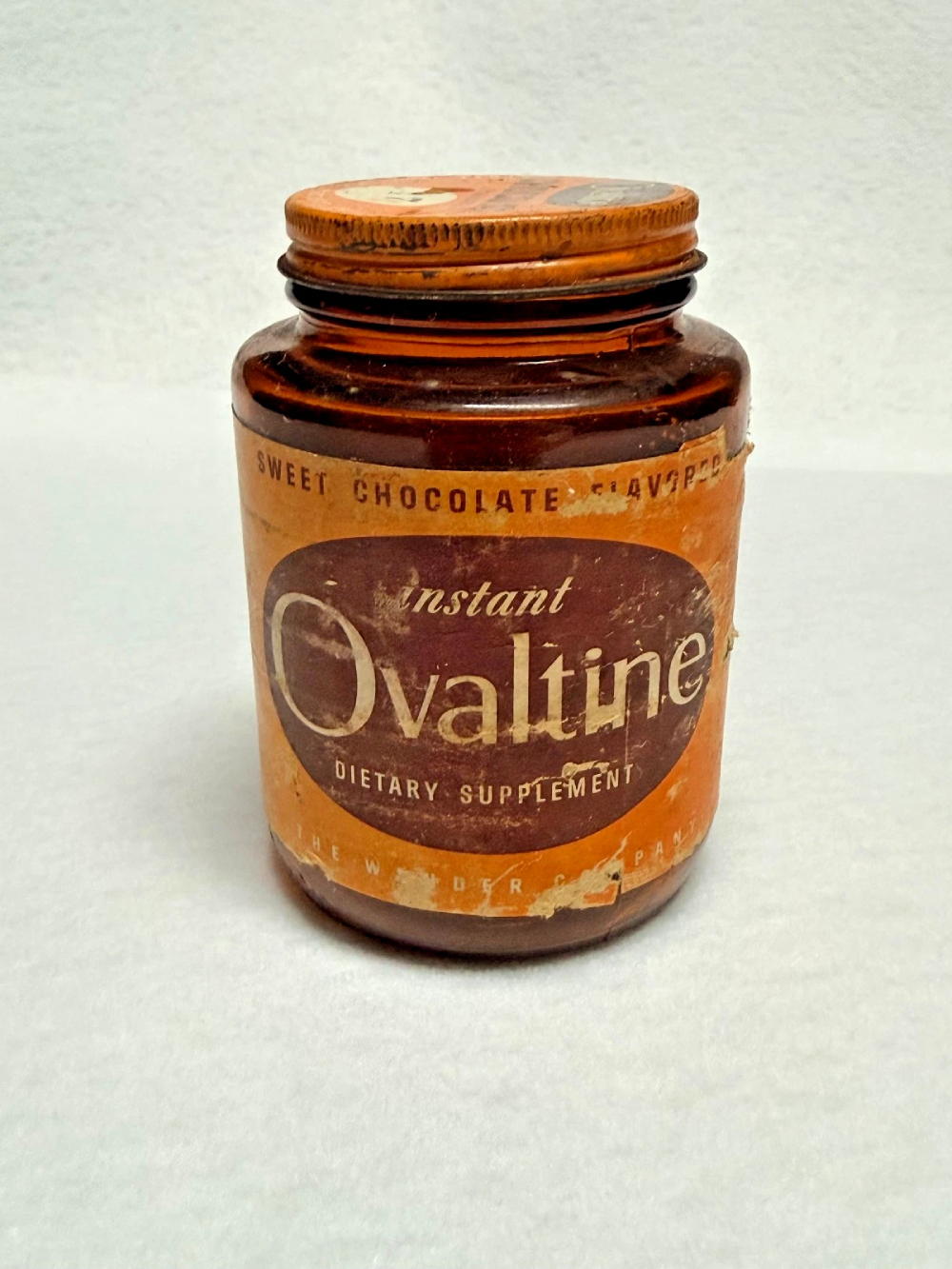
Developed in Switzerland by chemist Albert Wander in 1904, this malt extract powder was originally formulated as a medical nutritional supplement for malnourished infants and convalescent hospital patients. Rich in essential vitamins, barley malt, and egg proteins, it was prescribed by physicians long before becoming a popular chocolate breakfast drink for kids.
Explore more interesting product origins:
It is remarkable to look back and see how many of our favorite household snacks and beverages started out inside glass apothecary jars. Knowing that drinks like Pepsi or snacks like Graham crackers were once prescribed by doctors turns every trip down the supermarket aisle into a fascinating history lesson. If you love discovering retro culinary history, products’ origins, and forgotten health trends, make sure to check out these 15 Delicious Foods That Started Out as 19th-Century Medicine or these 16 Everyday Foods That First Took Off During Wartime. You can also explore these 15 Household Products From The Past That Would Surprise People Today.