Last photos before tragedy have a strange power that ordinary historical images rarely carry. At the instant the shutter clicked, the people behind the camera often had no reason to believe they were documenting anything more than another journey, another workday, or another familiar face.
Only afterward did those photographs acquire a second meaning. Some became the last known images of people or machines, others captured the hours before disaster, and a few survived the very events that made them historically important. What makes them haunting is precisely what they do not show: what was about to happen.
1. Mount Erebus: The Photographs That Came Back
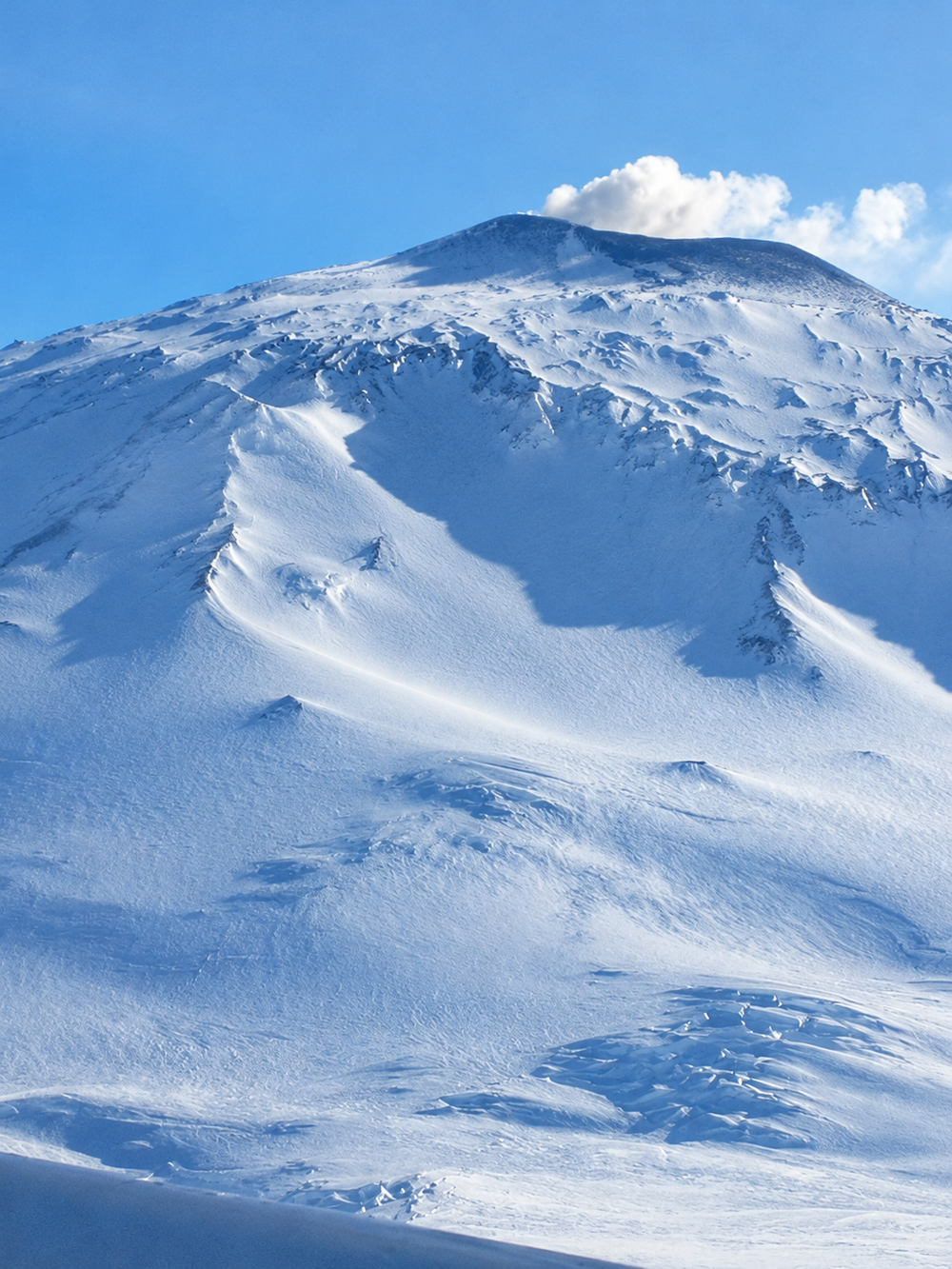
When Air New Zealand Flight TE901 struck Mount Erebus in Antarctica on November 28, 1979, all 257 people aboard were killed. Among the belongings recovered from the crash site were passengers’ cameras and film, some of which investigators were able to develop. Those photographs became more than personal vacation pictures: they helped reconstruct what passengers could see as the sightseeing flight approached the mountain. The snowy Mount Erebus image shown here should not be mistaken for one of those recovered photographs, but the story of the surviving film remains one of the disaster’s most remarkable records.
2. The Sewol Ferry: A Student’s Recorded Final Moments
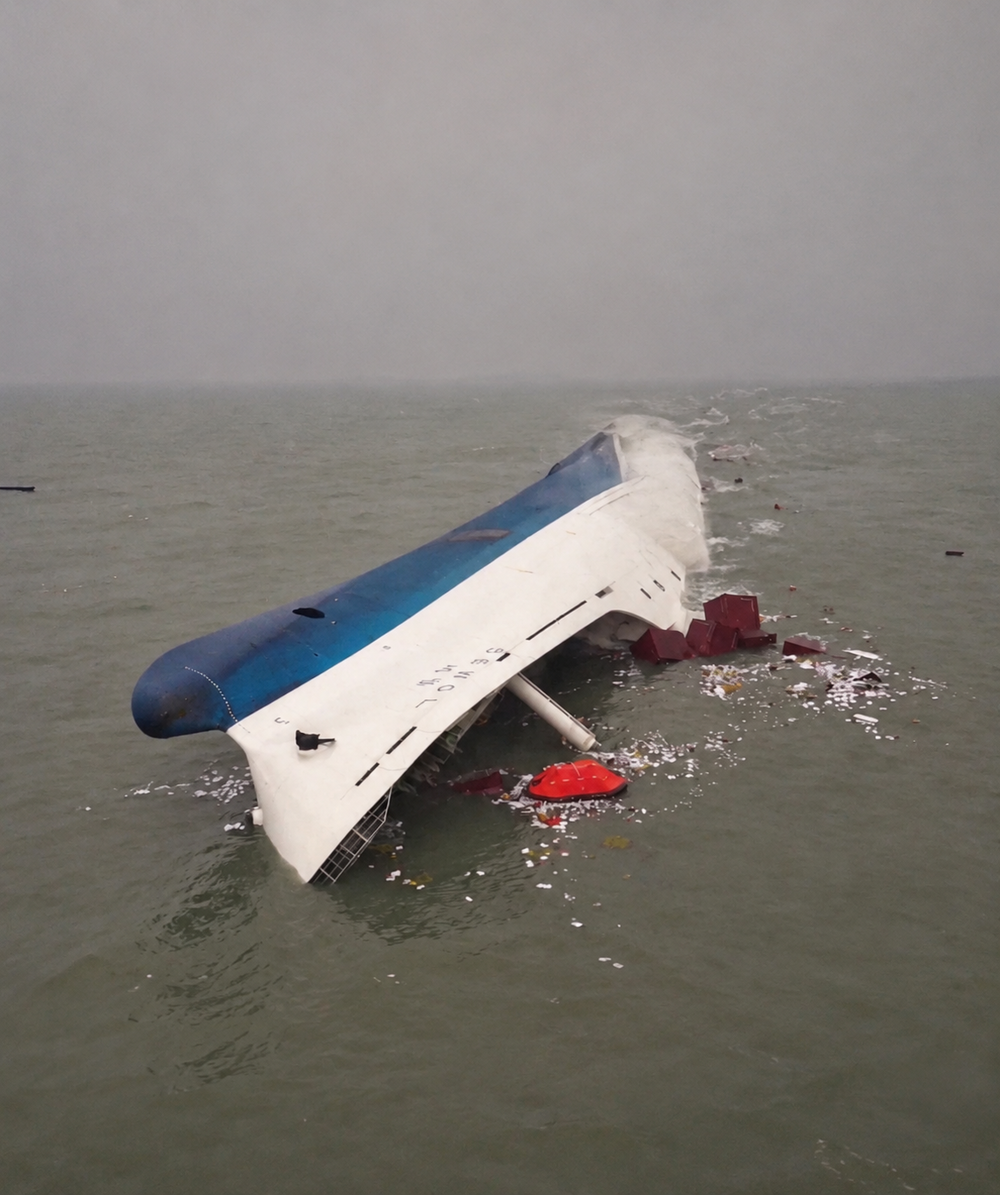
A smartphone became an unexpected record of the Sewol ferry disaster on April 16, 2014. Video recovered from passengers captured moments aboard the ship as the situation worsened and students waited after being told to remain where they were. The image shown here depicts the stricken ferry rather than a frame from that footage, an important distinction. What makes the recordings so difficult to forget is their ordinariness: conversations and reactions preserved from inside an unfolding disaster, before those recording them could know how the day would end.
3. Terry Fox: The Marathon of Hope Comes to a Halt
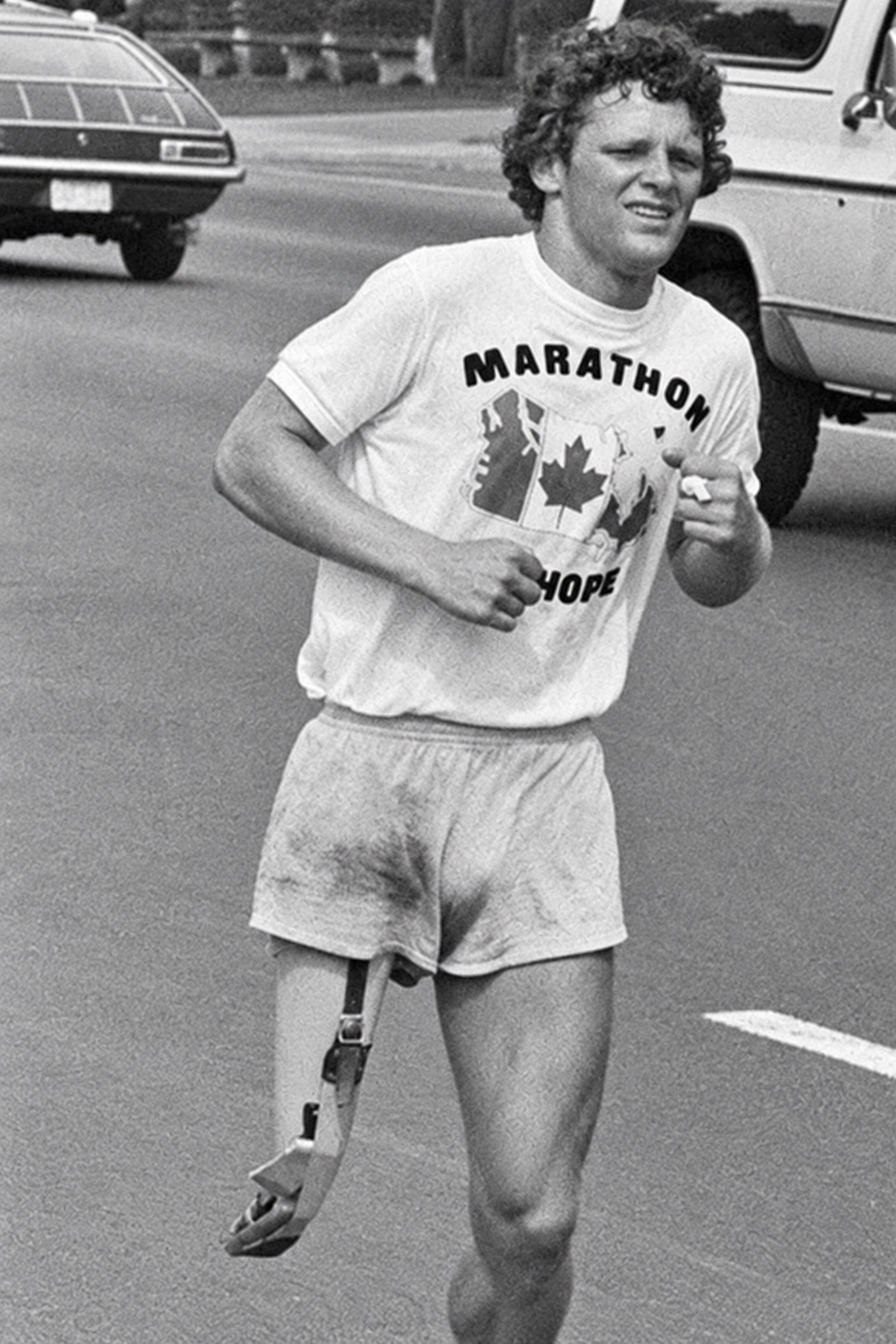
On September 1, 1980, Terry Fox stopped running near Thunder Bay, Ontario, after 143 days and more than 3,000 miles of his Marathon of Hope across Canada. Cancer had returned and spread to his lungs. Photographs from the final stage of the run show something the camera could not reveal: a historic journey was reaching its unexpected end. Fox died the following June at 22. Rather than treating any one image as definitively his “last running photo,” the photographs from that day preserve the closing chapter of an extraordinary effort.
4. Edmund Fitzgerald: A Ship Before Its Final Voyage
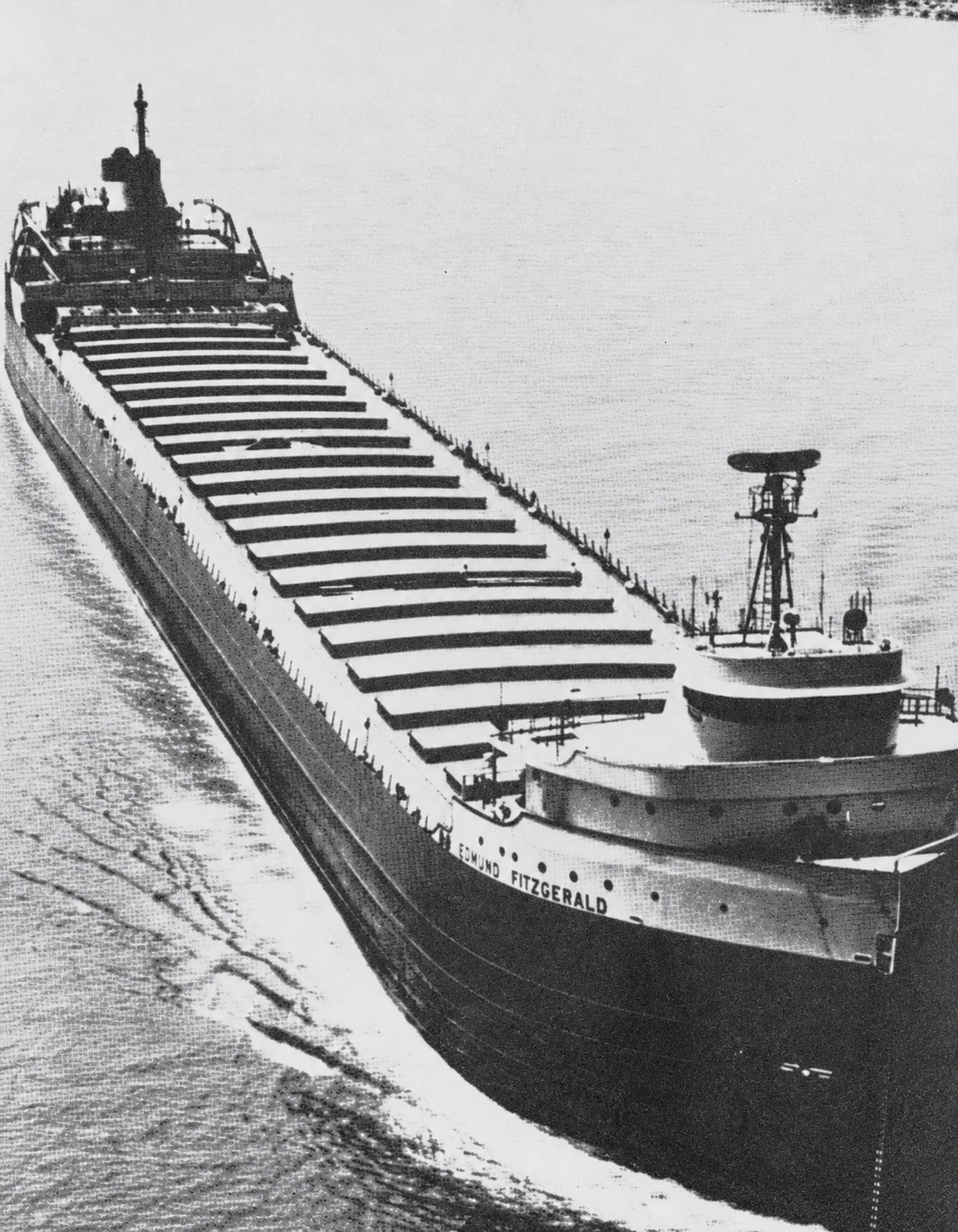
The Edmund Fitzgerald was one of the most recognizable freighters on the Great Lakes, a 729-foot ship built to haul iron ore across waters it had traveled for years. On November 10, 1975, it sank during a severe storm on Lake Superior with all 29 crew members aboard. Surviving photographs of the ship now carry an inevitable weight, but not every 1975 image can safely be labeled its “last photograph.” What they do preserve is something quieter: the Fitzgerald still doing the job it was built to do, before an ordinary working vessel became part of maritime history.
5. Edmund Fitzgerald: From Launch Day to Lake Superior
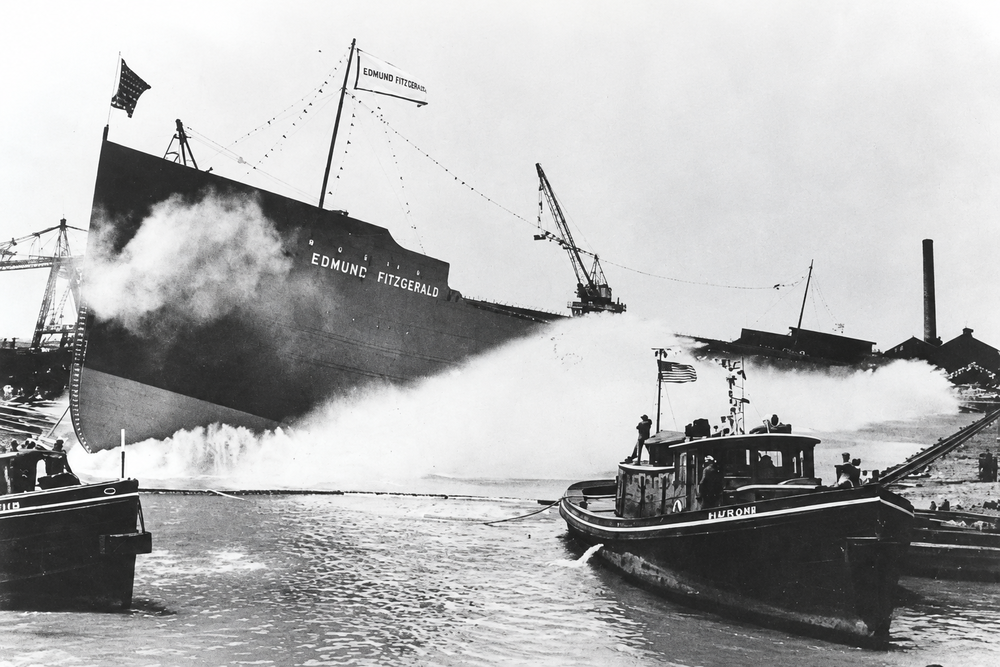
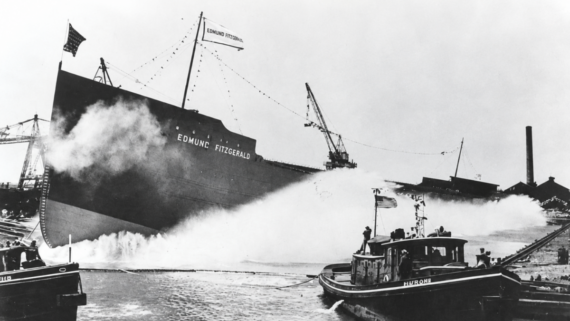
One photograph reaches much farther back in the Fitzgerald’s story. Images from its 1958 launch capture a beginning, with the enormous new freighter entering the water years before anyone could associate its name with disaster. Seen beside later photographs, the launch creates an unusual visual bookend: construction, celebration, years of service, and finally the loss in 1975. It is not another final photograph, but that is exactly what makes it useful. Sometimes the most revealing way to understand an ending is to place it beside the moment when everything was beginning.
Trending on The Scroller


6. Pont de l’Alma: A Place Forever Linked to Princess Diana’s Final Night
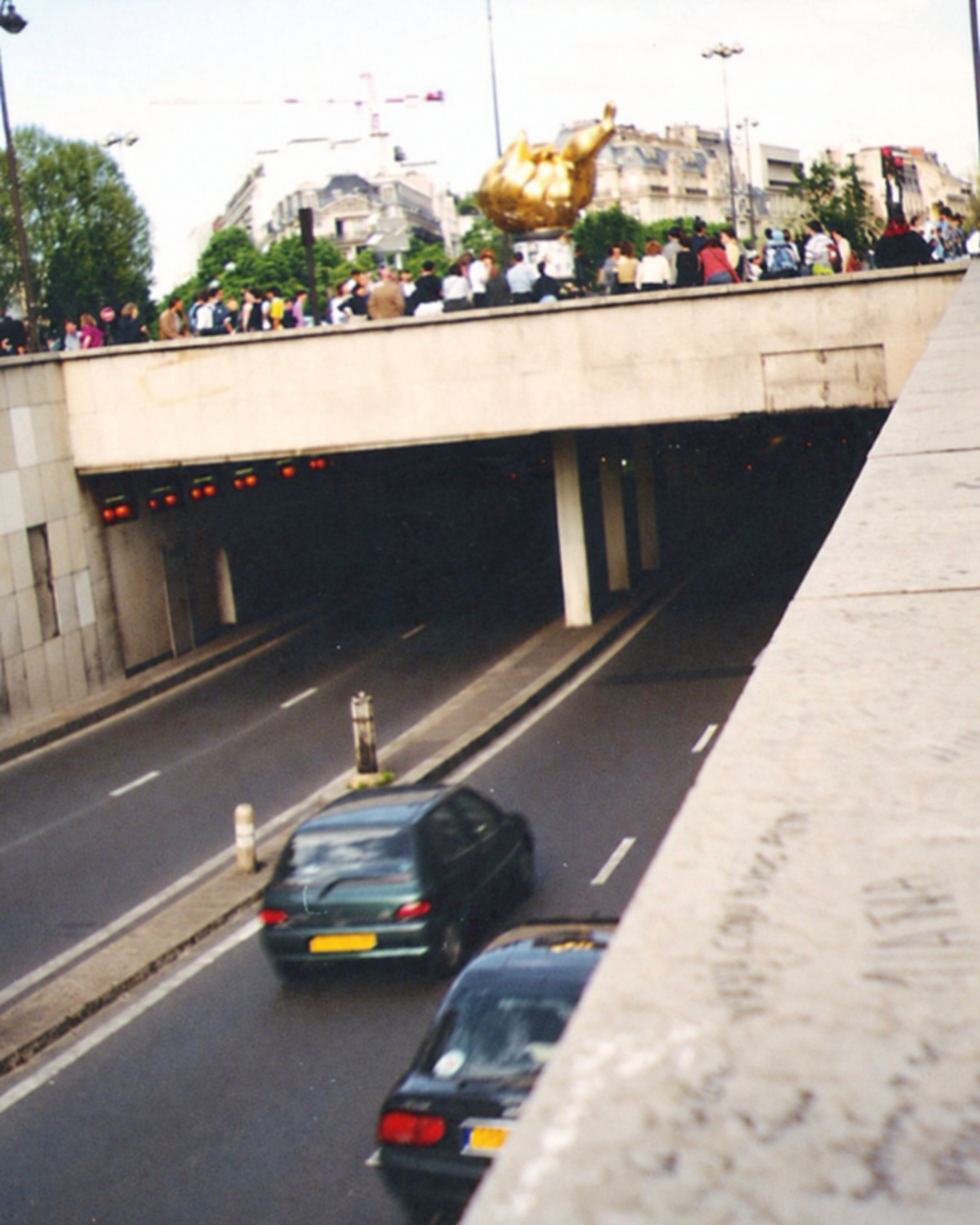
Today, photographs of the Pont de l’Alma tunnel in Paris are almost impossible to separate from August 31, 1997, when the car carrying Princess Diana crashed there after leaving the Ritz. But the timing of the particular image shown here cannot be established simply from the photograph, so the social-media claim that it was taken only minutes before the crash should not be treated as fact. That uncertainty actually reveals something important about historical images: once a location becomes famous for tragedy, even an otherwise ordinary photograph of it can acquire a meaning it never originally possessed.
7. Scott’s Polar Party: Five Men at the South Pole
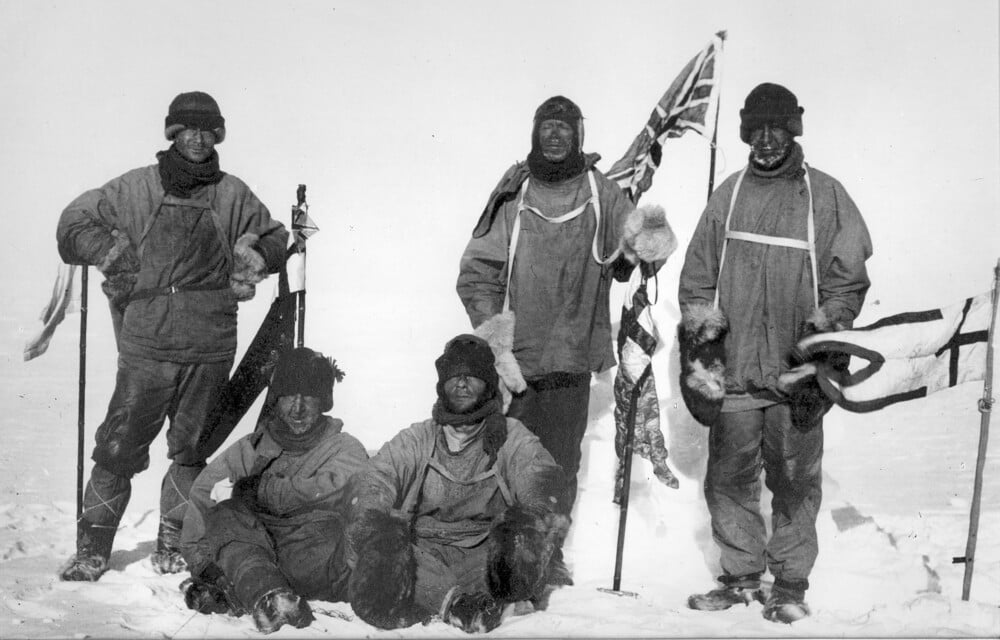
Last photos before tragedy rarely make the distance between achievement and disaster feel as short as Henry Bowers´ photograph of Robert Falcon Scott´s polar party. In January 1912, Scott, Bowers, Edward, Wilson, Lawrence Oates, and Edgar Evans posed at the South Pole after discovering that Roald Amundsen´s Norwegian expedition had arrived first. The five men then began the brutal return journey. None survived it. The photograph therefore captures neither their deaths nor their final camp, but something more complicated: five exhausted explorers standing at the destination they had risked everything to reach.
8. Mallory and Irvine: Before the Everest Summit Attempt
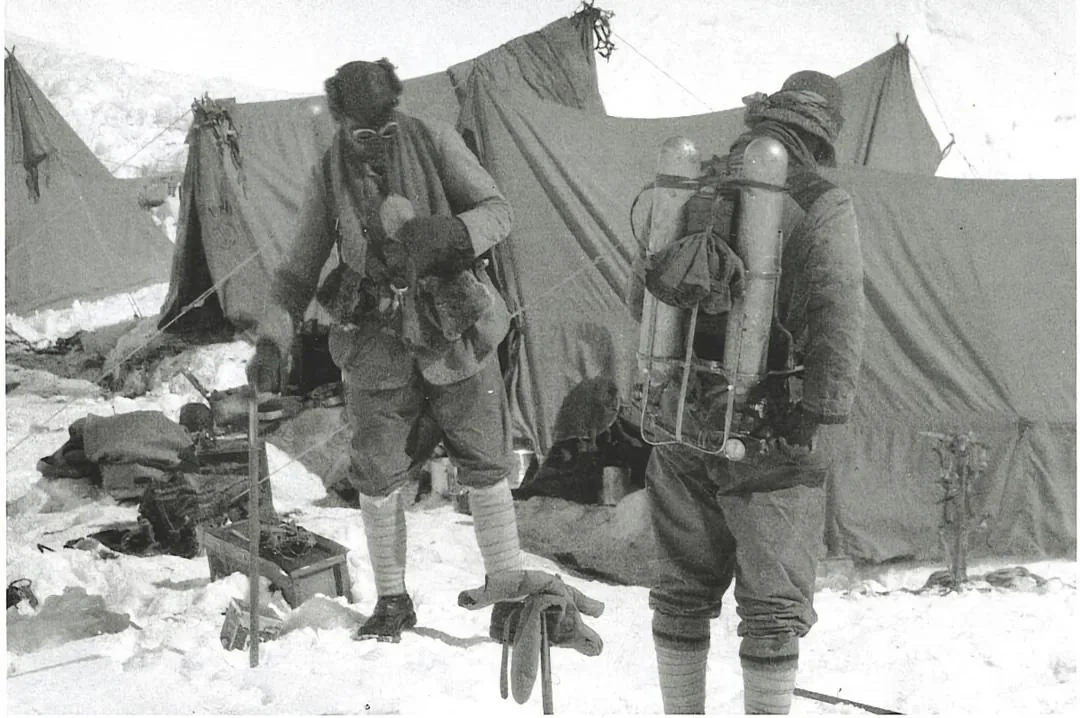
George Mallory and Andrew “Sandy” Irvine left Camp IV on Mount Everest on June 6, 1924, preparing for the summit attempt from which they would never return. A photograph by expedition member Noel Odell preserves the pair shortly before they headed higher. Their disappearance created one of mountaineering’s most enduring mysteries: whether they reached Everest’s summit before dying remains unresolved. Mallory’s body was discovered in 1999, but Irvine’s fate and crucial pieces of evidence remained elusive for decades. The photograph is compelling precisely because it stands at the edge of a story whose central question still resists a simple answer.
Sign up for our newsletter
9. Hindenburg: A Final Flight Above New York
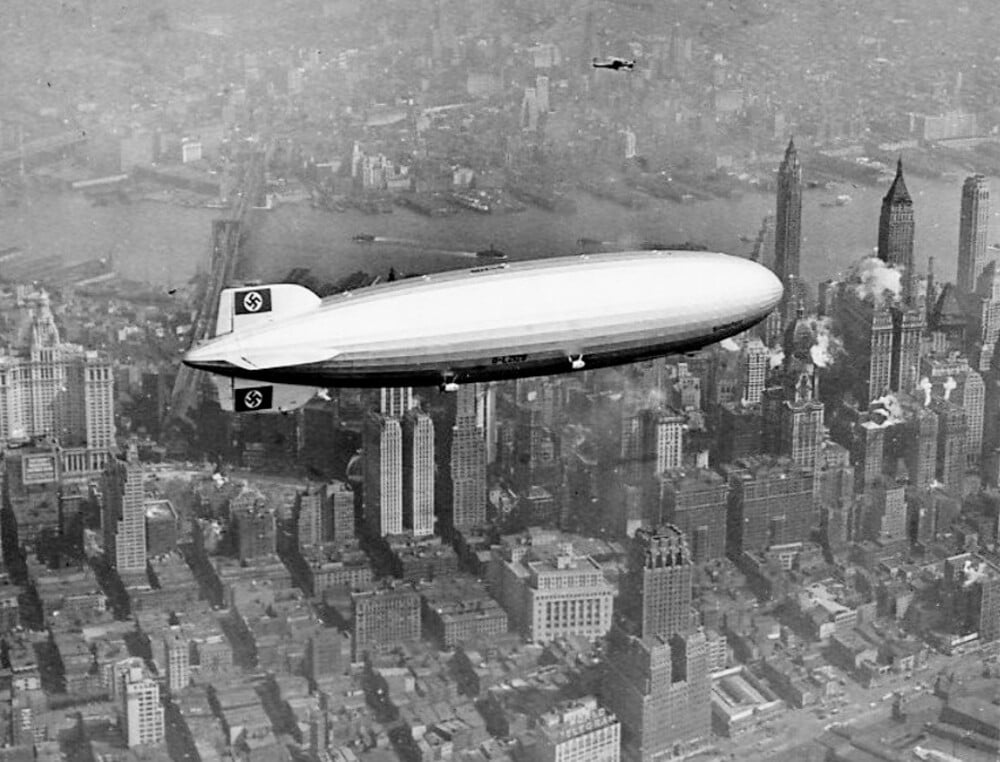
The Hindenburg floating over New York City on May 6, 1937, hardly looks like a photograph taken on the day of one of aviation history’s most famous disasters. The enormous airship appears almost impossibly calm above the city as it nears the end of its transatlantic journey. Hours later, while attempting to dock at Lakehurst, New Jersey, it caught fire. The image is tied securely to the Hindenburg’s final flight, although calling it the absolute last photograph of the airship would go beyond what the record establishes. Knowing what happened later is enough to transform the peaceful scene.
10. USS Indianapolis: Photographed Weeks Before Its Loss
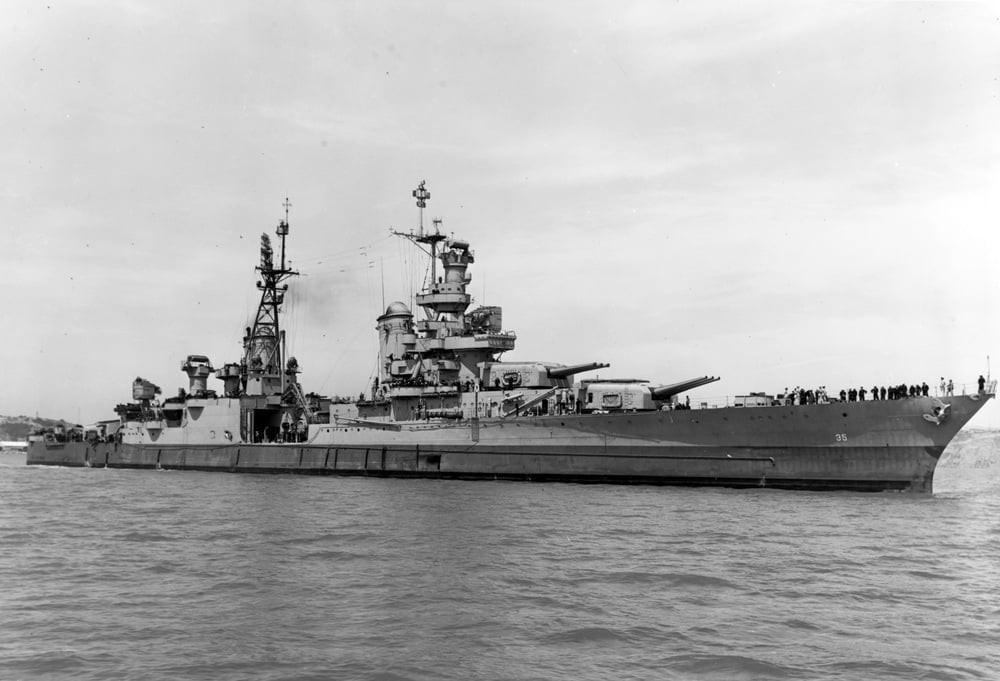
A U.S. Navy photograph dated July 10, 1945, shows USS Indianapolis after its final overhaul. Less than three weeks later, the cruiser was torpedoed by Japanese submarine I-58 after completing a secret mission to Tinian. The ship sank on July 30, leaving hundreds of sailors in the water before survivors were discovered days later. The photograph does not need the exaggeration of being called the ship’s “last ever” image. Its documented date already gives it extraordinary historical weight: a massive warship photographed in ordinary naval service with only weeks remaining in its story.
11. Titanic: Leaving Ireland for the Last Time
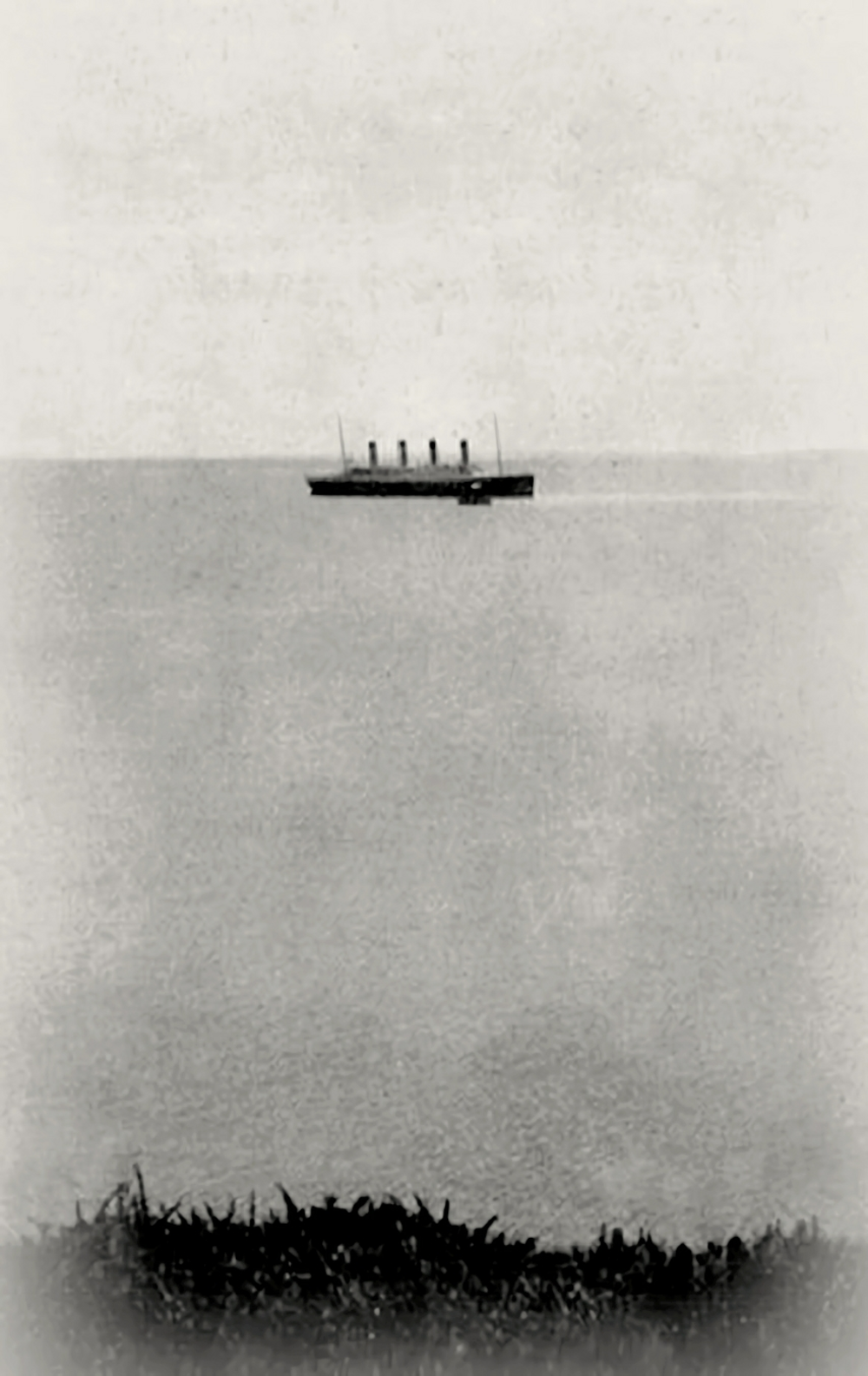
On April 11, 1912, Titanic departed Queenstown, now Cobh, Ireland, and headed into the Atlantic. Photographs taken around that departure are among the final surviving views of the liner afloat before it struck an iceberg three days later. That knowledge changes every mundane detail in the frame. The ship is not yet a wreck, a legend, or shorthand for catastrophe. It is simply a new ocean liner continuing its maiden voyage. Would the photograph attract nearly as much attention if Titanic had completed the crossing? History turned an ordinary departure into a farewell no one aboard knew they were making.
12. Franz Ferdinand: Leaving Sarajevo City Hall
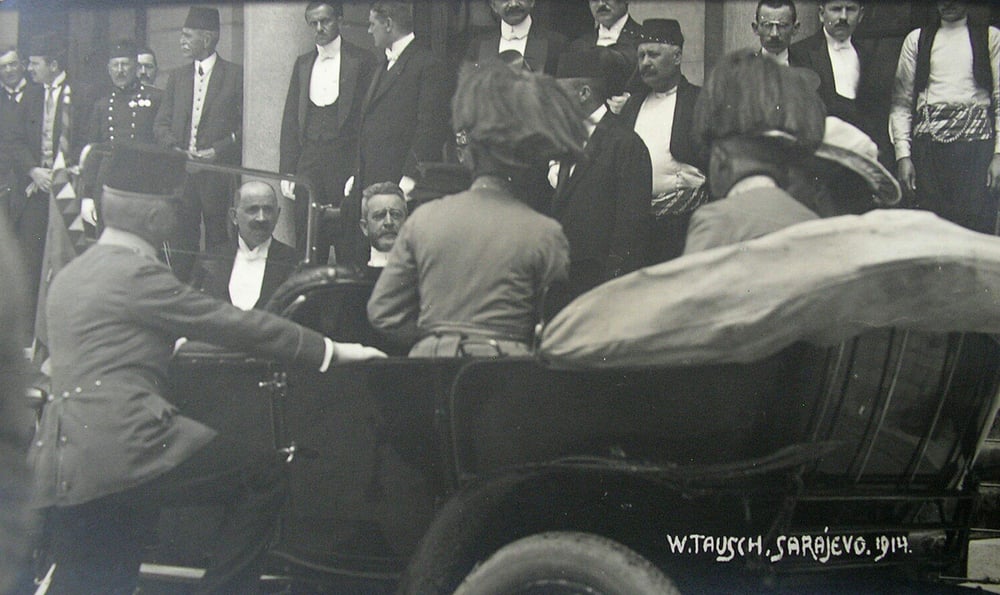
Archduke Franz Ferdinand and Sophie, Duchess of Hohenberg, were photographed in Sarajevo on June 28, 1914, during the visit that would end with their assassination. Images from outside City Hall capture the couple during the tense hours surrounding an earlier failed attack and before their fatal encounter with Gavrilo Princip. The assassination helped trigger the July Crisis that led Europe toward World War I. Few photographs demonstrate hindsight more sharply: people, cars, officials, and spectators fill a seemingly local scene, while the consequences that would soon radiate outward remain completely invisible.
13. Edward Baker Lincoln Before His Fourth Birthday

At just three years old, Edward “Eddie” Baker Lincoln posed for this hauntingly early portrait, years before his father, Abraham Lincoln, became president. Eddie died in 1850, shortly before turning four, most likely from tuberculosis, though other causes have also been proposed.
14. Ernest Shackleton: A Portrait Near the End of an Explorer’s Story
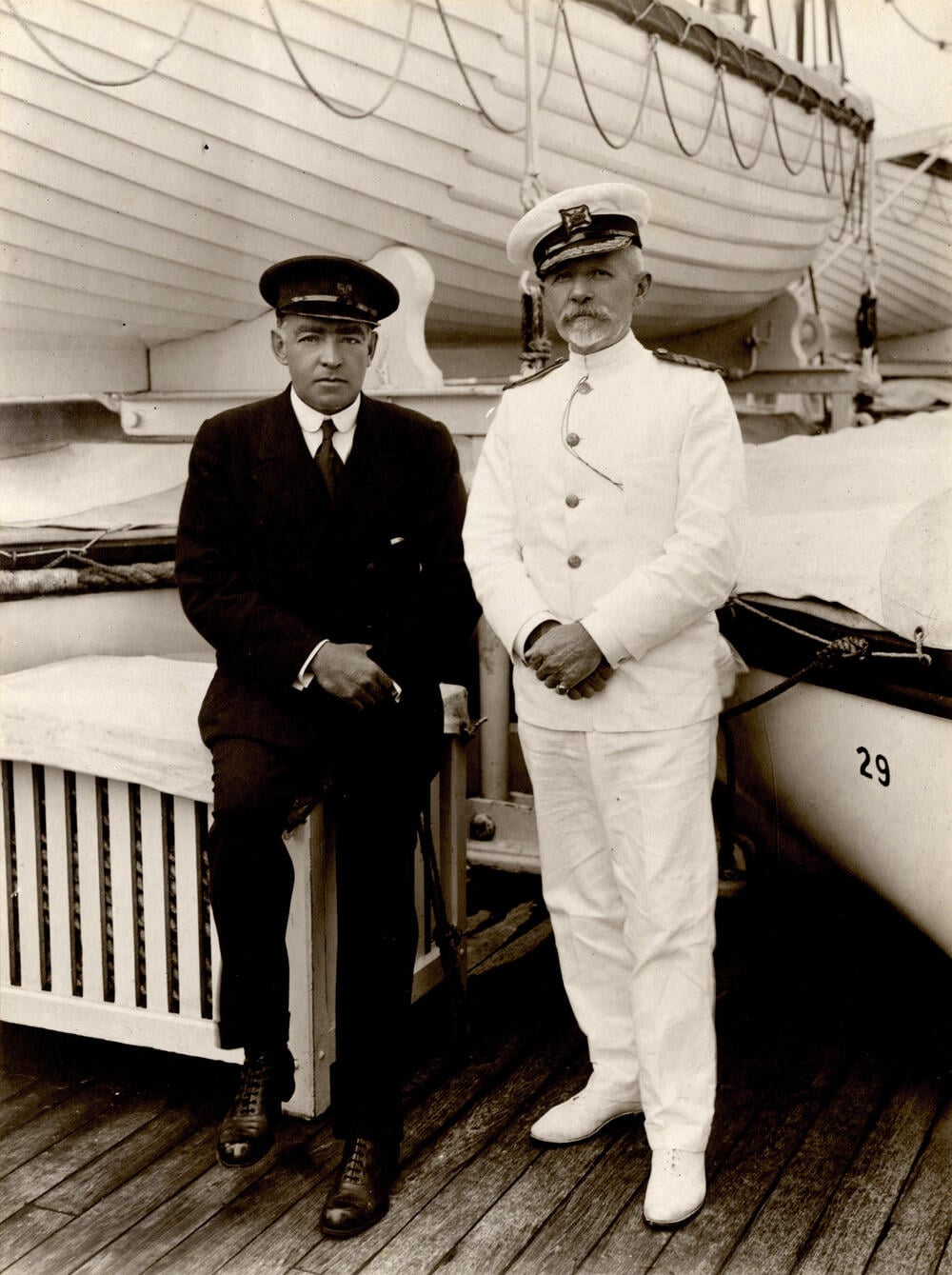
A photograph of Ernest Shackleton with Captain Dix aboard the SS Andes in 1922 has been described in archival material as probably the explorer’s last photograph. That “probably” matters. Historical records often leave just enough uncertainty to resist the neat labels later generations want to attach to them. Shackleton was traveling south for another Antarctic expedition when he died of a heart attack in South Georgia in January 1922. The image carries none of the visual drama associated with polar exploration. Instead, it shows an explorer between adventures, unaware that the next chapter would be his last.
15. Ben Skora Sitting Outside the Home He Filled With Inventions

In 2012, Google Street View captured self-taught inventor Ben Skora sitting on the front stoop of his unusual Illinois home. Skora had spent decades filling the property with homemade robots, mechanical contraptions, and inventions of his own design. The image feels utterly ordinary: an elderly man sitting outside the place he built his world. But Skora was later moved into memory care, and the extraordinary house he had built his world around was demolished. The Street View frame unexpectedly preserved one last quiet glimpse of both inventor and home.
16. Jim Henson With Kermit on The Arsenio Hall Show

A photograph does not know it is becoming historical evidence. That is what connects these otherwise very different images. Some recorded people before their final journeys, others documented machines near the end of their missions, and a few survived disasters themselves. Their significance arrived afterward, when an ordinary frame suddenly became something impossible to recreate: a view of a world just before it changed.
17. The World Trade Center Minutes Before the September 11 Attacks
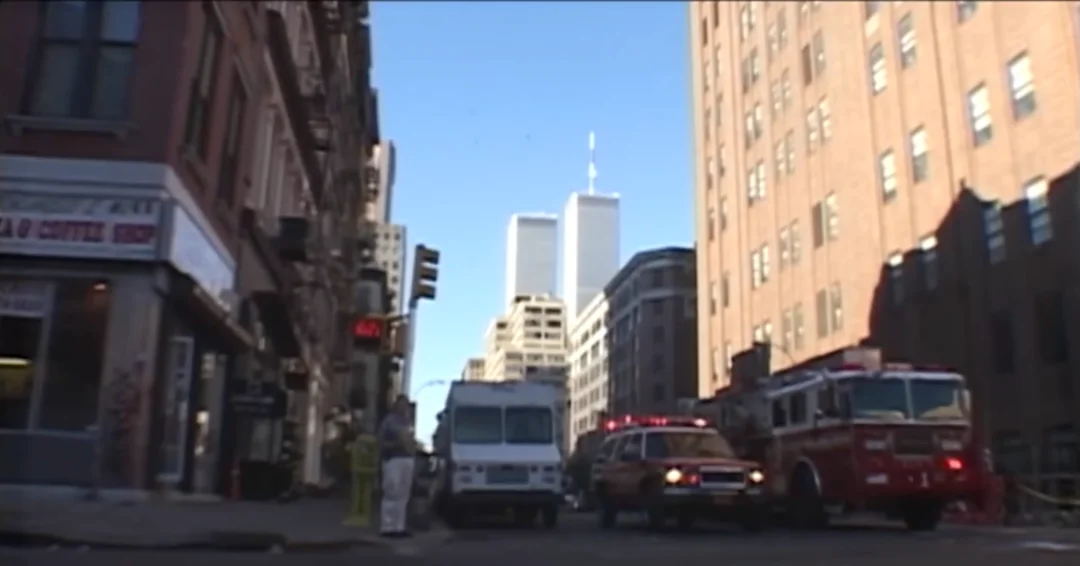
On the morning of September 11, 2001, a camera captured the World Trade Center rising over an ordinary Manhattan street, reportedly just two minutes before American Airlines Flight 11 struck the North Tower. Nothing in the frame announces what is about to happen. Traffic moves below, emergency vehicles sit along the street, and the Twin Towers stand against a clear blue sky. That normalcy is what makes the image so difficult to look at now: a familiar New York morning preserved at the edge of an event that would change the city, and the world, within minutes.
18. Pierre Levegh’s Car Moments Before the 1955 Le Mans Disaster
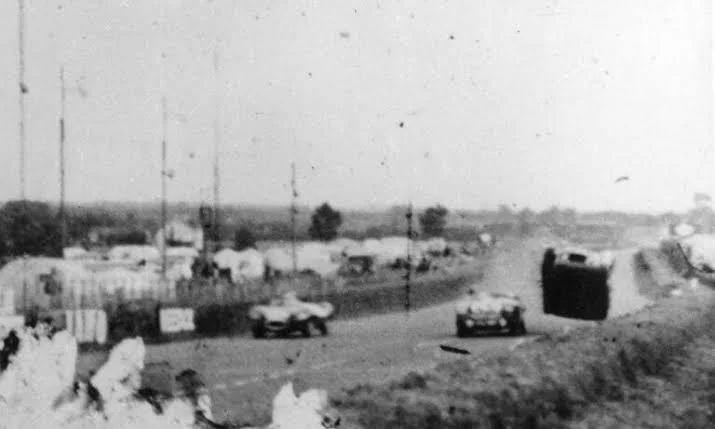
During the 24 Hours of Le Mans on June 11, 1955, a photograph captured Pierre Levegh’s Mercedes-Benz airborne in the catastrophic sequence that would become the deadliest accident in motorsport history. After contact involving Lance Macklin’s Austin-Healey, Levegh’s car launched into the air and crashed, sending wreckage into the spectators. Levegh and more than 80 people were killed. Frozen just before the full scale of the disaster unfolded, the image captures a fraction of a second separating a motor race from one of racing’s darkest days.
Keep Exploring The Scroller
Some photographs capture a moment. Others accidentally preserve an ending. Keep exploring The Scroller for more images with extraordinary stories hiding beyond the frame:
18 Vintage Yearbook Photos of Famous Musicians
18 of the Last Known Photos of Famous Historical Figures from the 1940s
20 Creepy Photos That Appear to Have an Extra, Ghostly Guest