Shipwrecks and historical mysteries have kept researchers guessing for decades, and sometimes for centuries. Missing vessels, unidentified remains, and lost settlements often seemed to leave behind more questions than answers. But advances in DNA testing, underwater technology, and archaeology have helped solve cases that once appeared impossible to crack. These 15 mysteries were finally resolved within the last 30 years, even if a few unanswered questions still remain.
1. The Lost Remains of King Richard III
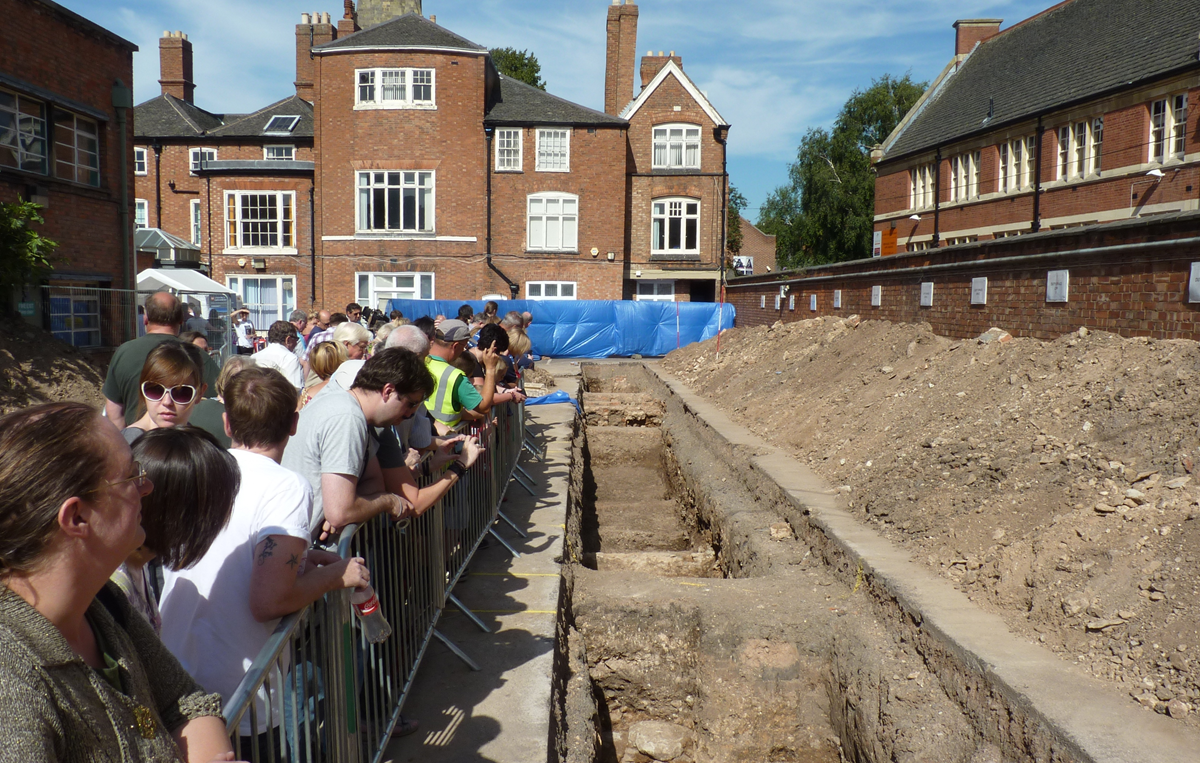
For more than 500 years, nobody knew exactly where England’s King Richard III had been buried. He died at the Battle of Bosworth Field in 1485, and his original burial site eventually disappeared beneath the expanding city of Leicester. In 2012, archaeologists began excavating a parking lot built over the remains of a medieval friary. They uncovered a skeleton with a curved spine and injuries consistent with a violent death in battle. DNA comparisons with living relatives helped confirm the identification, which was announced in 2013. One of England’s most famous missing kings had been lying beneath an ordinary parking lot.
2. The Missing Children of the Romanov Family
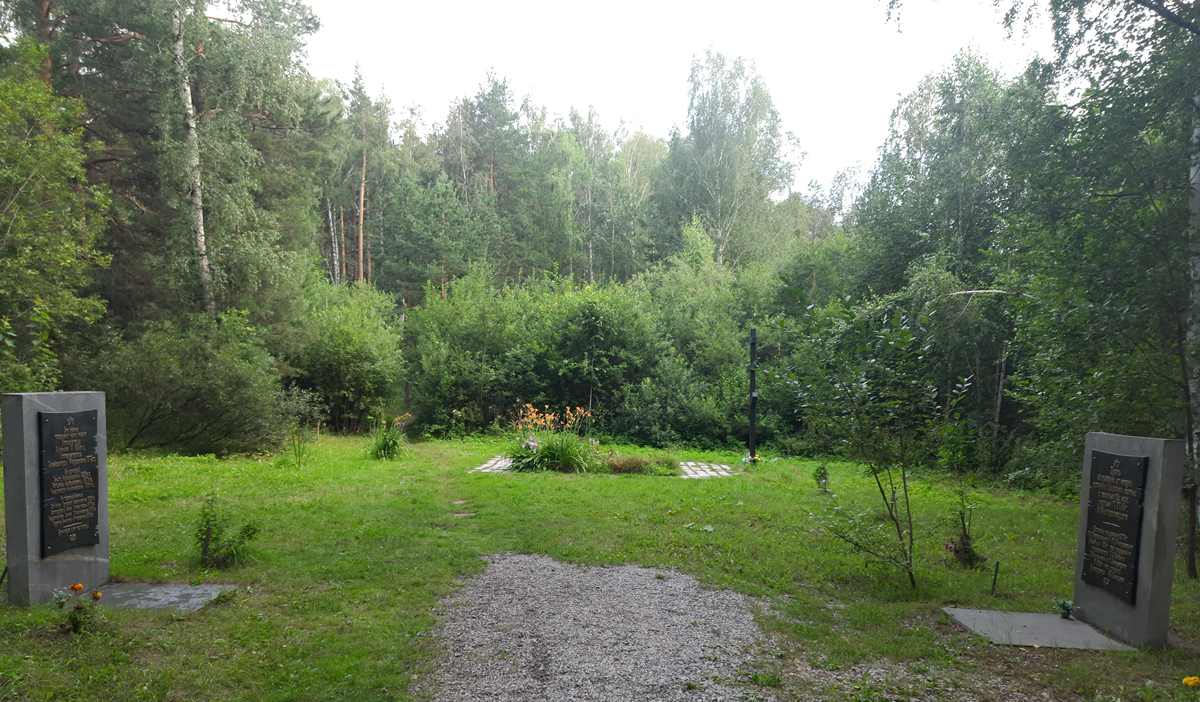
The execution of Russia’s last imperial family in 1918 left behind decades of rumors, particularly about whether Princess Anastasia had somehow survived. When the family’s main burial site was officially excavated in 1991, two of the Romanov children were missing, leaving room for speculation. Then, in 2007, investigators discovered a second grave near Yekaterinburg containing fragments of human remains. Genetic testing established that they belonged to Tsarevich Alexei and one of his sisters, although the DNA alone could not determine whether the sister was Maria or Anastasia. Scientific studies published in 2009 confirmed that all five Romanov children had died in 1918. The stories about Anastasia’s supposed escape, however, had already inspired books, films, and numerous people claiming to be the princess.
3. The Discovery of Egypt’s Lost City of Thonis-Heracleion
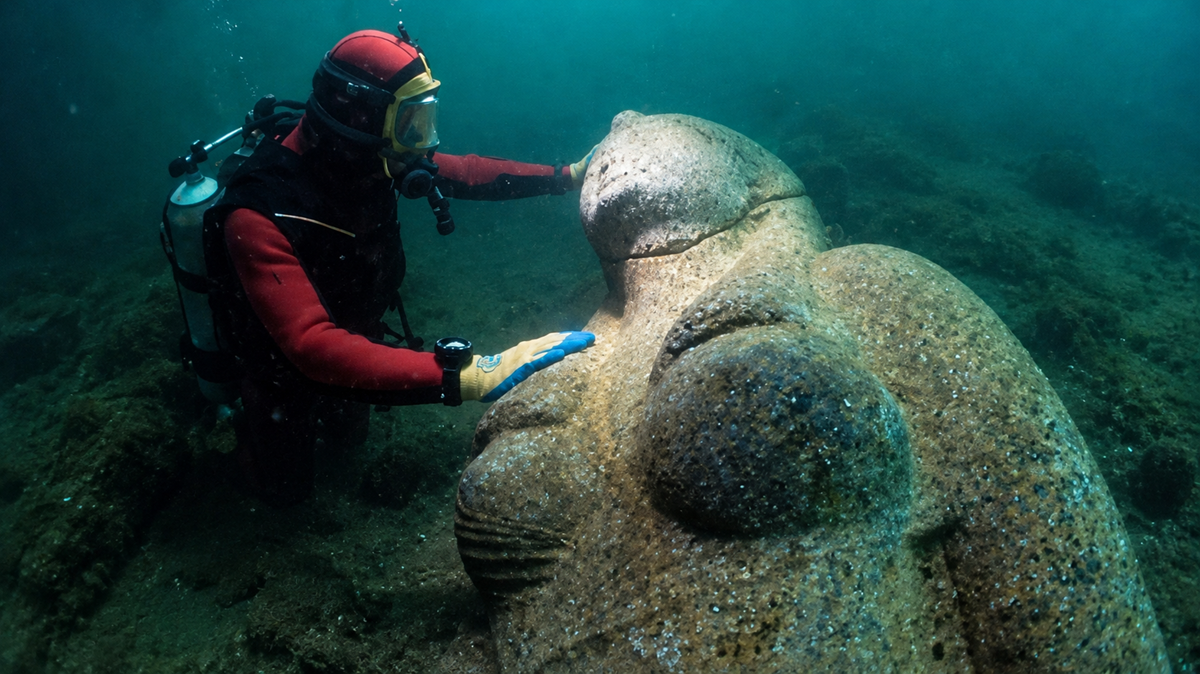
Ancient Greek and Egyptian texts described a wealthy port city called Thonis-Heracleion, but its exact location had disappeared from historical knowledge. In 2000, underwater archaeologist Franck Goddio and his team discovered its remains beneath the waters of Aboukir Bay, near Alexandria. Massive statues, temple ruins, ancient vessels, and hundreds of anchors revealed a city that had once been a major center of Mediterranean trade. Researchers believe unstable ground, natural disasters, and changes in sea level contributed to its disappearance beneath the water. The excavations also confirmed something historians had long debated: Thonis and Heracleion were two names for the same city.
4. The Mystery of the Franklin Expedition’s Lost Ships
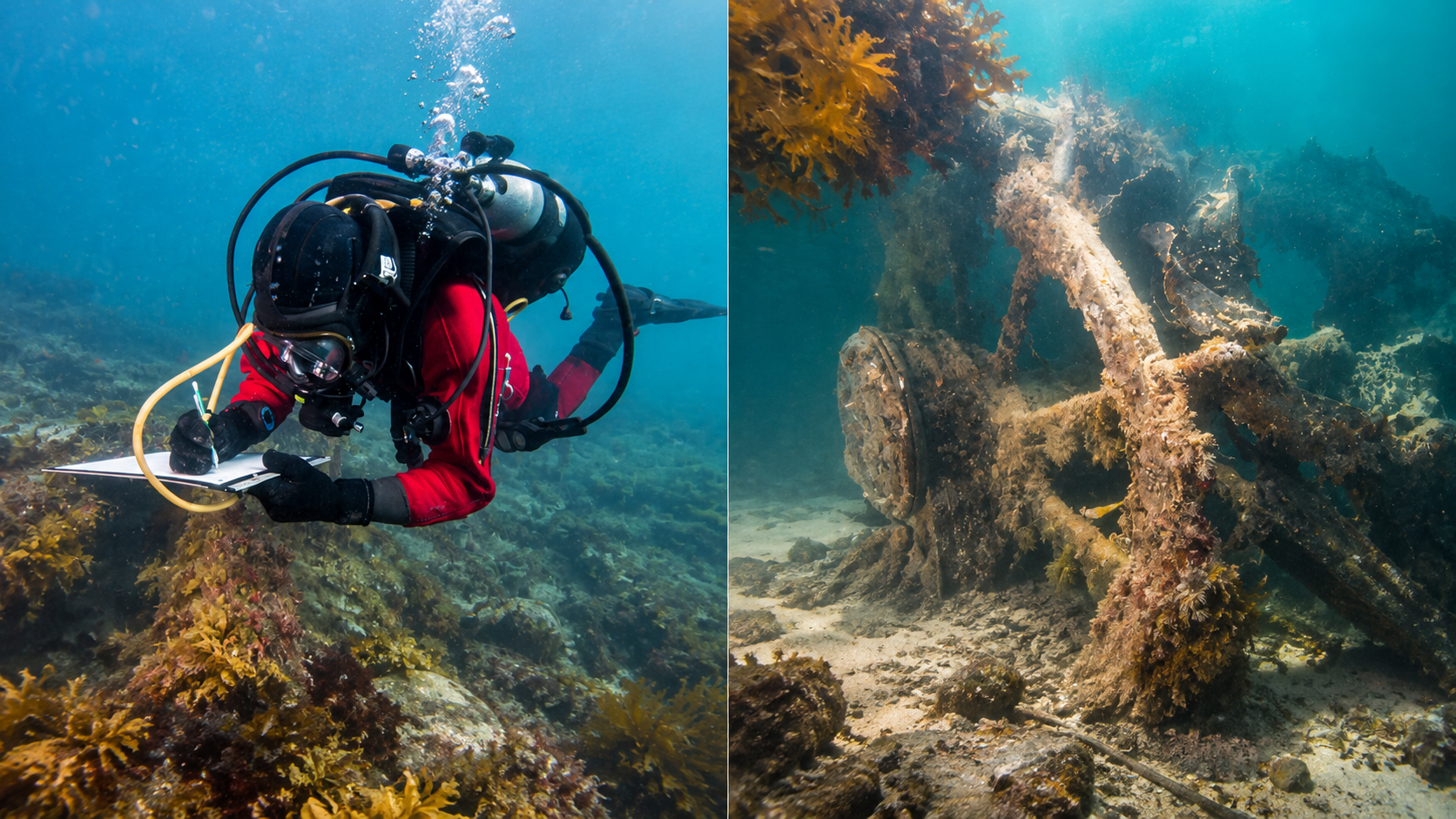
When British explorer Sir John Franklin sailed into the Arctic in 1845, he commanded two ships and a crew of 129 men. Neither vessel returned, and search parties spent generations trying to determine their final resting places. The first breakthrough came in 2014, when Canadian researchers discovered HMS Erebus south of King William Island. Two years later, HMS Terror was located in Terror Bay, with Inuit knowledge playing an important role in both discoveries. The wrecks provided valuable evidence about an expedition that had vanished more than 160 years earlier. The precise sequence of events leading to the crew’s deaths remains under investigation, but the mystery of the missing ships was finally resolved.
5. The Lost Grave of Nicolaus Copernicus
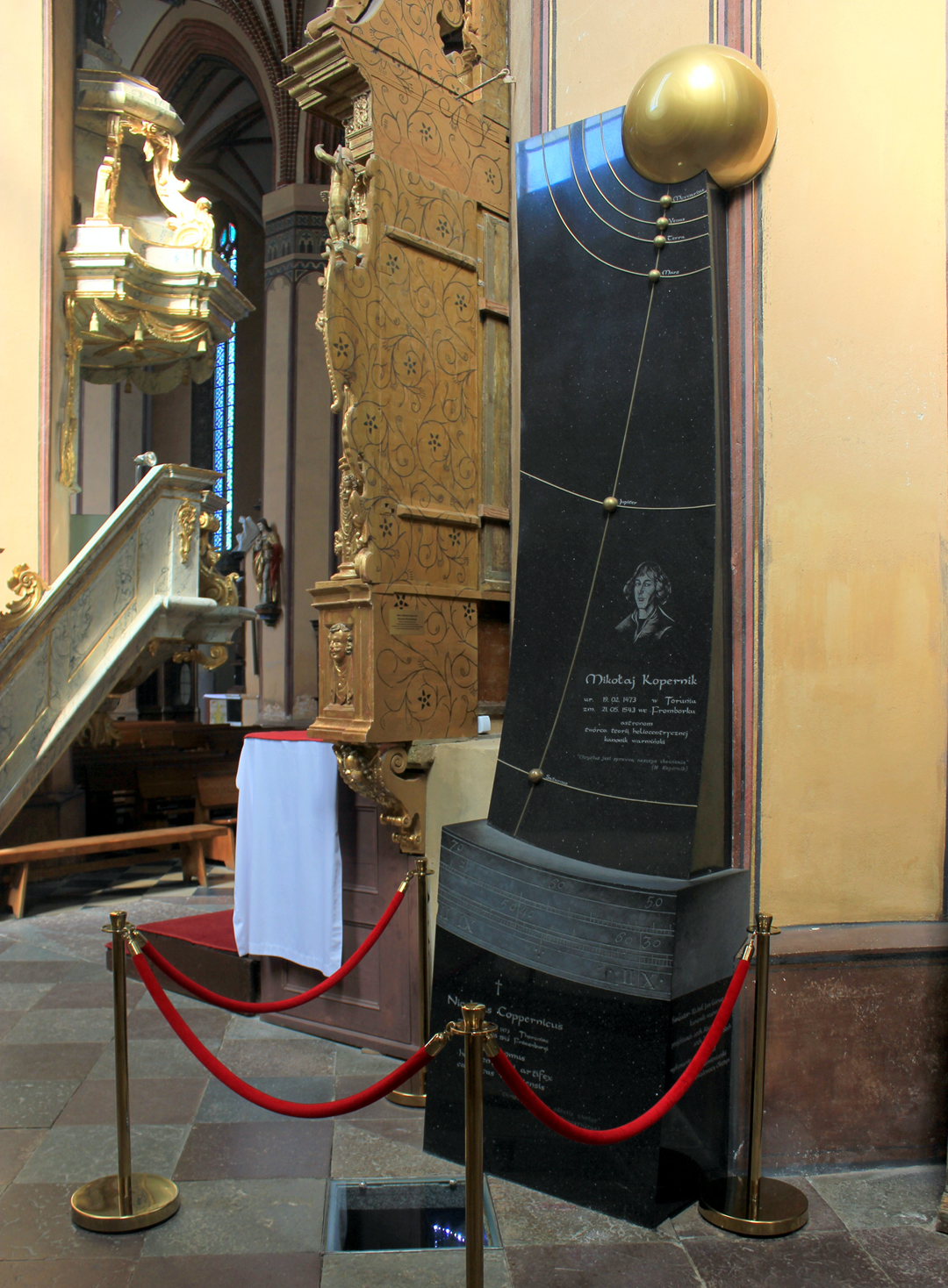
Nicolaus Copernicus changed astronomy by arguing that Earth and the other planets orbit the Sun, but the location of his own grave remained a mystery for centuries. The Polish astronomer died in 1543 and was buried somewhere inside Frombork Cathedral, where more than a hundred graves made identifying his remains difficult. In 2005, archaeologists uncovered a partial skeleton near an altar associated with Copernicus. The real breakthrough came when scientists compared DNA from the bones with hair found inside a book he had owned. The results, announced in 2008 and published in 2009, supported the identification, finally answering a question that had puzzled historians for more than 400 years.
Trending on The Scroller


6. The Lost Wreck of the USS Indianapolis
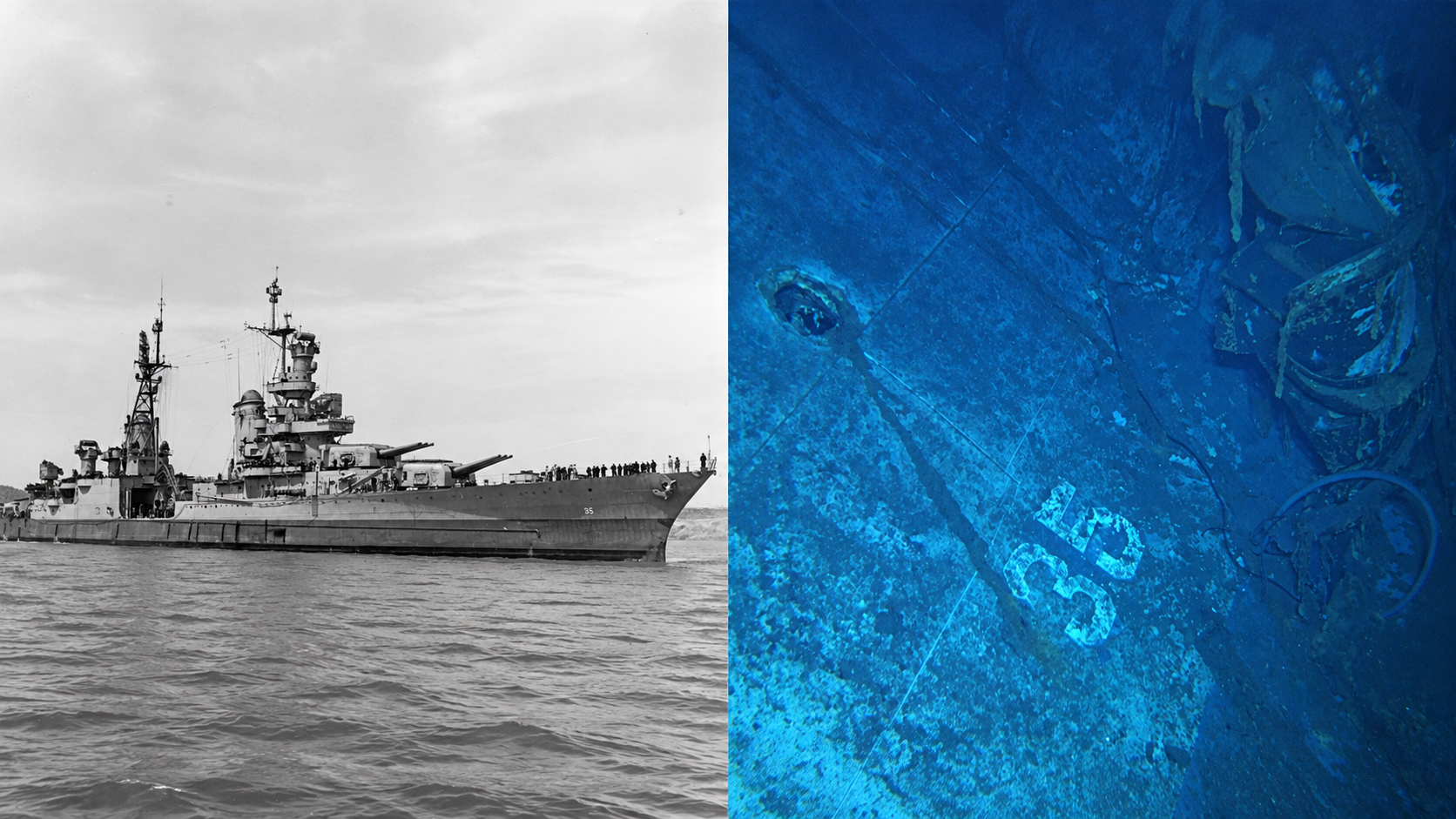
The sinking of the USS Indianapolis in July 1945 was among the deadliest disasters in American naval history. The cruiser had recently delivered components for the atomic bomb later dropped on Hiroshima when a Japanese submarine torpedoed it in the Philippine Sea. Hundreds of sailors survived the initial sinking, only to spend days in the water awaiting rescue. Although the tragedy was thoroughly documented, the ship itself remained missing for 72 years. In August 2017, a research team led by Microsoft co-founder Paul Allen discovered its wreckage approximately 18,000 feet beneath the Pacific. Historical naval records had helped investigators narrow the search area.
7. The Last American Slave Ship That Disappeared
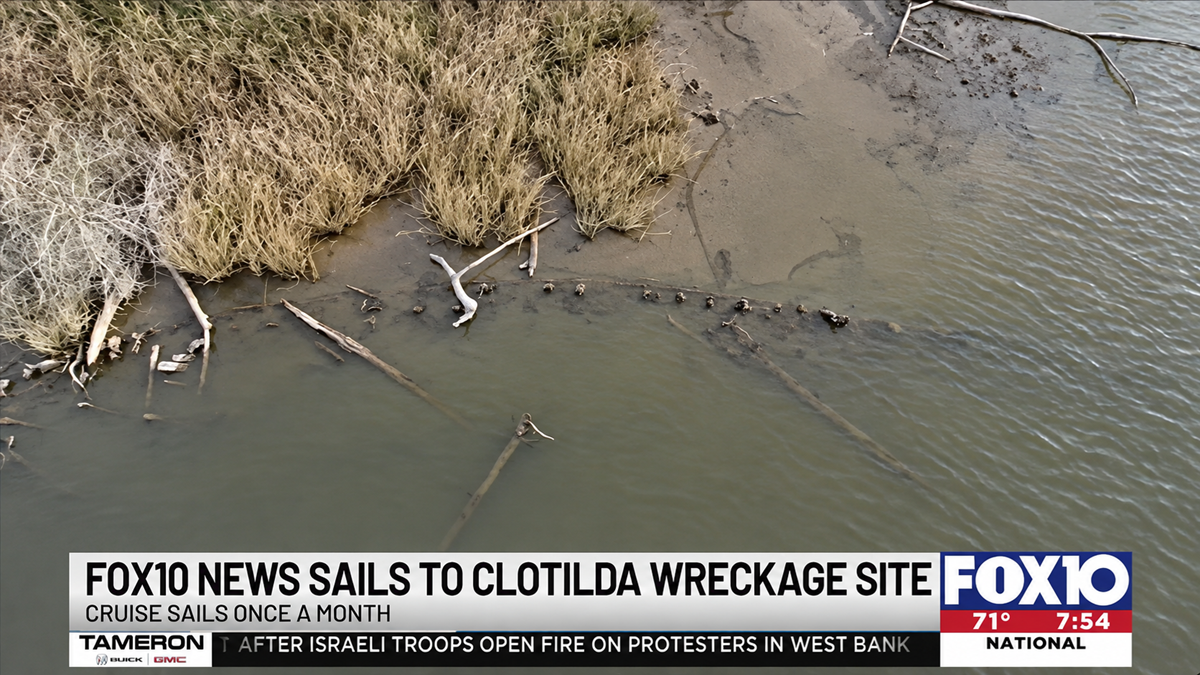
In 1860, the Clotilda secretly transported 110 enslaved Africans to Alabama, decades after the United States had prohibited the international slave trade. The people responsible burned and sank the vessel to destroy evidence of their illegal voyage. Its location remained uncertain for more than a century, even as descendants of those brought aboard the ship preserved their family histories in the community of Africatown. In 2019, the Alabama Historical Commission announced that archaeological evidence pointed to a wreck in the Mobile River as the Clotilda. The identification, supported by the vessel’s characteristics and historical records, connected generations of family history with physical evidence of the ship.
8. The Discovery of Shackleton’s Endurance
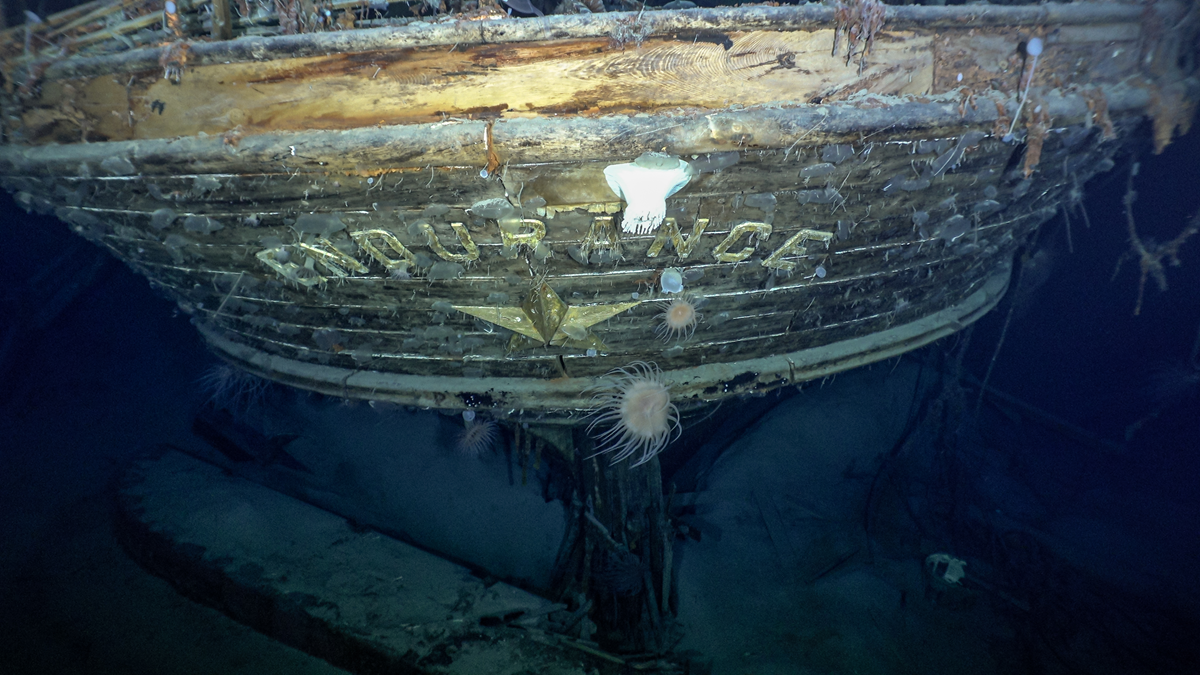
Ernest Shackleton’s Antarctic expedition became famous for the survival of its crew after their ship, Endurance, was crushed by sea ice in 1915. While the men eventually escaped, the ship sank into the Weddell Sea and remained undiscovered for more than a century. In March 2022, an international expedition located the wreck at a depth of approximately 3,008 meters. Underwater cameras revealed a remarkably preserved wooden vessel, with its name still visible across the stern. The discovery came 107 years after the ship disappeared beneath the ice.
Sign up for our newsletter
9. The Lost Khmer City Hidden Beneath the Jungle
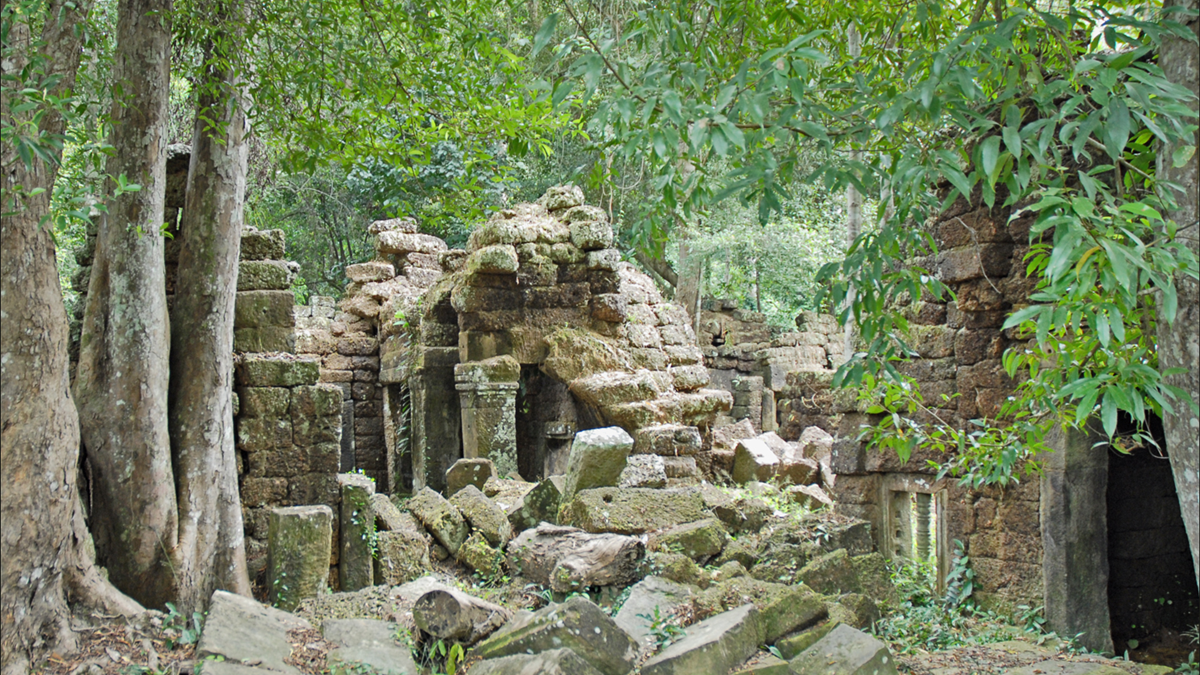
For centuries, ancient inscriptions mentioned Mahendraparvata, an early capital of the Khmer Empire, but little was known about what the city actually looked like. Its ruins were believed to lie somewhere on Cambodia’s forest-covered Phnom Kulen plateau, where scattered temples offered only fragments of its history. Beginning in 2012, archaeologists used airborne laser scanning technology to map the ground beneath the dense vegetation. The surveys revealed an extensive network of roads, reservoirs, and urban structures dating to the ninth century. In 2019, researchers published detailed findings confirming that the remains belonged to Mahendraparvata, giving historians their clearest picture yet of a city that had remained largely hidden for more than a thousand years.
10. The Discovery of Japan’s Missing Battleship Musashi
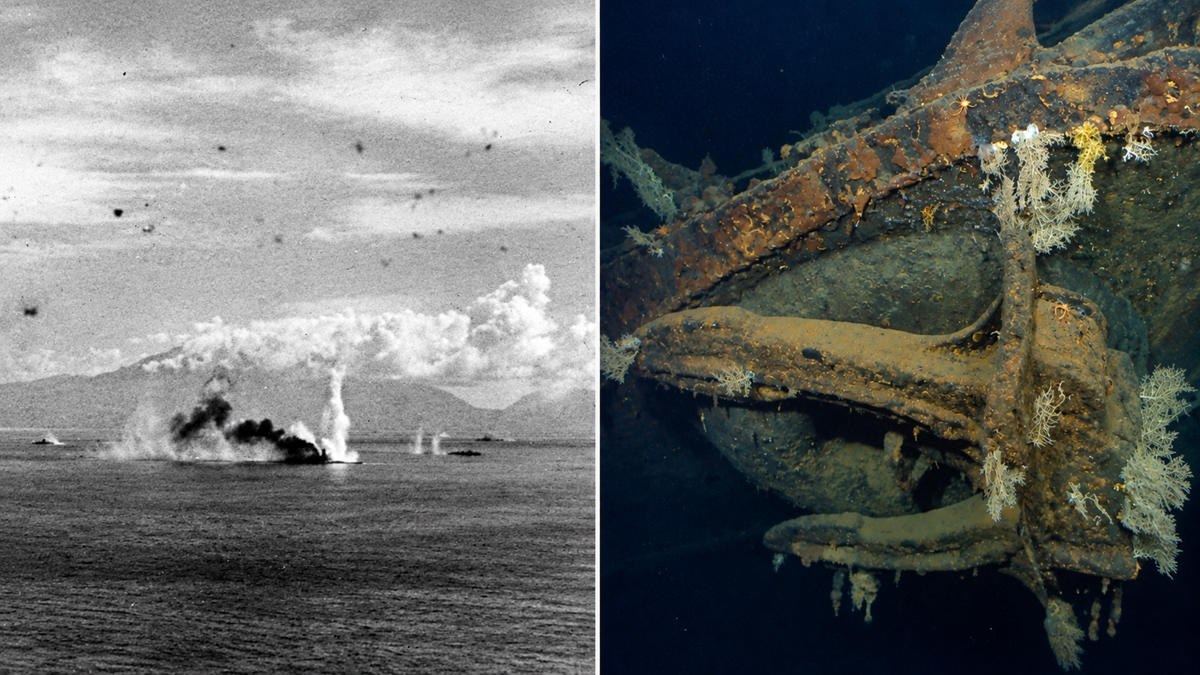
Few warships matched the size of Japan’s Musashi, which entered service during World War II as one of the largest battleships ever constructed. American aircraft sank it during the Battle of Leyte Gulf in October 1944, but its exact resting place remained unknown. More than 70 years later, a team led by Paul Allen located the wreck in the Sibuyan Sea, near the Philippines. The 2015 discovery followed years of research into wartime records and underwater terrain. Cameras revealed recognizable sections of the vessel, including its enormous anchors and parts of its weapons systems.
11. The Mysterious Disappearance of the USS Conestoga
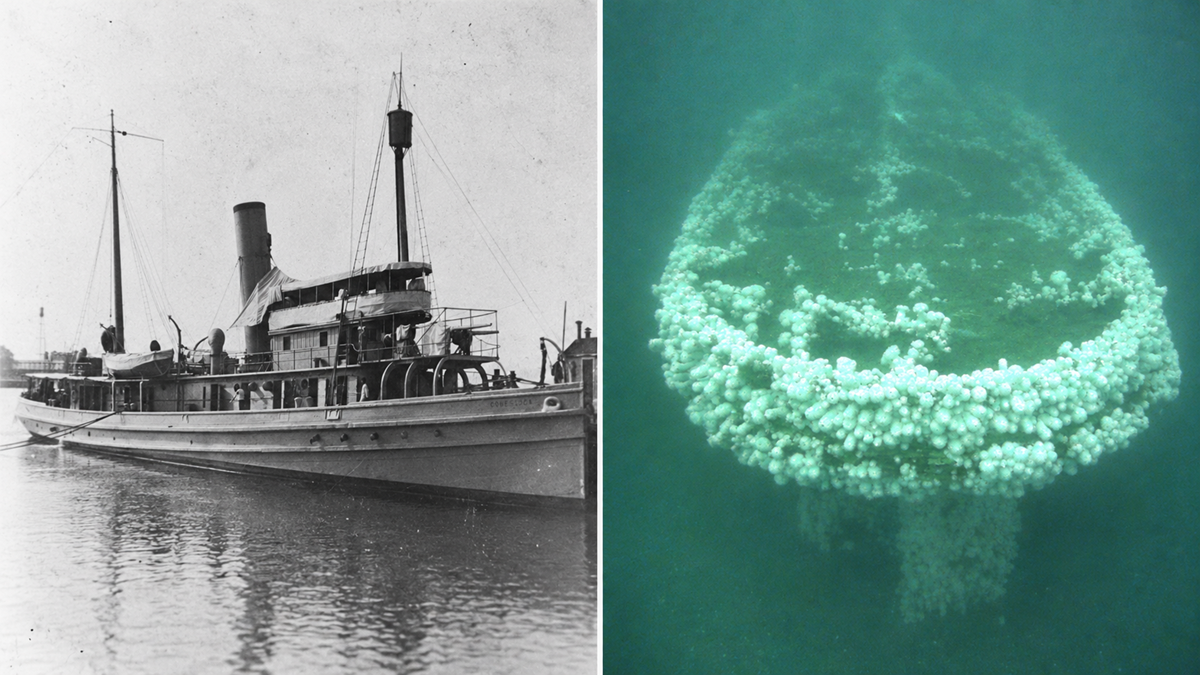
In March 1921, the USS Conestoga left San Francisco Bay with 56 sailors aboard, heading for American Samoa with a planned stop in Hawaii. The Navy tug never arrived, and a massive search across the Pacific failed to locate it. For decades, investigators assumed the ship had disappeared somewhere far from the California coast. Then, in 2014, NOAA researchers examined an unidentified shipwreck near the Farallon Islands, just outside San Francisco Bay. Underwater surveys revealed a vessel matching the Conestoga, and its identity was confirmed in 2015. The discovery, announced publicly in 2016, showed that the ship had probably sunk during a storm shortly after leaving port, nearly 95 years earlier.
12. The Discovery of the Montevideo Maru
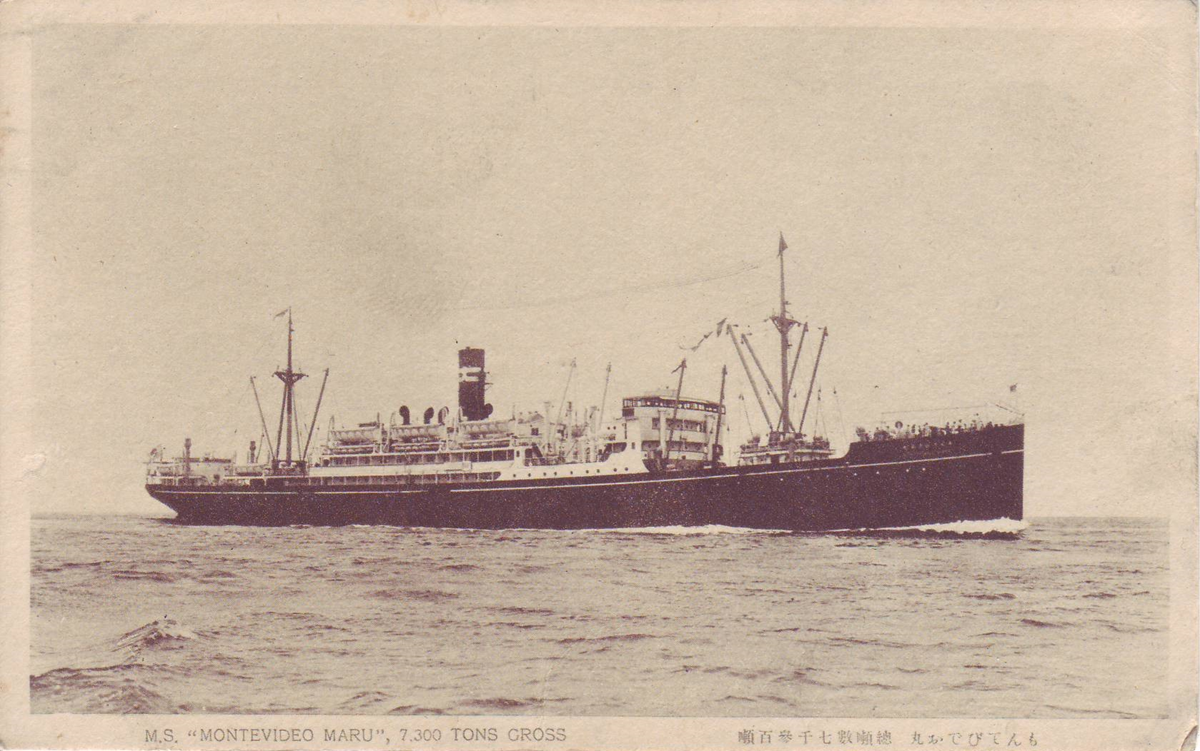
One of Australia’s worst wartime tragedies occurred in July 1942, when the Japanese transport ship Montevideo Maru was torpedoed by an American submarine near the Philippines. The submarine’s crew did not know that the vessel was carrying more than 1,000 prisoners of war and civilian internees captured by Japanese forces. For decades, families knew their relatives had died aboard the ship, but its wreck had never been located. In April 2023, researchers discovered the Montevideo Maru more than 4,000 meters below the surface of the South China Sea. The discovery finally established the location of a vessel that had been missing for 81 years.
13. The Rediscovery of the Royal Warship Gloucester
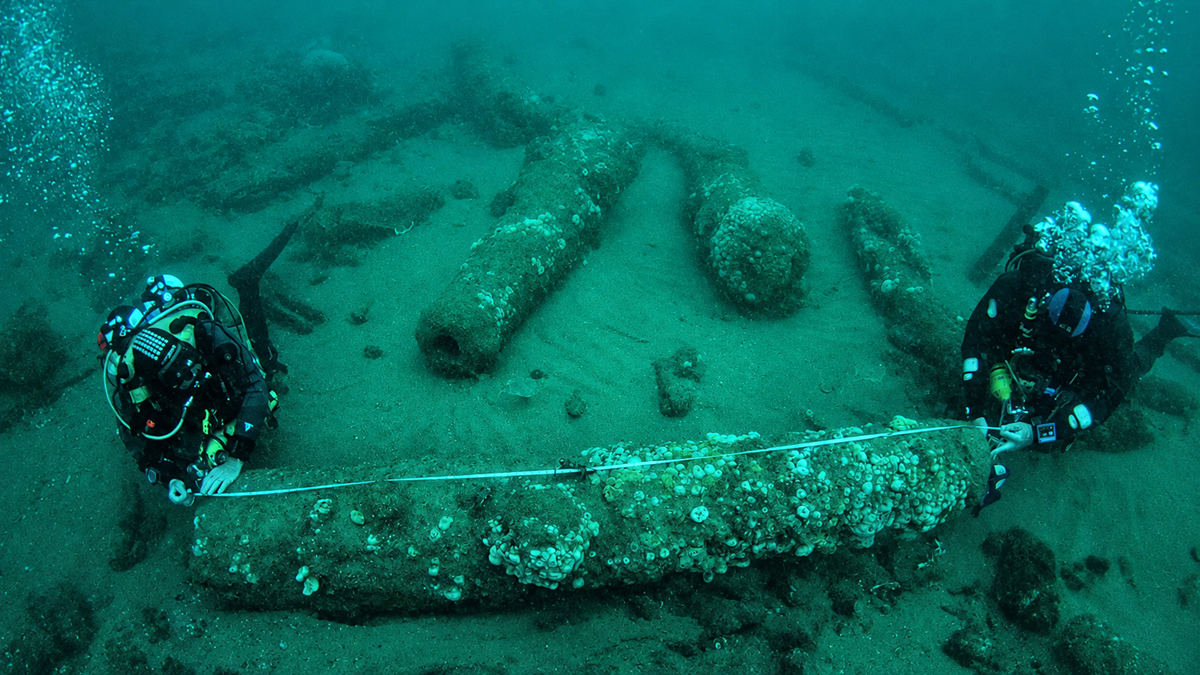
A royal voyage went badly wrong off the English coast in 1682 when the Gloucester, a warship carrying the future King James II, ran aground and sank. The disaster became the subject of political arguments and accusations over who was responsible. For more than three centuries, the vessel’s exact location remained unknown. In 2007, brothers Julian and Lincoln Barnwell discovered the wreck off Norfolk after years of searching, although the find was not publicly announced until 2022. Among the objects recovered were navigational instruments, personal belongings, and wine bottles, some still containing their original contents. The ship’s bell helped confirm its identity.
14. The Rediscovery of the USS Nevada
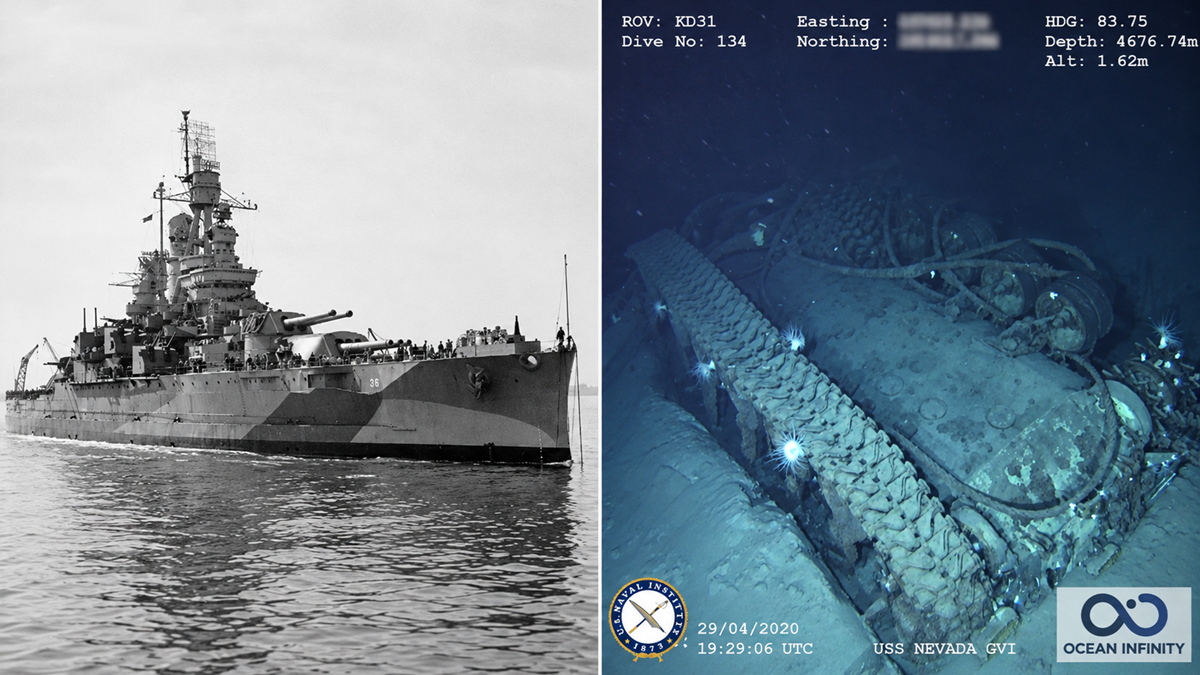
The USS Nevada had an unusually eventful career, surviving the Japanese attack on Pearl Harbor in 1941 and later supporting Allied operations in Europe and the Pacific. It also survived two atomic bomb tests at Bikini Atoll in 1946. Finally, in 1948, the U.S. Navy deliberately sank the damaged battleship during a gunnery exercise. While its fate was never a mystery, its exact location on the ocean floor remained unknown for decades. In May 2020, researchers from SEARCH Inc. and Ocean Infinity announced that they had located the wreck approximately 65 nautical miles southwest of Pearl Harbor. It was resting more than 15,400 feet beneath the Pacific Ocean.
15. The Lost Spanish Treasure Galleon San José
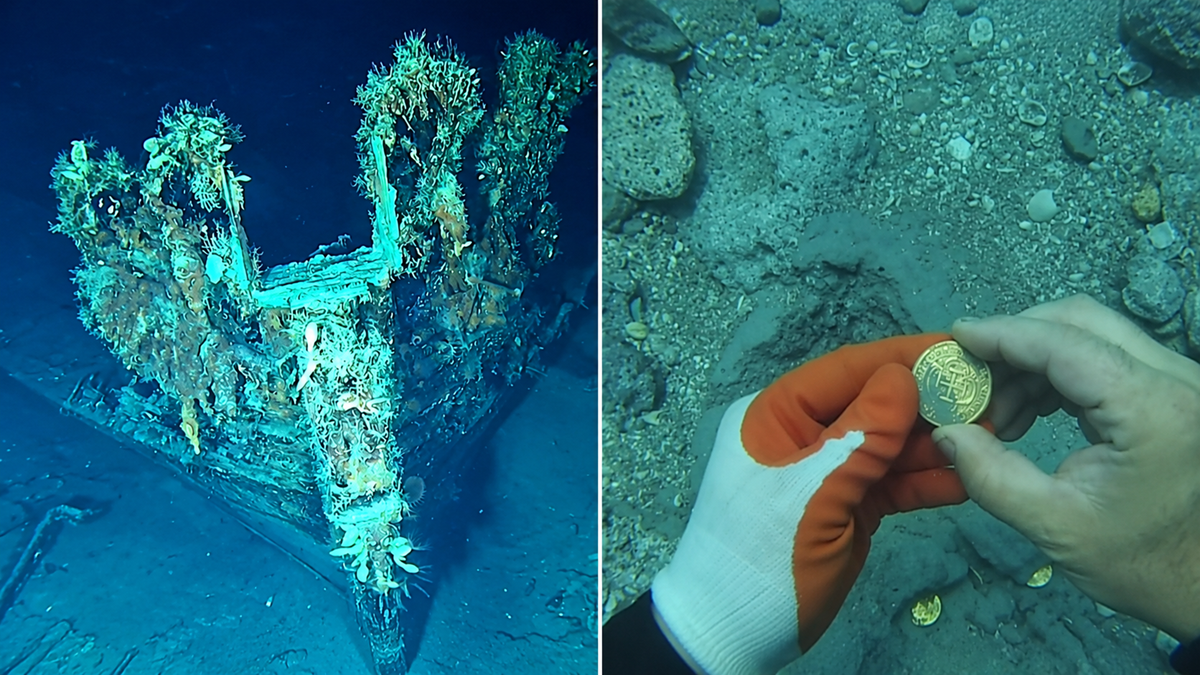
The Spanish galleon San José sank off the Colombian coast in 1708 during a battle with British warships. Its cargo included gold, silver, and emeralds from Spain’s American colonies, making it the subject of treasure-hunting interest for generations. Although historical accounts documented the sinking, the wreck’s exact location remained a mystery. In 2015, Colombia announced that researchers had discovered the vessel near Cartagena, identifying it through underwater archaeological evidence that included distinctive bronze cannons. The discovery settled the question of where the ship had sunk, but the exact circumstances of its sinking remain under investigation. Disputes over ownership and control of the wreck have also continued, complicating efforts to study and preserve its cargo.
In the mood for more?
Check out 17 Archaeology Finds That Forced Experts to Rethink History, or take a look at 14 Ancient Civilizations That Vanished and Left Historians Guessing. If you want to see more mysteries from the past, you can check out 20 “Impossible” Structures Found Deep in the Ocean That Science Can’t Explain.