The past tends to look neat once it has been turned into a timeline. Archaeology has a way of ruining that neatness. A bone fragment, an old cooking pot, or a few marks on a cave wall can suddenly make a familiar story much harder to defend. These discoveries did exactly that, forcing researchers to rethink everything from migration and technology to art, food, and the people who came before us.
1. Göbekli Tepe Complicated the Story of Civilization
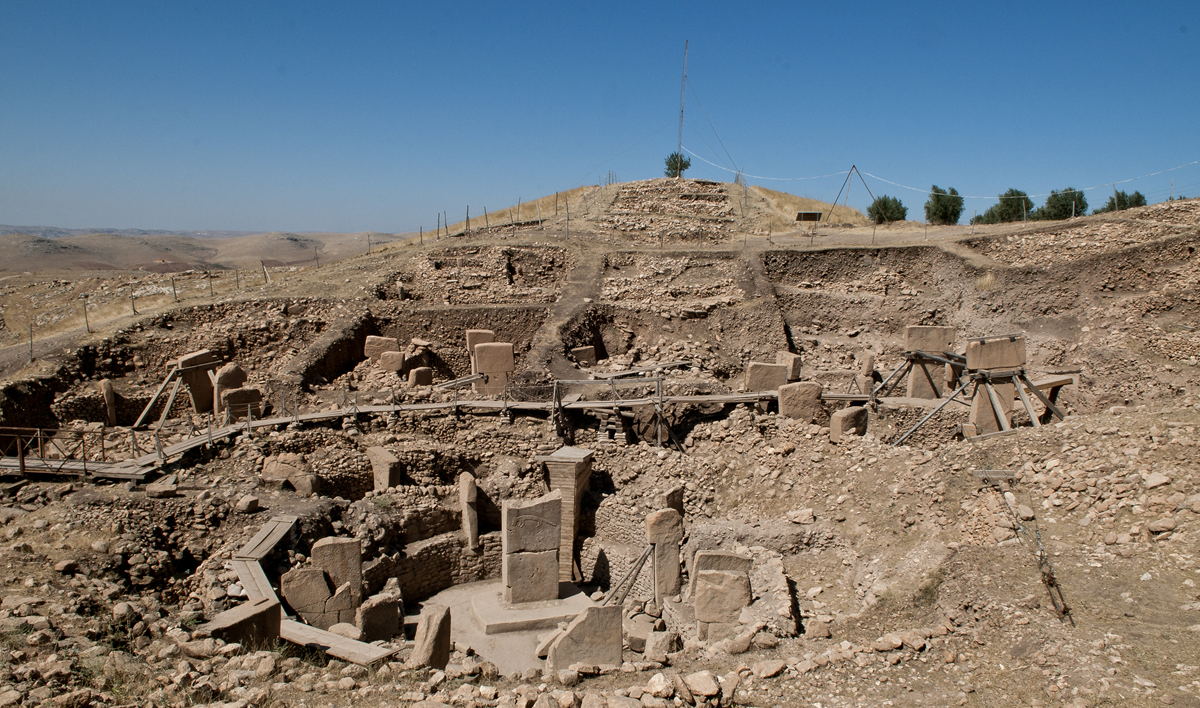
For years, one version of early human history seemed to make sense: farming came first, permanent settlements followed, and big communal monuments appeared later. Göbekli Tepe did not cooperate with that sequence. At the site in southeastern Turkey, people were raising huge carved stone pillars around 9600 BCE, when the communities involved were still largely living as hunter-gatherers. Some of the pillars weigh several tons and carry carvings of animals, abstract symbols, and human-like figures. Agriculture was developing in the wider region, but Göbekli Tepe made it much harder to argue that settled farming had to come before large organized building projects.
2. One Finger Bone Revealed an Unknown Human Group
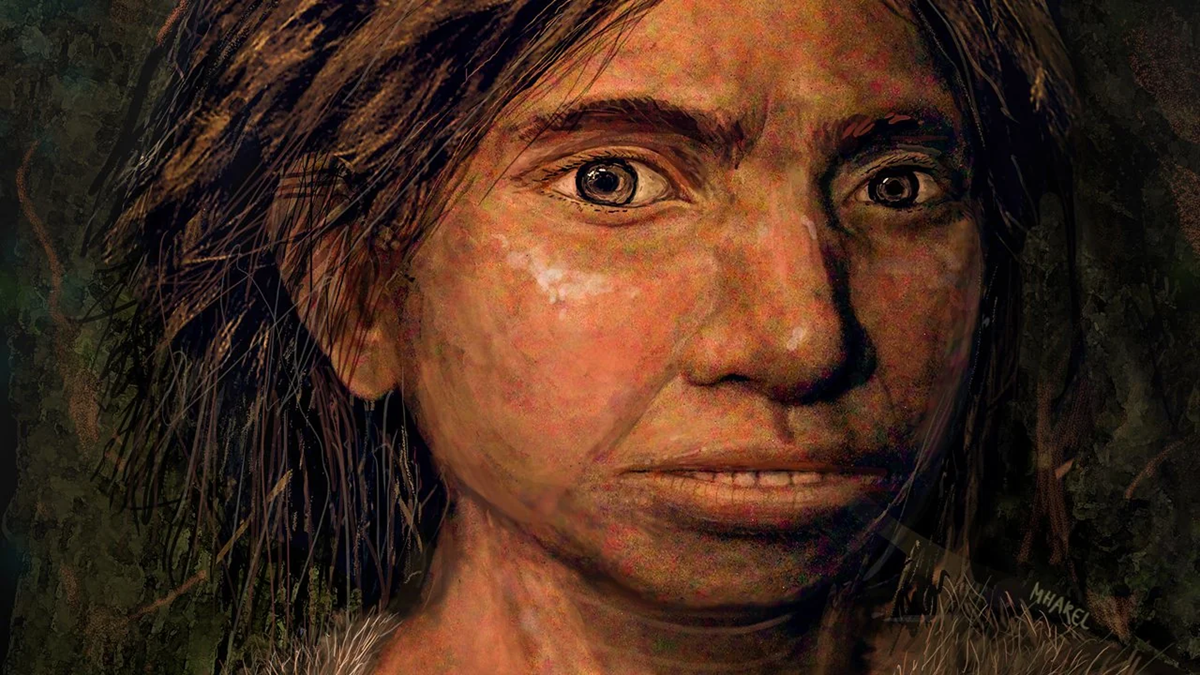
The bone itself was tiny. Found in Denisova Cave in Siberia, the fragment came from a finger and did not look like the sort of discovery that would redraw the human family tree. DNA analysis showed otherwise. The individual belonged to a previously unknown population now called the Denisovans, relatives of Neanderthals who also interbred with ancestors of some living people. An entire human group had effectively been identified from genetics before archaeologists even knew what a complete Denisovan skeleton looked like.
3. Neanderthals Were Not Completely Separate From Us
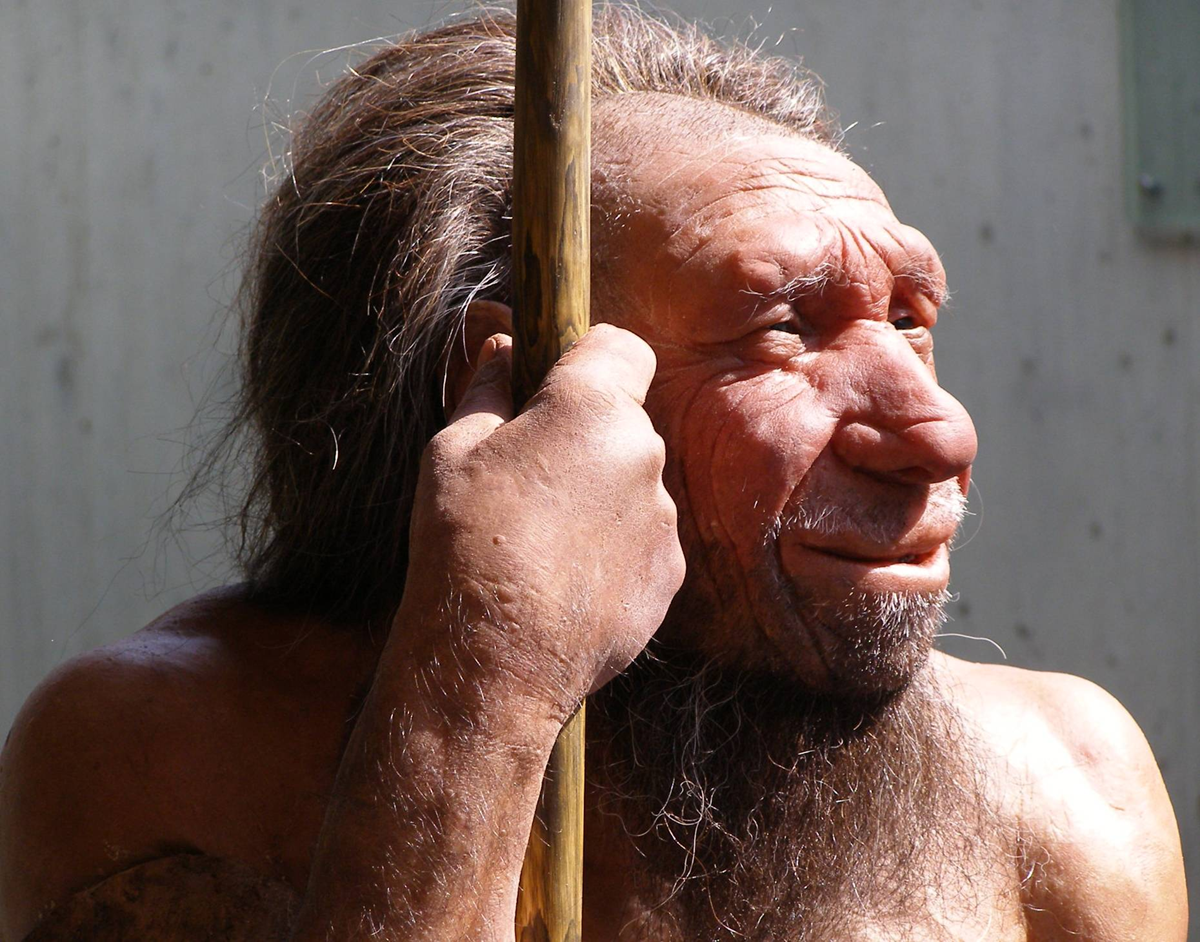
Neanderthals were once commonly presented as a dead-end branch of humanity, close to modern humans but ultimately separate. Genome studies made that picture much messier. People with ancestry outside sub-Saharan Africa generally carry some Neanderthal DNA, evidence that modern humans and Neanderthals met and had children together. Later discoveries showed additional mixing involving Denisovans as well. Instead of neatly replacing one another, different human populations overlapped, moved around, and occasionally became part of the same family.
4. Neanderthals Were Building Structures Underground
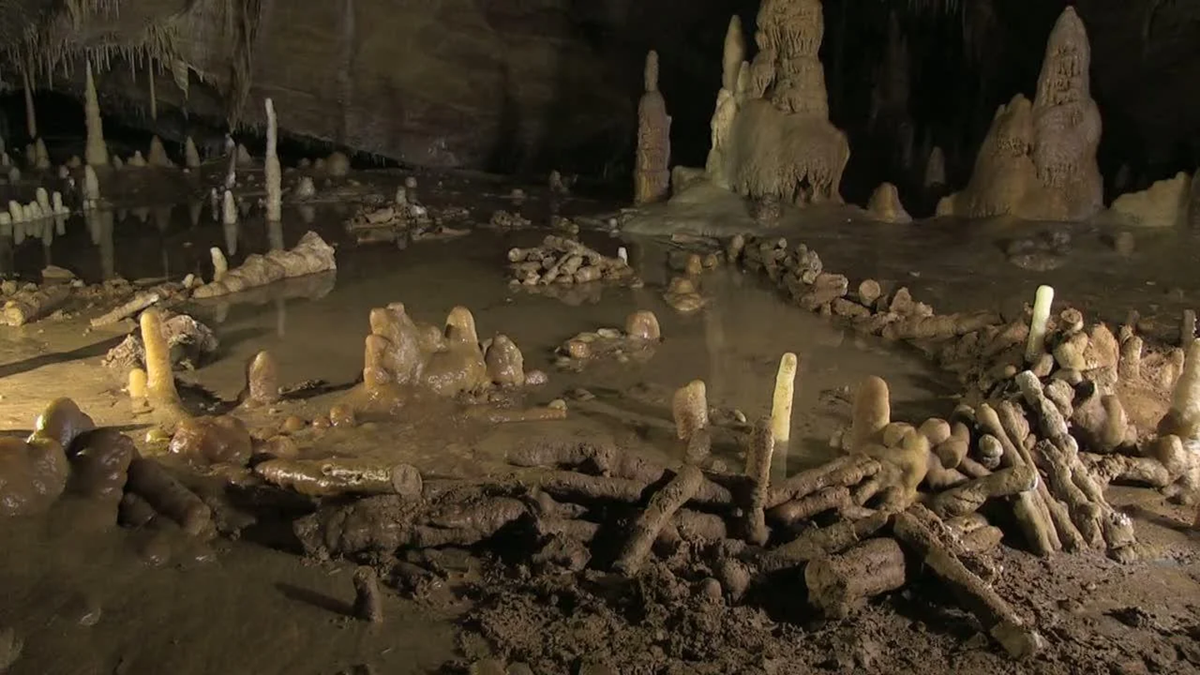
Bruniquel Cave in France contains something unexpected hundreds of meters from daylight: rings made from broken stalagmites. They were built roughly 176,500 years ago, far too early to have been made by modern humans in Europe. That points to Neanderthals. Whoever built them had to break, move, and arrange large quantities of stone while working deep inside a dark cave, probably with artificial light. Nobody knows exactly what the structures were for, but they do not fit the old caricature of Neanderthals as creatures concerned only with basic survival.
5. Early Humans Left Africa With Smaller Brains Than Expected
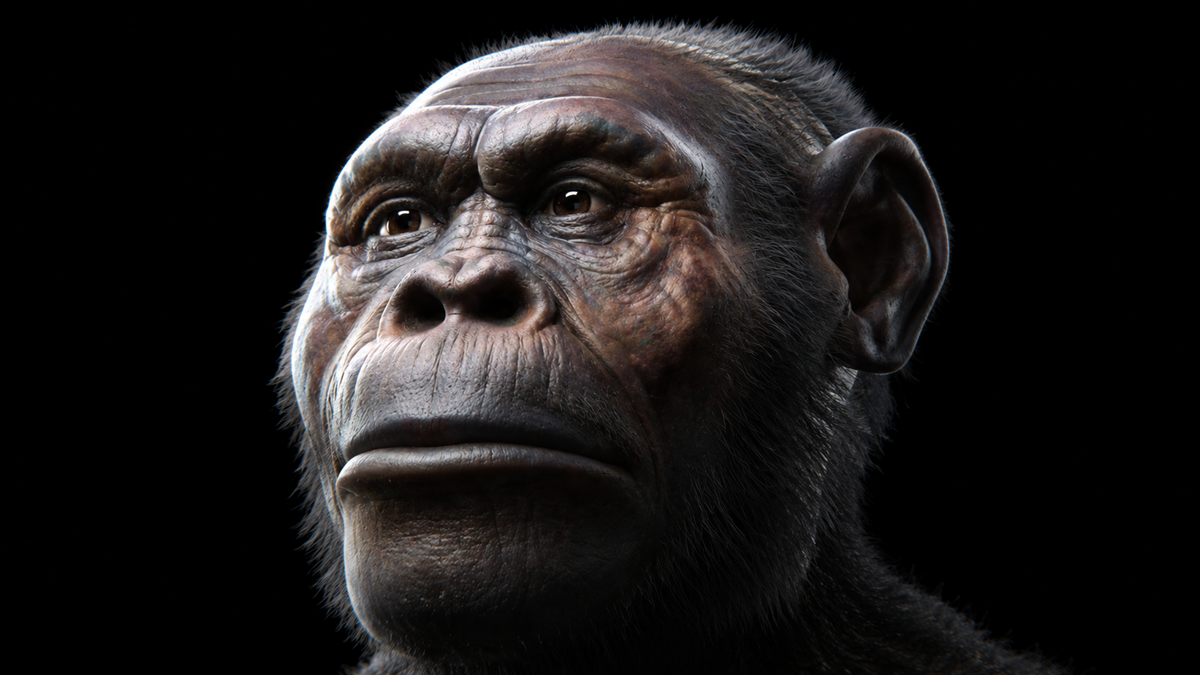
Dmanisi, in the country of Georgia, produced fossils that did not match what many researchers expected from the first humans to travel far beyond Africa. The people living there around 1.8 million years ago were relatively small, had modest brain sizes, and used fairly simple stone tools. None of that stopped them from reaching the Caucasus. The discovery weakened the idea that a major jump in brain size or technology had to happen before early humans could spread into new regions. Dmanisi also produced skulls with enough variation to keep arguments about early human species going for years.
Trending on The Scroller

6. Homo Floresiensis Looked Like It Belonged to Another Era
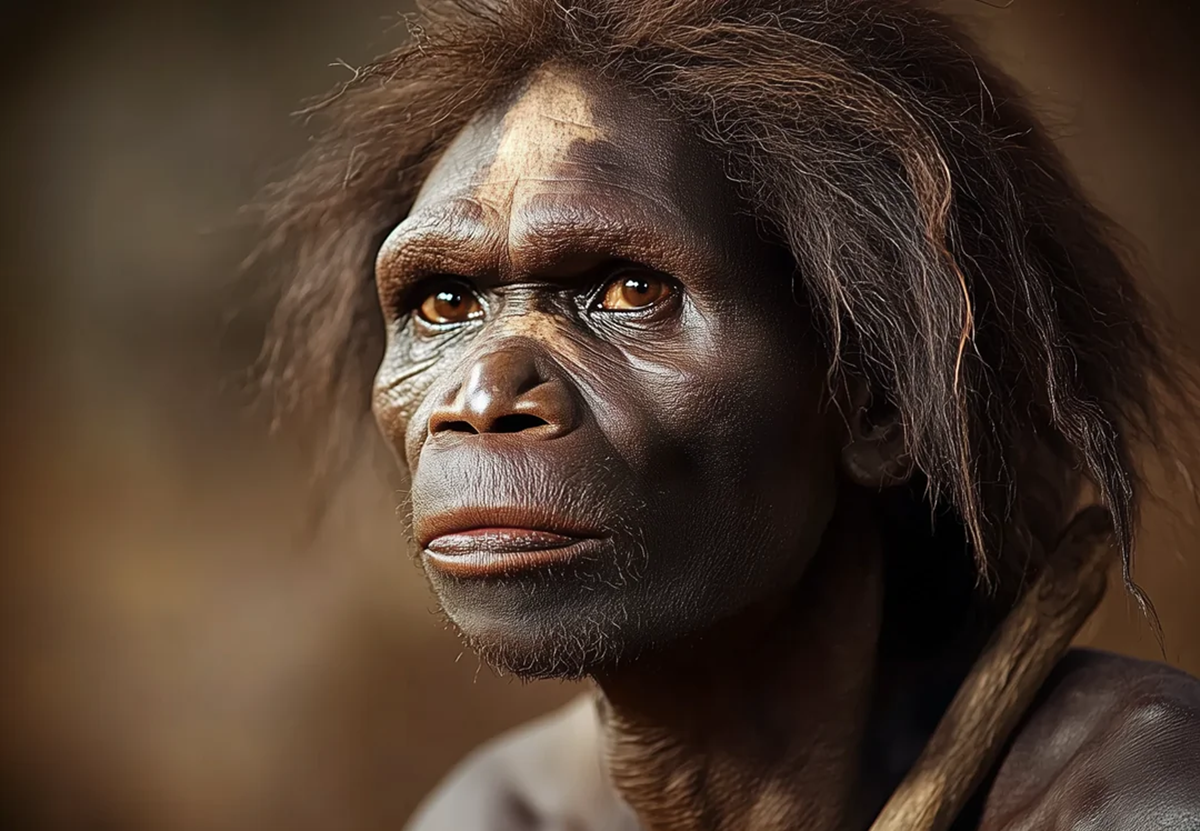
When archaeologists found the remains of Homo floresiensis on the Indonesian island of Flores, the first skeleton seemed almost impossible to place. The adult was only about a meter tall and had a very small brain, yet members of the species survived until surprisingly late in prehistory. More remains eventually showed that the first individual was not simply an unusual modern human. The find exposed just how much human diversity could still be hiding in regions that had received far less archaeological attention than Europe.
7. Some of the Oldest Known Cave Art Is in Indonesia
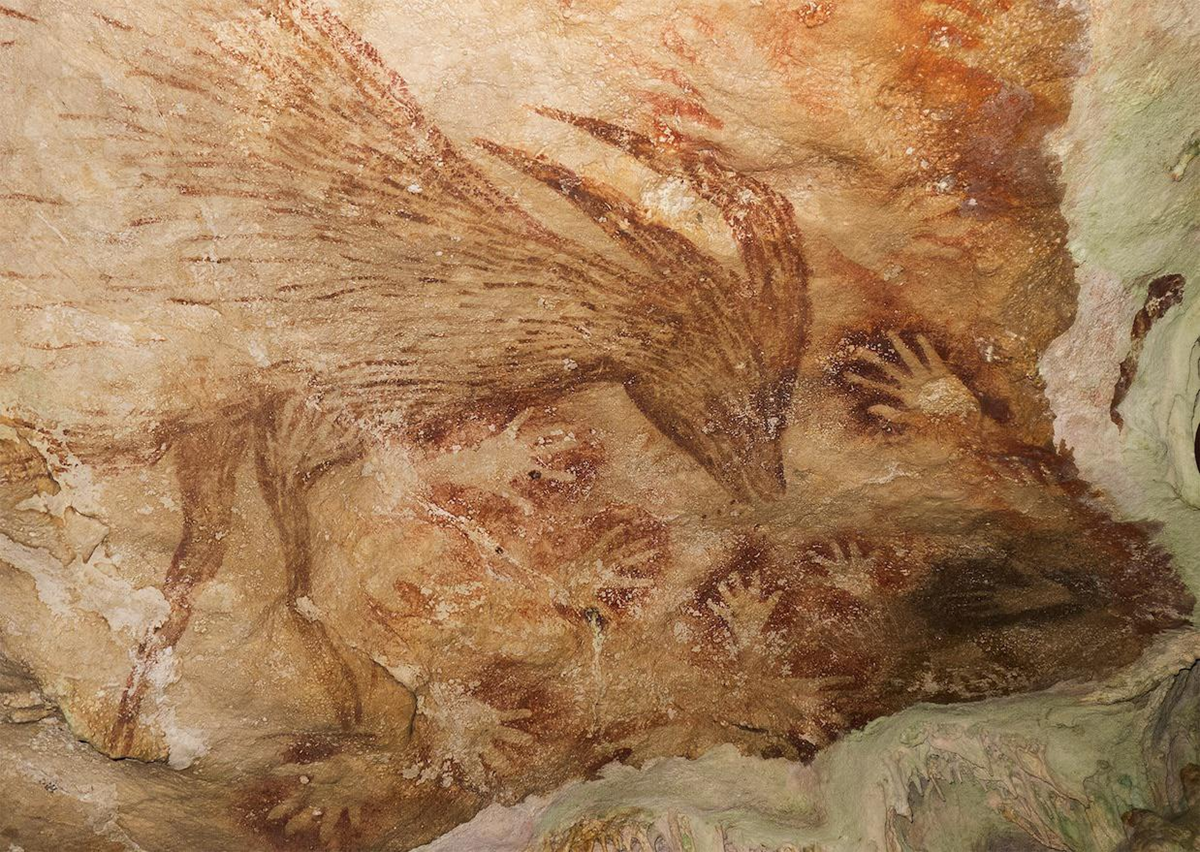
European caves once dominated almost every popular story about the origins of art. That has become much harder to justify. Research in Indonesia has revealed extremely old hand stencils and figurative images, including discoveries in Sulawesi that rival or exceed the ages of famous European cave paintings. A hand stencil reported from Muna Island has a minimum age of more than 67,000 years. The growing record from Southeast Asia suggests that sophisticated image-making was never an exclusively European development.
8. People Were Making Bread Before They Became Farmers
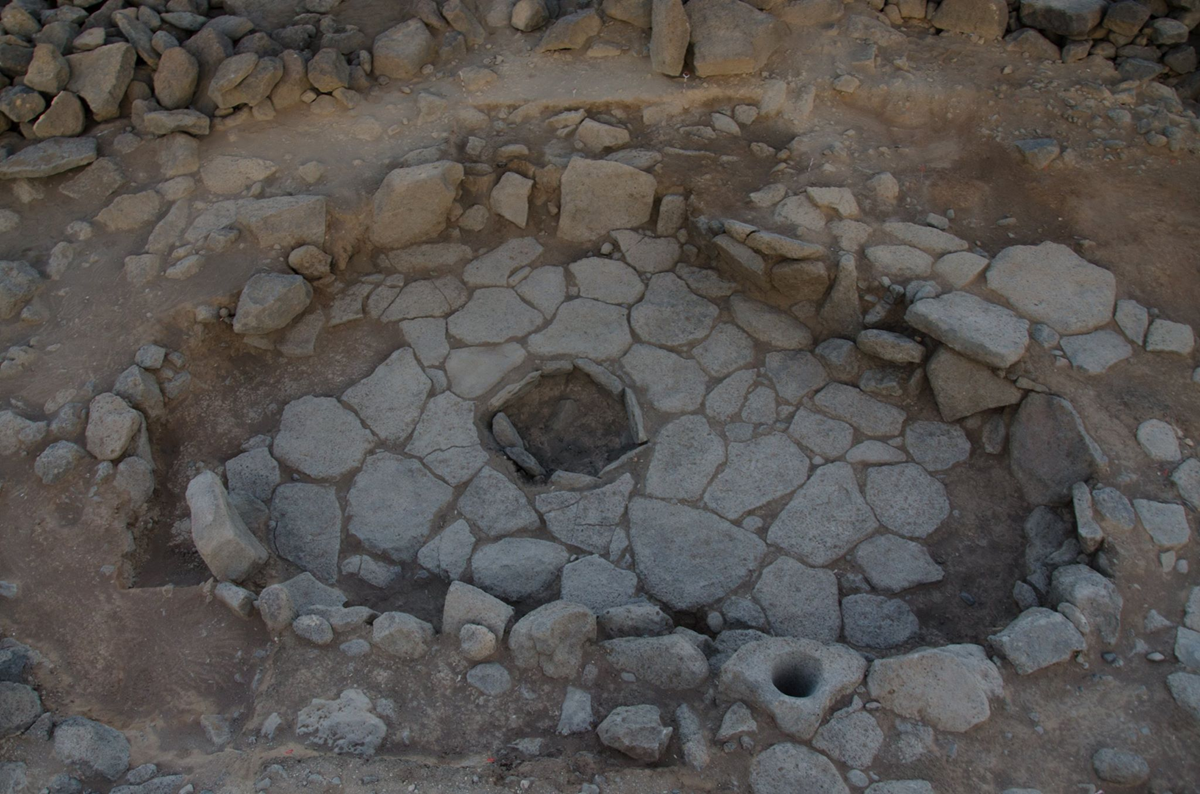
Bread sounds like the sort of food that should come after agriculture. At Shubayqa 1 in Jordan, researchers found charred remains of flatbread-like food made about 14,400 years ago by hunter-gatherers. That was thousands of years before farming became established in the region. Grinding wild grains, preparing dough, and cooking it took work, so bread may have been a special food rather than an everyday staple. Either way, the sequence was no longer as simple as farming first, bread second.
Sign up for our newsletter
9. Japan’s Earliest Pottery Came Before Farming
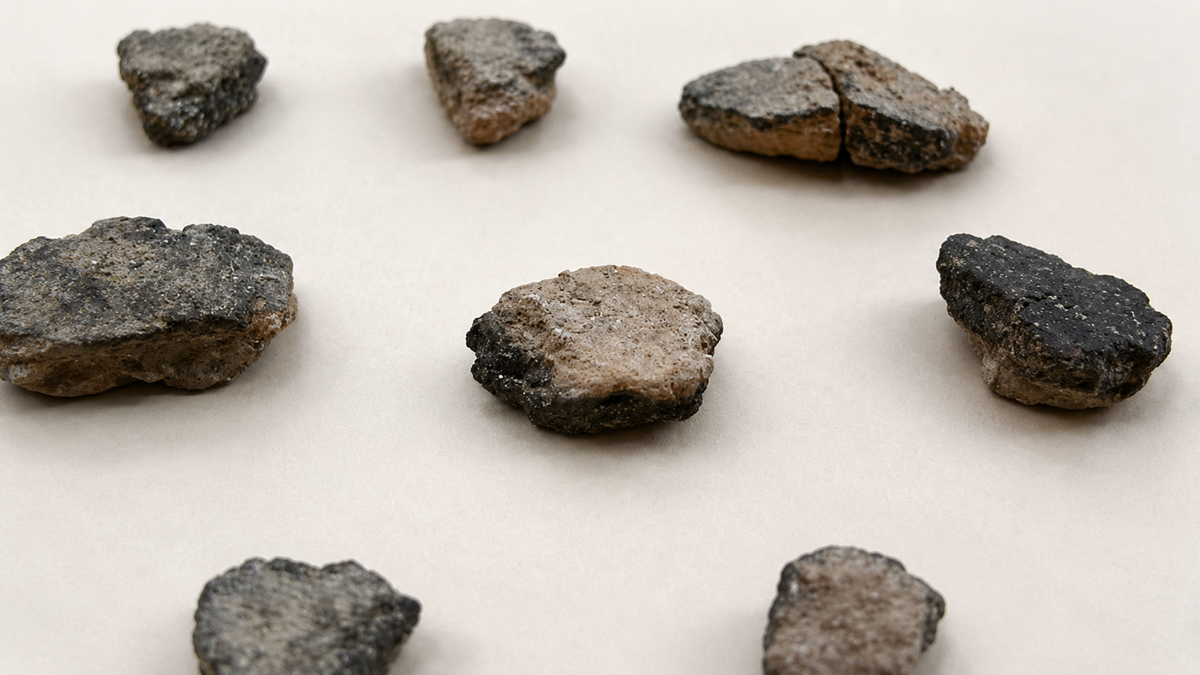
At the Odai Yamamoto site in northern Honshu, Japan, archaeologists found pottery dating to roughly 14,920 to 16,500 years ago. These early ceramics were made by hunter-gatherers, long before farming became central in Japan. Later analysis of Jōmon pottery from about 11,800 to 15,000 years ago found traces of fish and other aquatic foods, showing that the vessels were already being used for cooking.
10. The Shigir Idol Is Older Than Stonehenge by Millennia
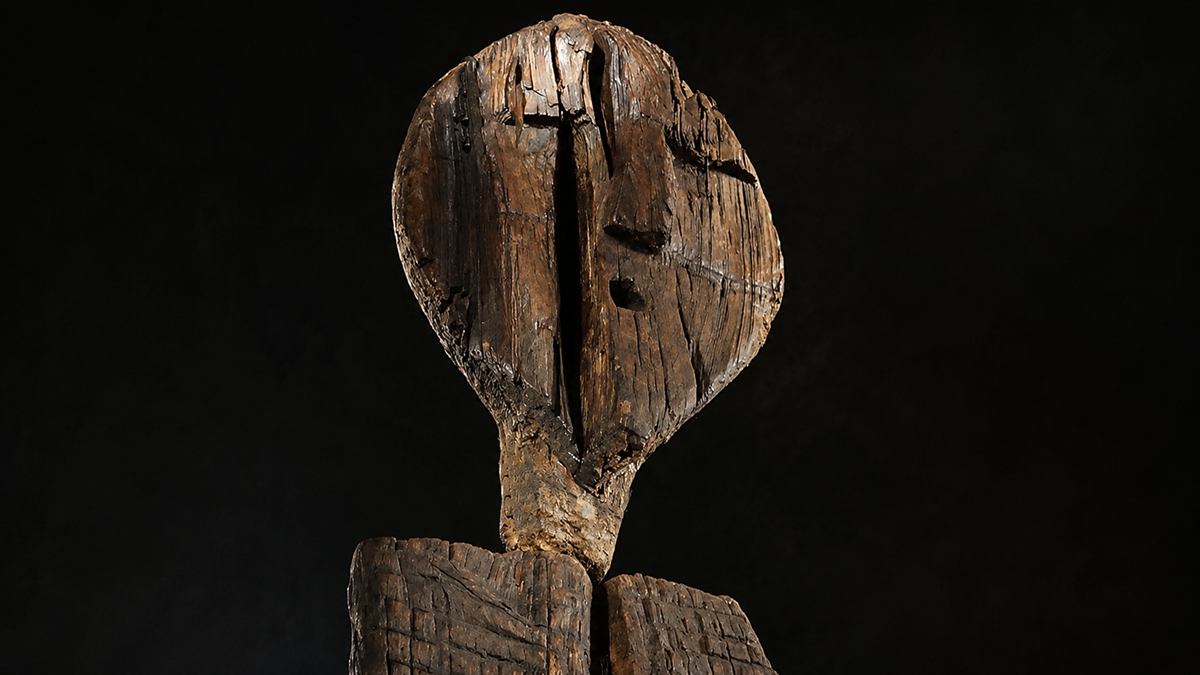
A huge carved wooden figure found in a peat bog in the Ural Mountains looked strange enough when it was uncovered in the 19th century. Modern dating made it stranger. The Shigir Idol dates to around 10,000 BCE, making it far older than Stonehenge or the Egyptian pyramids. Its surface is covered with faces, lines, zigzags, and geometric patterns whose meanings are still unknown. Because wood usually decays, finds like this also raise an uncomfortable question: how much prehistoric art disappeared simply because it was made from materials that did not survive?
11. Ancient DNA Revealed a Major Migration Into Europe
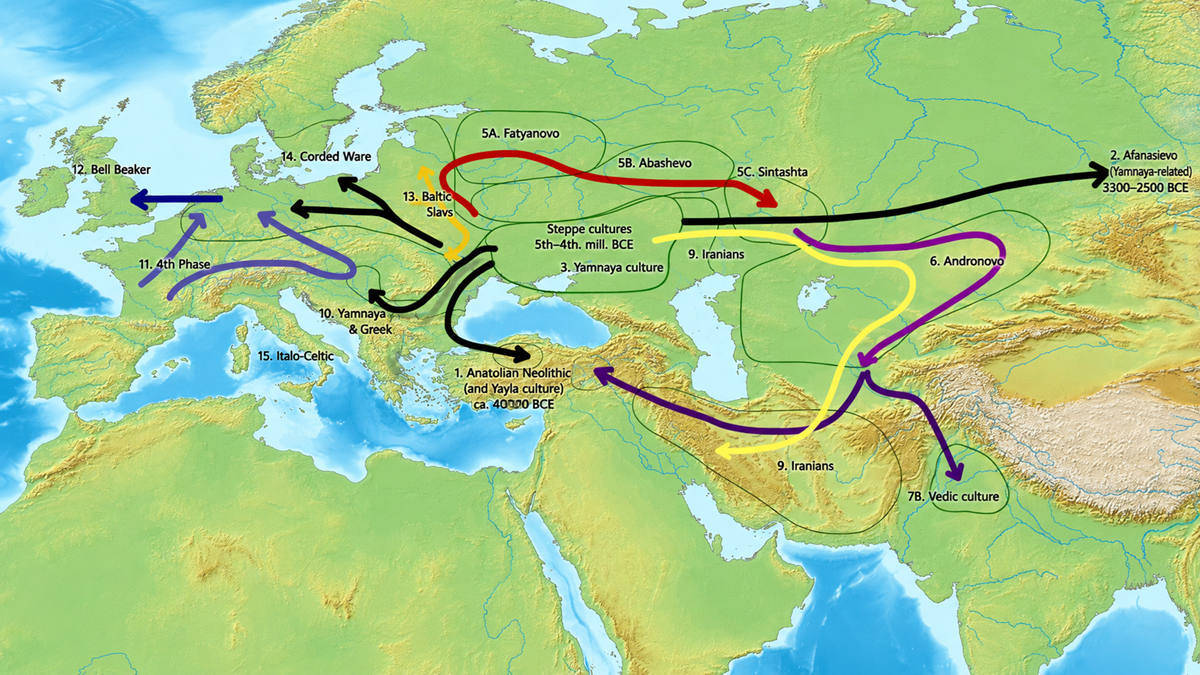
Ancient DNA from human remains found in Germany, Hungary, Spain, and other parts of Europe revealed a major population shift around 4,500 years ago. The genetic evidence showed that people with ancestry from the Pontic-Caspian steppe moved west in large numbers, changing the ancestry of many European populations. The discovery helped settle a long debate over whether major prehistoric cultural changes spread mainly through ideas or through people moving with them.
12. LiDAR Revealed a Much More Crowded Maya Landscape
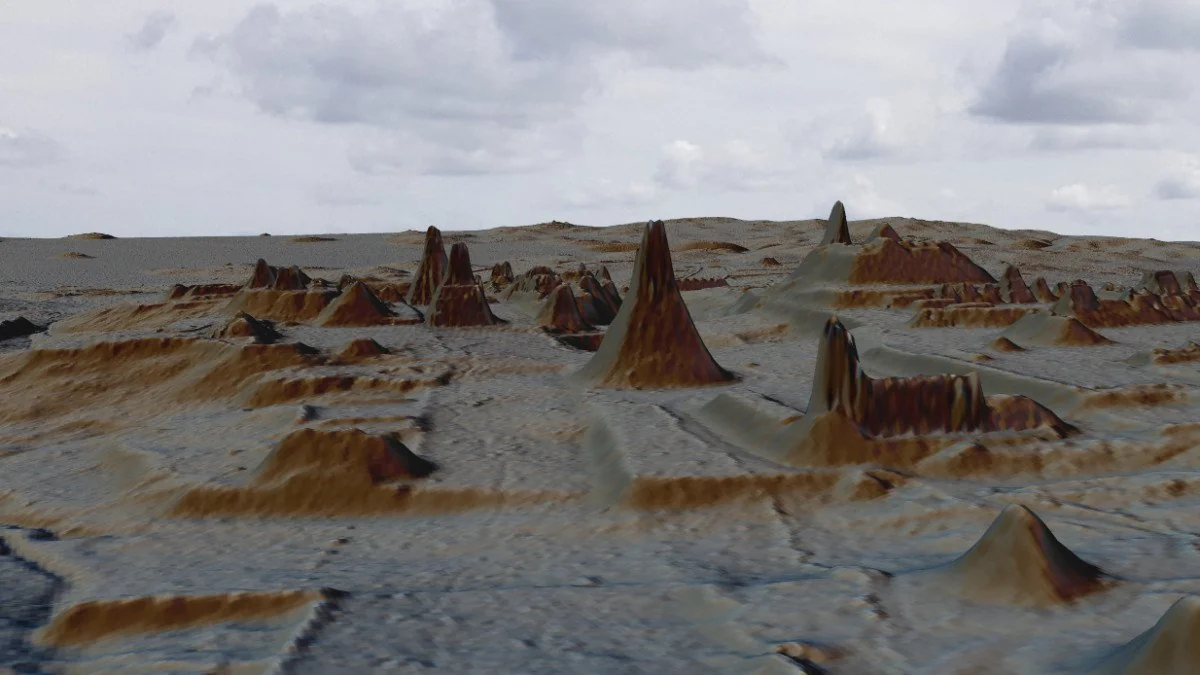
Dense tropical forest is very good at hiding architecture. When archaeologists began using airborne LiDAR across parts of Guatemala, features that were almost invisible from the ground suddenly appeared in enormous numbers. The scans revealed houses, terraces, roads, fortifications, agricultural modifications, and other structures spread across the landscape. Some areas once imagined as lightly occupied looked heavily managed instead. The Maya world had not been limited to isolated ceremonial centers surrounded by empty jungle.
13. The Amazon Was Full of Large, Planned Settlements
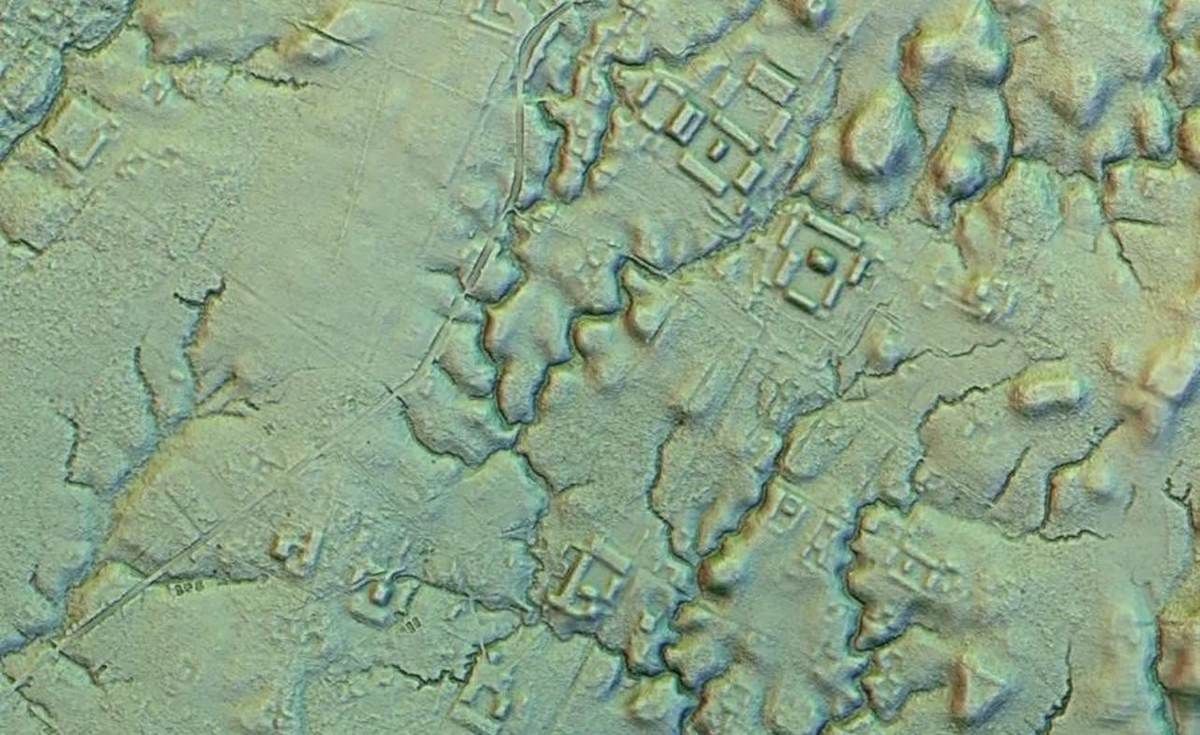
The same technology has been changing ideas about the Amazon. In Ecuador’s Upano Valley, LiDAR mapping revealed settlements linked by straight roads, along with platforms, plazas, agricultural areas, and other built features. People had shaped the landscape on a scale that did not fit the older image of small communities living lightly in untouched rainforest. The forest was real, but so was the infrastructure beneath it.
14. Caral Made Urban Life in the Americas Much Older
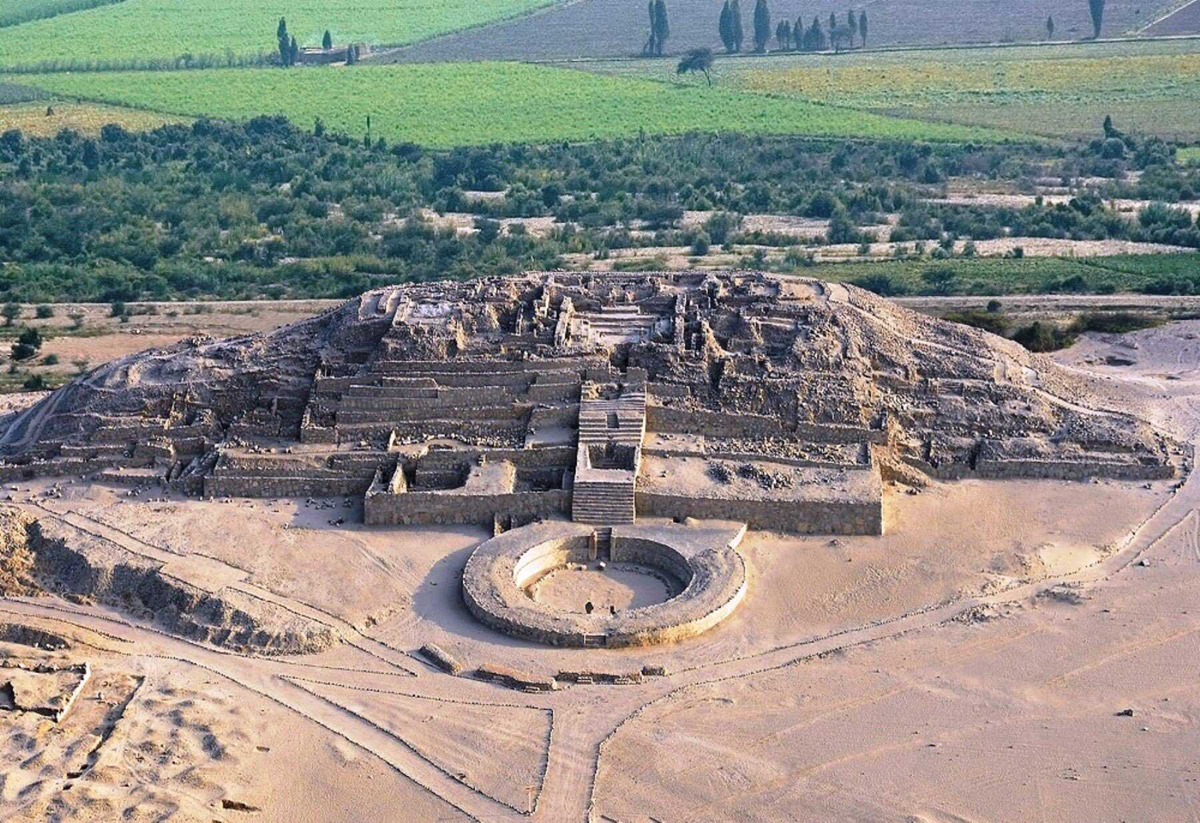
Caral sits in Peru’s Supe Valley, and at first glance its monumental architecture could easily be mistaken for something from a much later society. Dating showed that the site flourished thousands of years ago, with large platform mounds, plazas, and residential areas already present by the third millennium BCE. That put complex urban development in the Americas far earlier than many older textbooks suggested. It also showed that cities do not all follow one predictable route toward complexity.
15. Great Zimbabwe Overturned a Colonial Myth
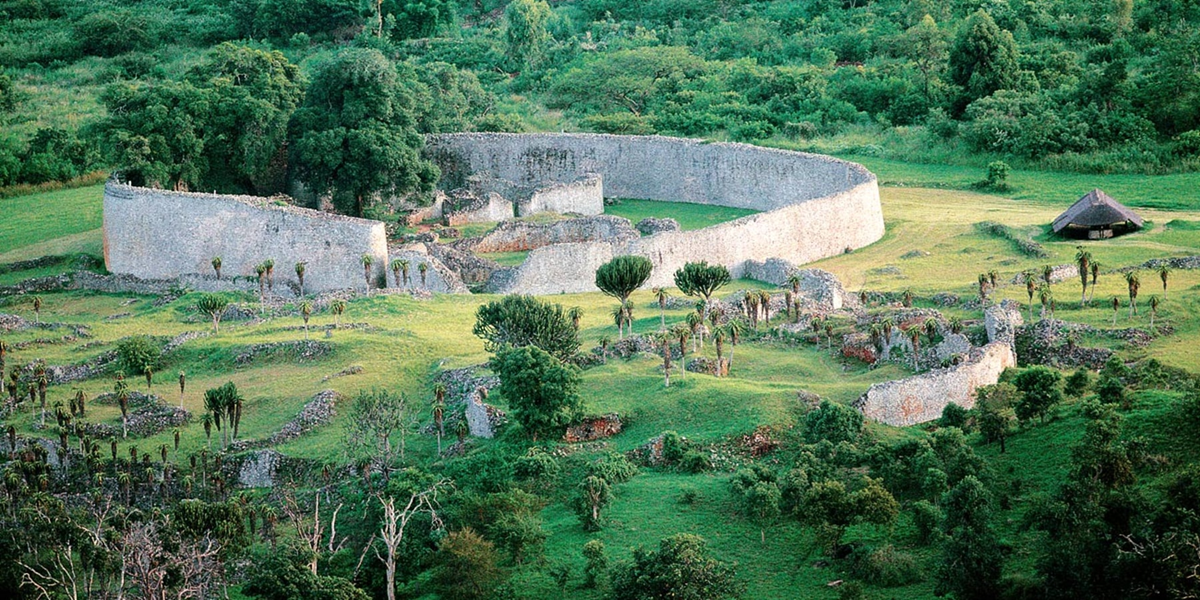
Great Zimbabwe was built between roughly 1100 and 1450 near present-day Masvingo, and at its height the city had more than 10,000 inhabitants. Its huge granite walls were constructed without mortar, while finds such as Chinese and Persian porcelain, glass beads, gold, and coins from Kilwa point to trade networks reaching the Indian Ocean. European colonizers once claimed the ruins must have been built by outsiders, but archaeological work showed they were created by the ancestors of the Shona people. The discovery exposed how badly colonial assumptions had distorted the history of one of southern Africa’s largest medieval cities.
16. Sutton Hoo Changed How Anglo-Saxon England Was Viewed
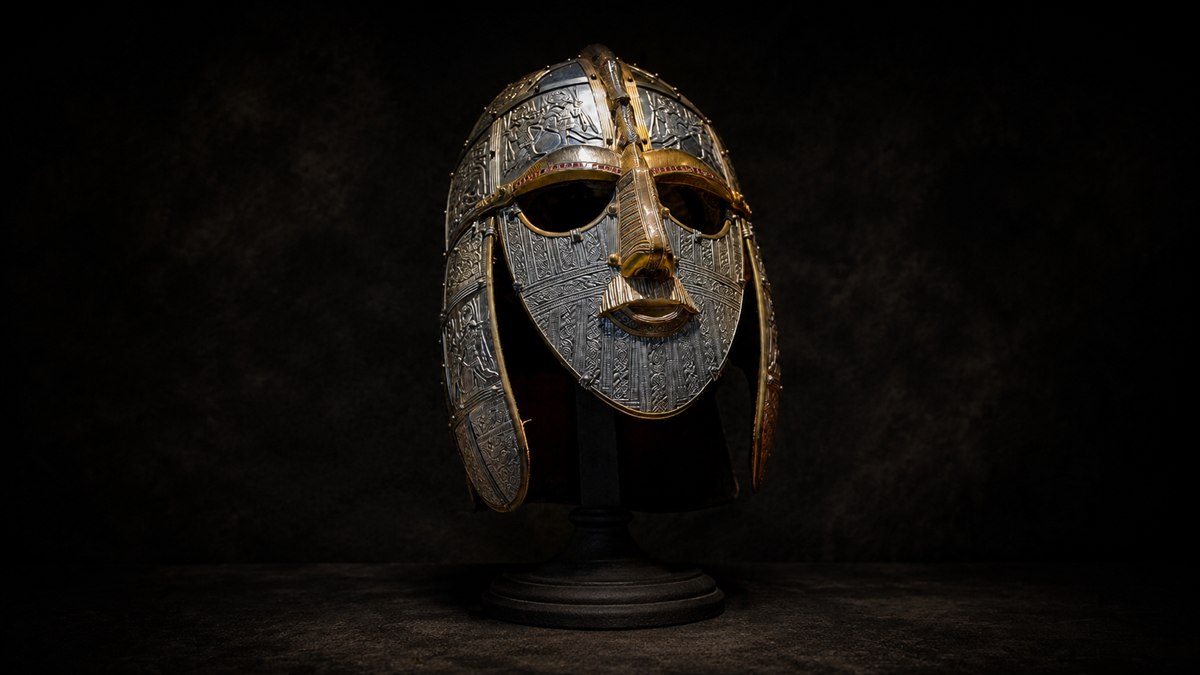
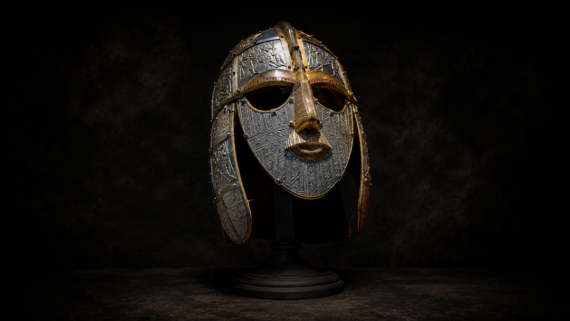
The ship burial uncovered at Sutton Hoo in 1939 was packed with finely worked metal objects, weapons, imported goods, and signs of an elite culture with wide connections. That did not fit comfortably with the old habit of describing post-Roman Britain as a long, dim collapse. The burial looked wealthy, skilled, and internationally connected. The so-called Dark Ages suddenly seemed a lot less dark.
17. L’Anse aux Meadows Put Vikings in North America
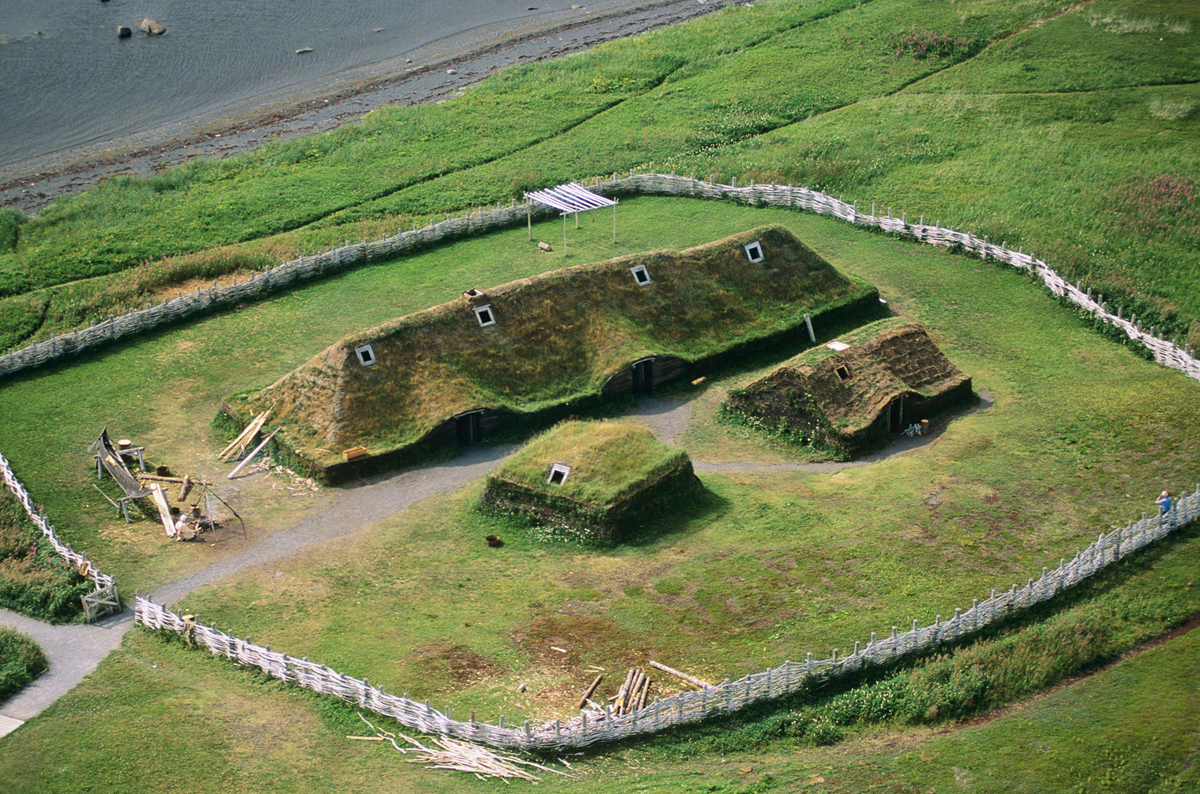
Norse sagas had described voyages west of Greenland, but stories are not the same thing as archaeological proof. That proof appeared at L’Anse aux Meadows in Newfoundland, where excavations uncovered Norse-style buildings and artifacts. Researchers later used an unusual spike in atmospheric radiocarbon from 993 CE to date wood cut at the site, arriving at the year 1021. It gave archaeologists a precise date for Norse activity in North America, centuries before Columbus crossed the Atlantic.
In the mood for more?
Check out 14 Ancient Civilizations That Vanished and Left Historians Guessing, or take a look at 15 Ancient Inventions So Advanced They Still Raise Questions Today. If you want to see more history from the ancient world, you can check out 15 Things Ancient Romans Did That Feel Surprisingly Modern.