World War 1 soldier rules could govern actions so ordinary that, a century later, some sound almost absurd: when to wake up, how fast to walk, where to carry equipment, whether to smoke, and even when to change your socks. But trench warfare turned tiny mistakes into potentially deadly ones. British and Canadian orders documented during the war reveal a world where darkness, mud, gas, disease, and an enemy sometimes positioned remarkably close by meant that everyday behavior had to be tightly controlled. What looks like military obsession from a distance often had a brutally practical reason behind it.
1. Everyone Had to Wake Up Before Dawn and Prepare for an Attack
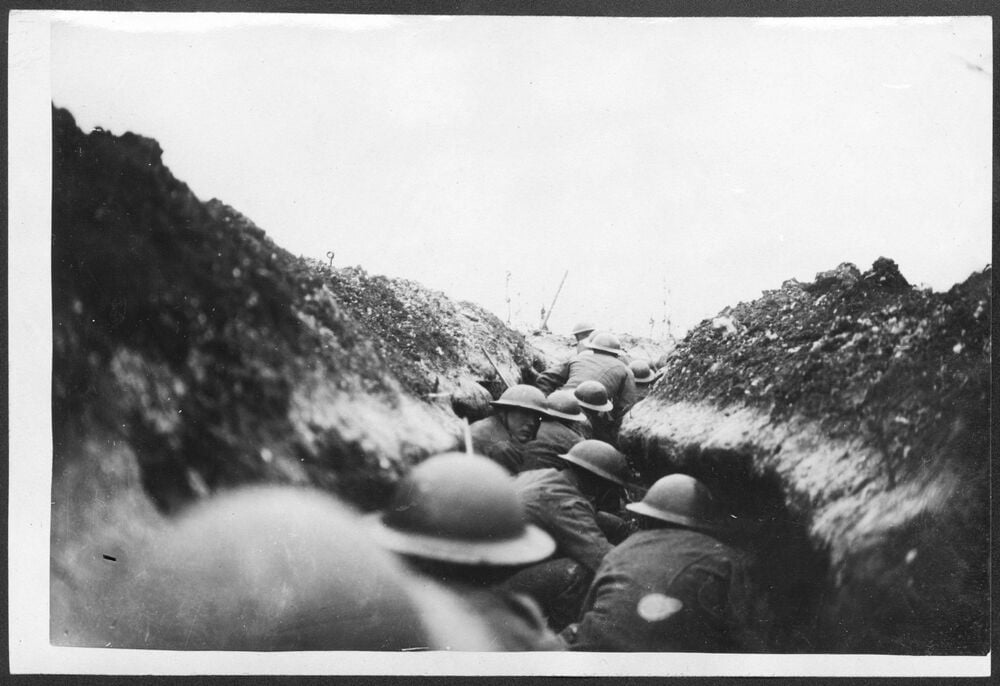
There was no leisurely start to the morning in the trenches. Some orders required every available soldier to be in position roughly an hour before dawn, with another period of readiness before dusk. During this mandatory “stand-to,” weapons, ammunition, clothing, equipment, and gas protection could all be inspected. Why those particular hours? Dawn and dusk were considered especially dangerous times for an enemy attack, so being half asleep simply wasn’t an option.
2. Soldiers Could Be Required to Keep Their Bayonets Fixed All Night
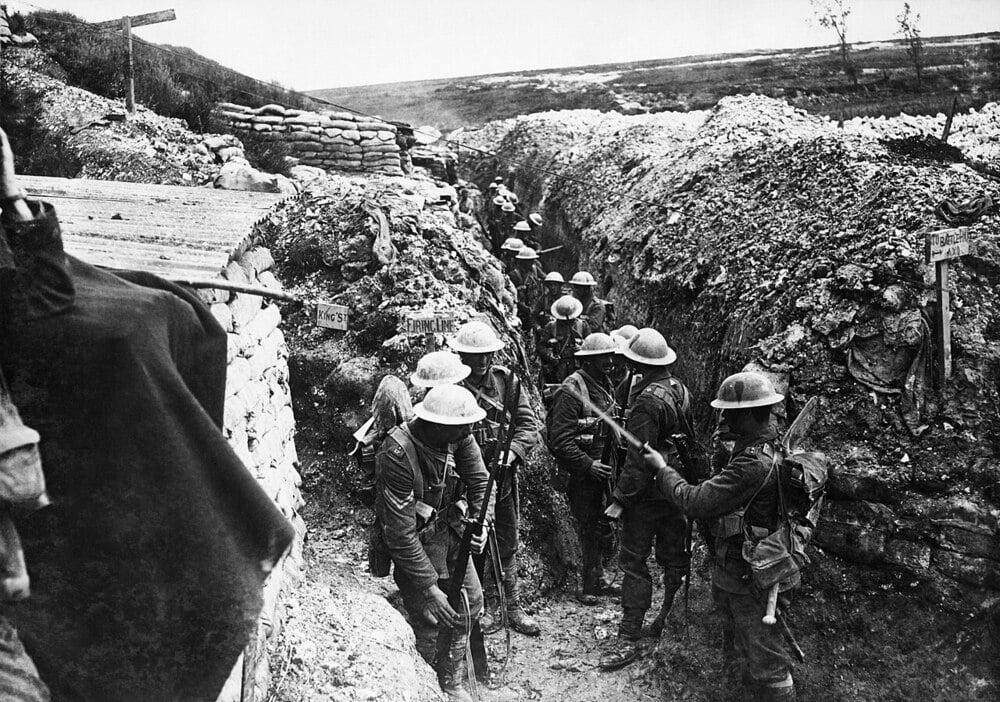
Nightfall did not mean weapons could be put aside. One surviving set of British trench standing orders specified that bayonets were to remain fixed throughout the night, while a portion of the men on duty stayed on the firing platform with their rifles close at hand. In darkness, an attack might leave almost no time to prepare, so the rule eliminated one more task soldiers would otherwise have to perform under pressure.
3. Soldiers Weren’t Allowed to Carry Pots With Their Rifles
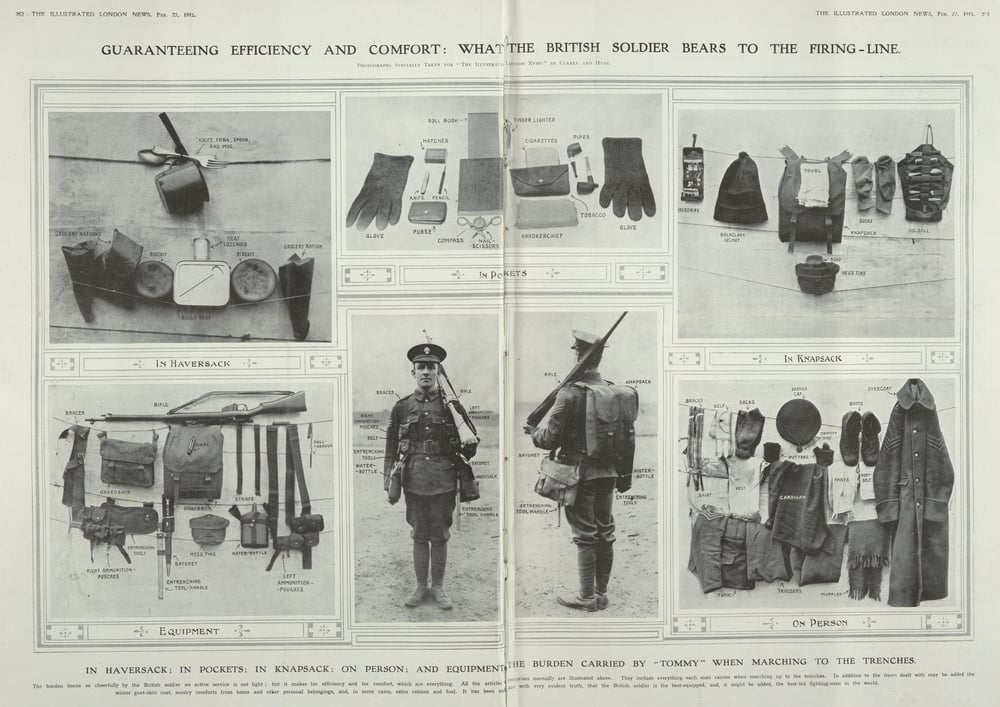
A rifle might look like a convenient pole for carrying a camp kettle or another awkward load, but trench orders specifically prohibited the practice. The reason was less about military neatness than survival. Rifles had to remain functional despite mud and harsh conditions, and using one as improvised luggage increased the possibility of damage or obstruction. In a trench, turning your weapon into a kitchen utensil carrier could become a remarkably bad trade.
4. A Soldier’s Rifle Could Be Inspected Twice a Day
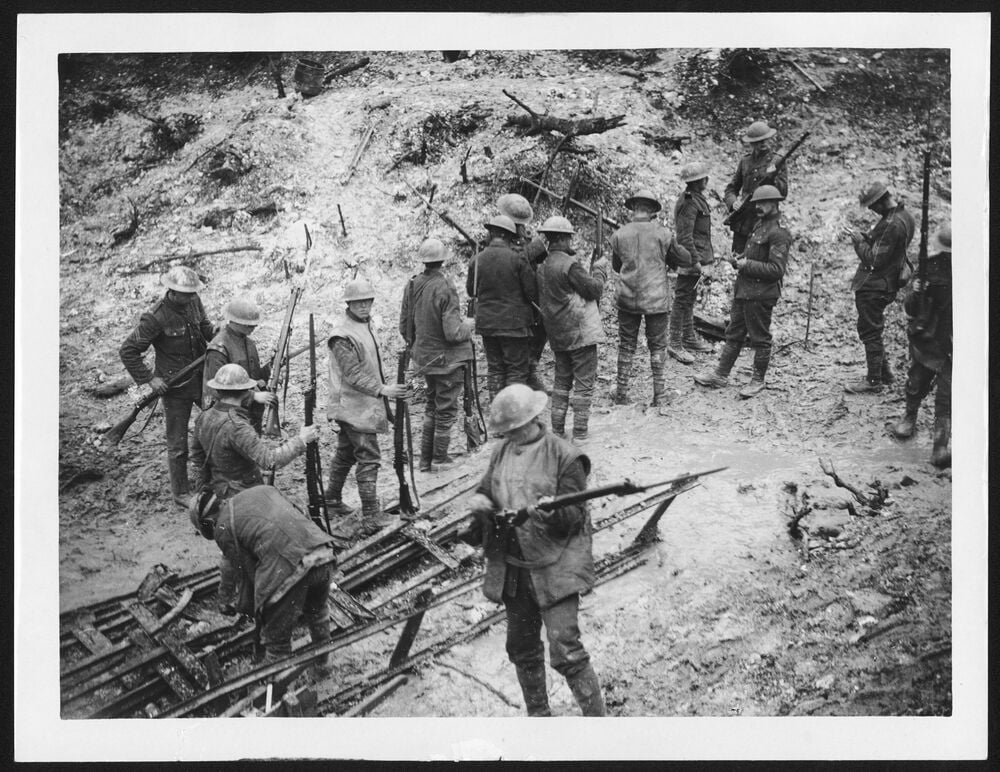
Keeping a rifle “mostly clean” wasn’t necessarily enough. Some British trench orders required rifles and ammunition to be inspected at least twice each day, commonly during the morning and evening stand-to, and weapons were expected to remain scrupulously clean. Extreme cold created another problem: sentries could even be instructed to work the bolt periodically to prevent it from freezing. The weapon had to function immediately, regardless of what the weather had been doing to it.
5. Soldiers Had to Carry a Specific Amount of Ammunition
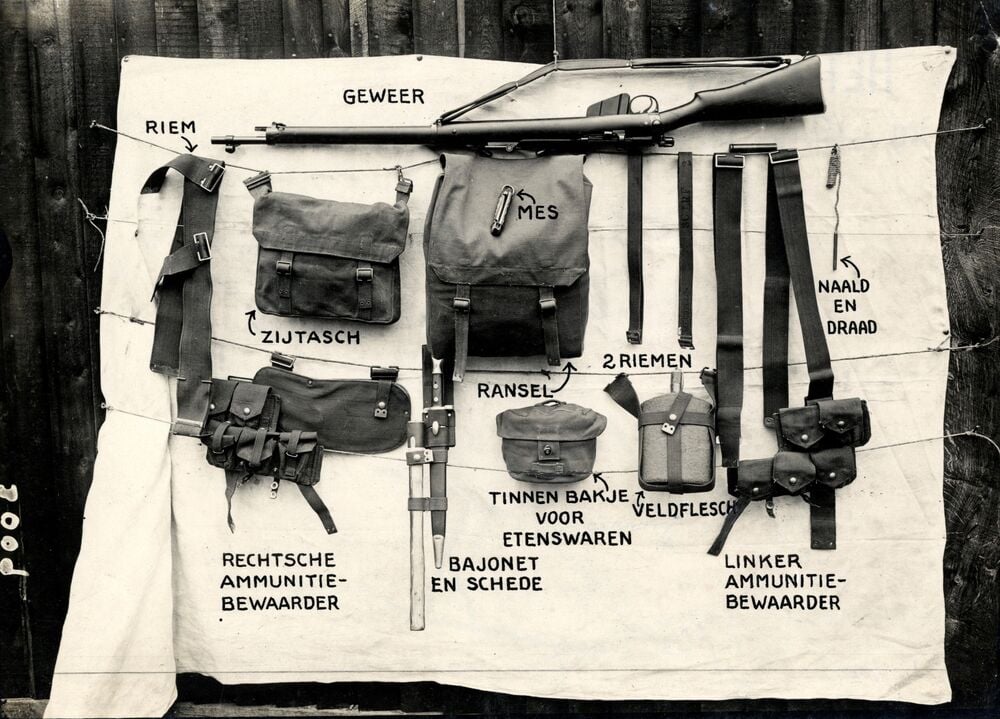
Even the number of rounds a soldier carried could be dictated by standing orders. Surviving examples show how much those requirements could differ: one set prescribed 120 rounds per man, while another called for 170. There was no single ammunition figure that applied to every World War I soldier, but the specificity reveals how carefully some units tried to regulate combat readiness. When ammunition was your lifeline, “bring enough” was far too vague an instruction.
Trending on The Scroller

6. Soldiers Could Be Forbidden From Talking on the Way to the Trenches
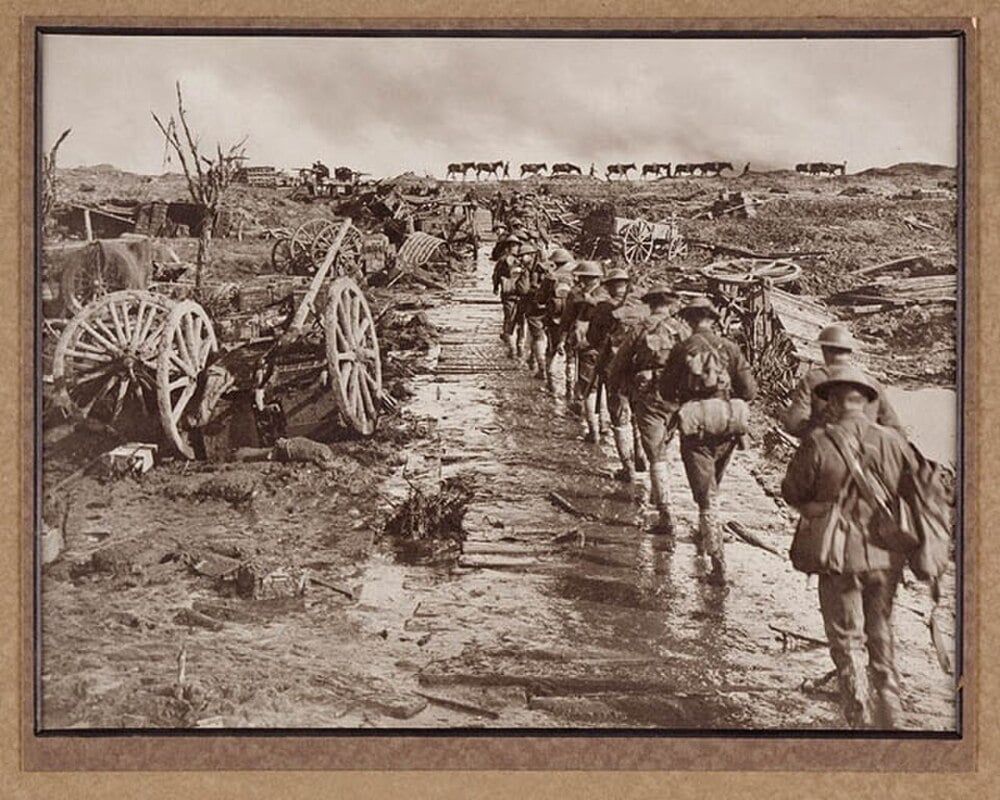
Imagine marching toward the front and being told that even a conversation could give you away. Canadian Corps orders specified that once troops left their rendezvous point, there was to be no talking until they reached the trenches. The enemy could be positioned surprisingly close, making sound a genuine tactical risk. Silence was not about discipline for discipline’s sake. Sometimes the safest column of soldiers was the one nobody could hear coming.
7. Smoking Could Be Forbidden Before Soldiers Even Reached the Front Line
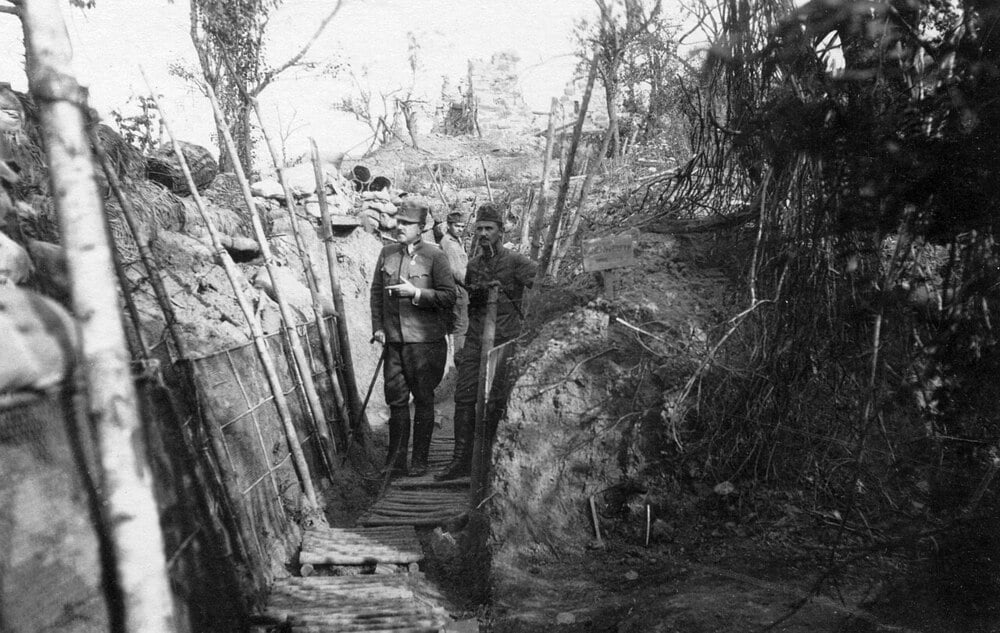
A cigarette offered soldiers a brief comfort, but at night its glow could become a tiny beacon. The same Canadian orders that restricted talking also prohibited smoking during the approach to the trenches. Something as small as a glowing cigarette could compromise concealment and reveal movement in the darkness. One of the strangest things about trench warfare was how an ordinary habit could suddenly become a tactical problem.
8. Soldiers Could Be Ordered to March No Faster Than Two Miles an Hour
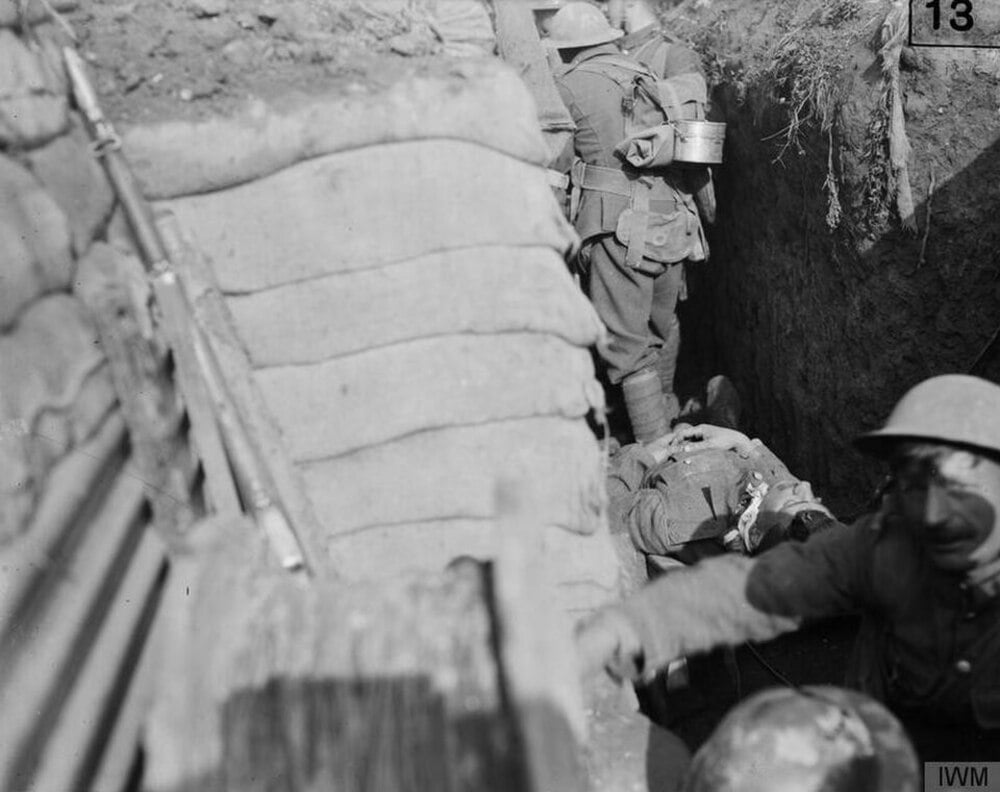
You might expect troops heading toward the trenches to move as quickly as possible. Some Canadian Corps orders demanded almost the opposite, specifying that the march from billets to the trenches should not exceed two miles per hour. Soldiers were carrying equipment and could be moving through darkness along difficult routes, all while trying to remain quiet and organized. Speed mattered less than reaching the destination without turning the column into noisy chaos.
Sign up for our newsletter
9. Soldiers Had to Sleep With Their Gas Masks Around Their Necks
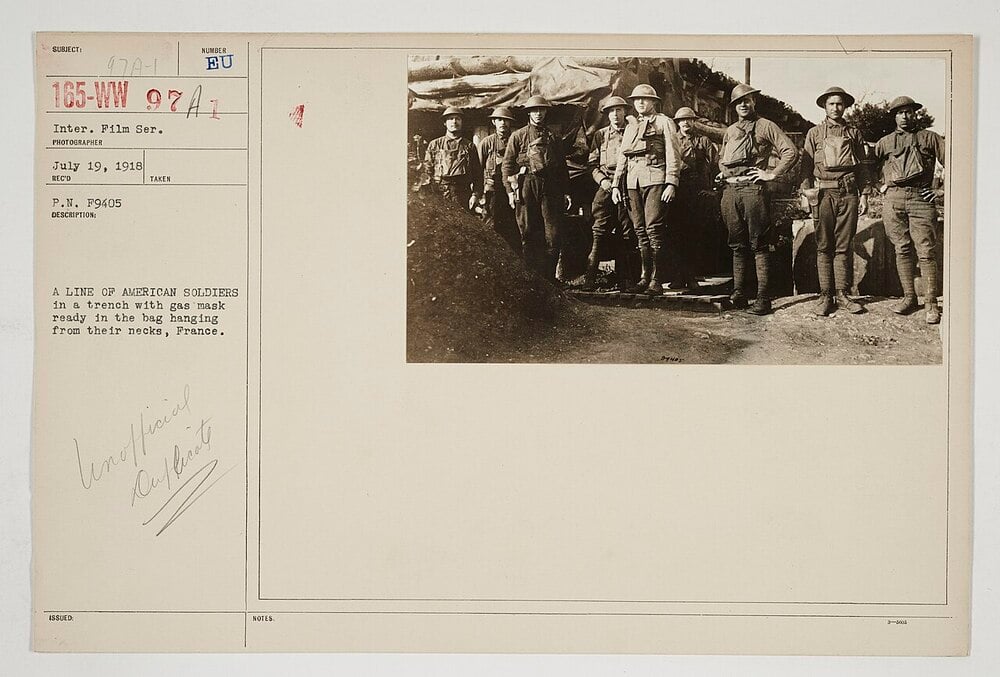
Sleep offered little escape from the rules once chemical warfare entered the equation. During designated gas-danger conditions, some orders required sleeping soldiers to keep their small box respirators around their necks, even when other pieces of equipment could be removed. It sounds deeply uncomfortable, but a gas attack was not going to wait for someone to wake up, find their respirator, and put it on. Immediate access was the entire point.
10. Soldiers Couldn’t Put Anything Across Their Bodies That Blocked Their Gas Masks
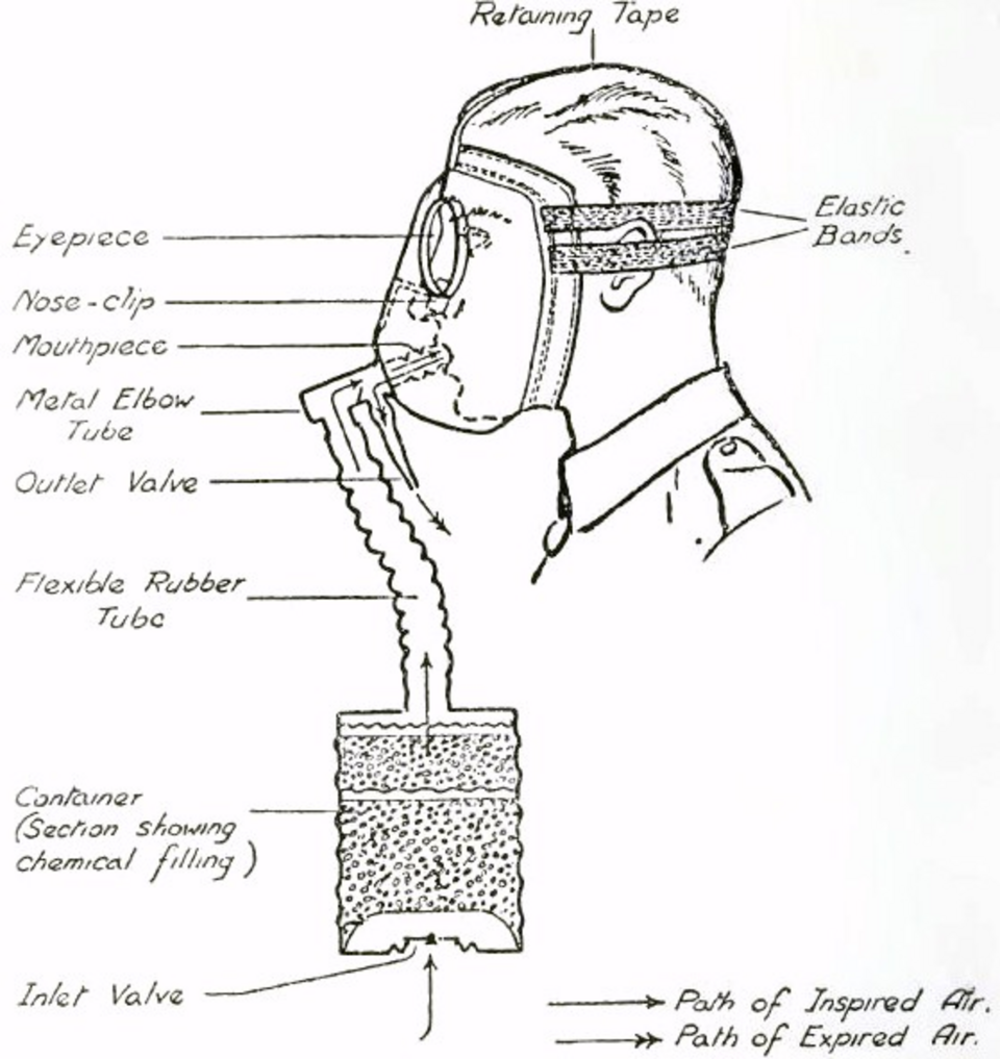
Among World War 1 soldier rules, few details show the urgency of gas protection better than instructions governing exactly how equipment sat on the body. Gas orders warned against slinging gear in ways that could interfere with rapidly adjusting a respirator, and even helmet straps or equipment placement could matter. When exposure could depend on seconds, a badly positioned strap was no longer a minor convenience.
11. During a Gas Attack, Soldiers Were Told to Stop Talking
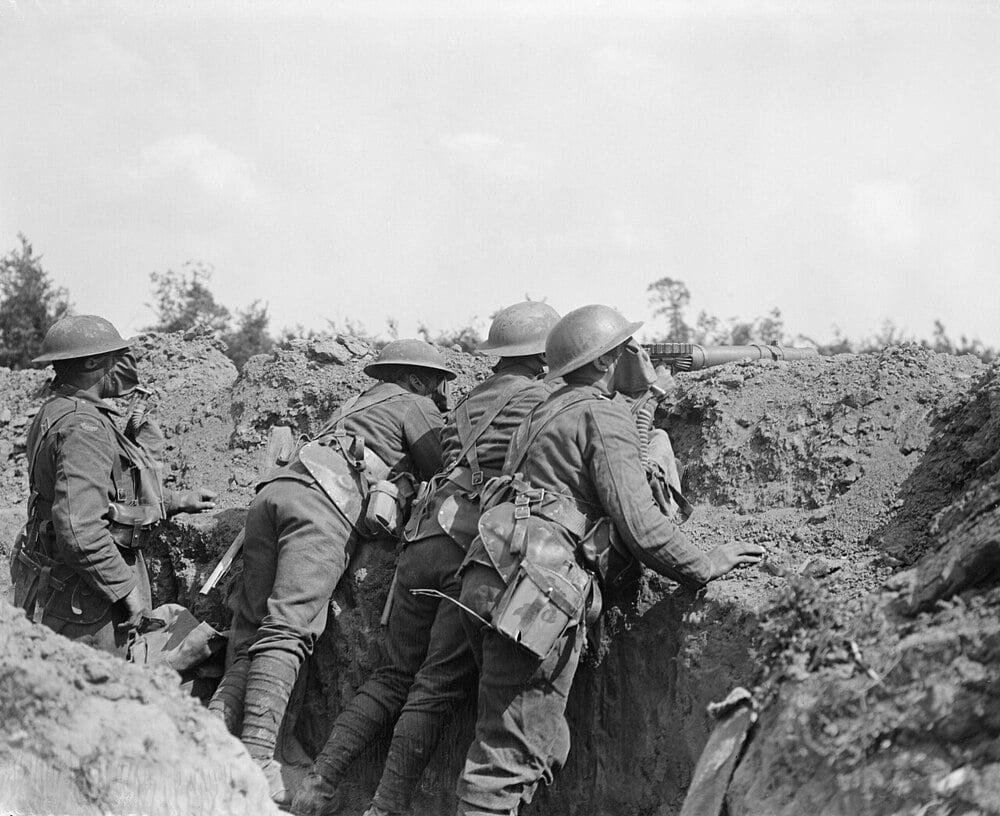
Once a gas attack began, unnecessary conversation could disappear along with unnecessary movement. Gas-attack procedures called for soldiers to put on their respirators immediately and keep both talking and movement to a minimum. Working parties could stop, while troops passing through affected areas might halt unless the tactical situation required otherwise. In an emergency already measured in seconds, the safest instruction could be remarkably simple: mask on, stay still, stay quiet.
12. Soldiers Weren’t Allowed to Remove Their Gas Masks Just Because the Cloud Looked Gone
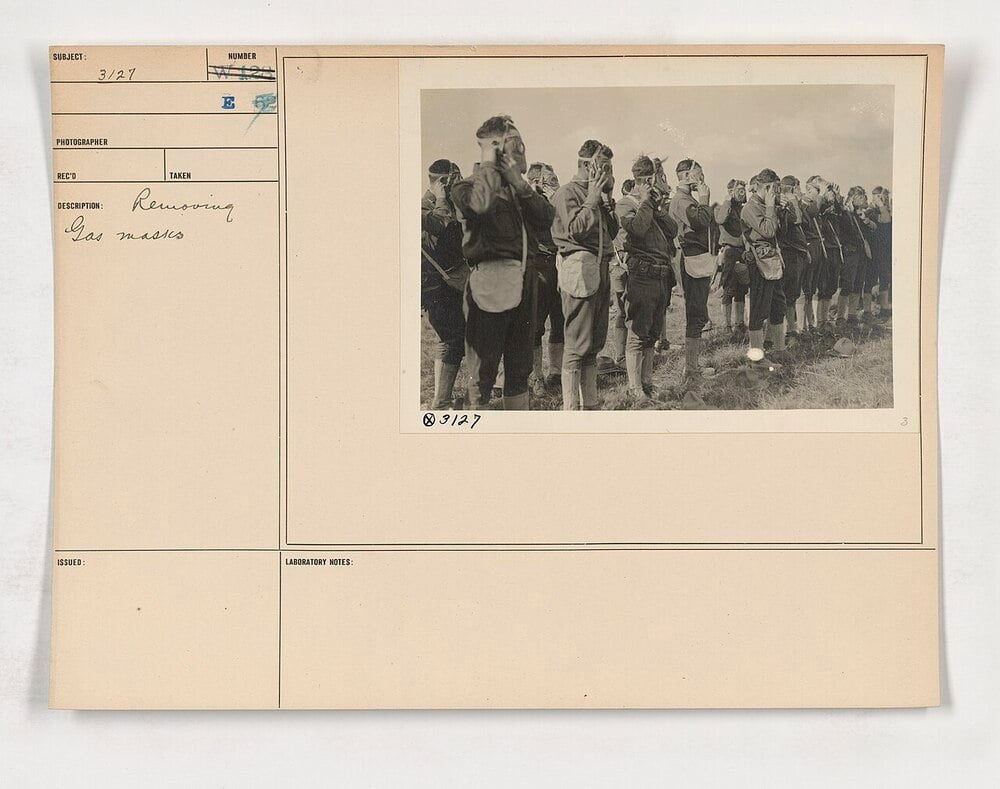
The gas cloud disappearing did not mean the danger had disappeared with it. Soldiers were not supposed to decide for themselves when it was safe to remove their respirators. Orders required them to wait for authorization after trained personnel determined that conditions were safe, because gas could remain in low or enclosed areas even after the visible cloud had dispersed. Would you trust your eyes when taking off the mask too early could expose you to something you could no longer see?
13. Soldiers Had to Grease Their Feet
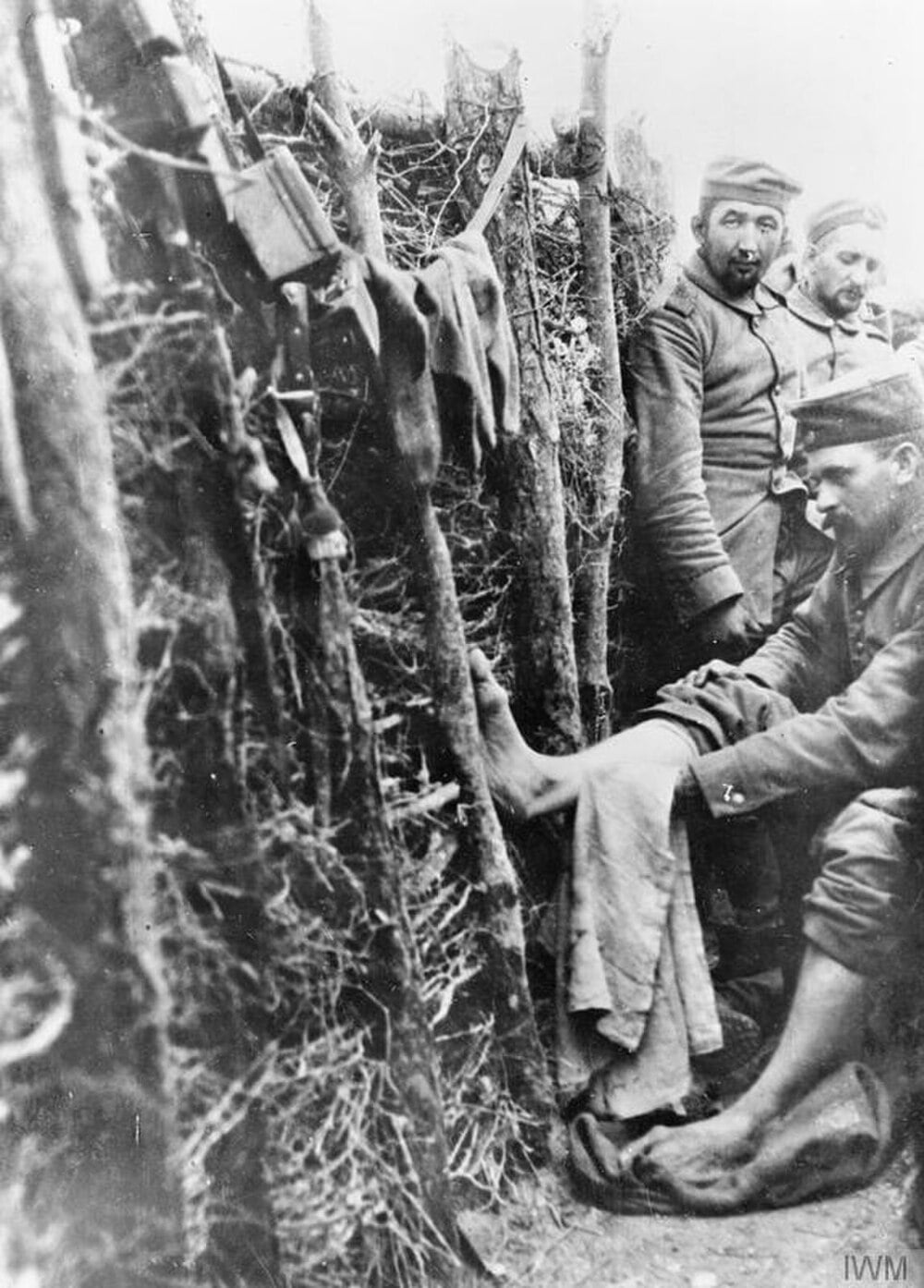
The army even had instructions for what soldiers should rub onto their feet. Cold and permanently wet conditions made trench foot a serious threat, so Canadian orders instructed soldiers to wash their feet and legs before entering the trenches and apply antifrostbite grease or whale oil. Foot care then had to continue whenever possible, including changing into dry socks. It sounds mundane beside artillery and gas attacks, but keeping feet healthy was part of keeping a soldier functional.
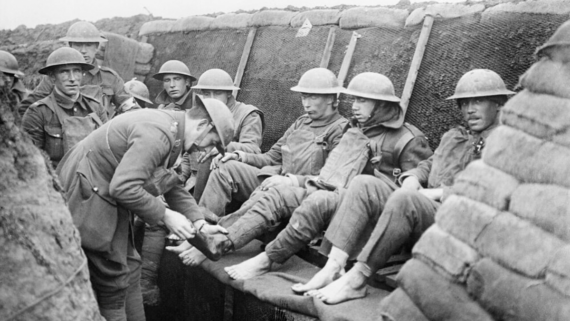
14. Soldiers Had to Remove Their Boots at Least Once Every 24 Hours
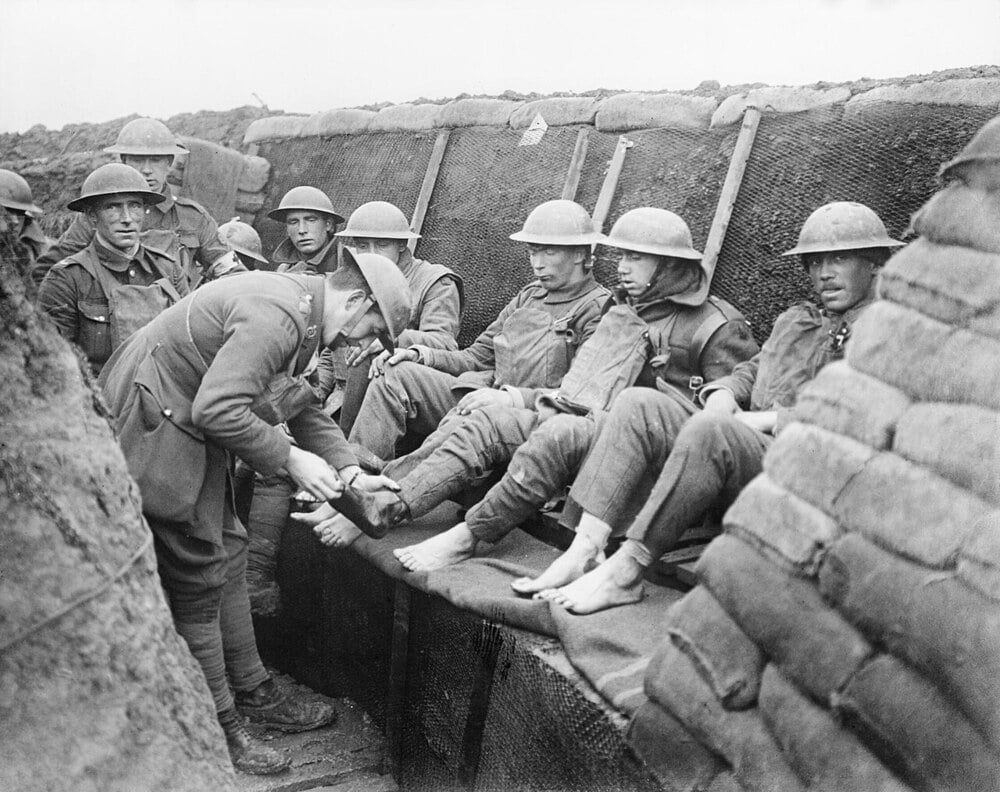
Taking off your boots could become an actual military requirement. Some orders instructed soldiers to remove their boots and puttees at least once every 24 hours so their feet could be dried, rubbed, greased, and covered with dry socks. Other instructions even called for logistical arrangements capable of supplying a dry pair of socks per man each day. In a landscape dominated by water and mud, something as ordinary as dry socks became a piece of military logistics.
15. Soldiers Could Be Punished for Using the Trench as a Toilet
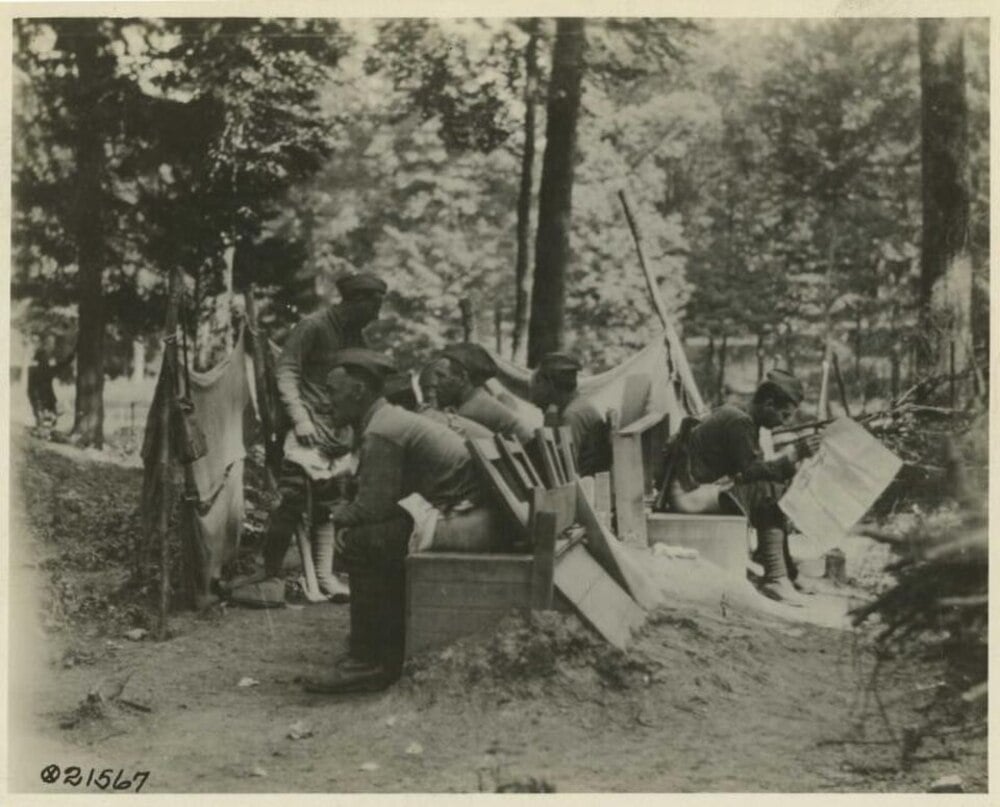
A trench already offered ideal conditions for filth to accumulate, so sanitation could not simply be left to individual judgment. Regulations designated latrines and refuse pits, and surviving standing orders threatened punishment for soldiers who fouled the trenches. Drinking water could also be restricted to approved sources because contaminated water and poor sanitation could spread serious disease. The enemy was not the only danger armies were trying to keep outside the trench.
16. Soldiers Couldn’t Just Drink the Rum They Were Issued
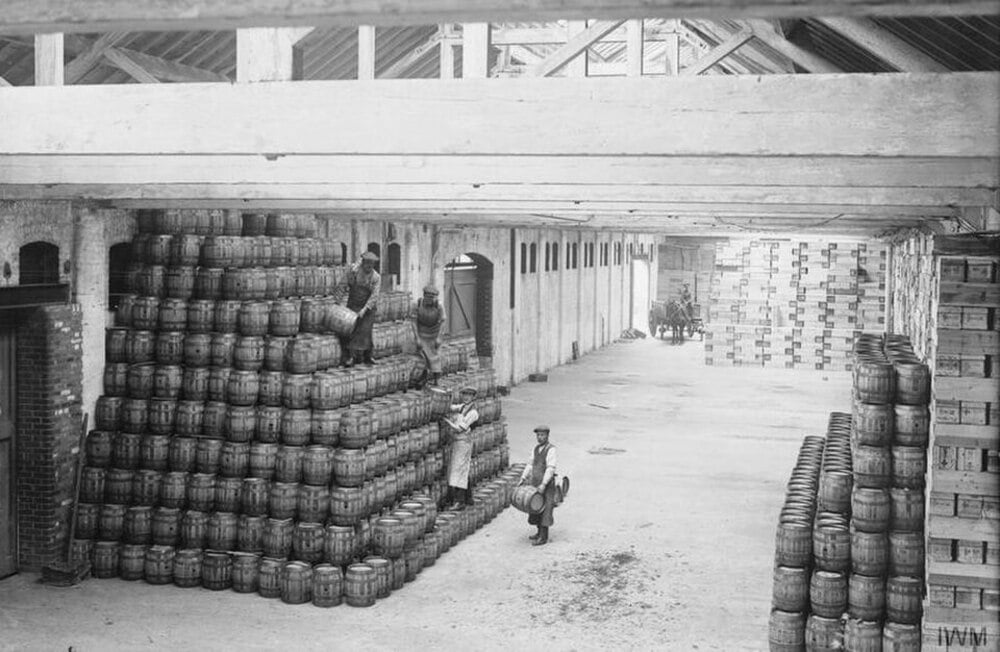
Even a rum ration came with rules. In some British and Commonwealth units, the alcohol was kept under tight control rather than simply handed out for soldiers to drink whenever they pleased. Canadian orders placed the rum under the company commander’s charge and required distribution in an officer’s presence, while other orders went further and required an officer to watch each man drink his ration. Soldiers punished for drunkenness could temporarily lose it altogether.
17. Soldiers Weren’t Allowed to Shoot at Enemy Airplanes Without Permission
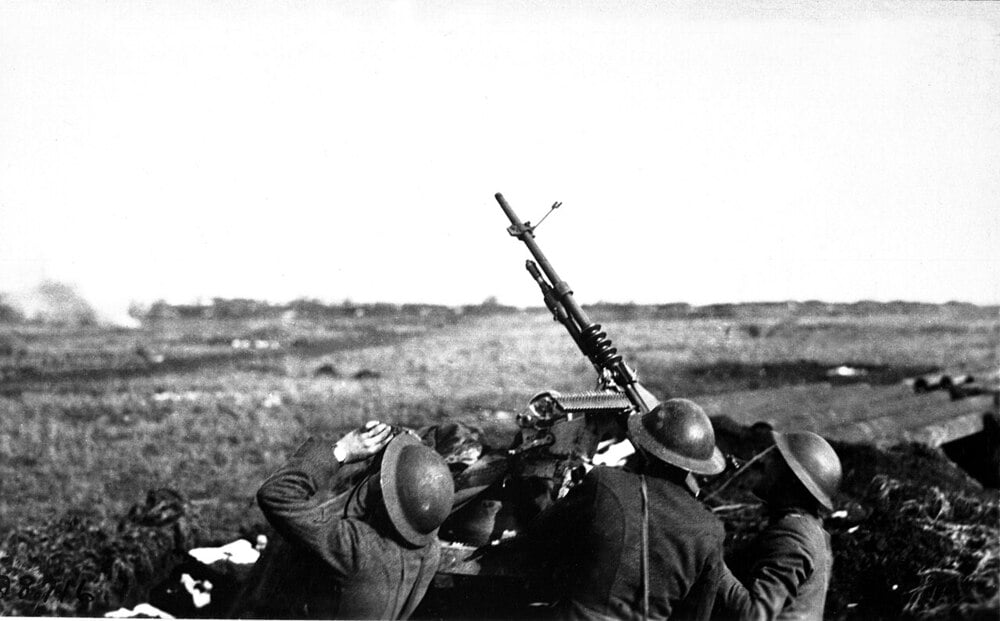
An enemy airplane overhead might seem like an obvious target, but some British trench orders explicitly prohibited soldiers from firing at aircraft unless an officer gave the order. Uncontrolled rifle fire could burn through ammunition, reveal a position, and create unnecessary activity while offering limited effectiveness against an aircraft. After seventeen rules governing everything from cigarettes to socks, perhaps this is the perfect final reminder: in the trenches, even pulling the trigger could require permission.
From a century away, some of these orders can sound almost comically specific. Inside a World War I trench, however, a cigarette glow, a dirty rifle, wet feet, contaminated water, or a respirator that took seconds too long to reach could carry serious consequences. The rules reveal just how thoroughly trench warfare transformed ordinary behavior into matters of military survival.
Keep Exploring The Scroller
History gets stranger when you look beyond the battles. Keep scrolling to uncover more forgotten rules, routines, and everyday details hiding behind the world’s biggest historical events:
17 Vintage Photos of Women Who Served During the World Wars
19 World War I Facts That Sound Completely Unreal
17 Photos of Germany and Britain at the Outbreak of World War I