American neighborhoods have changed in ways that go far beyond the houses themselves. From corner stores and front porches to school buses and suburban shopping centers, the places Americans call home have undergone major transformations.
Some changes made daily life more convenient, while others altered how neighbors socialize, how children grow up, and how communities develop. These 20 facts explore the history behind familiar neighborhood features, including traditions that disappeared, design choices that reshaped communities, and everyday conveniences previous generations never imagined.
Front Porches Used to Be Neighborhood Social Networks
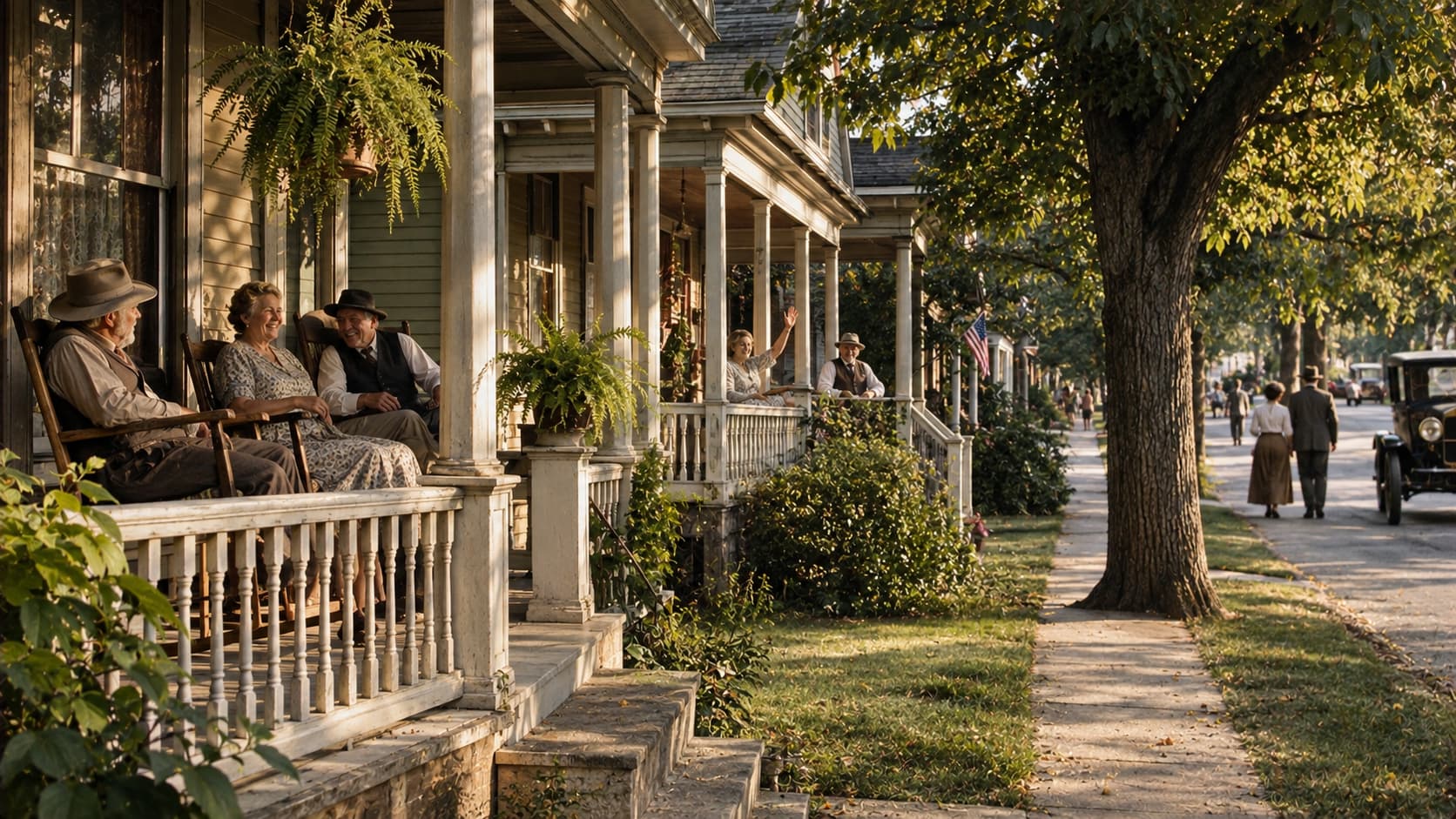
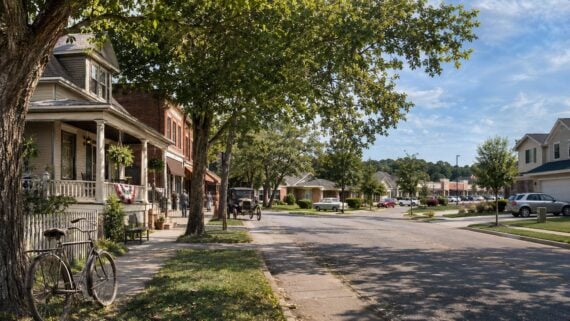
Before television and air conditioning became common, front porches offered a place to escape the heat, greet neighbors, and watch the street. They were especially prominent in early 20th-century residential architecture, but postwar designs increasingly favored private backyards, patios, and indoor living. The neighborhood’s original social network didn’t need an internet connection, just a comfortable chair and a little curiosity.
Corner Stores Once Made Neighborhoods More Walkable
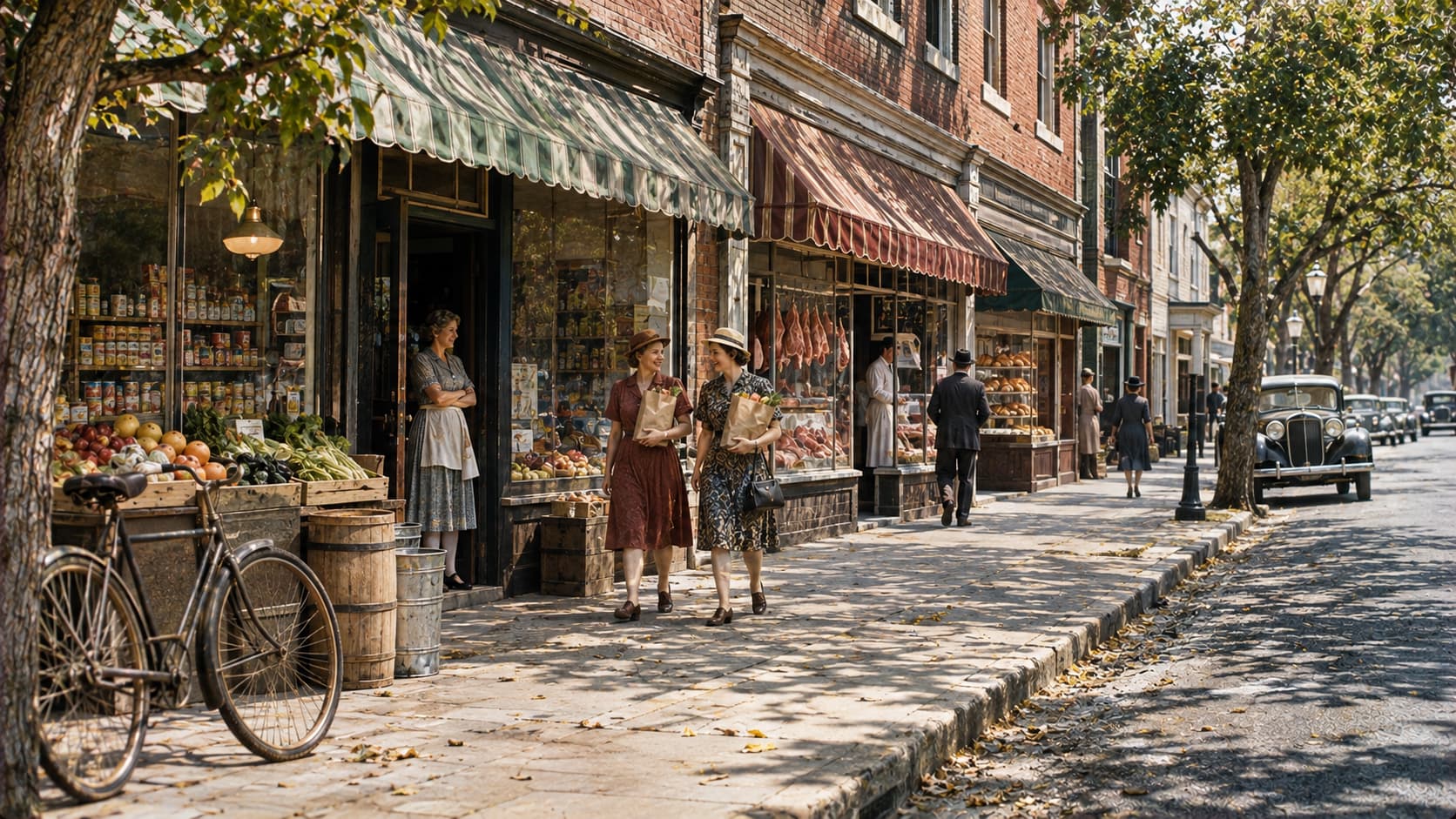
Before supermarkets and shopping centers dominated retail, grocery stores, butcher shops, bakeries, and pharmacies often operated within walking distance. These small businesses were especially important in urban neighborhoods where families could shop without owning a car. As automobile-oriented shopping expanded, many communities lost the convenience of finding everyday necessities just a few blocks away. Grocery shopping became a much bigger trip.
Children Once Had More Freedom to Roam Their Neighborhoods
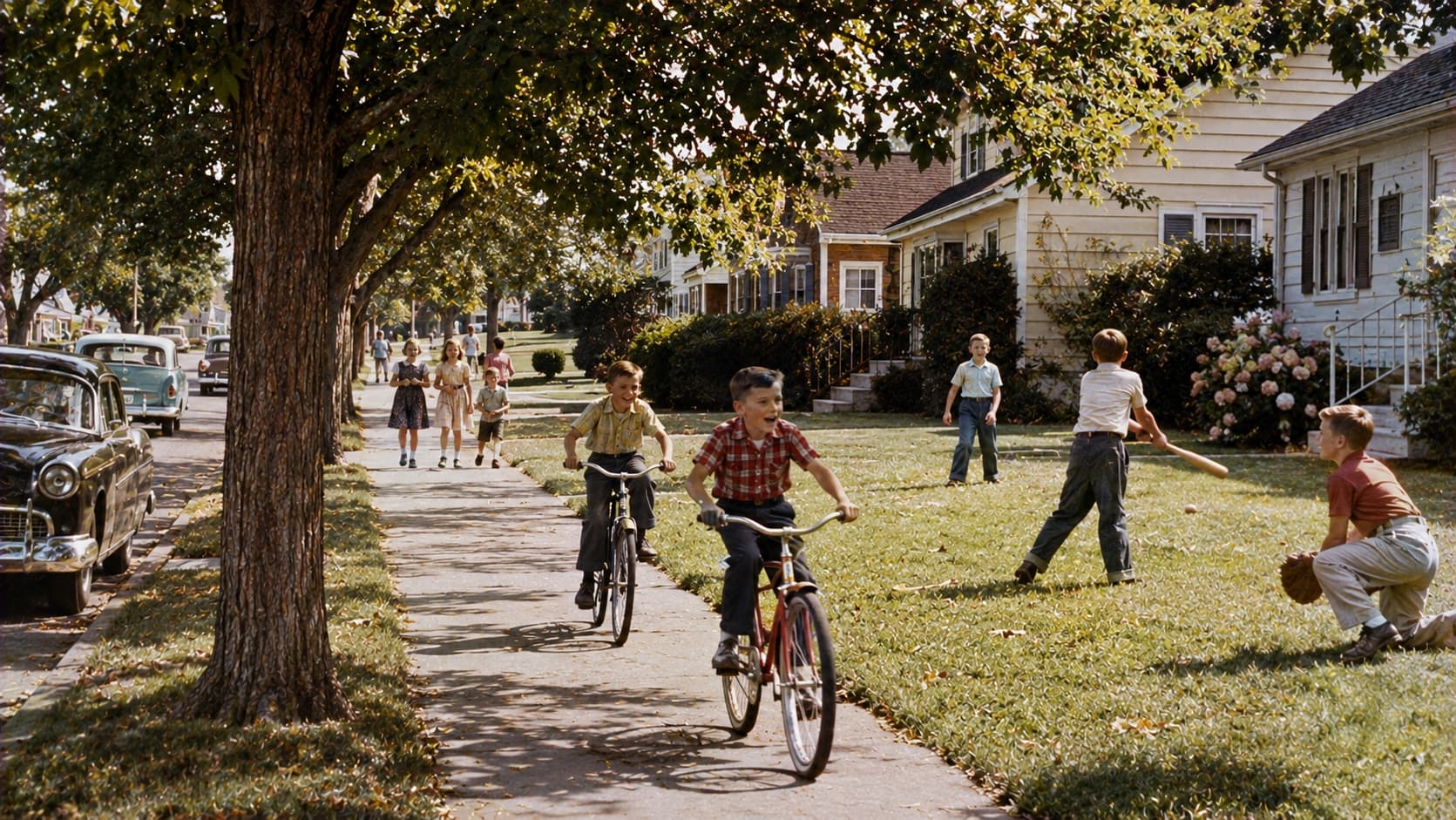
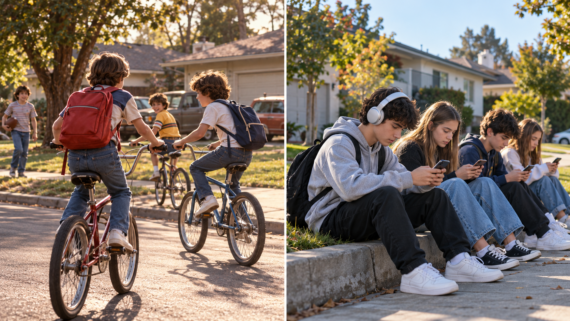
For many children growing up in mid-20th-century America, walking to a friend’s house or bicycling around the neighborhood without adult supervision was normal. Research on children’s independent mobility shows how traffic concerns, safety worries, and changing parental expectations have increasingly limited unsupervised travel. Spontaneous outdoor adventures have become harder to arrange without a parent involved.
Garages Moved From the Backyard to the Front of the House
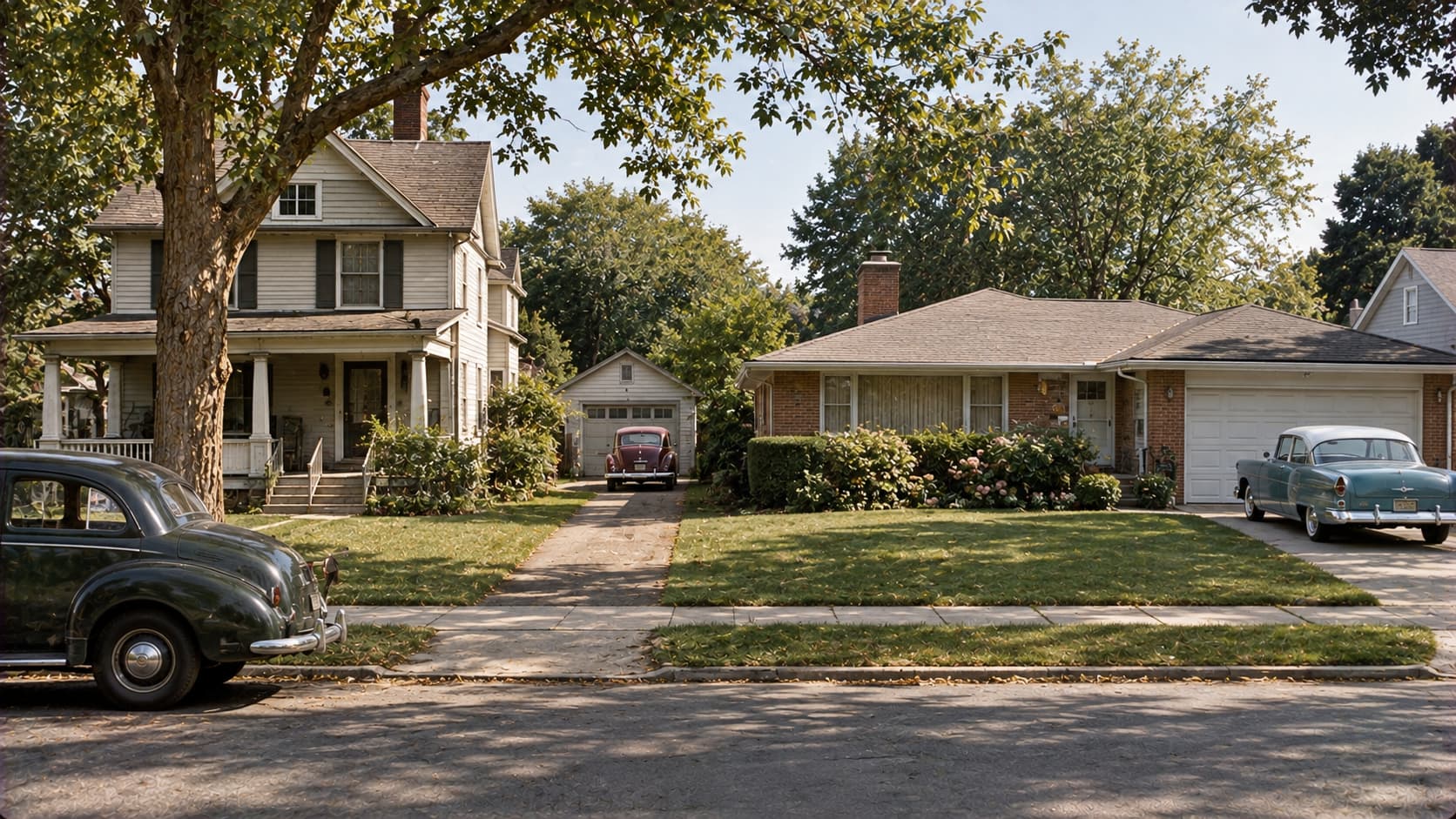
Older American neighborhoods often placed detached garages behind houses, accessed through alleys or narrow driveways. After World War II, rising car ownership helped make attached garages increasingly common in suburban construction. Eventually, garage doors became prominent street-facing features, sometimes taking up more space than the front entrance itself. The car had effectively claimed the best spot on the facade.
Neighborhood Streets Were Once Designed for More Than Cars
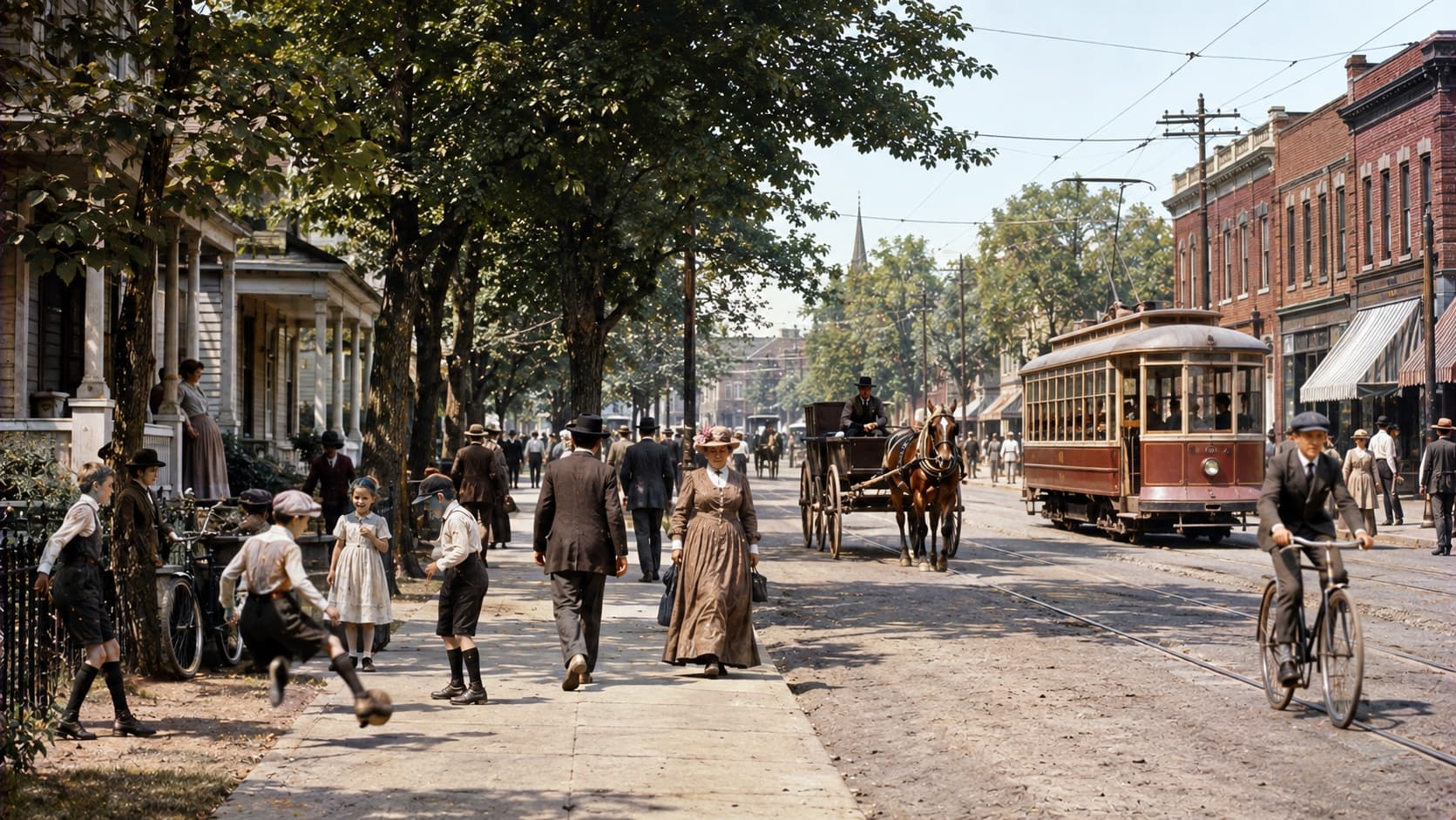
Before automobiles dominated transportation, residential streets accommodated pedestrians, bicycles, streetcars, horse-drawn vehicles, and children playing. Early 20th-century campaigns promoting automobile safety helped establish streets primarily as spaces for vehicle traffic. Activities previous generations considered ordinary became less welcome. The road used to be the neighborhood’s shared living space; eventually, cars got priority.
Trending on The Scroller


Walking to School Has Become Much Less Common
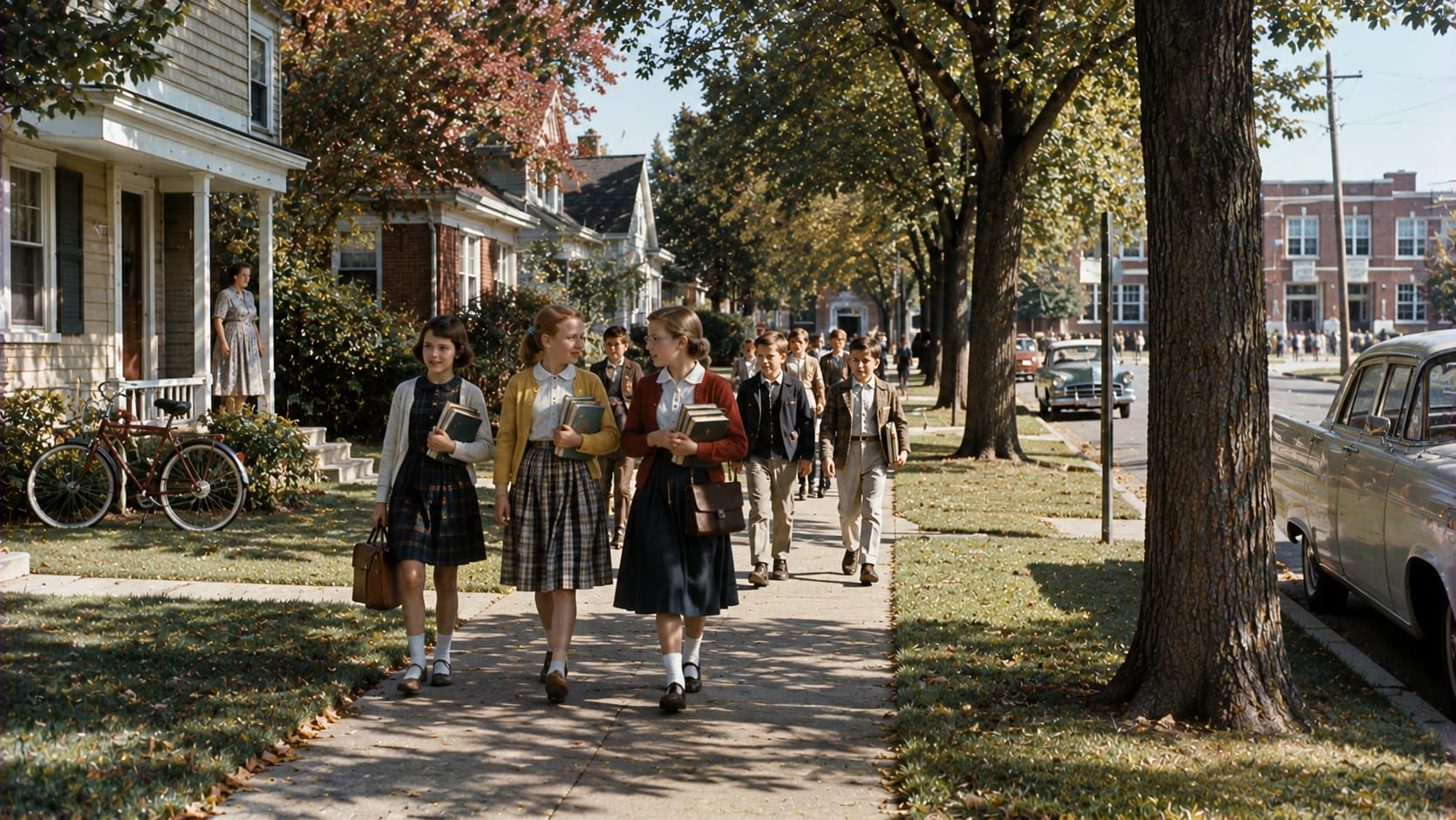
In 1969, approximately 47.7% of American students from kindergarten through eighth grade usually walked or biked to school. By 2009, that figure had fallen to just 12.7%, according to National Household Travel Survey research. Longer distances, changing transportation habits, and safety concerns contributed to the decline. The familiar morning parade of children on sidewalks has become much less common.
Entire Neighborhoods Were Once Built With Nearly Identical Houses
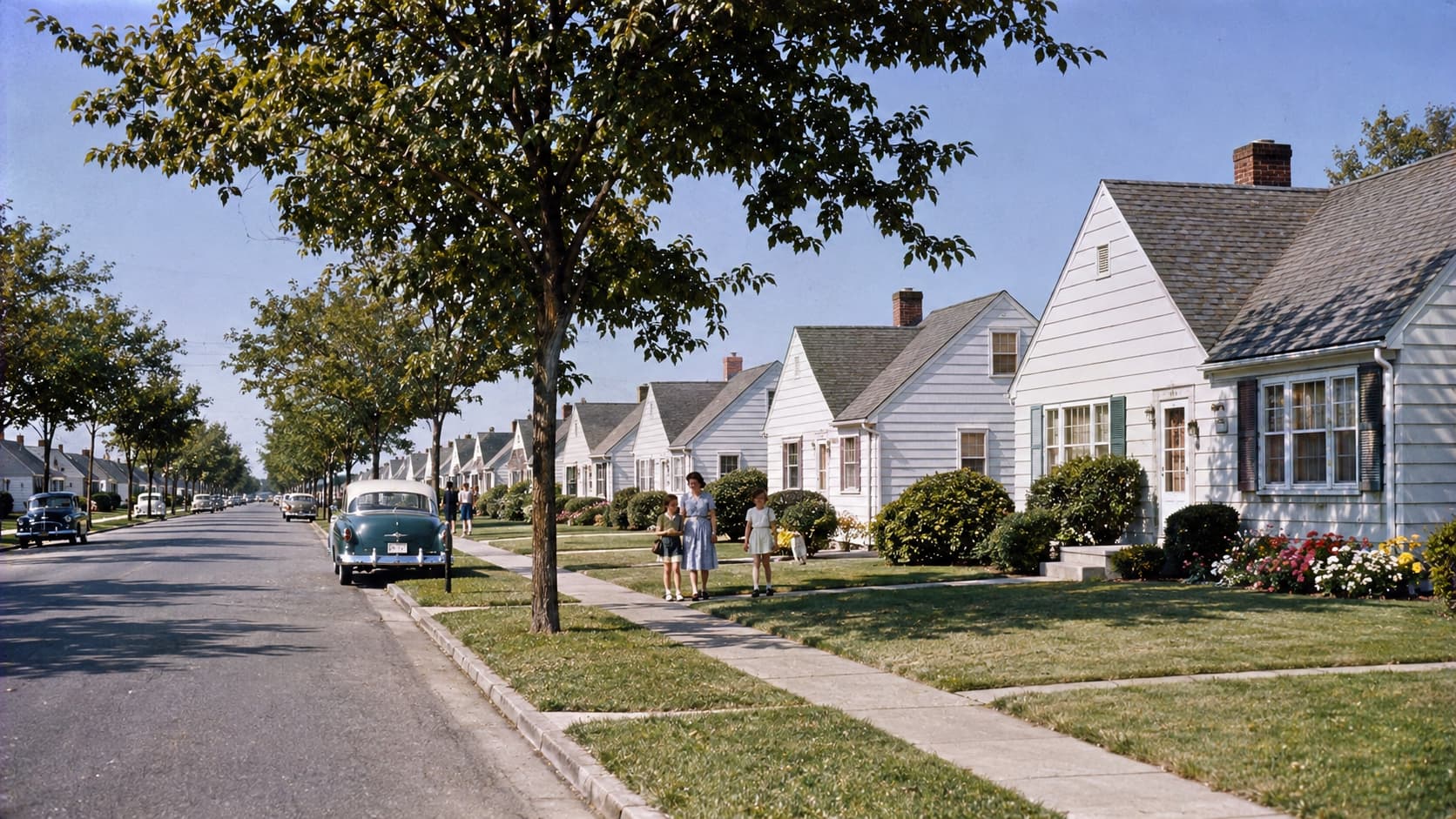
After World War II, developers increasingly used standardized floor plans and mass-production techniques to build large subdivisions. Levittown, New York, became a symbol of this approach, offering relatively affordable homes to eligible buyers. The U.S. Department of State also documents the discriminatory housing practices behind some developments, including policies that excluded Black families. Matching houses came with very unequal opportunities.
Living Alone Has Become Much More Common
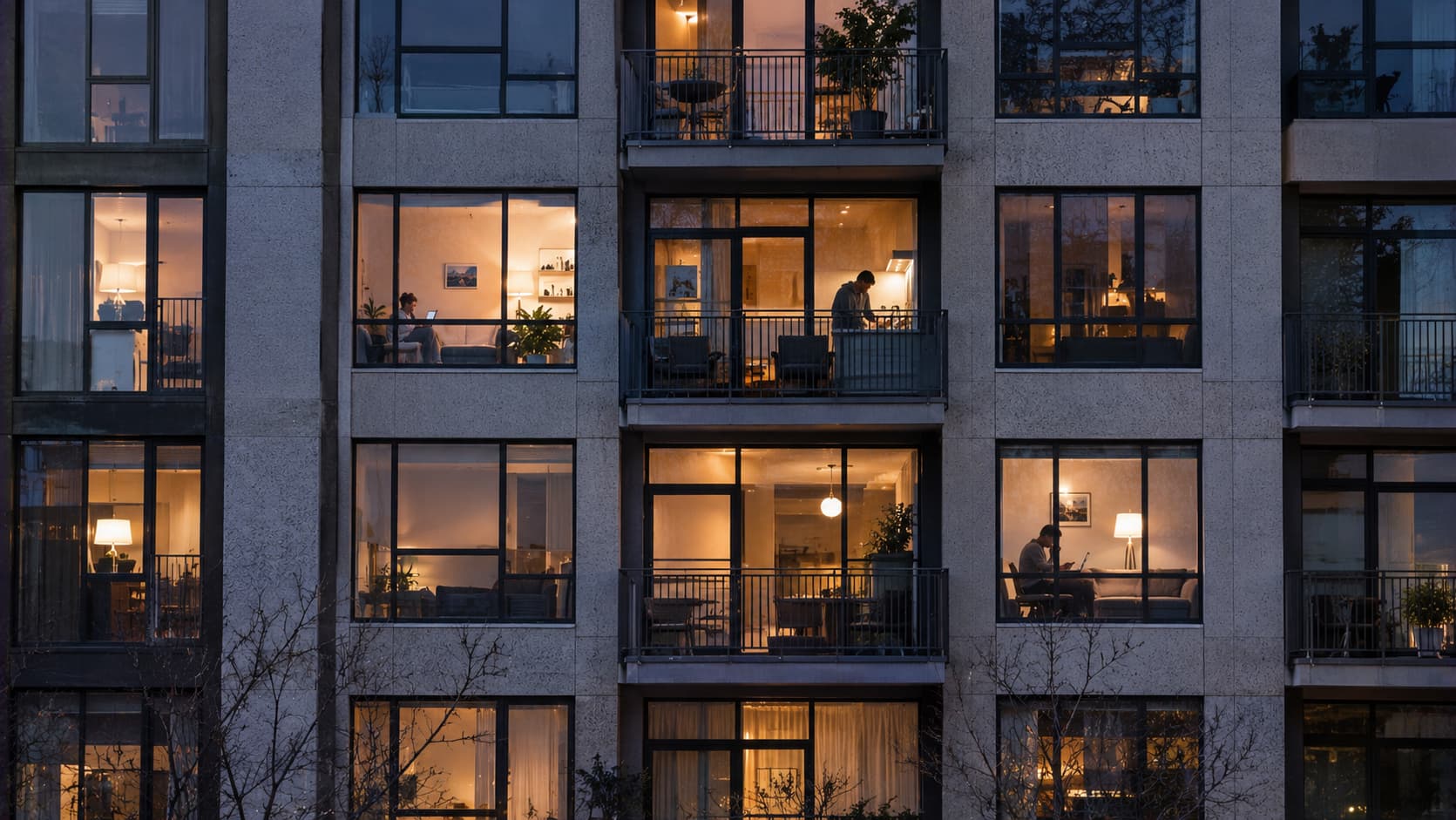
According to the U.S. Census Bureau, single-person households accounted for just 7.7% of occupied U.S. homes in 1940, compared with 27.6% in 2020. That means a residential block today is statistically much more likely to include several people living alone than a comparable street generations ago. The neighborhood hasn’t necessarily gotten quieter, but household life has changed considerably.
Sign up for our newsletter
Some Neighborhoods Were Demolished to Make Room for Highways
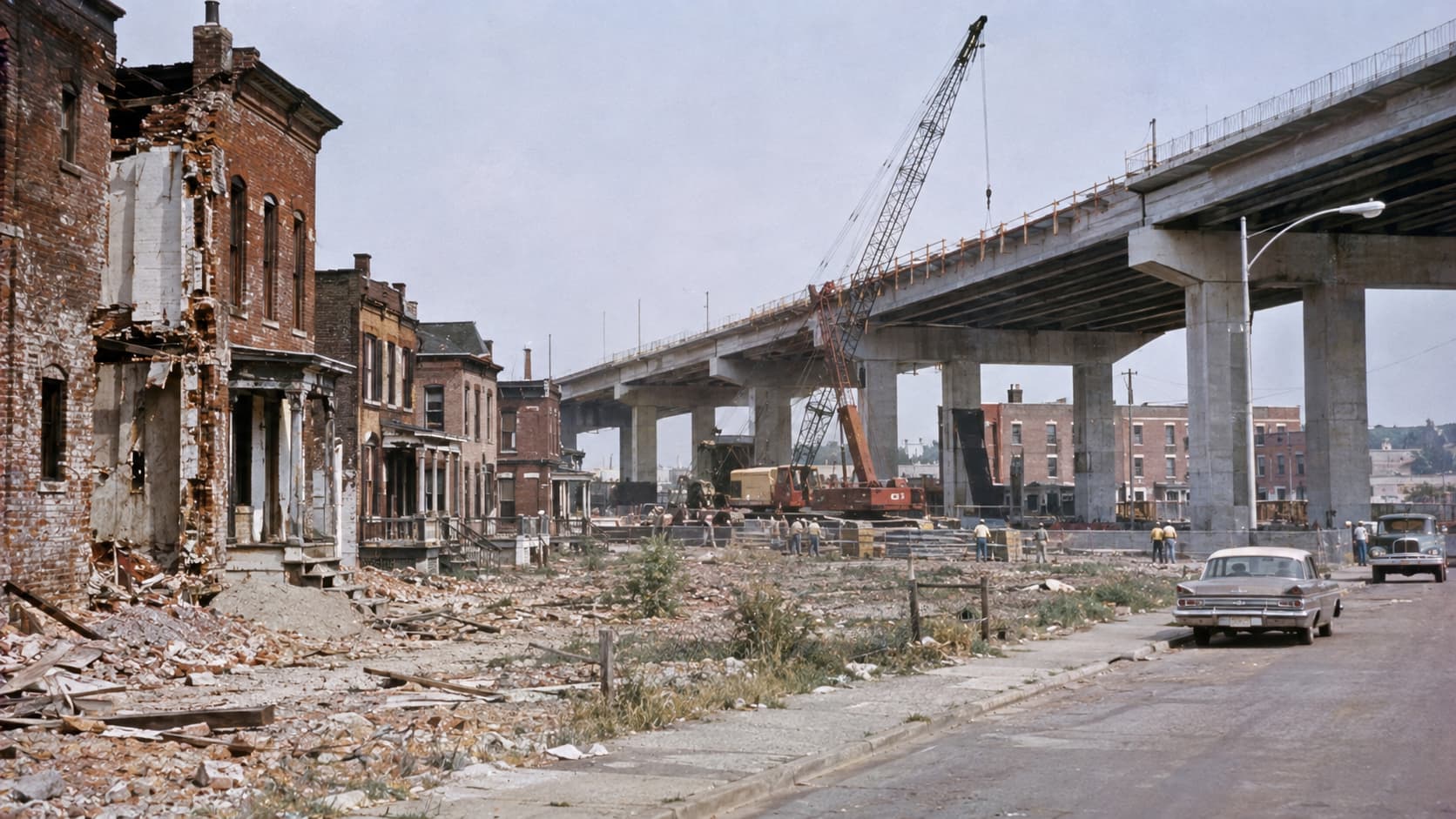
During the mid-20th century, urban renewal and interstate highway construction destroyed or divided established neighborhoods across the United States. The National Park Service documents how homes, businesses, churches, and community institutions disappeared during redevelopment. Low-income and minority communities were disproportionately affected, leaving physical and economic divisions that remain visible today. For some residents, progress meant losing the place they called home.
Curving Streets and Cul-de-Sacs Replaced Traditional Street Grids
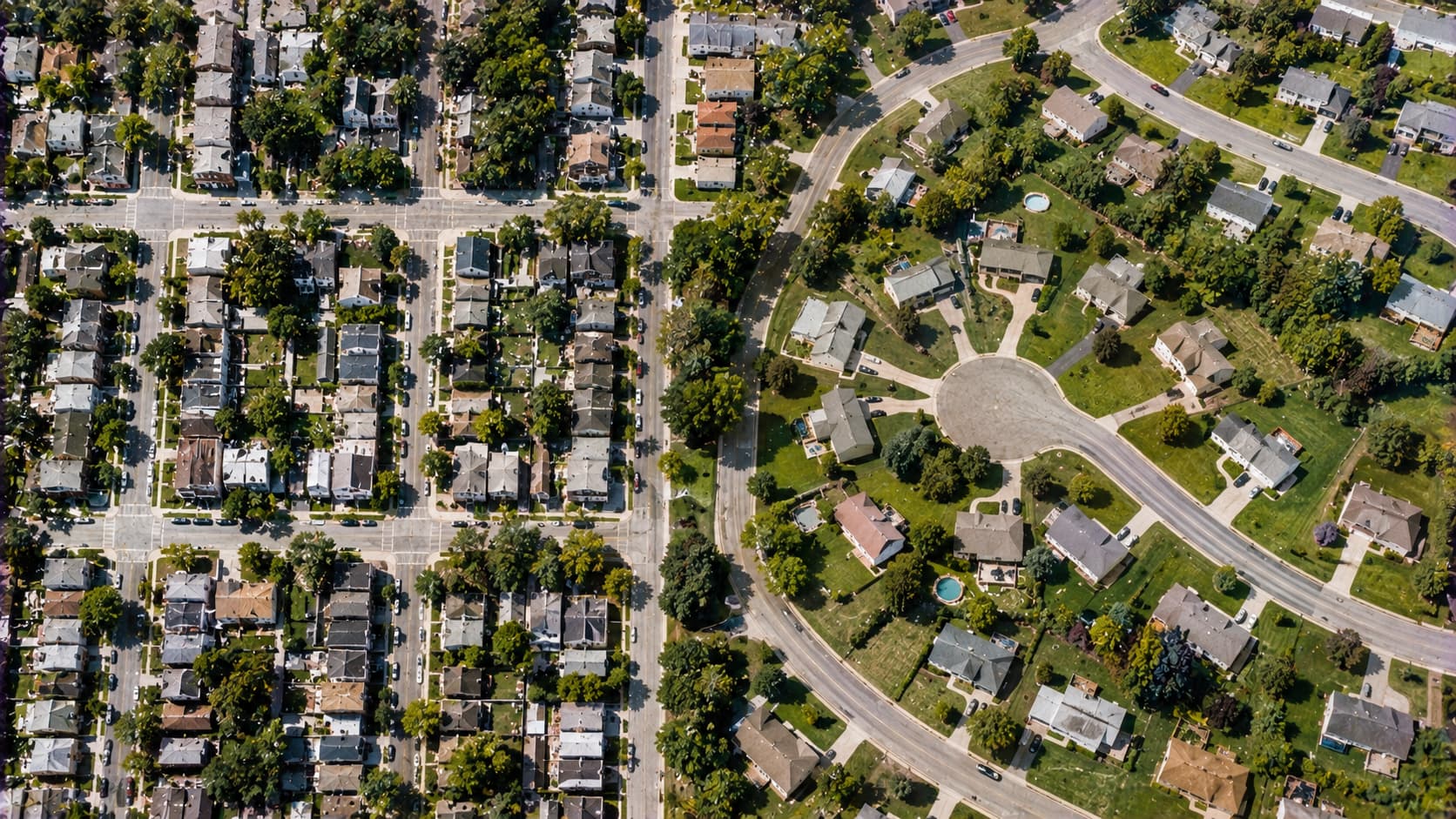
Older American neighborhoods often featured interconnected street grids, allowing residents to reach nearby destinations through several routes. During the 20th century, suburban developers increasingly favored curving roads and cul-de-sacs to discourage through traffic. The National Park Service’s work on neighborhood design highlights this shift. Quieter streets offered privacy, but reaching the nearest store on foot could become a longer adventure.
Neighborhoods Once Had More Local Delivery Workers
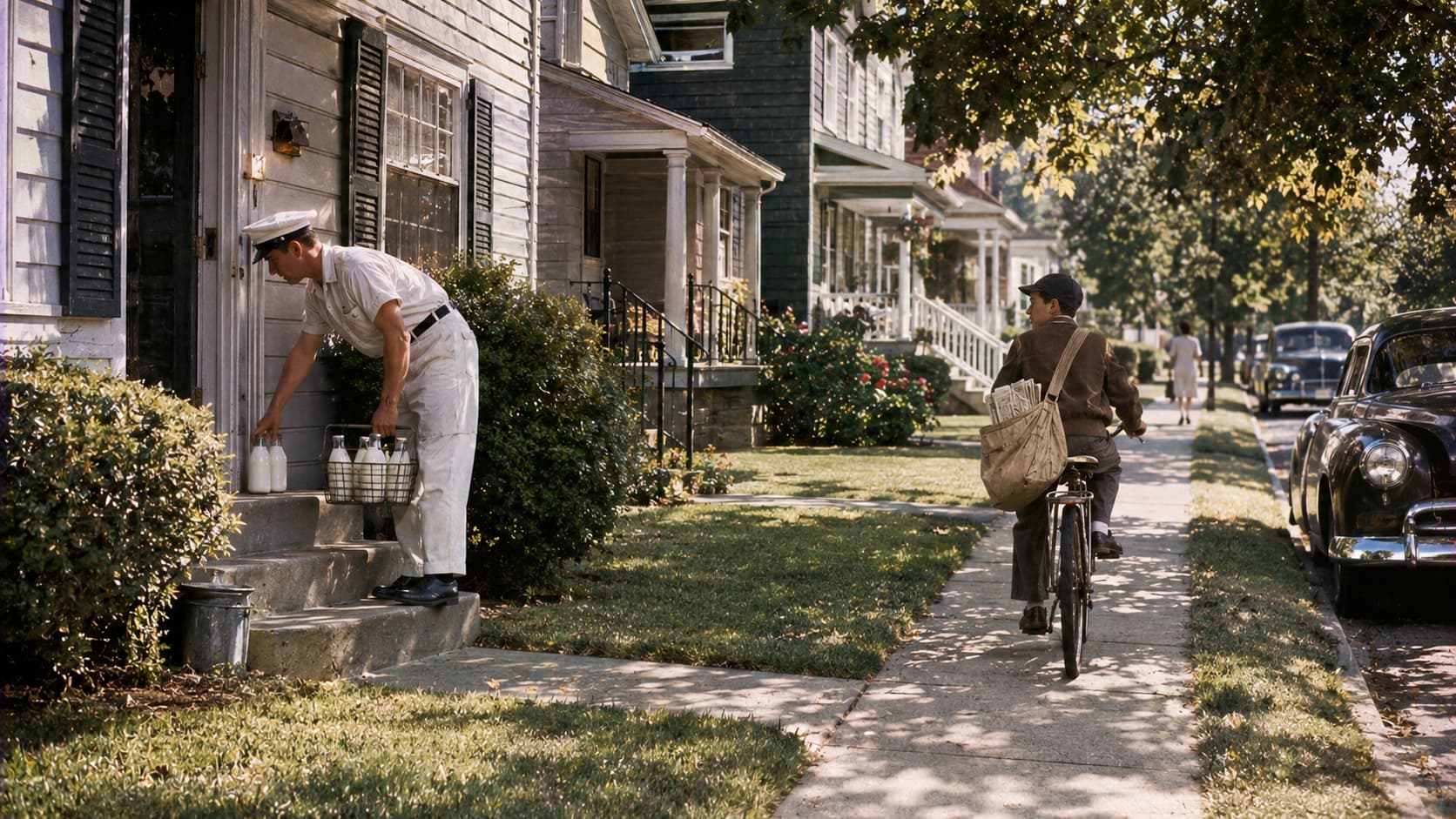
For much of the 20th century, milk delivery workers, bread drivers, and newspaper carriers regularly visited residential streets. Milk bottles on doorsteps and newspapers tossed onto porches were familiar sights. Refrigeration, supermarkets, and digital news reduced many traditional services, although package delivery has brought a different kind of doorstep traffic. The delivery person didn’t disappear; the contents of the package changed.
Air Conditioning Helped Change Where Neighborhoods Could Grow
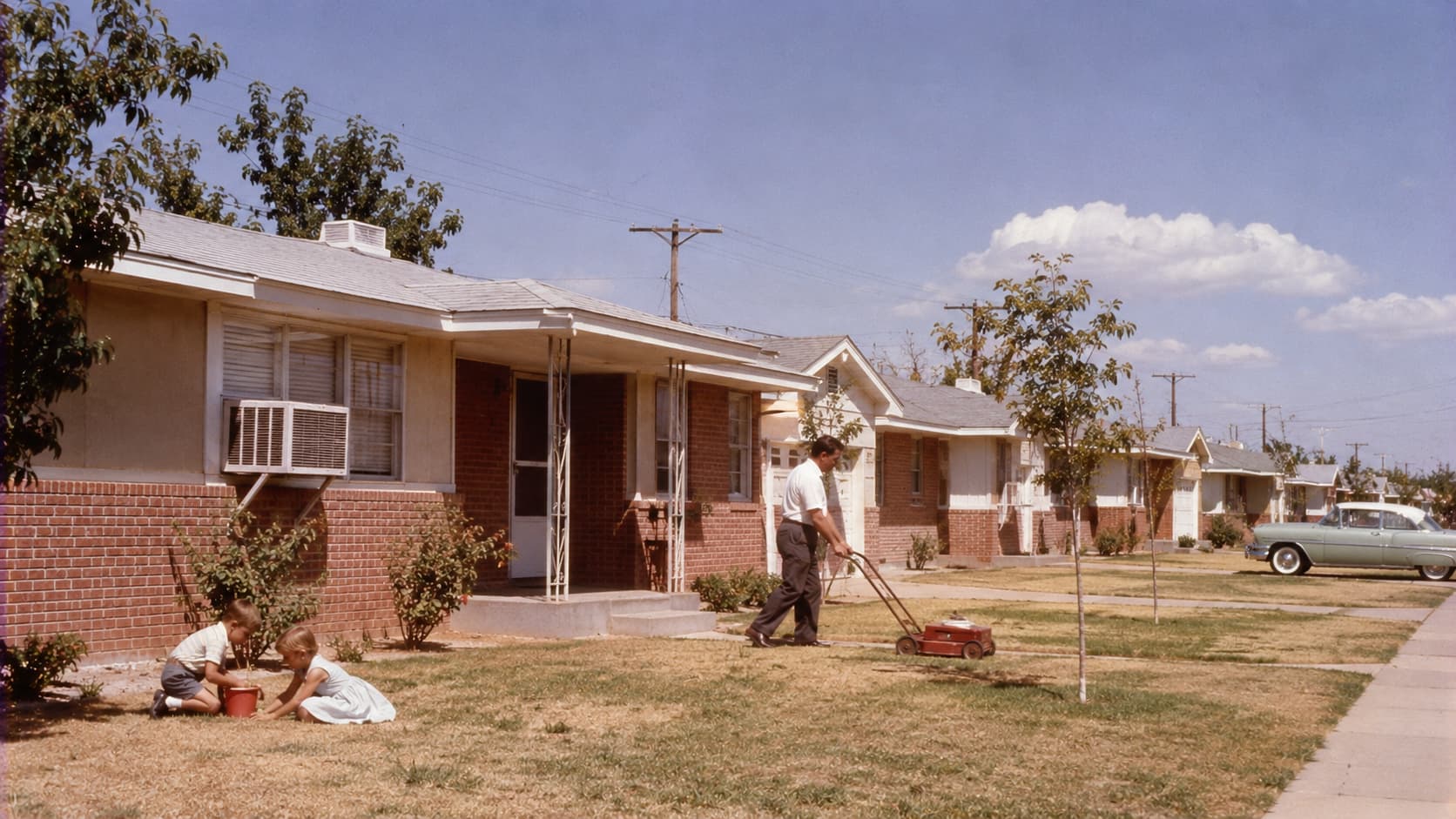
Before residential air conditioning became widespread, summer heat made parts of the South and Southwest less comfortable for year-round living. Affordable home cooling helped support population growth in these regions alongside expanding employment and transportation networks. It also made enclosed houses with smaller windows and less natural ventilation more practical. The air conditioner didn’t just cool homes; it helped reshape entire communities.
Neighborhoods Were Once More Openly Segregated by Housing Rules
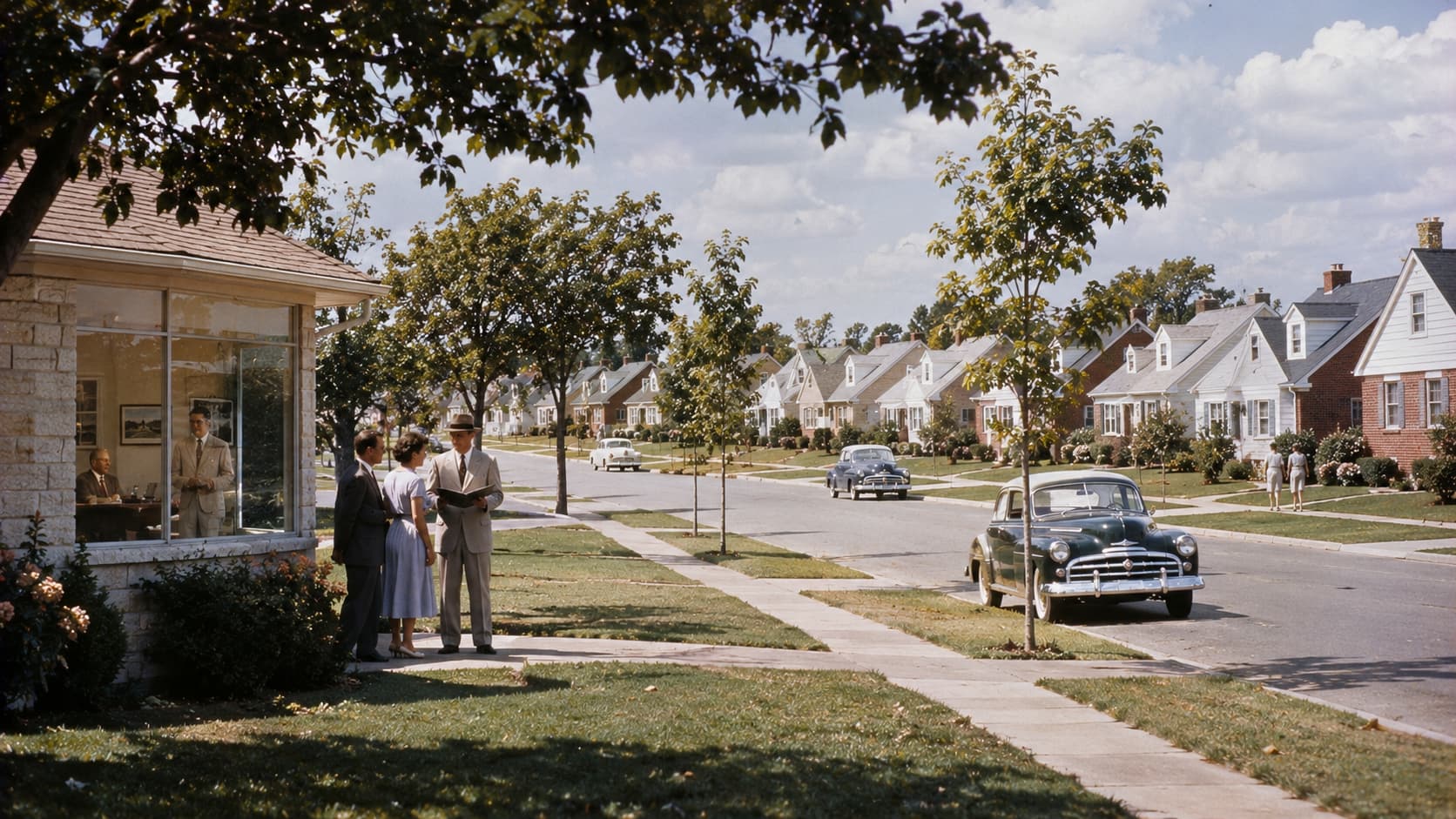
During the first half of the 20th century, restrictive property deeds, discriminatory lending, and exclusionary real estate practices limited where many Americans could live. The Supreme Court made racially restrictive covenants unenforceable in 1948, and the Fair Housing Act prohibited major forms of housing discrimination in 1968. Legal barriers changed, but the geographic consequences of earlier segregation have proved much harder to erase.
Homeowners Associations Became a Major Part of Suburban Life
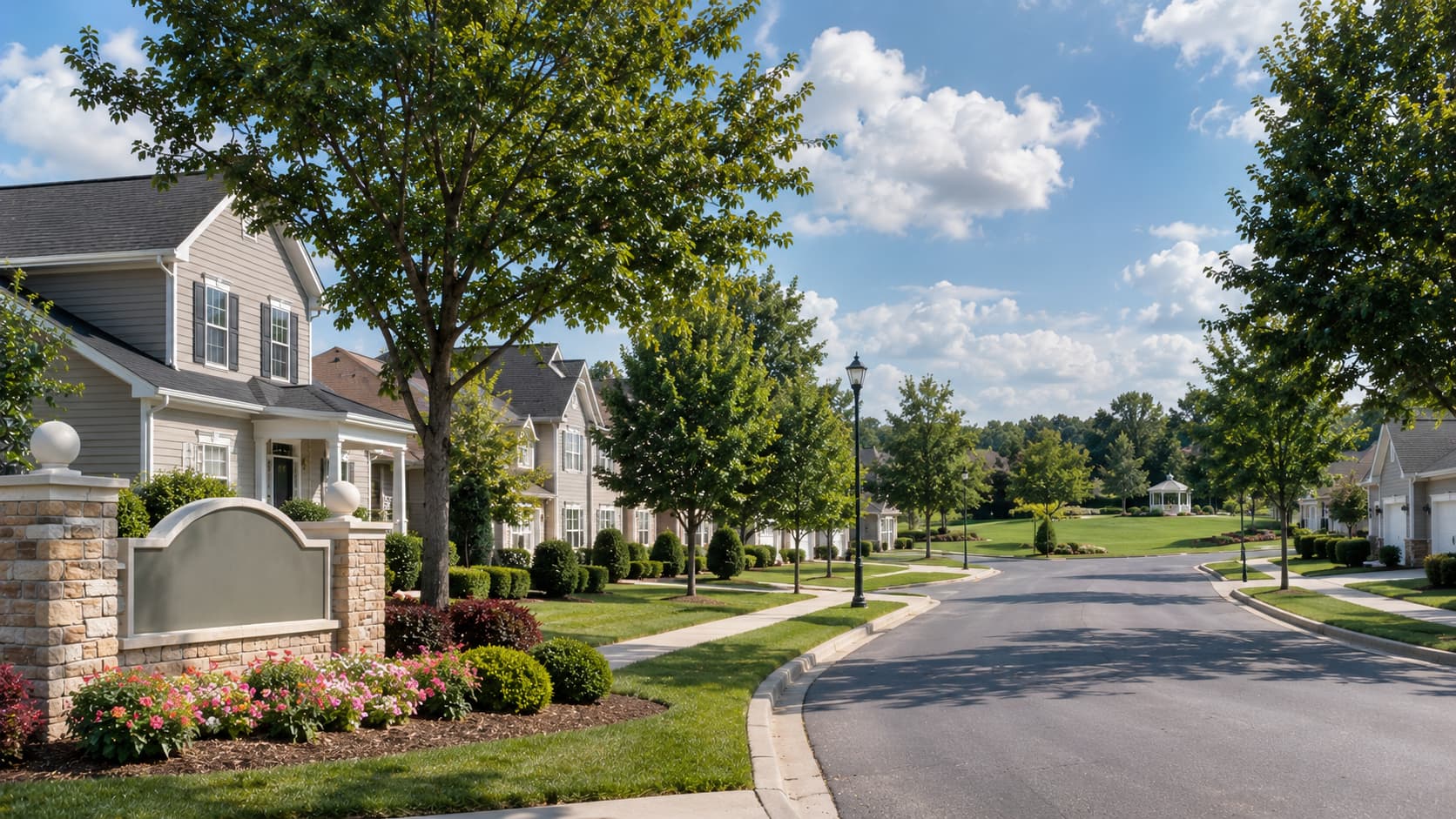
In older neighborhoods, residents primarily dealt with municipal governments over streets, utilities, and local regulations. As planned communities expanded, homeowners associations increasingly managed shared amenities and enforced rules covering landscaping and exterior paint colors. For many homeowners, maintaining a house now comes with another layer of private governance and mandatory fees. Even choosing a shade of paint can require permission.
Neighborhood Shopping Shifted From Main Streets to Shopping Centers
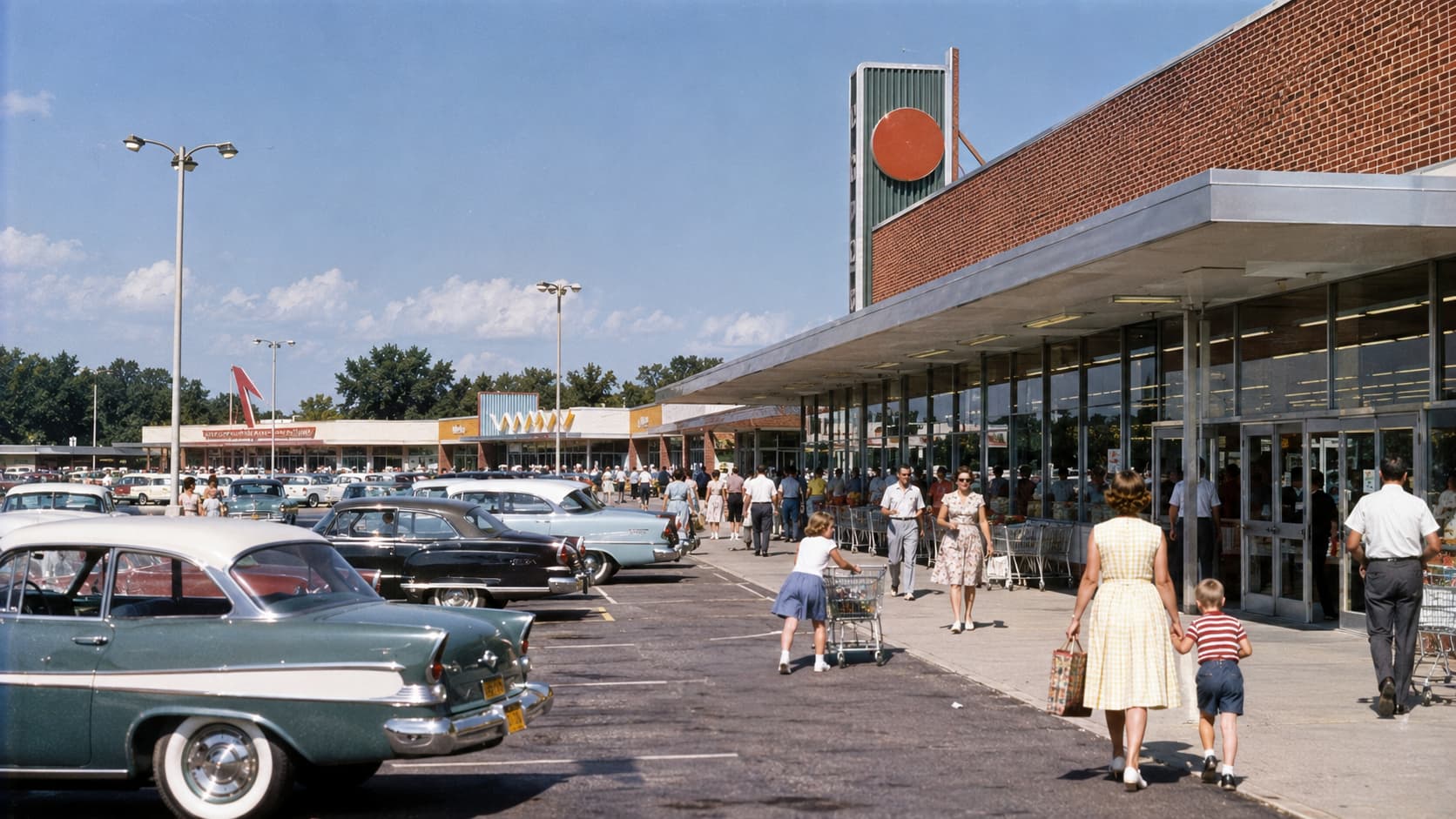
Earlier generations often relied on commercial streets lined with independent stores, movie theaters, restaurants, and service businesses. The Smithsonian’s history of American food shopping helps illustrate the broader postwar shift toward supermarket and suburban retail. Shopping centers and enclosed malls drew customers toward automobile-accessible locations with large parking lots. Main Street lost some of its role as the community’s everyday meeting place.
American Neighborhoods Became Far More Suburban
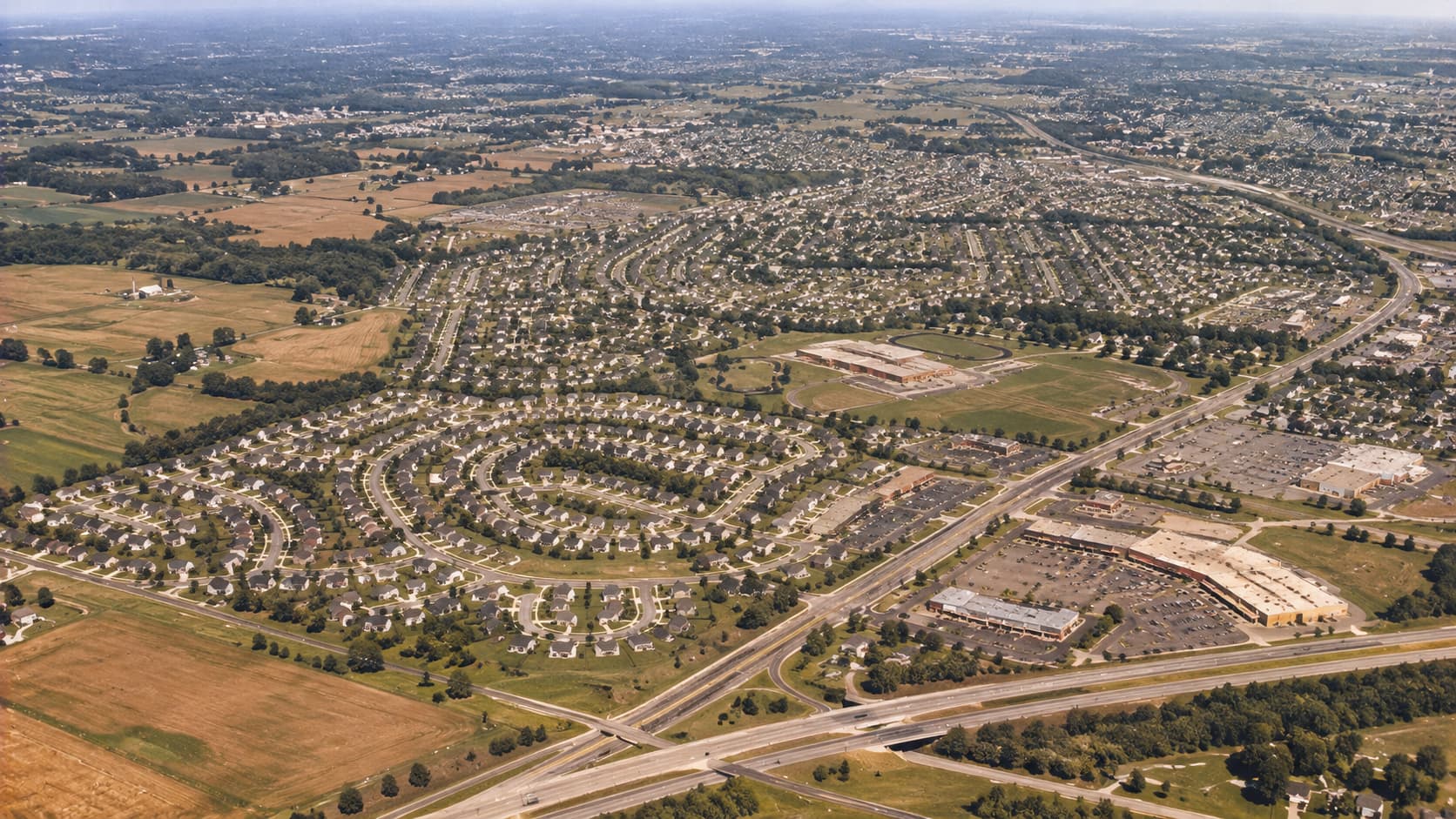
In 1950, just 23.3% of Americans lived in suburbs, compared with 32.8% in central cities. By 2000, the suburban share had reached 50%, while central cities accounted for 30.3%, according to historical Census Bureau classifications. Former farmland became subdivisions, shopping centers, schools, and highways. The American landscape had undergone a remarkable makeover.
Neighborhoods Lost Trees and Gained Heat-Trapping Pavement
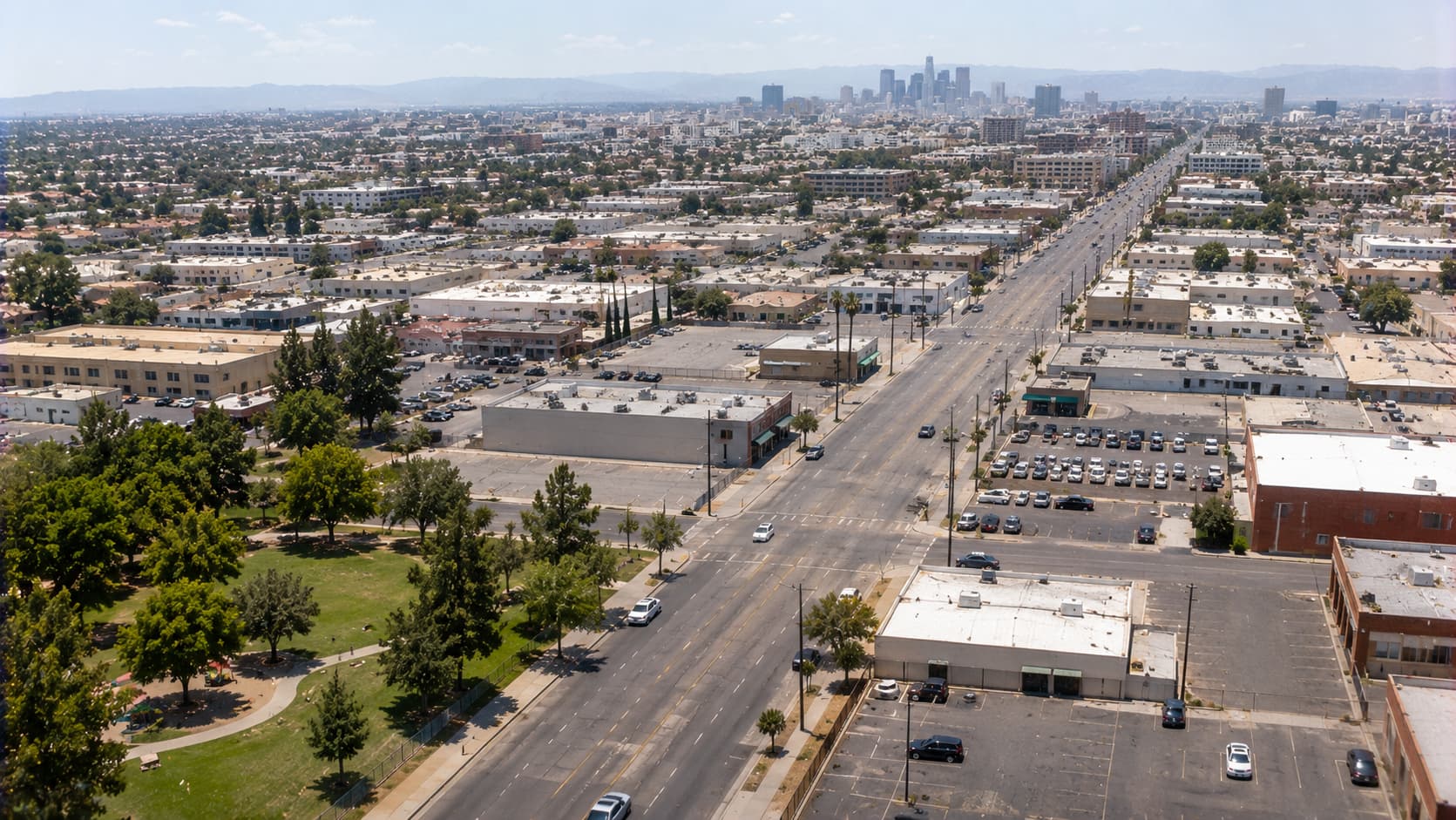
As communities expanded, natural landscapes were replaced by asphalt roads, parking lots, rooftops, and other paved surfaces. The Environmental Protection Agency explains that these materials absorb and release heat, contributing to urban heat islands. Fewer mature trees also mean less shade for sidewalks, homes, and playgrounds. In some neighborhoods, finding a patch of shade has become harder than finding a parking spot.
Neighborhoods No Longer Need a Local Movie Theater for Entertainment
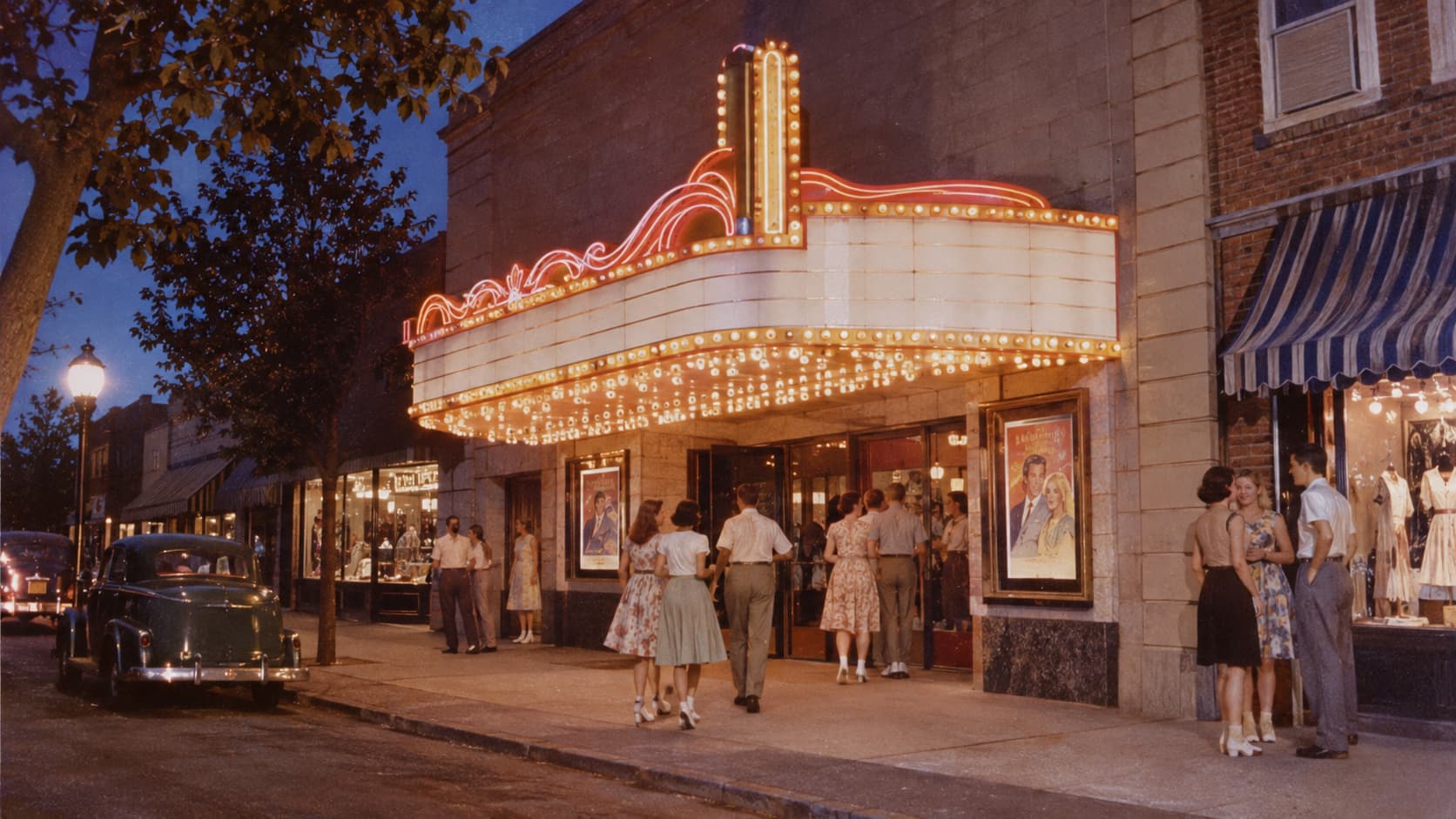
For much of the 20th century, neighborhood movie theaters were gathering places for families, couples, and teenagers. Television, suburban multiplexes, home video, and streaming transformed how Americans watched movies. Many older theaters closed or found new lives as performance venues, restaurants, and community spaces. The Friday-night movie outing hasn’t vanished, but it no longer needs to happen around the corner.
Some Neighborhoods Are Bringing Back Walkable Design
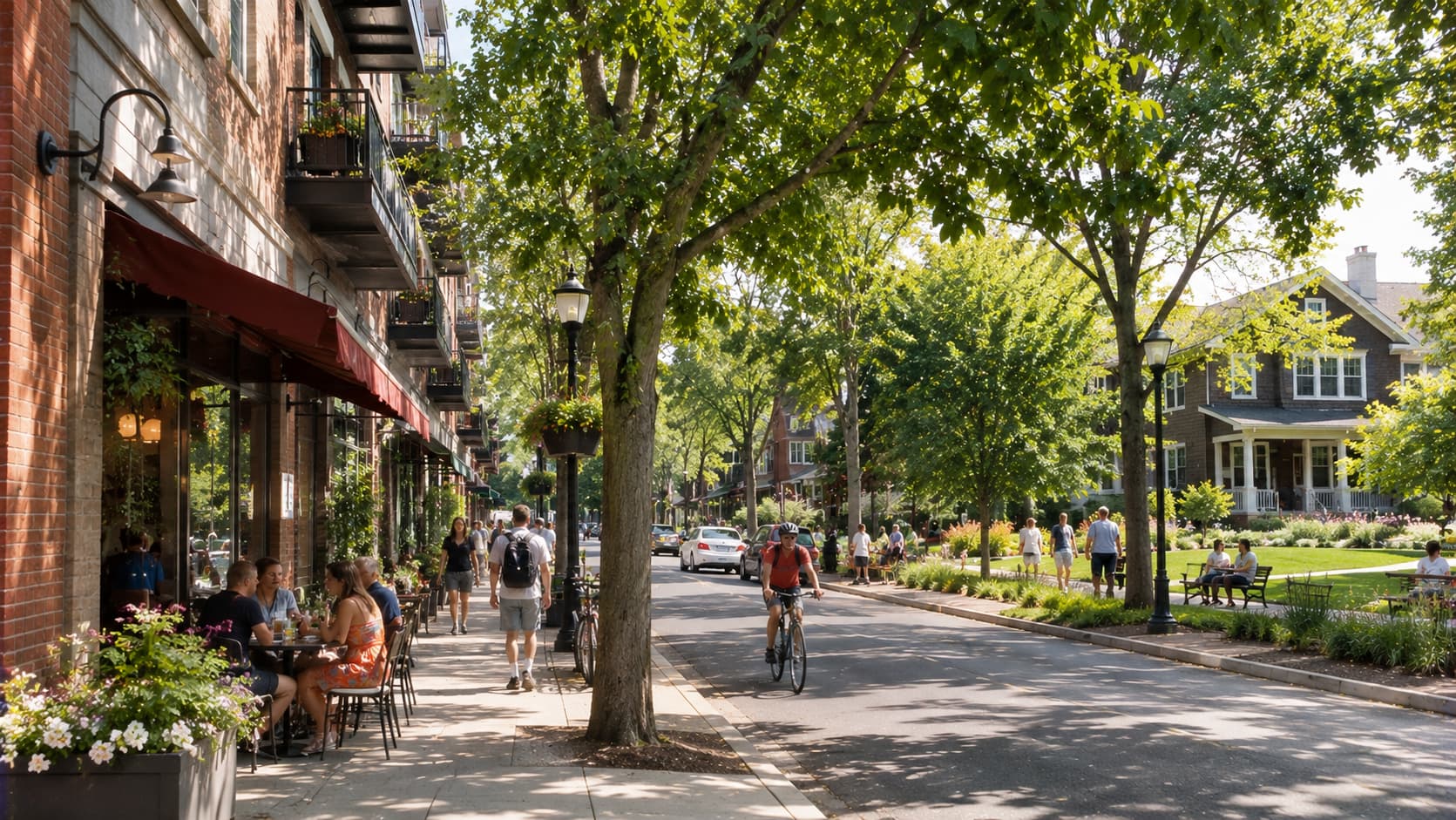
After decades of automobile-oriented development, some American communities have renewed their interest in mixed-use neighborhoods, where homes, stores, parks, and services are closer together. The Environmental Protection Agency describes this approach as smart growth, emphasizing sidewalks, transportation choices, and compact development. Interestingly, many supposedly modern planning ideas resemble features that traditional neighborhoods already had before suburban expansion.
Neighborhoods’ Life Has Moved From the Front Door to the Smartphone
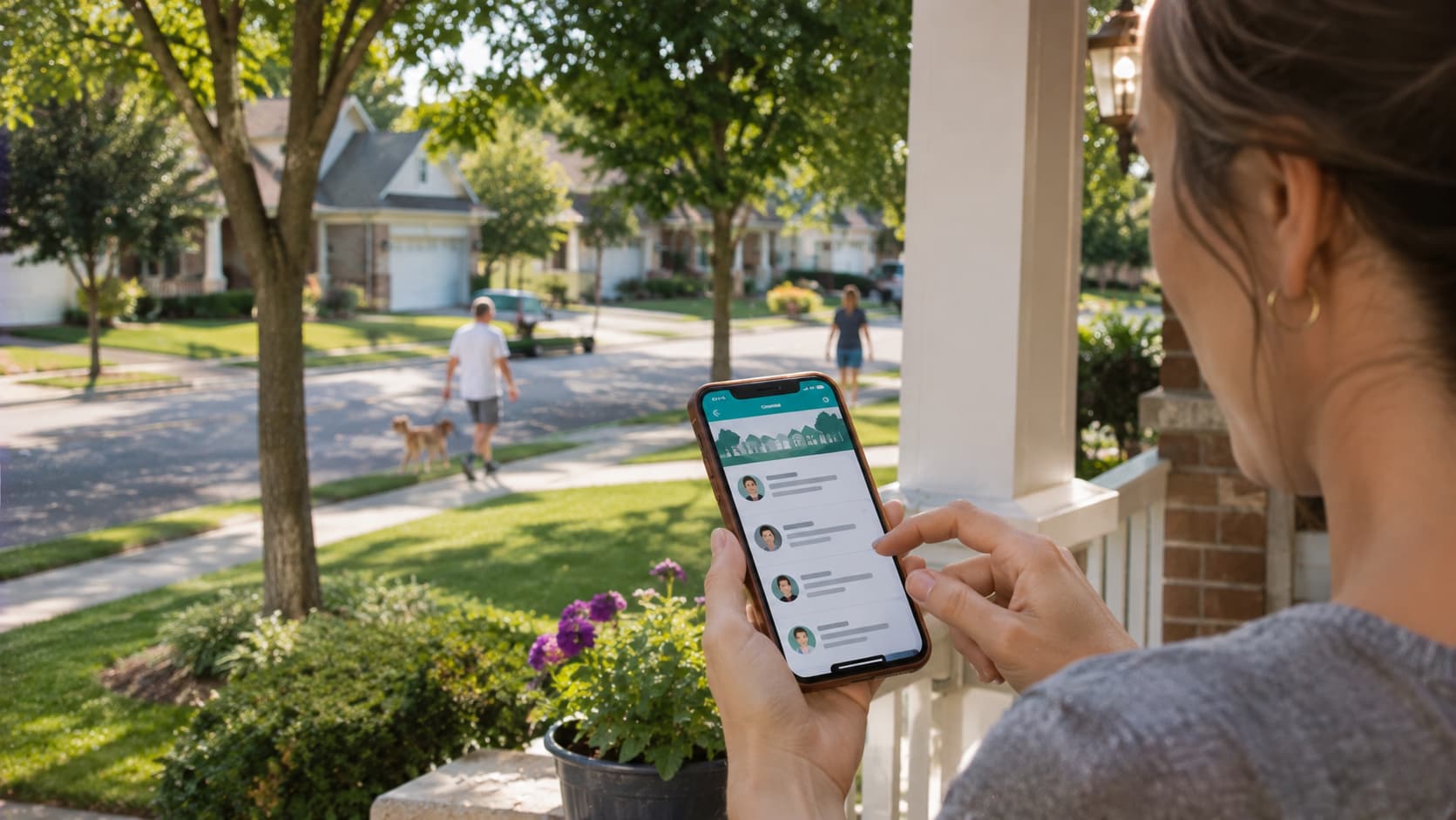
Previous generations relied on conversations over fences, notices at local businesses, phone calls, and community meetings to stay connected. Today, residents use neighborhood apps and online groups to organize events, report lost pets, and exchange recommendations. It’s now possible to communicate with hundreds of nearby households without meeting their occupants face-to-face. A rather different version of knowing your neighbors.