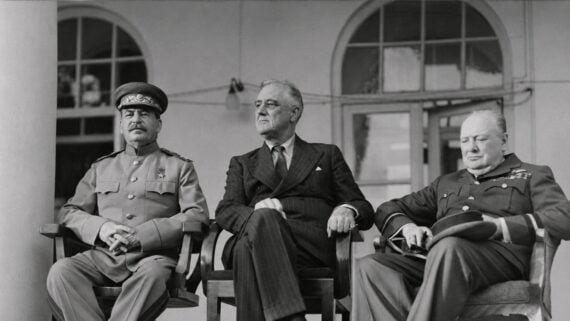
Some of history’s most influential partnerships began between countries and leaders who seemingly had nothing in common. Religious enemies joined forces, longtime rivals abandoned their grudges, and governments made deals with people they had spent years fighting. Sometimes a shared enemy was enough to overcome generations of hostility. These 15 alliances and unlikely partnerships show how quickly political loyalties can change when the stakes are high.
1. Catholic France and the Muslim Ottoman Empire
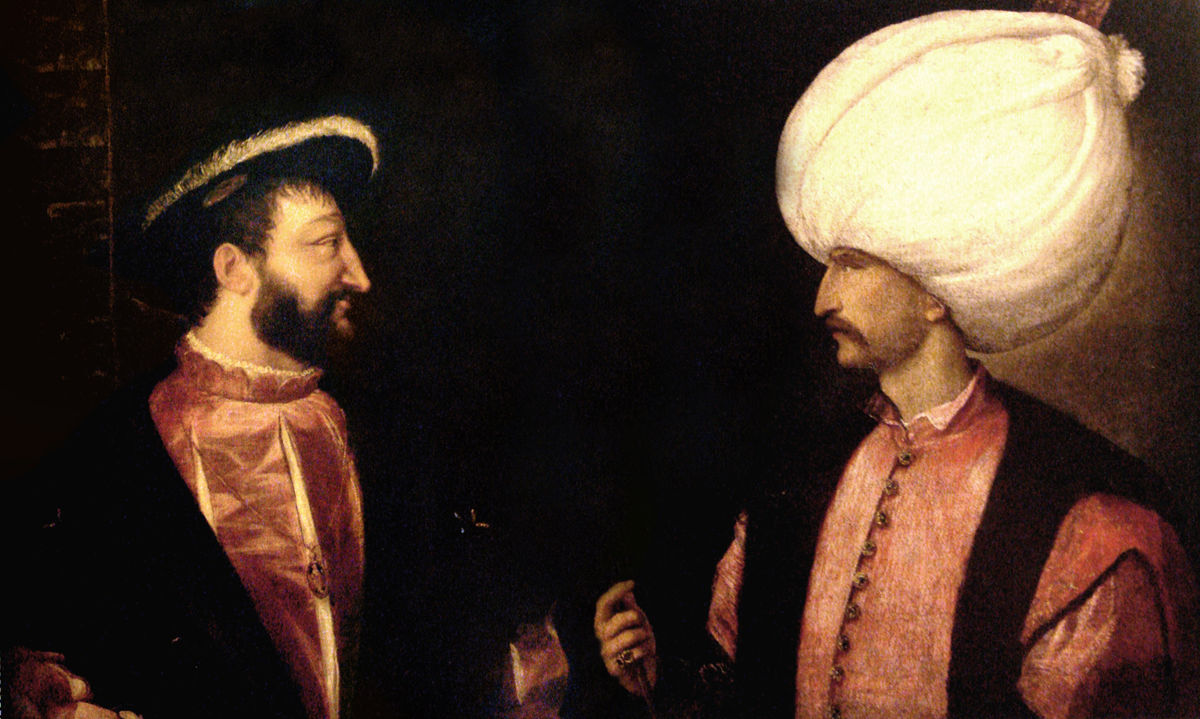
In the 1530s, French King Francis I developed an unlikely partnership with Ottoman Sultan Suleiman the Magnificent. France was a major Catholic kingdom, while the Ottomans ruled one of the world’s most powerful Muslim empires. Their shared concern was the growing influence of the Habsburg dynasty under Charles V. The cooperation became so extensive that Ottoman warships spent the winter of 1543–1544 in the French port of Toulon, an extraordinary sight in an era of intense religious rivalry.
2. Catholic France and Protestant Sweden
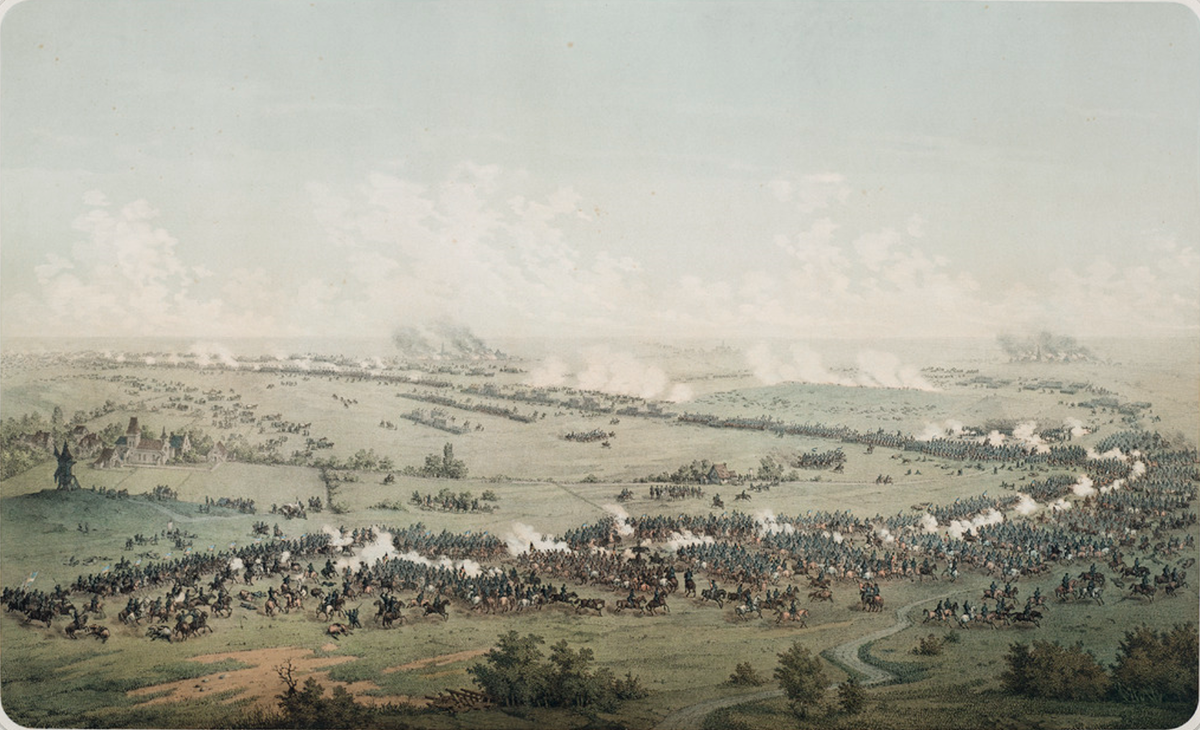
The Thirty Years’ War was deeply shaped by religious divisions, but political interests sometimes mattered more than faith. In 1631, Catholic France agreed to finance Protestant Sweden’s military campaign against the Habsburgs through the Treaty of Bärwalde. French leaders feared Habsburg power more than they opposed Swedish Protestantism. France eventually entered the war directly against Habsburg forces in 1635, making the conflict even more complicated.
3. Austria and France Abandon Centuries of Rivalry
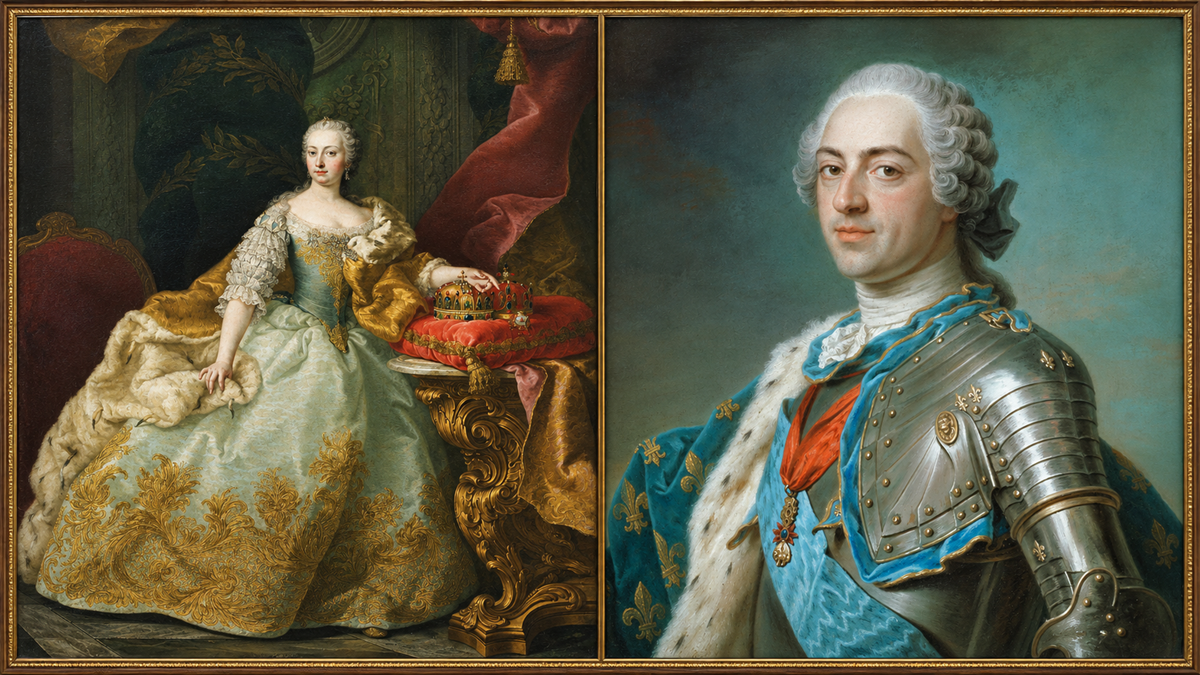
For generations, France and Austria’s Habsburg rulers had competed for territory and influence across Europe. Then, in 1756, the two powers became allies in a diplomatic reversal historians call the Diplomatic Revolution. Austria wanted support against Prussia, while France was reconsidering its traditional partnerships. Their agreement helped rearrange Europe’s alliances just as the Seven Years’ War was beginning.
4. Britain and Prussia Become Partners
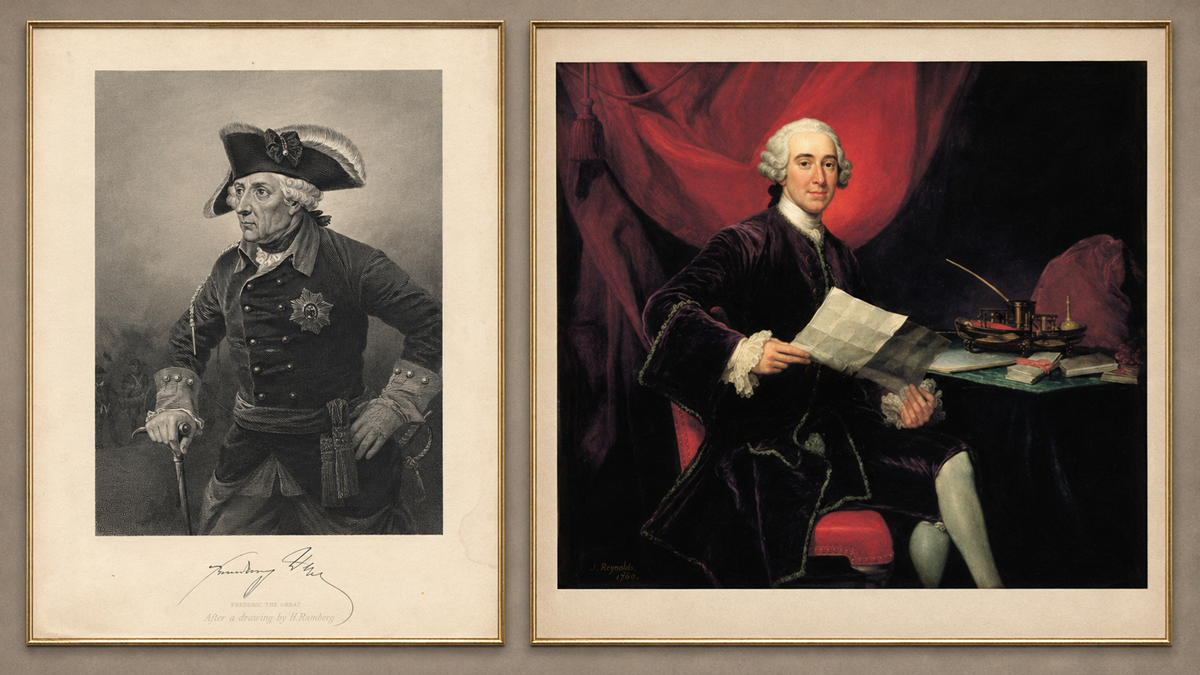
Britain had traditionally relied on Austria as an important European partner, but that relationship deteriorated during the 18th century. In January 1756, Britain signed the Convention of Westminster with Prussia, bringing two powers with different strategic priorities into a new arrangement. Britain’s main concern was protecting Hanover and challenging France, while Frederick the Great needed support against his European rivals. British subsidies later helped Prussia survive the Seven Years’ War.
5. The American Revolutionaries and the French Monarchy
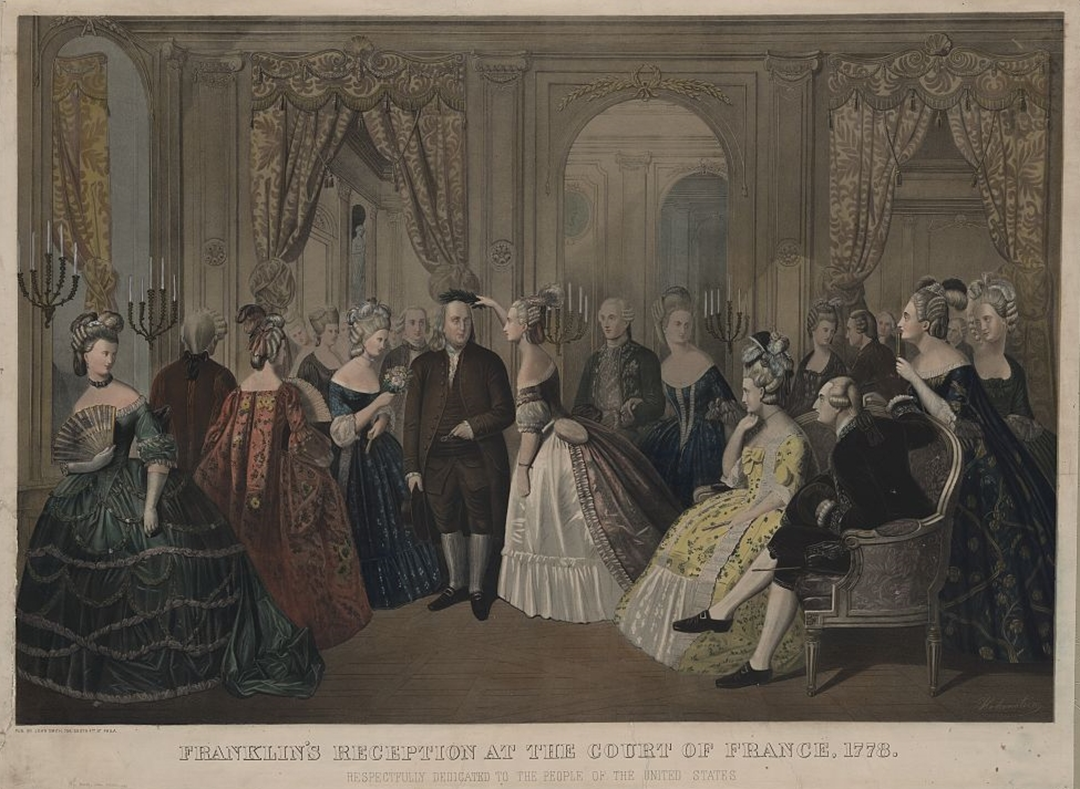
An absolute monarchy helping revolutionaries fight against a king was an unusual political arrangement. Yet Louis XVI’s France formally allied with the United States on February 6, 1778, recognizing an opportunity to weaken its longtime British rival. French troops, warships, supplies, and financial assistance became essential to the American cause. French naval support proved especially important at Yorktown in 1781, where British General Charles Cornwallis surrendered to American and French forces.
Trending on The Scroller

6. The Spanish Conquistadors and the Tlaxcalans
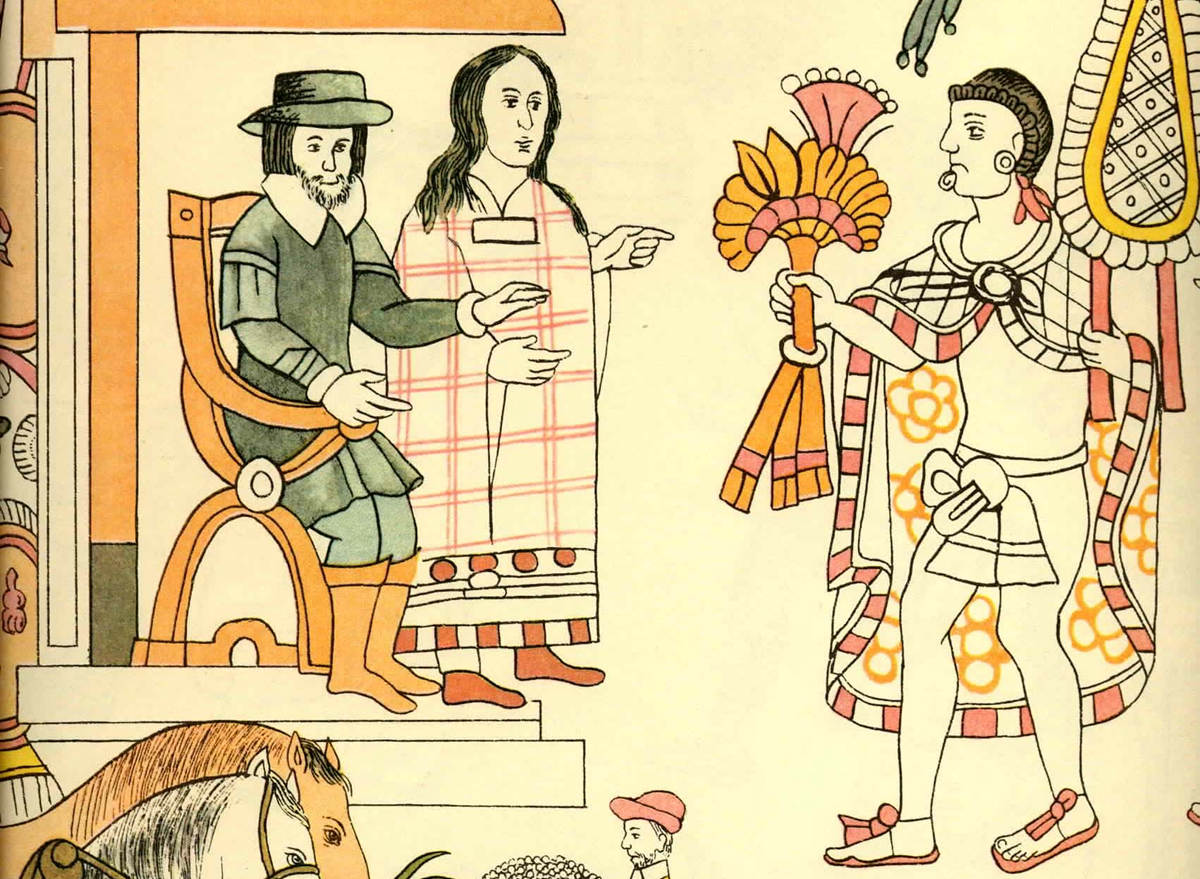
When Hernán Cortés entered central Mexico in 1519, his relatively small Spanish force faced an enormous challenge. The Tlaxcalans, longtime enemies of the Aztec Empire, initially fought the newcomers before agreeing to cooperate with them. Thousands of Indigenous warriors eventually participated in the campaign against Tenochtitlan, alongside Spanish soldiers and other Indigenous allies. Their support was crucial to the city’s fall in August 1521, although Spanish colonial rule brought devastating consequences for the region’s Indigenous populations.
7. Catholic Poland and Pagan Lithuania
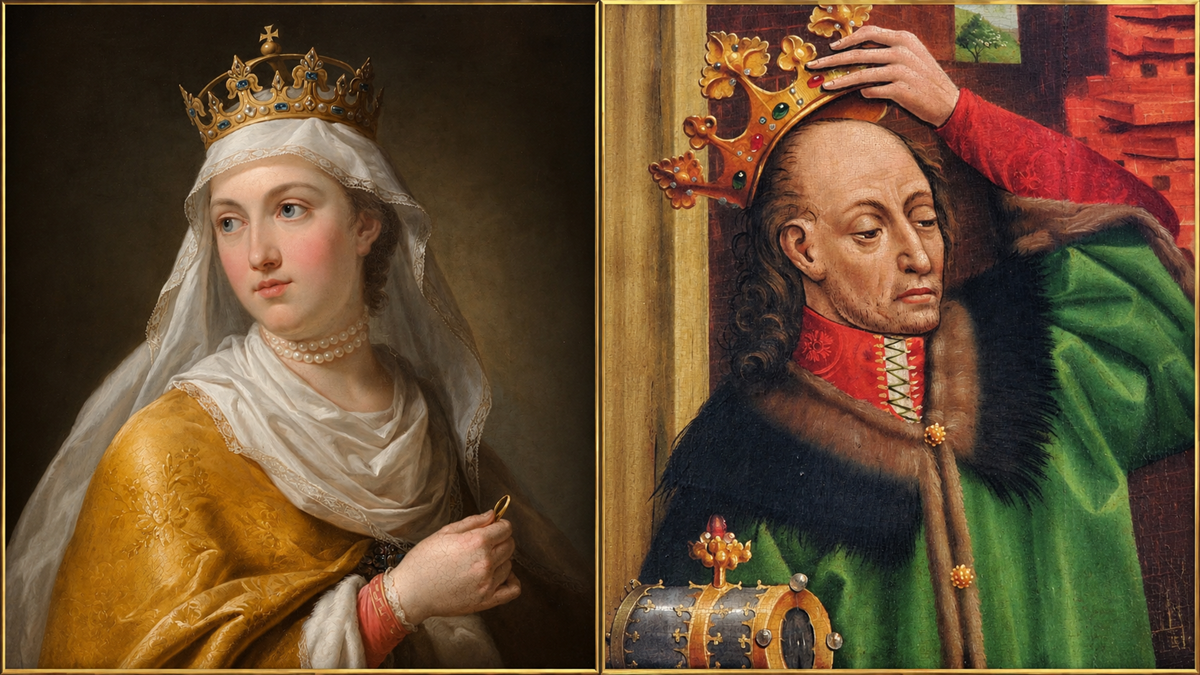
Medieval Europe’s religious divisions made cooperation between Catholic Poland and largely pagan Lithuania an unusual prospect. But in 1385, the Union of Krewo established the basis for a dynastic partnership between the two states. Lithuanian Grand Duke Jogaila agreed to accept Catholic Christianity and marry Poland’s ruler, Jadwiga. Their marriage in 1386 helped establish a political relationship that eventually developed into the Polish-Lithuanian Commonwealth in 1569.
8. Napoleon and the Russian Tsar
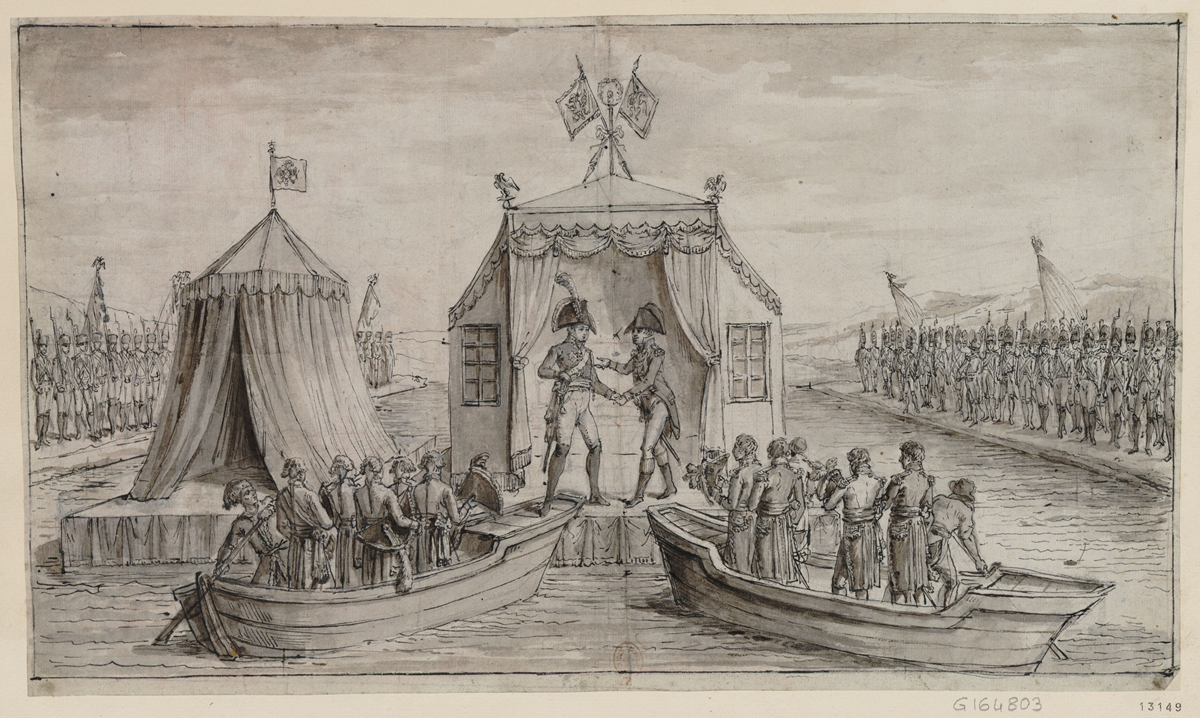
After defeating Russian forces in 1807, Napoleon met Tsar Alexander I at Tilsit, where the two emperors negotiated a dramatic reconciliation. Their agreement brought Russia into Napoleon’s continental system against Britain and temporarily ended their military confrontation. The partnership soon deteriorated over economic restrictions and competing interests in Europe. By June 1812, Napoleon was invading Russia, turning his former partner into one of his most determined enemies.
Sign up for our newsletter
9. The British Empire and Imperial Japan
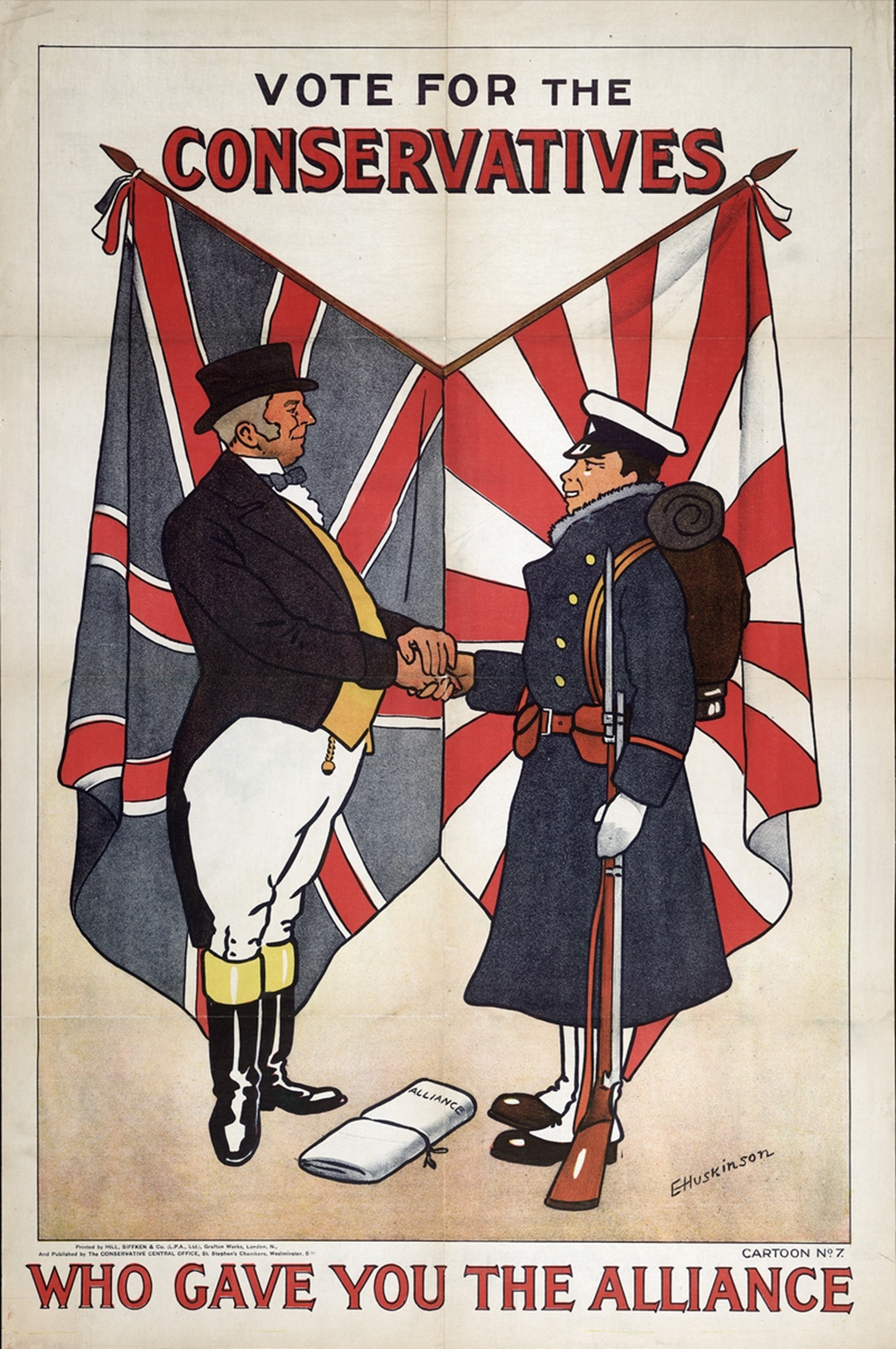
At the beginning of the 20th century, Britain was one of the world’s largest imperial powers, while Japan was rapidly establishing itself as a major force in East Asia. Their 1902 alliance was a significant departure from Britain’s traditional preference for avoiding permanent peacetime alliances. Both governments wanted to limit Russian expansion in the region. The agreement provided Japan with valuable diplomatic security during the Russo-Japanese War of 1904–1905, and the partnership remained in place until 1923.
10. Italy Switches Sides During World War I
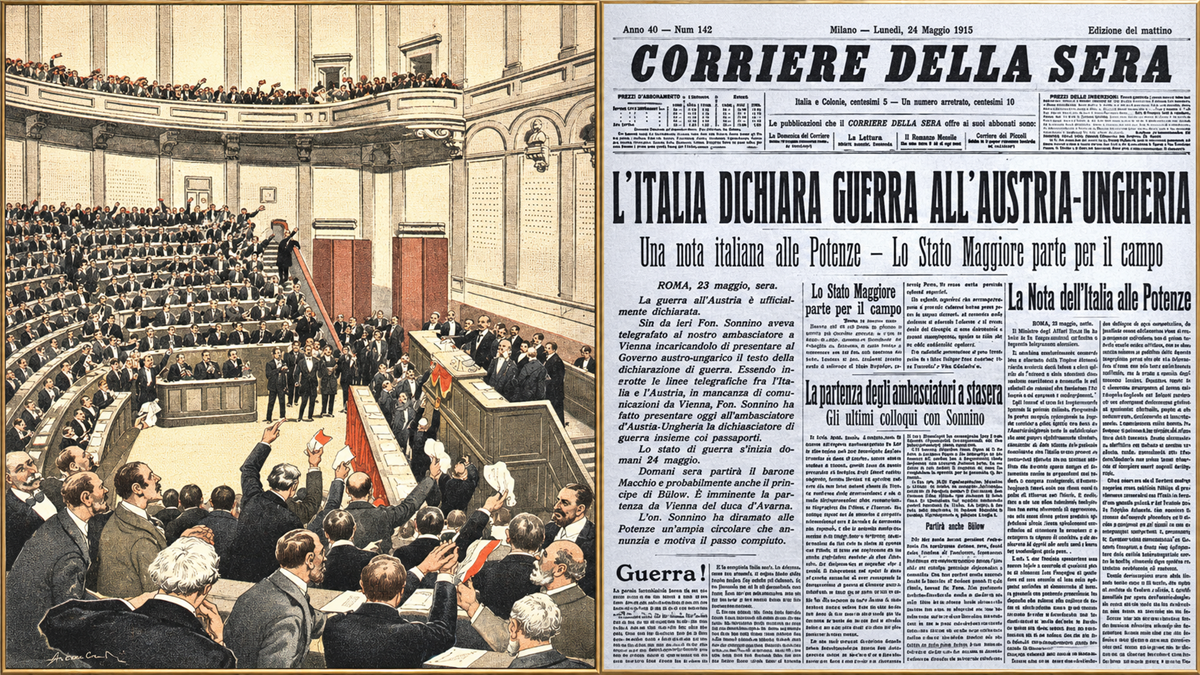
Italy entered the 20th century formally allied with Germany and Austria-Hungary, even though it had longstanding territorial disputes with the Austrians. When World War I began in 1914, Italy remained neutral, arguing that its alliance did not require participation in the conflict. Secret negotiations with Britain, France, and Russia produced the Treaty of London on April 26, 1915, promising territorial gains in exchange for joining their side. On May 23, Italy declared war on Austria-Hungary, its former alliance partner.
11. Nazi Germany and the Soviet Union
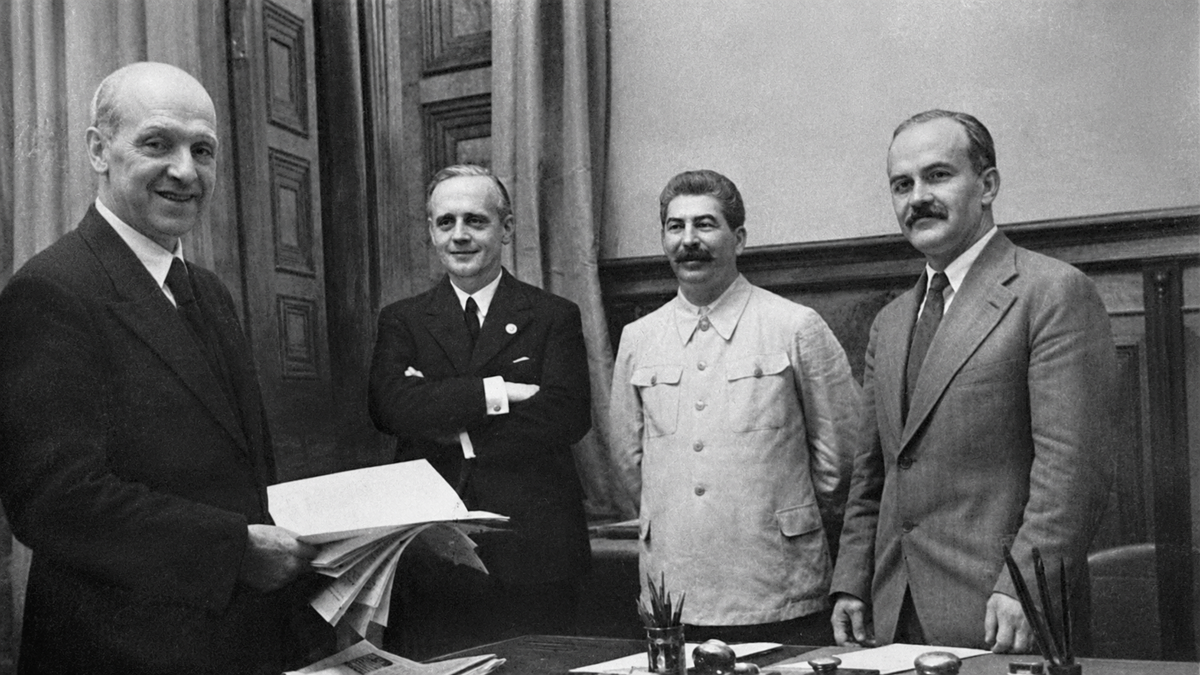
Few diplomatic agreements appeared more contradictory than the Molotov-Ribbentrop Pact, signed on August 23, 1939. Adolf Hitler’s Nazi government and Joseph Stalin’s communist regime were bitter ideological enemies, yet they agreed not to attack each other. A secret protocol divided parts of Eastern Europe into German and Soviet spheres of influence, paving the way for the invasion and partition of Poland that September. It was a temporary nonaggression agreement rather than a formal military alliance, and Germany broke it by invading the Soviet Union in June 1941.
12. Chinese Nationalists and Communists Unite Against Japan
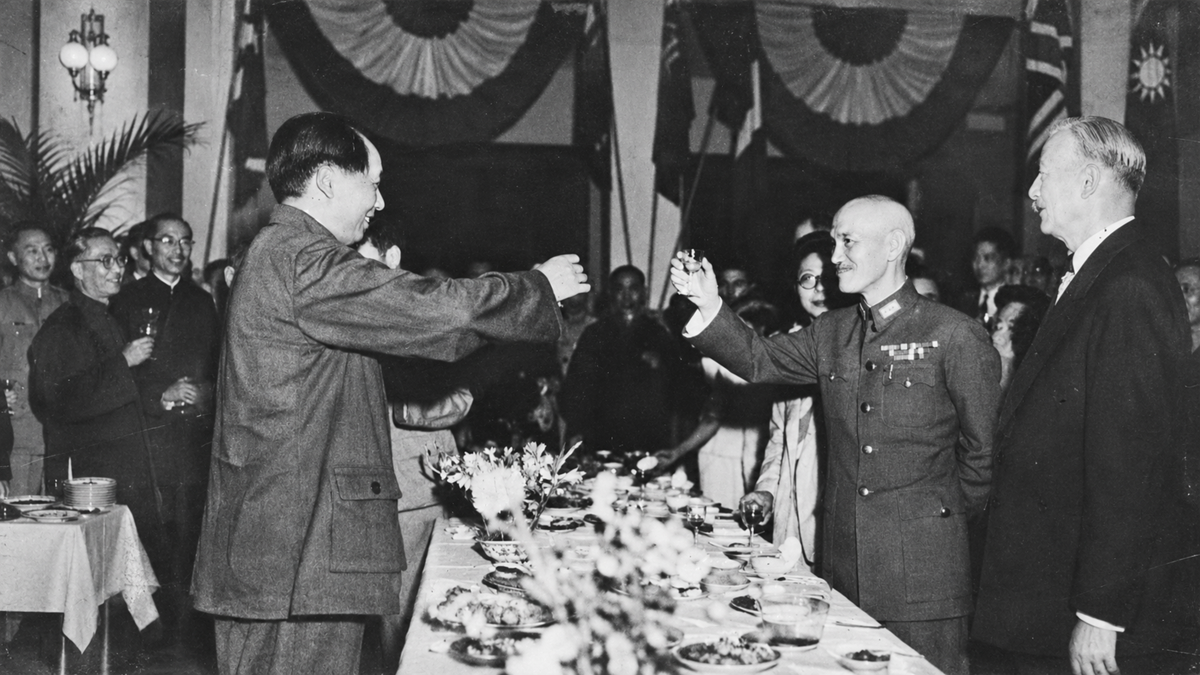
China’s Nationalists and Communists had spent years fighting for control of the country. But growing Japanese aggression pushed the bitter rivals toward cooperation, particularly after the Xi’an Incident in December 1936. The Second United Front took shape in 1937, as Chiang Kai-shek’s Nationalist government and Mao Zedong’s Communist movement concentrated on resisting Japan. Distrust and occasional clashes continued throughout the war, and full-scale civil conflict resumed in 1946.
13. Winston Churchill and Joseph Stalin
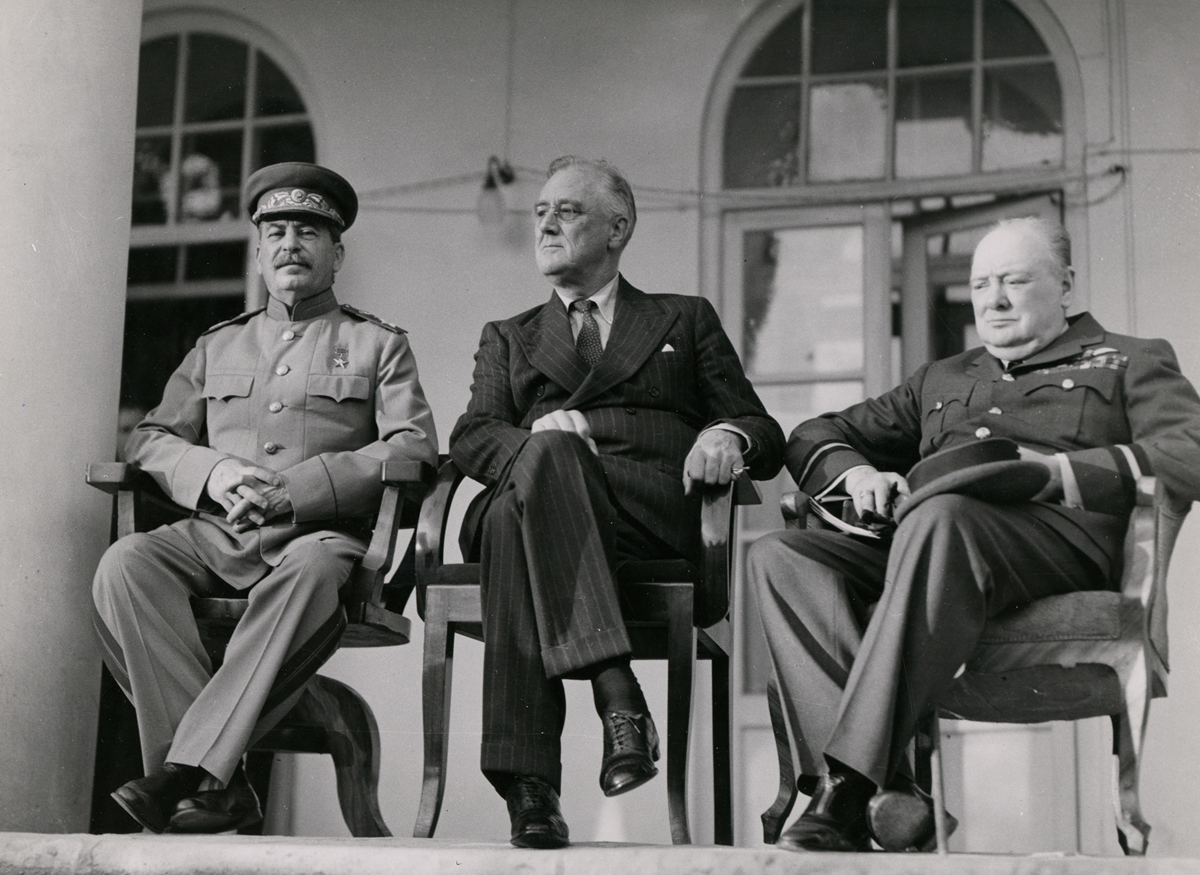
Winston Churchill had been an outspoken opponent of communism for decades, making cooperation with Joseph Stalin a particularly uncomfortable prospect. Germany’s invasion of the Soviet Union in June 1941 changed the situation almost overnight. On July 12, Britain and the Soviet Union signed an agreement promising mutual assistance against Nazi Germany and ruling out a separate peace without mutual consent. Their wartime partnership helped defeat Hitler, even as disagreements over Europe’s future laid the groundwork for the Cold War.
14. The United States and Ho Chi Minh Fight Japan Together
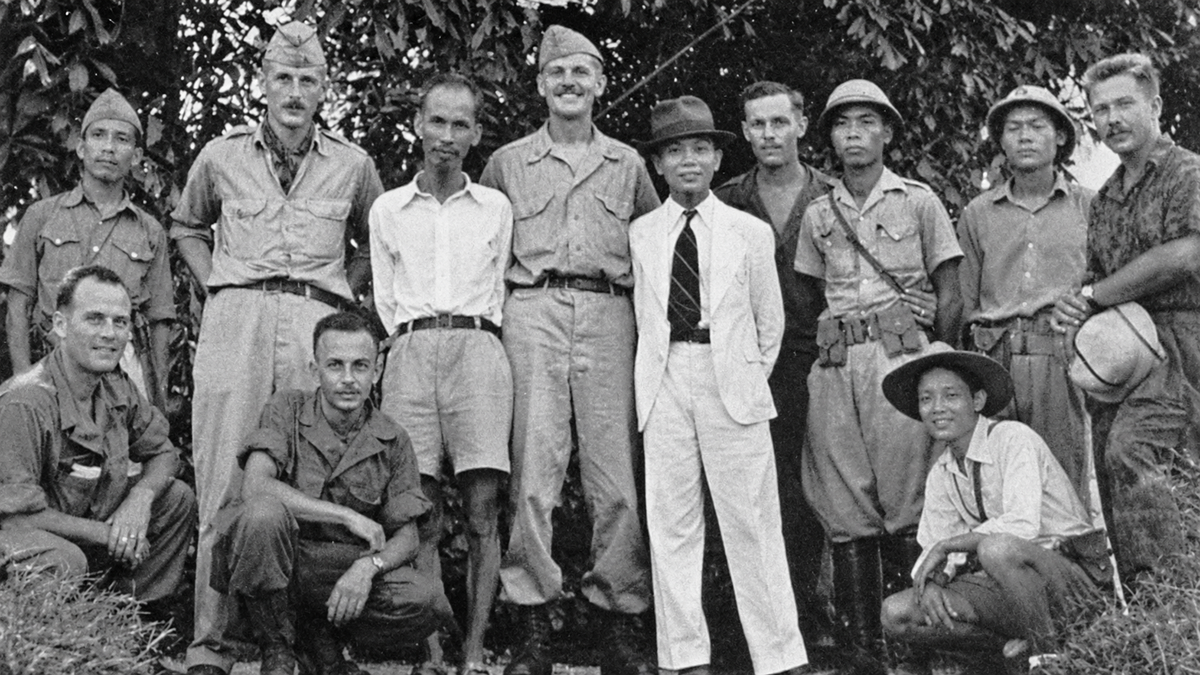
Long before American troops fought communist forces in Vietnam, U.S. intelligence agents were actually helping Ho Chi Minh’s guerrillas. In July 1945, an American Office of Strategic Services unit known as the Deer Team arrived in northern Vietnam to cooperate with the Viet Minh against Japanese forces. The Americans supplied weapons and trained approximately 200 guerrillas, some of whom would later fight against U.S. forces during the Vietnam War. The cooperation lasted only a few weeks, making it one of the stranger episodes in the history of U.S.-Vietnamese relations.
15. Richard Nixon and Mao Zedong
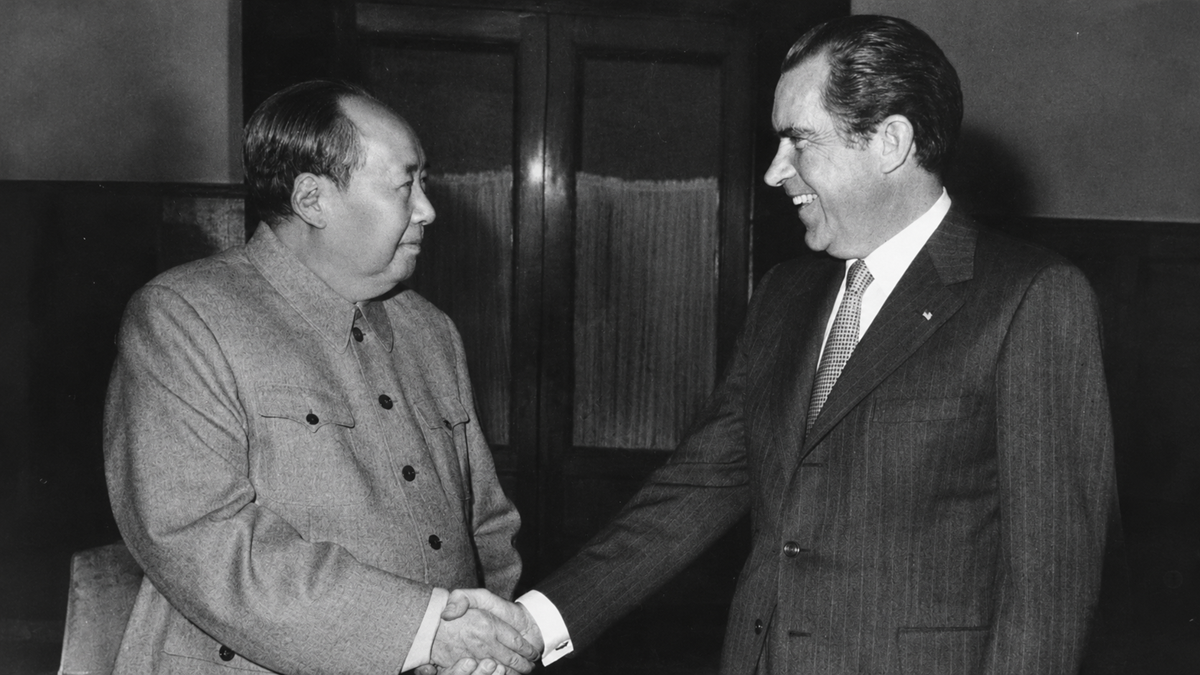
For more than two decades, the United States and communist China had regarded each other with deep hostility. Then, in February 1972, President Richard Nixon traveled to Beijing and met Mao Zedong, opening a diplomatic relationship that would have seemed almost impossible during the Korean War. Both governments had concerns about Soviet power, making cooperation increasingly attractive despite their ideological differences. The visit did not create a formal military alliance, but it helped reshape Cold War diplomacy and set the stage for normalized U.S.-China diplomatic relations on January 1, 1979.
In the mood for more?
Check out 20 World War II Generals Who Changed History, or take a look at 20 Historical Figures Who Were Betrayed by Someone Close. If you want to see more unexpected friendships, you can check out 14 Animal Friendships Between Species That Shouldn’t Work.