Public transportation helped shape American cities long before highways and sprawling parking lots became part of everyday life. Streetcars opened new neighborhoods, subways brought distant communities closer to downtown, and unusual transit systems made challenging terrain easier to cross.
From New York’s underground trains to San Francisco’s cable cars, these stories show how transportation helped determine where Americans lived, worked, and built communities. Its effects remain visible in city layouts today.
1. New York City’s Subway Helped Turn Distant Neighborhoods Into Residential Centers
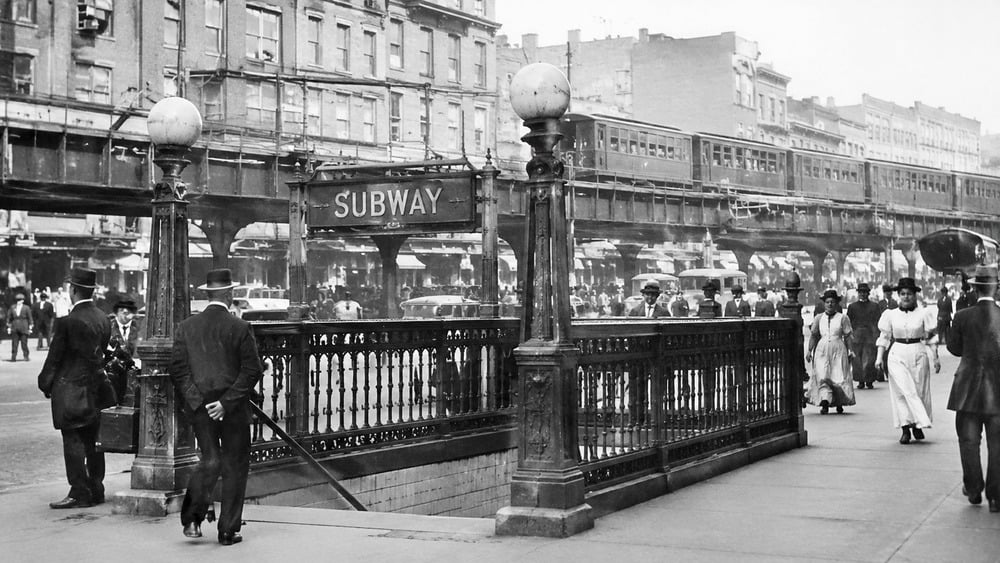
When New York City´s first subway opened on October 27, 1904, it changed what living in the city could look like. Residents no longer had to remain close to crowded Manhattan workplaces to keep a practical commute. As lines expanded into Brooklyn, Queens, and the Bronx, neighborhoods that had once seemed inconvenient became realistic places to call home. Families could settle farther from commercial districts without giving up access to jobs. The subway did more than connect neighborhoods: it helped make New York’s enormous residential footprint possible.
2. Chicago’s Downtown Got Its Famous Name From a Transit Route
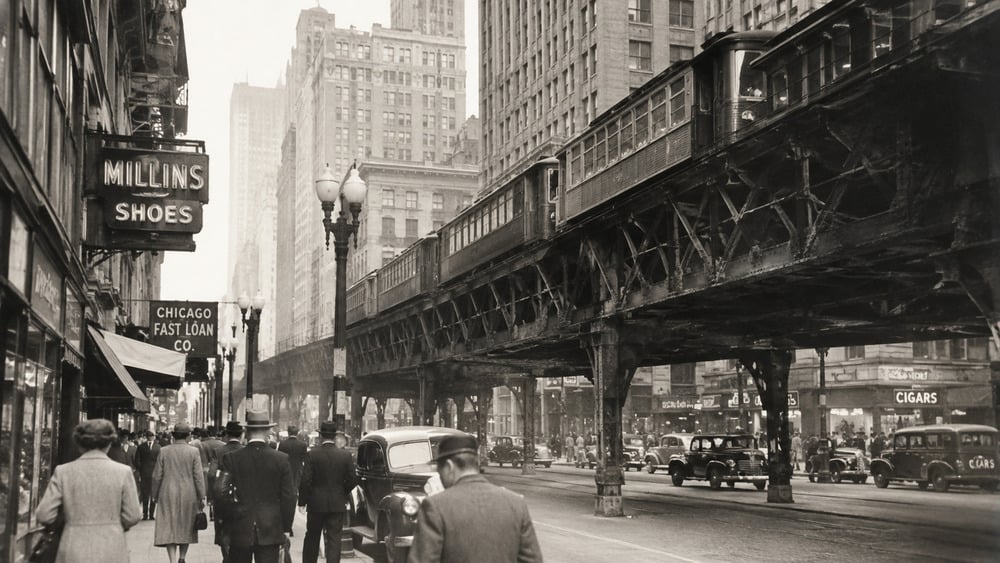
Chicago´s Loop is one of America´s best-known downtown districts, and its name is tied to transportation. The area was associated with a cable-car loop before the elevated railway became its defining feature. In 1897, the completed elevated circuit connected separate train lines around the central business district. The tracks made downtown easier to reach and created a structure that became part of Chicago’s identity. Elevated trains still run above busy streets, linking the city’s transit history to its most famous neighborhood.
3. Boston Built America’s First Subway to Solve a Street-Level Transportation Problem
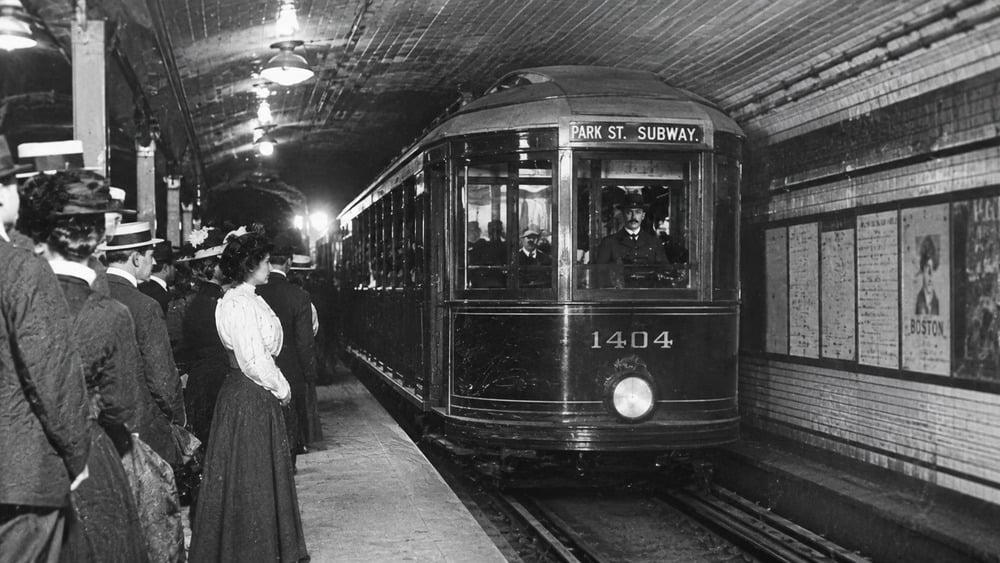
Boston´s first subway was a practical response to crowded streets filled with streetcars. When the Tremont Street Subway opened on September 1, 1897, it moved trolley traffic underground, easing congestion and avoiding more surface tracks near Boston Common. The idea quickly attracted riders: approximately 50 million passenger rides were recorded during its first full year. A local traffic solution became a milestone in American urban transportation.
4. San Francisco’s Cable Cars Made Its Steepest Streets Easier to Navigate
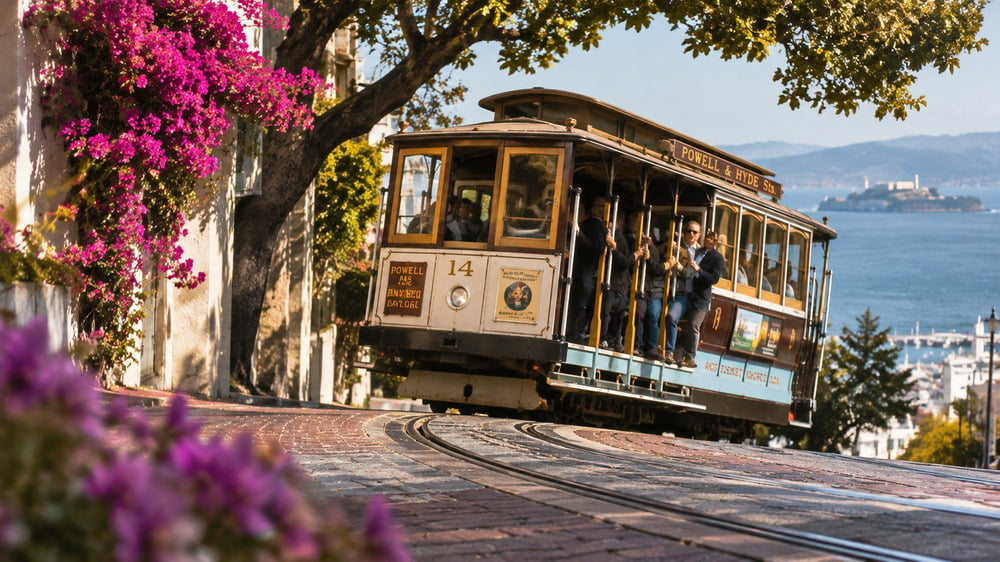
San Francisco´s hills posed a challenge for horse-drawn streetcars. In 1873, the city´s first cable car began operating on Clay Street, using moving underground cables to pull cars up steep slopes. The system made hillside neighborhoods easier to reach and gave residents an alternative to climbing on foot. Electric streetcars later replaced most cable-car routes, but San Francisco preserved part of the original network. A practical answer to difficult terrain became one of the city’s most recognizable attractions.
5. Los Angeles Once Used Electric Trains to Sell Suburban Real Estate
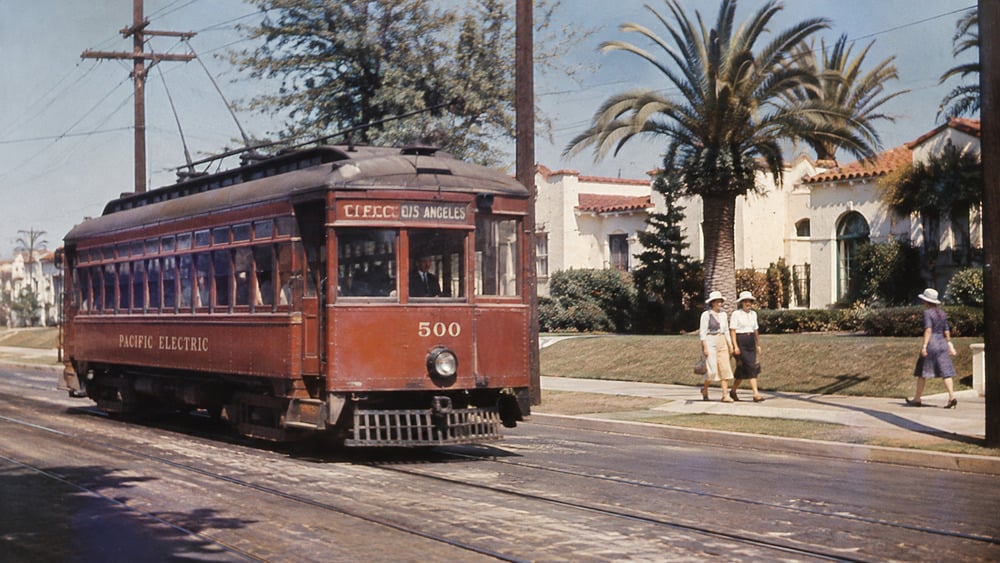
Long before Los Angeles became associated with freeways, electric trains helped shape its growing neighborhoods. Henry Huntington established the Pacific Electric Railway in 1901, in part because convenient transportation made his real estate holdings more appealing to buyers. The system’s Red Cars connected communities across Southern California. By the 1920s, it had become one of the world’s largest electric rail systems. These trains encouraged residential development across a wide region and helped create the spread-out urban pattern later associated with car travel.
Trending on The Scroller

6. Washington, D.C.’s Streetcars Helped Create the Classic American Suburb
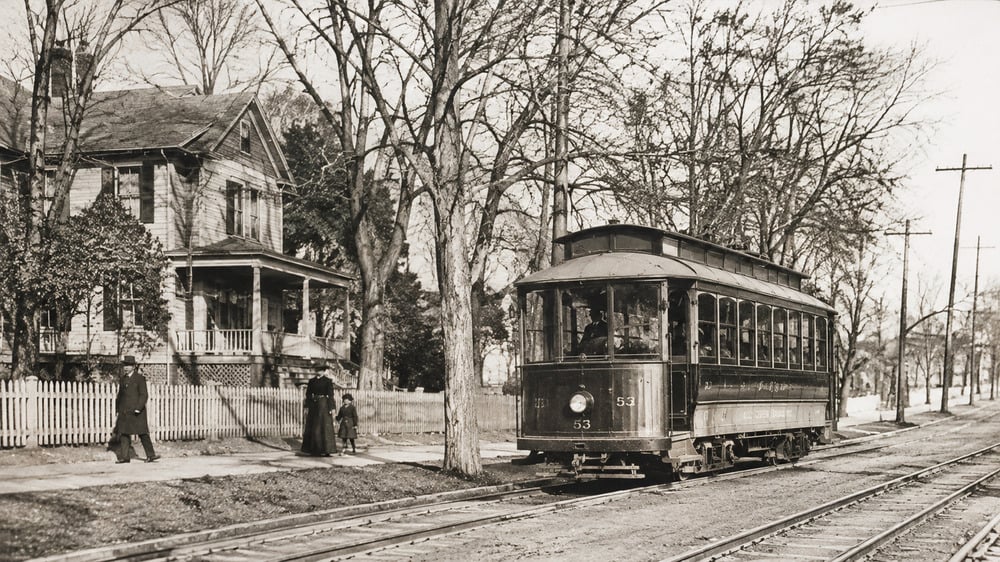
Streetcars helped make suburban living and city employment compatible. During the 1890s, developers around Washington, D.C., used electric railway connections to make distant land attractive for homes. The Chevy Chase Land Company developed more than 1,700 acres near the Maryland-District boundary, supported by the Rock Creek Railway. Residents could enjoy more space while keeping access to city jobs. The combination of suburban housing and dependable transit helped establish a pattern that influenced American residential development for generations.
7. Washington’s Metro Helped Turn Arlington Into a Network of Mini-Downtowns
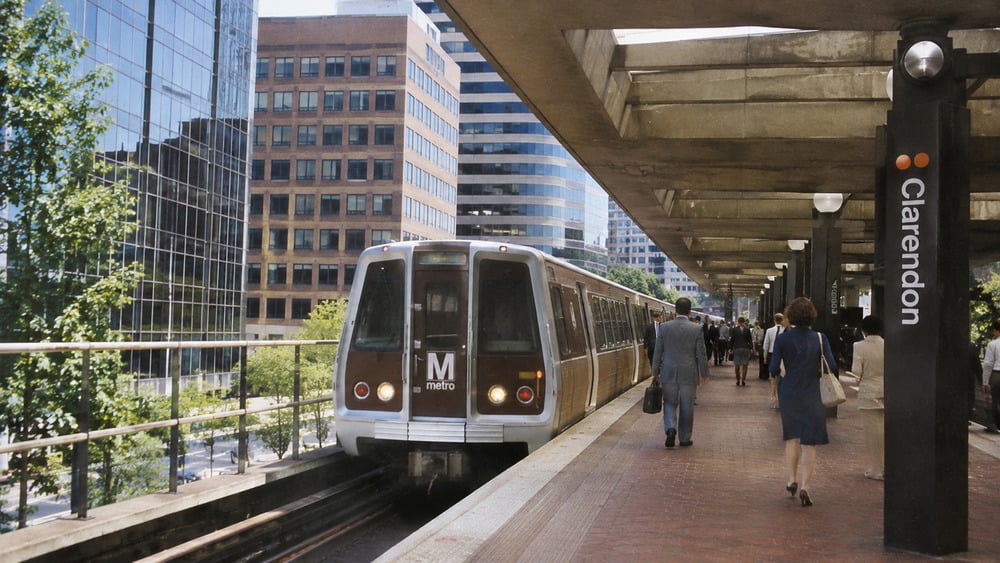
Arlington County shaped its growth by pushing for Washington´s Metrorail to run through existing commercial neighborhoods instead of beside Interstate 66. The county encouraged offices, apartments, and shops to cluster near stations such as Rosslyn, Clarendon, and Ballston. Between 1990 and 2000, the population living within a quarter-mile of the Rosslyn-Ballston stations increased by nearly 107%. Rather than spreading development evenly across the suburbs, Arlington built walkable centers linked by rail.
8. Philadelphia’s Elevated Trains Brought Northeast Residents Within an Hour of Downtown
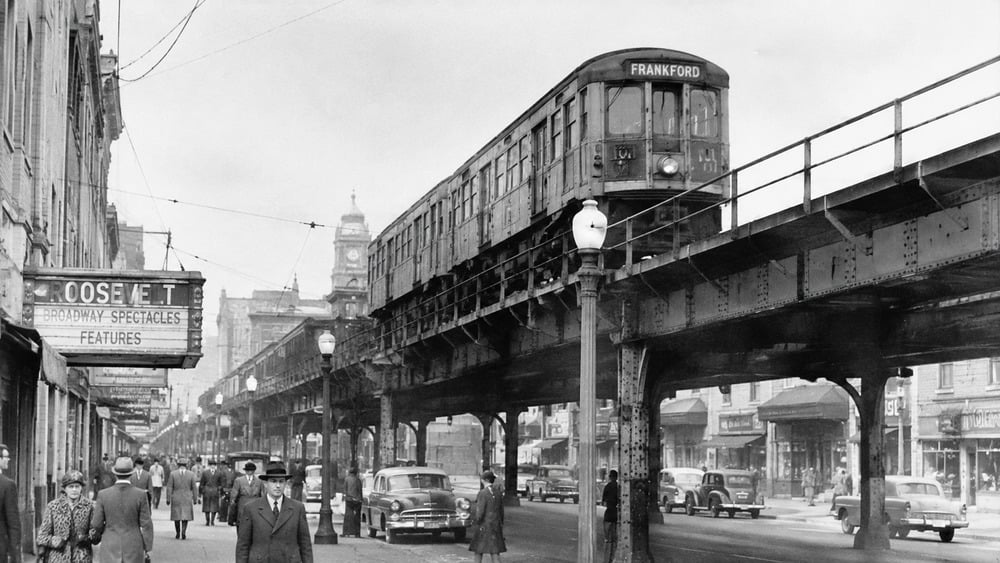
For residents of northeastern Philadelphia, reaching the commercial center once took much longer. The Frankford Elevated opened on November 5, 1922, creating a rapid-transit connection that made trips to Center City possible in an hour or less for people along its route. By bringing distant residential areas closer in practical terms, the railway expanded where people could live while working downtown. Transit can change not only distance, but how far that distance feels.
Sign up for our newsletter
9. Cleveland’s Transit Lines Helped Developers Build a Planned Garden Suburb
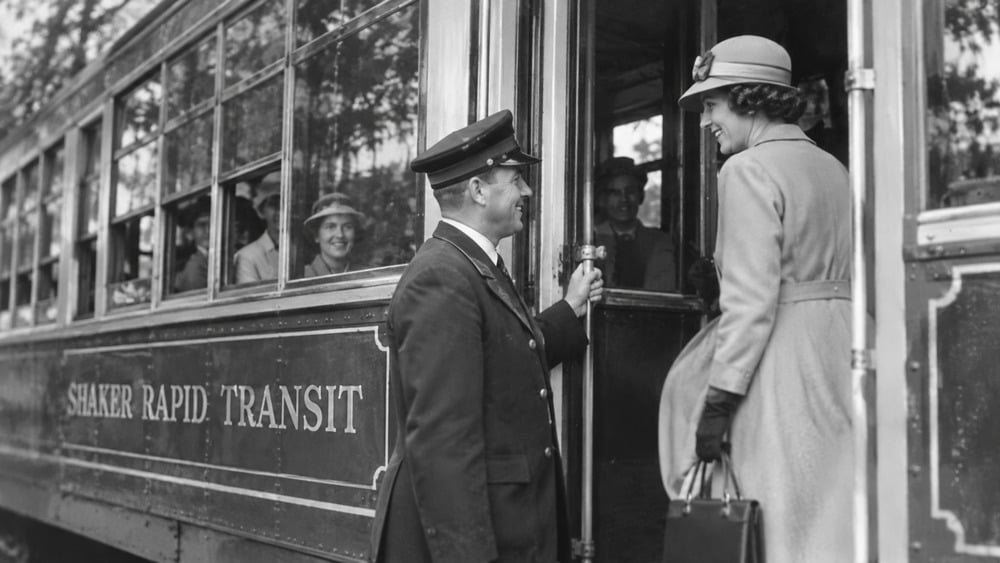
Shaker Heights was planned around the idea that convenient transportation could make a residential community attractive to people working in Cleveland. Developers Oris and Mantis Van Sweringen supported early streetcar service, and Shaker Rapid Transit provided a faster downtown connection beginning in 1920. The brothers coordinated transportation improvements with neighborhood development, creating a suburb that paired residential surroundings with access to urban employment. It was an early example of transit planning and real estate development shaping a community together.
10. San Francisco and Oakland Became More Closely Connected Through an Underwater Railroad
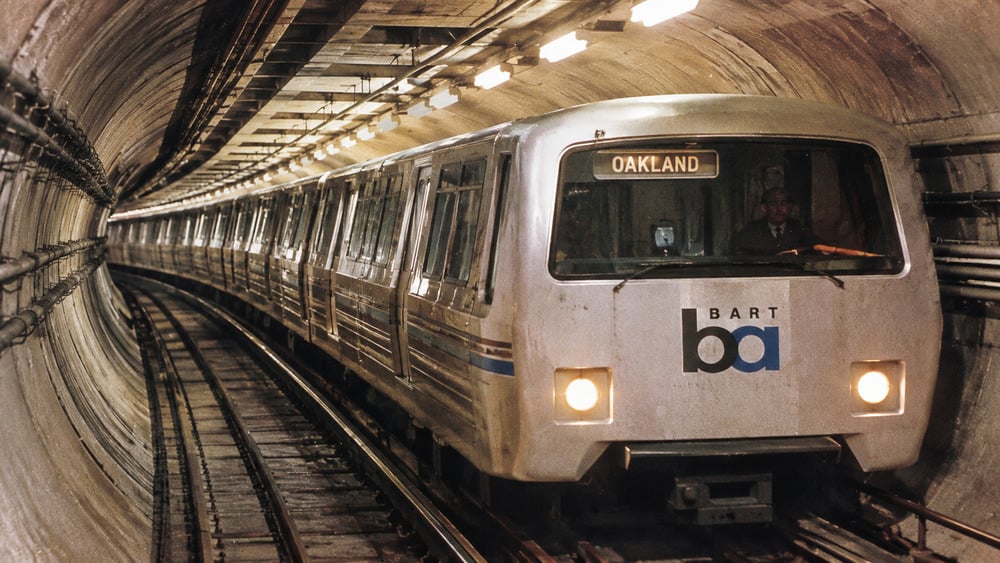
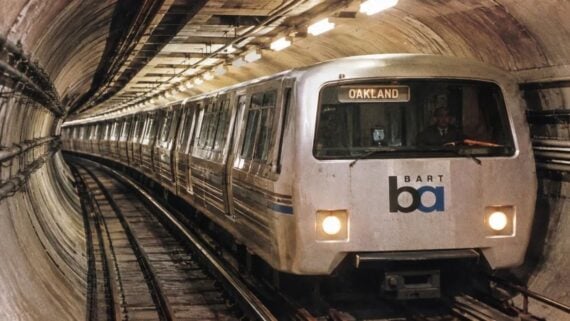
BART´s Transbay Tube opened to passengers on September 16, 1974, carrying public transportation beneath San Francisco Bay. The 3.6-mile crossing gave commuters a direct rail connection between San Francisco, Oakland, and other East Bay communities. Residents gained another practical way to reach major employment centers without relying entirely on road travel across the Bay Bridge. The tube completed BART’s original regional network and brought communities on opposite sides of the water into closer metropolitan connection.
11. Portland Made Light Rail Part of Its Downtown Identity
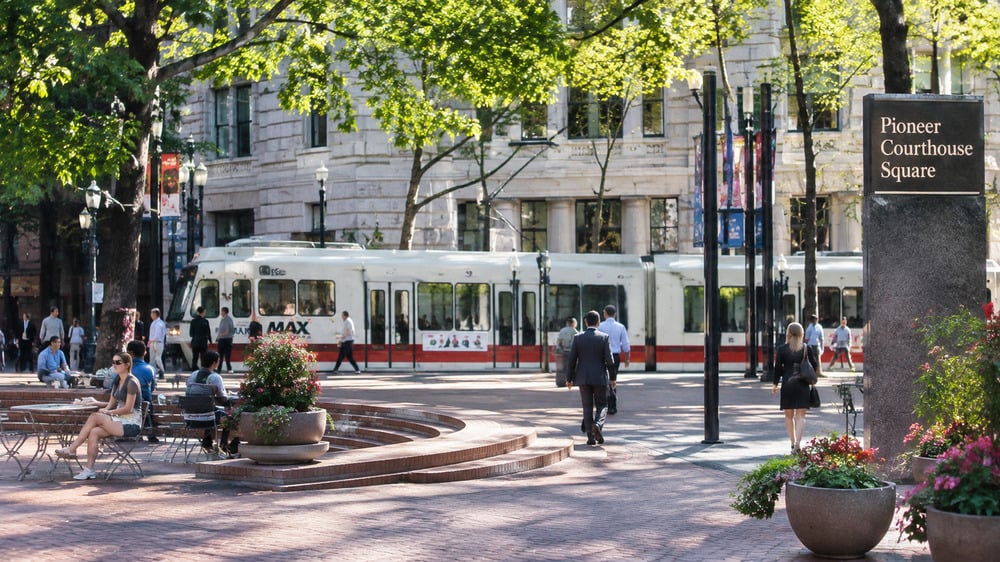
When Portland introduced its MAX light rail system on September 5, 1986, it integrated modern rail into downtown streets. The original route stopped at Pioneer Courthouse Square, connecting an important public gathering place to the wider transit network. Instead of separating trains from central city activity, Portland made light rail visible in everyday urban life. MAX became both a commuting option and part of an approach to city planning that placed transit alongside shops, sidewalks, and shared public spaces.
12. Seattle Built a Downtown Tunnel for Buses Before Using It for Trains
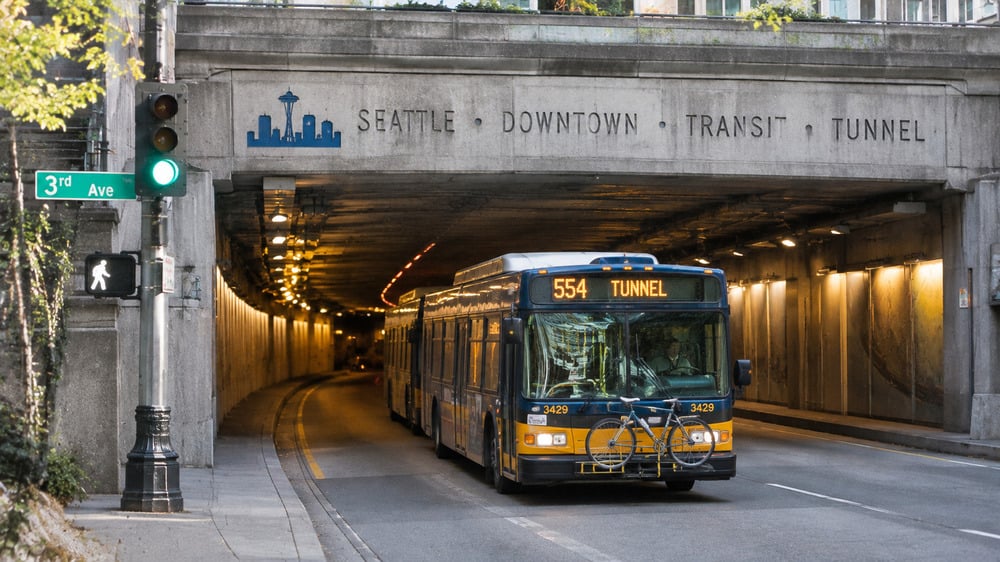
Seattle´s Downtown Transit Tunnel began as a bus project. Regular service started on September 15, 1990, moving numerous bus trips beneath busy downtown streets. Planners had also considered future rail use. After major modifications, light rail began operating through the tunnel in 2009. The project showed how a large transportation investment could serve one purpose first and later adapt to another system.
13. Atlanta Connected Its Airport Directly to Its Rapid Transit System
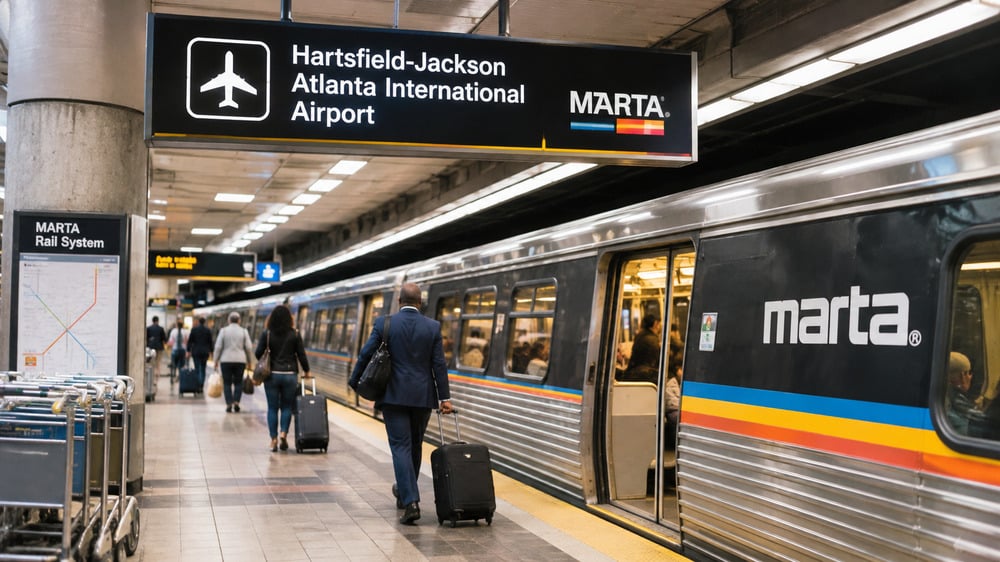
MARTA´s Airport station opened on June 18, 1988, connecting Hartsfield-Jackson Atlanta International Airport directly to the regional rail network. Travelers could reach downtown and other destinations without renting a car. In a metropolitan area strongly associated with automobile travel, the airport connection made transit a practical option for visitors and residents. It also linked air travel with the broader city by rail.
14. Pittsburgh’s Inclines Made Hilltop Neighborhoods Practical Places to Live
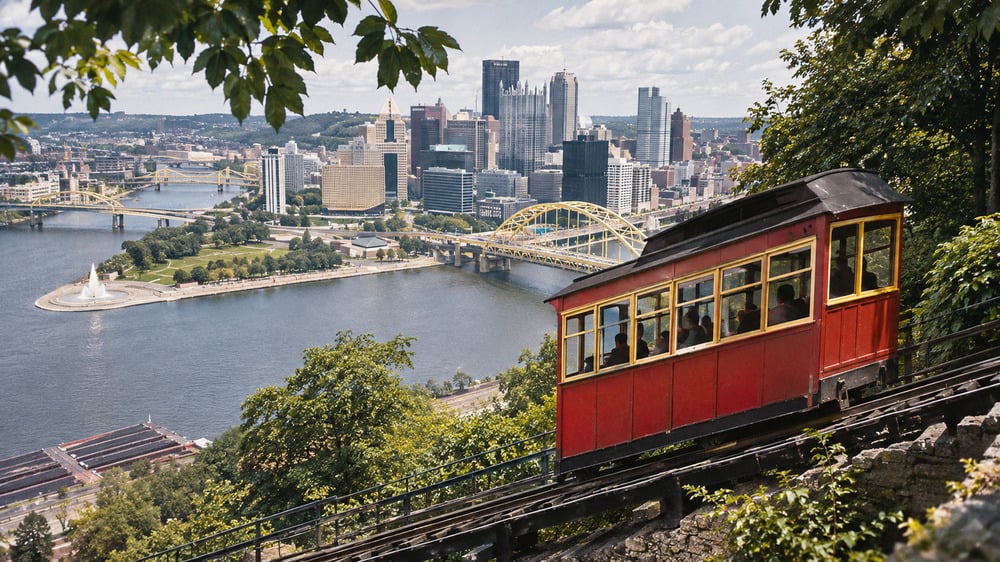
Pittsburgh´s steep hills made travel difficult for workers living above the industrial river valleys. The Monongahela Incline, opened on May 28, 1870, carried passengers between the lowlands and Mount Washington. Residents could travel between homes and workplaces without climbing the hillside on foot. Inclines connected elevated neighborhoods with the industrial city, making terrain less of a barrier to daily life. Two historic inclines still operate, preserving a solution that became part of Pittsburgh’s character.
15. Minneapolis Once Had Streetcars That Connected to Special Passenger Boats
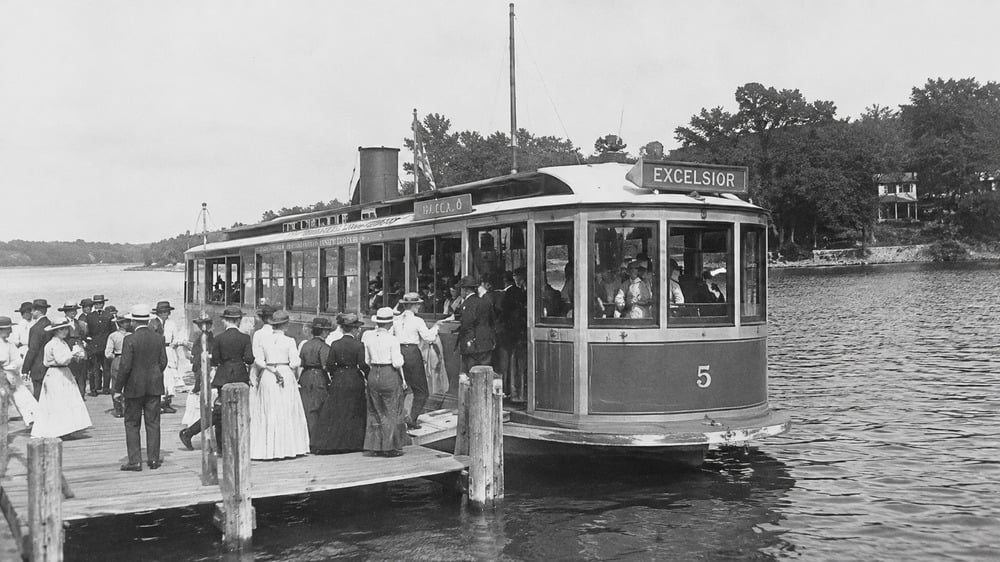
Minneapolis once extended its transit system across Lake Minnetonka. In 1905, the Twin City Rapid Transit Company opened a streetcar connection to Excelsior, shortening the journey to about 5 minutes. The following year, the company introduced six passenger boats designed to resemble streetcars, serving 26 landings around the lake. The boats extended the network across the water, connecting lakeside communities with the wider region.
16. San Francisco Brought Historic Streetcars Back After Residents Missed Them
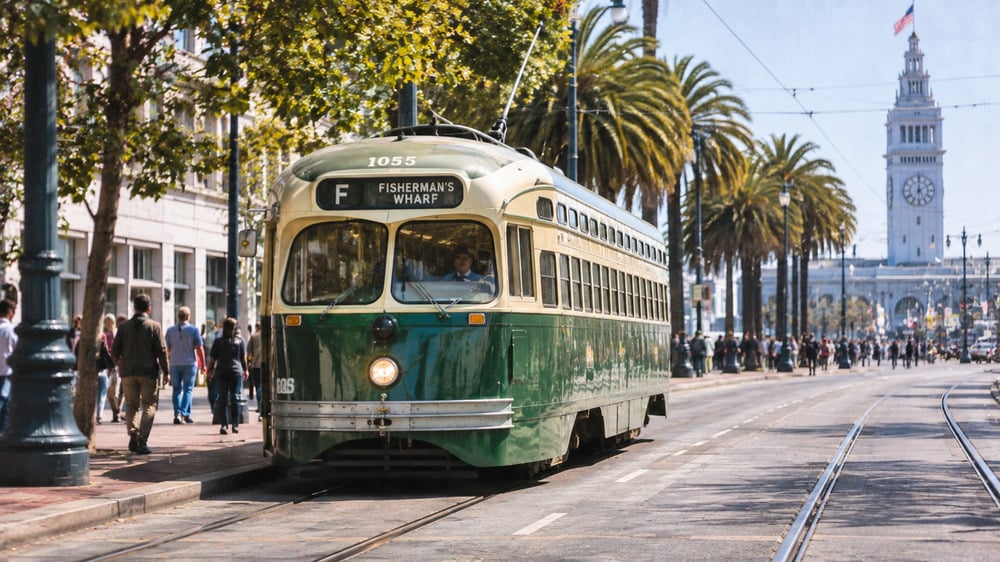
When San Francisco moved regular streetcar service beneath Market Street in the early 1980s, familiar streetcars disappeared from much of downtown´s surface. Transit enthusiasts and local businesses organized a historic trolley festival in 1983, featuring vintage vehicles from different cities. Its popularity helped inspire the permanent F Market heritage streetcar line, which opened in 1995 and later extended to Fisherman’s Wharf. What began as nostalgia became a working service that preserved part of the city’s transportation history.
Public transportation has done far more than move people from one place to another. It influenced where neighborhoods developed, how downtowns grew, and which parts of a city’s history survived. From underground tunnels to hillside inclines, these systems left lasting marks on streets and communities that millions of people still navigate.
Keep Exploring The Scroller
Ever wondered what else shaped America’s cities? Keep exploring The Scroller for forgotten transportation systems, remarkable engineering stories, and surprising histories hiding in familiar places:
12 Forgotten Transportation Systems That Once Carried Thousands of Passengers
12 Unusual Vehicles That Were Built to Travel Across Snow and Ice
14 Inventions That Were Designed for a World That Never Arrived