Not every discontinued car was a failure. Some had loyal owners, strong reviews, and plenty of life left in them when their manufacturers decided to pull the plug. Factory closures, corporate bankruptcies, and shifting investment priorities sometimes mattered more than the cars themselves. These 15 models disappeared from American showrooms for reasons that went well beyond whether drivers actually liked them.
1. Pontiac G8 (2008–2009)
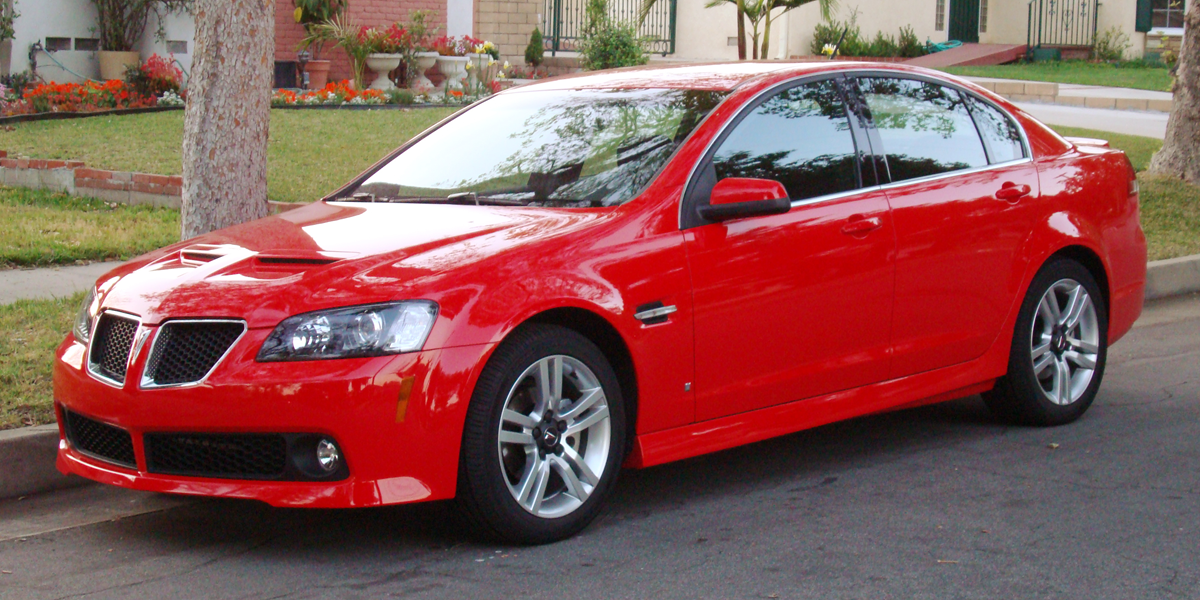
The Pontiac G8 gave American buyers something unusual: an Australian-built, rear-wheel-drive sports sedan with available V8 power. The G8 GXP, introduced for 2009, even offered a six-speed manual transmission and 415 horsepower. But the timing couldn’t have been worse. General Motors entered bankruptcy in June 2009, and Pontiac was among the brands selected for elimination. The G8 disappeared after just two model years in the United States, not because its engineering had suddenly become obsolete, but because the company behind it was being dramatically reorganized.
2. Chevrolet SS (2014–2017)
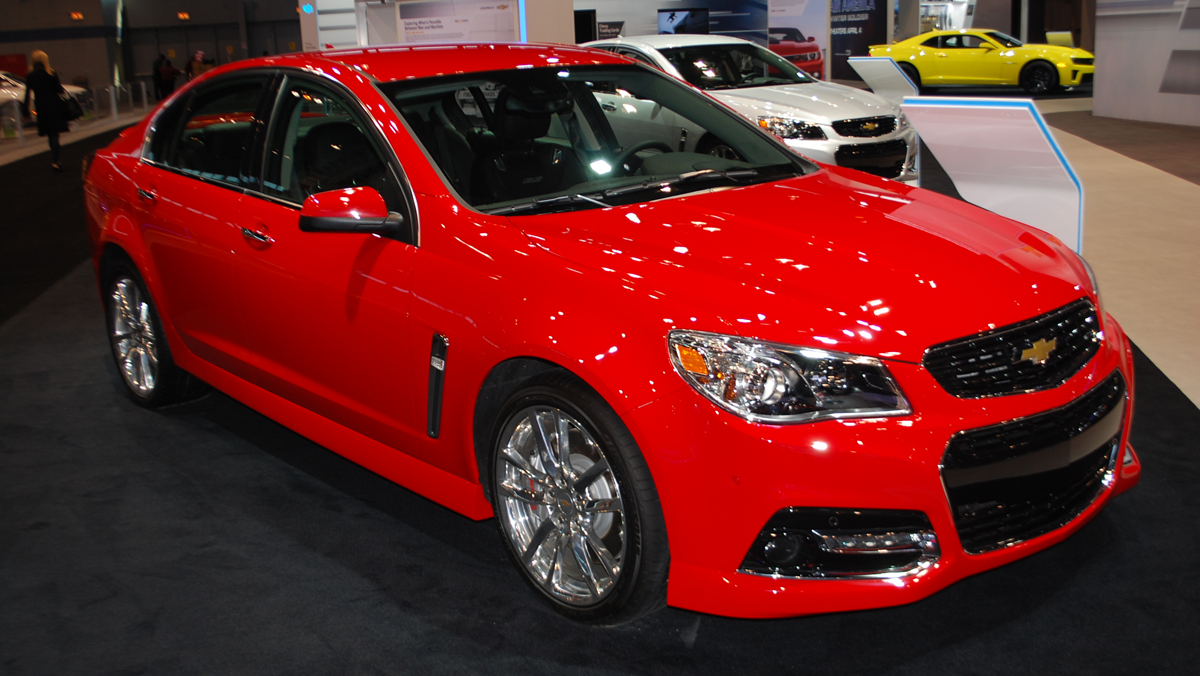
A Chevrolet sedan with a Corvette-derived V8 and an available manual transmission sounded like something from another era. The SS was actually a rebadged Holden Commodore, manufactured in Australia and exported to the United States. Its production was tied to GM’s decision to end Australian vehicle manufacturing in 2017. The final American-bound SS rolled off the assembly line in May of that year, several months before Holden’s Elizabeth factory closed in October. Sales had been modest, but the loss of its manufacturing base sealed its fate.
3. Saturn Sky (2007–2009)
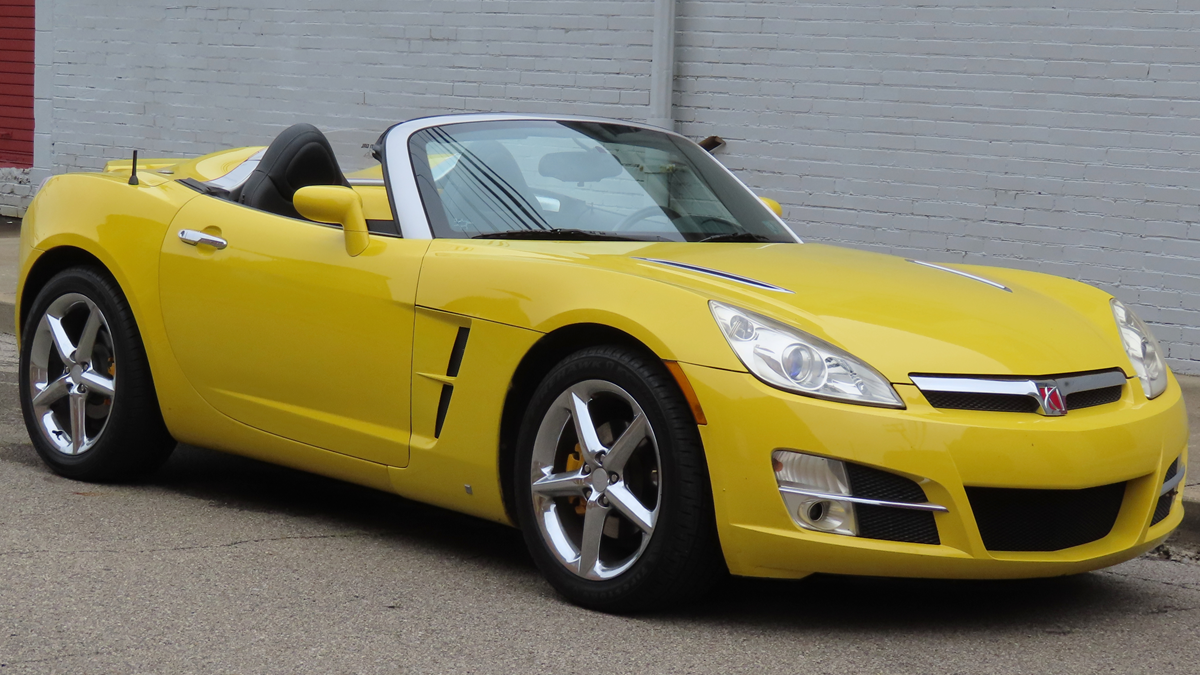
The Saturn Sky looked nothing like the practical compact cars that made Saturn famous. This two-seat roadster featured sharp styling, rear-wheel drive, and an available turbocharged Red Line version. Unfortunately, Saturn itself was running out of road. GM’s financial restructuring led to the brand’s elimination, while the Wilmington, Delaware, factory that built the Sky was marked for closure. Production ended in 2009, leaving the little sports car with a remarkably short life.
4. Pontiac Solstice (2006–2009)
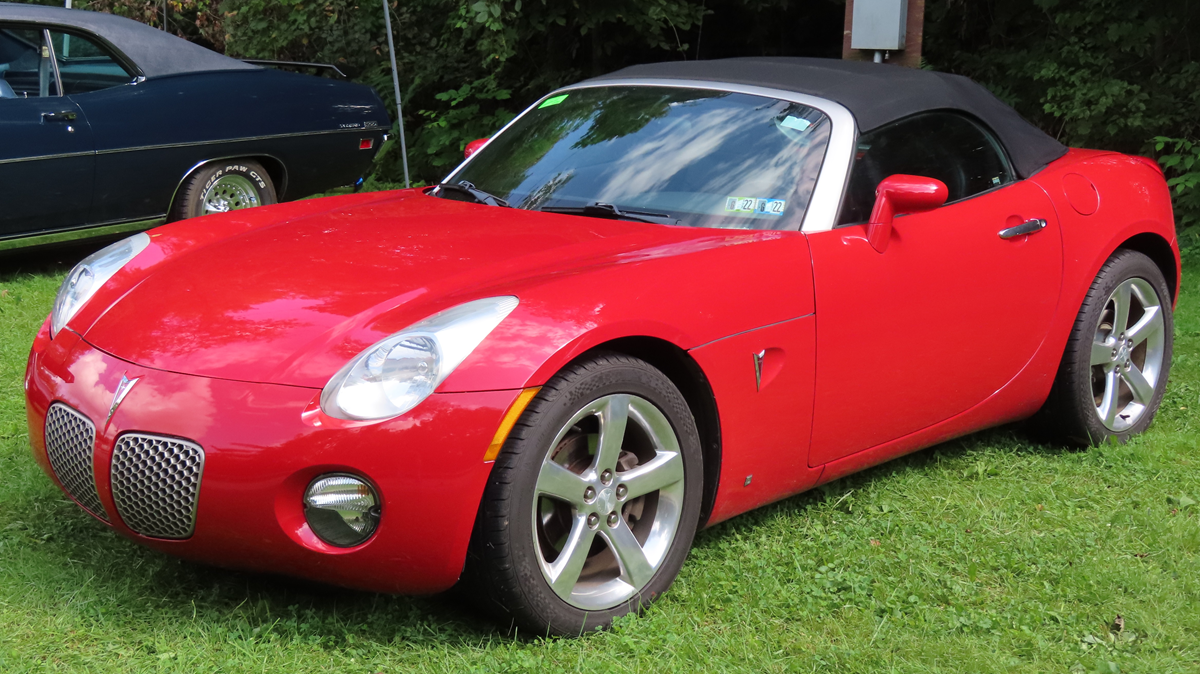
Pontiac’s Solstice arrived as an affordable roadster designed to bring some excitement back to the brand. It shared its underlying platform with the Saturn Sky and eventually gained a turbocharged GXP version. A fixed-roof Solstice Coupe joined the lineup for the 2009 model year, just as GM was preparing to eliminate Pontiac. The Wilmington plant closure ended production of both body styles, making the rare coupe an especially unusual casualty of the company’s bankruptcy-era decisions.
5. Mercury Grand Marquis (1975–2011)
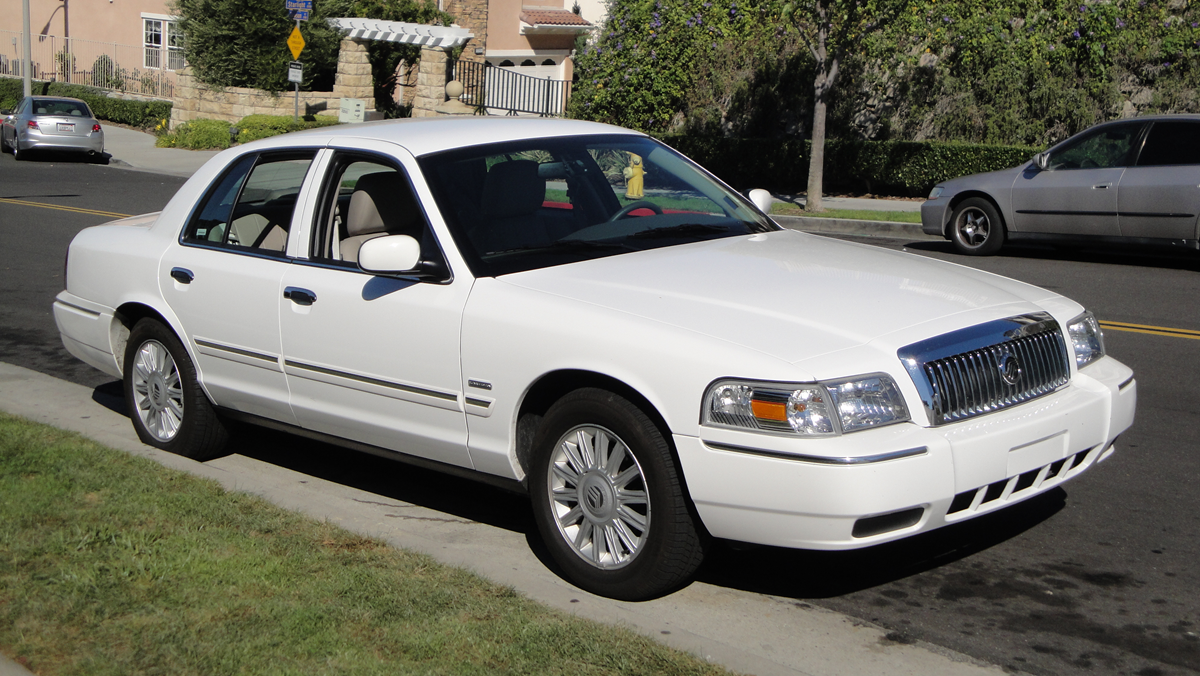
For decades, the Grand Marquis offered a traditional American driving experience, complete with a large V8 engine, a roomy interior, and body-on-frame construction. But Ford eventually decided that operating Mercury as a separate brand no longer justified the investment. The company announced Mercury’s elimination in 2010, redirecting its attention toward Ford and Lincoln. On January 4, 2011, the final Grand Marquis became the last Mercury automobile to leave the assembly line. The entire brand disappeared with it.
Trending on The Scroller
6. Oldsmobile Aurora (1995–2003)
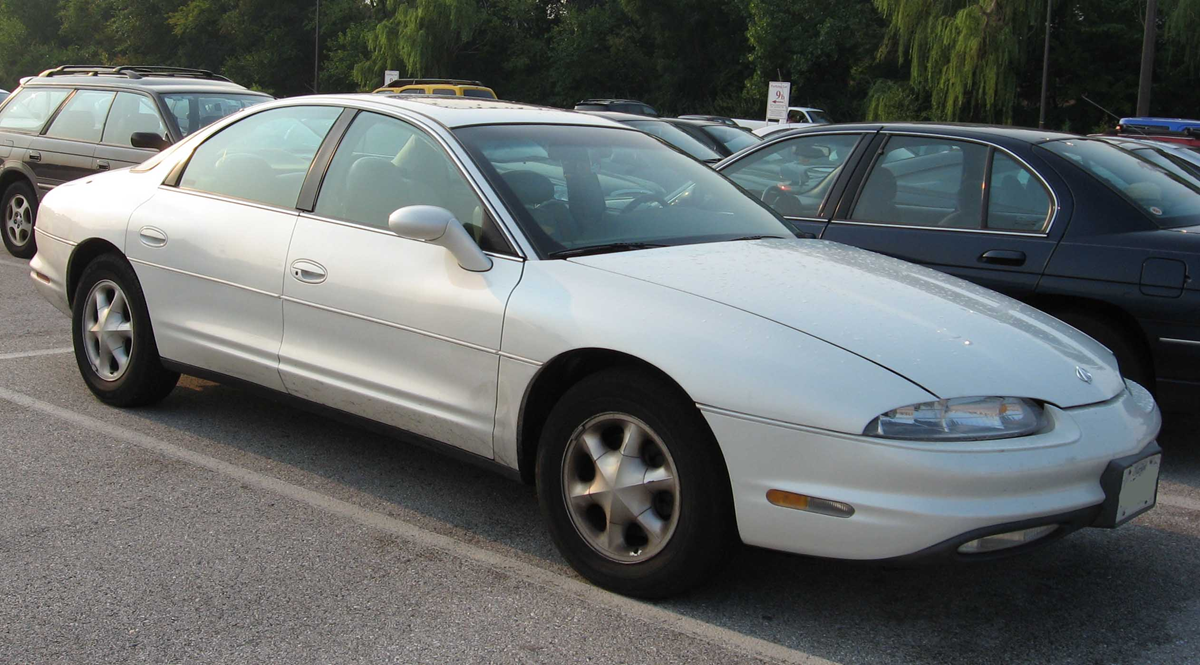
The Aurora was supposed to help Oldsmobile escape its aging image. Its sleek design, advanced engineering, and available V8 engine made it one of the brand’s most ambitious modern cars. Yet GM announced in December 2000 that Oldsmobile would be phased out following years of disappointing financial performance. Aurora production ended in 2003, with the V6 version having already disappeared in 2002. The final 500 examples received special trim and a distinctive Dark Cherry Metallic finish, marking the end of a model that had once represented Oldsmobile’s future.
7. Saab 9-5 (2010–2011, Second Generation)
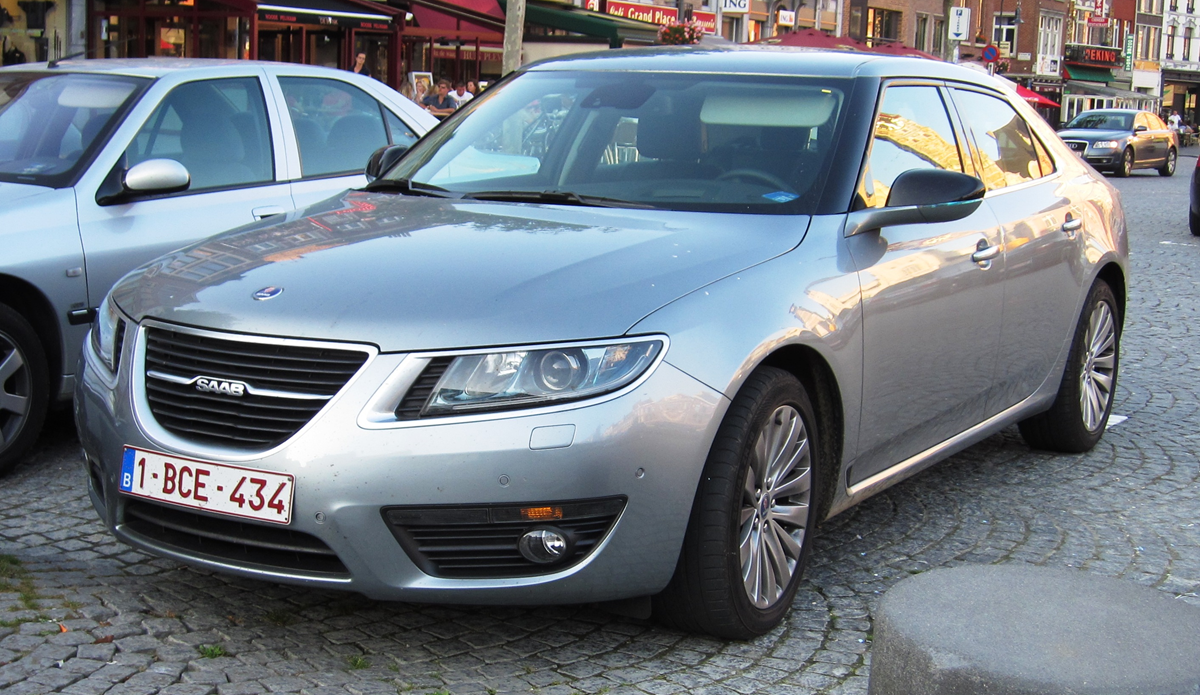
Saab’s redesigned 9-5 arrived at an exceptionally difficult moment for the Swedish automaker. It featured bold styling, modern technology, and a distinctive cockpit influenced by the company’s aviation heritage. But Saab had already passed through a complicated ownership transition after GM decided to sell the brand. Persistent financial problems interrupted production, and Saab Automobile filed for bankruptcy in December 2011. The new 9-5 barely had an opportunity to establish itself before the manufacturer collapsed.
8. Chevrolet Volt (2011–2019)
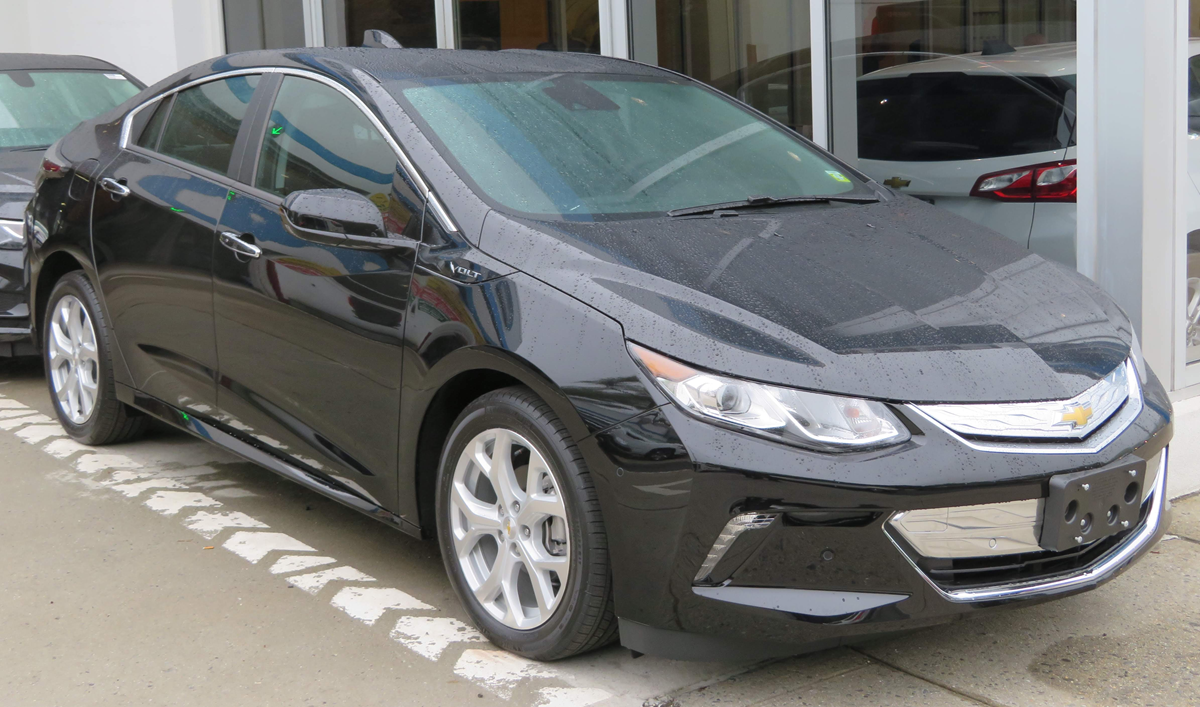
The Chevrolet Volt was one of the first widely available plug-in hybrids in America. Its electric driving capability, backed by a gasoline engine for longer journeys, appealed to drivers who wanted to reduce fuel consumption without relying entirely on charging stations. Yet GM announced in November 2018 that it would discontinue several passenger cars as part of a major cost-cutting and manufacturing restructuring. The Volt’s Detroit-Hamtramck production ended in February 2019, even as the company prepared to invest more heavily in fully electric vehicles. Declining sales also played a part in the decision.
Sign up for our newsletter
9. Ford Fusion (2006–2020)
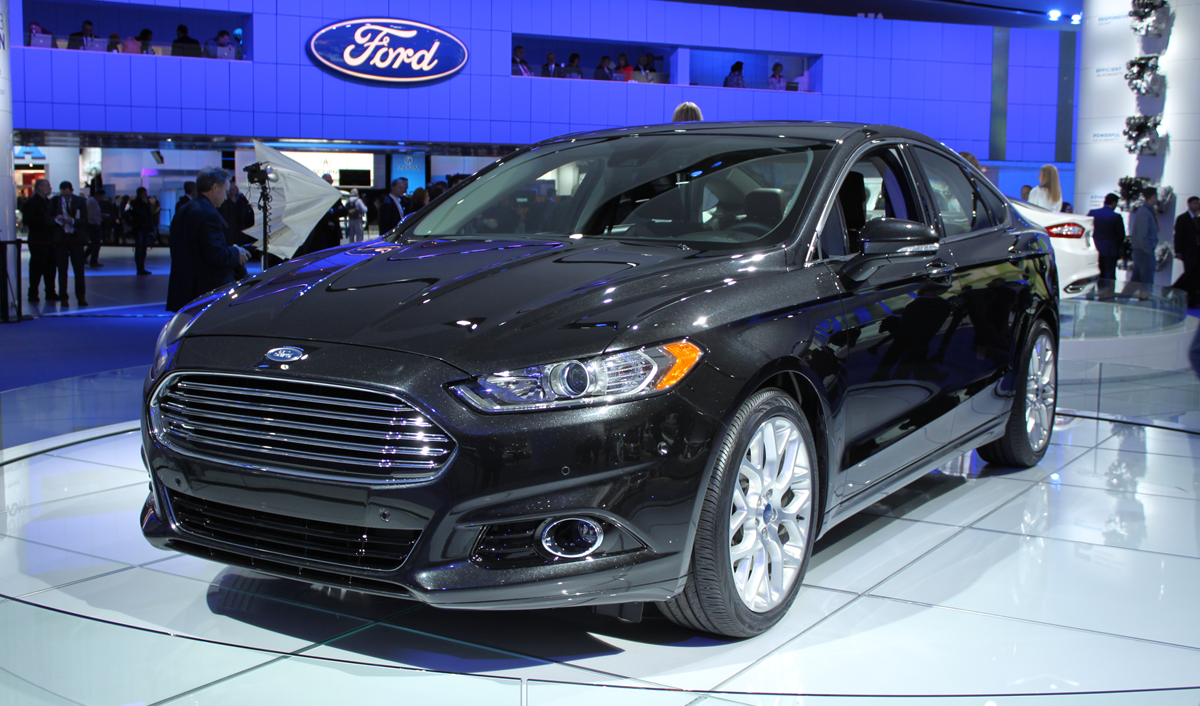
The Ford Fusion was a familiar sight on American roads, offering conventional gasoline engines, hybrid powertrains, and a plug-in hybrid version. It was hardly an obscure experiment. But Ford had decided that its North American future would revolve increasingly around trucks, SUVs, and crossovers. As part of that shift, the company stopped building the Fusion at its Hermosillo, Mexico, factory on July 31, 2020. The car disappeared because Ford was changing its product strategy and directing investment elsewhere.
10. Volkswagen Beetle (1998–2019, Modern Generations)
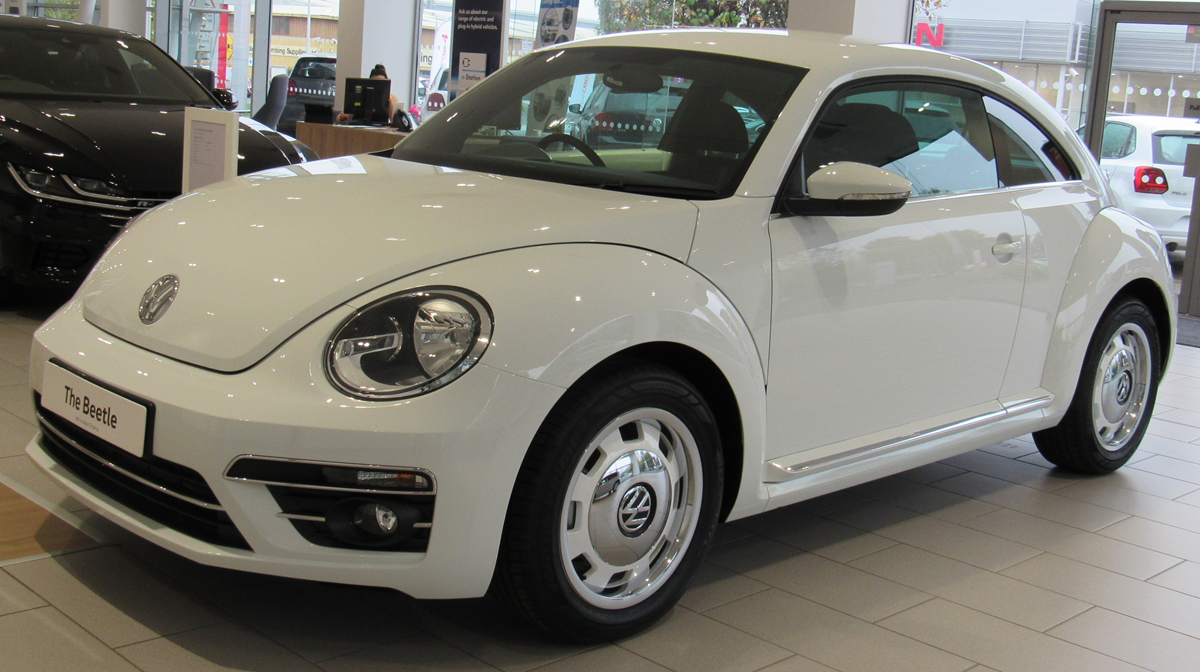
Few cars could be identified from their silhouette as easily as the modern Volkswagen Beetle. Its rounded styling connected the original New Beetle of the late 1990s with the redesigned version introduced for 2012. But Volkswagen’s priorities were moving toward SUVs and electric vehicles, while the Beetle had become a relatively specialized product. The final example left the company’s Puebla, Mexico, factory on July 10, 2019. It was the end of more than two decades of modern Beetle production, not the end of its cultural recognition.
11. Cadillac CT6 (2016–2020, U.S. Market)
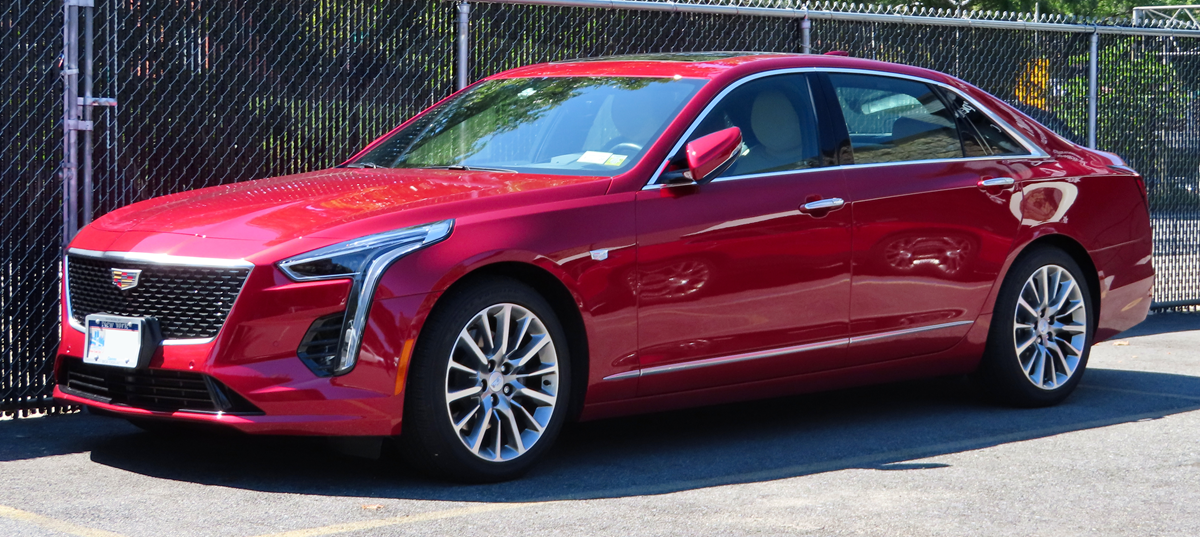
Cadillac invested heavily in the CT6, a large luxury sedan that eventually offered Super Cruise hands-free driving assistance and an available twin-turbocharged Blackwing V8. Despite those features, GM’s 2018 restructuring placed the car’s future in doubt. Its Detroit-Hamtramck factory was eventually repurposed for electric vehicle production, and American CT6 manufacturing ended in early 2020. The model continued in China, where Cadillac maintained a stronger market for large sedans. It was a case of a vehicle surviving in one market while disappearing from another.
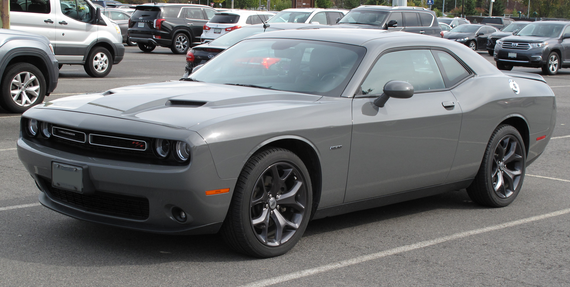
12. Dodge Challenger (2008–2023)
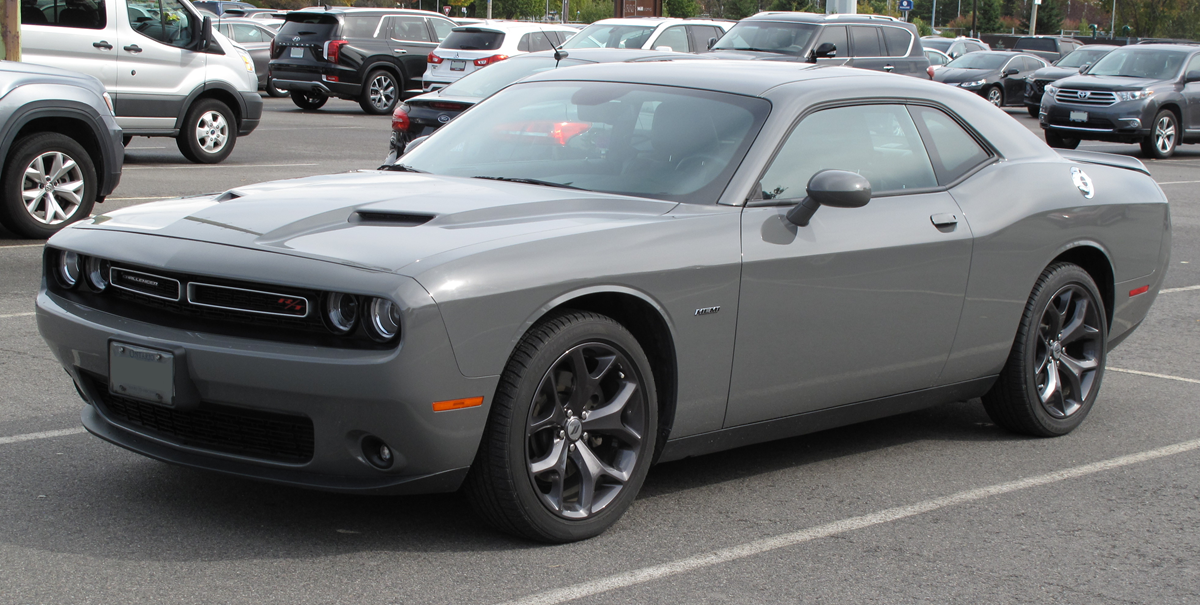
Few modern cars embraced old-school American muscle quite like the Challenger. Its retro proportions, available HEMI V8 engines, and increasingly powerful Hellcat variants helped it attract a devoted following. Yet Dodge was preparing to move toward a new generation of performance vehicles, including electrified models. Challenger production ended in December 2023 as Stellantis reorganized its passenger-car lineup and manufacturing plans. The car’s departure reflected a changing product strategy, not an absence of enthusiasts willing to celebrate its performance.
13. Chrysler 300 (2005–2023)
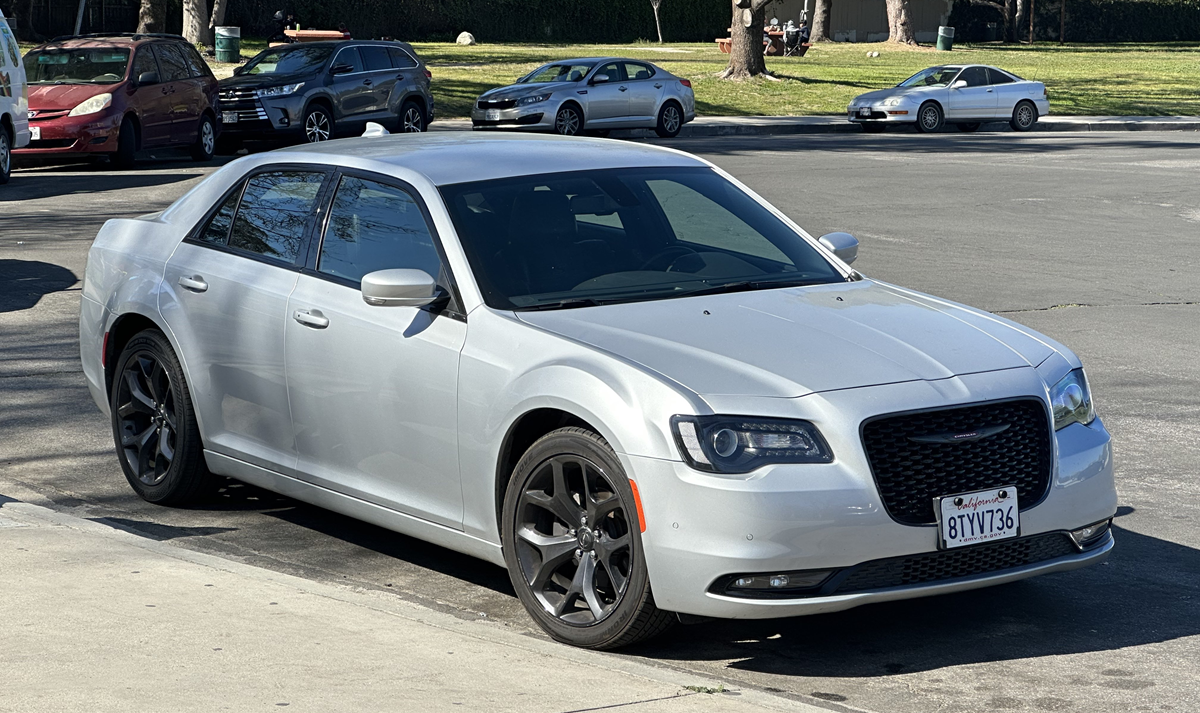
When the modern Chrysler 300 appeared in 2005, its imposing front end and rear-wheel-drive layout made it stand out from the usual family sedans. Some versions offered HEMI V8 engines, giving the car an unmistakably American personality. But its underlying platform was aging, and Stellantis was preparing to overhaul its manufacturing operations and future vehicle lineup. The final 300C rolled off the assembly line in December 2023, with production of the remaining 300 models ending that same month. Chrysler even produced a limited farewell edition with a 6.4-liter V8.
14. Ford Flex (2009–2019)
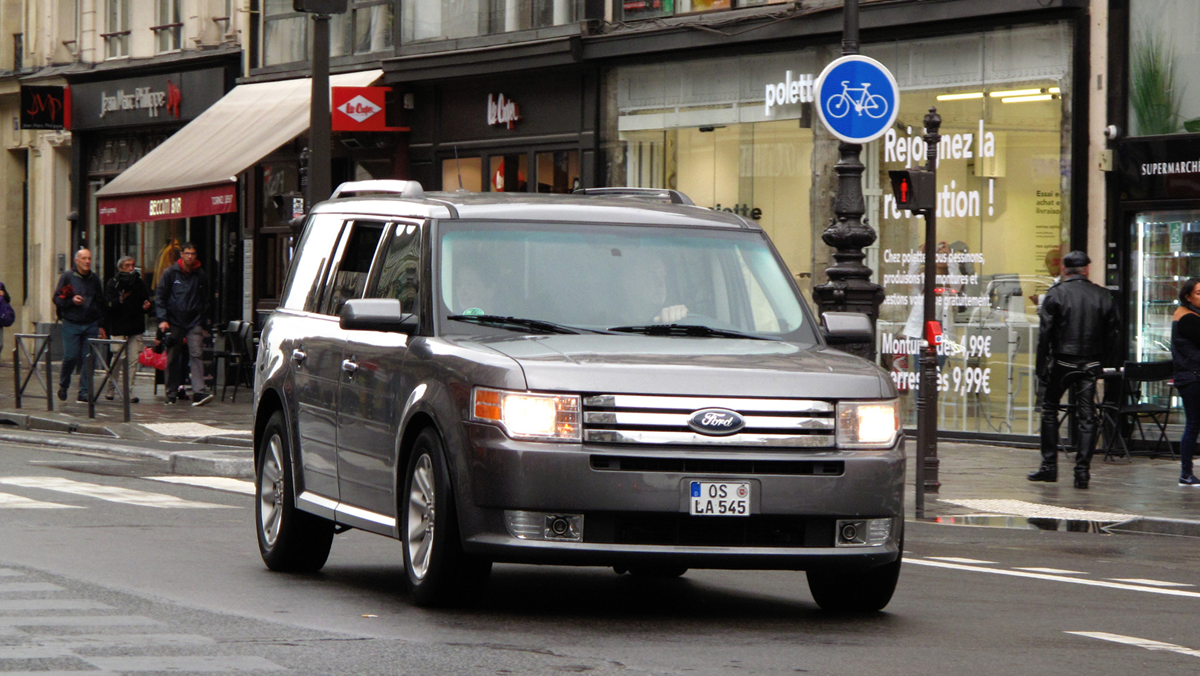
The Ford Flex never looked much like a conventional crossover. Its long, boxy body resembled an oversized station wagon, while its three-row interior offered useful passenger space. Buyers could even choose a twin-turbocharged EcoBoost V6. The problem was finding a long-term place for such an unusual vehicle within Ford’s expanding SUV lineup. With newer models receiving priority and Flex sales comparatively limited, Ford ended production at its Oakville, Ontario, plant in 2019. Its distinctive styling survived for a decade, but not another generation.
15. Buick LaCrosse (2005–2019, U.S. Market)
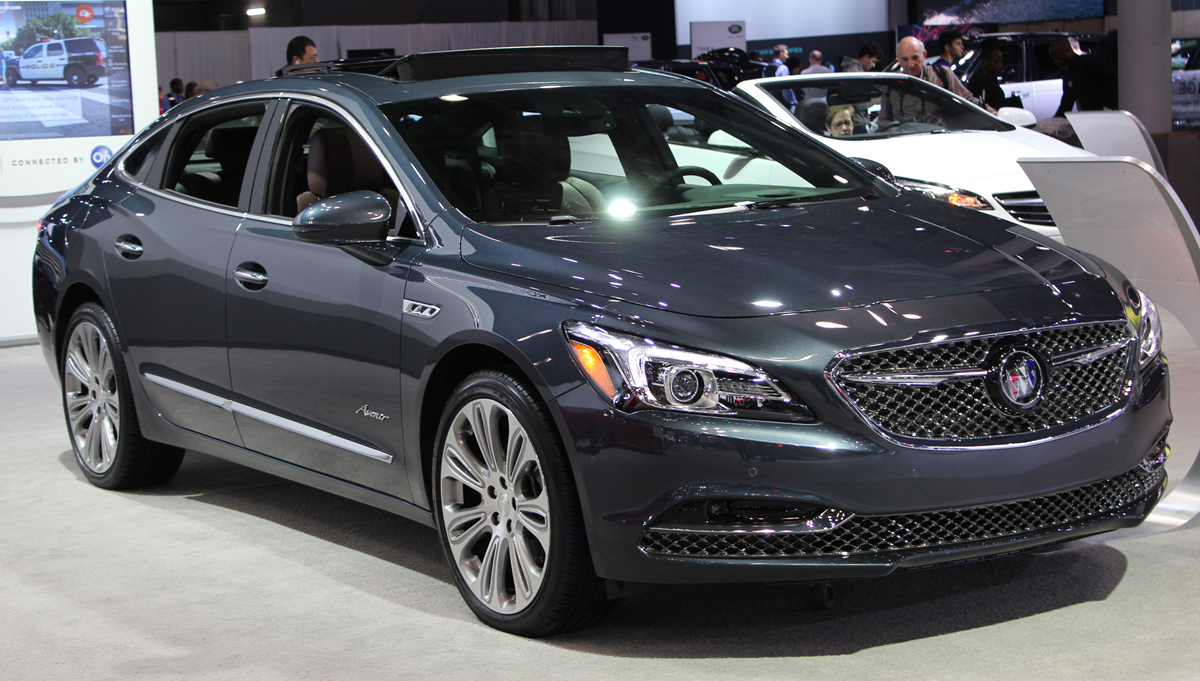
The LaCrosse represented the comfortable, traditional side of Buick, although later generations introduced more contemporary styling and technology. Its third generation arrived for 2017, giving the sedan a fresh appearance only a few years before GM announced another sweeping restructuring. Production at Detroit-Hamtramck ended in 2019 as the automaker reduced its North American sedan lineup and shifted resources toward other vehicles. The LaCrosse continued in China, where Buick’s sedan business remained important. American buyers simply lost access to it as GM reconsidered which products belonged in its domestic showrooms.
In the mood for more?
Check out 17 Extremely Rare Cars That Almost Never Come Up for Sale, or take a look at 15 Classic Cars That Demand Hefty Sums of Cash. If you want to see more automotive history, you can check out 20 Cool Cars from the Nineties.