

A road trip might seem simple: fill the tank, pack the trunk, and hit the highway. But cars have some surprising quirks that can affect everything from fuel costs to safety.
From the hidden meaning of highway numbers to the unexpected effects of roof racks, these 12 facts reveal things even experienced drivers might not know. Some could save money, others could prevent trouble, and a few might make the next long drive more interesting.
1. The tire pressure printed on the tire isn’t the pressure most cars need
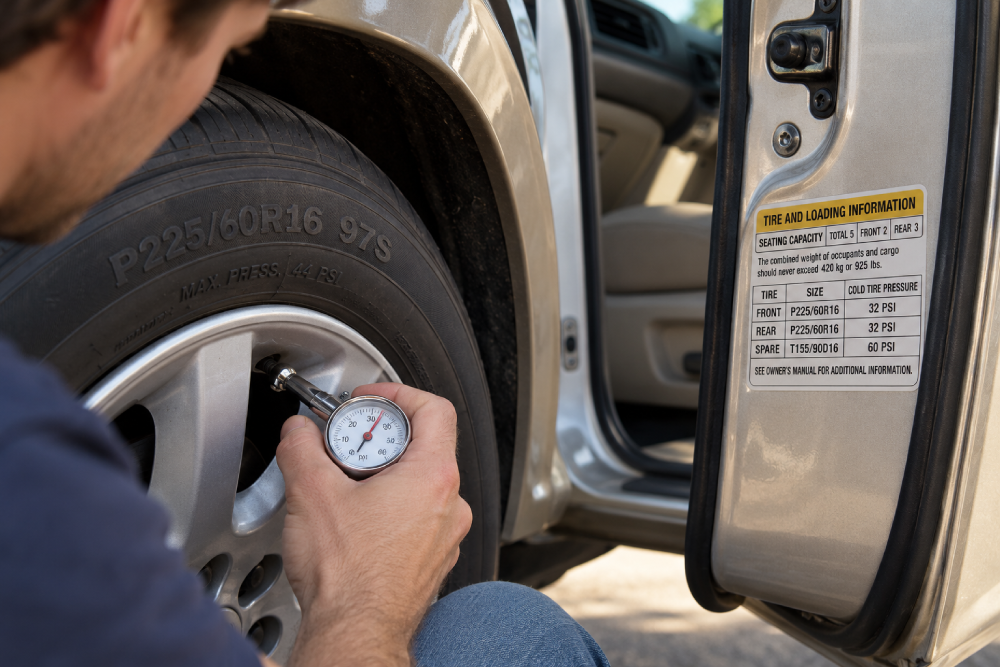
The large pressure number molded into a tire’s sidewall is its maximum permissible inflation pressure, not necessarily the correct pressure for your car. The recommended pressure is usually printed on a sticker inside the driver’s door or listed in the owner’s manual. The National Highway Traffic Safety Administration (NHTSA) recommends checking tires when they’re cold, meaning the vehicle hasn’t been driven for at least three hours, because driving heats the tires and raises their pressure.
2. A roof cargo box can reduce fuel economy by 25%
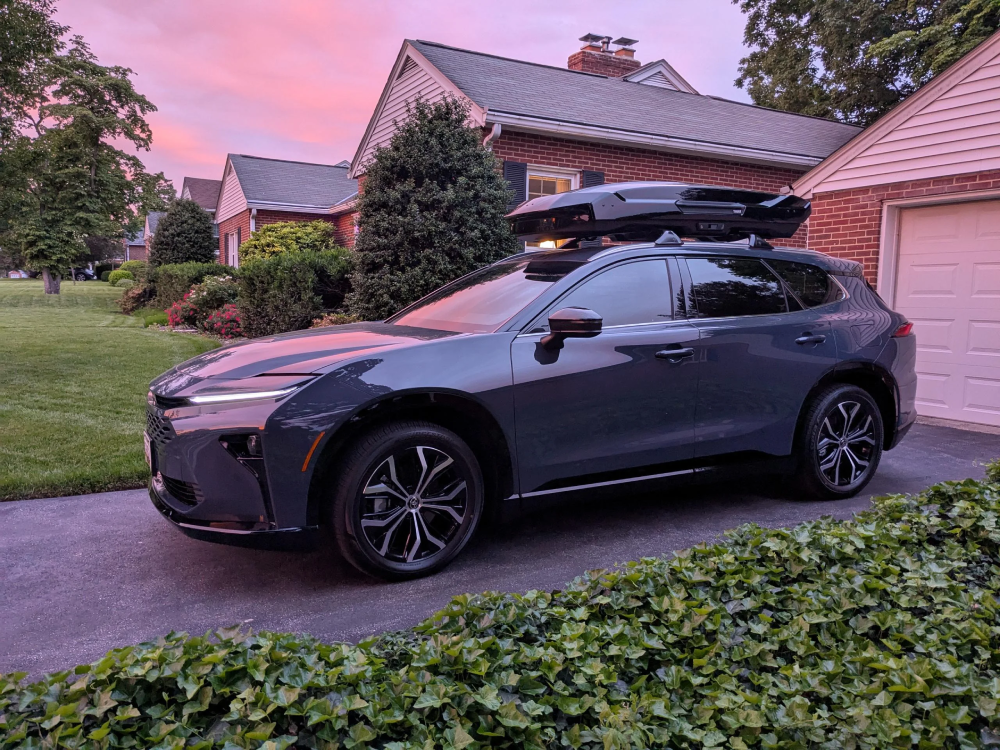
That convenient rooftop carrier can become surprisingly expensive during a long highway drive. According to the U.S. Department of Energy, a large, blunt roof cargo box can reduce fuel economy by 10% to 25% at Interstate speeds of 65 to 75 mph. The problem is aerodynamic drag, which increases as the vehicle moves faster, making an empty roof box worth removing when it isn’t needed.
3. The numbers on interstate highways reveal which direction they run
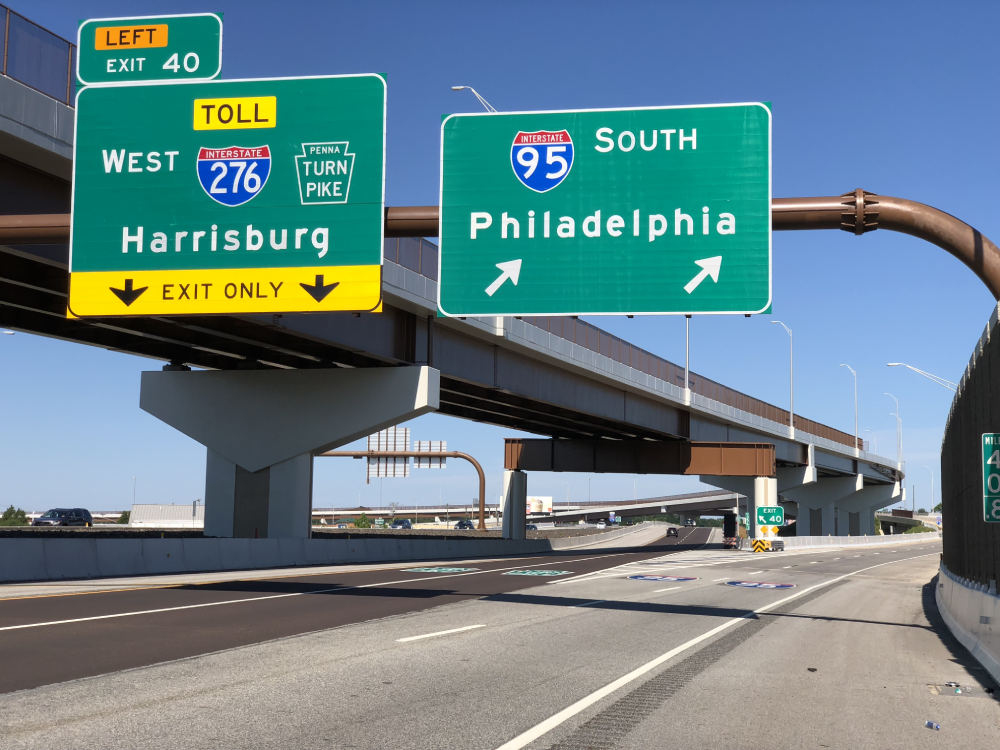
America’s Interstate Highway System follows a numbering pattern that can help drivers navigate without GPS. Major odd-numbered Interstates generally run north to south, while even-numbered ones run east to west. The numbers also follow a geographic pattern: I-5 runs near the West Coast, I-95 follows the East Coast, I-10 crosses the southern United States, and I-90 travels across the northern part of the country.
4. Driving aggressively can waste nearly a third of your gas on the highway
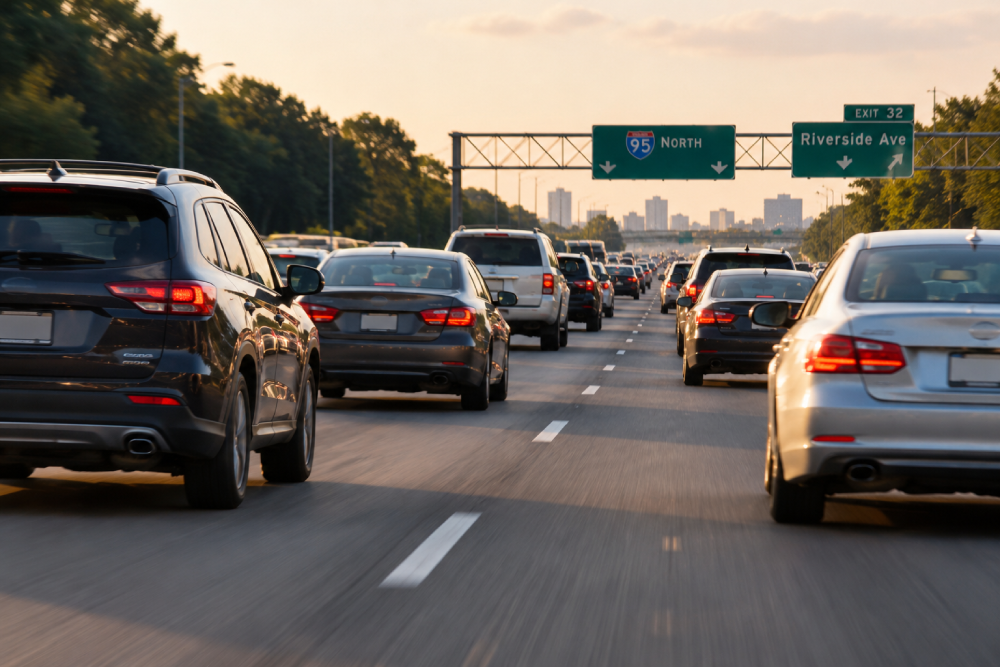
Speeding up quickly, braking hard, and constantly changing speeds aren’t just frustrating for passengers. Department of Energy estimates show that aggressive driving can lower fuel economy by roughly 15% to 30% at highway speeds, depending on driving conditions. Maintaining a steady pace and anticipating traffic can make a meaningful difference over hundreds of miles.
5. A car’s miles-to-empty display is only an estimate
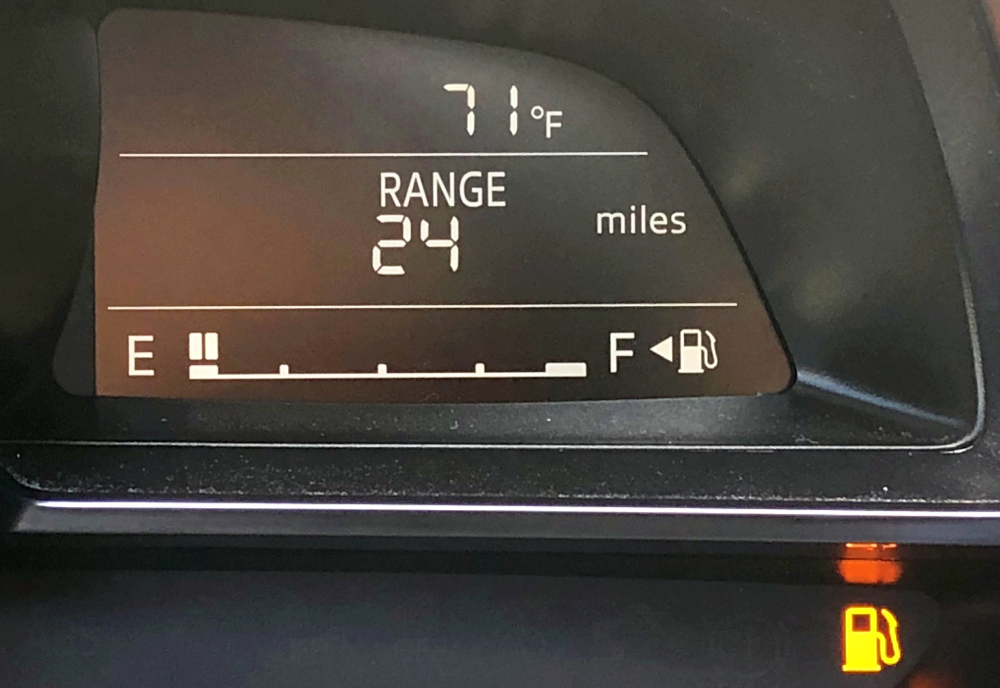
The dashboard might promise another 40 miles of driving, but that number isn’t guaranteed. A 2021 AAA study found that miles-to-empty estimates fluctuated under different driving conditions because the calculations depend partly on recent fuel consumption. AAA recommends refueling when the tank reaches about one-quarter full rather than treating the remaining-range display as an exact prediction.
Trending on The Scroller
6. Tires can become unsafe even when they still look new
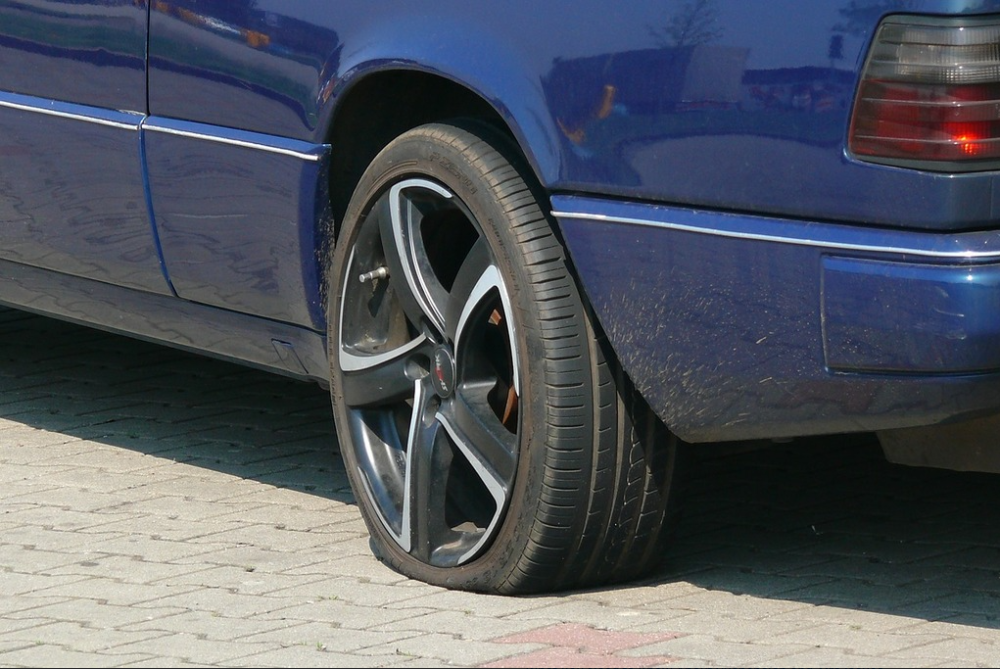
A car that spends most of its time parked can have tires with plenty of tread that are nevertheless aging internally. Rubber and other tire components deteriorate over time, and NHTSA notes that some manufacturers recommend replacement after six to ten years regardless of treadwear. The last four digits of a tire’s DOT identification number reveal its manufacturing week and year, making it possible to check its age before a long trip.
7. Cars can burn half a gallon of gas an hour without moving
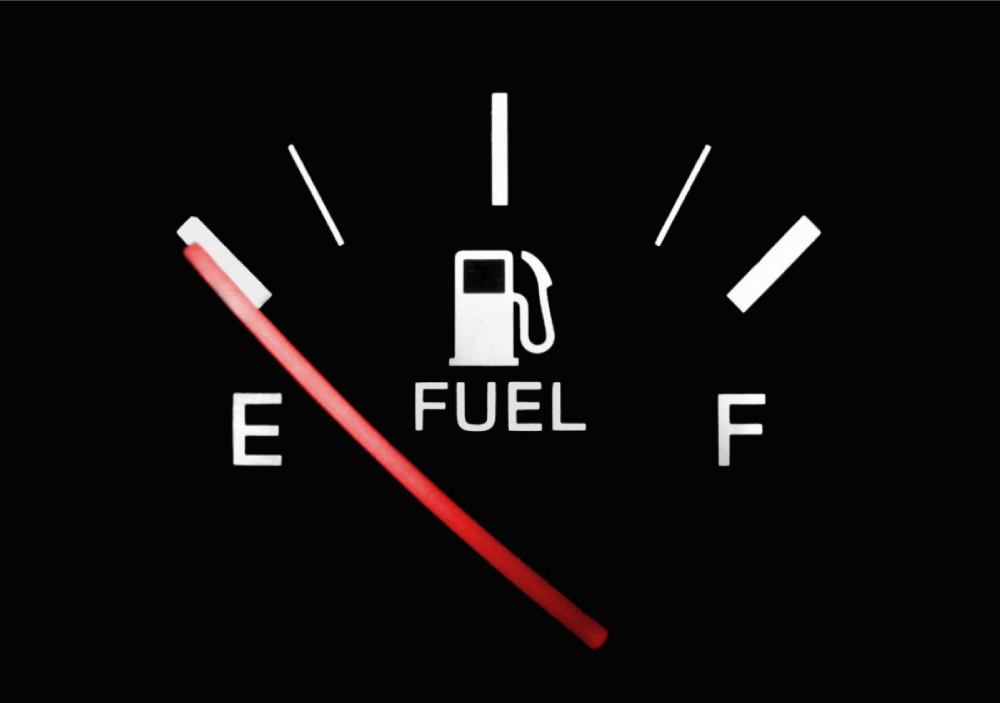
Leaving the engine running during a long roadside stop isn’t free, even if the car never moves an inch. The U.S. Department of Energy estimates that idling can consume roughly one-quarter to one-half gallon of fuel per hour, depending on engine size and air conditioner use. For travelers who make frequent lengthy stops, switching off the engine when safely parked can reduce unnecessary fuel consumption.
8. Electric cars can recover energy every time they slow down
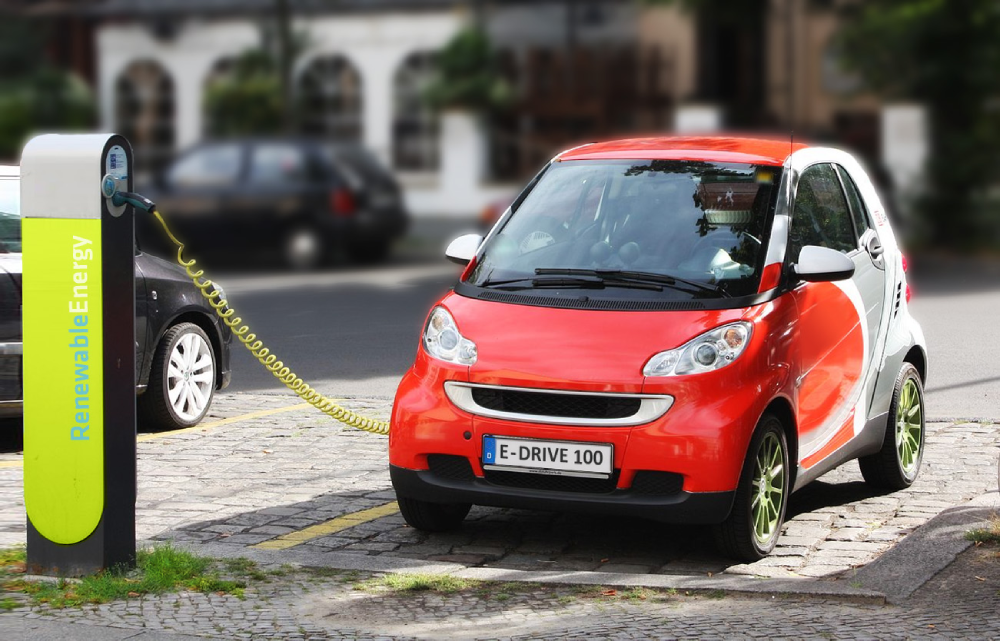
Unlike conventional cars, which generally turn braking energy into heat, electric vehicles can recover some of that energy through regenerative braking. The electric motor works as a generator during deceleration, sending energy back to the battery instead of wasting all of it. This also reduces wear on conventional friction brakes, meaning electric vehicles can require less brake maintenance than gasoline-powered cars.
Sign up for our newsletter
9. A car’s interior can heat up almost 20 degrees in just 10 minutes
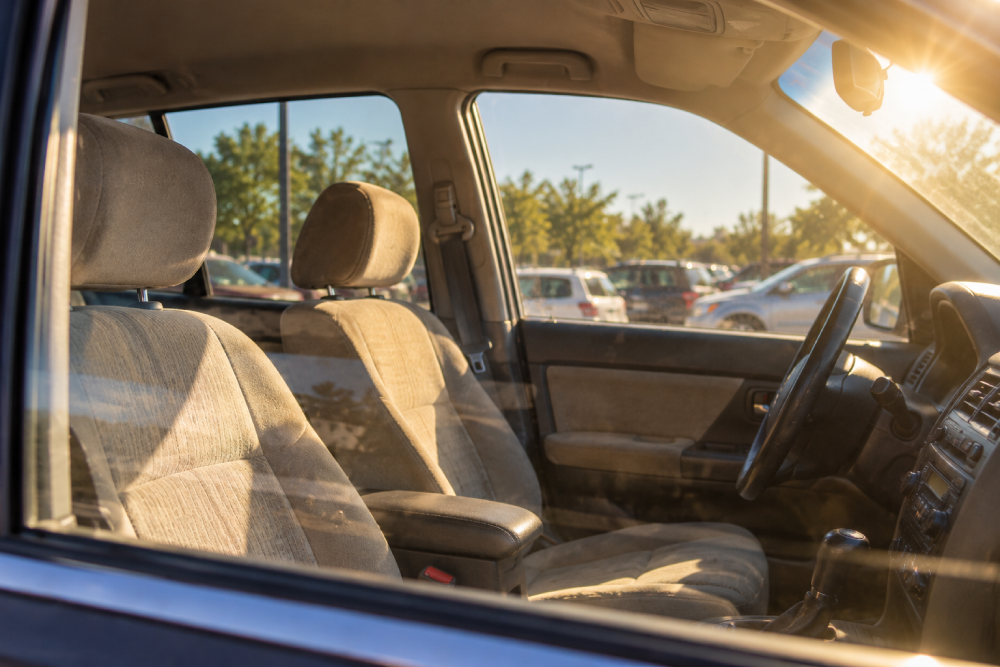
A parked vehicle can become dangerously hot much faster than many people realize. NHTSA reports that interior temperatures can rise nearly 20 degrees Fahrenheit within the first ten minutes, even when the weather outside feels relatively mild. Cracking the windows provides little protection, which is why children and pets should never be left alone in parked vehicles.
10. Just one foot of moving water can carry away a car
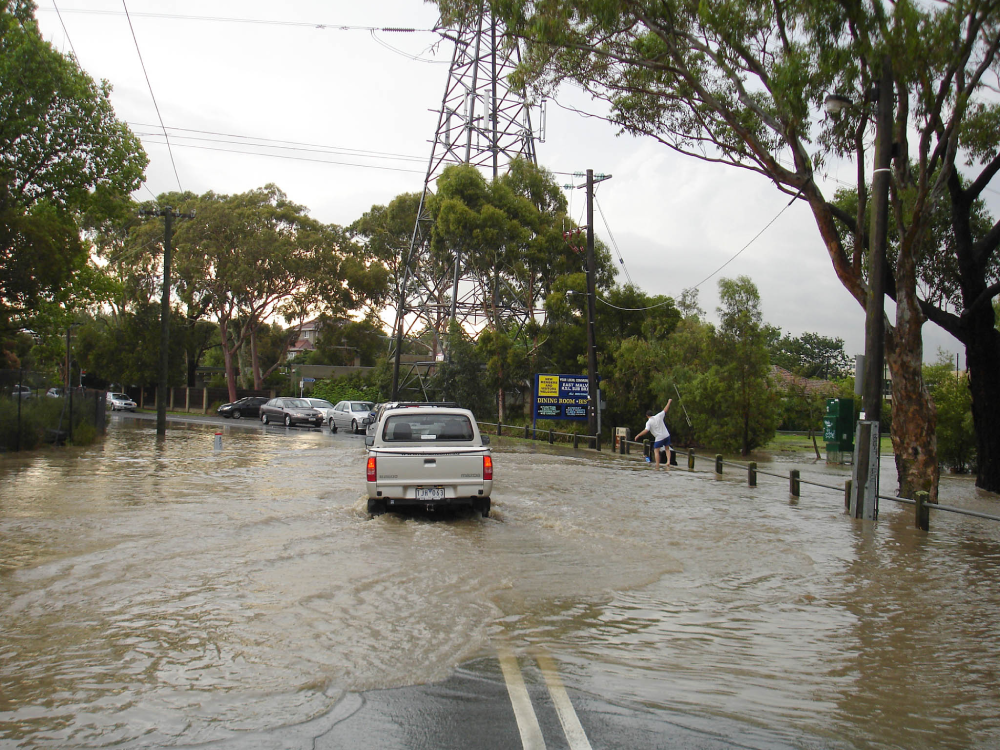
A flooded road can appear shallow enough to cross, but the water’s force may be far greater than expected. The National Weather Service warns that just 12 inches of rushing water can carry away most cars, while two feet can sweep away SUVs and trucks. The water can also conceal damaged pavement or a completely washed-out road, making turning around the safest option.
11. Cars usually become less fuel-efficient above 50 MPH
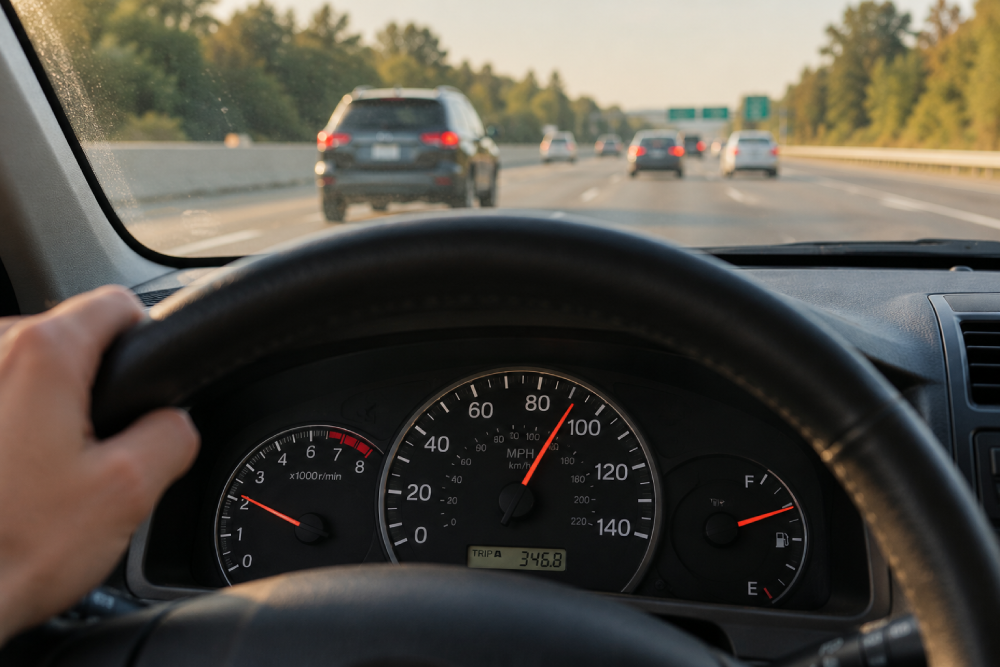
Getting to your destination faster can mean stopping for fuel more often. According to the Department of Energy, gasoline vehicles generally experience a rapid decline in fuel economy at speeds above 50 mph, although the most efficient speed varies by model. Increased aerodynamic resistance is a major reason that cruising at 75 or 80 mph can consume considerably more gasoline than traveling at a moderate speed.
12. Backseat passengers need seat belts just as much as front-seat passengers

The backseat can feel like a safer place to relax during a long drive, but riding without a seat belt remains extremely dangerous. NHTSA reports that nearly 60% of backseat passengers killed in crashes during 2024 were unbuckled, among cases where belt use was known. Unrestrained passengers can also become dangerous projectiles during a collision, putting other people inside the vehicle at risk.
In the mood for more car stories?
A little knowledge about how cars work can make a road trip safer, cheaper, and less stressful. From checking the age of the tires to understanding how driving habits affect fuel consumption, small details can make a surprisingly big difference. If you want more interesting facts about cars, be sure to check out these 16 Rare Vintage Cars With Bizarre Features or these 16 Classic Cars With Peak 1950s Tail Fins. You can also explore these 14 Bold Design Ideas From 1950s Cars.



 at Exit 40 (Interstate 276 WEST-Pennsylvania Turnpike, Harrisburg) in Bristol Township, Bucks County, Pennsylvania.jpg - Wikimedia Commons)